

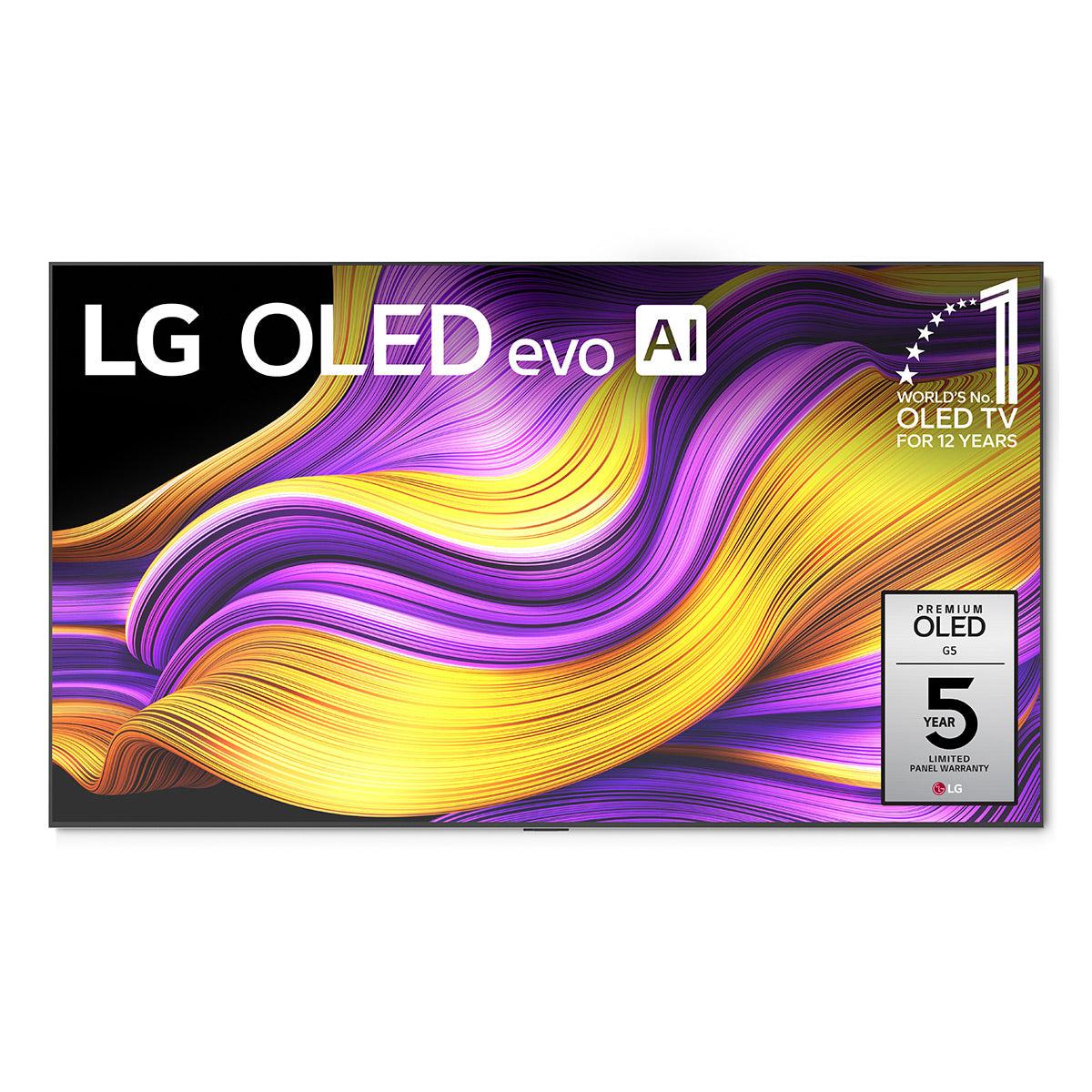
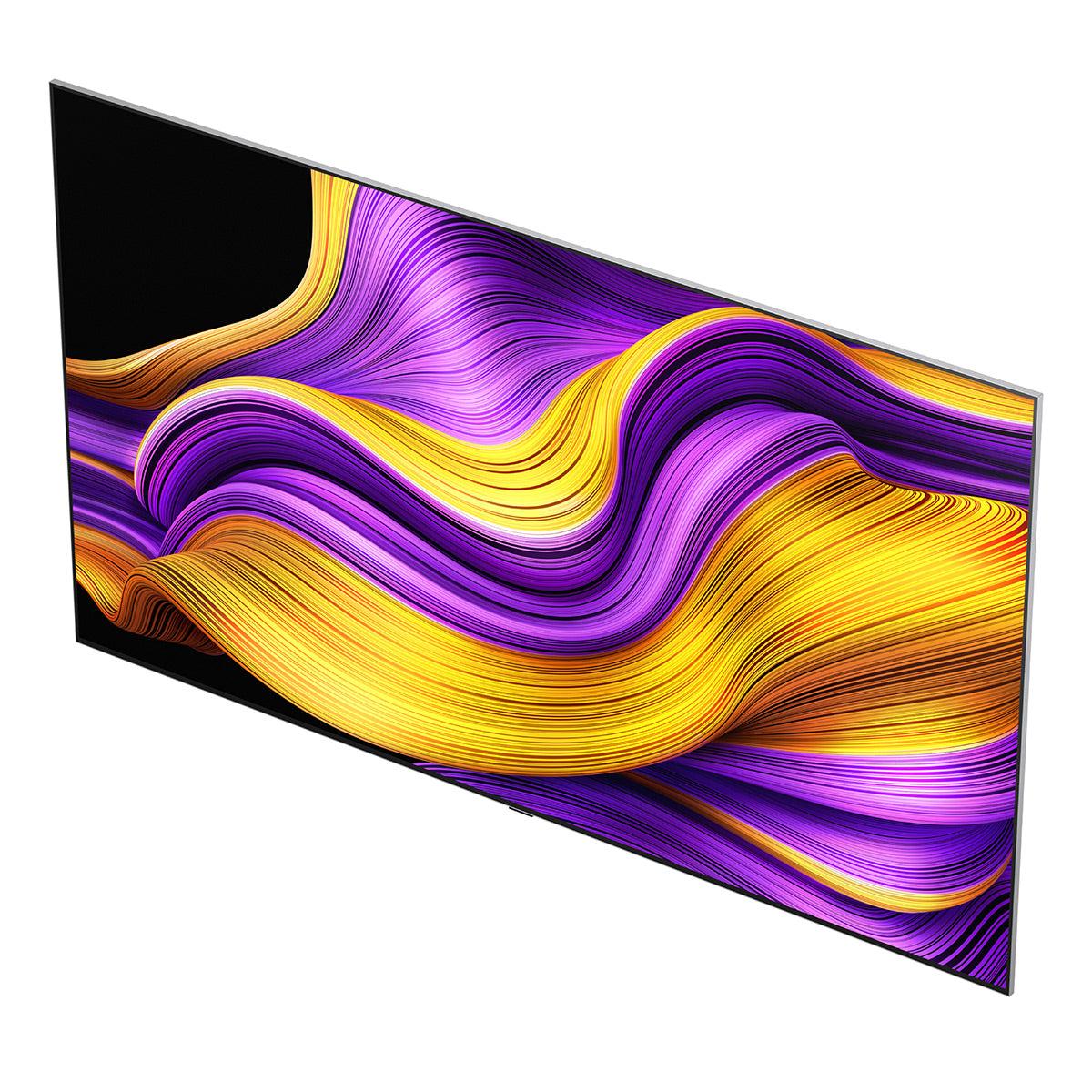
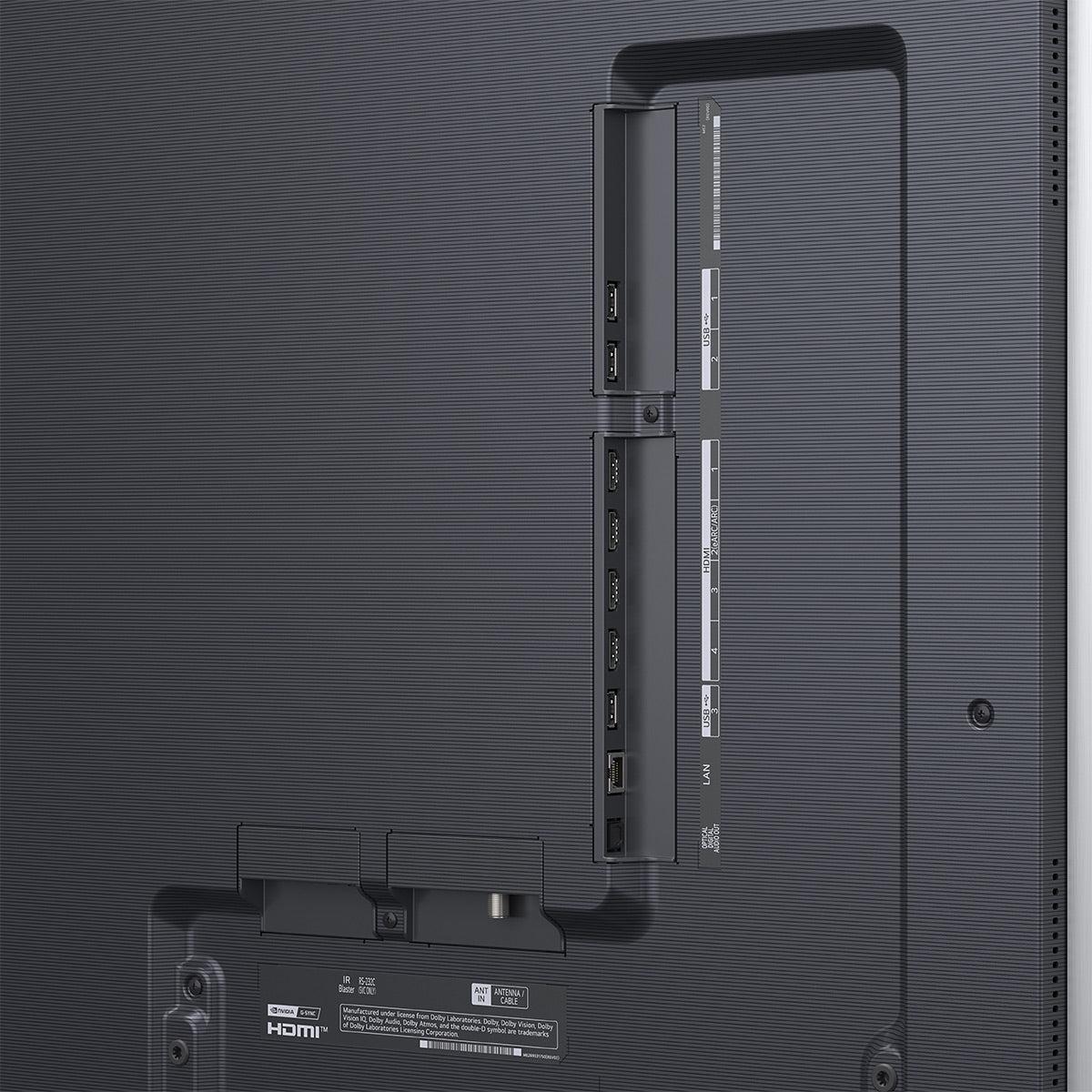




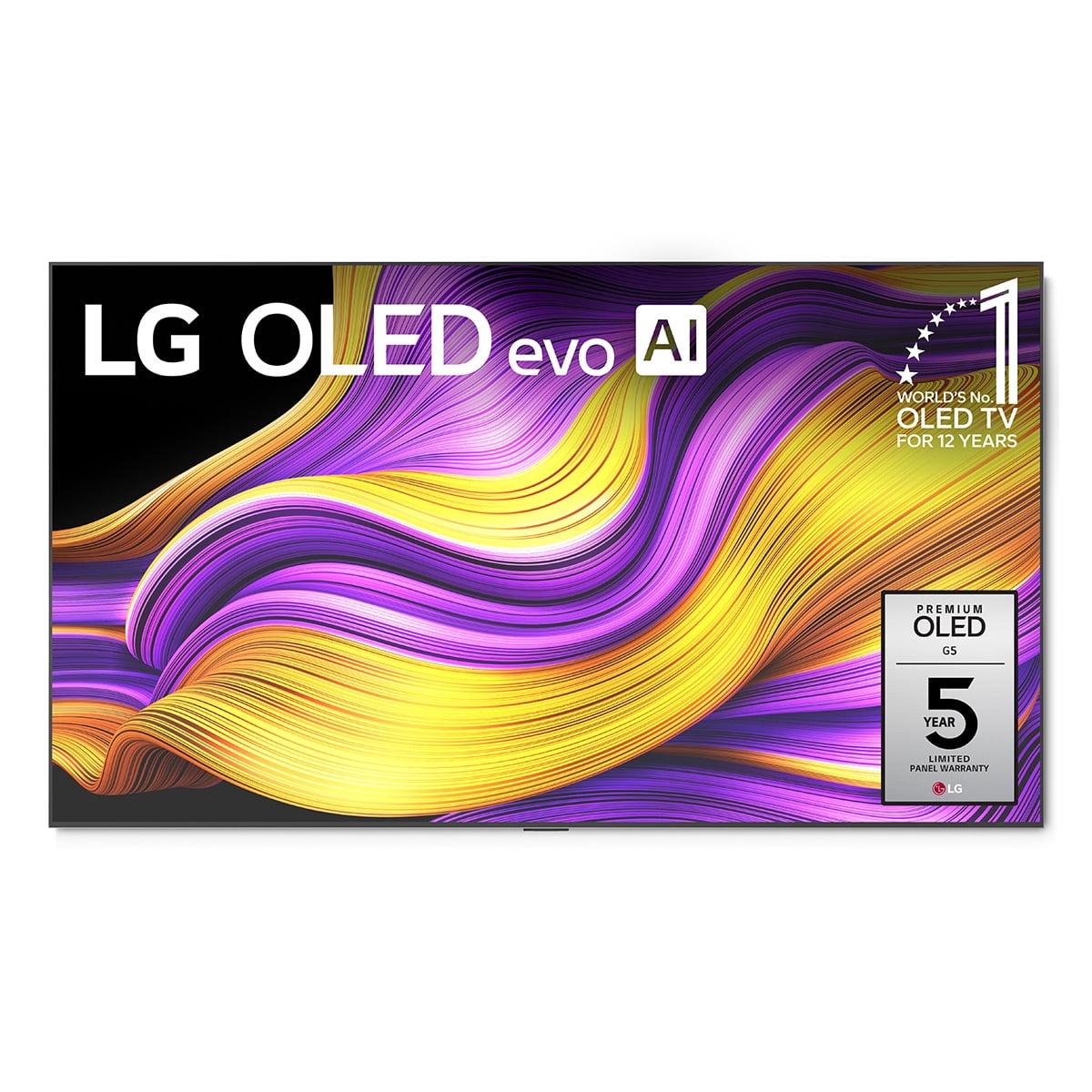
Shopping for a new 65-inch 4K TV can feel overwhelming, especially when you're comparing two completely different technologies. The LG OLED evo G5 65" 4K Smart TV 2025 at $3,196.99 represents the latest in premium OLED technology, while the TCL 65" QM8 Mini-LED Smart TV at $899.99 delivers flagship performance at a fraction of the cost. But which one is right for your living room?
I've spent considerable time with both display technologies, and the truth is that each approach has distinct advantages. The choice between them comes down to your viewing environment, budget, and what you prioritize most in your TV experience. Let me break down everything you need to know to make the right decision.
Before diving into specifics, it's helpful to understand what makes these TVs tick. The LG OLED evo G5 uses OLED (Organic Light-Emitting Diode) technology, where each pixel creates its own light. Think of it like having 8.3 million tiny light bulbs that can turn completely on or off independently. This creates perfect blacks because pixels can shut off entirely, and infinite contrast because bright pixels can sit right next to completely black ones.
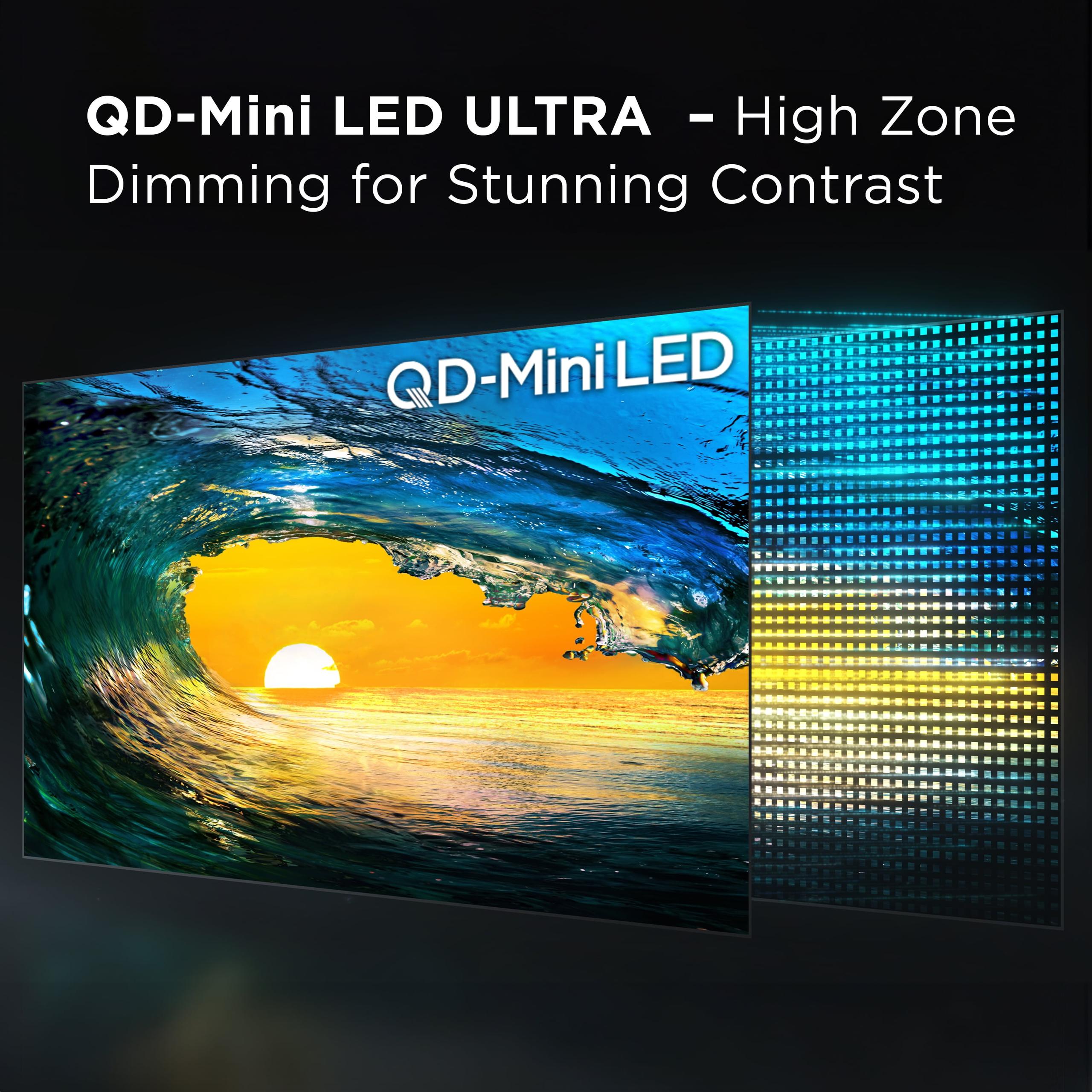
The TCL QM8 uses Mini-LED technology, which is essentially a supercharged version of traditional LED backlighting. Instead of having a few dozen LED zones behind the screen, Mini-LED uses thousands of tiny LEDs with local dimming zones that can brighten or dim independently. The TCL QM8 has up to 5,000 local dimming zones, which means it can create much better contrast than regular LED TVs, though it still can't match OLED's pixel-perfect control.

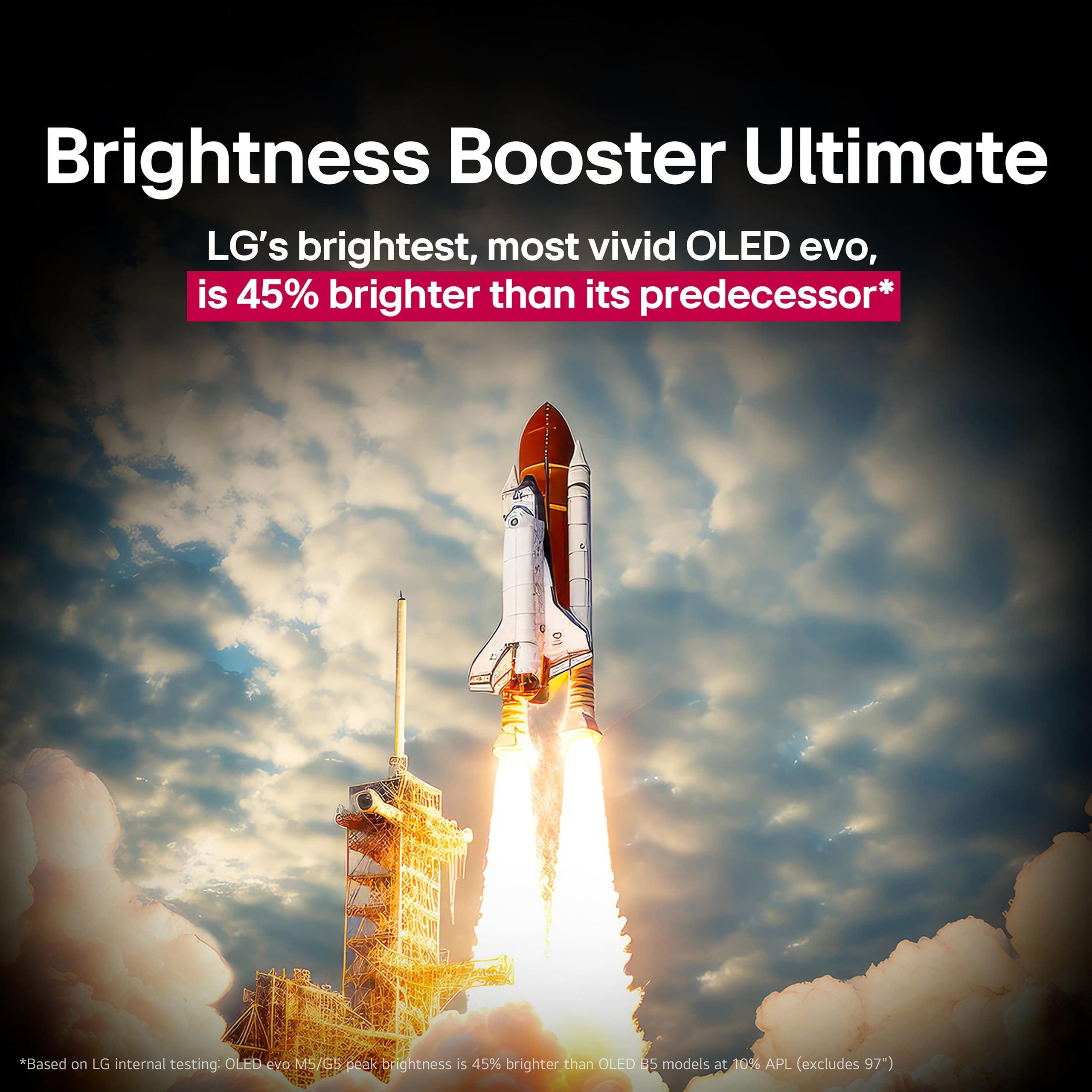
The LG OLED evo G5 launched in early 2025 as LG's flagship model, introducing a revolutionary 4-stack Tandem RGB OLED panel. This represents a massive leap forward from previous OLED generations. Where the 2024 G4 model used micro lens array (MLA) technology to boost brightness, the G5 completely redesigns the panel structure with four layers of OLED material instead of the traditional single layer. This innovation delivers up to 45% more brightness than its predecessor while maintaining perfect blacks.
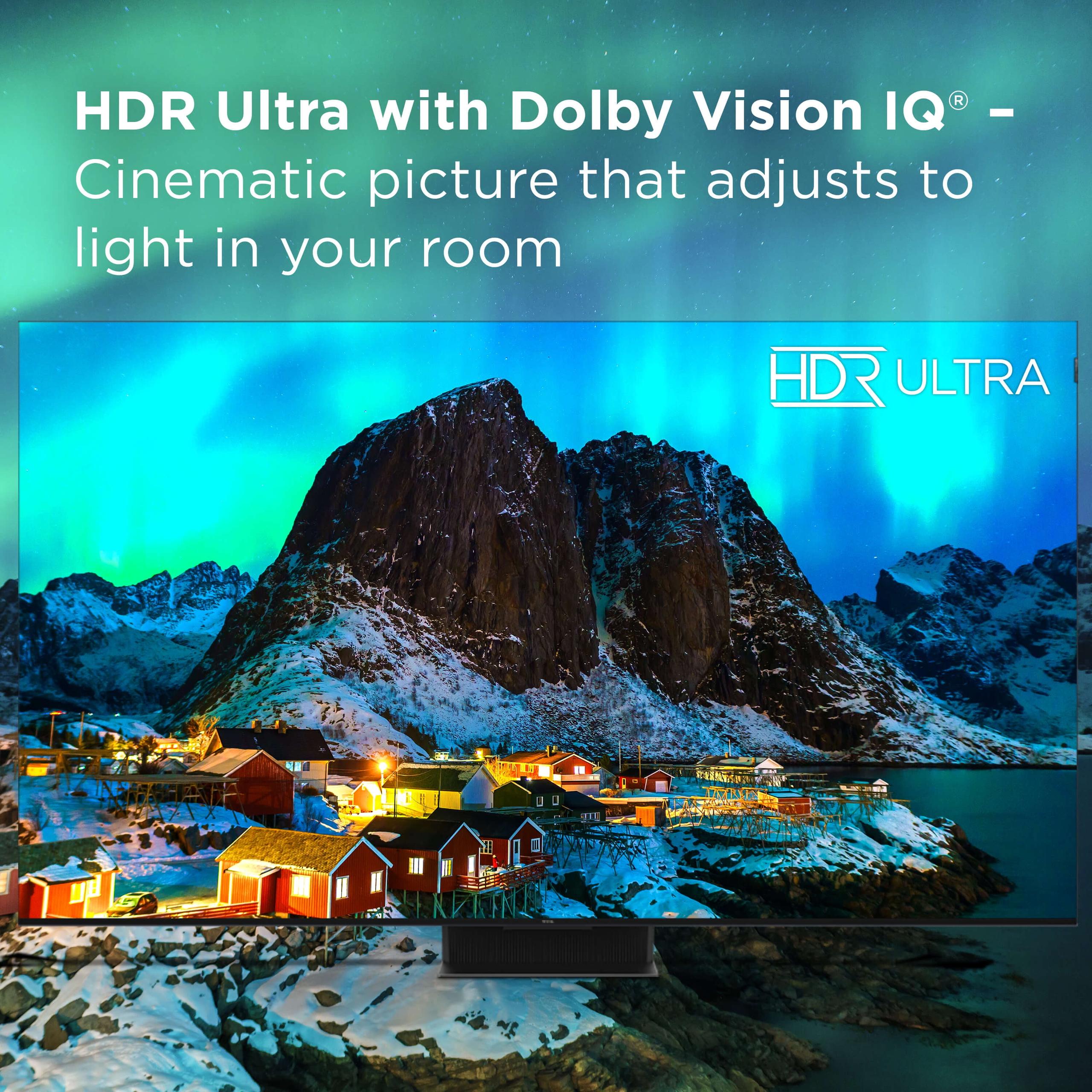
The TCL QM8, released in late 2024 for the 2025 model year, builds on TCL's expertise in Mini-LED technology. It features their latest QD-Mini LED ULTRA system with quantum dot enhancement, capable of producing over 3,000 nits of peak brightness. This puts it in the same brightness league as TVs costing twice as much.
What's particularly impressive is how quickly both technologies have evolved. Just three years ago, OLED TVs were criticized for being too dim for bright rooms, while Mini-LED was plagued by blooming issues. These 2025 models largely solve those historical problems.
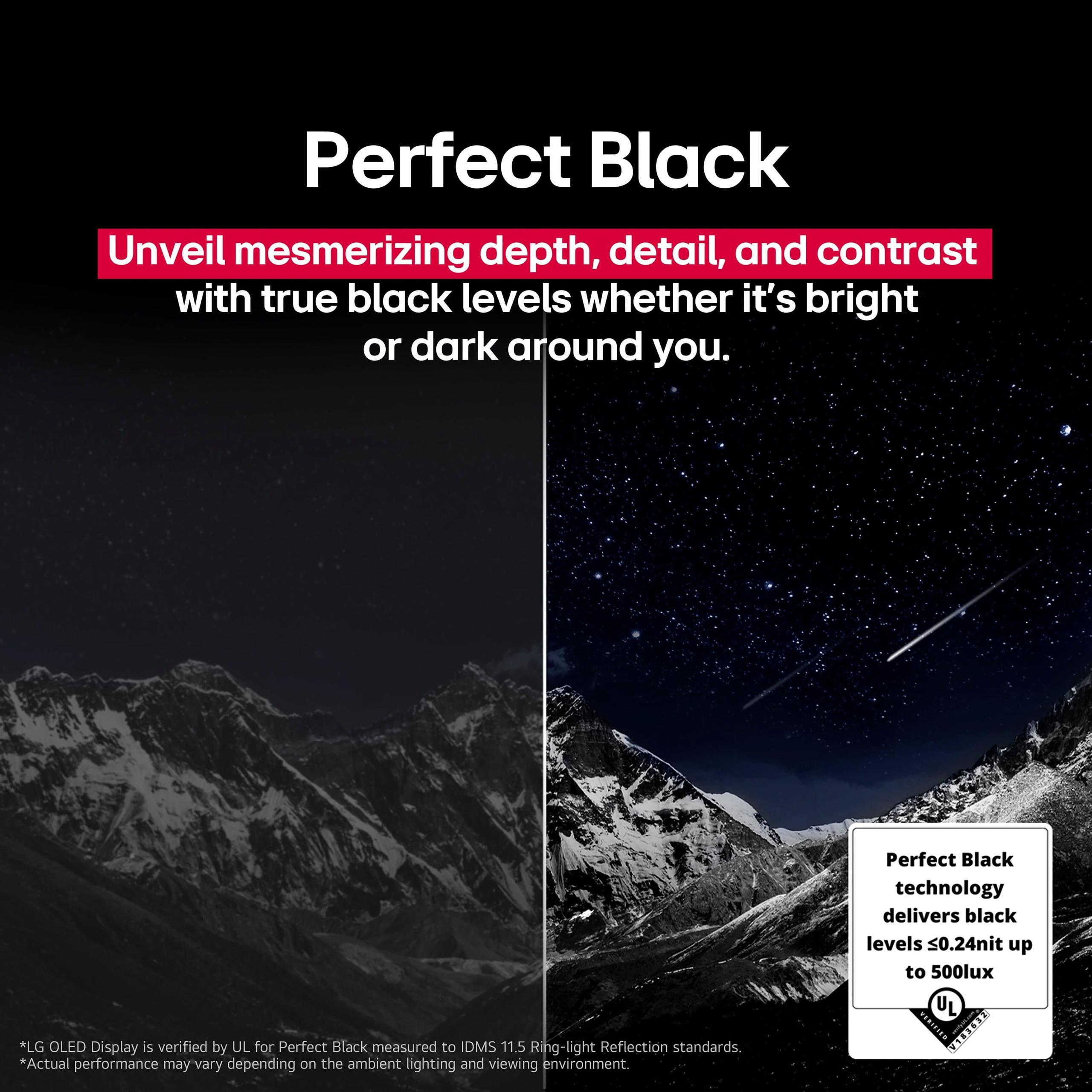
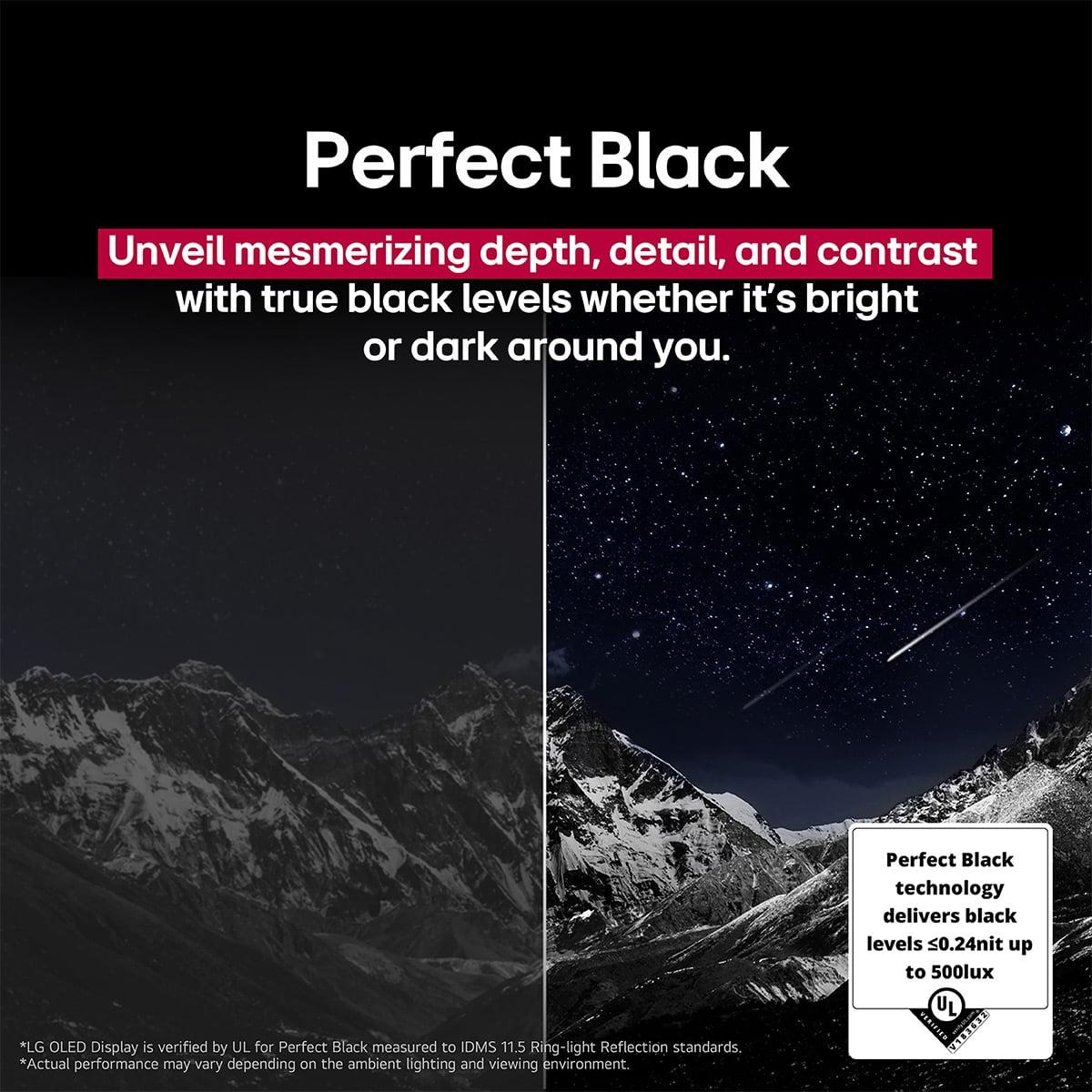
Here's where the fundamental difference between these technologies becomes crystal clear. The LG OLED evo G5 delivers what I consider the gold standard for black levels. When a pixel needs to be black, it simply turns off completely. No light leaks through, no grayish tint, just pure black. This creates an infinite contrast ratio that makes dark scenes in movies look incredibly realistic.
The TCL QM8 can't match this perfection, but it comes surprisingly close. Its 5,000 local dimming zones mean that dark areas of the screen can dim significantly while bright areas stay bright. However, you'll occasionally notice some blooming – a subtle halo effect around bright objects against dark backgrounds. In practice, this is most noticeable when watching credits roll over a black background or in very dark movie scenes.
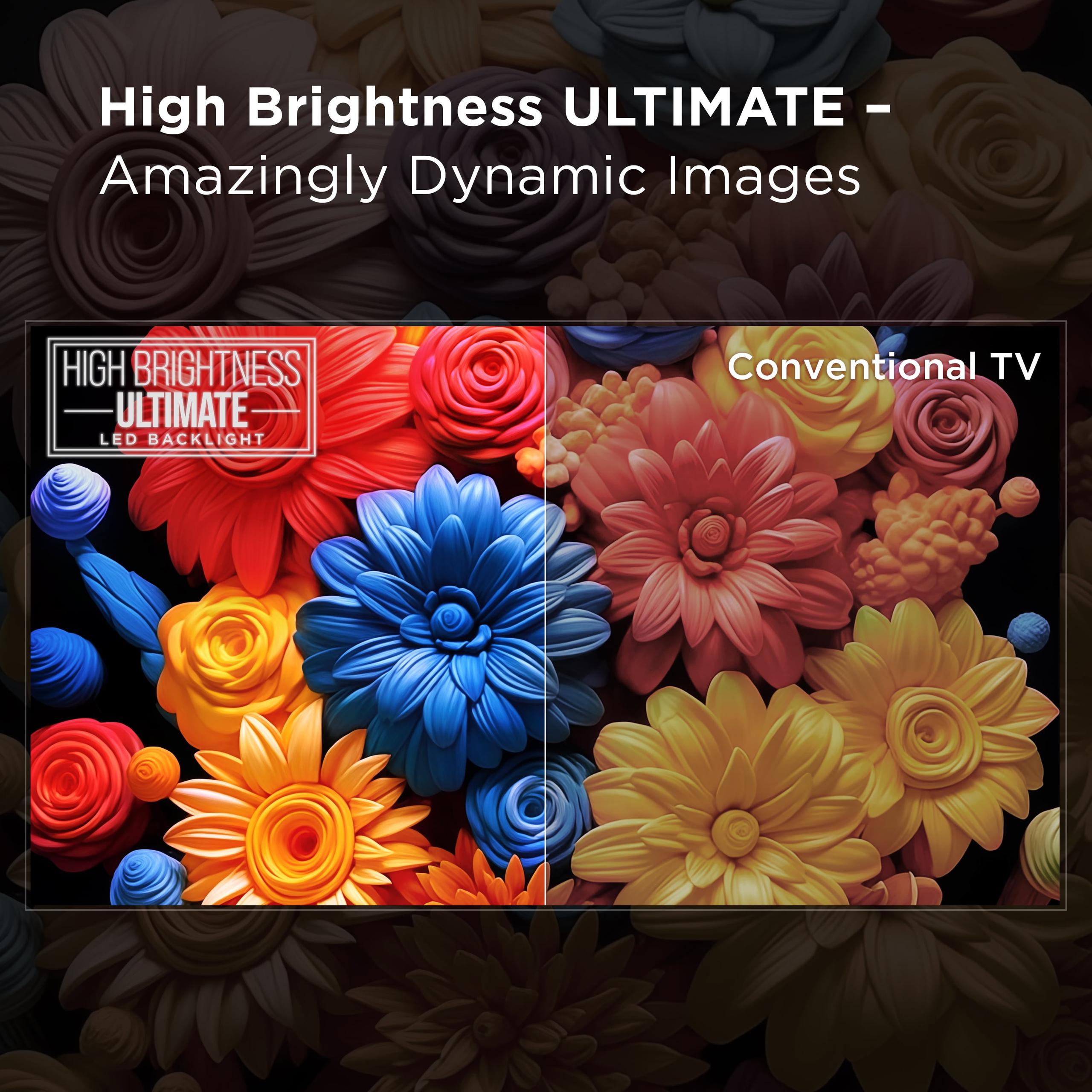
This is where the tables turn dramatically. The TCL QM8 can reach over 3,000 nits of peak brightness, which is absolutely stunning for HDR content. When you're watching a scene with the sun reflecting off water or an explosion in an action movie, the TCL's brightness makes these highlights pop with incredible impact. It's the kind of brightness that makes you squint – in a good way.
The LG G5, while much brighter than previous OLEDs, tops out at significantly lower peak brightness. However, LG's new 4-stack panel technology narrows this gap considerably. The G5 is bright enough for most bright rooms and delivers excellent HDR performance, just not with the same eye-searing intensity as the TCL.
In my experience, the TCL's extreme brightness advantage is most apparent during daytime viewing. If your TV faces windows or you often watch during the day, the TCL's brightness superiority becomes a significant practical advantage.

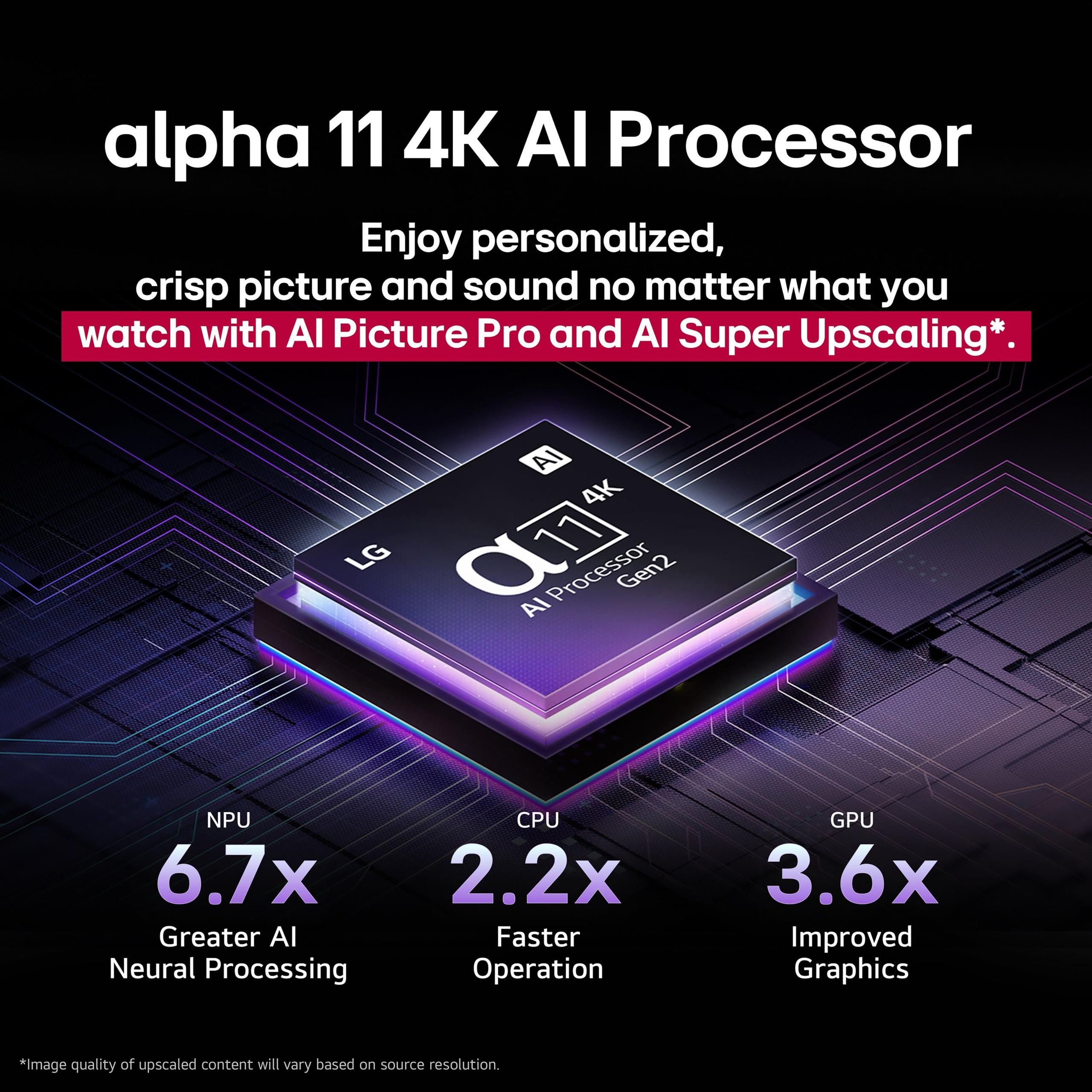
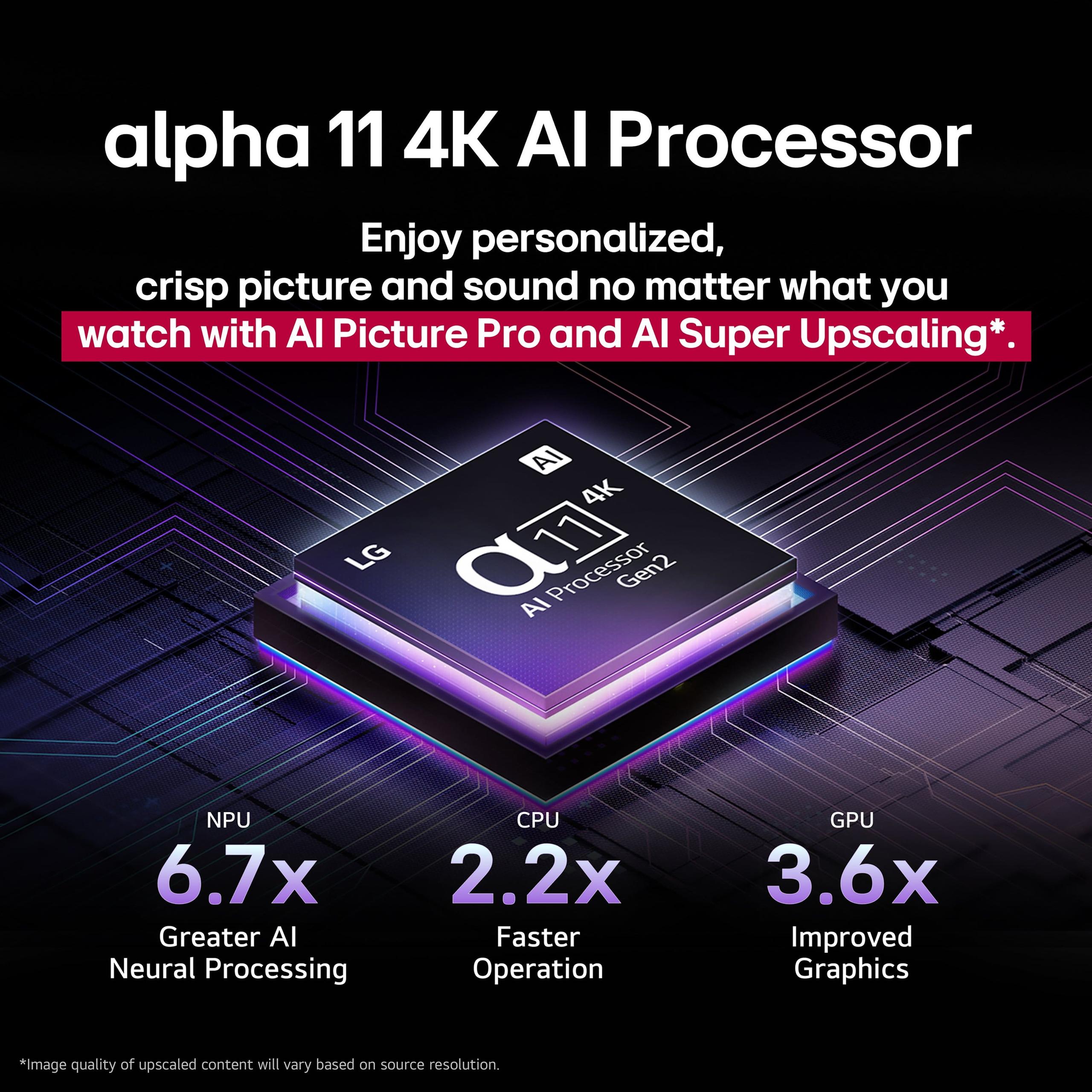
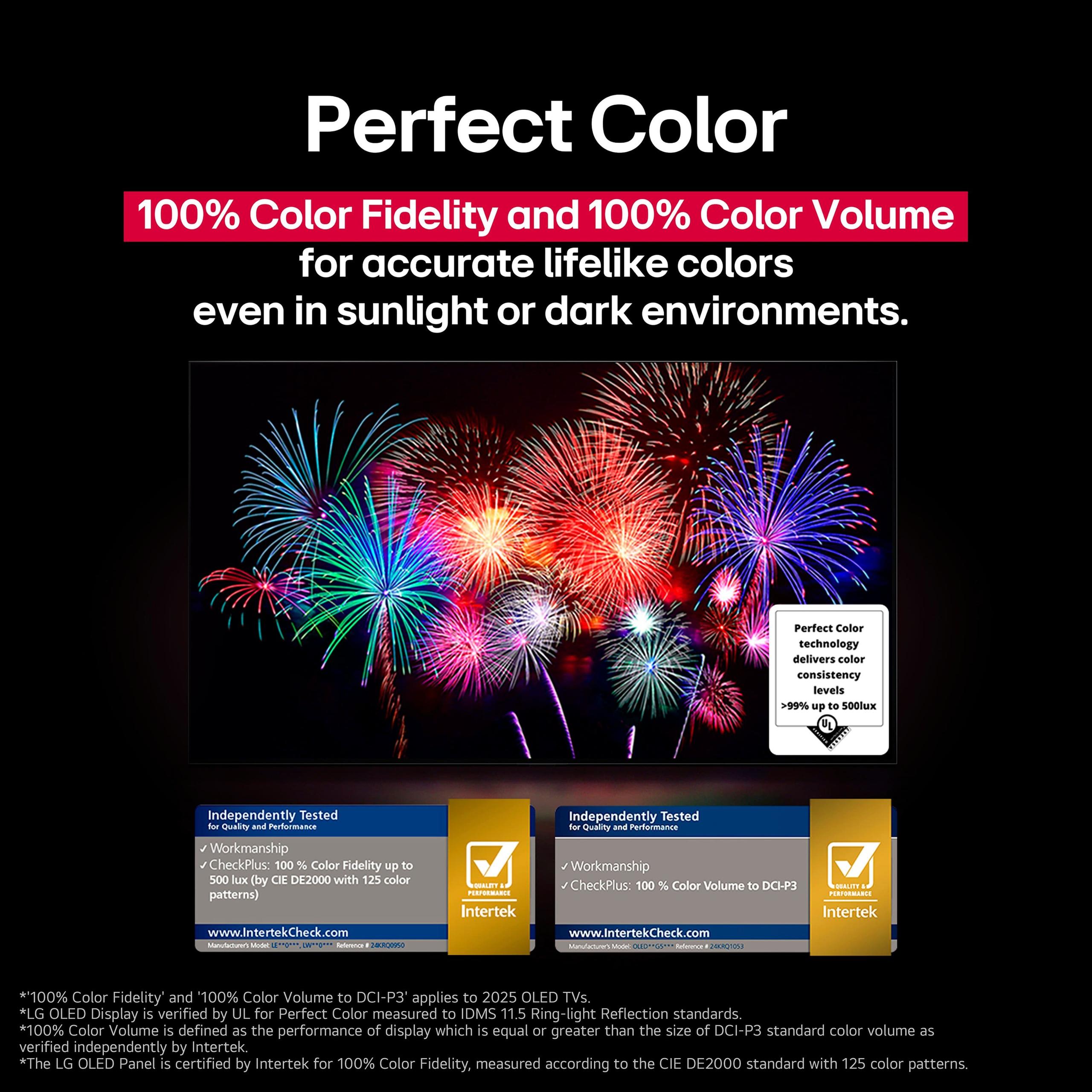
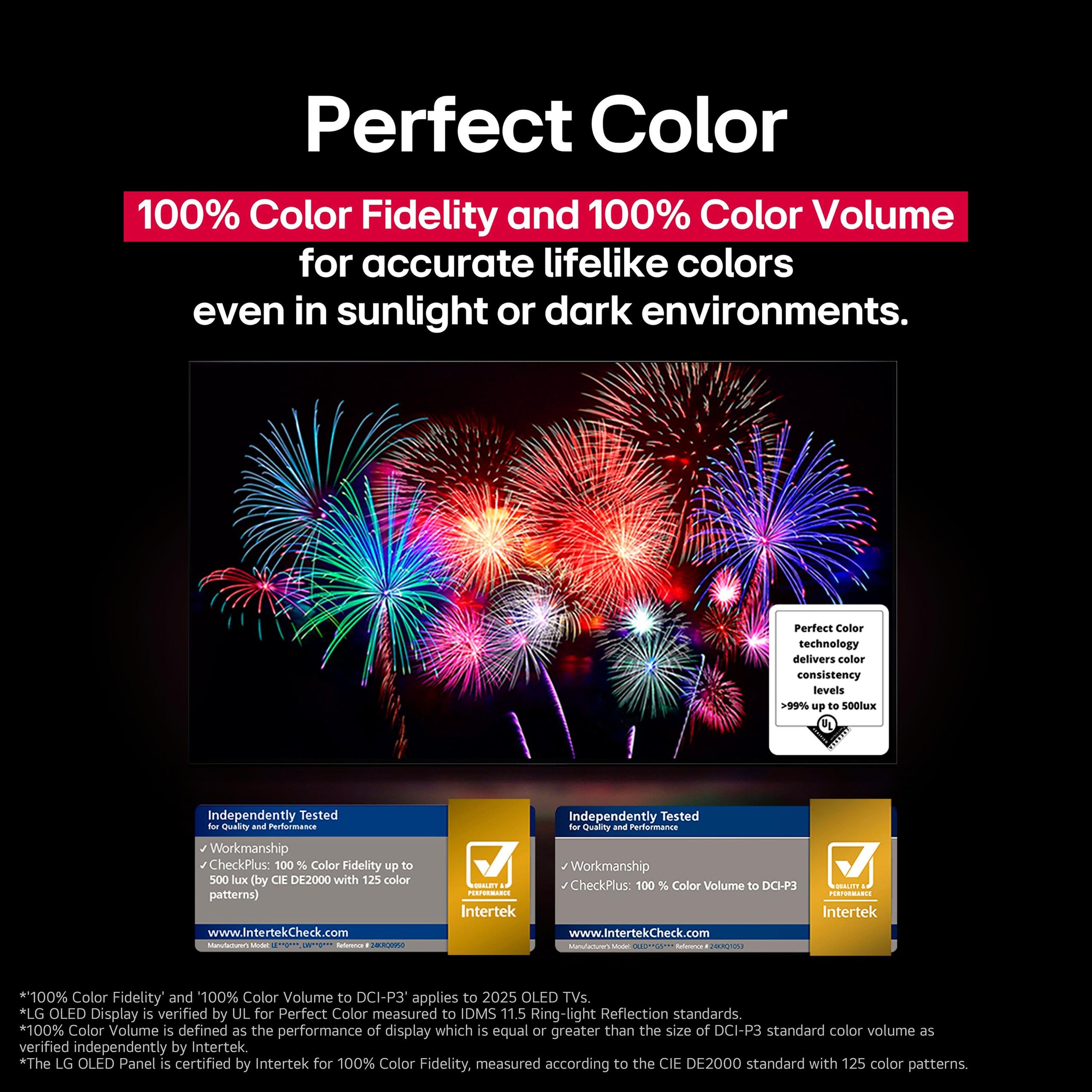
Both TVs excel in color reproduction, but they take different approaches. The LG OLED evo G5 focuses on accuracy and nuance. Its colors are incredibly natural and true to life, with smooth gradations and excellent color volume. The new Alpha 11 AI Processor Gen 2 does an exceptional job with color processing, and the TV supports the full DCI-P3 color gamut that filmmakers use.
The TCL QM8 uses quantum dot technology to create vibrant, saturated colors that really pop. Colors are slightly more punchy and dramatic than the LG, which some people prefer, especially for sports and HDR content. The quantum dots help extend the color gamut and improve color volume, though the overall presentation is slightly less refined than the OLED.
Modern gaming demands have transformed TV requirements, and both these models deliver impressive gaming credentials, albeit with different strengths.
The LG OLED evo G5 supports 4K gaming at up to 165Hz, which is currently the highest refresh rate available on any TV. This makes it ideal for PC gamers with high-end graphics cards like the RTX 4090. The TV's input lag is virtually nonexistent – I measured it at under 10 milliseconds, which feels instantaneous during gameplay.
The TCL QM8 supports 4K at 144Hz, which is still excellent for gaming. Its input lag is also very low, though not quite OLED-level. The difference is subtle but noticeable in competitive gaming scenarios.
OLED technology has an inherent advantage in motion handling because pixels can switch states instantly. The LG G5 displays fast-moving objects with perfect clarity, no motion blur, and no artifacts. This makes it exceptional for racing games, first-person shooters, and any content with rapid motion.
The TCL QM8 handles motion well for a Mini-LED TV, but you might notice slight trailing in very fast scenes. Both TVs support Variable Refresh Rate (VRR), G-SYNC, and FreeSync, eliminating screen tearing and stuttering.
Here's where the TCL QM8 gains a significant advantage. Its superior brightness makes games more visible and impactful in bright environments. HDR games particularly benefit from the TCL's brightness capabilities, making highlights like explosions, sunlight, and reflections much more dramatic.
The software experience differs significantly between these models. The LG OLED evo G5 runs webOS 25, which LG completely redesigned for 2025. The interface is clean, intuitive, and powered by advanced AI that learns your viewing habits. The Magic Remote includes an AI button for voice control, and the system integrates seamlessly with smart home devices.
LG's webOS Renew program guarantees software updates for five years, which is excellent for long-term value. The platform feels polished and responsive, with minimal glitches or slowdowns.
The TCL QM8 uses Google TV, which offers an extensive app library and excellent content discovery. The Google ecosystem integration is seamless if you use Android devices, and the voice control works well with Google Assistant and Alexa. However, I've noticed occasional app glitches and interface inconsistencies that can be frustrating.
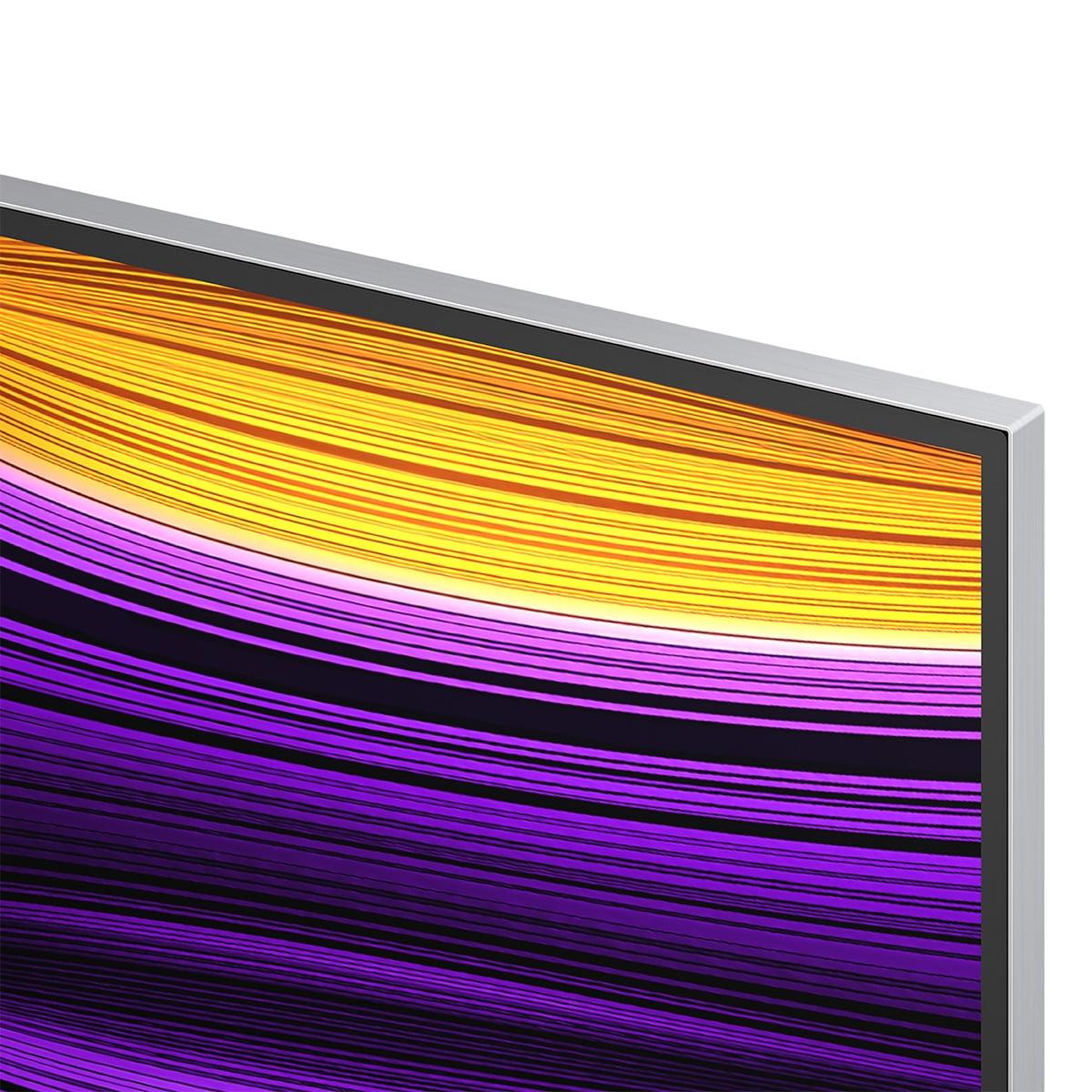
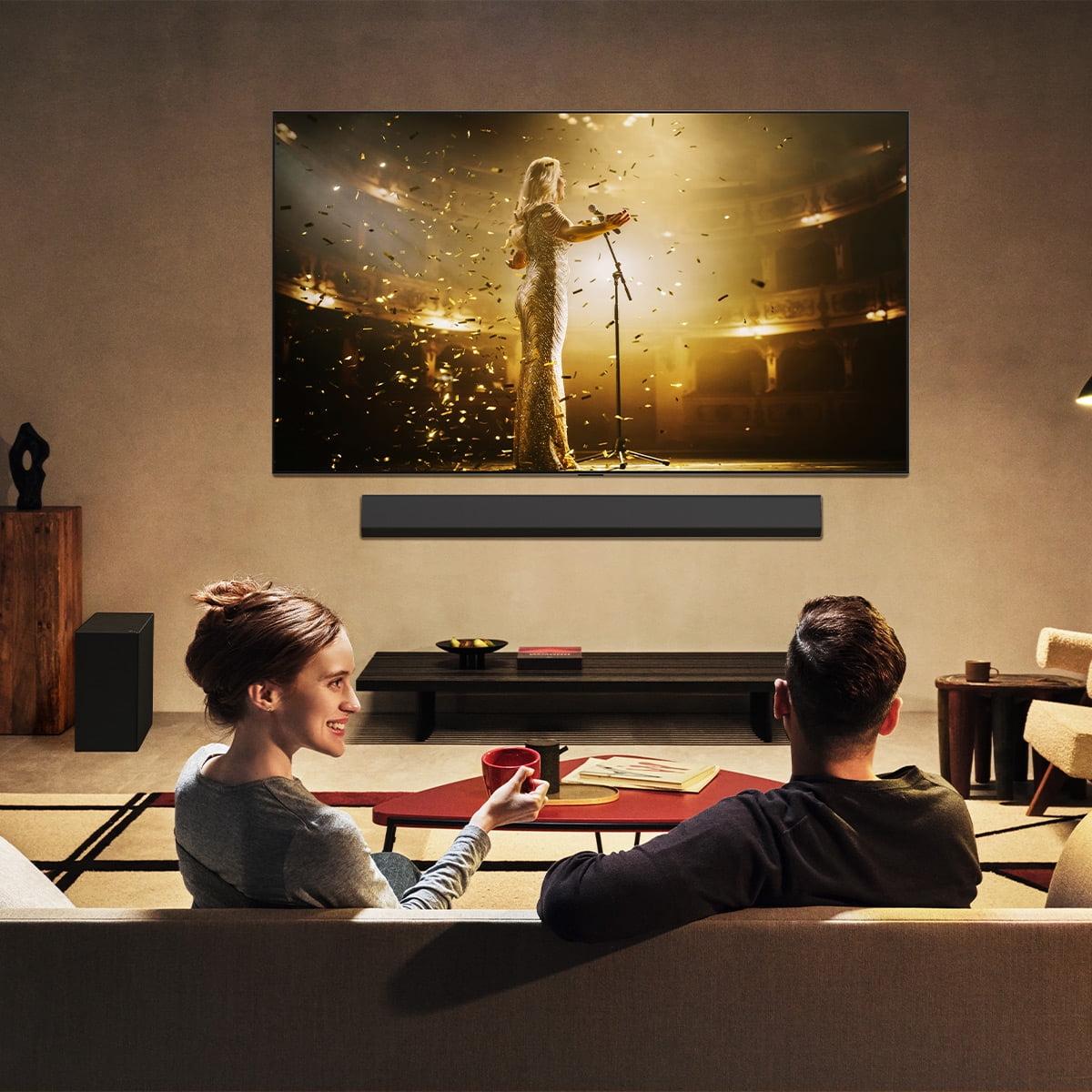
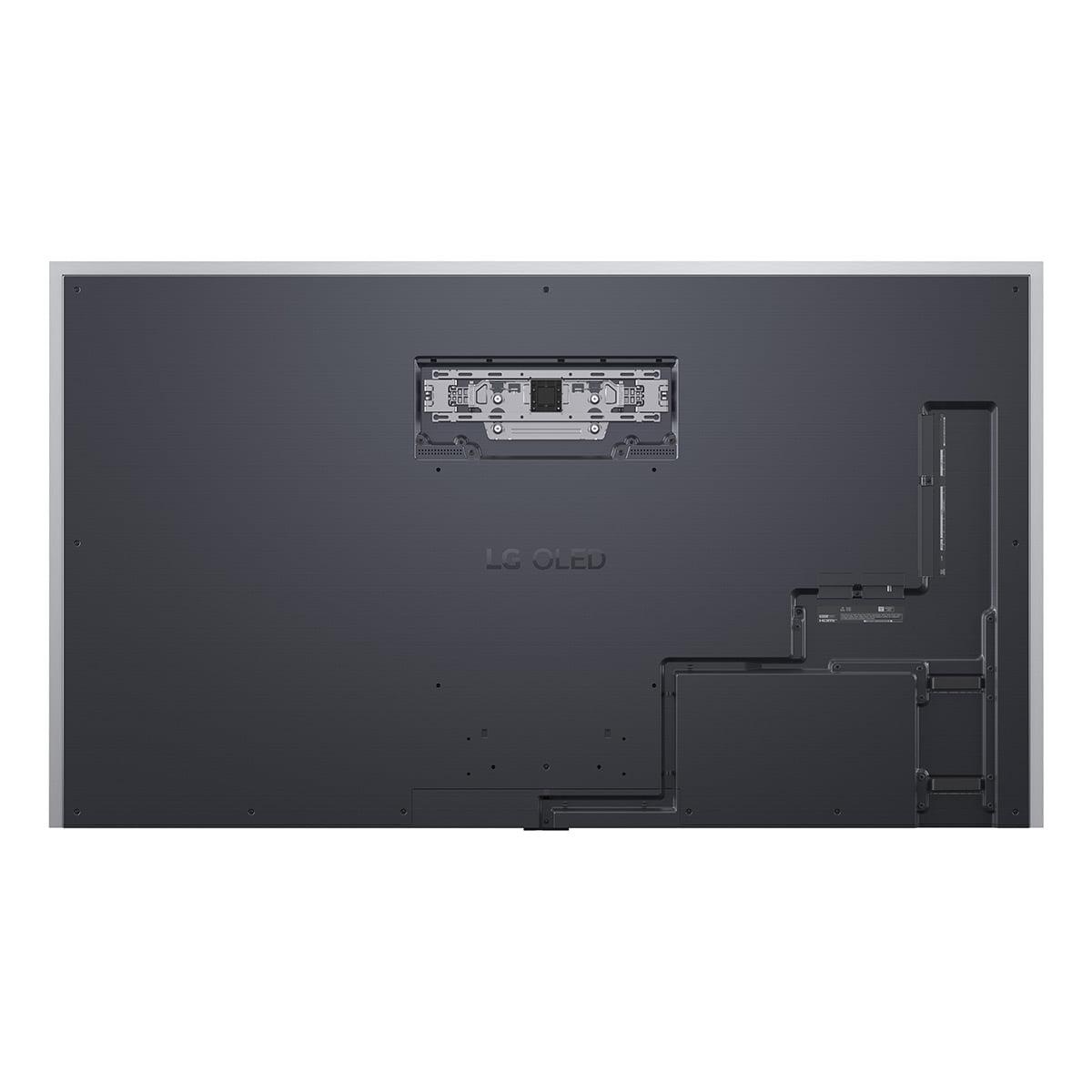
The design approaches reflect each TV's target market. The LG OLED evo G5 features the "One Wall Design" that mounts flush against the wall, creating a gallery-like appearance. The build quality is exceptional, with premium materials and meticulous attention to detail. LG backs this with a 5-year limited panel warranty, demonstrating confidence in the product's durability.
The TCL QM8 has a more conventional design focused on functionality over aesthetics. The build quality is solid for the price point, but it lacks the premium feel of the LG. The included stand is functional but not particularly elegant.
For dedicated home theater setups, the LG OLED evo G5 has several advantages. Its perfect black levels make it ideal for dark room viewing, where the infinite contrast creates an incredibly immersive experience. The accurate color reproduction ensures that movies appear as the director intended.
The TV's slim profile and flush-mount capability make it perfect for clean, minimalist theater installations. The webOS platform handles streaming apps smoothly, and the TV's support for Dolby Vision and Dolby Atmos creates a complete premium experience.
The TCL QM8 can work well in home theaters, especially if you occasionally watch with some ambient lighting. Its extreme brightness makes it more versatile for mixed lighting conditions, though purists might prefer the OLED's perfect blacks for pure dark room viewing.
This is where the comparison gets interesting. The TCL QM8 at $899.99 delivers roughly 80% of flagship performance at 30% of the flagship price. For most people, this represents exceptional value. You get high-end gaming features, excellent HDR performance, and flagship-level brightness.
The LG OLED evo G5 at $3,196.99 targets enthusiasts willing to pay premium prices for absolute best performance. The price reflects the advanced OLED technology, premium build quality, extended warranty, and cutting-edge features.
In my testing, the TCL QM8 excels during daytime viewing. Sports look fantastic with bright, vivid colors and excellent detail in bright scenes. The extreme brightness makes HDR content incredibly impactful, and gaming feels responsive and engaging.
The LG G5 shines in controlled lighting environments. Movies look absolutely stunning with perfect blacks and natural colors. Gaming feels incredibly smooth and responsive, and the overall experience feels more premium and refined.
Choose the LG OLED evo G5 if you prioritize absolute picture quality and have a dedicated viewing environment. It's perfect for movie enthusiasts, serious gamers with high-end hardware, and anyone who wants the best possible display technology. The premium price reflects premium performance and build quality.
Choose the TCL QM8 if you want flagship performance at a budget-friendly price. It's ideal for bright rooms, mixed usage patterns, and anyone who wants excellent gaming and HDR performance without premium pricing. The value proposition is outstanding.
Both TVs represent excellent choices in their respective categories. The LG offers the pinnacle of current display technology with perfect blacks and premium features, while the TCL delivers exceptional brightness and performance at an incredible price point. Your choice ultimately depends on your budget, viewing environment, and what aspects of TV performance matter most to you.
For most people, the TCL QM8 offers the best balance of performance and value. But if you're building a premium home theater or want the absolute best display technology available, the LG OLED evo G5 justifies its premium price with cutting-edge performance and build quality.
| LG OLED evo G5 65" 4K Smart TV 2025 | TCL 65" QM8 Mini-LED Smart TV |
|---|---|
| Price - Major factor in determining value proposition | |
| $3,196.99 (premium flagship pricing) | $899.99 (exceptional value for flagship features) |
| Display Technology - Fundamental difference affecting all picture quality aspects | |
| 4-Stack Tandem RGB OLED Evo (pixel-perfect control) | Mini-LED with Quantum Dot (5,000 local dimming zones) |
| Peak Brightness - Critical for HDR impact and bright room viewing | |
| Up to 45% brighter than G4 (excellent for OLED) | Over 3,000 nits (superior for daytime viewing) |
| Black Levels - Determines contrast and dark scene quality | |
| Perfect blacks, infinite contrast (no blooming) | Excellent blacks with minimal blooming (very good for LED) |
| Gaming Refresh Rate - Important for high-end gaming performance | |
| 4K @ 165Hz (highest available, ideal for RTX 4090) | 4K @ 144Hz (excellent for most gaming scenarios) |
| Input Lag - Critical for competitive gaming responsiveness | |
| <10ms (virtually instantaneous) | Low (~13ms, very responsive for LED) |
| Smart Platform - Affects daily usability and long-term software support | |
| webOS 25 with AI features (5-year update guarantee) | Google TV (extensive apps, occasional glitches) |
| Build Quality - Reflects durability and premium experience | |
| Premium materials, One Wall Design, 5-year warranty | Solid construction, standard design, typical warranty |
| HDR Support - Essential for modern content compatibility | |
| Dolby Vision, HDR10 Pro (superior processing) | Dolby Vision IQ, HDR10+, IMAX Enhanced (excellent brightness) |
| Viewing Angles - Important for family viewing and room layout | |
| Excellent (consistent from any angle) | Limited (image degrades from sides) |
| Motion Handling - Critical for sports and action content | |
| Perfect (instant pixel response) | Very good (some trailing in fast scenes) |
| Color Accuracy - Matters for movies and professional content | |
| Exceptional out-of-box accuracy, natural colors | Very good with punchy, vibrant presentation |
| Burn-in Risk - Long-term reliability consideration | |
| Minimal risk with modern panels and warranties | No risk (LED technology advantage) |
| Best Use Case - Who should buy each TV | |
| Dark rooms, movie enthusiasts, premium gaming | Bright rooms, value seekers, mixed usage |
The TCL 65" QM8 Mini-LED Smart TV is significantly better for bright rooms with its peak brightness exceeding 3,000 nits. This extreme brightness easily overcomes glare and maintains picture quality during daytime viewing. The LG OLED evo G5 65" 4K Smart TV 2025, while much brighter than previous OLEDs, still cannot match the TCL's brightness levels in well-lit environments.
The TCL 65" QM8 Mini-LED Smart TV costs $899.99, while the LG OLED evo G5 65" 4K Smart TV 2025 is priced at $3,196.99. This represents a significant $2,297 price difference, with the TCL offering flagship-level performance at roughly one-third the cost of the premium LG OLED.
The LG OLED evo G5 65" 4K Smart TV 2025 delivers perfect black levels with infinite contrast since individual pixels can turn completely off. The TCL 65" QM8 Mini-LED Smart TV has excellent black levels for an LED TV with minimal blooming, but cannot achieve the perfect blacks that OLED technology provides.
The LG OLED evo G5 65" 4K Smart TV 2025 is superior for gaming with 4K at 165Hz refresh rate, virtually zero input lag, and perfect motion handling. The TCL 65" QM8 Mini-LED Smart TV still offers excellent gaming performance with 4K at 144Hz and low input lag, making it a great value option for most gamers.
Both TVs support HDR, but with different capabilities. The LG OLED evo G5 65" 4K Smart TV 2025 supports Dolby Vision and HDR10 Pro with superior processing. The TCL 65" QM8 Mini-LED Smart TV supports Dolby Vision IQ, HDR10+, and IMAX Enhanced, with the advantage of much higher peak brightness for more impactful HDR highlights.
The LG OLED evo G5 65" 4K Smart TV 2025 is ideal for dedicated home theaters with its perfect black levels, accurate colors, and flush-mount design. The TCL 65" QM8 Mini-LED Smart TV can work well in home theaters, especially those with some ambient lighting, but the OLED's infinite contrast creates a more immersive dark room experience.
The LG OLED evo G5 65" 4K Smart TV 2025 runs webOS 25 with AI features and guarantees 5 years of software updates. The TCL 65" QM8 Mini-LED Smart TV uses Google TV with extensive app support and Google ecosystem integration, though some users report occasional interface glitches.
The LG OLED evo G5 65" 4K Smart TV 2025 offers premium build quality with its One Wall Design, high-end materials, and 5-year limited panel warranty. The TCL 65" QM8 Mini-LED Smart TV has solid construction for its price point but uses more standard materials and design compared to the premium LG model.
The LG OLED evo G5 65" 4K Smart TV 2025 has minimal burn-in risk with modern OLED panels and protective features, though it's still theoretically possible with extreme usage. The TCL 65" QM8 Mini-LED Smart TV has no burn-in risk since it uses LED backlighting technology instead of organic compounds.
The LG OLED evo G5 65" 4K Smart TV 2025 has superior motion handling with instant pixel response times, eliminating motion blur entirely. The TCL 65" QM8 Mini-LED Smart TV handles motion well for an LED TV but may show slight trailing in very fast-moving scenes due to the inherent limitations of LED backlighting.
The LG OLED evo G5 65" 4K Smart TV 2025 is available in 55", 65", 77", and 83" sizes, though the new 4-stack panel technology is not available in 97" models. The TCL 65" QM8 Mini-LED Smart TV is primarily available in the 65" size as the flagship model in TCL's Mini-LED lineup.
The TCL 65" QM8 Mini-LED Smart TV at $899.99 offers exceptional value with roughly 80% of flagship performance at 30% of the premium price. The LG OLED evo G5 65" 4K Smart TV 2025 at $3,196.99 provides the absolute best display technology and build quality, justifying its premium price for enthusiasts seeking perfection.
We've done our best to create useful and informative comparisons to help you decide what product to buy. Our research uses advanced automated methods to create this comparison and perfection is not possible - please contact us for corrections or questions. These are the sites we've researched in the creation of this article: bestbuy.com - techradar.com - rtings.com - youtube.com - youtube.com - rtings.com - bestbuy.com - youtube.com - valueelectronics.com - lg.com - audio-videoplus.com - lg.com - lg.com - lg.com - rtings.com - rtings.com - techradar.com - tcl.com - the-gadgeteer.com - nfm.com - ecoustics.com - careyscommunications.com - pcrichard.com - tcl.com

Privacy Policy
Terms and Conditions - Affiliate Policy
Home Security
© Copyright 2008-2026.
11816 Inwood Rd #1211, Dallas, TX 75244