

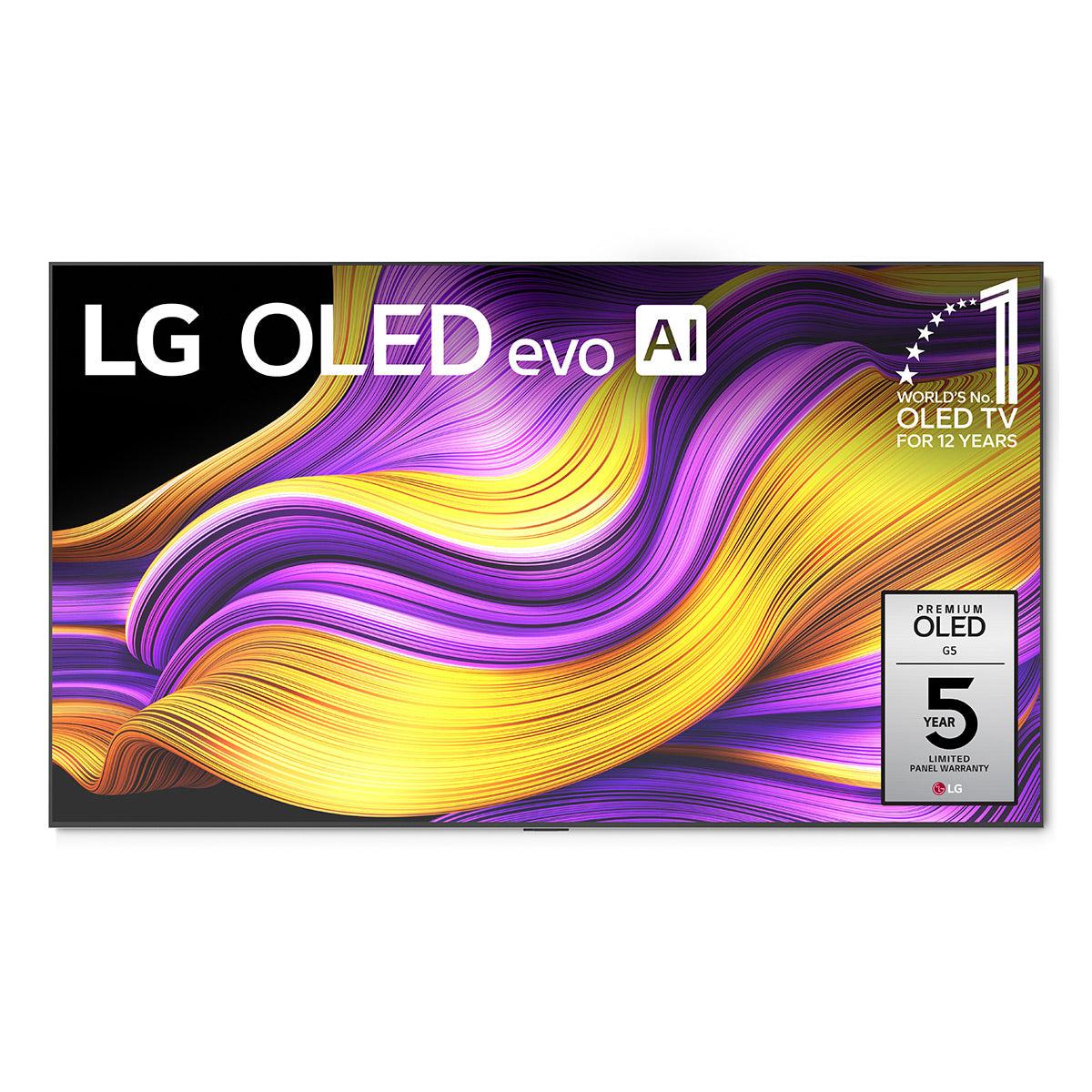
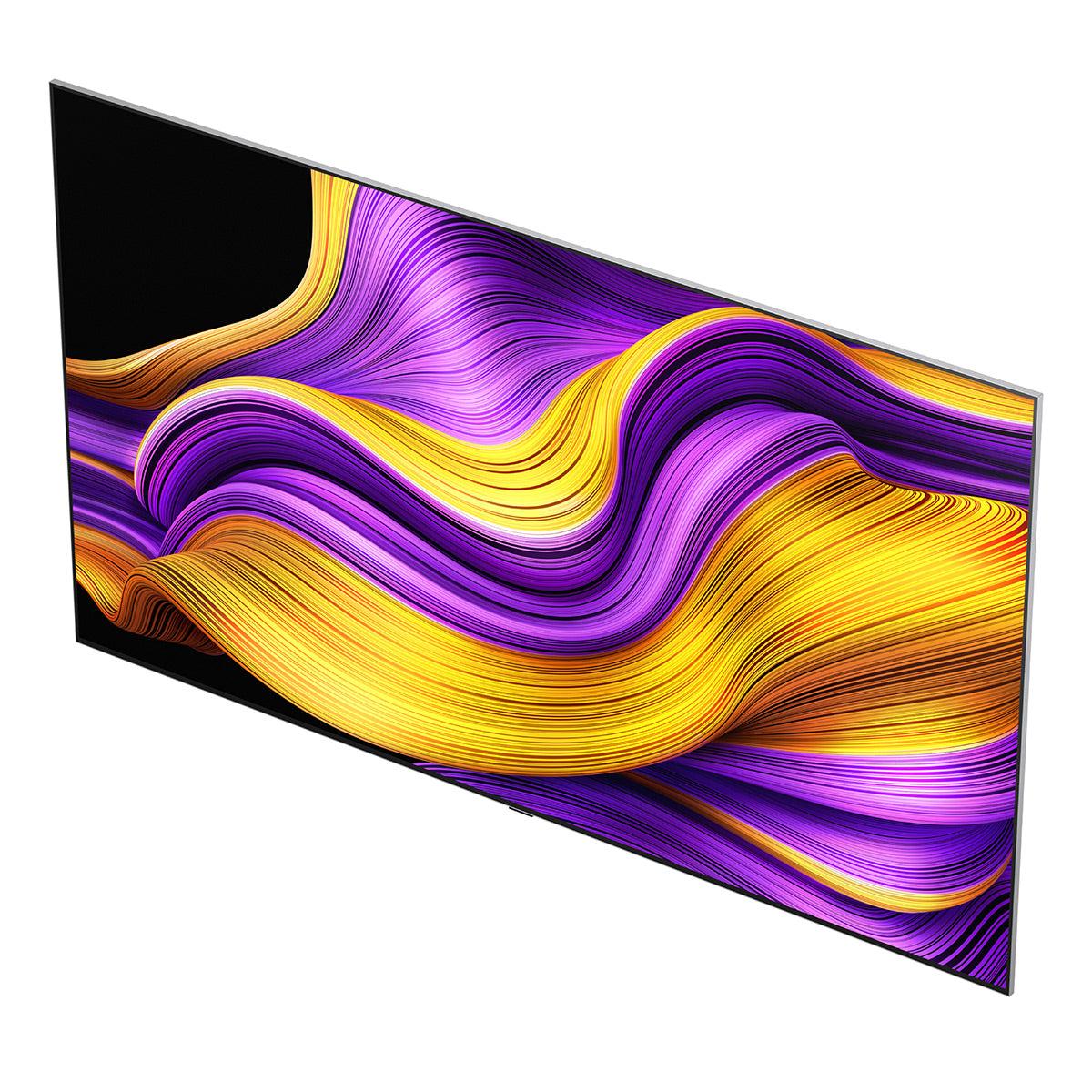
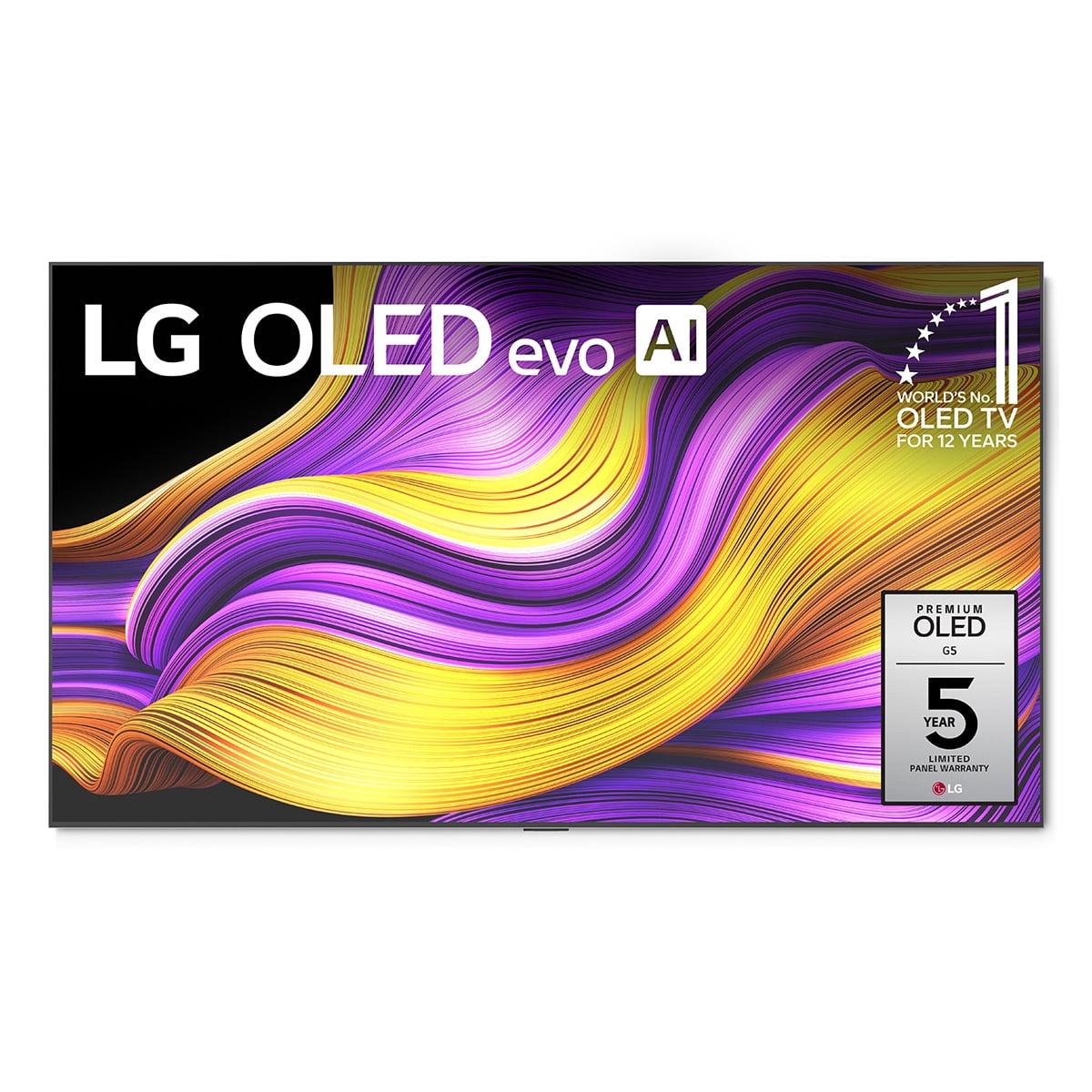
Choosing between two excellent 65-inch 4K TVs can feel overwhelming, especially when they represent completely different approaches to the same goal. The LG OLED evo G5 65" 4K Smart TV 2025 at $3,196.99 and the Sony BRAVIA 7 65" 4K UHD Smart Google TV at $1,323.48 both promise fantastic picture quality, but they get there in very different ways. Let's break down what makes each special and help you figure out which one deserves a spot in your living room.
Before diving into these specific models, it's worth understanding what separates good 4K TVs from great ones. Resolution is just the starting point – both TVs display the same 3,840 x 2,160 pixels. The real differences come down to how those pixels are lit, controlled, and enhanced.
The biggest divide in premium TV technology today is between OLED (Organic Light-Emitting Diode) and LED displays. OLED panels create light at each individual pixel, meaning they can turn completely off to create perfect blacks. LED TVs use a backlight behind the screen, which gets dimmed in zones to create contrast. This fundamental difference affects everything from how movies look in dark rooms to how much the TV costs to manufacture.
Both approaches have evolved significantly. OLED technology has struggled with brightness compared to LED, while LED displays have worked to improve their contrast through better local dimming. The 2025 models we're comparing represent the latest attempts to address these historical limitations.

Released in early 2025, the LG OLED evo G5 represents a major leap forward in OLED technology. LG completely redesigned the panel structure, moving from their previous Micro Lens Array (MLA) technology to what they call a "4-Stack RGB Tandem OLED panel." This technical mouthful essentially means they've stacked four layers of organic light-emitting materials instead of the traditional single layer.
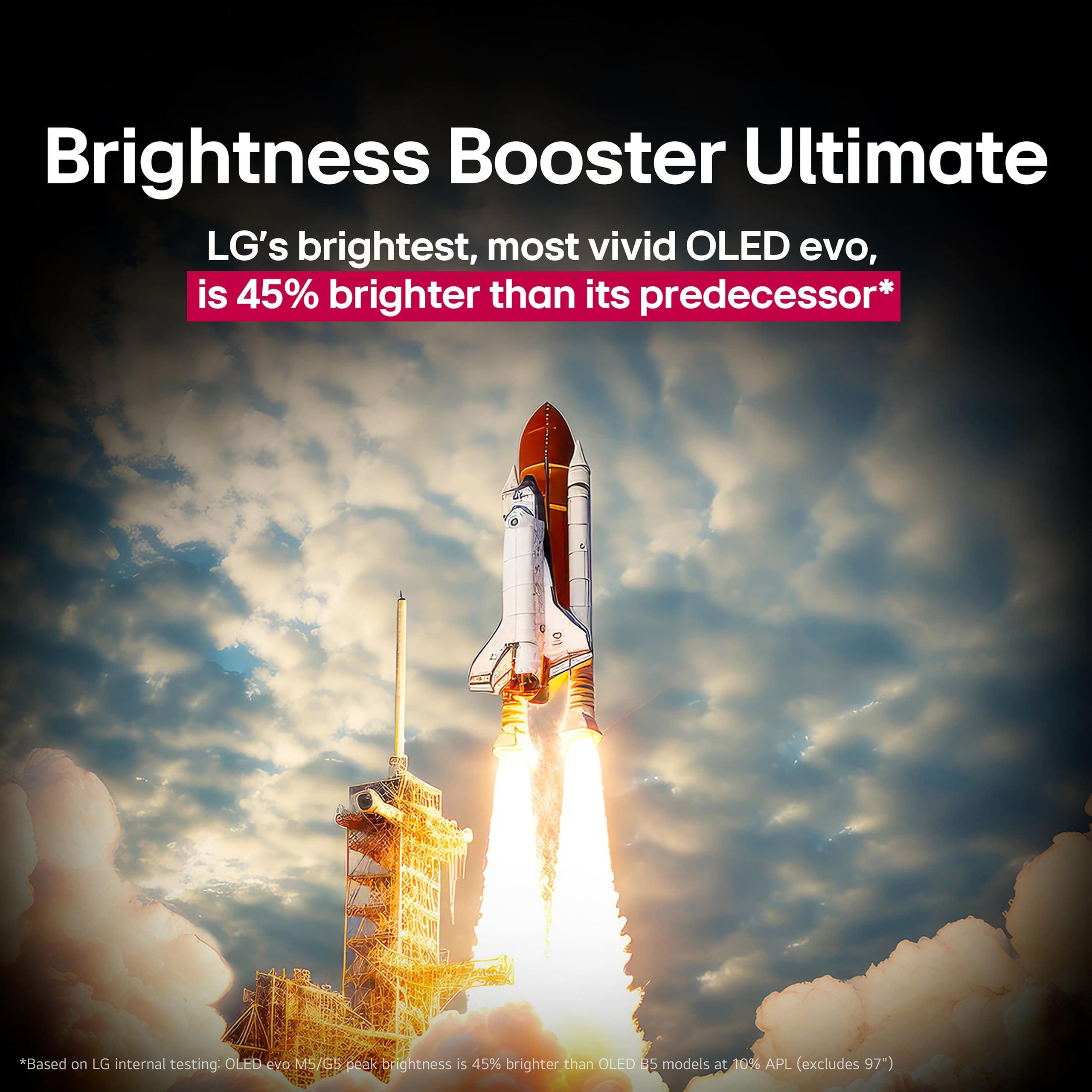
The result is dramatic – up to 45% brighter than previous OLED models, with peak brightness reaching over 2,200 nits in HDR content. For context, that's brighter than many LED TVs from just a few years ago. This addresses OLED's biggest weakness: performance in bright rooms. I've spent time with earlier OLED models that looked stunning in dark home theaters but seemed washed out during daytime viewing. The G5 changes that equation entirely.
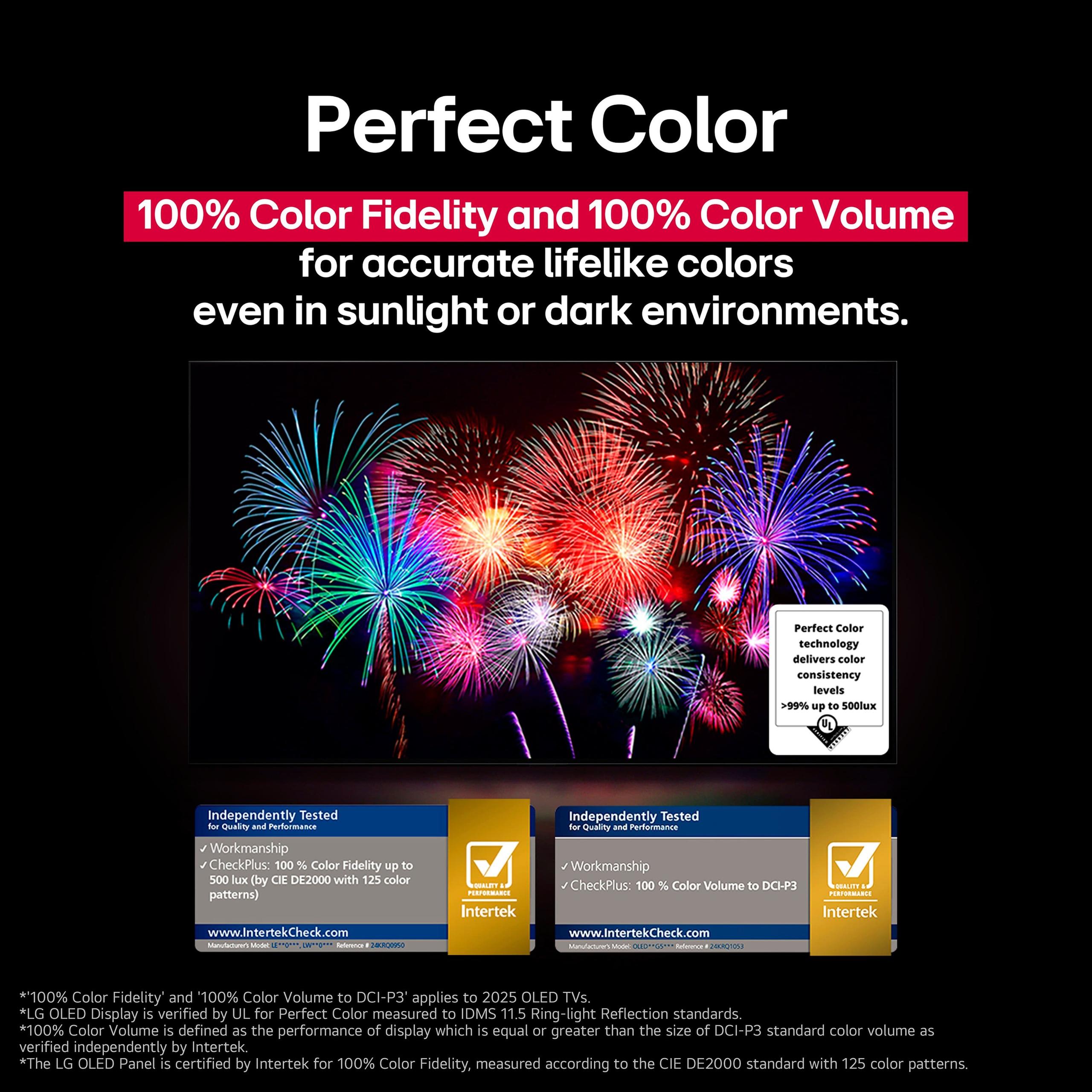
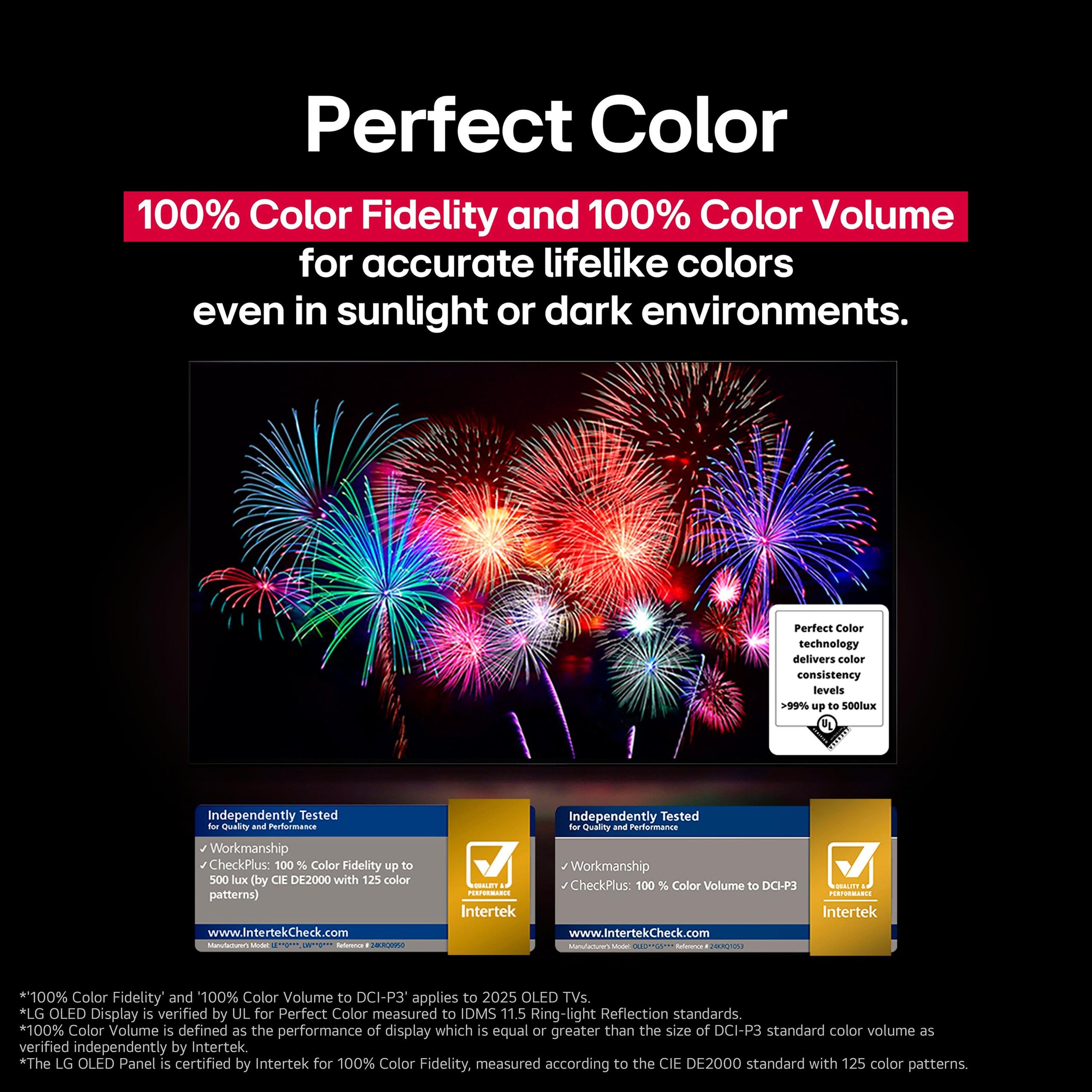
The new panel also uses a BWRG (Blue-White-Red-Green) subpixel arrangement, which helps with color accuracy and text clarity. You'll notice this most when using the TV as a computer monitor or reading small text on streaming apps. The color gamut has expanded significantly, with LG claiming over 99% color consistency even in ambient light up to 500 lux – that's typical indoor lighting.
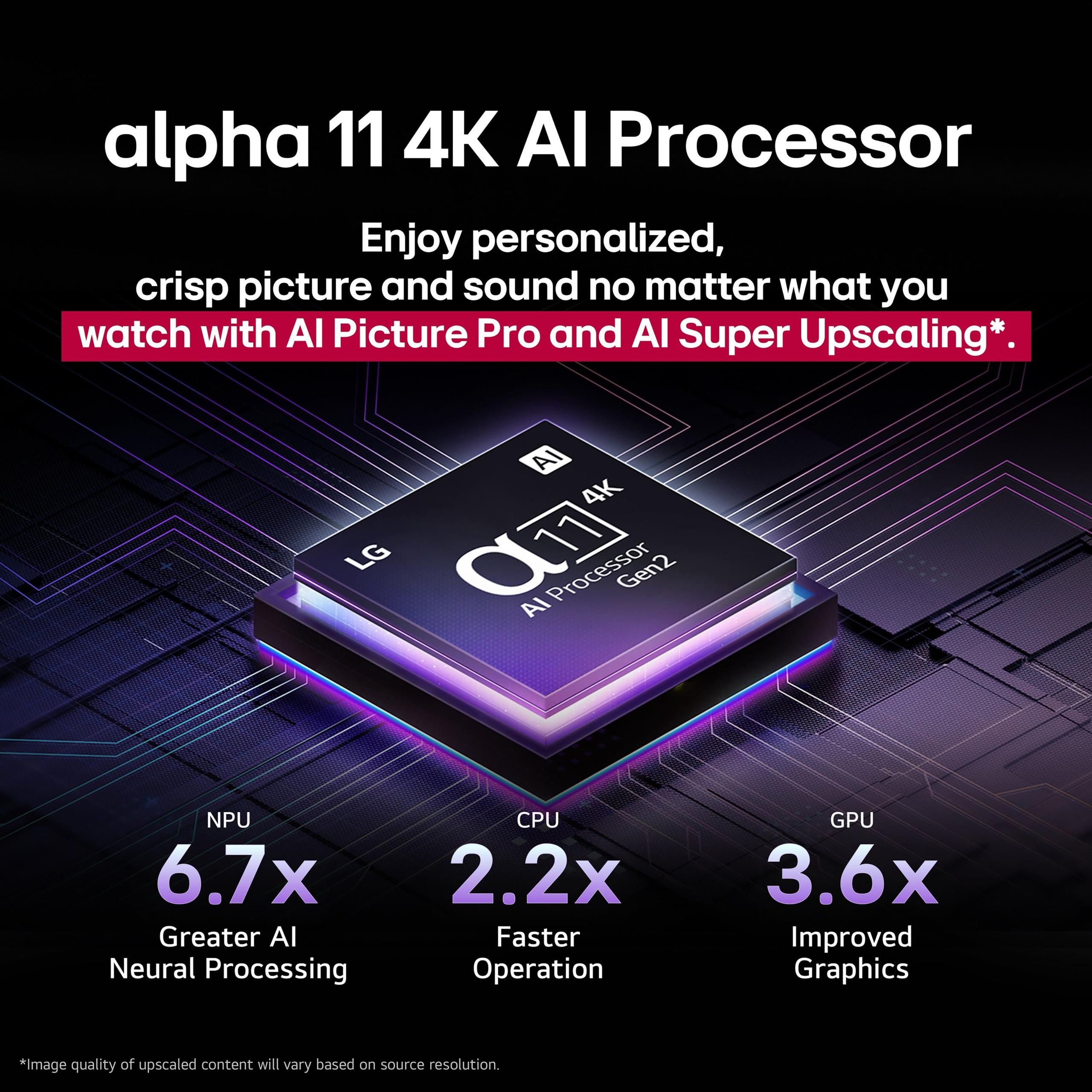
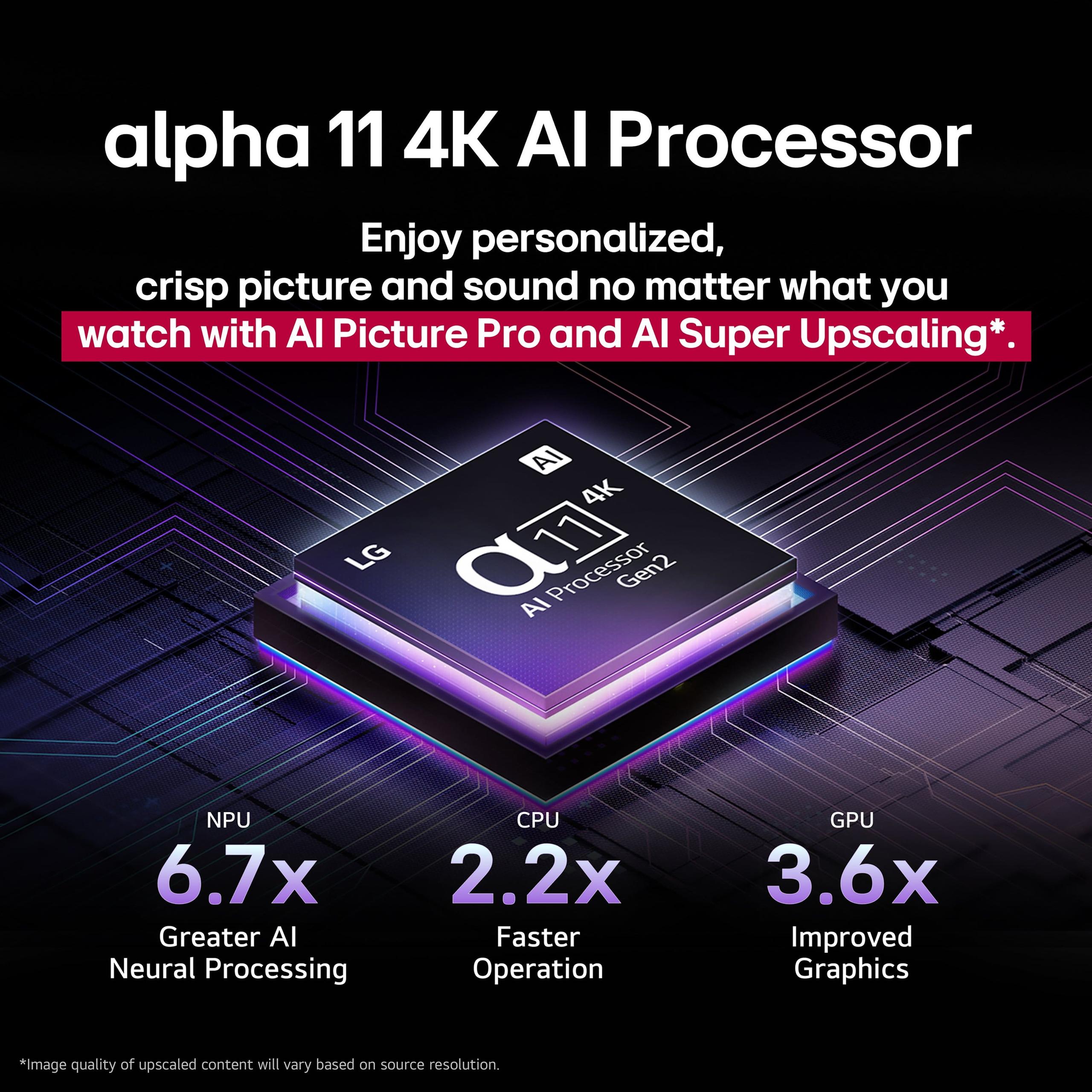
Powering all this is LG's Alpha 11 AI Processor Gen 2, which handles real-time scene analysis and optimization. The AI constantly adjusts picture settings based on what you're watching, whether it's a dark thriller or a bright sports game. It's like having a professional calibrator making micro-adjustments thousands of times per second.
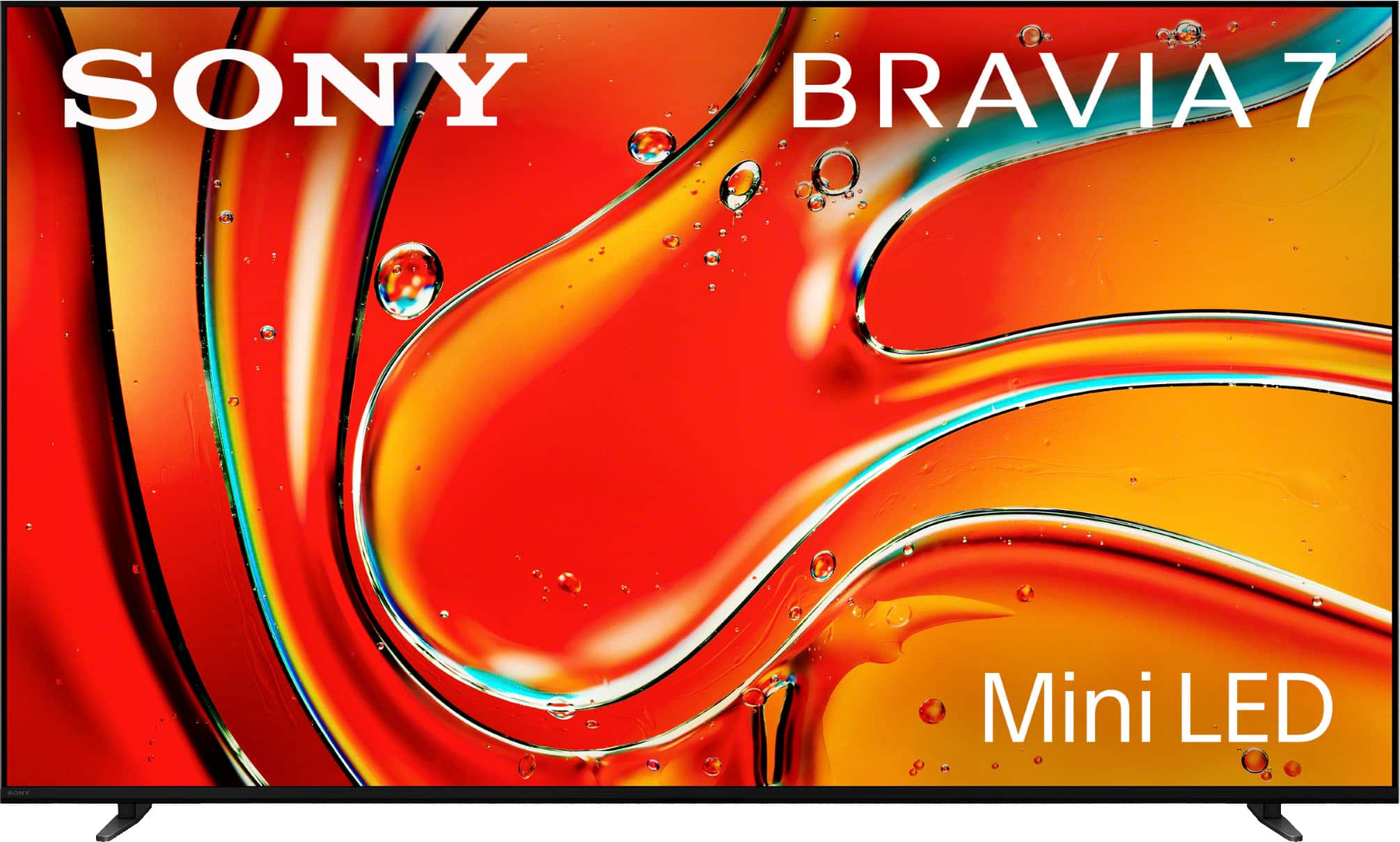
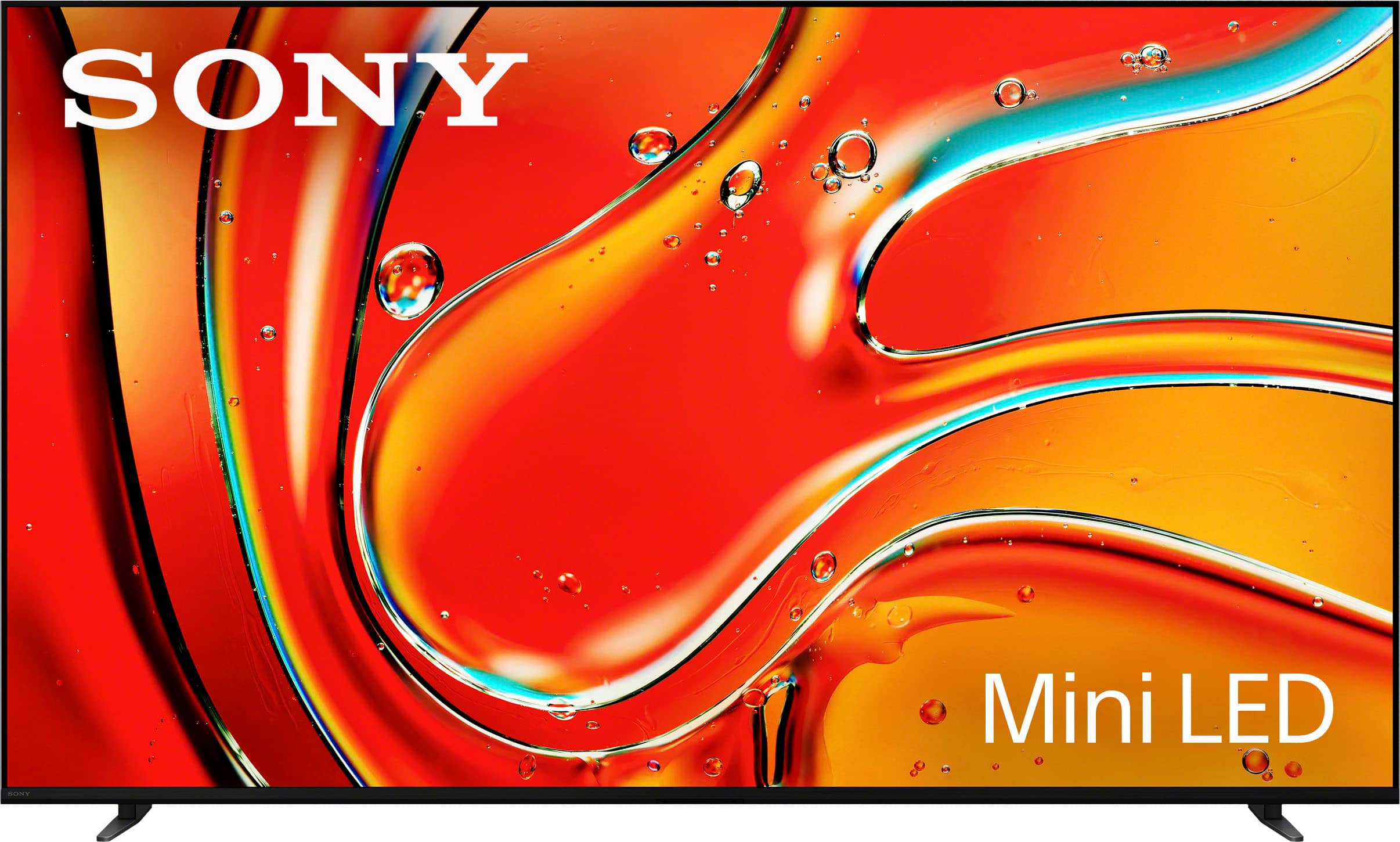
The Sony BRAVIA 7, while not as cutting-edge as the G5, represents exceptional value in the premium TV market. Released in 2024, it uses Mini-LED backlighting with Full Array Local Dimming – think of it as hundreds of tiny LED lights behind the screen that can independently brighten or dim to create contrast.
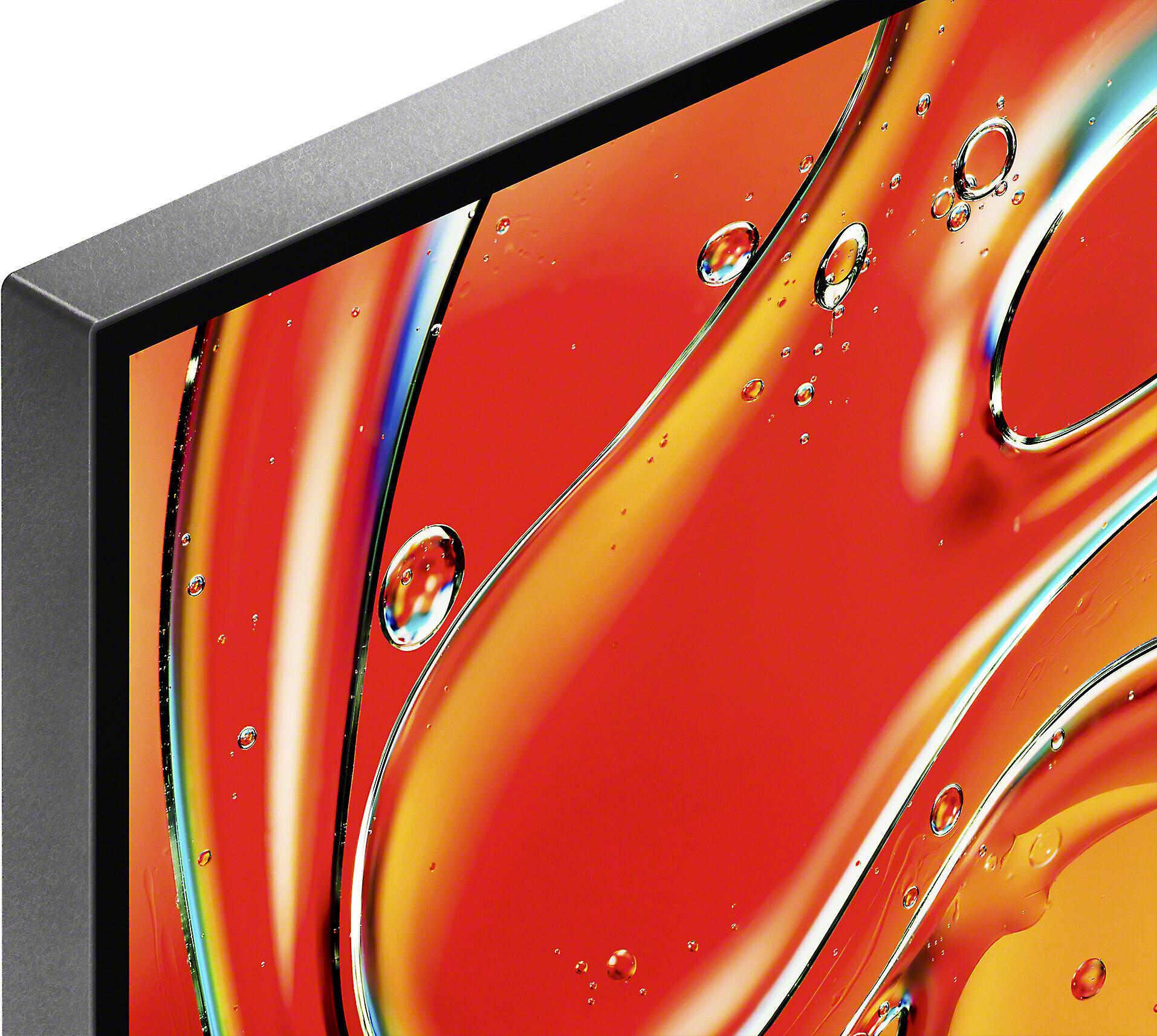
Sony's implementation is particularly sophisticated. Their XR Backlight Master Drive precisely controls these zones, and the XR Contrast Booster 20 technology balances light output across the entire screen. While it can't achieve the perfect blacks of OLED, it gets remarkably close while potentially exceeding the G5 in overall brightness for full-screen content.
The BRAVIA 7's strength lies in Sony's legendary picture processing. The Cognitive Processor XR analyzes content the way human eyes and brains do, focusing on where you're likely to look in each scene. This creates a more natural, three-dimensional image quality that many viewers prefer over more technically accurate but less engaging presentations.
For HDR content, the BRAVIA 7 supports HDR10, Dolby Vision, and HLG (Hybrid Log-Gamma) formats. The TV's brightness capabilities make HDR content truly pop, with specular highlights that can be genuinely eye-catching. In my experience, Sony's HDR tone mapping – the process of translating HDR content to the TV's capabilities – consistently produces pleasing results across different content types.
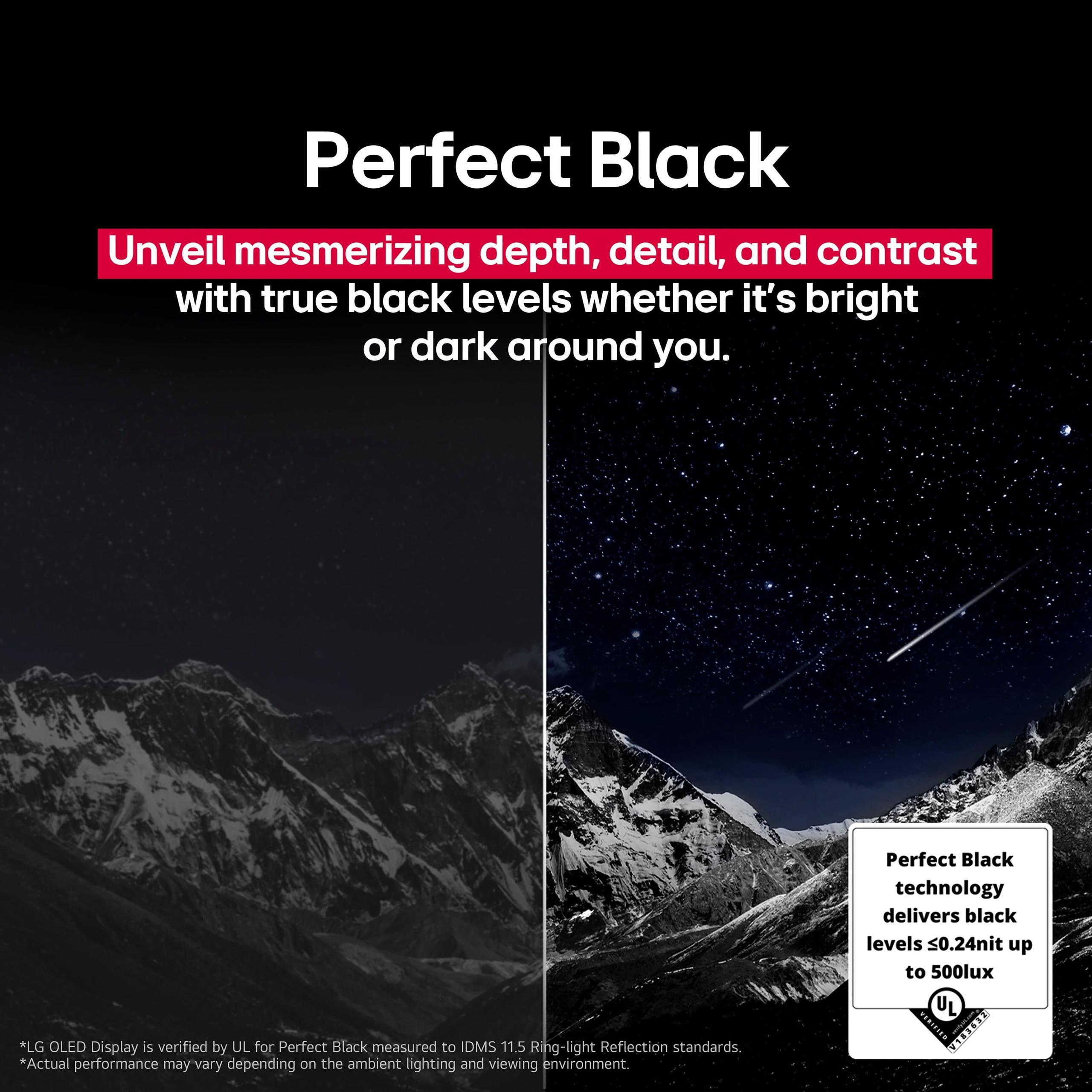
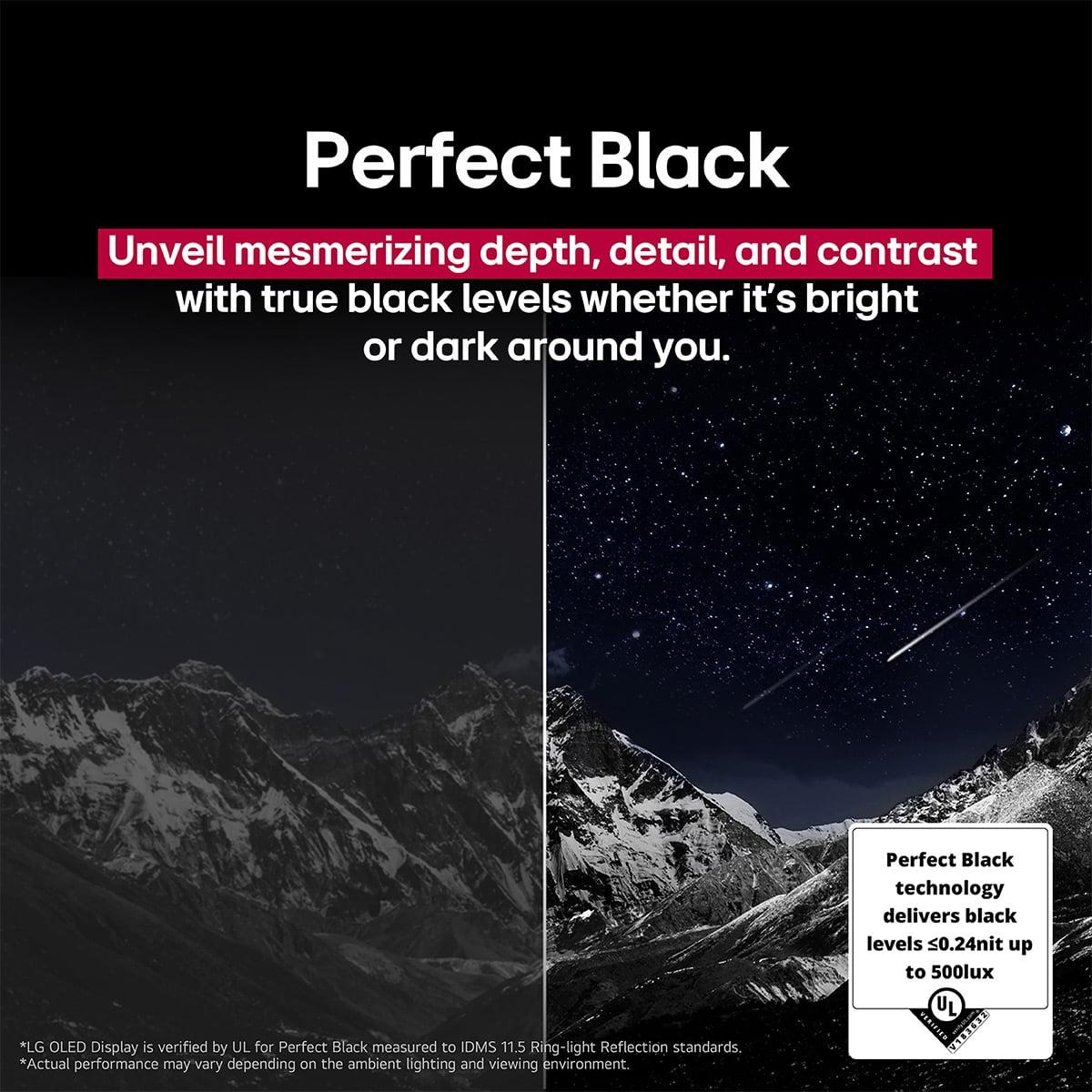
This is where the fundamental technology difference becomes most apparent. The LG G5 achieves perfect blacks because each pixel can turn completely off. When you're watching a space movie with stars against the void, those black areas are truly black – no backlight bleeding, no gray tint, just perfect darkness. This creates an infinite contrast ratio that no LED TV can match.

The Sony BRAVIA 7, despite excellent local dimming, still has some backlight present in dark scenes. However, Sony's processing minimizes this effectively. In normal viewing conditions, the difference is less dramatic than you might expect. The BRAVIA 7's superior overall brightness can actually make dark scenes appear more detailed because it can display a wider range of gray levels.
Here's where things get interesting. The G5's new panel technology has largely eliminated OLED's brightness disadvantage. Peak brightness of 2,200+ nits means HDR content displays with the punch it was designed for. Bright clouds, sunlight, and fire effects have the visual impact that makes HDR worthwhile.
The BRAVIA 7 can potentially go even brighter in full-screen scenarios, but the G5's advantage is in sustaining brightness across different content types. OLED panels don't have the heat management issues that can cause LED TVs to dim automatically during bright scenes.
Both TVs handle HDR10, Dolby Vision, and other HDR formats excellently, but they present the content differently. The G5 tends toward a more film-like presentation with deep blacks and controlled highlights, while the BRAVIA 7 offers a more vivid, commercial-cinema experience.
The G5's new panel structure provides enhanced color volume – the ability to display saturated colors at high brightness levels. This means red roses look vibrant in bright sunlight scenes, or blue skies maintain their saturation in HDR content. The >99% color consistency specification means these colors remain accurate even when room lighting changes.
Sony's approach emphasizes color processing over raw panel capabilities. The XR Triluminos Pro technology analyzes each scene and enhances colors in a way that feels natural rather than artificial. Sony's decades of experience in professional monitors shows here – colors look "right" even if they're not necessarily the most technically accurate.
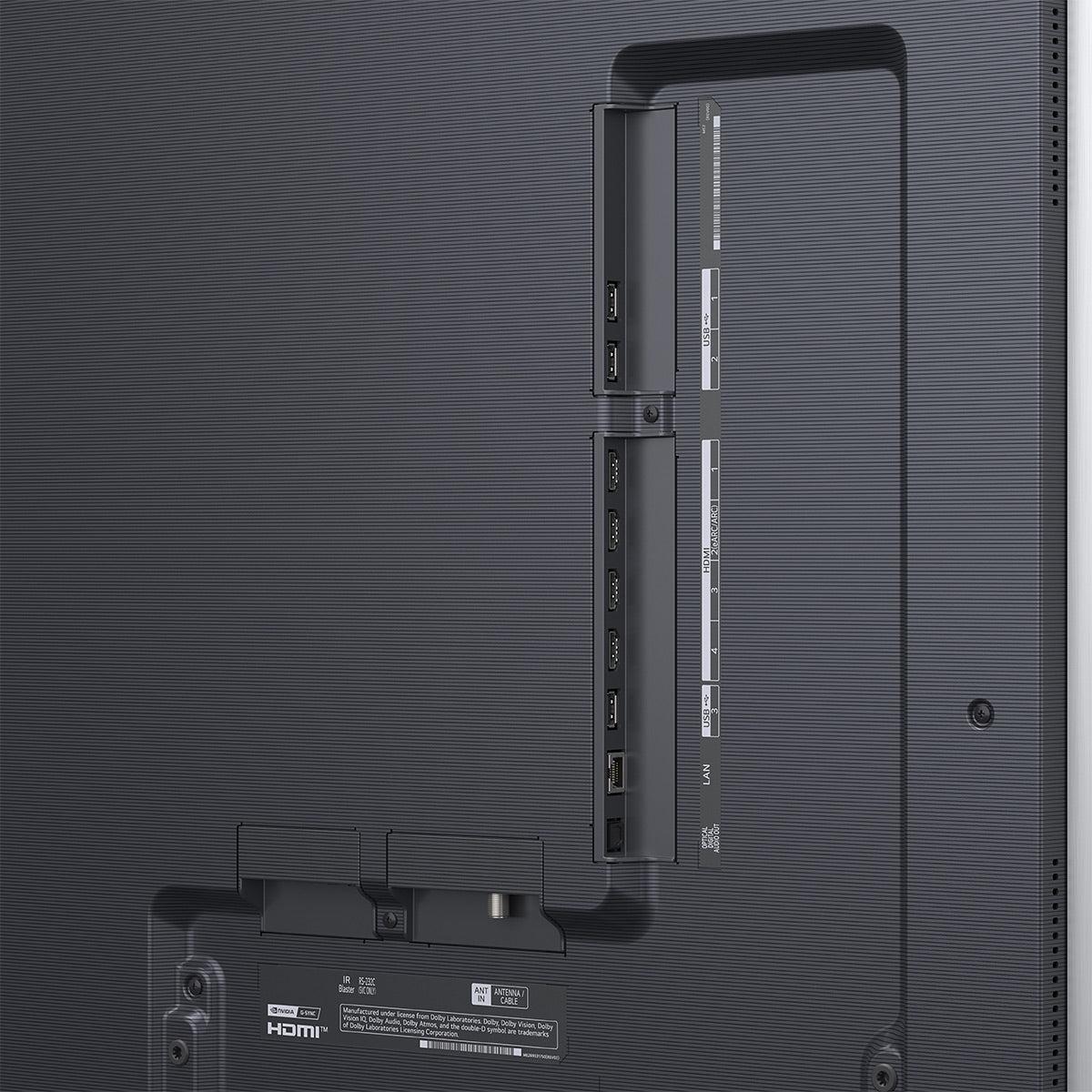
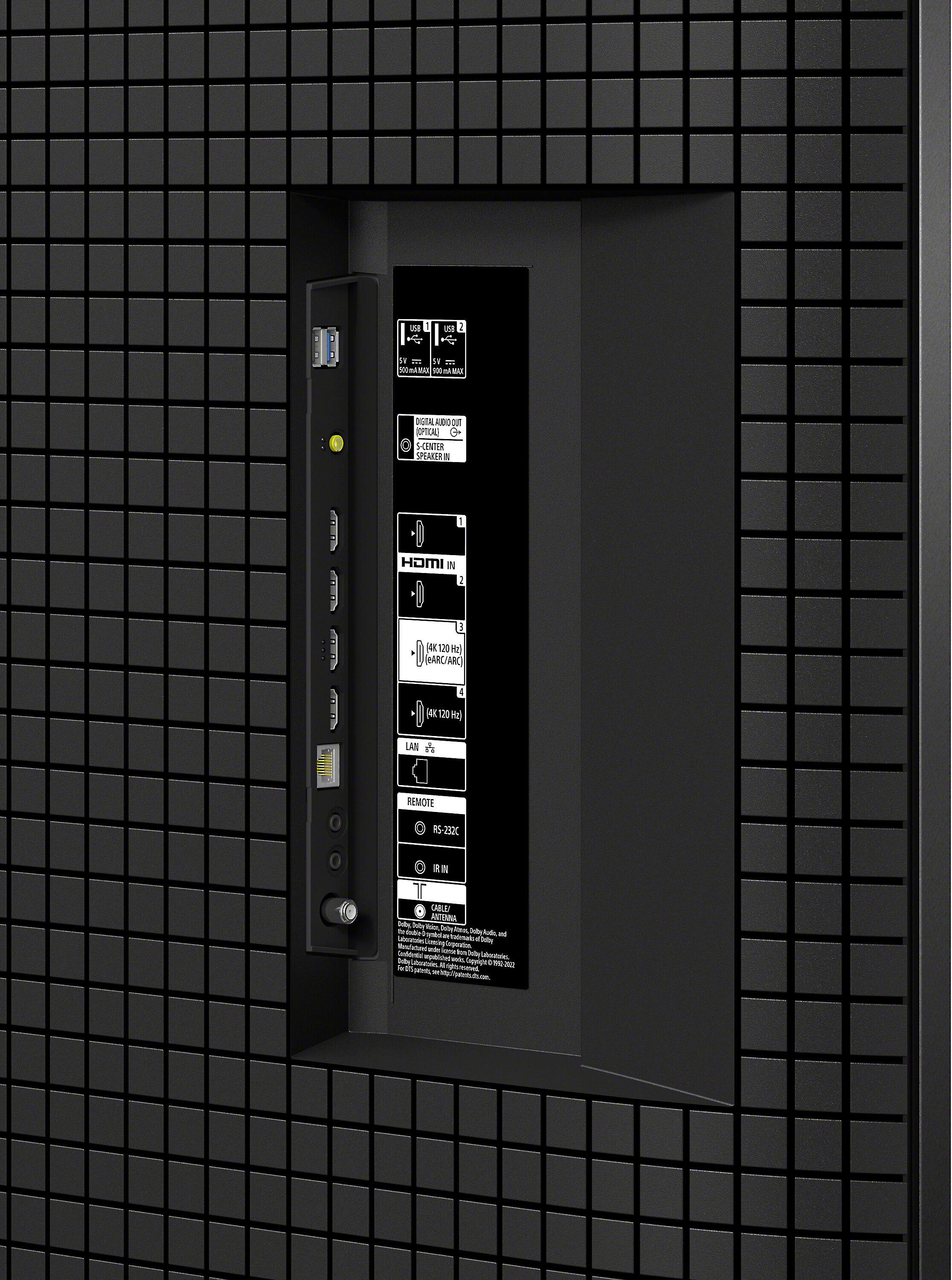
Modern gaming demands low input lag and high refresh rates. The LG G5 delivers 4K resolution at up to 165Hz refresh rate on all four HDMI 2.1 ports. This matters most for PC gaming with high-end graphics cards, but it also future-proofs the TV for next-generation consoles.
Input lag – the delay between pressing a button and seeing the result on screen – is crucial for competitive gaming. The G5 achieves sub-1ms input lag in Game Mode, essentially eliminating any delay. The TV also supports Variable Refresh Rate (VRR) and Quick Media Switching (QMS), which prevent screen tearing and eliminate black screens when switching between different frame rates.
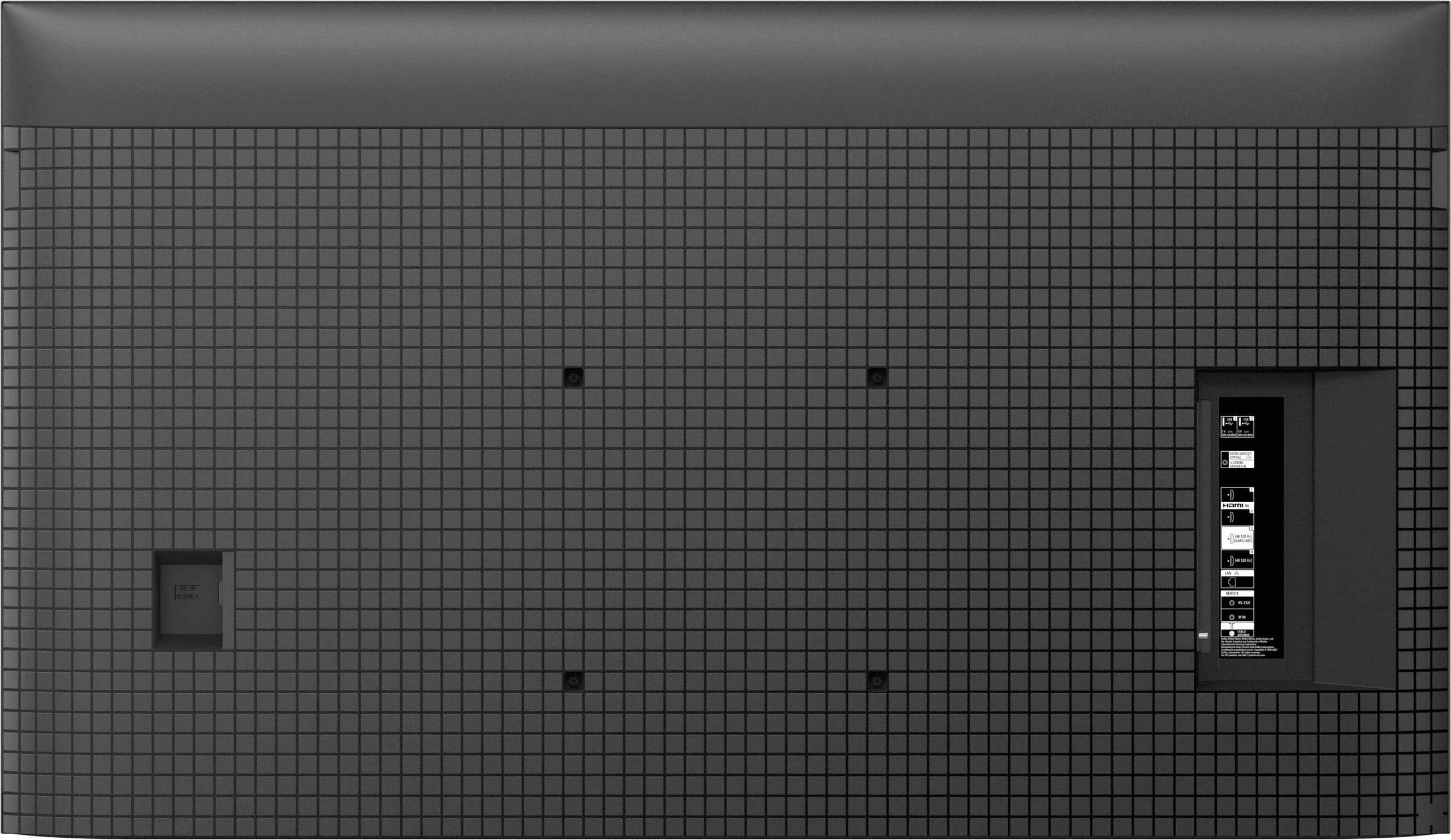
The Sony BRAVIA 7 supports 4K at 120Hz on two HDMI inputs, which covers current console gaming needs. Input lag is excellent at under 8.5ms in Game Mode. Sony includes PlayStation 5-specific optimizations like Auto HDR Tone Mapping, which automatically adjusts HDR settings for the best gaming experience.
For most gamers, both TVs provide excellent experiences. The G5's advantage is mainly for PC gaming enthusiasts with powerful graphics cards who can actually utilize 165Hz refresh rates. Console gamers will find both TVs more than adequate.
The G5 runs webOS 25, LG's proprietary smart TV platform. It's clean, intuitive, and fast. The standout feature is the webOS Renew program, which guarantees five years of software updates and new features. The Magic Remote includes an AI button that connects to an AI chatbot for troubleshooting and recommendations.
Quick Cards organize your favorite apps and content for easy access, and the TV provides access to over 300 free LG channels. The interface feels modern and responsive, though it lacks the deep integration with streaming services that Google TV offers.
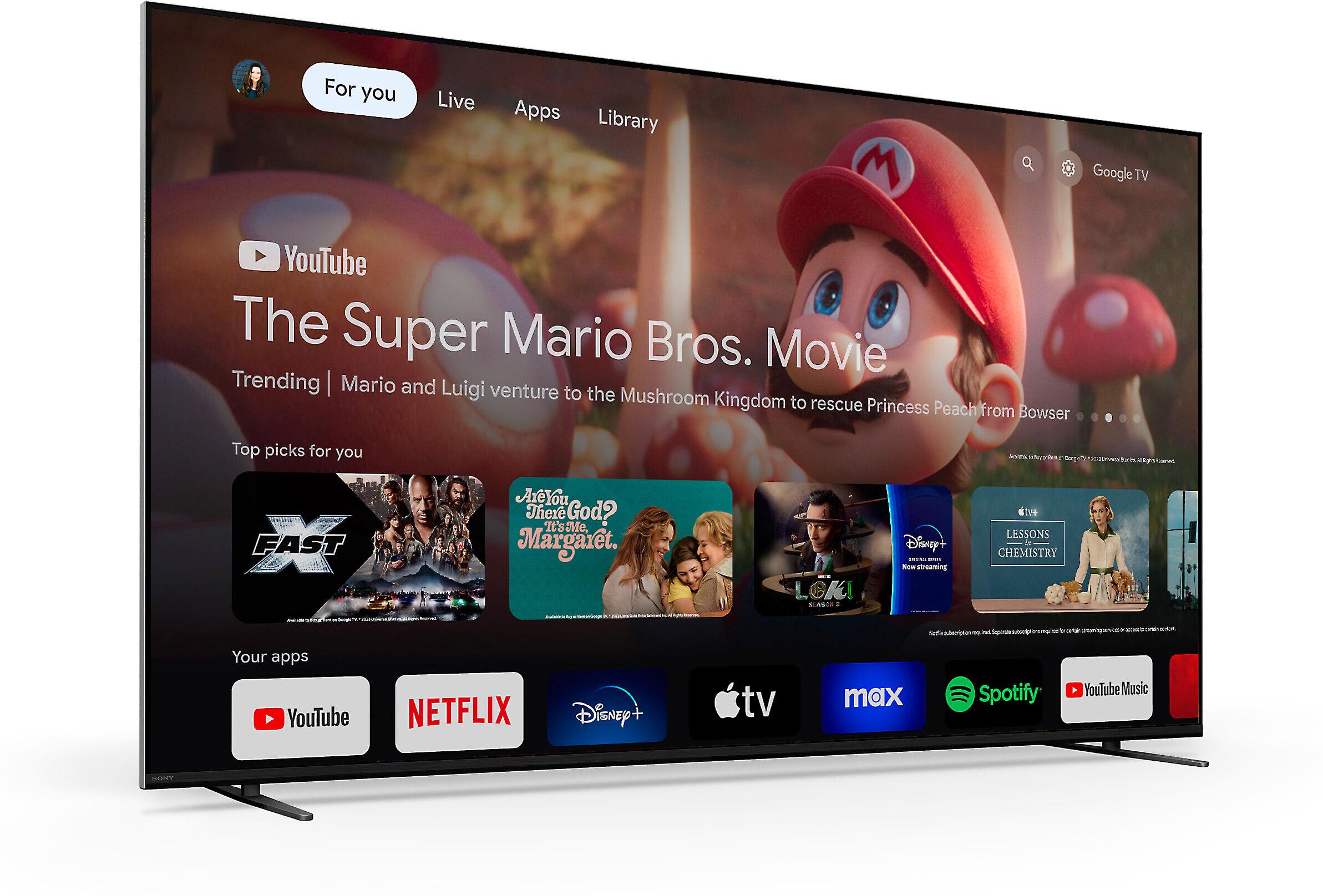
The BRAVIA 7 uses Google TV, which provides exceptional integration with Google services and an extensive app ecosystem. Google Assistant is built-in, and the TV supports both Chromecast and AirPlay 2 for easy content sharing. If you're already using Google services, the integration feels seamless.
Both platforms work well, but they cater to different preferences. webOS feels more TV-focused, while Google TV integrates better with broader digital ecosystems.
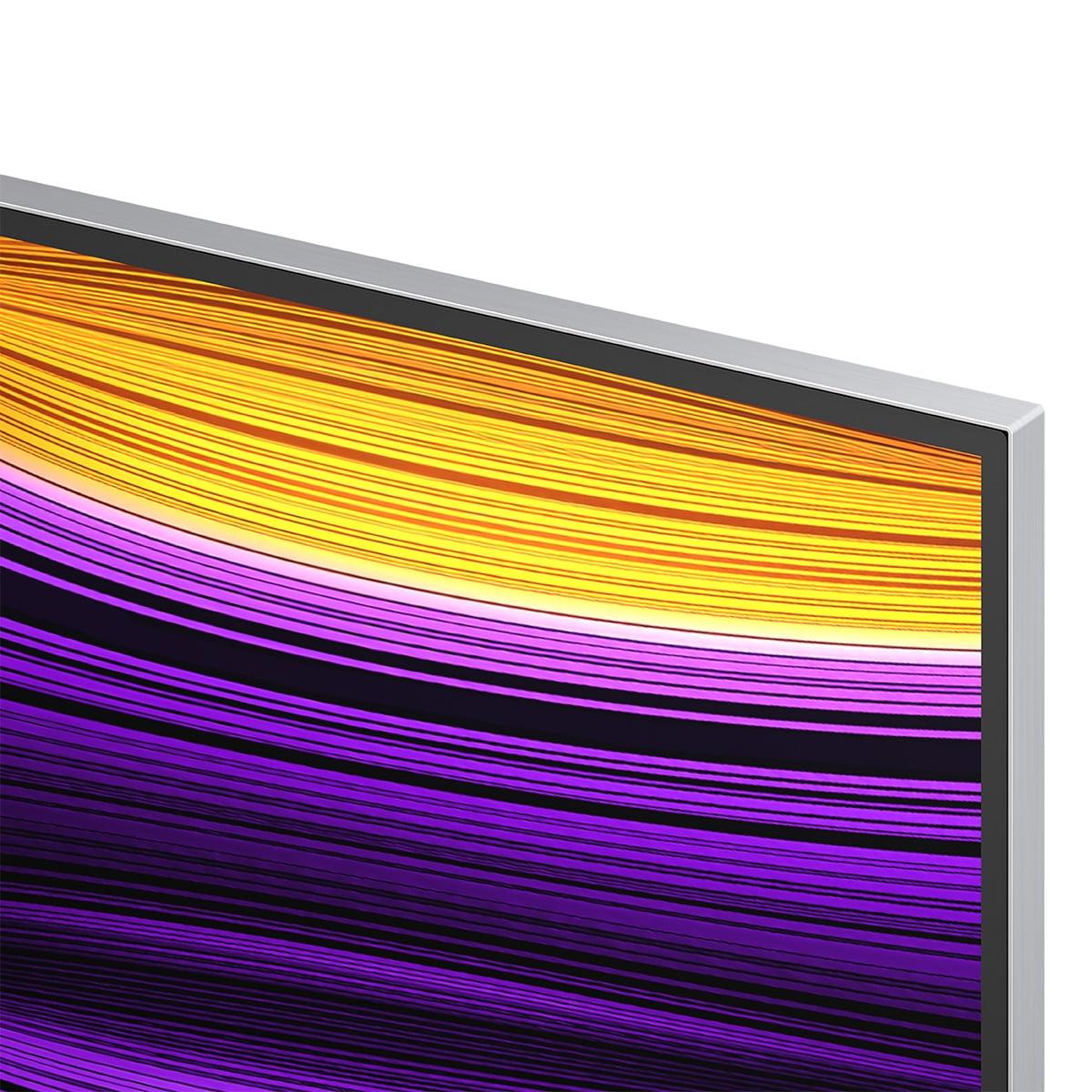
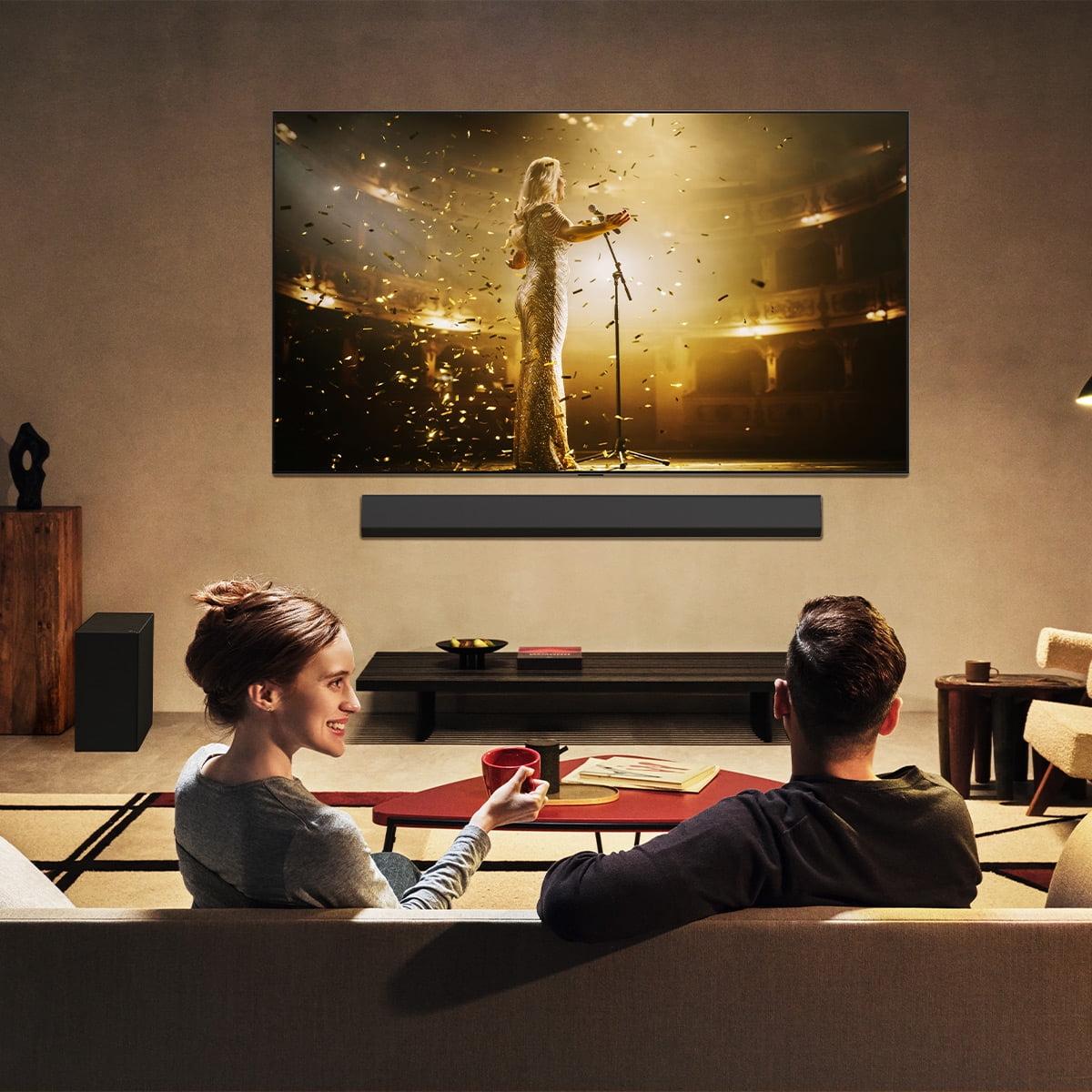
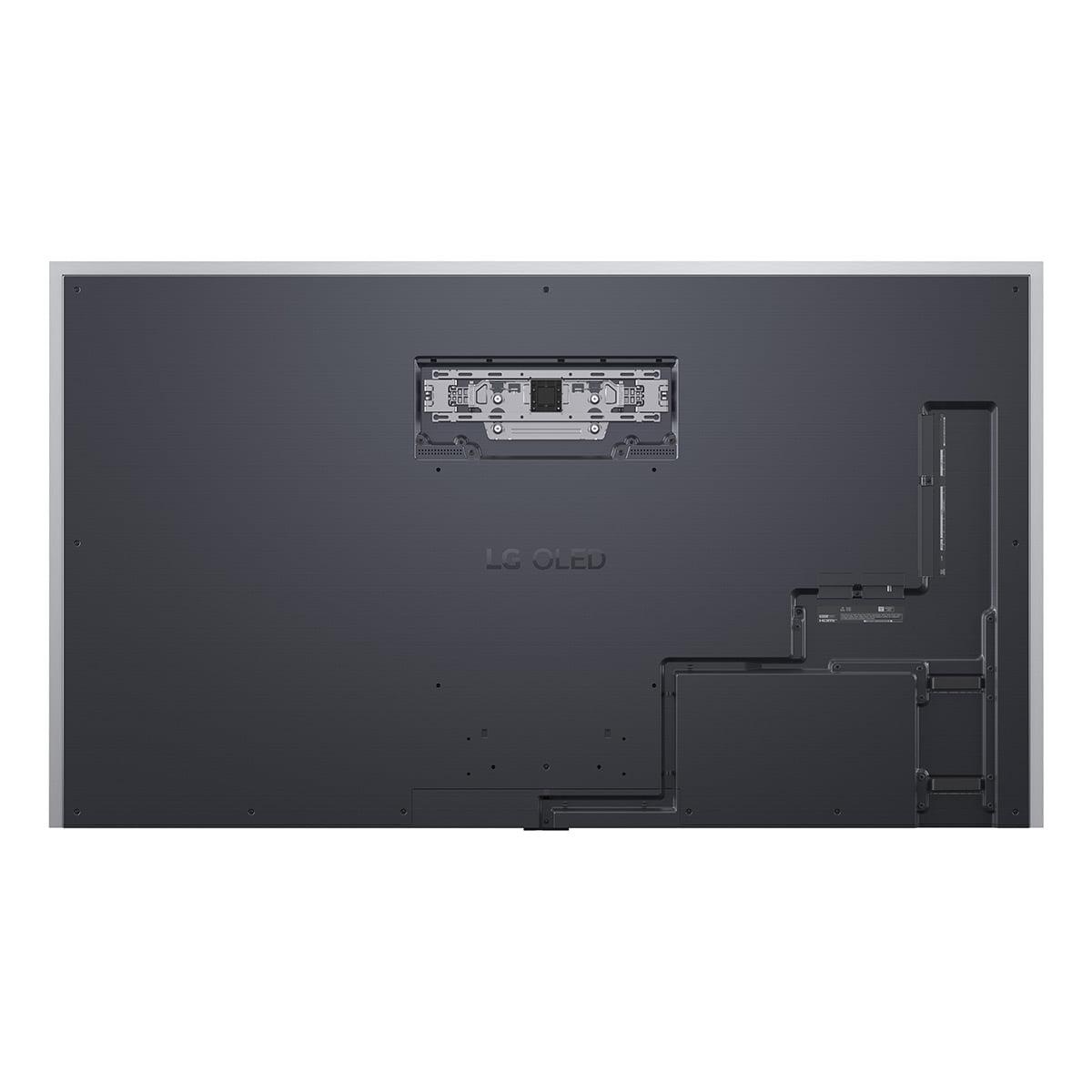
The LG G5 embraces the "One Wall Design" philosophy – it mounts flush against the wall like a piece of art. When not in use, it can display artwork or photos, truly becoming part of your room's decor. The slim profile and premium materials justify the higher price point.
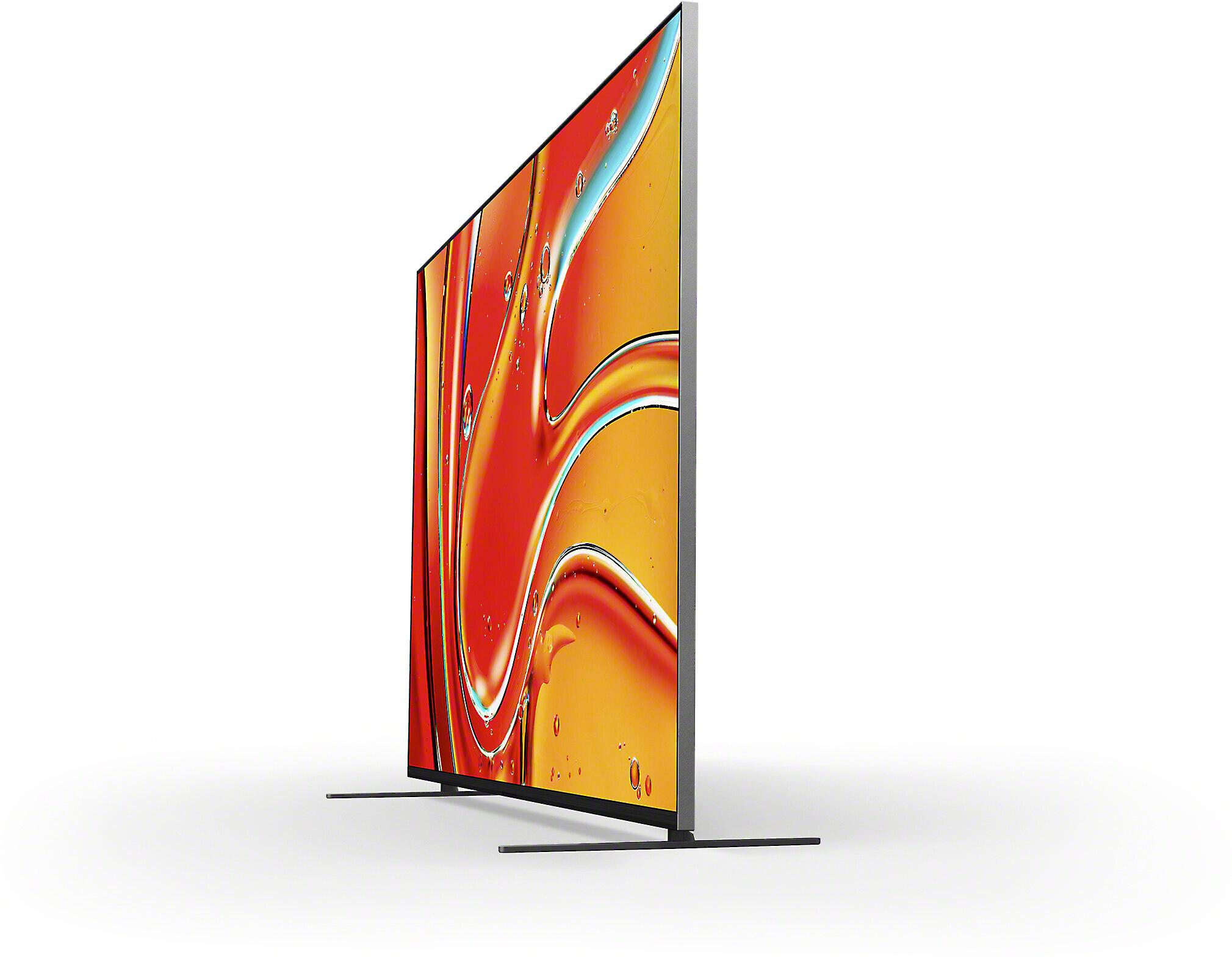
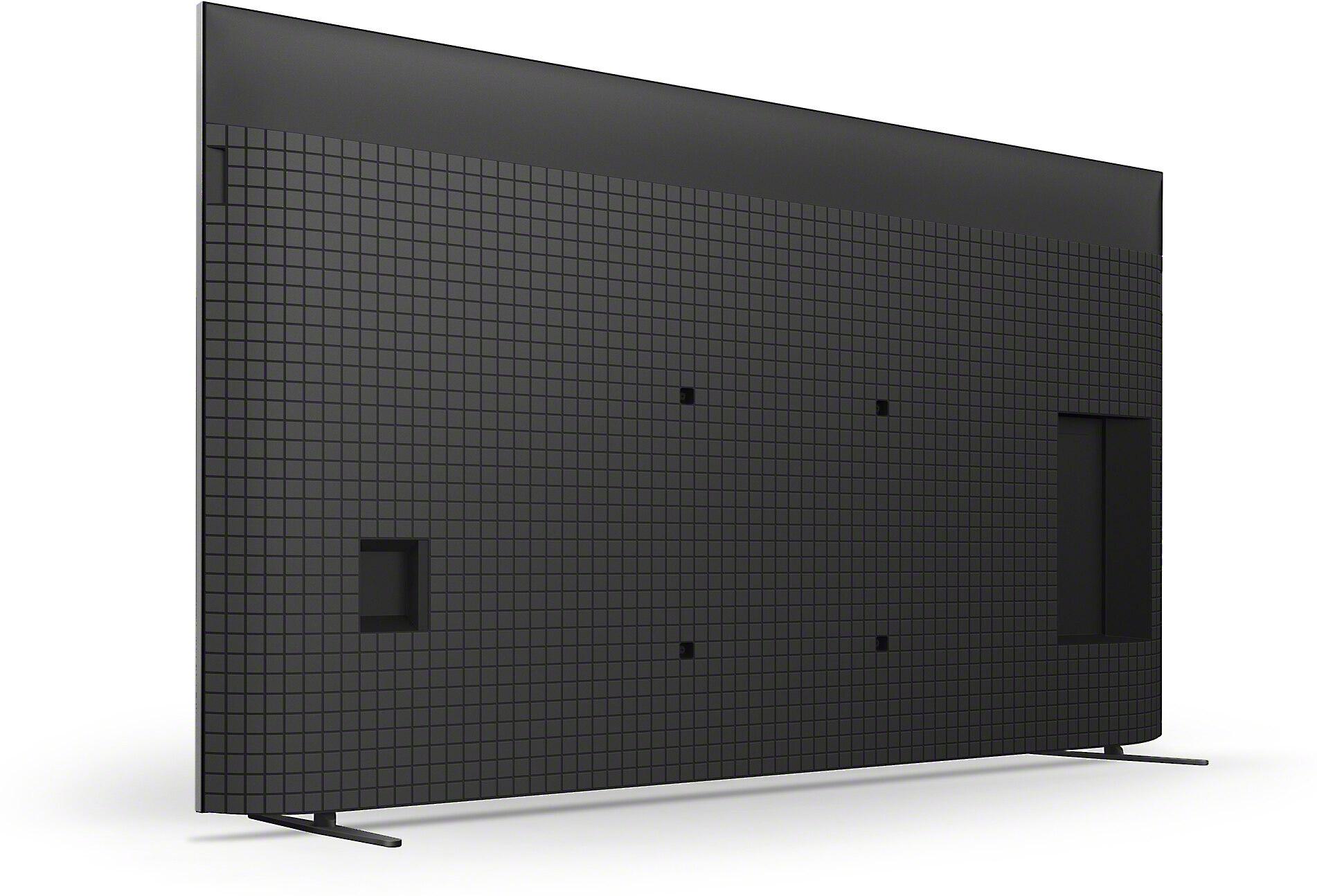
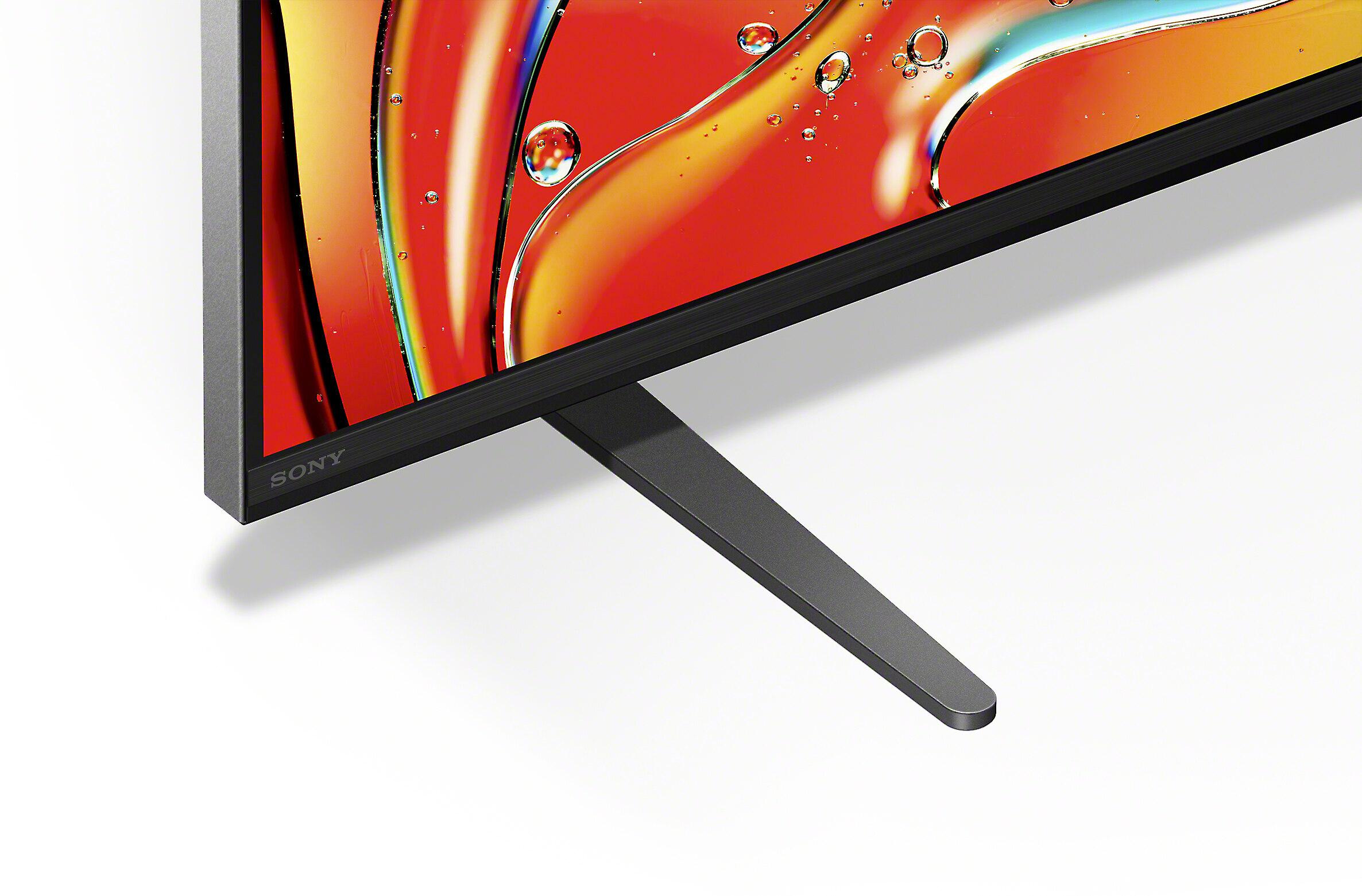
The BRAVIA 7 takes a more traditional approach with an included stand and standard mounting options. While well-built, it doesn't have the same premium aesthetic focus as the G5. For many users, this actually makes it more practical – not everyone wants to wall-mount their TV.
Both TVs are solidly constructed, but the G5's build quality feels more premium throughout. The 5-year limited panel warranty on the G5 also provides additional peace of mind for the substantial investment.
In a dedicated home theater with controlled lighting, the LG G5 truly shines. The perfect blacks create an immersive experience where the screen seems to disappear into the darkness. The improved brightness means you don't lose detail in bright scenes, while the wide color gamut ensures films look as directors intended.
The FILMMAKER MODE and new Ambient Filmmaker Mode automatically adjust settings based on room lighting while preserving the creator's artistic intent. For cinephiles, this attention to accurate presentation is invaluable.
The Sony BRAVIA 7 excels in mixed-use spaces where you might watch TV during the day and evening. The higher overall brightness and excellent anti-glare coating make it more versatile for different viewing conditions. Sony's processing creates a more "cinematic" look that many find appealing, even if it's not perfectly accurate.
Both TVs support Dolby Atmos audio, though you'll want a proper sound system to fully appreciate either display's capabilities.
At $3,196.99, the LG G5 is a significant investment that pays off if you prioritize cutting-edge technology and perfect picture quality. You're paying for the latest OLED innovations, premium design, and future-proof gaming capabilities.
The Sony BRAVIA 7 at $1,323.48 offers remarkable value – you get flagship-level performance for less than half the G5's price. It's the choice for buyers who want excellent picture quality without paying for the absolute latest technology.
Choose the LG G5 if you're building a dedicated home theater, want the latest OLED technology, or are a serious gamer who needs 165Hz refresh rates. The perfect blacks and premium design justify the higher cost for enthusiasts.
Choose the Sony BRAVIA 7 if you want excellent performance at a more accessible price point, watch TV in bright rooms, or prefer Google's smart TV ecosystem. It's the smarter choice for most buyers who want flagship features without flagship pricing.
Both TVs will deliver years of exceptional viewing experiences – your choice comes down to whether you value cutting-edge technology or exceptional value more highly.
| LG OLED evo G5 65" 4K Smart TV 2025 | Sony BRAVIA 7 65" 4K UHD Smart Google TV |
|---|---|
| Price - Significant cost difference for premium features | |
| $3,196.99 | $1,323.48 |
| Display Technology - Fundamental difference in how picture is created | |
| 4-Stack RGB Tandem OLED (perfect blacks, self-lit pixels) | Mini-LED with Full Array Local Dimming (very good contrast) |
| Peak Brightness - Critical for HDR impact and bright room viewing | |
| 2,200+ nits (45% brighter than previous OLEDs) | Very bright LED (may exceed G5 in full-screen brightness) |
| Gaming Refresh Rate - Matters for PC gaming and future consoles | |
| 4K @ 165Hz on all 4 HDMI ports | 4K @ 120Hz on 2 HDMI ports |
| Input Lag - Essential for competitive gaming | |
| Sub-1ms in Game Mode | Under 8.5ms in Game Mode |
| Smart TV Platform - Different ecosystems and update commitments | |
| webOS 25 with 5-year update guarantee | Google TV with extensive app ecosystem |
| Design Approach - Wall-mounting vs traditional setup | |
| One Wall Design (flush wall mount, art display mode) | Traditional TV design with included stand |
| HDR Formats - All major formats supported on both | |
| HDR10, Dolby Vision, HLG | HDR10, Dolby Vision, HLG |
| Processor - AI features and picture optimization | |
| Alpha 11 AI Processor Gen 2 with AI chatbot | Cognitive Processor XR with human-like analysis |
| Black Levels - Most noticeable difference in dark scenes | |
| Perfect blacks (infinite contrast ratio) | Excellent blacks but some backlight present |
| Warranty - Confidence in long-term reliability | |
| 5-year limited panel warranty | Standard warranty coverage |
| Best For - Target user profiles | |
| Home theater enthusiasts, gamers, design-conscious buyers | Value-seekers, bright room viewing, Google ecosystem users |
The LG OLED evo G5 65" 4K Smart TV 2025 uses advanced OLED technology with perfect blacks and self-lit pixels, while the Sony BRAVIA 7 65" 4K UHD Smart Google TV uses Mini-LED backlighting. The G5 offers superior contrast and a premium design at $3,196.99, while the BRAVIA 7 provides excellent value at $1,323.48 with very good picture quality.
The LG G5 is superior for gaming with 4K @ 165Hz on all four HDMI ports and sub-1ms input lag. The Sony BRAVIA 7 supports 4K @ 120Hz on two ports with under 8.5ms input lag. Both are excellent for console gaming, but the G5 is better for high-end PC gaming.
Both TVs handle bright rooms well, but for different reasons. The Sony BRAVIA 7 may have higher overall brightness levels, while the LG G5 features new panel technology that's 45% brighter than previous OLEDs. The G5's anti-glare coating and improved brightness make it much more viable for daytime viewing than older OLED models.
The LG G5 at $3,196.99 is worth the premium if you prioritize perfect blacks, cutting-edge OLED technology, premium design, and advanced gaming features. The Sony BRAVIA 7 at $1,323.48 offers exceptional value for most users who want flagship-level performance without the highest price tag.
The LG G5 excels in dedicated home theaters with its perfect blacks, infinite contrast ratio, and FILMMAKER MODE for accurate color reproduction. The improved brightness ensures you don't lose detail in bright scenes. The Sony BRAVIA 7 is better for mixed-use spaces where you watch TV in various lighting conditions.
The LG G5 runs webOS 25 with a 5-year update guarantee, AI chatbot, and access to 300+ free LG channels. The Sony BRAVIA 7 uses Google TV with extensive app ecosystem, Google Assistant, and seamless integration with Google services, Chromecast, and AirPlay 2.
Picture quality depends on your priorities. The LG G5 offers perfect blacks, infinite contrast, and enhanced color volume with its new 4-Stack OLED panel. The Sony BRAVIA 7 provides excellent contrast through local dimming and Sony's renowned color processing. Both support HDR10, Dolby Vision, and deliver exceptional 4K picture quality.
Yes, both TVs excel for movies. The LG G5 provides a more cinematic experience with perfect blacks and FILMMAKER MODE for accurate color reproduction. The Sony BRAVIA 7 offers vibrant colors and excellent HDR performance with Sony's superior picture processing that many viewers find appealing.
The LG G5 comes with a 5-year limited panel warranty, showing confidence in OLED durability. The Sony BRAVIA 7 uses proven LED technology with standard warranty coverage. Both brands have good reputations for reliability, but the G5's extended warranty provides additional peace of mind.
The LG G5 features a premium One Wall Design that mounts flush to the wall and can display art when not in use. The Sony BRAVIA 7 has a more traditional TV design with an included stand. The G5 emphasizes premium aesthetics, while the BRAVIA 7 focuses on practical functionality.
Both TVs handle HDR excellently but differently. The LG G5 provides perfect blacks with peak brightness over 2,200 nits for impactful HDR. The Sony BRAVIA 7 may achieve higher overall brightness in some scenarios and uses Sony's excellent HDR tone mapping. Both support all major HDR formats including Dolby Vision.
Choose the LG G5 if you want the latest OLED technology, perfect picture quality, premium design, and advanced gaming features, and have a budget over $3,000. Choose the Sony BRAVIA 7 if you want excellent performance at great value, prefer Google TV, or primarily watch in bright rooms. Both deliver exceptional viewing experiences for their respective price points.
We've done our best to create useful and informative comparisons to help you decide what product to buy. Our research uses advanced automated methods to create this comparison and perfection is not possible - please contact us for corrections or questions. These are the sites we've researched in the creation of this article: bestbuy.com - techradar.com - rtings.com - youtube.com - youtube.com - rtings.com - bestbuy.com - youtube.com - valueelectronics.com - lg.com - audio-videoplus.com - lg.com - lg.com - lg.com - bestbuy.com - bestbuy.com - avsforum.com - avsforum.com - crutchfield.com - sony.com - rtings.com - schaeferstv.com - youtube.com - displayspecifications.com

Privacy Policy
Terms and Conditions - Affiliate Policy
Home Security
© Copyright 2008-2026.
11816 Inwood Rd #1211, Dallas, TX 75244