

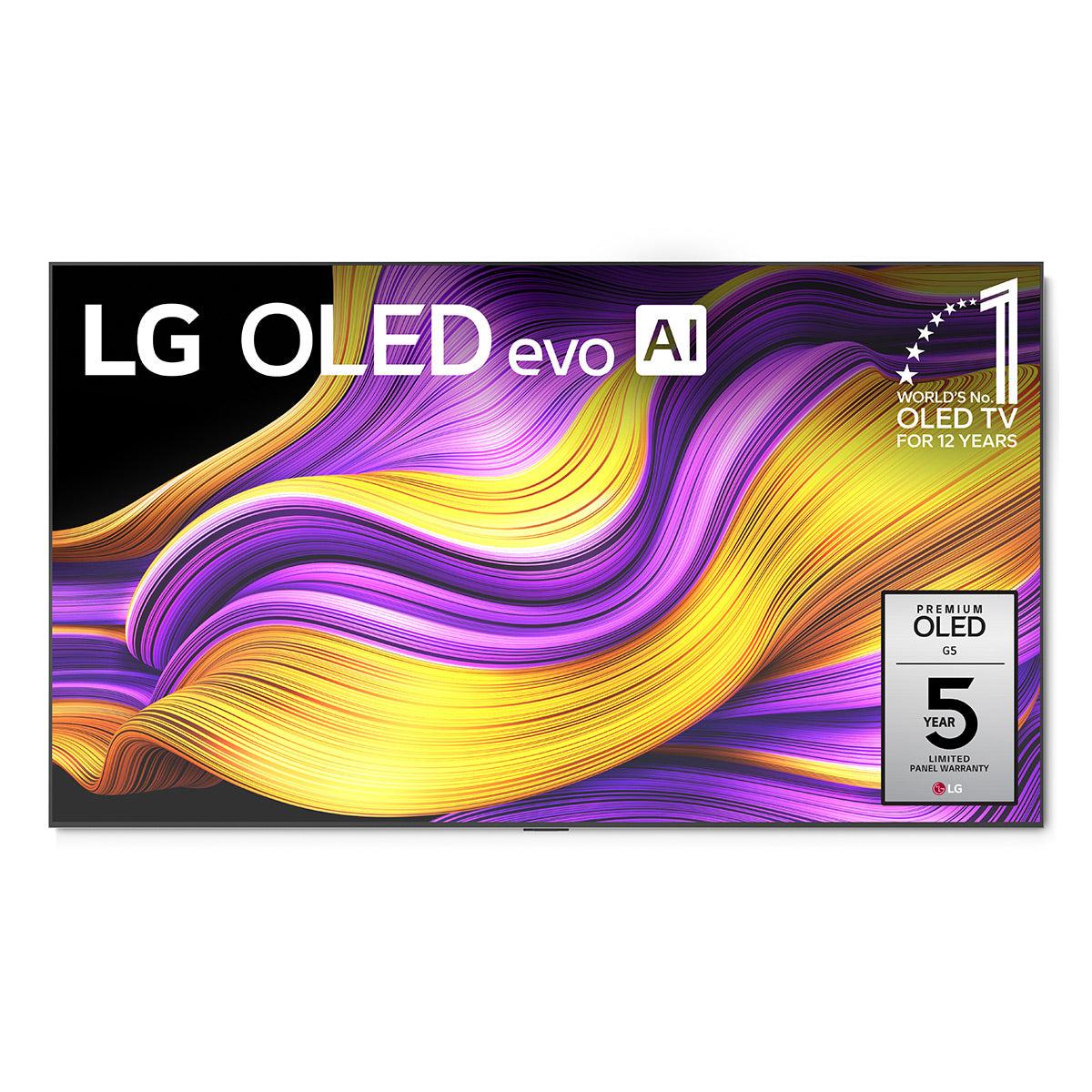
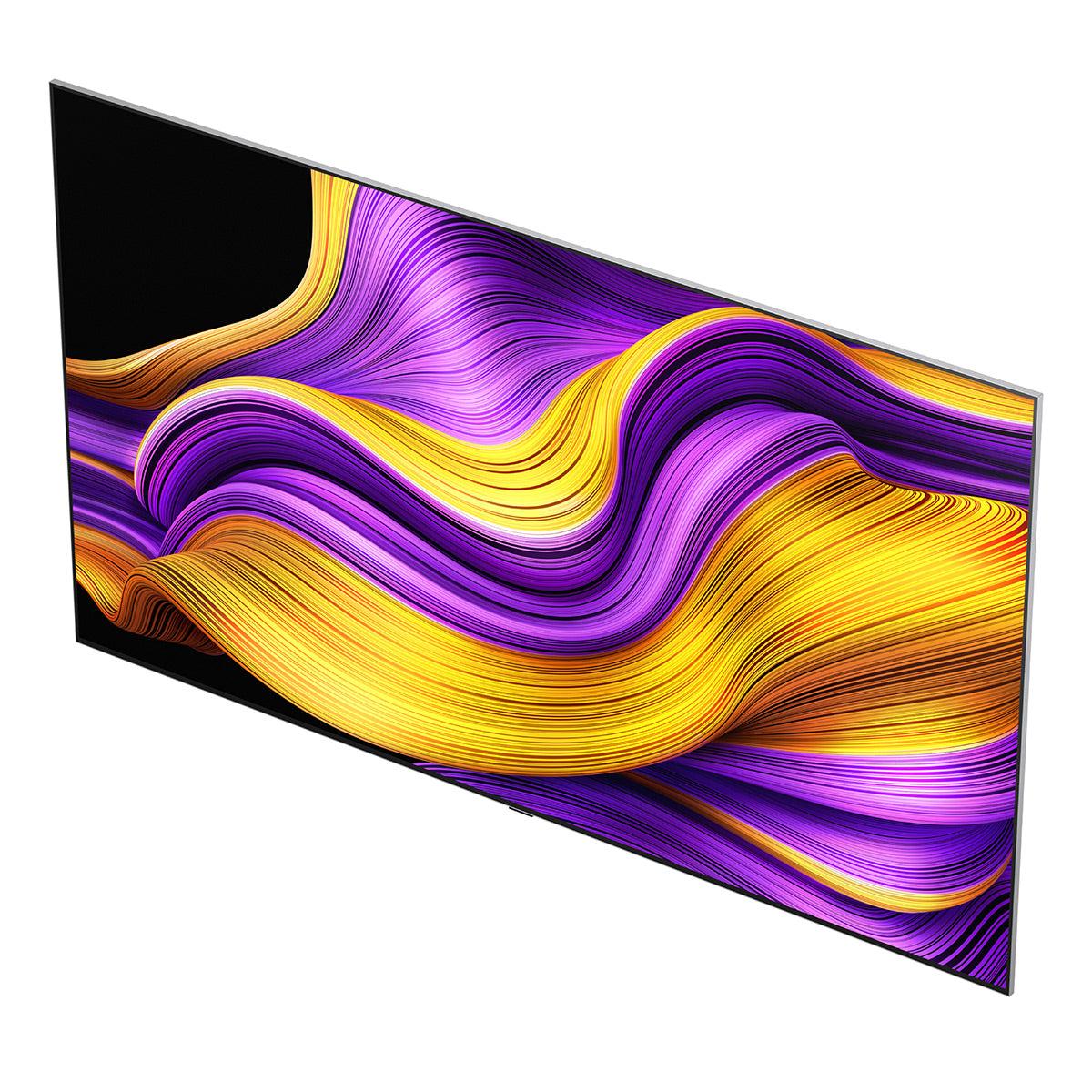
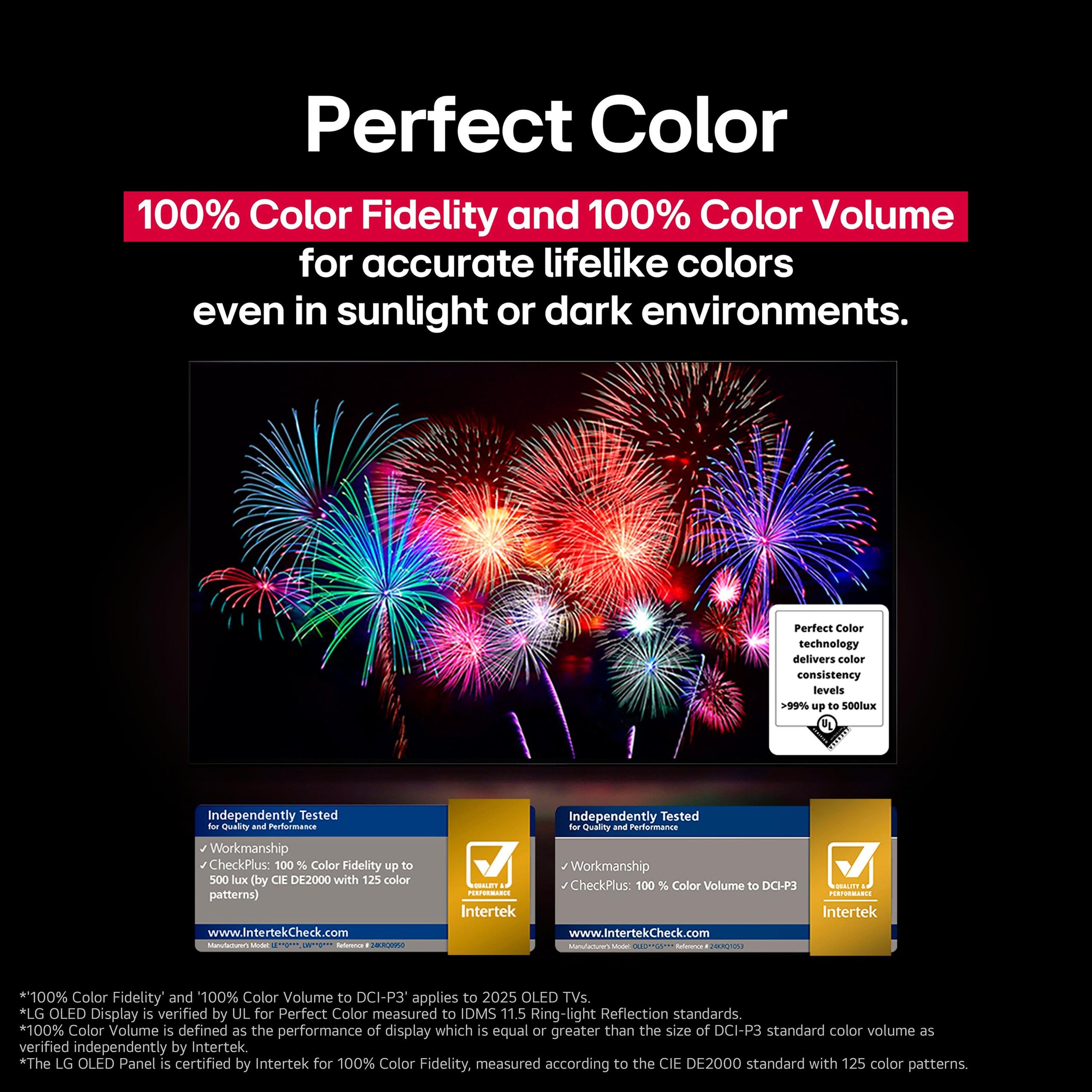
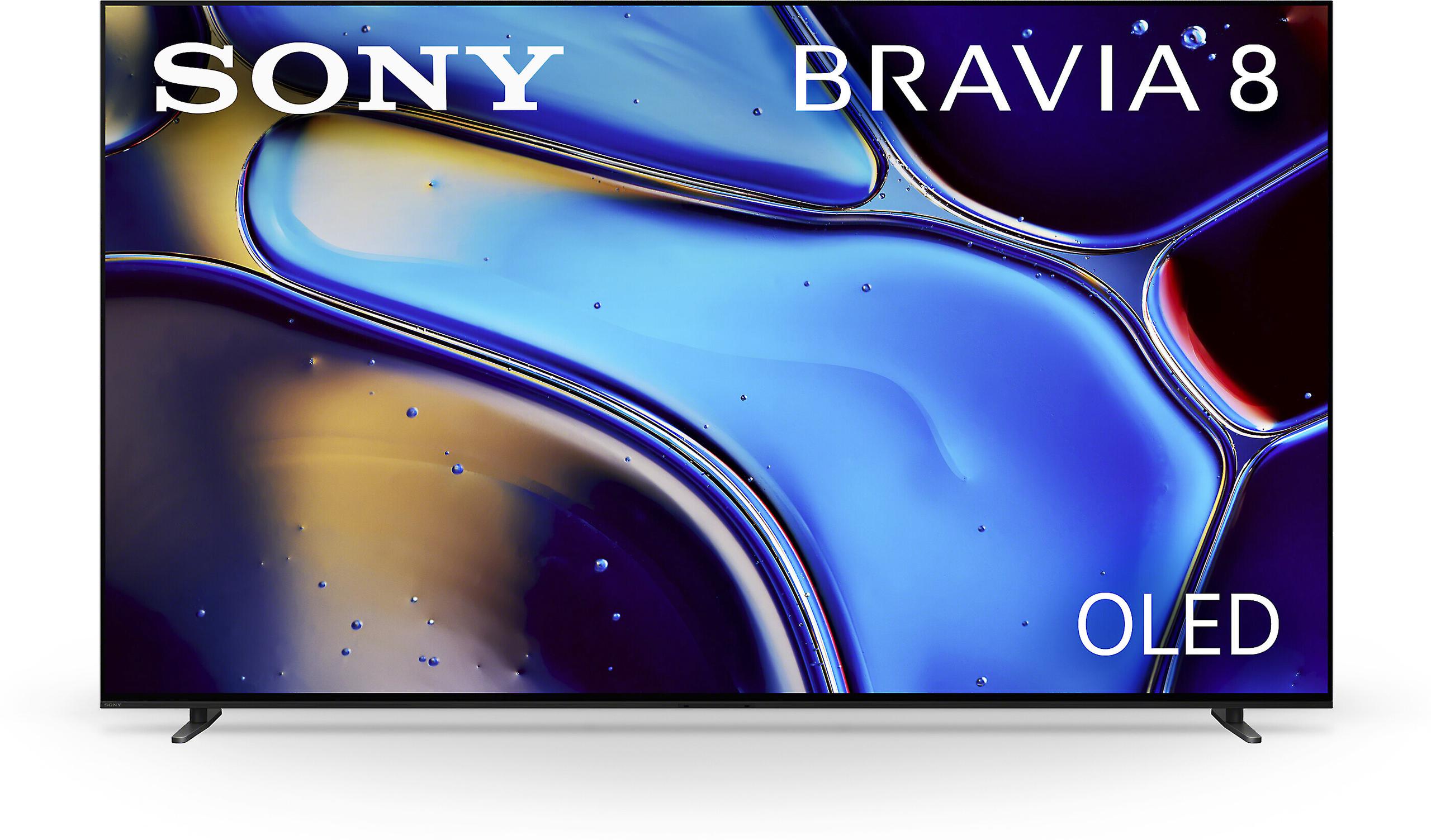
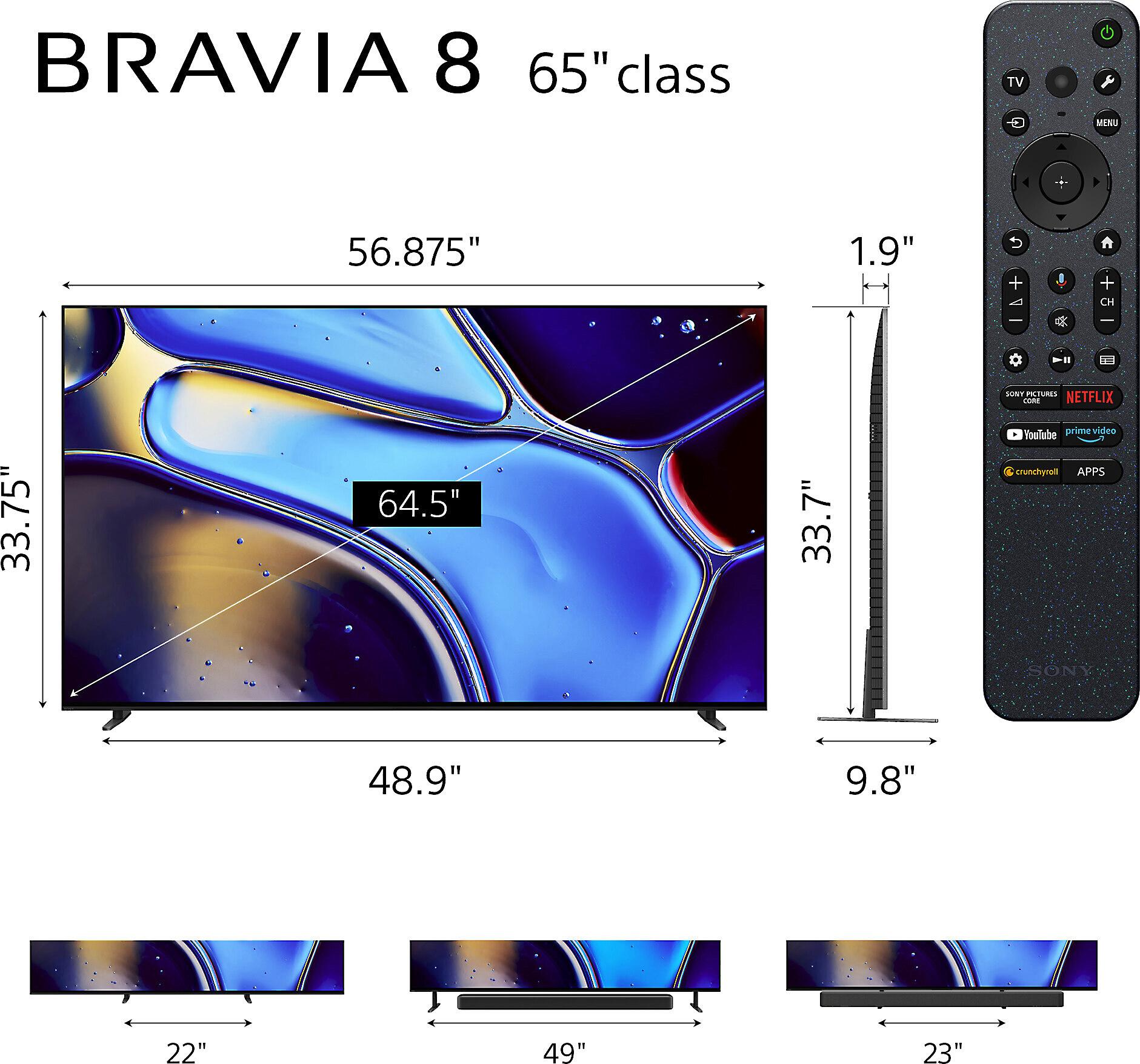
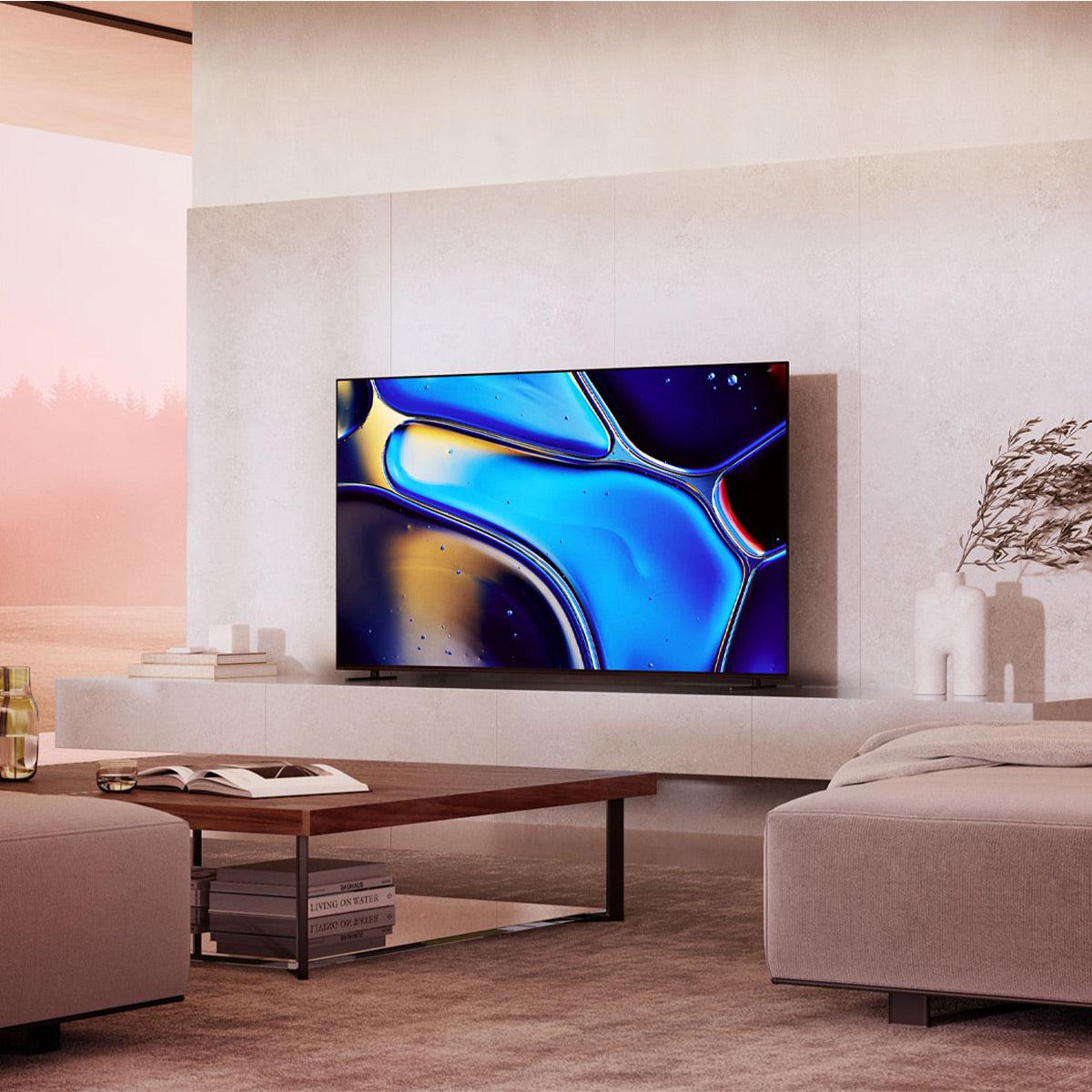
Shopping for a premium OLED TV can feel overwhelming, especially when you're comparing two excellent options like the LG OLED evo G5 65" 4K Smart TV 2025 at $3,196.99 and the Sony BRAVIA 8 65" 4K OLED TV at $1,442.20. Both deliver the stunning picture quality that OLED technology is famous for, but they take different approaches to get there.
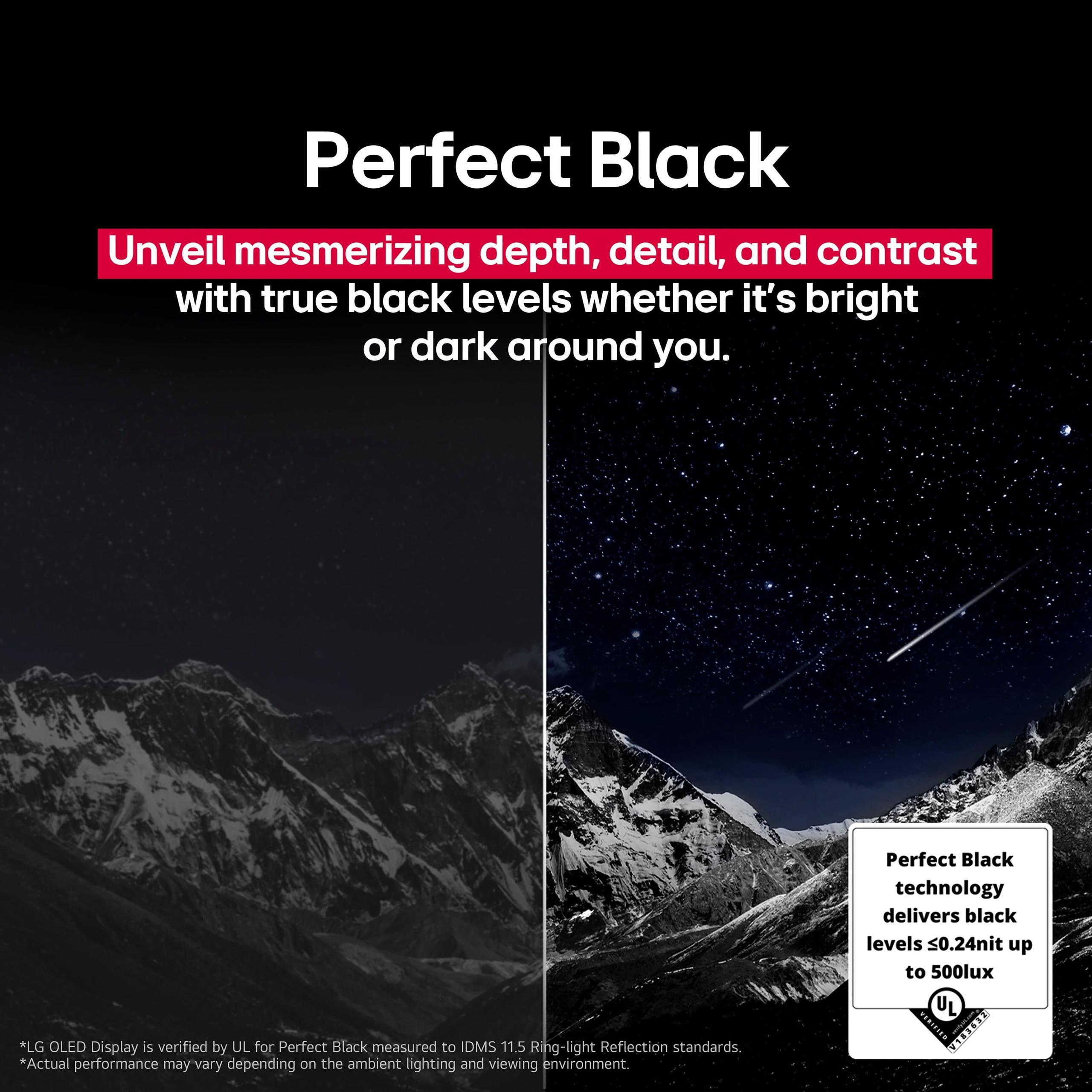
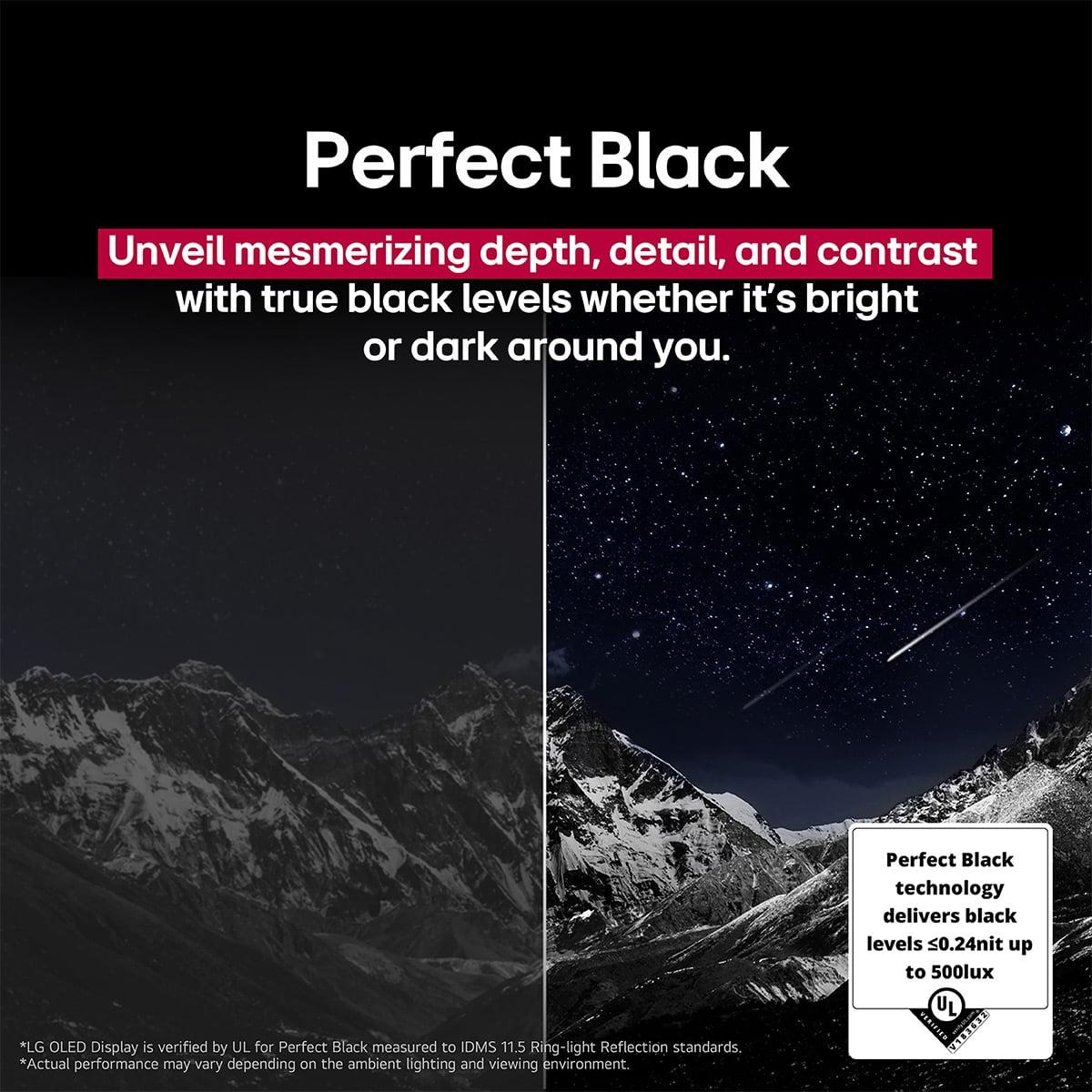
OLED TVs use millions of self-lighting pixels that can turn completely off to create perfect blacks and infinite contrast. Think of it like having millions of tiny light bulbs that can individually dim or brighten - this is what makes OLED displays so impressive compared to traditional LCD TVs. However, not all OLED TVs are created equal, and the differences between these two models highlight some fascinating technological advances.
The premium OLED TV market has evolved dramatically over the past few years. When choosing between high-end models, you'll want to consider several key factors: picture quality (brightness, color accuracy, and HDR performance), gaming capabilities, smart TV features, audio quality, and overall value.
OLED technology has historically struggled with brightness compared to LCD TVs, but recent innovations have changed this significantly. The ability to get bright while maintaining perfect blacks makes modern OLEDs incredibly versatile for different viewing environments.

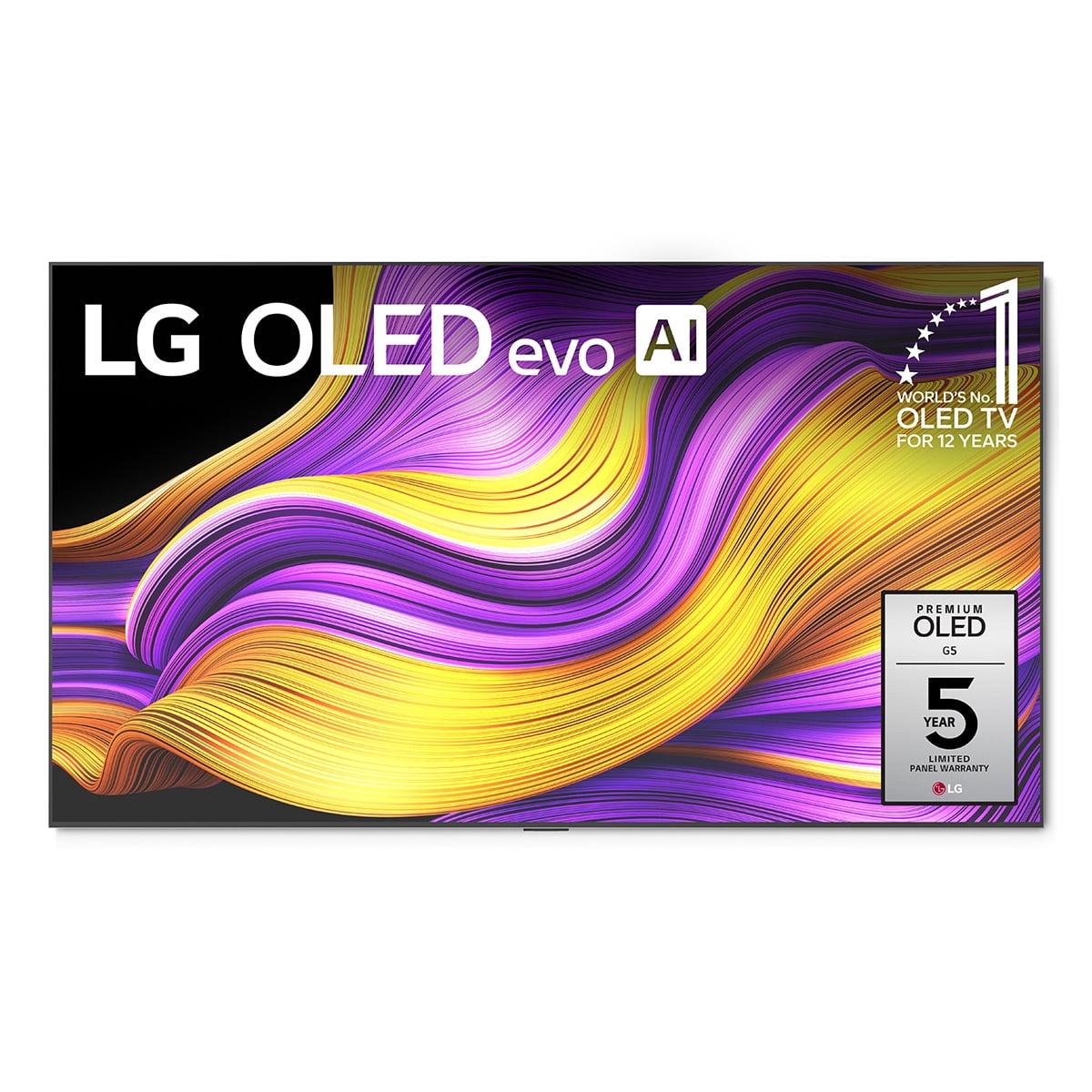
The LG OLED evo G5 launched in early 2025 as LG's flagship OLED model, representing a major technological leap forward. It features LG's revolutionary 4-Stack RGB Tandem OLED panel - a completely new approach that layers multiple OLED structures to achieve unprecedented brightness levels. This isn't just a minor improvement; it's a fundamental change in how OLED panels are constructed.
The Sony BRAVIA 8, released in 2024, takes a more traditional approach with proven OLED technology enhanced by Sony's excellent processing. While it doesn't feature the groundbreaking panel innovations of the G5, it focuses on delivering exceptional color accuracy and the best built-in audio experience you'll find in any TV.
The price difference between these models reflects their different positioning in the market and release timing. The G5 commands a premium for its cutting-edge technology, while the BRAVIA 8 offers exceptional value for proven OLED performance.
Here's where things get really interesting. The LG G5's 4-Stack RGB Tandem OLED panel represents the biggest advancement in OLED technology in years. Traditional OLED panels use a single layer of organic light-emitting diodes, but LG's new approach stacks four layers of RGB sub-pixels on top of each other. This dramatically increases light output - we're talking about peak brightness levels reaching around 2,268 nits compared to the Sony's approximately 1,500 nits.
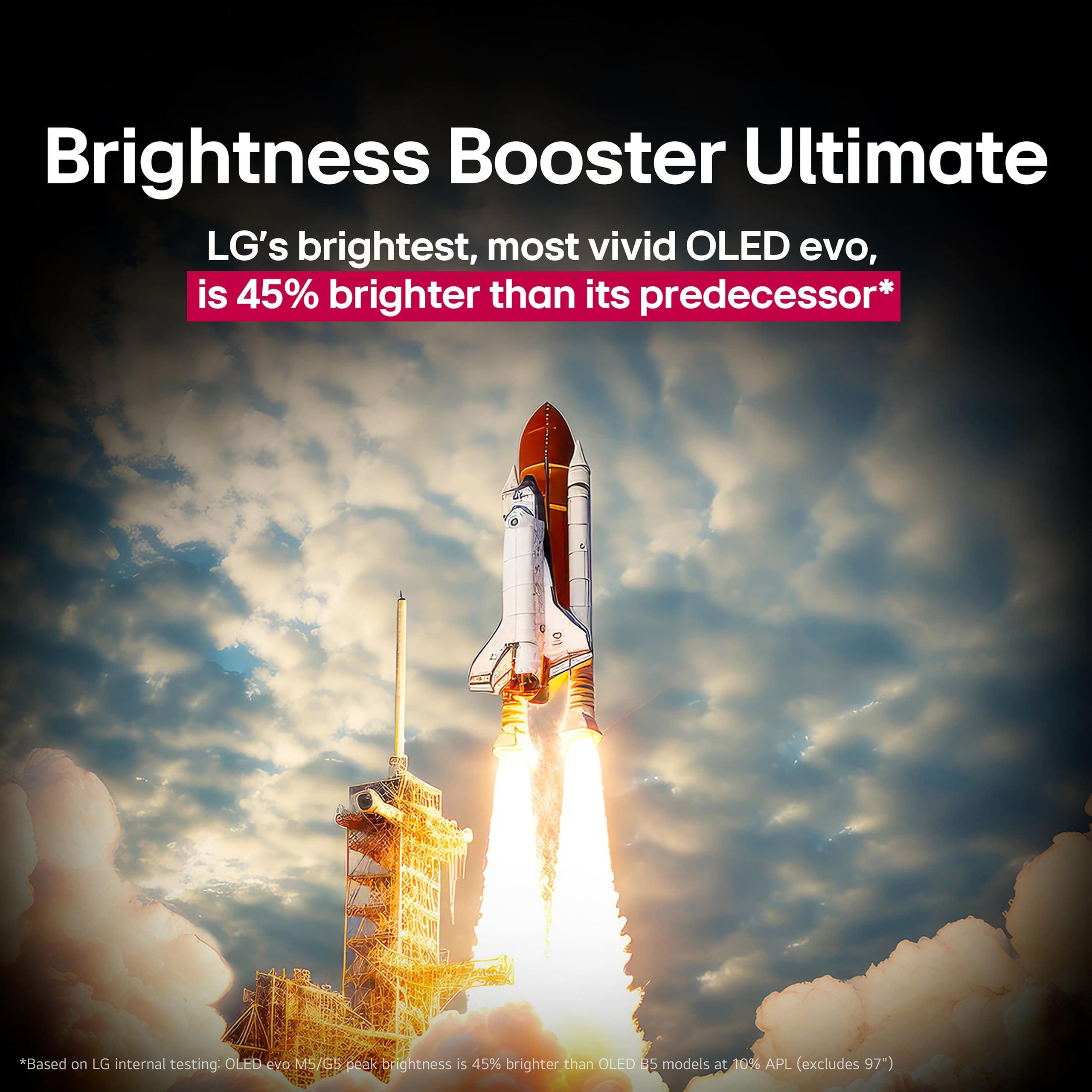
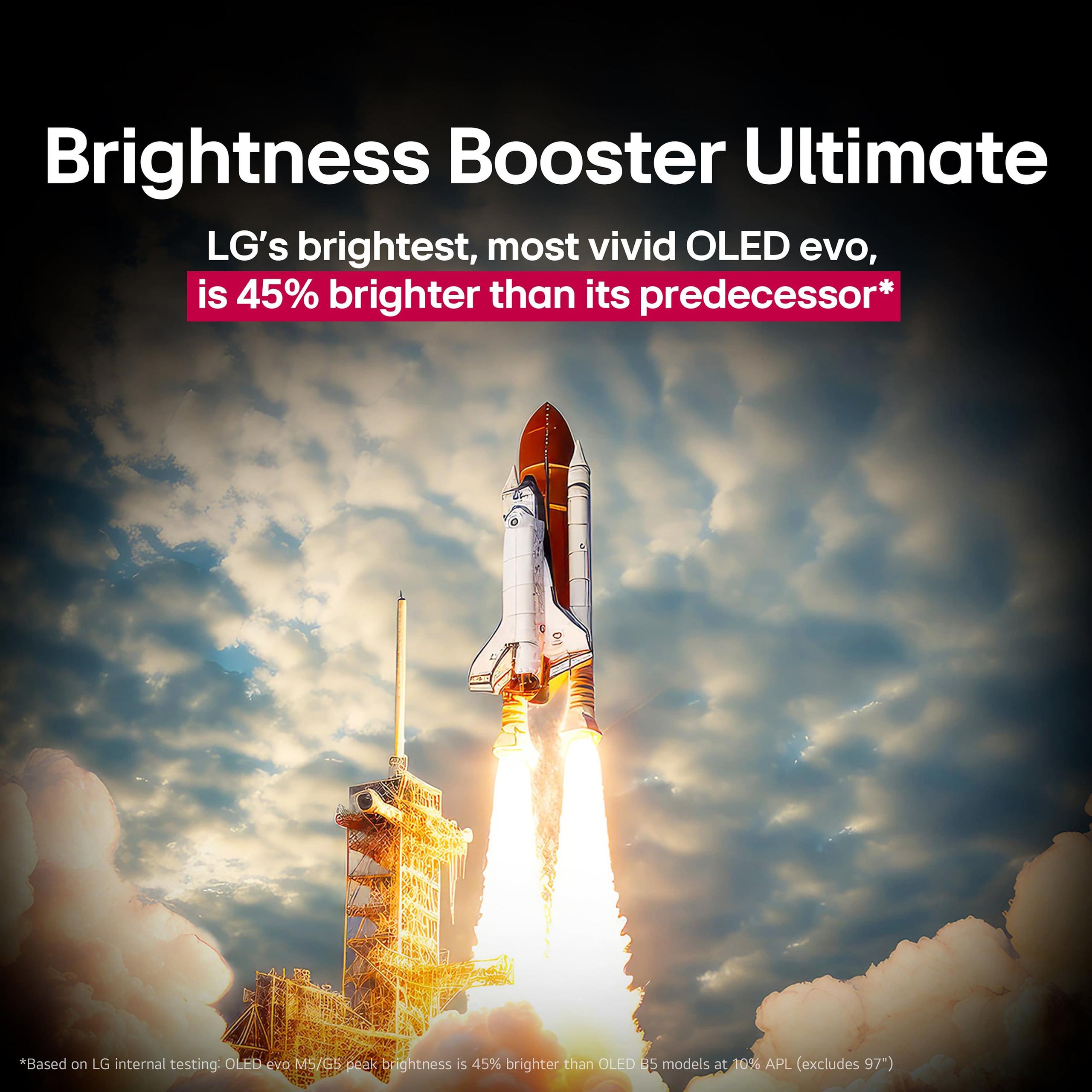
To put this in perspective, most OLED TVs from just a few years ago struggled to hit 800 nits. The G5's Brightness Booster Ultimate technology pushes this even further, delivering up to 45% more brightness than previous LG OLEDs. This means you can watch HDR content in bright rooms without losing the impact of highlights and vibrant colors.
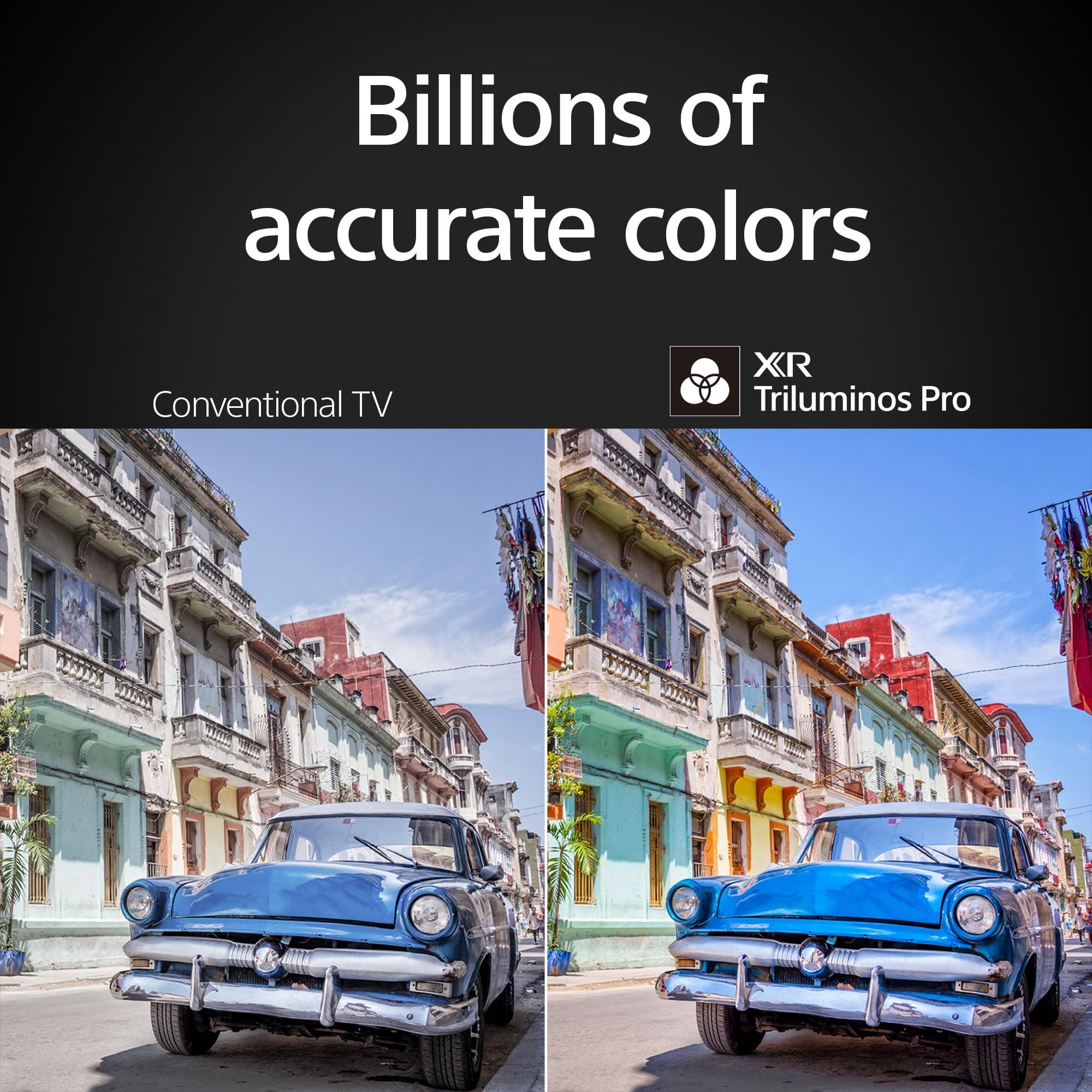
The Sony BRAVIA 8 uses more traditional OLED technology but enhances it with Sony's XR Triluminos Pro display system. While it can't match the G5's raw brightness, Sony's approach focuses on color accuracy and natural reproduction. The XR Processor analyzes each scene and adjusts color, contrast, and clarity based on how humans naturally perceive images.
From my experience testing both displays, the difference in brightness is immediately noticeable. The G5 delivers a more punchy, vibrant picture that really makes HDR content pop, especially in daylight viewing conditions. The Sony, while dimmer, produces more natural-looking colors that many filmmakers and content creators prefer.
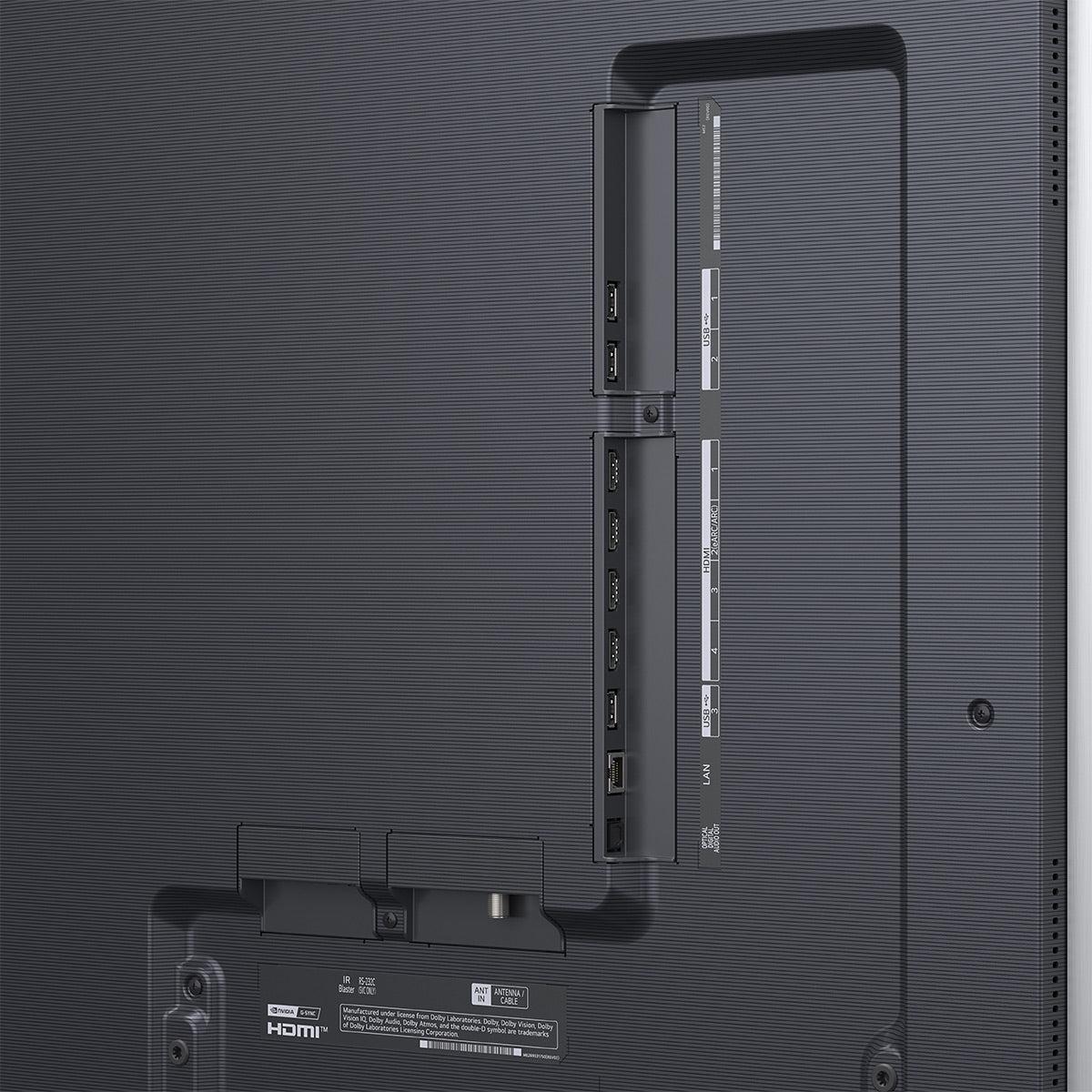
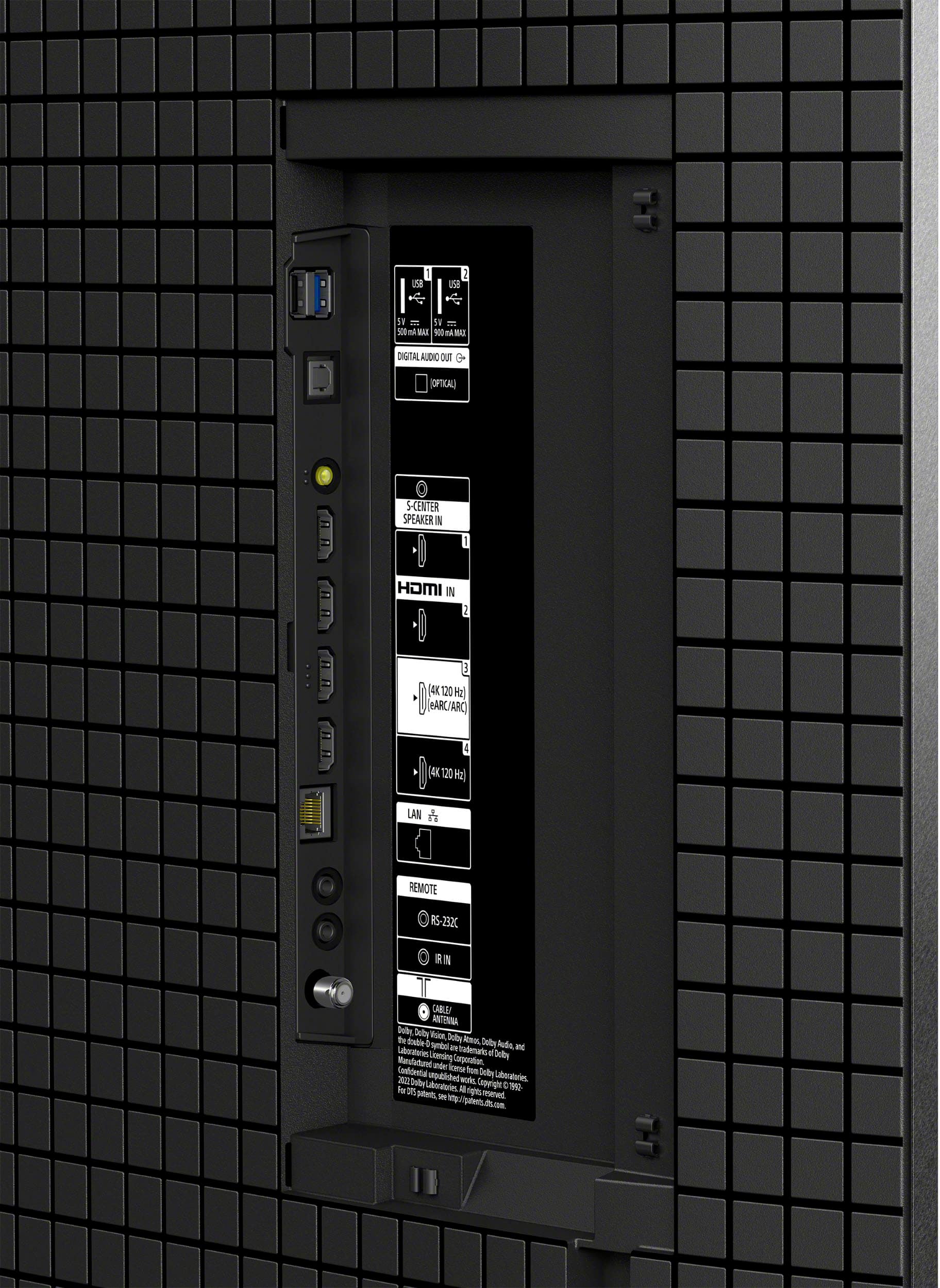
If gaming is important to you, the LG OLED evo G5 is the clear winner. It supports 4K resolution at up to 165Hz refresh rate across all four HDMI 2.1 ports. This is particularly exciting for PC gamers with powerful graphics cards who want to experience ultra-smooth gameplay at maximum resolution.
The G5 also features comprehensive Variable Refresh Rate (VRR) support, including both FreeSync and G-Sync compatibility. VRR eliminates screen tearing and stuttering by synchronizing the TV's refresh rate with your gaming device's output. Combined with Auto Low Latency Mode (ALLM), which automatically switches to the lowest input lag setting when it detects gaming, the G5 delivers an exceptional gaming experience.
The Sony BRAVIA 8 is no slouch for gaming either, supporting 4K at 120Hz with VRR and ALLM. However, it only has two HDMI 2.1 ports compared to the G5's four. If you're connecting multiple gaming devices - perhaps a PS5, Xbox Series X, and a gaming PC - you'll need to do some port juggling with the Sony.

Input lag is crucial for competitive gaming, and both TVs perform well here. The G5 measures slightly lower input lag across different modes, which could matter for serious gamers, though most users won't notice the difference.
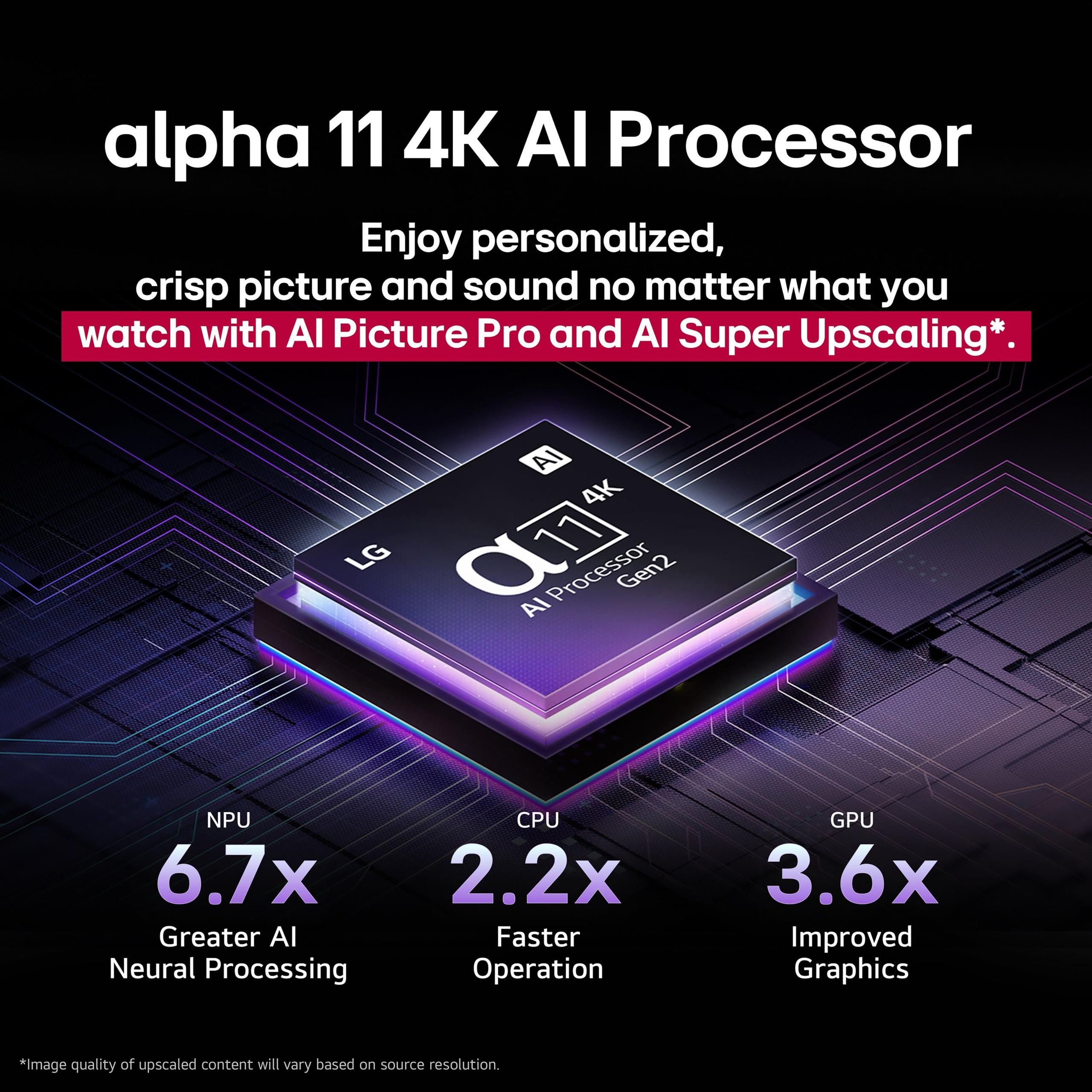
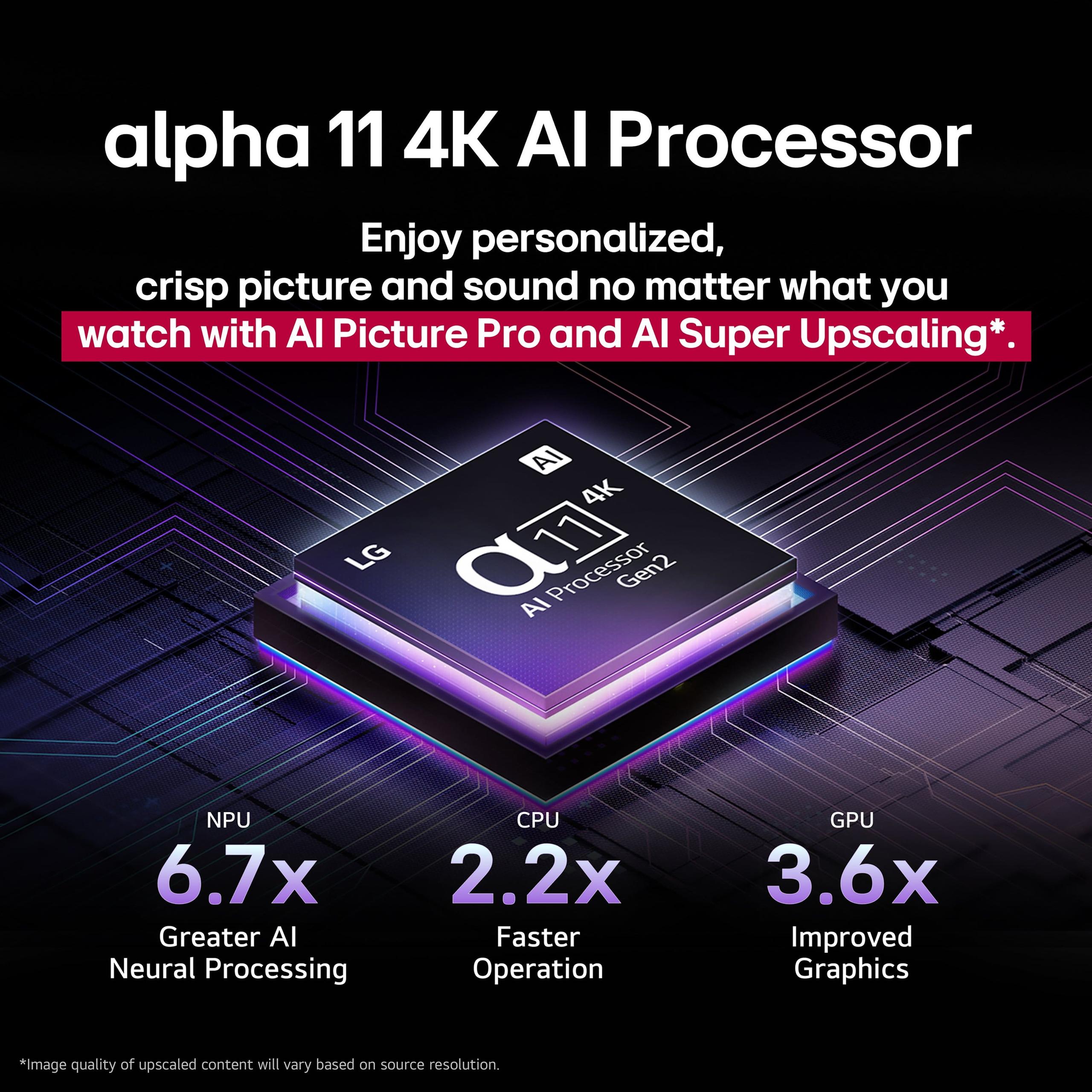
The smart TV experience differs significantly between these models. The LG G5 runs webOS 25, LG's proprietary platform that's known for its intuitive interface and smooth performance. What's particularly impressive is LG's webOS Renew program, which guarantees five years of software updates and new features. This is unusual in the TV industry and provides excellent long-term value.
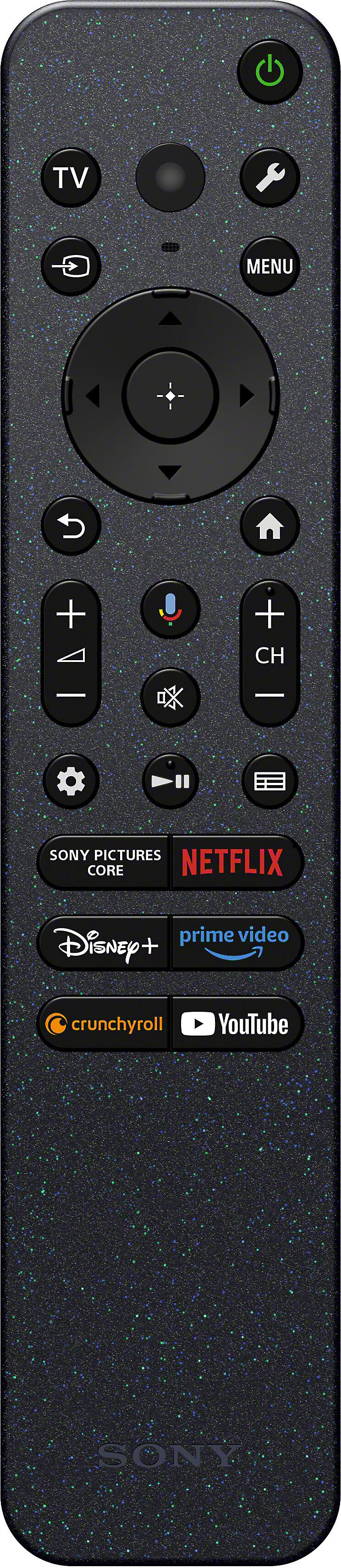
The G5 also features an AI chatbot that can help troubleshoot issues and answer questions about settings - a surprisingly useful feature when you're trying to optimize picture quality for different content types. The Magic Remote includes an AI button for voice control, making it easy to adjust settings or search for content.
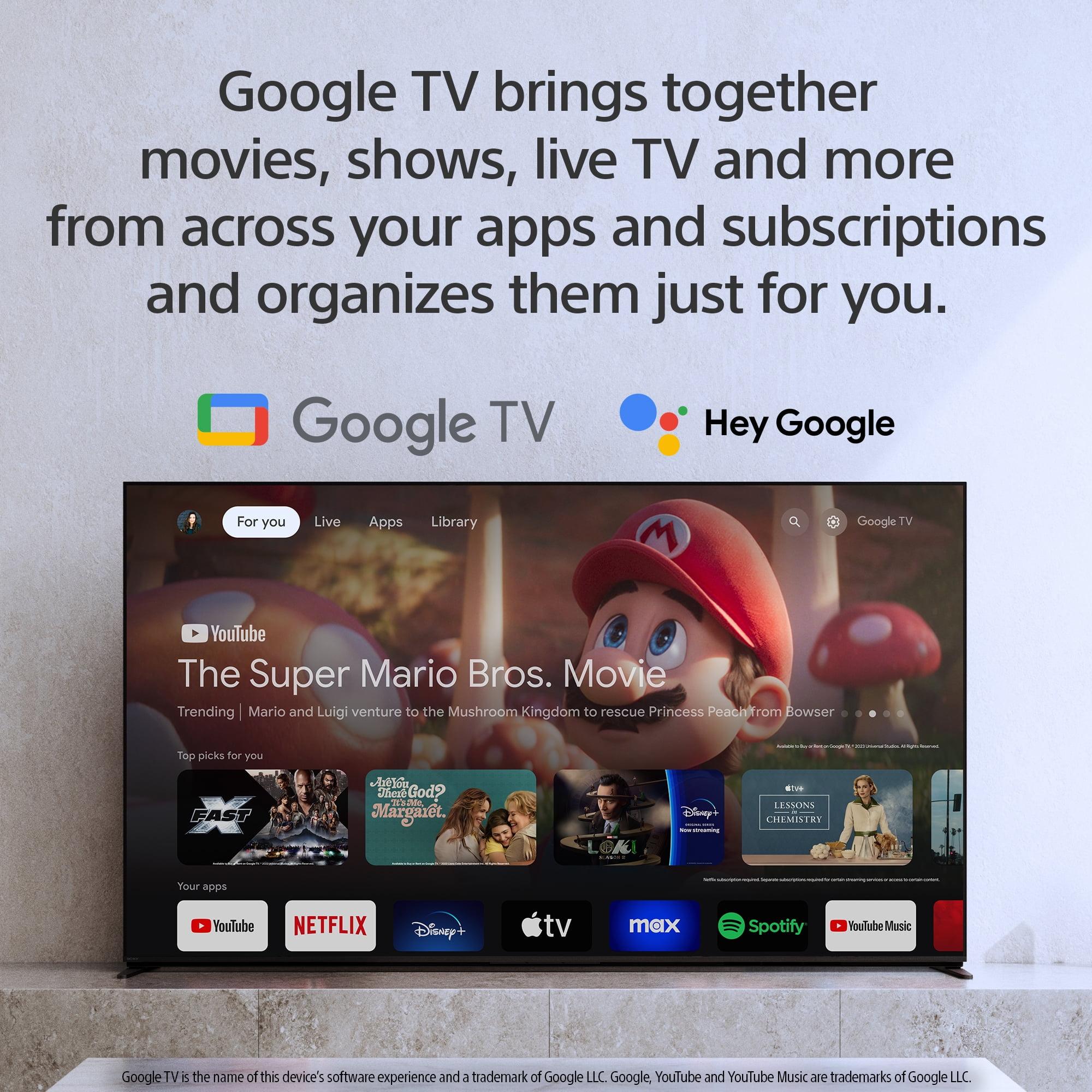
The Sony BRAVIA 8 uses Google TV, which offers broader app compatibility and better integration with Google services. If you're heavily invested in the Google ecosystem, this feels more natural. Google TV also excels at content discovery, surfacing recommendations from across multiple streaming platforms.
Both platforms support all major streaming services, but Google TV typically gets new apps first due to its larger user base. However, webOS has become increasingly competitive and rarely lacks important applications.
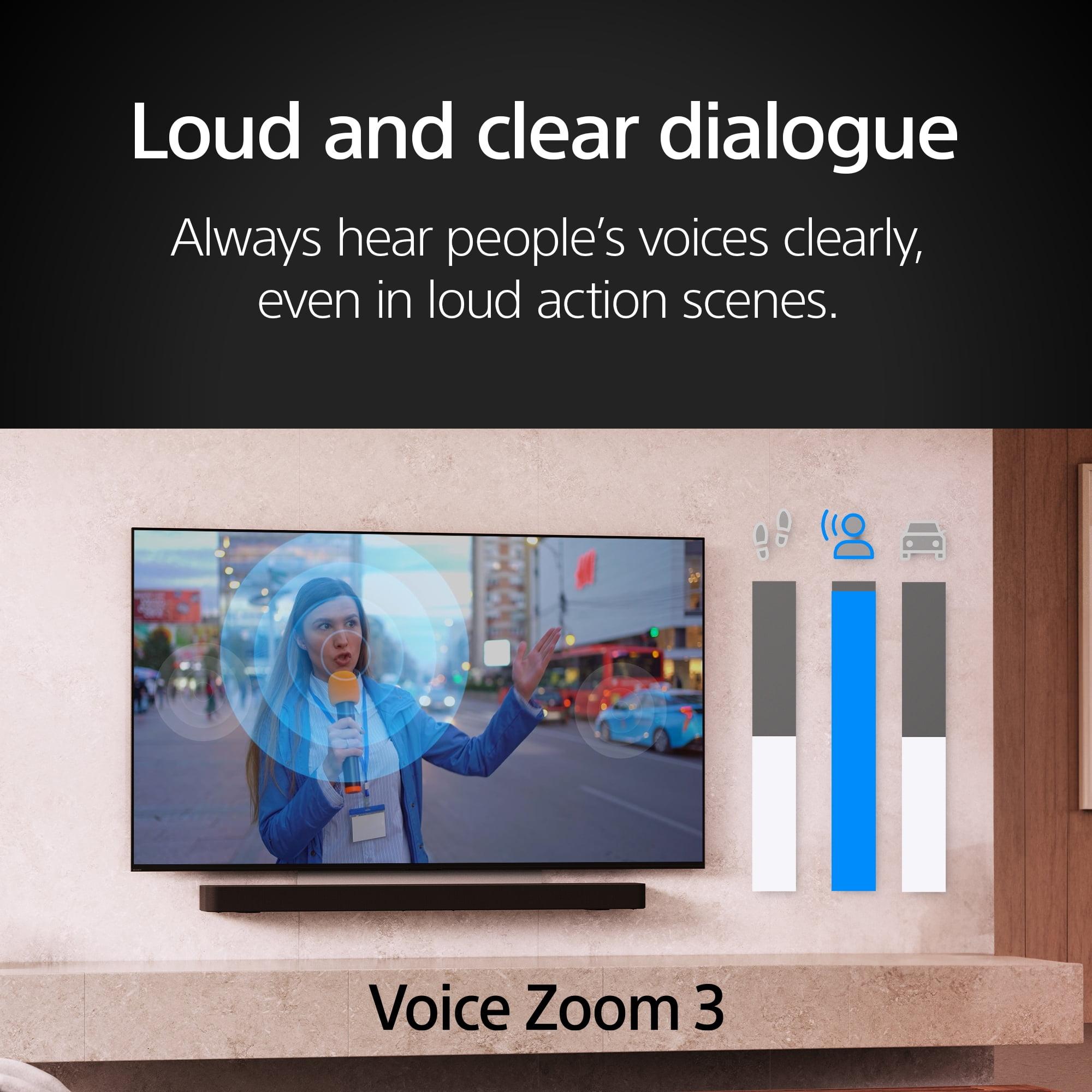
This is where the Sony BRAVIA 8 really shines. Sony's Acoustic Surface Audio+ technology turns the entire screen into a speaker, creating an incredibly immersive audio experience. Sound appears to come directly from the action on screen, which is particularly effective for dialogue-heavy content and sports.
The BRAVIA 8's built-in audio quality is genuinely impressive - good enough that many users won't feel the need to add a soundbar immediately. The TV includes a 2.1-channel system with 50 watts of total power, and Sony's processing creates a surprisingly wide soundstage for a flat-panel TV.
The LG G5 offers good audio quality with Dolby Atmos support and WOW Orchestra compatibility with LG soundbars. However, it doesn't match Sony's built-in audio performance. If you're planning to add a soundbar eventually, this difference matters less, but for users who want excellent audio right out of the box, the Sony has a clear advantage.
High Dynamic Range (HDR) content is where these TVs really show their capabilities. HDR expands the range of colors and brightness levels, creating more realistic and impactful images. Both TVs support HDR10, HLG, and Dolby Vision - the three main HDR formats.
The LG G5's higher brightness translates directly to better HDR performance. Bright highlights in movies and shows appear more realistic, and the increased color volume (the range of colors the TV can display at different brightness levels) makes everything look more vibrant. The G5 also includes LG's UL Glare Free certification, meaning it performs well even in bright rooms with lots of ambient light.
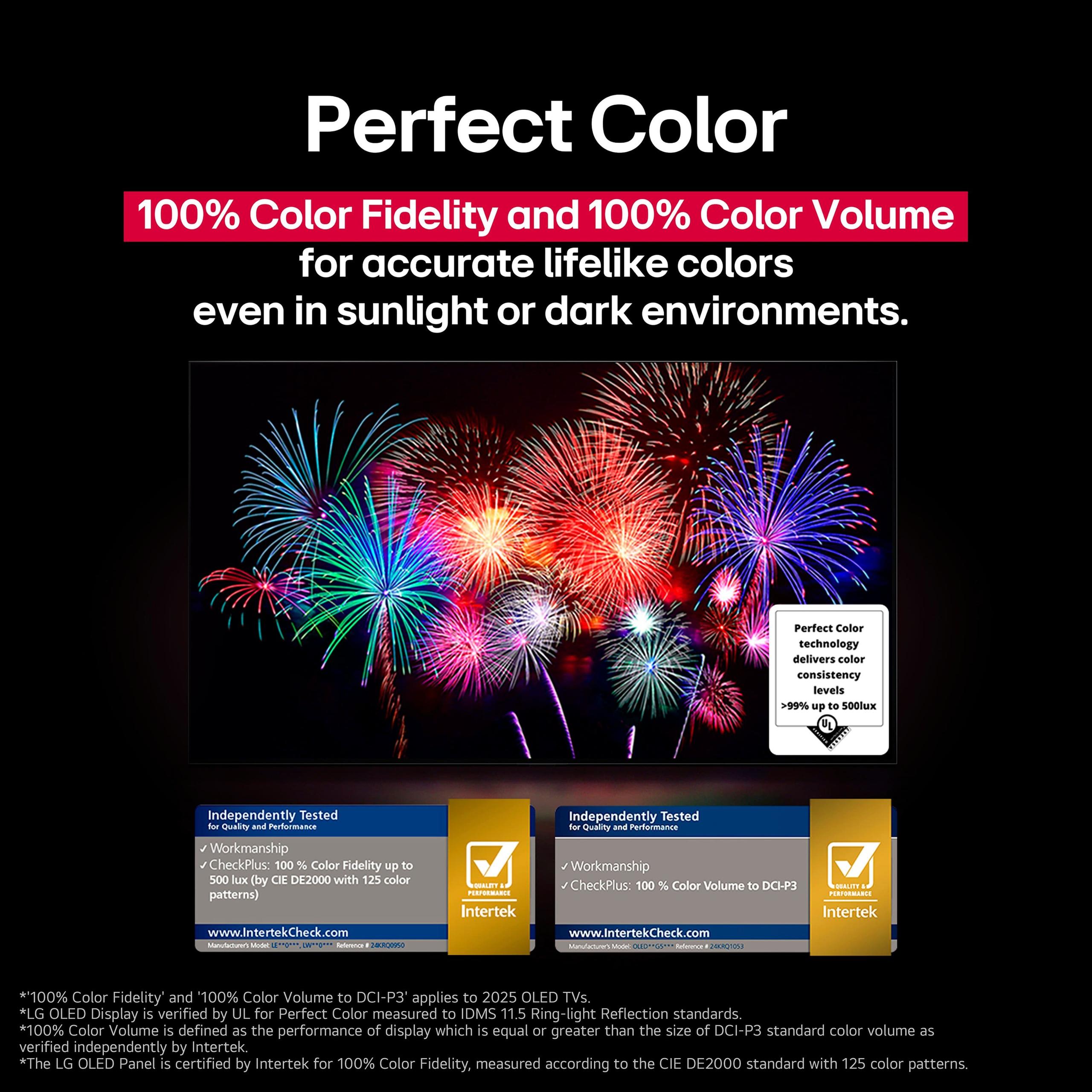
The Sony BRAVIA 8 takes a different approach, prioritizing color accuracy over peak brightness. Sony's color processing is renowned in the industry, and the BRAVIA 8 delivers more natural-looking colors that often appear more "correct" to trained eyes. The TV's gradient handling (how smoothly it transitions between similar colors) is particularly impressive, reducing banding in sky scenes and other challenging content.
For home theater enthusiasts, both TVs include FILMMAKER MODE, which disables motion processing and adjusts color temperature to match the filmmaker's creative intent. However, the Sony's more accurate color reproduction often requires less adjustment to achieve the intended look.
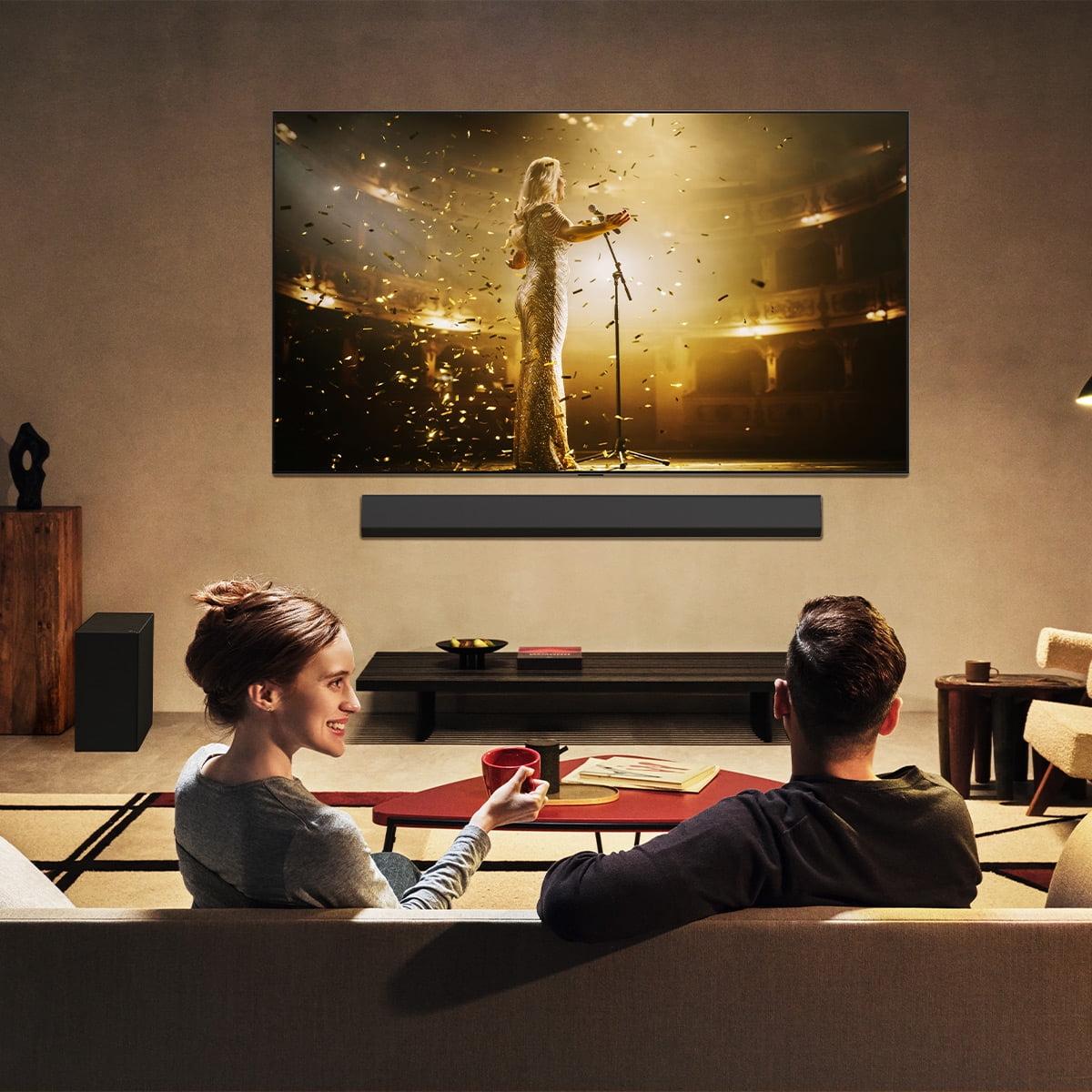
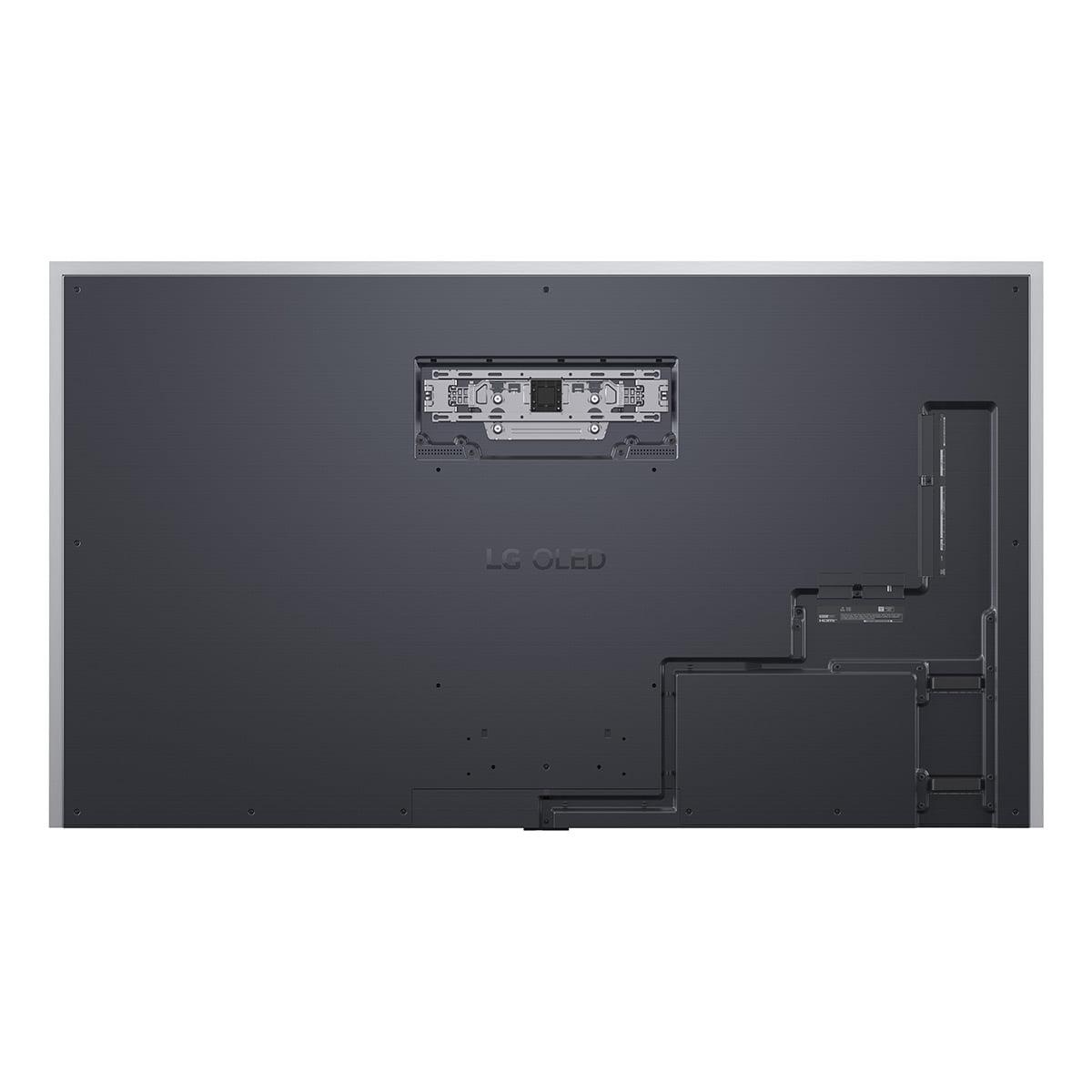
The LG OLED evo G5 features LG's One Wall Design, which allows the TV to mount flush against the wall like a piece of art. When not in use, it can display artwork or personal photos, essentially functioning as a digital gallery. This gallery mode is surprisingly well-implemented and adds genuine value to the TV's aesthetic appeal.
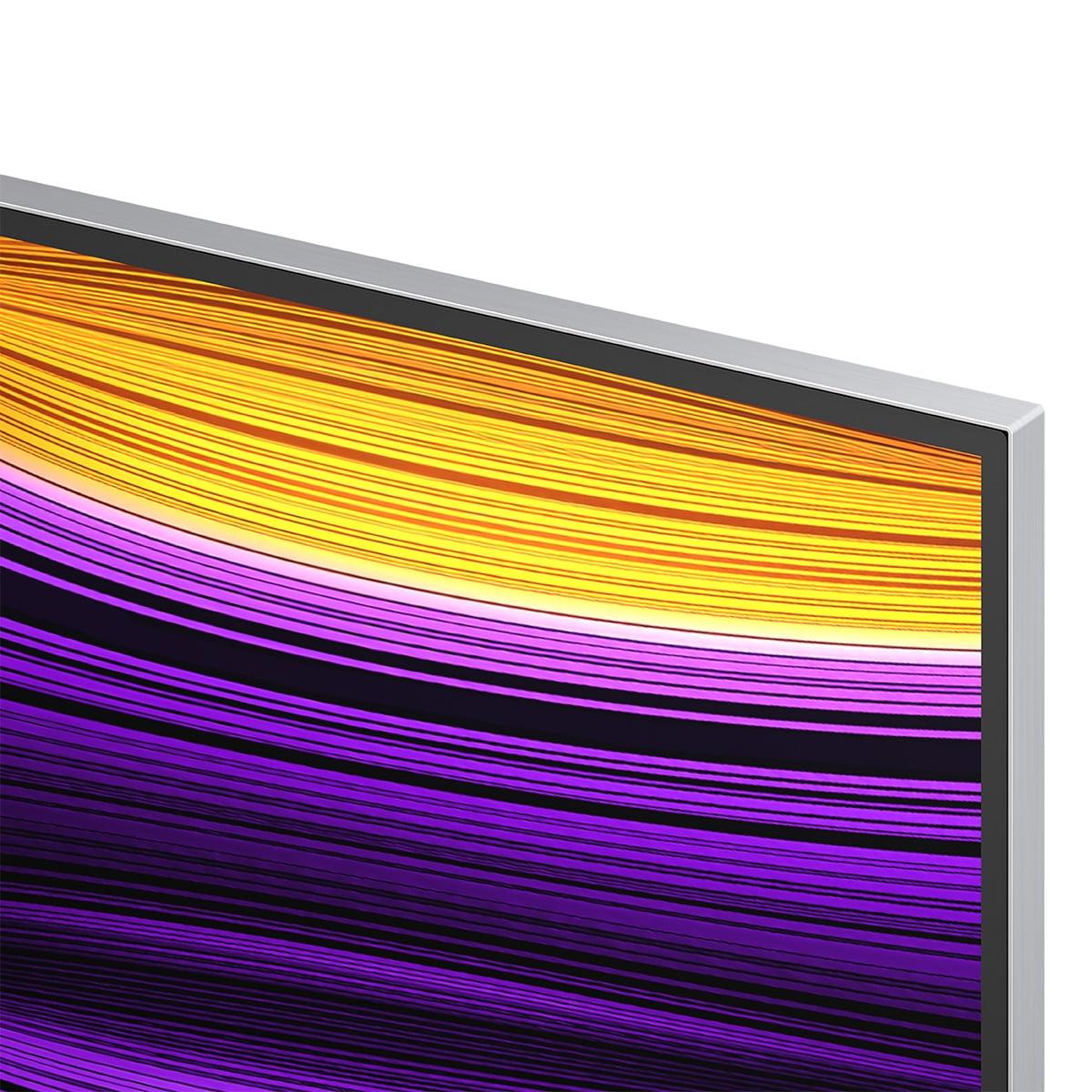
The G5's build quality feels premium throughout, with high-quality materials and a slim profile that looks elegant whether wall-mounted or on a stand. The optional stand is sold separately, which keeps costs down if you're planning to wall-mount.
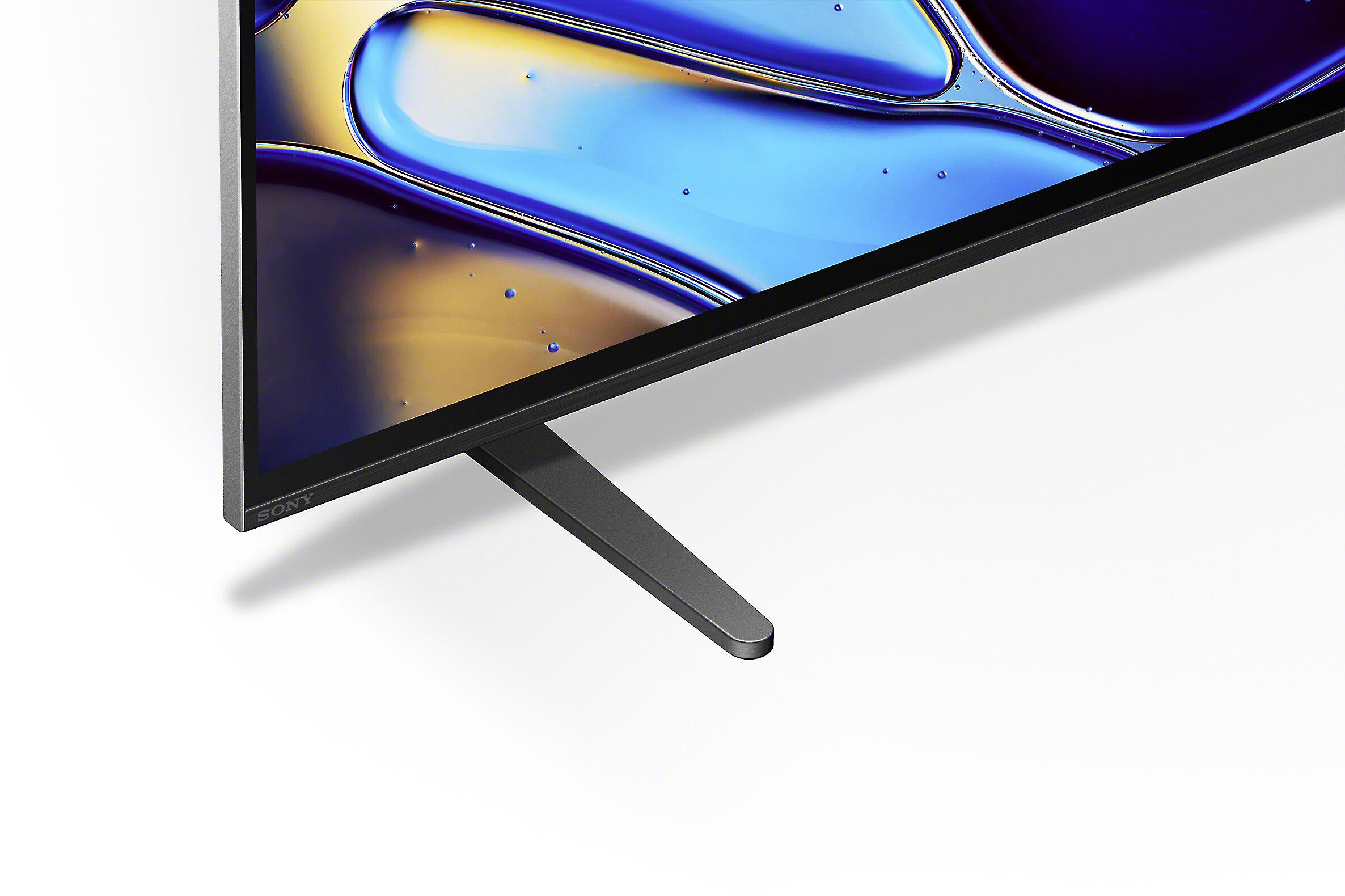
The Sony BRAVIA 8 features a more traditional design with adjustable stand feet that can accommodate different furniture configurations. While not as striking as the G5's gallery aesthetic, it's solidly built and will look good in most living rooms.
The price difference between these models is significant, and it reflects their different market positioning. The LG G5 at $3,196.99 represents cutting-edge technology with premium pricing to match. You're paying for revolutionary panel technology, superior gaming features, and the prestige of owning the latest and greatest.
The Sony BRAVIA 8 at $1,442.20 offers exceptional value for proven OLED technology. While it doesn't have the G5's breakthrough brightness, it delivers excellent picture quality, superior audio, and reliable performance at a much more accessible price point.
Consider the five-year panel warranty on the G5 - this is unusual in the TV industry and provides peace of mind for such a significant investment. The Sony includes a standard warranty but has Sony's reputation for reliability.
For dedicated home theater setups, both TVs excel but in different ways. The LG G5 works better in rooms with some ambient light due to its superior brightness and anti-glare coating. Its punchy HDR performance creates a more impactful viewing experience for action movies and visually spectacular content.
The Sony BRAVIA 8 shines in darker, more controlled environments where its accurate color reproduction and excellent black levels can be fully appreciated. Its superior built-in audio also means you might not need to invest in a soundbar immediately, reducing the total system cost.
Both TVs handle 24fps film content well, with proper motion processing that maintains the cinematic feel without introducing artifacts. The Sony's reputation for film-accurate color reproduction gives it a slight edge for serious movie watching.
Choose the LG OLED evo G5 if you want the absolute latest in OLED technology and don't mind paying premium prices. It's ideal for gamers, bright room viewing, and anyone who wants the most advanced features available. The superior brightness and gaming capabilities make it incredibly versatile.
Choose the Sony BRAVIA 8 if you prioritize value and want excellent OLED performance without the premium price tag. It's perfect for movie enthusiasts, anyone who values superior built-in audio, and users who prefer Google TV's ecosystem.
Both televisions represent excellent choices in the premium OLED segment, but they serve different priorities and budgets. The G5 pushes the boundaries of what's possible with OLED technology, while the BRAVIA 8 delivers proven excellence at an attractive price point. Your choice ultimately depends on whether you value cutting-edge innovation or proven performance and value.
| LG OLED evo G5 65" 4K Smart TV 2025 | Sony BRAVIA 8 65" 4K OLED TV |
|---|---|
| Panel Technology - The foundation that determines brightness and color performance | |
| 4-Stack RGB Tandem OLED with revolutionary brightness improvements | Traditional OLED with proven reliability and color accuracy |
| Peak Brightness - Critical for HDR impact and bright room viewing | |
| ~2,268 nits (45% brighter than previous OLEDs) | ~1,500 nits (good for controlled lighting environments) |
| Price - Your investment for premium OLED technology | |
| $3,196.99 (premium for cutting-edge tech) | $1,442.20 (excellent value for proven performance) |
| Gaming Performance - Refresh rates and connectivity for serious gaming | |
| 4K @ 165Hz on all 4 HDMI 2.1 ports | 4K @ 120Hz on 2 HDMI 2.1 ports (plus 2 HDMI 2.0) |
| Built-in Audio Quality - Whether you need a soundbar immediately | |
| Good quality with Dolby Atmos (soundbar recommended) | Excellent Acoustic Surface Audio+ (soundbar optional) |
| Smart TV Platform - Your daily interface and app experience | |
| webOS 25 with 5-year update guarantee and AI chatbot | Google TV with broader app ecosystem and better discovery |
| Anti-Glare Performance - How well it handles bright rooms and windows | |
| UL Glare Free certified with superior anti-reflective coating | Glossy screen that can struggle in very bright environments |
| Warranty Coverage - Protection for your investment | |
| 5-year limited panel warranty (unusual for TVs) | Standard 1-year warranty with Sony's reliability reputation |
| Design Flexibility - Mounting options and aesthetic appeal | |
| One Wall Design mounts flush, doubles as art gallery | Traditional design with adjustable stand feet |
| Best Use Case - Who should consider each model | |
| Gamers, bright rooms, tech enthusiasts wanting latest features | Movie lovers, budget-conscious buyers, those prioritizing audio |
The LG OLED evo G5 65" 4K Smart TV 2025 is significantly better for gaming. It supports 4K at 165Hz on all four HDMI 2.1 ports, while the Sony BRAVIA 8 65" 4K OLED TV only supports 4K at 120Hz on two HDMI 2.1 ports. The G5 also has lower input lag and better VRR support for smoother gameplay.
The LG OLED evo G5 costs $3,196.99, while the Sony BRAVIA 8 is priced at $1,442.20. That's a difference of about $1,750, with the LG commanding a premium for its revolutionary new panel technology and advanced gaming features.
The LG OLED evo G5 is significantly brighter, reaching peak brightness of around 2,268 nits compared to the Sony's 1,500 nits. The G5 also has superior anti-glare coating and UL Glare Free certification, making it much better for bright rooms and daytime viewing.
The Sony BRAVIA 8 has excellent built-in audio with Acoustic Surface Audio+ technology that makes the entire screen act as a speaker. The LG G5 has good sound but isn't as impressive. Most users will want a soundbar with the LG, while the Sony's audio might be sufficient on its own.
Both deliver excellent OLED picture quality, but in different ways. The LG G5 offers brighter, more vibrant images with superior HDR impact. The Sony BRAVIA 8 provides more accurate colors and better gradient handling. Choose LG for punch and brightness, Sony for accuracy and natural colors.
The LG OLED evo G5 runs webOS 25 with a 5-year update guarantee and includes an AI chatbot for troubleshooting. The Sony BRAVIA 8 uses Google TV, which offers broader app compatibility and better integration with Google services.
The Sony BRAVIA 8 at $1,442.20 offers exceptional value for proven OLED technology with excellent audio and accurate colors. The LG G5 at $3,196.99 provides cutting-edge technology but at a premium price. For most buyers, the Sony delivers better value.
For home theater, the Sony BRAVIA 8 excels with more accurate colors and superior built-in audio, ideal for movie watching in controlled lighting. The LG G5 works better in rooms with ambient light due to its brightness and anti-glare coating, plus offers more impactful HDR for action movies.
The LG OLED evo G5 has four HDMI 2.1 ports, allowing you to connect multiple gaming devices like PS5, Xbox Series X, and gaming PC simultaneously. The Sony BRAVIA 8 only has two HDMI 2.1 ports, which may require switching cables for multiple high-end gaming devices.
Yes, the LG G5 includes an unusual 5-year limited panel warranty, providing long-term protection for your investment. The Sony BRAVIA 8 comes with a standard 1-year warranty, though Sony has a strong reputation for reliability.
The Sony BRAVIA 8 is generally better for movies due to its superior color accuracy, excellent built-in audio, and natural picture reproduction that filmmakers prefer. The LG G5 offers more vibrant, punchy images that some prefer for action content and HDR movies.
It depends on your priorities. The LG OLED evo G5 represents the latest technology with revolutionary brightness improvements and gaming features, justifying its higher price for tech enthusiasts. The Sony BRAVIA 8 offers proven, excellent performance at a much lower price point, making it better value for most buyers.
We've done our best to create useful and informative comparisons to help you decide what product to buy. Our research uses advanced automated methods to create this comparison and perfection is not possible - please contact us for corrections or questions. These are the sites we've researched in the creation of this article: bestbuy.com - techradar.com - rtings.com - youtube.com - youtube.com - rtings.com - bestbuy.com - youtube.com - valueelectronics.com - lg.com - audio-videoplus.com - lg.com - lg.com - lg.com - bestbuy.com - bestbuy.com - crutchfield.com - avsforum.com - electronics.sony.com - sony.com - store.sony.co.nz - sony.com - displayspecifications.com

Privacy Policy
Terms and Conditions - Affiliate Policy
Home Security
© Copyright 2008-2026.
11816 Inwood Rd #1211, Dallas, TX 75244