


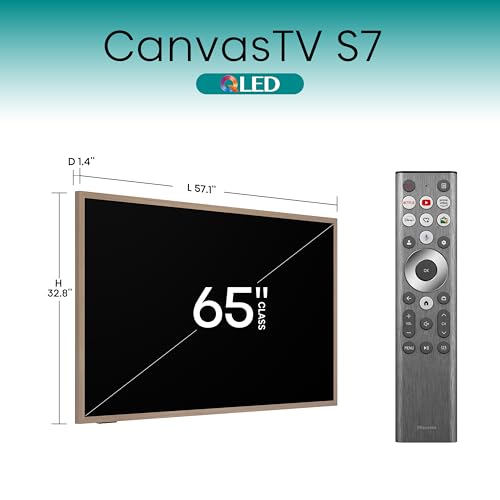






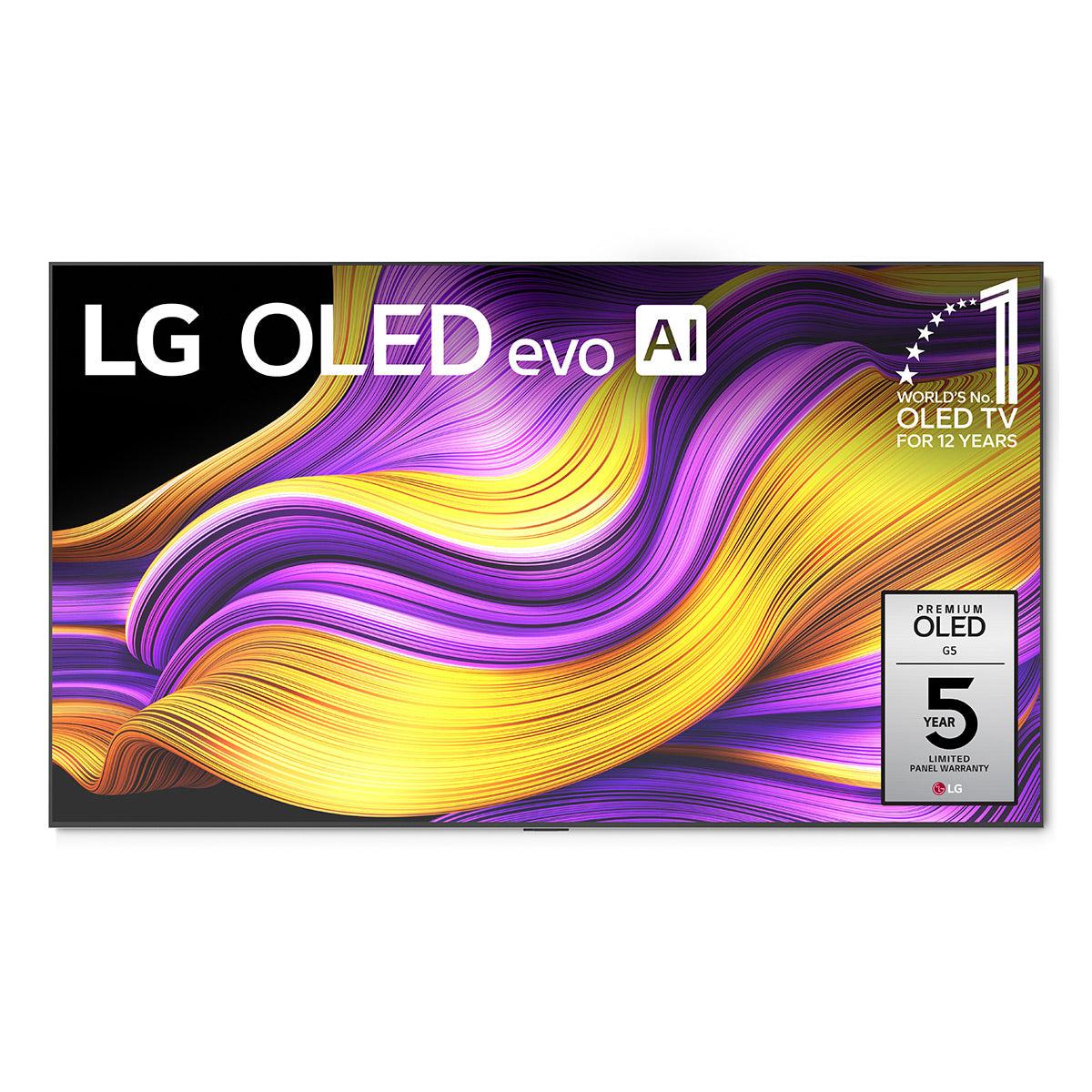
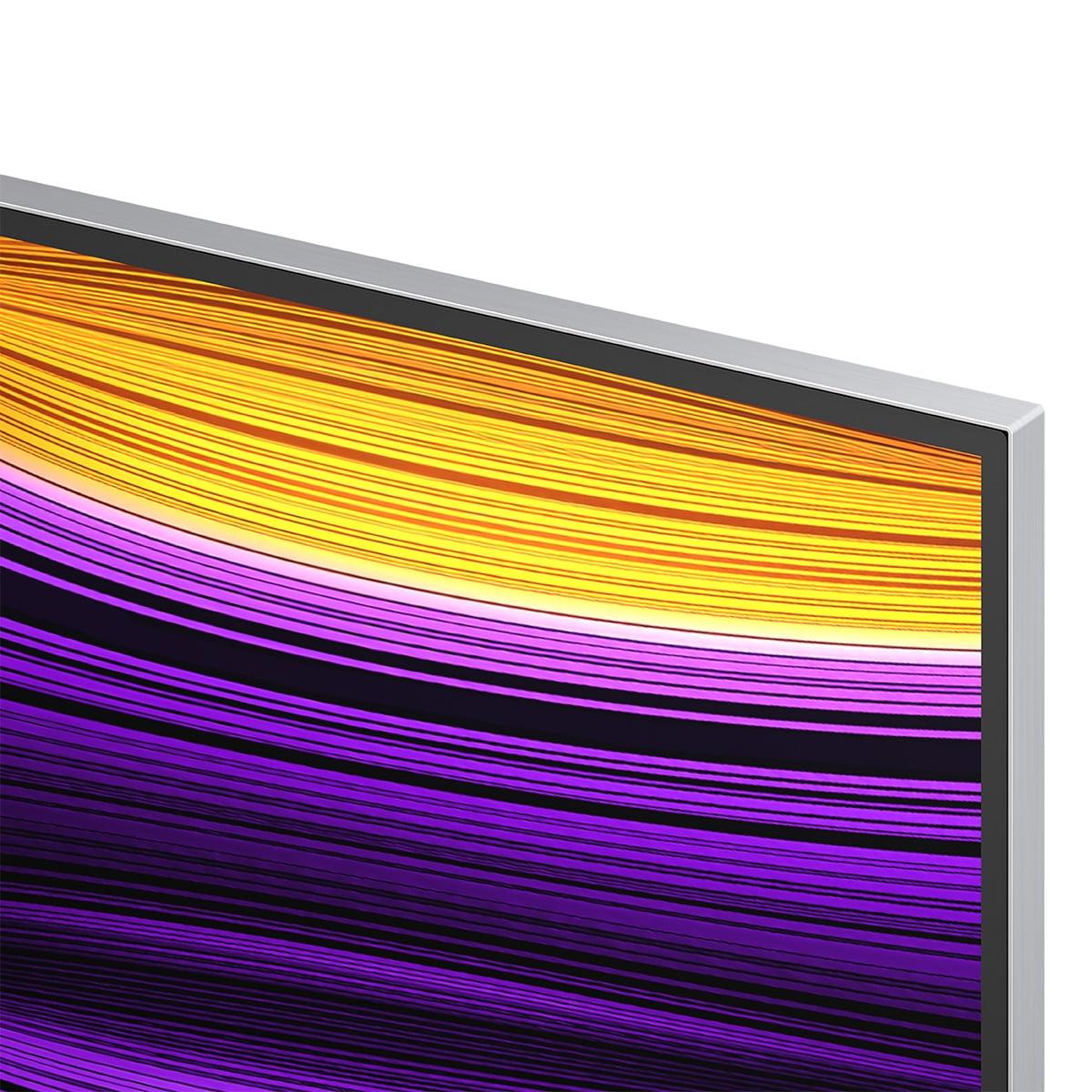
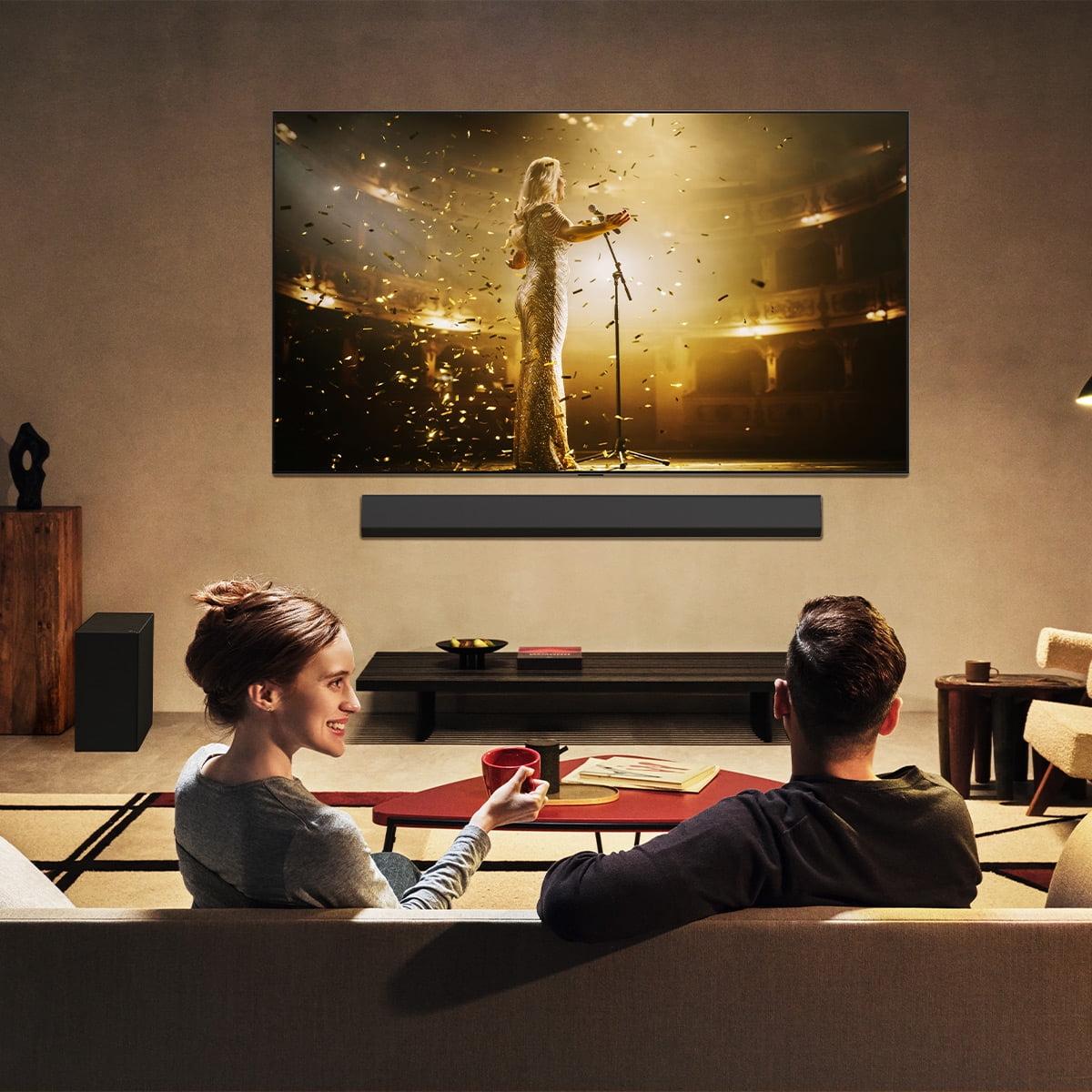
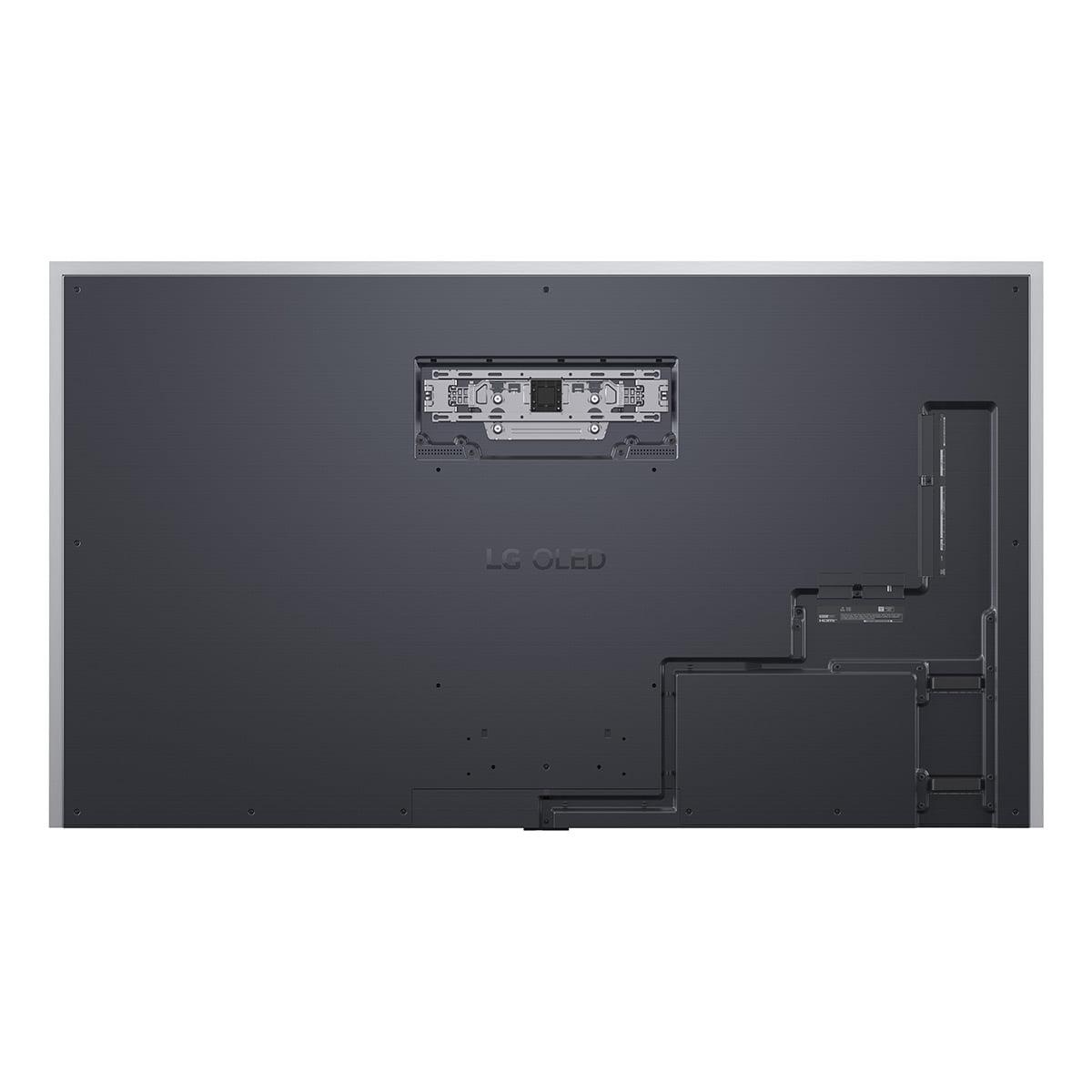
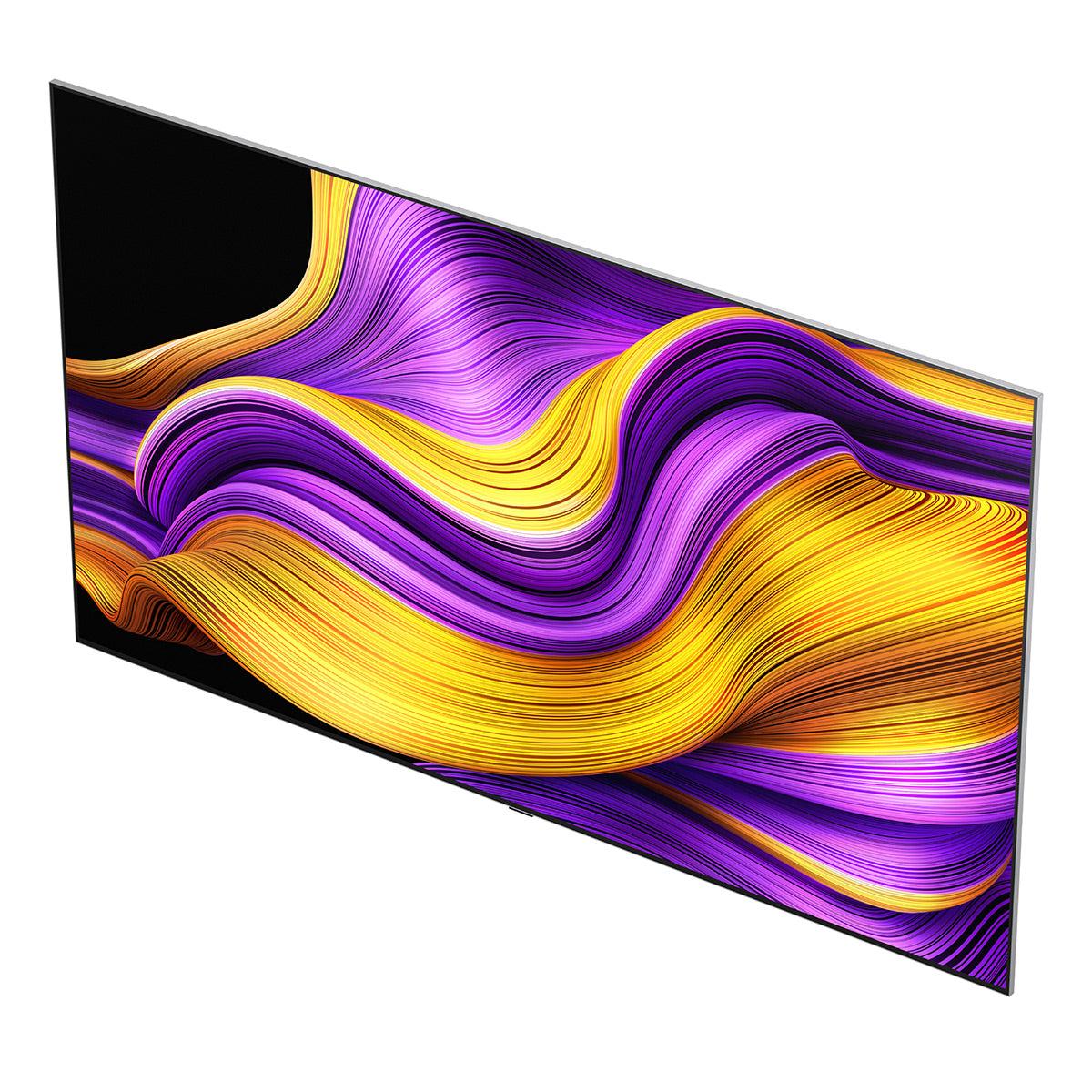
When you're shopping for a premium 65-inch TV, you'll quickly discover that not all high-end displays are created equal. Two standout models that represent completely different approaches to television design are the Hisense 65" S7N CanvasTV QLED 4K Smart Display and the LG OLED evo G5 65" 4K Smart TV 2025. These aren't just different brands competing for the same audience – they're fundamentally different products that happen to show TV content.
The Hisense CanvasTV launched in 2024 as a direct competitor to Samsung's Frame TV, focusing on blending seamlessly into your living space when you're not watching anything. The LG G5, released in early 2025, represents LG's flagship OLED technology with revolutionary brightness improvements that address traditional OLED limitations. Understanding which philosophy matches your needs will help you make the right choice.
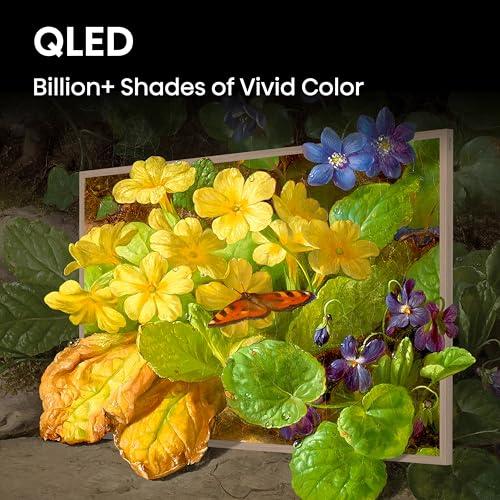
Before diving into specifics, it's important to understand what makes these displays fundamentally different. The Hisense S7N uses QLED technology, which stands for Quantum Dot Light Emitting Diode. This means it has a traditional LED backlight shining through quantum dot filters that enhance color purity and brightness. Think of it like having millions of tiny, colored filters that make colors more vibrant and accurate.
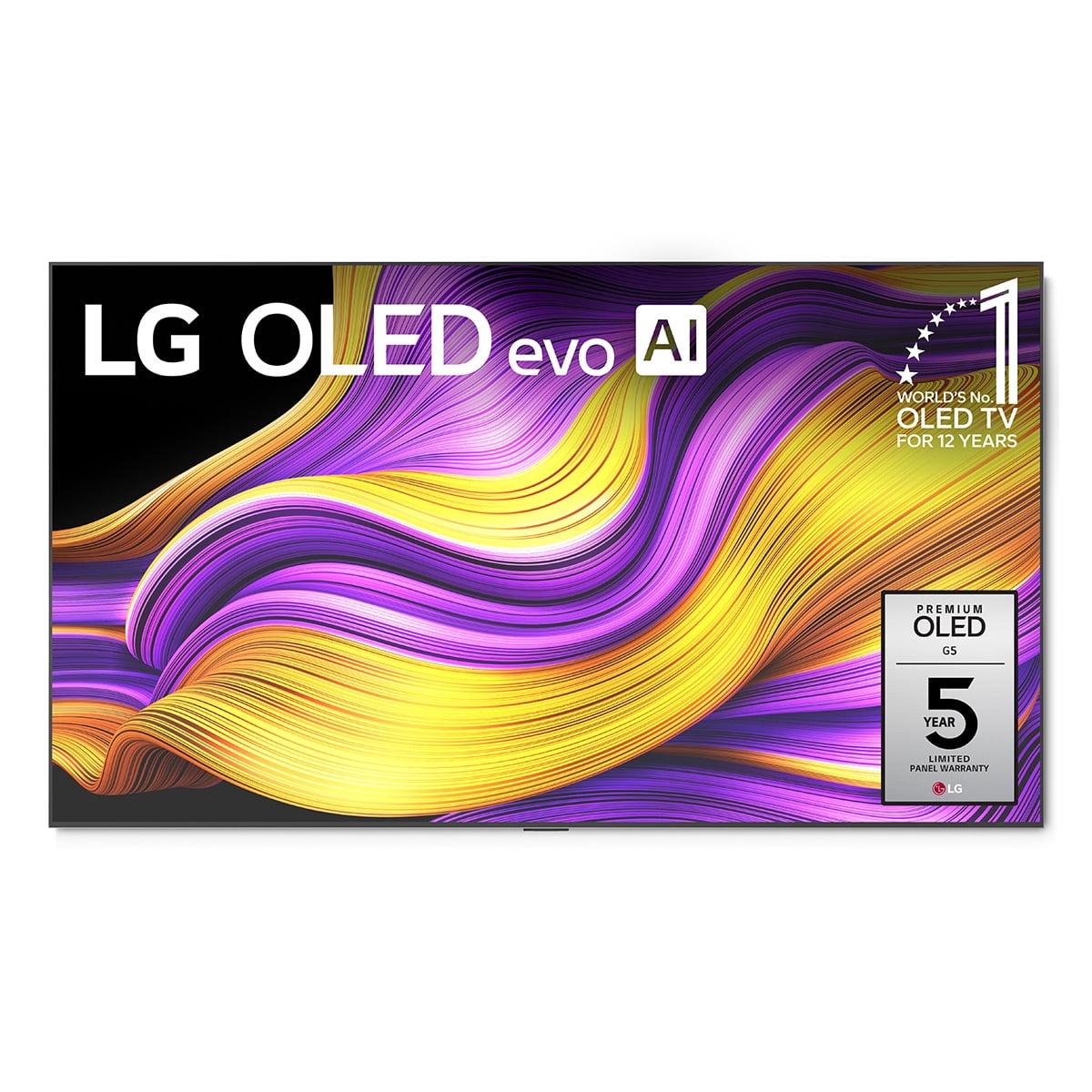
The LG G5 uses OLED technology – Organic Light Emitting Diode – where each of the 8.3 million pixels produces its own light. There's no backlight at all. Each pixel can turn completely off, creating true black levels that look as dark as if the TV were powered down. The G5 specifically uses LG's new 4-stack tandem OLED panel, which layers multiple light-emitting structures to achieve dramatically higher brightness than previous OLED generations.
This fundamental difference affects everything: how they look in different rooms, their gaming performance, energy consumption, and even how they age over time.
When it comes to picture quality, these TVs excel in completely different scenarios, and understanding this is crucial for making the right choice.
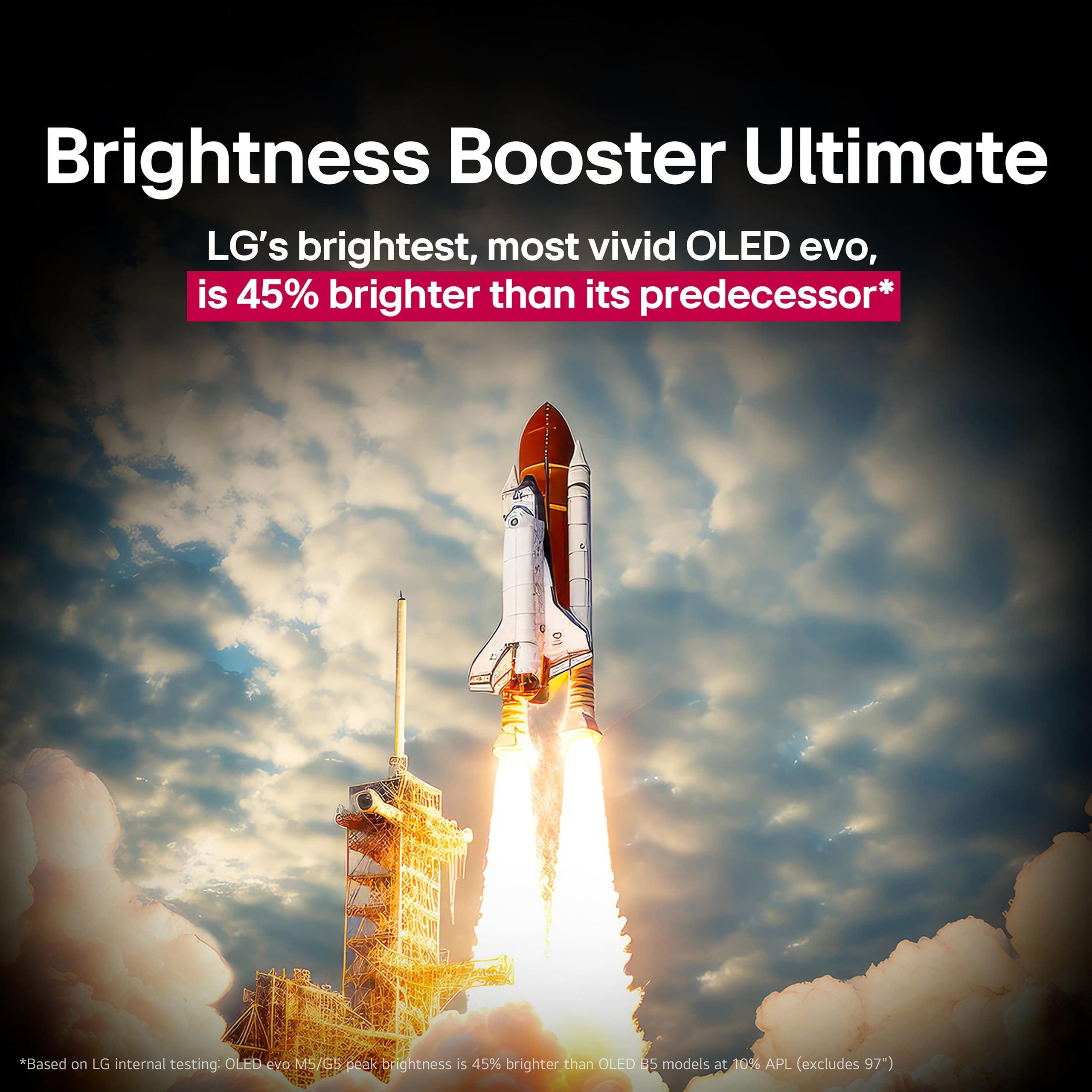
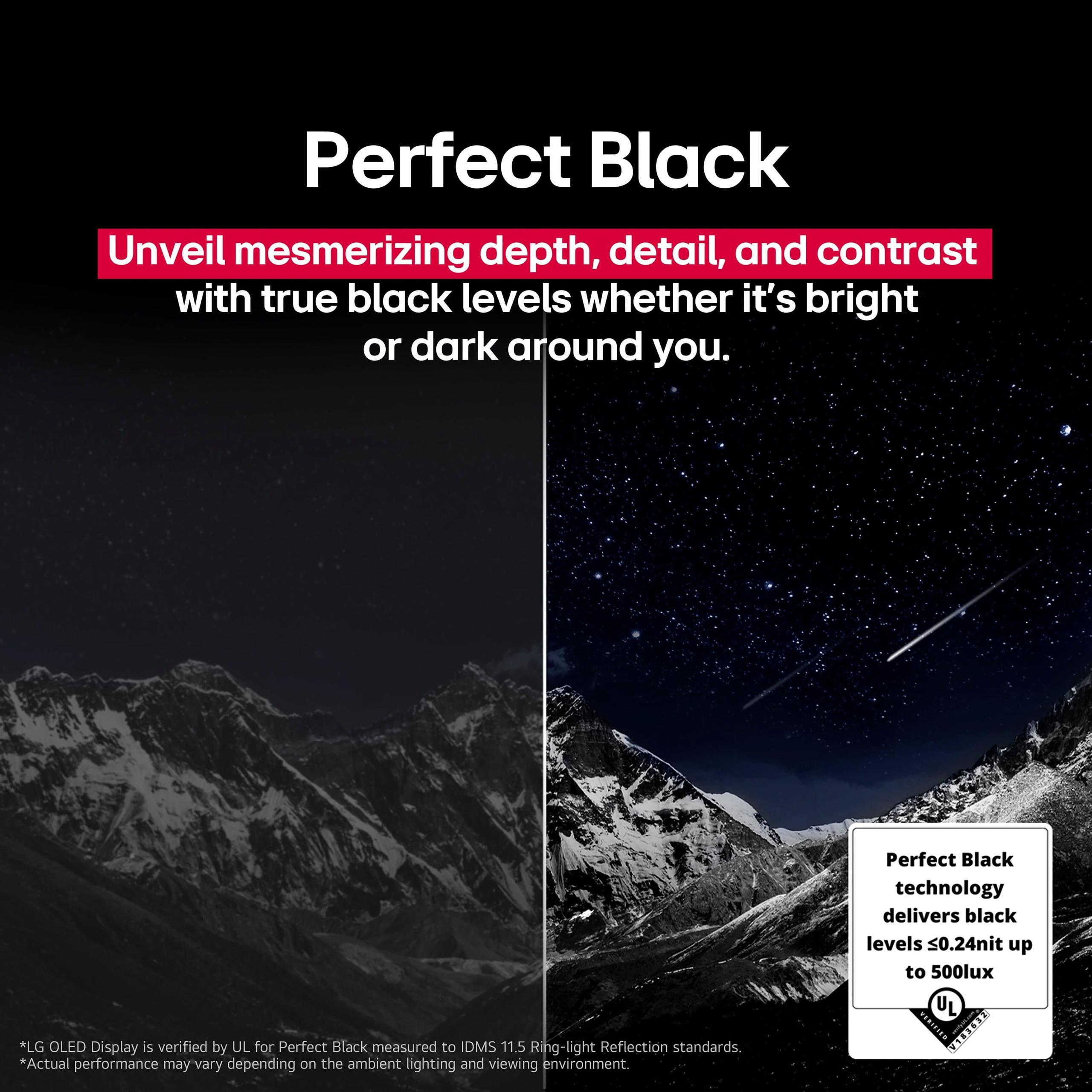
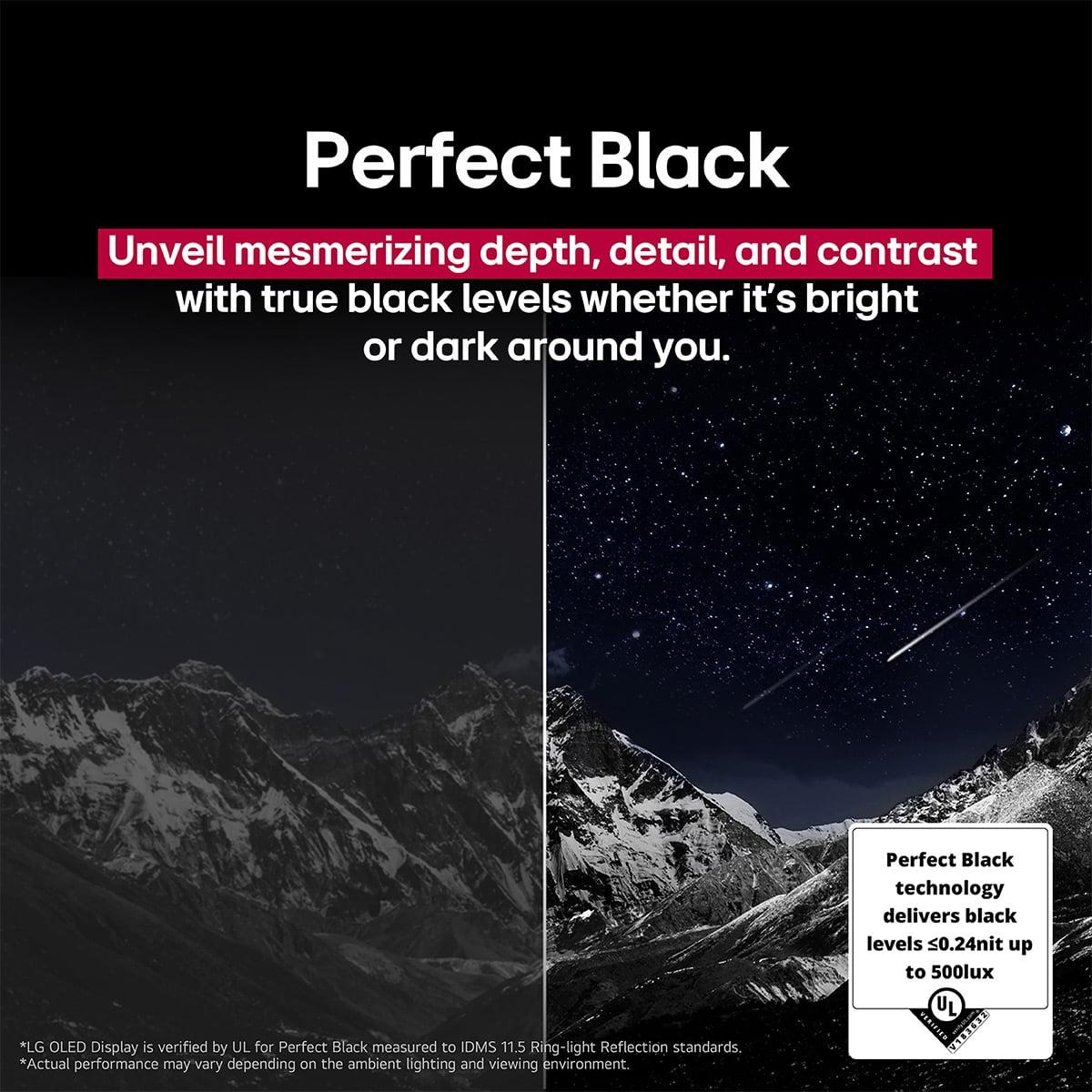
The LG G5 delivers what many consider the gold standard for contrast performance. When a scene transitions from a bright explosion to a dark cave, the OLED pixels can instantly switch from maximum brightness to complete darkness with no light bleed or blooming effects. This creates an almost three-dimensional quality to the image that's particularly noticeable in movie content with dramatic lighting. The new 4-stack panel technology addresses OLED's traditional weakness – brightness – by delivering up to 45% more luminance than previous generations, reaching peaks of 2,500 nits in small highlight areas.

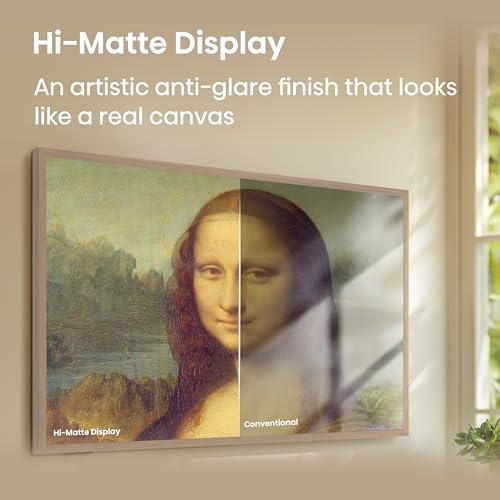
However, the Hisense CanvasTV takes a completely different approach that many users actually prefer in real-world conditions. Its Hi-Matte anti-glare display reduces reflections to just 5%, compared to typical TVs that can have 15-20% reflections. This means that in a bright living room with windows, the Hisense maintains its color accuracy and contrast much better than most displays, including OLEDs.
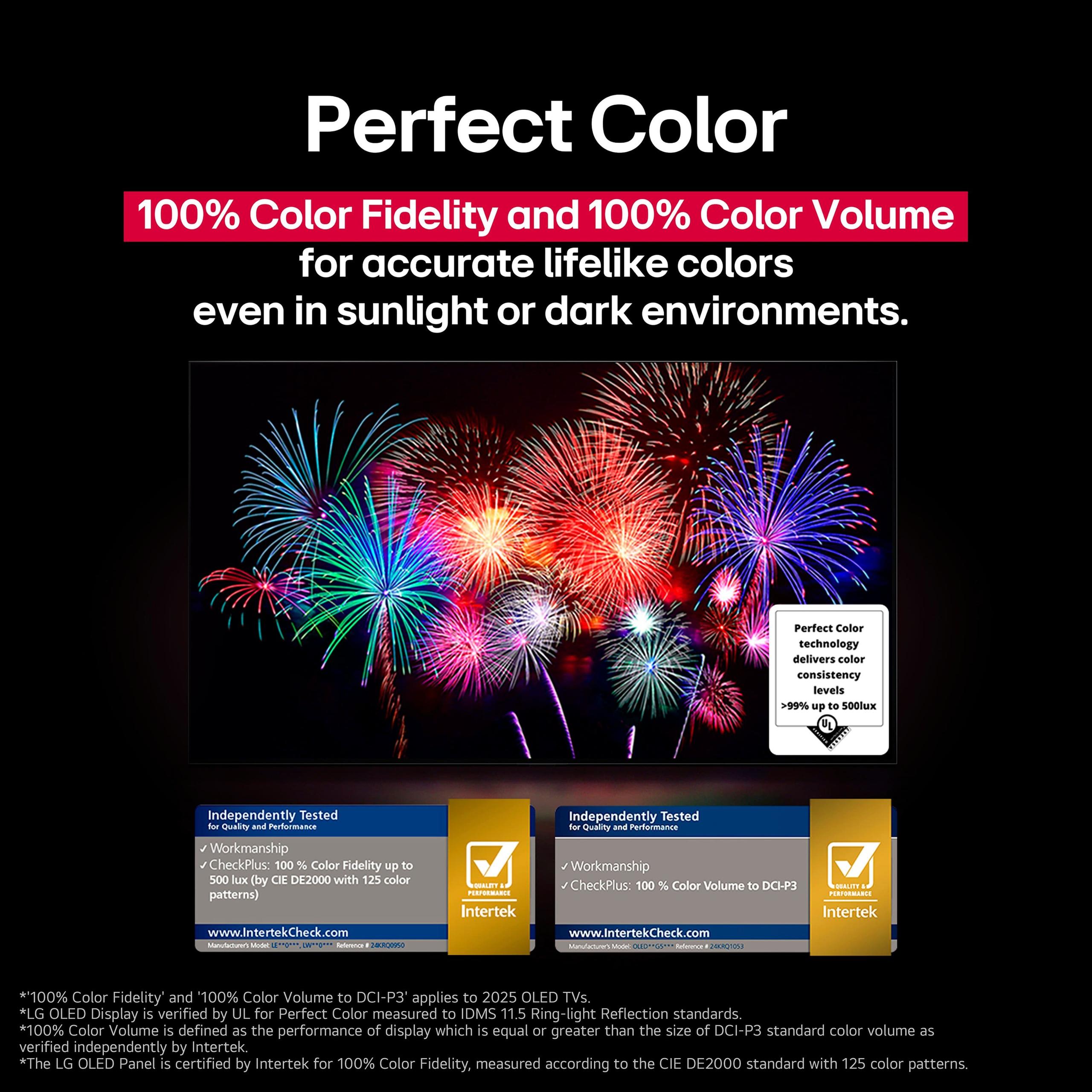
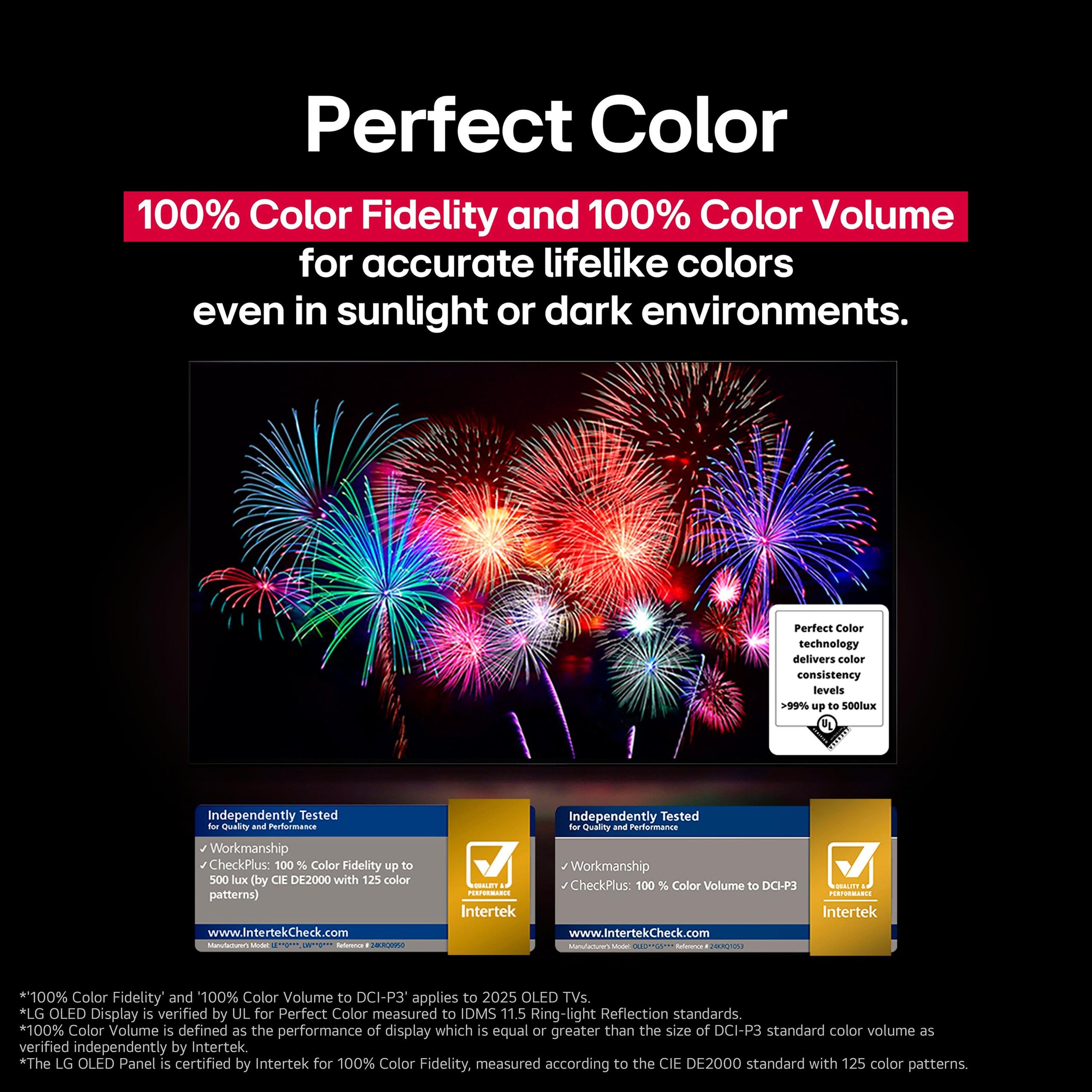
Our research into user reviews consistently shows that people are surprised by how well the CanvasTV performs in challenging lighting conditions. The quantum dot color technology delivers over a billion color shades with impressive color consistency – maintaining over 99% accuracy even in rooms with 500 lux of ambient light (roughly equivalent to a well-lit office).
For home theater use, the choice becomes more nuanced. In a dedicated dark room, the LG G5 is simply superior. The perfect blacks and infinite contrast ratio create an immersive experience that QLED technology can't match. But if your "home theater" is actually your living room where you watch movies with some ambient lighting, the Hisense might actually provide a more consistent and enjoyable experience.
The color performance differs significantly too. The G5's primary RGB tandem structure provides exceptional color purity, especially in blues, greens, and reds. However, the CanvasTV's quantum dot technology excels at maintaining color vibrancy across different brightness levels and viewing angles, making it more forgiving for family viewing scenarios.
Gaming performance reveals another clear distinction between these approaches. The LG G5 is built for serious gamers who want every possible advantage. Its 165Hz refresh rate at 4K resolution is industry-leading, meaning it can display 165 unique frames per second for incredibly smooth motion. Combined with a 4ms input lag (the delay between pressing a button and seeing the action on screen), it's designed for competitive gaming where milliseconds matter.
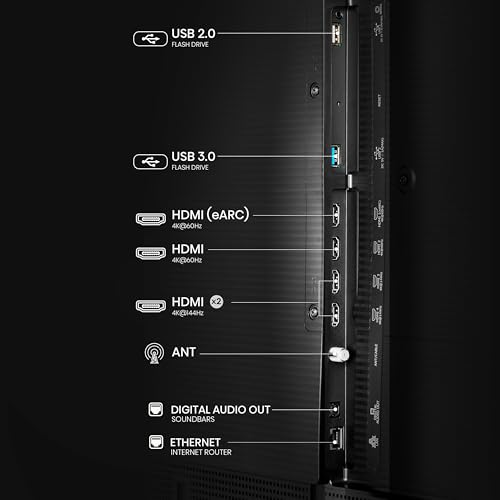
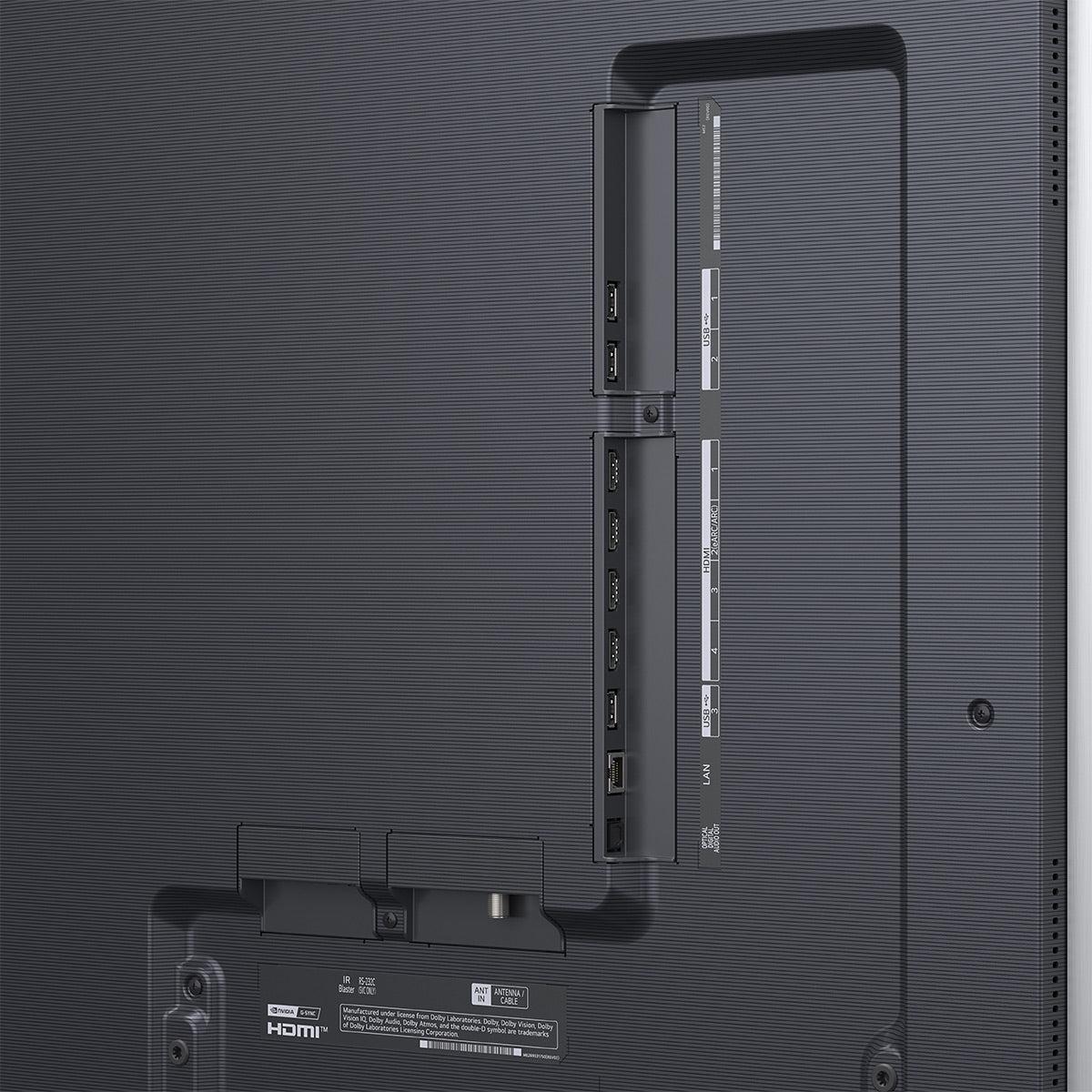
All four HDMI ports support the full HDMI 2.1 specification, which means you can connect multiple high-end gaming devices without compromising performance. The Variable Refresh Rate (VRR) technology synchronizes the display's refresh rate with your gaming device's output, eliminating screen tearing – those annoying horizontal lines that appear when frame rates don't match up.
The Hisense CanvasTV offers solid gaming performance that will satisfy most users, even enthusiasts. Its 144Hz native refresh rate and 5.4ms input lag are excellent for gaming, and it supports 4K at 144Hz on two of its HDMI 2.1 ports. The difference in responsiveness between 165Hz and 144Hz, or between 4ms and 5.4ms input lag, is barely perceptible to most gamers outside of professional esports scenarios.
Where the CanvasTV actually shines for gaming is in versatility. Its anti-glare coating means you can game comfortably during the day without closing blinds or adjusting seating positions. The consistent picture quality regardless of ambient lighting makes it more practical for family gaming sessions or casual play.
Both displays support modern gaming features like Auto Low Latency Mode (ALLM), which automatically switches to the fastest input mode when a gaming device is detected, and both work well with current-generation consoles.
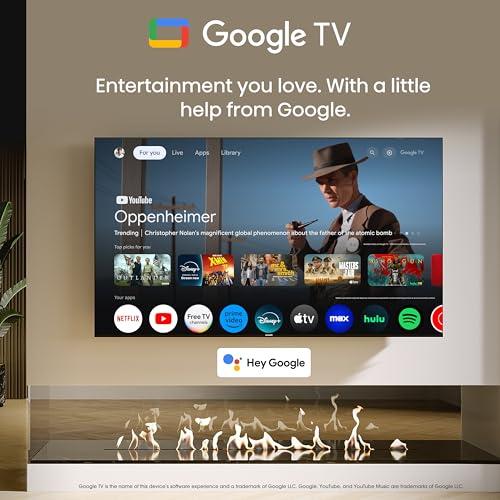
The smart TV platforms represent another philosophical divide. The Hisense CanvasTV runs Google TV, which has earned praise for being intuitive and familiar. Our research shows users consistently appreciate its straightforward interface and excellent app selection. There's no learning curve if you've used Android devices, and voice control works seamlessly with Google Assistant, Amazon Alexa, or Apple HomeKit.

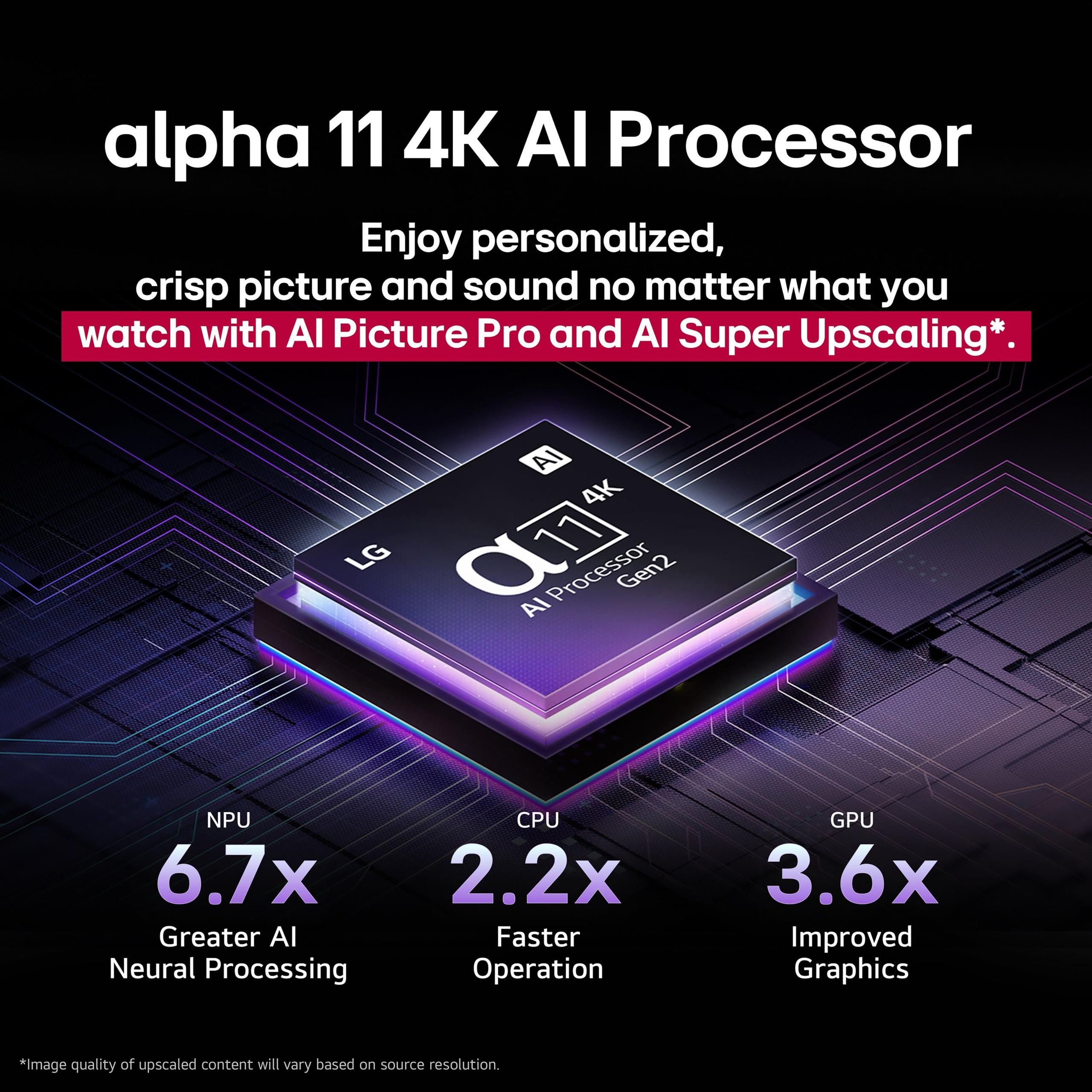
The LG G5 runs webOS 25, LG's proprietary platform that's packed with AI features and customization options. The Alpha 11 AI Processor Gen 2 enables personalized picture and sound adjustments that learn from your viewing habits. The AI Picture/Sound Wizard can automatically calibrate the display for your room's lighting and acoustics – impressive technology that some users love and others find unnecessarily complex.
A significant advantage for the G5 is LG's webOS Renew program, which guarantees software updates and new features for five years. This long-term support is valuable for a premium purchase, especially considering how quickly smart TV platforms can become outdated.
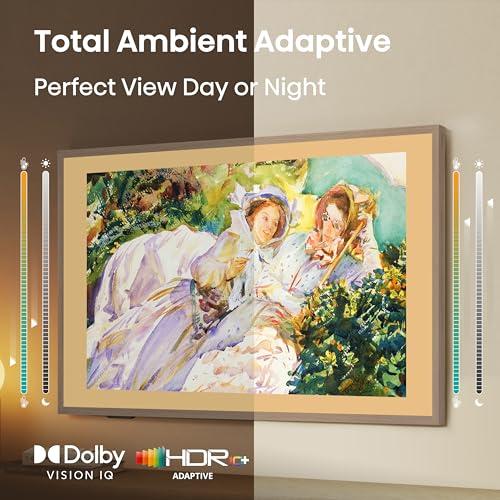
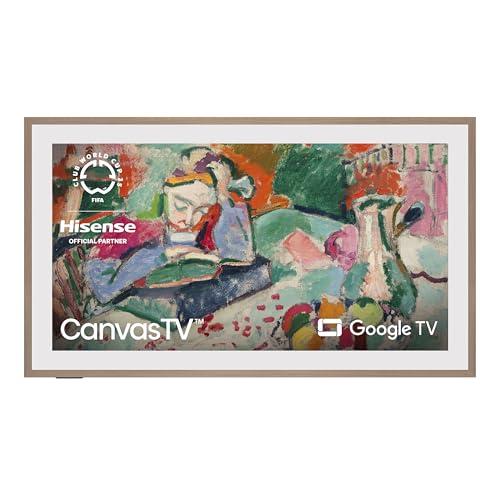
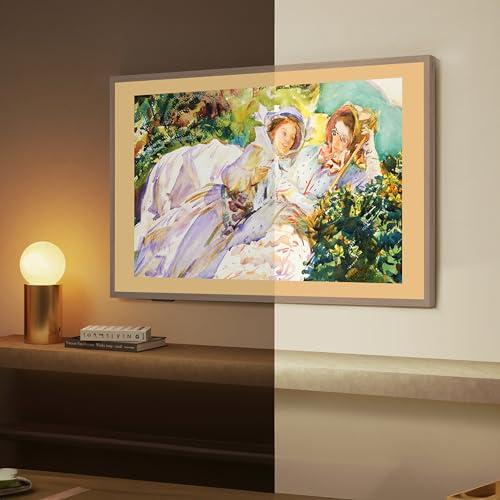
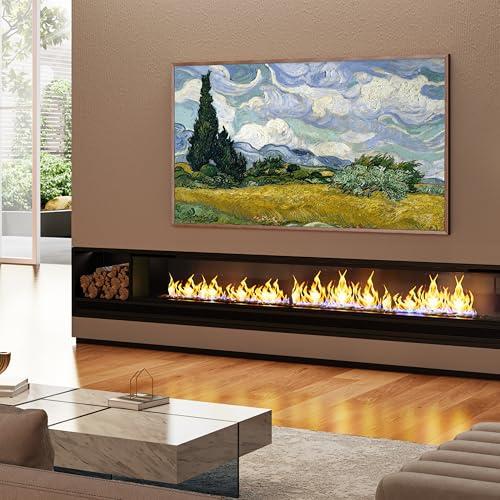
This is where the Hisense CanvasTV truly differentiates itself. Art Mode isn't just a screensaver – it's a complete transformation of what a TV can be in your living space. When not displaying video content, it becomes a digital art gallery with curated masterpieces or your personal photos. The motion sensor automatically activates this mode when someone enters the room, and the light sensor adjusts brightness to minimize energy consumption while maintaining visual appeal.
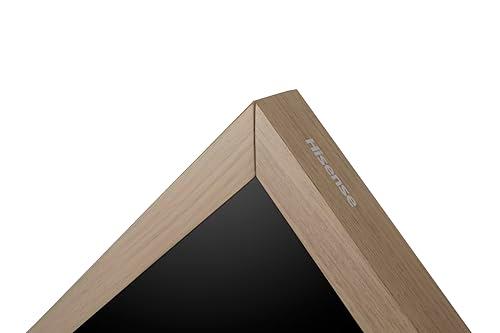
The magnetic frame system is genuinely innovative. The standard teak frame can be swapped for white or walnut options without tools, letting you change the TV's appearance to match seasonal décor or room changes. Combined with the UltraSlim Wall Mount that positions the display just 3mm from the wall, it achieves the aesthetic of a framed painting when not in use.
What makes this particularly compelling is that there are no ongoing costs. Unlike Samsung's Frame TV, which charges for premium art content, the Hisense includes a substantial art library at no additional cost. You can also upload personal photos via mobile apps or USB drives.
The LG G5 can display artwork too, but it's clearly a secondary feature. The One Wall Design creates an elegant, minimalist appearance, but it doesn't attempt to disguise itself as anything other than a premium television.
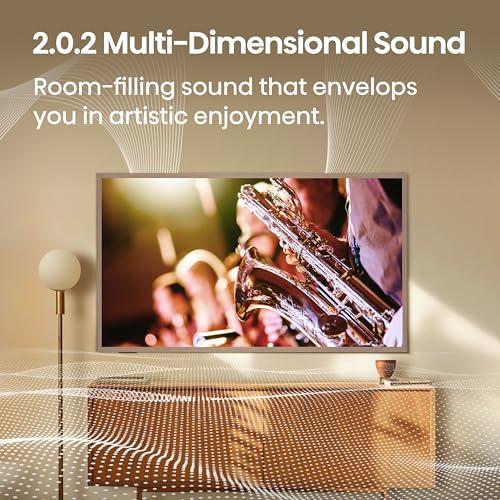
Audio quality represents one of the few areas where there's a clear winner. The Hisense CanvasTV includes a 2.0.2 channel sound system with upward-firing speakers that create a surprisingly immersive audio experience. User reviews consistently mention the "booming" sound quality that's adequate for most viewing without additional audio equipment.
The LG G5, like most ultra-thin OLED displays, has limited space for speakers. While it supports Dolby Atmos passthrough via eARC (enhanced Audio Return Channel) for high-end sound systems, its built-in audio is clearly designed to be supplemented with external speakers or soundbars.
For budget-conscious buyers or those who prefer minimal setup complexity, the CanvasTV's superior built-in audio is a significant practical advantage.
Both displays demonstrate solid construction, but with different priorities. The LG G5 feels more premium with its ultra-thin profile and high-end materials. LG backs this with a 5-year limited panel warranty, showing confidence in their OLED technology's longevity.
The Hisense CanvasTV prioritizes practical durability. The Hi-Matte coating is designed to resist fingerprints and cleaning marks, important for a display that might be handled more frequently due to frame changes. The quantum dot technology typically has excellent longevity, maintaining color accuracy over many years of use.
OLED displays can experience burn-in (permanent image retention) with static content displayed for extended periods, though this has become less problematic with modern panels and mitigation technologies. QLED displays like the CanvasTV don't have this concern, making them more suitable for varied content including gaming with static UI elements.
At the time of writing, these TVs target completely different price segments, which affects their value calculations significantly. The Hisense CanvasTV typically costs significantly less while offering premium features like the art mode, anti-glare coating, and included wall mount. This represents exceptional value for buyers who want high-end features without flagship pricing.
The LG G5 commands premium pricing that reflects its cutting-edge OLED technology and flagship features. While expensive, it offers performance that justifies the cost for enthusiasts who prioritize absolute picture quality and gaming performance.
The value equation also depends on longevity. The G5's 5-year warranty and update guarantee provide peace of mind for a significant investment. The CanvasTV's lower entry cost and dual-functionality as art display create value through versatility rather than longevity guarantees.
Choose the Hisense CanvasTV if you want a TV that enhances your living space even when turned off. It's perfect for bright rooms, design-conscious buyers, and those who value practical features over absolute performance. The excellent built-in audio, anti-glare display, and art mode functionality make it ideal for family rooms and spaces where the TV needs to work well in various conditions.
The LG OLED evo G5 is the choice for performance enthusiasts who want the absolute best picture quality available. It's perfect for dedicated home theaters, serious gamers, and users who prioritize cutting-edge technology. If you primarily watch in darker environments and want future-proof features, the G5 justifies its premium pricing.
Both represent excellent choices within their intended use cases. The key is honestly assessing your viewing environment, usage patterns, and priorities. The CanvasTV offers broader appeal and better value for most users, while the G5 provides uncompromising performance for those who demand the very best. Your choice should align with how you actually use your TV, not just how you imagine you might use it.
| Hisense 65" S7N CanvasTV QLED 4K Smart Display | LG OLED evo G5 65" 4K Smart TV 2025 |
|---|---|
| Display Technology - Fundamentally different approaches to picture quality | |
| QLED with Quantum Dot Color (LED backlight with quantum dot filters) | OLED evo 4-Stack Tandem RGB Panel (self-lit pixels, no backlight) |
| Brightness Performance - Critical for room versatility and HDR impact | |
| 450 cd/m² peak, excellent consistency in bright rooms with anti-glare coating | Up to 2,500 nits peak (45% brighter than previous OLEDs), variable by content |
| Black Levels - Affects contrast and dark scene detail | |
| 5000:1 contrast ratio (good but not perfect blacks due to LED backlight) | Perfect blacks with infinite contrast (pixels turn completely off) |
| Anti-Glare Performance - Essential for bright living rooms | |
| Hi-Matte display reduces reflections to 5% (excellent for any lighting) | Standard OLED coating (improved but still reflects more than CanvasTV) |
| Gaming Performance - Refresh rates and responsiveness for gaming | |
| 144Hz native, 5.4ms input lag, 2x HDMI 2.1 ports | 165Hz at 4K, 4ms input lag, 4x HDMI 2.1 ports (industry-leading) |
| Smart TV Platform - Interface and long-term software support | |
| Google TV (familiar Android interface, no guaranteed update timeline) | webOS 25 with AI features (5-year webOS Renew program guarantee) |
| Art Display Mode - Lifestyle integration when TV is off | |
| Dedicated Art Mode with motion sensor, free curated library, swappable magnetic frames | Basic art display capability (secondary feature, no frame system) |
| Built-in Audio - Important if not using external speakers | |
| 2.0.2 channel system with upward-firing speakers, DTS Virtual:X (excellent for built-in audio) | Typical slim OLED audio (designed for external sound systems, Dolby Atmos passthrough) |
| Design Philosophy - How it integrates into your living space | |
| UltraSlim 3mm wall mount, customizable frames, designed to look like artwork | One Wall Design flush mount, gallery aesthetic, premium minimalist appearance |
| Panel Warranty - Protection for your investment | |
| Standard warranty terms | 5-year limited panel warranty (1 year full, 4 years panel replacement) |
| HDR Support - Enhanced contrast and color for premium content | |
| Dolby Vision, HDR10, HDR10+, HLG (comprehensive HDR support) | Dolby Vision, HDR10 Pro (premium HDR with superior brightness handling) |
| Target Room Conditions - Where each TV performs best | |
| Any lighting condition, especially bright rooms with windows | Controlled lighting preferred, dark rooms ideal (improved bright room performance vs previous OLEDs) |
The Hisense 65" S7N CanvasTV is significantly better for bright rooms. Its Hi-Matte anti-glare display reduces reflections to just 5%, maintaining excellent picture quality even with windows and overhead lighting. The LG OLED evo G5 has improved brightness compared to previous OLEDs, but still reflects more light and can struggle with glare in very bright environments.
The Hisense CanvasTV uses QLED technology with an LED backlight and quantum dot filters for enhanced colors, while the LG G5 uses OLED technology where each pixel produces its own light. OLED delivers perfect blacks and infinite contrast, but QLED typically performs better in bright rooms and doesn't risk burn-in with static images.
The LG OLED evo G5 offers superior gaming performance with 165Hz refresh rate, 4ms input lag, and four HDMI 2.1 ports. The Hisense CanvasTV still provides excellent gaming with 144Hz refresh rate and 5.4ms input lag, which is more than adequate for most gamers. The difference mainly matters for competitive esports players.
Yes, but differently. The Hisense CanvasTV is specifically designed for this with dedicated Art Mode, motion sensors, customizable magnetic frames, and a free curated art library. The LG G5 can display artwork but it's a basic feature without the specialized frame system or lifestyle integration.
The Hisense CanvasTV has significantly better built-in audio with its 2.0.2 channel system including upward-firing speakers and DTS Virtual:X support. The LG G5 has typical slim TV audio that's designed to work with external sound systems via its eARC support for Dolby Atmos passthrough.
For dedicated dark room home theaters, the LG OLED evo G5 is superior with perfect blacks, infinite contrast, and exceptional HDR performance. For family room home theaters with ambient lighting, the Hisense CanvasTV may actually perform better due to its anti-glare coating and consistent picture quality in various lighting conditions.
The Hisense CanvasTV typically offers much better value, providing premium features like Art Mode, anti-glare display, and included wall mount at a significantly lower price point. The LG G5 commands premium pricing for cutting-edge OLED technology and flagship performance features.
Both TVs support all major streaming services. The Hisense CanvasTV runs Google TV with excellent app selection and familiar interface. The LG G5 uses webOS 25 with AI features and comes with a 5-year software update guarantee, ensuring long-term streaming app support.
The LG OLED evo G5 comes with a 5-year limited panel warranty and guaranteed software updates. The Hisense CanvasTV uses QLED technology that doesn't risk burn-in issues and typically maintains color accuracy well over time, though it has standard warranty terms.
Yes, both mount well but differently. The Hisense CanvasTV includes an UltraSlim Wall Mount that positions it just 3mm from the wall for a painting-like appearance. The LG G5 uses a One Wall Design for flush mounting but the table stand is sold separately.
Both handle sports well, but the LG OLED evo G5 has superior motion handling due to OLED's near-instantaneous pixel response times. However, the Hisense CanvasTV might be better for daytime sports viewing due to its excellent anti-glare performance, especially if your viewing room has windows.
Choose the Hisense CanvasTV if you want excellent value, bright room performance, art display functionality, and good built-in audio. Choose the LG OLED evo G5 if you prioritize absolute best picture quality, serious gaming performance, dark room viewing, and don't mind premium pricing for flagship features.
We've done our best to create useful and informative comparisons to help you decide what product to buy. Our research uses advanced automated methods to create this comparison and perfection is not possible - please contact us for corrections or questions. These are the sites we've researched in the creation of this article: bestbuy.com - hisense.sg - tomsguide.com - content.syndigo.com - rtings.com - hisense-usa.com - youtube.com - bestbuy.com - youtube.com - displayspecifications.com - displayspecifications.com - manuals.plus - displayspecifications.com - bestbuy.com - hisense-canada.com - manuals.plus - bargainoutletandmore.com - bestbuy.com - device.report - bestbuy.com - techradar.com - rtings.com - youtube.com - youtube.com - rtings.com - bestbuy.com - youtube.com - valueelectronics.com - lg.com - audio-videoplus.com - lg.com - lg.com - lg.com

Privacy Policy
Terms and Conditions - Affiliate Policy
Home Security
© Copyright 2008-2026.
11816 Inwood Rd #1211, Dallas, TX 75244