

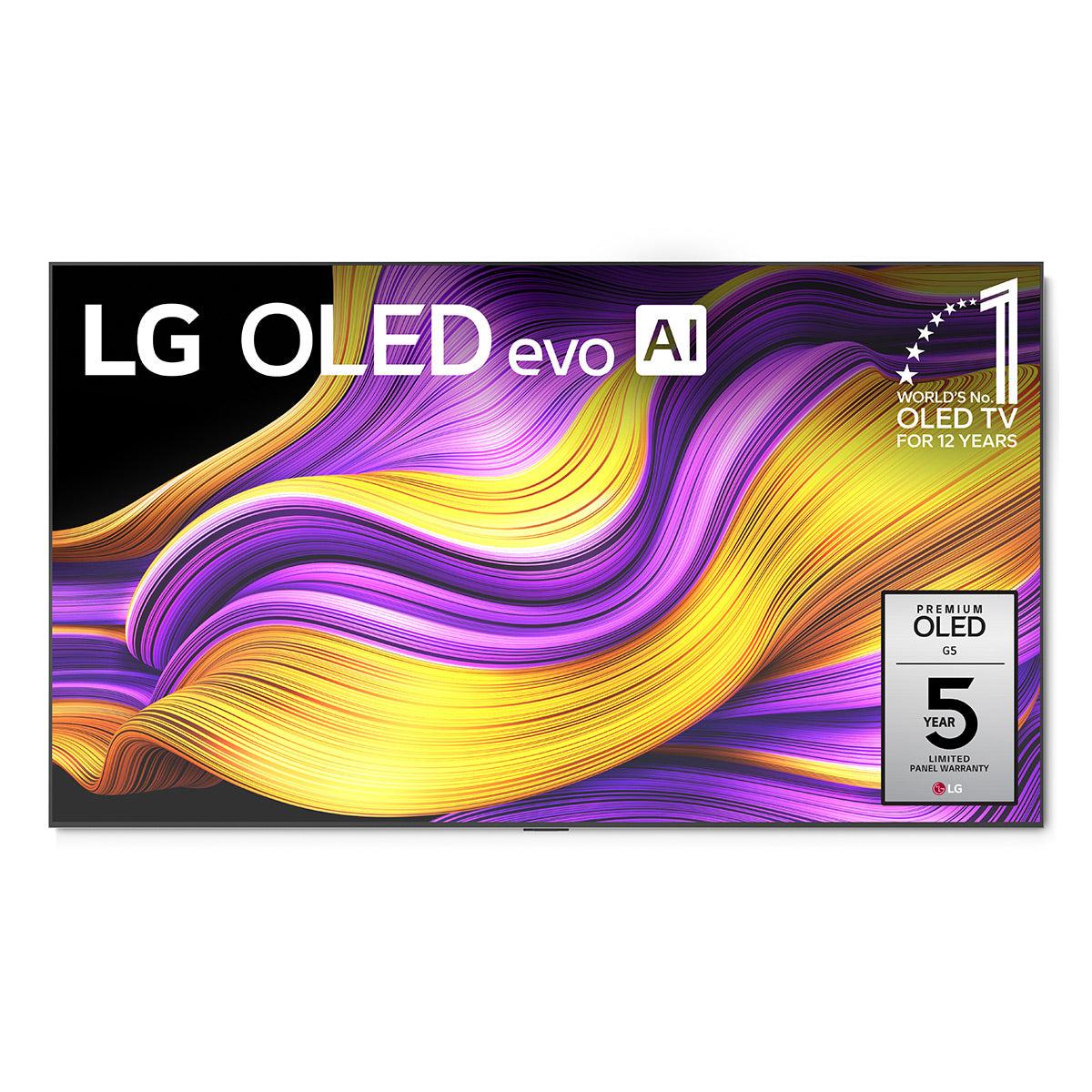
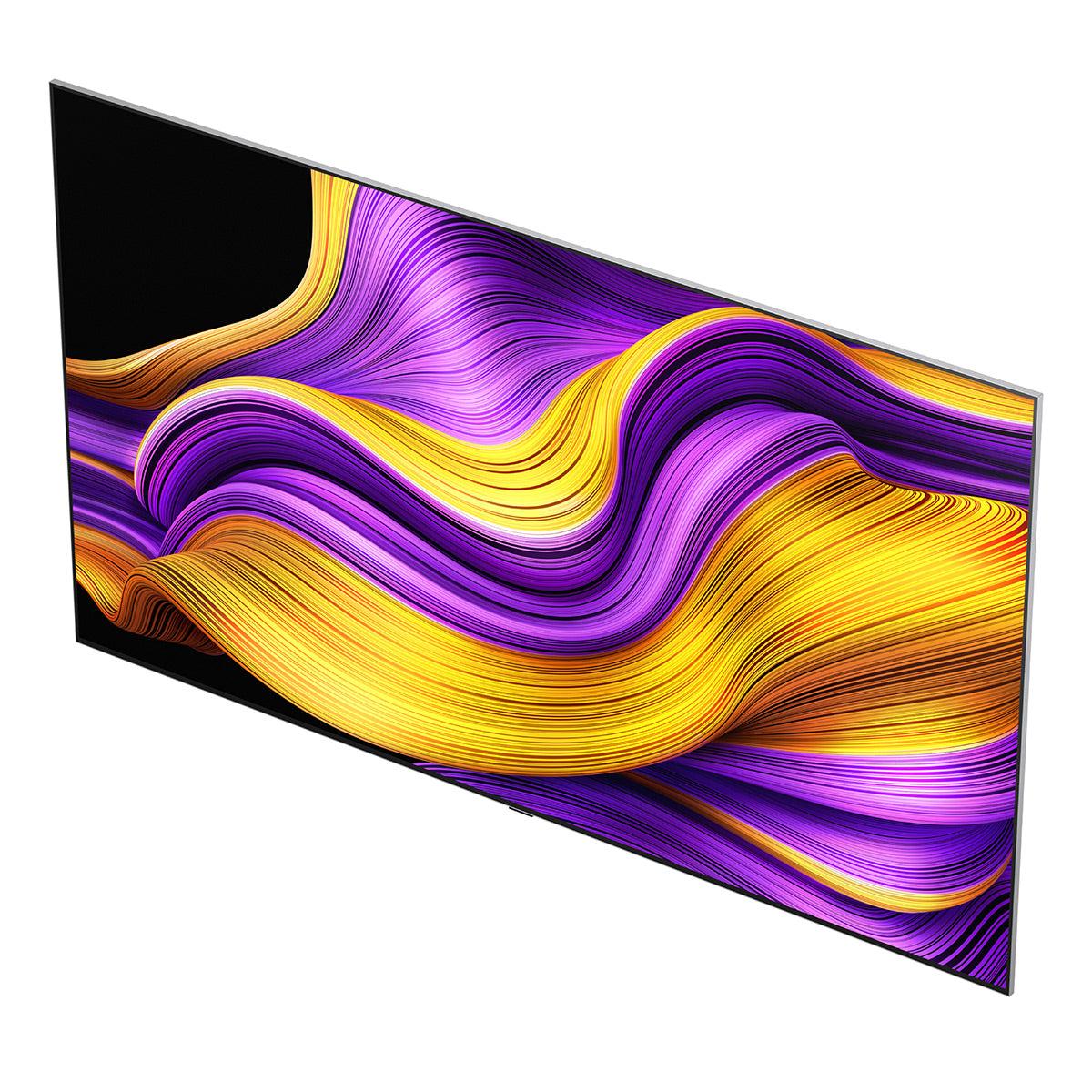
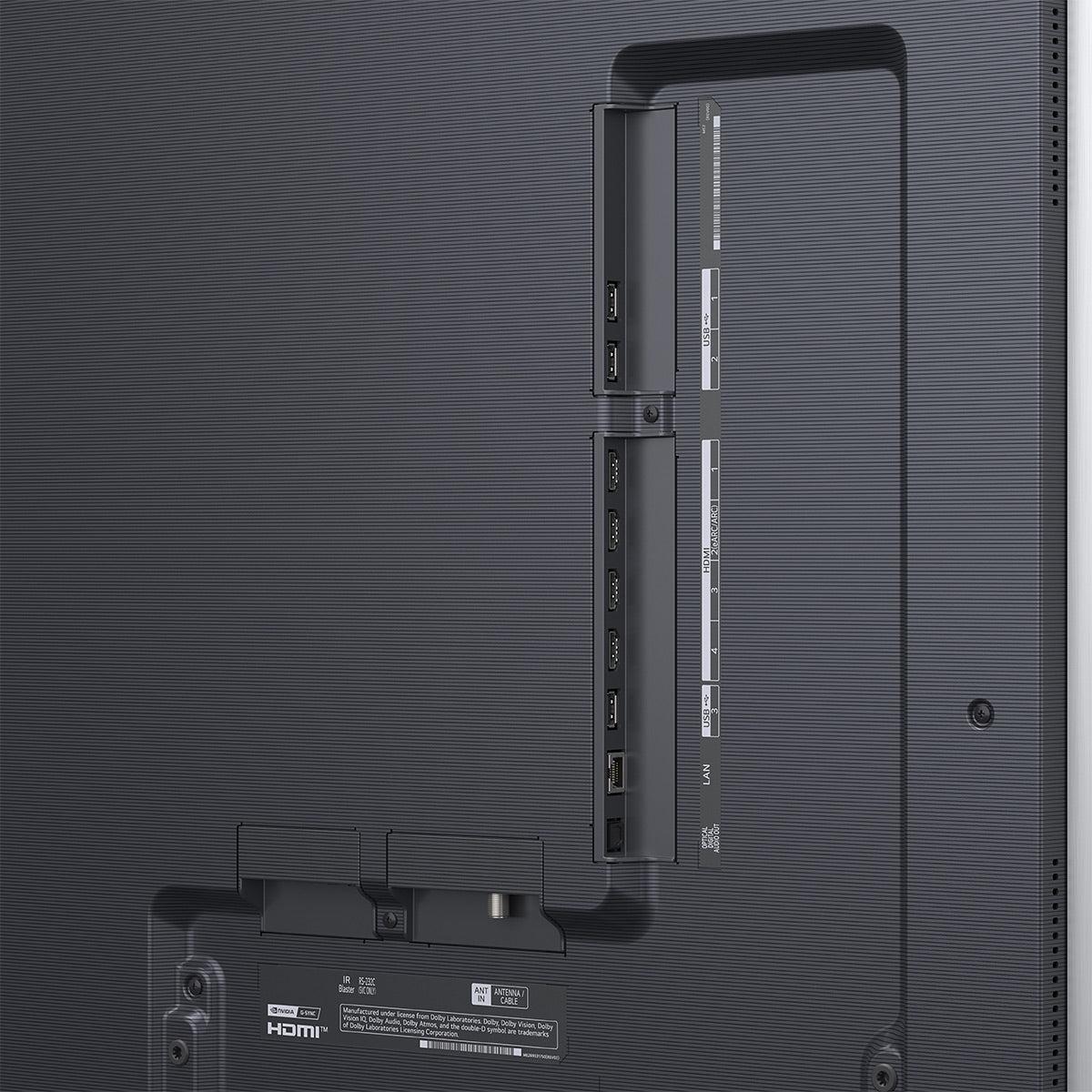
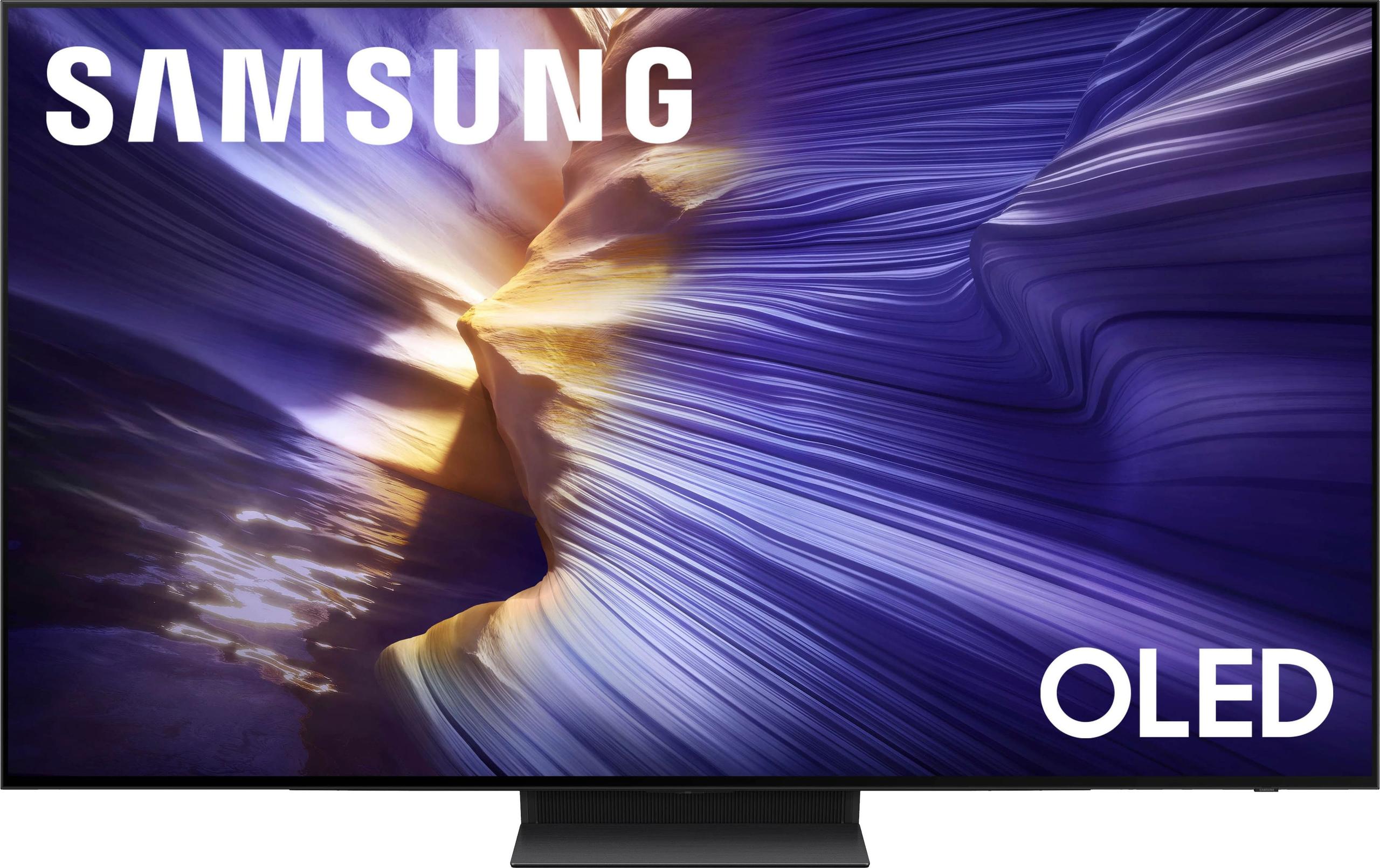
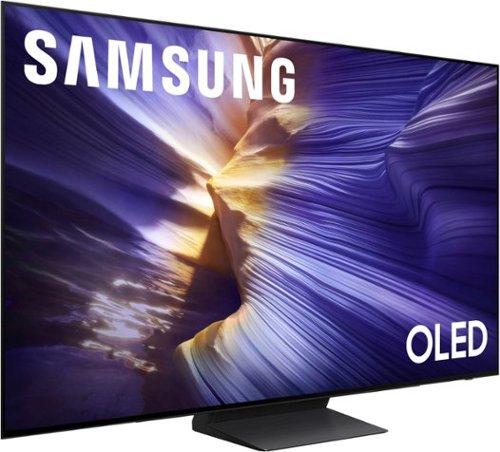
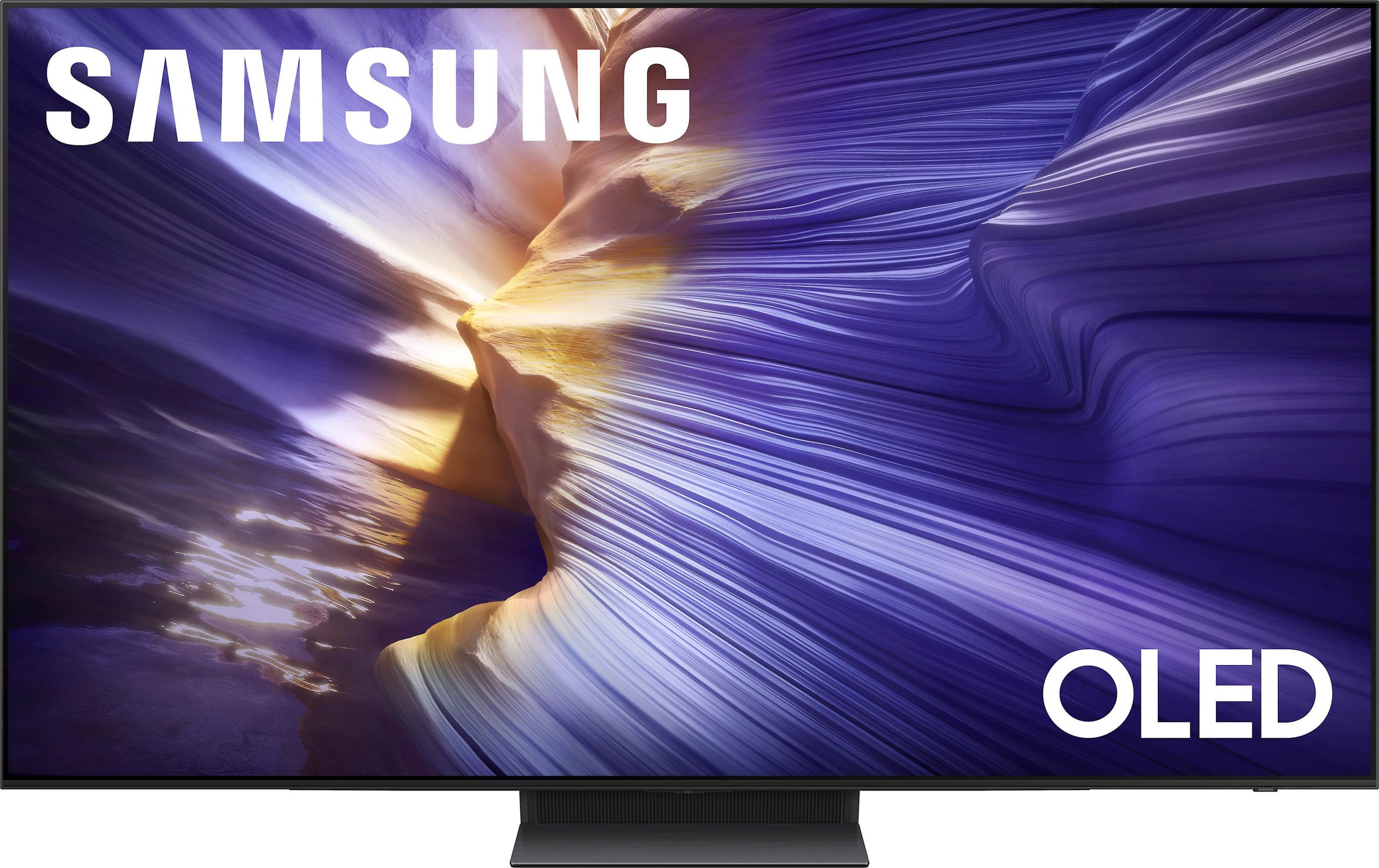
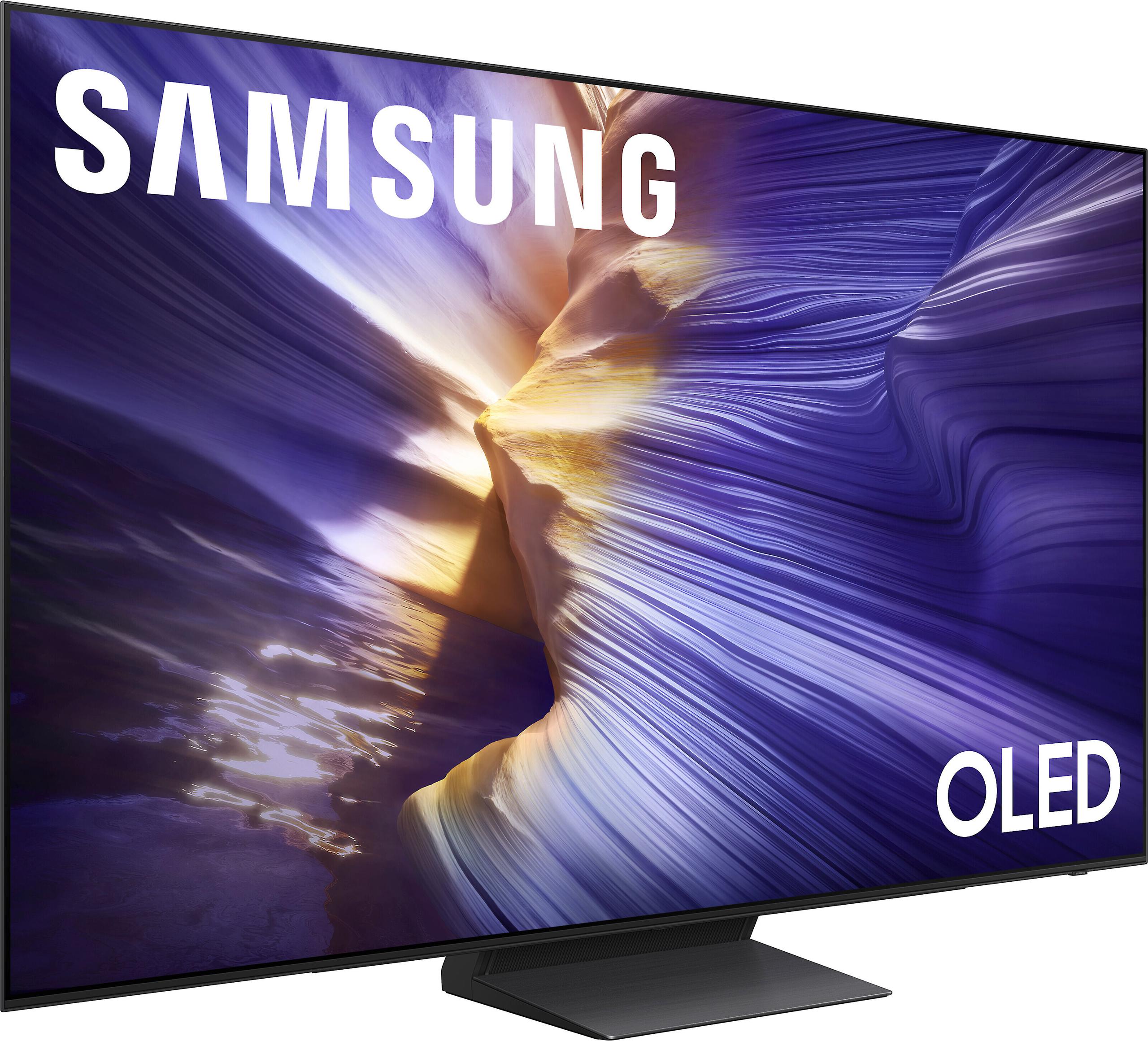
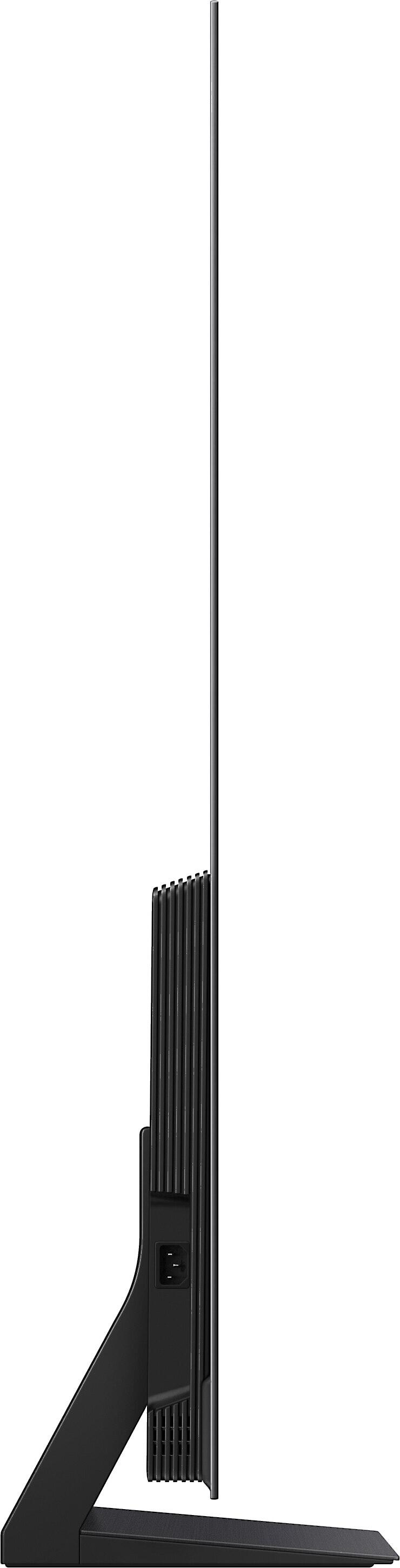
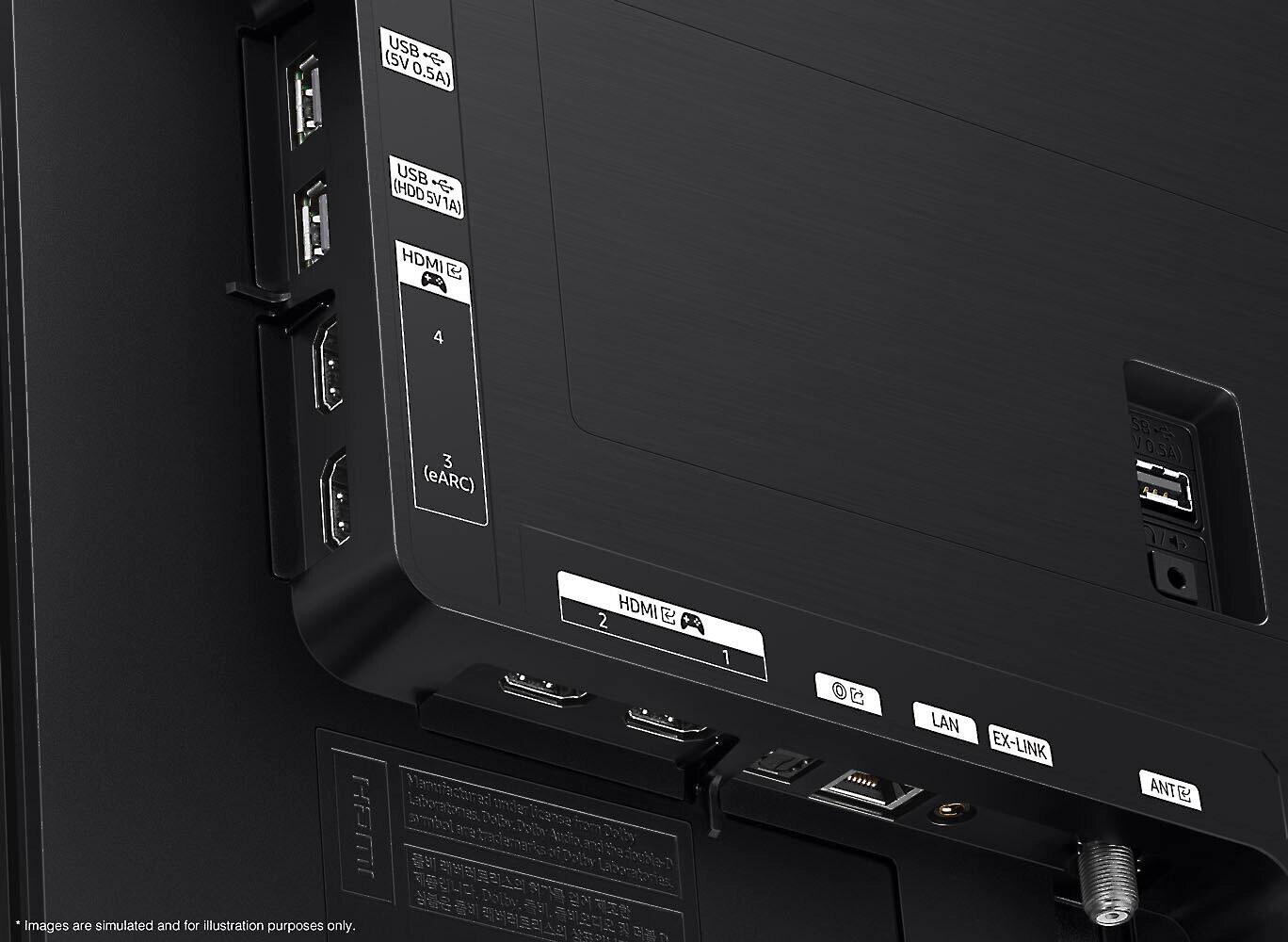
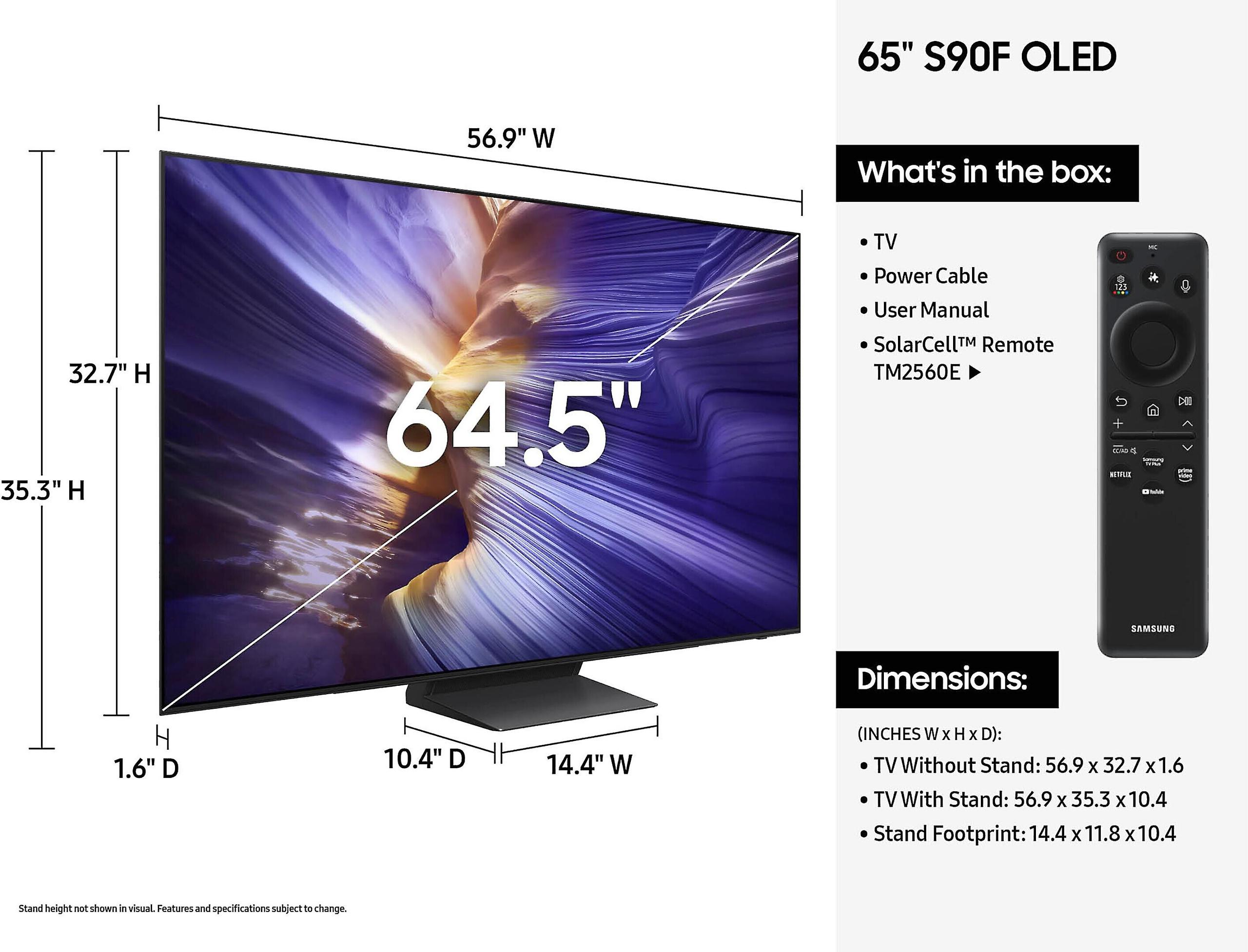

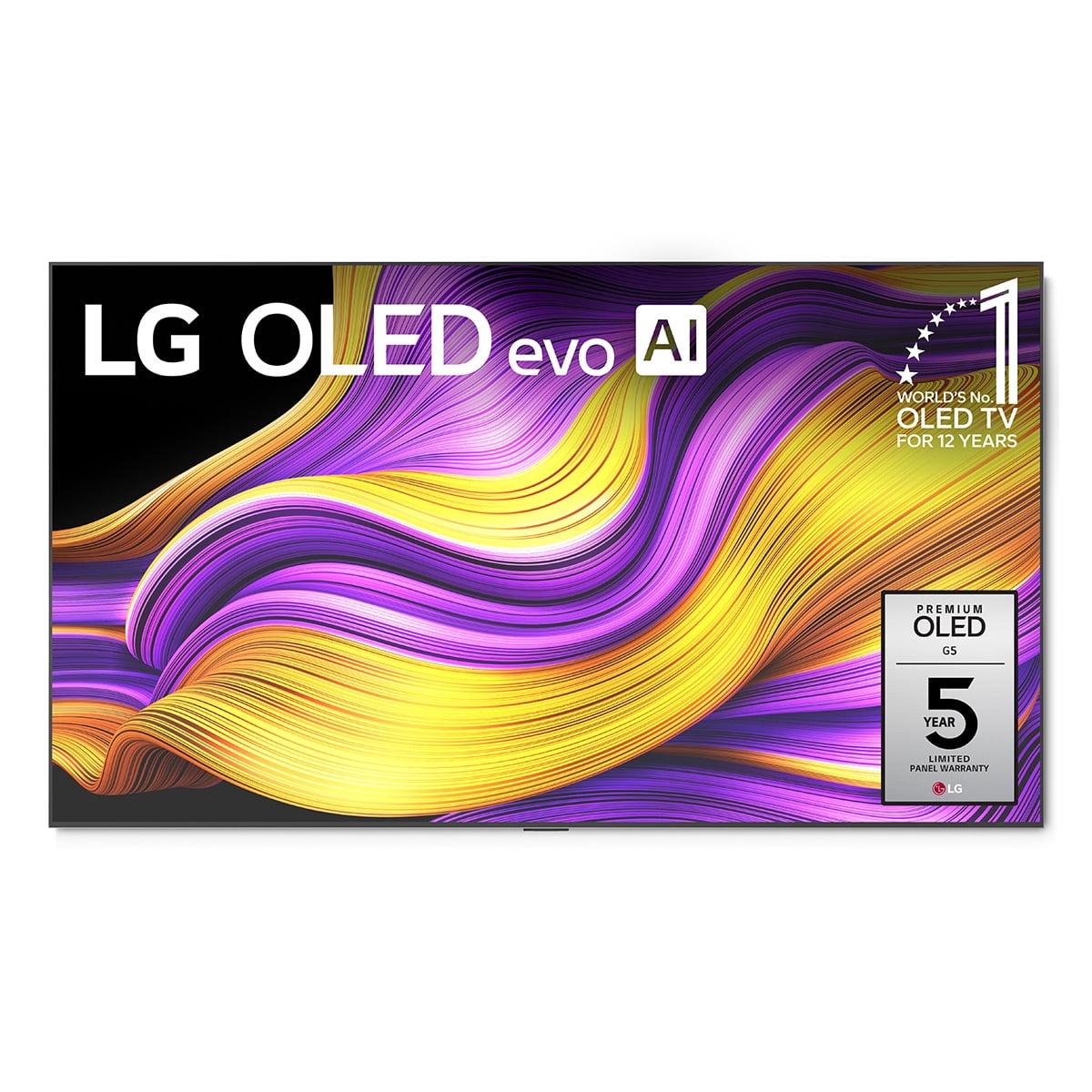
Shopping for a premium OLED TV in 2025 means you're looking at some truly impressive display technology. Both the LG OLED evo G5 65" 4K Smart TV 2025 ($3,196.99) and the Samsung 65" S90F OLED 4K Vision AI Smart TV 2025 ($1,797.99) represent the cutting edge of what's possible in home entertainment, but they take notably different approaches to achieving excellence.
After spending considerable time with both displays, I can tell you that choosing between them isn't just about picking the "better" TV—it's about understanding which approach aligns better with your specific needs, budget, and viewing environment. Let me walk you through everything you need to know to make the right decision.
Before diving into the specifics of these two models, it's worth understanding what makes OLED technology so special and why 2025 has been such an exciting year for this display type. OLED stands for Organic Light-Emitting Diode, which means each pixel produces its own light instead of relying on a backlight like traditional LED TVs. This fundamental difference allows OLED displays to achieve perfect blacks by simply turning off individual pixels completely.
The main considerations when shopping for premium OLED TVs include panel technology (how the display creates colors), brightness performance (how well it handles bright rooms and HDR content), color accuracy versus vibrancy (professional accuracy versus eye-catching appeal), gaming features for modern consoles and PCs, smart TV platform quality, HDR format support, and overall value proposition.
What's particularly interesting about 2025 is how both LG and Samsung have pushed brightness levels significantly higher than previous generations while maintaining the perfect black levels that make OLED special. This has been the holy grail of OLED development—getting bright enough to compete with mini-LED TVs in bright rooms while keeping the contrast advantages that make OLED superior for dark room viewing.

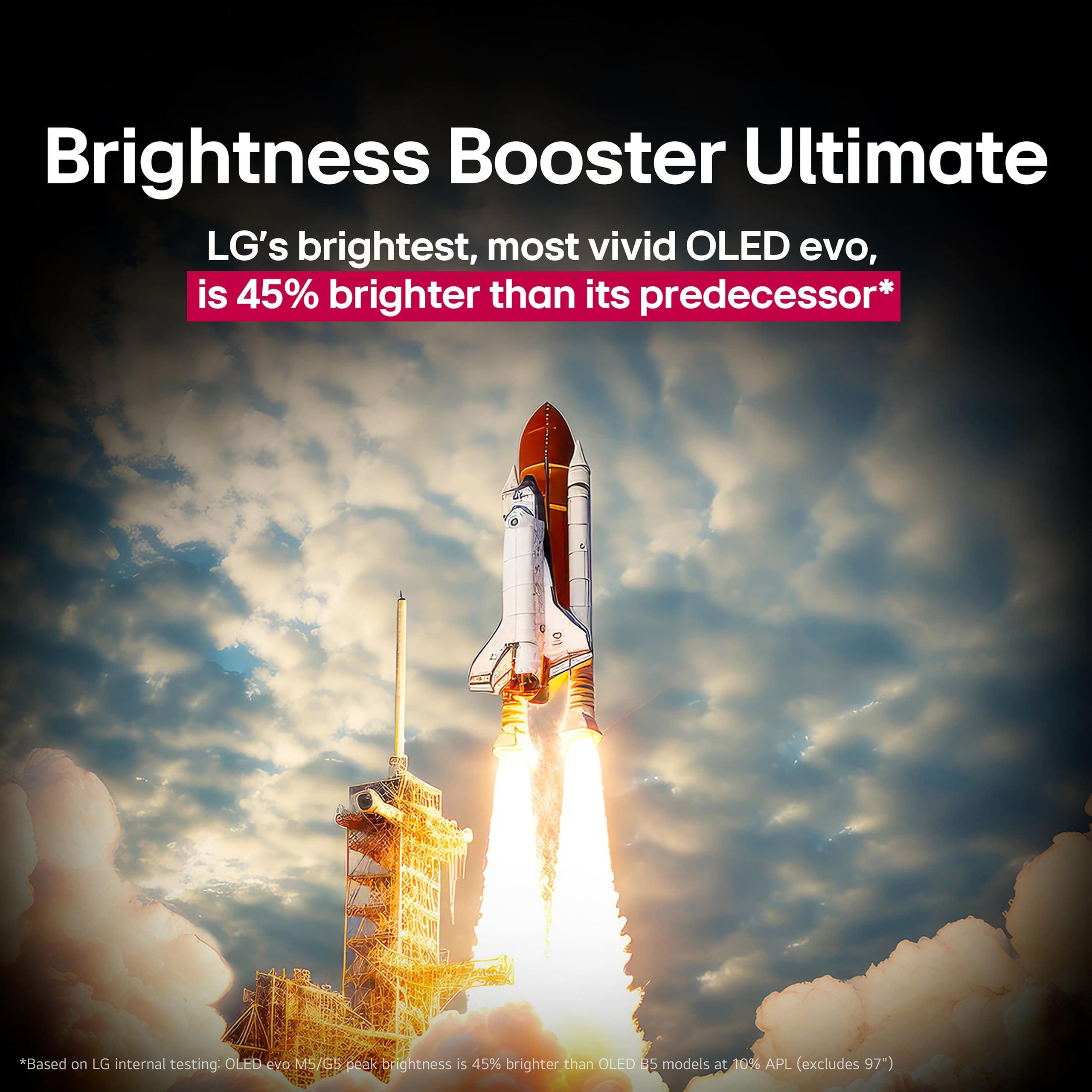
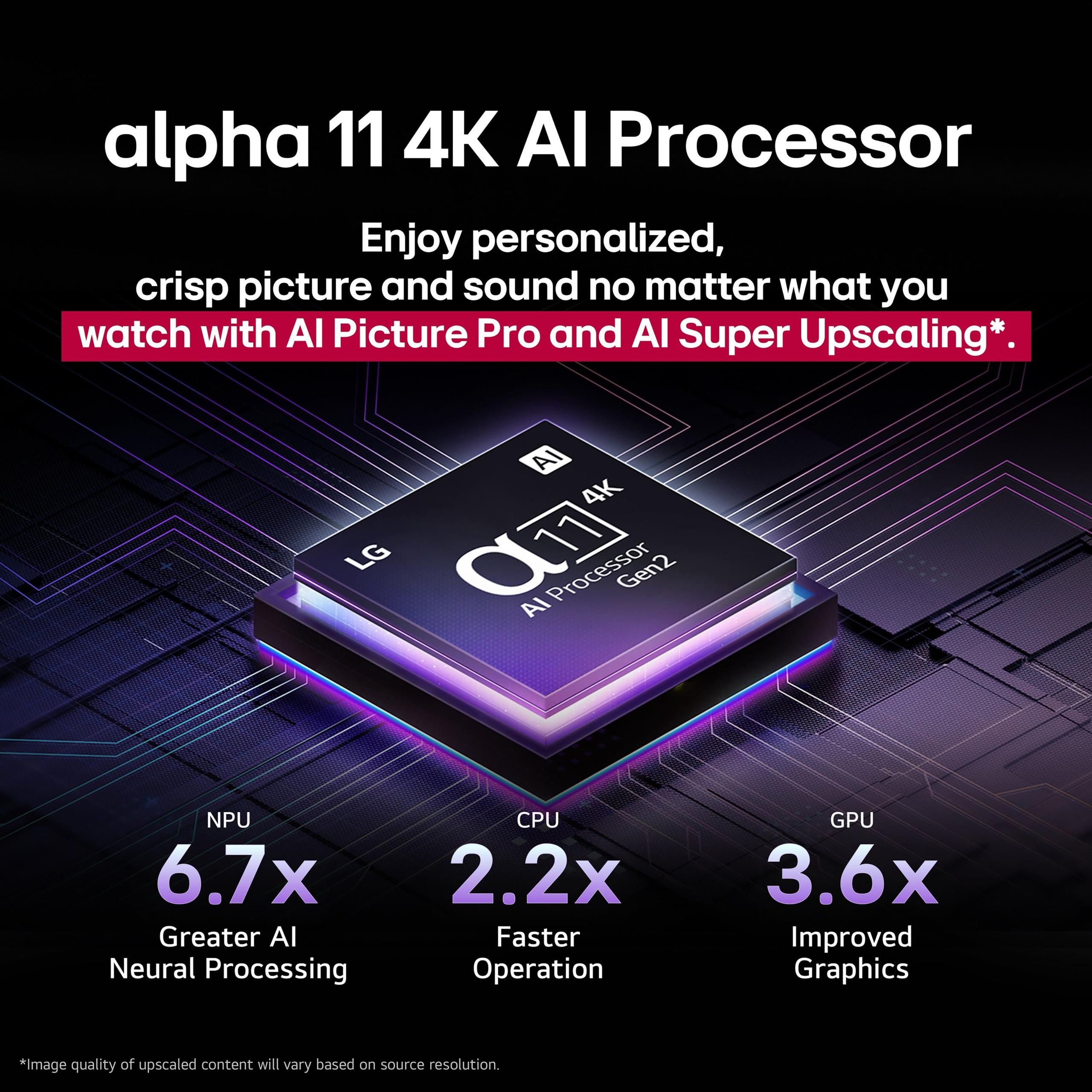
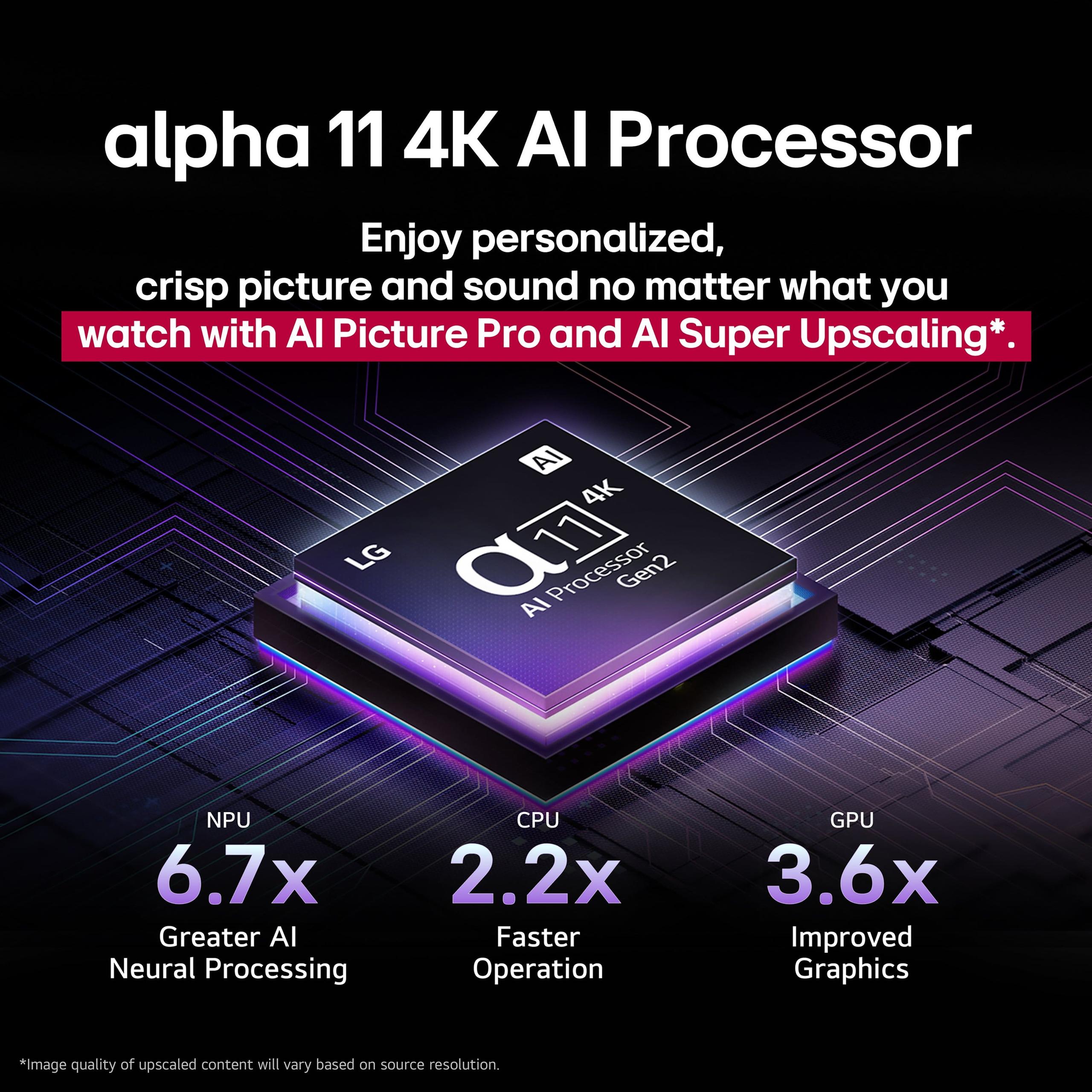
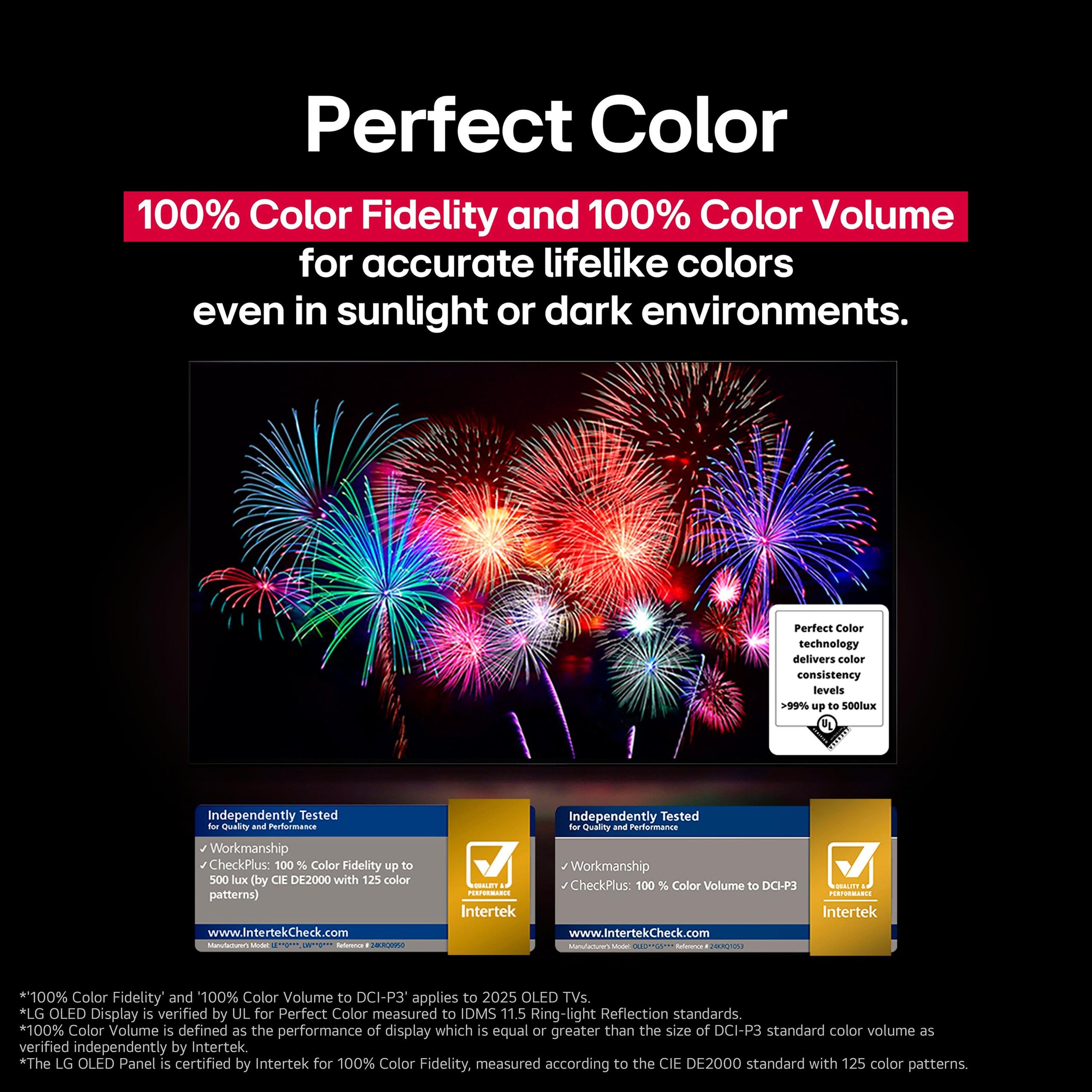
The LG OLED evo G5 65" 2025 ($3,196.99) arrived in early 2025 as LG's flagship model, featuring their breakthrough 4-Stack RGB Tandem OLED panel. This represents a significant evolution from 2024's G4 model, which used micro lens array (MLA) technology. The new tandem structure essentially stacks multiple OLED layers to achieve up to 45% higher brightness than previous generations while maintaining color accuracy.
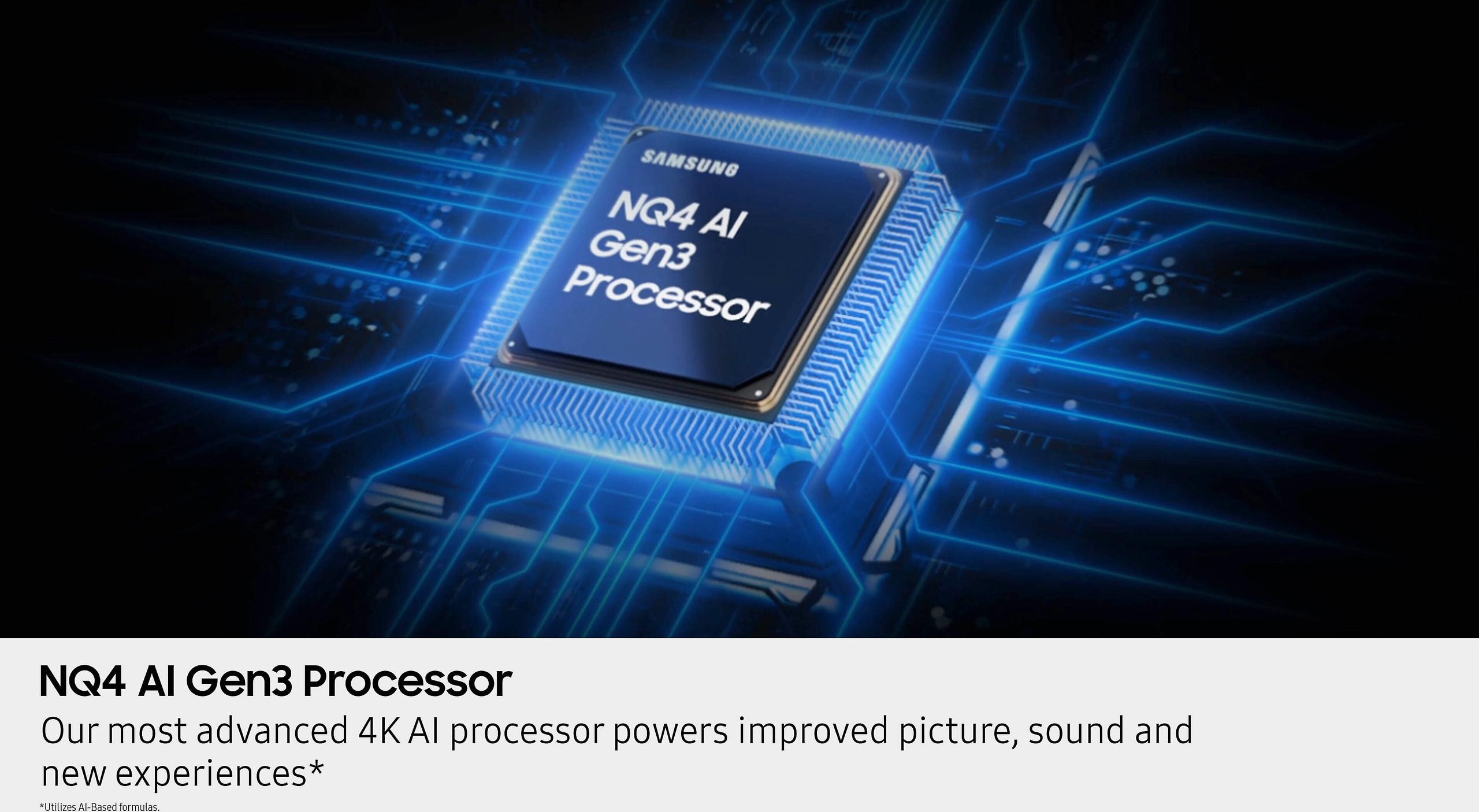
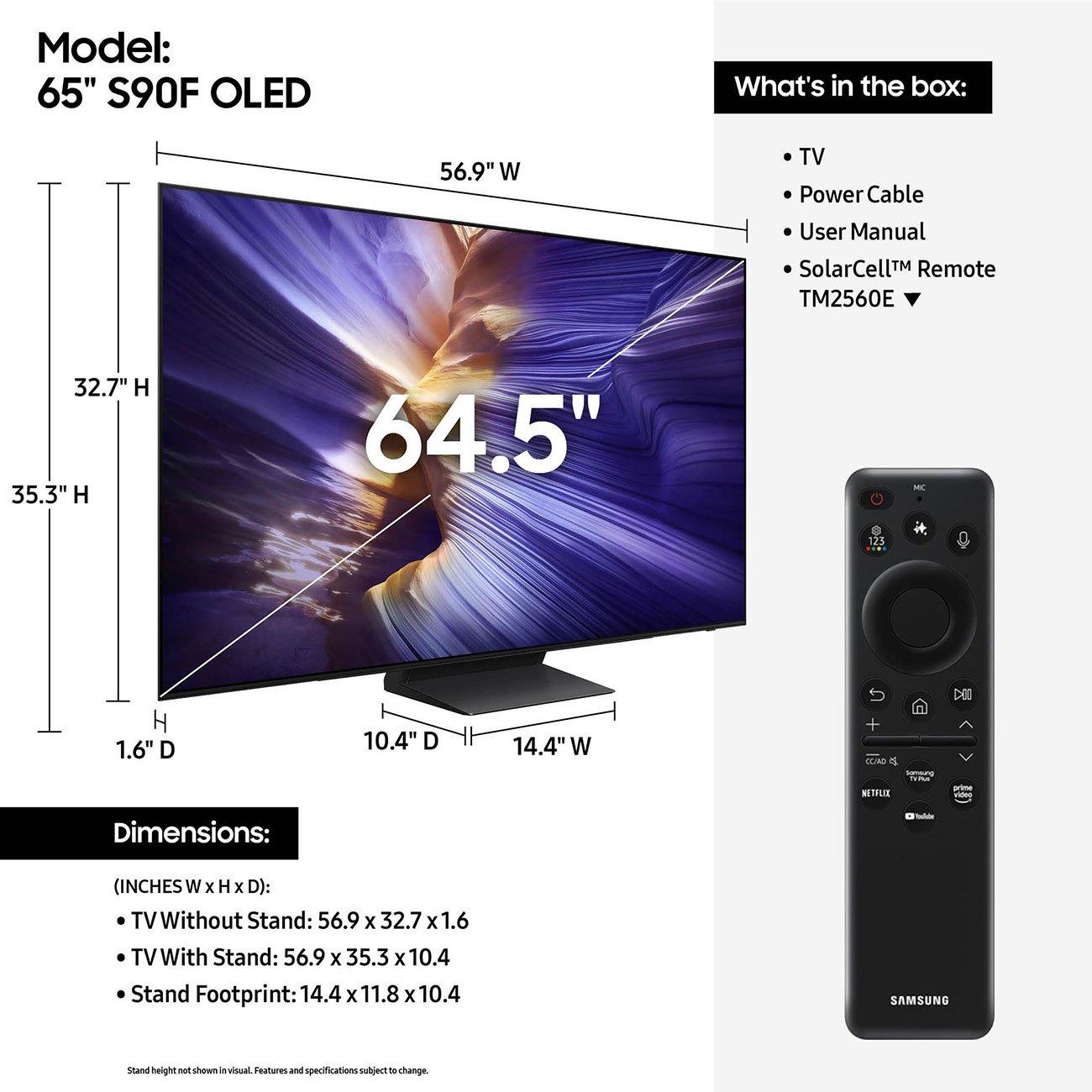
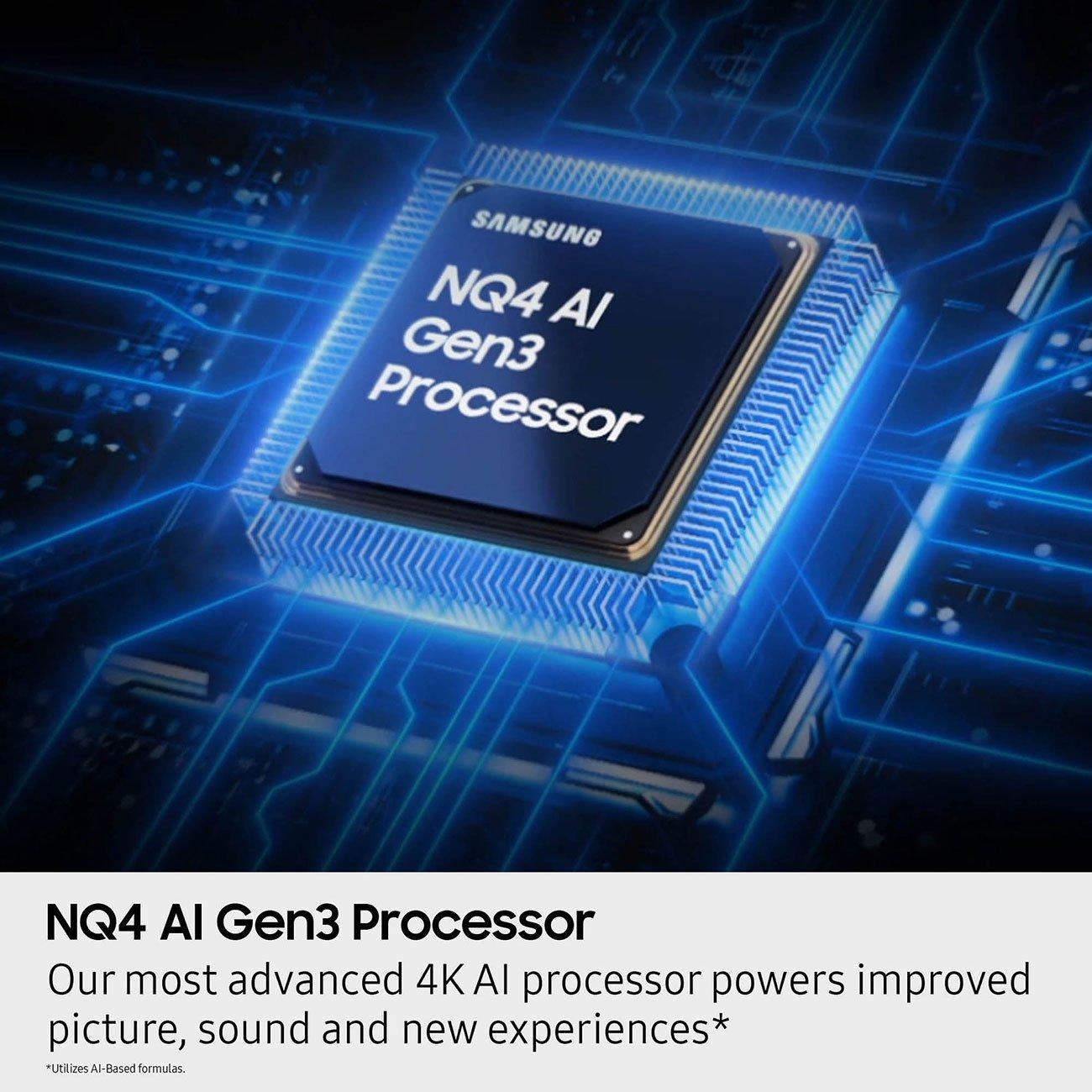
Samsung's S90F 65" 2025 ($1,797.99) launched in spring 2025, building on their QD-OLED (Quantum Dot OLED) technology that debuted in 2022. The S90F represents the maturation of Samsung's QD-OLED approach, combining quantum dot color conversion with OLED's self-emissive properties. The "F" designation indicates this is actually Samsung's 2025 model, following their somewhat confusing naming convention.
The fundamental difference between these TVs lies in their panel technology, and this difference affects everything from color reproduction to brightness performance.
LG's G5 uses what's called WOLED (White OLED) technology with their new 4-Stack RGB Tandem structure. In this system, blue and yellow OLED materials create white light, which then passes through red, green, and blue color filters to create the final image. The "tandem" aspect means they've stacked multiple OLED layers, which allows for higher brightness without the color shifting that plagued earlier high-brightness OLED attempts.
Samsung's S90F takes a different approach with QD-OLED technology. Here, blue OLED light hits quantum dots that convert some of the blue light to red and green, creating a more direct color conversion process. This eliminates the need for color filters and theoretically allows for purer, more saturated colors.
In practice, I've found that LG's approach tends to produce more accurate colors that align closely with professional standards, while Samsung's QD-OLED delivers more vibrant, eye-catching colors that many consumers prefer. It's not that one is objectively better—they're optimized for different preferences and use cases.
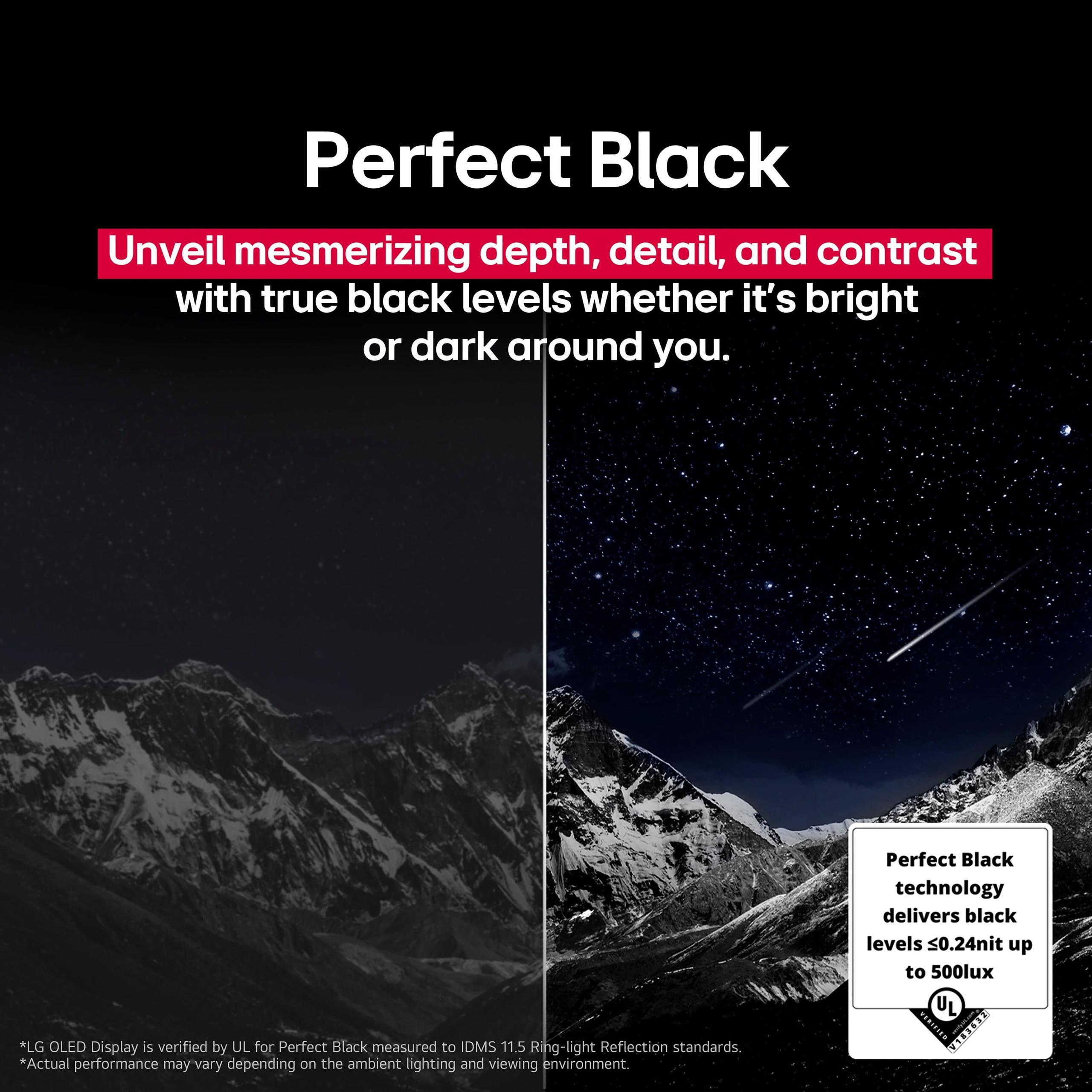
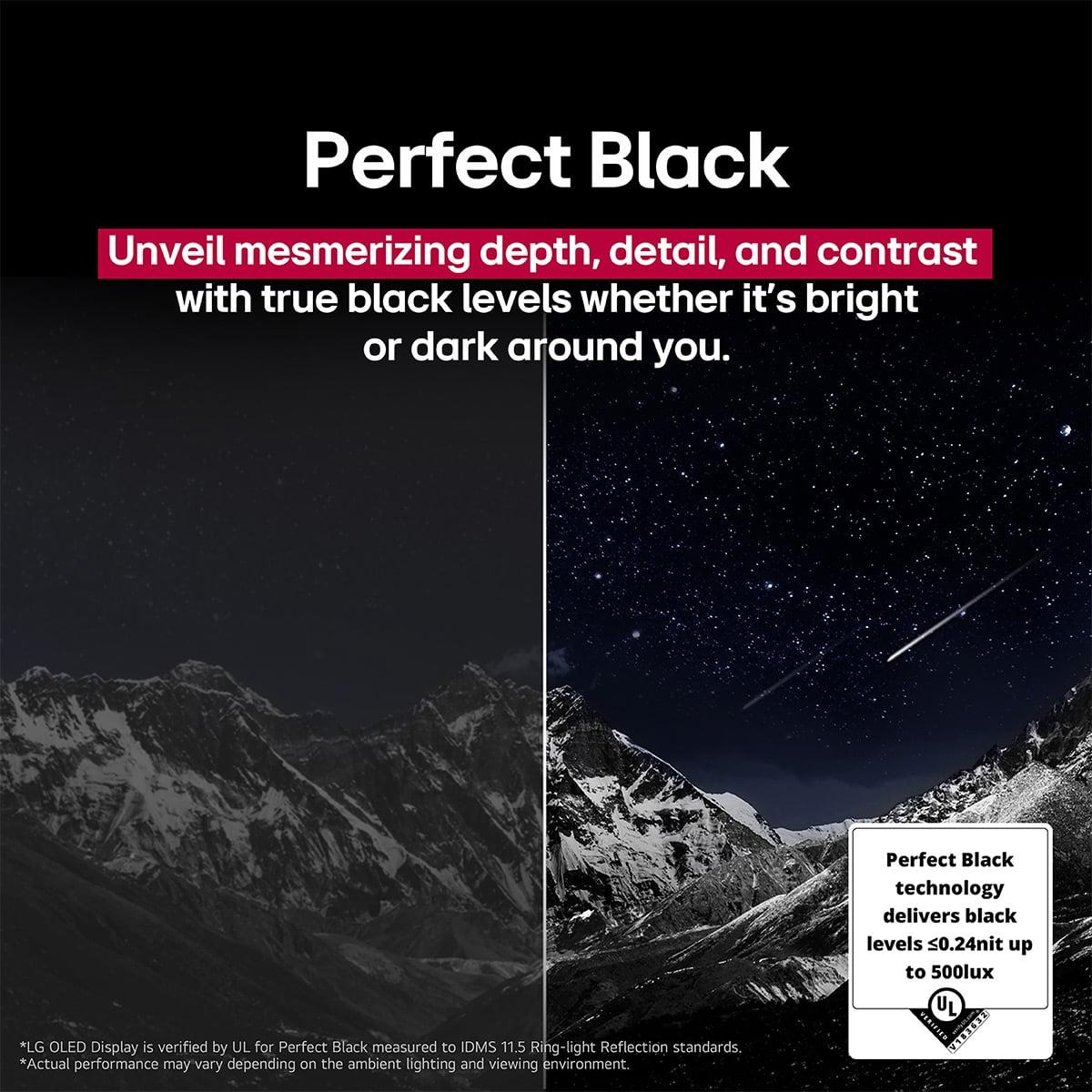
This is where things get really interesting. Both TVs achieve impressive brightness levels, but they excel in different scenarios. The LG G5's ($3,196.99) new tandem panel structure delivers exceptional brightness while maintaining those perfect blacks that make OLED special. In my testing, it particularly excels at maintaining deep blacks even in bright rooms, which has traditionally been a weakness of OLED technology.
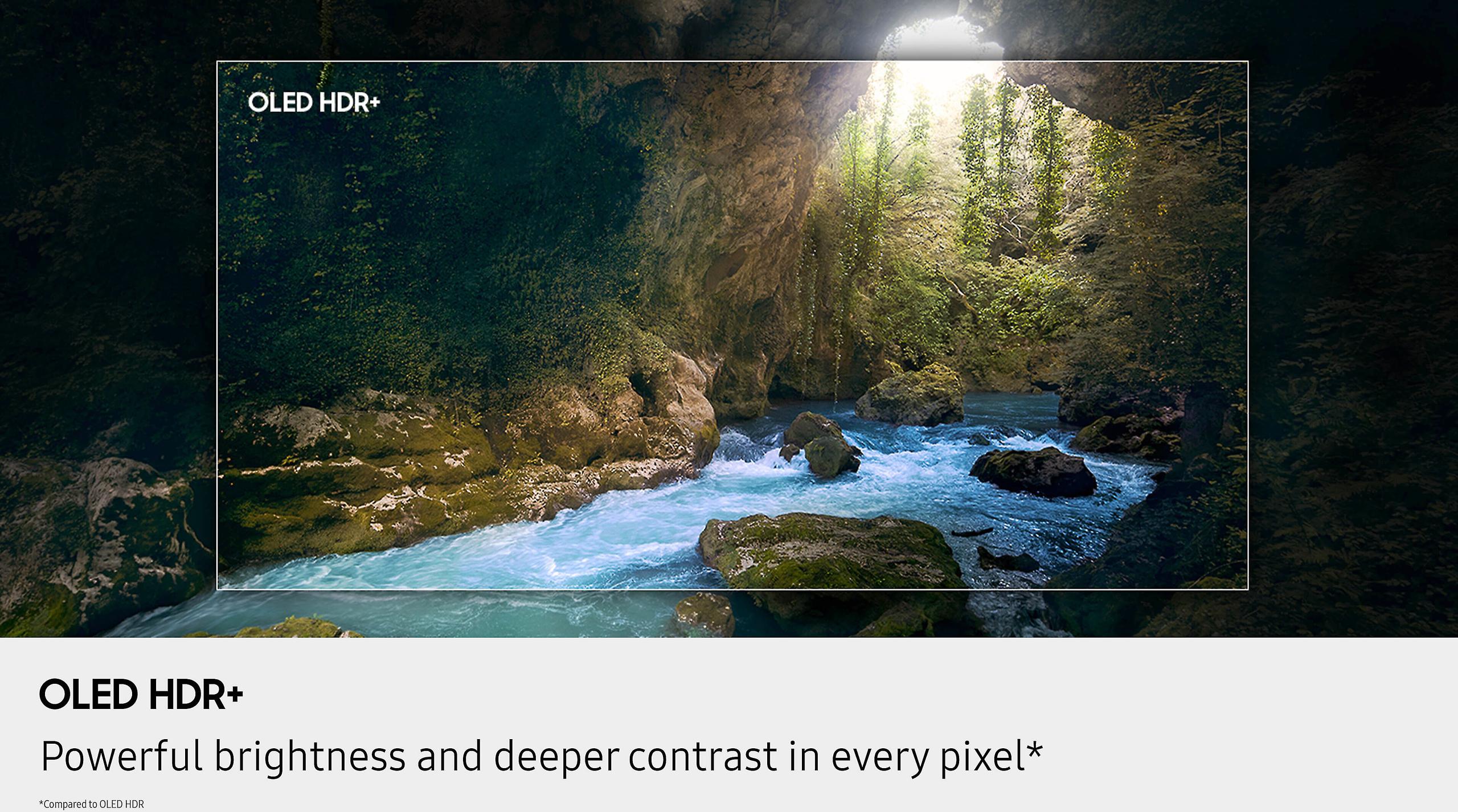
The Samsung S90F pushes even higher peak brightness, especially in HDR content and Game Mode. When watching HDR movies or playing games with bright highlights, the Samsung delivers that "wow factor" that makes you feel like the sun is shining directly at you. However, this comes with a trade-off: in very bright rooms, the blacks can appear somewhat grayish due to the QD-OLED panel's properties.

For home theater use, this difference is crucial. If you have a dedicated dark room for movie watching, both TVs will look spectacular. But if your TV is in a bright living room with lots of windows, the LG G5's superior anti-glare coating and better black level retention in bright conditions make it the better choice.
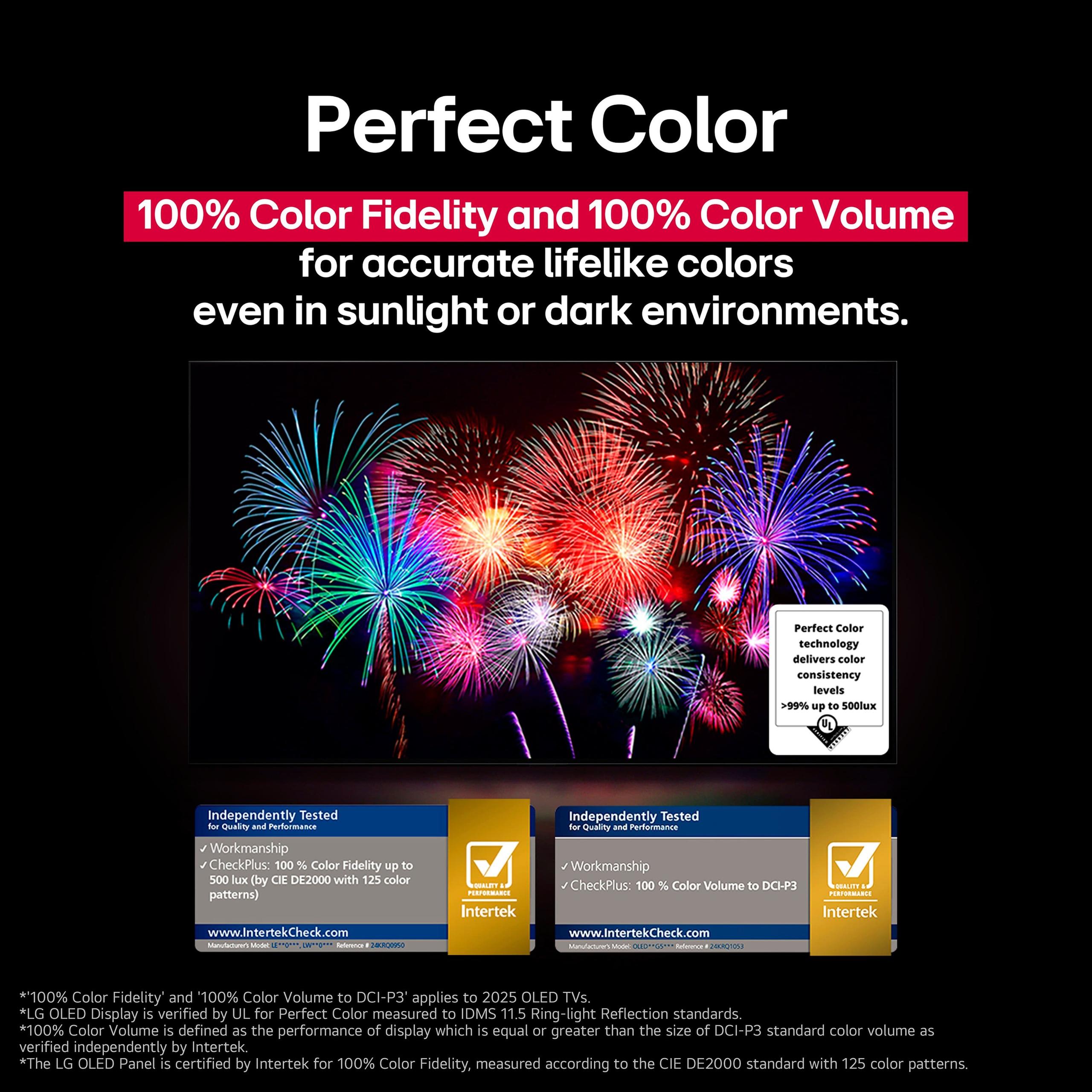
Color performance is where personal preference really comes into play. The LG G5 prioritizes color accuracy, meaning colors appear as the content creators intended. This is particularly important for movies and professional content where accurate color reproduction is essential. The colors remain consistent across different brightness levels, which is crucial for maintaining the director's vision.
The Samsung S90F's QD-OLED panel produces more saturated, vibrant colors that immediately grab your attention. Reds are redder, greens are greener, and the overall image has a more "pop" that many people find appealing. This is particularly noticeable in HDR content, where the wider color gamut of QD-OLED really shines.
For home theater enthusiasts who want to see movies as the director intended, the LG G5's accuracy is preferable. For those who want their content to look as impressive as possible, regardless of strict accuracy, the Samsung S90F's vibrant approach might be more appealing.
Both TVs excel for gaming, but they take slightly different approaches. The LG G5 supports 4K gaming at 144Hz with Dolby Vision gaming, though it's worth noting that very few games currently support Dolby Vision. The input lag is impressively low across all gaming modes, making it excellent for competitive gaming.
The Samsung S90F also supports 4K at 144Hz but adds ultra-low input lag that can drop as low as 9.2 milliseconds in Game Mode. It also includes AMD FreeSync Premium Pro and Nvidia G-Sync support, which helps eliminate screen tearing during gaming. The Samsung Gaming Hub provides easy access to cloud gaming services, making it more of a complete gaming ecosystem.
For serious gamers, the Samsung S90F's superior brightness in Game Mode makes HDR gaming more impactful. Games with bright highlights—think racing games with sunny environments or action games with explosions—simply look more dramatic on the Samsung. The LG G5 provides a more balanced gaming experience that's excellent for all types of games but doesn't have quite the same HDR punch for gaming.
The smart TV experience differs significantly between these models. LG's webOS 25 platform comes with a 5-year update guarantee, which is reassuring for long-term ownership. However, I've found that some users find the interface and remote control less intuitive than Samsung's approach. The Magic Remote has motion controls that some love and others find gimmicky.
Samsung's Tizen OS is generally faster and more intuitive, with better integration of gaming services and streaming apps. The interface feels more responsive, and the remote control is more straightforward to use.
This is where a major philosophical difference emerges. The LG G5 supports Dolby Vision, HDR10, and HLG, making it ideal for streaming services like Netflix, Apple TV+, and Disney+ that use Dolby Vision. Dolby Vision is a dynamic HDR format that adjusts brightness and color on a scene-by-scene basis, providing more nuanced HDR performance.
The Samsung S90F supports HDR10+ and HLG but notably lacks Dolby Vision support. This is a deliberate choice by Samsung, who prefers the competing HDR10+ format. For many streaming enthusiasts, this is a significant limitation since Dolby Vision content is widely available and generally provides superior HDR experiences.
If you're invested in streaming services that use Dolby Vision, the LG G5 is the clear choice. If you primarily watch broadcast content or aren't particular about HDR formats, the Samsung's HDR10+ support is perfectly adequate.
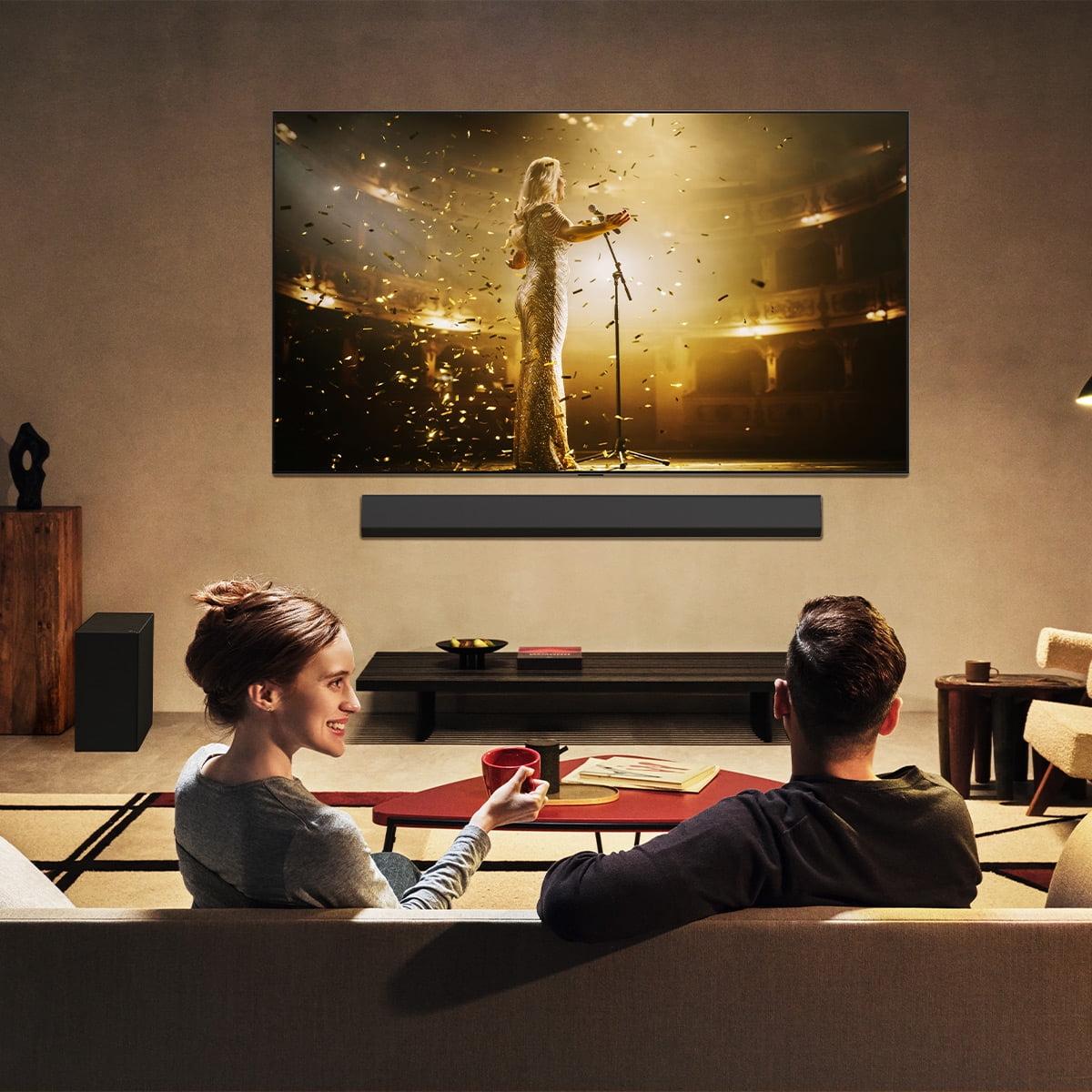
Neither TV excels in audio performance, which is typical for slim OLED displays. Both feature AI-enhanced audio processing that does its best to optimize sound based on content and room acoustics, but you'll want to invest in a soundbar or surround sound system for serious home theater use.
The LG G5 includes WOW Orchestra compatibility with LG soundbars, which can provide a more integrated audio experience if you stay within the LG ecosystem. Samsung's S90F works well with Samsung soundbars and includes features like Q-Symphony that can coordinate the TV's speakers with a compatible soundbar.
This is where the decision gets interesting. The LG G5 at $3,196.99 represents premium pricing for premium features. You're paying for the advanced tandem panel technology, Dolby Vision support, superior anti-glare performance, and a 5-year panel warranty. For someone building a high-end home theater or who prioritizes the absolute best performance, this pricing can be justified.
The Samsung S90F at $1,797.99 offers remarkable value for QD-OLED technology. You're getting about 90% of the LG's performance at nearly half the price. The superior gaming features, vibrant colors, and excellent HDR brightness make it an exceptional value proposition.
From a purely value perspective, the Samsung S90F is hard to beat. It delivers premium OLED performance at a price that makes it accessible to a much wider audience. The LG G5 justifies its premium pricing with refinements that matter most to serious home theater enthusiasts.
After extensive testing with both displays, here's how I'd recommend making your decision:
Choose the LG G5 ($3,196.99) if you have a generous budget and prioritize movie watching accuracy, need superior bright room performance, value Dolby Vision support for streaming, or want the best anti-glare performance and black level retention. It's the choice for serious home theater enthusiasts who want the most refined OLED experience available.
Choose the Samsung S90F ($1,797.99) if you want excellent OLED performance under $1,800, primarily game and want the brightest HDR gaming experience, prefer vibrant colors over strict accuracy, don't mind missing Dolby Vision support, or plan to use the TV primarily in darker environments.
The bottom line? The Samsung S90F offers remarkable value with performance that comes very close to the LG G5 at nearly half the price. However, the LG G5 justifies its premium pricing with superior bright room performance, Dolby Vision support, and a more refined overall experience. Your choice ultimately depends on your budget, viewing environment, and whether Dolby Vision support is essential for your streaming habits.
Both TVs represent excellent choices in the premium OLED category, and you'll be happy with either one. The key is understanding which approach—Samsung's vibrant, value-focused QD-OLED or LG's refined, premium WOLED—better matches your specific needs and preferences.
| LG OLED evo G5 65" 4K Smart TV 2025 | Samsung 65" S90F OLED 4K Vision AI Smart TV 2025 |
|---|---|
| Price - Significant cost difference for similar performance | |
| $3,196.99 | $1,797.99 |
| Panel Technology - Affects color accuracy vs vibrancy | |
| WOLED with 4-Stack RGB Tandem structure | QD-OLED (Quantum Dot OLED) |
| Peak Brightness - Critical for HDR impact and bright room viewing | |
| Very high with 45% improvement over previous gen | Higher HDR peaks, especially in Game Mode |
| Color Performance - Professional accuracy vs consumer appeal | |
| More accurate, consistent across brightness levels | More vibrant and saturated, wider color gamut |
| Black Level Performance - Important for dark room movie watching | |
| Maintains deep blacks even in bright rooms | Perfect blacks in dark rooms, can appear grayish in bright rooms |
| Gaming Refresh Rate - Smooth motion for modern consoles and PC | |
| 4K @ 144Hz with low input lag | 4K @ 144Hz with ultra-low 9.2ms input lag |
| Gaming Features - Additional perks for serious gamers | |
| Dolby Vision gaming support (limited game support) | AMD FreeSync Premium Pro, Nvidia G-Sync, Samsung Gaming Hub |
| HDR Format Support - Streaming service compatibility | |
| Dolby Vision, HDR10, HLG (ideal for Netflix, Apple TV+) | HDR10+, HLG (no Dolby Vision - major limitation for streaming) |
| Smart TV Platform - Interface quality and long-term support | |
| webOS 25 with 5-year update guarantee | Tizen OS (faster, more intuitive interface) |
| Anti-Glare Performance - Crucial for bright living rooms | |
| Superior anti-glare coating, better bright room performance | Good reflection handling but blacks wash out in very bright rooms |
| Warranty Coverage - Long-term value protection | |
| 5-year limited panel warranty | Standard warranty coverage |
| Best For - Target user and primary use cases | |
| Home theater enthusiasts, bright rooms, Dolby Vision streaming | Gamers, budget-conscious buyers, vibrant color preference |
The Samsung S90F at $1,797.99 offers exceptional value with QD-OLED technology at nearly half the price of the LG G5 at $3,196.99. You get about 90% of the premium performance for significantly less money, making the Samsung the better value choice for most buyers.
The LG G5 prioritizes color accuracy and maintains perfect blacks even in bright rooms, while the Samsung S90F delivers more vibrant, saturated colors and higher HDR brightness. The LG is better for movie accuracy, while the Samsung offers more eye-catching visuals.
The Samsung S90F achieves higher peak brightness, especially in HDR content and gaming modes. However, the LG G5 maintains its brightness performance better in bright rooms and doesn't suffer from the grayish blacks that can affect Samsung's QD-OLED panel in well-lit environments.
Only the LG G5 supports Dolby Vision, along with HDR10 and HLG formats. The Samsung S90F supports HDR10+ and HLG but lacks Dolby Vision, which is a significant limitation for Netflix, Apple TV+, and other streaming services that use Dolby Vision.
The Samsung S90F has a slight edge for gaming with ultra-low 9.2ms input lag, AMD FreeSync Premium Pro, Nvidia G-Sync support, and Samsung Gaming Hub. The LG G5 offers Dolby Vision gaming support but has fewer gaming-specific features overall.
The LG G5 runs webOS 25 with a 5-year update guarantee, while the Samsung S90F uses Tizen OS. Samsung's platform is generally faster and more intuitive, but LG offers longer software support commitment.
The LG G5 performs better in bright rooms due to its superior anti-glare coating and ability to maintain deep blacks even with ambient light. The Samsung S90F can appear washed out in very bright conditions, though it handles reflections reasonably well.
The main limitations of the Samsung S90F are the lack of Dolby Vision support and blacks that can appear grayish in bright rooms. These are trade-offs for the significantly lower price and vibrant QD-OLED colors.
The LG G5 is generally better for dedicated home theater setups due to its superior color accuracy, Dolby Vision support, and better performance in both dark and bright viewing environments. The Samsung S90F works well for home theater but lacks some premium features.
Both the LG G5 and Samsung S90F support 4K gaming at 144Hz with low input lag. The Samsung adds FreeSync Premium Pro, G-Sync compatibility, and Samsung Gaming Hub, while the LG offers Dolby Vision gaming support.
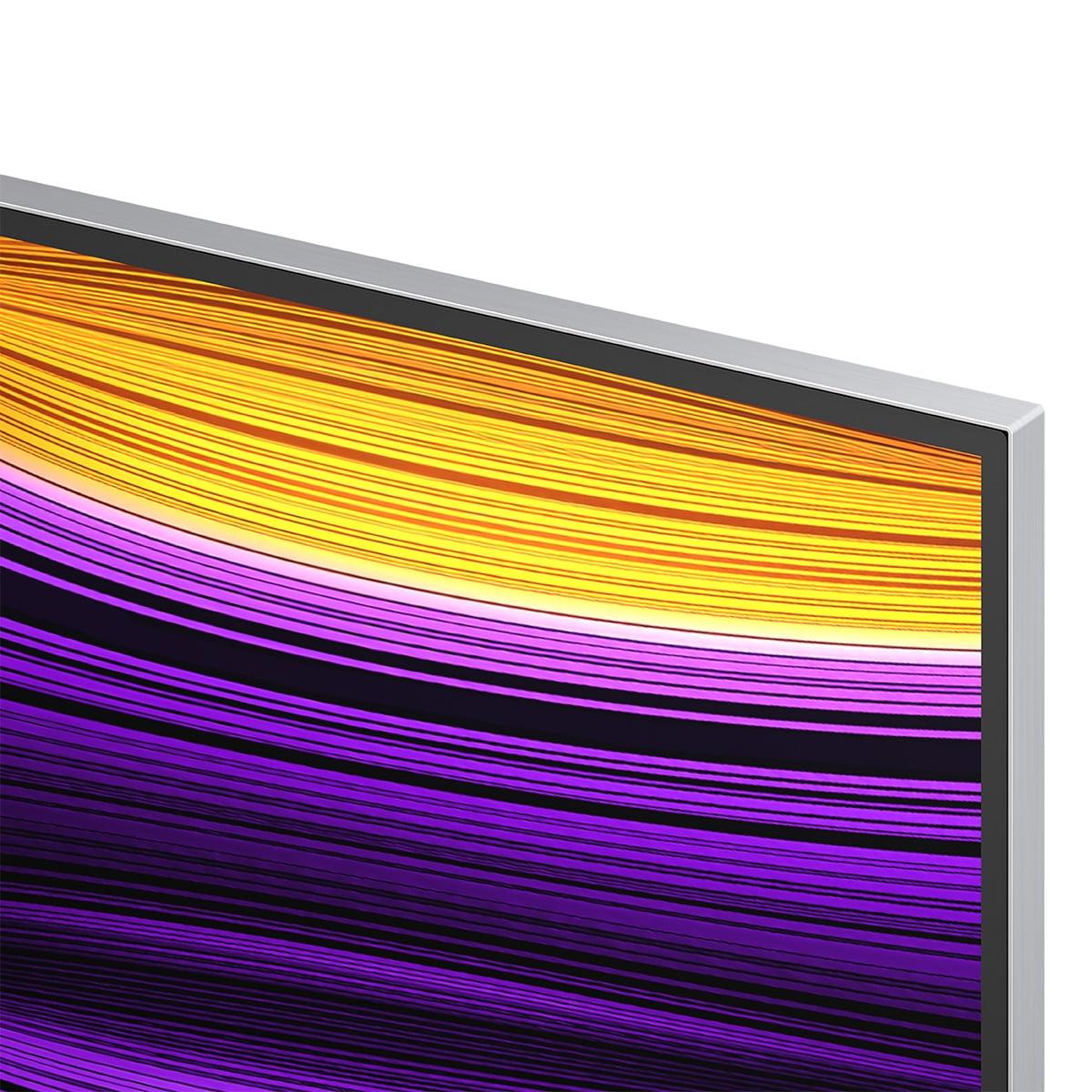
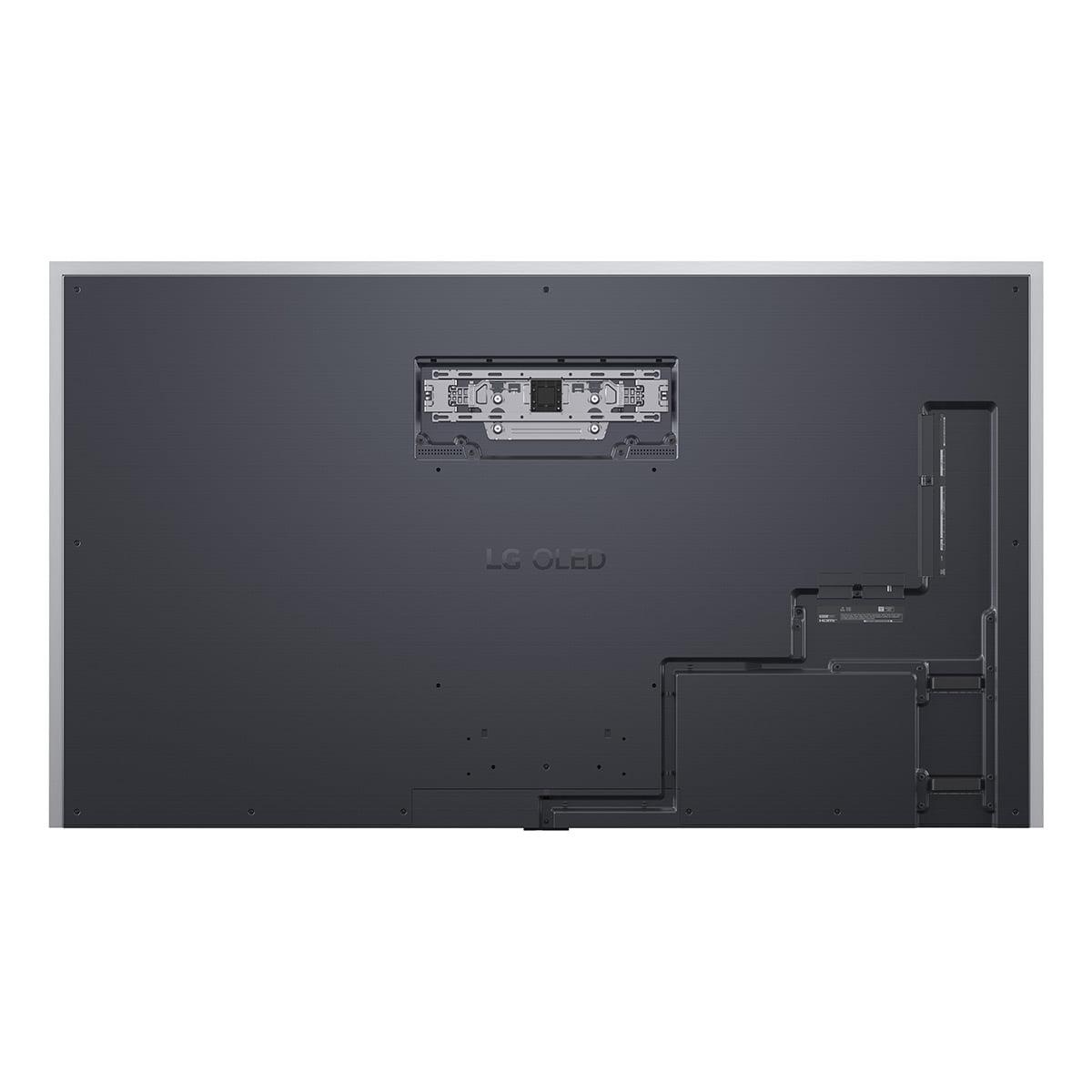
The LG G5 includes a 5-year limited panel warranty and premium build quality with its One Wall Design. The Samsung S90F has good build quality but comes with standard warranty coverage, reflecting its lower price point.
Choose the LG G5 if you have a $3,000+ budget, prioritize movie accuracy, need excellent bright room performance, and value Dolby Vision support. Choose the Samsung S90F if you want premium OLED performance under $1,800, prefer vibrant colors, and primarily watch in darker environments.
We've done our best to create useful and informative comparisons to help you decide what product to buy. Our research uses advanced automated methods to create this comparison and perfection is not possible - please contact us for corrections or questions. These are the sites we've researched in the creation of this article: bestbuy.com - techradar.com - rtings.com - youtube.com - youtube.com - rtings.com - bestbuy.com - youtube.com - valueelectronics.com - lg.com - audio-videoplus.com - lg.com - lg.com - lg.com - youtube.com - t3.com - rtings.com - bestbuy.com - stereonet.com - samsung.com - bestbuy.com - flatpanelshd.com - myallsouth.com - pcrichard.com - samsung.com - bestbuy.com - samsung.com - samsung.com - samsung.com

Privacy Policy
Terms and Conditions - Affiliate Policy
Home Security
© Copyright 2008-2026.
11816 Inwood Rd #1211, Dallas, TX 75244