

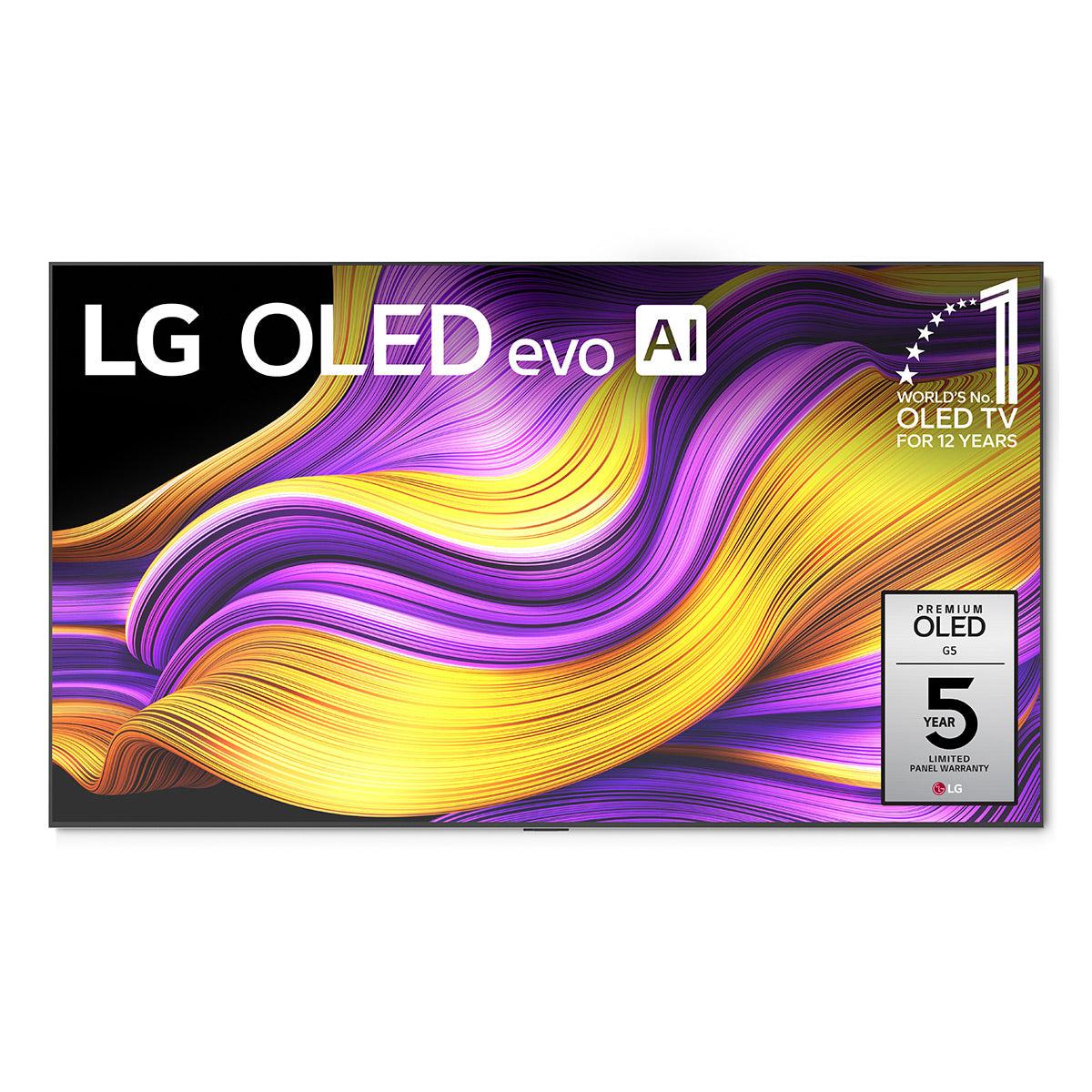
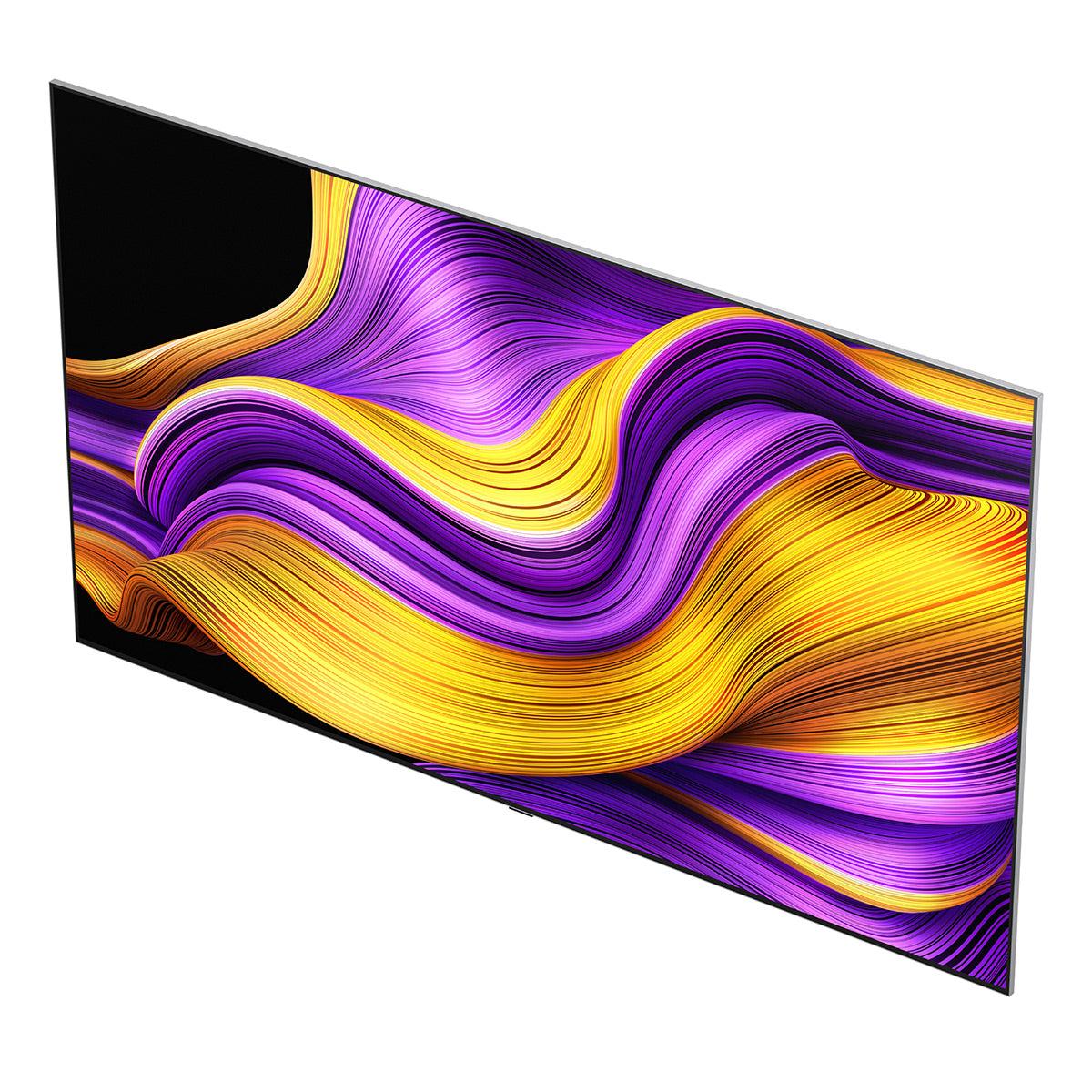
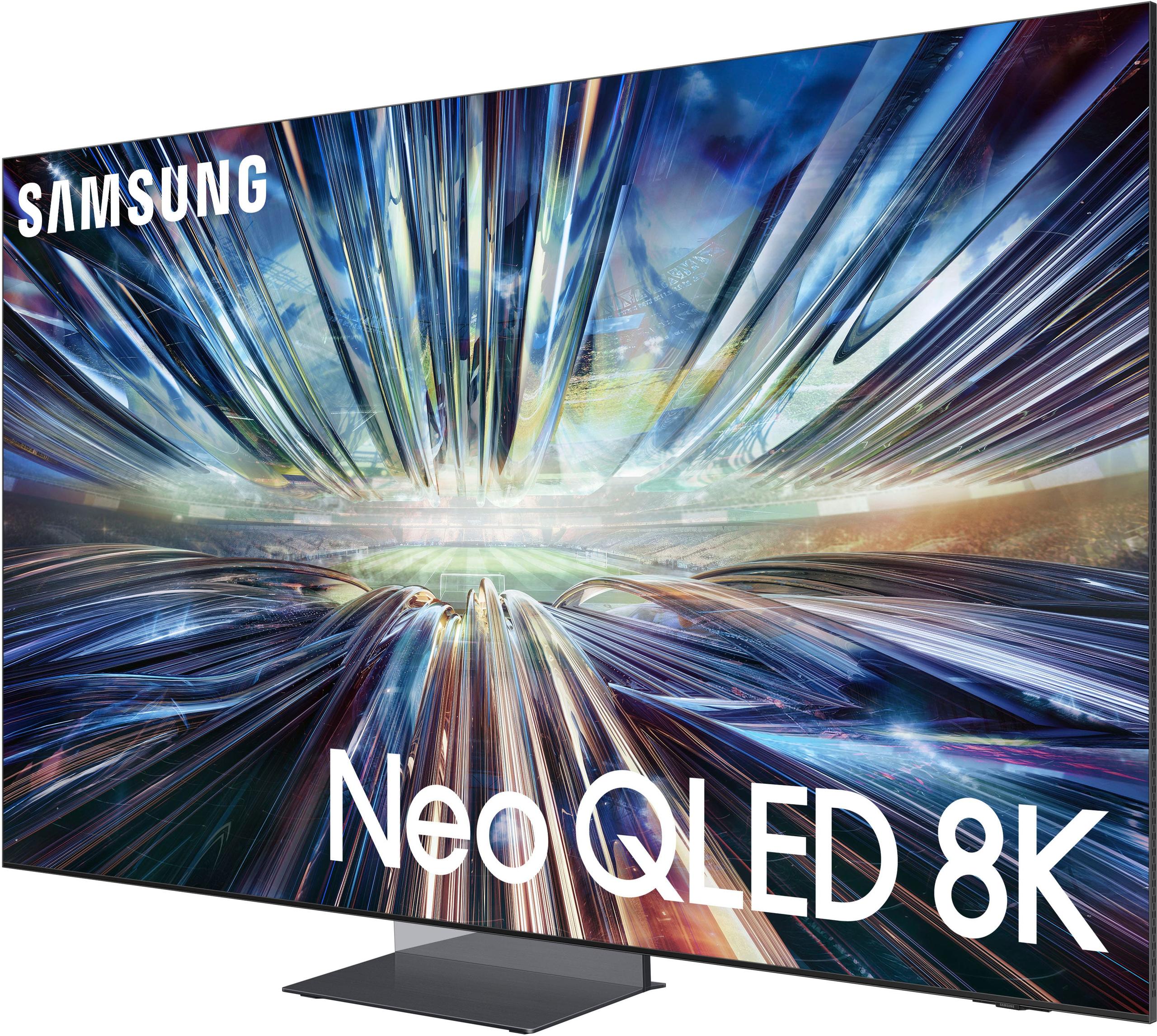

If you're shopping for a premium 65-inch TV in 2025, you've probably narrowed it down to two excellent but very different options: the LG OLED evo G5 65" 4K Smart TV ($3,196.99) and the Samsung QN900D Series 65" Neo QLED 8K Smart TV ($2,897.00). Both represent the pinnacle of their respective manufacturers' technology, but they take completely different approaches to delivering an exceptional viewing experience.
Before diving into specifics, it's helpful to understand what makes these TVs special. Premium televisions in 2025 focus on three main areas: how they produce light and color, how they handle different types of content, and how they integrate into your smart home setup.
The fundamental difference between these two TVs lies in their display technology. The LG G5 uses OLED (Organic Light-Emitting Diode) technology, where each pixel produces its own light. Think of it like having 8.3 million tiny light bulbs that can turn completely on or off individually. The Samsung QN900D, on the other hand, uses Mini-LED technology, which places thousands of tiny LED lights behind an LCD panel to create brightness zones.

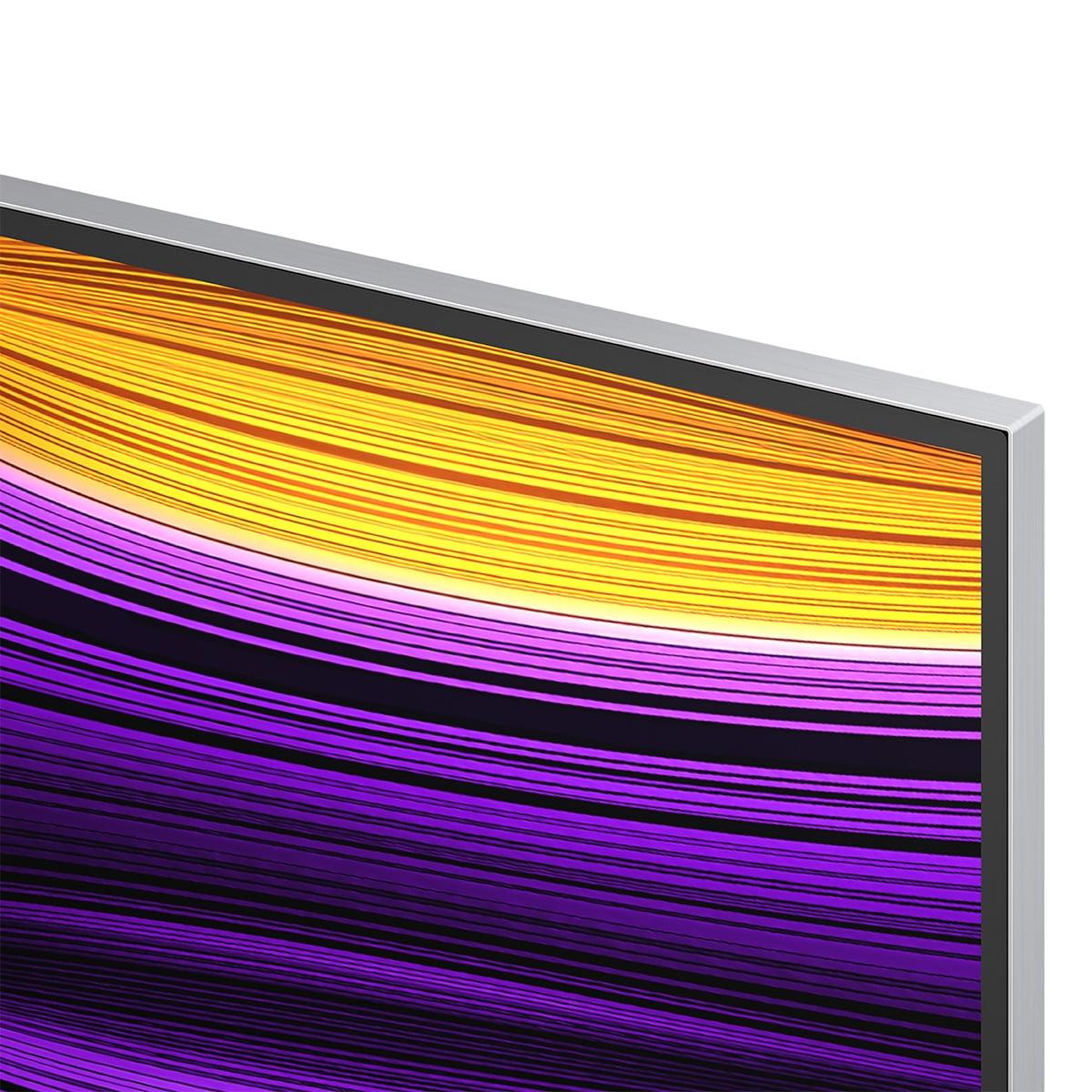
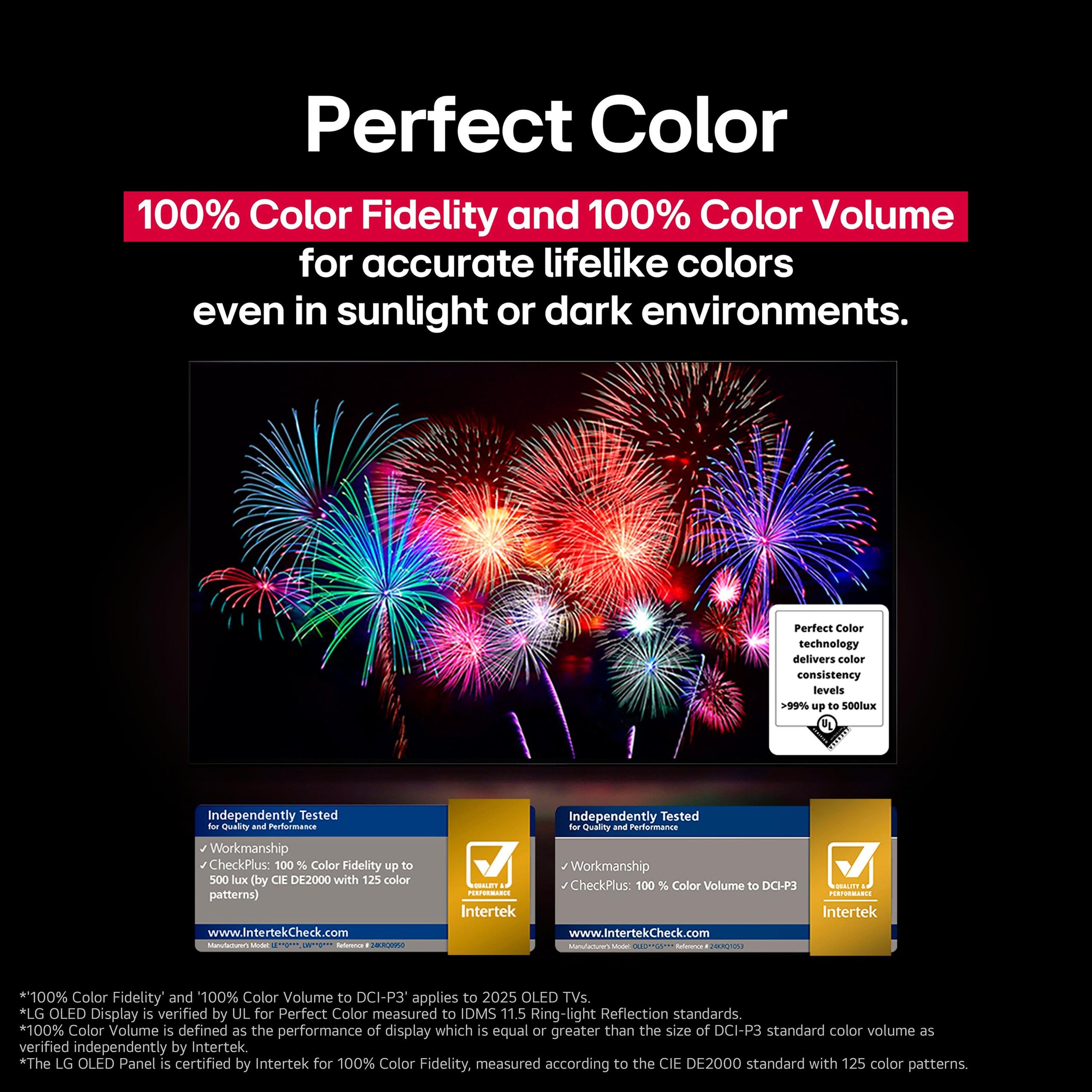
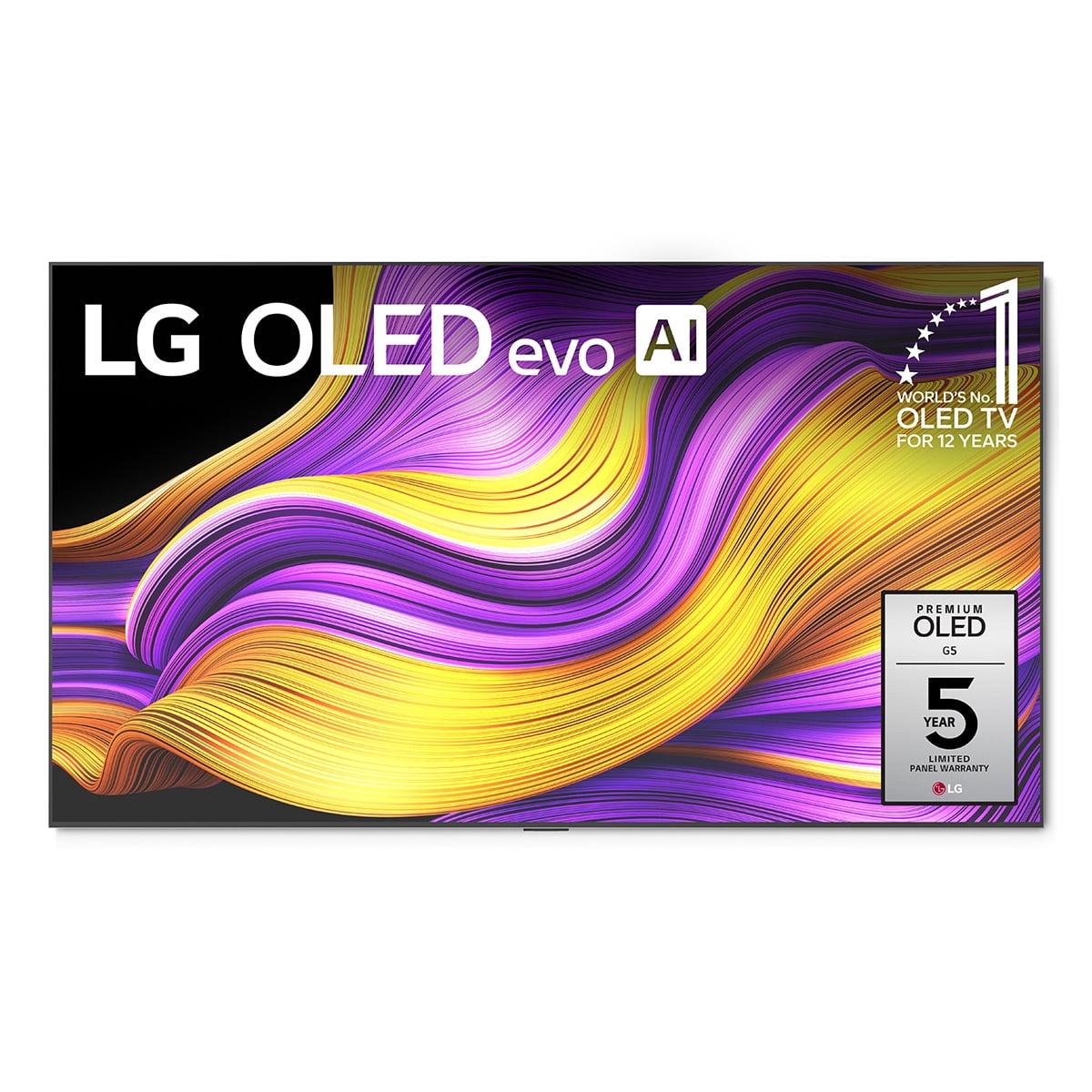
The LG OLED evo G5 represents a major breakthrough in OLED technology. Released in spring 2025, it features what LG calls a "4-stack RGB tandem panel" - essentially four layers of OLED material stacked on top of each other. This might sound overly technical, but the practical result is huge: this TV can get much brighter than previous OLEDs while maintaining perfect blacks.
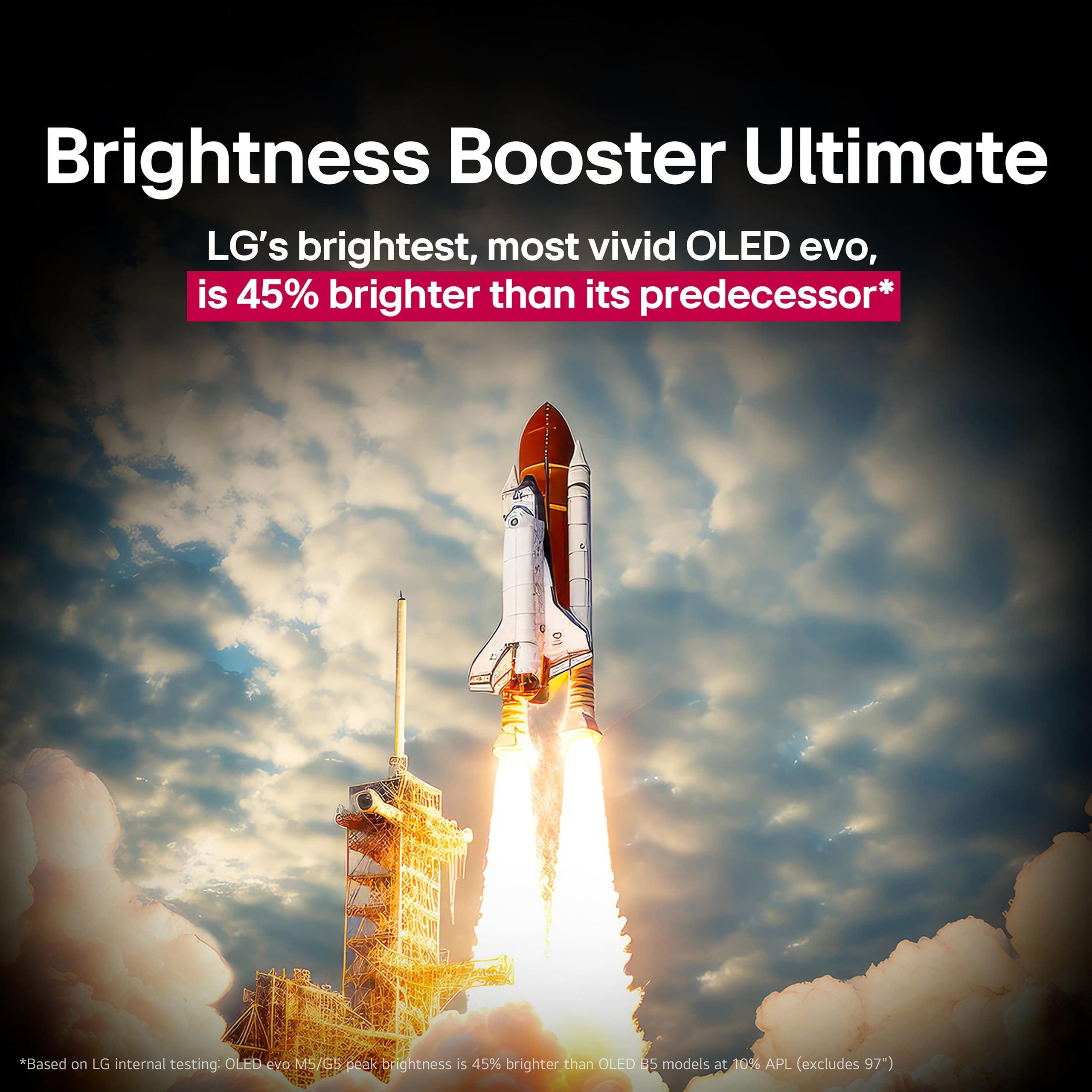
I've been following OLED development for years, and brightness has always been the technology's main weakness. Previous OLED TVs would often look dim in bright rooms, making them less versatile than LCD-based alternatives. The G5 changes this game completely. With peak brightness reaching over 2,200 nits (a measurement of how bright a display can get), it can now compete with Mini-LED TVs in bright environments while still delivering those perfect blacks that make OLED special.
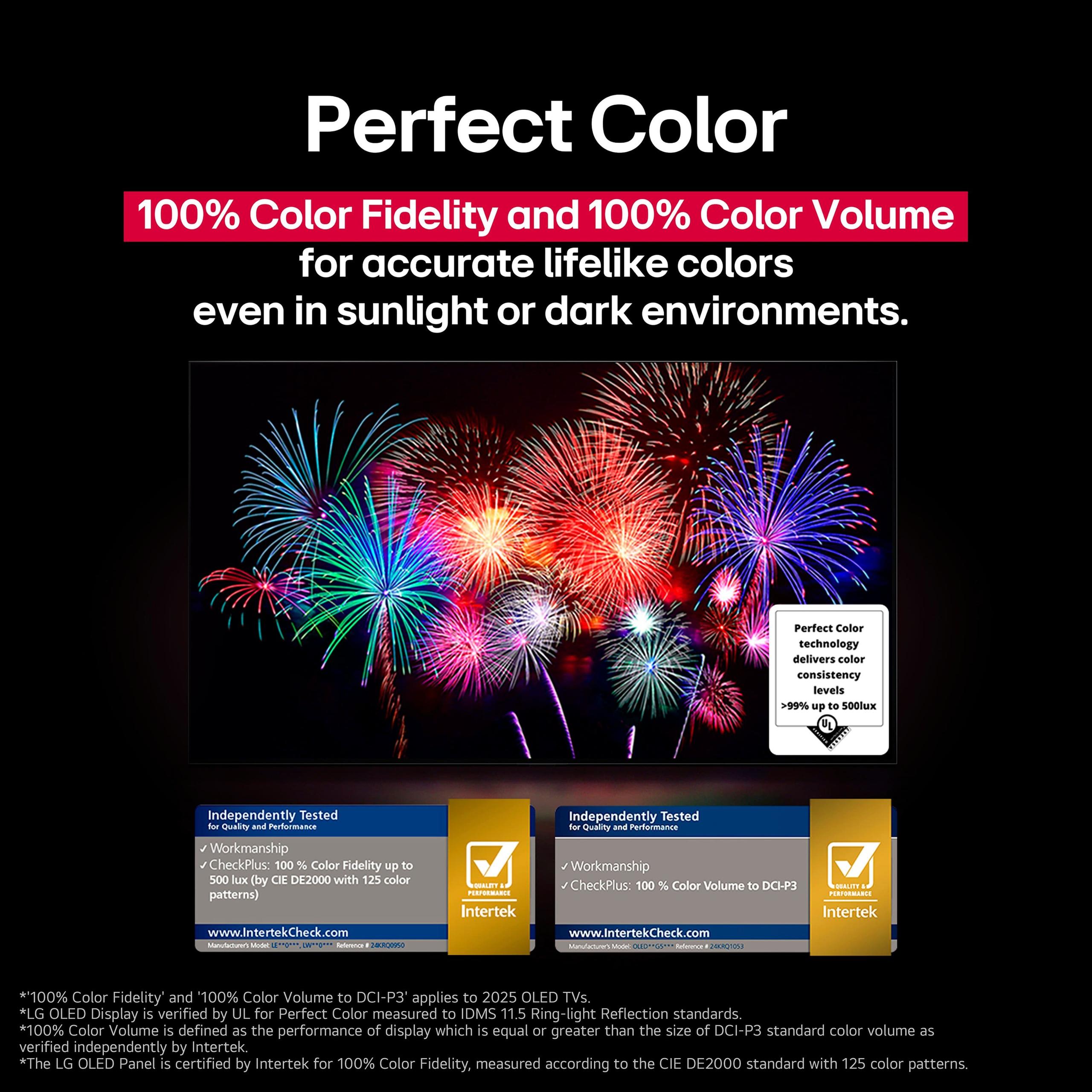
The RGB arrangement is also significant. Instead of the typical white OLED with color filters, this panel uses red, green, and blue OLED materials directly. This creates more accurate colors and reduces the power consumption that plagued earlier OLED designs.
The Samsung QN900D, also released in spring 2025, takes a different route with its Neo QLED technology. This uses thousands of Mini-LEDs (LEDs smaller than 1mm) arranged in precise zones behind a Quantum Dot LCD panel. Quantum Dots are tiny crystals that convert blue light into extremely pure red and green light, creating a wider color gamut than traditional LCD displays.
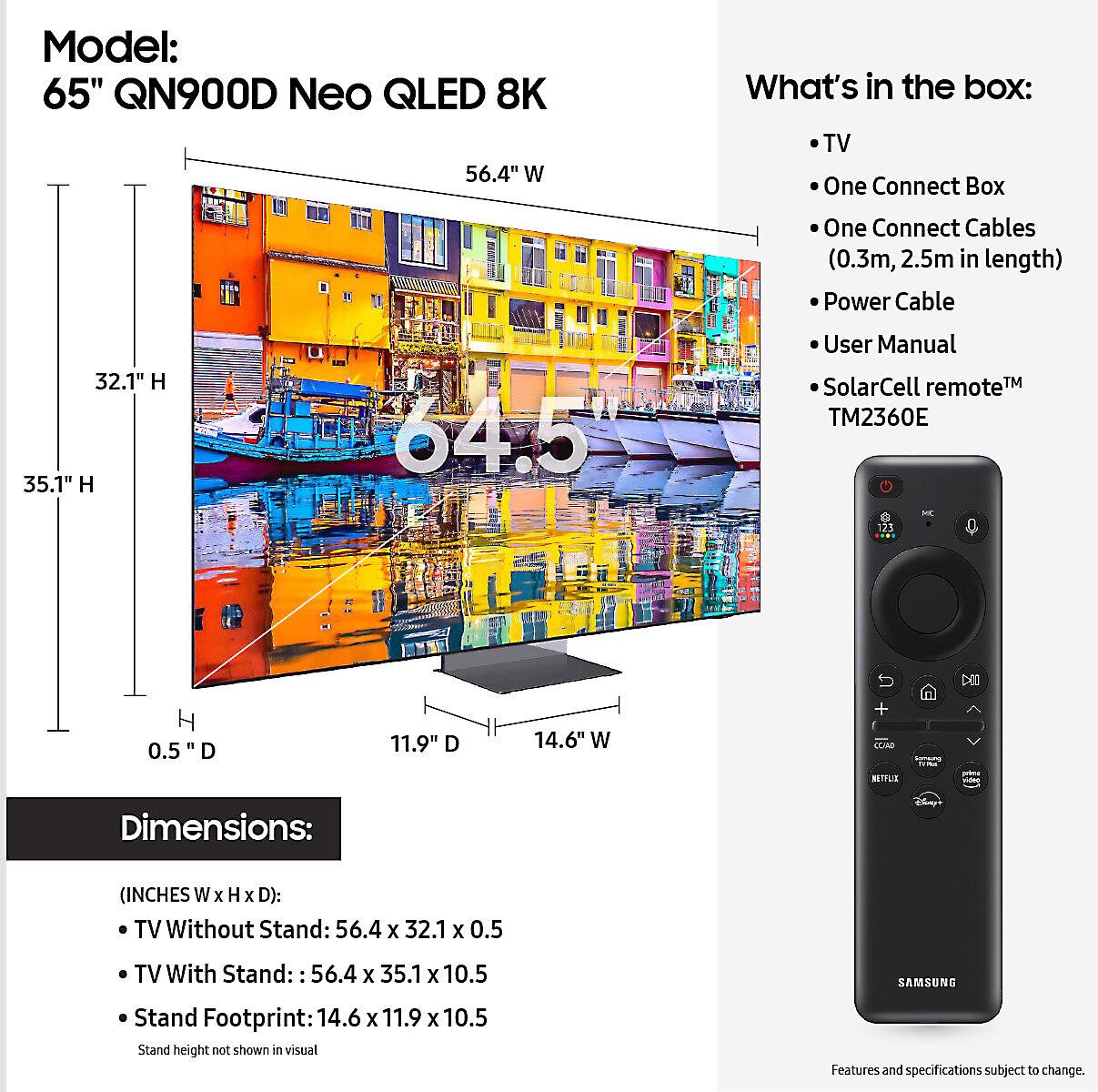
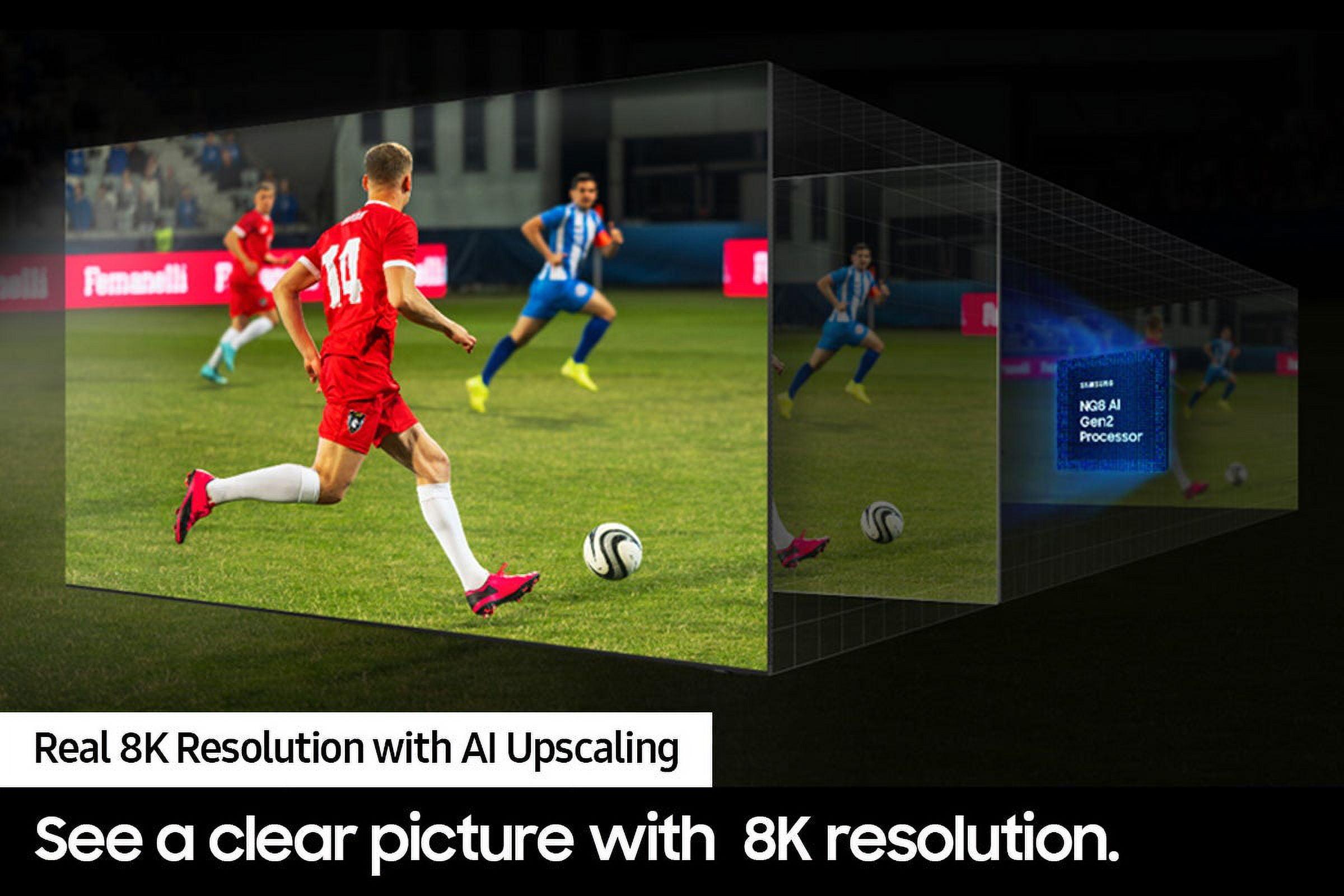
Samsung's approach prioritizes two things: extreme brightness and 8K resolution. The Mini-LED backlight can push brightness levels even higher than the new OLED, making it excellent for bright rooms and HDR content with intense highlights. The 8K resolution (7,680 x 4,320 pixels) provides four times the detail of 4K, though finding native 8K content remains challenging.
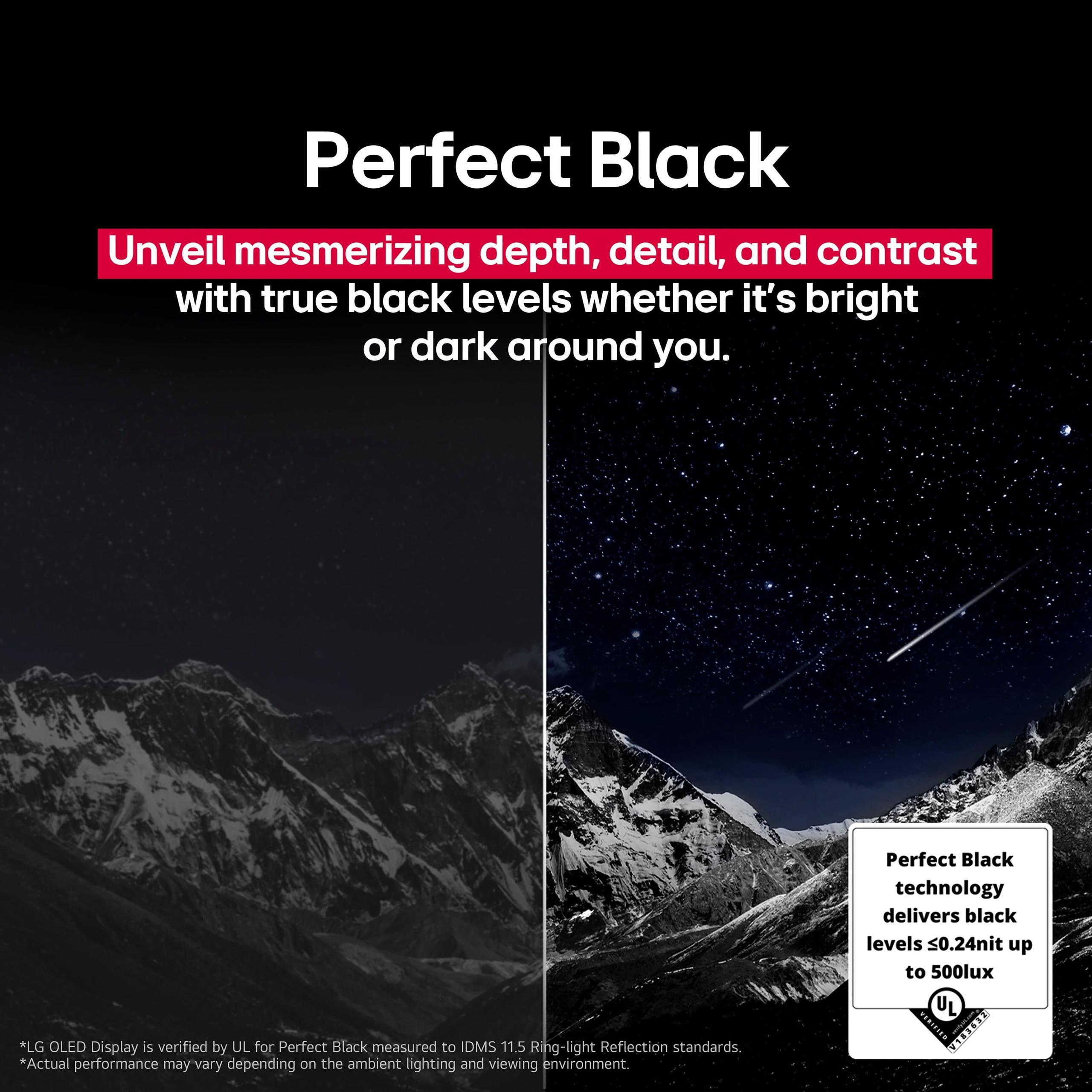
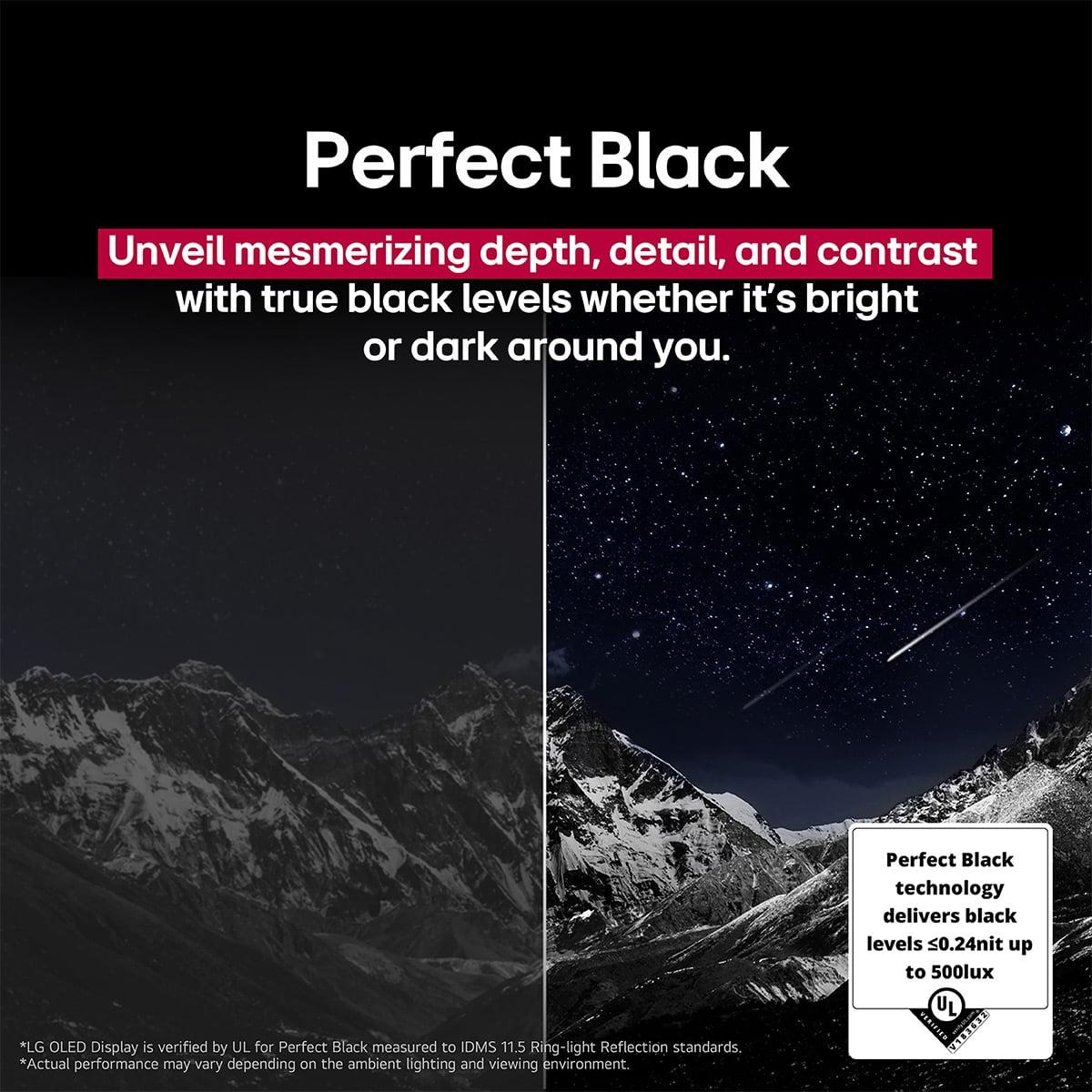
This is where the fundamental technology differences become most apparent. The LG G5 achieves what's called "infinite contrast" because its pixels can turn completely off, producing true black. When you're watching a movie with dark scenes, like a space thriller or horror film, the blacks look genuinely black rather than dark gray.
The Samsung QN900D can't match this performance because its Mini-LED backlight still produces some light even in the darkest zones. However, Samsung has made significant improvements in local dimming - the ability to brighten or dim specific areas of the screen independently. The QN900D has thousands of dimming zones, which minimizes the "blooming" effect where bright objects create halos in dark scenes.
For home theater use, the OLED's perfect blacks create a more cinematic experience. When I watch movies in a dark room, the OLED's ability to completely turn off pixels makes the picture seem to float in space, creating an immersive experience that's difficult to replicate with any backlit display.

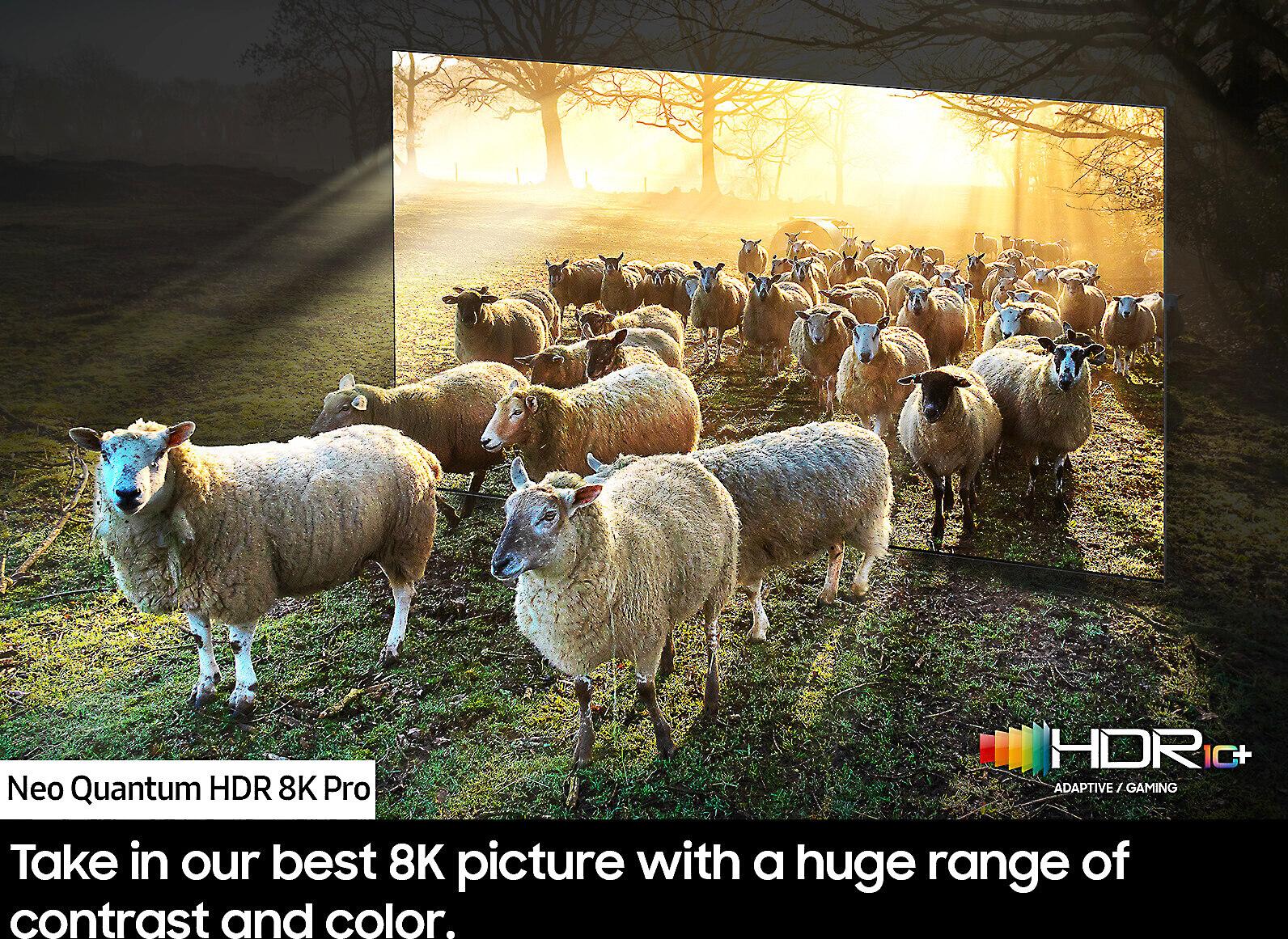
HDR (High Dynamic Range) content is designed to show a wider range of brightness levels, from deep shadows to brilliant highlights. This is where the Samsung QN900D particularly shines. Its Mini-LED backlight can produce extremely bright highlights - think of the sun reflecting off water or car headlights at night - that make HDR content look more realistic.
The LG G5 has made significant strides in brightness with its new panel technology. Previous OLED TVs would often dim down bright scenes to prevent damage, but the G5 can sustain higher brightness levels longer. This means HDR content looks more impactful than on previous OLEDs, though the Samsung can still get brighter overall.
For HDR format support, the LG has an advantage with Dolby Vision support. Dolby Vision is a premium HDR format that adjusts brightness and color scene by scene, creating more accurate HDR playback. Samsung has chosen not to support Dolby Vision, instead favoring HDR10+ and its own HDR technologies.
The resolution difference is perhaps the most debated aspect of these TVs. The Samsung QN900D offers 8K resolution, which sounds impressive on paper. However, the practical benefits depend entirely on content availability and viewing distance.
Currently, there's very little native 8K content available. Most streaming services top out at 4K, and even 4K content can be inconsistent in quality. Samsung addresses this with excellent upscaling technology powered by its NQ8 AI Gen3 processor, which analyzes content and adds detail to make lower-resolution material look sharper on the 8K display.
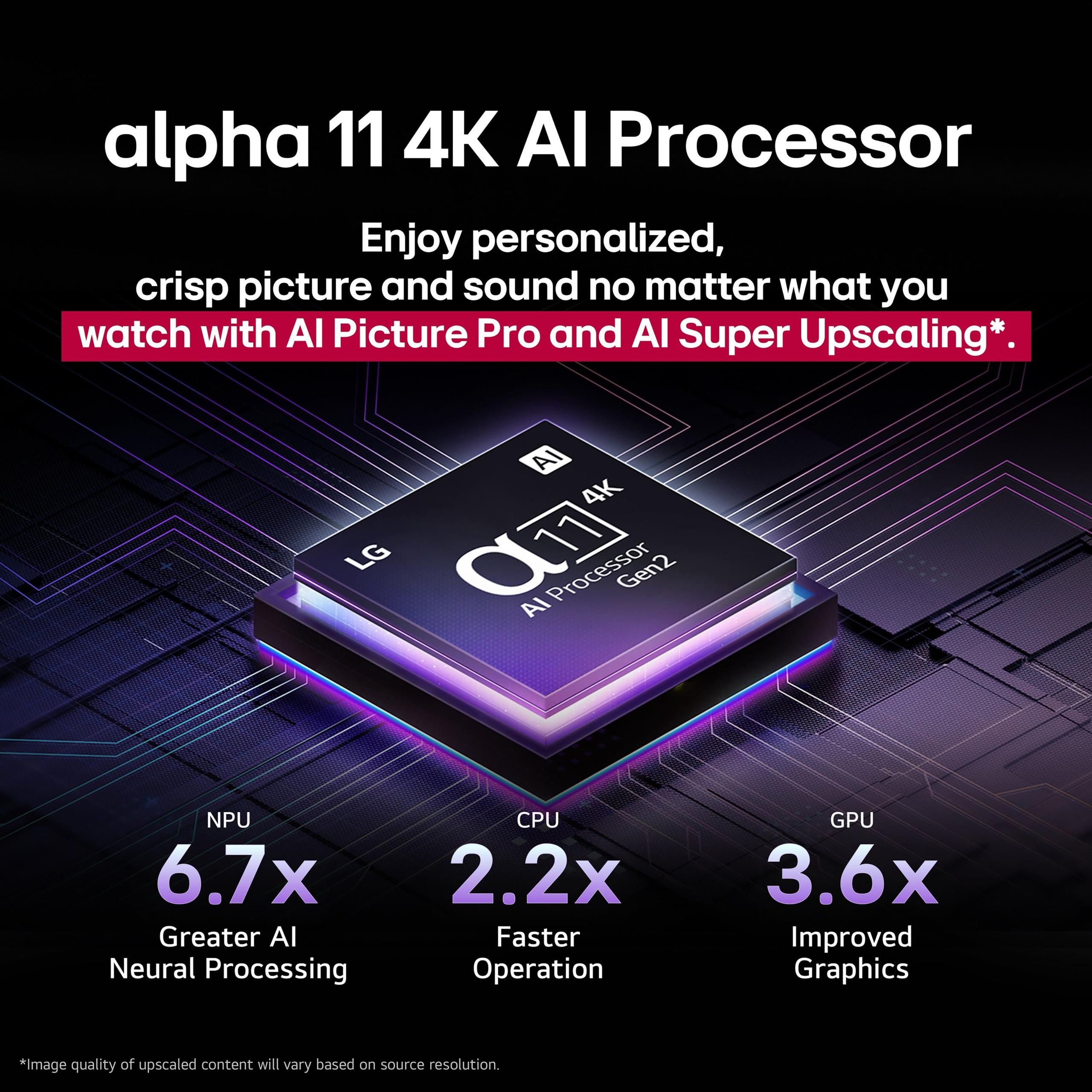
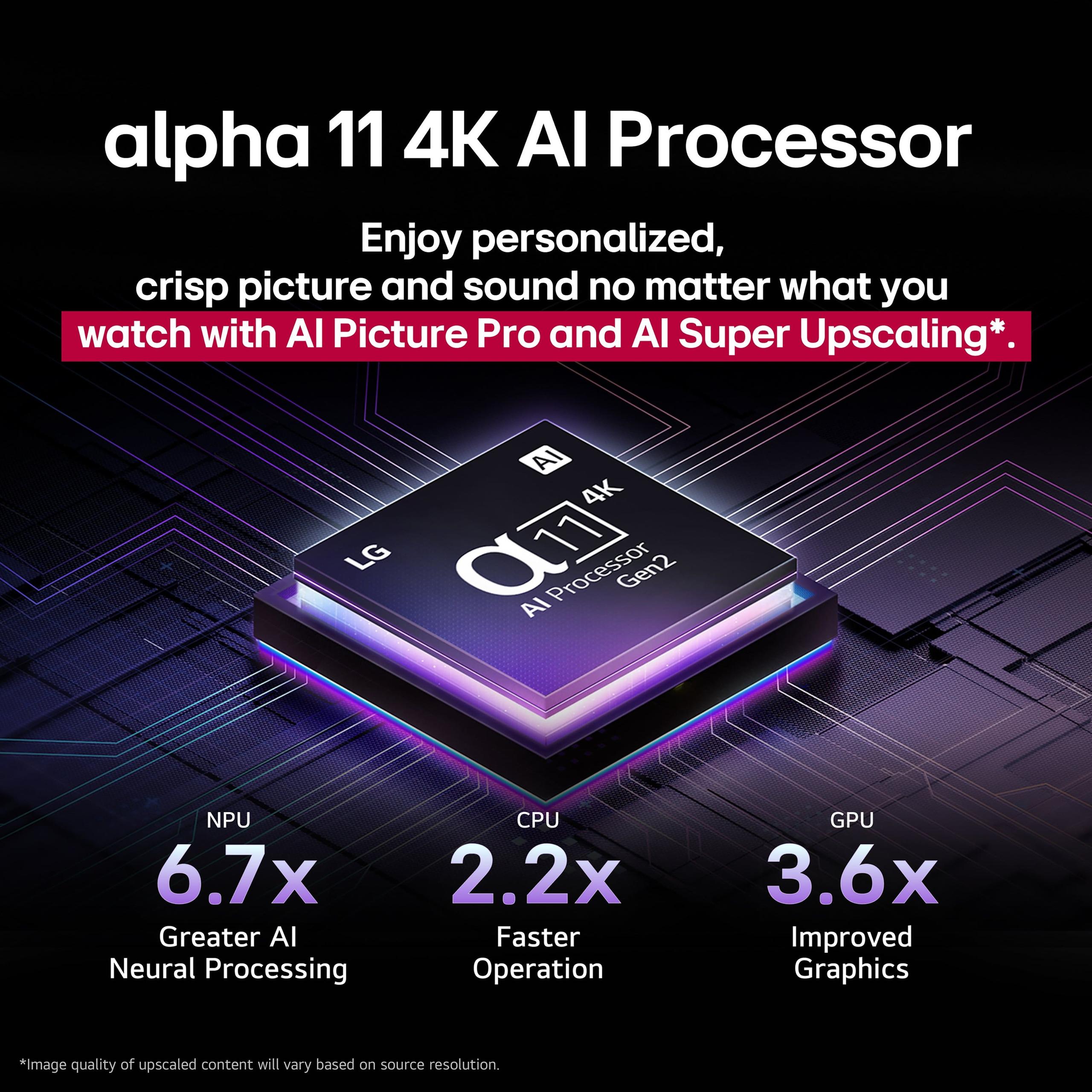
The LG G5 focuses on perfecting 4K instead of chasing higher resolutions. Its Alpha 11 AI Gen 2 processor excels at upscaling and optimizing content, making 1080p and 4K material look exceptional. For most viewers, this approach makes more sense given current content availability.
Both TVs excel for gaming, but in different ways. The LG G5 supports 4K gaming at up to 165Hz, which is particularly beneficial for PC gaming with high-end graphics cards. It also has incredibly low input lag - the delay between pressing a button and seeing the result on screen - making it responsive for competitive gaming.
The Samsung QN900D offers 8K gaming at 60Hz and 4K gaming at up to 240Hz, providing flexibility for different gaming setups. While 8K gaming is still rare, having that capability means you're prepared for future console generations.
Both TVs support Variable Refresh Rate (VRR), which synchronizes the display's refresh rate with the game's frame rate to eliminate screen tearing. They also support Auto Low Latency Mode (ALLM), which automatically switches to the lowest input lag mode when gaming.
For sports viewing, the Samsung QN900D has a clear advantage. Its motion processing algorithms are particularly sophisticated, reducing blur and judder in fast-moving scenes. This makes it excellent for watching football, basketball, or other sports where tracking fast motion is crucial.
The LG G5 handles motion well too, but OLED technology can sometimes struggle with very fast motion due to its instant pixel response time. This can create what's called "stutter" in some content, though modern OLED TVs have largely addressed this issue.
Both TVs offer comprehensive smart TV platforms. The LG G5 runs webOS 25, which has been refined over many years into an intuitive, fast interface. LG also promises five years of software updates, ensuring your TV stays current with new features and security updates.
The Samsung QN900D uses Tizen OS, which integrates well with Samsung's ecosystem of phones, tablets, and appliances. If you already use Samsung devices, the integration can be seamless.
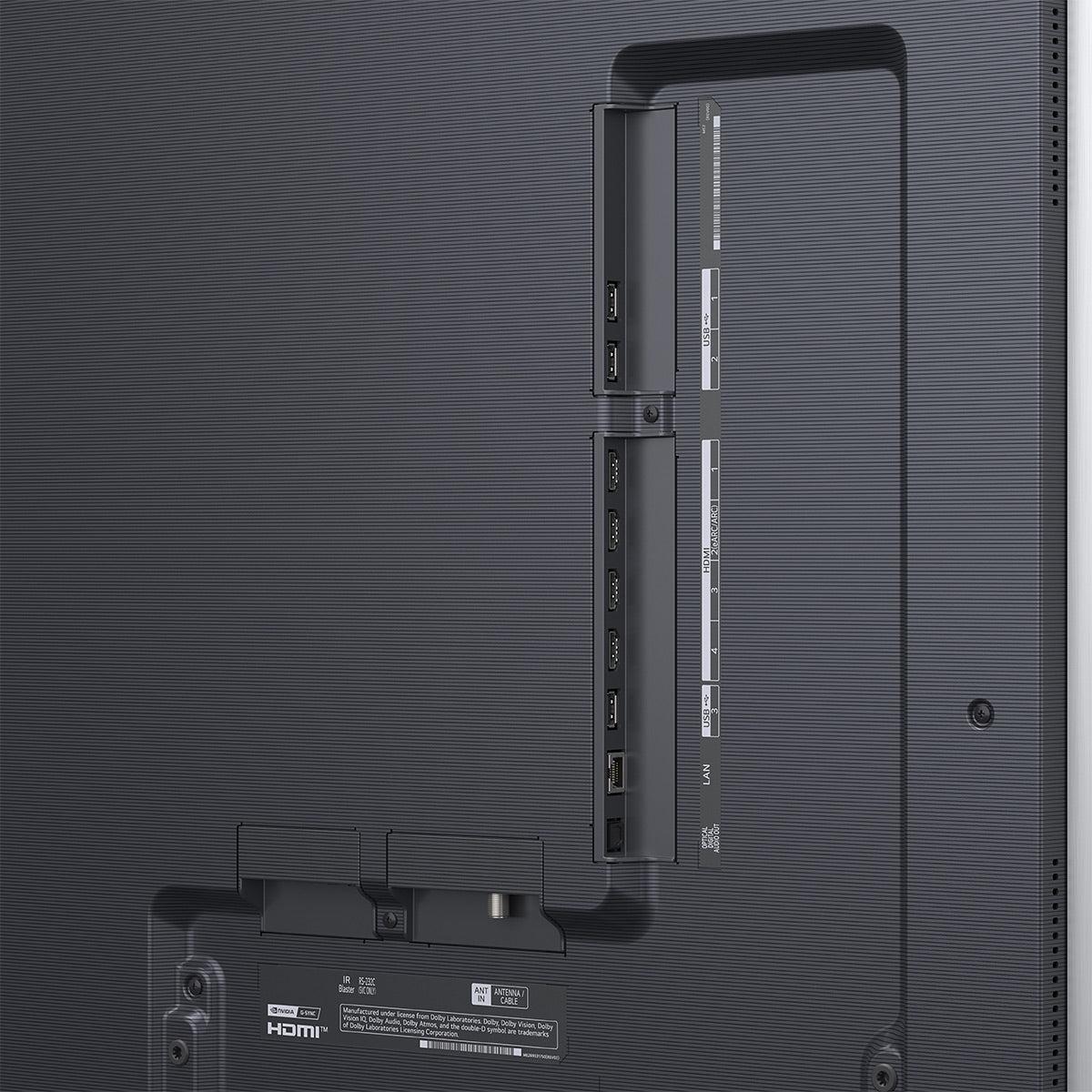
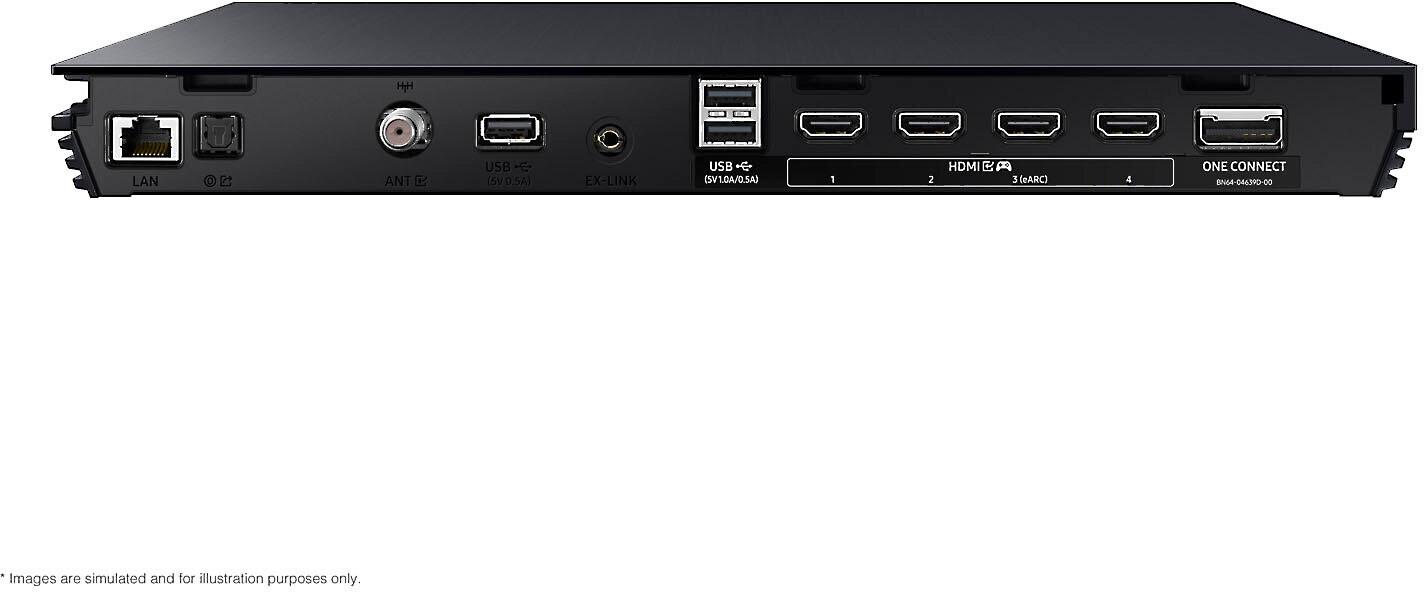
Both TVs include four HDMI 2.1 ports, ensuring compatibility with the latest gaming consoles and future devices. They also support Wi-Fi 6E for faster wireless connectivity and have comprehensive streaming app support.
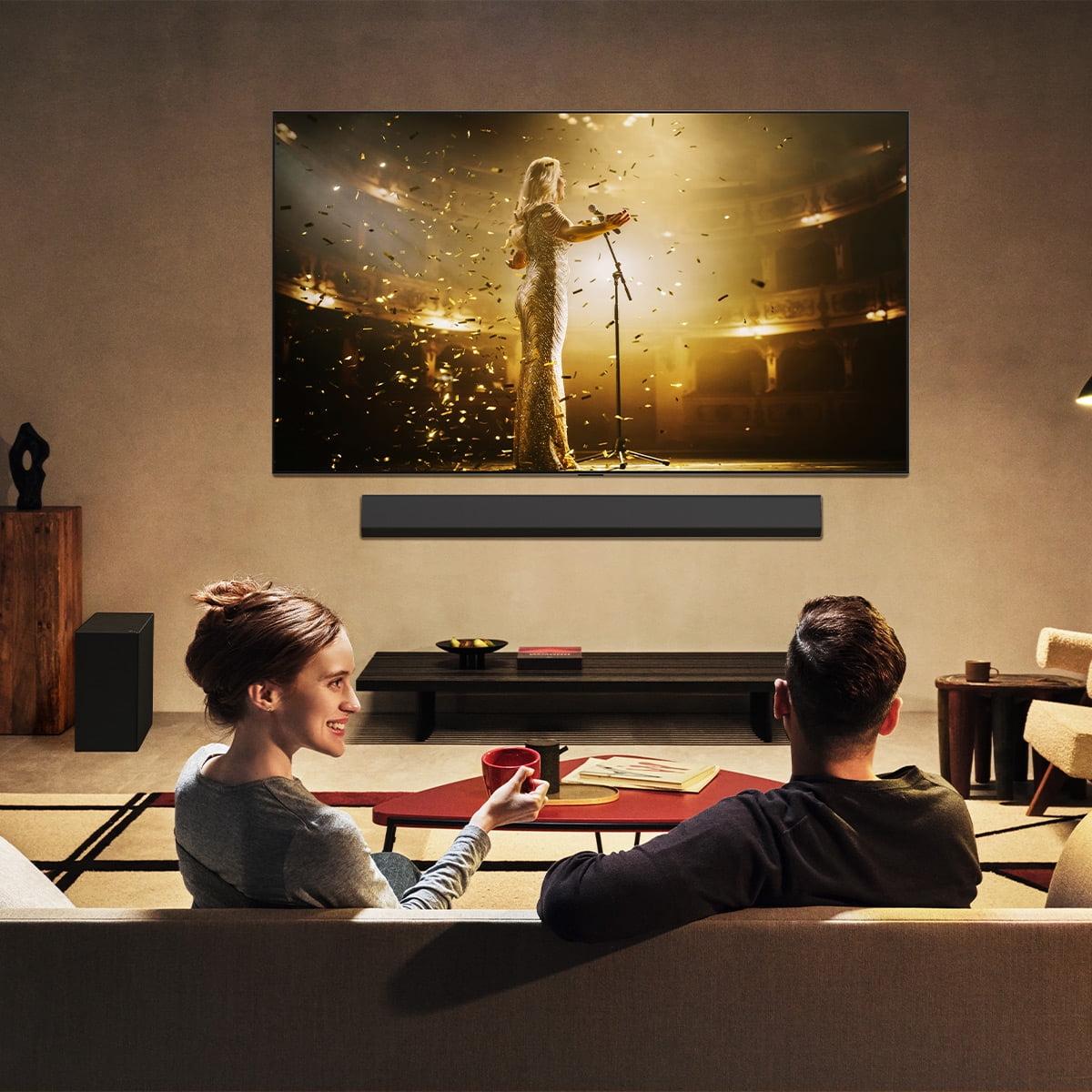
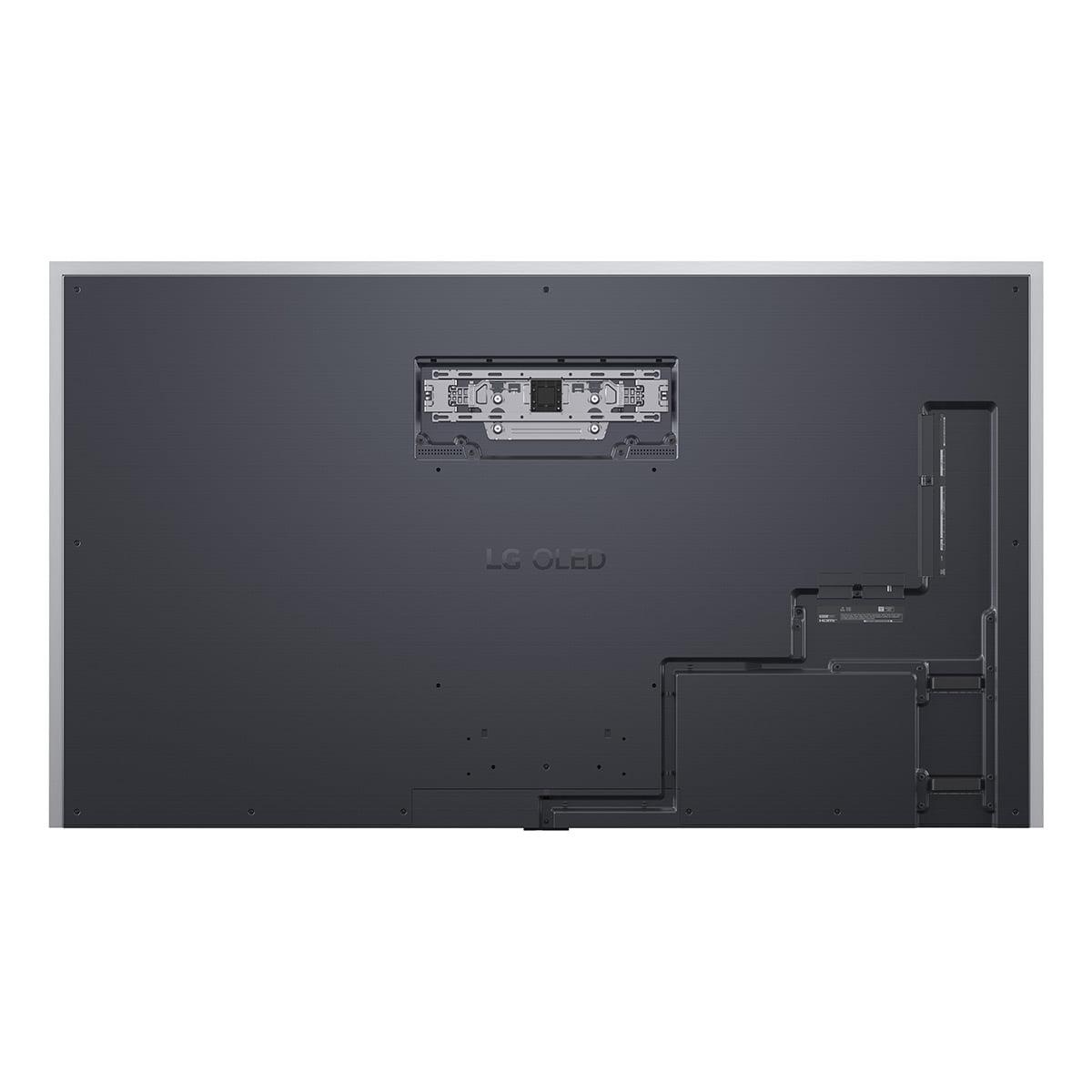
For dedicated home theater setups, the LG G5 is typically the better choice. Its perfect blacks and accurate colors create a more cinematic experience, especially in controlled lighting environments. The TV's Gallery Design allows it to mount flush against the wall, creating a clean, minimalist look that works well in dedicated theater rooms.
The Samsung QN900D excels in multi-purpose living spaces where ambient light is a factor. Its higher brightness and anti-glare coating make it more versatile for rooms with windows or regular lighting. The 8K resolution also provides a "wow factor" for those who want the latest technology.
At $2,897.00, the Samsung QN900D costs about $300 less than the LG G5's $3,196.99 price tag. This price difference reflects their different approaches: Samsung provides 8K resolution and extreme brightness at a slightly lower price, while LG charges a premium for advanced OLED technology and perfect picture quality.
The value equation depends on your priorities. If you want the best possible picture quality for movies and dark room viewing, the LG's premium makes sense. If you prioritize future-proofing with 8K and maximum brightness for bright rooms, the Samsung offers better value.
Since their spring 2025 launch, both TVs have received firmware updates that have improved performance. The LG G5 has seen enhancements to its AI processing, making upscaling more effective and reducing any remaining motion artifacts. Samsung has similarly updated the QN900D with improvements to its 8K upscaling algorithms and gaming mode optimizations.
These ongoing improvements highlight one advantage of modern smart TVs: they continue to get better after you buy them through software updates.
Choose the LG OLED evo G5 65" 4K Smart TV ($3,196.99) if you:
Choose the Samsung QN900D Series 65" Neo QLED 8K Smart TV ($2,897.00) if you:
Both TVs represent excellent choices in the premium TV market, but they serve different priorities. The LG focuses on perfecting picture quality with advanced OLED technology, while the Samsung pushes boundaries with 8K resolution and extreme brightness. Your choice should depend on your viewing environment, content preferences, and whether you prioritize current performance or future capabilities.
| LG OLED evo G5 65" 4K Smart TV ($3,196.99) | Samsung QN900D Series 65" Neo QLED 8K Smart TV ($2,897.00) |
|---|---|
| Display Technology - Core difference affecting picture quality and room compatibility | |
| 4-stack RGB OLED with self-emissive pixels | Mini-LED Neo QLED with Quantum Dot technology |
| Resolution - Future-proofing vs current content optimization | |
| 4K (3,840 x 2,160) - optimized for abundant current content | 8K (7,680 x 4,320) - future-ready but limited native content |
| Peak Brightness - Critical for HDR performance and bright room viewing | |
| ~2,200 nits (exceptional for OLED, good for most rooms) | Higher peak brightness (excellent for bright rooms and HDR highlights) |
| Black Levels - Most important for cinema and dark room viewing | |
| Perfect blacks with infinite contrast (true black pixels) | Very good blacks but not perfect (Mini-LED dimming zones) |
| Refresh Rate - Gaming and motion performance | |
| 4K @ 165Hz, 120Hz native with VRR up to 240Hz | 8K @ 60Hz, 4K @ 240Hz, 120Hz native with VRR |
| HDR Format Support - Content compatibility and streaming service support | |
| Dolby Vision, HDR10, HLG (broadest compatibility) | HDR10+, HLG (no Dolby Vision support) |
| Input Lag - Gaming responsiveness | |
| Extremely low in Game Mode (excellent for competitive gaming) | Very low in Game Mode (excellent for all gaming types) |
| Smart TV Platform - Long-term software support and ease of use | |
| webOS 25 with 5-year update guarantee | Tizen OS with Samsung ecosystem integration |
| Audio System - Built-in sound quality | |
| 80W system with Dolby Atmos support | Object Tracking Sound+ with Dolby Atmos |
| Design - Wall mounting and aesthetics | |
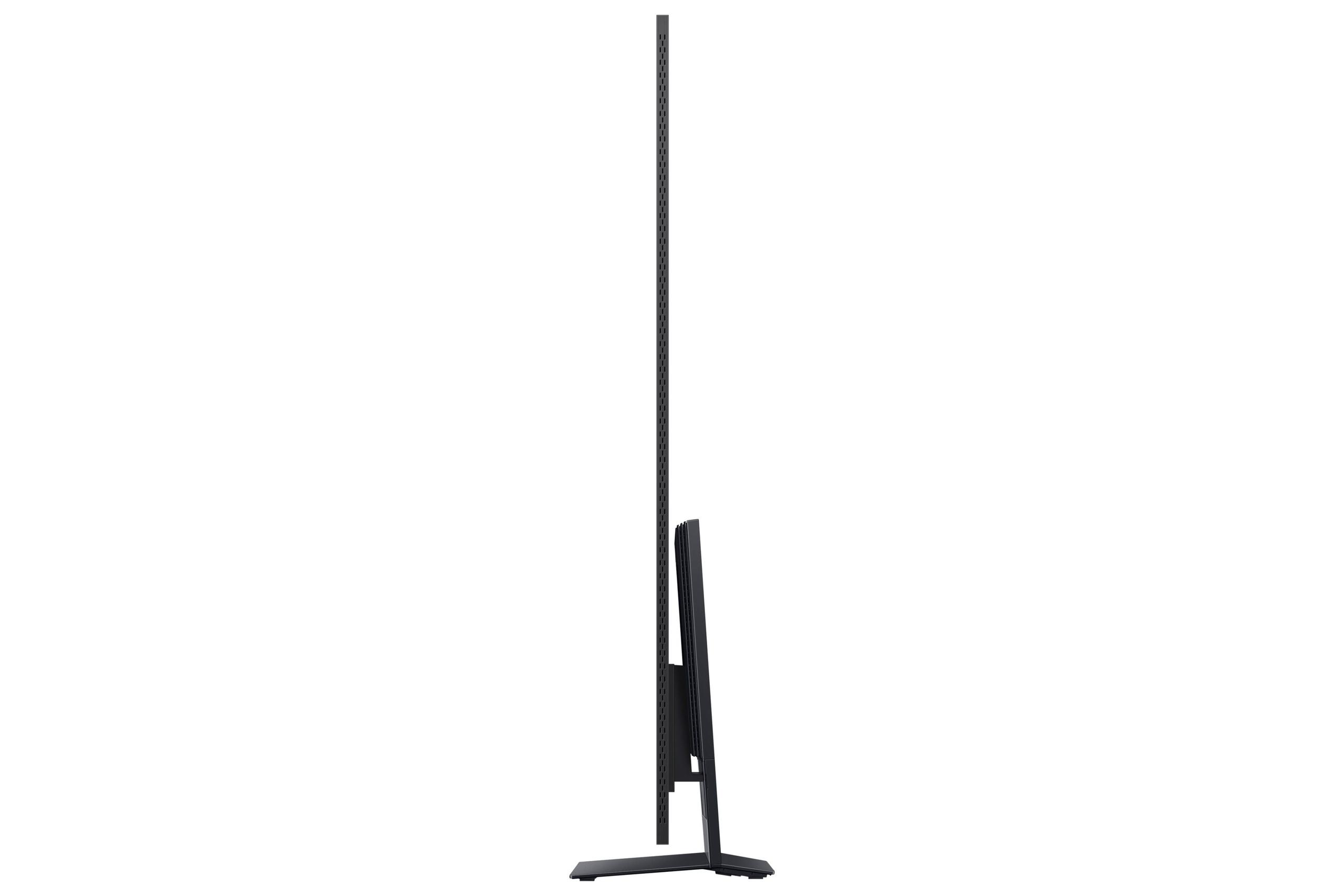
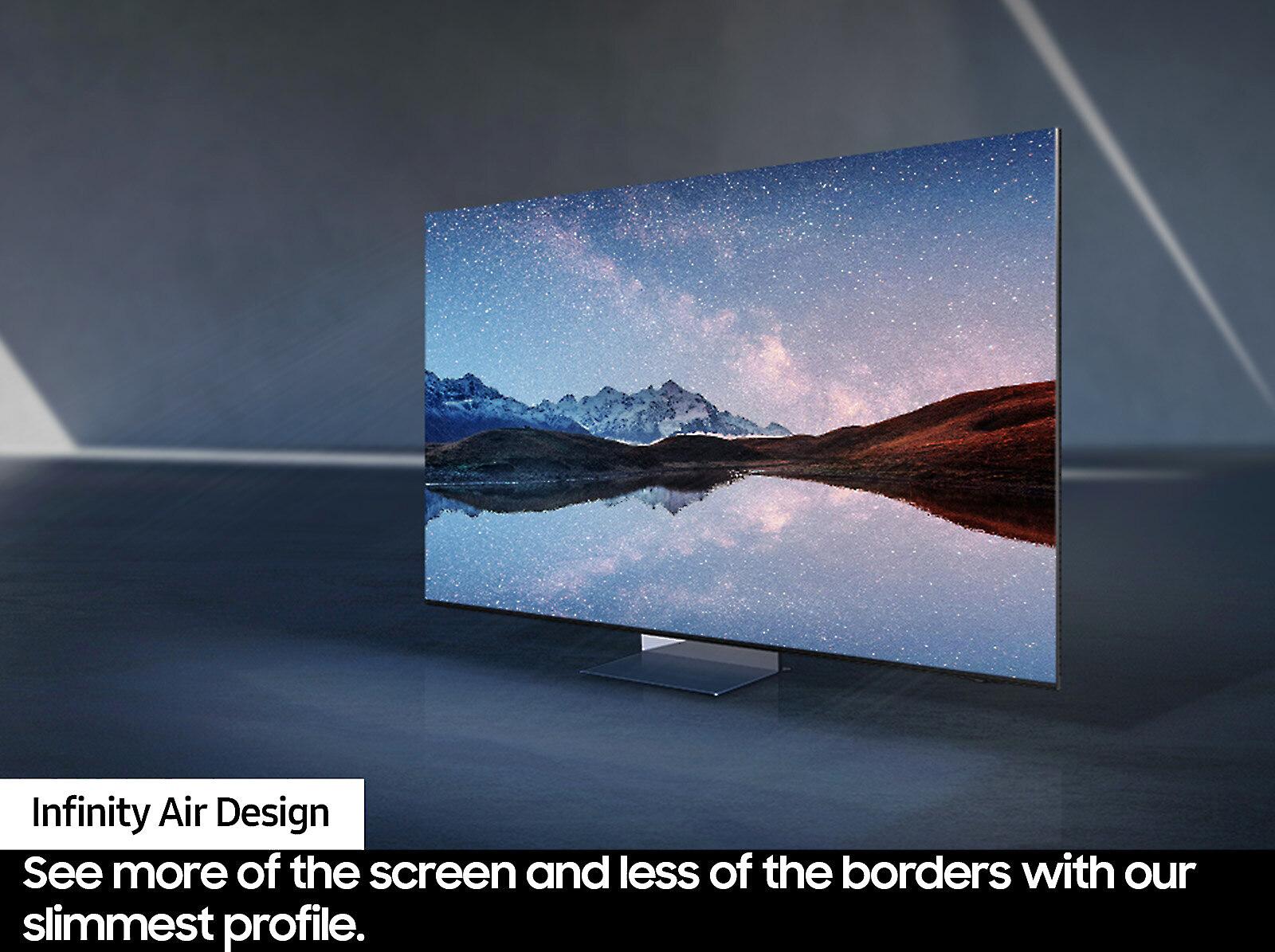
| Gallery Design - mounts flush to wall, doubles as art display | Infinity Air Design with external One Connect Box |
| Price - Value proposition | |
| $3,196.99 (premium for advanced OLED technology) | $2,897.00 (better value for 8K and flagship features) |
| Best For - Primary use case recommendation | |
| Home theater enthusiasts, gamers, controlled lighting environments | Bright rooms, sports viewing, future-proofing, tech early adopters |
The LG OLED evo G5 65" 4K Smart TV ($3,196.99) delivers superior picture quality for movies due to its perfect black levels and infinite contrast ratio. Each pixel can turn completely off, creating true blacks that make dark scenes look cinematic. The Samsung QN900D Series 65" Neo QLED 8K Smart TV ($2,897.00) offers excellent picture quality but cannot achieve the same deep blacks due to its Mini-LED backlight technology.
The Samsung QN900D Series 65" Neo QLED 8K Smart TV ($2,897.00) performs better in bright rooms thanks to its higher peak brightness and anti-glare coating. The Mini-LED backlight can overcome ambient light more effectively than OLED technology. While the LG OLED evo G5 65" 4K Smart TV ($3,196.99) has improved brightness compared to previous OLEDs, it's still better suited for controlled lighting environments.
Currently, 8K content is extremely limited, making the Samsung QN900D's 8K resolution more about future-proofing than immediate benefits. The LG OLED evo G5 65" 4K Smart TV ($3,196.99) focuses on perfecting 4K performance, which is more practical given that most streaming services and content are still in 4K or lower resolution.
Both TVs excel for gaming but in different ways. The LG OLED evo G5 65" 4K Smart TV ($3,196.99) offers 4K gaming at up to 165Hz with extremely low input lag, making it ideal for competitive gaming. The Samsung QN900D Series 65" Neo QLED 8K Smart TV ($2,897.00) supports 4K gaming at up to 240Hz and offers 8K gaming capabilities for future console generations.
The Samsung QN900D Series 65" Neo QLED 8K Smart TV ($2,897.00) delivers brighter HDR highlights due to its Mini-LED technology, making HDR content more impactful. However, the LG OLED evo G5 65" 4K Smart TV ($3,196.99) supports Dolby Vision HDR format, which provides more accurate HDR playback across a wider range of streaming services and content.
The Samsung QN900D Series 65" Neo QLED 8K Smart TV ($2,897.00) is better for sports viewing due to its superior motion processing algorithms that reduce blur in fast-moving scenes. The higher brightness also helps maintain picture quality in well-lit living rooms where sports are typically watched. The LG OLED evo G5 65" 4K Smart TV ($3,196.99) handles motion well but may show slight stutter in very fast-moving content.
The Samsung QN900D Series 65" Neo QLED 8K Smart TV ($2,897.00) offers better value at $2,897 compared to the LG OLED evo G5 65" 4K Smart TV ($3,196.99) at $3,196.99. You get 8K resolution, excellent brightness, and flagship features for about $300 less. However, the LG's premium pricing reflects its advanced OLED technology and superior picture quality.
The LG OLED evo G5 65" 4K Smart TV ($3,196.99) is typically better for dedicated home theater setups due to its perfect blacks, accurate colors, and cinematic picture quality in dark environments. The Gallery Design also allows flush wall mounting for a clean theater aesthetic. The Samsung QN900D Series 65" Neo QLED 8K Smart TV ($2,897.00) works better in multi-purpose living spaces with ambient light.
Both TVs offer excellent smart features. The LG OLED evo G5 65" 4K Smart TV ($3,196.99) runs webOS 25 with a 5-year update guarantee, ensuring long-term software support. The Samsung QN900D Series 65" Neo QLED 8K Smart TV ($2,897.00) uses Tizen OS with better integration if you already use Samsung devices like phones and tablets.
The Samsung QN900D Series 65" Neo QLED 8K Smart TV ($2,897.00) may have longer lifespan as Mini-LED technology doesn't face the same potential burn-in issues as OLED. However, the LG OLED evo G5 65" 4K Smart TV ($3,196.99) includes a 5-year panel warranty and modern OLED panels have significantly improved durability compared to earlier generations.
The Samsung QN900D Series 65" Neo QLED 8K Smart TV ($2,897.00) has a more advanced audio system with Object Tracking Sound+ that follows on-screen action. The LG OLED evo G5 65" 4K Smart TV ($3,196.99) offers good sound with its 80W system and Dolby Atmos support, but both TVs benefit from external soundbars for optimal audio performance.
Choose the LG OLED evo G5 65" 4K Smart TV ($3,196.99) if you prioritize perfect picture quality for movies, have a dark viewing environment, and want the best gaming experience at 4K. Choose the Samsung QN900D Series 65" Neo QLED 8K Smart TV ($2,897.00) if you have a bright room, watch lots of sports, want 8K future-proofing, and prefer better value for flagship features.
We've done our best to create useful and informative comparisons to help you decide what product to buy. Our research uses advanced automated methods to create this comparison and perfection is not possible - please contact us for corrections or questions. These are the sites we've researched in the creation of this article: bestbuy.com - techradar.com - rtings.com - youtube.com - youtube.com - rtings.com - bestbuy.com - youtube.com - valueelectronics.com - lg.com - audio-videoplus.com - lg.com - lg.com - lg.com - rtings.com - videoandaudiocenter.com - bestbuy.com - avsforum.com - bestbuy.com - walts.com - images.samsung.com - samsung.com - merlinstv.com - samsung.com - avsforum.com - samsung.com

Privacy Policy
Terms and Conditions - Affiliate Policy
Home Security
© Copyright 2008-2026.
11816 Inwood Rd #1211, Dallas, TX 75244