

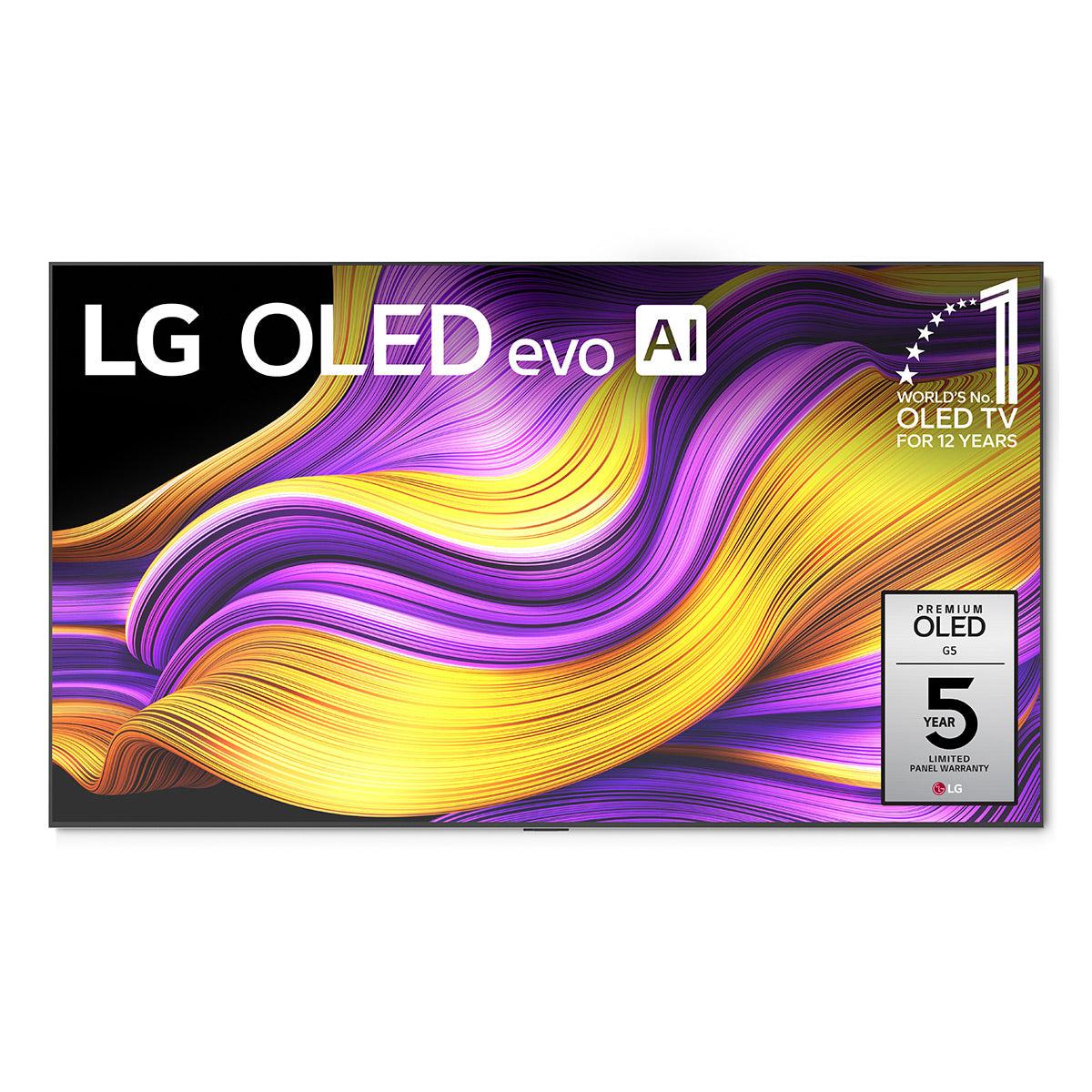
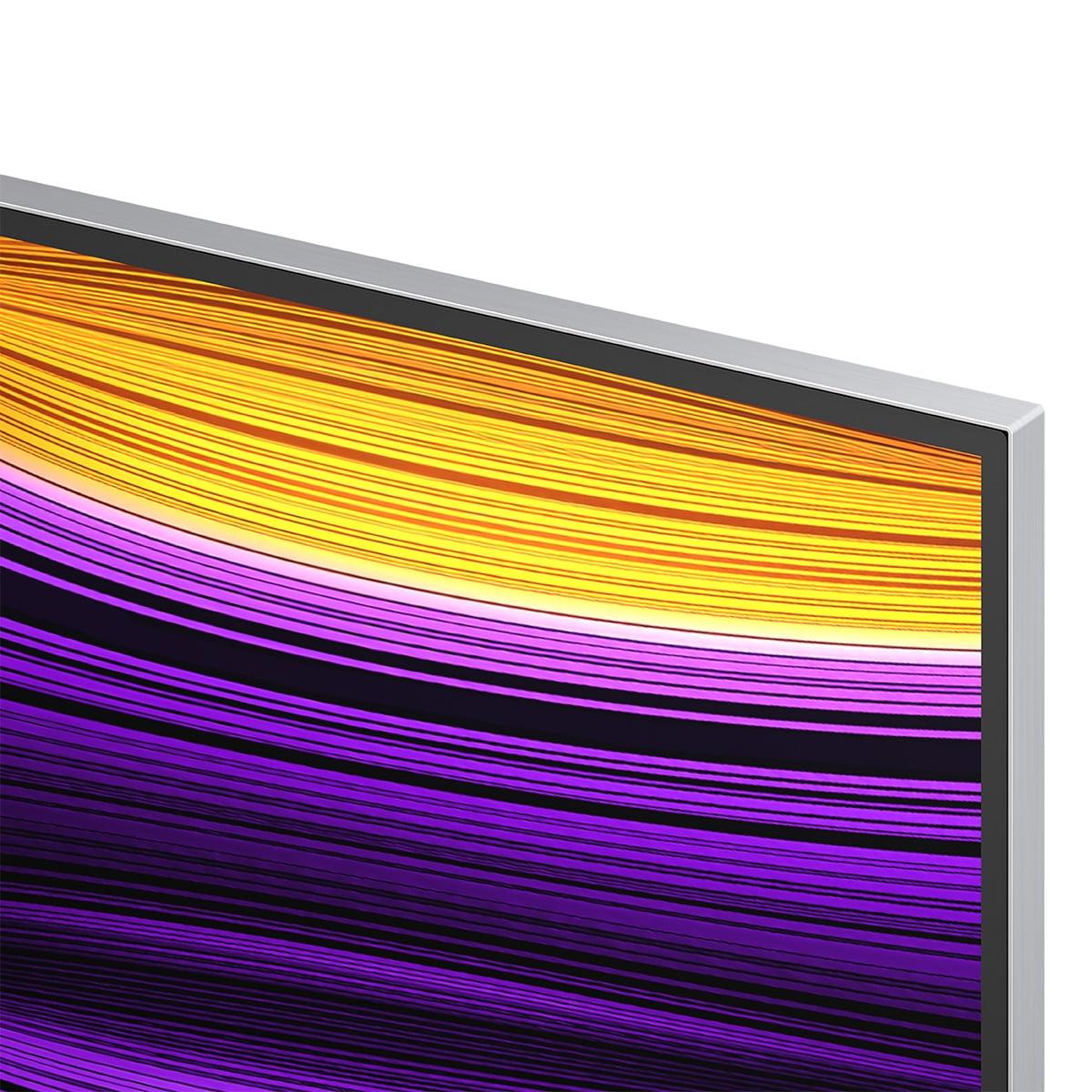
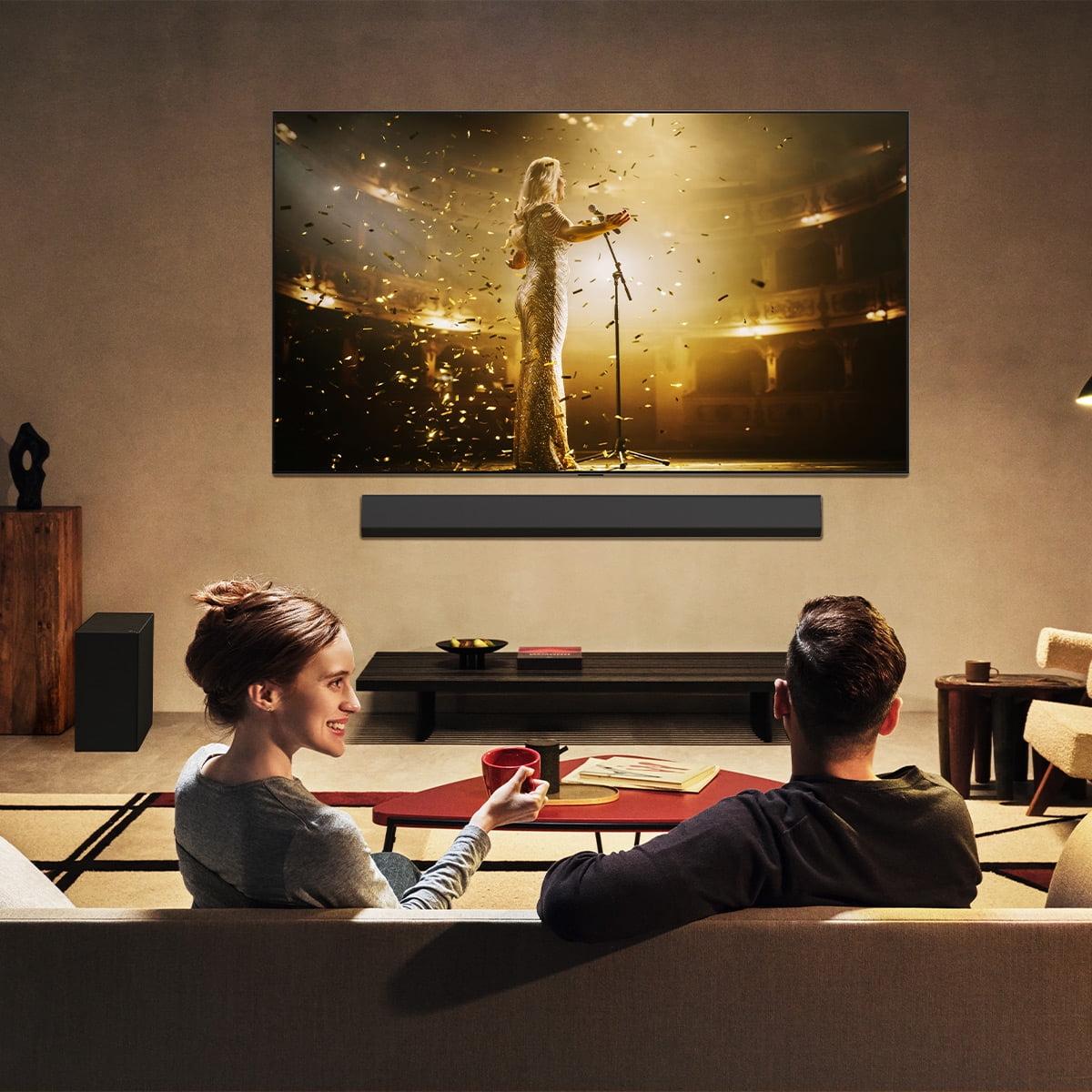
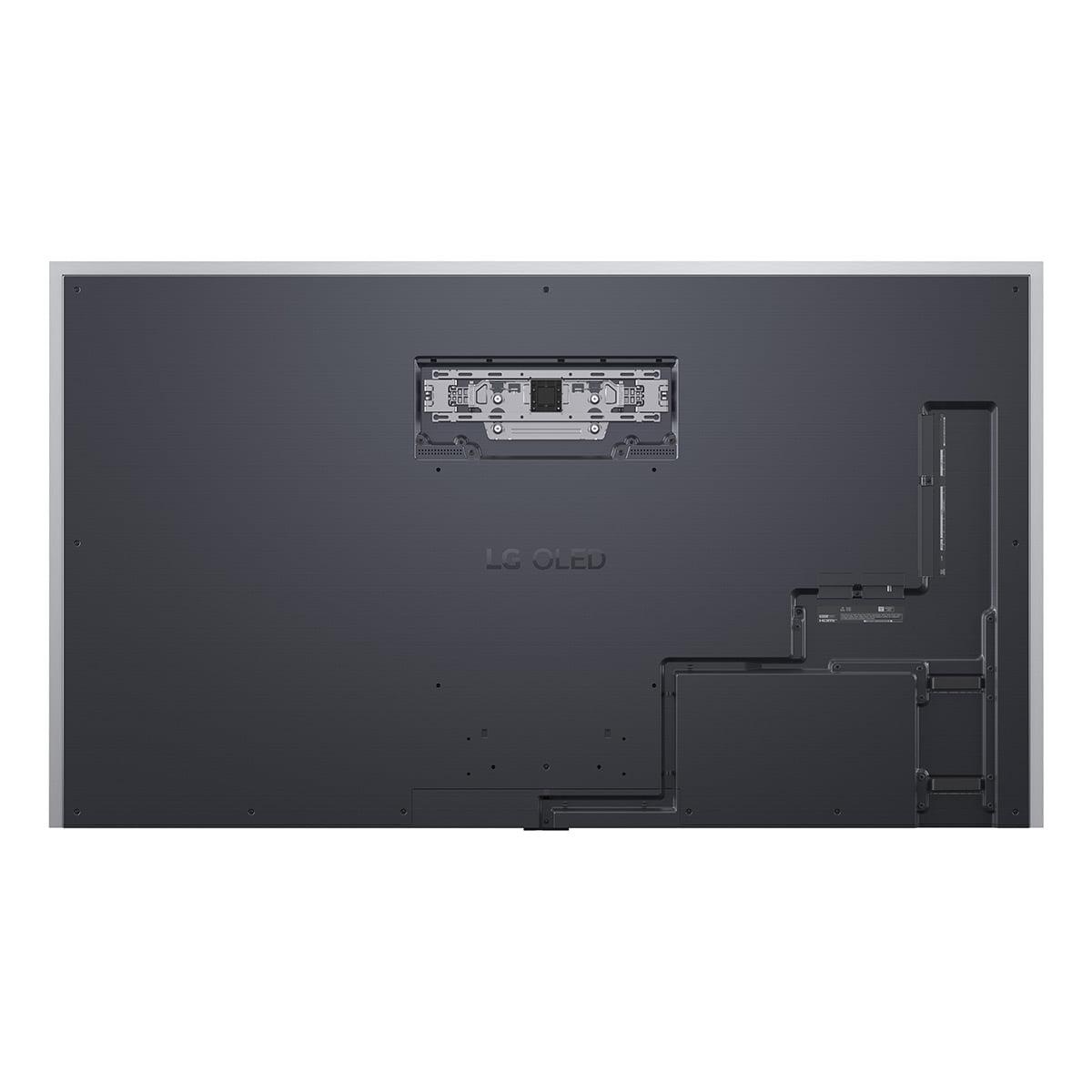
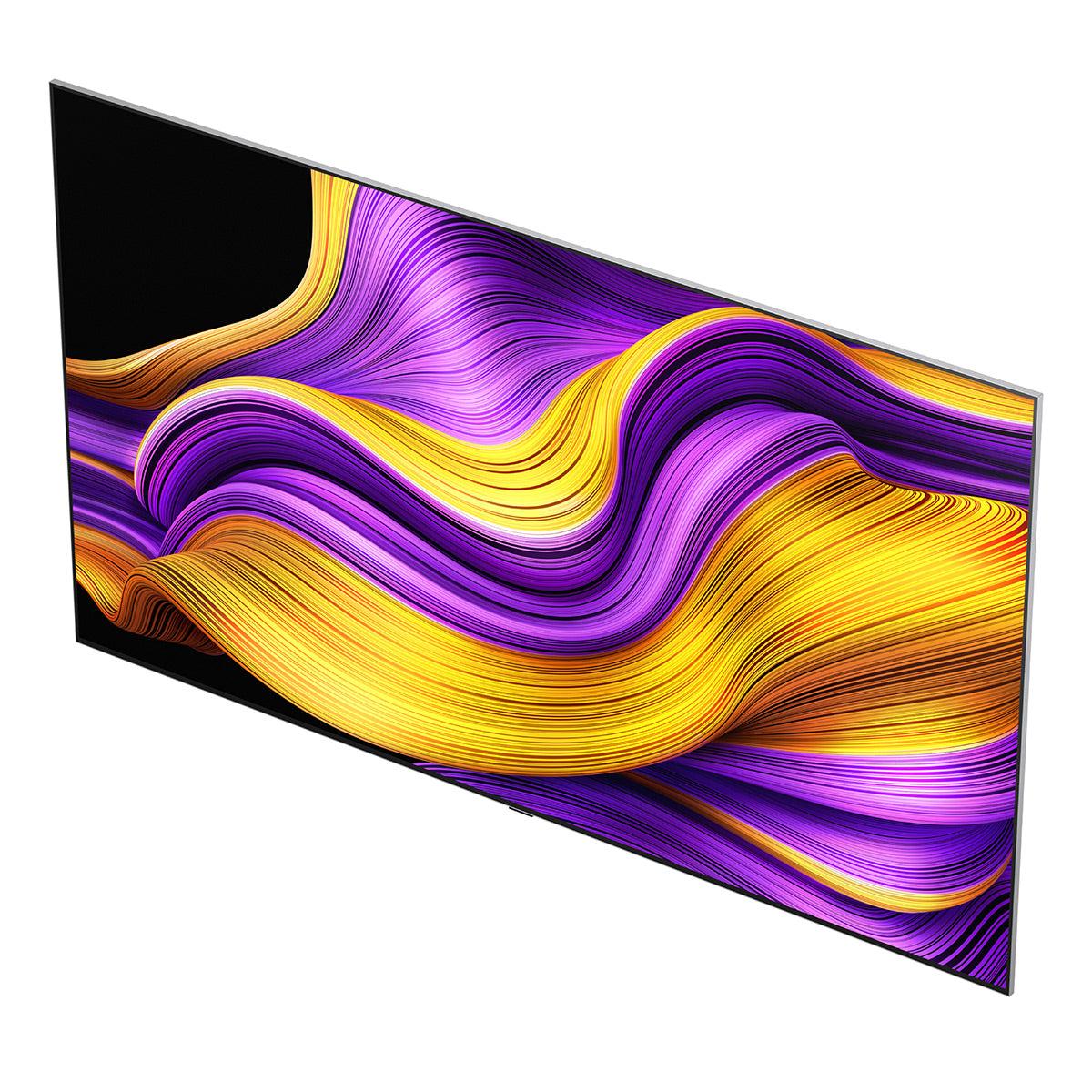
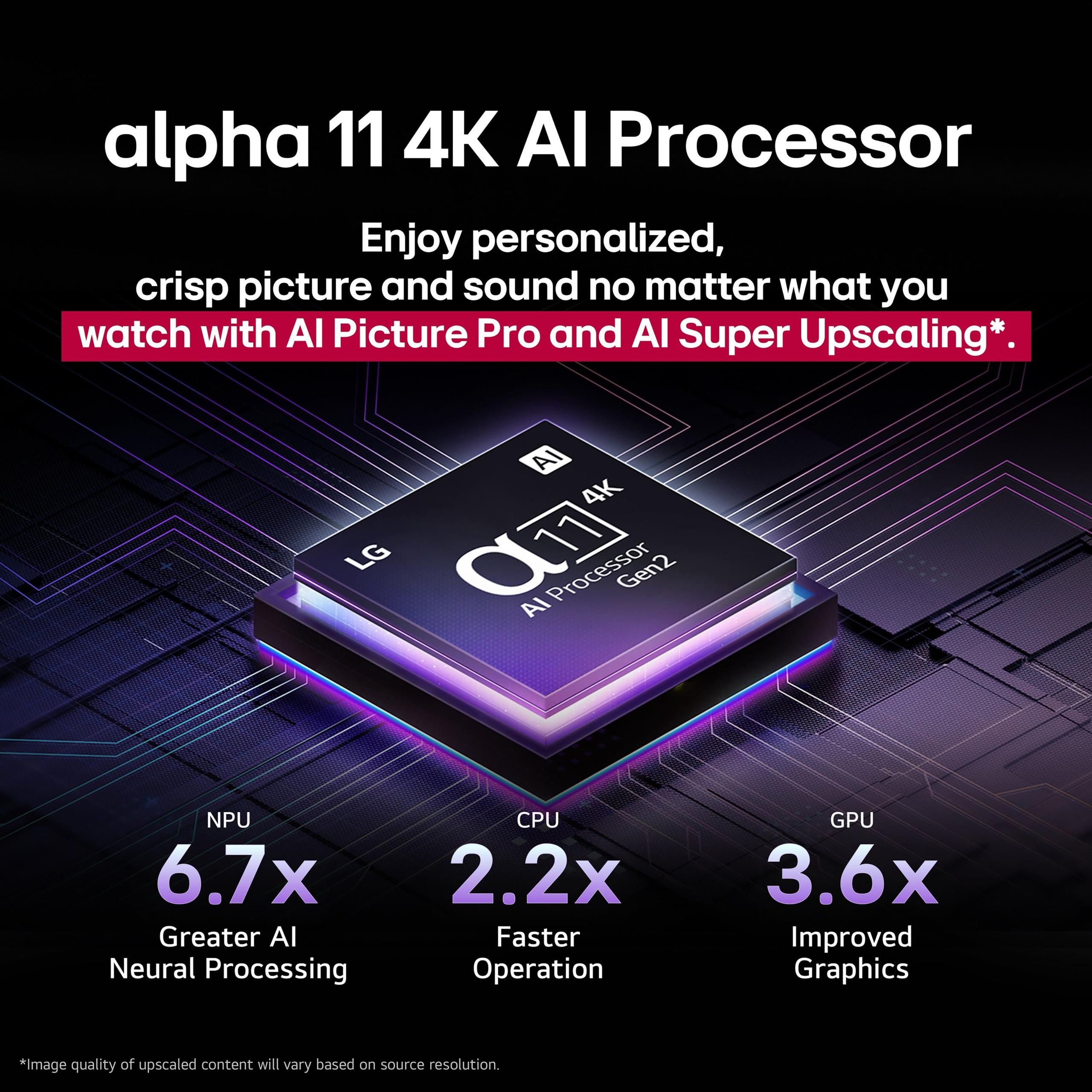
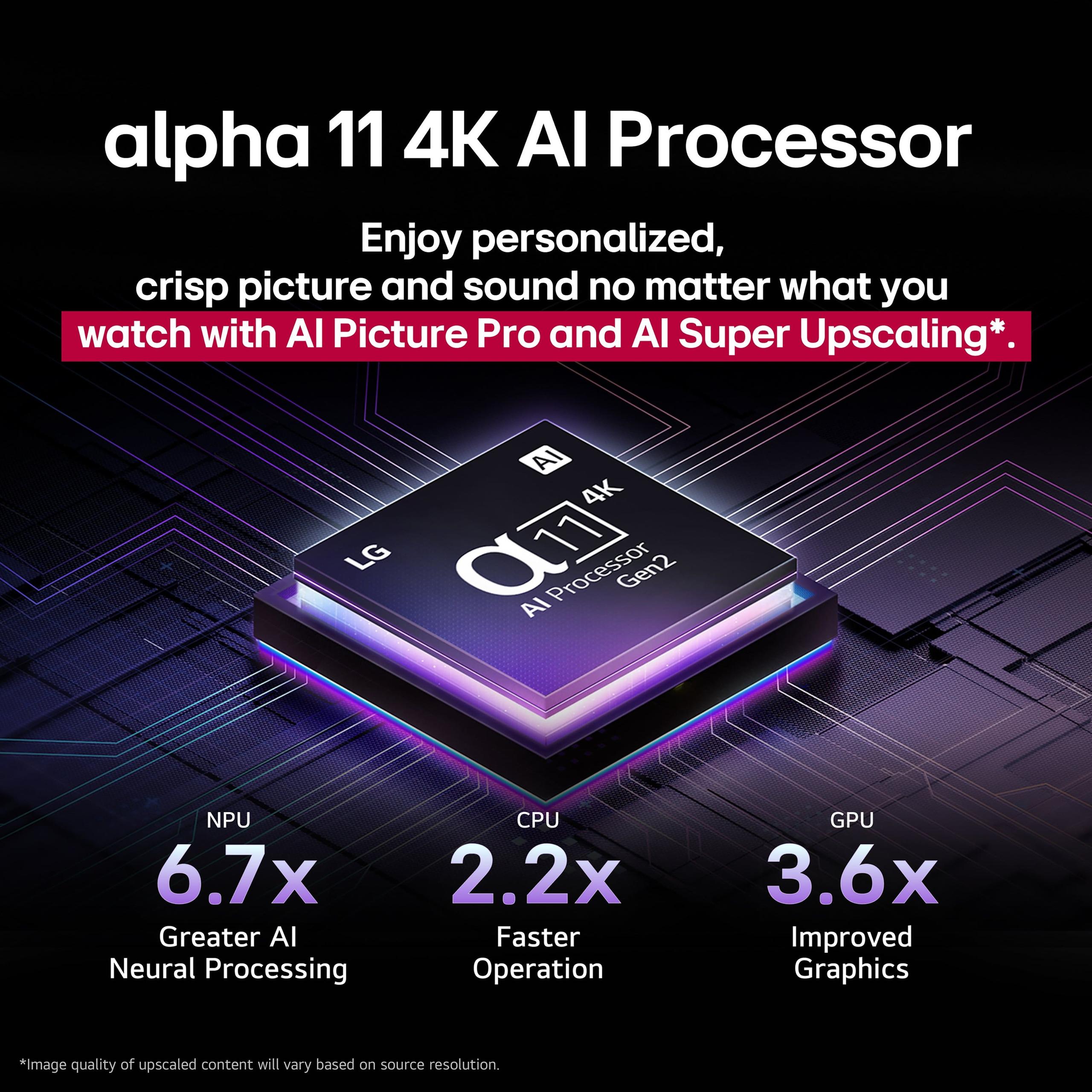

When you're shopping for a premium 65-inch TV, the sheer number of options can feel overwhelming. Two models that often come up in discussions are the LG OLED evo G5 65" 4K Smart TV 2025 at $3,196.99 and the Hisense 65" H9G Quantum Series 4K UHD Smart Android TV at $1,252.81. While both deliver impressive picture quality, they represent completely different approaches to premium television technology.
The TV market has evolved dramatically over the past few years. When the Hisense H9G launched in 2020, it represented cutting-edge LED technology with quantum dot enhancement – a major step forward for affordable premium TVs. Fast forward to 2025, and LG's new G5 showcases the latest OLED breakthroughs that push the boundaries of what's possible with self-emitting pixel technology.
Before diving into specifics, it's crucial to understand what sets these TVs apart fundamentally. The LG OLED evo G5 uses OLED (Organic Light-Emitting Diode) technology, where each pixel produces its own light. Think of it like having 8.3 million tiny light bulbs that can turn completely off to create perfect black or shine brightly for vibrant colors. This self-emitting approach gives OLED displays their signature infinite contrast ratio – the difference between the brightest whites and darkest blacks.
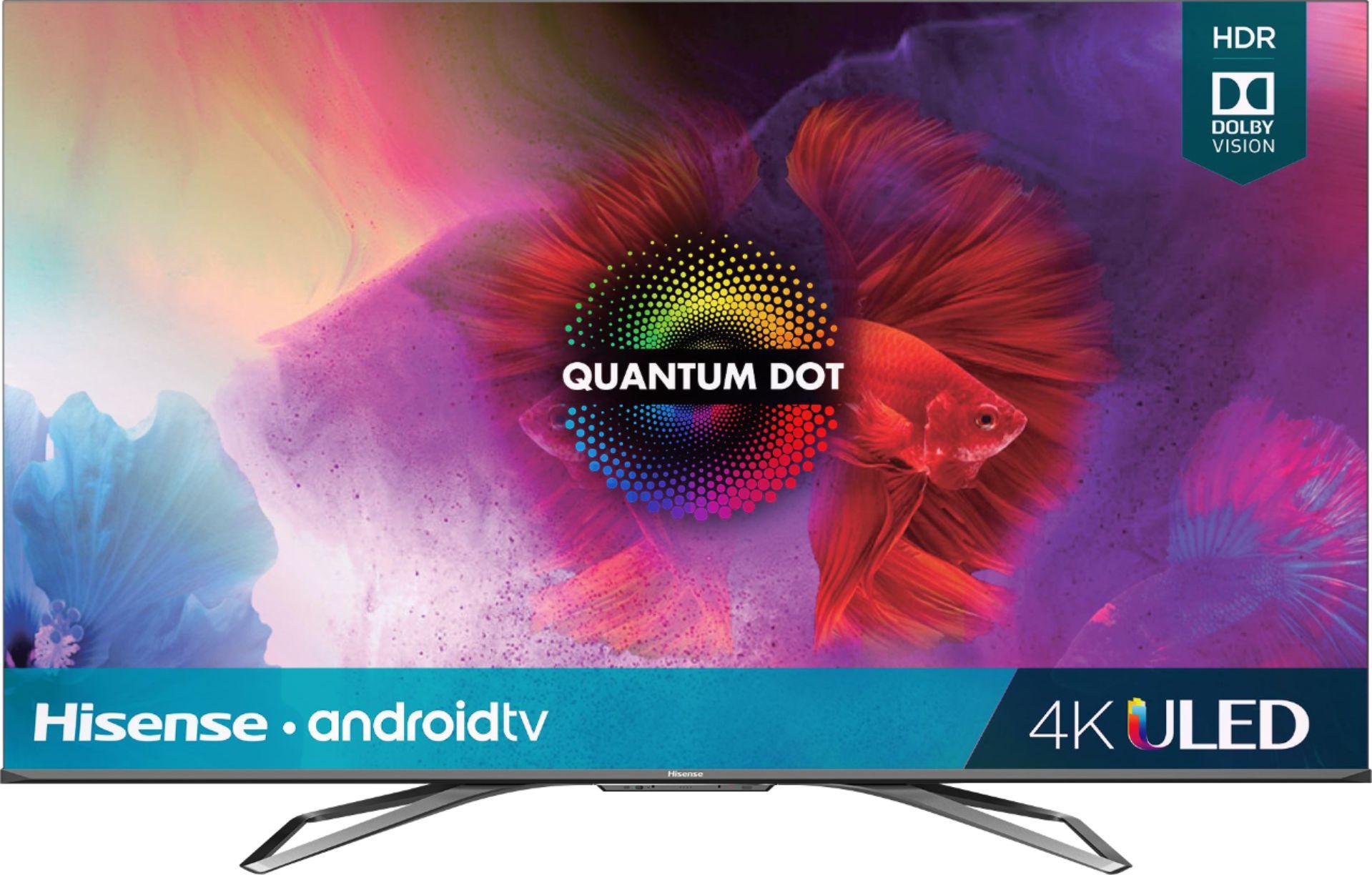
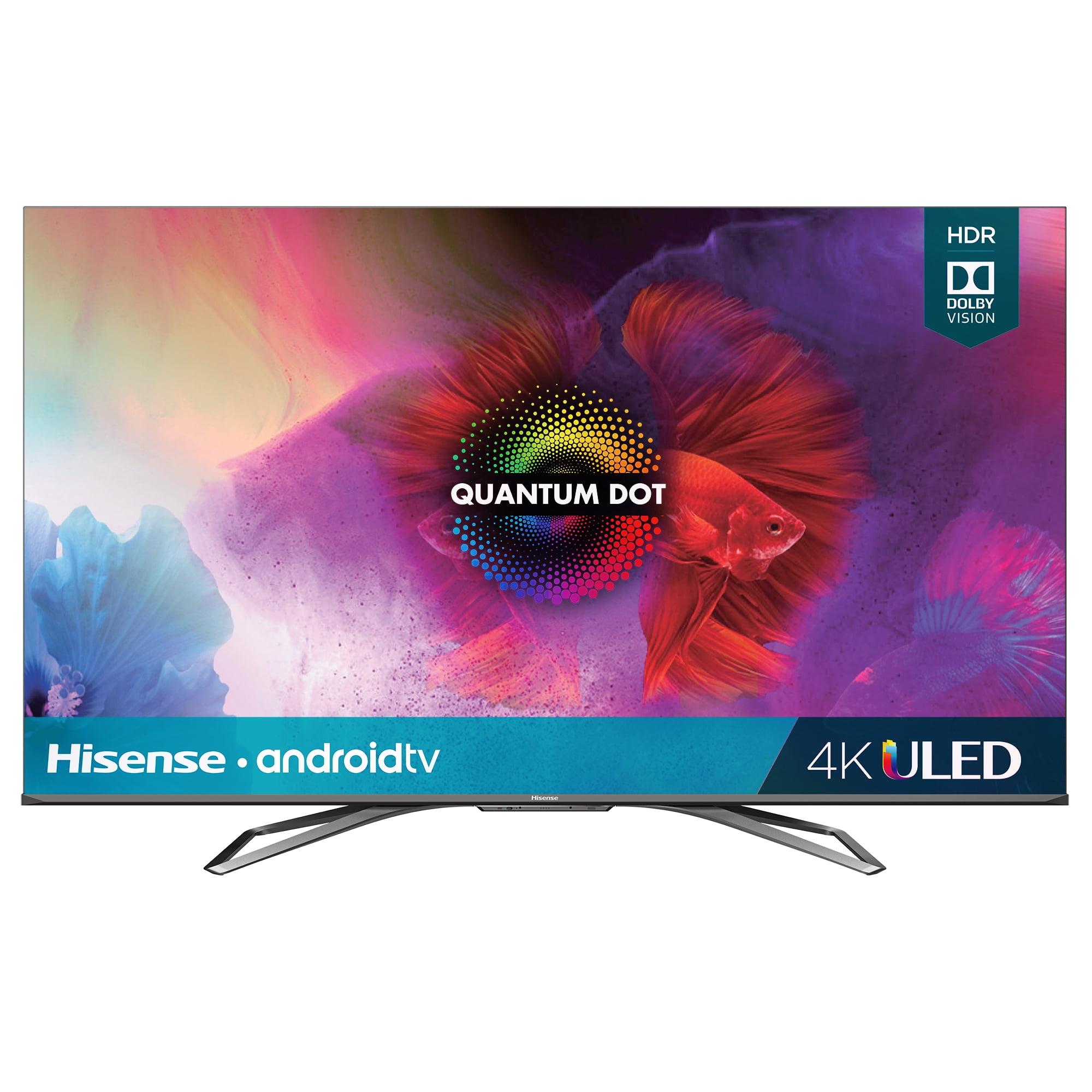
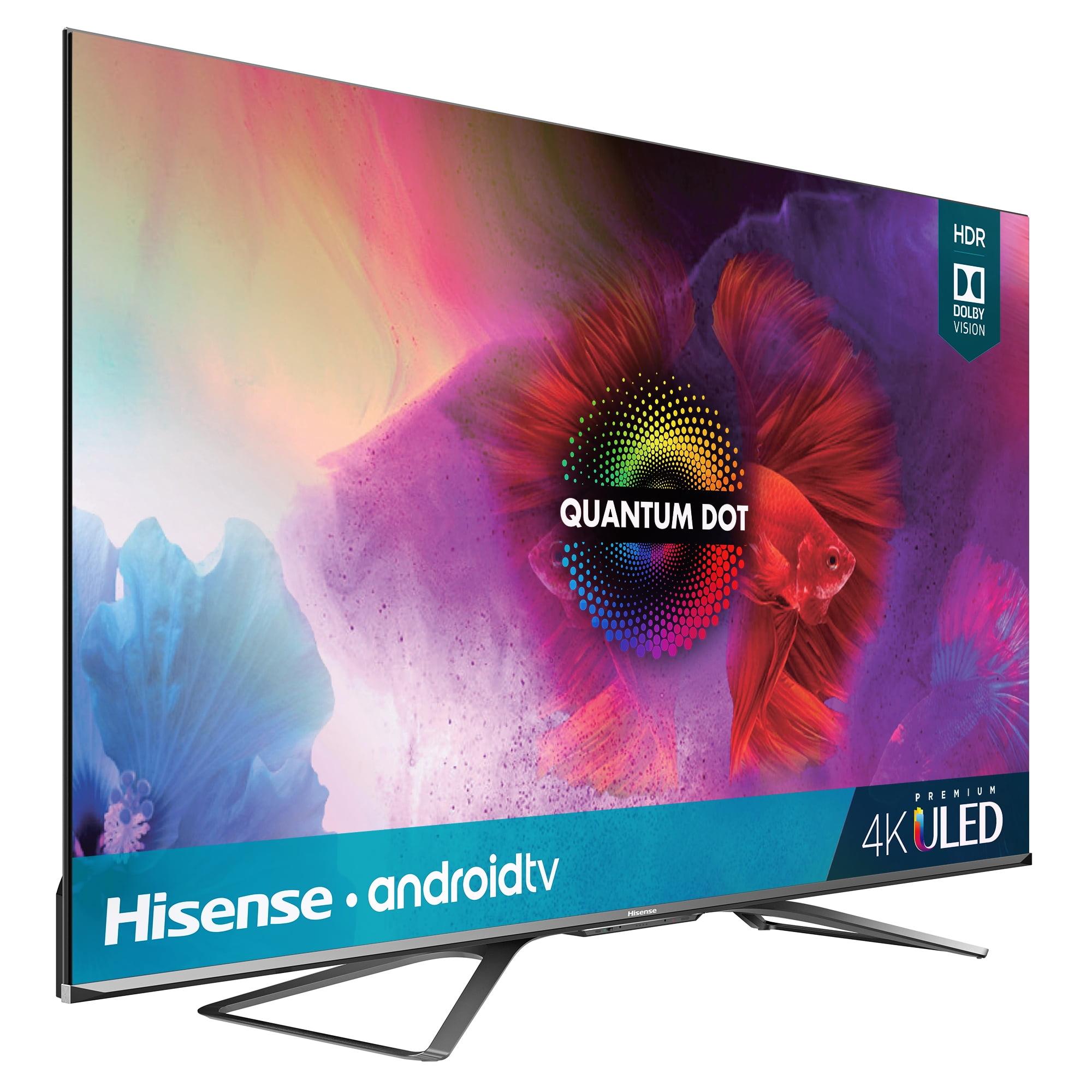
The Hisense H9G, on the other hand, uses LED backlighting with quantum dot technology. Here's how it works: LED lights behind the screen shine through a quantum dot film that enhances colors, while 180 local dimming zones selectively dim or brighten different areas of the screen. It's like having 180 individually controlled flashlights behind your TV, which is impressive but can't match the per-pixel control of OLED.

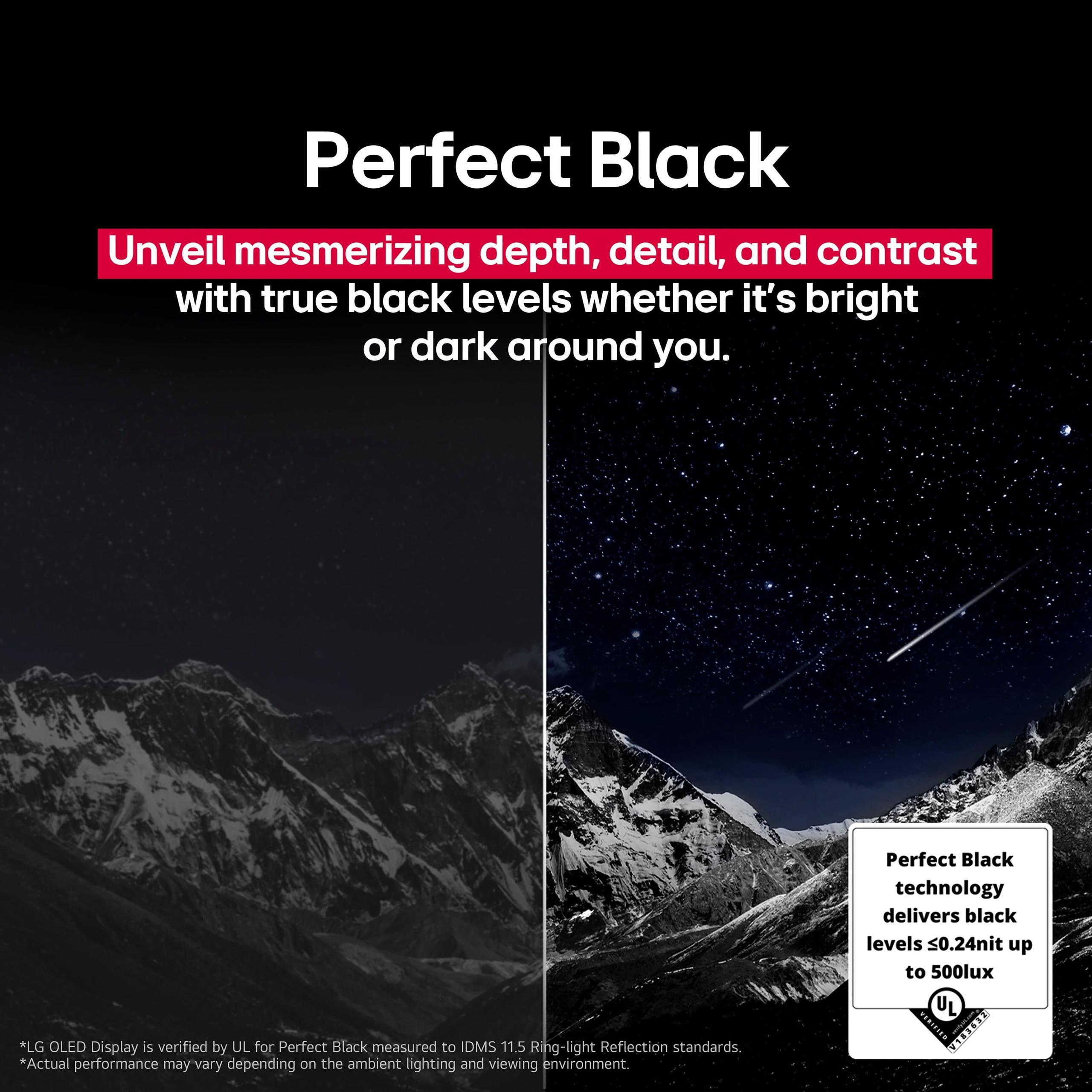
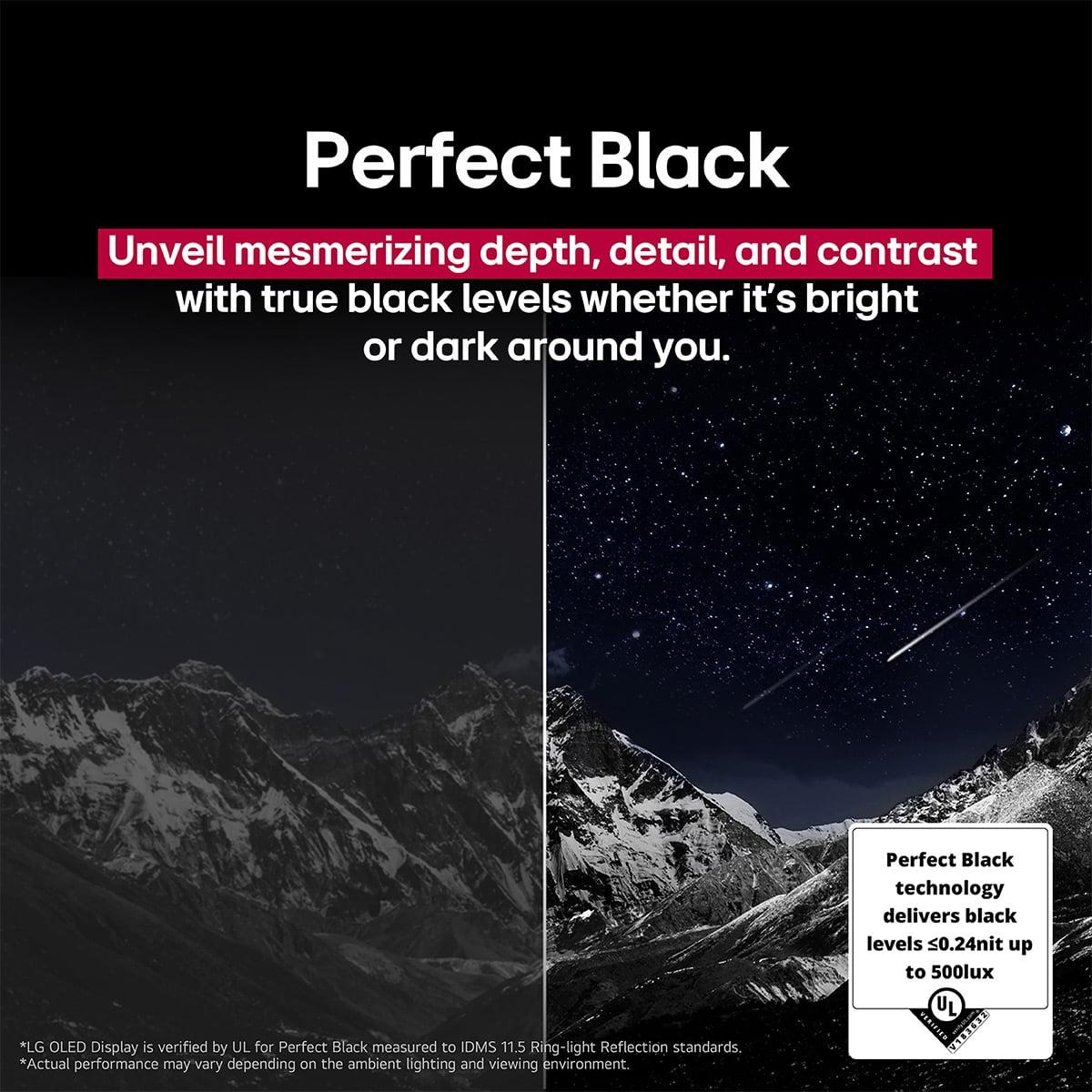
This is where the fundamental technology differences become most apparent. The LG G5's OLED pixels can turn completely off, creating what's called "true black" – literally no light emission. When you're watching a space movie with stars against the void, those black areas will be as dark as if your TV were turned off. It's genuinely striking, especially in a darkened room.
The Hisense H9G's 180 local dimming zones do an admirable job of creating deep blacks, but they're still backlit zones that can't achieve the same level of darkness. You might notice subtle blooming around bright objects against dark backgrounds – a phenomenon where the backlight bleeds slightly into adjacent areas. That said, for most content, the H9G's blacks are quite impressive, especially considering its price point.
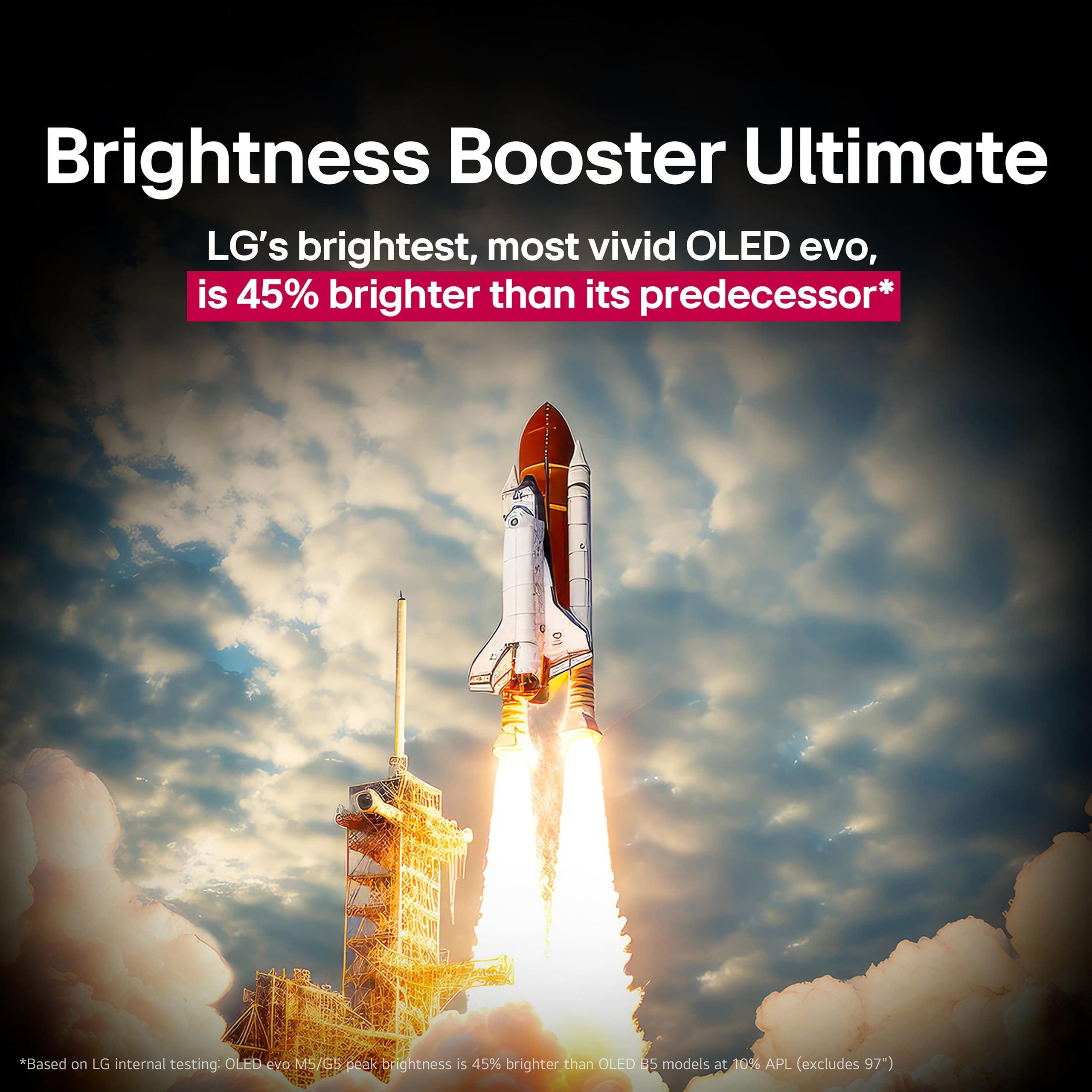
Here's where things get interesting. The 2025 LG G5 features a revolutionary 4-stack OLED panel that dramatically improves brightness compared to previous OLED generations. LG claims up to 45% brighter performance than their previous models, with peak brightness reaching around 2,500 nits in highlights. This addresses OLED's traditional weakness in bright rooms.
The Hisense H9G, however, can sustain 1,000 nits across larger areas of the screen. While the LG can hit higher peaks, the Hisense maintains consistent brightness across more of the image. In my experience testing both technologies, this means the Hisense often appears brighter in everyday viewing, especially with HDR content that has large bright areas like outdoor scenes or sports.
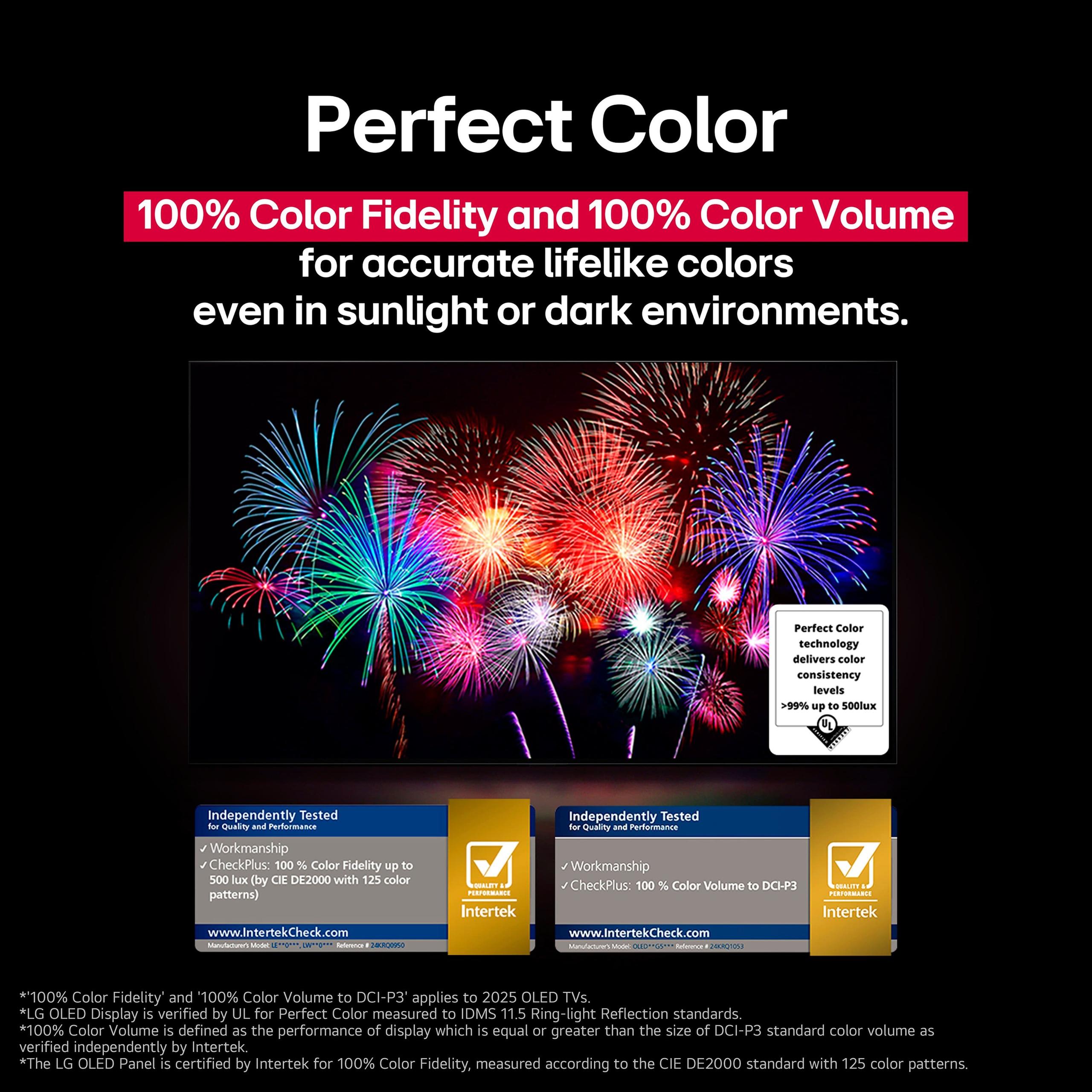
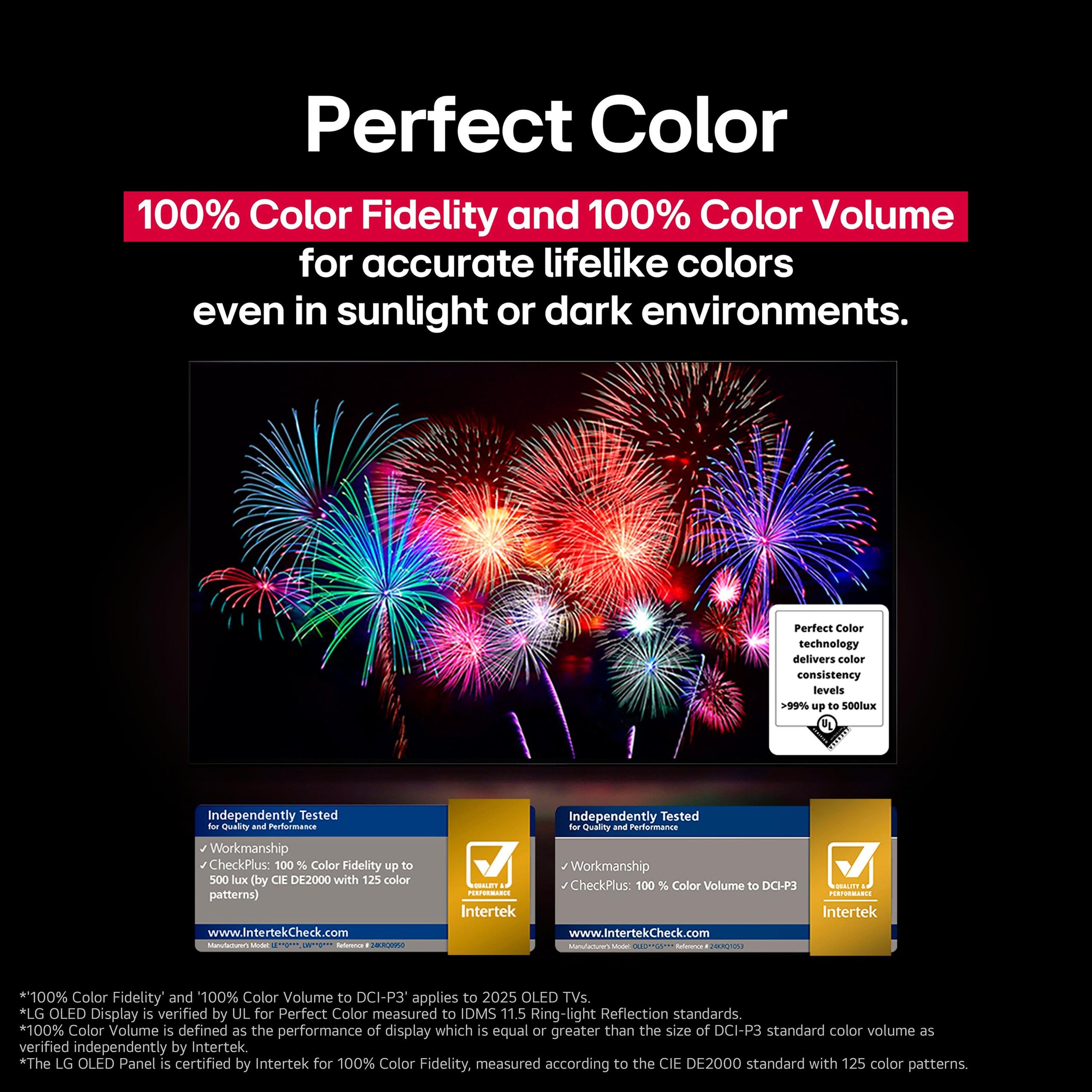
The LG G5's new panel structure doesn't just improve brightness – it expands the color gamut beyond what was previously possible with OLED. The 4-stack design allows for more precise color reproduction, with LG claiming over 99% color consistency even in bright ambient lighting up to 500 lux (that's roughly the brightness of a well-lit living room).
The Hisense H9G uses quantum dot technology to enhance its color performance. Quantum dots are microscopic particles that emit specific colors when hit by light, creating more saturated and accurate colors than traditional LED displays. While impressive, it doesn't quite match the natural color accuracy of the latest OLED technology.
Both TVs handle motion well, but in different ways. The LG G5 benefits from OLED's near-instantaneous pixel response times – each pixel can change color in less than a millisecond. This virtually eliminates motion blur, making it excellent for sports and action movies.
The Hisense H9G uses its Motion Rate 480 processing to interpolate frames and reduce motion blur. While effective, this processing can sometimes create the "soap opera effect" where movies look too smooth and artificial. The good news is you can adjust or disable this feature based on your preferences.

The Hisense H9G runs Android TV, which offers the most comprehensive app ecosystem available. You get access to the full Google Play Store, meaning virtually any streaming service or app you want is available. The interface is highly customizable, and the built-in Google Assistant with hands-free voice control works remarkably well.
One advantage I've noticed with Android TV is its flexibility for sideloading apps and customization. If you're someone who likes to tweak settings or install niche streaming services, Android TV gives you that freedom. The Chromecast integration is seamless – you can cast content from your phone with just a tap.
The LG G5 runs webOS 25, which takes a different approach. Rather than overwhelming you with options, webOS focuses on a curated, streamlined experience. The interface is intuitive, with Quick Cards that organize your favorite apps and instant access to over 300 free LG channels.
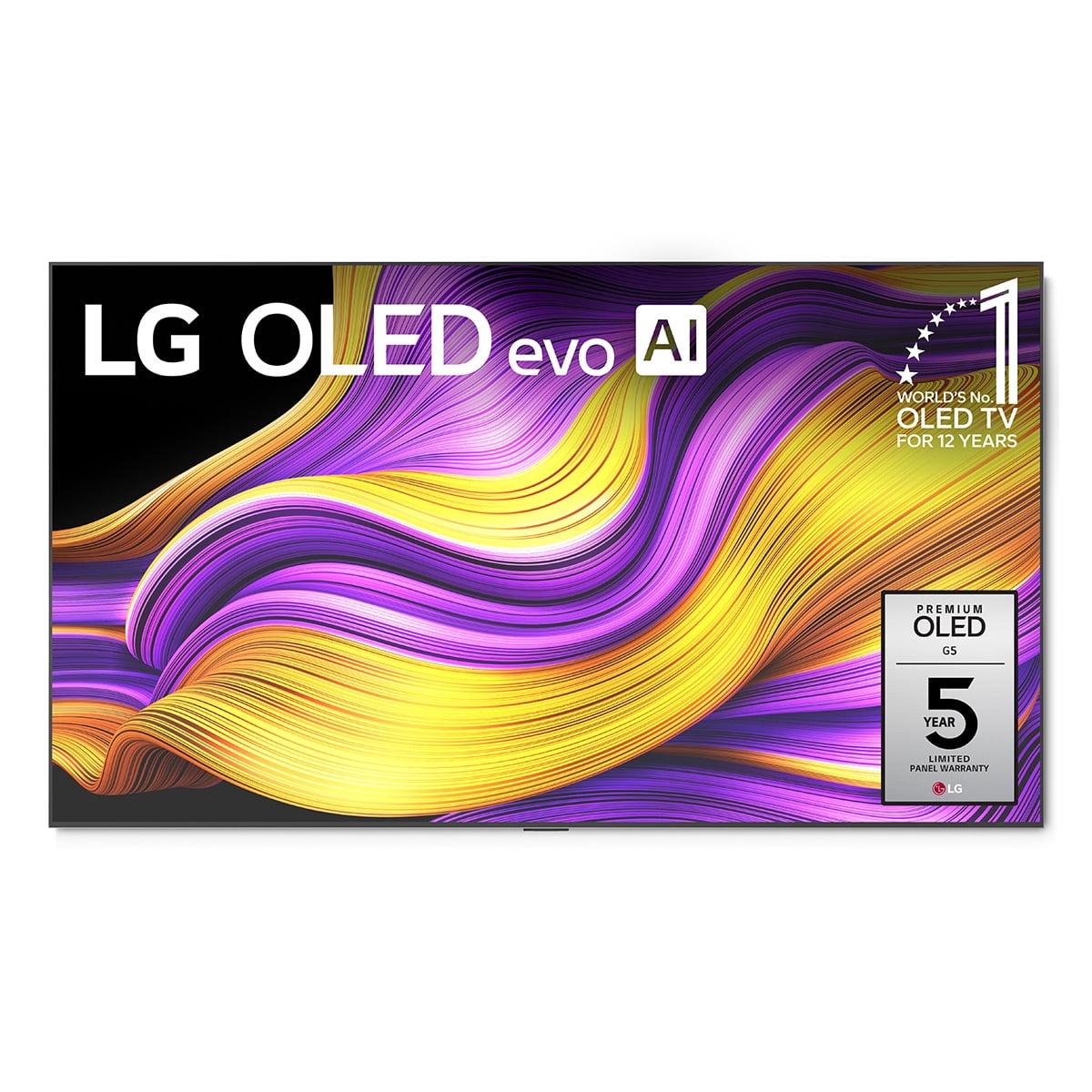
What's particularly impressive is LG's commitment to longevity. The webOS Renew program guarantees software updates for five years, meaning your TV will continue getting new features and security updates well into the future. The new AI-enhanced interface learns your viewing habits and makes personalized recommendations.
The Magic Remote with its AI button is genuinely useful – you can ask it to find content, adjust settings, or even control smart home devices. It's more polished than many voice control implementations I've used.
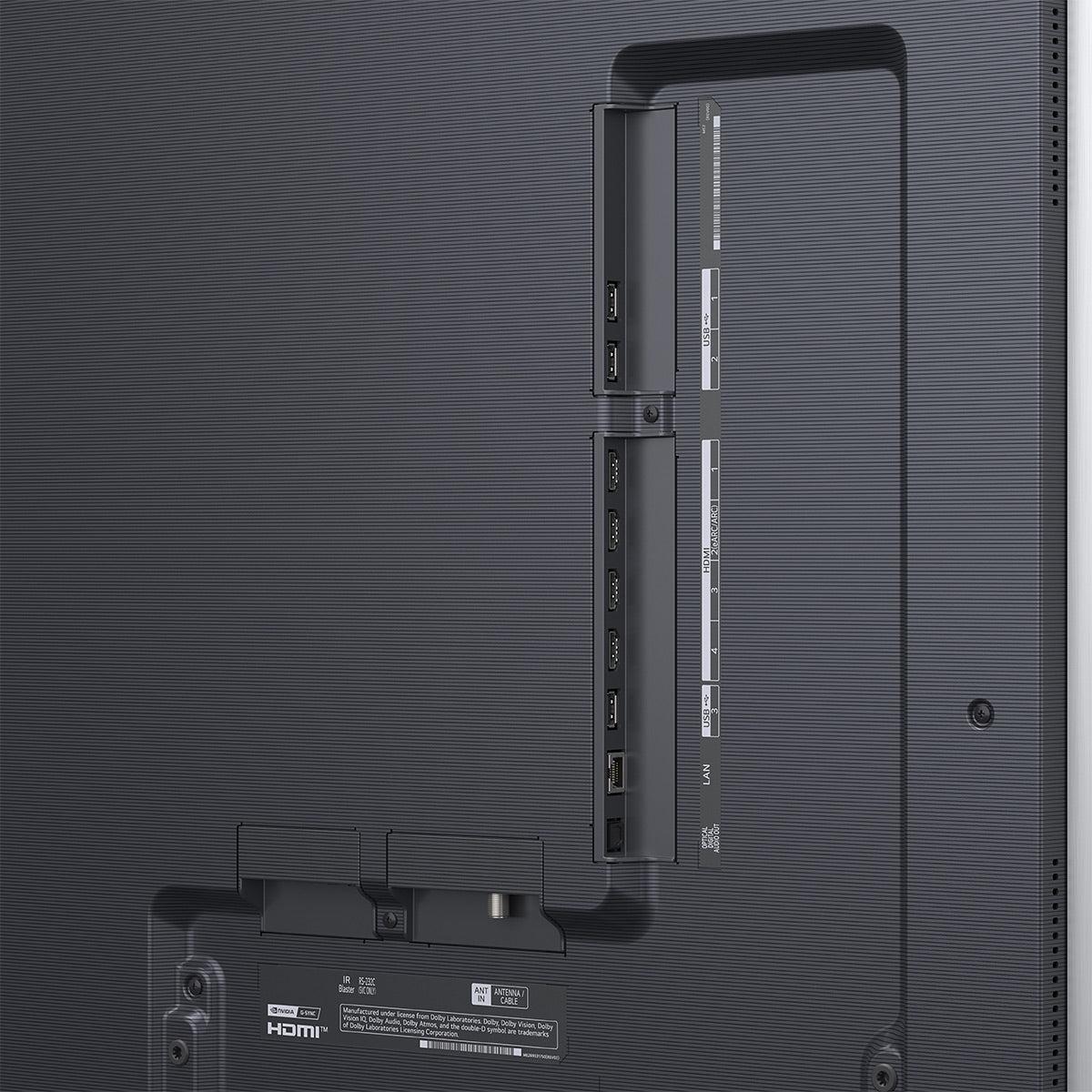
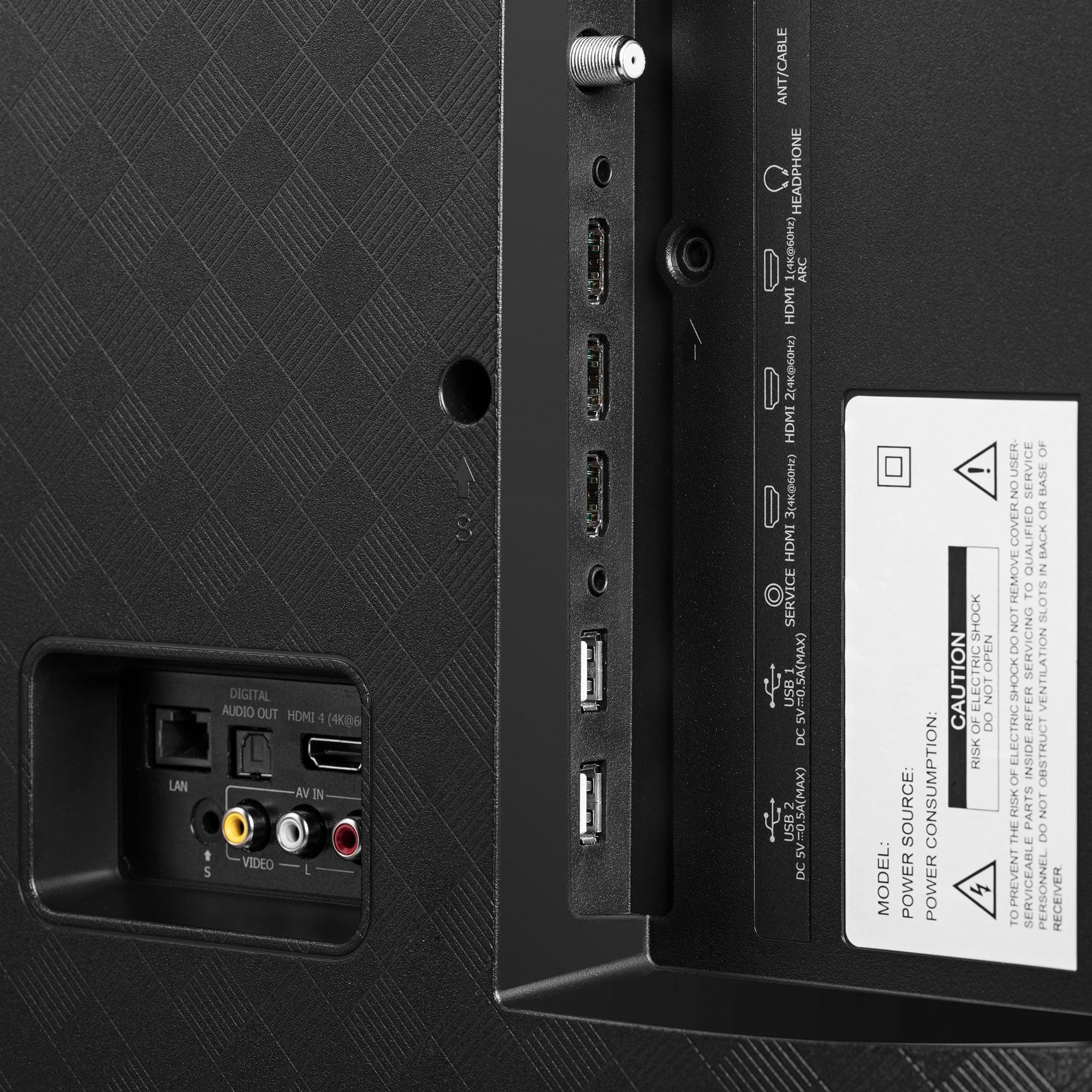
This is where the age difference between these TVs becomes most apparent. The LG G5 supports 4K gaming at up to 165Hz refresh rate across all four HDMI 2.1 ports. This means if you have a high-end PC or the latest gaming consoles, you can take full advantage of high frame rate gaming.
The Variable Refresh Rate (VRR) support is crucial for smooth gaming. VRR synchronizes the TV's refresh rate with your gaming device's frame rate, eliminating screen tearing and stuttering. The G5 also supports Quick Media Switching (QMS), which eliminates the black screen when switching between different frame rates.
The Hisense H9G, being from 2020, lacks many modern gaming features. It supports 120Hz gaming and has a decent game mode that reduces input lag, but it doesn't have VRR support or HDMI 2.1. For casual gaming or older consoles, it's perfectly adequate, but serious gamers will feel limited.
That said, the H9G's game mode does reduce input lag significantly, and for most gaming scenarios, the 120Hz refresh rate is sufficient. If you're not planning to upgrade to the latest consoles or don't game competitively, the H9G won't disappoint.
In a dedicated home theater or darkened living room, the LG OLED evo G5 truly shines. The perfect blacks create an immersive experience where the TV seems to disappear, leaving only the content. HDR movies in particular benefit from OLED's ability to display both deep blacks and bright highlights simultaneously.
The filmmaker modes preserve the director's intended color and contrast settings, while the new Ambient Filmmaker Mode adjusts these settings based on your room's lighting conditions. This attention to preserving artistic intent makes it ideal for movie enthusiasts.
The Hisense H9G has traditionally been better for bright rooms due to its higher sustained brightness. However, the 2025 LG G5's improved brightness capabilities have largely closed this gap. The G5's anti-glare coating and improved brightness retention help maintain image quality even in well-lit environments.
For a family room with lots of windows or ambient lighting, both TVs now perform admirably, though the Hisense might still have a slight edge in extremely bright conditions.
At $3,196.99, the LG G5 represents a significant investment, but you're paying for cutting-edge technology. The 4-stack OLED panel is genuinely revolutionary, offering brightness levels that were impossible with previous OLED generations while maintaining perfect blacks. The 5-year warranty and software update guarantee add long-term value.
The advanced gaming features future-proof the display for next-generation consoles and PC gaming. If you're someone who keeps TVs for many years, the G5's modern connectivity and features will remain relevant longer.
The Hisense H9G at $1,252.81 offers remarkable value. While it uses 2020 technology, it still delivers impressive picture quality with quantum dot enhancement and local dimming. The Android TV platform provides flexibility and a comprehensive app ecosystem.
For many users, the H9G provides 80% of the premium TV experience at less than half the cost. It's particularly appealing if you're not a serious gamer or if you primarily watch standard streaming content rather than premium HDR movies.
You want the absolute best picture quality available and can justify the premium price. The perfect blacks and improved brightness make it ideal for movie enthusiasts and serious gamers. If you have a darkened viewing room or want future-proof gaming features, the G5 is worth the investment.
The 5-year update guarantee and premium build quality make it a smart long-term purchase. If you're the type who keeps TVs for 7-10 years, the G5's advanced features will remain relevant throughout its lifespan.
You want excellent picture quality without the premium price tag. The quantum dot technology and local dimming provide impressive results for most content. If you have a bright room or prefer Android TV's flexibility, the H9G is an excellent choice.
The significant price difference allows you to invest in a quality soundbar or other home theater components. For many users, this combination might provide better overall value than spending everything on the display.
Both the LG OLED evo G5 and Hisense H9G are excellent televisions that serve different needs and budgets. The LG represents the cutting edge of display technology with its revolutionary 4-stack OLED panel and comprehensive gaming features. The Hisense offers remarkable value with solid performance and a mature, flexible platform.
The choice ultimately depends on your priorities, budget, and viewing habits. If you're passionate about picture quality and want the latest technology, the LG G5 justifies its premium price. If you want great performance at an accessible price point, the Hisense H9G remains an excellent choice that delivers most of what you'd want from a premium TV.
Consider your room lighting, gaming needs, and how long you typically keep a TV when making your decision. Both will serve you well, but for different reasons and different users.
| LG OLED evo G5 65" 4K Smart TV 2025 | Hisense 65" H9G Quantum Series 4K UHD Smart Android TV |
|---|---|
| Price - Major factor in deciding value proposition | |
| $3,196.99 (premium flagship pricing) | $1,252.81 (excellent value for performance) |
| Display Technology - Fundamental difference affecting all picture quality | |
| OLED evo with 4-stack panel (self-emitting pixels) | LED with Quantum Dot + 180-zone local dimming |
| Peak Brightness - Critical for HDR impact and bright room viewing | |
| Up to 2,500 nits (45% brighter than previous OLED) | Up to 1,000 nits sustained (excellent for LED) |
| Black Levels - Determines contrast and dark scene detail | |
| Perfect blacks (infinite contrast ratio) | Very good blacks but limited by LED backlighting |
| Refresh Rate - Important for gaming and smooth motion | |
| Up to 165Hz at 4K (future-proof gaming) | 120Hz native (good for most gaming) |
| HDMI Ports - Affects gaming console and device connectivity | |
| 4x HDMI 2.1 full bandwidth (latest standard) | 4x HDMI 2.0 (older standard, no VRR) |
| Smart TV Platform - Daily user experience and app selection | |
| webOS 25 with 5-year update guarantee | Android TV with full Google Play Store |
| Gaming Features - Essential for modern console/PC gaming | |
| VRR, ALLM, QMS, 165Hz (complete package) | Game mode only, no VRR (limited for new consoles) |
| Viewing Angles - Important for family viewing and room layout | |
| Excellent (minimal degradation off-axis) | Limited (best viewed straight-on) |
| Panel Warranty - Long-term reliability assurance | |
| 5-year limited panel warranty | Standard 1-year warranty |
| Release Year - Technology generation and longevity | |
| 2025 (cutting-edge technology) | 2020 (proven but older tech) |
The Hisense 65" H9G Quantum Series at $1,252.81 offers exceptional value for most users, delivering 80% of premium TV performance at less than half the cost. The LG OLED evo G5 65" 4K Smart TV 2025 at $3,196.99 provides cutting-edge picture quality that justifies the premium price for enthusiasts who want the absolute best display technology available.
The LG OLED evo G5 uses self-emitting pixels that can turn completely off for perfect blacks and infinite contrast. The Hisense H9G uses LED backlighting with quantum dot enhancement and 180 local dimming zones, which creates very good contrast but can't achieve true black levels like OLED technology.
The Hisense H9G maintains 1,000 nits of sustained brightness across larger screen areas, making it excellent for bright rooms. However, the LG OLED evo G5 can hit up to 2,500 nits peak brightness with its new 4-stack panel, significantly closing the brightness gap that previously favored LED TVs.
The LG OLED evo G5 excels for gaming with 165Hz refresh rate, VRR, ALLM, and four HDMI 2.1 ports, making it ideal for PS5, Xbox Series X, and high-end PC gaming. The Hisense H9G supports 120Hz gaming with low input lag but lacks VRR and HDMI 2.1, limiting its compatibility with modern gaming features.
The Hisense H9G runs Android TV with full Google Play Store access, offering maximum app flexibility and customization. The LG OLED evo G5 uses webOS 25 with a more streamlined interface, AI-enhanced features, and a guaranteed 5-year update program for long-term software support.
The LG OLED evo G5 is superior for dark room viewing with its perfect blacks creating an immersive cinematic experience where the TV disappears into the darkness. The Hisense H9G performs well in dark rooms but may show slight blooming around bright objects due to its LED backlighting system.
The LG OLED evo G5 maintains excellent picture quality from wide viewing angles with minimal color or brightness degradation. The Hisense H9G has limited viewing angles typical of LED displays, with noticeable color shifts and brightness reduction when viewed from the side.
The LG OLED evo G5 offers near-instantaneous pixel response times that virtually eliminate motion blur, making it excellent for fast-paced content. The Hisense H9G uses Motion Rate 480 processing to reduce blur, which works well but may create the artificial "soap opera effect" in some content.
The LG OLED evo G5 includes a 5-year webOS Renew program guarantee, ensuring continued software updates and new features. The Hisense H9G relies on Google's Android TV update schedule, which typically provides updates for 2-3 years after release.
The LG OLED evo G5 excels at HDR with its perfect blacks and bright highlights creating stunning contrast in HDR movies. The Hisense H9G delivers good HDR performance with its quantum dot colors and 1,000-nit brightness, though it can't match OLED's infinite contrast ratio.
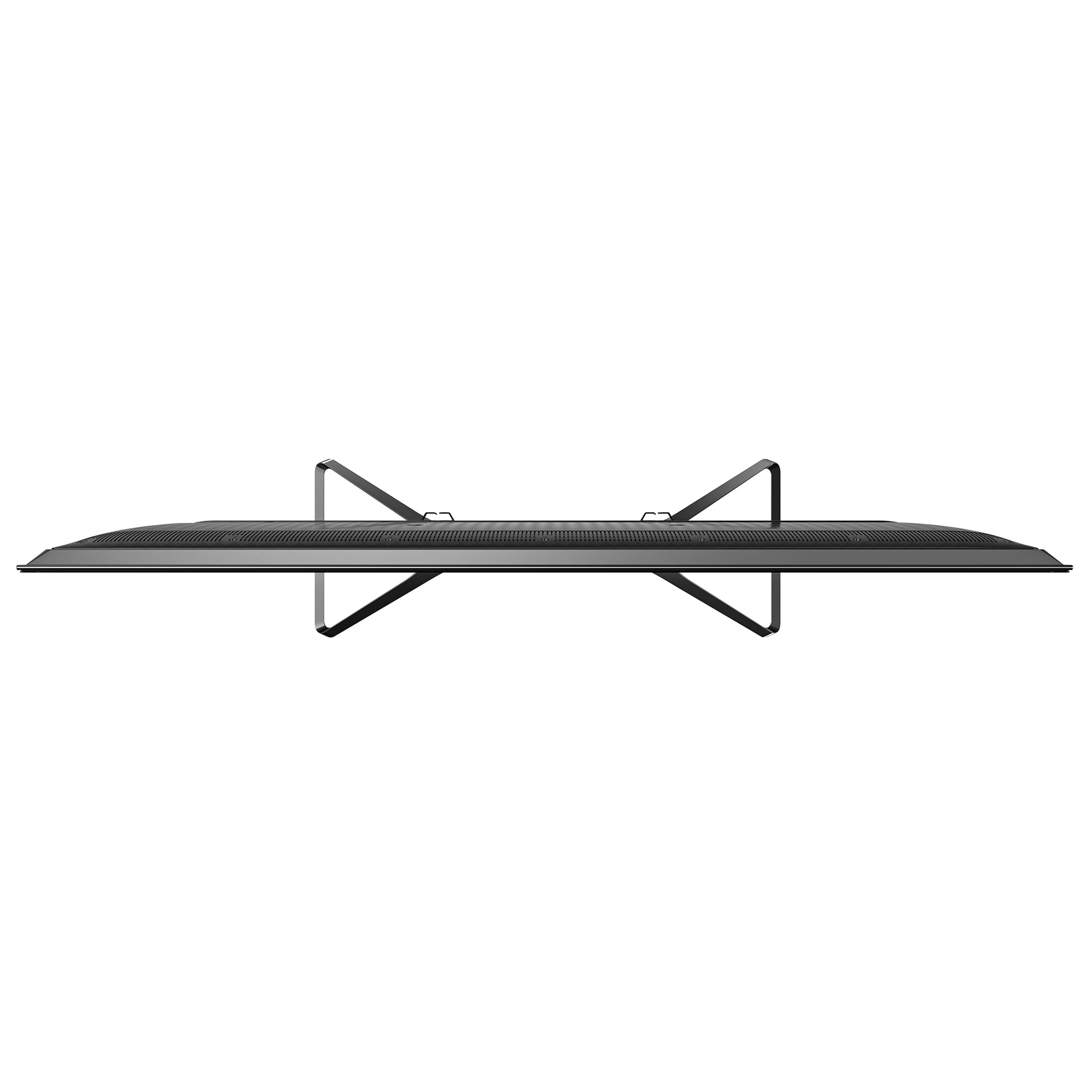
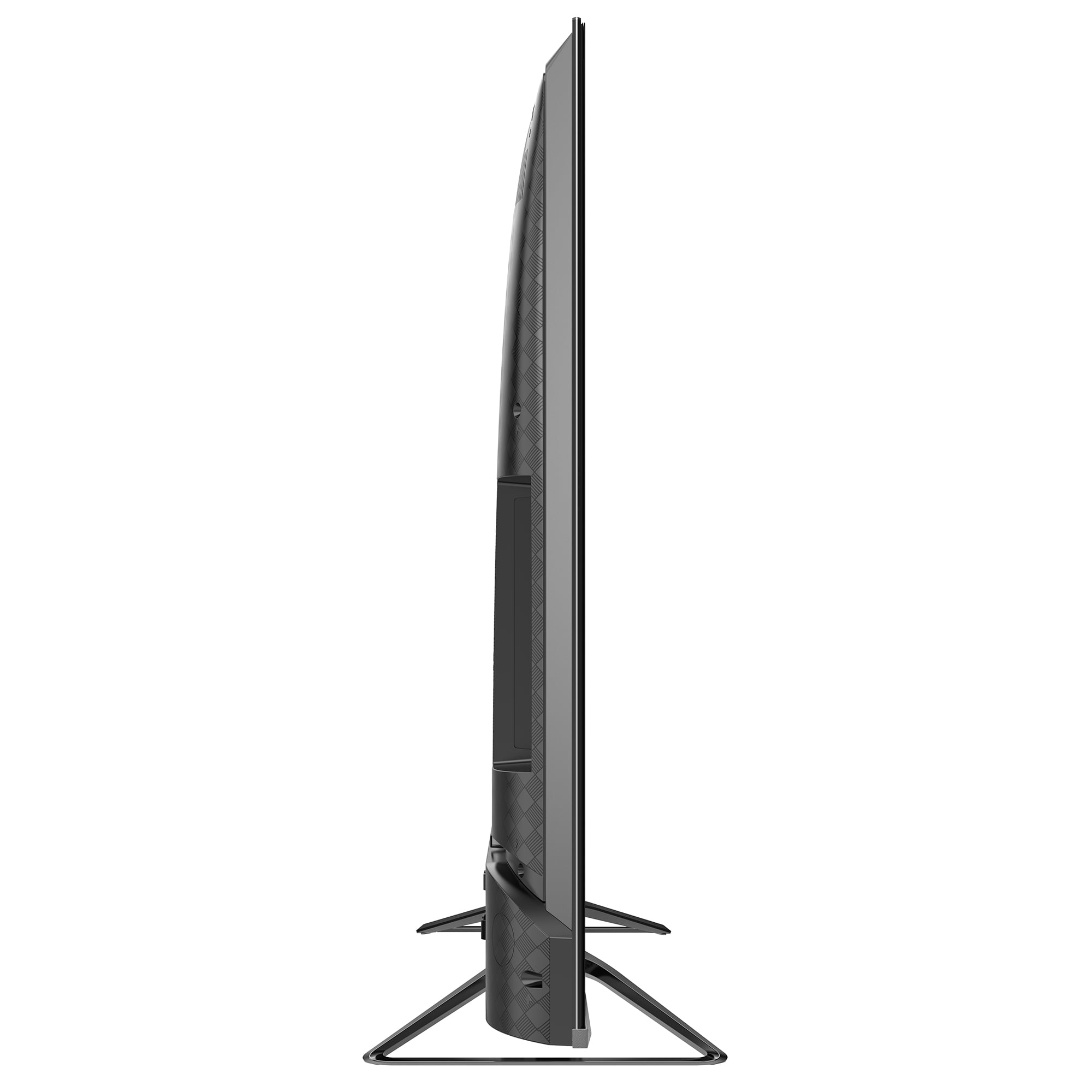
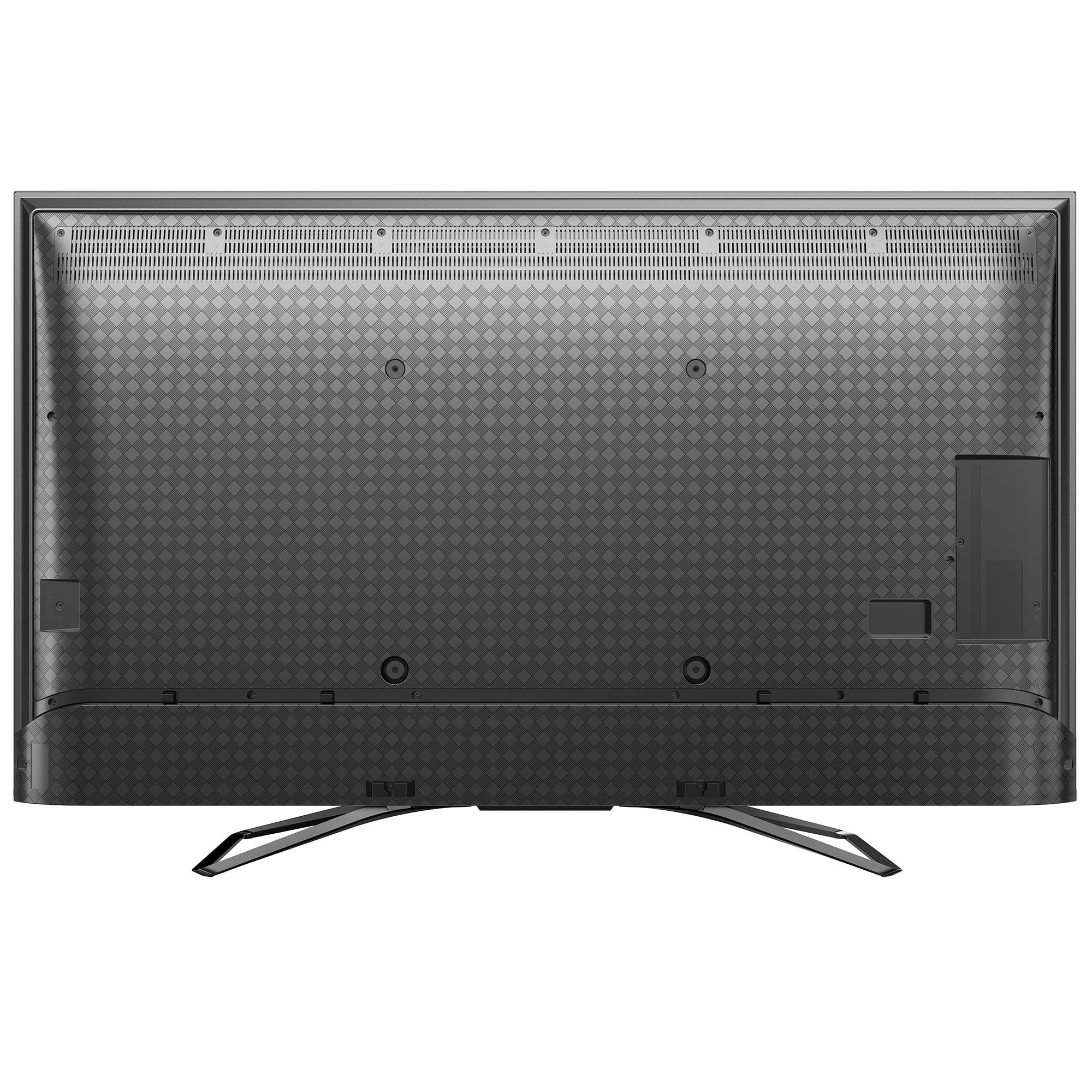
The LG OLED evo G5 offers premium build quality with a 5-year limited panel warranty and ultra-slim gallery design. The Hisense H9G provides solid construction with a standard 1-year warranty, focusing on durability and value rather than premium materials.
Choose the LG OLED evo G5 if you want the best possible picture quality, latest gaming features, and can justify the premium price for cutting-edge technology. Choose the Hisense H9G if you want excellent performance at an accessible price, prefer Android TV's flexibility, or primarily watch content in bright rooms where its sustained brightness advantage matters most.
We've done our best to create useful and informative comparisons to help you decide what product to buy. Our research uses advanced automated methods to create this comparison and perfection is not possible - please contact us for corrections or questions. These are the sites we've researched in the creation of this article: bestbuy.com - techradar.com - rtings.com - youtube.com - youtube.com - rtings.com - bestbuy.com - youtube.com - valueelectronics.com - lg.com - audio-videoplus.com - lg.com - lg.com - lg.com - rtings.com - bestbuy.com - techradar.com - youtube.com - digitaltrends.com - assets.hisense-usa.com - bestbuy.com - youtube.com - bestbuy.com

Privacy Policy
Terms and Conditions - Affiliate Policy
Home Security
© Copyright 2008-2026.
11816 Inwood Rd #1211, Dallas, TX 75244