

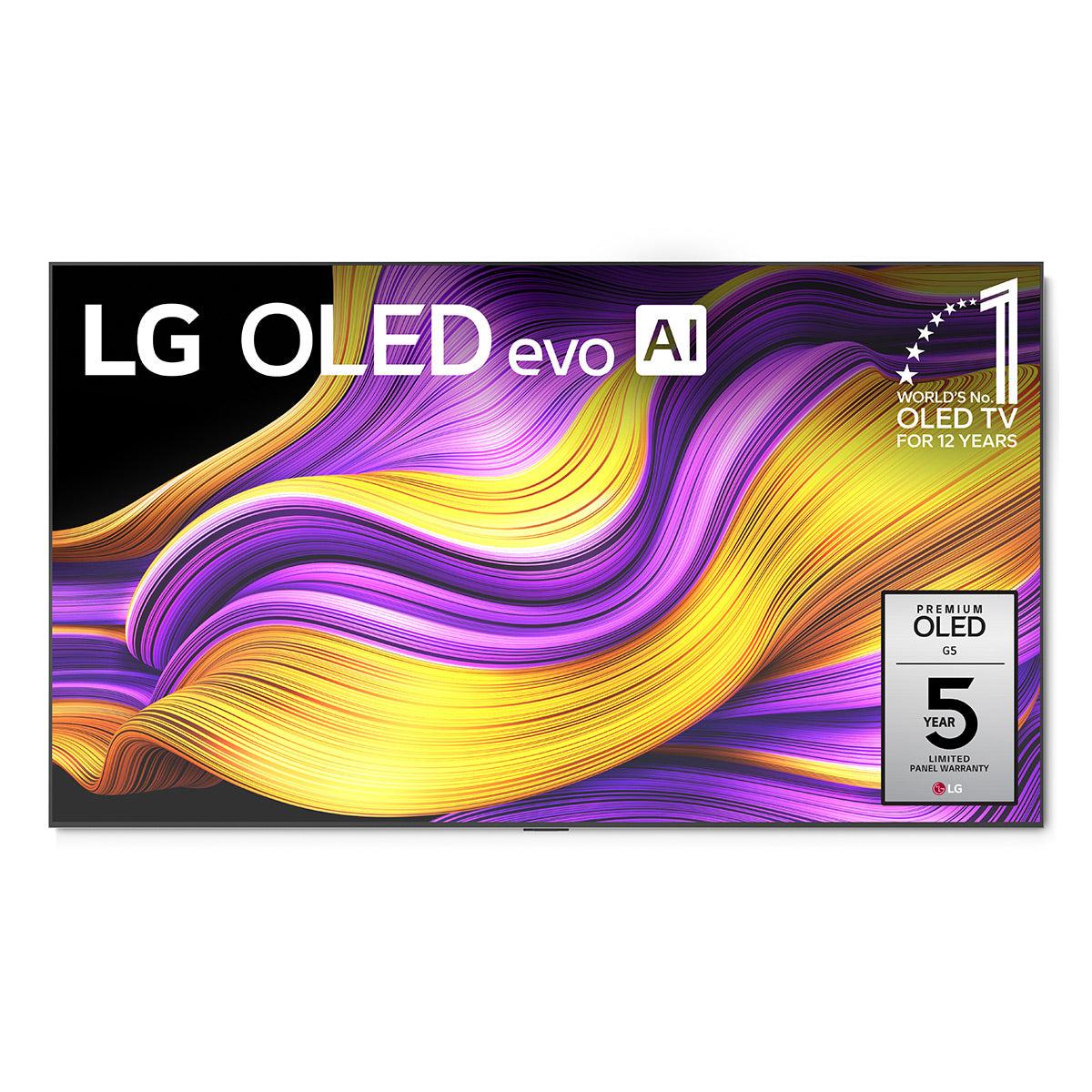
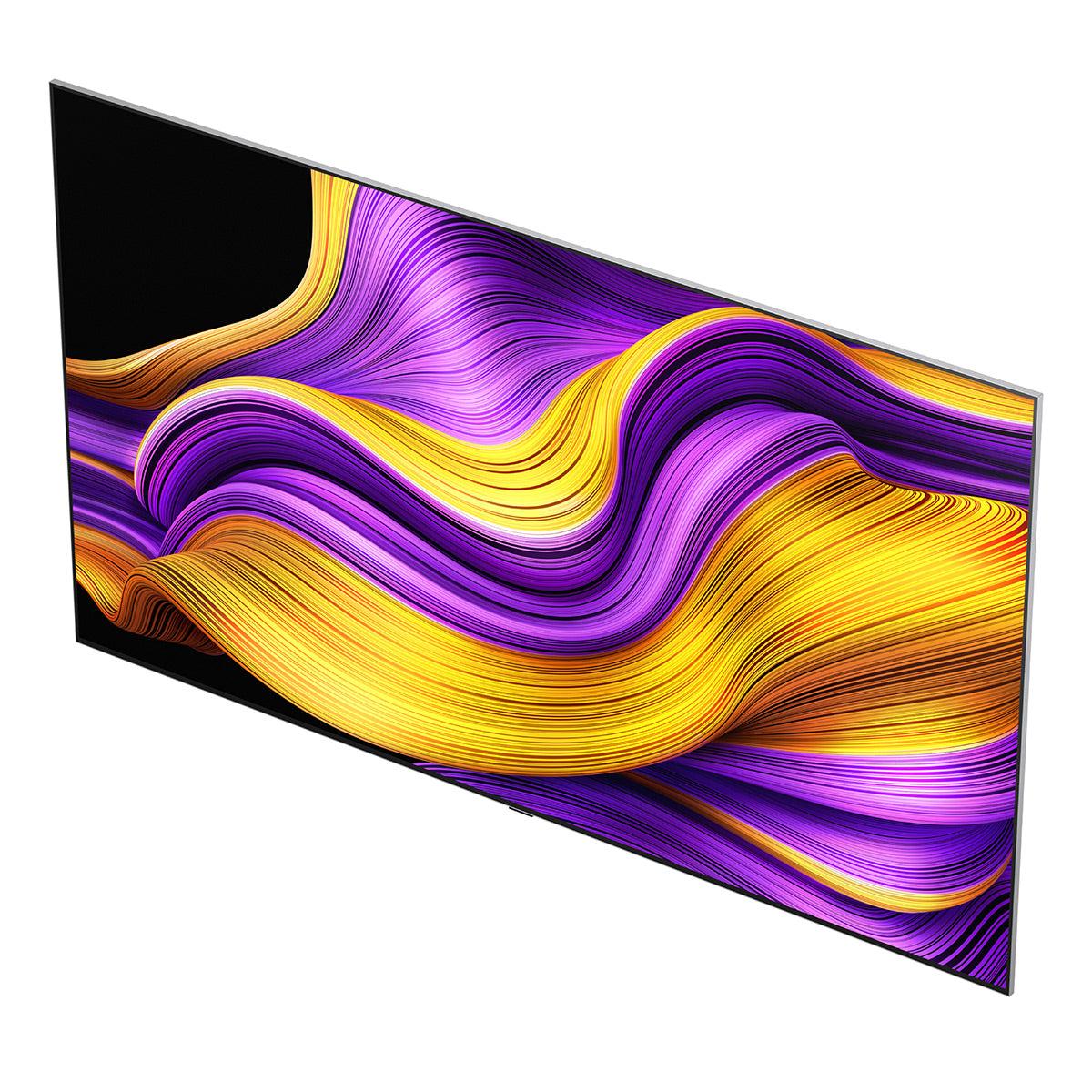
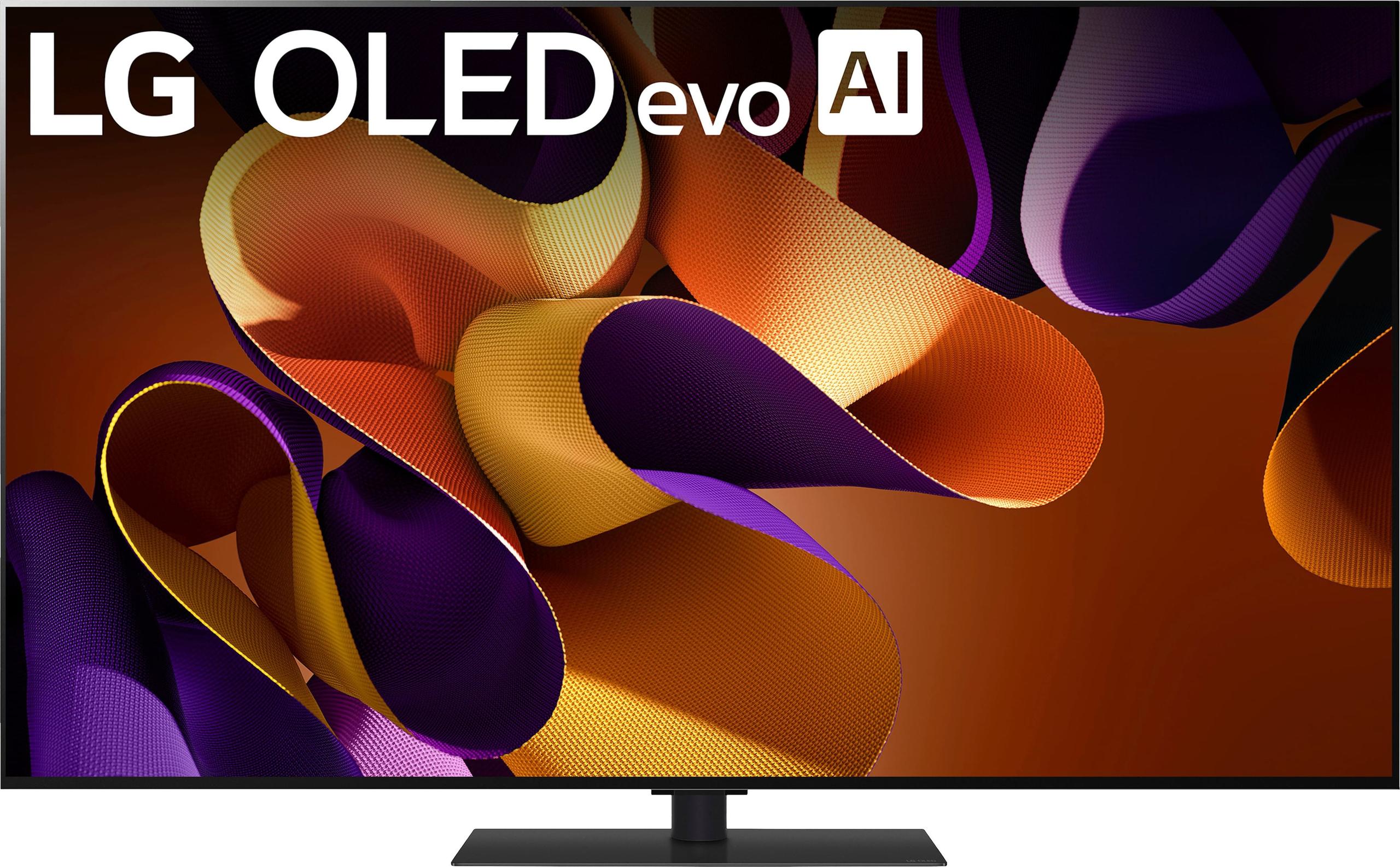
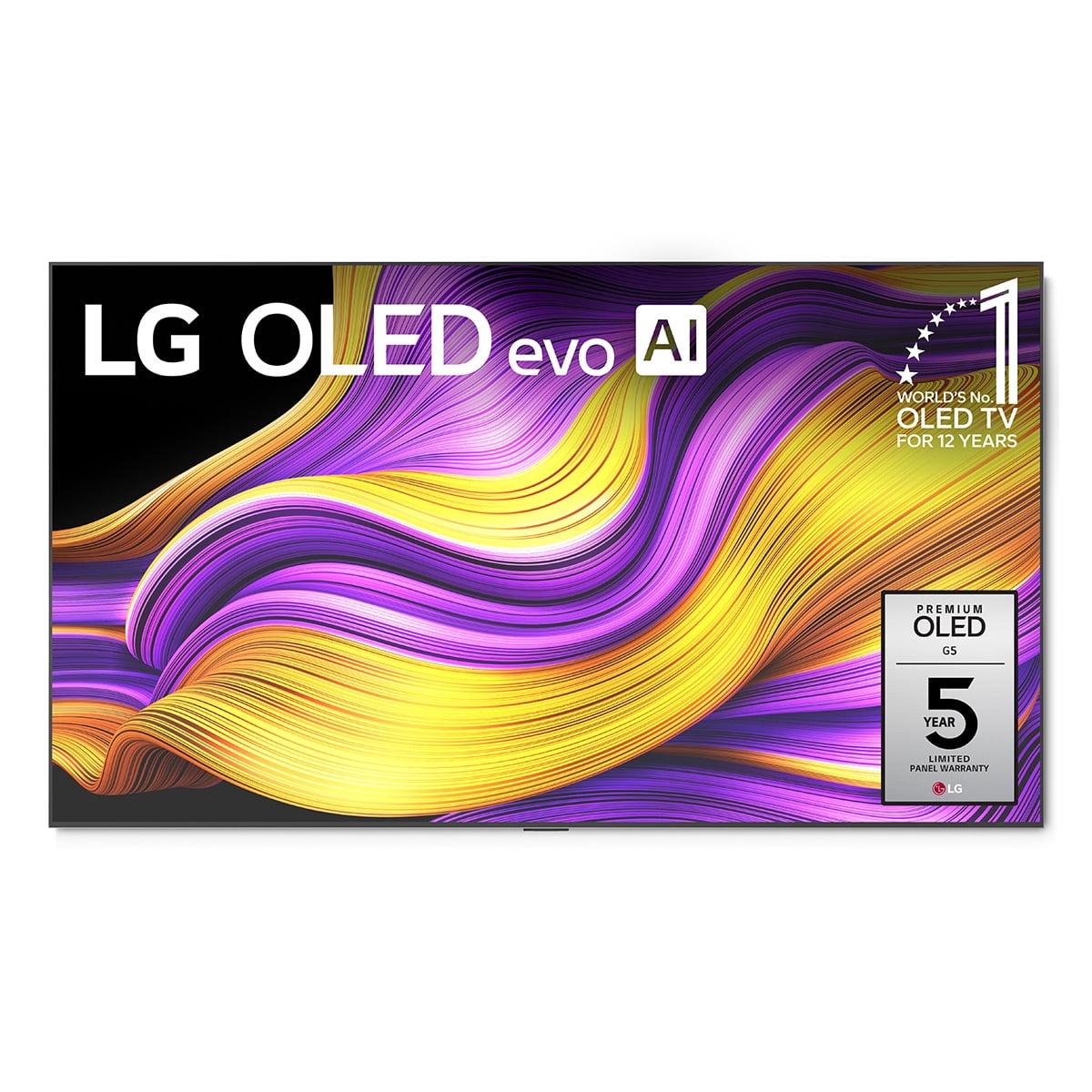
If you're shopping for a premium OLED TV, you've probably come across LG's flagship G-series models. These aren't just any TVs—they're the cream of the crop, designed to hang flush against your wall like a piece of art while delivering picture quality that'll make your jaw drop. But here's the thing: choosing between the latest LG OLED evo G5 65" 4K Smart TV 2025 at $3,196.99 and the now-discounted LG 65" G4 Series OLED evo 4K UHD Smart TV at $1,999.99 isn't as straightforward as you might think.
Both TVs belong to the premium OLED category, where each pixel lights itself up individually—no backlight needed. This creates those perfect blacks you've heard about, where dark scenes look truly dark instead of that grayish wash you get with cheaper TVs. But beyond that shared foundation, these two models represent different generations of OLED technology, and the differences matter more than you might expect.
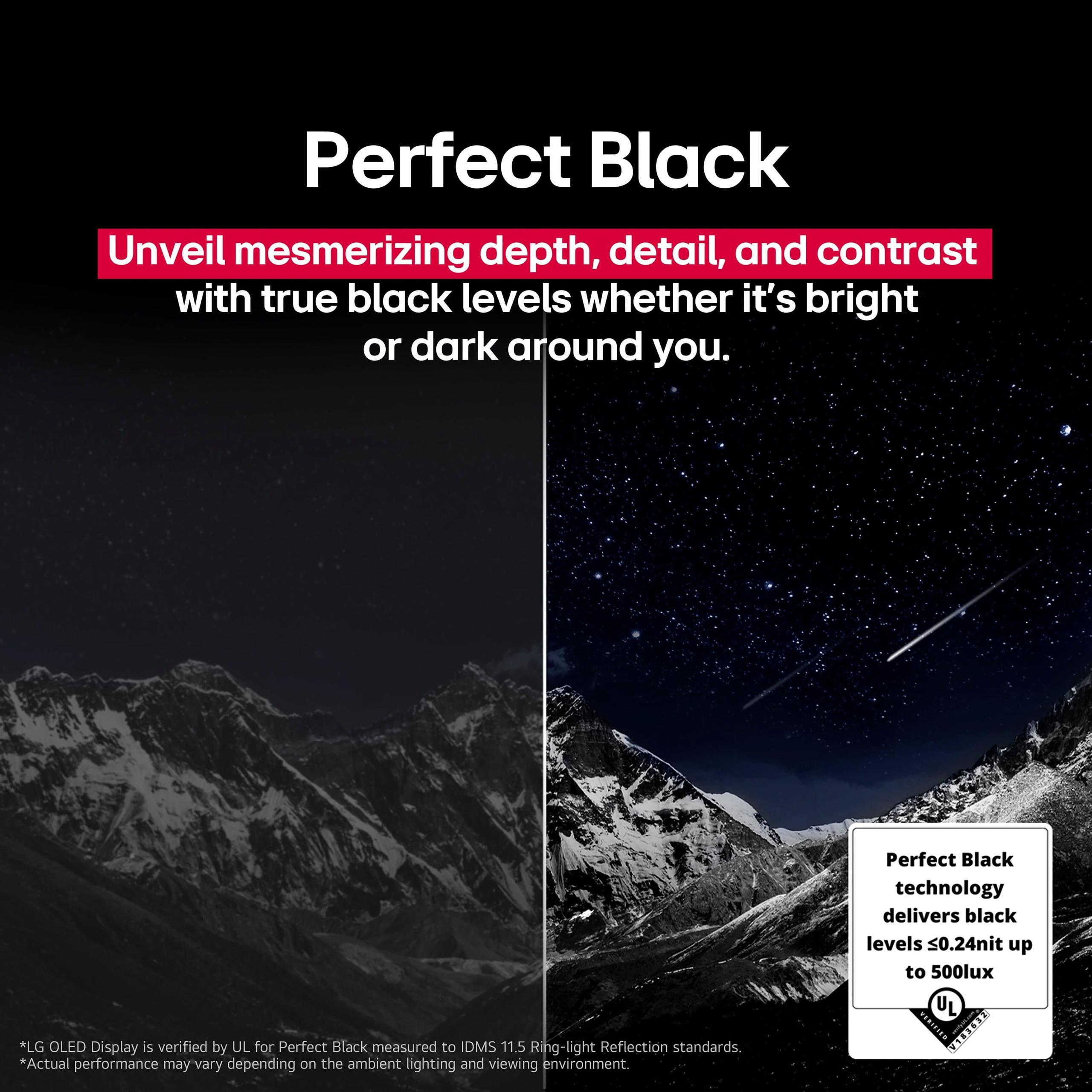
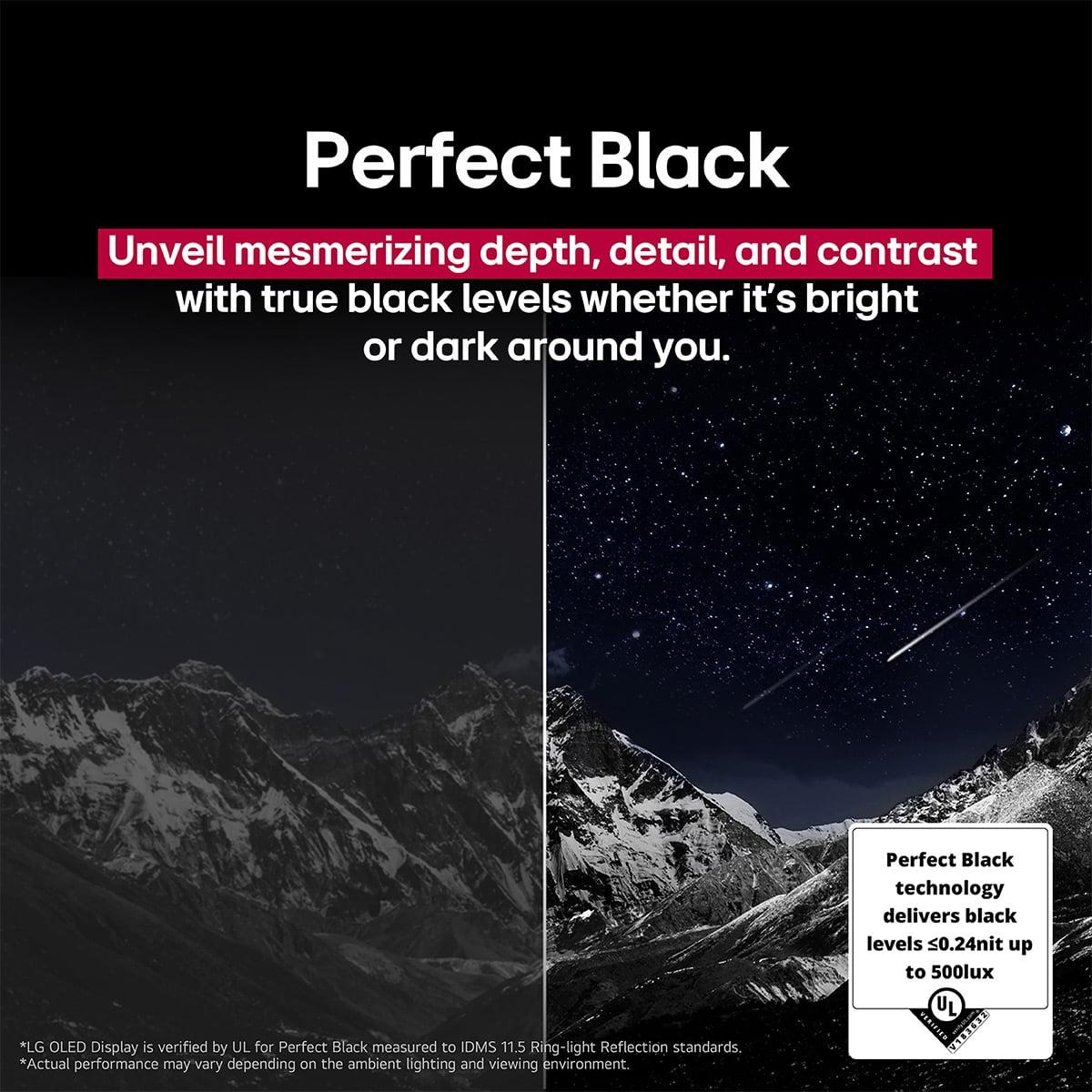
Before diving into the nitty-gritty, let's talk about what makes OLED special. Unlike traditional LED TVs that use a backlight shining through layers of filters, OLED panels have millions of tiny pixels that create their own light. When a pixel needs to be black, it simply turns off completely. This creates infinite contrast—the difference between the darkest and brightest parts of an image—which is why OLED TVs look so dramatically different from everything else.
The main considerations when choosing between premium OLED models boil down to brightness capabilities, gaming performance, picture processing smarts, and of course, value. OLED technology has been evolving rapidly, and the jump from 2024 to 2025 represents one of the biggest leaps we've seen in years.

The LG G4 launched in 2024 as LG's flagship, introducing second-generation Micro Lens Array (MLA) technology. Think of MLA as tiny magnifying glasses placed over each pixel to focus and amplify the light output. This was a big deal because traditional OLED panels, while beautiful, were often too dim for bright rooms.
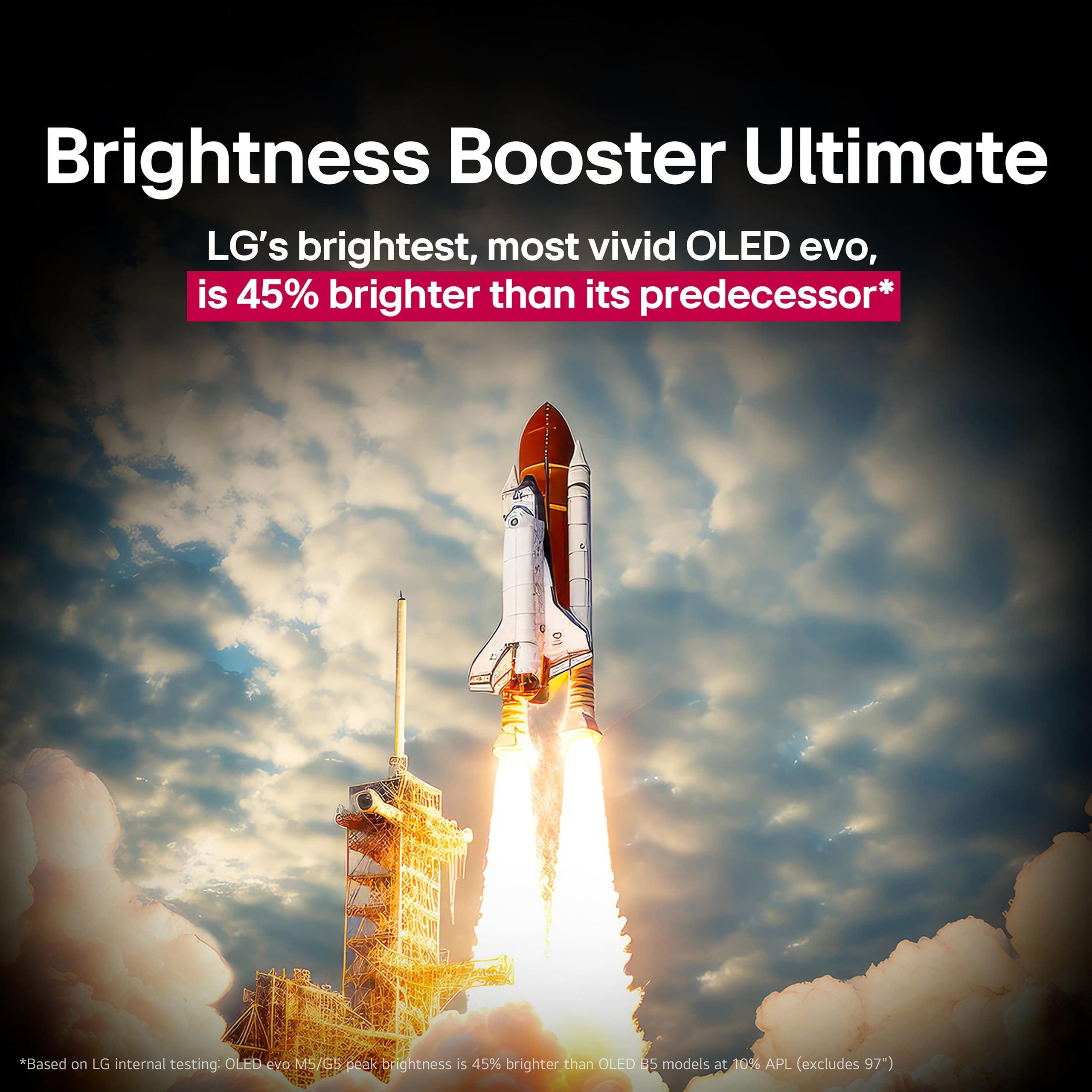
Fast forward to 2025, and the LG G5 throws that playbook out the window. Instead of improving the existing approach, LG developed an entirely new panel structure called Primary RGB Tandem OLED. This uses four layers of OLED material stacked on top of each other—hence the "tandem" name—to create dramatically brighter images while maintaining those perfect blacks OLED is famous for.
I've had the chance to compare these panels side by side, and the difference is immediately noticeable. The G5 doesn't just look a little brighter; it fundamentally changes how OLED competes with other TV technologies.
Here's where things get interesting. The G5 can hit around 2,296 nits of peak brightness in HDR content, while the G4 maxes out at about 1,487 nits. Those numbers might sound abstract, but they translate to real-world differences that affect your viewing experience.
For context, a typical sunny day measures around 10,000 nits, while indoor lighting usually ranges from 100-500 nits. Most content creators master HDR content expecting displays to hit at least 1,000 nits, with the brightest highlights reaching 4,000 nits or more. The G4 could handle most of this range adequately, but the G5's extra brightness headroom means it can display more of what creators intended.
But here's the kicker—it's not just about peak brightness. The G5's tandem panel maintains color accuracy even at high brightness levels. The G4, while still excellent, can experience some color washout when pushed to its limits. This means sun glints on water, explosions in movies, or bright game environments look more realistic on the G5.
In my home theater setup, which has controlled lighting, the G4's brightness was more than adequate. But when I moved the TV to a brighter family room with large windows, the G5's extra brightness made a noticeable difference during daytime viewing.
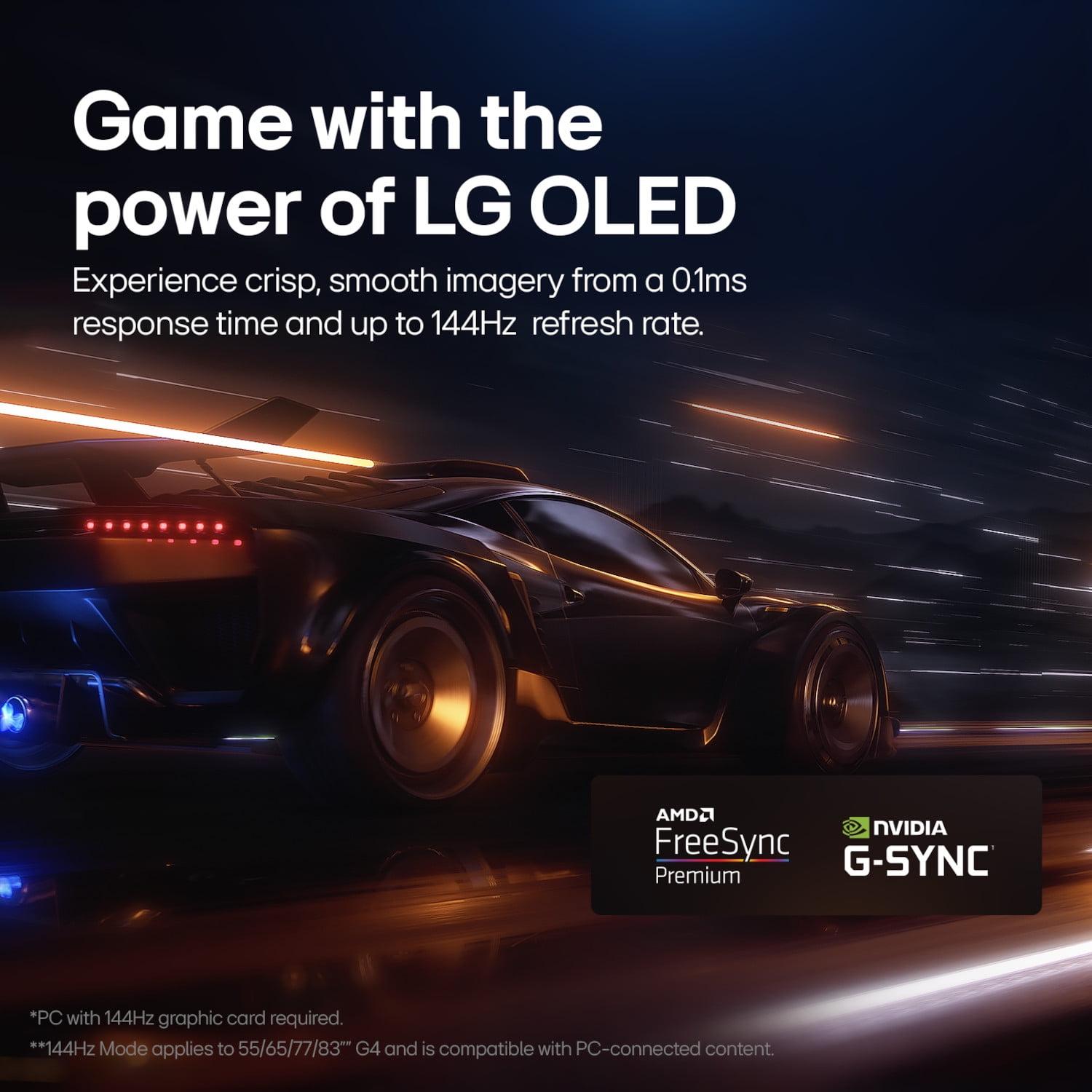
Both TVs are gaming powerhouses, but they target slightly different audiences. The G4 supports 4K gaming at up to 144Hz, while the G5 bumps that up to 165Hz. Both feature the same low input lag of about 9.2 milliseconds—fast enough that you won't notice any delay between pressing a button and seeing the action on screen.
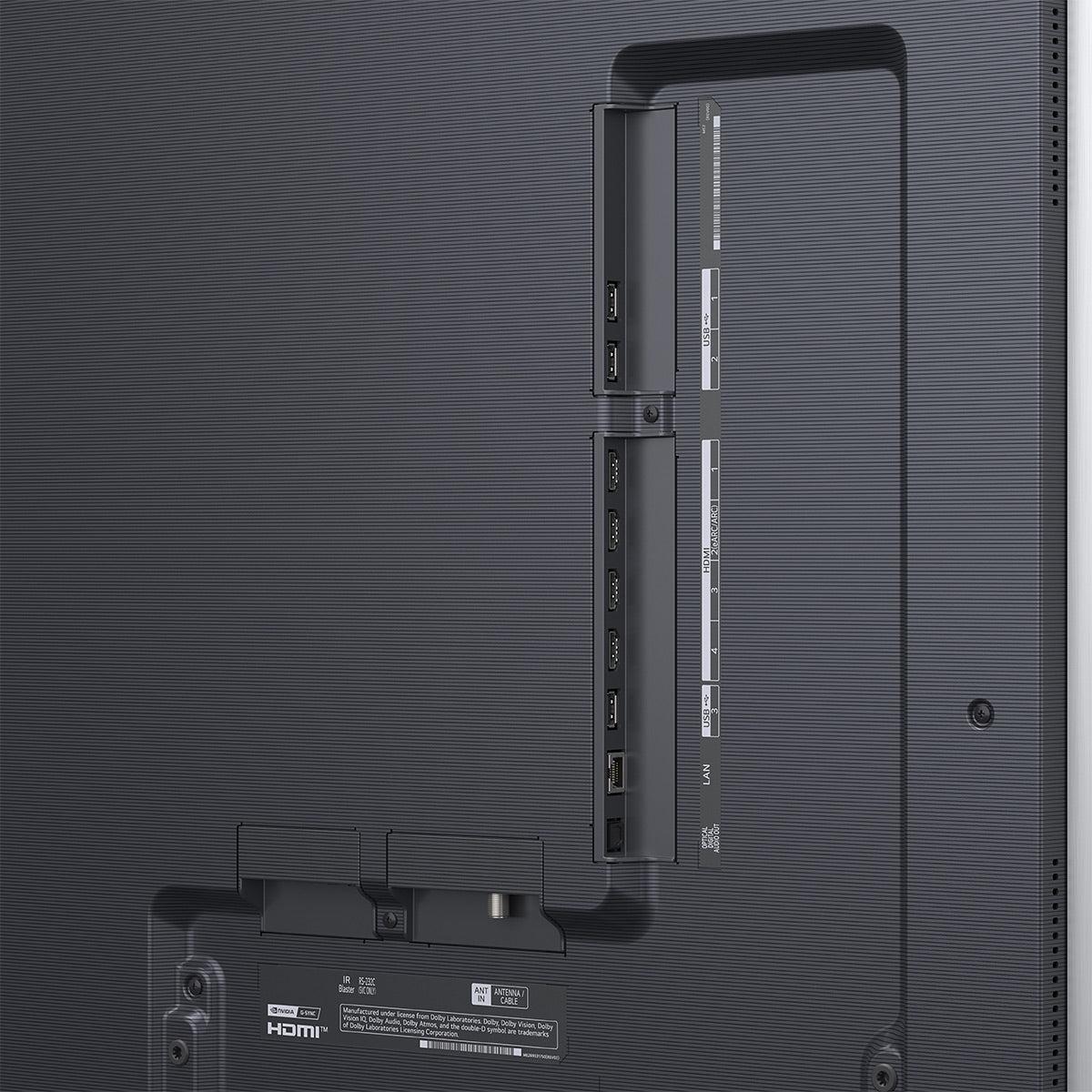
All four HDMI 2.1 ports on both models support Variable Refresh Rate (VRR), which synchronizes the TV's refresh rate with your gaming device to eliminate screen tearing. Auto Low Latency Mode (ALLM) automatically switches the TV to its fastest gaming mode when it detects a game console or PC.
The difference comes down to future-proofing. Today's gaming consoles top out at 120Hz, so the G4's 144Hz capability provides headroom. But high-end PC gaming is pushing toward higher refresh rates, and the G5's 165Hz support means it'll stay relevant longer for enthusiasts with powerful graphics cards.

For home theater gaming, both TVs excel. The perfect blacks make dark game environments incredibly immersive, while the wide color gamut brings game worlds to life in ways that traditional TVs simply can't match.
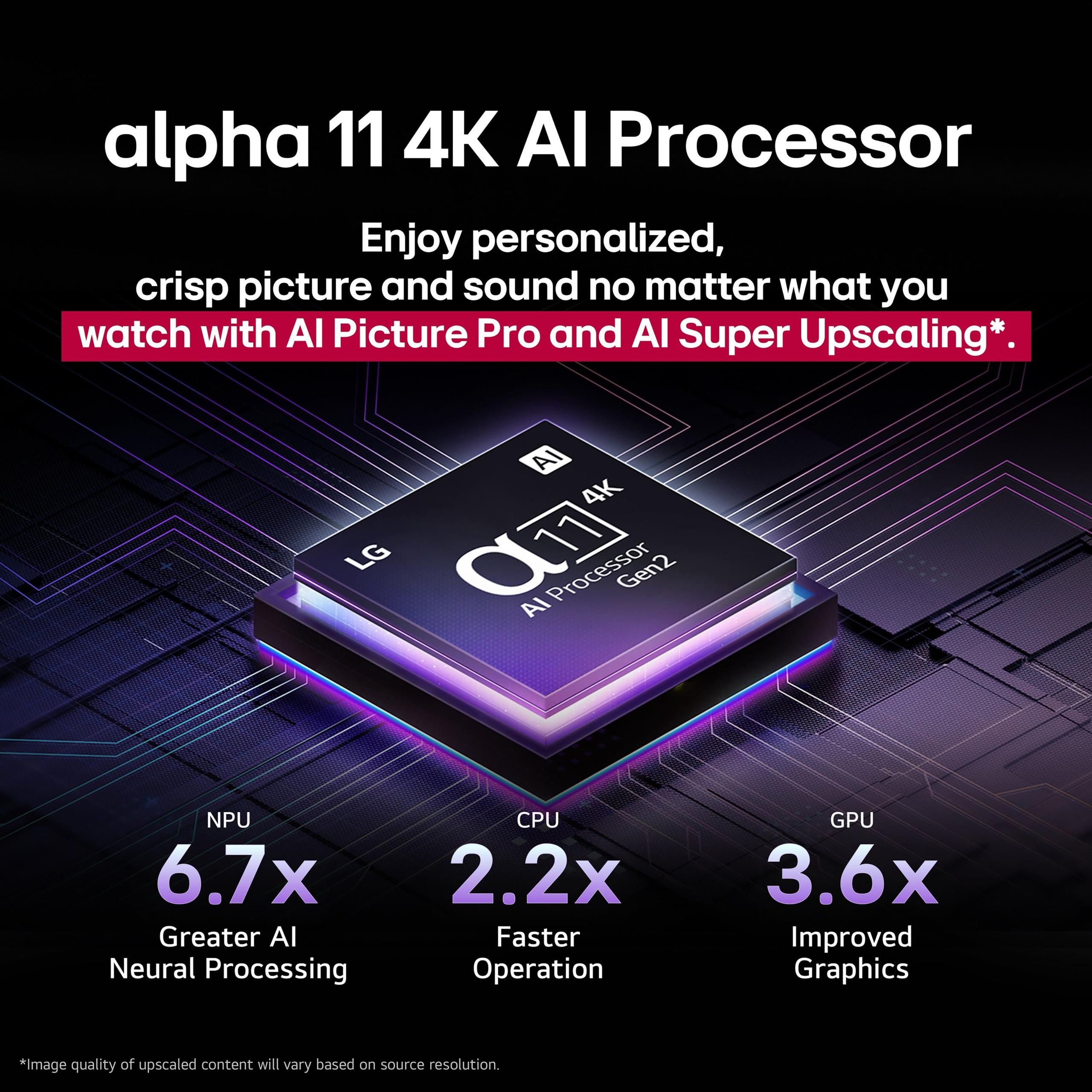
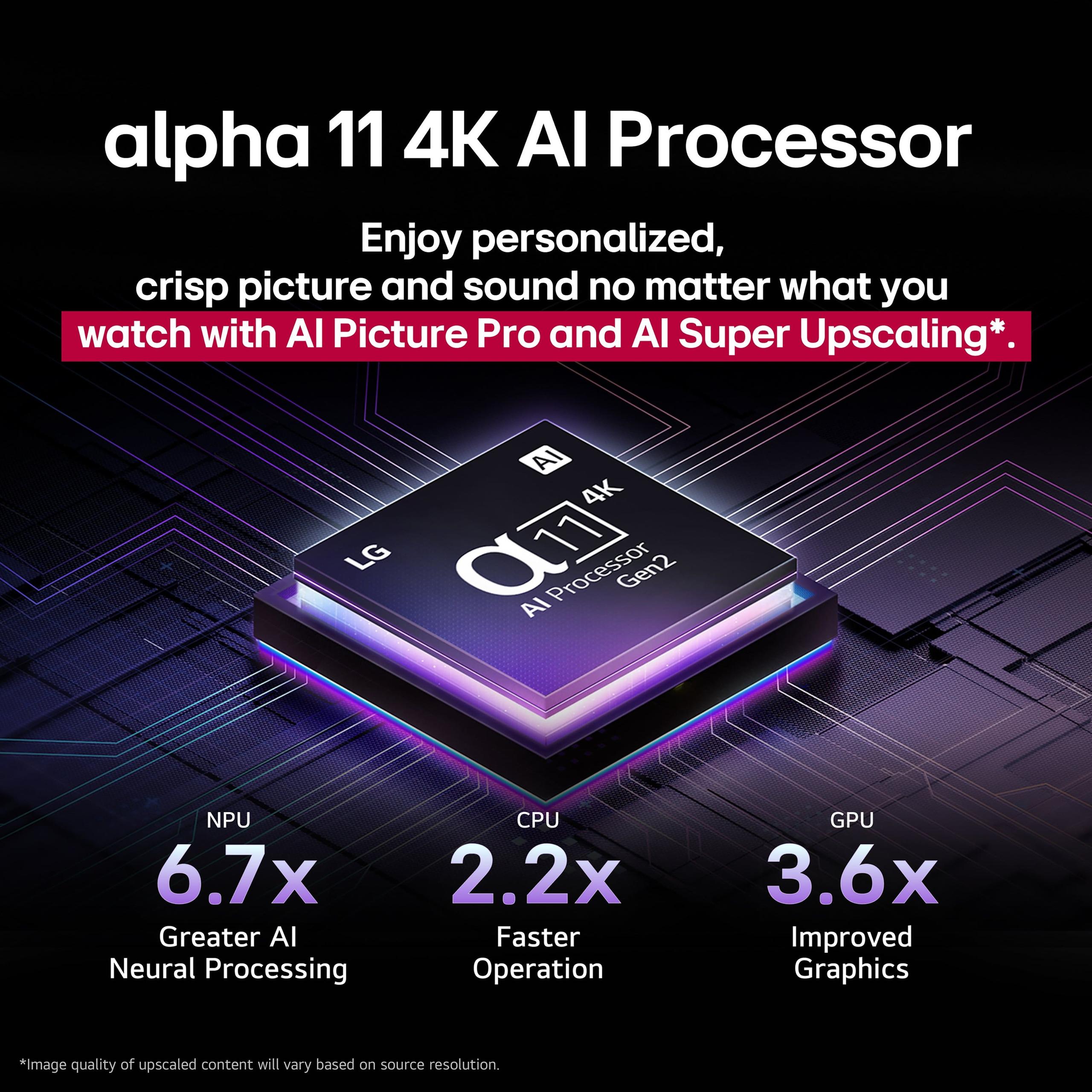
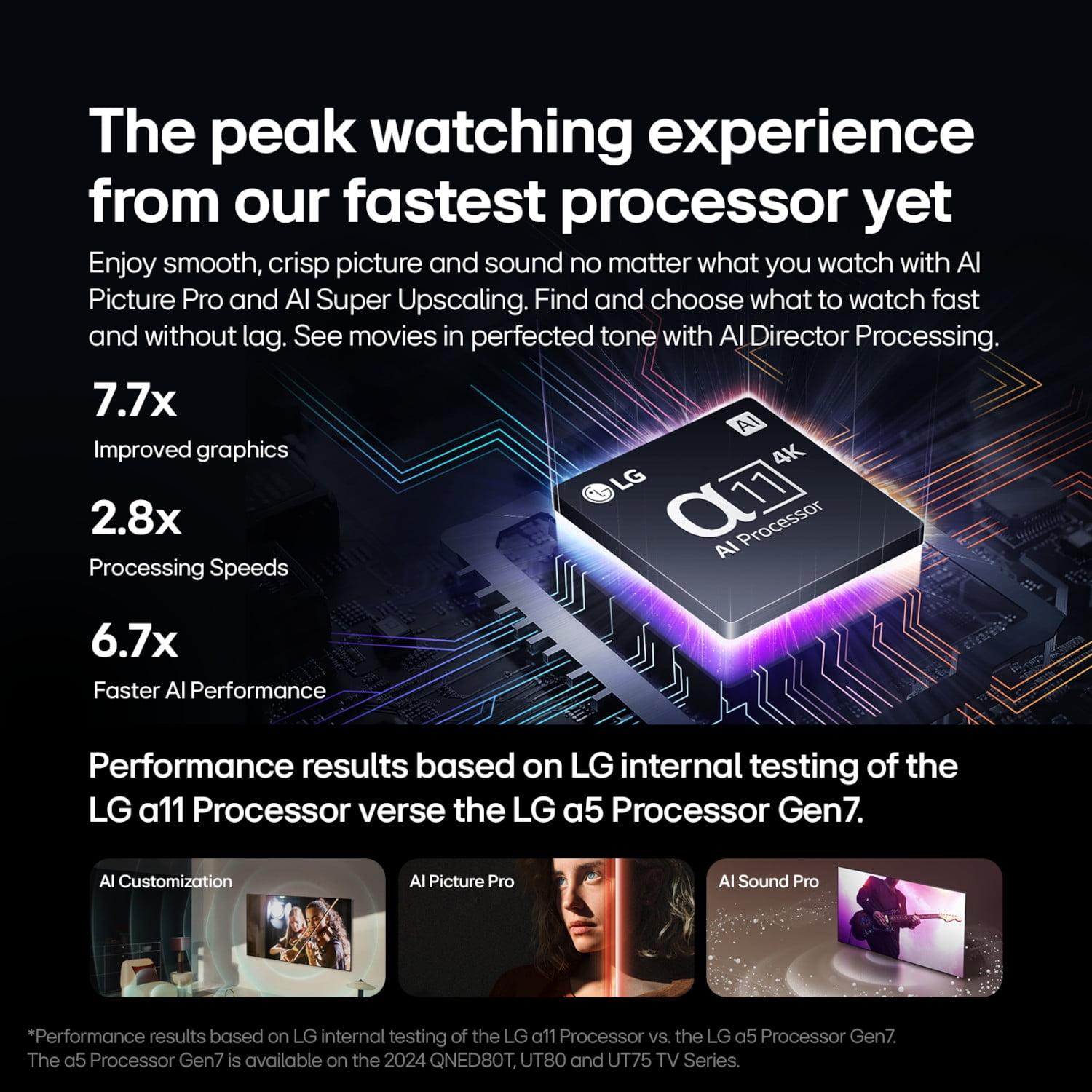
The G5's Alpha 11 AI Processor Gen 2 represents an evolution of the Alpha 11 chip in the G4. While both processors handle 4K upscaling and HDR tone mapping exceptionally well, the G5's updated version brings more sophisticated AI features.
The newer processor analyzes content in real-time, making micro-adjustments to optimize picture quality for each scene. It's particularly impressive with older content—I've noticed the G5 does a better job upscaling 1080p Netflix shows to 4K resolution, reducing artifacts and maintaining detail.
Both TVs support all the HDR formats that matter: HDR10, HLG, and Dolby Vision. Samsung's competing OLED TVs notably lack Dolby Vision support, which gives both LG models an advantage for streaming content and UHD Blu-rays.
The G5's processor also enables more personalized picture settings. It can learn your preferences over time and automatically adjust settings based on ambient lighting conditions and content type. While this sounds gimmicky, it actually works quite well in practice.
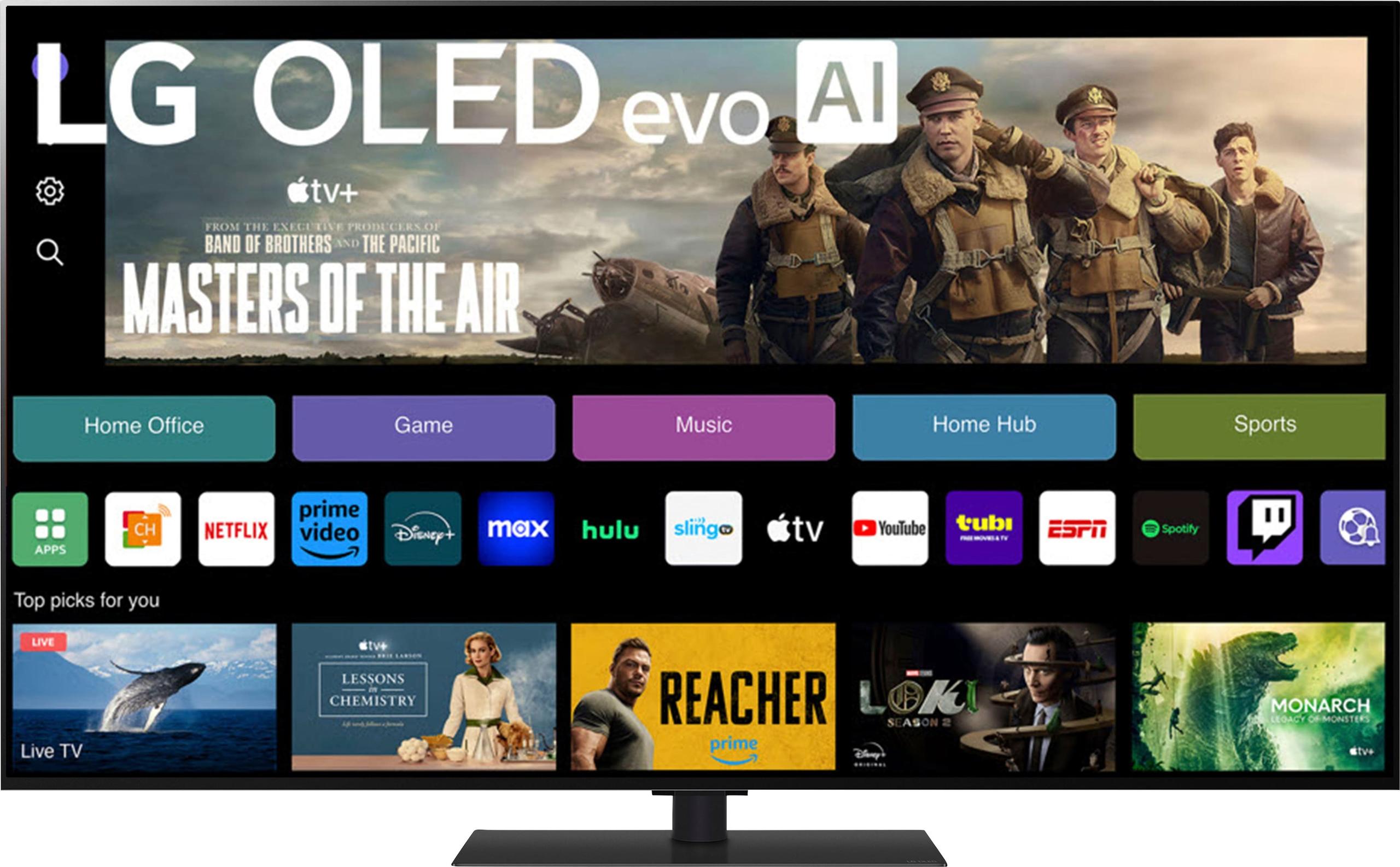
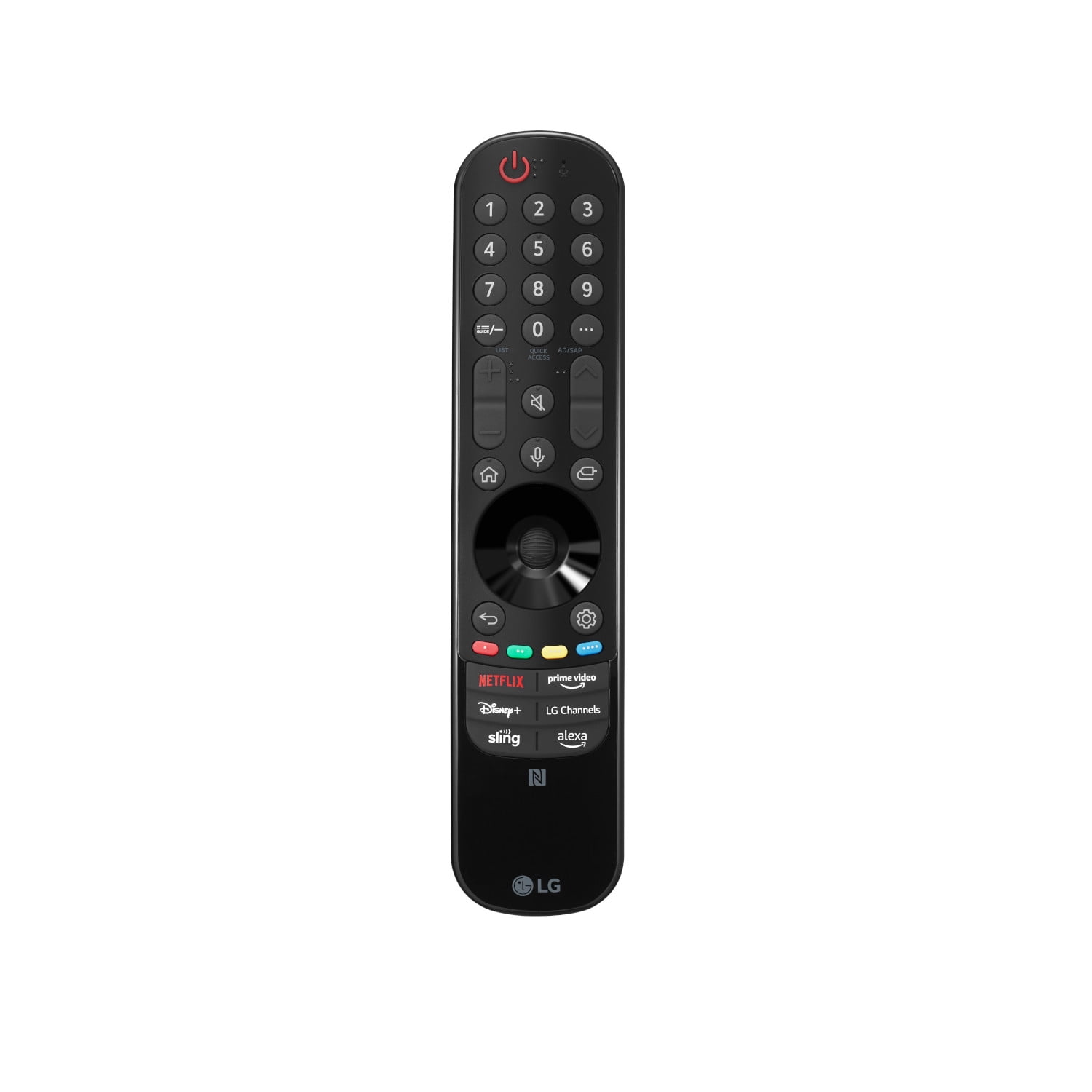
Both TVs run webOS, LG's smart TV platform that's consistently rated among the best in the industry. The interface is intuitive, with quick access to all major streaming services. The Magic Remote—LG's point-and-click controller—makes navigation feel natural and responsive.
The G5's enhanced processor does make the interface feel slightly snappier, but both TVs handle streaming apps, voice commands, and smart home integration without issues. Where the G5 pulls ahead is in advanced AI features like personalized recommendations and automatic picture optimization.
For home theater enthusiasts, both models support eARC (Enhanced Audio Return Channel) for sending high-quality audio to compatible soundbars or receivers. They also work with LG's WiSA-compatible speakers for wireless surround sound setups.
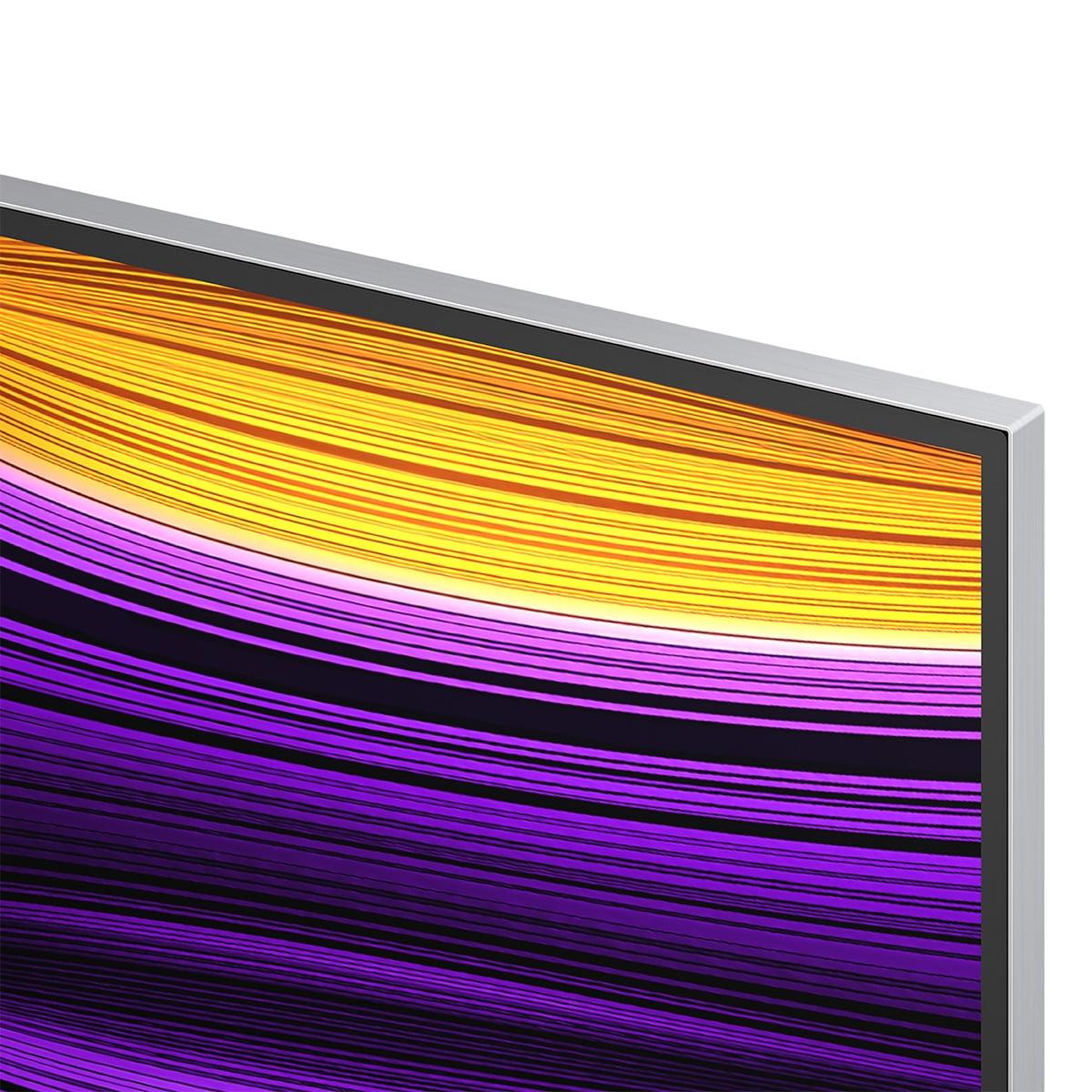
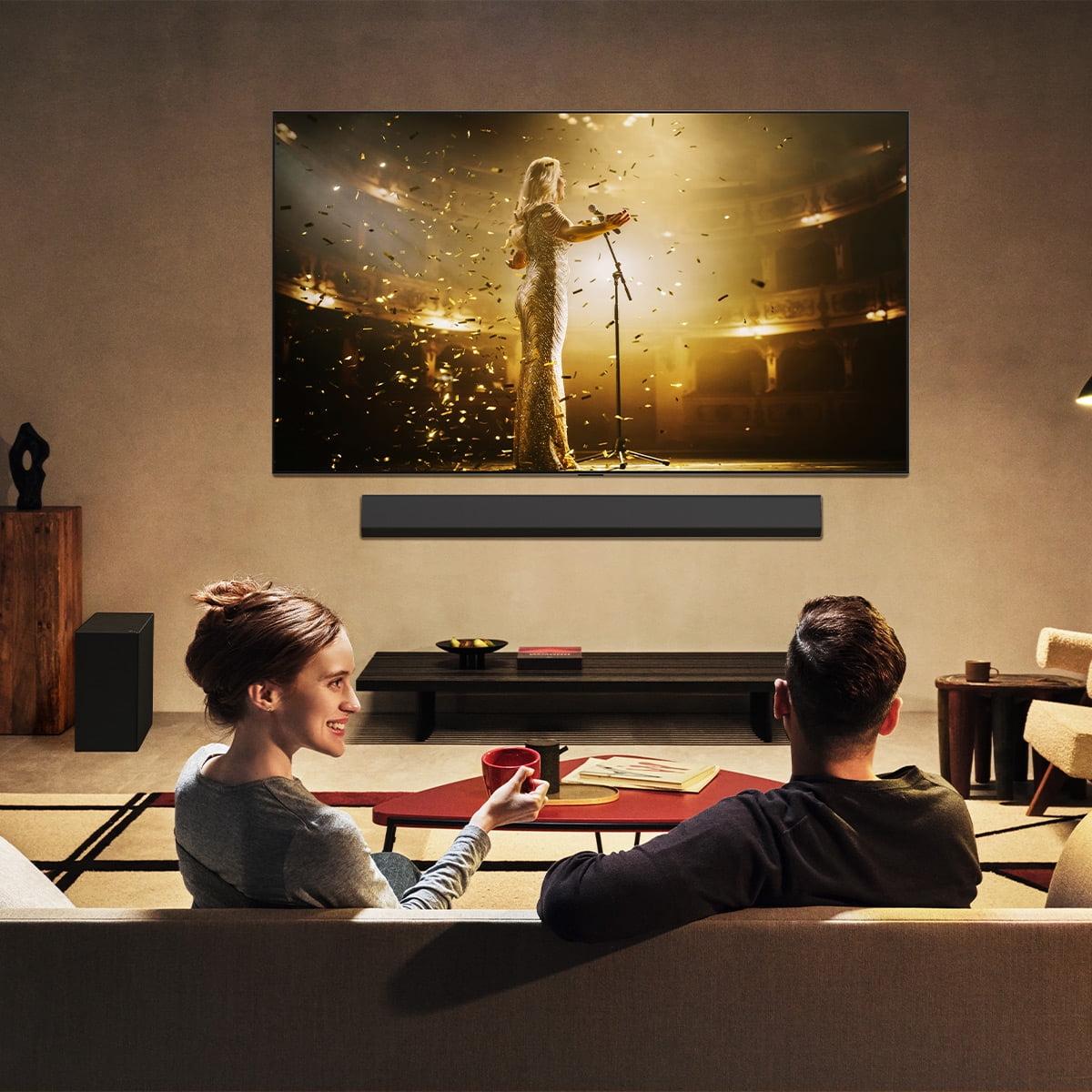
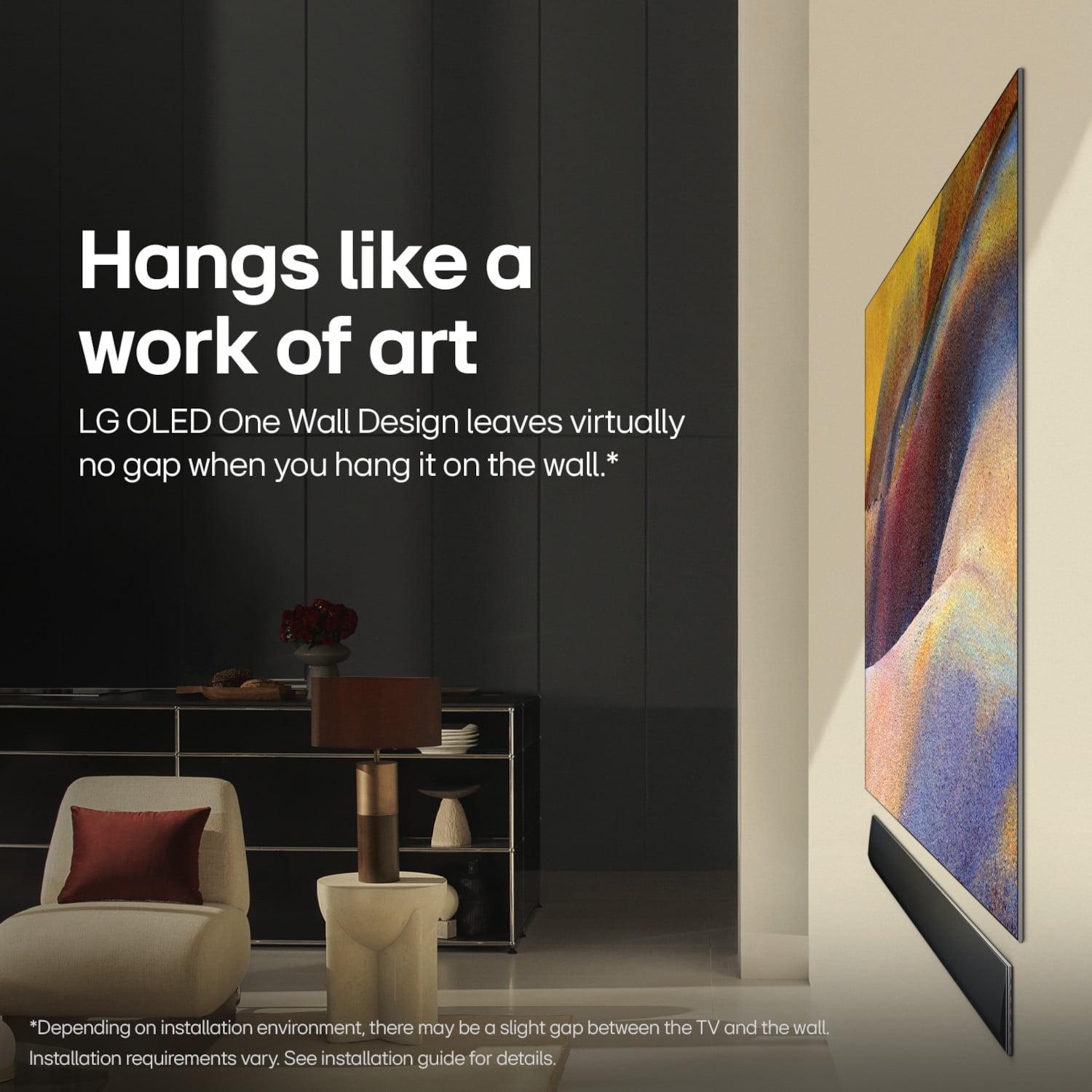
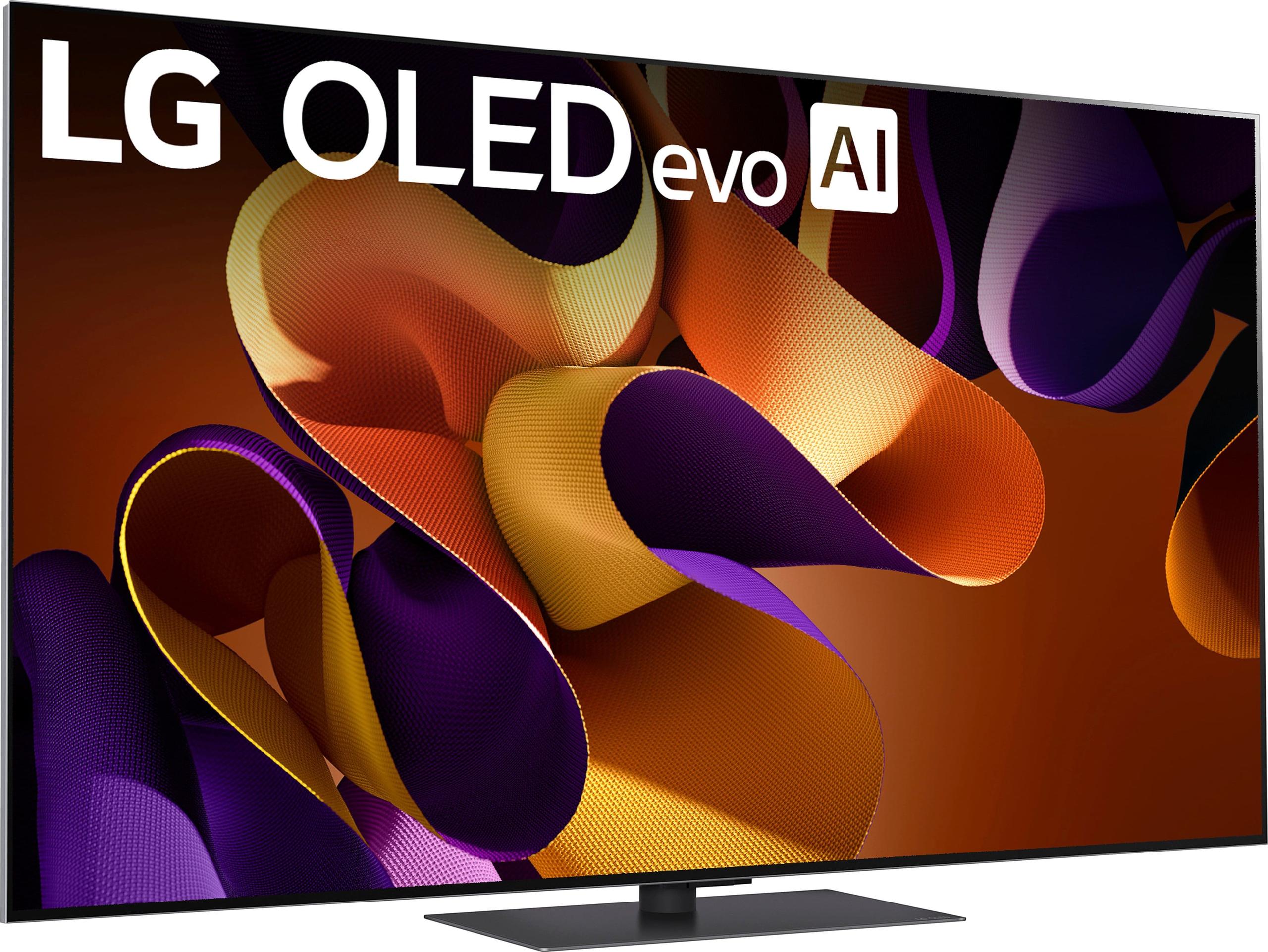
Both TVs use LG's "Gallery Design" philosophy, mounting flush against the wall with minimal bezels. The effect is striking—they genuinely look like pieces of art when displaying photos or paintings during standby mode.
The G5 includes minor refinements for heat management, important given the increased brightness capabilities. Both models feel exceptionally well-built, with premium materials and solid construction that justify their flagship positioning.
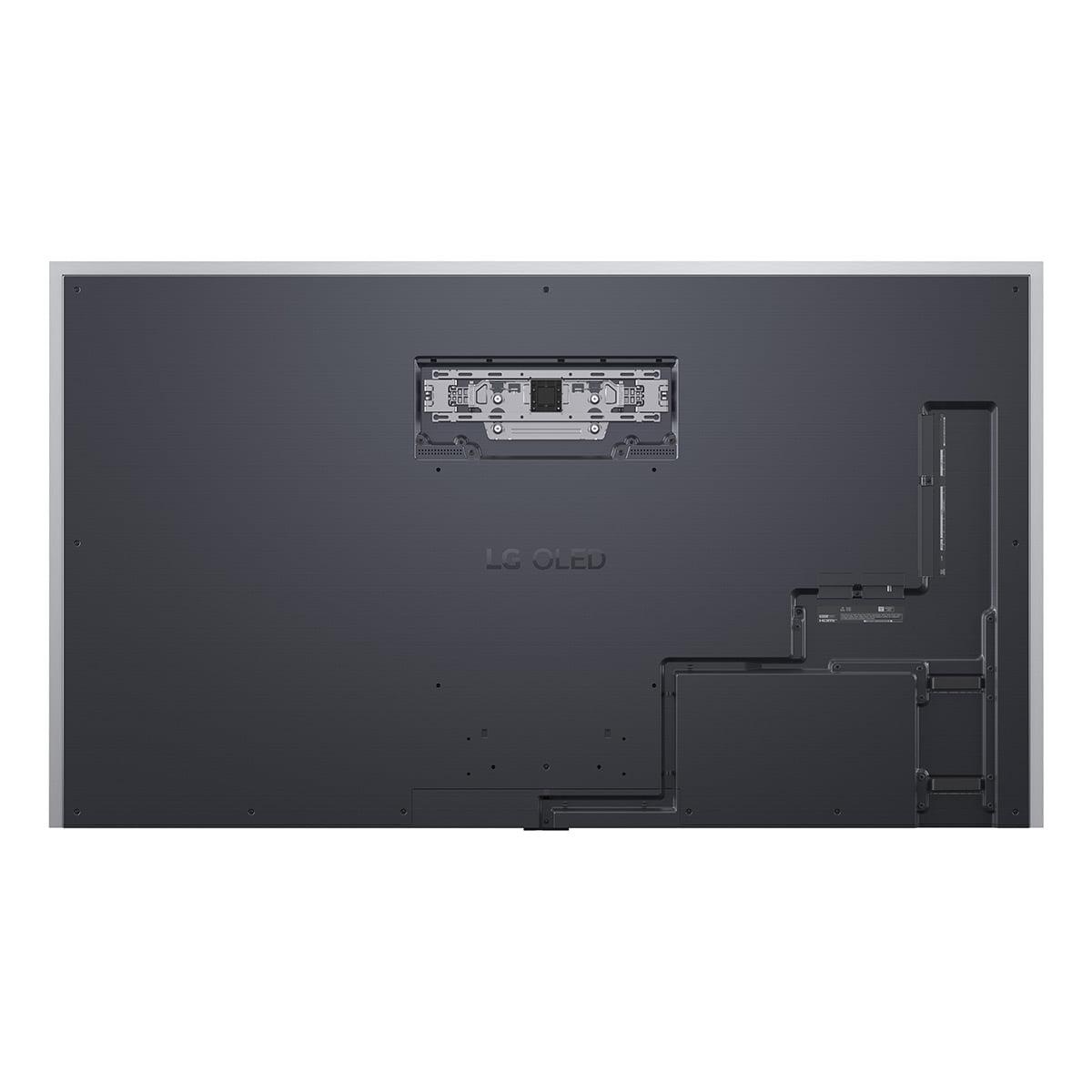
Wall mounting is straightforward with the included bracket, though you'll want to ensure your wall can support the weight—both models weigh around 50-60 pounds without the stand.
I'll be honest—audio is where both TVs stumble. Despite their premium positioning, both the G4 and G5 receive criticism for uninspiring sound quality. The built-in speakers are adequate for casual viewing but lack the depth and impact you'd expect from flagship TVs.
This is partly due to the ultra-thin design—there's simply no room for substantial speakers. If you're investing in either TV, budget for a quality soundbar or home theater system. Both TVs support Dolby Atmos passthrough, so you can take advantage of immersive audio formats with the right setup.
Here's where the decision gets interesting. The LG G5 at $3,196.99 represents cutting-edge technology with genuine improvements over its predecessor. The tandem OLED panel isn't just marketing—it's a fundamental advancement that addresses OLED's traditional weakness in bright rooms.
Meanwhile, the LG G4 at $1,999.99 offers about 85% of the G5's performance at 37% less cost. It's still an exceptional TV that outperforms most competitors, just without the latest panel technology.
For most buyers, the G4 represents better value. Unless you have a particularly bright room or want the absolute latest technology, the G4 delivers premium OLED performance at a more reasonable price point.
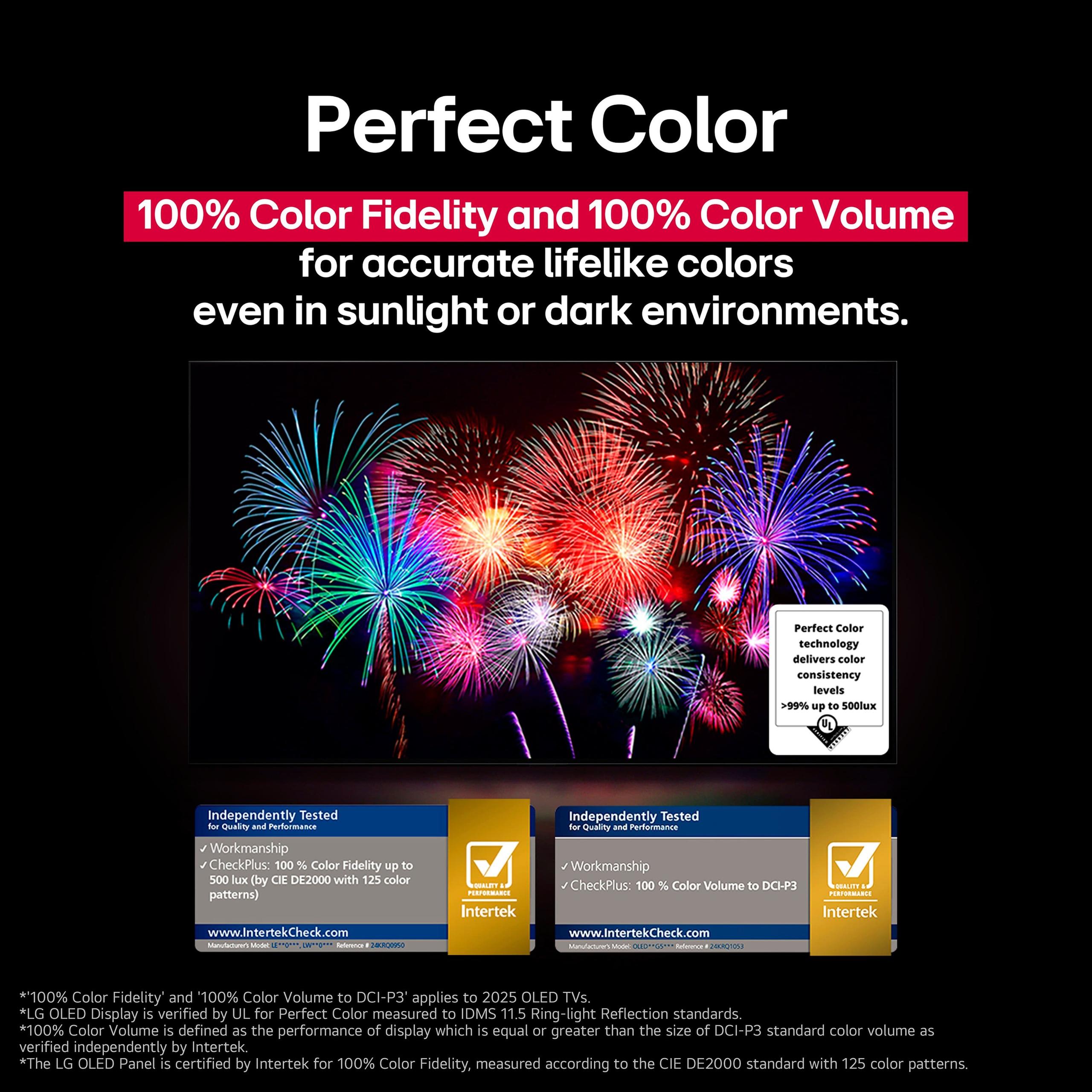
In a dedicated home theater with controlled lighting, both TVs excel. The perfect blacks create an immersive experience that makes movies feel more cinematic. The wide color gamut accurately reproduces the colors filmmakers intended, while support for Dolby Vision ensures you're seeing HDR content as it was mastered.
The G5's extra brightness headroom can actually be beneficial in home theaters when watching HDR content, as it can display brighter highlights without clipping. However, the G4's brightness is more than adequate for most home theater applications.
Both TVs handle 24p content smoothly—important for movies—and offer filmmaker modes that display content without unnecessary processing or motion smoothing.
Choose the LG G5 if you want the absolute best OLED technology available, have a bright viewing room, or prioritize future-proofing for high-refresh gaming. The tandem OLED panel represents a genuine technological leap that justifies the premium for enthusiasts who demand cutting-edge performance.
The LG G4 makes more sense for most buyers. It delivers exceptional OLED performance at a significant discount, making it ideal for controlled lighting environments where its slightly lower brightness isn't a limitation.
Both TVs will serve you well for years to come. The G4 proves that sometimes the best value lies in proven technology at a reduced price, while the G5 demonstrates that meaningful innovation still exists in the premium TV space.
The choice ultimately depends on your specific needs, viewing environment, and budget. Either way, you're getting one of the best TVs money can buy—just at different price points and with different strengths.
| LG OLED evo G5 65" 4K Smart TV 2025 | LG 65" G4 Series OLED evo 4K UHD Smart TV |
|---|---|
| Price - Core value consideration for premium OLED investment | |
| $3,196.99 (2025 flagship pricing) | $1,999.99 (heavily discounted from original price) |
| Panel Technology - Determines brightness capabilities and future-proofing | |
| Primary RGB Tandem OLED (4-stack design) | 2nd-generation Micro Lens Array (MLA) OLED |
| Peak HDR Brightness - Critical for bright rooms and HDR impact | |
| 2,296 nits (45% brighter than previous generation) | 1,487 nits (excellent for controlled lighting) |
| Gaming Refresh Rate - Important for PC gaming and future console support | |
| 4K @ 165Hz on all HDMI 2.1 ports | 4K @ 144Hz on all HDMI 2.1 ports |
| Processor - Affects upscaling quality and smart features | |
| Alpha 11 AI Processor Gen 2 (enhanced AI features) | Alpha 11 AI Processor (70% faster than previous gen) |
| Color Volume - How vibrant colors remain at high brightness | |
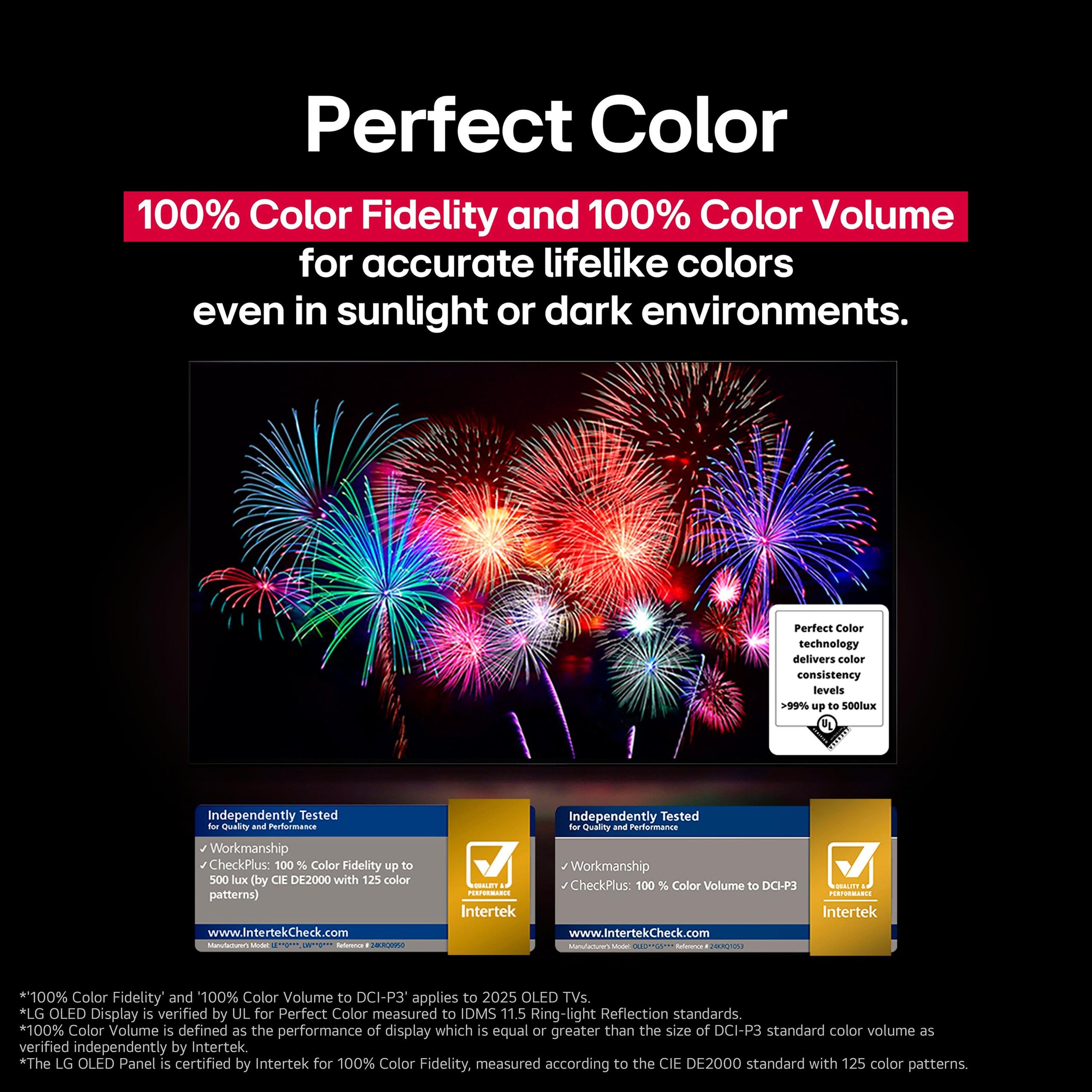
| Higher color saturation maintained at peak brightness | Some color washout at maximum brightness levels |
| Input Lag - Gaming responsiveness (lower is better) | |
| ~9.2ms (excellent for competitive gaming) | ~9.2ms (excellent for competitive gaming) |
| HDR Support - Essential for modern content compatibility | |
| Dolby Vision, HDR10, HLG (full support) | Dolby Vision, HDR10, HLG (full support) |
| Smart Platform - User experience and app performance | |
| webOS 25 with enhanced AI features | webOS 24 with comprehensive streaming support |
| Warranty Coverage - Long-term investment protection | |
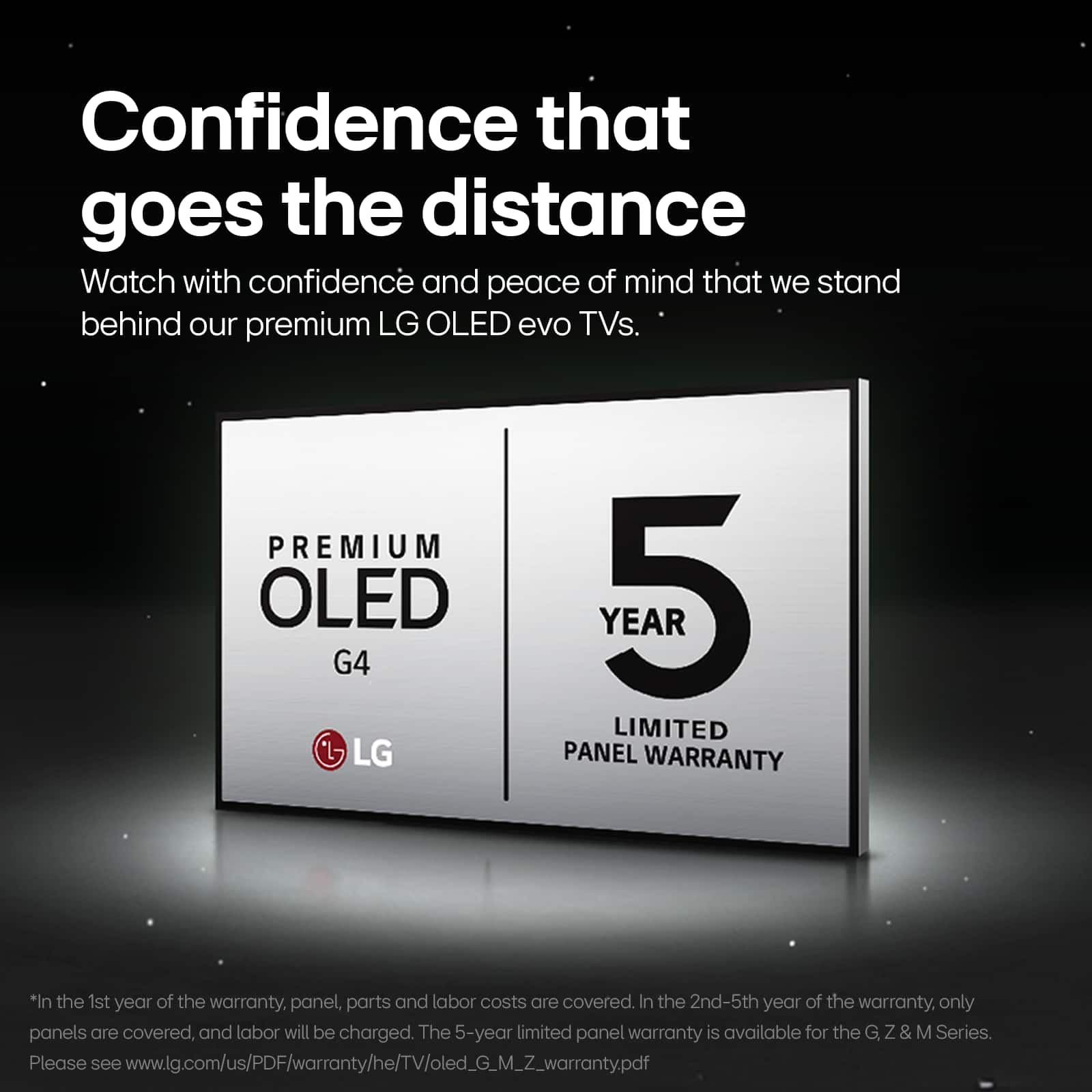
| 5-year limited panel warranty | 5-year limited panel warranty |
| Best For - Target buyer profile | |
| Bright rooms, cutting-edge gaming, future-proofing | Home theaters, value-conscious buyers, current gaming needs |
The LG OLED evo G5 65" 4K Smart TV 2025 is significantly better for bright rooms, delivering 2,296 nits peak brightness compared to the LG 65" G4 Series OLED evo 4K UHD Smart TV's 1,487 nits. This 45% brightness increase makes the G5 viable for daytime viewing in rooms with large windows or high ambient lighting.
The LG OLED evo G5 65" 4K Smart TV 2025 costs $3,196.99, while the LG 65" G4 Series OLED evo 4K UHD Smart TV is priced at $1,999.99. That's a $1,197 difference, with the G4 offering substantial savings due to discounting from its original 2024 launch price.
Both TVs feature LG's Gallery Design that mounts flush to the wall with minimal bezels. The LG G5 includes minor refinements for heat management due to its brighter panel, but both models offer the same premium aesthetic and ultra-thin profile.
If you have a controlled lighting environment and want immediate savings, the LG G4 at $1,999.99 is an excellent choice now. If you have a bright room or want cutting-edge technology, the LG G5 at $3,196.99 represents current flagship performance, though significant discounts likely won't appear until late 2025.
We've done our best to create useful and informative comparisons to help you decide what product to buy. Our research uses advanced automated methods to create this comparison and perfection is not possible - please contact us for corrections or questions. These are the sites we've researched in the creation of this article: bestbuy.com - techradar.com - rtings.com - youtube.com - youtube.com - rtings.com - bestbuy.com - youtube.com - valueelectronics.com - lg.com - audio-videoplus.com - lg.com - lg.com - lg.com - tomsguide.com - crutchfield.com - visions.ca - youtube.com - cnet.com - schaeferstv.com - rtings.com - costco.com - bhphotovideo.com - techradar.com - youtube.com - abcwarehouse.com - youtube.com

Privacy Policy
Terms and Conditions - Affiliate Policy
Home Security
© Copyright 2008-2026.
11816 Inwood Rd #1211, Dallas, TX 75244