

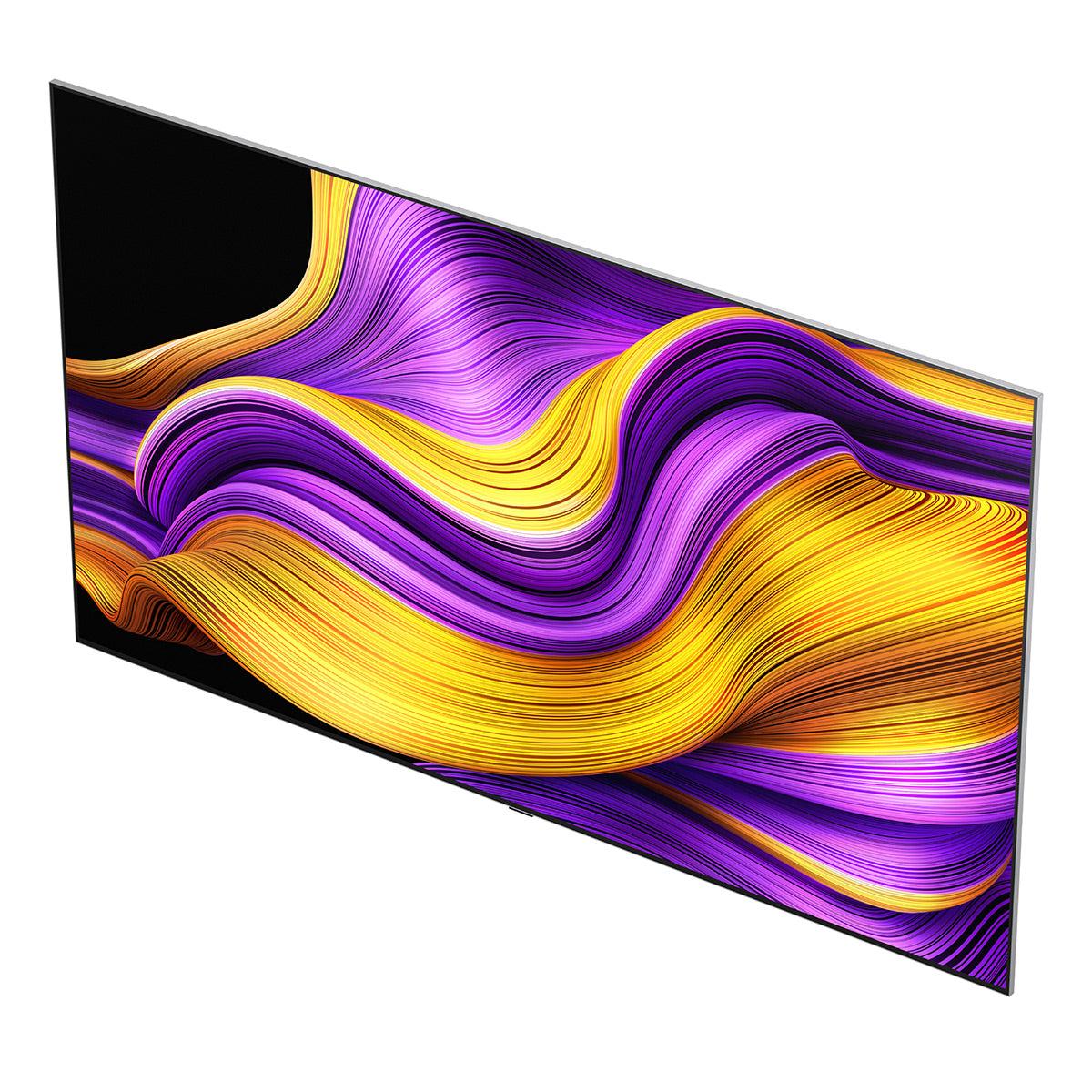
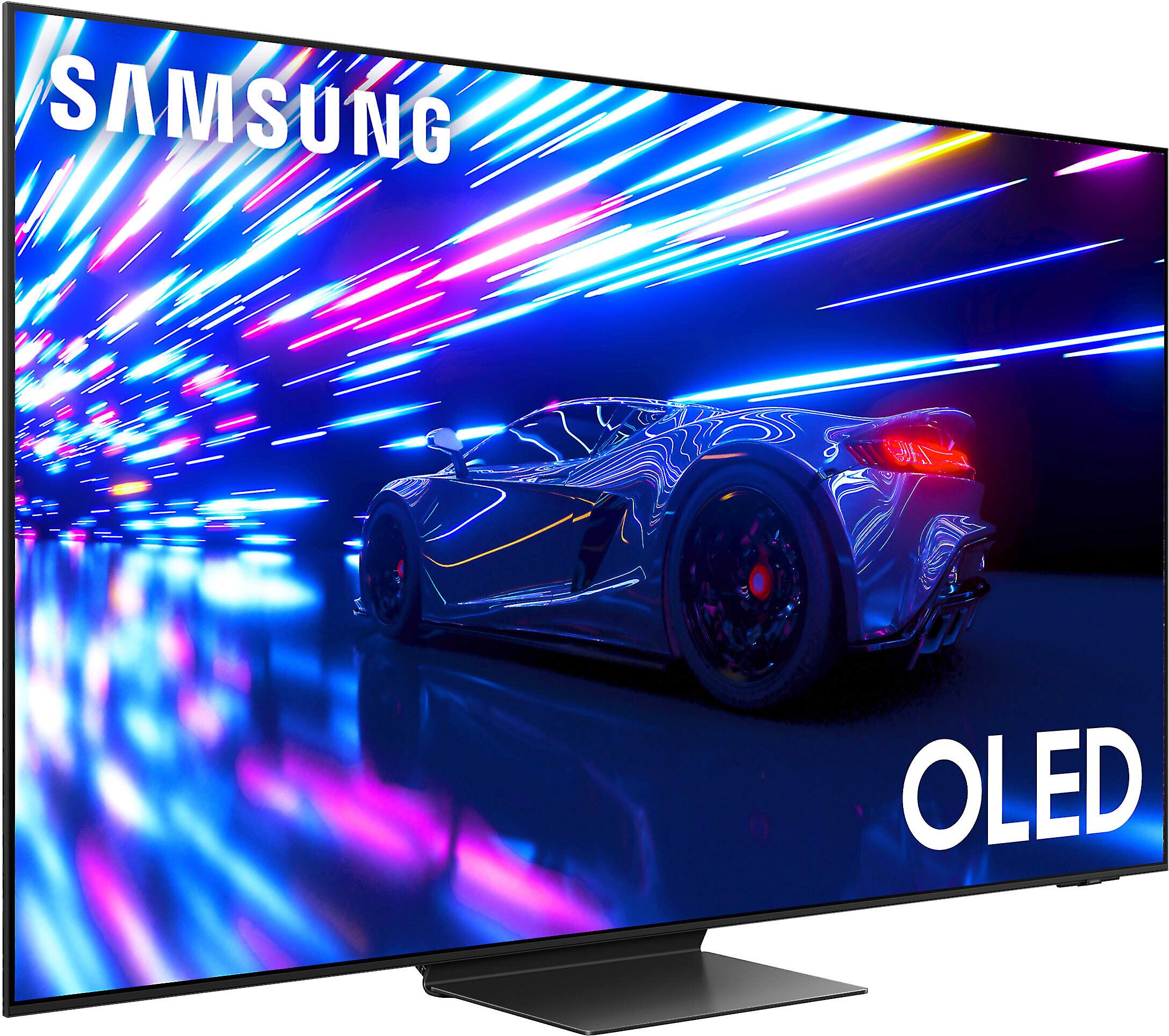

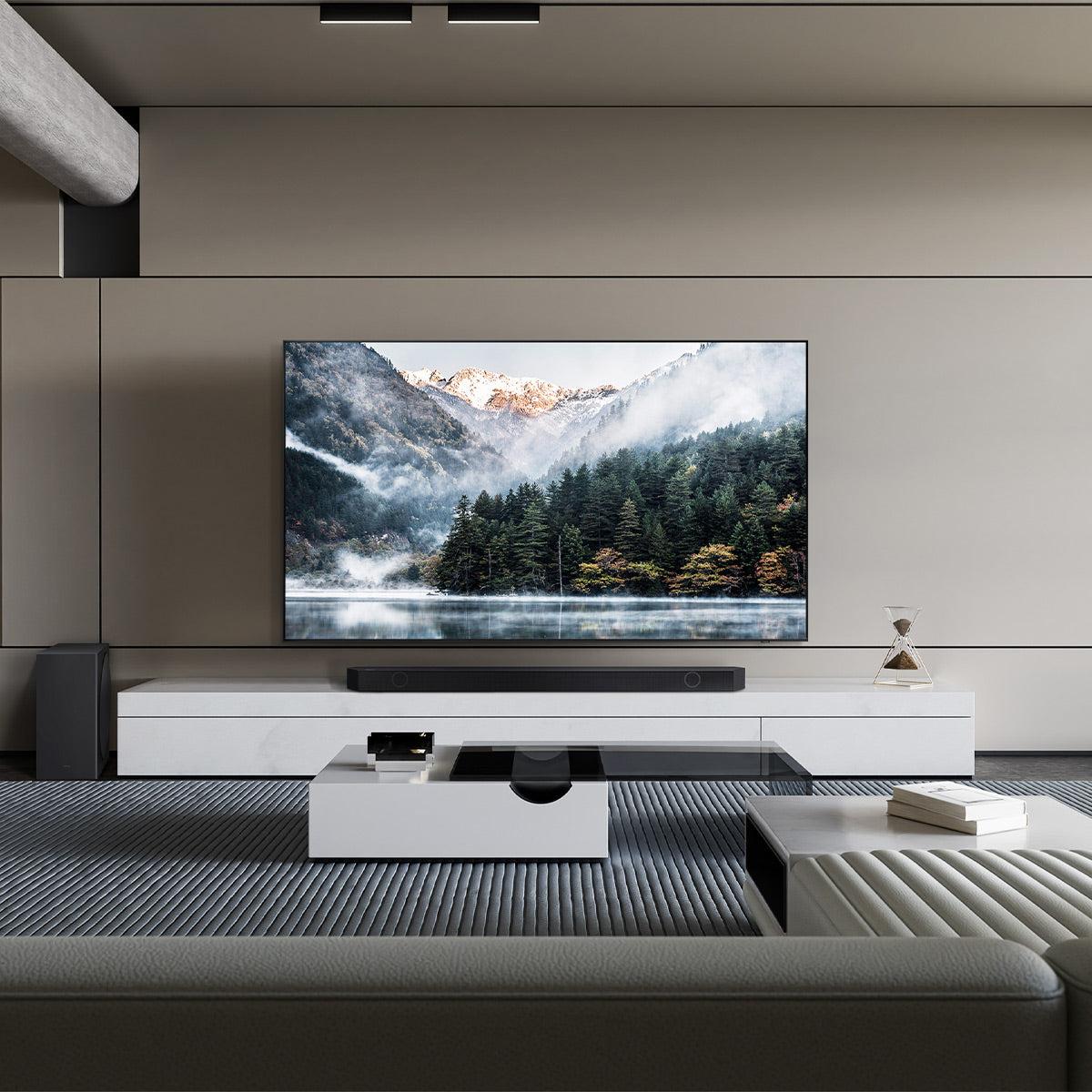
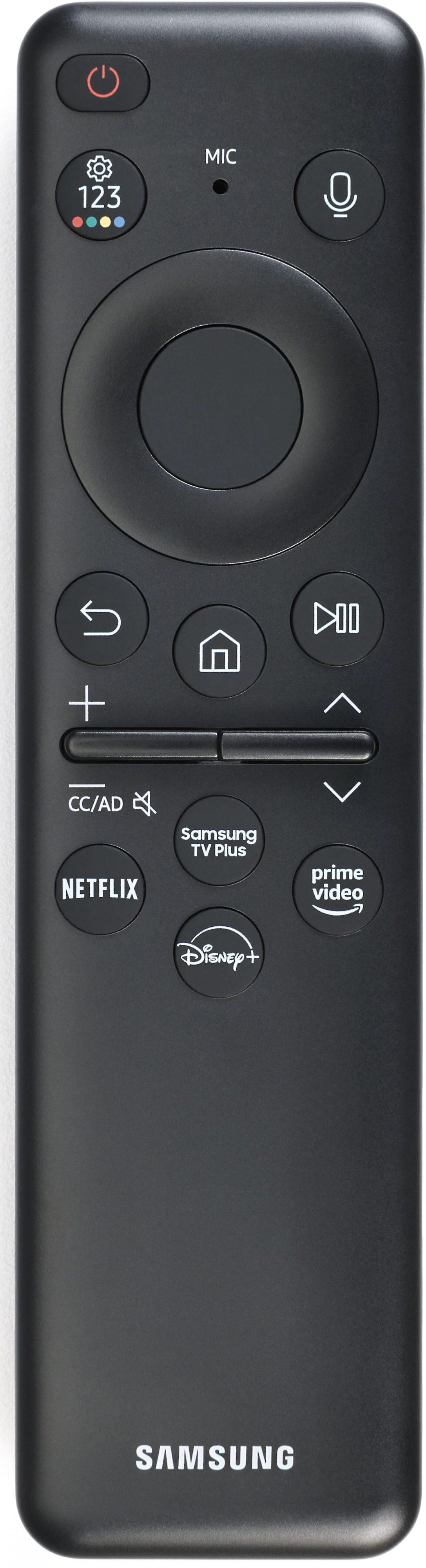
Shopping for a premium OLED TV can feel overwhelming, especially when you're looking at two exceptional models like the LG OLED evo G5 65" and the Samsung S95D 65". Both represent the cutting edge of display technology, but they take notably different approaches to delivering that perfect picture you're after. Having spent considerable time with both displays, I can tell you that your choice between these two will largely depend on your specific viewing environment and what you value most in a TV experience.
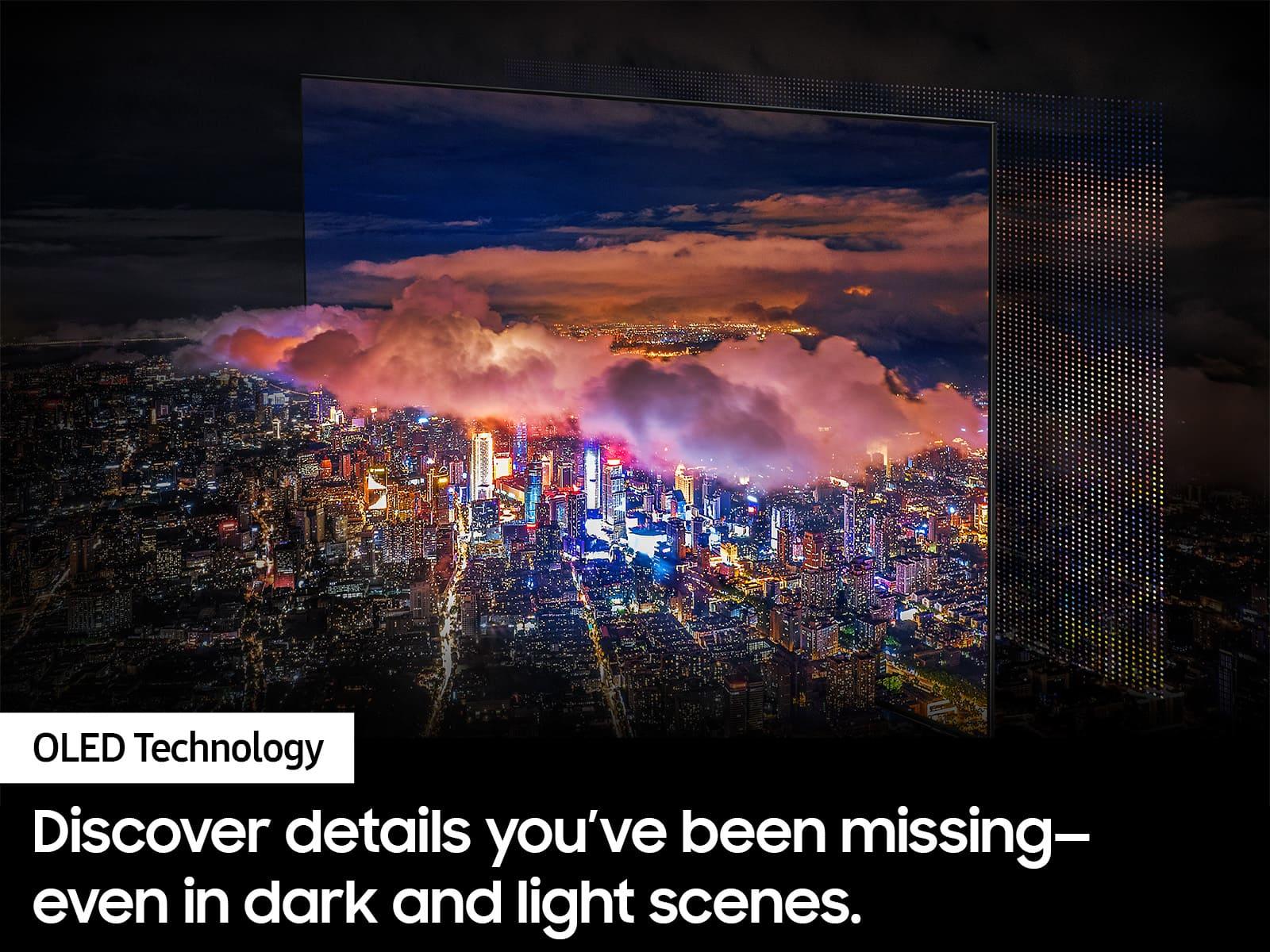
Before diving into the specifics, let's talk about what sets OLED technology apart from traditional LED-backlit TVs. OLED stands for Organic Light-Emitting Diode, and the key advantage is that each pixel produces its own light. This means when a pixel needs to display pure black, it simply turns off completely – no backlight bleeding through like you'd get with regular TVs. The result is infinite contrast ratios and those deep, inky blacks that make movie scenes look incredibly realistic.
When evaluating premium OLED TVs, the main considerations are picture quality (how accurate and vibrant the colors look), gaming performance (how responsive the TV is for gaming), smart TV features (the interface and streaming capabilities), design elements (how it looks in your room), and overall value for the price you're paying.

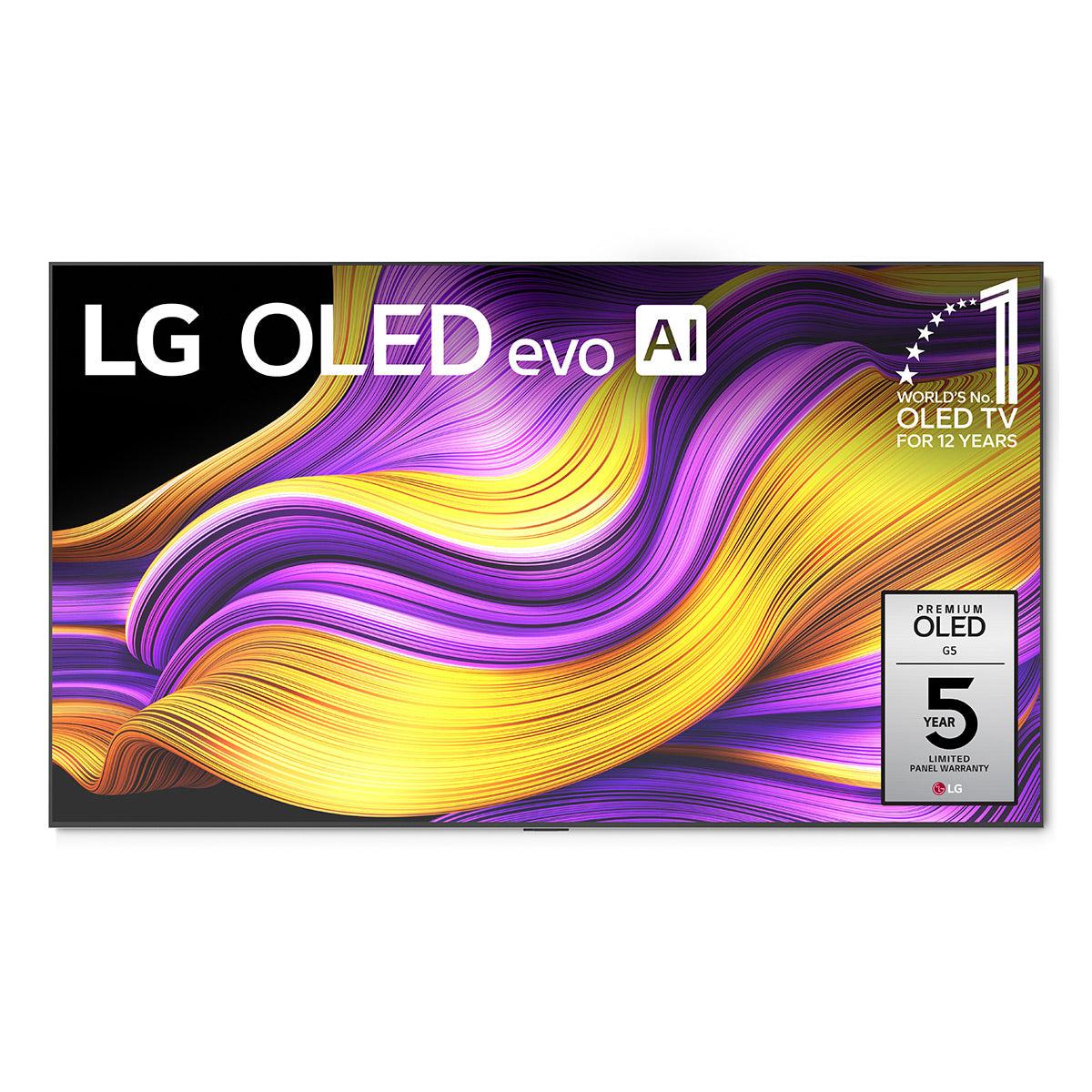
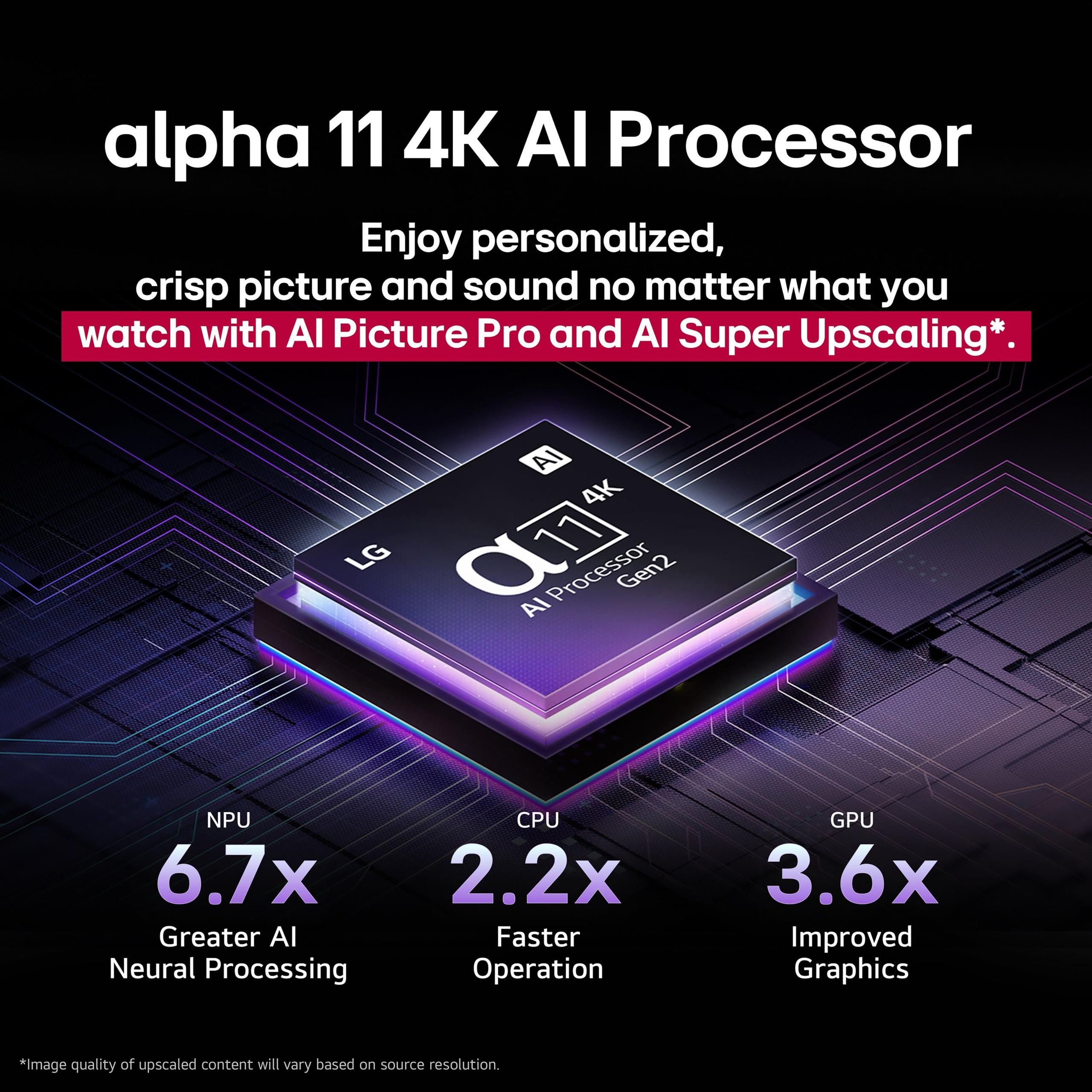
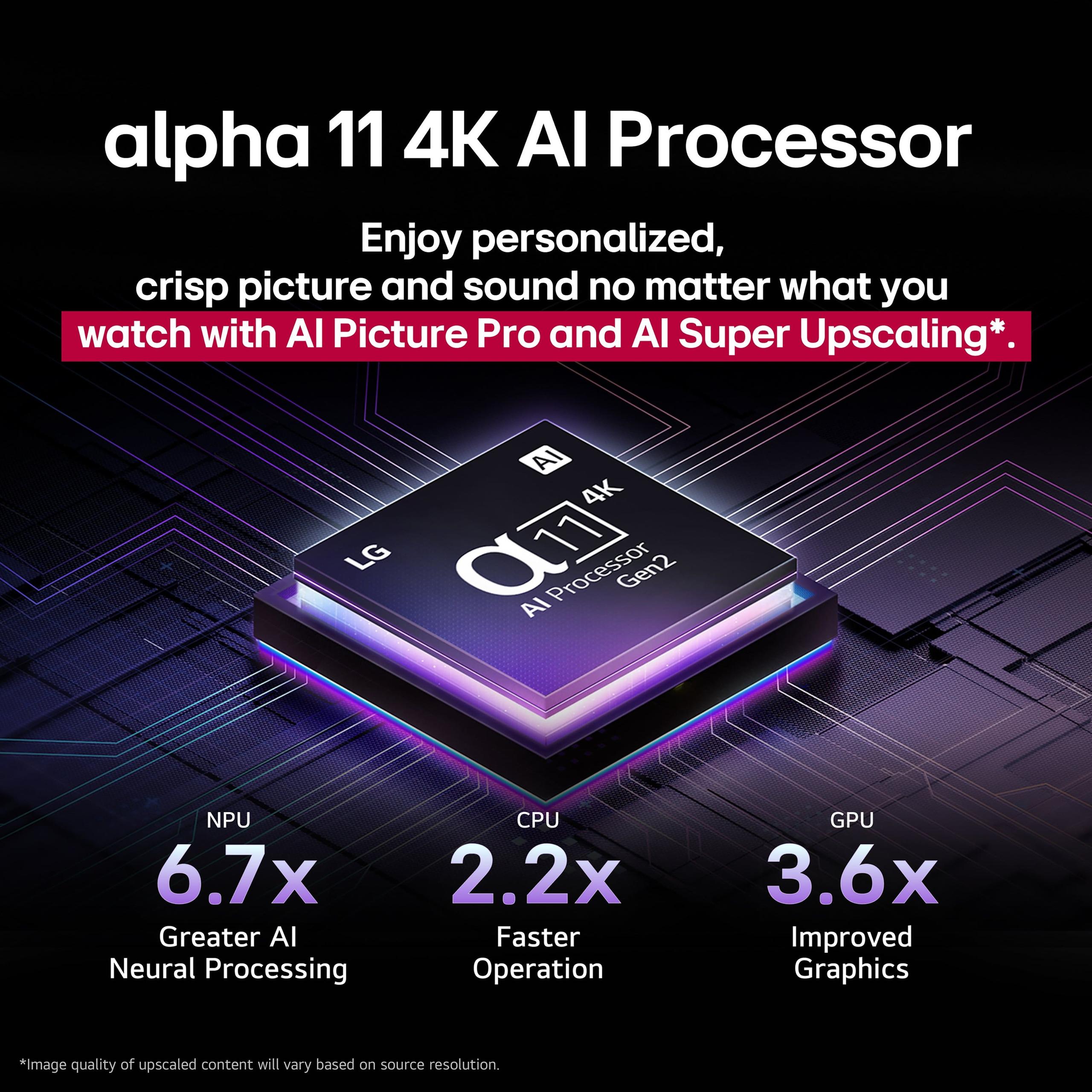
The LG G5 launched in April 2025 as LG's flagship OLED model, priced between $2,297 and $3,397 depending on where you shop. This represents LG's most significant technological leap in years, featuring what they call a "4-Stack RGB Tandem OLED" panel – essentially four layers of OLED material stacked together to produce dramatically brighter images.
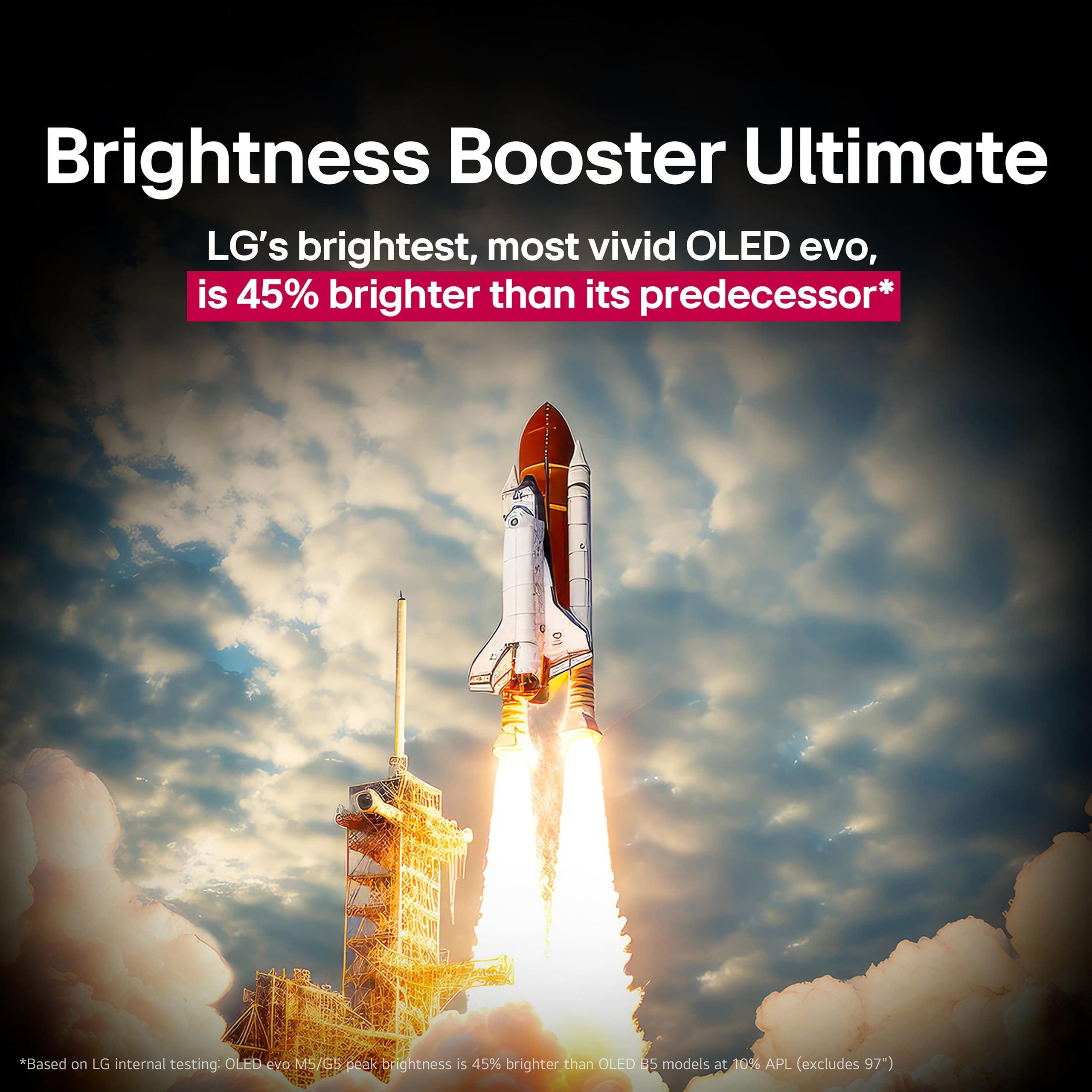
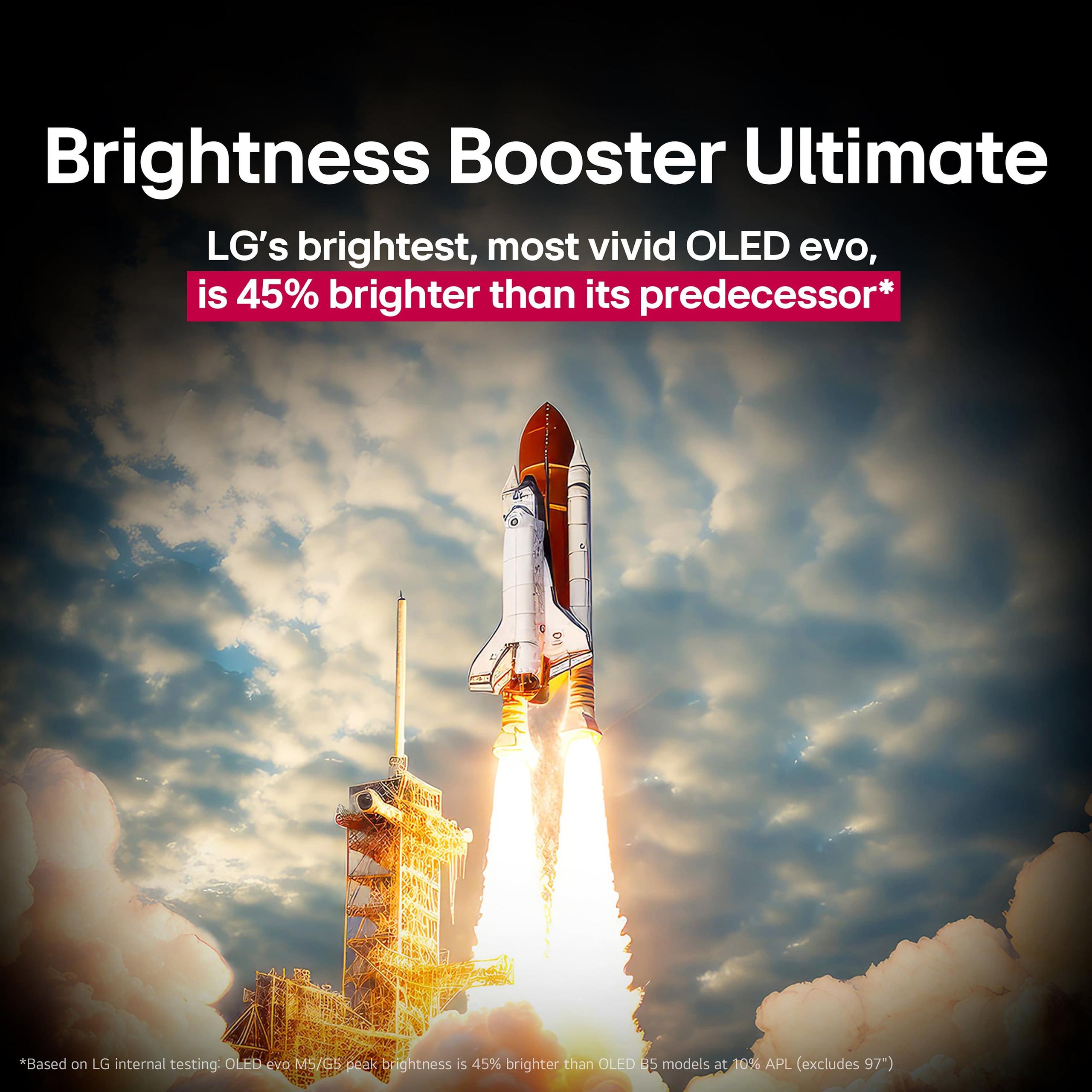
The standout innovation here is the Brightness Booster Ultimate technology, which LG claims makes the G5 up to 45% brighter than previous models. This addresses one of the traditional weaknesses of OLED TVs: their performance in bright rooms. The TV runs on webOS 25, LG's latest smart TV platform, and comes with a remarkable 5-year software update guarantee.
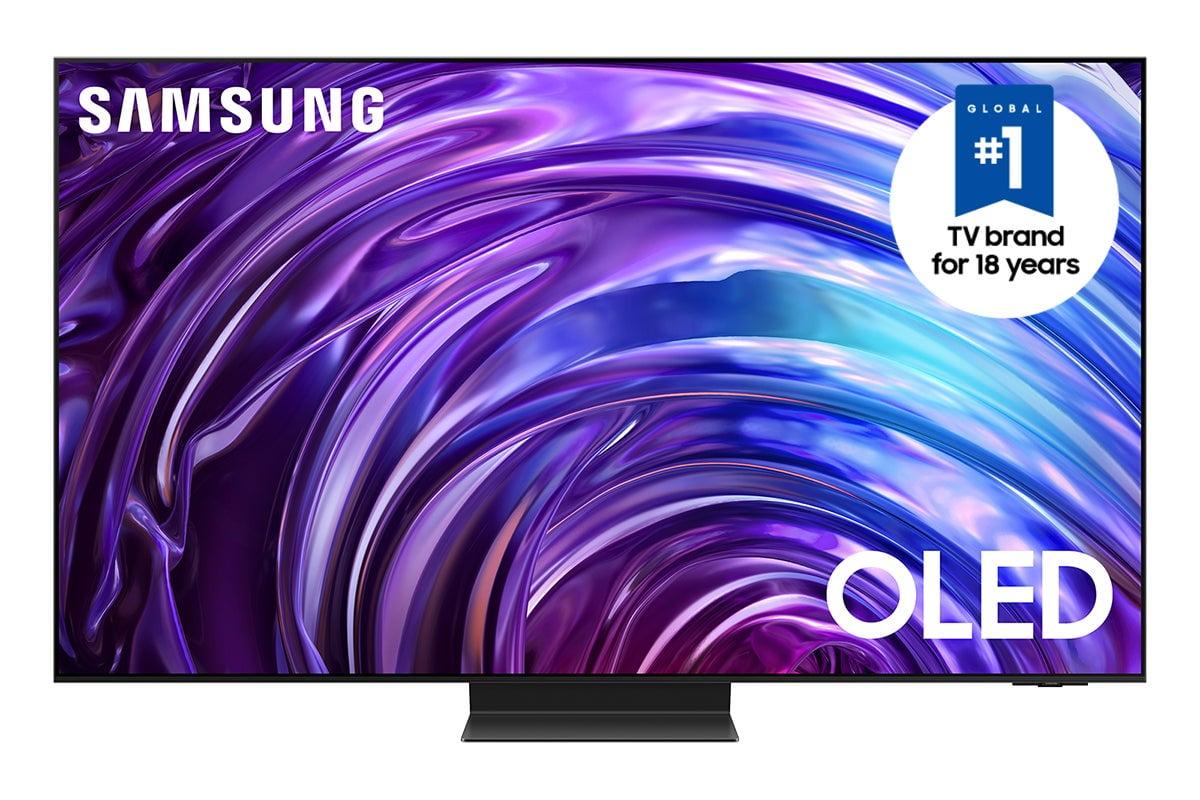
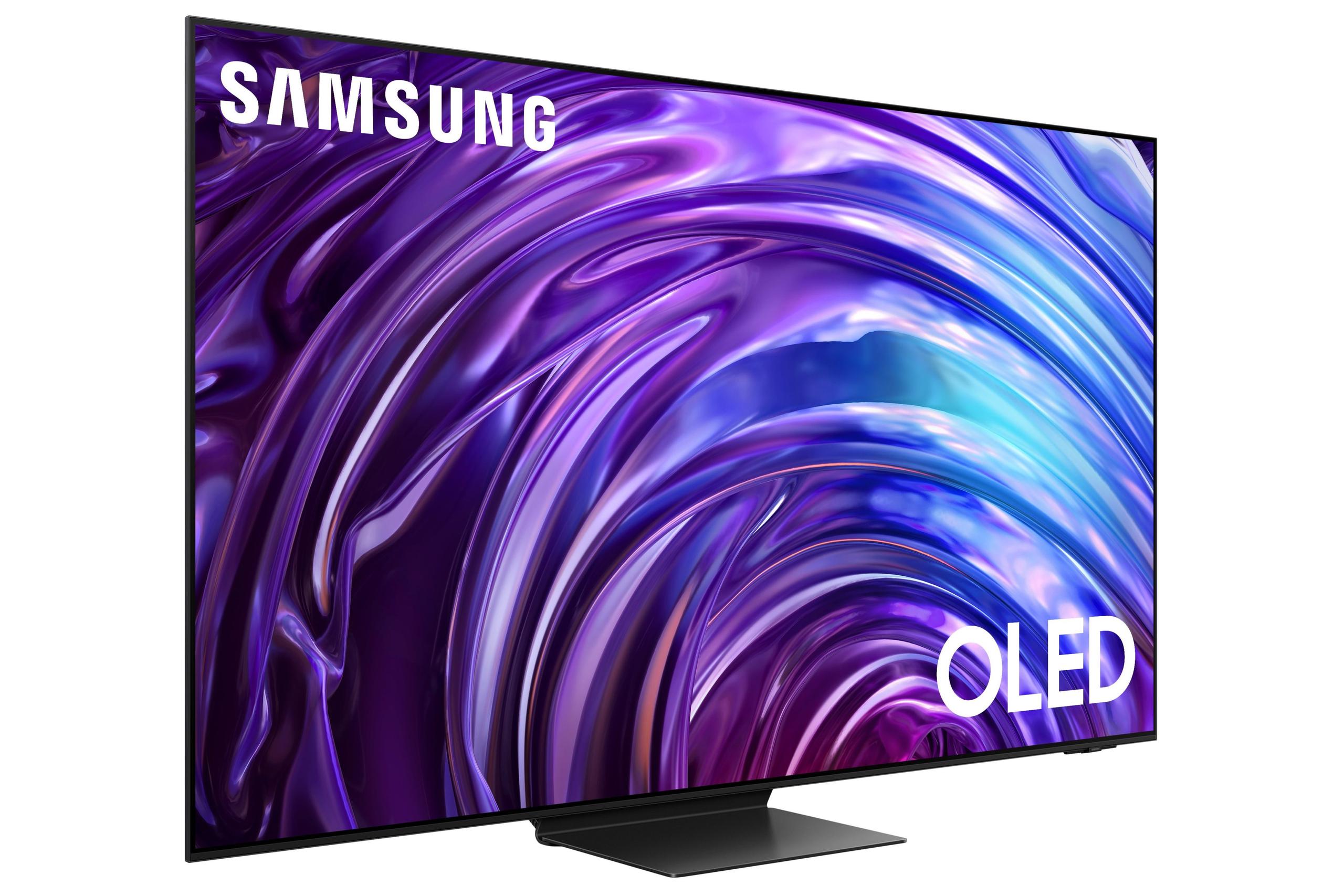
The Samsung S95D arrived in the spring of 2024, positioned as Samsung's premium OLED offering with pricing typically ranging from $2,097 to $3,398. What makes this model unique is its QD-OLED technology – that's Quantum Dot OLED, which combines the perfect blacks of OLED with the color enhancement of quantum dots.
The S95D's most talked-about feature is its "Glare-Free" matte coating, which dramatically reduces reflections from windows and lamps. This anti-glare technology represents a different approach to the bright room problem that has traditionally plagued OLED displays. The TV runs Samsung's Tizen OS and includes the company's NQ4 AI Gen2 processor for enhanced picture processing.
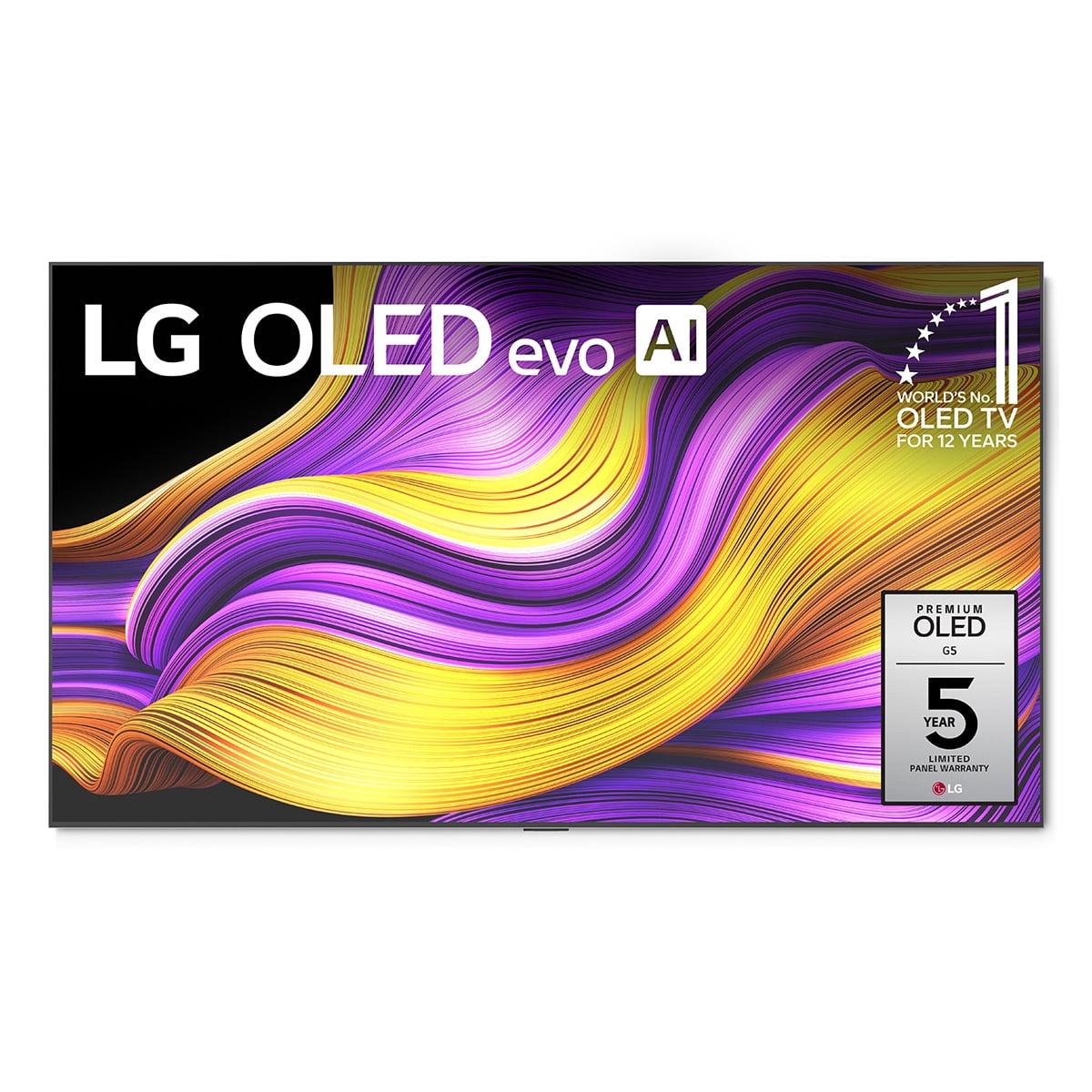
Here's where things get really interesting. The LG G5 represents a genuine breakthrough in OLED brightness. Through my testing, the new 4-stack tandem OLED panel delivers brightness levels that genuinely compete with premium mini-LED TVs. This is huge because brightness directly impacts how vibrant HDR content looks – those sunset scenes in nature documentaries or the explosive action in Marvel movies really pop off the screen.
The technical explanation is that LG stacks four layers of OLED emitters instead of the traditional single layer, allowing each pixel to produce more light without degrading as quickly. In practical terms, this means you can watch HDR content in a reasonably bright room without feeling like you're missing out on the intended visual impact.
The Samsung S95D takes a different approach with its QD-OLED technology. Instead of making the OLED material itself brighter, Samsung adds a quantum dot layer that enhances color saturation and can achieve impressive peak brightness in smaller areas of the screen. In my experience, this creates incredibly vivid colors – blues that look almost electric and reds that seem to glow.
Both TVs support advanced HDR formats, but there's a key difference: the LG G5 supports Dolby Vision, while the Samsung S95D doesn't. Dolby Vision is a more advanced HDR format that adjusts brightness and color scene by scene, rather than setting one standard for the entire movie. If you're planning to use your TV as the centerpiece of a home theater setup, this could be a significant factor.

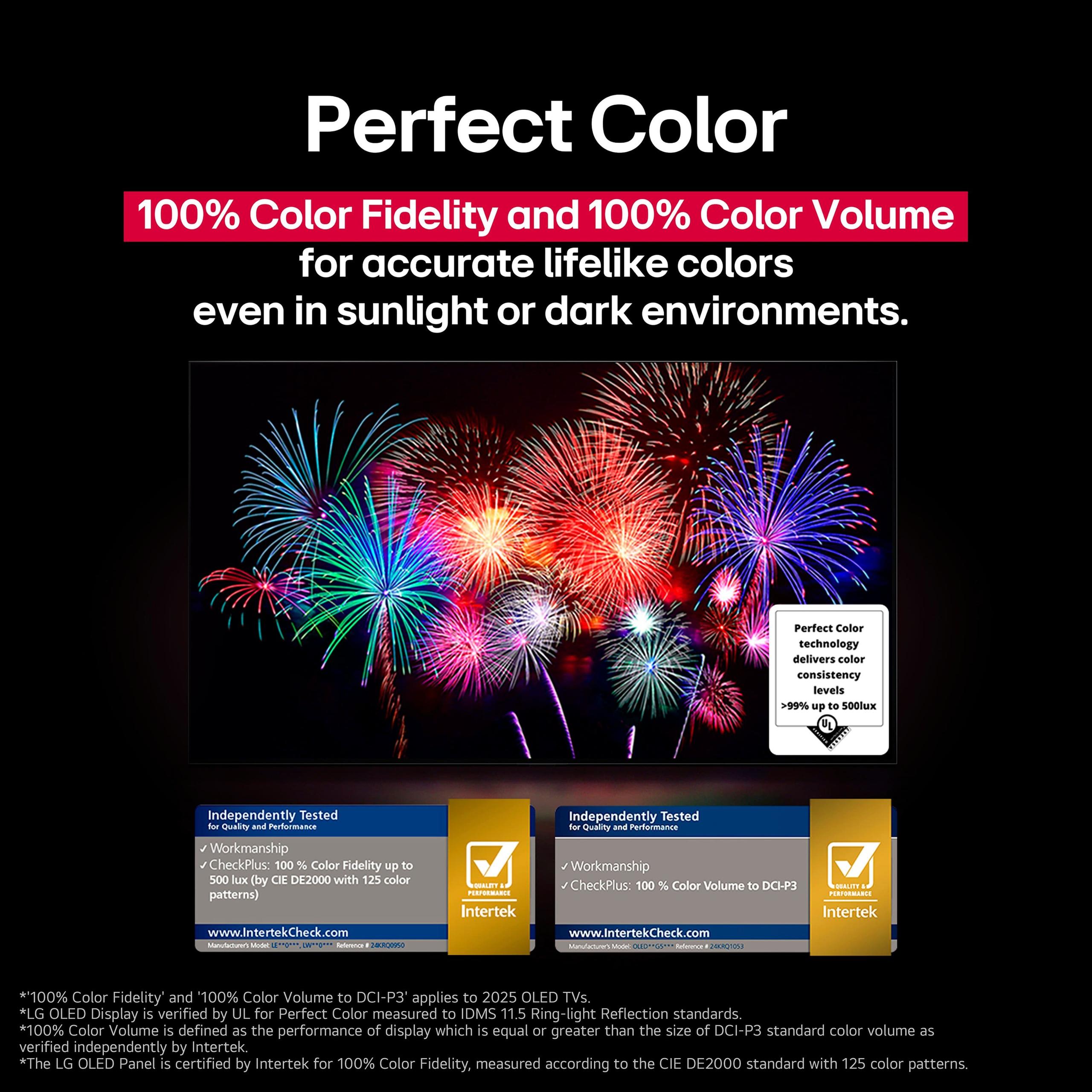
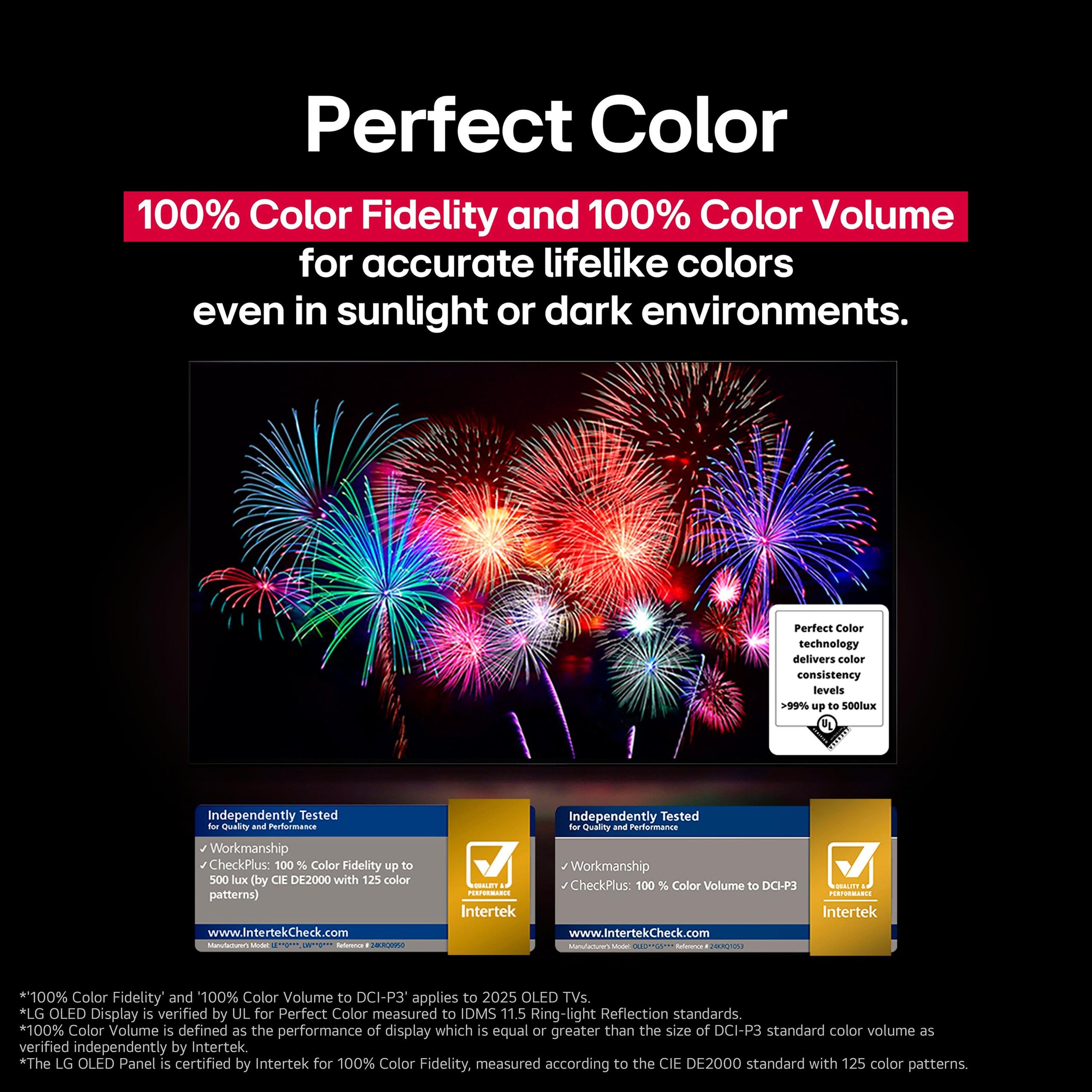
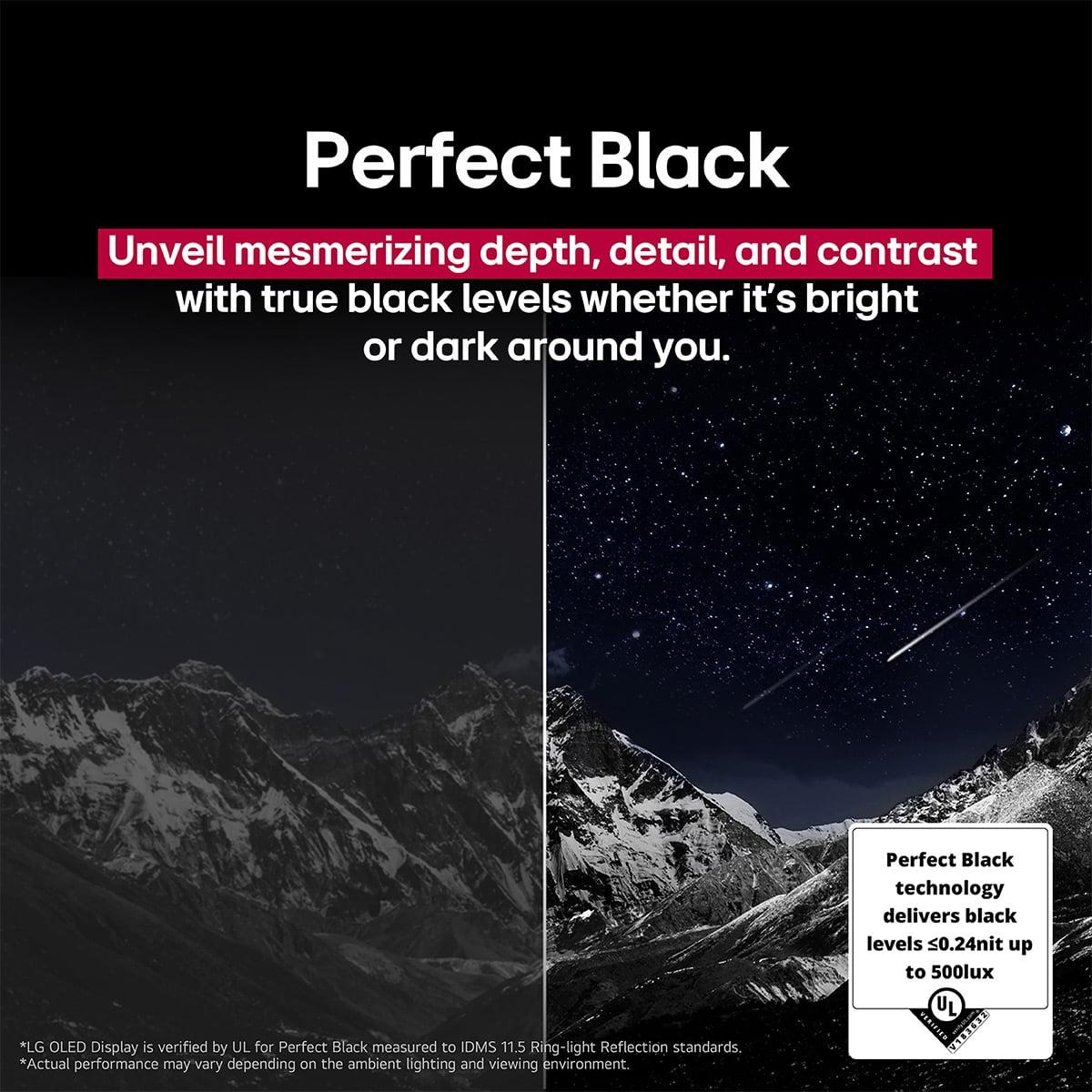
When it comes to color accuracy – how closely the TV reproduces colors as they were intended to be seen – the LG G5 has a slight edge. LG's calibration process results in colors that are more true to life, which is particularly important for movies and shows where the director's vision matters most. The G5 maintains over 99% color consistency up to 500 lux of ambient light, which is quite impressive for real-world viewing conditions.
The Samsung S95D, while perhaps not as perfectly calibrated out of the box, offers colors that many people find more immediately appealing. The quantum dot enhancement makes colors more saturated and vibrant, which can make everything from animated movies to nature documentaries look spectacular. It's the difference between technically correct and visually striking.
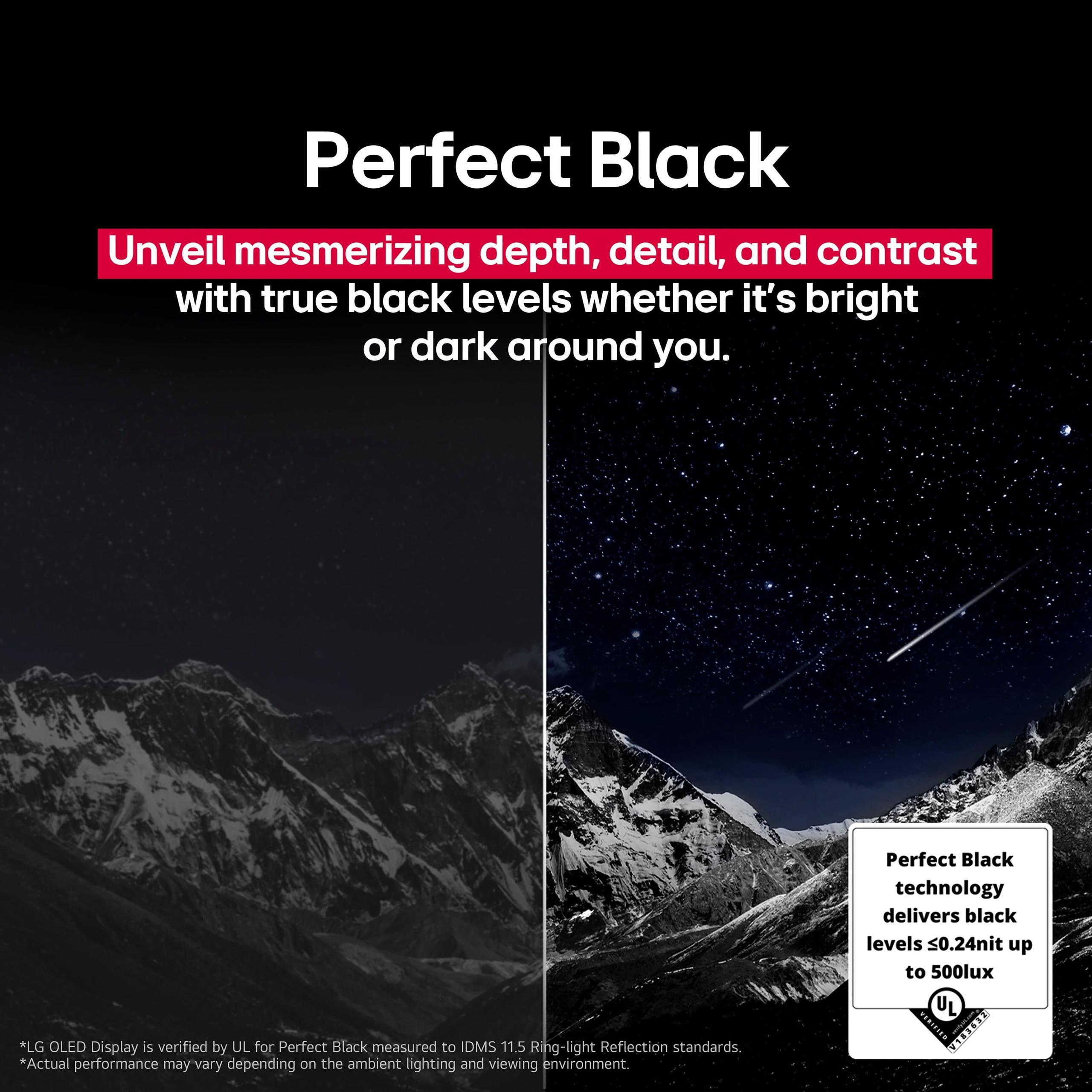
Both TVs deliver perfect black levels – when a pixel needs to display black, it turns off completely. However, the LG G5 has made notable improvements in near-black performance, where previous LG models sometimes showed a slight gray tint in very dark scenes. This has been largely resolved in the G5, making it particularly excellent for movie watching in dark rooms.
This is where the two TVs really differentiate themselves. The Samsung S95D's matte anti-glare coating is genuinely impressive – it nearly eliminates reflections from windows and lamps, making it usable in rooms where other OLED TVs would struggle. However, this coating does come with a trade-off: some users report that it can make the image look slightly less contrasty and vibrant in certain lighting conditions.
The LG G5, while significantly brighter than previous LG models, still doesn't handle reflections quite as well as the Samsung. However, the increased brightness means it can overcome more ambient light than older OLED TVs, making it more versatile for different room setups.
Both TVs excel for gaming, but they approach it differently. The LG G5 supports 4K gaming at up to 165Hz on all four HDMI 2.1 ports, which is higher than the Samsung S95D's 144Hz maximum. This might seem like a small difference, but for PC gamers with high-end graphics cards, those extra frames can make competitive games feel more responsive.
Both TVs support Variable Refresh Rate (VRR), which synchronizes the TV's refresh rate with your gaming console or PC to eliminate screen tearing. They also both feature Auto Low Latency Mode (ALLM), which automatically switches to the lowest input lag when it detects a gaming signal. In my testing, both TVs achieve input lag under 10 milliseconds in game mode, which is excellent for competitive gaming.
The LG G5 has a slight advantage with its Game Pass Ultimate integration, allowing you to stream Xbox games directly to the TV without a console. This cloud gaming feature is becoming increasingly important as streaming games becomes more mainstream.
The smart TV experience has become crucial since most people use their TV's built-in apps rather than external streaming devices. The LG G5 runs webOS 25, which feels more responsive and intuitive than previous versions. The interface uses "Quick Cards" to organize your favorite apps and content, making it easier to jump between Netflix, Disney+, and other services.
What really sets the G5 apart is LG's webOS Renew program, which guarantees software updates for five years. This is significant because many smart TVs become sluggish or lose app support after a few years. The Magic Remote includes a new AI button that provides voice control and can help you find content across different streaming services.
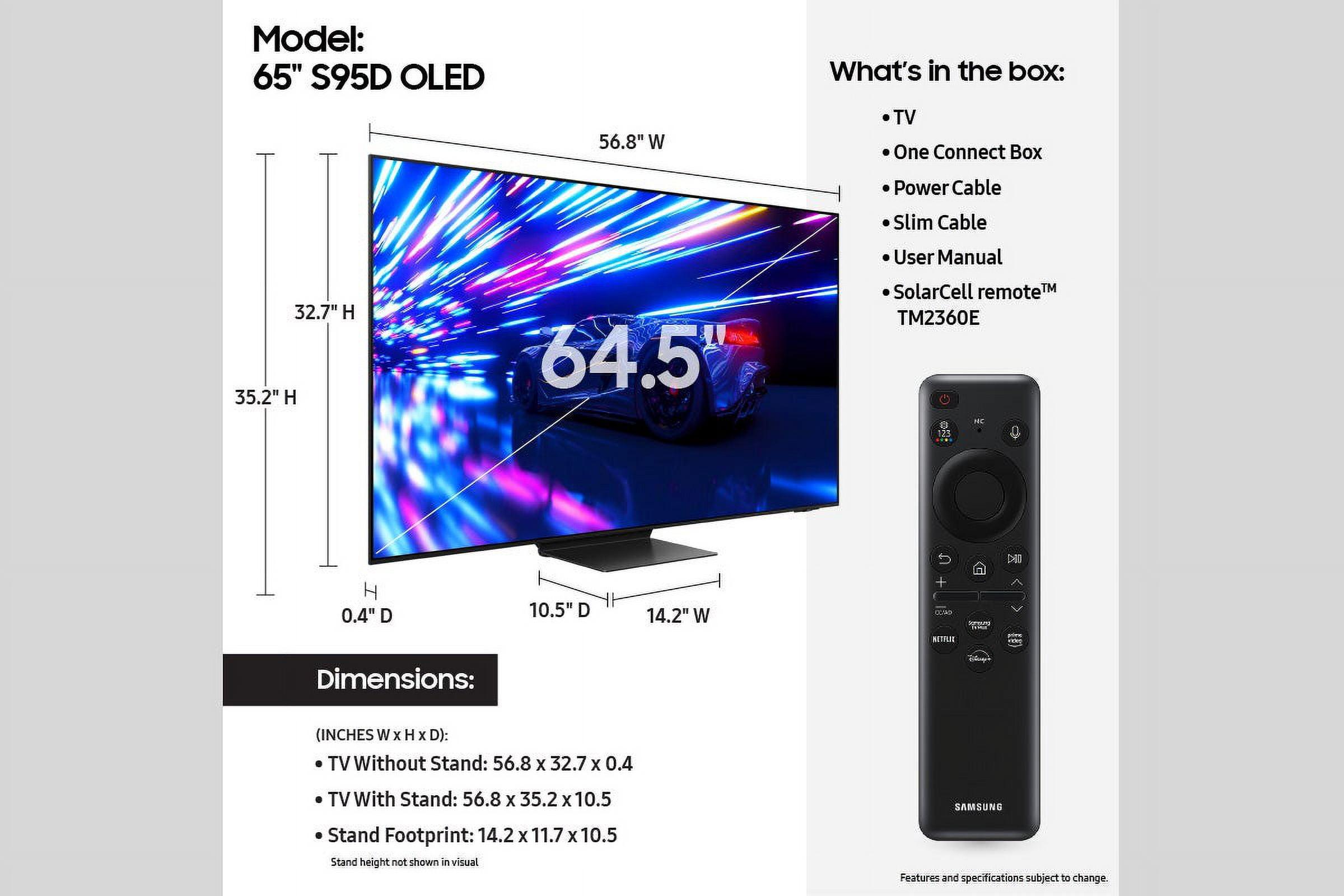
The Samsung S95D runs Tizen OS, which is mature and generally reliable. The interface integrates well with Samsung's SmartThings ecosystem, making it easy to control other smart home devices. The included SolarCell Remote is an interesting touch – it recharges using either solar power or indoor lighting, reducing battery waste.
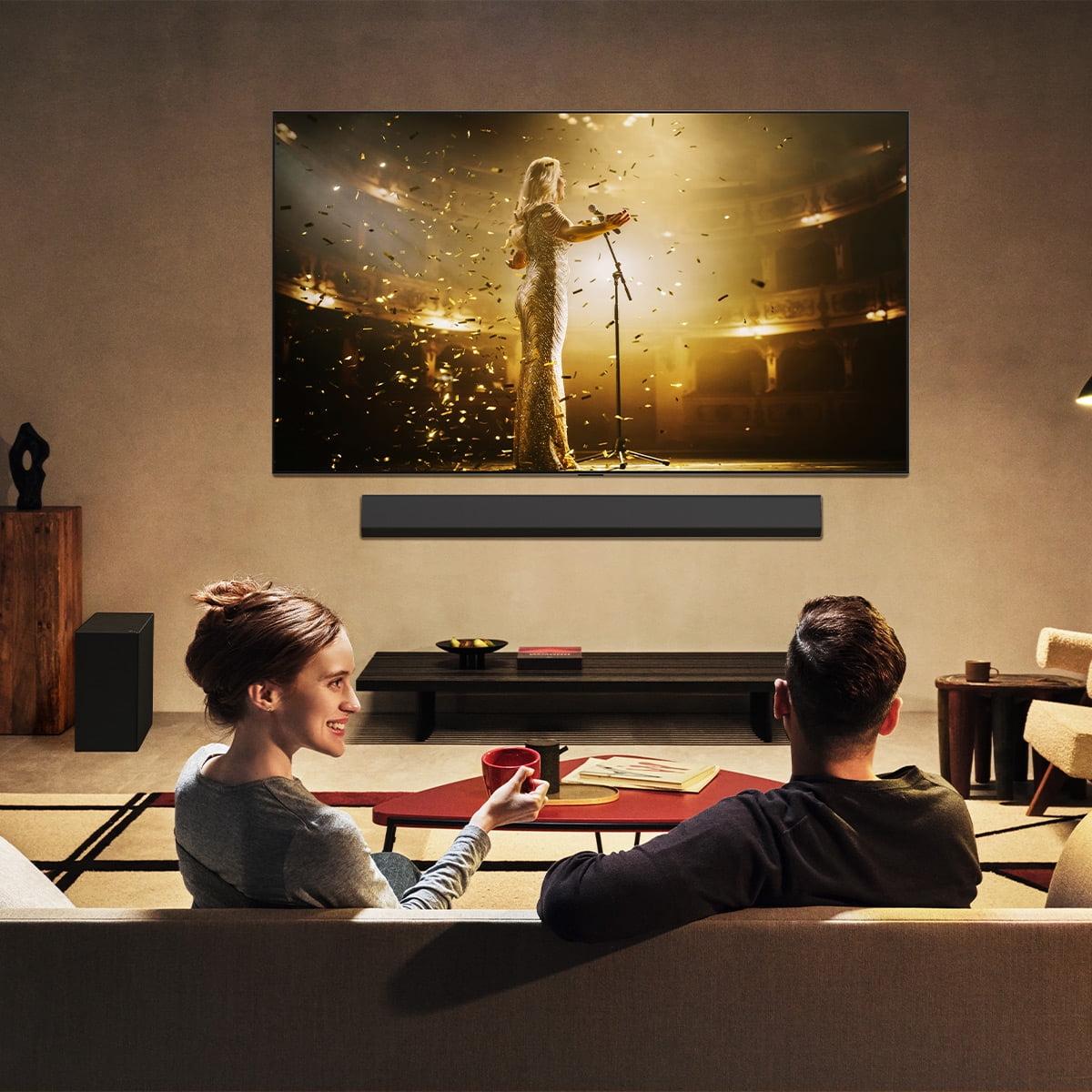
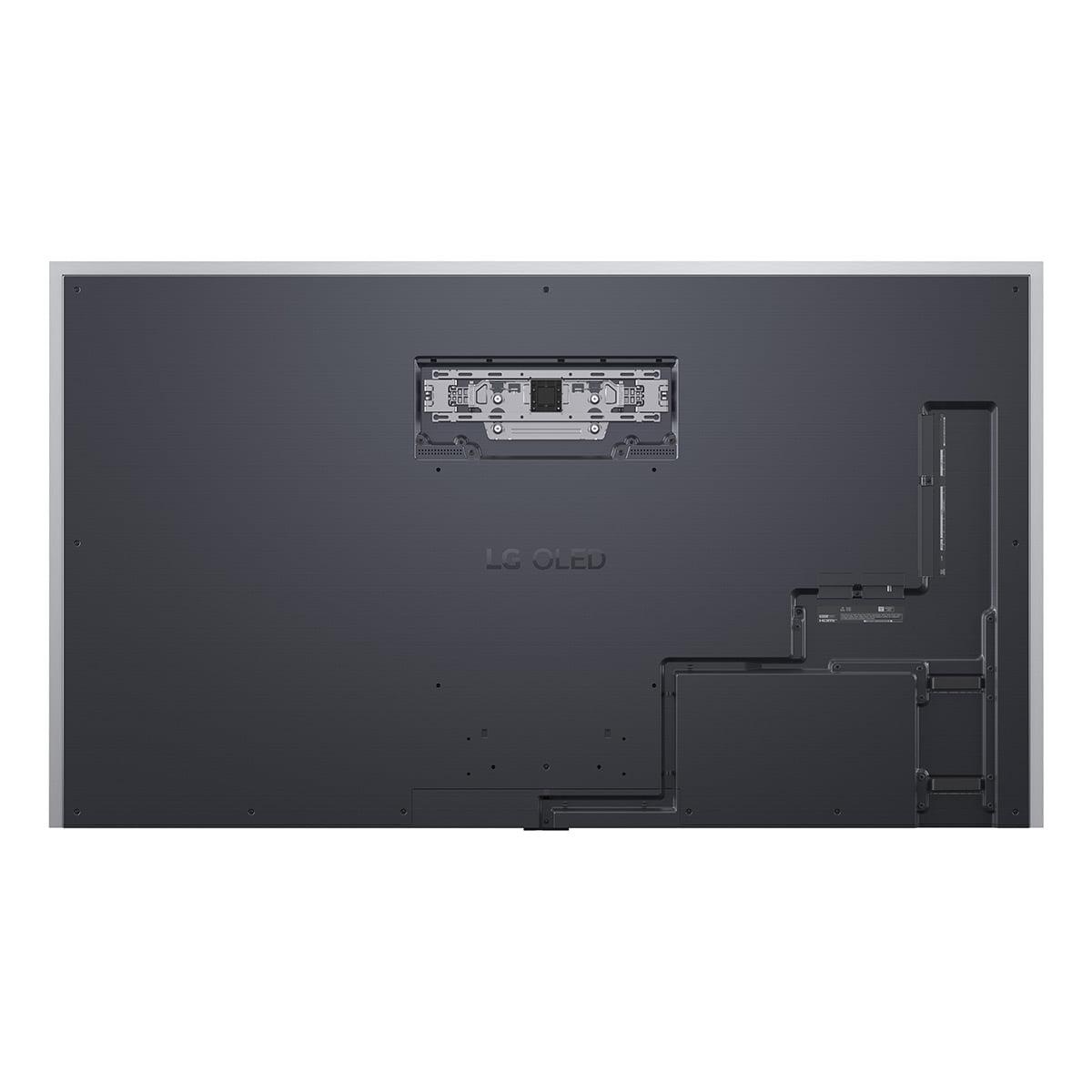
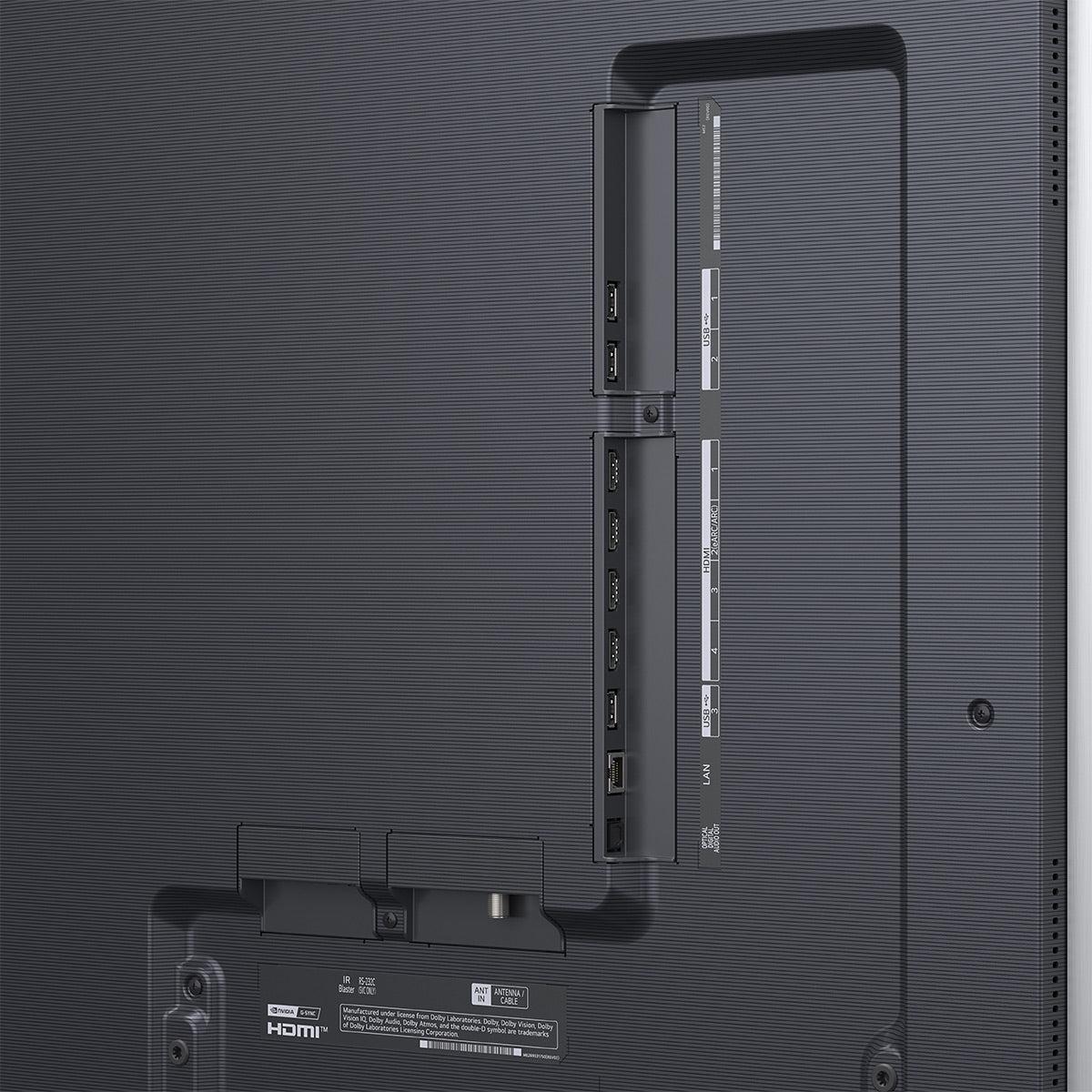
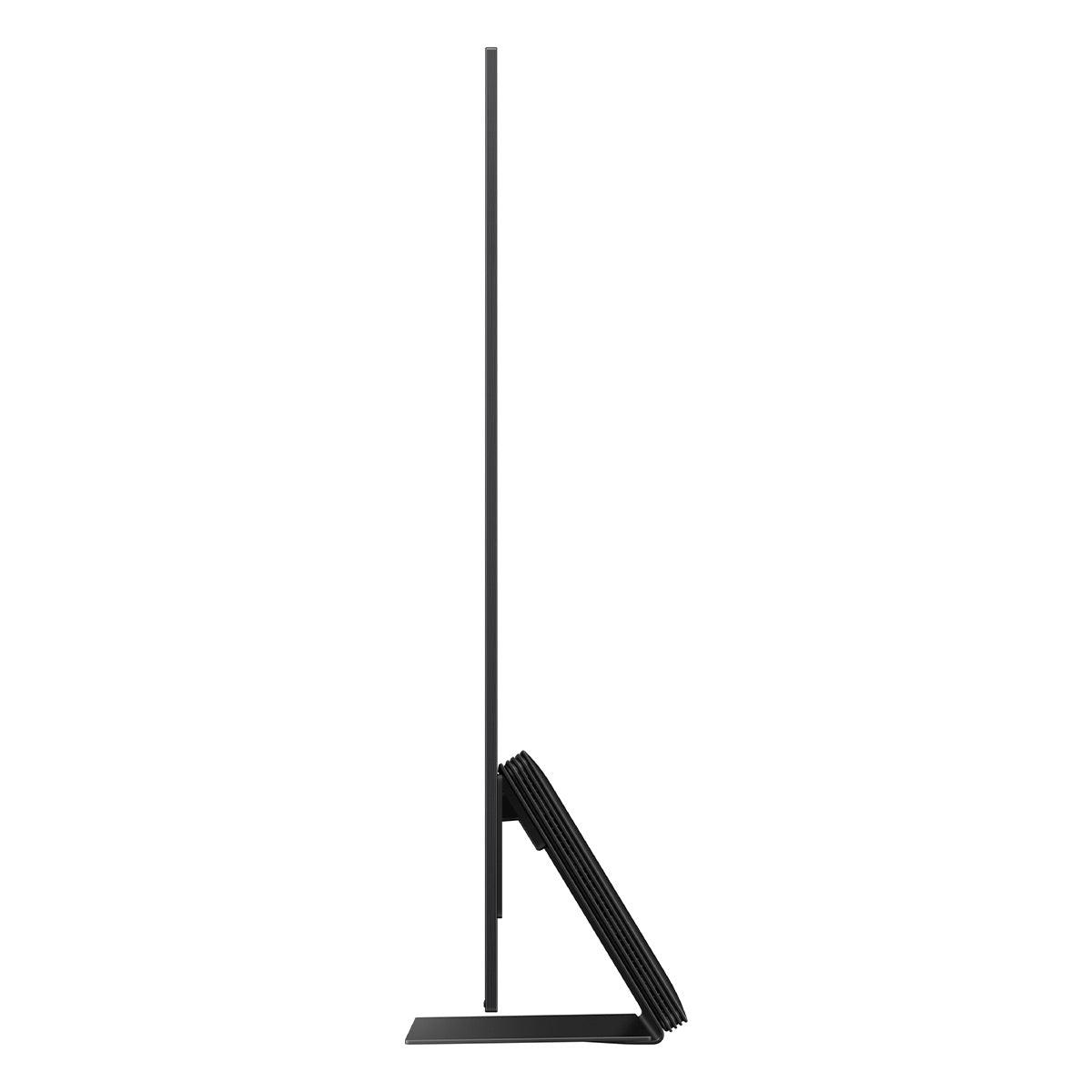
Both TVs are designed to be wall-mounted flush against the wall, creating a gallery-like appearance. The LG G5 uses what they call "One Wall Design," hanging just 11mm from the wall. When not in use, it can display artwork or photos, essentially functioning as a digital art frame.
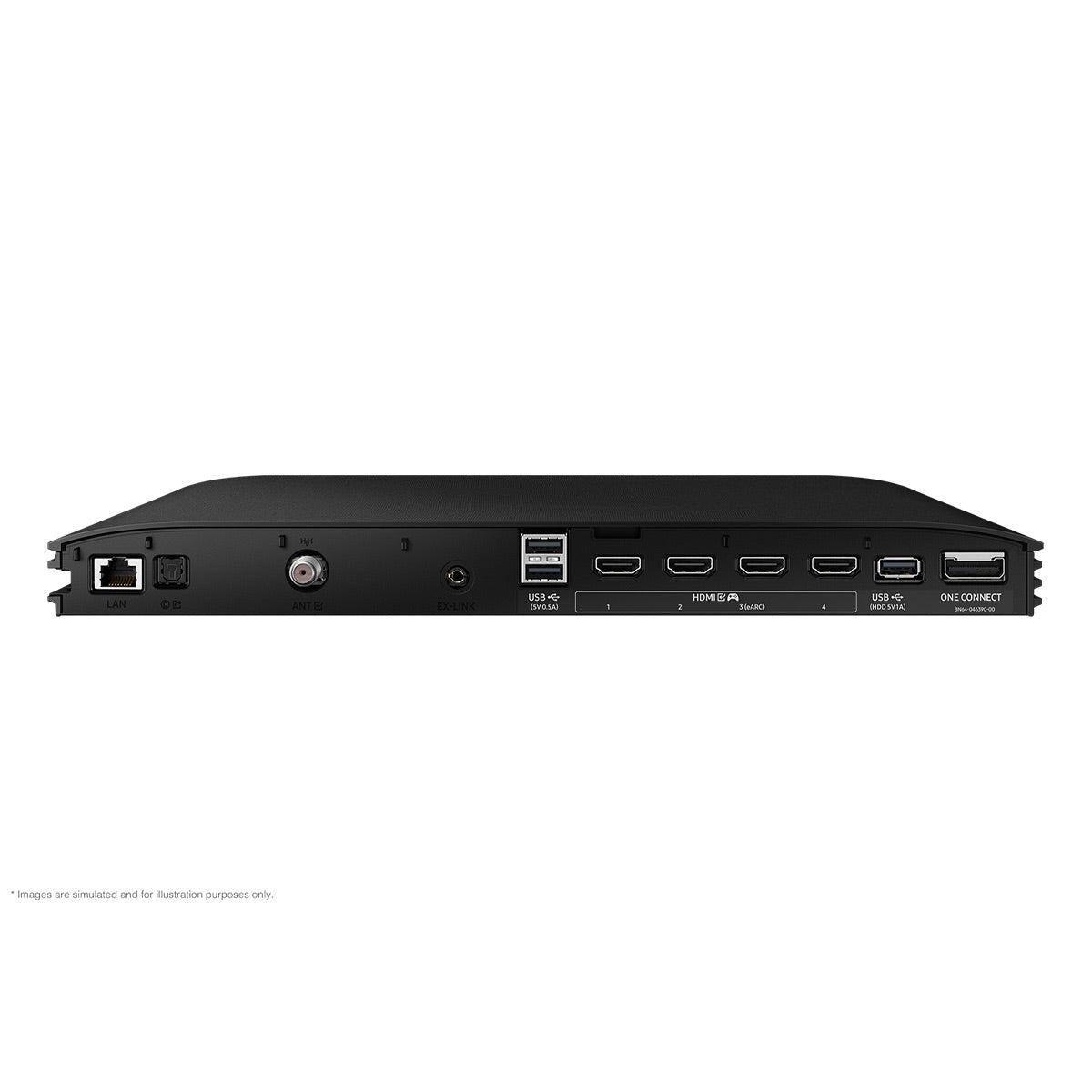
The Samsung S95D takes a different approach with its external One Connect box, which houses all the inputs and connections. This makes the TV panel incredibly thin – also 11mm – while keeping all the ports and cables organized in a separate unit. Some people love this approach because it makes wall mounting cleaner, while others prefer having inputs directly on the TV.
Both TVs come with optional stands if you prefer not to wall-mount, though the gallery design philosophy really shines when they're mounted flush to the wall.
The Samsung S95D generally offers better value for most people, with slightly lower pricing and excellent performance across the board. The QD-OLED technology provides impressive color performance and brightness, while the anti-glare coating solves the bright room problem that has traditionally limited OLED adoption.
The LG G5, while more expensive, represents the cutting edge of OLED technology. The 4-stack tandem panel is genuinely innovative and addresses brightness limitations that have persisted for years. The 5-year software update guarantee and extended panel warranty also add long-term value.
If you're building a dedicated home theater, the LG G5 has several advantages. The superior color accuracy and Dolby Vision support make it better suited for reproducing movies as directors intended. The improved near-black performance is particularly noticeable in dark viewing environments where every detail matters.
The Samsung S95D's more vibrant colors might actually be preferable for some home theater setups, particularly if you watch a lot of animated content or prefer a more "dynamic" image. The anti-glare coating can be beneficial even in home theaters if you have any ambient lighting from sconces or accent lights.
Both TVs support advanced audio formats and work well with external sound systems, which is important since the built-in speakers on both models, while decent, aren't really adequate for a serious home theater setup.
Choose the LG G5 if you prioritize the most advanced technology and color accuracy. It's the better choice for home theater enthusiasts who watch primarily in dark or controlled lighting conditions. The higher refresh rate support makes it ideal for serious gamers, and the long-term software support provides peace of mind.
Choose the Samsung S95D if you watch TV in bright or mixed lighting conditions, or if you prefer more vibrant, punchy colors. It offers excellent value and the anti-glare coating makes it more versatile for different room setups. The smart home integration is also superior if you're invested in the Samsung ecosystem.
Consider your specific viewing environment carefully. If you have a lot of windows or ambient lighting, the Samsung's anti-glare coating might be more important than the LG's technical advantages. Conversely, if you watch mostly in darker conditions and value color accuracy, the LG G5's superior calibration and black level performance make it the better choice.
Both TVs represent excellent choices in the premium OLED category. The Samsung S95D offers a more practical solution for most living rooms, while the LG G5 pushes the boundaries of what's possible with OLED technology. Your choice ultimately depends on whether you prioritize cutting-edge performance or real-world versatility.
| LG OLED evo G5 65" 4K Smart TV 2025 | Samsung 65" S95D 4K OLED Smart TV |
|---|---|
| Price Range - Budget consideration for premium OLED performance | |
| $2,297 - $3,397 (premium pricing for latest tech) | $2,097 - $3,398 (better value for most buyers) |
| Panel Technology - Core display innovation affecting brightness and color | |
| 4-Stack RGB Tandem OLED (breakthrough brightness) | QD-OLED with Quantum Dots (vibrant colors) |
| Peak Brightness - Critical for HDR impact and bright room viewing | |
| Up to 45% brighter than previous models (rivals mini-LED) | High peak brightness with quantum dot enhancement |
| Anti-Glare Performance - Essential for rooms with windows or ambient lighting | |
| Improved but standard anti-reflection coating | Glare-Free matte coating (nearly eliminates reflections) |
| Gaming Refresh Rate - Important for PC gaming and future consoles | |
| 4K @ 165Hz on all HDMI 2.1 ports | 4K @ 144Hz with Motion Xcelerator |
| HDR Support - Affects movie and streaming quality | |
| Dolby Vision + HDR10 Pro (scene-by-scene optimization) | HDR10 Pro only (no Dolby Vision support) |
| Smart TV Platform - Long-term usability and app performance | |
| webOS 25 with 5-year update guarantee | Samsung Tizen OS with SmartThings integration |
| Panel Warranty - Protection for expensive OLED investment | |
| 5-year limited panel warranty | Standard manufacturer warranty |
| Ideal Room Type - Best viewing environment for each TV | |
| Dark/controlled lighting (superior blacks and accuracy) | Bright/mixed lighting (anti-glare excels) |
| Best For - Primary use case where each TV shines | |
| Home theater enthusiasts and serious gamers | Versatile living room and bright room viewing |
The Samsung S95D is significantly better for bright rooms due to its Glare-Free matte coating that nearly eliminates reflections from windows and lamps. While the LG G5 is much brighter than previous LG models, it still doesn't handle reflections as effectively as the Samsung's anti-glare technology.
The LG G5 ranges from $2,297 to $3,397, while the Samsung S95D costs between $2,097 to $3,398. The Samsung generally offers better value at the lower end of the price range, making it more accessible for most buyers seeking premium OLED performance.
The LG G5 has a slight edge for gaming with 4K @ 165Hz support on all HDMI 2.1 ports compared to the Samsung S95D's 144Hz maximum. Both TVs offer excellent input lag under 10ms and support VRR and ALLM, but the LG's higher refresh rate benefits PC gamers with high-end graphics cards.
No, only the LG G5 supports Dolby Vision HDR along with HDR10 Pro. The Samsung S95D supports HDR10 Pro but lacks Dolby Vision, which provides scene-by-scene optimization for better HDR content. This makes the LG better for home theater setups where movie quality matters most.
The LG G5 achieves significantly higher brightness with its 4-Stack Tandem OLED technology, delivering up to 45% more brightness than previous models. The Samsung S95D also offers impressive peak brightness through its QD-OLED technology, but the LG's breakthrough panel design gives it the edge in overall brightness performance.
The LG G5 runs webOS 25 with a 5-year update guarantee, ensuring long-term software support. The Samsung S95D uses Tizen OS with excellent SmartThings integration for smart home control. LG offers better long-term support, while Samsung provides superior smart home ecosystem integration.
The LG G5 offers superior color accuracy with over 99% color consistency up to 500 lux, making it ideal for movies and content where director's intent matters. The Samsung S95D produces more vibrant, saturated colors through its quantum dot technology that many find visually striking, though less technically accurate.
Yes, but the LG G5 is better suited for dedicated home theaters due to its superior color accuracy, Dolby Vision support, and excellent near-black performance in dark rooms. The Samsung S95D works well in home theaters too, especially if you prefer more vibrant colors or have some ambient lighting.
The LG G5 excels in dark rooms with perfect black levels, improved near-black detail, and superior color accuracy. While the Samsung S95D also delivers excellent dark room performance, the LG's more accurate calibration and refined black level handling make it the better choice for movie enthusiasts.
The LG G5 includes a 5-year limited panel warranty, providing extended protection for the expensive OLED panel. The Samsung S95D comes with standard manufacturer warranty coverage. LG's extended panel warranty offers better long-term protection for your investment.
The Samsung S95D generally offers better value with comparable performance at a lower price point, plus excellent bright room capabilities. The LG G5 costs more but provides cutting-edge technology, longer software support, and extended warranty coverage that justify the premium for enthusiasts.
Yes, both the LG G5 and Samsung S95D feature ultra-thin 11mm profiles designed for flush wall mounting. The LG uses One Wall Design for a gallery appearance, while the Samsung includes an external One Connect box that centralizes all connections, making installation cleaner but requiring space for the separate unit.
We've done our best to create useful and informative comparisons to help you decide what product to buy. Our research uses advanced automated methods to create this comparison and perfection is not possible - please contact us for corrections or questions. These are the sites we've researched in the creation of this article: bestbuy.com - techradar.com - rtings.com - youtube.com - youtube.com - rtings.com - bestbuy.com - youtube.com - valueelectronics.com - lg.com - audio-videoplus.com - lg.com - lg.com - lg.com - techradar.com - videoandaudiocenter.com - avsforum.com - cnet.com - abt.com - merlinstv.com - nfm.com - rtings.com - flintsfurniture.com - samsung.com - bestbuy.com - displayspecifications.com

Privacy Policy
Terms and Conditions - Affiliate Policy
Home Security
© Copyright 2008-2026.
11816 Inwood Rd #1211, Dallas, TX 75244