





When you're shopping for a Dolby Atmos soundbar, you're essentially choosing between two different philosophies of home audio. The VIZIO 5.1 Soundbar SE and Polk Audio Signa S4 represent distinct approaches to creating immersive sound in your living room, and understanding these differences will help you make the right choice for your setup.
Before diving into the specifics of these two soundbars, let's talk about what Dolby Atmos actually does. Traditional surround sound works on a horizontal plane – sounds move from left to right and front to back. Dolby Atmos adds a third dimension by placing sounds above you, creating what audio engineers call "object-based audio." Instead of just sending a helicopter sound to the "left rear speaker," Atmos can position that helicopter anywhere in three-dimensional space around your head.
Soundbars achieve this magic through upward-firing drivers (speakers that point toward your ceiling) and sophisticated processing. The sound bounces off your ceiling and reflects down to your ears, creating the illusion that sounds are coming from above. It's not quite the same as having actual speakers mounted in your ceiling, but it's remarkably effective when done well.
The key considerations when choosing between Dolby Atmos soundbars boil down to channel configuration (how many speakers and where they're located), room size compatibility, and whether you prioritize true discrete surround speakers versus processed virtual surround effects.
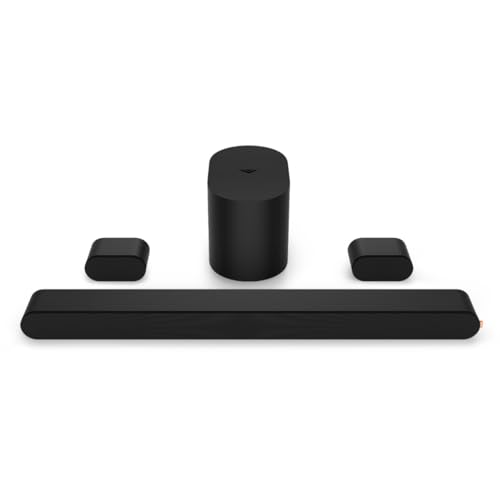
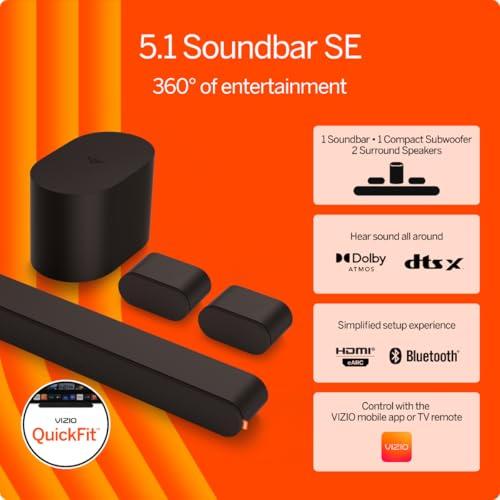
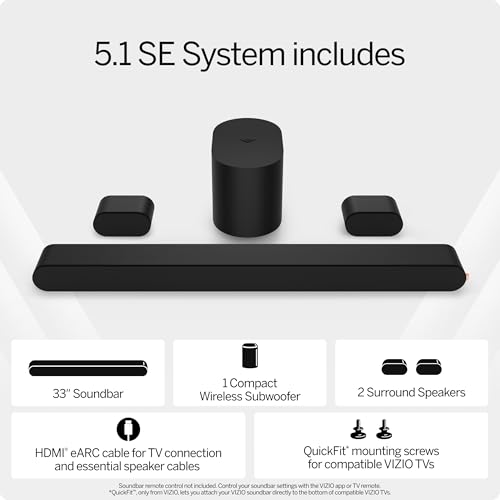
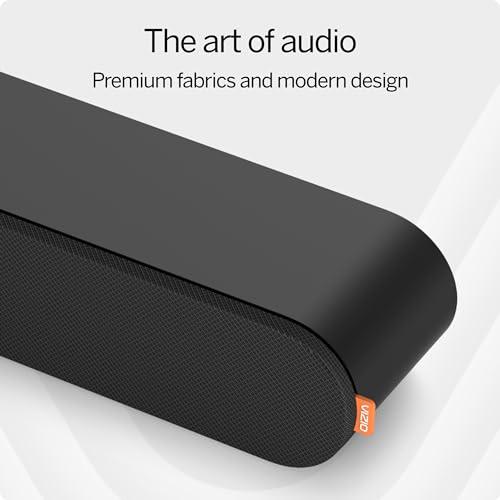
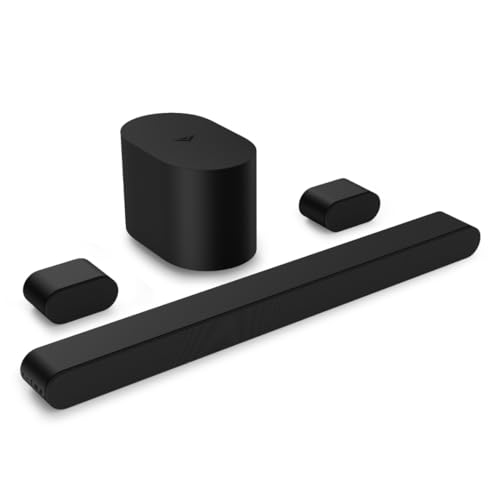
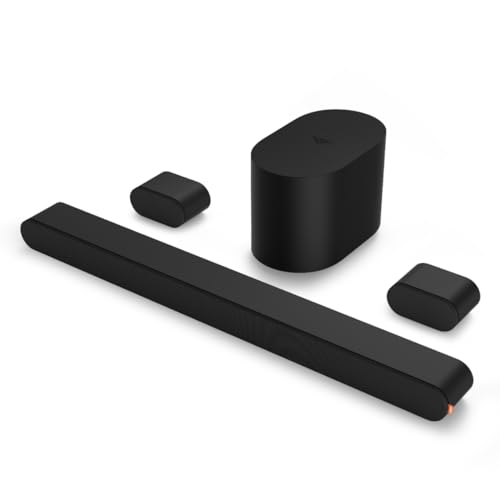
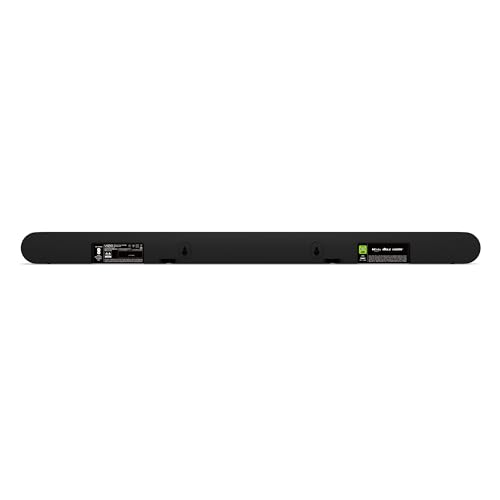
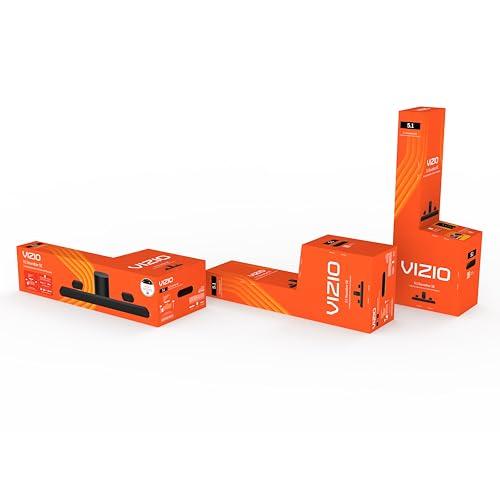
The VIZIO 5.1 Soundbar SE, released in 2024, represents VIZIO's latest thinking on affordable true surround sound. At the time of writing, it's positioned as a budget-friendly option that doesn't compromise on the fundamentals. The "5.1" in its name tells you everything you need to know about its approach – this system includes five main speakers (left, center, right, and two rear surrounds) plus one subwoofer (the ".1"). What makes this special is that those rear surround speakers are physically separate from the main soundbar.
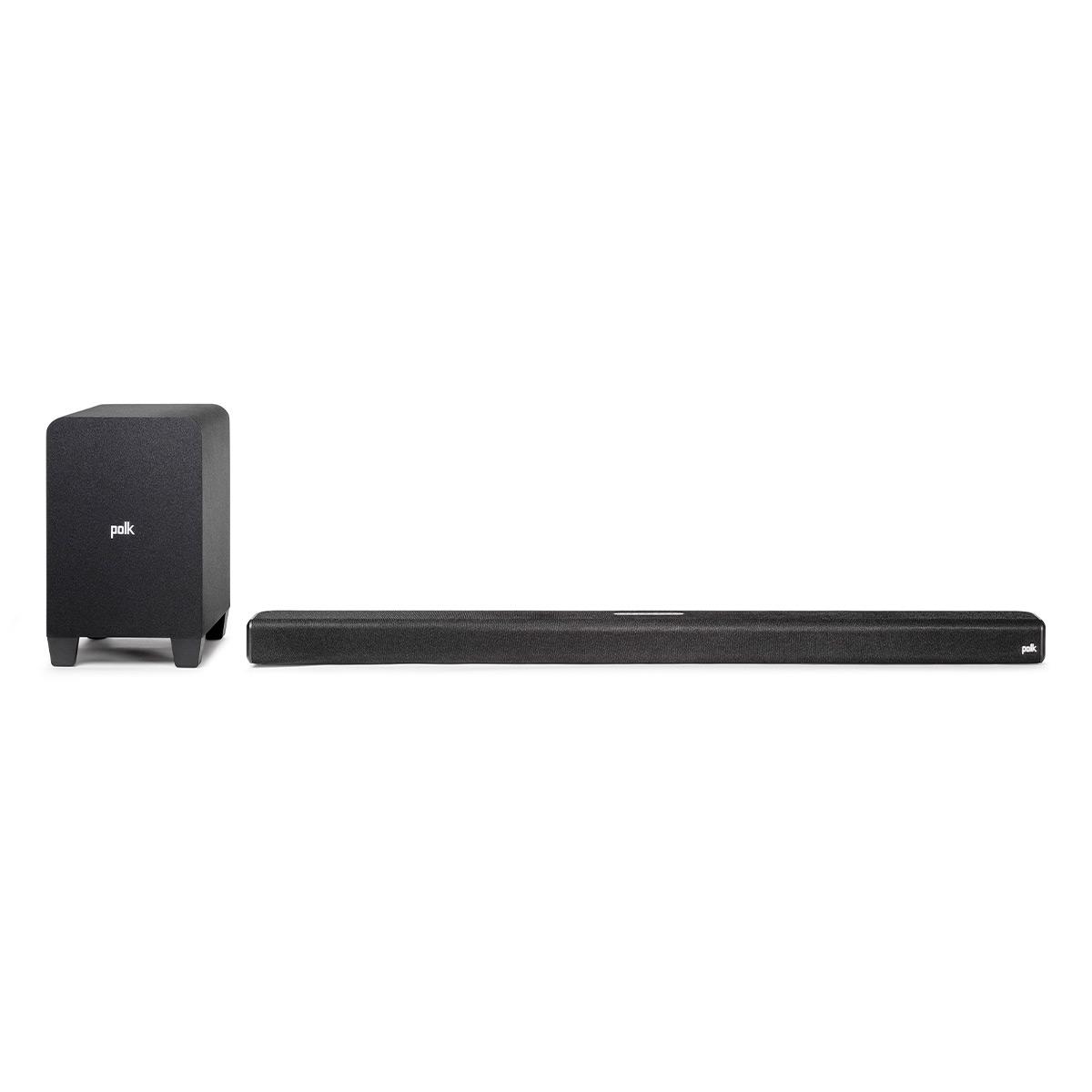
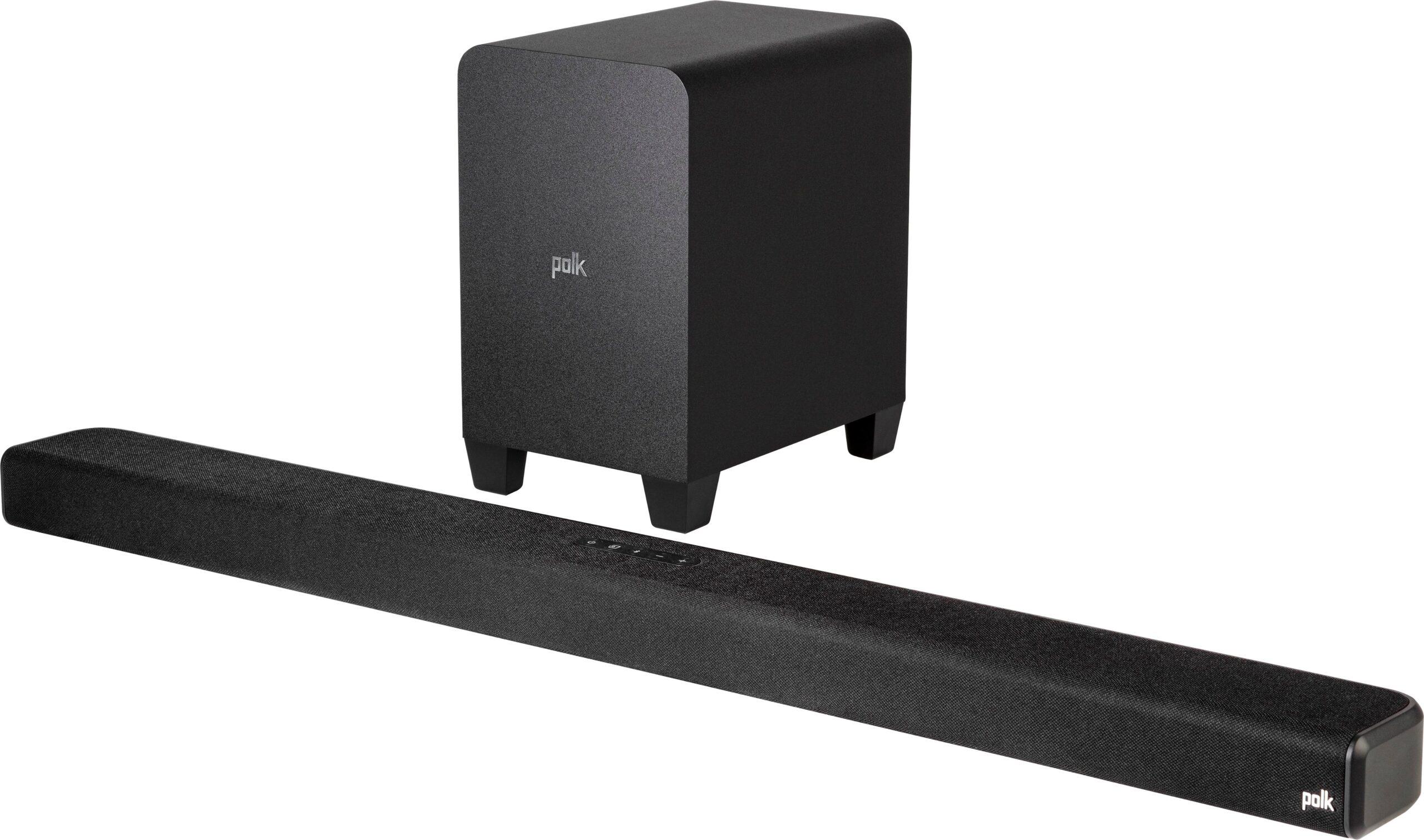
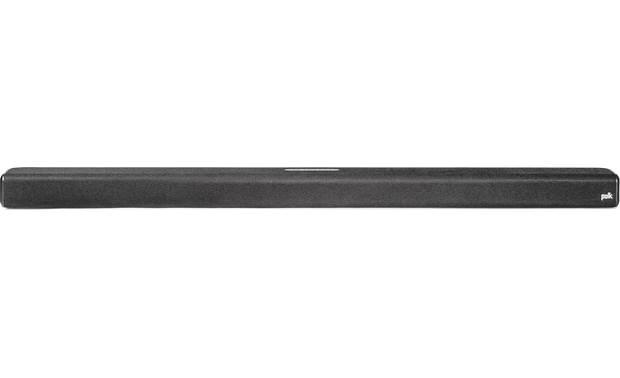
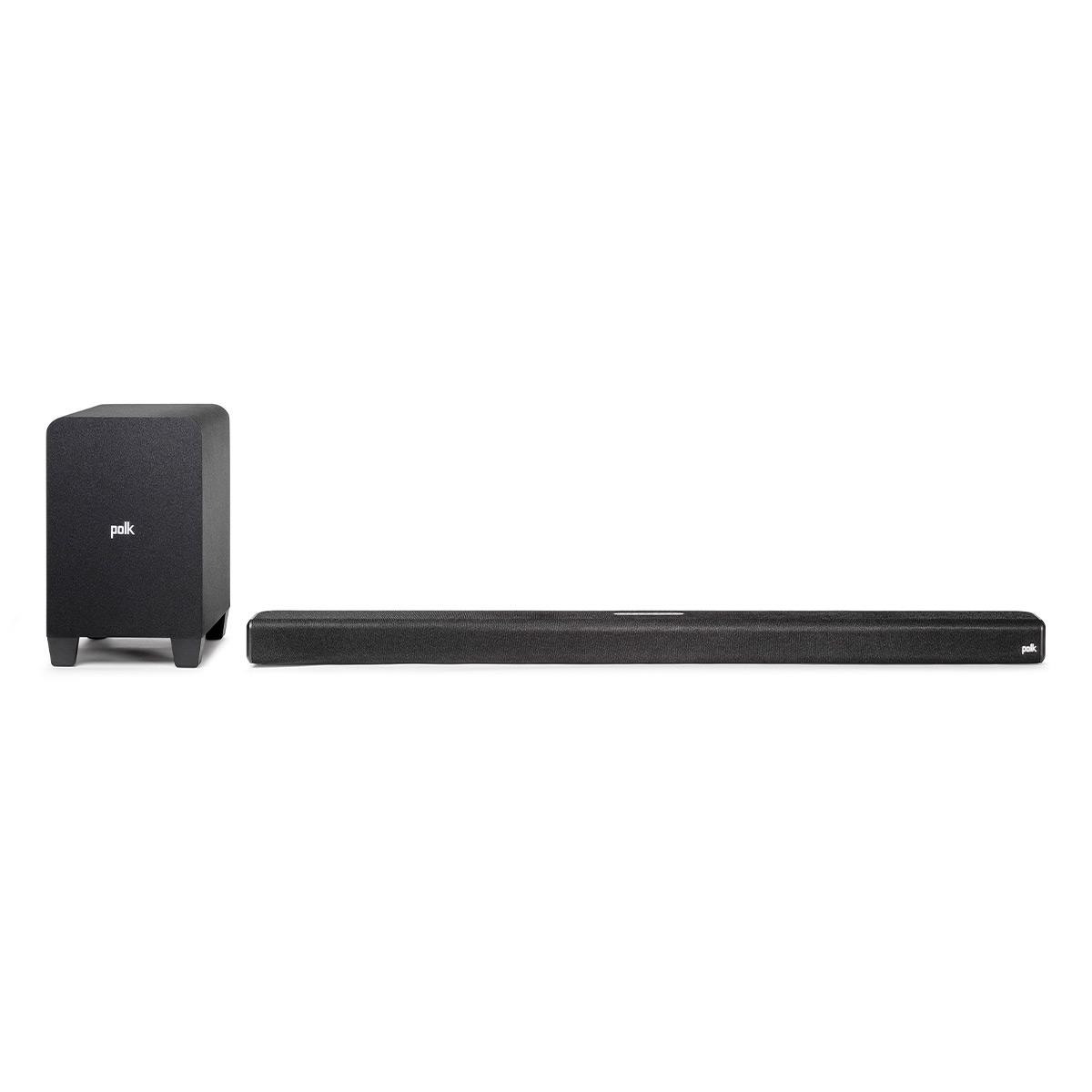
The Polk Audio Signa S4, introduced in 2021, takes a different approach with its 3.1.2 configuration. Here, Polk focuses on optimizing the main soundbar itself with seven carefully tuned drivers and relies on digital processing to create rear surround effects. The "3.1.2" means three main channels (left, center, right), one subwoofer, and two dedicated height channels specifically for Dolby Atmos effects.
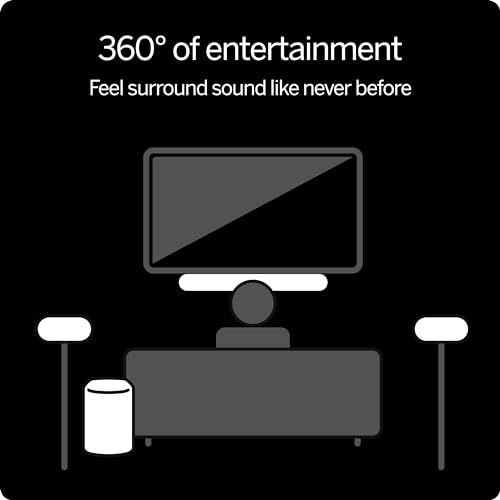
This is where the fundamental difference between these systems becomes most apparent. The VIZIO 5.1 SE includes actual rear speakers that you place behind your seating position. When a spaceship whooshes from the front of your room to the back, you're hearing that movement from discrete speakers positioned at different locations. It's the same principle as a traditional home theater setup, just simplified and wireless.
I've found that this physical separation creates a more convincing surround experience, especially for action movies and gaming. When you're playing a first-person shooter and someone's shooting at you from behind, those gunshots genuinely sound like they're coming from behind you – not from the front soundbar trying to trick your brain into thinking they're behind you.
The Polk Signa S4, on the other hand, uses psychoacoustic processing (essentially audio trickery that exploits how your brain interprets sound) to create the impression of rear surround effects. Polk's engineers have done impressive work here – the system can create a convincing sense of surround for many types of content. However, there are limitations. The effect works best when you're sitting in the "sweet spot" directly in front of the soundbar, and some audio cues that would be distinctly localized with physical rear speakers become more diffuse.
For smaller rooms (under 300 square feet), the virtual approach of the Signa S4 can actually work quite well. The reflections off your walls help reinforce the surround effects. But in larger spaces, or if you have an open floor plan, the VIZIO system's physical rear speakers become much more valuable.
Here's where things get interesting, and where the Polk Signa S4 shows its engineering focus. Polk designed this soundbar with two dedicated upward-firing drivers specifically optimized for Dolby Atmos height effects. These aren't just regular speakers pointed upward – they're tuned and positioned to create the most convincing overhead audio effects possible within the constraints of a soundbar.
The VIZIO 5.1 SE includes Atmos capability, but it's more of an integrated approach. The height effects come from the main soundbar unit, and while they're certainly present and noticeable, they don't have the same focused precision as the Polk's dedicated height drivers.
In practice, this means that when you're watching a movie with overhead effects – rain falling, aircraft flying by, or ceiling-mounted speakers in a movie theater scene – the Signa S4 does a better job of convincing your brain that those sounds are actually coming from above you.
However, and this is important, the overall immersion depends on more than just height effects. The VIZIO's combination of true rear surrounds and decent height processing often creates a more enveloping overall experience, even if the specific overhead effects aren't quite as pinpoint accurate.
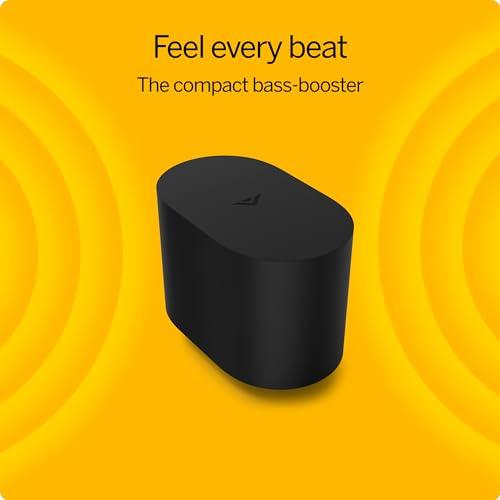
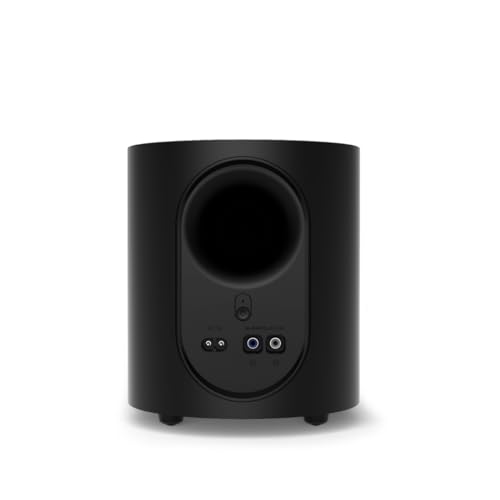
Both systems include wireless subwoofers, but they approach bass reproduction differently. The VIZIO system can reach down to 50Hz and puts out a maximum of 96dB, which in practical terms means it can fill larger rooms with impactful, room-shaking bass. I've noticed that during action sequences, explosions have genuine physical impact – you feel them as much as hear them.
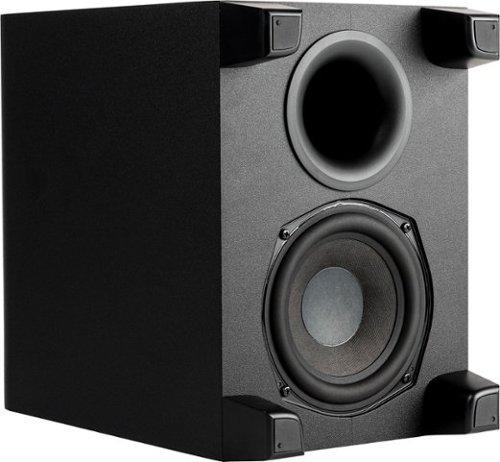
The Polk's 5.9-inch subwoofer driver takes a more refined approach. While it may not shake the walls like the VIZIO can, it integrates more seamlessly with the main speakers and provides cleaner, more controlled bass. For music listening, this often translates to better accuracy and less muddiness in the low end.
Your preference here will depend on your content and room. If you're primarily watching action movies or playing games, and you want that visceral impact from explosions and crashes, the VIZIO's more powerful approach serves you better. If you watch a lot of dramas, documentaries, or listen to music, the Polk's more controlled bass won't overpower dialogue and musical details.
This is where Polk's audio engineering experience really shows. The Signa S4 includes their proprietary VoiceAdjust technology, which can boost dialogue volume without affecting the rest of the soundtrack. It's essentially like having a smart compressor that identifies speech frequencies and enhances them independently.
This feature addresses one of the most common complaints about modern movies and TV shows – dialogue that's mixed too quietly relative to sound effects and music. With VoiceAdjust, you can leave the explosive action scenes at their intended volume while making sure you never miss what the characters are saying.
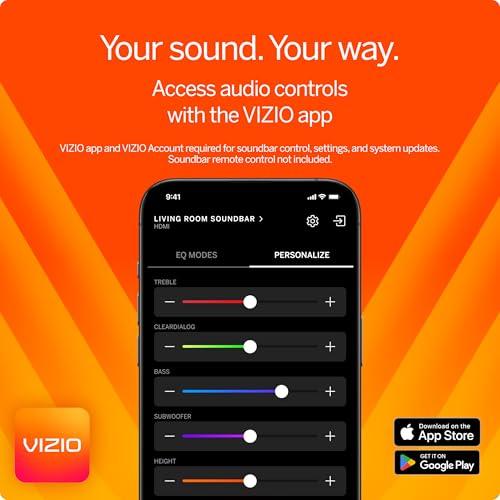
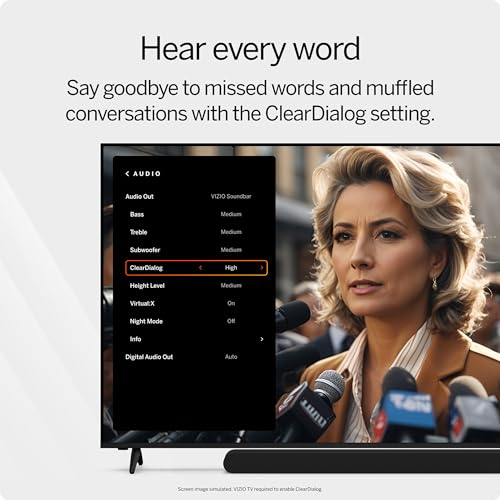
The VIZIO 5.1 SE handles dialogue through its dedicated center channel speaker, which is the traditional approach. While it doesn't have the smart processing of the Polk system, the discrete center channel does provide clear speech reproduction. You can also adjust treble and bass through the mobile app to emphasize dialogue frequencies.
For households where dialogue clarity is a primary concern – maybe you have family members with hearing difficulties, or you frequently watch foreign films with subtitles – the Polk's VoiceAdjust technology provides a clear advantage.
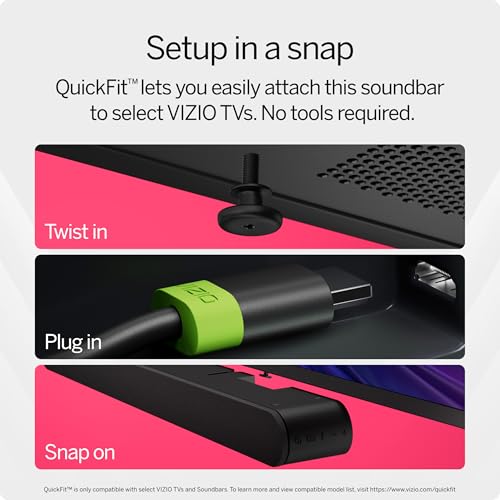
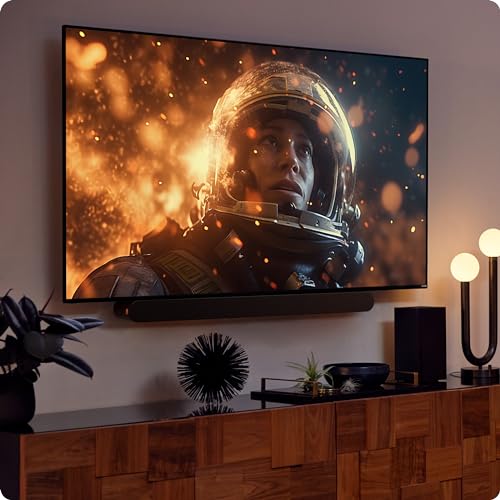
The VIZIO 5.1 SE introduces some interesting innovations that reflect how soundbars are evolving. The QuickFit mounting system allows the soundbar to attach directly to compatible VIZIO TVs using simple thumbscrews, creating a seamless, unified look. It's a small detail, but it shows how manufacturers are thinking about the entire entertainment setup rather than just the audio component.
More controversially, VIZIO eliminated the physical remote control from this 2024 model. Instead, you control the soundbar through HDMI eARC integration with your TV remote, or through their mobile app. This represents a broader industry trend toward smartphone-based control, but it's not universally popular. Some users find app control more flexible and modern, while others prefer the immediate accessibility of a physical remote.
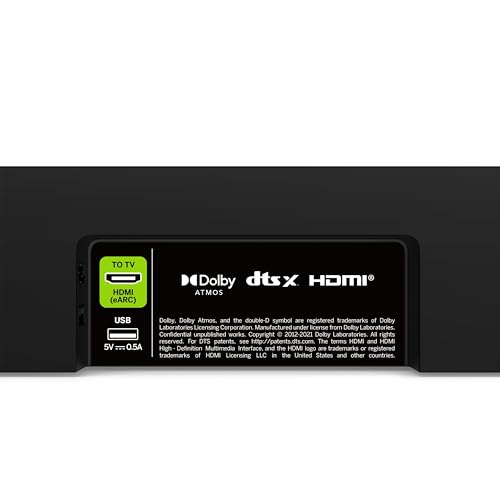
The single HDMI eARC connection is both a strength and a limitation. On the positive side, it provides the highest quality audio connection and simplifies setup to a single cable. The limitation is that if your TV doesn't have eARC, you'll need to use optical connection, which can't carry the full bandwidth of advanced audio formats.
Polk has invested heavily in signal processing technologies that address real-world listening challenges. Beyond the VoiceAdjust feature I mentioned earlier, the Signa S4 includes BassAdjust technology that lets you control both the soundbar and subwoofer bass levels simultaneously. This might sound simple, but it's actually quite sophisticated – the system maintains proper phase relationships between the main speakers and subwoofer even as you adjust levels.
The seven-driver array in the Signa S4 represents careful acoustic engineering. Rather than just cramming more speakers into the cabinet, Polk has optimized the placement and tuning of each driver for its specific role. The dedicated tweeters handle high frequencies, the midrange drivers focus on vocals and most sound effects, and the upward-firing drivers are specifically calibrated for height effects.
At the time of writing, these two soundbars occupy different value positions in the market. The VIZIO 5.1 SE typically costs significantly less than the Polk Signa S4, making it one of the most affordable ways to get true 5.1 surround sound with Dolby Atmos support.
This price difference reflects their different approaches. The VIZIO prioritizes giving you more hardware – more speakers, more power – for your money. You're getting five discrete speakers plus a subwoofer, which would cost considerably more if purchased separately from traditional audio manufacturers.
The Polk commands a higher price because of its engineering refinement and brand reputation. Polk has been making speakers for decades, and that experience shows in the acoustic tuning and signal processing. You're paying for more sophisticated technology and, arguably, better integration of the various components.
If you're setting up a dedicated home theater room, the choice between these systems becomes clearer. The VIZIO 5.1 SE is simply better suited to larger spaces and more serious movie watching. The discrete rear speakers work best when you can position them properly behind your seating, and the higher power output fills larger rooms effectively.
However, room acoustics matter enormously with any soundbar system. Hard surfaces (hardwood floors, large windows, minimal furniture) can cause reflections that interfere with both systems' height effects. The Polk's more controlled approach sometimes handles difficult room acoustics better than the VIZIO's more powerful but less refined output.
For apartment dwellers or those with noise concerns, the Polk system's Night Mode compresses the dynamic range, making it easier to enjoy movies at lower volumes without losing dialogue clarity.
The VIZIO 5.1 Soundbar SE makes the most sense if you have a medium to large room (300+ square feet), primarily watch action movies or play games, and want the most immersive surround experience possible at this price point. It's also the clear choice if you already own a VIZIO TV and want the seamless integration of the QuickFit system.
The system really shines with content that has aggressive surround mixing – think Marvel movies, war films, or modern video games. The discrete rear speakers create genuinely immersive experiences that virtual processing simply can't match. If you're the type of person who wants to feel like you're in the middle of a firefight or spaceship battle, this is your soundbar.
The Polk Audio Signa S4 is better for smaller spaces, dialogue-heavy content, and users who prioritize refined features over raw power. It's the smarter choice if you watch a lot of dramas, documentaries, or foreign films where dialogue clarity is crucial. The VoiceAdjust technology alone makes it worth considering for households where speech intelligibility is a concern.
This system also works better if you prefer traditional control methods – having a physical remote and multiple control options appeals to users who don't want to rely on smartphone apps for basic functions.
Both soundbars deliver genuine Dolby Atmos experiences, but they're designed for different users and different spaces. The VIZIO 5.1 SE offers exceptional value if you want true surround sound and have the space to properly position rear speakers. The Polk Signa S4 provides more sophisticated processing and features in a more compact, room-friendly package.
Your decision should ultimately come down to your room size, viewing habits, and personal preferences about control and setup complexity. Neither choice is wrong – they're just optimized for different priorities in the world of home audio.
| VIZIO 5.1 Soundbar SE | Polk Audio Signa S4 |
|---|---|
| Channel Configuration - Determines surround sound immersion | |
| True 5.1 with discrete rear speakers | Virtual 3.1.2 with processed rear effects |
| Physical Surround Speakers - Key for authentic directional audio | |
| Yes, two separate wireless rear speakers | No, virtual processing only |
| Dolby Atmos Height Drivers - Creates overhead sound effects | |
| Integrated into main soundbar | Two dedicated upward-firing drivers |
| Maximum Output - Ability to fill larger rooms | |
| 96dB (powerful, room-filling sound) | Not specified (moderate output levels) |
| Subwoofer Frequency Response - Determines bass depth | |
| Down to 50Hz (deep, impactful bass) | 5.9" driver (controlled, musical bass) |
| Voice Enhancement Technology - Critical for dialogue clarity | |
| Basic center channel with app EQ | VoiceAdjust technology with independent voice control |
| Remote Control - Affects daily usability | |
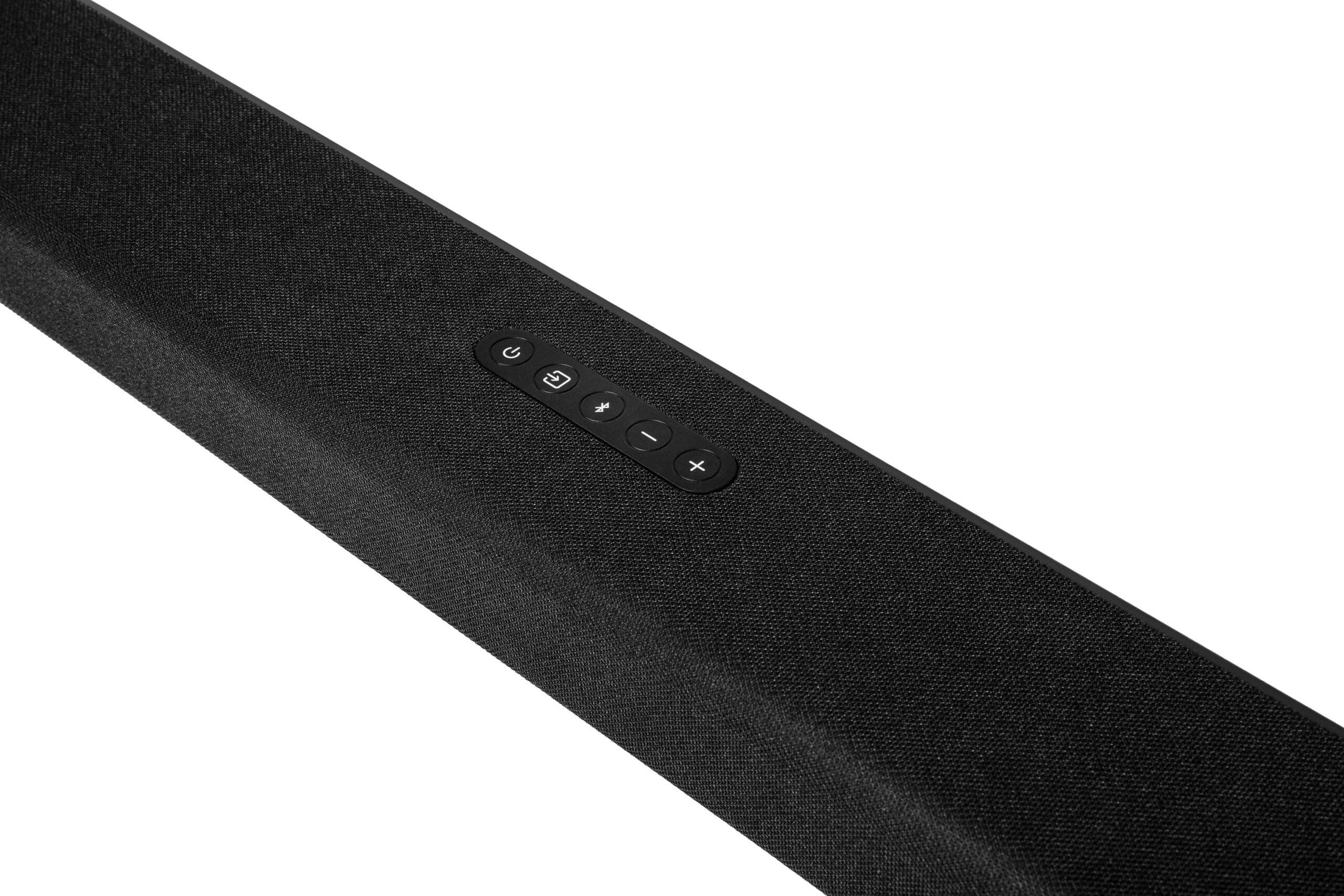
| No remote included, app or TV remote only | Physical remote included |
| TV Integration - Simplifies setup and control | |
| QuickFit mounting system for VIZIO TVs, HDMI eARC | Universal mounting, HDMI eARC and optical inputs |
| Sound Customization - Tailors audio to your preferences | |
| Bass/treble adjustment via mobile app | VoiceAdjust, BassAdjust, Night Mode, sound presets |
| Best Room Size - Where each system performs optimally | |
| Medium to large rooms (300+ sq ft) | Small to medium rooms (under 300 sq ft) |
| Ideal Content Type - What each system excels at | |
| Action movies, gaming, content with dynamic surround | Dialogue-heavy content, music, refined listening |
The VIZIO 5.1 Soundbar SE provides superior surround sound with true 5.1 channels and discrete rear speakers that physically place sound behind you. The Polk Audio Signa S4 uses virtual surround processing, which works well in smaller rooms but can't match the directional accuracy of physical rear speakers for genuine surround immersion.
The VIZIO 5.1 SE has five main speakers (left, center, right, two rear surrounds) plus a subwoofer, creating true surround sound. The Polk Signa S4 features 3.1.2 configuration with three main channels, one subwoofer, and two dedicated height channels specifically for Dolby Atmos effects, focusing more on overhead sound rather than rear surround.
The Polk Audio Signa S4 works better in small to medium rooms under 300 square feet where virtual surround effects can properly reflect off walls. The VIZIO 5.1 Soundbar SE excels in larger rooms over 300 square feet where its discrete rear speakers and higher power output can fill the space effectively.
While both support Dolby Atmos, the Polk Signa S4 has dedicated upward-firing drivers specifically optimized for height effects, creating more convincing overhead sounds. The VIZIO 5.1 SE includes Atmos capability but focuses more on overall surround immersion rather than specialized height channel performance.
The VIZIO 5.1 Soundbar SE delivers more powerful bass that can reach down to 50Hz and fill larger rooms with impactful low-end sound. The Polk Audio Signa S4 offers more controlled, musical bass that integrates better for dialogue-heavy content and music listening but with less room-shaking impact.
The Polk Signa S4 includes VoiceAdjust technology that can boost dialogue without affecting other sounds, making it superior for speech clarity. The VIZIO 5.1 SE relies on its dedicated center channel and basic EQ adjustments through the mobile app for voice enhancement.
The VIZIO 5.1 Soundbar SE doesn't include a physical remote and requires control through the mobile app or TV remote via HDMI connection. The Polk Audio Signa S4 comes with a traditional infrared remote plus app control options, offering more flexibility for daily use.
The VIZIO 5.1 SE typically offers better value by providing true 5.1 surround sound with discrete speakers at a lower price point. The Polk Signa S4 costs more but includes premium features like VoiceAdjust technology and refined acoustic engineering that justify the higher price for some users.
The VIZIO 5.1 Soundbar SE requires positioning rear speakers behind your seating area but offers QuickFit mounting for compatible VIZIO TVs. The Polk Audio Signa S4 has simpler setup with just the main bar and subwoofer, working universally with any TV brand through multiple connection options.
The VIZIO 5.1 SE excels for gaming and action content with its discrete rear speakers creating authentic directional audio for explosions, gunfire, and movement effects. The Polk Signa S4 works well for these genres but virtual surround processing can't match the precision of physical rear speaker placement.
Both soundbars support HDMI eARC for the highest quality audio connection. The VIZIO 5.1 Soundbar SE focuses primarily on HDMI connectivity with optional optical input. The Polk Audio Signa S4 includes HDMI eARC, optical digital input, analog input, and Bluetooth streaming with support for multiple audio codecs.
Choose the VIZIO 5.1 Soundbar SE if you have a dedicated theater room, watch primarily action content, and want maximum surround immersion at the best value. Select the Polk Audio Signa S4 if you prioritize dialogue clarity, have a smaller space, prefer traditional remote control, or watch more drama and documentary content where refined audio processing matters more than raw power.
We've done our best to create useful and informative comparisons to help you decide what product to buy. Our research uses advanced automated methods to create this comparison and perfection is not possible - please contact us for corrections or questions. These are the sites we've researched in the creation of this article: bestbuy.com - vizio.com - rtings.com - vizio.com - vizio.com - vizio.com - youtube.com - vizio.com - vizio.com - cnet.com - samsclub.com - walmart.com - nfm.com - finelinesdesignstudio.com - dugoutnorthbrook.com - bestbuy.com - soundandvision.com - audioholics.com - crutchfield.com - cnet.com - richersounds.com - crutchfield.com - rtings.com - polkaudio.com - walmart.com - polkaudio.com - crutchfield.com - youtube.com - profx.com

Privacy Policy
Terms and Conditions - Affiliate Policy
Home Security
© Copyright 2008-2026.
11816 Inwood Rd #1211, Dallas, TX 75244