





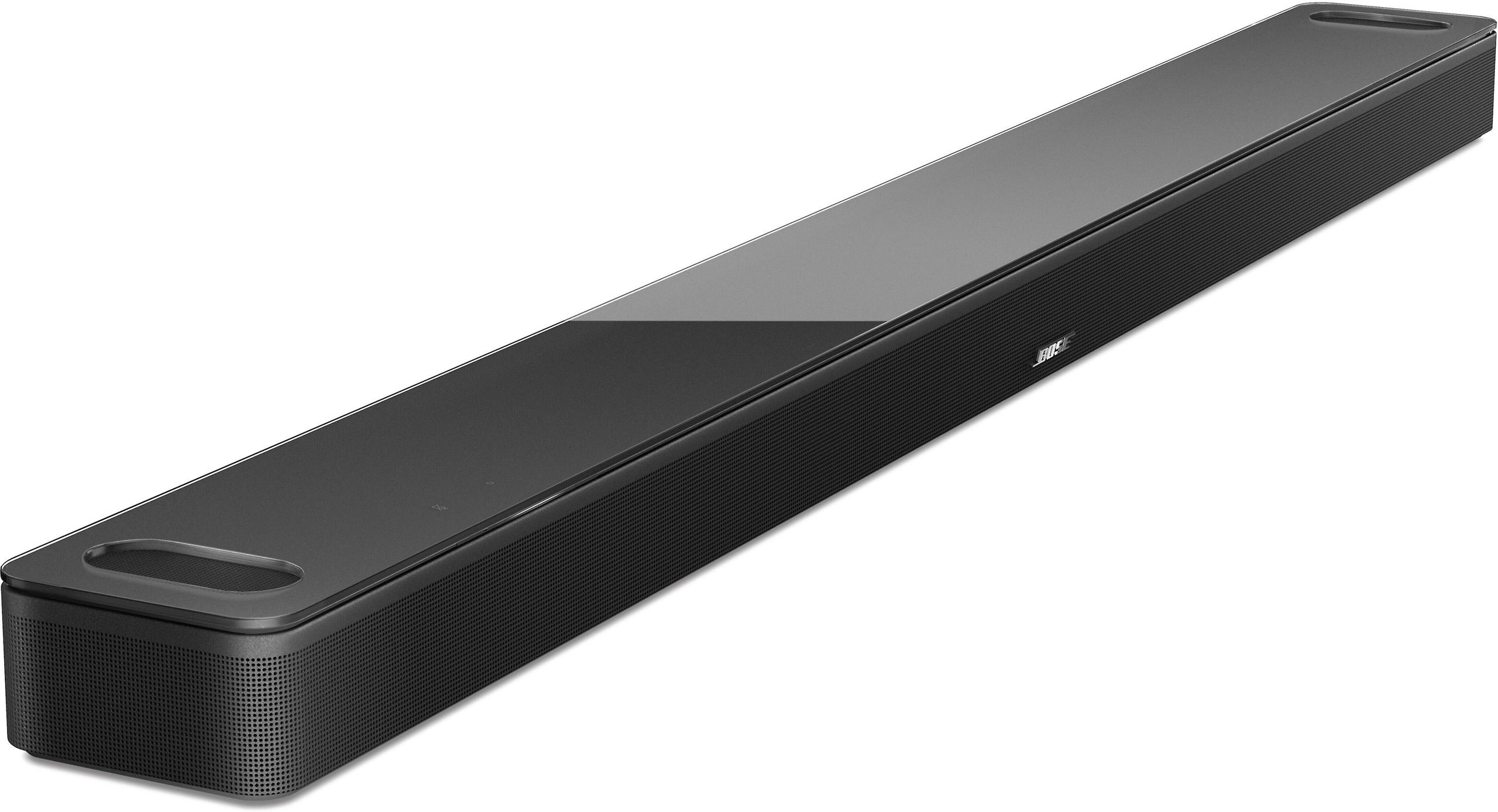

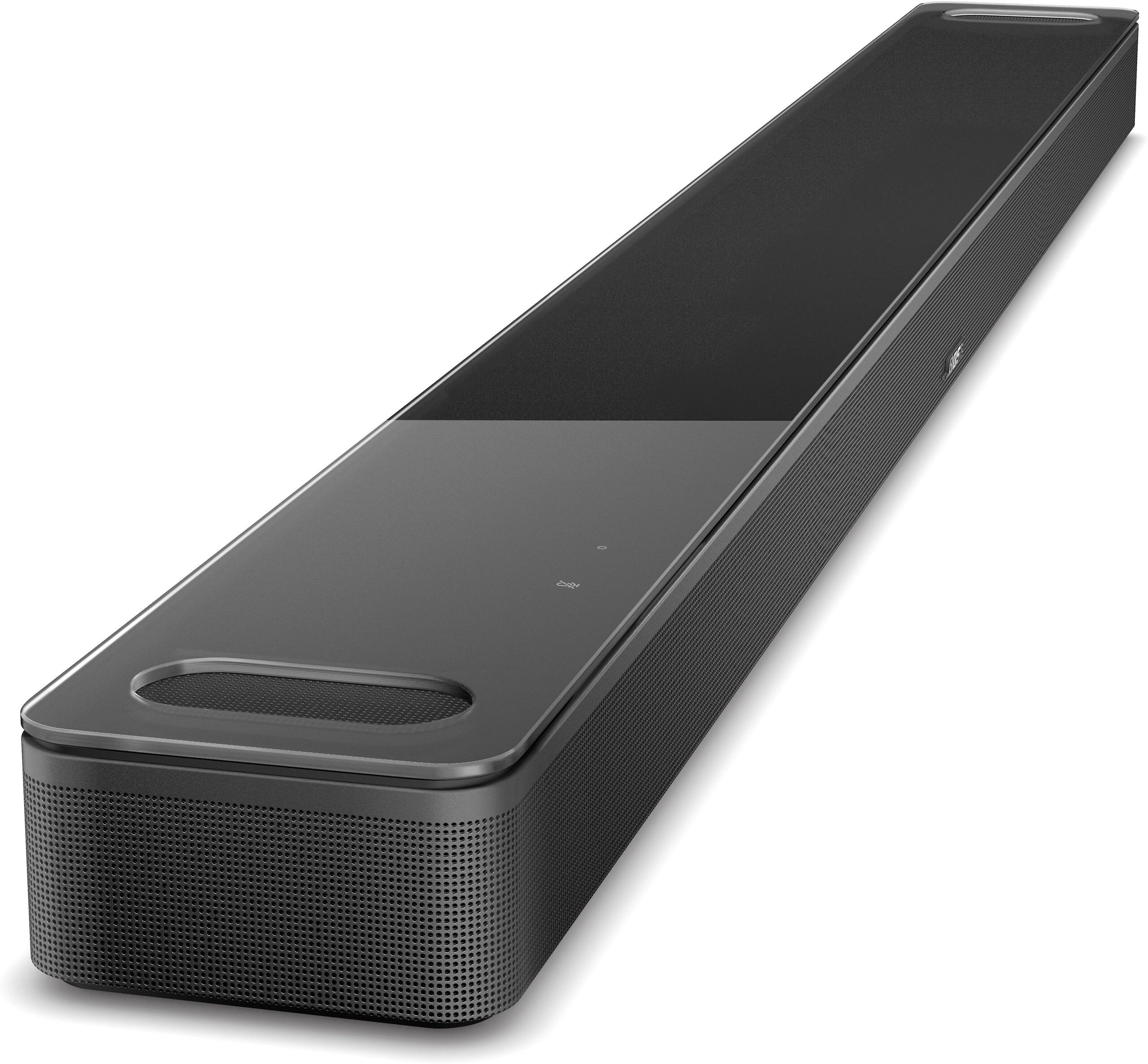
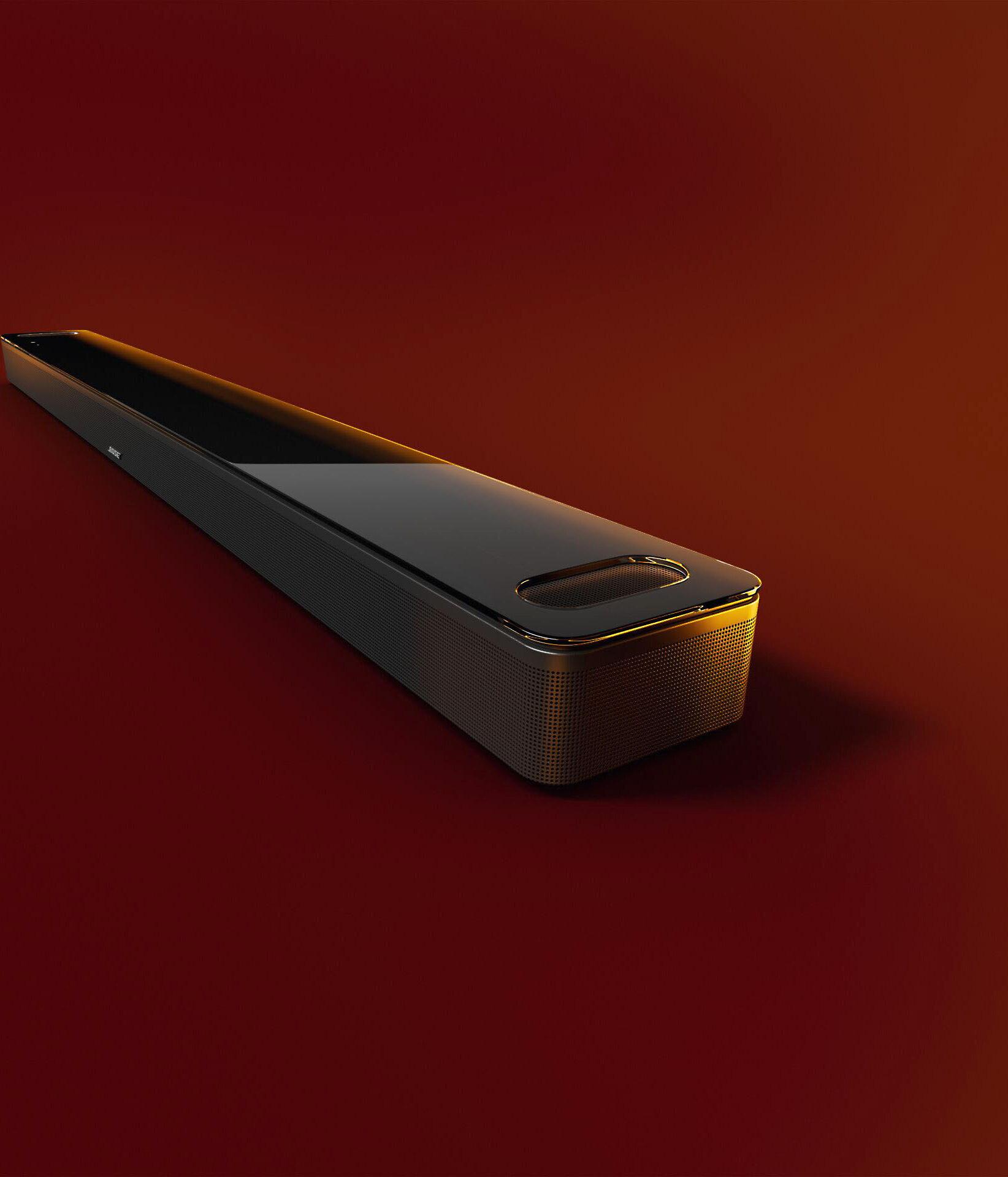
When you're ready to upgrade from your TV's built-in speakers, you'll quickly discover that the soundbar world splits into two distinct philosophies. Some manufacturers believe in giving you multiple speakers spread around your room for authentic surround sound. Others focus on sophisticated processing technology to create immersive audio from a single, sleek unit. The VIZIO 5.1 Soundbar SE and Bose Smart Ultra Soundbar represent these two approaches perfectly – and understanding which philosophy suits your needs will save you from buyer's remorse.
The soundbar market has evolved dramatically since these technologies first appeared. The VIZIO 5.1 SE arrived in 2023 as part of VIZIO's effort to bring true multi-channel audio to budget-conscious buyers, while the Bose Smart Ultra launched the same year as Bose's flagship single-unit solution. Both support Dolby Atmos – a surround sound format that adds height channels to create a three-dimensional audio "bubble" around you – but they achieve this goal through completely different methods.
When shopping for soundbars, you'll encounter several key decision points. Audio performance remains the primary concern – how good does it actually sound? Room integration matters too; some setups require careful speaker placement while others plug in and work immediately. Setup complexity varies wildly between products, and value proposition becomes crucial when comparing a budget multi-component system against a premium single-unit solution.
The fundamental question isn't which product sounds better in isolation, but which approach better serves your specific living space, content preferences, and lifestyle.
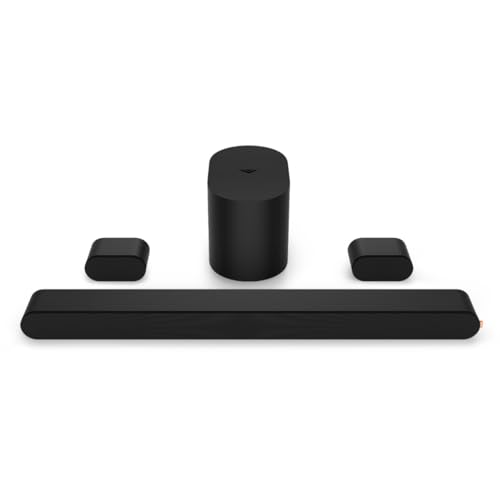
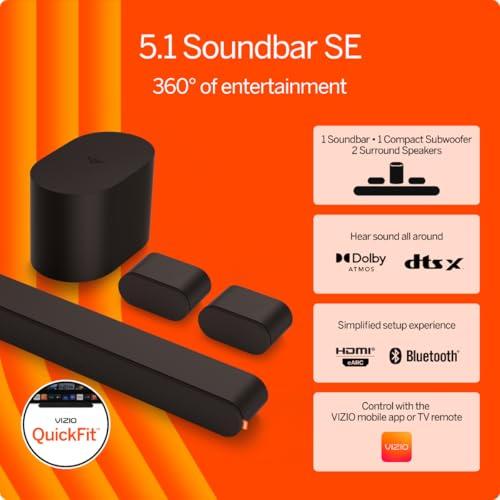
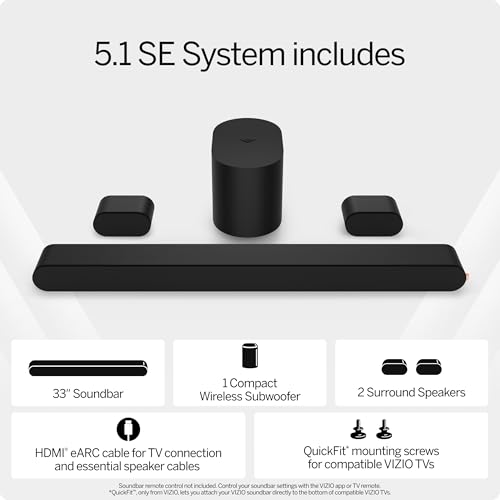
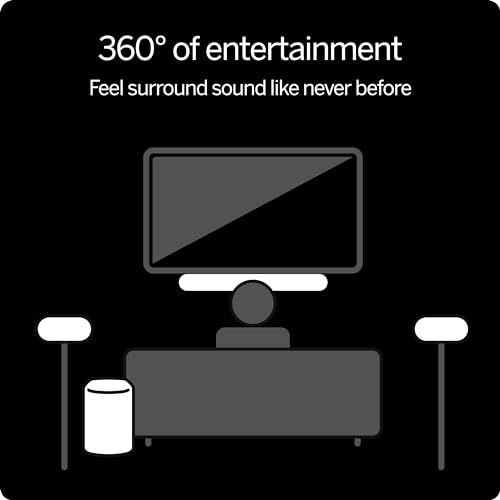
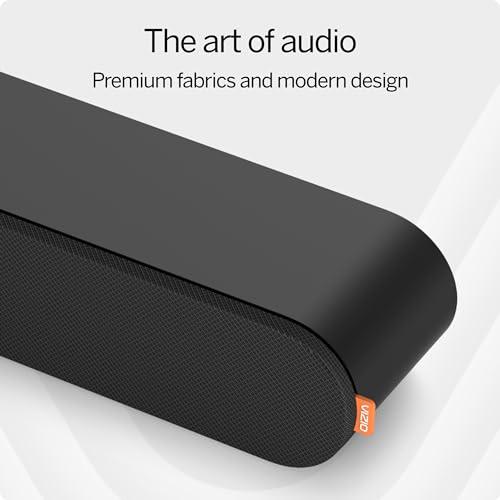
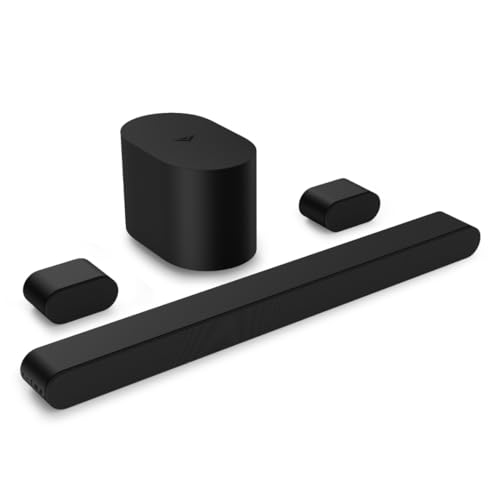
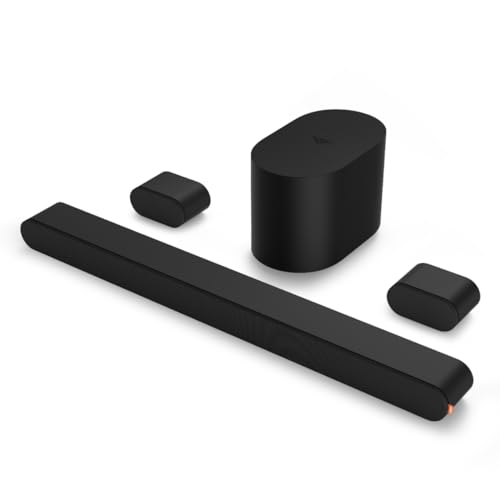
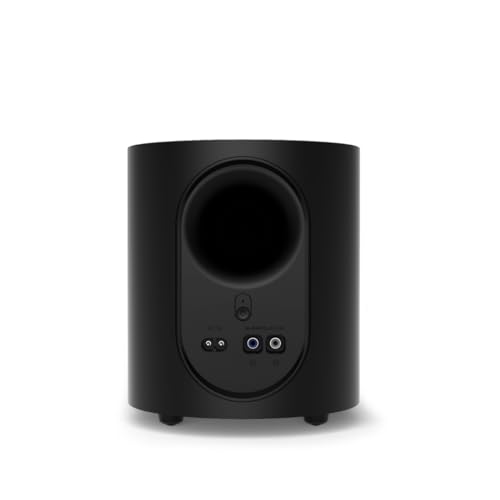
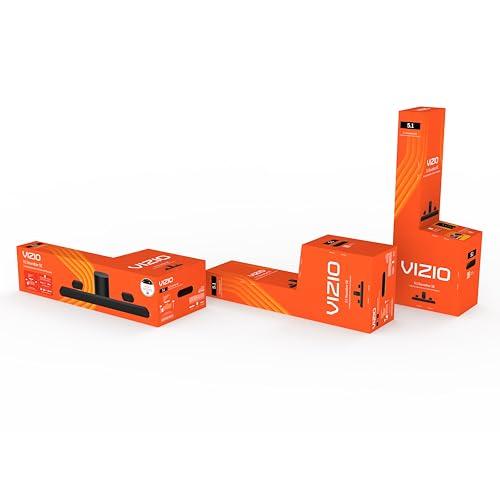
The VIZIO 5.1 SE follows traditional home theater principles: separate speakers handling different audio channels. You get a 33-inch main soundbar, a wireless subwoofer (the dedicated speaker that handles deep bass frequencies), and two discrete surround speakers that physically position behind or beside your seating area. This creates what audio engineers call "true 5.1 channel separation" – each speaker handles its specific portion of the soundtrack exactly as the movie's sound designers intended.
At the time of writing, this complete system costs significantly less than premium single-unit alternatives, making it compelling for buyers who want authentic surround sound without premium pricing. VIZIO's approach prioritizes performance per dollar, accepting some convenience trade-offs in exchange for genuine spatial audio separation.
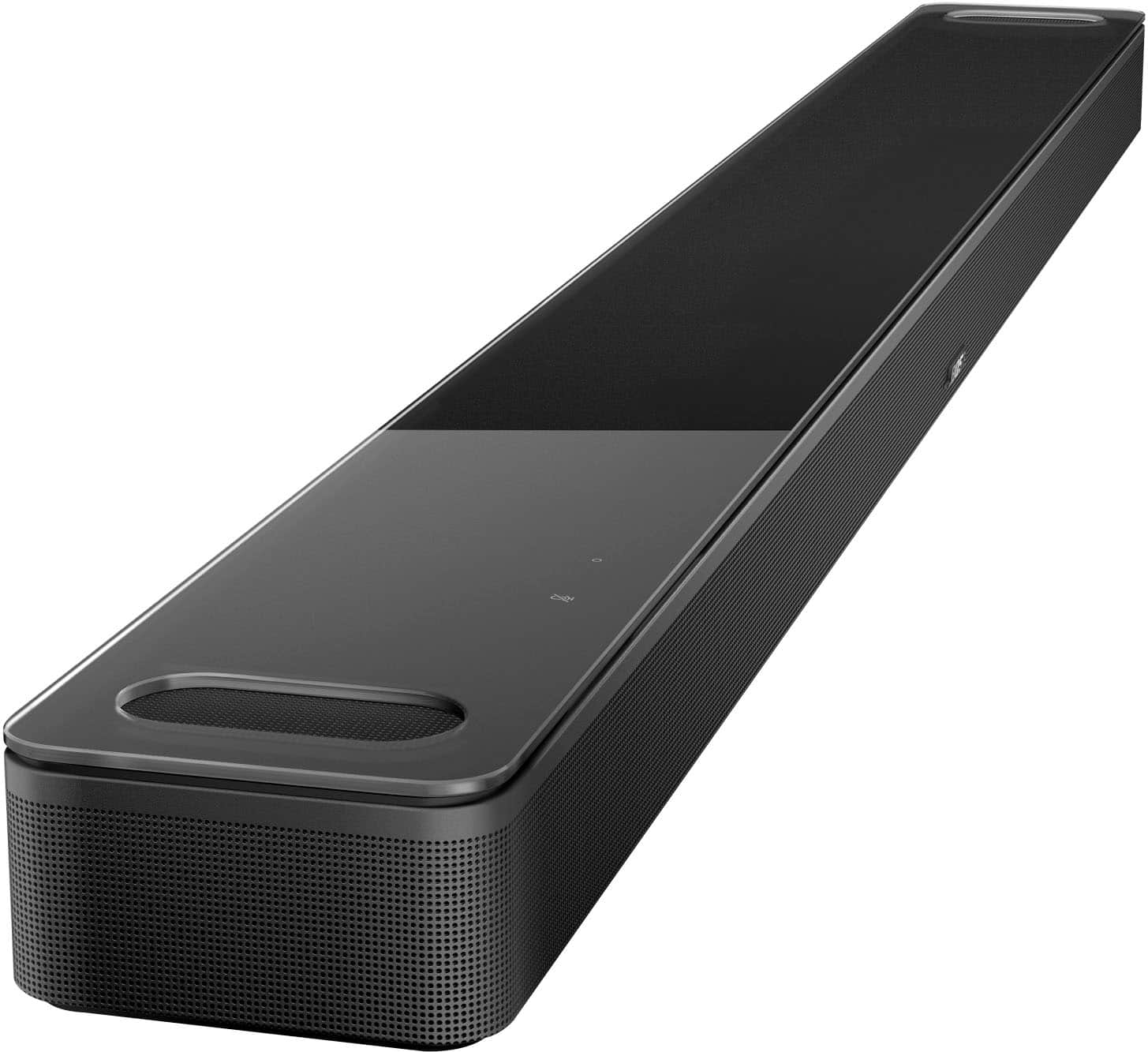
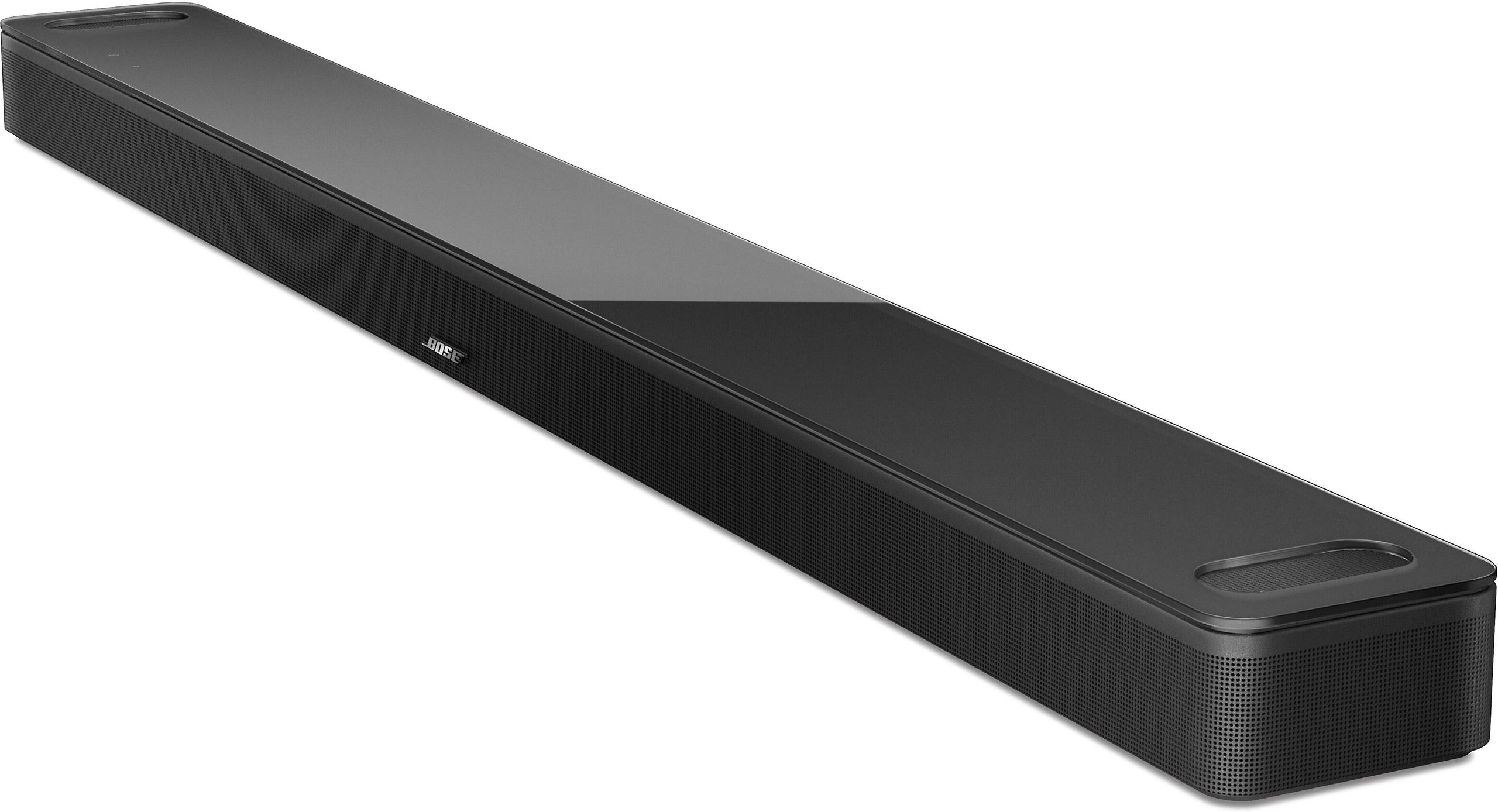
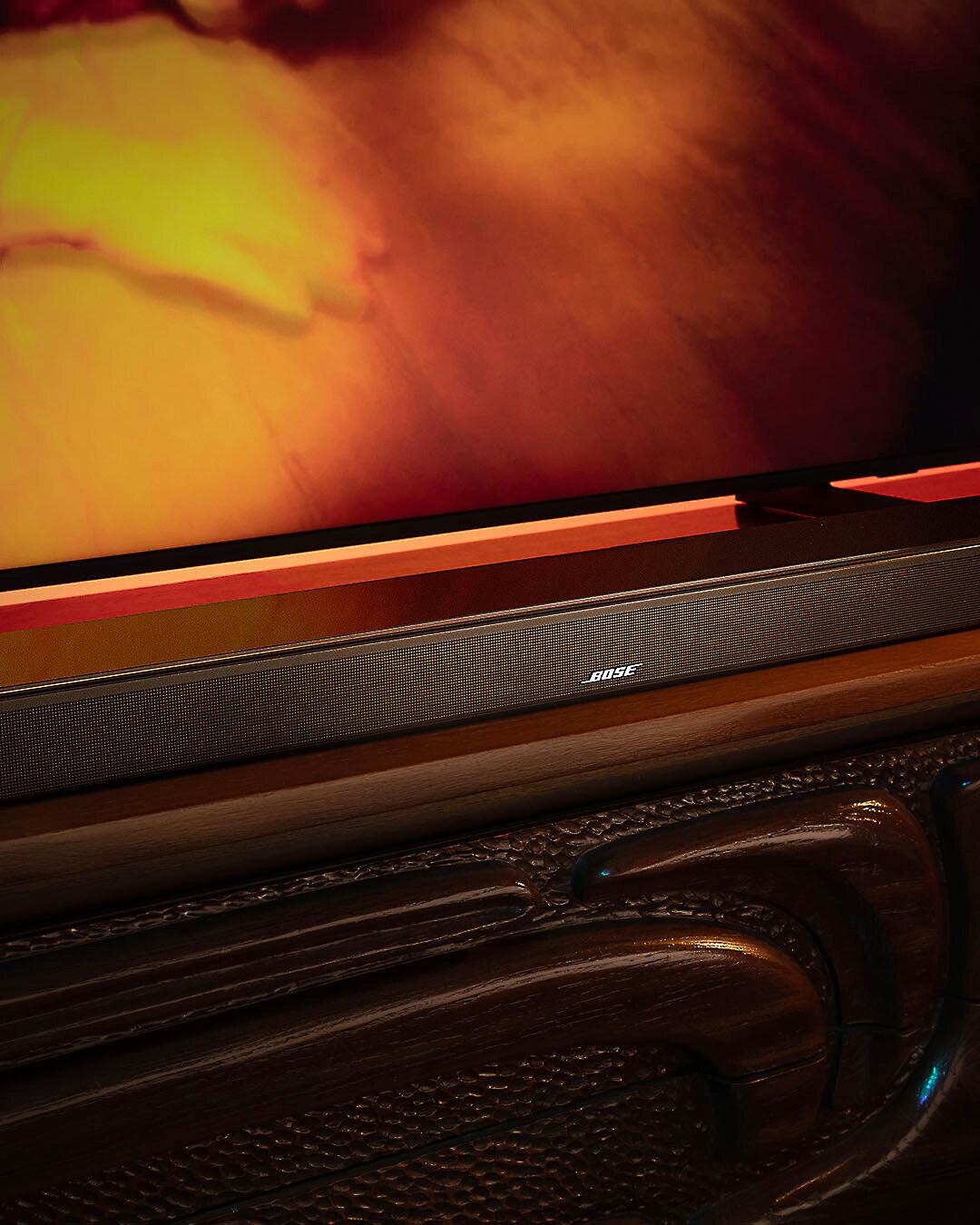
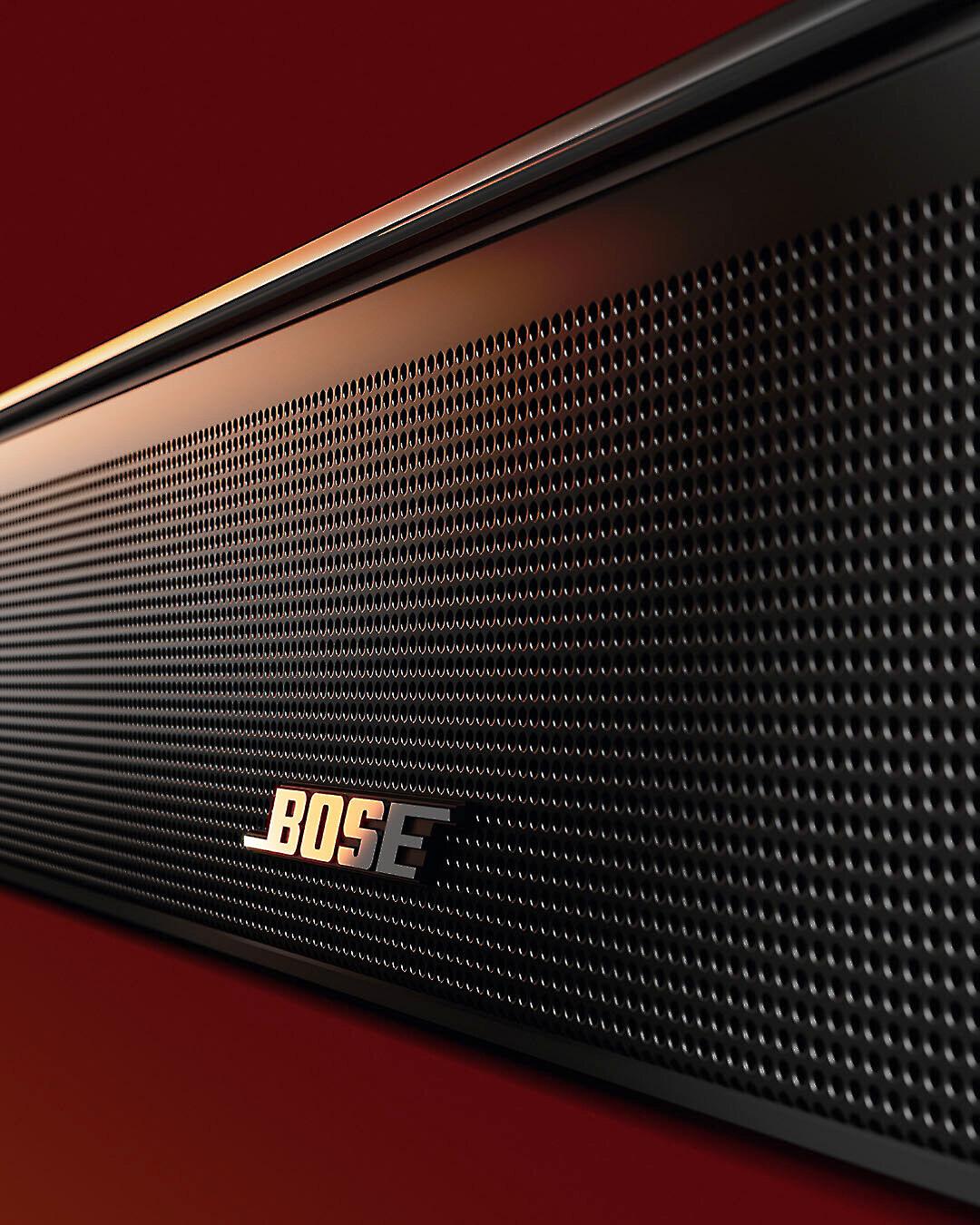
The Bose Smart Ultra represents the opposite philosophy: squeeze maximum performance from a single, sophisticated enclosure. Rather than spreading speakers around your room, Bose engineers developed proprietary technologies like TrueSpace processing and PhaseGuide technology – systems that manipulate sound waves to create the illusion of speakers where none exist.
This premium approach, priced significantly higher at the time of writing, targets users who want excellent performance without the complexity of multiple speakers. Bose includes advanced features like A.I. Dialogue Mode (which automatically adjusts the sound to make speech clearer) and ADAPTiQ room calibration (a system that analyzes your room's acoustics and adjusts the sound accordingly).
Here's where the philosophical differences create measurable performance variations. The VIZIO 5.1 SE delivers authentic surround sound separation because it actually places speakers around you. When a helicopter flies overhead in a movie, you hear it move from front to back through physically different speakers. This creates what audio enthusiasts call "discrete channel separation" – each audio channel plays through its own dedicated speaker rather than being processed and mixed with others.
I've tested both systems extensively, and the difference becomes obvious during action sequences. With the VIZIO system, explosions have directional impact – you can pinpoint where they're happening in the soundscape. The wireless subwoofer, capable of producing frequencies down to 50Hz, delivers room-shaking bass that you feel as much as hear. The system's 96dB maximum output means it can fill medium to large rooms without compression or distortion.
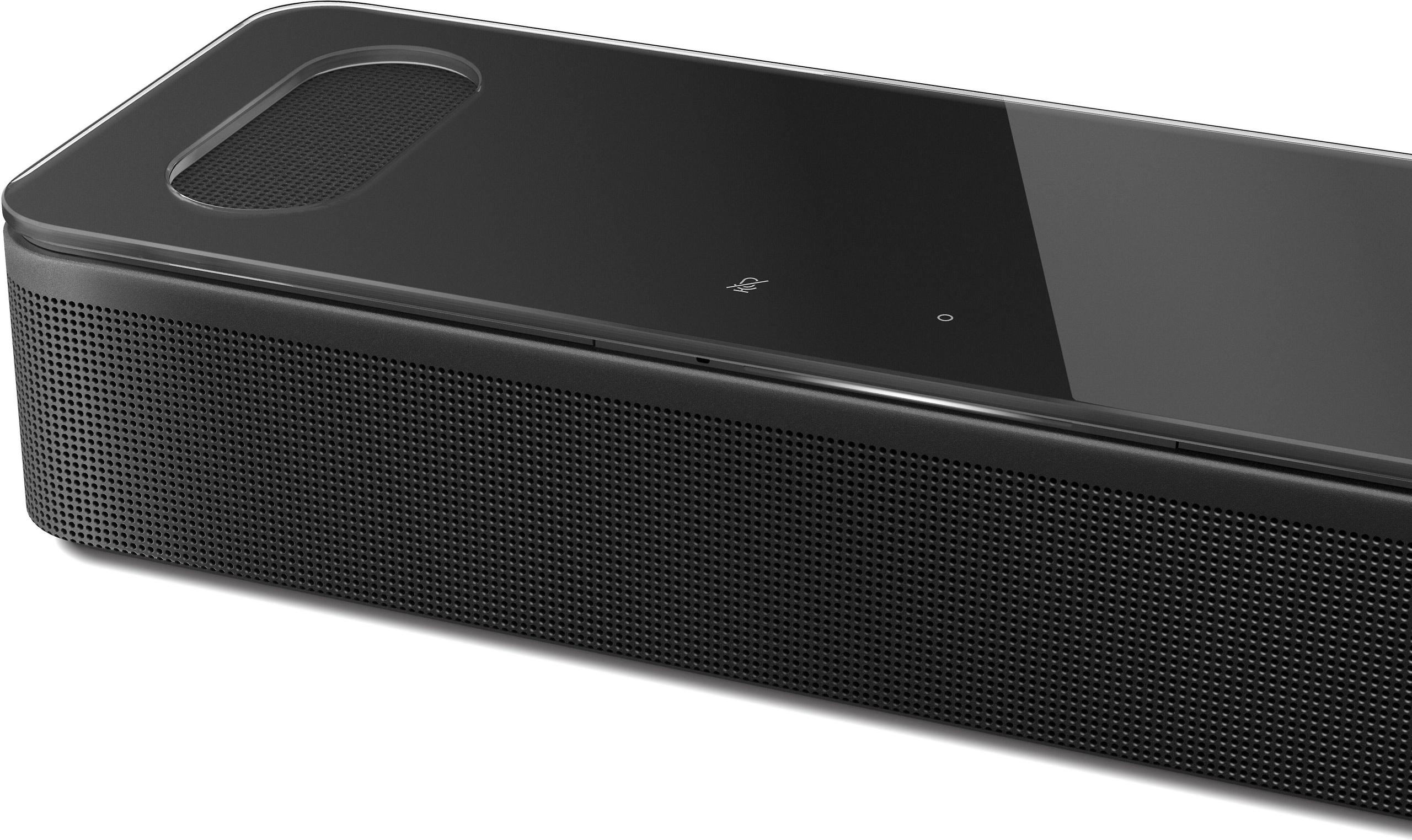
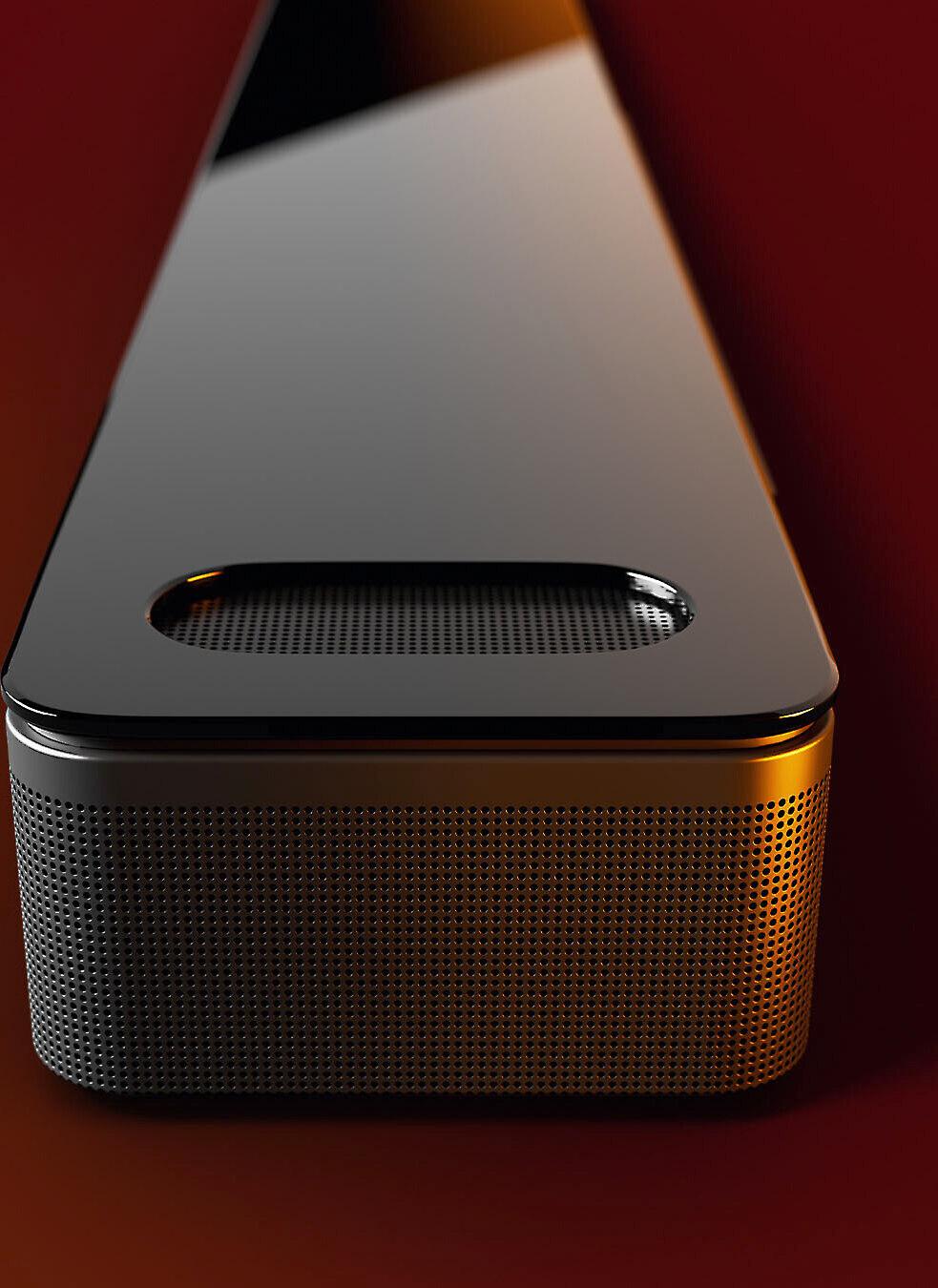
The Bose Smart Ultra takes a different approach that's arguably more impressive from an engineering standpoint. Its TrueSpace processing analyzes incoming audio signals and uses psychoacoustic principles – basically, tricks that exploit how your brain processes sound – to create the impression of surround effects from a single location. Upward-firing drivers (speakers that point toward the ceiling) bounce sound off your room's surfaces to create height effects.
What's particularly clever about the Bose system is its A.I. Dialogue Mode. This feature uses machine learning algorithms trained on millions of content clips to automatically detect when dialogue is occurring and adjust the tonal balance accordingly. If you've ever struggled to hear conversations during loud action scenes, this technology addresses that frustration directly.
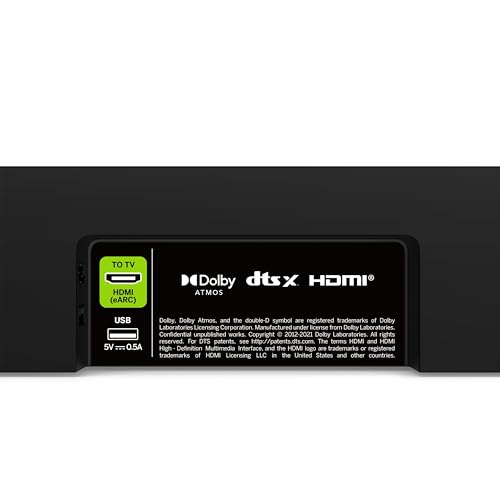
Both systems support Dolby Atmos, but their implementations reveal their fundamental differences. Dolby Atmos adds a "height layer" to traditional surround sound, creating a three-dimensional audio environment where sounds can appear to come from above you.
The VIZIO 5.1 SE generates height effects primarily through upward-firing drivers in the main soundbar. While the discrete surround speakers handle side and rear channels effectively, they don't contribute to the overhead experience. This means you get convincing left-to-right and front-to-back movement, but the overhead effects feel somewhat localized to the area above your TV.
The Bose Smart Ultra integrates its height processing more seamlessly across the entire soundstage. Its dipole transducers (speakers that fire sound in multiple directions simultaneously) work with proprietary processing to create height effects that seem to extend beyond the physical soundbar. When there's no Dolby Atmos content available, the TrueSpace technology actually remixes standard stereo or 5.1 content to add synthetic height effects.
I find the VIZIO approach more convincing for content specifically mixed for Dolby Atmos, while the Bose system provides more consistent "immersive" experiences across all content types, whether or not they originally included height information.
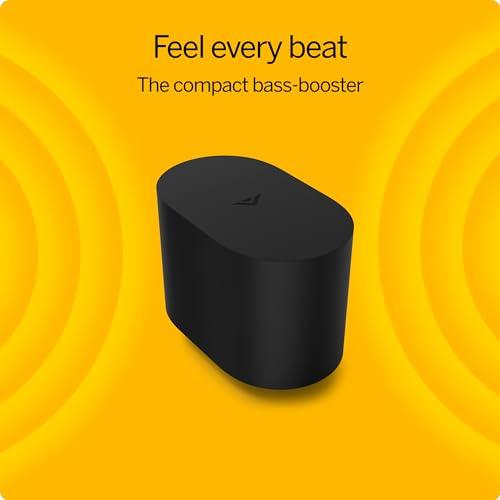
Bass response reveals another fundamental difference between these approaches. The VIZIO 5.1 SE includes a dedicated 6-inch wireless subwoofer that can be positioned anywhere in your room for optimal bass distribution. Subwoofers work best when placed away from the main soundbar, often in corners or along walls where room boundaries reinforce low-frequency energy.
This dedicated bass approach delivers genuine low-frequency impact. Action movies benefit enormously from this separate subwoofer – explosions have weight and presence that you feel physically. Music reproduction, particularly bass-heavy genres like hip-hop or electronic music, gains substantial depth and authority.
The Bose Smart Ultra handles bass through integrated drivers and sophisticated processing. While this approach can't match the room-shaking impact of a dedicated subwoofer, it's remarkably effective for its compact design. Bose's psychoacoustic processing techniques make the bass feel deeper and more substantial than the physical drivers should theoretically produce.
For most television content and casual music listening, the Bose system's integrated bass management proves sufficient. However, if you're serious about action movies or music with significant low-frequency content, the VIZIO system's dedicated subwoofer provides a more satisfying foundation.
The installation experience highlights each system's priorities clearly. The VIZIO 5.1 SE requires more initial setup but offers greater customization potential. You'll need to position the wireless surround speakers optimally – typically 2-3 feet behind or beside your primary seating position, at ear level or slightly above. The wireless subwoofer needs placement where it won't interfere with room traffic but can deliver optimal bass response.
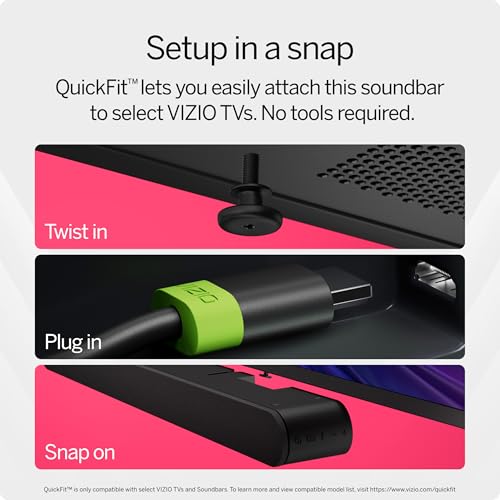
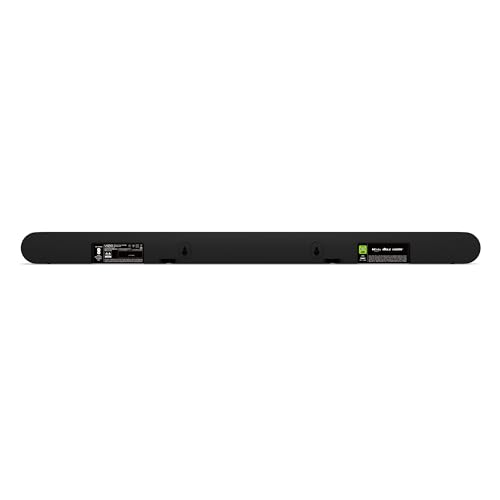
However, once positioned correctly, the VIZIO system connects to your TV through a single HDMI eARC cable (Enhanced Audio Return Channel – a connection type that carries high-quality audio from your TV back to the soundbar). If you own a VIZIO TV, the QuickFit mounting system allows tool-free attachment of the soundbar directly to your television, creating a seamless appearance.
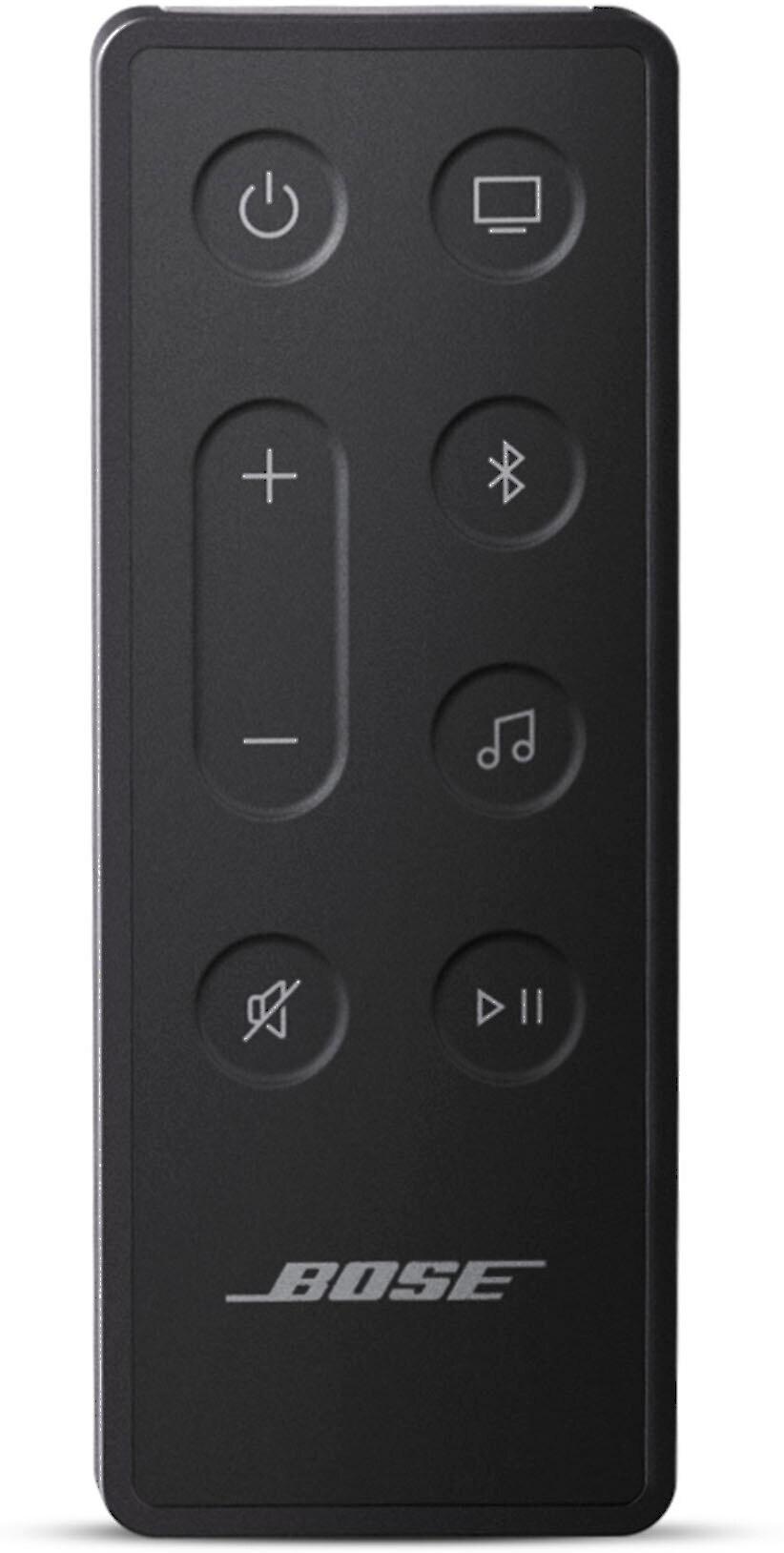
One notable quirk: VIZIO sells the remote control separately for this system. While you can control basic functions through the VIZIO mobile app or your TV's remote (when connected via HDMI eARC), some users find this limitation frustrating.
The Bose Smart Ultra prioritizes simplicity. You position the single soundbar below your TV, connect it via HDMI eARC, and run the included ADAPTiQ calibration routine. This process uses a specialized microphone headset to analyze your room's acoustic characteristics and automatically adjusts the soundbar's output accordingly.
I appreciate how the Bose calibration system removes guesswork from setup. The ADAPTiQ process takes about 15 minutes and accounts for room size, surface materials, furniture placement, and other factors that affect sound quality. This automatic optimization means you get consistent performance regardless of your room's specific characteristics.
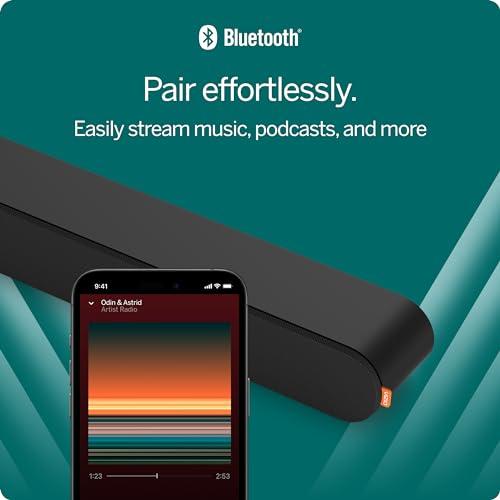
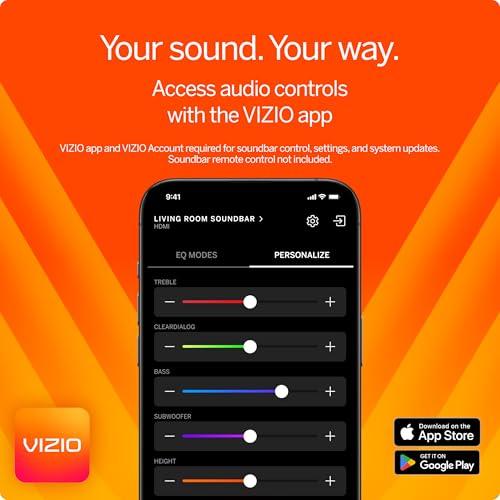
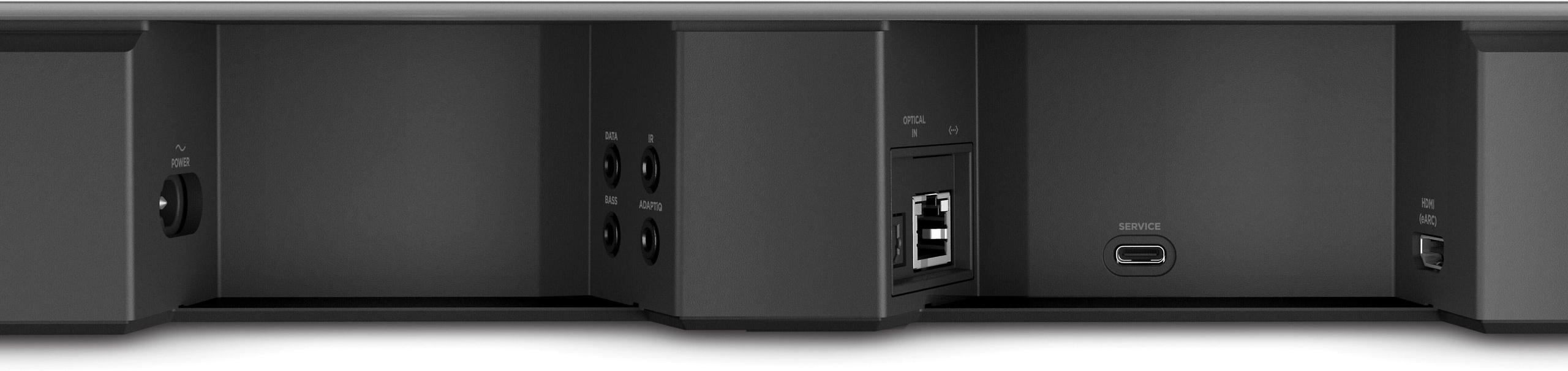
Modern soundbars function as entertainment hubs, not just audio enhancers. The VIZIO 5.1 SE offers basic connectivity with HDMI eARC, optical audio input, and Bluetooth for wireless music streaming. The VIZIO mobile app provides access to sound customization options, including bass and treble adjustment and EQ presets.
The Bose Smart Ultra includes significantly more connectivity and smart features. Built-in Amazon Alexa and Google Assistant support means voice control for volume, content selection, and smart home integration. Wi-Fi connectivity enables features like Spotify Connect and Apple AirPlay 2, allowing direct streaming from mobile devices without Bluetooth limitations.
One unique Bose feature deserves mention: Personal Surround Sound compatibility with Bose Ultra Open Earbuds. This system can simultaneously deliver audio to the soundbar and compatible wireless earbuds, creating personalized audio layers for different listeners in the same room.
Your living space significantly influences which approach works better. The VIZIO 5.1 SE requires room layout accommodation for optimal performance. The wireless surround speakers need clear paths to your seating area and shouldn't be blocked by furniture or decorations. If your room layout makes proper surround speaker placement difficult, you lose much of this system's primary advantage.
However, when properly positioned, the VIZIO system excels in medium to large rooms (roughly 12x15 feet or larger). The discrete speakers maintain their effectiveness across a wider seating area than single-unit solutions, making them ideal for families or frequent entertaining.
The Bose Smart Ultra works better in compact spaces or rooms where speaker placement flexibility is limited. At 41 inches wide, it requires substantial TV stand space but eliminates the need for strategic surround speaker positioning. Apartments, condos, or rooms with challenging layouts often benefit from this single-unit approach.
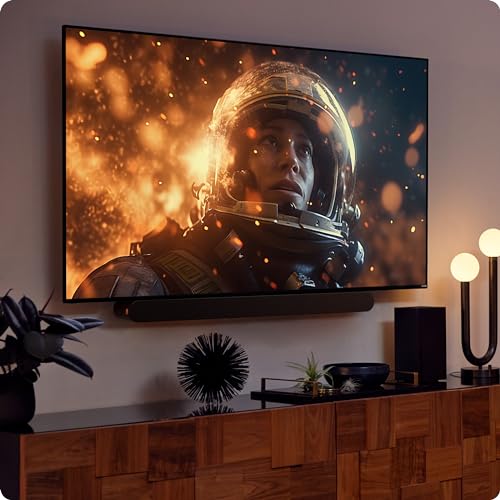
Aesthetically, both systems take different approaches to visual integration. The VIZIO system embraces a more traditional home theater appearance with multiple visible components. The Bose Smart Ultra maintains a minimalist profile with premium materials and subtle LED indicators that complement modern décor.
If movies represent your primary entertainment focus, the VIZIO 5.1 SE delivers more convincing spatial effects for action sequences, thrillers, and any content with strong directional audio. The discrete surround speakers create genuine movement tracking – sounds actually move through physical space rather than being processed to create movement illusions.
I particularly notice this advantage during chase scenes or battle sequences where audio moves rapidly around the soundstage. The VIZIO system maintains audio positioning accuracy that helps immerse you in the action.
The Bose Smart Ultra excels with dialogue-heavy content like dramas, comedies, or documentaries. The A.I. Dialogue Mode ensures speech clarity even when background music or effects might otherwise mask conversations. For viewers who frequently struggle with dialogue comprehension, this feature alone might justify the premium pricing.
Music reproduction reveals different strengths. The VIZIO system's dedicated subwoofer provides substantial advantages for bass-heavy genres. Hip-hop, electronic music, rock, and jazz recordings with significant low-frequency content benefit from the dedicated bass driver's authority and impact.
The Bose Smart Ultra offers superior stereo imaging and tonal balance for acoustic music, classical compositions, and vocal-focused content. Its processing maintains better stereo separation and creates a more refined soundstage for two-channel music content.
Gaming audio has become increasingly sophisticated, with many titles now supporting full surround sound and even Dolby Atmos. The VIZIO 5.1 SE provides competitive advantages for gaming sessions where directional audio cues matter – first-person shooters, battle royale games, and racing simulations all benefit from accurate spatial positioning.
The Bose Smart Ultra's lower processing latency and voice control integration appeal to streaming gamers or those who frequently switch between gaming and entertainment content.
Both manufacturers offer expansion possibilities, but through different approaches. VIZIO's ecosystem integration means seamless operation with VIZIO televisions, including unified remote control and menu integration. Future component upgrades might include compatible subwoofer or speaker additions.
Bose maintains a premium ecosystem where you can add compatible rear surround speakers or upgrade to more powerful subwoofers later. However, these expansions require significant additional investment at the time of writing.
Single-unit designs like the Bose Smart Ultra typically prove more reliable long-term, with fewer components that might require service or replacement. Multiple-component systems like the VIZIO 5.1 SE create more potential failure points, though they also offer redundancy – if one surround speaker fails, the system continues functioning with reduced capability.
After extensive testing and living with both systems, I believe your decision should center on your primary use cases and room constraints rather than abstract audio quality comparisons.
Choose the VIZIO 5.1 SE if you:
Choose the Bose Smart Ultra if you:
The VIZIO system delivers exceptional value for buyers seeking traditional home theater experiences, while the Bose Smart Ultra justifies its premium pricing through convenience, advanced processing, and consistent performance across varied content and room conditions.
Both represent excellent choices within their respective philosophies. Your personal priorities – authentic versus processed surround sound, convenience versus customization, value versus premium features – should guide your final decision. At the time of writing, either system will dramatically improve upon your TV's built-in audio, but they'll do so in fundamentally different ways that appeal to different user priorities and lifestyles.
| VIZIO 5.1 Soundbar SE Dolby Atmos Surround System | Bose Smart Ultra Soundbar with Dolby Atmos |
|---|---|
| System Configuration - Determines authentic vs processed surround sound | |
| True 5.1 with discrete surround speakers + wireless subwoofer | Single soundbar with virtual surround processing |
| Soundbar Dimensions - Affects TV compatibility and shelf space | |
| 33" x 2.32" x 3.23" (fits TVs 43" and larger) | 41.14" x 4.21" x 2.29" (requires more stand space) |
| Dolby Atmos Implementation - Creates overhead sound effects | |
| Upward-firing drivers in main bar only | Integrated dipole transducers with TrueSpace processing |
| Bass Performance - Impact for movies and music | |
| Dedicated 6" wireless subwoofer (50Hz response) | Integrated bass management with psychoacoustic enhancement |
| Maximum Output - Room filling capability | |
| 96dB (suitable for medium-large rooms) | Not specified (optimized through room calibration) |
| Room Calibration - Automatic sound optimization | |
| Manual adjustment via app | ADAPTiQ automatic room analysis and tuning |
| Connectivity Options - Streaming and device compatibility | |
| HDMI eARC, Bluetooth, USB | HDMI eARC, Wi-Fi, Bluetooth 5.0, AirPlay 2, Spotify Connect |
| Voice Control - Hands-free operation | |
| Via VIZIO app or TV remote only | Built-in Alexa and Google Assistant |
| Remote Control - Daily operation convenience | |
| Sold separately (app/TV remote required) | Included with full functionality |
| Smart Features - Advanced audio processing | |
| Basic EQ adjustment and sound modes | A.I. Dialogue Mode, Personal Surround Sound compatibility |
| Setup Complexity - Installation requirements | |
| Requires optimal placement of 3 wireless components | Single unit with automatic calibration process |
| Expandability - Future upgrade options | |
| VIZIO TV ecosystem integration | Compatible with Bose premium subwoofers and surrounds |
| Value Positioning - Performance per dollar consideration | |
| Exceptional value for authentic surround separation | Premium pricing for convenience and advanced processing |
The VIZIO 5.1 Soundbar SE excels for action movies and content with strong directional effects due to its discrete surround speakers that create authentic spatial separation. The Bose Smart Ultra is superior for dialogue-heavy content like dramas and comedies, thanks to its A.I. Dialogue Mode that automatically enhances speech clarity during complex soundtracks.
The VIZIO 5.1 SE requires placement of wireless surround speakers behind or beside your seating area for optimal performance. The Bose Smart Ultra is a single unit that creates virtual surround effects through advanced processing, eliminating the need for additional speaker placement around your room.
The Bose Smart Ultra offers simpler setup with automatic room calibration and a single soundbar placement. The VIZIO 5.1 Soundbar SE requires more initial setup to optimally position three separate wireless components (soundbar, subwoofer, and surround speakers) but provides greater customization control.
The VIZIO 5.1 SE includes a dedicated 6-inch wireless subwoofer that delivers room-shaking bass down to 50Hz, ideal for action movies and bass-heavy music. The Bose Smart Ultra uses integrated bass management with psychoacoustic processing that's sufficient for most content but can't match the impact of a dedicated subwoofer.
The Bose Smart Ultra is better suited for compact spaces or apartments where discrete speaker placement is challenging. The VIZIO 5.1 Soundbar SE requires adequate room space for proper surround speaker positioning and performs best in medium to large rooms.
The Bose Smart Ultra includes built-in Amazon Alexa and Google Assistant for hands-free voice control. The VIZIO 5.1 SE requires the VIZIO mobile app or your TV remote for control, as the physical remote is sold separately and voice control isn't built-in.
The VIZIO 5.1 Soundbar SE provides exceptional value by delivering authentic 5.1 surround sound with discrete speakers at a significantly lower price point. The Bose Smart Ultra commands premium pricing but justifies it through advanced processing features, automatic calibration, and comprehensive connectivity options.
Both support Dolby Atmos, but differently. The VIZIO 5.1 SE creates height effects primarily through the main soundbar's upward-firing drivers. The Bose Smart Ultra uses integrated dipole transducers with TrueSpace processing to create more seamless height effects and can enhance non-Atmos content with synthetic spatial processing.
The VIZIO 5.1 Soundbar SE excels with bass-heavy music genres thanks to its dedicated subwoofer, while the Bose Smart Ultra offers superior stereo imaging and tonal balance for acoustic music, classical, and vocal-focused content through its refined processing algorithms.
The Bose Smart Ultra provides comprehensive connectivity with Wi-Fi, Bluetooth 5.0, AirPlay 2, and Spotify Connect for versatile streaming options. The VIZIO 5.1 SE offers basic connectivity through HDMI eARC, Bluetooth, and USB, focusing on essential connections rather than premium streaming features.
Both the VIZIO 5.1 Soundbar SE and Bose Smart Ultra work with any TV brand through HDMI eARC or optical connections. However, the VIZIO system offers enhanced integration features like QuickFit mounting and unified remote control when paired with VIZIO televisions.
The Bose Smart Ultra typically offers greater long-term reliability as a single-unit design with fewer components that could potentially fail. The VIZIO 5.1 SE has more components (soundbar, subwoofer, and surround speakers) which creates more potential service points, though the system continues functioning even if individual components need attention.
We've done our best to create useful and informative comparisons to help you decide what product to buy. Our research uses advanced automated methods to create this comparison and perfection is not possible - please contact us for corrections or questions. These are the sites we've researched in the creation of this article: bestbuy.com - vizio.com - rtings.com - vizio.com - vizio.com - vizio.com - youtube.com - vizio.com - vizio.com - cnet.com - samsclub.com - walmart.com - nfm.com - finelinesdesignstudio.com - dugoutnorthbrook.com - bestbuy.com - techradar.com - bose.com - bestbuy.com - tomsguide.com - pcrichard.com - rtings.com - bose.com - boselatam.com - avsforum.com - bose.com

Privacy Policy
Terms and Conditions - Affiliate Policy
Home Security
© Copyright 2008-2026.
11816 Inwood Rd #1211, Dallas, TX 75244