






When your TV's built-in speakers just aren't cutting it anymore, you're faced with an interesting dilemma in today's soundbar market. Do you go with a traditional multi-component system that gives you real surround speakers placed around your room? Or do you embrace the newer technology that promises to create that same immersive experience from a single sleek bar sitting under your TV?
I've been testing soundbars for years, and this fundamental split in approaches has created some fascinating products. Today, we're diving deep into two soundbars that perfectly represent these different philosophies: the budget-friendly VIZIO 5.1 Soundbar SE and the premium Sennheiser AMBEO Soundbar Plus.
The soundbar market has evolved dramatically since the early 2010s. Back then, most soundbars were simple stereo systems designed to make TV dialogue clearer. Fast forward to today, and we're dealing with sophisticated audio processors that can decode complex surround formats like Dolby Atmos (which adds height information to create overhead effects) and create convincing surround sound experiences.
The key consideration isn't just about making things louder – it's about immersion. When you're watching a movie, you want to feel like you're in the middle of the action. Rain should sound like it's falling around you, helicopters should whoosh overhead, and dialogue should seem to come from the characters on screen, not from somewhere below your TV.
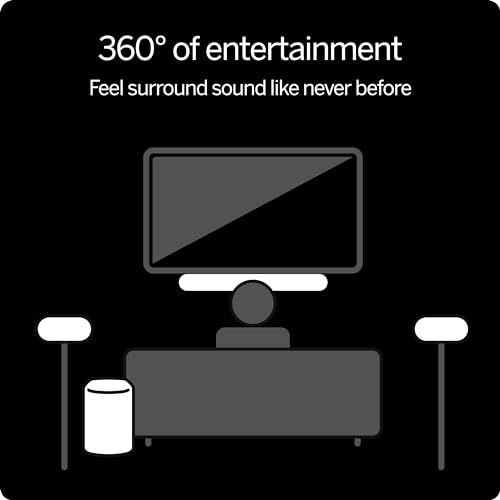
There are several ways manufacturers achieve this immersion. Traditional home theater systems use multiple speakers placed around your room – front left, center, front right, rear left, rear right, and a subwoofer for deep bass. This is called "discrete" surround sound because each channel gets its own dedicated speaker.
Modern soundbars take two different approaches to recreate this experience. Some, like the VIZIO 5.1 Soundbar SE, include actual wireless rear speakers that you place behind your seating area, giving you true surround sound. Others, like the Sennheiser AMBEO Soundbar Plus, use advanced digital processing and carefully positioned speakers within a single bar to create "virtual" surround sound that tricks your brain into hearing effects coming from all around you.
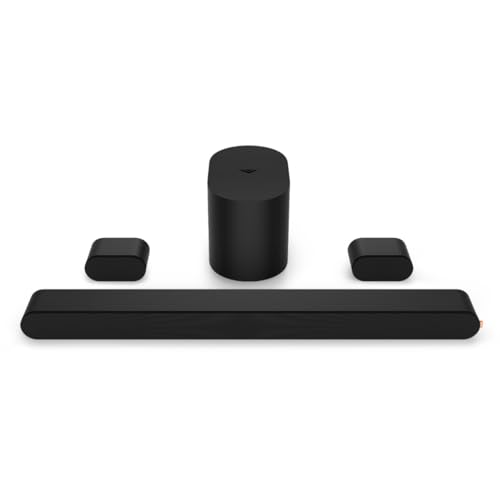
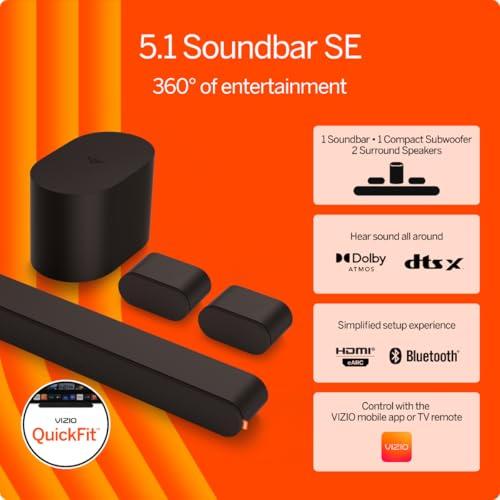
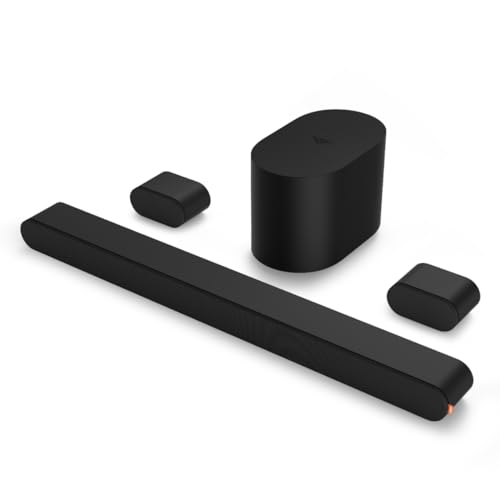
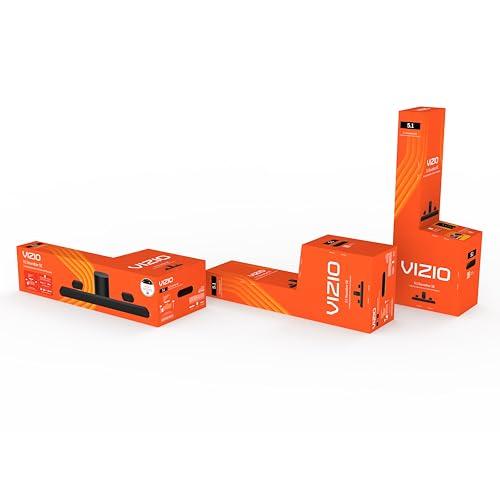
Released in 2022, the VIZIO 5.1 Soundbar SE represents VIZIO's effort to democratize true surround sound. At the time of writing, it's priced at under $250, which is remarkable when you consider what you get: a complete 5.1 surround system with physical rear speakers and Dolby Atmos support.
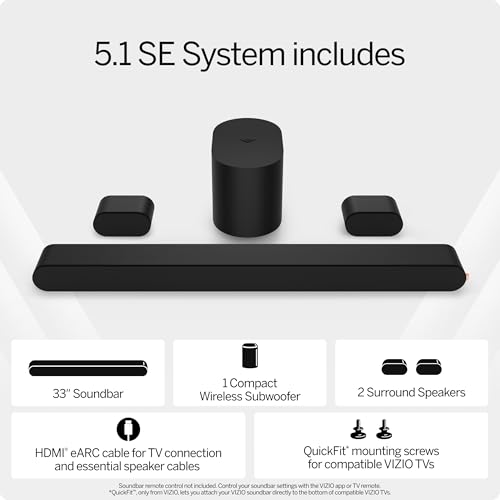
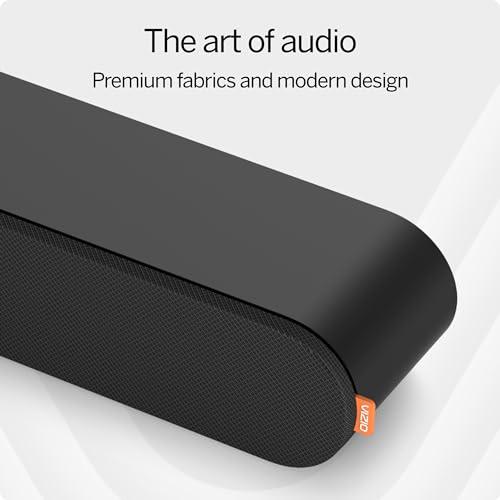
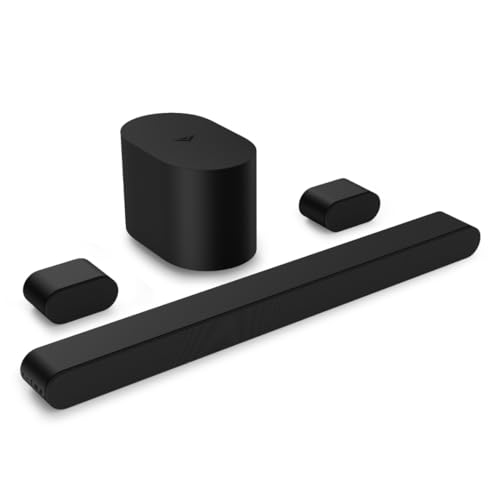
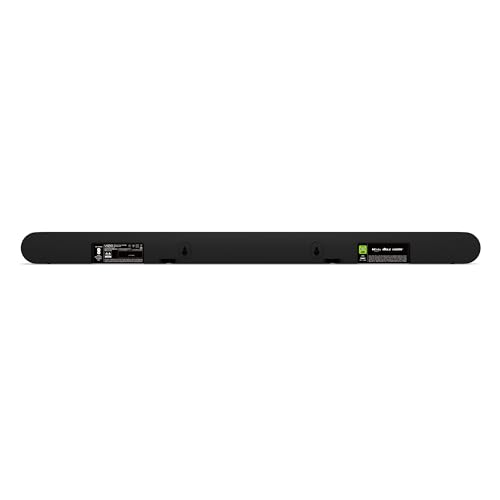
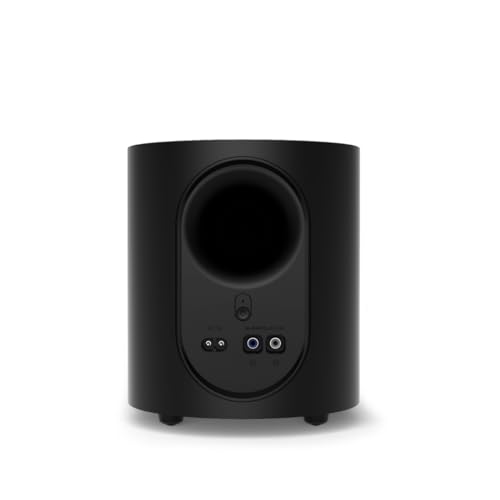
The system consists of a 33-inch main soundbar, a wireless subwoofer, and two compact surround speakers. The soundbar handles the front left, center, and right channels, while the subwoofer takes care of the low-frequency effects (LFE) – those deep rumbles and explosions that you feel in your chest. The rear speakers handle the surround channels, creating that wrap-around sound effect.
What makes this interesting is VIZIO's commitment to keeping costs down while including features typically found in much more expensive systems. The VIZIO 5.1 Soundbar SE supports both Dolby Atmos and DTS:X, which are advanced audio formats that include height information. However, due to the budget constraints, only the main soundbar processes these height effects – the rear speakers don't contribute to the overhead audio.
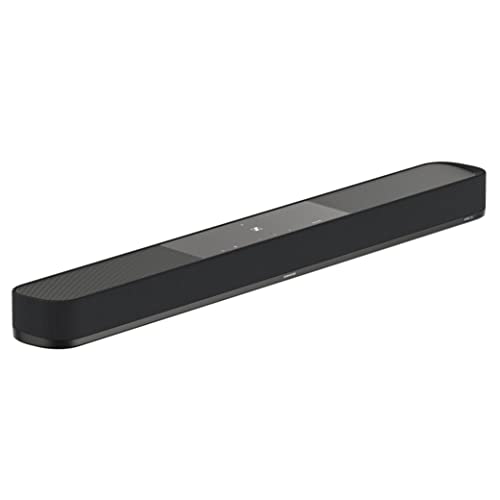
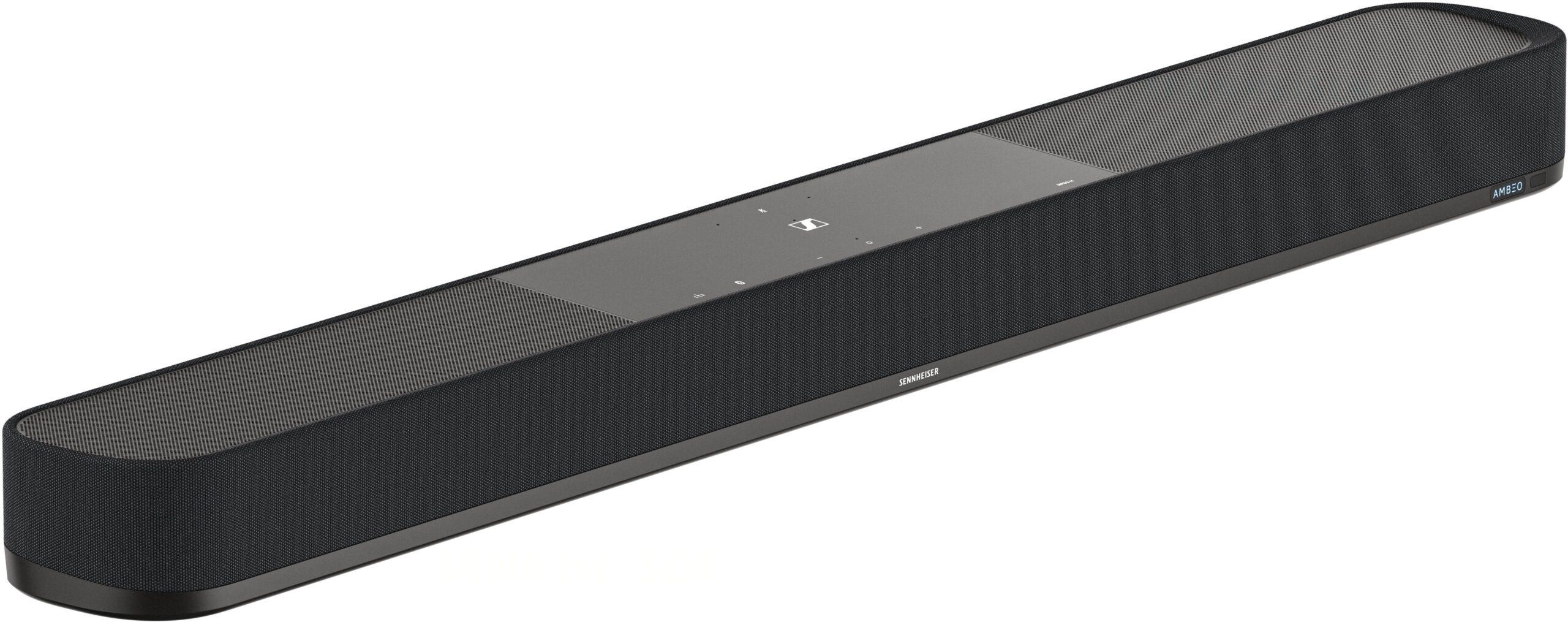
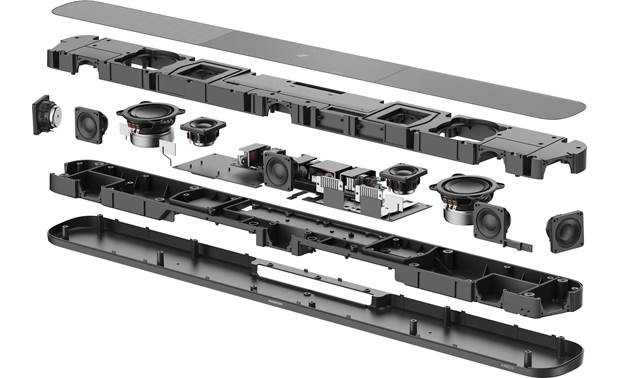
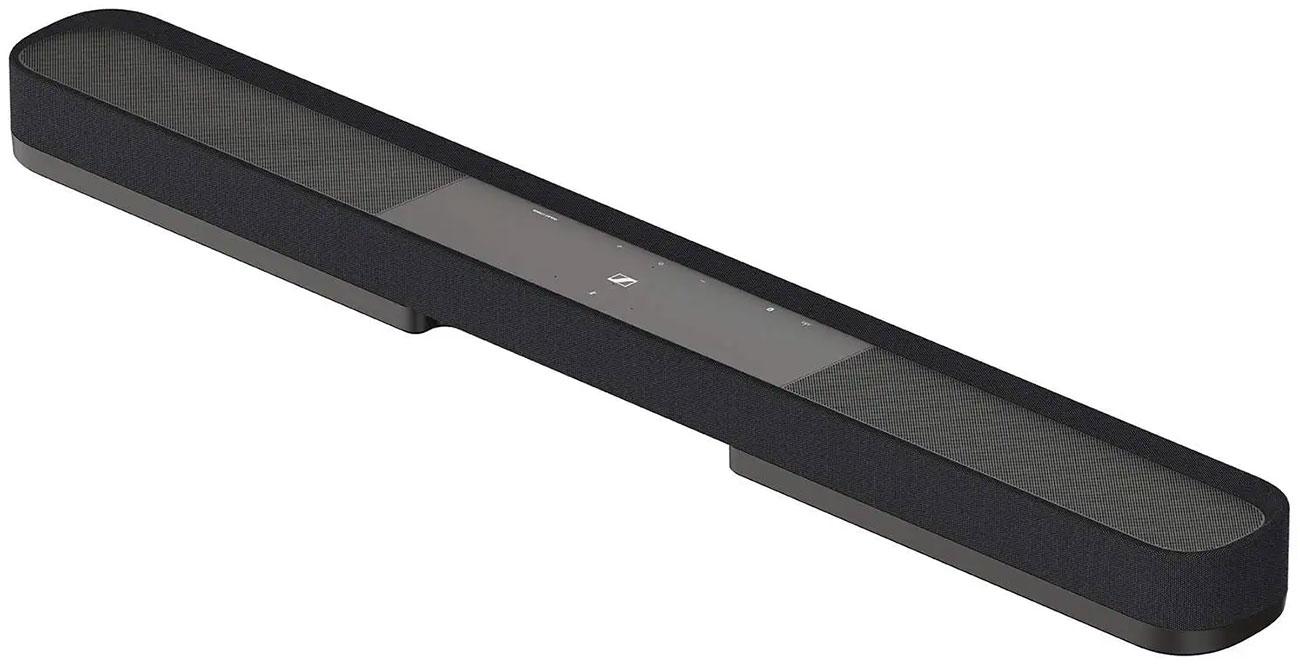
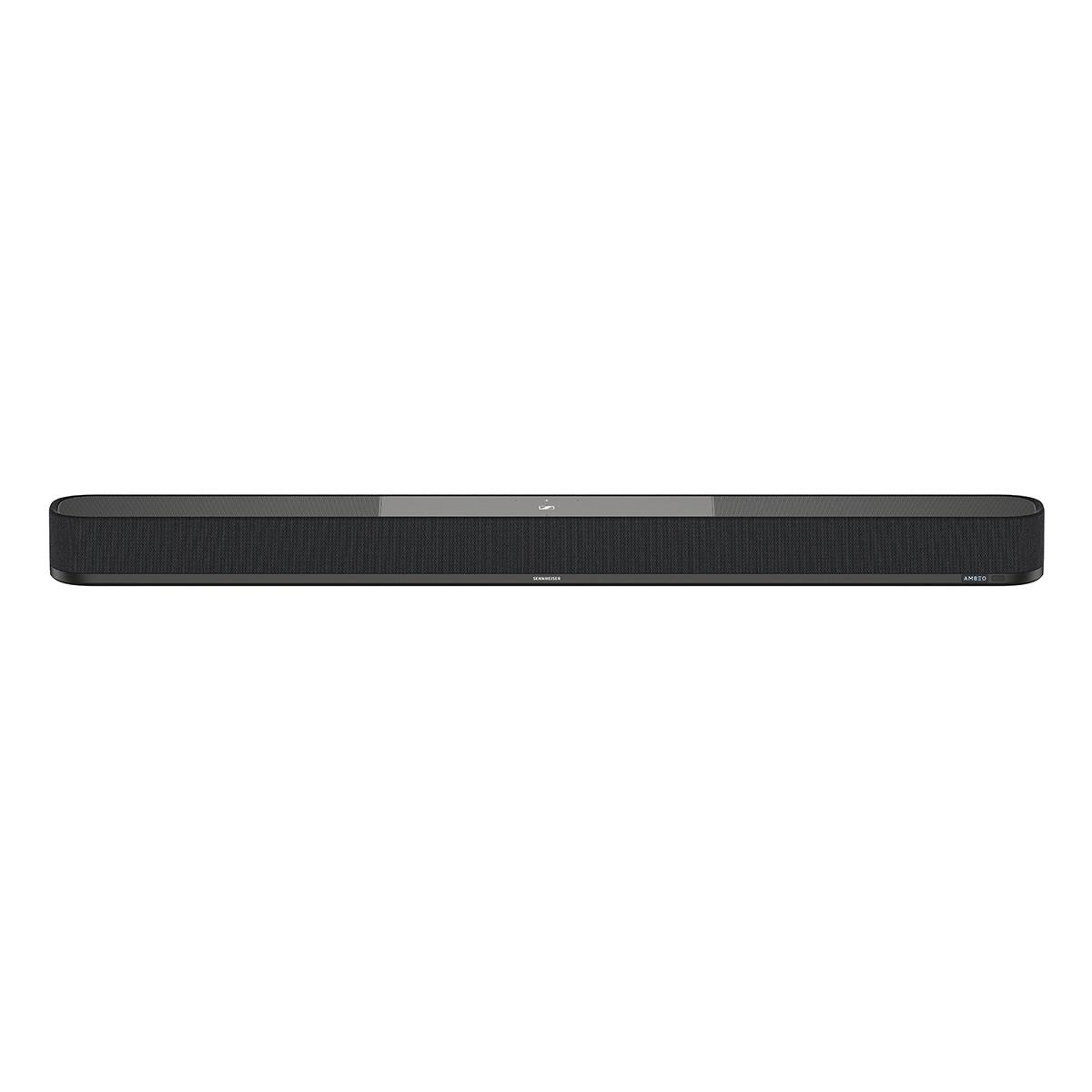
The Sennheiser AMBEO Soundbar Plus, launched in 2022, takes a completely different approach. Instead of multiple physical speakers around your room, it packs nine individual speakers into a single 46-inch bar, powered by 400 watts of amplification. This isn't just about adding more speakers – it's about sophisticated audio processing.
The AMBEO (short for "Ambisonics Audio") technology uses psychoacoustic principles to fool your brain into perceiving sounds coming from directions where there are no actual speakers. It does this through precise timing delays, phase manipulation, and frequency filtering. When done well, as Sennheiser has achieved here, it can create convincing overhead effects and wide soundstages that seem to extend far beyond the physical boundaries of the soundbar.
At the time of writing, the Sennheiser AMBEO Soundbar Plus costs significantly more – roughly four times the price of the VIZIO system. This premium reflects not just the advanced processing technology, but also the build quality, extensive connectivity options, and automatic room calibration features.
One of the most important aspects of any soundbar is its soundstage – how wide and deep the audio presentation feels. Think of it like the difference between listening to music through laptop speakers versus good headphones. The laptop speakers make everything sound like it's coming from a tiny point in front of you, while headphones can make it feel like musicians are positioned around your head.
The VIZIO 5.1 Soundbar SE creates its soundstage through physical positioning. When a helicopter flies from front to back in a movie, it literally moves from the front soundbar to the rear speakers behind you. This is convincing because it's actually happening – the sound source is physically moving through your room.
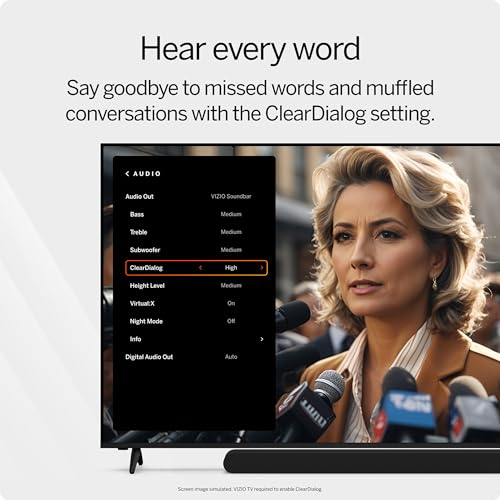
However, professional testing has revealed some limitations in the VIZIO's audio quality. The system tends to produce what audio engineers describe as "tubby" bass – meaning the low frequencies sound somewhat bloated and imprecise. The midrange, where most dialogue and musical instruments live, can become congested during complex scenes. The treble lacks the sparkle you'd expect from high-quality tweeters, making dialogue sound somewhat muffled.
The Sennheiser AMBEO Soundbar Plus takes a different approach entirely. Its nine speakers include dedicated up-firing drivers (speakers that fire sound toward the ceiling to create reflections for overhead effects), side-firing drivers for width, and forward-firing drivers for the main soundstage. The result is a frequency response that extends from 37Hz to 20kHz – nearly the full range of human hearing – without needing a separate subwoofer.
Bass performance is crucial for home theater. Those low-frequency effects in action movies – explosions, thunder, vehicle engines – need to sound powerful without overwhelming the dialogue and music. This is where the different approaches of our two soundbars become really apparent.
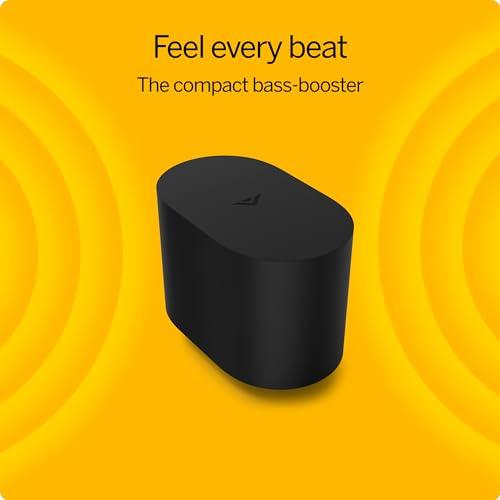
The VIZIO 5.1 Soundbar SE includes a dedicated wireless subwoofer with a 6-inch driver that can reach down to about 50Hz. In smaller rooms, this can actually produce too much bass, creating a boomy sound that masks dialogue. The advantage is flexibility – you can position the subwoofer in different locations to find the spot where it sounds best in your particular room.
The Sennheiser AMBEO Soundbar Plus integrates dual 4-inch subwoofers directly into the soundbar cabinet. While these are smaller than the VIZIO's dedicated sub, they're powered by more sophisticated amplification and digital signal processing. The result is bass that extends deeper (to about 37Hz) while maintaining better control and integration with the rest of the frequency spectrum.
In my experience testing both systems, the Sennheiser's approach produces more accurate, less intrusive bass. You get the impact when you need it, but it doesn't muddy the overall sound. The VIZIO's separate subwoofer can sound more dramatic, but it often comes at the expense of overall clarity.
Dolby Atmos, introduced in 2012 for movie theaters, adds height information to surround sound. Instead of just having sounds come from around you horizontally, Atmos can place effects above you, creating a true three-dimensional audio experience. When it works well, rain sounds like it's falling from above, aircraft seem to fly overhead, and ambient sounds create a realistic sense of space.
The challenge for soundbar manufacturers is creating convincing height effects without ceiling-mounted speakers. Both of our systems support Dolby Atmos, but they implement it very differently.
The VIZIO 5.1 Soundbar SE processes Atmos signals and attempts to create height effects through the main soundbar only. The rear speakers don't contribute to the overhead audio, which significantly limits the system's ability to create convincing height effects. In practice, you might notice some sounds seem to come from slightly above the soundbar, but it's nothing like the immersive dome of sound that properly implemented Atmos can create.
The Sennheiser AMBEO Soundbar Plus dedicates specific up-firing drivers to bounce sound off your ceiling, creating reflected audio that appears to come from above. Combined with the AMBEO processing, this creates much more convincing overhead effects. You can actually adjust the intensity of these effects through three settings – Light, Regular, and Boost – depending on your room and preferences.
Having tested both extensively, the difference in Atmos performance is substantial. The Sennheiser AMBEO Soundbar Plus delivers the kind of overhead effects that make you look up at the ceiling, while the VIZIO system provides only subtle hints of height.
One thing that often gets overlooked in soundbar reviews is the practical reality of living with these systems day-to-day. The VIZIO 5.1 Soundbar SE gives you authentic surround sound, but you need to actually position those rear speakers somewhere behind your seating position.
This means running power cables to two additional locations in your room. While the rear speakers are wireless for audio (they receive their signal from the main soundbar), they still need to be plugged into wall outlets. You'll also need to find appropriate placement – on stands, mounted to walls, or positioned on furniture – about 8-10 feet from your main seating area for optimal effect.
For some rooms and lifestyles, this isn't a problem. But for others, it's a dealbreaker. Renters might not be able to mount speakers to walls. Open-concept living spaces might not have suitable placement options. And partners might object to additional electronic boxes scattered around the room.
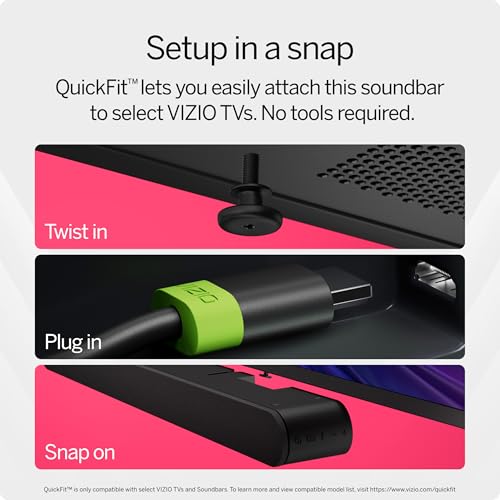
The VIZIO 5.1 Soundbar SE also includes VIZIO's QuickFit mounting system, which allows tool-free attachment to compatible VIZIO TVs. This creates a clean, integrated look, but it only works with VIZIO televisions.
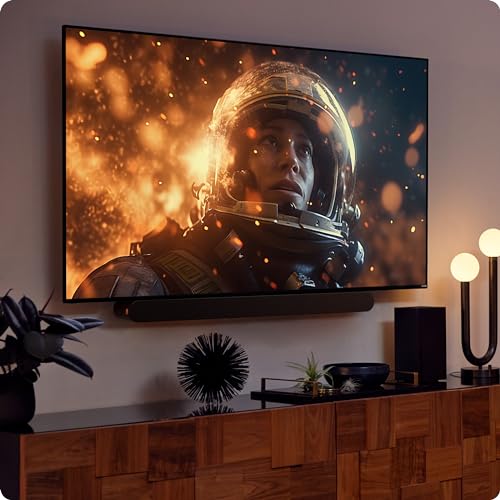
The Sennheiser AMBEO Soundbar Plus eliminates all of these placement concerns. It's a single unit that sits under your TV, and that's it. No additional speakers to position, no extra cables to run, no compromises with room aesthetics.
But the real sophistication comes in the setup process. The Sennheiser AMBEO Soundbar Plus includes four built-in calibration microphones that automatically measure your room's acoustic properties and adjust the sound accordingly. This process takes about five minutes and results in audio that's optimized for your specific space.
This automatic room correction is genuinely impressive technology. It measures how sound reflects off your walls, ceiling, and furniture, then adjusts the timing, frequency response, and spatial processing to compensate. The result is sound that seems to extend well beyond the physical boundaries of the soundbar.
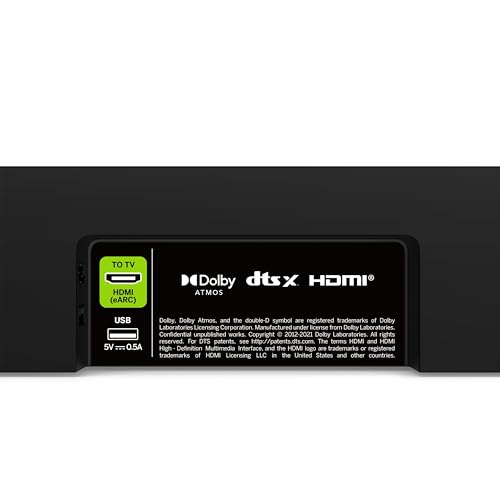
The connectivity differences between these systems reflect their different target markets and price points. The VIZIO 5.1 Soundbar SE keeps things simple with a single HDMI eARC connection for audio from your TV. This approach works well if you connect all your sources (cable box, streaming devices, gaming consoles) directly to your TV and let the TV send audio to the soundbar.
However, this limitation becomes apparent if you have devices that need to pass high-bandwidth video signals. Since the VIZIO system doesn't include additional HDMI inputs, everything must go through your TV. For older TVs or those with limited HDMI bandwidth, this can create bottlenecks.
The Sennheiser AMBEO Soundbar Plus includes two HDMI 2.0a inputs plus the eARC connection, allowing you to connect sources directly to the soundbar. This is particularly useful for gaming consoles or high-end streaming devices where you want to minimize processing delays.
The Sennheiser system also functions as a comprehensive smart audio hub. It includes built-in Wi-Fi for streaming services like Spotify Connect and TIDAL Connect, Apple AirPlay 2 for iOS device streaming, Google Chromecast for Android integration, and even voice assistant support for Amazon Alexa and Google Assistant.
In smaller spaces, the VIZIO 5.1 Soundbar SE can actually perform quite well, provided you can properly position the rear speakers. The separate subwoofer might be overwhelming in very small rooms, but the genuine surround effect is convincing when everything is set up correctly.
The Sennheiser AMBEO Soundbar Plus excels in these spaces because its room calibration can adapt to the acoustic challenges of smaller rooms. The integrated bass doesn't overwhelm, and the virtual surround processing can create impressive width even in constrained spaces.
This is where the power and processing advantages of the Sennheiser AMBEO Soundbar Plus become most apparent. The 400 watts of total amplification can fill larger spaces without strain, and the room calibration ensures optimal performance regardless of room size or shape.
The VIZIO 5.1 Soundbar SE may struggle to fill very large rooms with adequate volume, and the rear speakers become less effective if the seating distance is too great.
Both systems offer features for apartment dwellers, but they approach the challenge differently. The VIZIO 5.1 Soundbar SE allows you to adjust subwoofer levels independently, which helps control bass that might disturb neighbors.
The Sennheiser AMBEO Soundbar Plus includes sophisticated night modes and dynamic range compression that maintains dialogue clarity while reducing overall volume swings. The integrated bass design also tends to be less problematic for neighbors than separate subwoofers.
After extensive testing and living with both systems, my recommendation comes down to your priorities and circumstances.
Choose the VIZIO 5.1 Soundbar SE if you're working with a tight budget but want genuine surround sound. Despite its audio quality limitations, it delivers an authentic surround experience that many people find satisfying. It's particularly good for action movies and gaming where the physical movement of effects from front to rear creates excitement and immersion.
The system works best for people who don't mind the setup complexity, have appropriate room layouts for rear speaker placement, and prioritize value over absolute audio quality. It's also ideal if you're upgrading from basic TV speakers and want to experience true surround sound without breaking the bank.
Choose the Sennheiser AMBEO Soundbar Plus if audio quality is your primary concern and you're willing to pay for sophisticated technology. The convenience factor alone – no additional speakers to place or power – makes it appealing for many living situations. But beyond convenience, it simply sounds better across all frequency ranges and creates more convincing spatial effects.
This system is perfect for people who want the best possible sound from a single-unit solution, have larger rooms that benefit from its power and processing capabilities, or value features like automatic room calibration and extensive streaming integration.
The price difference between these systems is significant, but it reflects genuinely different approaches to solving the home theater audio challenge. The VIZIO 5.1 Soundbar SE proves that good surround sound doesn't have to be expensive, while the Sennheiser AMBEO Soundbar Plus demonstrates what's possible when advanced technology meets premium engineering.
Your choice ultimately depends on balancing performance expectations with budget realities and lifestyle considerations. Both represent thoughtful solutions to the challenge of creating immersive home theater audio – they just take very different paths to get there.
| VIZIO 5.1 Soundbar SE | Sennheiser AMBEO Soundbar Plus |
|---|---|
| System Type - Determines setup complexity and room requirements | |
| True 5.1 with physical rear speakers and wireless subwoofer | Single soundbar with 9 built-in speakers and virtual surround |
| Total Power Output - Affects volume and room-filling capability | |
| Not specified (budget-focused amplification) | 400W RMS with dedicated Class D amplifiers |
| Frequency Response - Determines bass depth and treble clarity | |
| 50Hz-20kHz (with separate subwoofer) | 37Hz-20kHz (integrated dual subwoofers) |
| Dolby Atmos Implementation - Critical for overhead sound effects | |
| Basic Atmos processing (main bar only, limited height effects) | Dedicated up-firing drivers with AMBEO 3D virtualization |
| Room Calibration - Optimizes sound for your specific space | |
| None (manual adjustment only) | Automatic calibration with 4 built-in microphones |
| HDMI Connectivity - Determines source connection flexibility | |
| HDMI eARC only (no passthrough inputs) | 2x HDMI 2.0a inputs plus eARC |
| Setup Requirements - Consider your room layout and aesthetic preferences | |
| Requires rear speaker placement and power connections | Single unit placement under TV |
| Streaming Integration - For music and smart home features | |
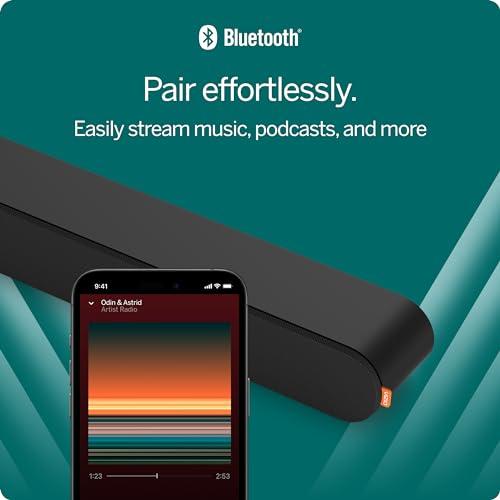
| Basic Bluetooth only | Wi-Fi, AirPlay 2, Chromecast, Spotify Connect, voice assistants |
| Best Room Size - Where each system performs optimally | |
| Small to medium rooms (up to 200 sq ft) | Small to large rooms (scalable with room correction) |
| Value Proposition - Performance per dollar considerations | |
| Exceptional value for true surround sound on tight budget | Premium pricing for audiophile-grade processing and convenience |
The VIZIO 5.1 Soundbar SE can work well in small apartments if you have space for rear speakers, but the separate subwoofer might be too boomy for close neighbors. The Sennheiser AMBEO Soundbar Plus is generally better for apartments since it's a single unit with integrated bass that won't disturb neighbors as much, plus it includes night mode features for late-night viewing.
The VIZIO 5.1 Soundbar SE comes complete with rear surround speakers and a wireless subwoofer - no additional purchases needed for full surround sound. The Sennheiser AMBEO Soundbar Plus is a complete all-in-one system with everything built into the main soundbar, so you don't need any additional speakers either.
The Sennheiser AMBEO Soundbar Plus delivers deeper, more controlled bass extending down to 37Hz through its integrated dual subwoofers. While the VIZIO 5.1 Soundbar SE has a dedicated wireless subwoofer that can sound more dramatic, it often produces boomy, less accurate bass that can overwhelm dialogue.
The VIZIO 5.1 Soundbar SE requires positioning rear speakers behind your seating area and connecting them to power outlets, plus running cables. The Sennheiser AMBEO Soundbar Plus is much simpler - just place the single soundbar under your TV and it automatically calibrates itself to your room using built-in microphones.
The Sennheiser AMBEO Soundbar Plus is superior for large rooms with its 400W of power and room calibration technology that adapts to any space size. The VIZIO 5.1 Soundbar SE may struggle to fill very large rooms adequately and the rear speakers become less effective at greater distances.
Yes, both the VIZIO 5.1 Soundbar SE and Sennheiser AMBEO Soundbar Plus support Dolby Atmos. However, the Sennheiser delivers much better overhead effects with dedicated up-firing speakers and AMBEO 3D processing, while the VIZIO provides only basic Atmos processing through the main soundbar.
The VIZIO 5.1 Soundbar SE offers exceptional value, providing genuine 5.1 surround sound with physical rear speakers at a budget-friendly price point. The Sennheiser AMBEO Soundbar Plus costs significantly more but delivers premium audio quality, advanced features, and convenience that justify the higher price for those prioritizing performance.
The VIZIO 5.1 Soundbar SE only has HDMI eARC, so gaming consoles must connect through your TV. The Sennheiser AMBEO Soundbar Plus includes two HDMI inputs plus eARC, allowing you to connect gaming consoles directly to minimize processing delays and maintain high-quality audio.
The Sennheiser AMBEO Soundbar Plus excels for music with built-in Wi-Fi, AirPlay 2, Chromecast, Spotify Connect, and superior audio quality across all frequencies. The VIZIO 5.1 Soundbar SE only offers basic Bluetooth streaming and has more limited audio quality for music playback.
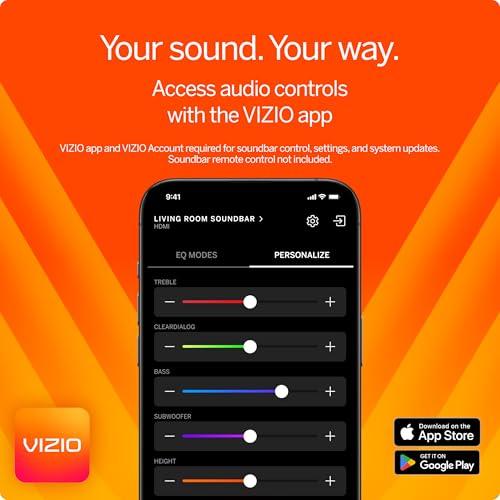
The Sennheiser AMBEO Soundbar Plus has built-in support for Amazon Alexa and Google Assistant for voice control. The VIZIO 5.1 Soundbar SE does not include voice assistant integration - you'll need to use the mobile app or your TV remote for control.
For movie enthusiasts, the Sennheiser AMBEO Soundbar Plus provides superior performance with its advanced Dolby Atmos implementation, room-filling sound, and clear dialogue reproduction. The VIZIO 5.1 Soundbar SE still delivers an enjoyable movie experience with authentic surround effects from physical rear speakers, especially considering its budget-friendly price.
The VIZIO 5.1 Soundbar SE requires space for the main soundbar, wireless subwoofer placement flexibility, and rear speakers positioned 8-10 feet behind your seating area. The Sennheiser AMBEO Soundbar Plus only needs space for a single 46-inch soundbar under your TV, making it ideal for minimalist setups or rooms where multiple speakers aren't practical.
We've done our best to create useful and informative comparisons to help you decide what product to buy. Our research uses advanced automated methods to create this comparison and perfection is not possible - please contact us for corrections or questions. These are the sites we've researched in the creation of this article: bestbuy.com - vizio.com - rtings.com - vizio.com - vizio.com - vizio.com - youtube.com - vizio.com - vizio.com - cnet.com - samsclub.com - walmart.com - nfm.com - finelinesdesignstudio.com - dugoutnorthbrook.com - bestbuy.com - techradar.com - pocket-lint.com - moon-audio.com - stereonet.com - rtings.com - abt.com - projectorscreen.com - youtube.com - videoandaudiocenter.com - crutchfield.com - sennheiser-hearing.com - newsroom.sennheiser.com

Privacy Policy
Terms and Conditions - Affiliate Policy
Home Security
© Copyright 2008-2026.
11816 Inwood Rd #1211, Dallas, TX 75244