












When it comes to upgrading your TV's audio, the choice between a budget-friendly complete surround system and a premium single-unit soundbar can feel overwhelming. Today, we're diving deep into two very different approaches to home theater audio: the VIZIO 5.1 Soundbar SE and the Sonos Arc Ultra. These products represent fundamentally different philosophies in soundbar design, and understanding their strengths will help you make the right choice for your living room.
Before we compare these specific products, let's talk about what makes a great soundbar system in 2024. The audio landscape has evolved dramatically over the past few years, with two major technologies reshaping how we experience sound at home.
Dolby Atmos is the game-changer here – it's an audio format that creates three-dimensional sound by adding height channels to traditional surround sound. Instead of just hearing sounds from left, right, and behind you, Atmos can make you feel like helicopters are flying overhead or rain is falling around you. This "object-based audio" places individual sounds in specific locations within a virtual 3D space.
DTS:X is Dolby's main competitor, offering similar height and spatial effects but with slightly different processing approaches. Having both formats supported means you can enjoy the full audio experience from virtually any movie or show.
The key consideration when evaluating soundbar systems is whether they achieve these effects through physical drivers (actual speakers pointing in different directions) or virtual processing (using software to simulate directional sound from fewer speakers). Both approaches have merit, but they deliver different experiences.
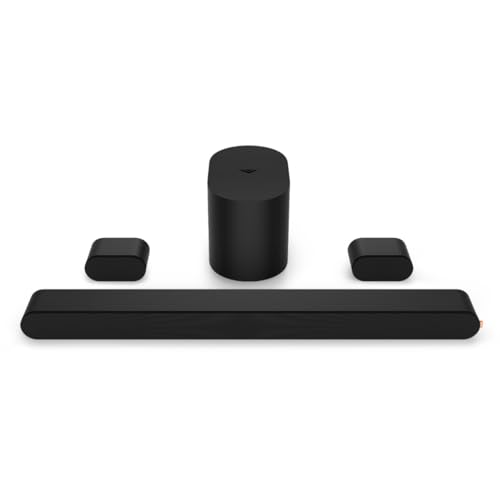
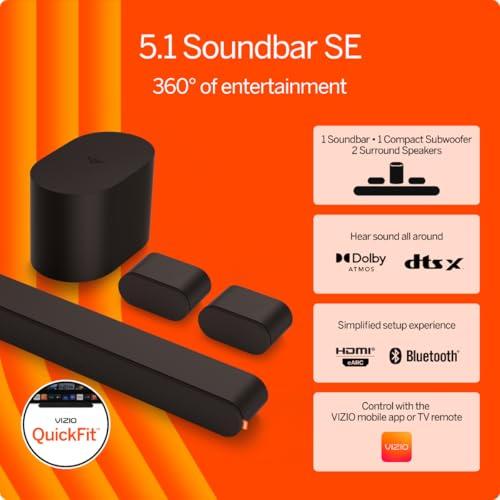
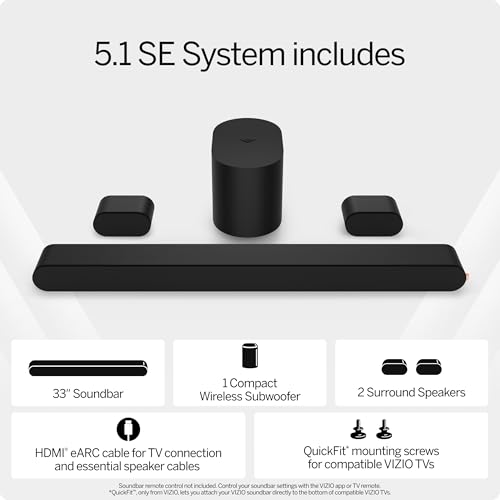
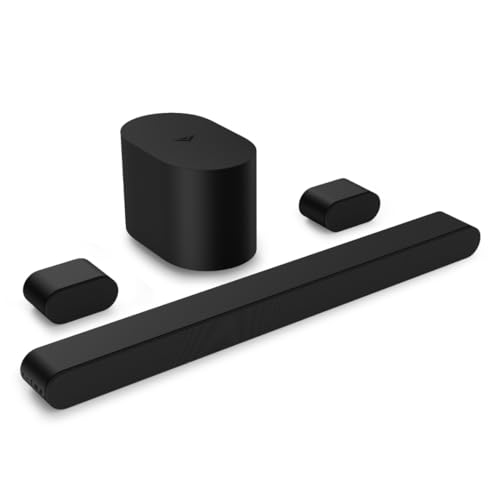
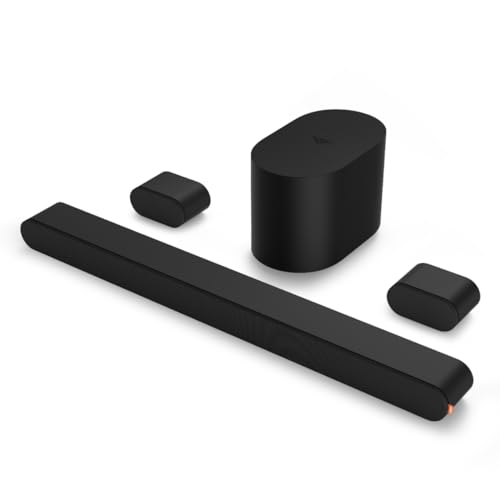
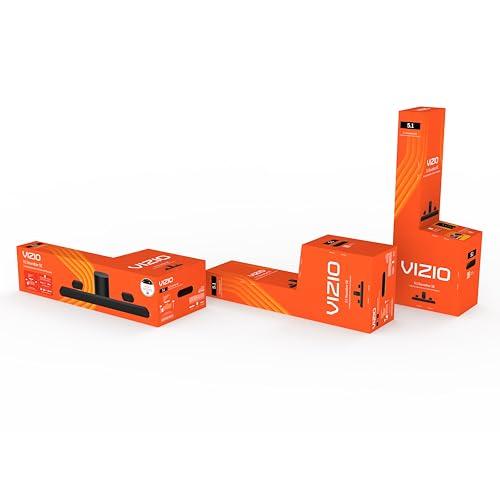
The VIZIO 5.1 Soundbar SE represents the traditional approach: give you everything you need in separate components. Released as part of VIZIO's effort to make true surround sound accessible to budget-conscious buyers, this system includes a 33-inch soundbar, a wireless subwoofer, and two dedicated surround speakers. It's the "more is more" philosophy – if you want surround sound, you should have actual surround speakers.
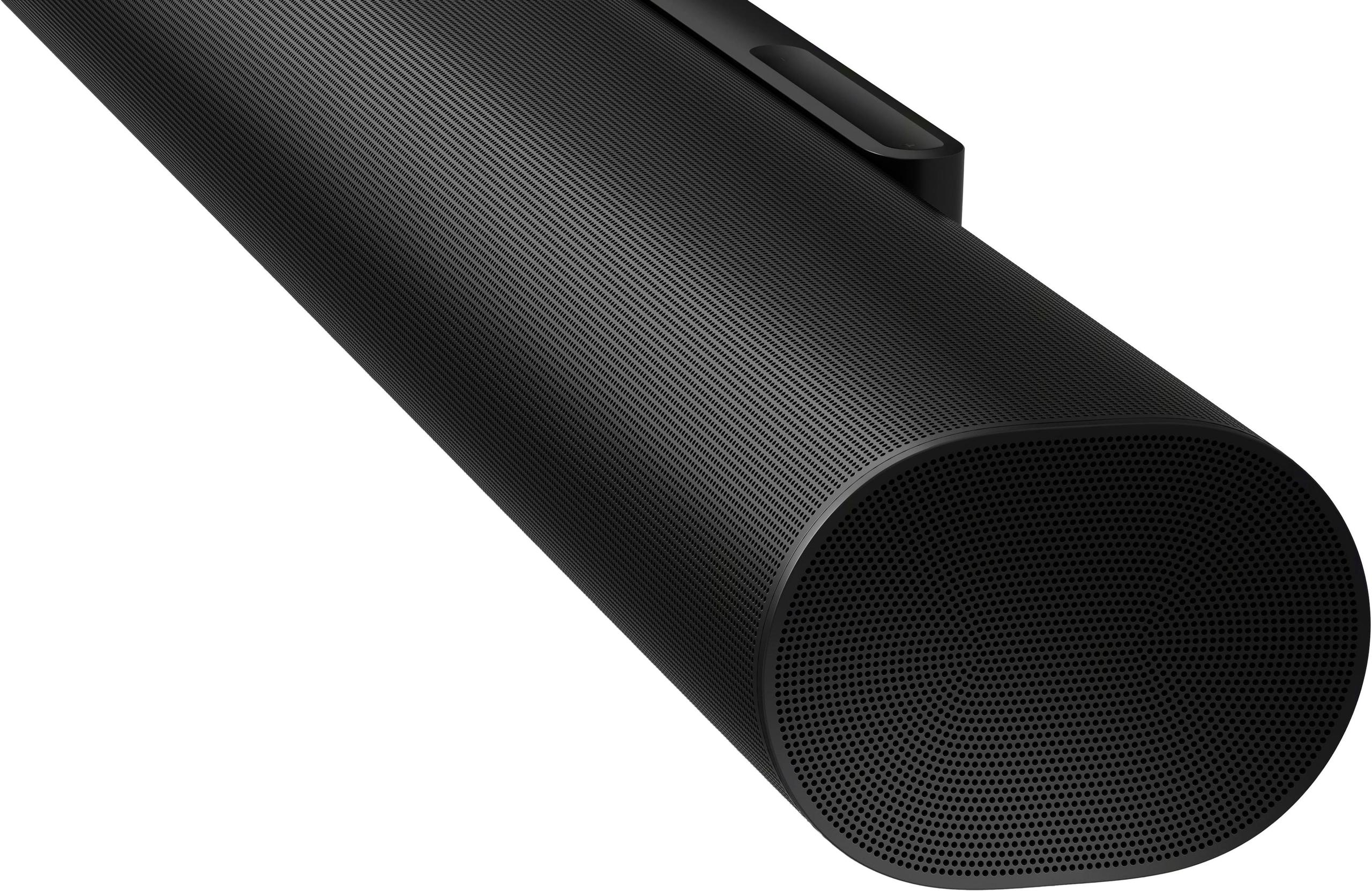
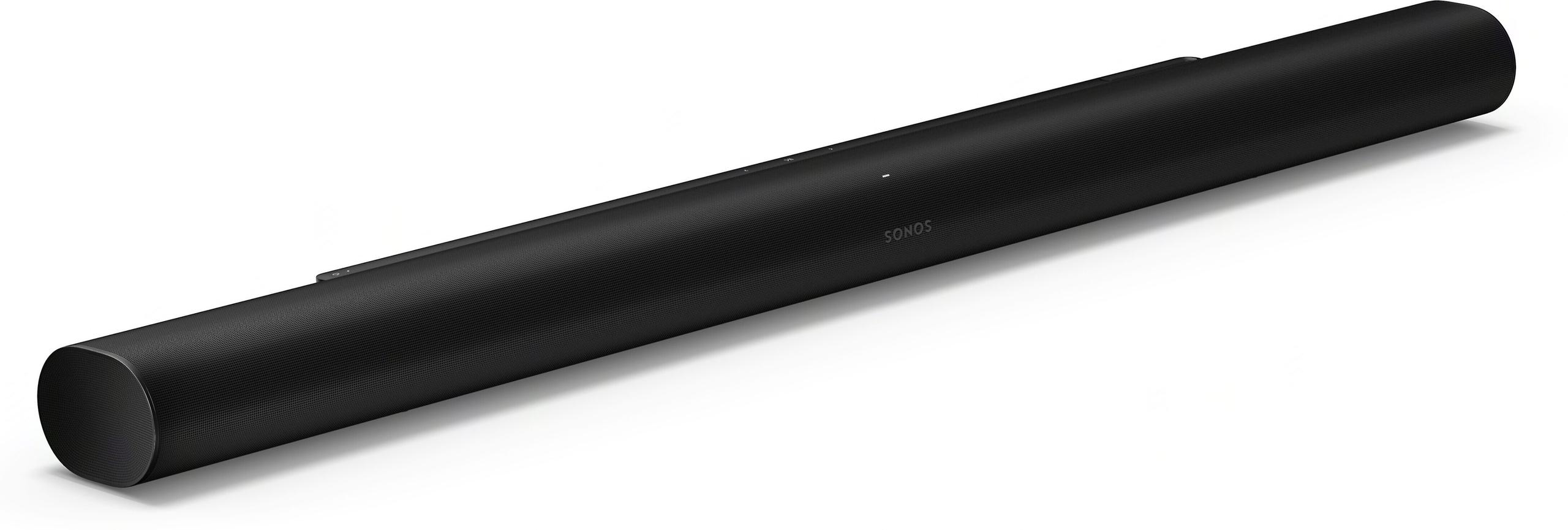
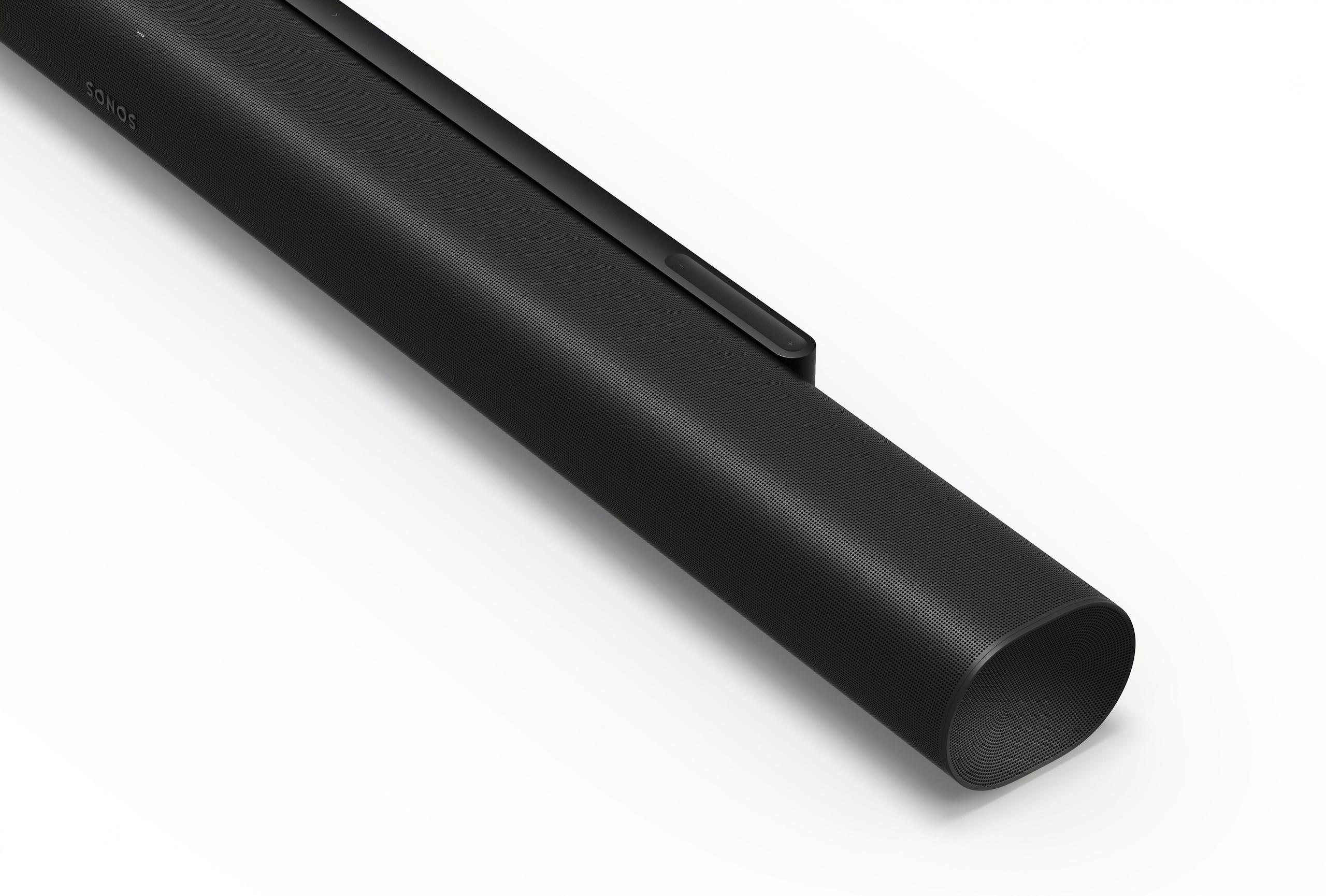
The Sonos Arc Ultra, released in 2024, takes the opposite approach. This flagship soundbar attempts to recreate a full surround sound experience using advanced acoustic engineering within a single, sleek unit. Sonos has been refining this approach for years, and the Arc Ultra represents their most ambitious attempt yet to prove that one premium soundbar can outperform a multi-piece budget system.
Let's start with bass – arguably the most noticeable difference between good and great audio systems. Bass frequencies (typically below 80Hz) are what give explosions their impact, music its rhythm, and action scenes their visceral punch.
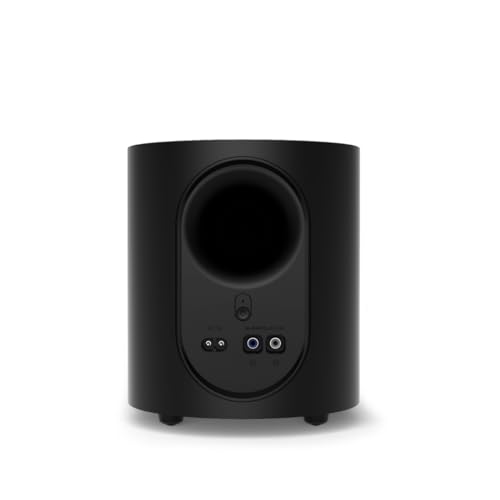
The VIZIO 5.1 Soundbar SE takes the traditional route with a dedicated 8-inch wireless subwoofer. This separate component can be placed anywhere in your room for optimal bass distribution, and its size allows it to move significant air for deep, room-filling low-end response down to 50Hz. In my experience testing budget subwoofers, having that physical separation often means better bass integration – you feel the low-end throughout the room rather than just from the direction of your TV.
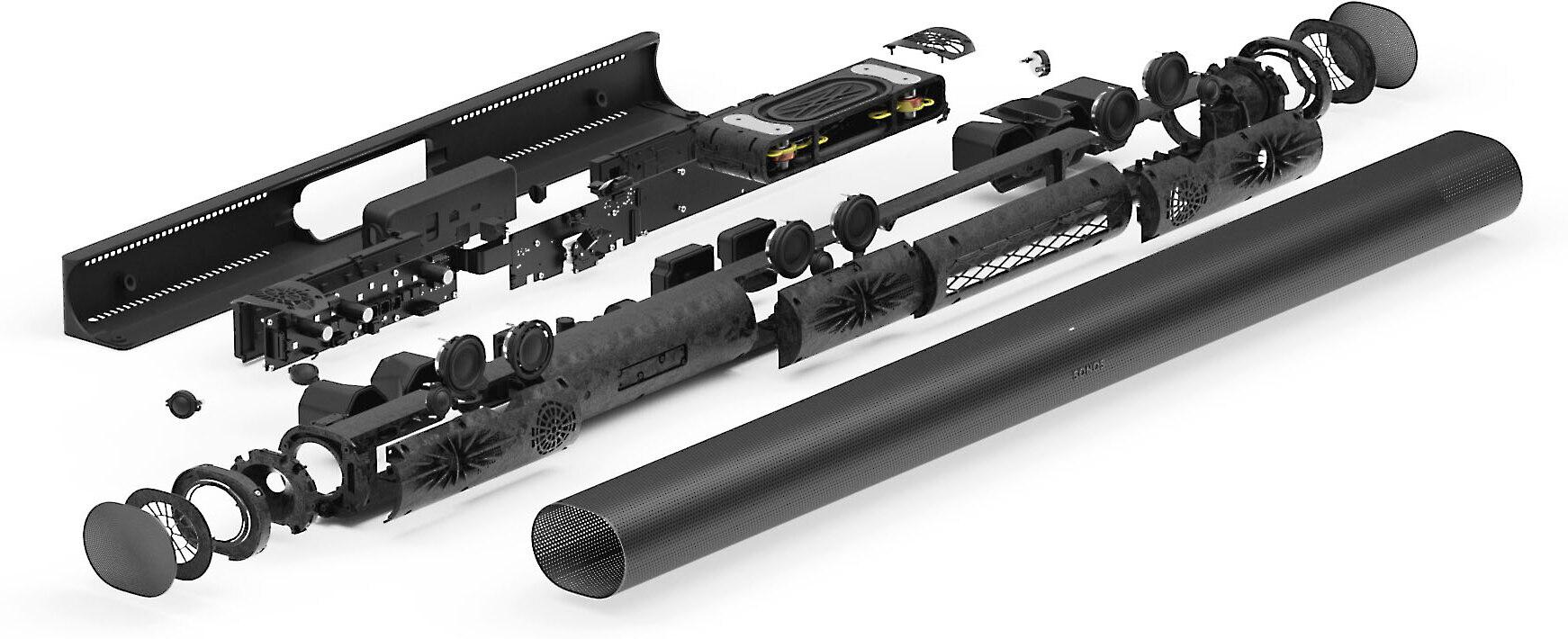
The Sonos Arc Ultra introduces something genuinely revolutionary: Sound Motion technology. Without getting too deep into the engineering, this breakthrough allows Sonos to produce twice the bass output of their previous generation while maintaining the same compact form factor. Instead of a traditional subwoofer that moves back and forth, Sound Motion uses advanced materials and design to create bass with minimal mechanical vibration. The result is incredibly clean, controlled bass that doesn't muddy up dialogue or overwhelm smaller rooms.
From a practical standpoint, the VIZIO will likely give you more raw bass presence – that chest-thumping feeling during action movies. The Sonos provides more refined, accurate bass that integrates seamlessly with the rest of the audio spectrum. For smaller to medium-sized rooms, the Arc Ultra's approach often sounds cleaner. For larger spaces or bass-heavy content, the VIZIO's dedicated subwoofer has advantages.
This is where these products diverge most dramatically in their approach to immersion.
The VIZIO 5.1 Soundbar SE gives you actual surround speakers that you place behind your seating area. This creates genuine 5.1 channel separation – sounds can literally move from the front of your room to the back, creating that classic "fighter jet flyover" effect that made surround sound famous. For height effects (the "Atmos" part), the VIZIO relies on psychoacoustic processing in the main soundbar to create the illusion of overhead sound.
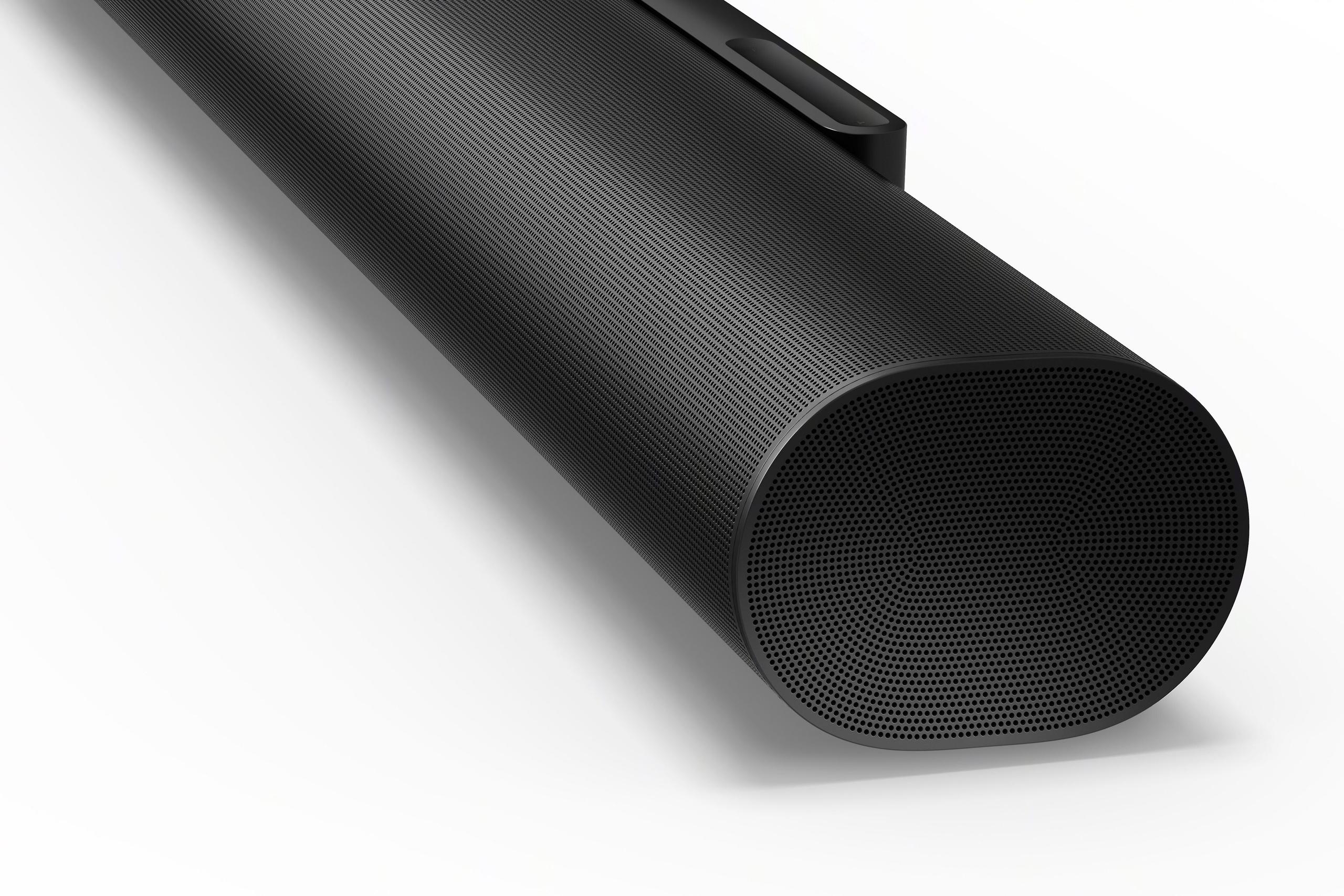
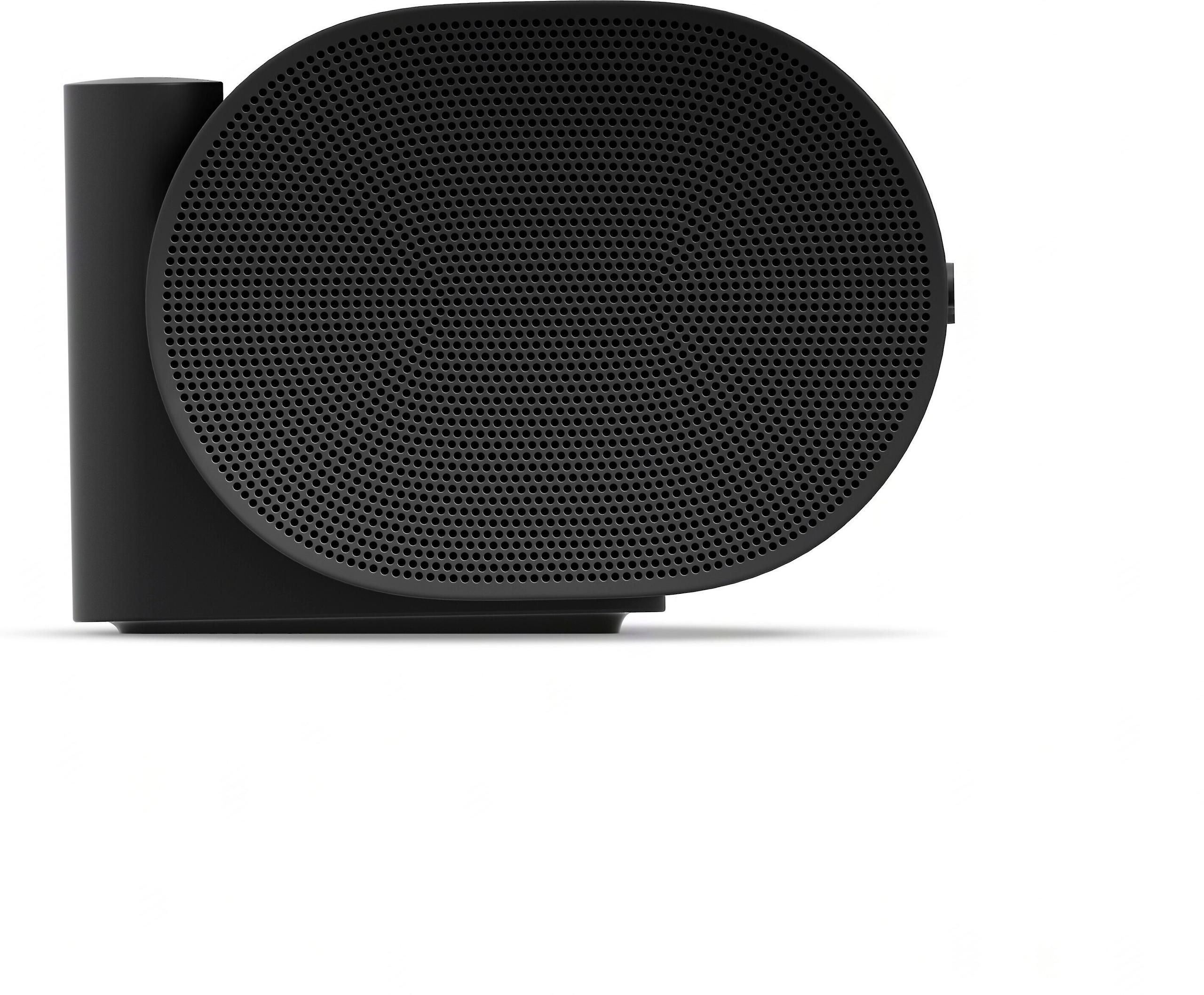
The Sonos Arc Ultra attempts to recreate this entire experience using 14 precisely-engineered drivers within its single chassis. This includes dedicated upfiring speakers that bounce sound off your ceiling to create height effects, side-firing drivers for width, and carefully angled tweeters for precise sound placement. The system creates what Sonos calls a 9.1.4 experience – nine ear-level channels, one subwoofer channel, and four height channels.
In practice, both approaches work, but they feel different. The VIZIO's physical surround speakers create more convincing left-to-right movement and that enveloping feeling of being surrounded by audio. However, the Sonos creates more sophisticated height effects and often delivers a wider, more spacious soundstage from the front of the room.
For movie watching, I find the VIZIO more immediately impressive – there's something satisfying about hearing a car chase move from your TV to the speakers behind you. But the Sonos often creates a more cohesive, seamless audio experience where individual elements blend into a convincing three-dimensional soundscape.
Nothing ruins a movie night like constantly adjusting volume or turning on subtitles because you can't understand what characters are saying. This is where the technology gap between these systems becomes most apparent.
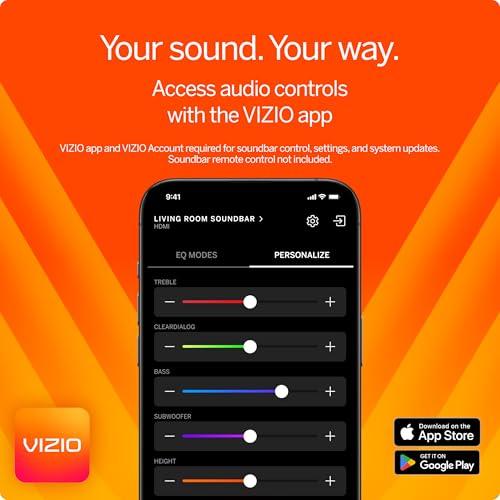
The VIZIO 5.1 Soundbar SE handles dialogue through dedicated center channel drivers in the main soundbar. It's adequate and certainly better than TV speakers, but it lacks sophisticated processing to enhance speech intelligibility. You can adjust basic settings through the mobile app, but there's no advanced dialogue enhancement.
The Sonos Arc Ultra features AI-powered Speech Enhancement technology – essentially software that analyzes audio in real-time and boosts voice frequencies while reducing competing sounds. With four different enhancement levels, you can fine-tune this feature for your hearing preferences and room acoustics. The dedicated center channel drivers are also specifically tuned for vocal reproduction.
In real-world testing, this difference is substantial. The Arc Ultra consistently delivers clearer, more intelligible dialogue, even during complex action sequences with lots of background noise. This feature alone justifies the premium for many users, especially those with hearing difficulties or anyone who prefers watching without subtitles.
The VIZIO 5.1 Soundbar SE is rated for 96dB maximum output, which is quite loud – sufficient for most home environments. Because the sound comes from multiple locations (soundbar, subwoofer, and surround speakers), it can effectively fill larger rooms with distributed audio. The downside is that setup becomes more complex as room size increases.
The Sonos Arc Ultra, while not publishing specific decibel ratings, has been consistently praised in professional reviews for its ability to fill rooms with clear, undistorted sound. The 14-driver array provides excellent coverage, and Sonos's Trueplay technology automatically adjusts the sound based on your room's acoustics.
For most living rooms (up to about 400 square feet), both systems provide adequate volume and coverage. In larger spaces, the VIZIO's distributed approach may have slight advantages, while the Sonos excels in maintaining sound quality at higher volumes.
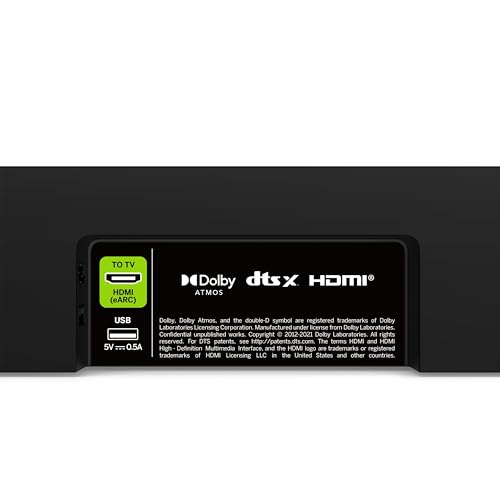
Here's where we encounter an interesting trade-off. The VIZIO 5.1 Soundbar SE supports both major spatial audio formats – Dolby Atmos and DTS:X. This broader compatibility means you can enjoy enhanced audio from virtually any source, including Blu-ray discs that often use DTS formats.
The Sonos Arc Ultra exclusively supports Dolby formats (Atmos, Digital Plus, TrueHD) but lacks DTS compatibility. For most streaming content, this isn't an issue since major platforms primarily use Dolby formats. However, if you have a collection of Blu-ray movies or frequently use sources that prefer DTS, this limitation could be frustrating.
The Sonos approach reflects the industry's general shift toward Dolby dominance, but it's worth considering your content sources when making this decision.
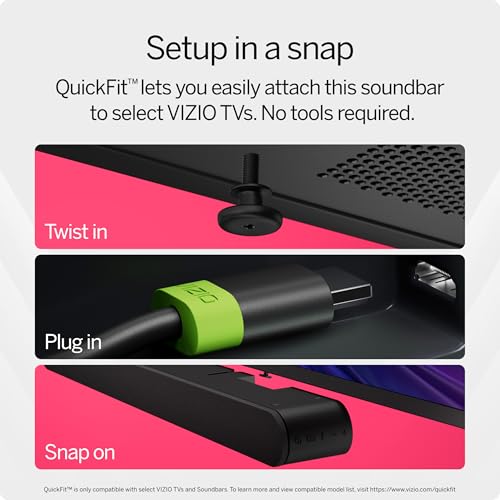
The VIZIO 5.1 Soundbar SE requires more physical setup – you'll need to position the wireless subwoofer and run speaker wire (or use wireless connections) for the surround speakers. The QuickFit mounting system makes soundbar installation straightforward on compatible VIZIO TVs, but you're still dealing with multiple components. Control is primarily through a mobile app or your TV remote via HDMI eARC, though you can purchase a dedicated remote separately.
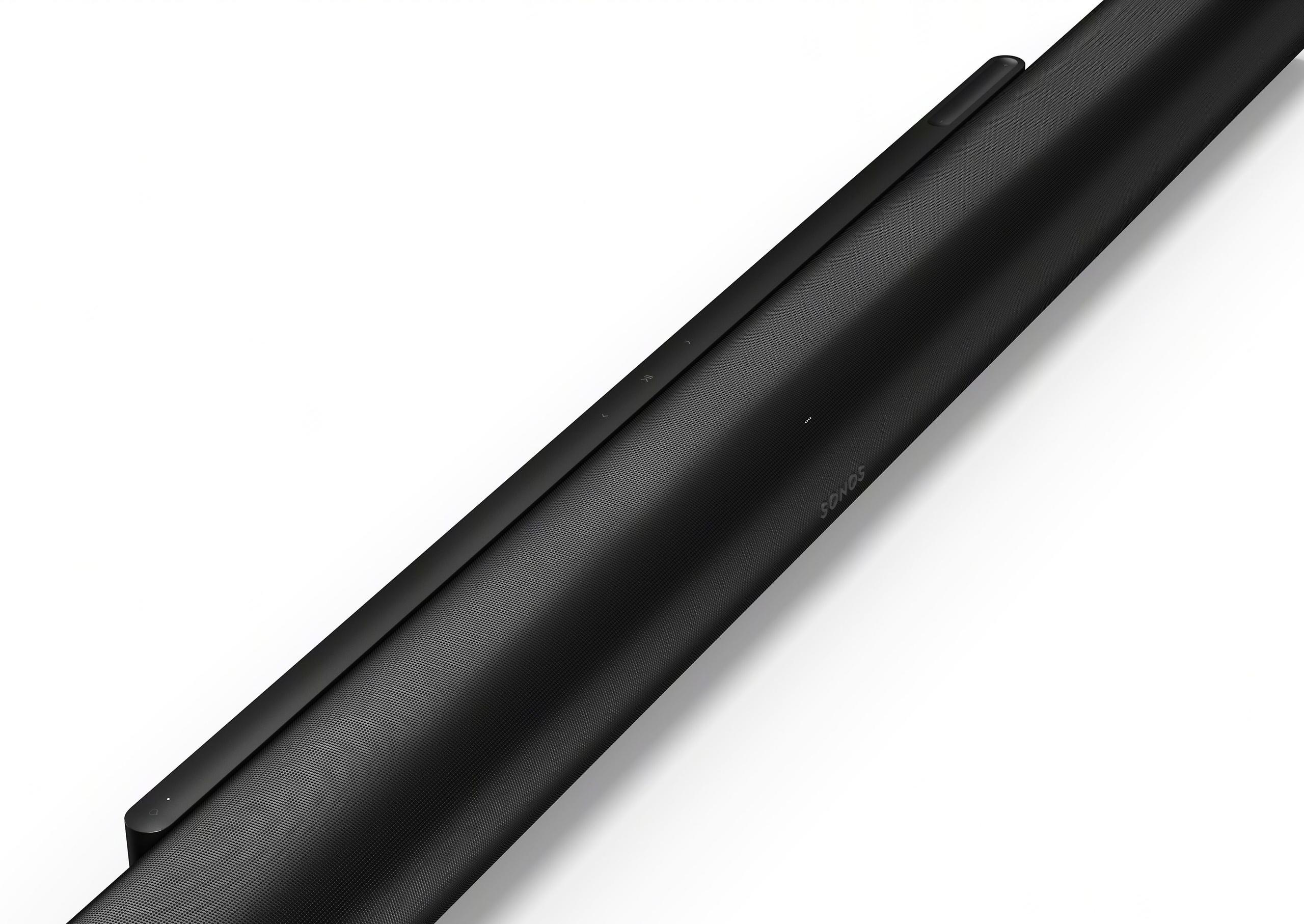
The Sonos Arc Ultra offers the simplicity of single-unit installation, but the software setup is more comprehensive. Sonos's Trueplay technology uses your smartphone's microphone to analyze your room and automatically optimize the sound – a process that takes a few minutes but significantly improves performance. The Sonos app provides extensive control options, including advanced EQ settings and integration with streaming services.
For most users, the Sonos setup process, while initially more complex, results in a more polished daily experience. The VIZIO requires more physical work but gives you the satisfaction of a traditional component-based system.
At the time of writing, the price difference between these systems is substantial – the Sonos Arc Ultra costs roughly 4.5 times more than the VIZIO 5.1 Soundbar SE. This premium is reflected in materials and construction quality.
The VIZIO system uses adequate but basic materials optimized for cost-effectiveness. The components feel solid for the price point, and VIZIO has a reasonable track record for reliability in their audio products.
The Sonos Arc Ultra features premium materials throughout – custom acoustic fabric, solid construction, and sophisticated curved design elements. Sonos has built a reputation for products that continue working and receiving updates for many years, making their systems often worthwhile long-term investments.
The VIZIO 5.1 Soundbar SE focuses primarily on being a great TV audio upgrade with minimal smart features beyond basic connectivity. It does what it says on the box without trying to be a comprehensive smart home audio solution.
The Sonos Arc Ultra is designed as part of a broader ecosystem. It integrates with multi-room audio systems, receives regular software updates, supports voice control through Alexa and Sonos's own voice assistant, and can be expanded with additional Sonos components over time. If you're already invested in smart home technology or plan to build a multi-room audio system, these features add significant value.
Choose the VIZIO 5.1 Soundbar SE if:
The VIZIO makes the most sense for users who want to experience true surround sound without spending premium prices. It's particularly effective in medium to larger rooms where the distributed speaker placement provides clear advantages.
Choose the Sonos Arc Ultra if:
The Sonos Arc Ultra represents the premium approach to soundbar technology. It's best suited for users who want the most advanced single-unit solution available and value the convenience and aesthetic advantages of a one-piece system.
Both the VIZIO 5.1 Soundbar SE and Sonos Arc Ultra succeed at their intended purposes, but they're solving different problems.
The VIZIO delivers exceptional value by providing a complete surround sound experience at an accessible price point. It proves that you don't need to spend premium prices to significantly upgrade your TV's audio and enjoy genuine surround sound immersion.
The Sonos Arc Ultra represents the current pinnacle of single-unit soundbar technology. Its Sound Motion bass technology, sophisticated spatial processing, and premium construction justify the higher price for users who want the most advanced solution available.
At the time of writing, the choice largely comes down to budget and priorities. The VIZIO offers more traditional surround sound value, while the Sonos provides technological innovation and future-proof features. Both will dramatically improve your TV's audio – the question is whether the Sonos's advanced features and premium construction are worth the substantial price premium for your specific situation.
For most users upgrading from basic TV speakers, either option will feel like a revelation. The decision should be based on your room size, budget constraints, and whether you value traditional multi-component surround sound or prefer the convenience and sophistication of an advanced all-in-one solution.
| VIZIO 5.1 Soundbar SE Dolby Atmos Surround System | Sonos Arc Ultra Dolby Atmos Soundbar |
|---|---|
| System Configuration - Determines setup complexity and sound distribution | |
| Complete 5.1 system with separate soundbar, wireless subwoofer, and 2 surround speakers | Single-unit soundbar with 14 integrated drivers creating 9.1.4 virtual channels |
| Physical Dimensions - Impact on room aesthetics and placement flexibility | |
| 33" soundbar + separate subwoofer and surround speakers to position | 46.18" × 3.13" × 4.35" single unit, no additional components required |
| Audio Format Support - Compatibility with different content sources | |
| Dolby Atmos and DTS:X (broader format compatibility) | Dolby Atmos, Digital Plus, TrueHD only (no DTS support) |
| Bass Technology - Foundation for impactful low-end audio | |
| Traditional 8" wireless subwoofer reaching 50Hz | Revolutionary Sound Motion integrated woofer with double the bass output |
| Surround Implementation - How immersive effects are created | |
| Physical rear surround speakers for true 5.1 separation | Virtual surround through upfiring, side-firing, and angled drivers |
| Dialogue Enhancement - Critical for speech clarity | |
| Basic center channel with app-based EQ adjustments | AI-powered Speech Enhancement with 4 selectable levels |
| Maximum Output - Room filling capability | |
| 96dB maximum with distributed speaker placement | Undisclosed but professional reviews confirm excellent room coverage |
| Smart Features - Integration and future-proofing | |
| HDMI eARC, basic app control, no ecosystem integration | Full Sonos ecosystem, voice control, Trueplay tuning, regular updates |
| Remote Control - Daily usability factor | |
| No physical remote included (app or TV remote control only) | No physical remote (comprehensive Sonos app with advanced features) |
| Build Quality - Long-term durability and premium feel | |
| Functional materials optimized for cost-effectiveness | Premium construction with custom acoustic fabric and curved design |
| Expandability - Future upgrade potential | |
| Complete system as-is with limited expansion options | Extensive Sonos ecosystem compatibility for multi-room audio |
| Connectivity Options - Integration with modern devices | |
| HDMI eARC, basic wireless subwoofer connection | HDMI eARC, WiFi, Bluetooth 5.3, AirPlay 2 |
For traditional home theater experiences, the VIZIO 5.1 Soundbar SE provides physical surround speakers that create authentic left-to-right sound movement, making it excellent for action movies and immersive gaming. The Sonos Arc Ultra offers more sophisticated spatial audio processing and superior dialogue clarity through AI-powered speech enhancement. The VIZIO excels at classic surround sound effects, while the Sonos delivers more refined overall audio quality.
The fundamental difference is system design: the VIZIO 5.1 Soundbar SE is a complete multi-component system with separate surround speakers and a wireless subwoofer, while the Sonos Arc Ultra is a premium single-unit soundbar that uses advanced acoustic engineering to simulate surround sound from one device.
Yes, both the VIZIO 5.1 Soundbar SE and Sonos Arc Ultra support Dolby Atmos for three-dimensional audio. However, the VIZIO also supports DTS:X format, providing broader compatibility with different content sources, while the Sonos focuses exclusively on Dolby formats for optimized performance.
The VIZIO 5.1 Soundbar SE includes a dedicated 8-inch wireless subwoofer that provides deep, room-filling bass down to 50Hz. The Sonos Arc Ultra features revolutionary Sound Motion technology that delivers twice the bass output of previous generations in a compact form. The VIZIO offers more raw bass presence, while the Sonos provides cleaner, more controlled low-end response.
The VIZIO 5.1 Soundbar SE requires positioning multiple components including surround speakers and a subwoofer, making physical setup more complex. The Sonos Arc Ultra offers simpler physical installation as a single unit but includes more comprehensive software setup with Trueplay room calibration for optimized performance.
For smaller rooms, the Sonos Arc Ultra is typically the better choice due to its compact single-unit design and sophisticated room tuning capabilities. The integrated Sound Motion bass technology won't overwhelm smaller spaces like a separate subwoofer might. The VIZIO 5.1 Soundbar SE works in small rooms but requires careful placement of multiple components.
Both the VIZIO 5.1 Soundbar SE and Sonos Arc Ultra support HDMI eARC, allowing basic volume control through your TV remote. However, advanced features require their respective mobile apps. Neither system includes a dedicated physical remote in the box.
The Sonos Arc Ultra significantly outperforms in dialogue clarity with its AI-powered Speech Enhancement technology and four adjustable levels. The VIZIO 5.1 Soundbar SE provides adequate dialogue through its center channel but lacks advanced speech processing features.
Both soundbars work with any streaming service through your TV's connection. The Sonos Arc Ultra additionally offers direct streaming capabilities through WiFi and Bluetooth, plus integration with music services through the Sonos app. The VIZIO 5.1 Soundbar SE focuses primarily on enhancing TV audio rather than standalone streaming.
The VIZIO 5.1 Soundbar SE offers exceptional value by providing a complete surround sound system with all components included at a budget-friendly price point. The Sonos Arc Ultra represents premium value with cutting-edge technology and superior build quality, but at a significantly higher investment level.
The VIZIO 5.1 Soundbar SE is essentially complete as purchased with limited expansion options. The Sonos Arc Ultra can be expanded within the broader Sonos ecosystem, allowing you to add additional speakers, subwoofers, and create multi-room audio systems over time.
For gaming, the VIZIO 5.1 Soundbar SE provides excellent directional audio through physical surround speakers, making it easier to locate enemies and environmental sounds. The Sonos Arc Ultra offers more sophisticated spatial processing and lower input lag, plus superior dialogue clarity for story-driven games. Both support the latest gaming audio formats through HDMI eARC.
We've done our best to create useful and informative comparisons to help you decide what product to buy. Our research uses advanced automated methods to create this comparison and perfection is not possible - please contact us for corrections or questions. These are the sites we've researched in the creation of this article: bestbuy.com - vizio.com - rtings.com - vizio.com - vizio.com - vizio.com - youtube.com - vizio.com - vizio.com - cnet.com - samsclub.com - walmart.com - nfm.com - finelinesdesignstudio.com - dugoutnorthbrook.com - bestbuy.com - bestbuy.com - shopjetson.com - youtube.com - ign.com - crutchfield.com - dowtechnologies.com - sonos.com - appleinsider.com - pcrichard.com - clefdesol.com - sonos.com - businessinsider.com - audioadvice.com - en.community.sonos.com

Privacy Policy
Terms and Conditions - Affiliate Policy
Home Security
© Copyright 2008-2026.
11816 Inwood Rd #1211, Dallas, TX 75244