


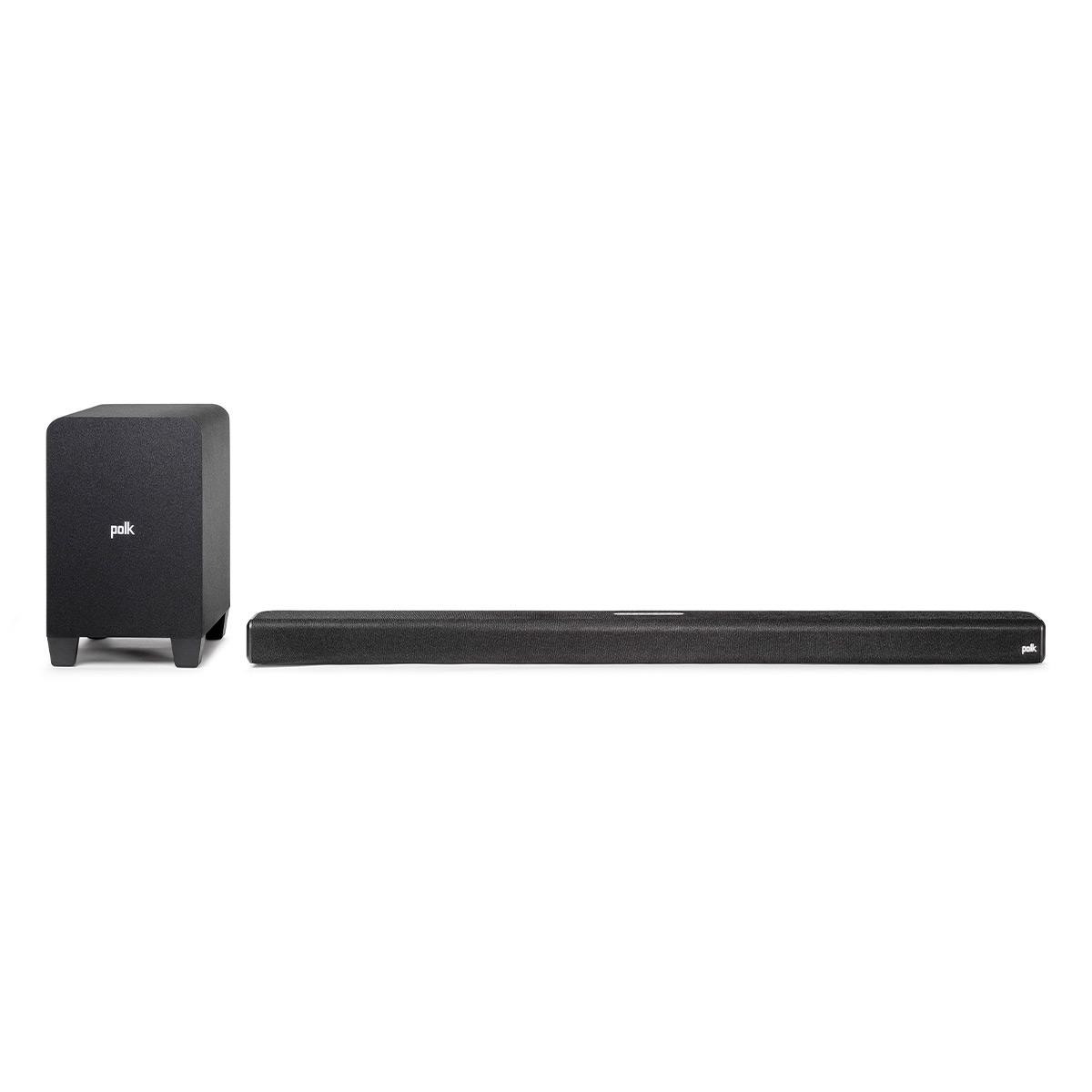
When your TV's built-in speakers make dialogue sound like it's coming through a tin can, it's time to upgrade. But which approach should you take? The soundbar market offers two distinct philosophies: systems that physically surround you with multiple speakers versus premium single-bar solutions that create virtual surround effects.
The Ultimea Aura A40 and Polk Audio Signa S4 represent these competing approaches perfectly. One gives you actual surround speakers to place around your room, while the other uses advanced audio processing to simulate that same effect from a single elegant soundbar. Both launched around 2021-2022, capturing the latest thinking in home audio design, and both promise to transform your TV watching experience—just in very different ways.
Today's soundbars have come a long way from the simple stereo boxes of the early 2010s. The key breakthrough has been in how they create the illusion of surround sound without requiring you to run speaker wires around your living room. However, some manufacturers are now questioning whether that illusion is enough, leading to hybrid systems that combine physical surround speakers with modern convenience features.
When evaluating any soundbar system, you're really looking at five critical performance areas: how well it handles dialogue (the most common complaint about TV audio), its ability to create spatial effects that make you feel immersed in the action, music reproduction quality, bass performance, and ease of setup and daily use. The relative importance of these factors depends entirely on how you plan to use the system.
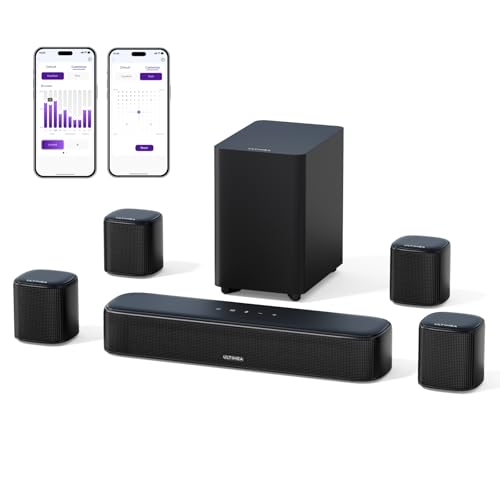
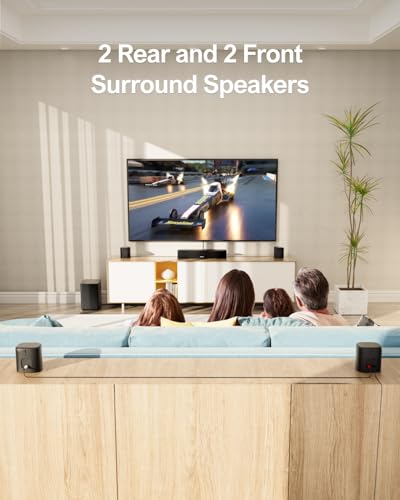
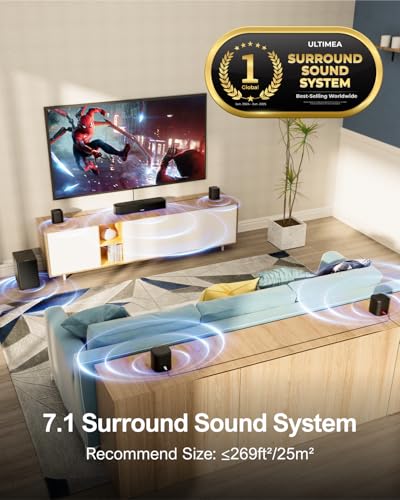
The Ultimea Aura A40 takes what might seem like a step backward at first glance—it brings back physical surround speakers. But this isn't your father's home theater system. Instead of requiring a receiver and complex setup, the A40 uses a smart soundbar as the hub, with four compact satellite speakers that connect via simple plug-and-play cables. Two speakers go in front (flanking your TV), and two go behind your seating area, creating what Ultimea calls a true 360-degree sound field.
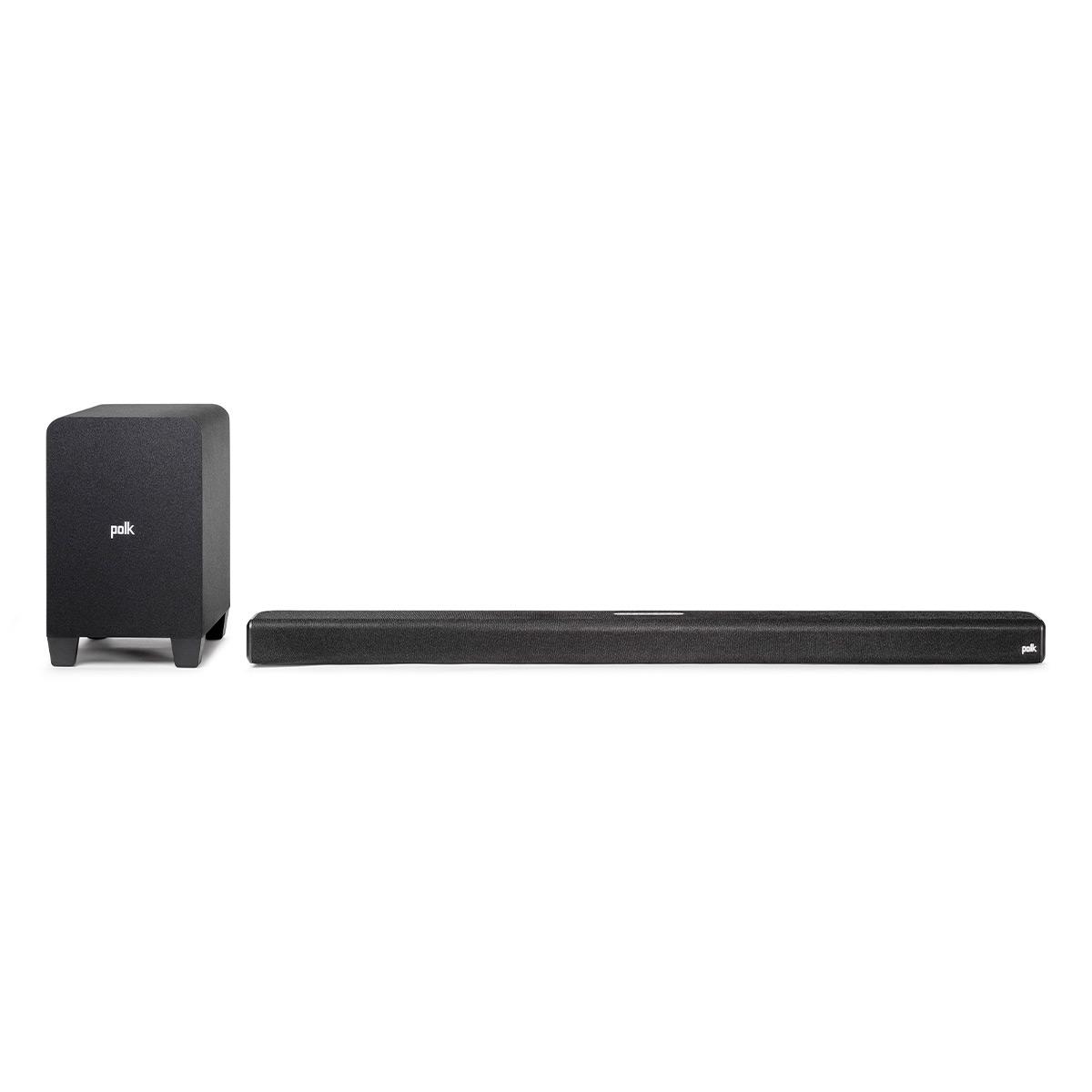
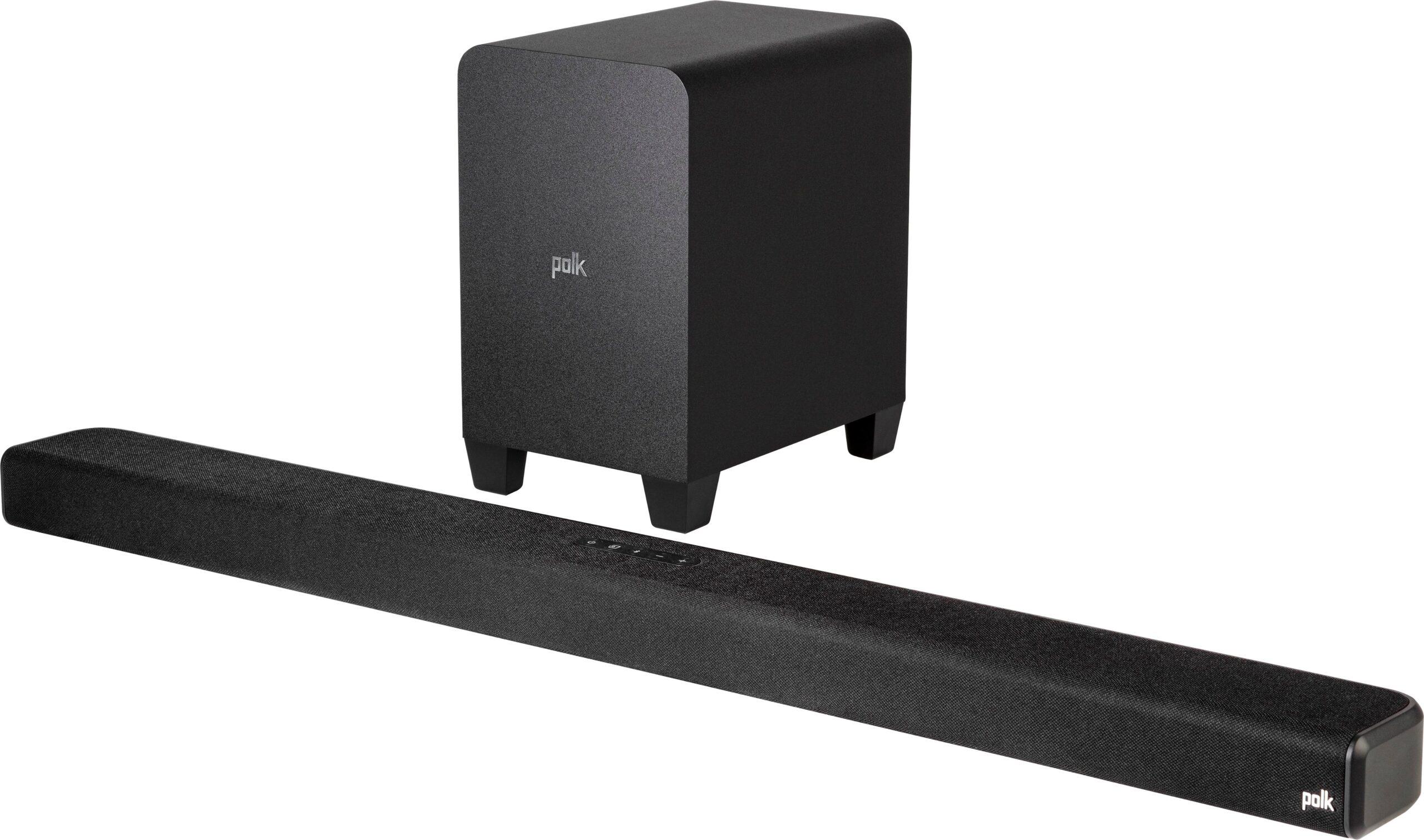
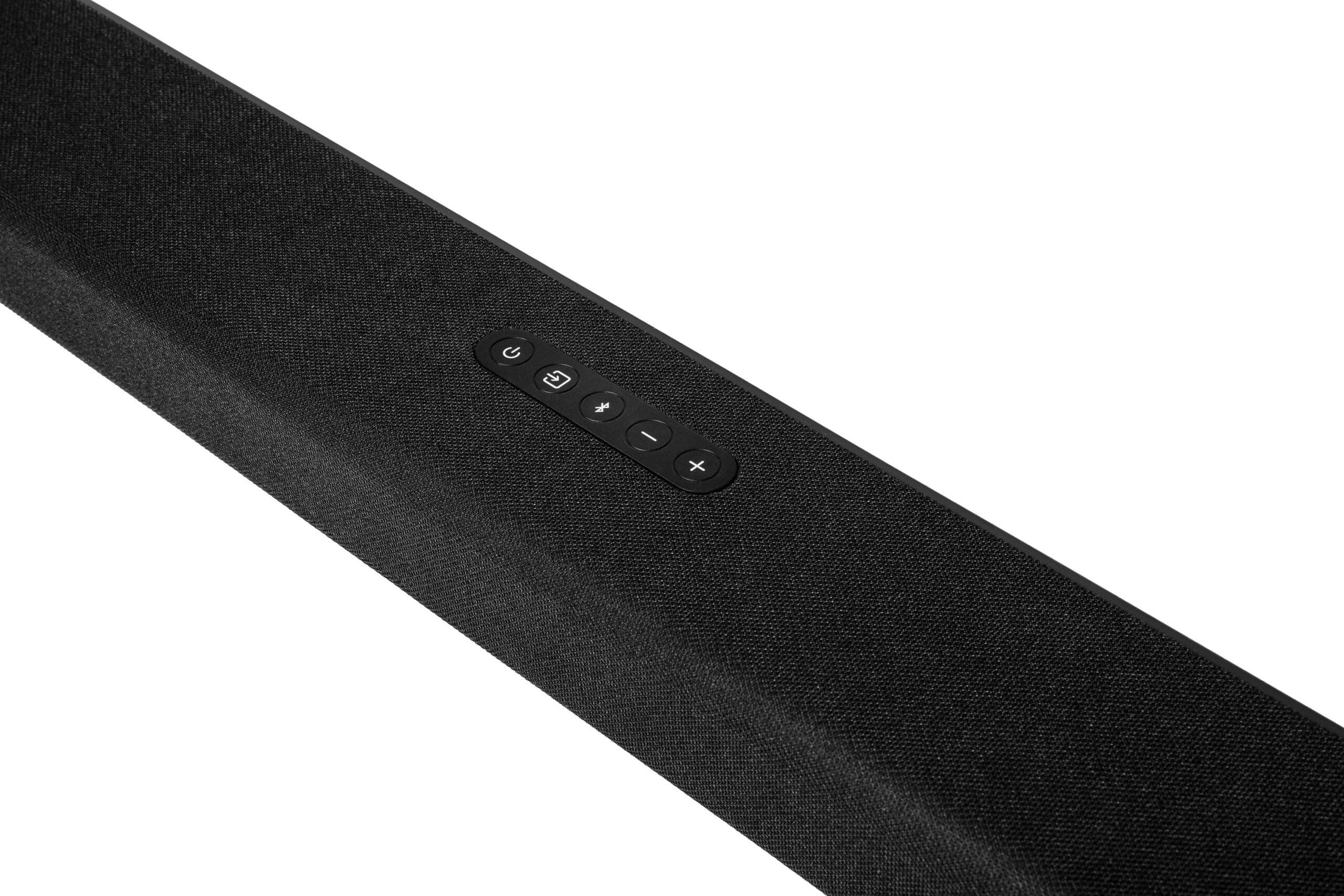
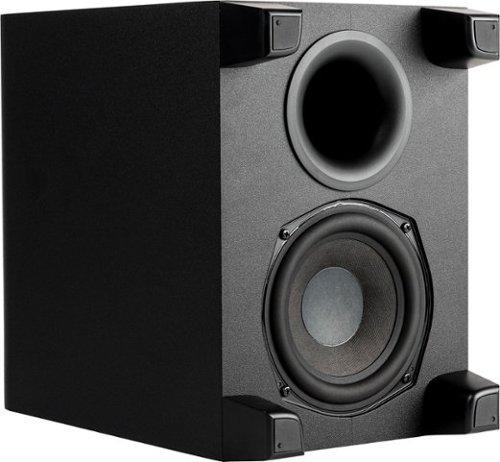
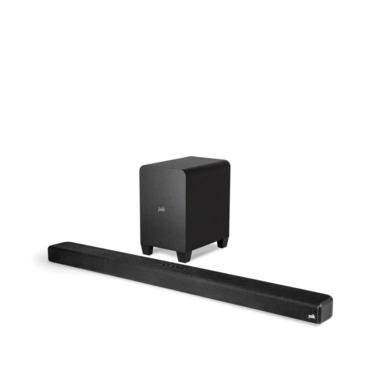
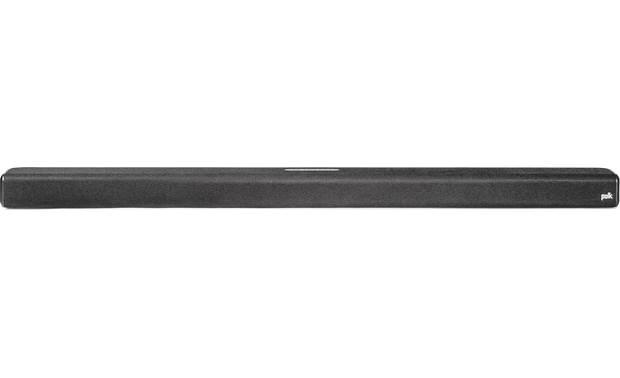
The Polk Audio Signa S4, by contrast, represents the current mainstream approach perfected. It's a single, sophisticated soundbar that uses multiple drivers arranged strategically to bounce sound off your walls and ceiling. Two speakers fire upward to create overhead effects (this is called Dolby Atmos), while the main drivers handle everything else. A wireless subwoofer handles the deep bass, connecting automatically without any setup hassle.
These aren't just different execution styles—they're fundamentally different theories about how to create great home theater sound. The question is which theory works better in real-world living spaces.
This is where the biggest difference lies, and it's immediately noticeable when you experience both systems. The Ultimea Aura A40 creates surround effects by actually placing sound sources around you. When a helicopter flies overhead in a movie, you hear it move from the front speakers, past your ears, to the rear speakers. It's not an approximation—it's actually happening spatially.
Based on our research into user experiences, this approach delivers remarkably convincing directional audio. Gamers particularly appreciate being able to pinpoint enemy footsteps or gunfire location with precision. The system includes six adjustable surround levels, meaning you can dial in exactly how prominent you want these directional effects to be based on your room acoustics and personal preference.
The Polk Signa S4 achieves surround effects through psychoacoustics—essentially tricking your brain into perceiving sounds as coming from directions they're not actually originating from. The upward-firing drivers bounce sound off your ceiling to create overhead effects, while precisely timed audio processing creates the illusion of sounds coming from beside and behind you. When properly calibrated for your room, this can be surprisingly convincing, especially for Dolby Atmos content from Netflix, Disney+, or 4K Blu-rays.
However, there's a catch with virtual surround: it's heavily dependent on your room's acoustics. Rooms with high ceilings, irregular shapes, or lots of soft furnishings can interfere with the carefully calibrated sound bouncing that makes the effect work. The Ultimea A40 doesn't have this limitation since its effects come from actual speaker placement rather than acoustic manipulation.
For gaming specifically, the difference becomes even more pronounced. First-person shooters and competitive games benefit enormously from the precise directional audio that only physical surround speakers can provide. Virtual surround processing, while impressive, simply can't match the spatial accuracy of having actual sound sources positioned around you.
If you're primarily upgrading because you're tired of constantly adjusting volume or asking "what did they say?", this comparison becomes much simpler. The Polk Signa S4 absolutely dominates in dialogue reproduction, and it's not particularly close.
Polk's VoiceAdjust technology is genuinely impressive engineering. Instead of just boosting midrange frequencies (which also amplifies background music and sound effects), it specifically isolates vocal frequencies and enhances them while leaving the rest of the soundtrack untouched. Combined with a dedicated center channel driver—a speaker specifically designed for dialogue reproduction—the result is crystal-clear speech even during complex action sequences.
The Ultimea Aura A40 includes a voice mode in its EQ settings, but this is more of a traditional frequency adjustment rather than the sophisticated vocal processing that Polk employs. While dialogue is certainly clearer than your TV speakers, it doesn't reach the same level of speech intelligibility as the Signa S4, particularly when background music or effects are prominent.
This difference matters most if you watch a lot of TV shows, news, or dialogue-heavy movies. For action blockbusters where you're more focused on spectacular effects than nuanced conversations, the gap is less significant.
Here's where personal preferences start to matter more, and both systems take noticeably different approaches. The Ultimea Aura A40 is clearly designed for people who like to tinker with their audio. Its smartphone app provides a full 10-band equalizer—meaning you can adjust ten different frequency ranges independently to shape the sound exactly how you want it.
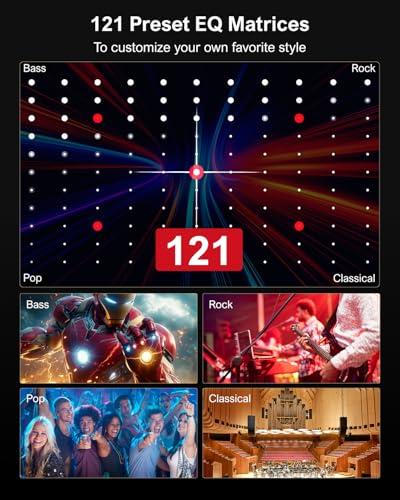
More impressively, the system includes 121 preset equalizer matrices covering different music genres, room types, and listening preferences. Want to emphasize the midrange warmth of jazz recordings? There's a preset for that. Prefer the punchy bass of modern pop? Covered. This level of customization is virtually unheard of at this price point and gives the A40 remarkable flexibility for music listening.
The system's BassMX technology deserves special mention. Rather than just boosting low frequencies (which often leads to muddy, overwhelming bass), it uses digital signal processing to enhance bass impact while maintaining clarity and control. Combined with the 4-inch wired subwoofer, this creates satisfying low-end response without the boomy, one-note bass that plagues many budget systems.
The Polk Signa S4 takes a more "set it and forget it" approach to music reproduction. Polk's decades of speaker engineering experience shows in the balanced, natural sound signature. The three 1-inch dome tweeters deliver crisp, detailed highs, while the larger woofers handle midrange and upper bass with authority. There's less customization available, but the out-of-the-box tuning is sophisticated and works well across various music genres.
For serious music listening, the Ultimea A40 offers more potential for personalization, while the Polk S4 provides more immediately satisfying results without requiring any adjustment.
Both systems include powered subwoofers, but they approach bass reproduction differently. The Polk Signa S4 uses a larger 5.9375-inch driver in its wireless subwoofer, which can be placed anywhere within about 30 feet of the soundbar. This placement flexibility is genuinely useful—you can tuck it behind furniture, in a corner where bass naturally reinforces, or even in an adjacent room if needed.
The larger driver size translates to deeper bass extension and more room-filling presence. Polk's BassAdjust technology allows you to control both the soundbar and subwoofer bass levels simultaneously, creating a more integrated sound rather than having the subwoofer feel like a separate component.
The Ultimea Aura A40 uses a smaller 4-inch driver in a wired subwoofer, but compensates with more sophisticated digital processing. The BassMX technology mentioned earlier really shines here, delivering controlled, musical bass that integrates well with the satellite speakers. While it won't shake the room like the Polk's larger subwoofer, it provides tight, accurate bass that serves both music and movies well.
The practical difference: if you want bass you can physically feel during action movies, the Polk S4 has the advantage. If you prefer bass that enhances the experience without overwhelming it, the Ultimea A40 might be more appropriate.
This might be the deciding factor for many buyers. The Polk Signa S4 represents the pinnacle of plug-and-play simplicity. Connect a single cable to your TV (HDMI eARC is recommended for the best experience), plug in the soundbar and subwoofer, and you're done. The wireless subwoofer pairs automatically when powered on, and most users report having the system working perfectly within 15 minutes of opening the box.
The learning remote feature is particularly thoughtful—the Polk can learn commands from your TV remote, so you don't need to juggle multiple controllers for basic volume and power functions.
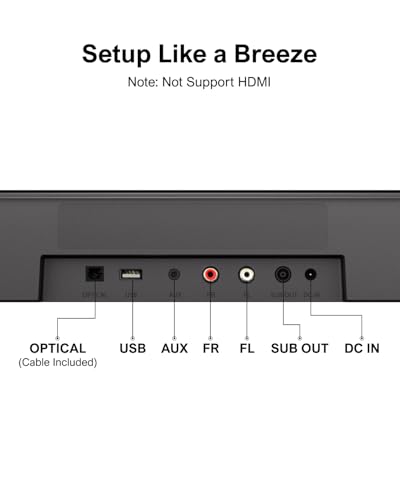
The Ultimea Aura A40 requires significantly more initial investment of time and effort. You'll need to position four satellite speakers around your room, run the included cables (2 meters for the front speakers, 6 meters for the rear), and spend time with the smartphone app optimizing the sound for your specific setup. Plan on 45-60 minutes for complete installation and initial calibration.
However, this complexity brings rewards. The app control is genuinely impressive, offering the kind of customization typically found in much more expensive systems. Over-the-air firmware updates mean the system can improve over time, and the extensive EQ options ensure you can fine-tune the sound precisely to your preferences and room acoustics.
Both systems were designed for the streaming era, but they handle modern connectivity requirements differently. The Polk Signa S4 includes HDMI eARC—the modern standard that allows your TV to send high-quality audio (including Dolby Atmos) back to the soundbar through the same cable that carries video. This means you get full-quality sound from Netflix, Disney+, Apple TV, and other streaming services that support advanced audio formats.
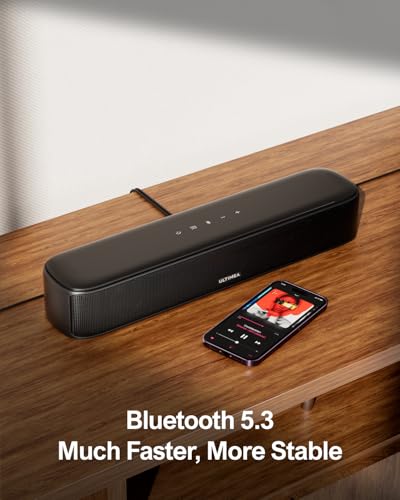
The Ultimea Aura A40 notably lacks HDMI inputs entirely, relying instead on optical digital, analog, and USB connections. This isn't necessarily a dealbreaker—optical can carry Dolby Digital 5.1 surround sound—but it means you'll miss out on the latest Dolby Atmos content from streaming services. The trade-off is Bluetooth 5.3 support, which is more recent than the Polk's Bluetooth 4.2 and offers better wireless audio quality and stability.
For dedicated home theater use, these systems appeal to different priorities. The Ultimea Aura A40 excels when you're building a space primarily for movie watching and gaming. The physical surround speakers create genuinely immersive effects that make action sequences more engaging and help you locate audio cues in games. The extensive customization options mean you can optimize the sound specifically for your room and viewing habits.
The Polk Signa S4 is better suited for living spaces that serve multiple purposes. The single soundbar maintains clean aesthetics, while the wireless subwoofer can be placed discretely. The superior dialogue clarity makes it excellent for TV shows and sports, while Dolby Atmos support ensures compatibility with premium streaming content.
At the time of writing, these systems occupy different price tiers, with the Ultimea Aura A40 positioned as exceptional value for its feature set, while the Polk Signa S4 commands a premium for its brand reputation and refined execution.
The Ultimea's value proposition is compelling: you're getting physical surround speakers, extensive app customization, and modern Bluetooth connectivity at a price point where most competitors offer only basic soundbar functionality. The risk is in build quality and long-term reliability from a newer brand.
Polk brings decades of audio engineering experience and established customer support. The Signa S4 costs more, but you're paying for proven reliability, superior dialogue processing, and the convenience of a plug-and-play system that works excellently out of the box.
Your decision should hinge on how you actually use your entertainment system. Choose the Ultimea Aura A40 if you're building a dedicated viewing space, enjoy customizing audio settings, don't mind more complex setup, and want the most immersive surround effects possible at this price point. It's particularly compelling for gaming enthusiasts and people who like to optimize their systems over time.
The Polk Signa S4 makes more sense if you prioritize dialogue clarity, want minimal setup complexity, need wireless subwoofer placement flexibility, or share your living space with others who value clean aesthetics. It's the safer choice for most users and delivers premium performance with minimal effort.
Both represent significant upgrades over TV speakers, but they excel in different scenarios. The Ultimea rewards investment of time and effort with exceptional customization and immersion. The Polk provides immediate satisfaction with professional-grade audio engineering and user-friendly operation. Your choice depends on whether you prefer to set it and forget it, or dive deep into audio customization.
| Ultimea Aura A40 | Polk Audio Signa S4 |
|---|---|
| Channel Configuration - Determines surround sound approach and immersion level | |
| 7.1 channel with 4 physical surround speakers (2 front, 2 rear) | 3.1.2 channel with virtual surround and upward-firing Dolby Atmos drivers |
| Total Power Output - Affects volume capacity and dynamic range | |
| 330W RMS across 8 drivers | Not specified, but designed for larger rooms than the Ultimea |
| Dolby Atmos Support - Essential for modern streaming content with overhead effects | |
| No Dolby Atmos support | Yes, certified Dolby Atmos 3.1.2 system |
| Driver Configuration - Impacts sound quality and frequency response | |
| 8 drivers total: 3 in soundbar, 4 in surrounds, 1 subwoofer | 7 drivers: 3× 1" tweeters, 2× 2.625" midrange, 2× 4.75" woofers, plus 5.9375" subwoofer |
| Subwoofer Type and Size - Affects bass depth and placement flexibility | |
| 4" wired subwoofer with BassMX processing | 5.9375" wireless subwoofer with 30ft range |
| Connectivity Options - Determines TV and device compatibility | |
| Optical, AUX, USB, Bluetooth 5.3 (No HDMI) | HDMI eARC, Optical, 3.5mm analog, Bluetooth 4.2 |
| Setup Complexity - Time investment and technical skill required | |
| 45-60 minutes with 4 surround speakers to position and cable | 10-15 minutes plug-and-play with automatic wireless pairing |
| Customization Features - Audio tuning and personalization options | |
| 10-band EQ, 121 preset matrices, 6 surround levels, smartphone app control | 3 sound modes (Movie/Music/Night), VoiceAdjust, BassAdjust technologies |
| Dialogue Enhancement - Critical for TV shows and movie comprehension | |
| Basic voice mode in EQ settings | Patented VoiceAdjust technology with dedicated center channel |
| Smart Features - App control and future updates | |
| ULTIMEA Smart App with OTA firmware updates | TV remote learning, no app required |
| Recommended Room Size - Optimal performance area | |
| 108-270 sq ft (10-25 m²) medium to small rooms | Better suited for larger rooms due to higher power output |
| Warranty Coverage - Long-term protection and support | |
| 2 years parts and labor | 2 years parts and labor from established audio brand |
The Polk Audio Signa S4 is superior for movies and TV shows due to its certified Dolby Atmos support and patented VoiceAdjust technology. The VoiceAdjust feature specifically enhances dialogue clarity without affecting background music or sound effects, making it easier to follow conversations during action scenes. However, the Ultimea Aura A40 provides more immersive surround effects with its physical surround speakers, making action sequences feel more engaging.
The fundamental difference is their approach to surround sound. The Ultimea Aura A40 uses four physical surround speakers placed around your room to create true 360-degree audio, while the Polk Audio Signa S4 uses a single soundbar with advanced audio processing and upward-firing drivers to simulate surround effects virtually. This makes the Ultimea more immersive but complex to set up, while the Polk offers premium convenience.
The Polk Audio Signa S4 is significantly easier to set up, requiring only 10-15 minutes with a single cable connection to your TV. The wireless subwoofer pairs automatically, and the system can learn commands from your TV remote. The Ultimea Aura A40 requires 45-60 minutes to position four surround speakers and run cables, though it offers more customization options through its smartphone app once installed.
The Polk Audio Signa S4 includes HDMI eARC connectivity, which is recommended for the best audio quality from modern streaming services and 4K content. The Ultimea Aura A40 does not have HDMI inputs, relying on optical, AUX, and USB connections instead. This means the Polk can handle newer audio formats like Dolby Atmos from Netflix and Disney+, while the Ultimea is limited to older surround sound formats.
The Polk Audio Signa S4 has a larger 5.9375-inch wireless subwoofer that provides deeper bass extension and more room-filling presence. The Ultimea Aura A40 uses a smaller 4-inch wired subwoofer but compensates with BassMX digital processing technology for controlled, musical bass. The Polk delivers more impactful bass for action movies, while the Ultimea provides tighter, more accurate bass response.
The Ultimea Aura A40 offers extensive customization with a 10-band equalizer, 121 preset sound profiles, and adjustable surround levels through its smartphone app. The Polk Audio Signa S4 provides simpler controls with three sound modes (Movie, Music, Night) and VoiceAdjust/BassAdjust technologies. The Ultimea is better for users who enjoy fine-tuning audio settings, while the Polk focuses on optimized presets that work well out of the box.
The Ultimea Aura A40 excels for gaming due to its physical surround speakers that provide precise directional audio. This makes it easier to locate enemy footsteps, gunfire, and other positional audio cues in competitive games. The Polk Audio Signa S4 can create virtual surround effects, but the spatial accuracy isn't as precise as having actual speakers positioned around your gaming area.
The Ultimea Aura A40 is optimized for rooms between 108-270 square feet and works best in dedicated viewing spaces where you can properly position the surround speakers. The Polk Audio Signa S4 is better suited for larger living rooms and multi-purpose spaces due to its higher power output and wireless subwoofer placement flexibility.
The Polk Audio Signa S4 fully supports modern streaming services with Dolby Atmos content through its HDMI eARC connection, providing the best audio quality from Netflix, Disney+, and Apple TV+. The Ultimea Aura A40 can play audio from streaming services but is limited to older audio formats due to its lack of HDMI connectivity, missing out on the latest Dolby Atmos content.
The Ultimea Aura A40 typically offers exceptional value with features rarely found at its price point, including physical surround speakers, extensive app customization, and modern Bluetooth connectivity. The Polk Audio Signa S4 commands a premium but delivers professional-grade audio engineering, superior dialogue clarity, and established brand reliability. Your choice depends on whether you prioritize features per dollar or refined performance.
Both systems support wall mounting, but with different complexity levels. The Polk Audio Signa S4 requires mounting only the main soundbar using integrated keyhole slots, while the wireless subwoofer can be placed anywhere. The Ultimea Aura A40 can wall-mount all components including the soundbar and four surround speakers, but this requires more planning and installation work to achieve the optimal surround sound positioning.
For music listening, the Ultimea Aura A40 offers more personalization potential with its 10-band equalizer and genre-specific presets, making it ideal for users who like to optimize their sound. The Polk Audio Signa S4 provides more immediately satisfying results with its balanced, natural sound signature developed from decades of speaker engineering experience. The Ultimea rewards customization effort, while the Polk delivers professional tuning out of the box.
We've done our best to create useful and informative comparisons to help you decide what product to buy. Our research uses advanced automated methods to create this comparison and perfection is not possible - please contact us for corrections or questions. These are the sites we've researched in the creation of this article: walmart.com - newegg.com - youtube.com - ultimea.com - youtube.com - device.report - ultimea.co - manuals.plus - homestudiobasics.com - youtube.com - bestbuy.com - community.ultimea.com - manuals.plus - eu.ultimea.com - navesapeugeot.com.br - bestbuy.com - images.thdstatic.com - provantage.com - ultimea.com - bestbuy.com - soundandvision.com - audioholics.com - crutchfield.com - cnet.com - richersounds.com - crutchfield.com - rtings.com - polkaudio.com - walmart.com - polkaudio.com - crutchfield.com - youtube.com - profx.com

Privacy Policy
Terms and Conditions - Affiliate Policy
Home Security
© Copyright 2008-2026.
11816 Inwood Rd #1211, Dallas, TX 75244