

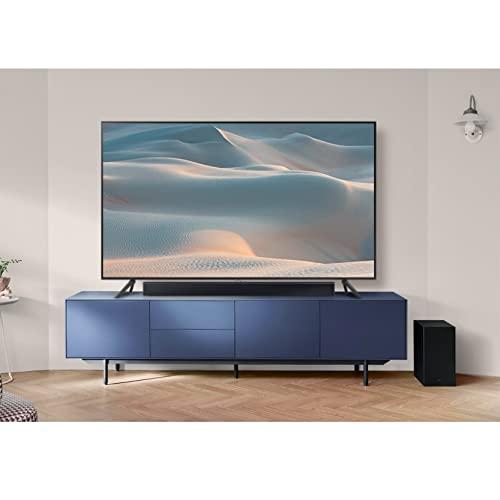
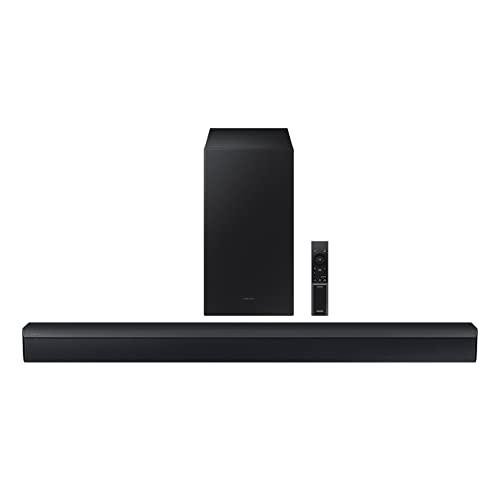





If you've been suffering through the tinny, weak audio from your TV's built-in speakers, you've probably started looking at soundbars. These sleek audio solutions promise to transform your viewing experience without the complexity of a full surround sound system. But with options ranging from basic stereo bars to sophisticated multi-channel systems, choosing the right one can feel overwhelming.
Today we're comparing two soundbars that represent very different approaches to upgrading your TV audio: the budget-friendly Samsung HW-C450 and the feature-packed JBL Bar 700. These aren't just different price points—they're fundamentally different philosophies about what a soundbar should do and who it should serve.
Before diving into specifics, let's clarify what makes soundbars tick. The numbers you see—like "2.1" or "5.1"—tell you about the channel configuration. The first number represents the main speakers (left, right, and possibly center), while the second number indicates subwoofers for bass. So a 2.1 system has left and right speakers plus a subwoofer, while a 5.1 system adds rear speakers and typically a dedicated center channel for dialogue.
This matters because your room size, viewing habits, and expectations all influence which configuration makes sense. A 2.1 system works great for casual TV watching and smaller spaces, while 5.1 systems excel at creating that enveloping "movie theater" experience that makes action scenes come alive.
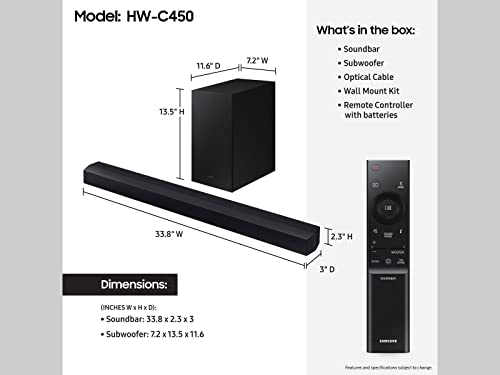
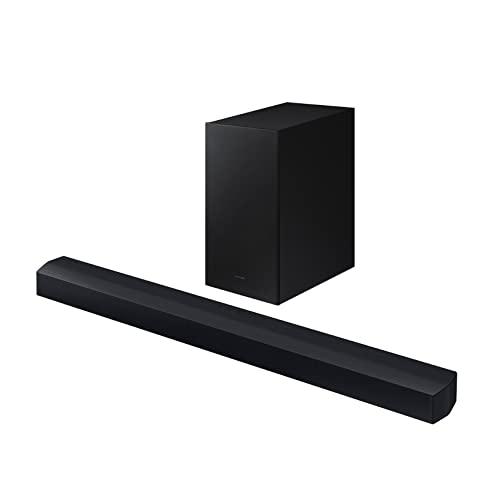
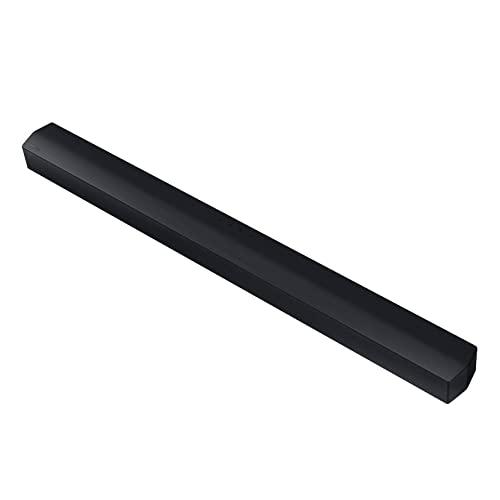
The Samsung HW-C450, released in 2023, represents Samsung's entry-level approach—a straightforward 2.1 system designed to dramatically improve upon TV speakers without breaking the bank or complicating your setup. The JBL Bar 700, also from 2023, takes a more ambitious approach, offering true 5.1 surround sound with some genuinely clever innovations that solve common soundbar limitations.
These soundbars embody completely different design philosophies. The Samsung HW-C450 follows what I call the "better than TV speakers" approach—it focuses on delivering clear dialogue, decent bass, and respectable stereo sound at a price that won't make you wince. It's the soundbar equivalent of a reliable, economical car that gets you where you need to go without fuss.
The JBL Bar 700, meanwhile, embraces the "mini home theater" philosophy. It's trying to give you as much of that immersive surround sound experience as possible while maintaining the simplicity that makes soundbars appealing in the first place. Think of it as the soundbar equivalent of a well-equipped SUV—more capable, more complex, but still user-friendly.
Let's talk about what really matters: how these systems sound. The Samsung HW-C450 delivers 300 watts of total power, split between its main bar (around 80 watts) and wireless subwoofer (220 watts). That might sound impressive on paper, but remember—watts don't tell the whole story. What matters more is how cleanly that power is delivered and how the drivers (the actual speakers) are tuned.
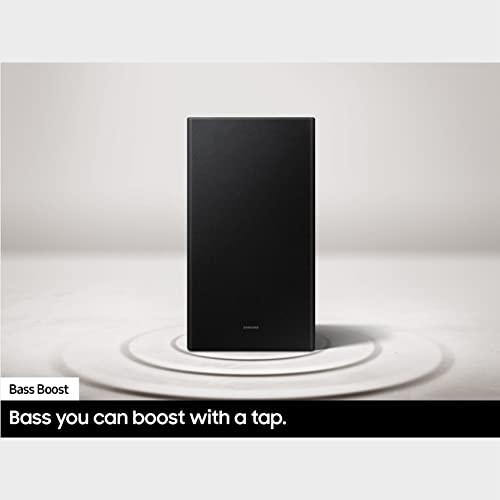
In practice, the Samsung HW-C450 excels at dialogue clarity. Its Voice Enhance mode genuinely helps speech cut through background music and effects, which is crucial for following movie plots or understanding news broadcasts. The wireless subwoofer, while compact with its 6-inch driver, adds enough low-end presence to make explosions feel more impactful and music more full-bodied than what you'd get from TV speakers.
However, the limitations become apparent in more demanding scenarios. The soundstage—essentially how wide and spacious the audio feels—remains narrow and front-focused. This is simply the reality of having only two main channels. When a helicopter swooshes from left to right in a movie, you'll hear it move, but it won't feel like it's traveling through your room.
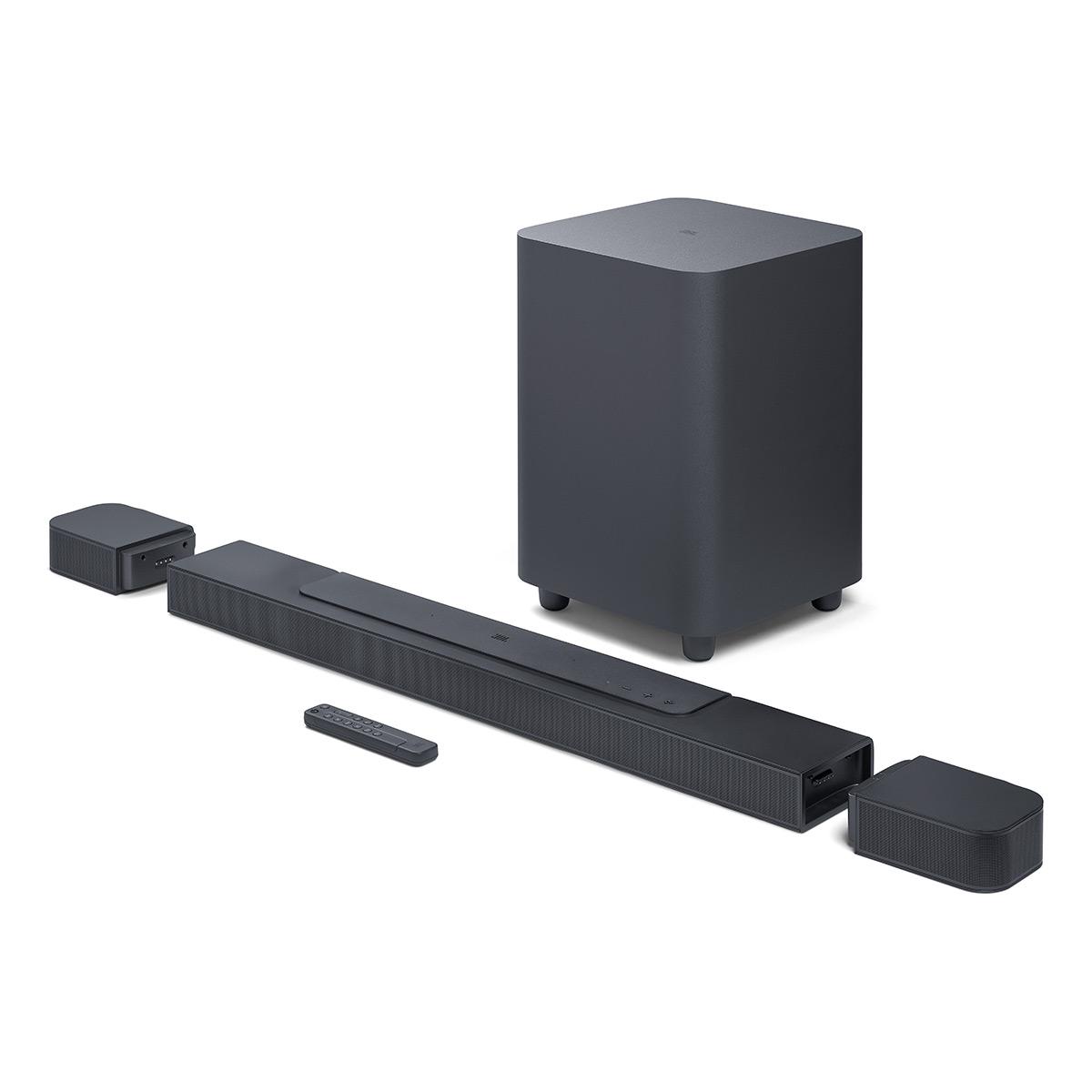
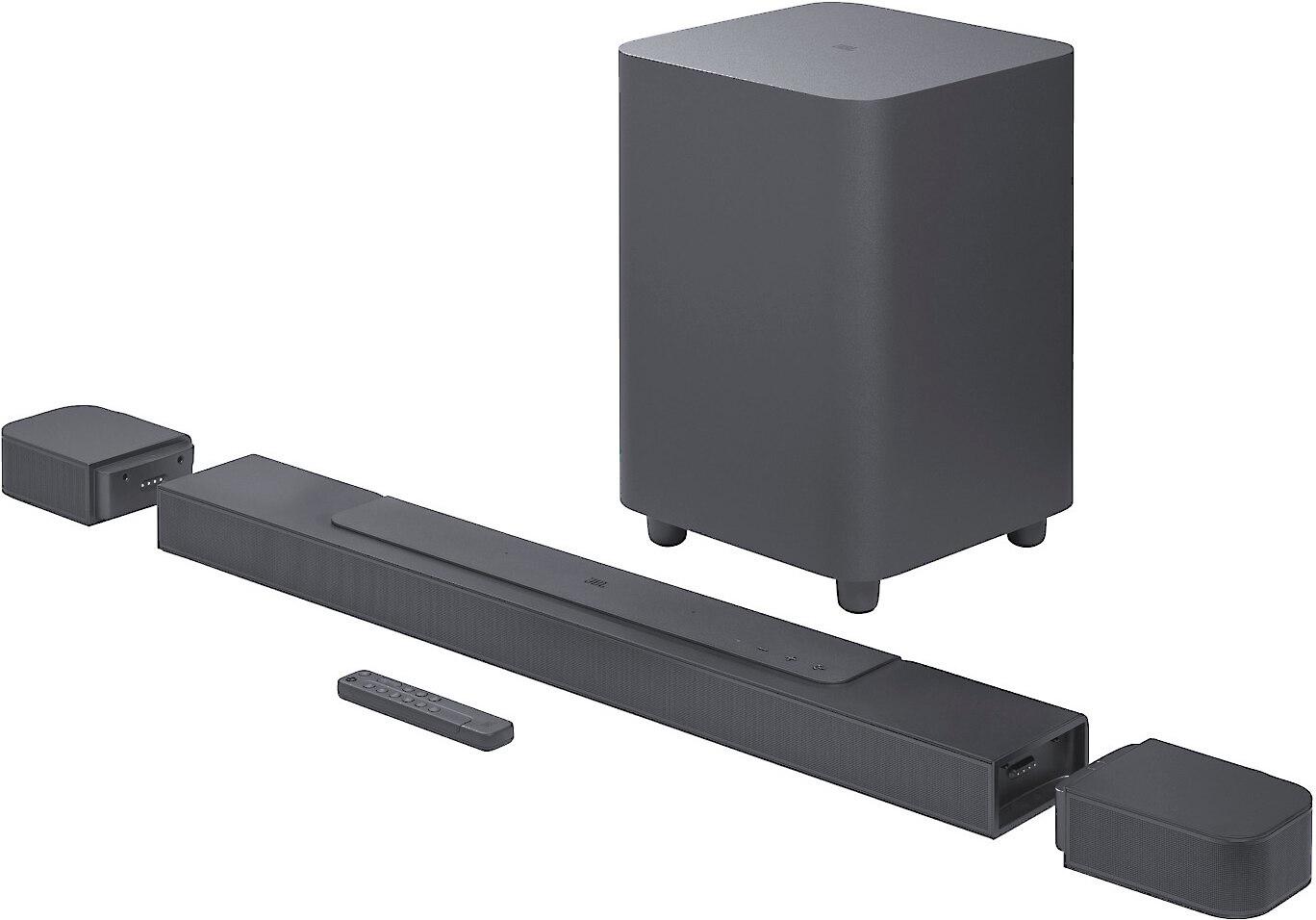
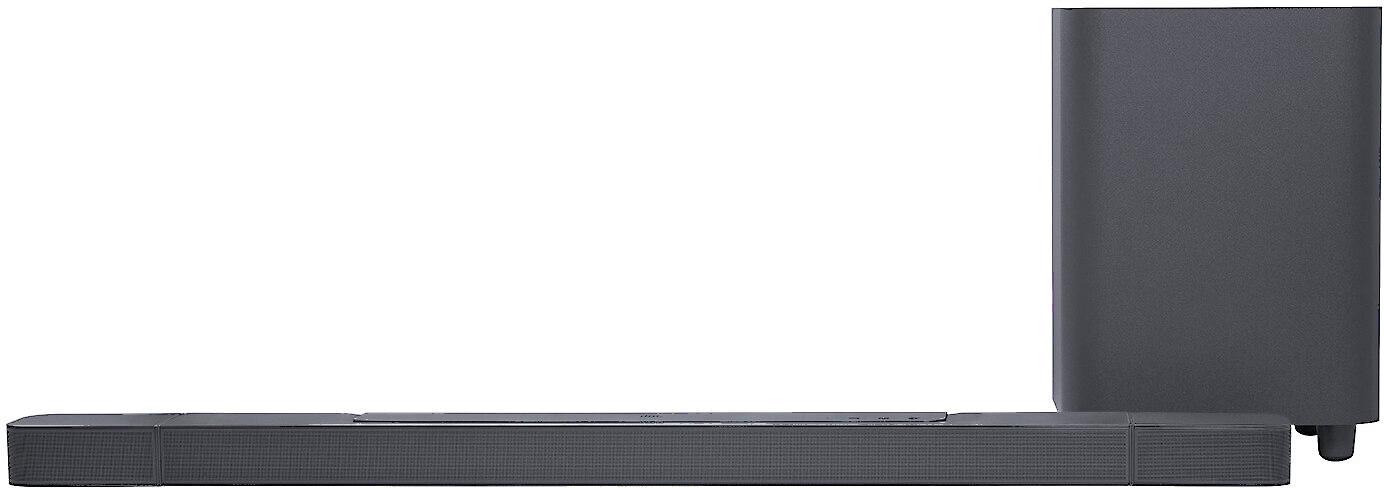
The JBL Bar 700 operates in a different league entirely. With 620 watts of power distributed across a true 5.1 channel system, it has both more raw power and more sophisticated ways to use it. The main soundbar houses six drivers—three racetrack-shaped woofers and three tweeters—creating a much wider, more detailed front soundstage. The 10-inch wireless subwoofer delivers noticeably deeper, more controlled bass than the Samsung's smaller unit.
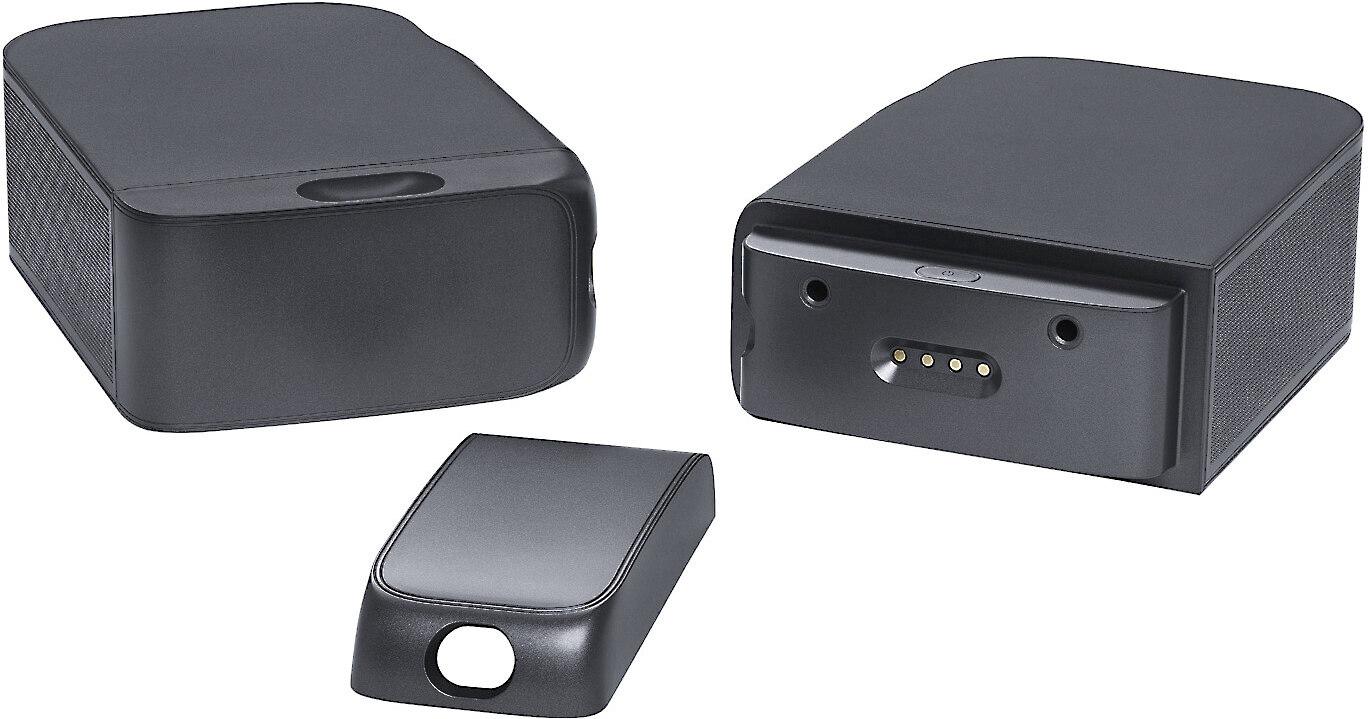
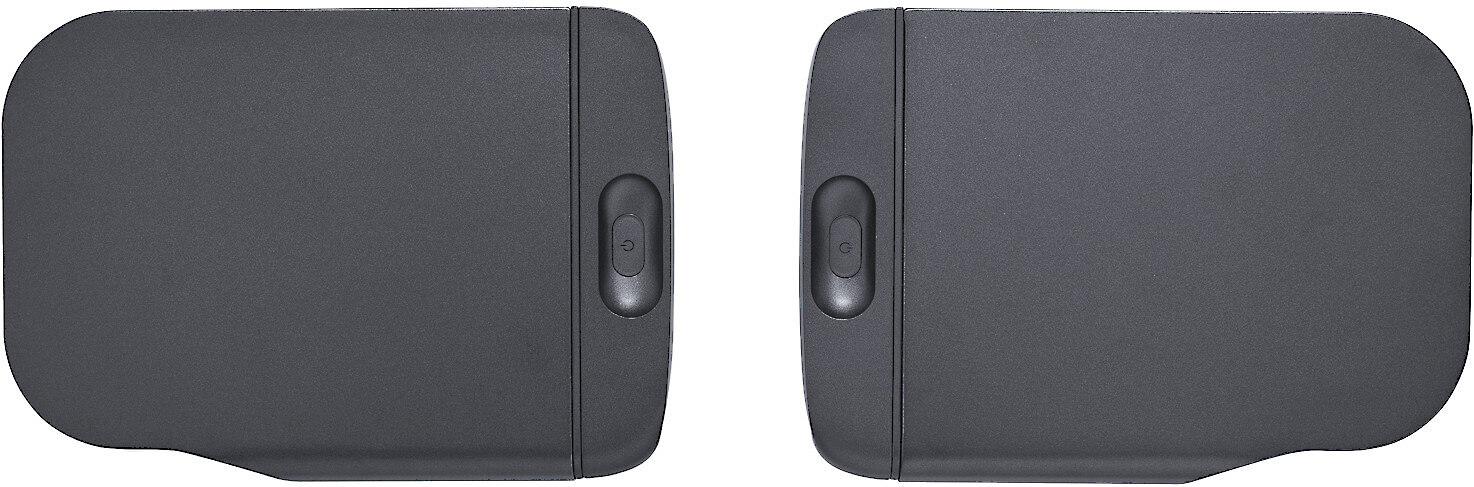
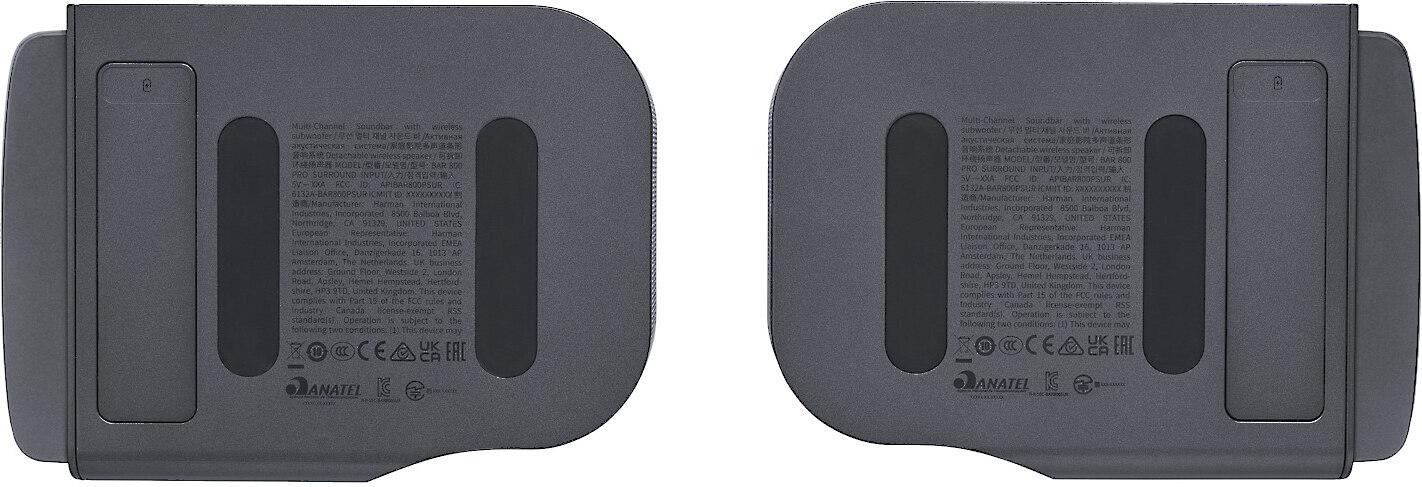
But here's where the JBL Bar 700 gets really interesting: those detachable rear speakers. Most soundbars try to simulate surround sound through clever digital processing, but the JBL actually gives you physical speakers that you can place behind your listening position. These battery-powered units charge when docked to the main bar, then provide up to 10 hours of genuine rear-channel effects when detached. It's an elegant solution to the biggest limitation of traditional soundbars.
This brings us to one of the most important distinctions between these systems: how they handle surround sound. The Samsung HW-C450 relies on DTS Virtual:X processing, which uses psychoacoustic tricks—basically exploiting how your brain interprets audio cues—to create the impression of surround sound from just the front-facing speakers. It's like an audio optical illusion.
Virtual surround processing has come a long way, and DTS Virtual:X can create a noticeably wider, more immersive soundfield than basic stereo. You might feel like some effects are coming from slightly behind or above you, and the overall experience feels more spacious. But it's still fundamentally limited by physics—you're trying to fool your ears rather than actually placing sound sources around the room.
The JBL Bar 700 takes a hybrid approach. It uses Dolby Atmos processing for height effects (making explosions seem to happen above you) while providing genuine rear-channel separation through its detachable speakers. Dolby Atmos is an object-based audio format that treats sounds as objects moving through 3D space rather than just assigning them to specific channels. When combined with real rear speakers, the effect can be genuinely startling the first time you experience it.
I've found that this difference matters most with action movies and gaming. A car chase in the Samsung HW-C450 sounds bigger and more engaging than TV speakers, but in the JBL Bar 700, you actually feel surrounded by the action. Footsteps approach from behind, gunfire comes from specific directions, and aircraft genuinely seem to fly overhead.
Both soundbars offer gaming-specific features, but they approach the challenge differently. The Samsung HW-C450 includes a dedicated Game Mode that adjusts the sound signature to emphasize positional audio cues—things like footsteps, reloading sounds, and environmental effects that give competitive players crucial information about what's happening around them.
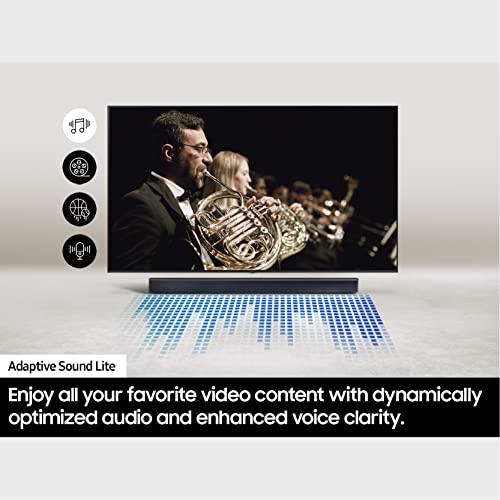
The system's Adaptive Sound Lite feature also automatically optimizes audio based on content type, so when you switch from watching Netflix to playing games, it adjusts the sound profile accordingly. For casual gaming on a budget, these features work well enough to give you a competitive edge over standard TV audio.
The JBL Bar 700 doesn't have gaming-specific sound modes, but its superior channel separation and HDMI eARC connectivity (more on that below) provide inherent advantages. True rear speakers mean you can actually pinpoint whether those footsteps are coming from behind-left or behind-right. The higher power output and better dynamic range—the difference between the quietest and loudest sounds—means subtle audio cues don't get lost in explosive action sequences.
For serious gaming, particularly competitive multiplayer titles where audio positioning can mean the difference between victory and defeat, the JBL Bar 700 provides more accurate spatial information despite lacking dedicated gaming presets.
This is where the philosophical differences between these soundbars become most apparent. The Samsung HW-C450 keeps things simple with optical digital audio input, USB connectivity, and Bluetooth 4.2 for wireless streaming. There's no HDMI connectivity whatsoever, which keeps costs down but limits integration options.
The lack of HDMI means you'll connect via optical cable from your TV, which works fine for most content but limits you to basic 5.1 audio formats. You won't get advanced audio formats like Dolby TrueHD or DTS-HD Master Audio that come on Blu-ray discs, though honestly, most streaming content doesn't use these formats anyway.
The JBL Bar 700 takes connectivity seriously. Its HDMI eARC (enhanced Audio Return Channel) support is a game-changer for modern TV integration. eARC allows bidirectional communication between your TV and soundbar, enabling features like automatic volume control with your TV remote and support for high-bandwidth audio formats. The system also handles 4K video pass-through with HDR10 and Dolby Vision, so you can connect your game console or streaming device directly to the soundbar without degrading video quality.
Beyond traditional connections, the JBL Bar 700 includes built-in Wi-Fi with support for AirPlay (from Apple devices), Chromecast (from Android devices and Chrome browsers), and Alexa Multi-Room Music. This transforms it from a simple TV audio upgrade into a proper smart speaker that can stream music throughout your home when integrated with compatible systems.
The Samsung HW-C450 focuses on essential controls without overwhelming users. If you have a Samsung TV, the One Remote Control feature lets you control both devices with a single remote—a genuinely convenient feature that reduces remote clutter. The system also supports basic CEC (Consumer Electronics Control) functions for automatic power on/off with your TV.
Sound customization is straightforward with modes like Bass Boost for more impactful low-end, Night Mode for late-night viewing without disturbing others, and the aforementioned Voice Enhance for dialogue clarity. These cover the essential use cases without requiring a smartphone app or complex setup procedures.
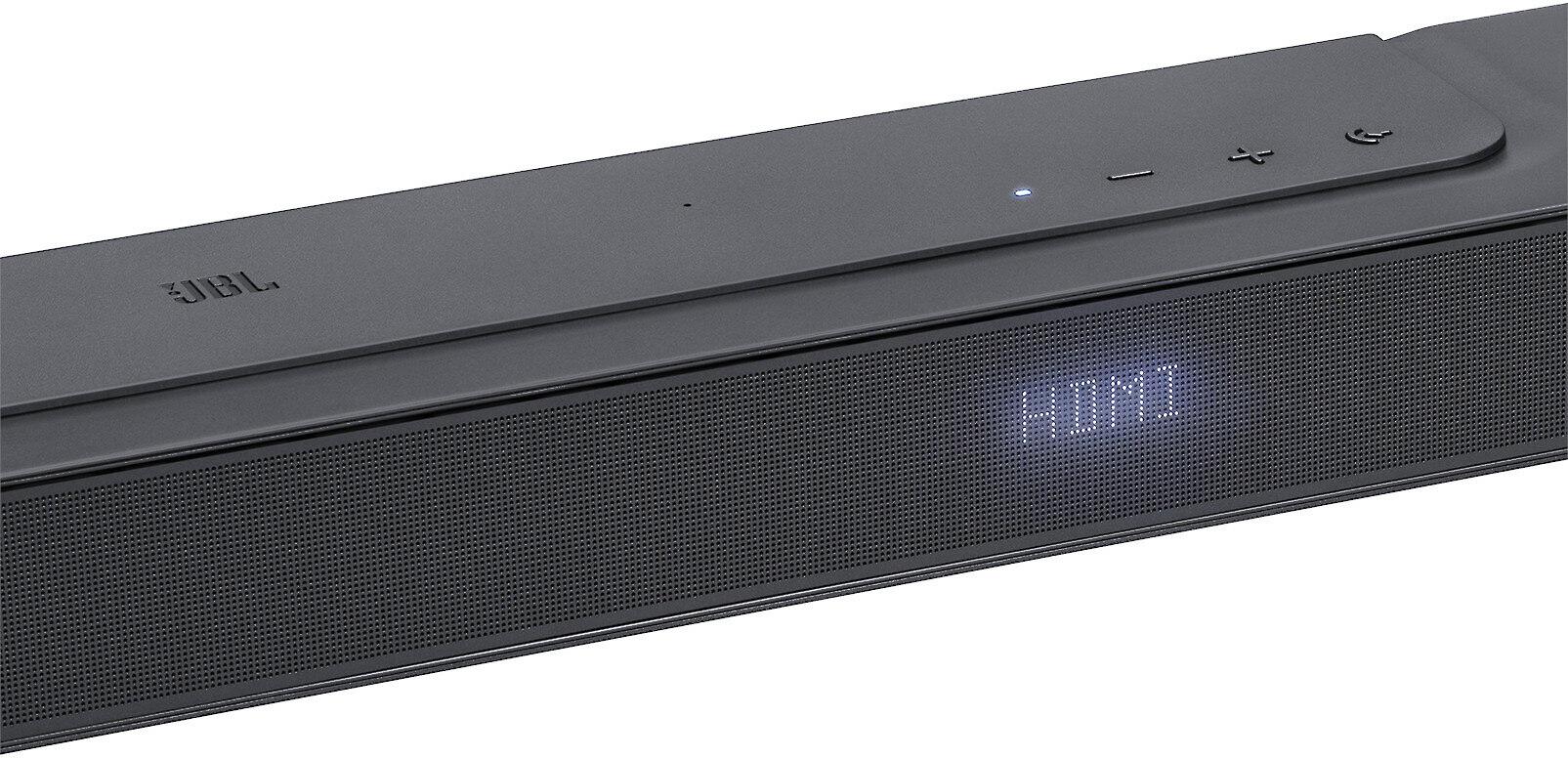
The JBL Bar 700 offers significantly more sophisticated control through the JBL One app. This provides detailed EQ adjustment, room calibration settings, and the ability to group the soundbar with other JBL speakers for multi-room audio. The automatic sound calibration feature uses built-in microphones to measure your room's acoustics and adjust the sound signature accordingly—a feature typically found on much more expensive systems.
The voice assistant integration extends beyond basic control. You can ask Alexa-enabled devices to play music on the soundbar, adjust volume, or switch inputs. It's not a replacement for dedicated smart speakers, but it adds convenience for users already invested in voice control ecosystems.
Your room dimensions play a crucial role in determining which system makes sense. The Samsung HW-C450 works best in smaller spaces—apartments, bedrooms, or rooms under 200 square feet. In these environments, the compact subwoofer provides adequate bass without overwhelming the space, and the limited soundstage width isn't as noticeable.
At higher volumes in larger rooms, the Samsung HW-C450 can sound compressed and strained. The small drivers in the main bar simply can't move enough air to fill a large living room with clean, dynamic sound. This isn't necessarily a flaw—it's about matching the tool to the job.
The JBL Bar 700 scales much better with room size. The larger drivers, more powerful amplification, and genuine surround speakers work effectively in rooms up to 400 square feet or more. The 10-inch subwoofer can pressurize larger spaces without losing control, and the rear speakers ensure that people throughout the room experience proper surround effects rather than just those seated in the "sweet spot."
Installation simplicity varies significantly between these systems. The Samsung HW-C450 lives up to soundbar promises of easy setup: unbox, connect one optical cable, plug in power, and you're basically done. The wireless subwoofer pairs automatically, and within minutes you're enjoying better TV audio.
The JBL Bar 700 requires more consideration but isn't particularly complicated. The initial setup includes HDMI connection, Wi-Fi network configuration, and room calibration through the mobile app. The rear speakers need to be positioned appropriately and charged initially, but once set up, they dock and undock easily when you want true surround sound.
Living with the Samsung HW-C450 means appreciating its simplicity. There are no batteries to manage, no complex controls to master, and no network dependencies. It just works, day after day, providing consistently better audio than your TV's built-in speakers.
The JBL Bar 700 requires slightly more engagement. You'll want to use the mobile app for optimal setup, remember to dock the rear speakers after use, and occasionally update firmware for new features. In return, you get a much more sophisticated and capable system that can adapt to different use cases and room configurations.
At the time of writing, these soundbars occupy very different price segments, which makes direct comparison somewhat unfair. The Samsung HW-C450 typically costs significantly less than the JBL Bar 700—we're talking about the difference between a budget-friendly upgrade and a more serious investment in home audio.
The Samsung HW-C450 represents excellent value for its price bracket. You get clean dialogue, adequate bass, useful gaming features, and reliable operation at a cost that won't shock your budget. For many users, particularly those upgrading from TV speakers for the first time, it provides all the improvement they need.
The JBL Bar 700 asks for considerably more money but delivers proportionally more capability. True 5.1 surround sound, Dolby Atmos processing, sophisticated connectivity, and smart features justify the higher cost for users who want a genuinely immersive home theater experience.
Both systems benefit from recent advances in soundbar technology. The Samsung HW-C450 includes features like Adaptive Sound Lite that weren't available in budget soundbars just a few years ago. DTS Virtual:X processing has also improved significantly, providing more convincing surround effects than earlier virtual surround implementations.
The JBL Bar 700 represents more cutting-edge thinking with its detachable rear speaker concept and comprehensive smart features. HDMI eARC support ensures compatibility with future TV technologies, while built-in Wi-Fi and support for multiple streaming protocols provide flexibility as your smart home ecosystem evolves.
Looking ahead, the JBL Bar 700 seems better positioned for future updates and continued relevance. Its app-based control system can receive new features through software updates, and its comprehensive connectivity supports emerging audio formats and streaming services.
The Samsung HW-C450 makes the most sense for several specific situations. If you're working with a tight budget but want meaningful audio improvement, it delivers exceptional value. It's perfect for smaller living spaces, secondary TVs in bedrooms or kitchens, or situations where simplicity trumps sophistication. Samsung TV owners get additional integration benefits that enhance the overall experience.
Choose the Samsung HW-C450 if you primarily watch TV shows, news, and casual content rather than action movies or immersive gaming. Its dialogue clarity and ease of use make it ideal for everyday viewing without the complexity of a full home theater system.
The JBL Bar 700 targets users who want to create a proper home theater experience. If you love action movies, play immersive games, or frequently listen to music through your TV setup, its superior surround sound capabilities and power justify the additional investment. The smart features and comprehensive connectivity make it a better choice for tech-savvy users who want integration with streaming services and smart home systems.
The JBL Bar 700 also makes sense if you're planning to keep your soundbar for many years. Its future-proof connectivity and updateable software mean it should remain relevant and capable as your entertainment needs evolve.
These soundbars aren't really competing against each other—they're solving different problems for different users. The Samsung HW-C450 excels as an affordable, reliable TV audio upgrade that anyone can set up and enjoy immediately. The JBL Bar 700 aims higher, delivering genuine home theater immersion with clever innovations that address traditional soundbar limitations.
Your choice should align with your room size, content preferences, technical comfort level, and budget realities. Both systems will dramatically improve your TV audio experience compared to built-in speakers, but they'll do so in fundamentally different ways. The Samsung keeps things simple and affordable, while the JBL embraces complexity in service of superior performance.
Consider your viewing habits, room size, and how important true surround sound is to your enjoyment. For many users, the Samsung HW-C450 provides all the improvement they need at a price that makes sense. For those seeking a more immersive, theater-like experience and willing to invest accordingly, the JBL Bar 700 delivers capabilities that justify its premium positioning.
Either choice will transform your TV watching experience—the question is whether you want that transformation to be practical and economical, or comprehensive and immersive.
| Samsung HW-C450 | JBL Bar 700 |
|---|---|
| Channel Configuration - Determines surround sound capability | |
| 2.1 channels (stereo + subwoofer) | 5.1 channels (true surround with rear speakers) |
| Total Power Output - Affects volume and dynamic range | |
| 300W (adequate for small-medium rooms) | 620W (powerful enough for large rooms) |
| Surround Sound Technology - Creates immersive audio experience | |
| DTS Virtual:X (simulated surround from front speakers) | Dolby Atmos + physical rear speakers (genuine 3D surround) |
| Subwoofer Size - Determines bass depth and impact | |
| 6" wireless subwoofer (compact, decent bass) | 10" wireless subwoofer (deep, powerful bass) |
| Rear Speakers - Key for true surround sound | |
| None (virtual surround only) | Detachable battery-powered speakers (up to 10 hours) |
| HDMI Connectivity - Modern TV integration and audio quality | |
| None (optical input only) | HDMI eARC with 4K Dolby Vision pass-through |
| Smart Features - Streaming and voice control capabilities | |
| Basic Bluetooth, Samsung TV integration | Wi-Fi, AirPlay, Chromecast, Alexa Multi-Room Music |
| Gaming Features - Enhanced audio for gaming | |
| Dedicated Game Mode with Adaptive Sound Lite | No gaming modes, but superior positional audio from 5.1 setup |
| Setup Complexity - Installation and daily use | |
| Simple plug-and-play (optical cable, auto-pairing sub) | More involved (HDMI, Wi-Fi setup, app configuration, rear speaker positioning) |
| Room Calibration - Optimizes sound for your space | |
| Manual sound modes only | Automatic room calibration with built-in microphone |
| Ideal Room Size - Where each system performs best | |
| Small to medium rooms (under 200 sq ft) | Medium to large rooms (200+ sq ft) |
| Best Use Cases - Primary scenarios for each system | |
| TV shows, casual viewing, budget upgrade from TV speakers | Movies, gaming, music listening, home theater experience |
The Samsung HW-C450 is better suited for small rooms and apartments. Its 2.1-channel configuration with 300W of power provides adequate volume and bass without overwhelming compact spaces. The JBL Bar 700 is designed for larger rooms and may produce too much bass in small spaces, though its room calibration feature can help adjust for smaller environments.
The Samsung HW-C450 uses a 2.1 setup with left/right speakers plus a subwoofer, while the JBL Bar 700 offers true 5.1 surround sound with dedicated rear speakers. This means the JBL Bar 700 can create genuine surround effects with sounds coming from behind you, whereas the Samsung HW-C450 relies on virtual processing to simulate surround sound from front-facing speakers only.
The JBL Bar 700 delivers significantly better bass performance with its 10-inch wireless subwoofer compared to the Samsung HW-C450's 6-inch subwoofer. The larger driver in the JBL Bar 700 produces deeper, more impactful low-end frequencies that you can feel during action scenes and music playback.
The JBL Bar 700 includes HDMI eARC for enhanced TV integration and high-quality audio, while the Samsung HW-C450 only offers optical input. HDMI eARC allows single-cable connection, TV remote control of the soundbar, and support for advanced audio formats. If you want the simplest setup, the Samsung HW-C450's optical connection works fine for most content.
The Samsung HW-C450 offers simpler setup with just an optical cable connection and automatic subwoofer pairing. The JBL Bar 700 requires more initial configuration including HDMI connection, Wi-Fi setup, mobile app installation, and positioning of rear speakers, but provides more advanced features once configured.
Both the Samsung HW-C450 and JBL Bar 700 work with any TV brand. However, the Samsung HW-C450 offers enhanced integration features when paired with Samsung TVs, including One Remote Control support. The JBL Bar 700 provides universal compatibility through its HDMI eARC connection regardless of TV brand.
The JBL Bar 700 is superior for home theater use with its Dolby Atmos processing, true 5.1 surround sound, and detachable rear speakers that create an immersive cinematic experience. The Samsung HW-C450 improves dialogue clarity and adds some bass, but cannot match the JBL Bar 700's surround sound capabilities for movie watching.
Both soundbars support Bluetooth music streaming from phones and tablets. The JBL Bar 700 offers more advanced streaming options including built-in Wi-Fi, AirPlay for Apple devices, Chromecast, and Alexa Multi-Room Music integration. The Samsung HW-C450 focuses on basic Bluetooth connectivity for simple wireless music playback.
The Samsung HW-C450 includes dedicated gaming features like Game Mode and Adaptive Sound Lite that optimize audio for gaming content. While the JBL Bar 700 lacks specific gaming modes, its true 5.1 surround sound provides more accurate positional audio that can benefit competitive gaming where directional sound cues matter.
The Samsung HW-C450 delivers 300W total power, while the JBL Bar 700 provides 620W across its 5.1 channel system. The higher power output of the JBL Bar 700 enables louder volumes and better dynamic range, making it suitable for larger rooms and more demanding content.
The Samsung HW-C450 does not support adding rear speakers - it's designed as a complete 2.1 system. The JBL Bar 700 comes with detachable battery-powered rear speakers included, providing true surround sound out of the box without the need for additional purchases or complex wiring.
The Samsung HW-C450 offers excellent value for budget-conscious buyers seeking a significant upgrade from TV speakers with clear dialogue and decent bass. The JBL Bar 700 provides better value for those wanting a complete home theater experience with true surround sound, though it requires a larger investment. Choose the Samsung HW-C450 for basic improvement or the JBL Bar 700 for comprehensive audio enhancement.
We've done our best to create useful and informative comparisons to help you decide what product to buy. Our research uses advanced automated methods to create this comparison and perfection is not possible - please contact us for corrections or questions. These are the sites we've researched in the creation of this article: e-catalog.com - alibaba.com - smart.dhgate.com - greentoe.com - requiremints.com - versus.com - bhphotovideo.com - rtings.com - soundmachine.com.mt - samsung.com - samsung.com - youtube.com - bhphotovideo.com - newegg.com - images.samsung.com - bestbuy.com - samsung.com - youtube.com - jsappliance.com - gadgetsleo.com - youtube.com - saraappliance.com - walmart.com - crutchfield.com - harmanaudio.com - target.com - jbl.com - walmart.com - dell.com - jbl.com

Privacy Policy
Terms and Conditions - Affiliate Policy
Home Security
© Copyright 2008-2026.
11816 Inwood Rd #1211, Dallas, TX 75244