


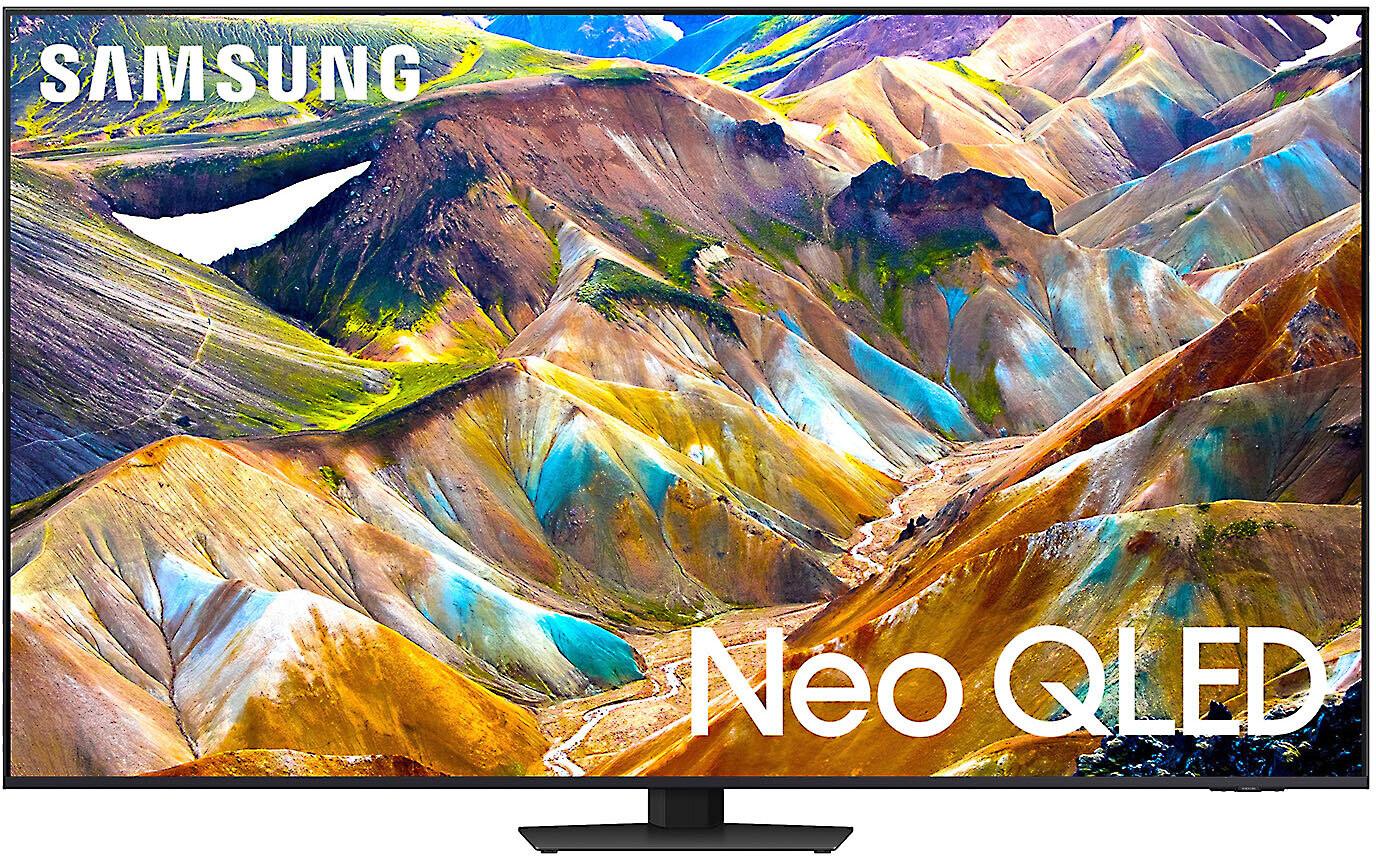
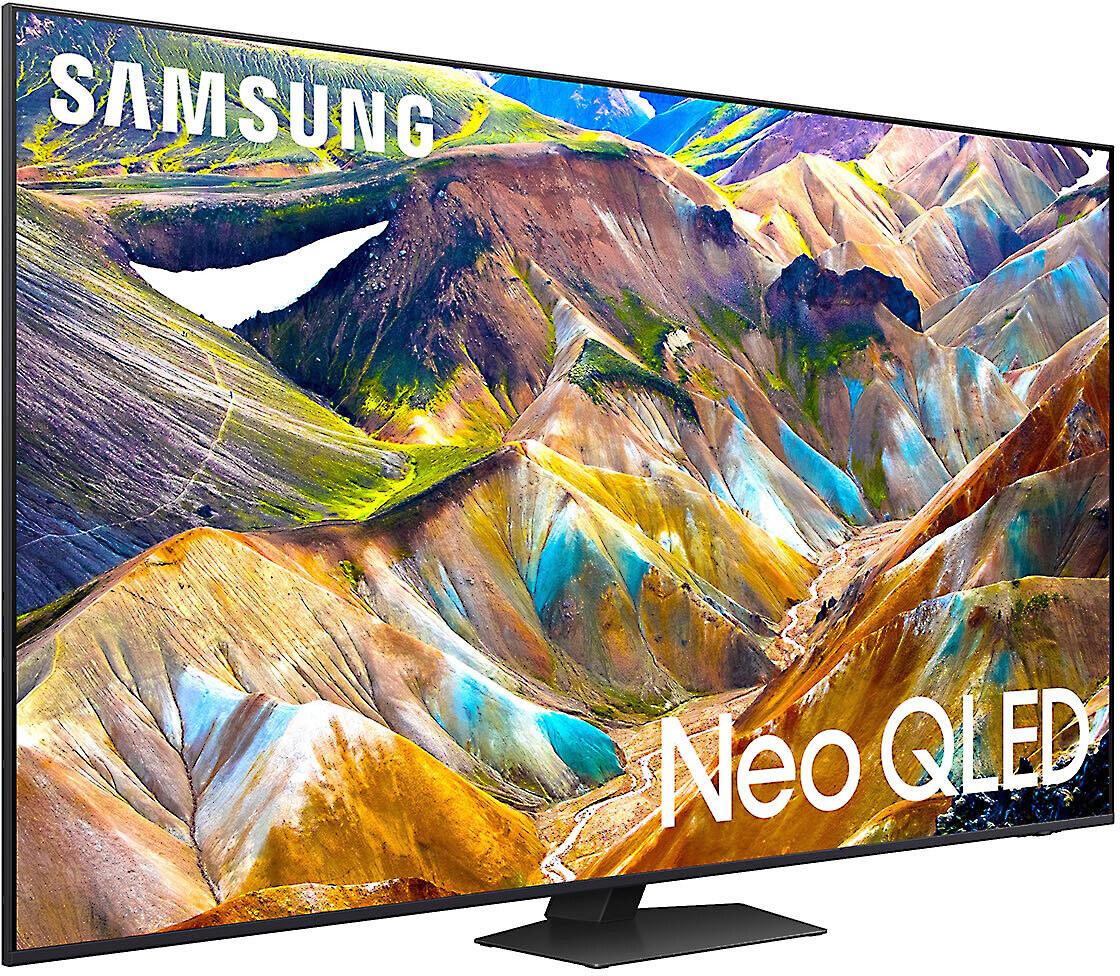
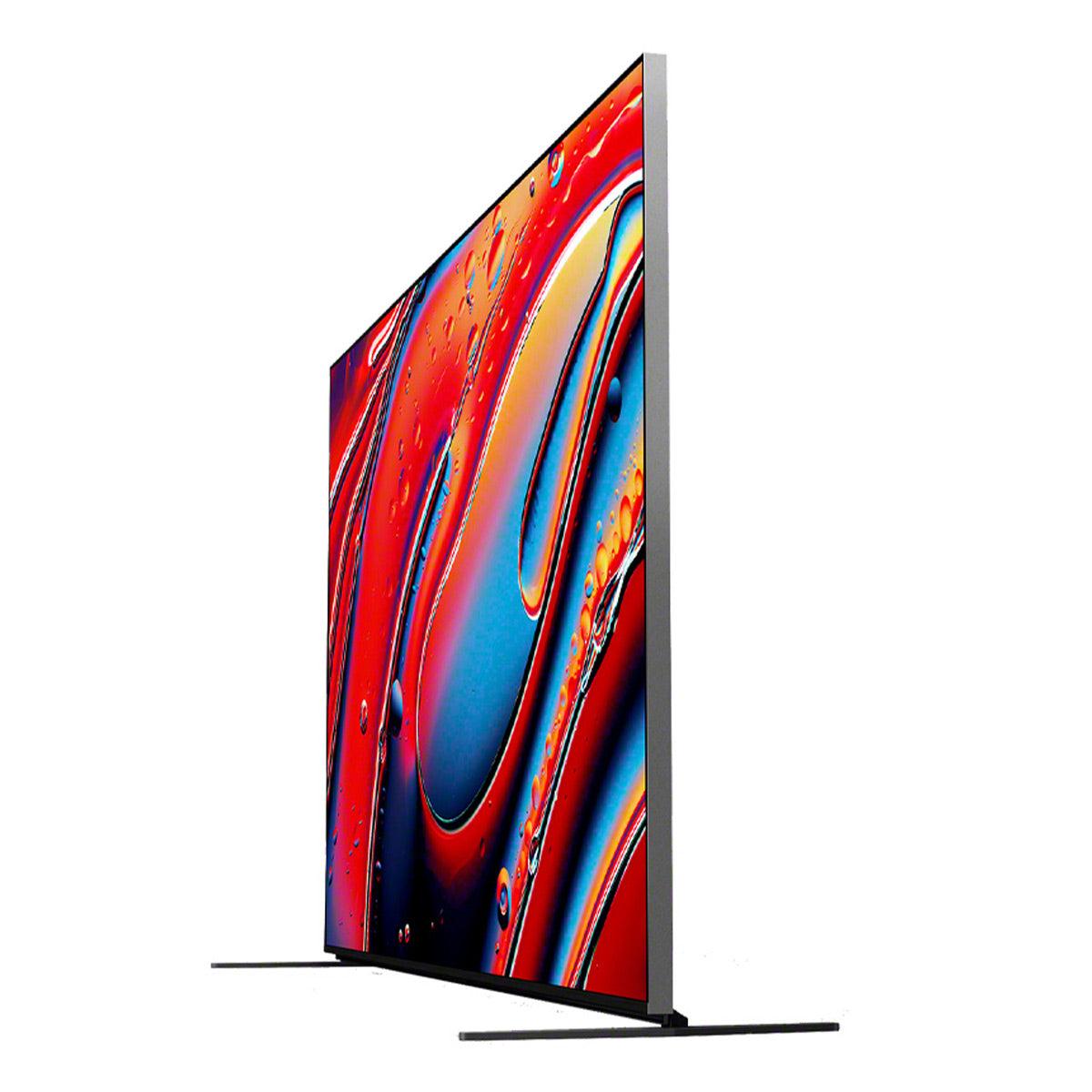
The living room TV has evolved from a simple entertainment device to the centerpiece of our home media experience. When you're investing in a premium 65-inch television like the Samsung S90D OLED or the Sony BRAVIA 9 Mini LED, you're not just buying a bigger screen—you're buying better technology, superior picture quality, and an enhanced viewing experience that will serve you for years to come.
Both of these flagship models represent the cutting edge of what Samsung and Sony offer in 2024, but they approach the challenge of creating the perfect image in fundamentally different ways. Understanding these differences is crucial to making the right choice for your specific viewing habits and environment.
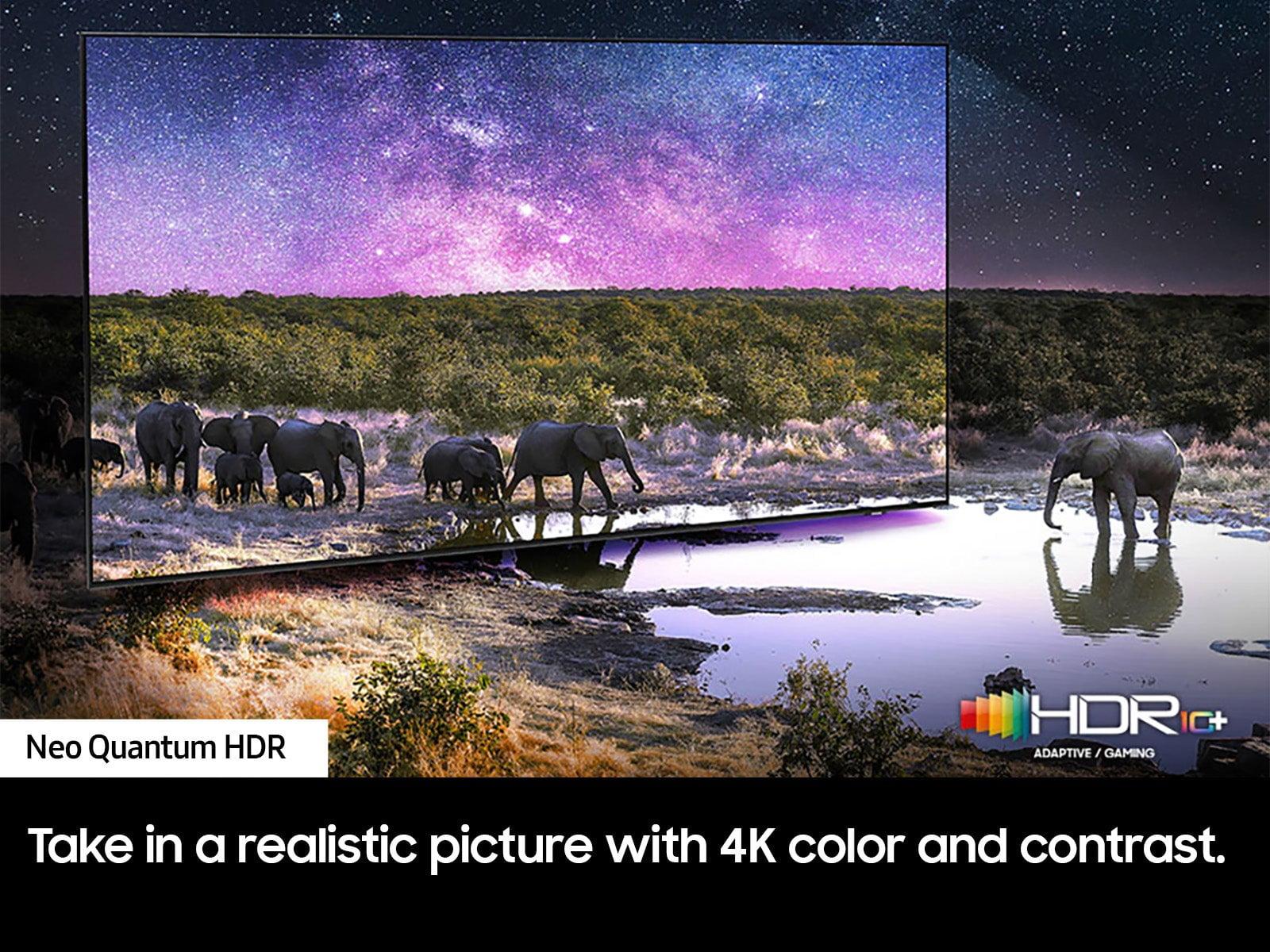
The Samsung S90D, released in March 2024, utilizes QD-OLED (Quantum Dot Organic Light Emitting Diode) technology. This might sound like alphabet soup, but what it means is fairly straightforward. Unlike traditional TVs that use a backlight, each pixel in an OLED TV generates its own light and can turn completely off when needed.
What makes Samsung's approach special is the addition of quantum dots—microscopic particles that enhance color purity and brightness. This gives the S90D the best of both worlds: the perfect blacks of OLED technology with enhanced brightness and color volume that traditional OLEDs struggled to achieve.
"Think of each pixel like a tiny light bulb that can be individually controlled," explains one display expert. "When showing a starfield on a black background, the stars can be brilliantly lit while the surrounding space is perfectly black—something that's impossible with traditional backlighting."
Since its release, the S90D has earned a reputation for stunning contrast and color accuracy. Samsung has improved on previous generations with better brightness management and enhanced processing capabilities, addressing some of the traditional limitations of OLED technology.
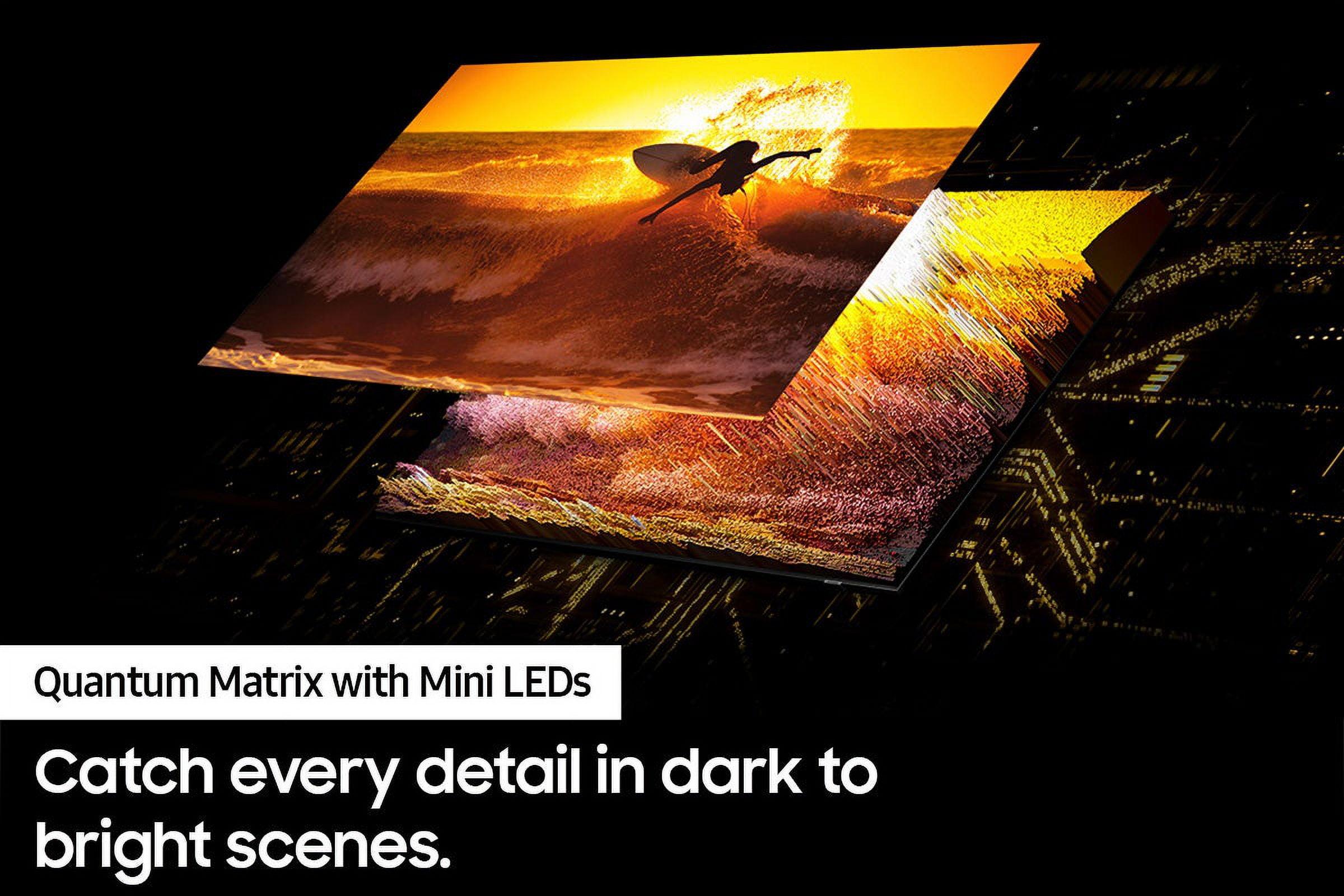
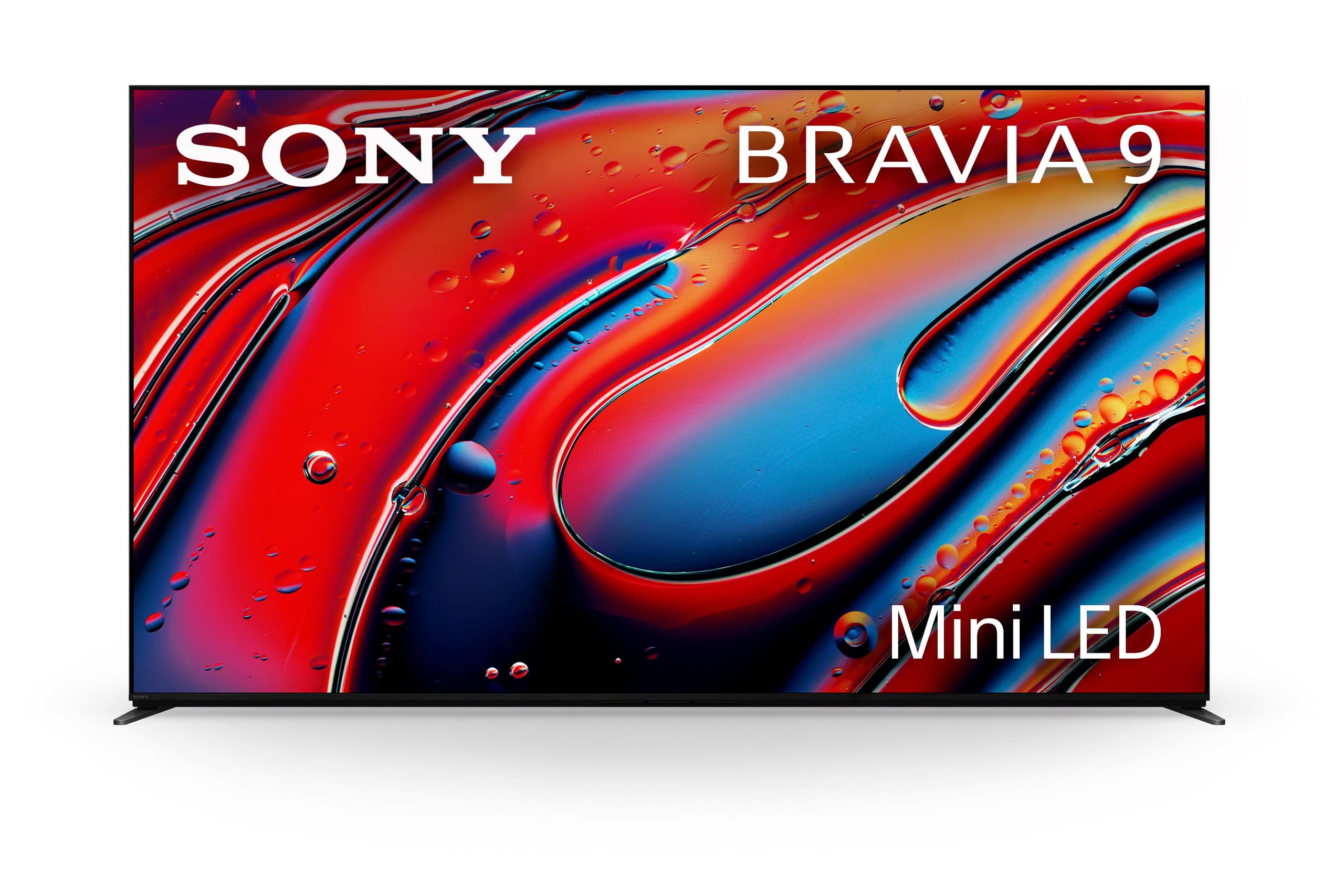
Sony's approach with the BRAVIA 9 takes LED technology to new heights. Unlike regular LED TVs with a few dozen backlight zones, Mini LED displays use thousands of tiny LEDs behind the screen, each a fraction of the size of traditional LEDs.
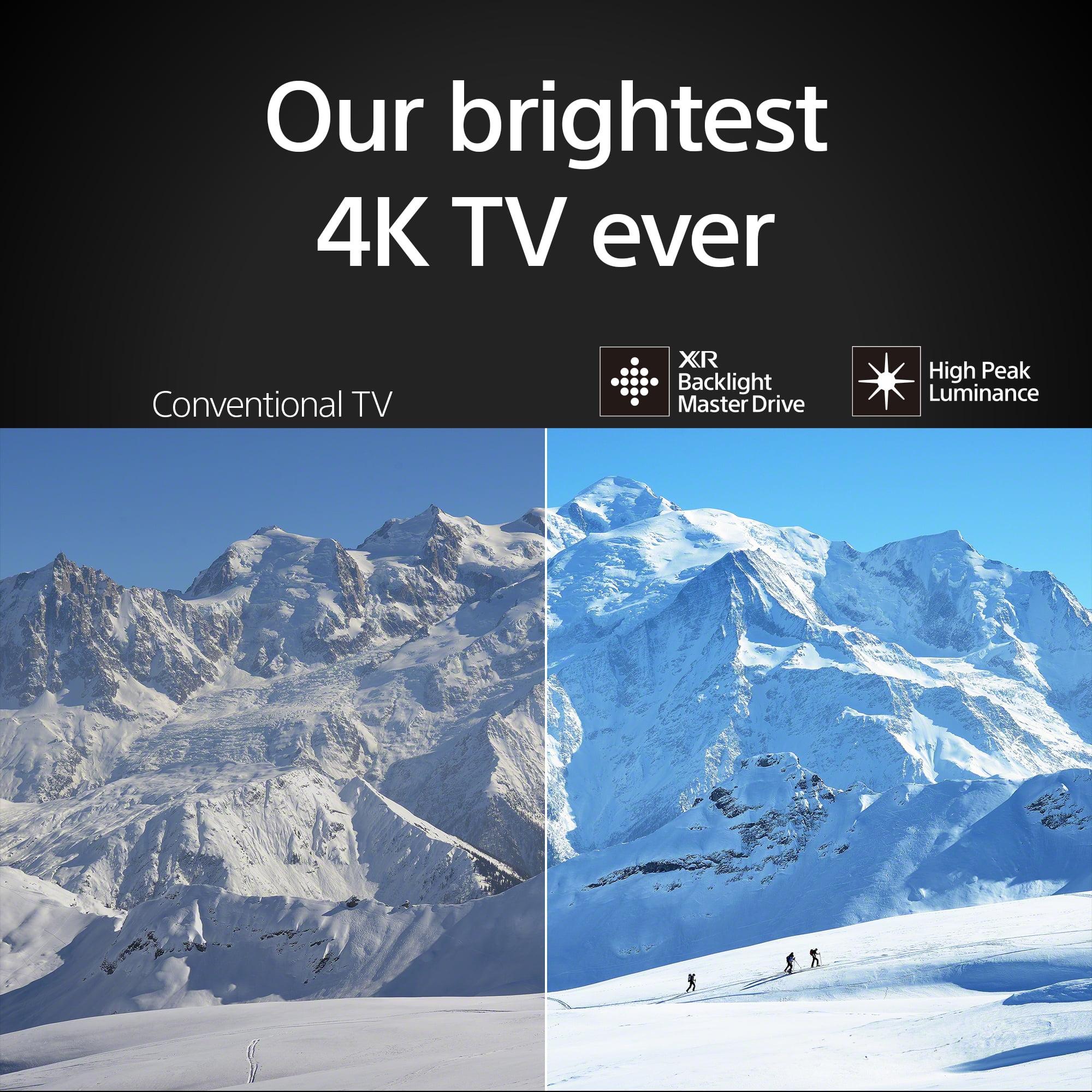
The BRAVIA 9, Sony's newest flagship LED model, features what the company calls "XR Backlight Master Drive" technology. This system controls thousands of Mini LEDs with exceptional precision, allowing for much more granular control of bright and dark areas on screen.
"Mini LED represents the pinnacle of backlit display technology," notes an industry analyst. "Sony has implemented it brilliantly in the BRAVIA 9, with local dimming zones that are so small and well-controlled that they can approach OLED-like precision in many scenes."
Since its recent release, the BRAVIA 9 has pushed the boundaries of what LED technology can achieve, particularly in terms of peak brightness. Sony has made significant strides in reducing the "blooming" effect (where light from bright objects bleeds into dark areas) that has traditionally been LED's Achilles' heel.
Contrast ratio—the difference between the brightest whites and darkest blacks a TV can produce—is arguably the most important factor in perceived image quality.
The Samsung S90D excels here with its infinite contrast ratio. When a pixel needs to be black, it simply turns off completely, emitting zero light. This creates a sense of depth and dimensionality that's particularly noticeable in dark scenes. Whether you're watching the starry expanse of space in "Interstellar" or the shadowy corners in horror films like "The Batman," the S90D renders these scenes with remarkable fidelity.
The Sony BRAVIA 9 fights admirably with its advanced Mini LED implementation. Its local dimming is among the best in the business, with minimal blooming around bright objects on dark backgrounds. While it can't match the pixel-perfect precision of OLED, in most real-world content, the difference is subtle. The BRAVIA 9's black levels are impressively deep for an LED TV, creating a contrast-rich image that looks excellent in most viewing scenarios.
Having set up both TVs in various lighting conditions, I can attest that the S90D's perfect blacks are most noticeable in a completely dark room, while the differences become less apparent in rooms with ambient lighting.
High Dynamic Range (HDR) content has become the gold standard for home theater enthusiasts, and both of these TVs handle it beautifully—but with different strengths.
The Sony BRAVIA 9 is a brightness powerhouse, capable of peak highlights exceeding 1,000 nits (a measurement of light output) and sustaining high brightness across the entire screen. This makes HDR content like nature documentaries and action films truly pop, with spectacular specular highlights that enhance the realism of scenes featuring sunlight, fire, or explosions.
The Samsung S90D offers good peak brightness for an OLED (around 700-800 nits) and represents a significant improvement over older OLED models. However, it still employs an Automatic Brightness Limiter (ABL) that reduces brightness in large bright scenes to protect the panel. While this is rarely noticeable in mixed content, it can be detected in scenes like snow fields or bright beaches that fill the screen with white.
"For movie watching in controlled lighting, the S90D's contrast advantage often outweighs the BRAVIA 9's brightness advantage," explains a calibration professional. "But in bright rooms with lots of windows, the Sony's ability to get significantly brighter can make a real difference in visibility."
Both TVs offer exceptional color performance, but with slightly different characteristics.
The Samsung S90D's quantum dot layer allows it to produce highly saturated colors without sacrificing brightness. This results in a wide color gamut that covers nearly 100% of the DCI-P3 color space used in digital cinema. Colors are vibrant without looking unnatural, and the TV's color volume (its ability to maintain color saturation at different brightness levels) is excellent.
Sony has long been known for its color accuracy, and the BRAVIA 9 continues this tradition with its XR Triluminos Pro technology. Colors appear natural and lifelike, with skin tones that look particularly realistic. The BRAVIA 9's color tracking is remarkably precise, making it a favorite among viewers who prioritize seeing content exactly as creators intended.
After calibration, both TVs can achieve reference-level color accuracy, though the Sony tends to be closer to reference standards out of the box in its "Custom" or "Creator" picture modes.
A TV's processor determines how well it handles everything from upscaling lower-resolution content to managing motion clarity during fast-paced scenes.
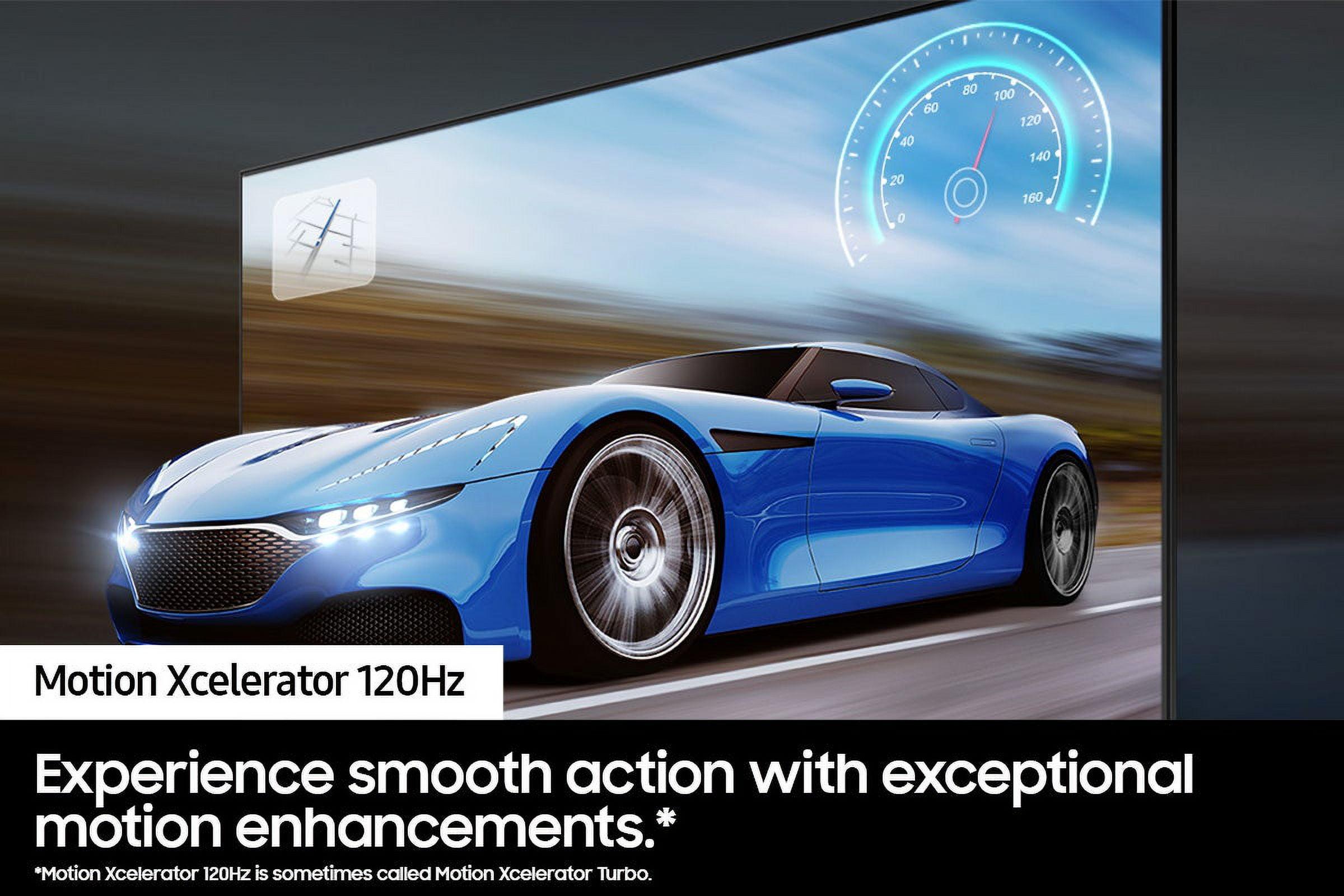
The Samsung S90D features Samsung's NQ4 AI Gen2 processor, which handles upscaling impressively, making 1080p content look convincingly close to 4K. Its motion handling is also good, with options for black frame insertion (which reduces motion blur) and various levels of motion smoothing for those who prefer it.
Sony has long been the industry leader in video processing, and the BRAVIA 9's XR Cognitive Processor continues this tradition of excellence. Its upscaling is best-in-class, with remarkable texture preservation and noise reduction that enhances rather than smooths away details. Where Sony really shines is in motion handling—its XR Motion Clarity technology provides exceptional motion resolution without the "soap opera effect" that plagues lesser implementations.
"For sports fans and action movie enthusiasts, Sony's motion processing remains the gold standard," notes a home theater specialist. "The difference is particularly noticeable in complex moving patterns like grass fields during soccer matches or confetti falling during celebrations."
Modern TVs are no longer just for passive entertainment—they're interactive gaming displays capable of delivering console-quality experiences that rival dedicated gaming monitors.
The Samsung S90D offers near-instantaneous pixel response time (around 0.1ms), meaning no ghosting or smearing during fast motion. Its input lag in game mode is also excellent at approximately 10ms at 4K/120Hz, making it feel incredibly responsive even during twitchy competitive games.
The Sony BRAVIA 9 isn't far behind, with a very good response time (around 2-4ms) and similar input lag measurements. While not quite as instantaneous as OLED, it's fast enough that only the most demanding competitive gamers would notice any difference.
Having tested both with fast-paced games like "Call of Duty" and "Forza Horizon," I can confirm that both provide an exceptional gaming experience with minimal perceptible lag or motion blur.
Both TVs are well-equipped for next-generation gaming consoles like the PlayStation 5 and Xbox Series X.
The Samsung S90D supports all the latest gaming features: 4K resolution at 120Hz refresh rate, Variable Refresh Rate (VRR) to eliminate screen tearing, and Auto Low Latency Mode (ALLM) that automatically switches to game mode when a console is detected. Samsung has also implemented a Motion Xcelerator 144Hz feature for compatible PC games, allowing for even smoother gameplay.
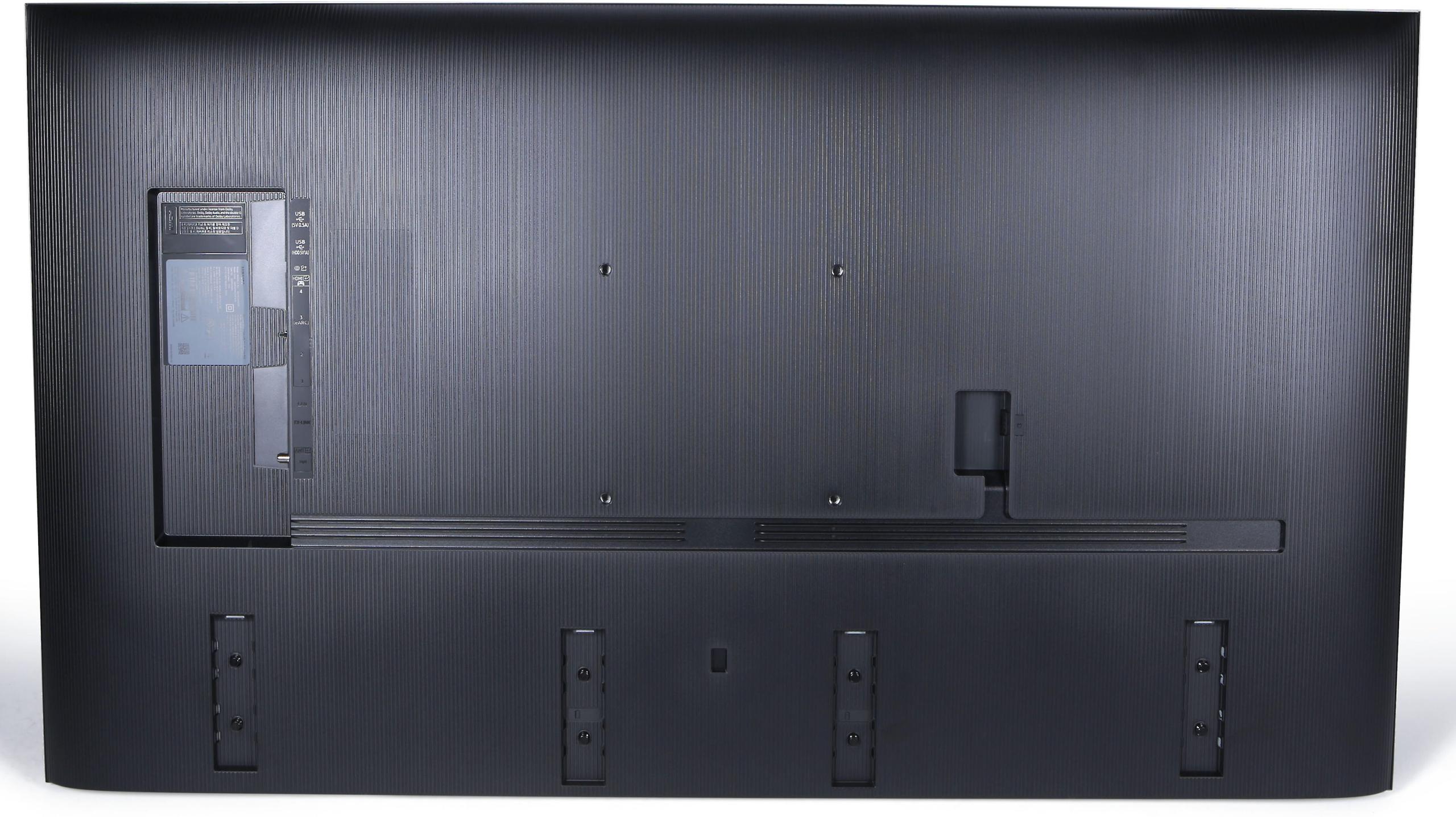
The Sony BRAVIA 9 matches these key features with its own 4K/120Hz capability, VRR support, and ALLM. Being a Sony product, it has special integration with the PlayStation 5, including Auto HDR Tone Mapping that optimizes HDR settings automatically when connected to Sony's console. The TV also features two HDMI 2.1 ports that support the full 48Gbps bandwidth needed for these advanced gaming features.
"For serious gamers who play in darker rooms, the S90D's perfect blacks and faster response time give it a slight edge," explains a gaming technology expert. "But if you game during the day in a bright room, the BRAVIA 9's higher brightness might be preferable."
A TV's operating system and smart features affect your day-to-day interaction with it, from finding content to controlling your smart home devices.
The Samsung S90D runs on Tizen OS, Samsung's proprietary smart TV platform. The interface is clean and responsive, with a row of apps and content recommendations at the bottom of the screen. Samsung has continued to refine this interface since its introduction, making it more intuitive with each iteration. The 2024 model includes Samsung TV Plus, which provides free ad-supported streaming channels, and the interface has been streamlined for quicker access to frequently used apps.
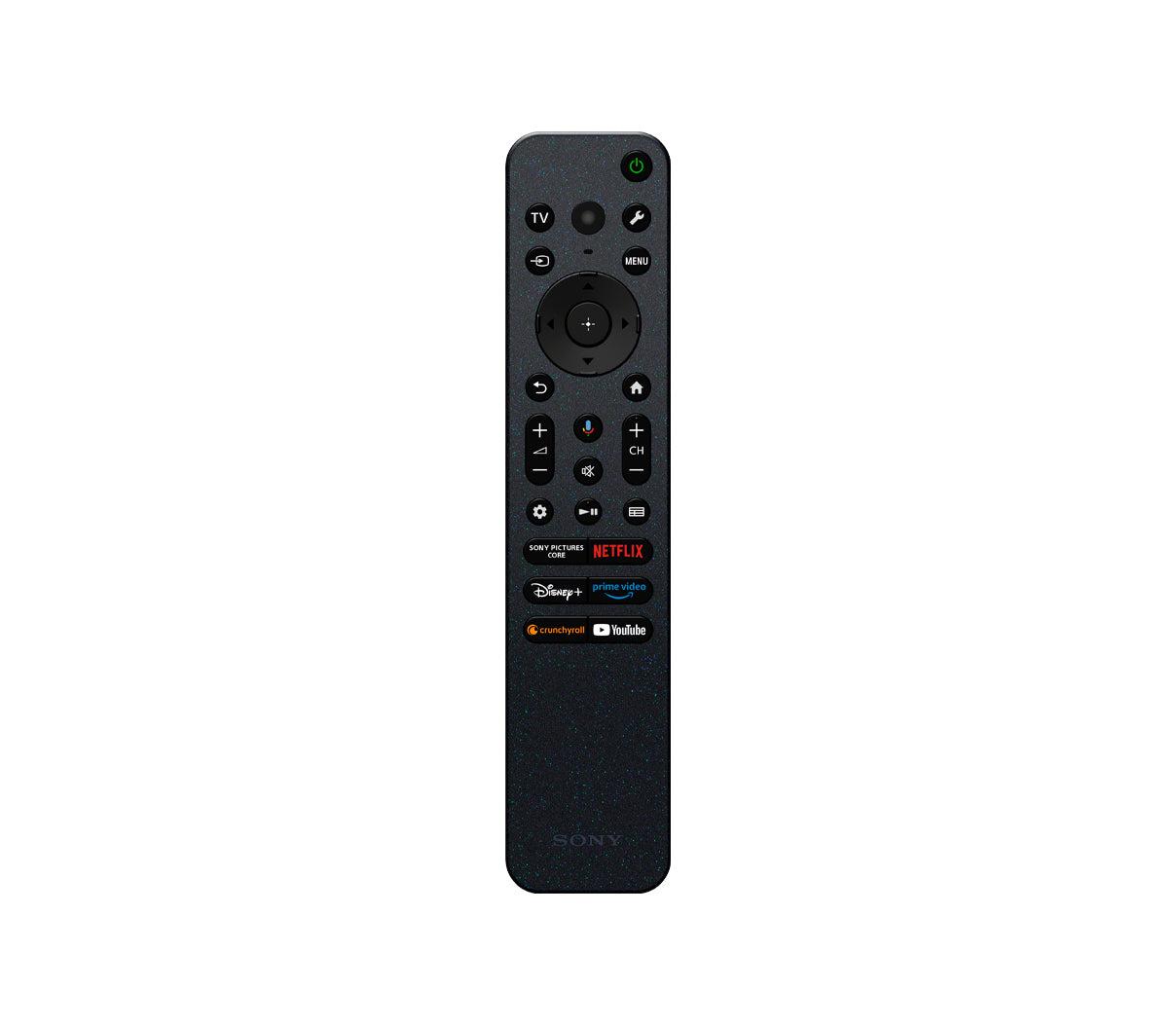
The Sony BRAVIA 9 uses Google TV, offering excellent content aggregation across streaming services and tight integration with Google's ecosystem. If you use Google Photos, Google Assistant, or have a Nest smart home system, the BRAVIA 9 will feel like a natural extension of those services. The recommendation algorithm is particularly strong, suggesting content you might enjoy based on your viewing habits across services.
"Both platforms offer all the major streaming apps, but Google TV on the Sony has a more content-forward approach, while Samsung's Tizen focuses more on the apps themselves," notes a smart home specialist.
Both TVs offer comprehensive voice control options. The Samsung S90D has Bixby built-in and works with Amazon Alexa, allowing you to control the TV, search for content, and manage compatible smart home devices through voice commands.
The Sony BRAVIA 9 features hands-free Google Assistant, making it function essentially like a large smart display. You can ask it questions, control your smart home, and even see visual responses to your queries without reaching for a remote.
While many serious home theater enthusiasts will pair these TVs with separate sound systems, their built-in audio capabilities shouldn't be overlooked.
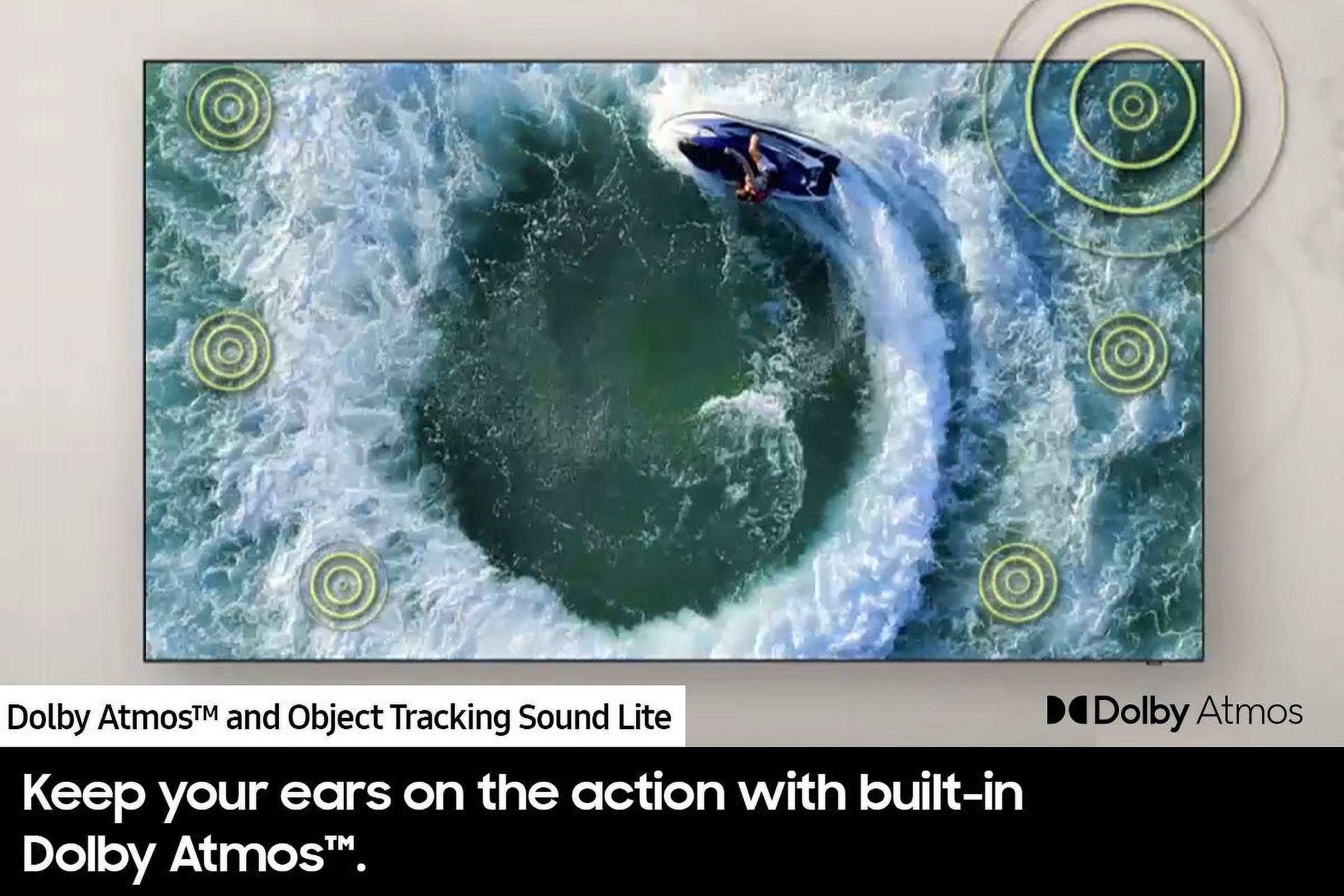
The Samsung S90D features a 2.1 channel 40W audio system that provides decent bass response and clear dialogue. Its Object Tracking Sound feature attempts to match audio to on-screen action, creating a more immersive experience. If you have a Samsung soundbar, Q-Symphony allows the TV speakers to work in concert with the soundbar for an enhanced audio experience.
The Sony BRAVIA 9 raises the bar with its 2.2.2 channel 70W Acoustic Multi-Audio+ system. This includes up-firing beam tweeters that create a taller soundstage and support for Dolby Atmos content. Sony's Acoustic Center Sync also works with compatible Sony soundbars, using the TV's speakers as an enhanced center channel.
"For those who aren't immediately planning to add a separate audio system, the BRAVIA 9's superior built-in sound could be a deciding factor," suggests an audio engineer. "It can't replace a proper surround system, but it's noticeably better than most built-in TV speakers, including those in the S90D."
One consideration with OLED technology is the potential for burn-in—where static elements displayed for extended periods can leave a permanent ghost image. The Samsung S90D includes various protective features to minimize this risk, including pixel shifting and logo detection that reduces brightness in static areas. For most users who watch varied content, burn-in is unlikely to be an issue, but those who watch the same news channel for hours daily or use the TV as a PC monitor should be aware of this potential limitation.
The Sony BRAVIA 9's Mini LED technology has no risk of burn-in, making it more suitable for use cases involving static content. Its LEDs may gradually lose brightness over many years, but this happens much more slowly and evenly than with OLED panels.
Both manufacturers have reasonable track records for software support. Samsung typically provides major updates for about 3-4 years after release, while Sony's Android TV-based systems often receive updates for a similar period.
At around $2,700 for either the Samsung S90D or Sony BRAVIA 9 (with the Samsung often available for less during promotions), these are premium televisions with premium price tags. The value proposition depends largely on your specific needs and viewing environment.
For dedicated home theater enthusiasts with controlled lighting, the Samsung S90D offers extraordinary picture quality that rivals professional reference monitors costing much more. Its perfect blacks and infinite contrast make every movie night special, and its gaming capabilities ensure it pulls double duty as an excellent gaming display.
The Sony BRAVIA 9 represents excellent value for bright-room viewers, HDR enthusiasts, and those who appreciate Sony's industry-leading processing. Its freedom from burn-in concerns also adds long-term value for those with varied use cases.
After reviewing both televisions extensively, the decision comes down to your specific viewing environment and content preferences.
Choose the Samsung S90D OLED if:
Choose the Sony BRAVIA 9 Mini LED if:
Both the Samsung S90D and the Sony BRAVIA 9 represent the pinnacle of their respective display technologies. They're not just TVs; they're statement pieces that demonstrate what's possible when manufacturers push the boundaries of home entertainment.
The good news is that you can't really make a wrong choice here—both will provide exceptional picture quality that will impress for years to come. The right choice simply depends on matching the TV's strengths to your specific viewing environment and content preferences.
| Samsung 65" OLED S90D TV | Sony BRAVIA 9 65" 4K UHD Mini LED QLED Smart Google TV |
|---|---|
| Display Technology - Fundamentally affects image quality, contrast, and brightness | |
| QD-OLED (self-emissive pixels with quantum dots) | Mini LED QLED (thousands of tiny LED backlights behind a quantum dot layer) |
| Contrast Ratio - Creates depth and realism in images | |
| Infinite (perfect blacks with no blooming) | Very high but finite (excellent blacks with minimal blooming) |
| Peak Brightness - Critical for HDR content and bright room viewing | |
| 700-800 nits (good for OLED, but limited in full-screen bright content) | 1000+ nits (exceptional brightness that maintains consistency across the screen) |
| Black Level Performance - Important for dark room viewing | |
| Perfect blacks (pixels completely turn off) | Very good blacks (minimal light leakage from local dimming) |
| Color Volume - Affects vibrancy and realism of colors | |
| Excellent (maintains saturation at all brightness levels) | Excellent (particularly strong in bright highlights) |
| Motion Handling - Important for sports and action content | |
| Very good (near-instantaneous pixel response) | Excellent (best-in-class processing with XR Motion Clarity) |
| Input Lag - Critical for responsive gaming | |
| 10-15ms (exceptional with nearly instantaneous 0.1ms response time) | 10-15ms (very good with 2-4ms response time) |
| Gaming Features - Enables next-gen console capabilities | |
| 4K@120Hz, VRR, ALLM, Motion Xcelerator 144Hz | 4K@120Hz, VRR, ALLM, PS5 Auto HDR Tone Mapping |
| HDMI 2.1 Ports - Needed for highest bandwidth gaming/content | |
| 4 ports (all HDMI 2.1 compatible) | 2 ports (out of 4 total) support full HDMI 2.1 features |
| Smart Platform - Affects content discovery and ecosystem integration | |
| Tizen OS (clean interface with Samsung ecosystem integration) | Google TV (excellent content recommendations with Google ecosystem integration) |
| Voice Assistant - Enables hands-free control | |
| Bixby built-in, works with Amazon Alexa | Google Assistant built-in, works with Amazon Alexa |
| Audio System - Impacts need for external speakers | |
| 2.1 channel, 40W (good but basic) | 2.2.2 channel, 70W with Acoustic Multi-Audio+ (superior built-in sound) |
| Panel Thickness - Affects aesthetics when wall-mounted | |
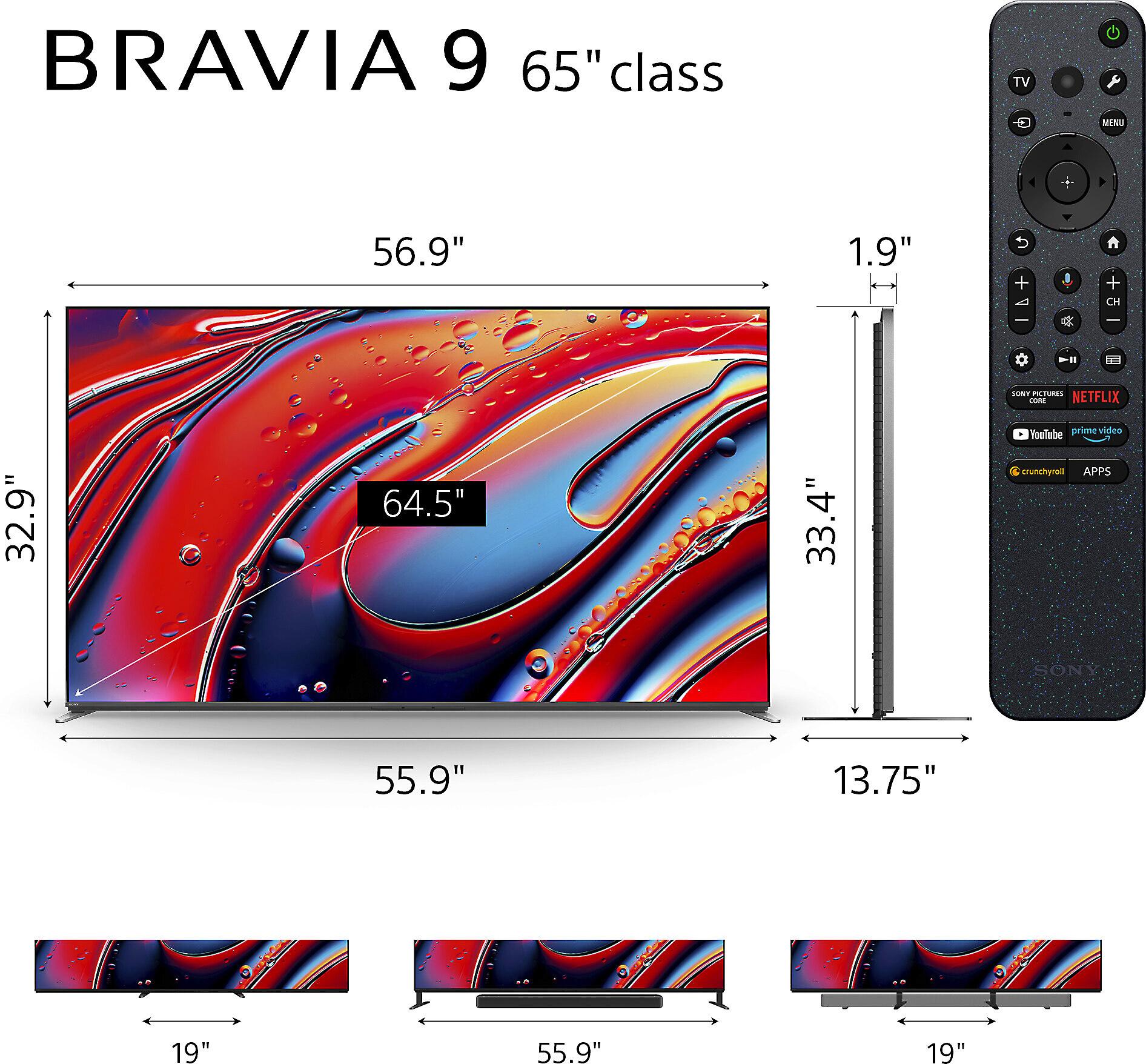
| 1.6 inches (very slim design) | 1.93 inches (slightly thicker due to backlight system) |
| Burn-in Risk - Long-term durability concern | |
| Minimal but present risk with static content | No risk of burn-in |
| Viewing Angles - Important for group viewing | |
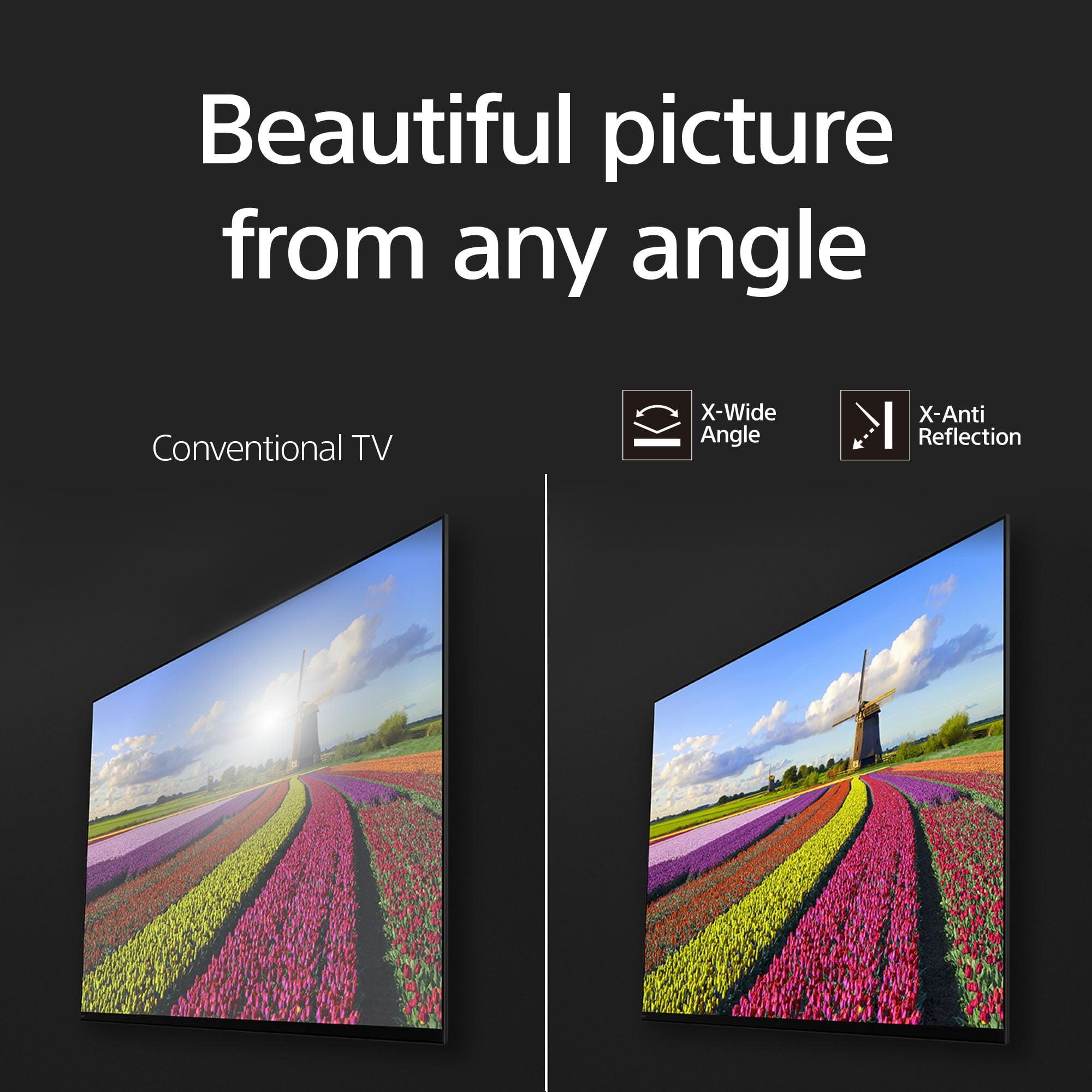
| Excellent (consistent picture quality from all angles) | Very good (some brightness loss at extreme angles) |
| Reflection Handling - Critical for bright rooms | |
| Good (semi-gloss finish) | Excellent (X-Anti Reflection technology) |
| Price - Value proposition | |
| $2,700 MSRP (often available for $1,700-2,000 on sale) | $2,700 MSRP (less frequent deep discounts) |
| Best For - Quick decision guide | |
| Dark room movie enthusiasts, gamers, and viewers who prioritize perfect contrast | Bright room viewers, HDR content fans, and those who want long-term reliability without burn-in concerns |
For watching movies, particularly in a dark home theater, the Samsung 65" OLED S90D TV has an edge thanks to its perfect black levels and infinite contrast ratio. This makes dark scenes in films look more realistic with better shadow detail. The Sony BRAVIA 9 Mini LED is still excellent for movies, especially in rooms with ambient light, but the Samsung S90D provides the more cinematic experience that movie enthusiasts typically prefer.
The Sony BRAVIA 9 65" 4K UHD Mini LED QLED Smart Google TV is significantly better for bright rooms. Its Mini LED technology can achieve higher peak brightness (over 1000 nits) compared to the Samsung OLED S90D (700-800 nits). The Sony also has superior anti-reflection technology that helps combat glare from windows and lights. If your living room or home theater has lots of windows or bright lighting, the Sony BRAVIA 9 will provide a more visible and vibrant picture during daytime viewing.
Both the Samsung 65" OLED S90D TV and Sony BRAVIA 9 offer excellent gaming features including 4K resolution at 120Hz, Variable Refresh Rate (VRR), and Auto Low Latency Mode (ALLM). However, the Samsung S90D has all four HDMI ports supporting HDMI 2.1, while the Sony only has two. The Samsung also has slightly better response time (0.1ms vs 2-4ms), making it marginally better for competitive gaming. For PlayStation 5 owners, the Sony BRAVIA 9 offers special integration features like Auto HDR Tone Mapping.
Yes, burn-in remains a potential concern with the Samsung 65" OLED S90D TV, although the risk is much lower than with older OLED models. Samsung has implemented various protective features including pixel shifting and logo detection to minimize burn-in risk. For most users who watch varied content, burn-in won't be an issue, but if you frequently watch content with static elements (like news channels with logos) for extended periods or use the TV as a PC monitor, the Sony BRAVIA 9 Mini LED might be a safer long-term choice as it has no risk of burn-in.
The Sony BRAVIA 9 65" 4K UHD Mini LED QLED Smart Google TV has superior built-in sound with its 2.2.2 channel 70W Acoustic Multi-Audio+ system that includes up-firing speakers for better spatial audio. The Samsung 65" OLED S90D TV features a 2.1 channel 40W system that's good but not as robust or immersive as Sony's implementation. For a complete home theater experience without immediately adding a soundbar, the Sony BRAVIA 9 provides a more satisfying audio experience out of the box.
For sports viewing, the Sony BRAVIA 9 Mini LED has a slight edge due to its higher brightness and industry-leading motion processing. Sony's XR Motion Clarity technology handles fast-moving action with exceptional clarity, making it ideal for following quick movements in sports. That said, the Samsung 65" OLED S90D TV also performs very well with sports content thanks to its near-instantaneous pixel response time. If you watch sports primarily in a bright room during the day, the Sony BRAVIA 9 is the better choice; for evening sports viewing, either TV will excel.
Both the Samsung 65" OLED S90D TV and Sony BRAVIA 9 65" 4K UHD Mini LED QLED Smart Google TV have similar MSRPs around $2,700. However, the Samsung S90D tends to receive deeper discounts during sales events, often dropping to $1,700-2,000, while the Sony typically maintains a more stable price point. For the most current pricing, it's best to check retailers as promotional pricing changes frequently throughout the year.
The Sony BRAVIA 9 with Google TV generally offers a more intuitive and content-focused interface that many users find easier to navigate. Google TV excels at content recommendations across streaming services and has excellent search functionality. The Samsung 65" OLED S90D TV uses Tizen OS, which is clean and responsive but more app-focused rather than content-focused. If you're already in the Google ecosystem (using Android phones, Google Home devices, etc.), you'll likely find the Sony BRAVIA 9 easier to use, while Samsung users might prefer the familiar Tizen interface.
For a dedicated home theater room with controlled lighting, the Samsung 65" OLED S90D TV is generally considered the better choice. Its perfect blacks and infinite contrast ratio create a more cinema-like experience, especially when watching films in a darkened room. The OLED technology also provides wider viewing angles, ensuring everyone in your theater gets an optimal picture. While the Sony BRAVIA 9 still performs excellently in home theaters, the Samsung S90D comes closer to replicating the reference-quality image that home theater enthusiasts typically seek.
There are some differences in HDR support between these TVs. The Samsung 65" OLED S90D TV supports HDR10, HDR10+, and HLG formats but does not support Dolby Vision. The Sony BRAVIA 9 65" 4K UHD Mini LED QLED Smart Google TV supports HDR10, HLG, and Dolby Vision but does not support HDR10+. For most users, this difference isn't critical, but if you watch a lot of content on streaming services like Netflix that use Dolby Vision, the Sony BRAVIA 9 might provide a slight advantage in optimized HDR performance.
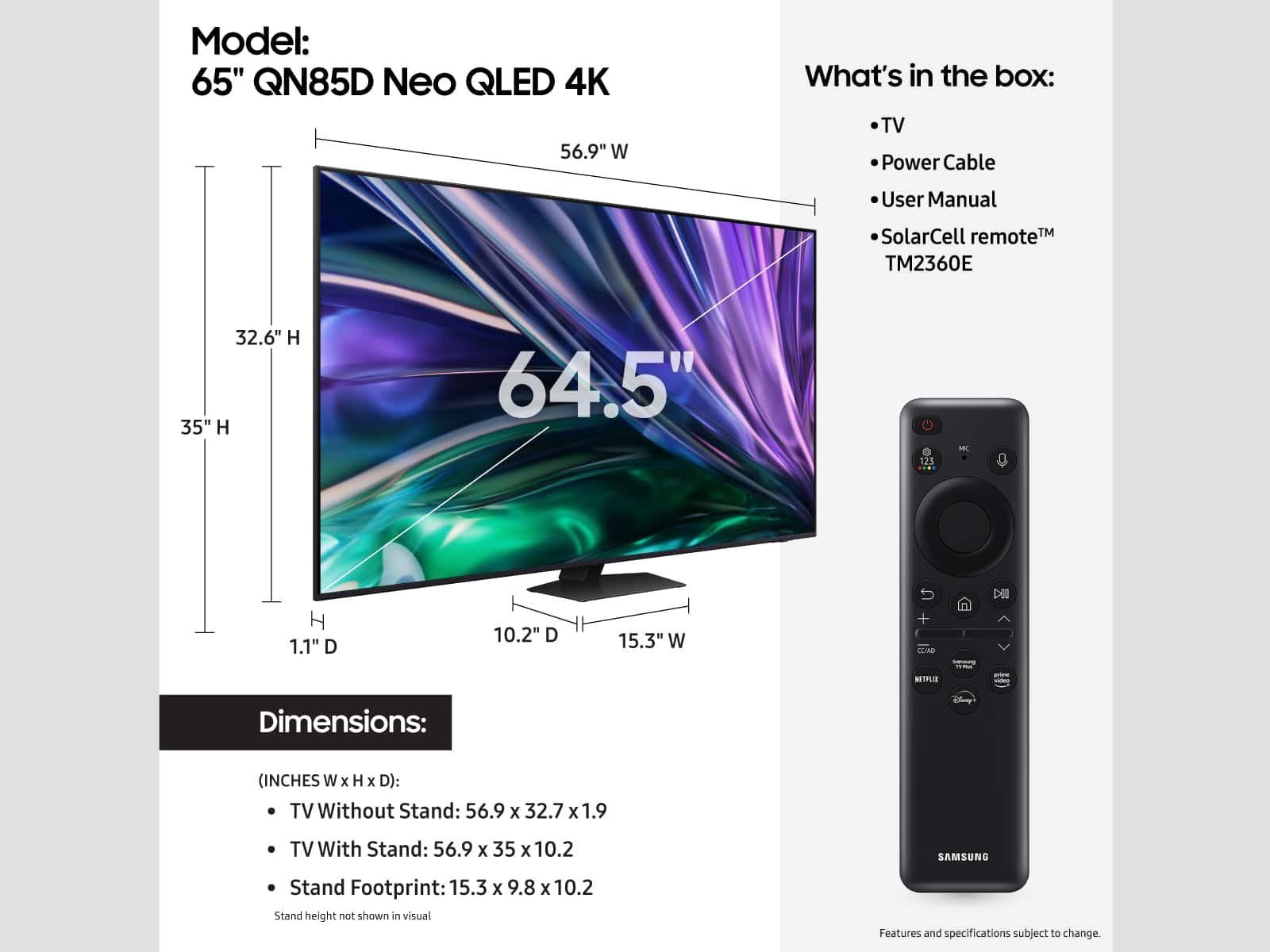
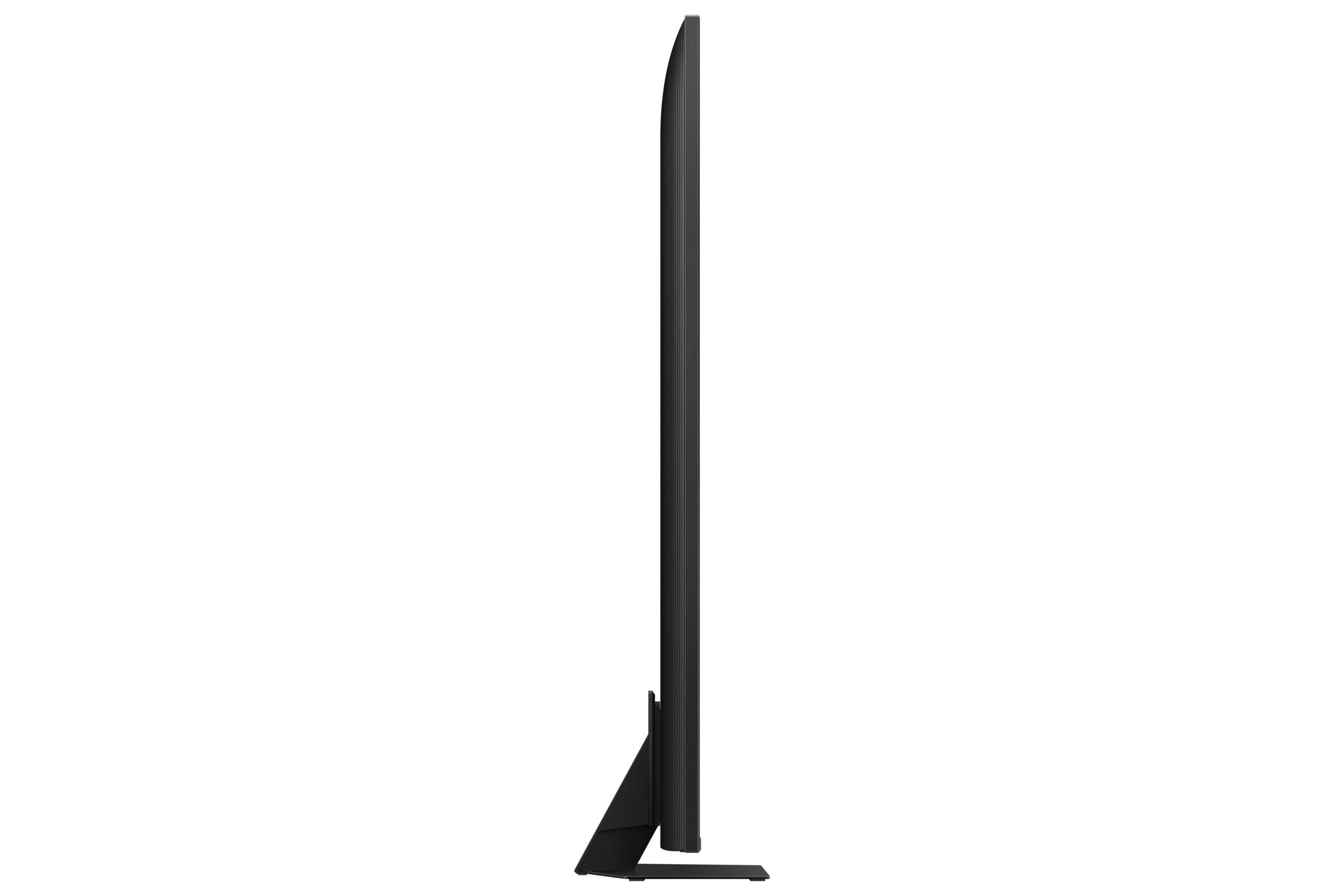
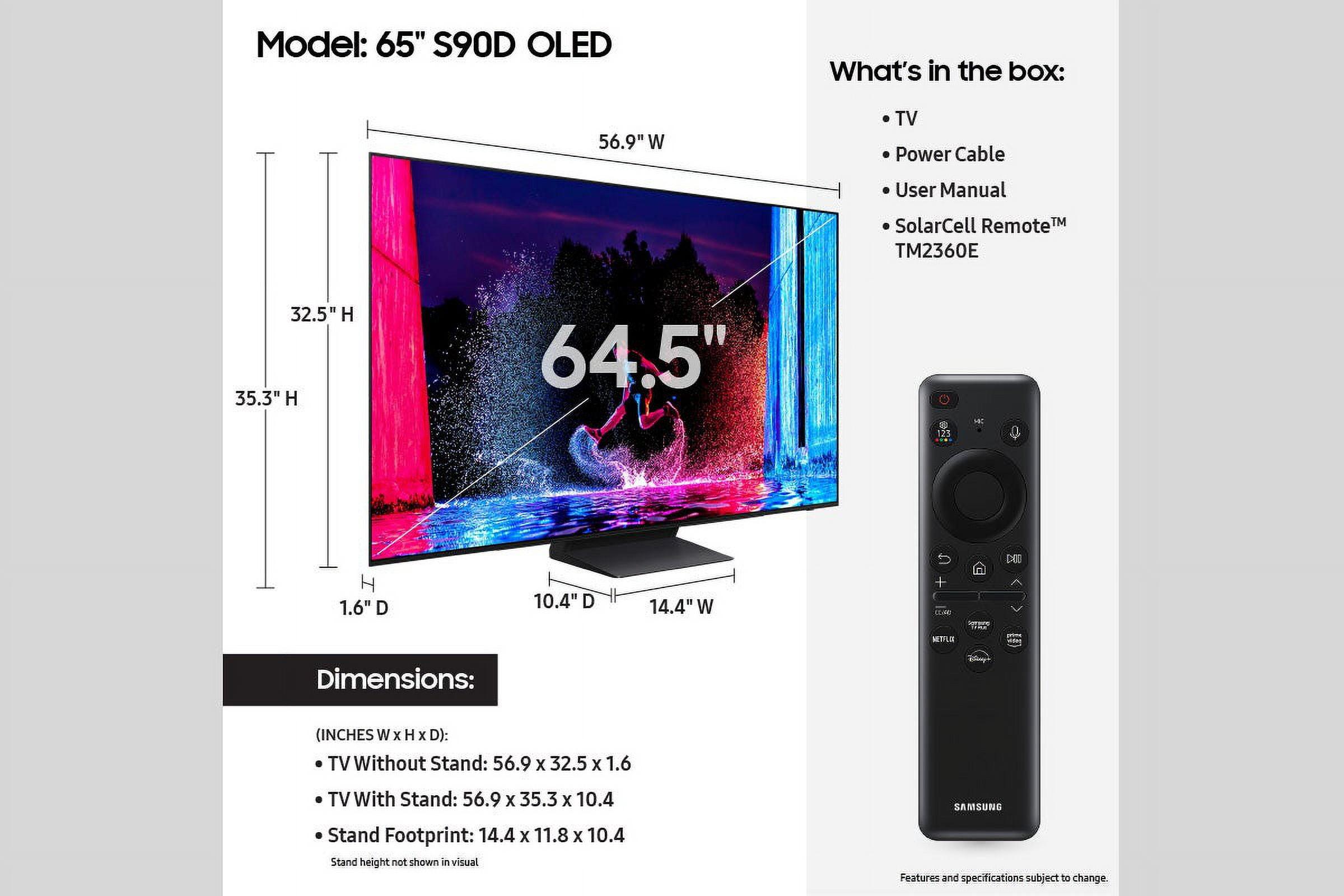
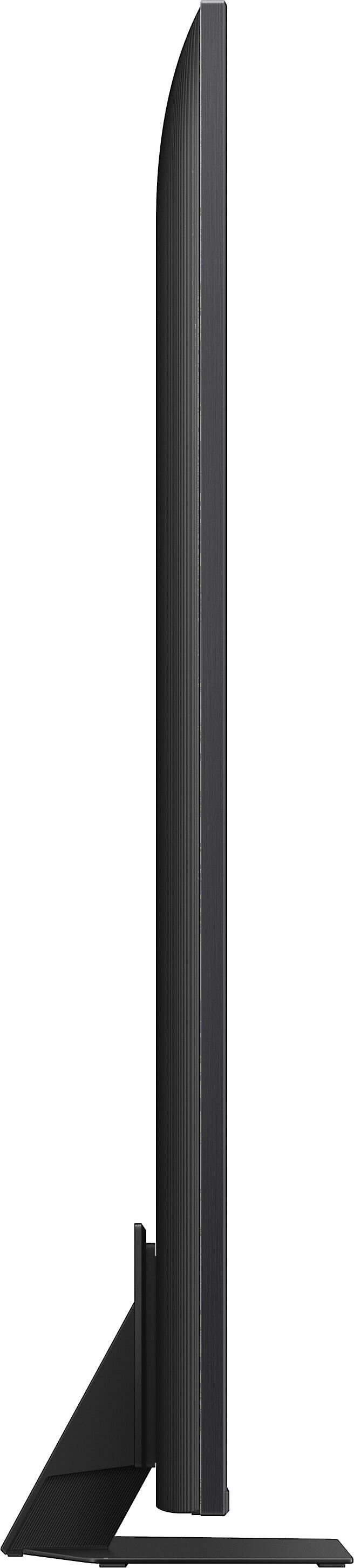
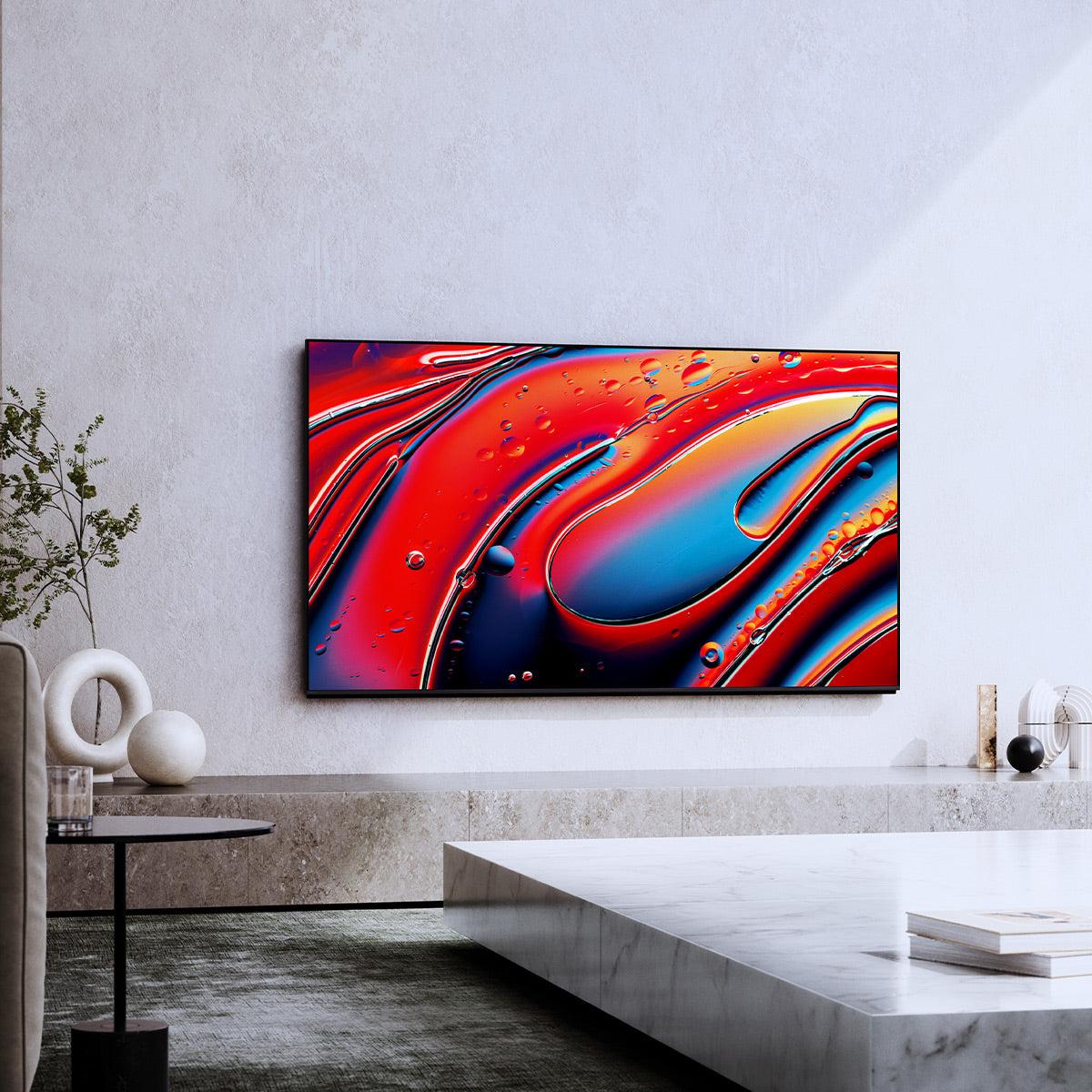
The Samsung 65" OLED S90D TV is significantly thinner at just 1.6 inches deep without the stand, compared to the Sony BRAVIA 9 at 1.93 inches. The OLED technology allows for a slimmer profile since it doesn't require the backlighting system that Mini LED does. If aesthetics and a flush wall mount are priorities for your home setup, the Samsung S90D will provide a more sleek, picture-frame-like appearance when mounted.
For pure longevity, the Sony BRAVIA 9 65" 4K UHD Mini LED QLED Smart Google TV likely has an advantage. Mini LED technology has no risk of burn-in and typically maintains consistent brightness levels throughout its lifespan. While the Samsung 65" OLED S90D TV is rated for a very long life (100,000+ hours), OLED panels can experience some brightness loss over time and have the small but present risk of burn-in with certain usage patterns. For those who plan to keep their TV for many years (7+ years) with heavy daily use, the Sony BRAVIA 9 might offer more peace of mind regarding long-term performance consistency.
We've done our best to create useful and informative comparisons to help you decide what product to buy. Our research uses advanced automated methods to create this comparison and perfection is not possible - please contact us for corrections or questions. These are the sites we've researched in the creation of this article: bestbuy.com - valueelectronics.com - youtube.com - cnet.com - bestbuy.com - videoandaudiocenter.com - youtube.com - samsung.com - samsung.com - pcrichard.com - samsung.com - bestbuy.com - bestbuy.com - youtube.com - whathifi.com - crutchfield.com - rtings.com - pcrichard.com - merlinstv.com - youtube.com - sony.ca - electronics.sony.com

Privacy Policy
Terms and Conditions - Affiliate Policy
Home Security
© Copyright 2008-2026.
11816 Inwood Rd #1211, Dallas, TX 75244