


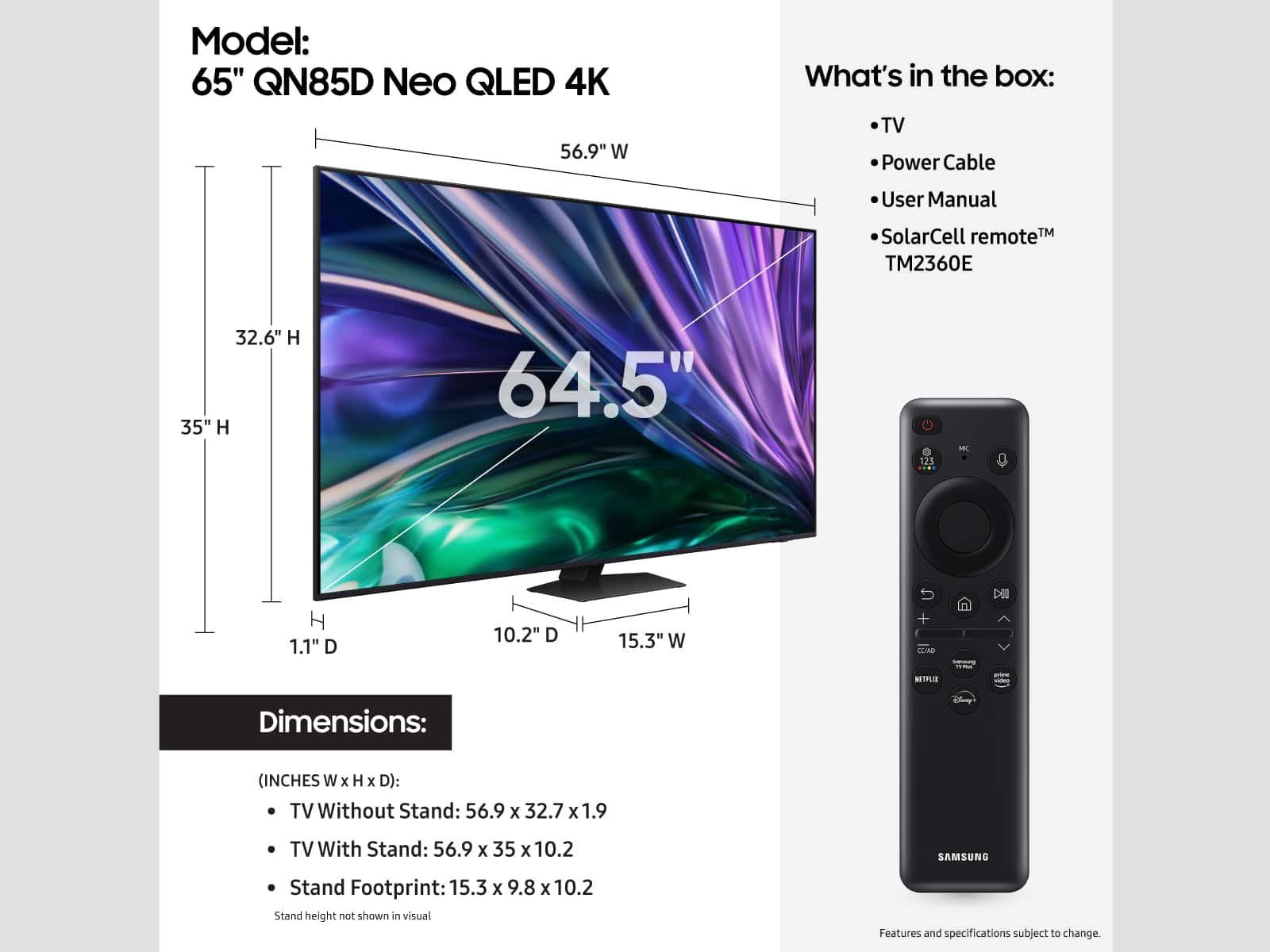
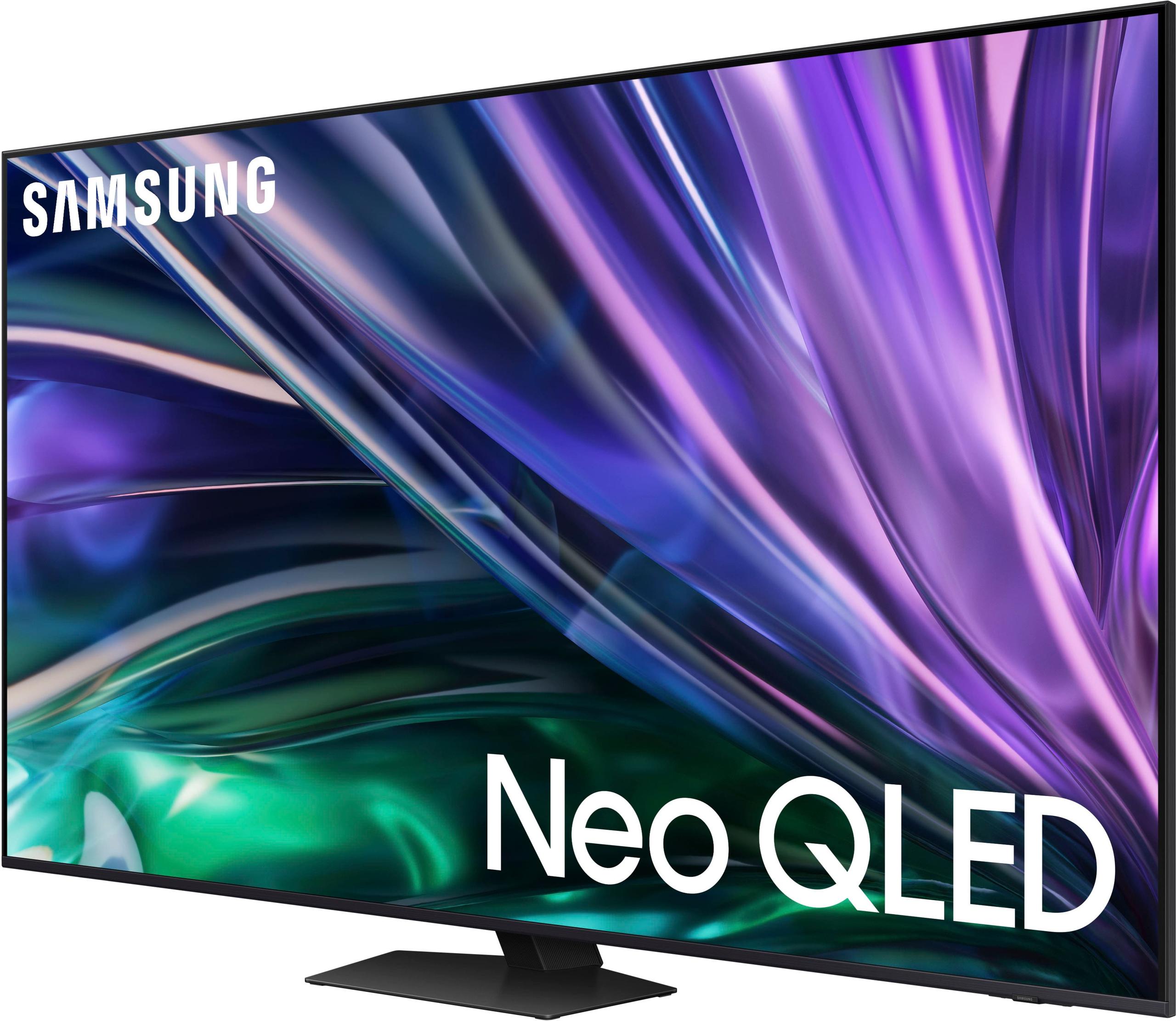
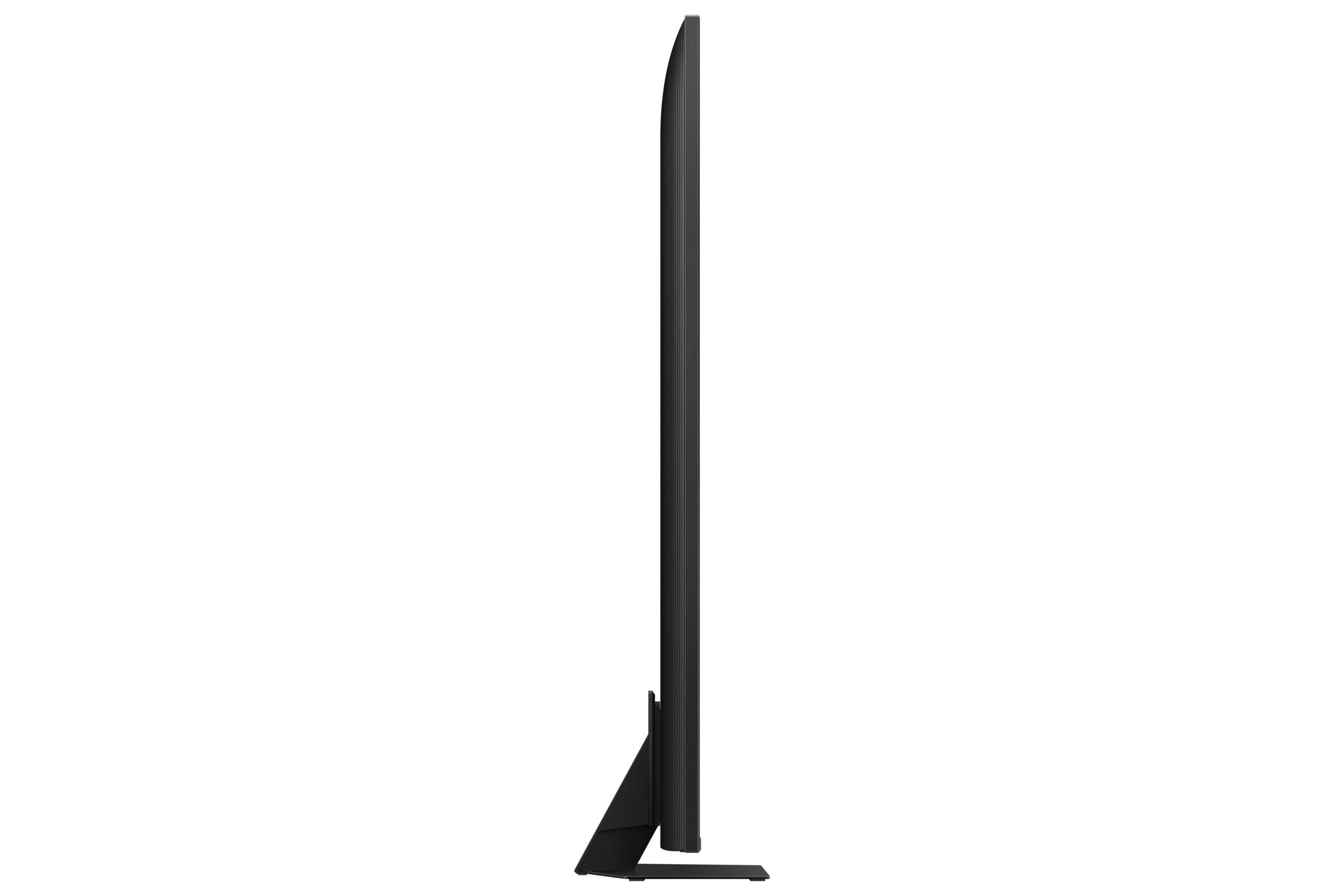

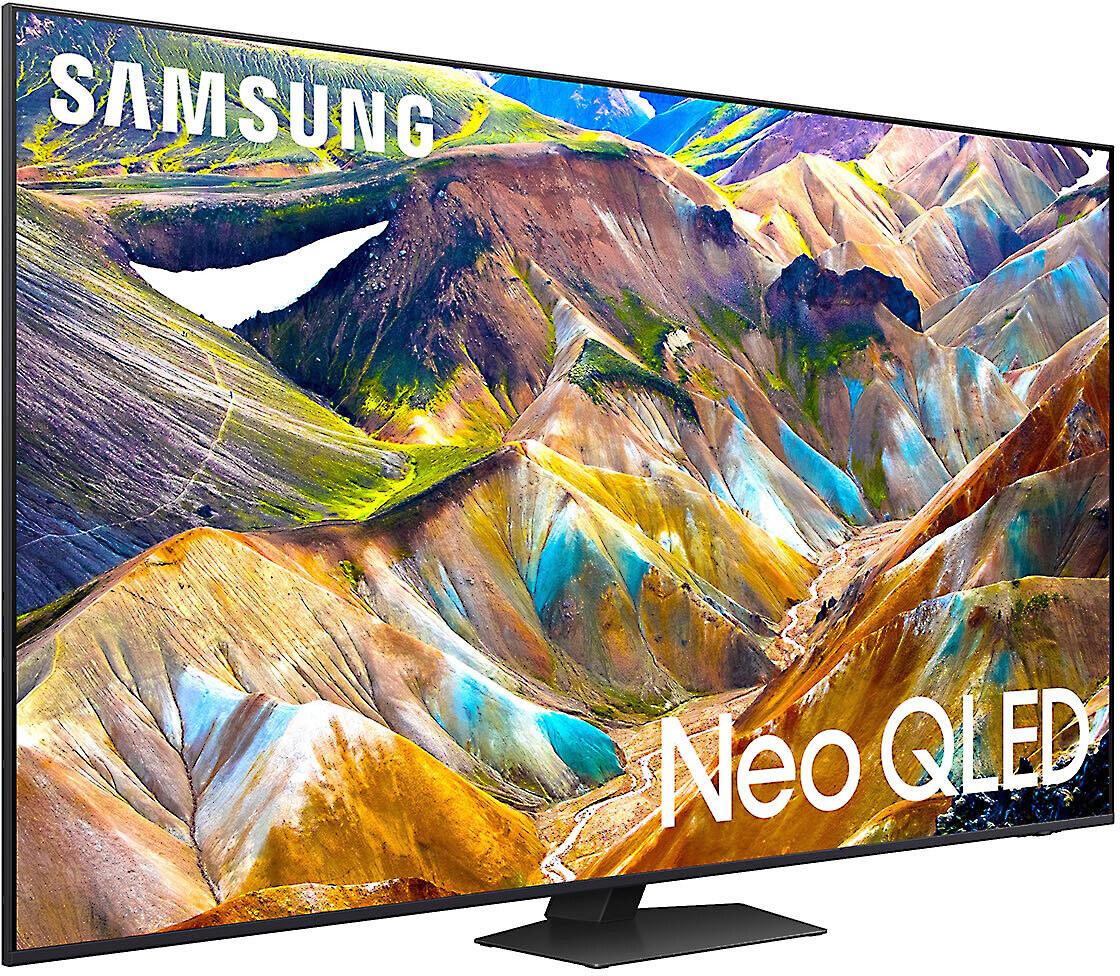
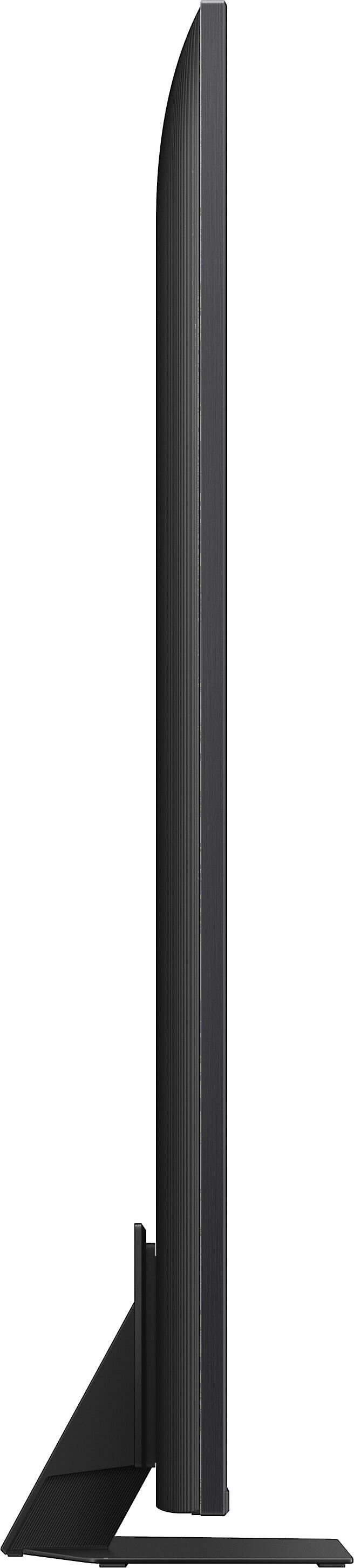
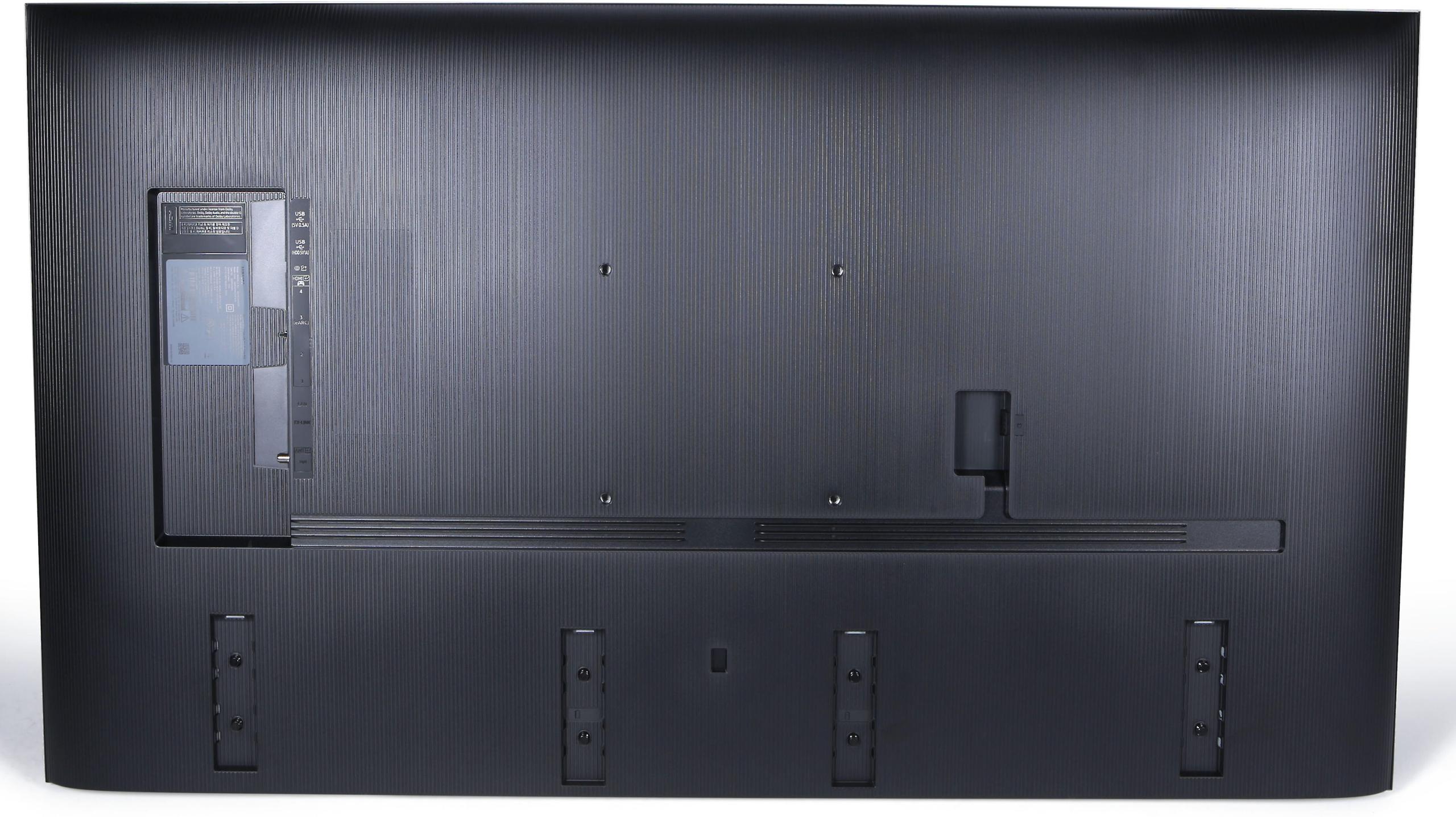
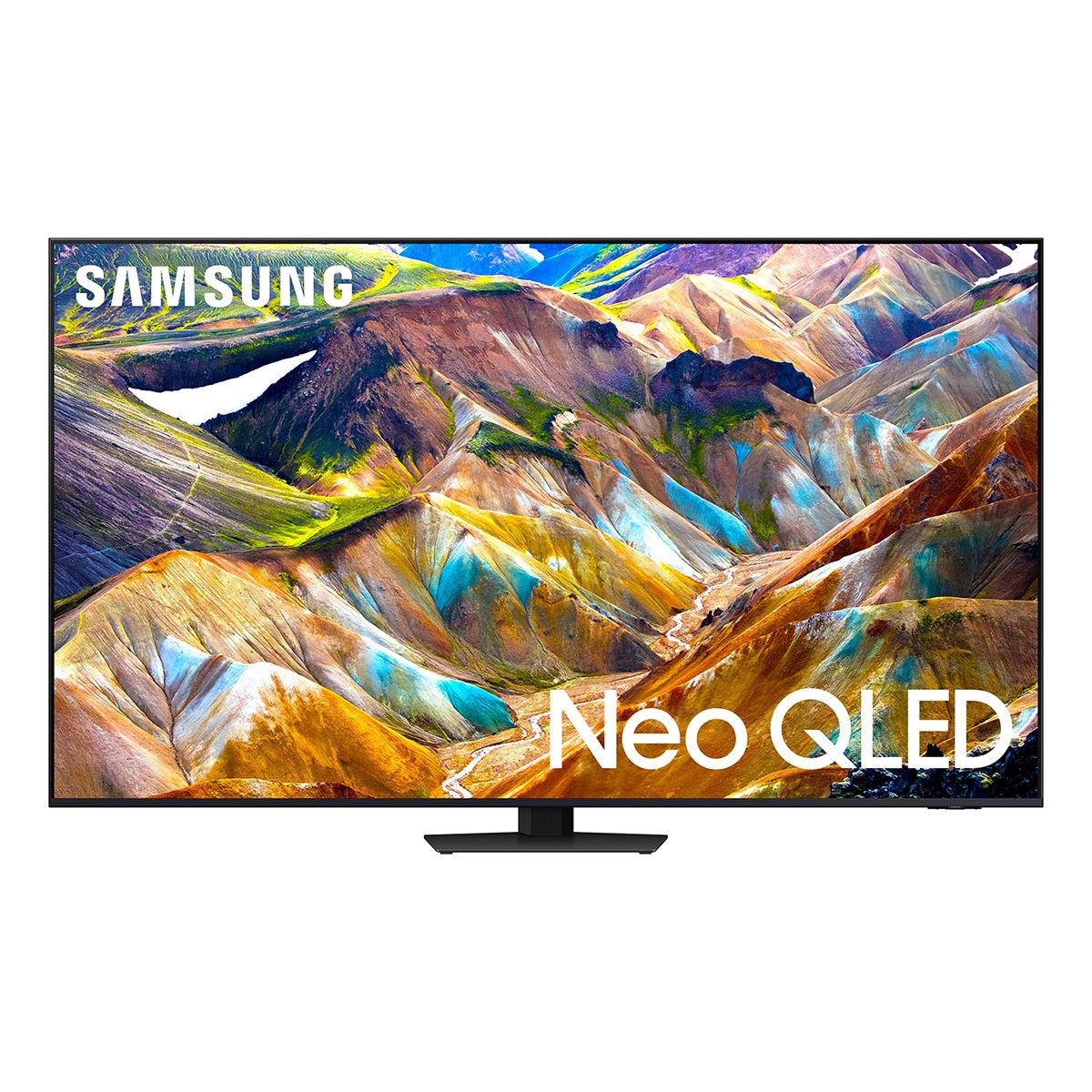
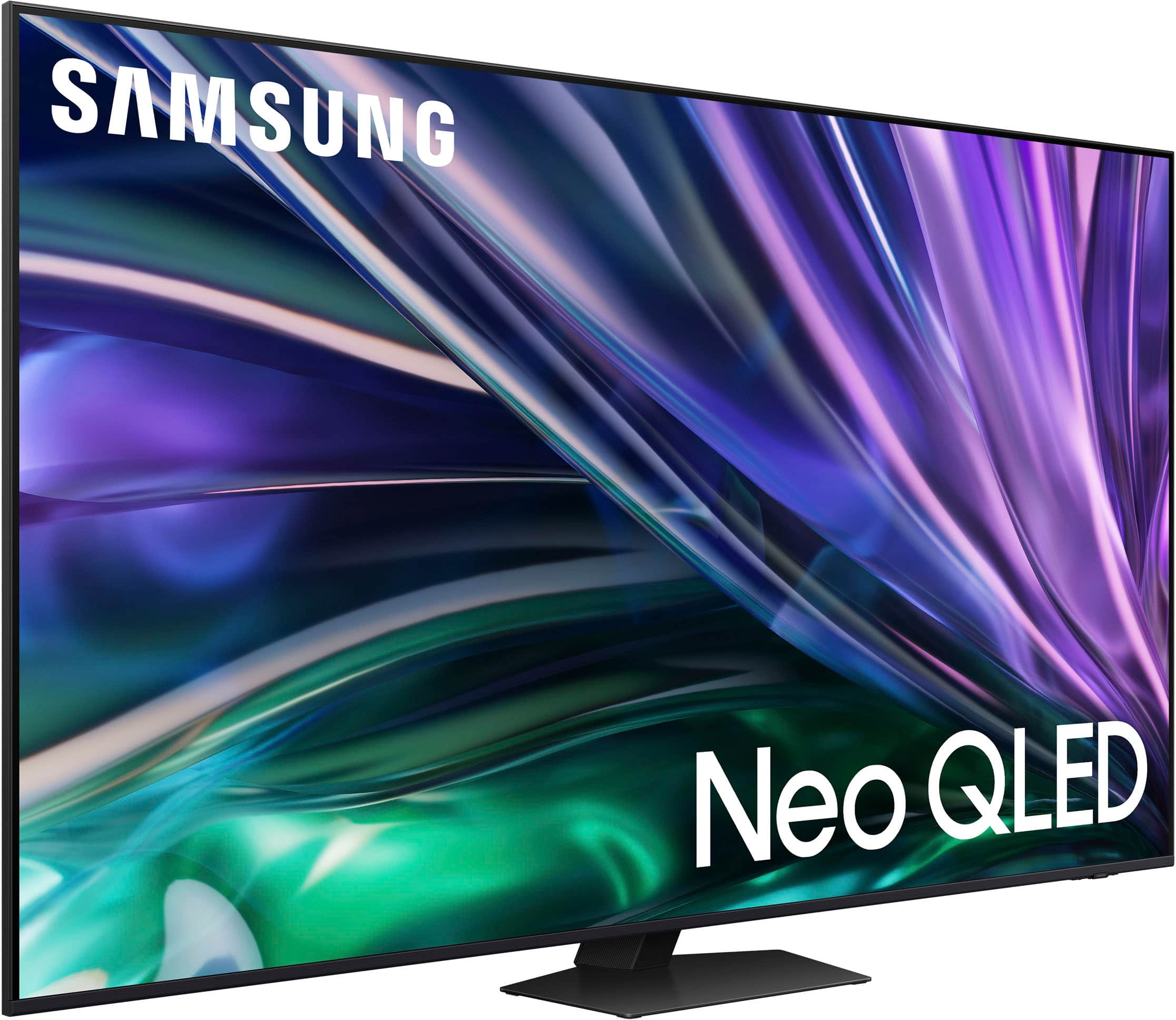

When it comes to premium televisions in 2024, Samsung offers two distinct flagship technologies that showcase just how far display technology has evolved. In this comparison, we'll examine the Samsung 65" OLED S90D TV and the Samsung 65" QN85D Neo QLED 4K Smart TV – two cutting-edge displays with different approaches to creating a stunning picture. Both were released in March 2024, representing Samsung's latest innovations in their respective display technologies.
At $2,699 (though sometimes on sale for $2,499), the OLED S90D commands a premium over the $1,797 QN85D Neo QLED. But is the roughly $900 difference justified? And more importantly, which one is right for your specific viewing environment and preferences? Let's explore these questions in depth.
Before diving into specific performance aspects, it's important to understand the fundamental difference between these display technologies.
The S90D uses Organic Light-Emitting Diode (OLED) technology, where each pixel creates its own light and can be individually turned on or off. This self-emissive nature means that when a pixel needs to display black, it simply turns off completely, achieving what we call "perfect blacks." This capability gives OLED displays their signature infinite contrast ratio – the difference between the brightest whites and the darkest blacks.
Samsung has been refining their OLED TV technology since reintroducing it to their lineup in 2022. The 2024 S90D represents their most advanced implementation yet, with improved brightness and better burn-in protection compared to earlier generations.
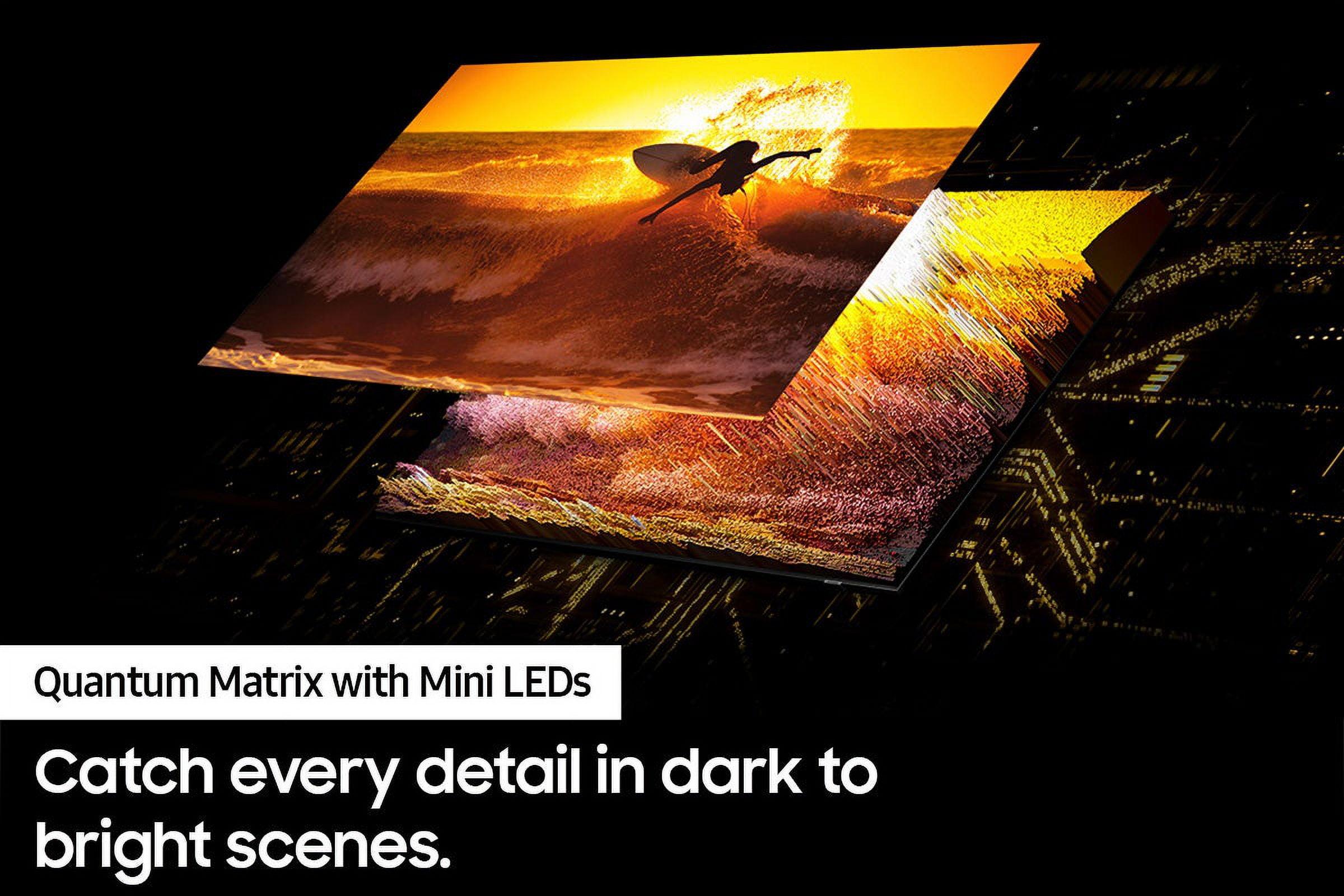
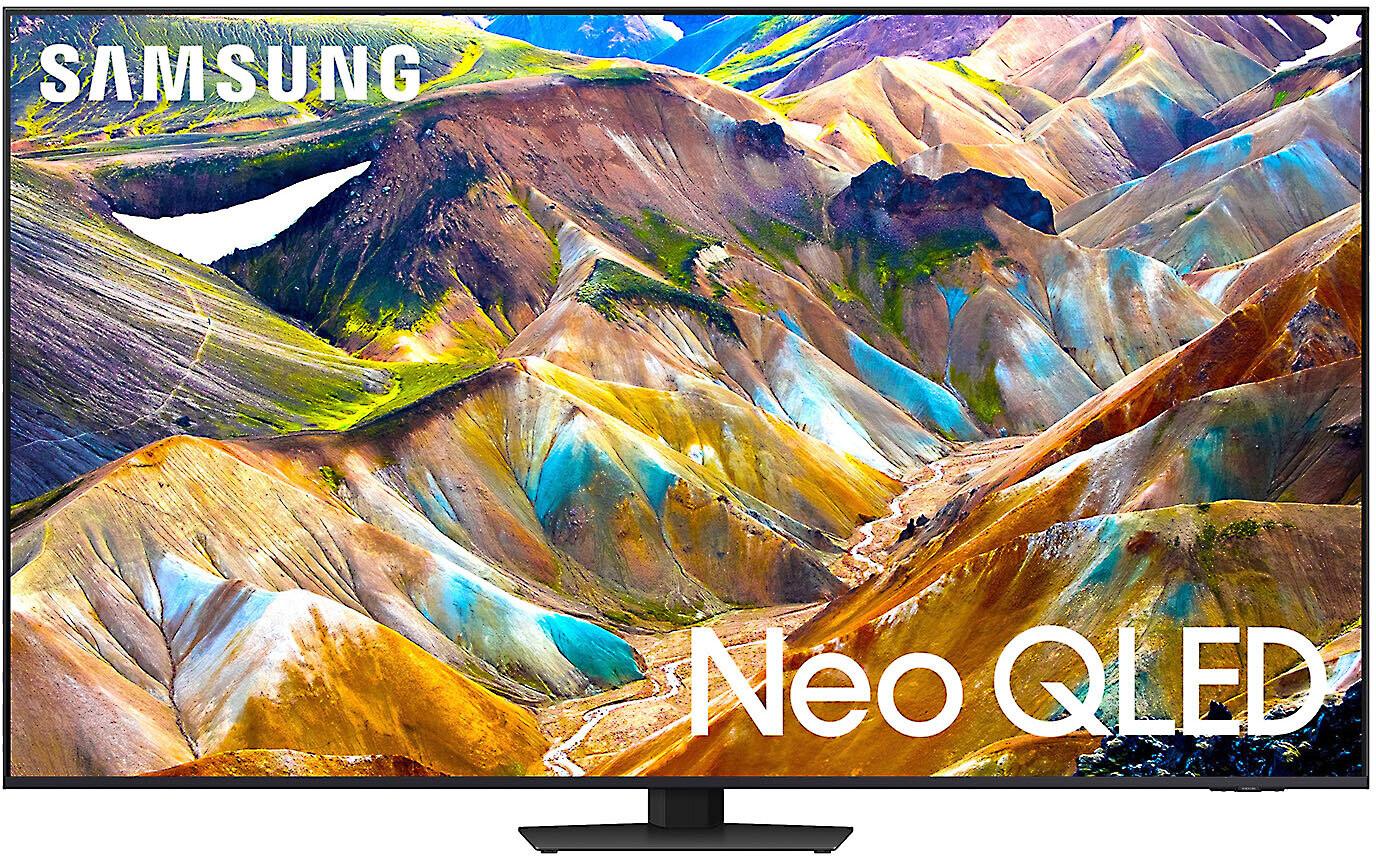
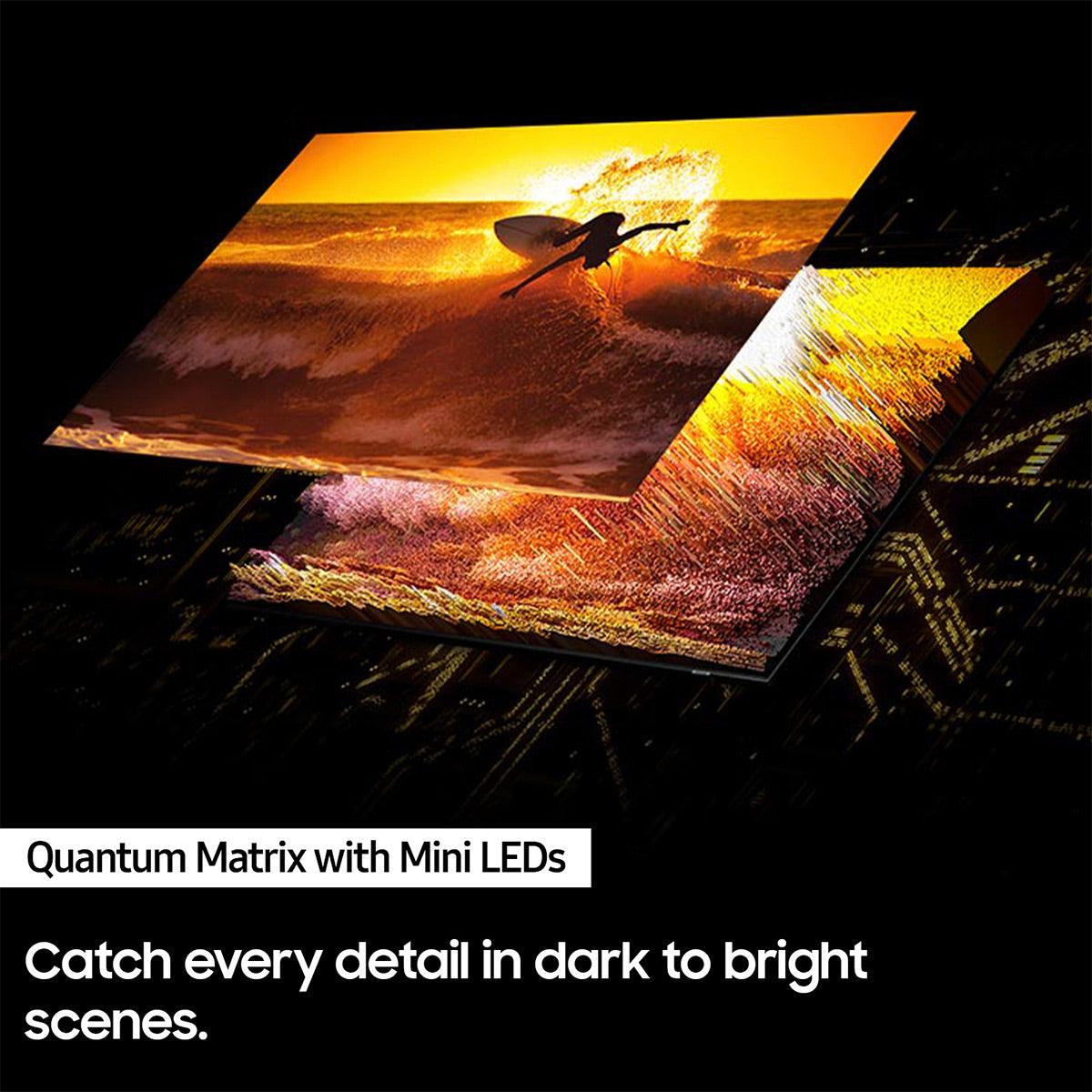
The QN85D uses Mini-LED backlighting combined with Quantum Dot technology (hence "QLED"). Mini-LEDs are significantly smaller than traditional LED backlights, allowing for more precise local dimming zones – areas of the screen that can be brightened or dimmed independently. The quantum dot layer enhances color reproduction by converting blue light into pure red and green light, creating more vivid and accurate colors.
Samsung introduced Neo QLED in 2021, and the 2024 QN85D represents their latest refinement of this technology. The current generation offers more dimming zones, better processing, and improved energy efficiency compared to earlier models.
This is perhaps the most significant difference between these two displays.
The OLED S90D achieves perfect blacks because each pixel can be completely turned off. When watching content with starfields, night scenes, or letterbox bars in movies, those areas appear truly black, not dark gray. This perfect black level creates a sense of depth that's simply unmatched by LED-based displays.
I recently watched "Dune: Part Two" on an OLED display, and the night scenes were breathtaking – the stars against the desert night sky had a three-dimensional quality that made the vast landscape feel genuinely immersive.
The QN85D Neo QLED, while excellent for an LED-based display, can't quite match this performance. Its mini-LED backlight is organized into hundreds of dimming zones (not individual pixels), which means some light can bleed from bright objects into surrounding dark areas – a phenomenon called "blooming." This is most noticeable when you see bright objects on dark backgrounds, like subtitles or loading icons.
That said, in most normal viewing content, the Neo QLED's contrast is still impressive, especially compared to conventional LED TVs. For casual viewers who aren't specifically looking for these artifacts, the difference might not be dramatic.
Here's where the QN85D Neo QLED shines – literally. With peak brightness levels reaching 1000-1200 nits (a measurement of light output), it can produce dramatically brighter highlights than the OLED. This makes it exceptional for well-lit rooms, especially spaces with windows or bright ambient lighting where reflections might be an issue.
The QLED's anti-reflective coating is also particularly effective, further enhancing its bright-room performance. If you're placing your TV in a sunroom, open concept living space with large windows, or simply prefer watching with lights on, this advantage cannot be overstated.
The OLED S90D has improved brightness compared to older OLED models, reaching approximately 600-700 nits at peak highlights. This is plenty bright for most viewing environments, but it doesn't have the same "punch" in very bright rooms. OLEDs perform at their best in dim to moderately lit environments where their perfect contrast can really shine.
For a dedicated home theater setup with controlled lighting, the OLED's contrast advantage would be my preference. However, for a typical living room with variable lighting, the Neo QLED's brightness might prove more practical day-to-day.
Both TVs excel at color reproduction, but in slightly different ways.
The S90D OLED features Pantone-validated colors, ensuring exceptional accuracy. Colors appear natural and true-to-life, with the perfect black levels enhancing the perceived vibrancy. Perhaps more importantly, OLEDs maintain consistent color and contrast regardless of viewing angle. This means everyone in the room sees the same quality image, whether they're sitting directly in front of the TV or off to the side.
The QN85D Neo QLED uses Quantum Dot technology to achieve 100% color volume, producing rich, vibrant colors across the brightness spectrum. The colors can appear slightly more saturated than on the OLED, which some viewers might prefer for content like animated movies or vibrant nature documentaries. However, the Neo QLED does exhibit some color shifting and contrast reduction when viewed from extreme angles – not ideal for large group viewing situations.
Both TVs are excellent for gaming, but there are notable differences that serious gamers should consider.
Response time refers to how quickly a pixel can change from one color to another, while input lag measures the delay between your controller input and the corresponding action on screen.
The OLED S90D has a near-instantaneous pixel response time of approximately 0.1ms, which virtually eliminates motion blur in fast-paced games. This makes it ideal for competitive gaming where seeing fast movement clearly can provide an advantage. Its input lag is also very low at around 9.5ms when gaming at 4K/120Hz.
The QN85D Neo QLED has a very good response time of around 2-4ms and similar input lag measurements around 10ms at 4K/120Hz. While not quite as instantaneous as the OLED, these numbers are still excellent and would satisfy all but the most demanding competitive gamers.
Both TVs support the latest gaming features, including:
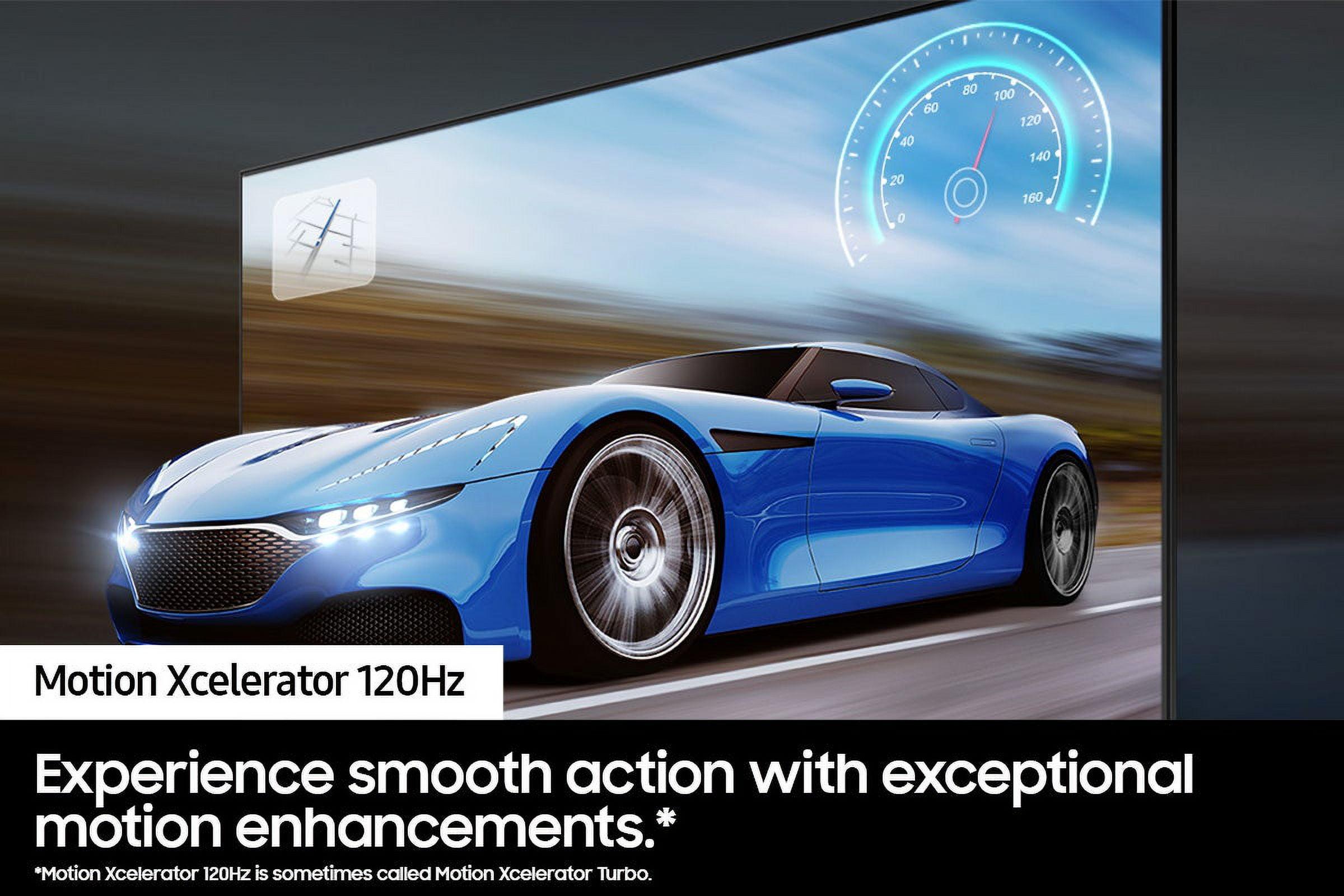
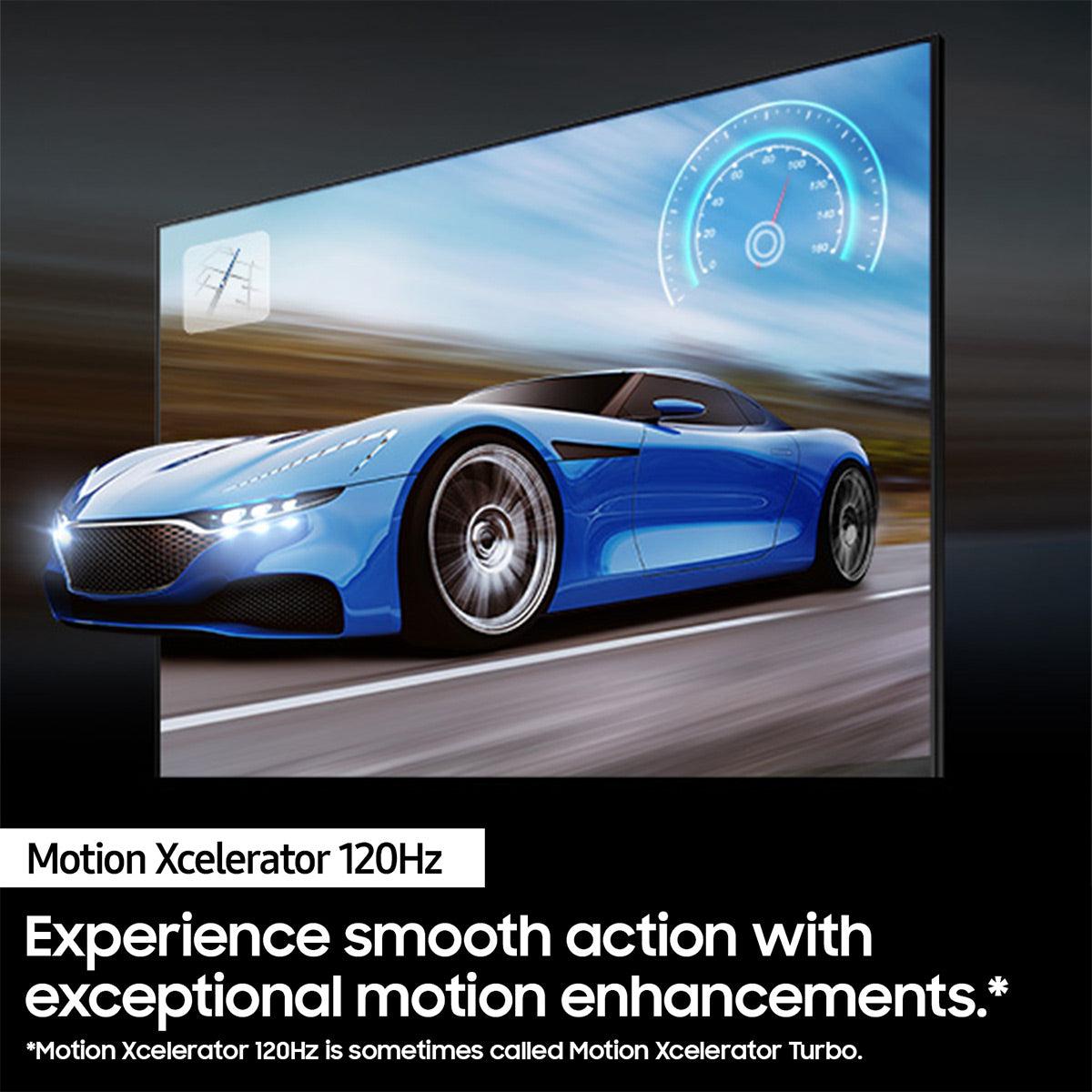
The S90D offers Motion Xcelerator 144Hz for PC gaming, allowing for slightly higher refresh rates when connected to a compatible PC.
Both TVs include Samsung's Gaming Hub (for cloud gaming services) and Game Bar, which provides quick access to gaming-related settings. For casual gamers, both displays will provide an excellent experience, but competitive gamers might appreciate the OLED's faster response time.
The user experience is virtually identical between these models, as both run on Samsung's 2024 version of the Tizen operating system. The interface has been refined since previous years, with a more intuitive layout and faster navigation.
Key features include:
The NQ4 AI Gen2 processor powers both TVs, providing excellent upscaling of lower-resolution content to near-4K quality. It also handles AI-based picture optimization, adjusting brightness and contrast based on room lighting conditions.
If you're upgrading from a TV more than a few years old, you'll notice significantly faster menu navigation and app loading times with either of these 2024 models.
While many serious home theater enthusiasts will pair their TV with a separate sound system, the built-in audio capabilities can be important for bedroom setups or casual viewing.
The OLED S90D features a 2.1 channel 40W system with Dolby Atmos support. This provides reasonable sound for everyday viewing, with clear dialogue and some bass presence, but lacks the power and spatial awareness for truly cinematic experiences.
The QN85D Neo QLED steps things up with a more robust 4.2.2 channel 60W system featuring Object Tracking Sound Lite. This technology uses multiple speakers to create a more three-dimensional soundstage, making sounds appear to come from specific parts of the screen. The additional speakers and power create a more immersive audio experience that better complements the premium visual quality.
For a dedicated home theater, I'd recommend a separate sound system with either TV. However, if you're relying on the built-in speakers, the Neo QLED has a noticeable advantage in audio performance.
When investing in a premium TV, longevity matters. Both technologies have specific considerations:
The OLED S90D may be susceptible to burn-in if static images are displayed for extended periods. This occurs when persistent elements (like channel logos or game HUDs) cause uneven pixel wear. Samsung has implemented various protection features to mitigate this risk, including pixel shifting and logo detection. For most normal viewing habits, burn-in isn't a significant concern, but if you plan to use the TV as a PC monitor or frequently watch content with static elements for hours daily, it's something to consider.
The QN85D Neo QLED isn't susceptible to burn-in, making it better suited for those specific use cases. Its LED backlighting may degrade slightly over many years of use, but this typically occurs very gradually and evenly across the panel.
Both TVs have an expected lifespan of many years before noticeable degradation, but the Neo QLED might offer more peace of mind for certain usage patterns.
At $2,699 (or $2,499 on sale), the S90D OLED commands approximately a $900 premium over the $1,797 QN85D Neo QLED. This price difference is substantial and represents a significant consideration for most buyers.
What does that premium buy you? Perfect blacks, better off-angle viewing, and marginally better gaming response. For cinema enthusiasts, home theater devotees, and serious gamers, these advantages might justify the cost difference.
The Neo QLED, meanwhile, offers superior brightness for well-lit environments, freedom from burn-in concerns, and better built-in sound at a significantly lower price point. For many viewers – especially those with bright living rooms – it might actually be the better choice regardless of price.
Choosing between these excellent displays ultimately comes down to your specific circumstances and preferences:
Choose the Samsung OLED S90D if:
Choose the Samsung Neo QLED QN85D if:
In my experience setting up home theaters for various environments, I've found that room conditions often dictate which technology is more appropriate. In a basement theater or bedroom with blackout curtains, an OLED's perfect blacks create a truly cinematic experience. In a sun-filled living room with large windows, a bright QLED often provides a more consistently enjoyable picture throughout the day.
Both the Samsung 65" OLED S90D TV and the Samsung 65" QN85D Neo QLED 4K Smart TV represent excellent options in the premium TV segment. They showcase Samsung's commitment to pushing display technology forward on multiple fronts rather than focusing on a single solution. This approach recognizes that different viewing environments and priorities call for different technologies, allowing consumers to choose the option that best fits their specific needs.
Whether you prioritize the perfect blacks and infinite contrast of OLED or the brightness and value proposition of Neo QLED, either of these flagship displays will provide years of exceptional viewing experiences that make older TVs look decidedly last-generation by comparison.
| Samsung 65" OLED S90D TV | Samsung 65" QN85D Neo QLED 4K Smart TV |
|---|---|
| Price - Your investment in premium TV technology | |
| $2,699 (sometimes on sale for $2,499) | $1,797 (approximately $900 less expensive) |
| Display Technology - Fundamental approach to creating images | |
| OLED (Organic Light-Emitting Diodes) with self-illuminating pixels | Mini-LED backlight with Quantum Dot color technology |
| Contrast Ratio - Determines depth and realism in dark scenes | |
| Infinite contrast with perfect blacks (each pixel turns completely off) | Excellent but limited by local dimming zones (some light blooming visible) |
| Peak Brightness - Critical for viewing in well-lit rooms | |
| 600-700 nits (good for most environments but can struggle in very bright rooms) | 1000-1200 nits (excellent for bright rooms with windows or ambient light) |
| Viewing Angles - Impacts group watching experience | |
| Excellent with consistent color and contrast from any angle | Good but shows some color shift and contrast reduction from extreme angles |
| Gaming Response Time - Affects motion clarity in fast-paced games | |
| Near-instantaneous (0.1ms) with virtually no motion blur | Very good (2-4ms) with minimal motion blur |
| Refresh Rate - Smoothness of motion, especially for gaming | |
| 120Hz standard with Motion Xcelerator up to 144Hz for PC gaming | 120Hz with Motion Xcelerator Turbo technology |
| Sound System - Built-in audio capabilities | |
| 2.1 channel 40W system with Dolby Atmos support | 4.2.2 channel 60W system with Object Tracking Sound Lite and Dolby Atmos |
| Processor - Handles upscaling and picture optimization | |
| NQ4 AI Gen2 Processor (2024 version) | NQ4 AI Gen2 Processor (2024 version) |
| HDR Support - Enhanced brightness range for more realistic images | |
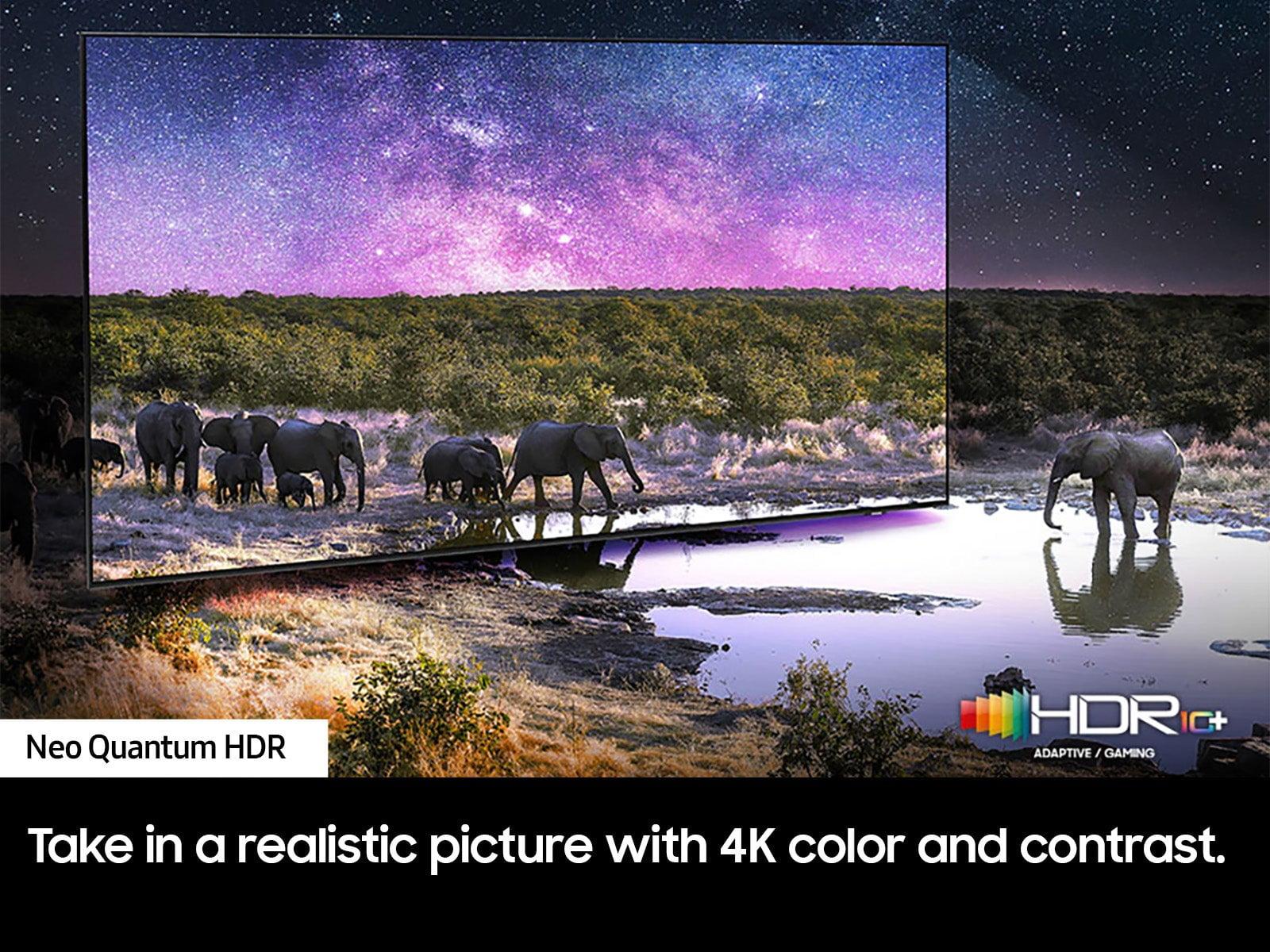
| HDR10+ and HLG formats with OLED HDR+ | Neo Quantum HDR with HDR10+ support |
| Panel Thickness - Aesthetic consideration for wall mounting | |
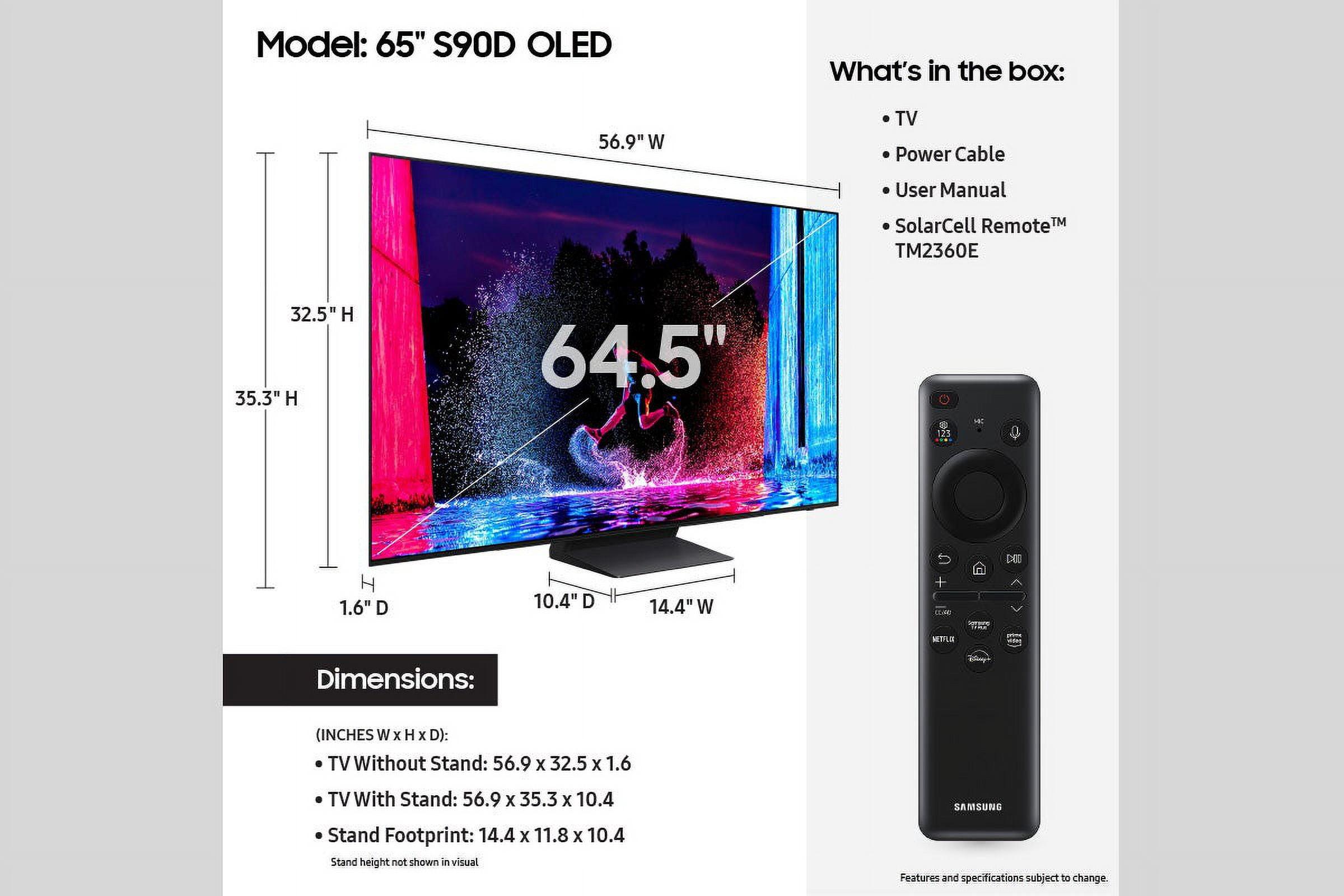
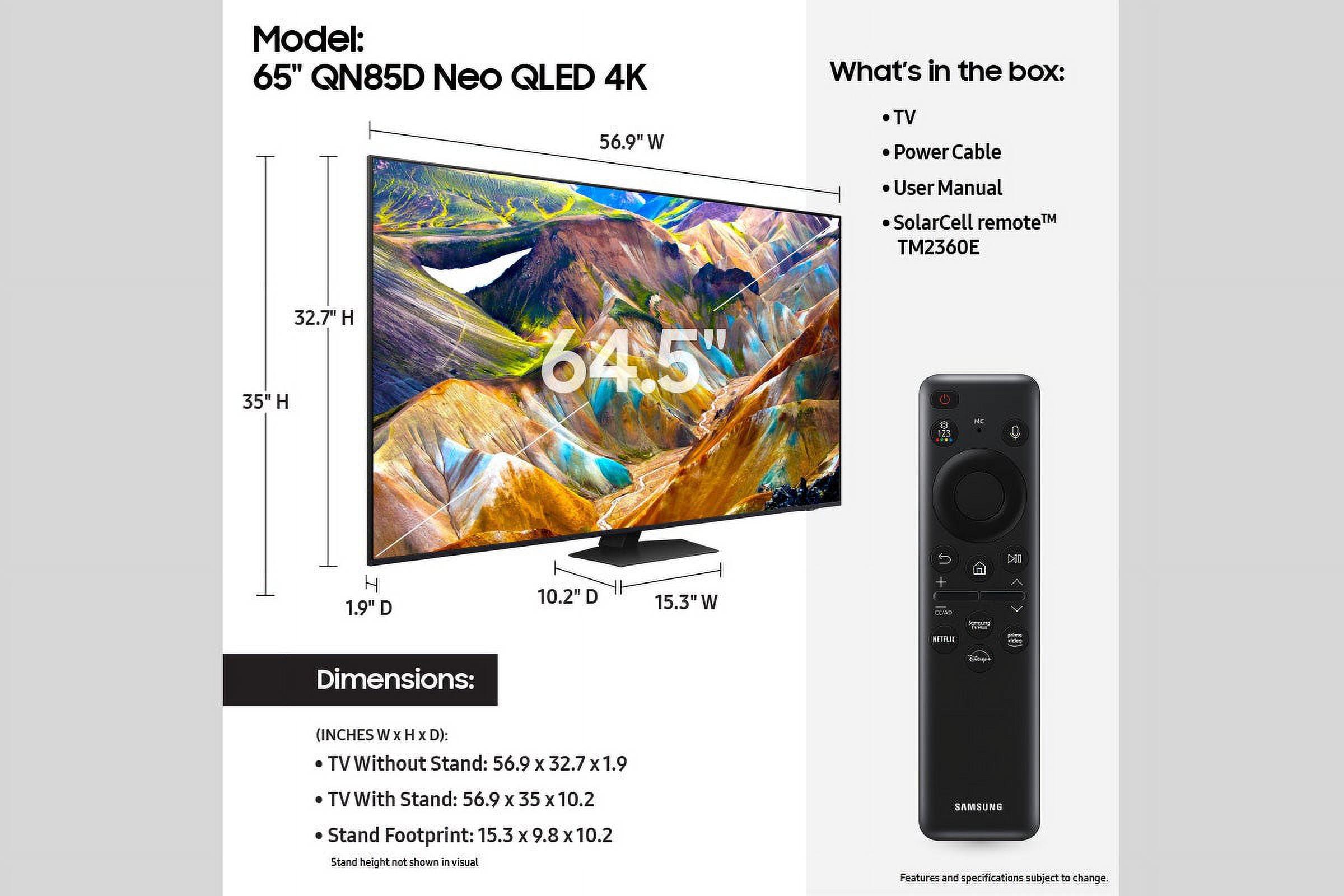
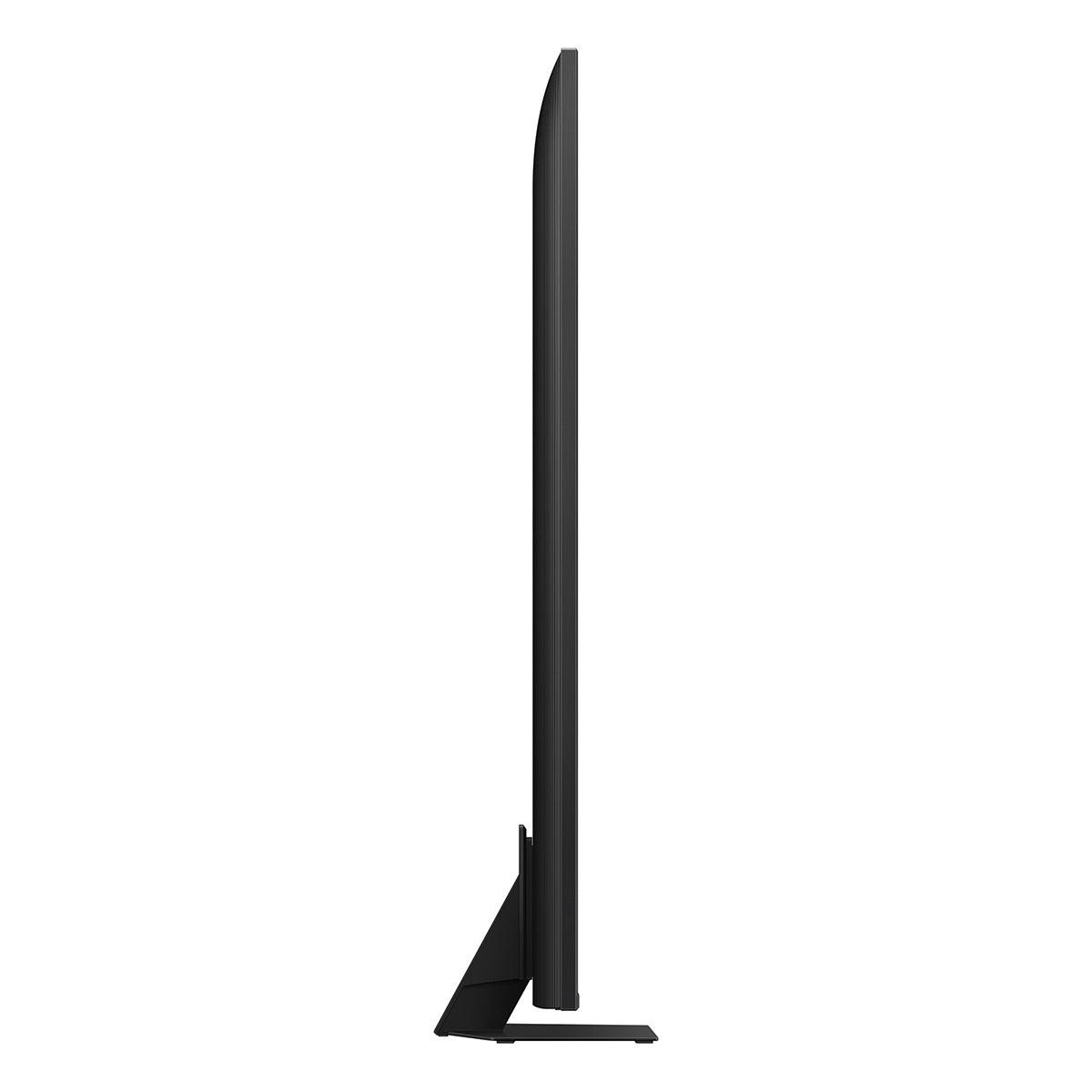
| 1.6 inches (extremely thin profile) | 1.8 inches (still quite thin) |
| Longevity Considerations - Long-term reliability factors | |
| Potential for burn-in with static images, though includes protection features | No risk of burn-in, better for static content and PC monitor use |
| Best Use Environment - Where each TV performs optimally | |
| Home theaters, dim to moderately lit rooms, serious gaming | Bright living rooms, spaces with windows, varied lighting conditions |
The Samsung 65" QN85D Neo QLED 4K Smart TV is significantly better for bright living rooms. With peak brightness levels of 1000-1200 nits (compared to the OLED's 600-700 nits) and superior anti-reflective coating, the QN85D handles glare and ambient light much more effectively. If you have large windows or typically watch TV with lights on, the Neo QLED's brightness advantage makes it the clear choice over the Samsung 65" OLED S90D TV.
The Samsung 65" OLED S90D TV delivers superior black levels and contrast. Because OLED technology allows each pixel to turn completely off, the S90D produces perfect blacks and infinite contrast ratio. While the Samsung 65" QN85D Neo QLED 4K Smart TV offers excellent contrast for an LED-based display, its mini-LED local dimming can't match the pixel-precise lighting control of OLED, resulting in some visible blooming around bright objects on dark backgrounds.
Whether the Samsung 65" OLED S90D TV is worth approximately $900 more than the Samsung 65" QN85D Neo QLED 4K Smart TV depends on your viewing environment and priorities. The OLED's perfect blacks, better viewing angles, and faster response time justify the premium for dedicated home theaters, serious movie enthusiasts, and gamers. However, for bright rooms or viewers seeking excellent performance at a better value, the QN85D Neo QLED offers superior brightness and nearly comparable quality at a significantly lower price.
The Samsung 65" OLED S90D TV has a slight edge for gaming. Both TVs support 4K/120Hz gaming, VRR, ALLM, and FreeSync Premium, but the S90D OLED offers a near-instantaneous 0.1ms response time (versus 2-4ms on the Neo QLED) and can reach up to 144Hz with compatible PC games. Competitive gamers will appreciate the OLED's superior motion clarity and slightly lower input lag, while casual gamers will be well-served by either the OLED or the Samsung 65" QN85D Neo QLED 4K Smart TV.
The Samsung 65" OLED S90D TV offers significantly better viewing angles. OLED technology maintains consistent color accuracy and contrast regardless of viewing position, making it ideal for wide seating arrangements where people may watch from various angles. The Samsung 65" QN85D Neo QLED 4K Smart TV, while better than many LED TVs, still experiences some color shifting and contrast reduction when viewed from extreme angles, which can impact the experience for viewers seated far to the sides.
For a dedicated home theater with controlled lighting, the Samsung 65" OLED S90D TV is the superior choice. Its perfect blacks and infinite contrast ratio create a more cinematic experience, especially for movie content with dark scenes and letterbox bars. The OLED's superior viewing angles also ensure everyone in the theater sees the same high-quality image regardless of seating position. While the Samsung 65" QN85D Neo QLED 4K Smart TV is still excellent, in a controlled home theater environment where ambient light isn't an issue, the OLED's contrast advantage becomes more apparent.
Yes, the Samsung 65" OLED S90D TV does carry some burn-in risk, though it's much reduced compared to older OLED models. Samsung has implemented multiple protection features including pixel shifting, logo detection, and screen savers to minimize this risk. For most typical viewing patterns (mixed content like movies, shows, and games), burn-in is unlikely. However, if you plan to use the TV as a PC monitor or frequently display static content like news channels with persistent logos, the Samsung 65" QN85D Neo QLED 4K Smart TV might be a safer long-term choice as it's immune to burn-in.
The Samsung 65" QN85D Neo QLED 4K Smart TV offers superior built-in sound. Its 4.2.2 channel 60W audio system with Object Tracking Sound Lite technology creates a more immersive and powerful sound experience compared to the Samsung 65" OLED S90D TV's 2.1 channel 40W system. While both support Dolby Atmos, the Neo QLED's additional speakers and power provide clearer dialogue, better bass response, and more precise spatial sound. For optimal audio, pairing either TV with a separate soundbar or home theater system is recommended.
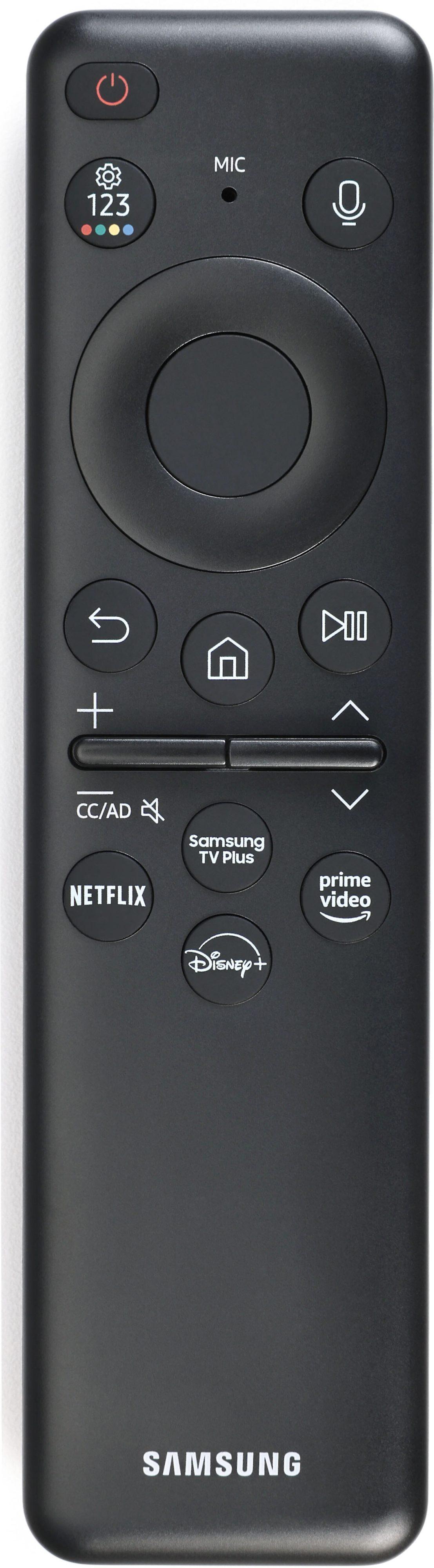
Yes, both the Samsung 65" OLED S90D TV and Samsung 65" QN85D Neo QLED 4K Smart TV share identical smart features. Both run on Samsung's latest Tizen OS with the same user interface, app selection, and features including Samsung TV Plus, voice assistants (Alexa and Bixby), SmartThings integration, Multi-View capability, and Samsung Gaming Hub. Both are powered by Samsung's NQ4 AI Gen2 processor, ensuring the same level of performance for smart features, interface navigation, and content upscaling regardless of which model you choose.
For a typical mixed-use living room with varying lighting conditions, the Samsung 65" QN85D Neo QLED 4K Smart TV will likely provide a more consistently good experience. Its superior brightness handles daytime viewing and room lights better, while still delivering excellent picture quality in dimmer evening conditions. The Samsung 65" OLED S90D TV excels in controlled lighting but may appear dimmer during bright daylight hours. Consider your room's windows, lighting, and when you most frequently watch TV to determine which technology better suits your specific living space.
There is no significant difference in picture processing between the Samsung 65" OLED S90D TV and Samsung 65" QN85D Neo QLED 4K Smart TV. Both utilize Samsung's NQ4 AI Gen2 processor, which handles 4K upscaling, motion enhancement, and AI-based picture optimization. While the processor applies different calibrations optimized for each display technology, the underlying processing power and capabilities are identical. Both TVs benefit from Samsung's latest advancements in AI-enhanced picture quality, regardless of their different panel technologies.
The Samsung 65" QN85D Neo QLED 4K Smart TV at $1,797 offers better overall value for most consumers. It delivers approximately 80-90% of the Samsung 65" OLED S90D TV's picture quality at about 67% of its $2,699 price. The Neo QLED excels in bright rooms, offers better built-in sound, and has no burn-in concerns. The OLED S90D justifies its premium primarily for enthusiasts, home theater devotees, and specific use cases where perfect blacks and viewing angles are critical. For the average buyer seeking an excellent premium TV experience without overspending, the QN85D Neo QLED represents the stronger value proposition.
We've done our best to create useful and informative comparisons to help you decide what product to buy. Our research uses advanced automated methods to create this comparison and perfection is not possible - please contact us for corrections or questions. These are the sites we've researched in the creation of this article: bestbuy.com - valueelectronics.com - youtube.com - cnet.com - bestbuy.com - videoandaudiocenter.com - youtube.com - samsung.com - samsung.com - pcrichard.com - samsung.com - videoandaudiocenter.com - shopjetson.com - mysoundconcepts.com - samsung.com - merlinstv.com - youtube.com - samsung.com - samsung.com

Privacy Policy
Terms and Conditions - Affiliate Policy
Home Security
© Copyright 2008-2026.
11816 Inwood Rd #1211, Dallas, TX 75244