

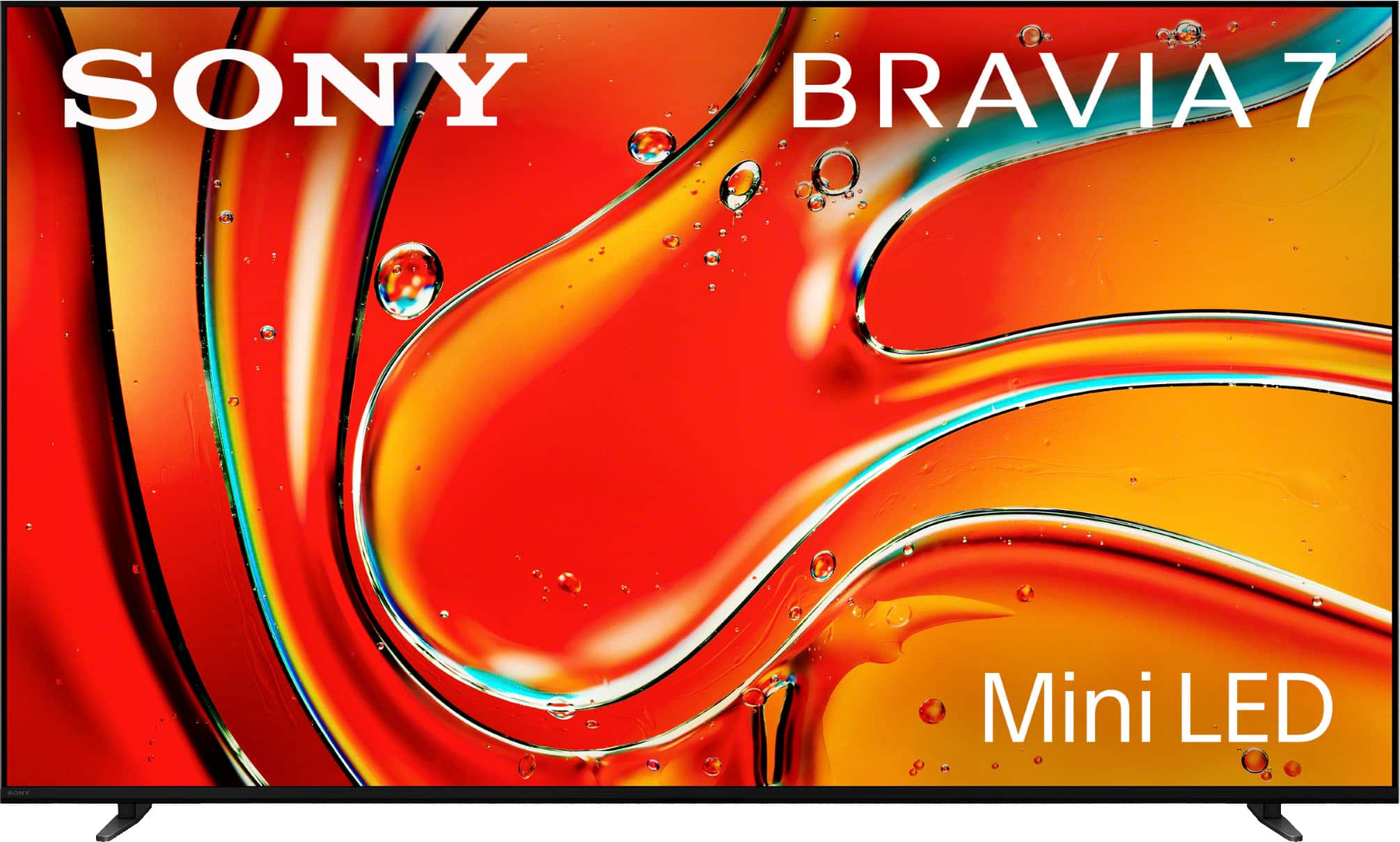
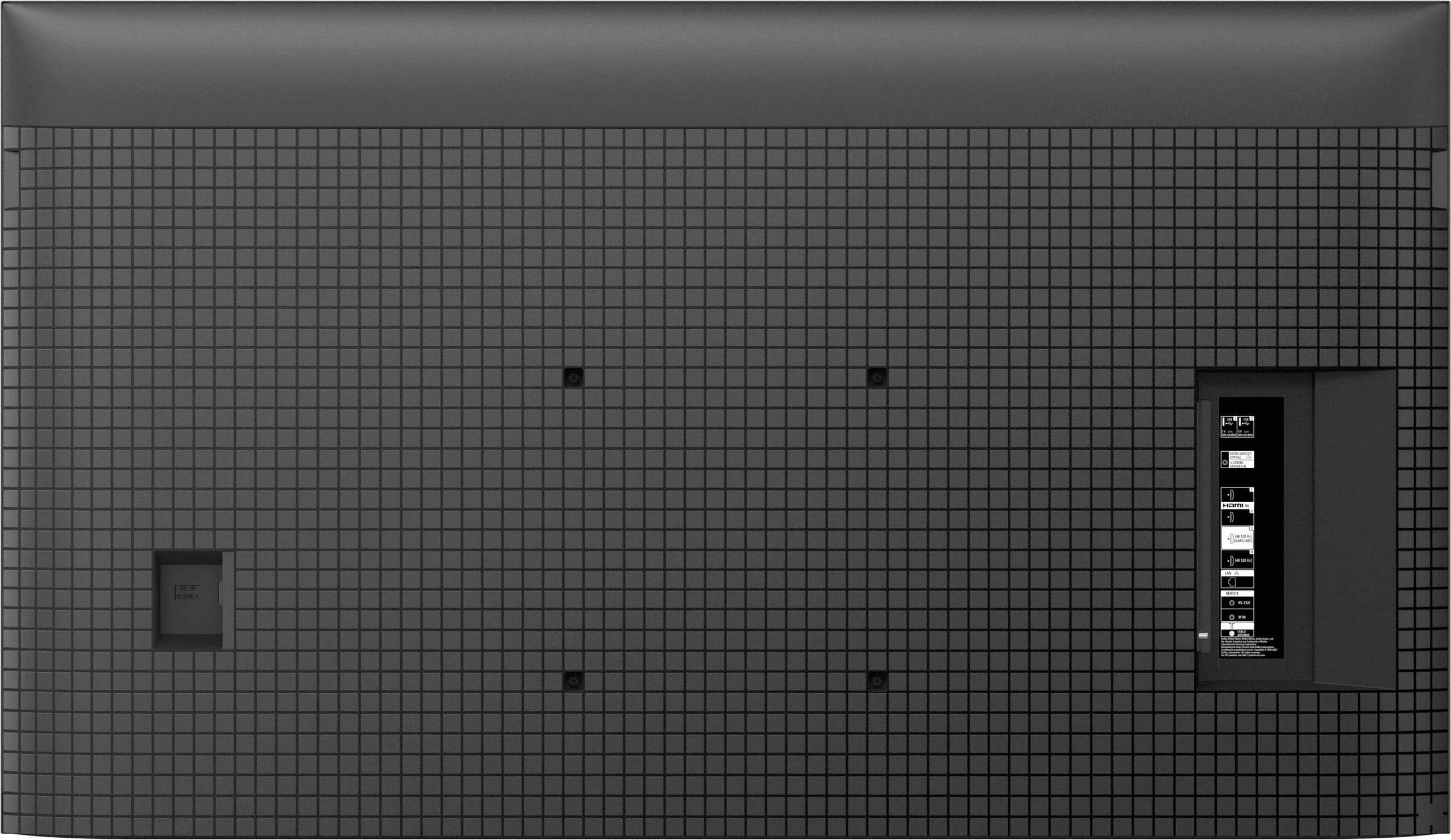
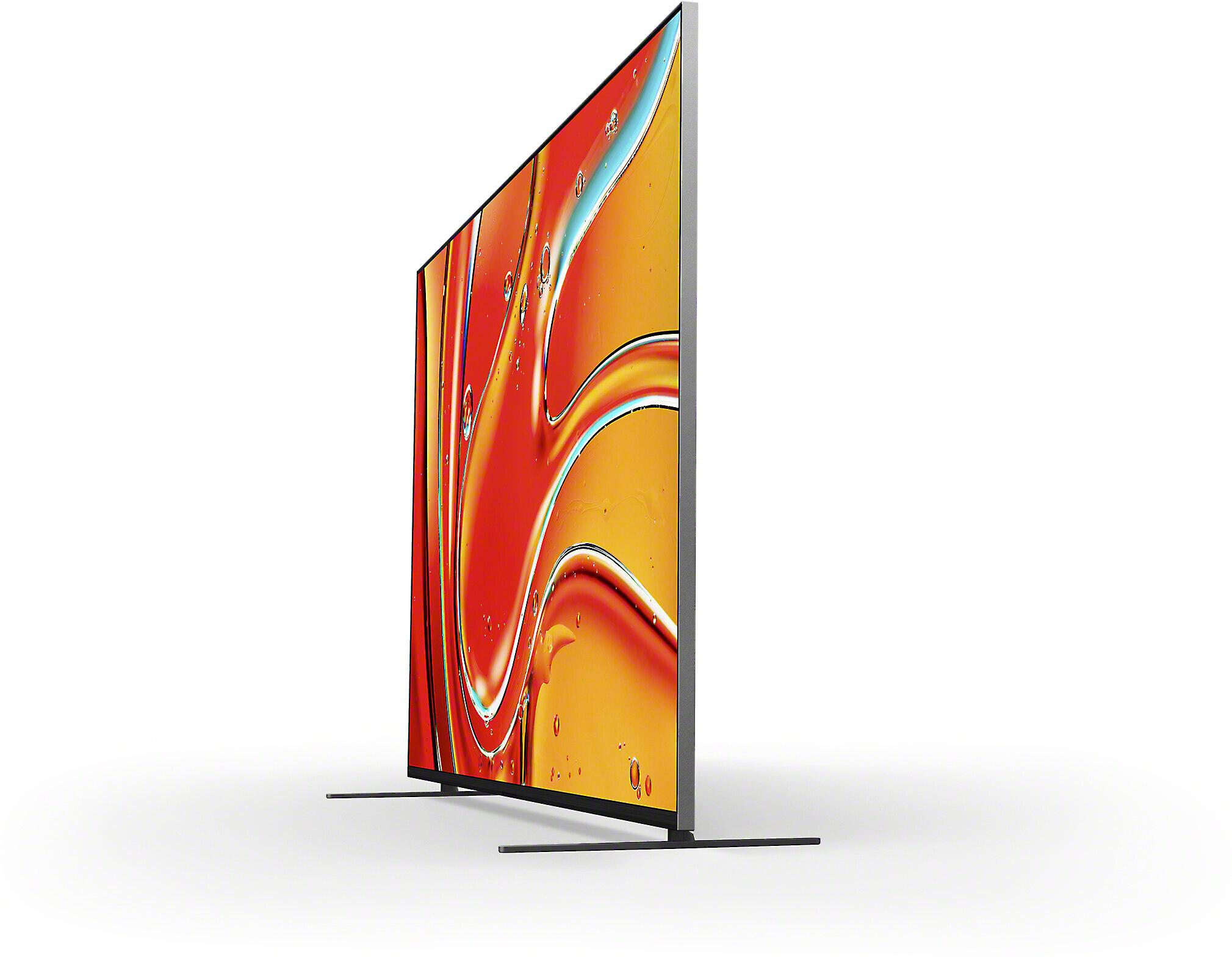
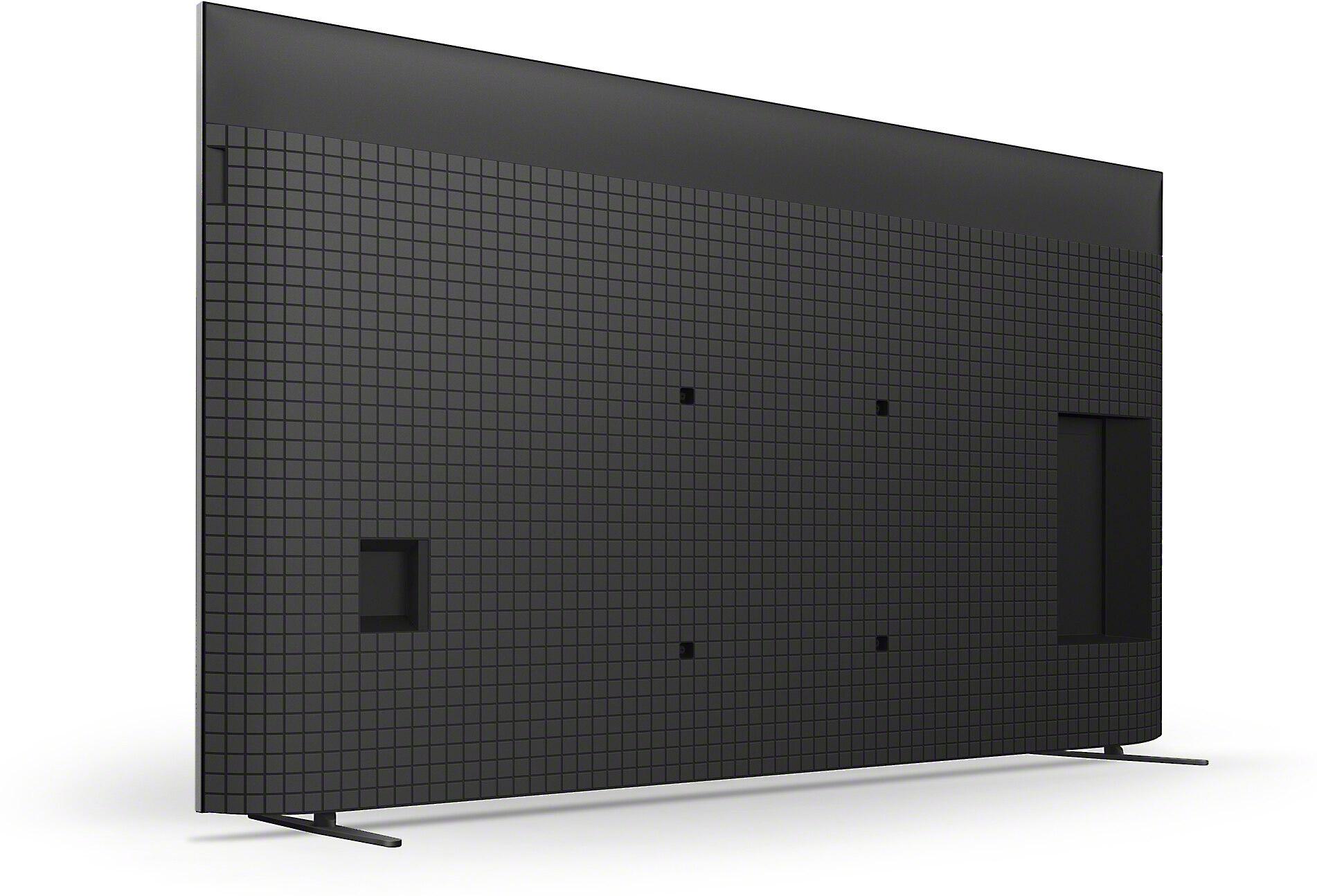
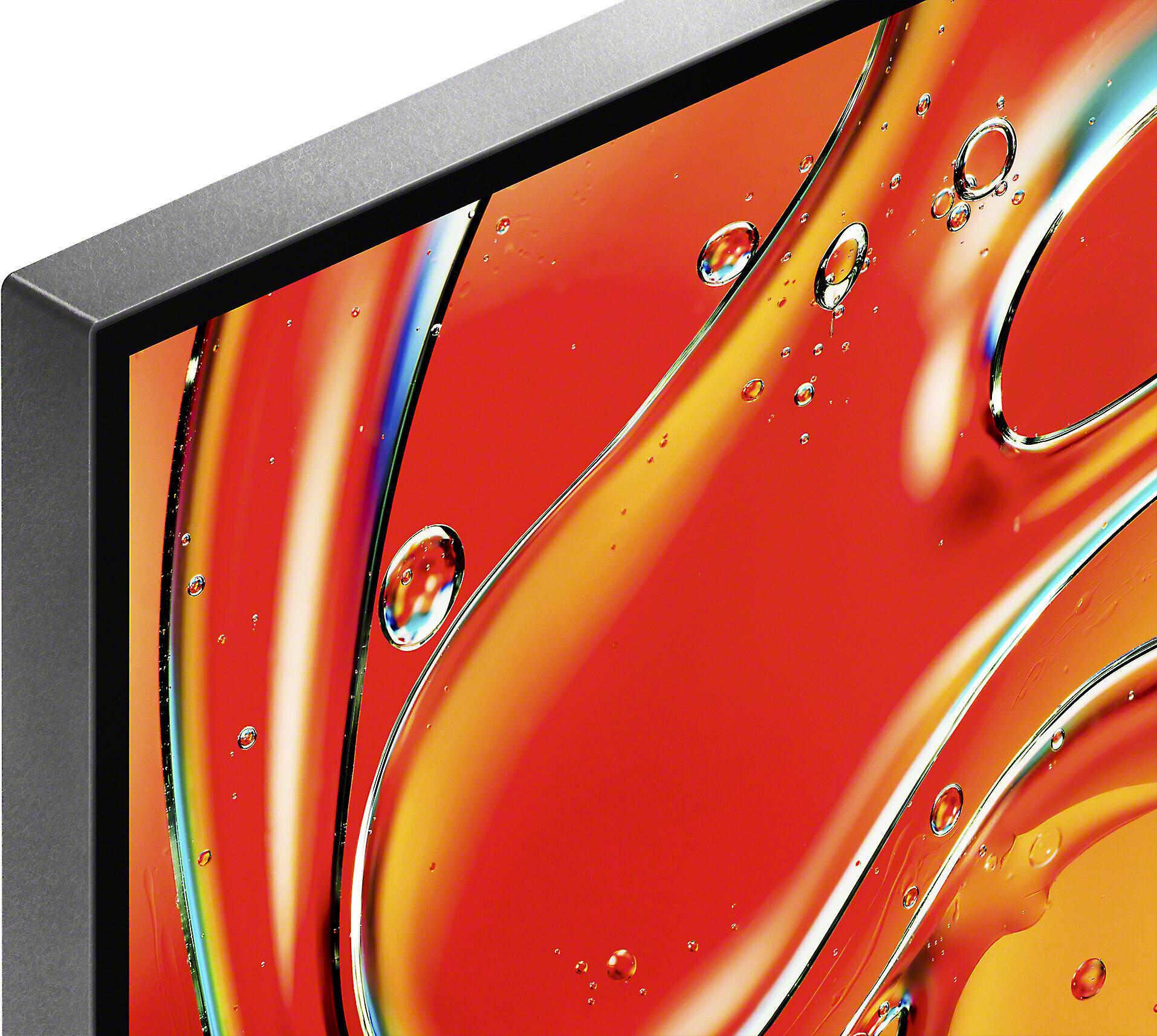
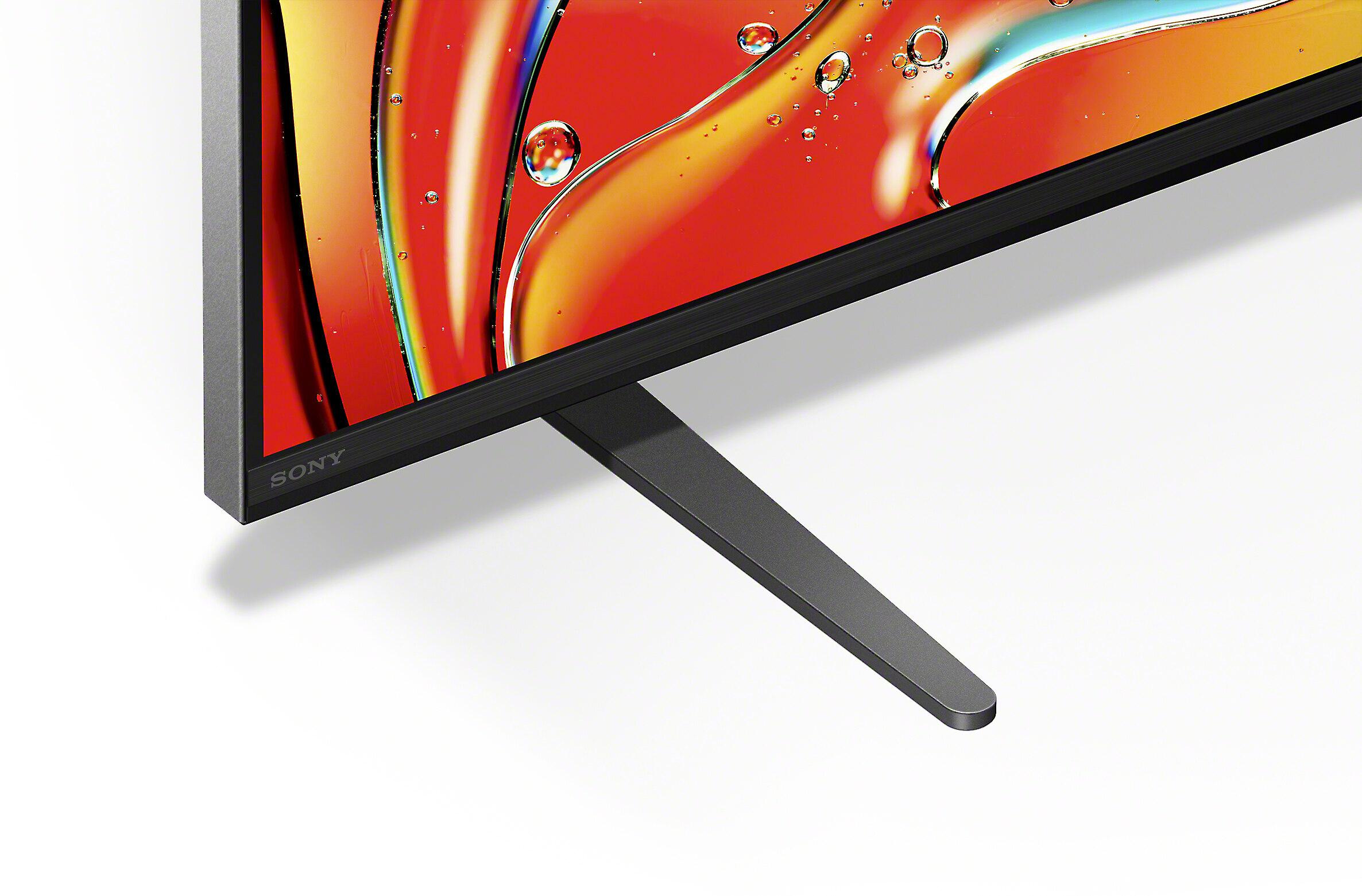
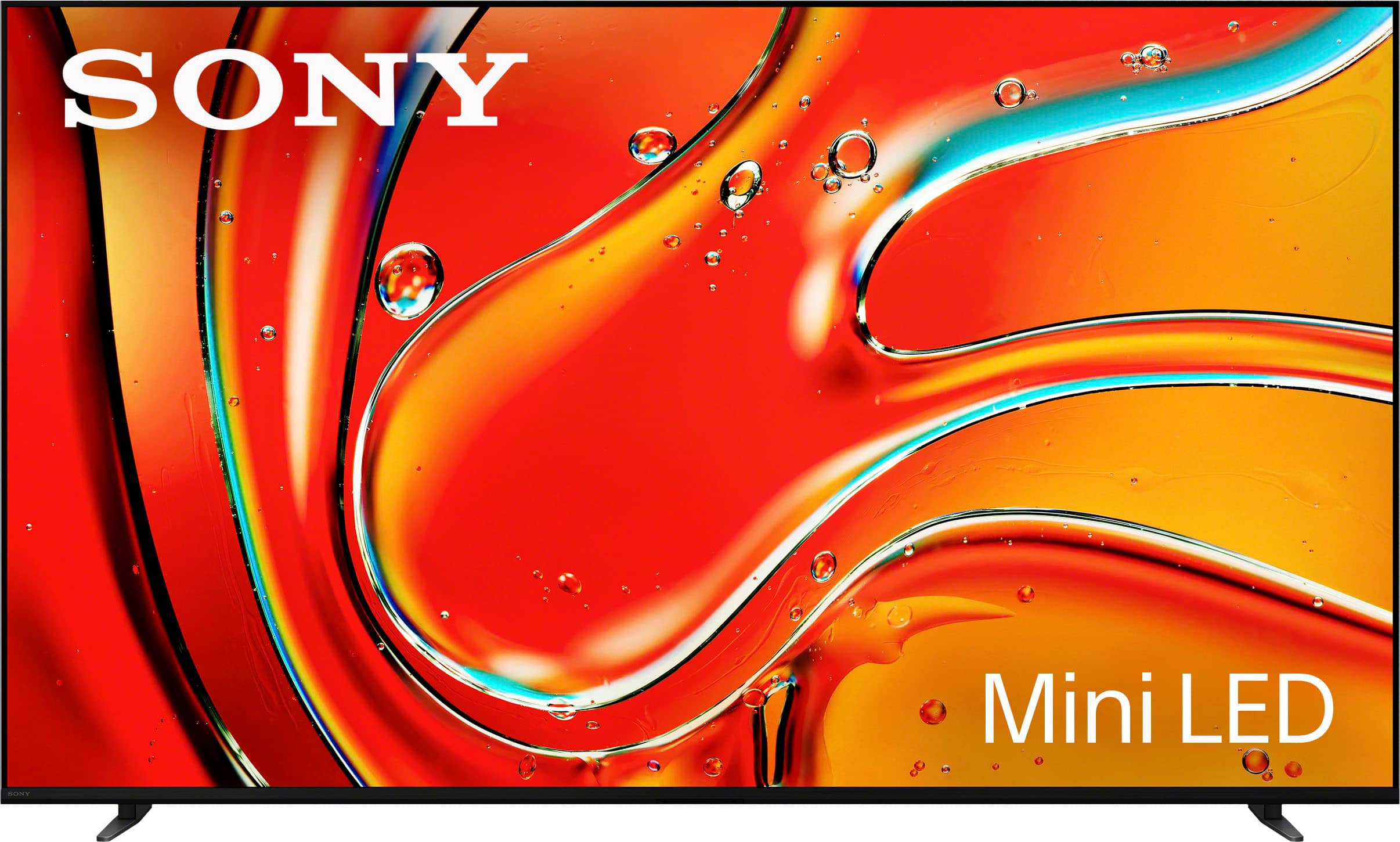

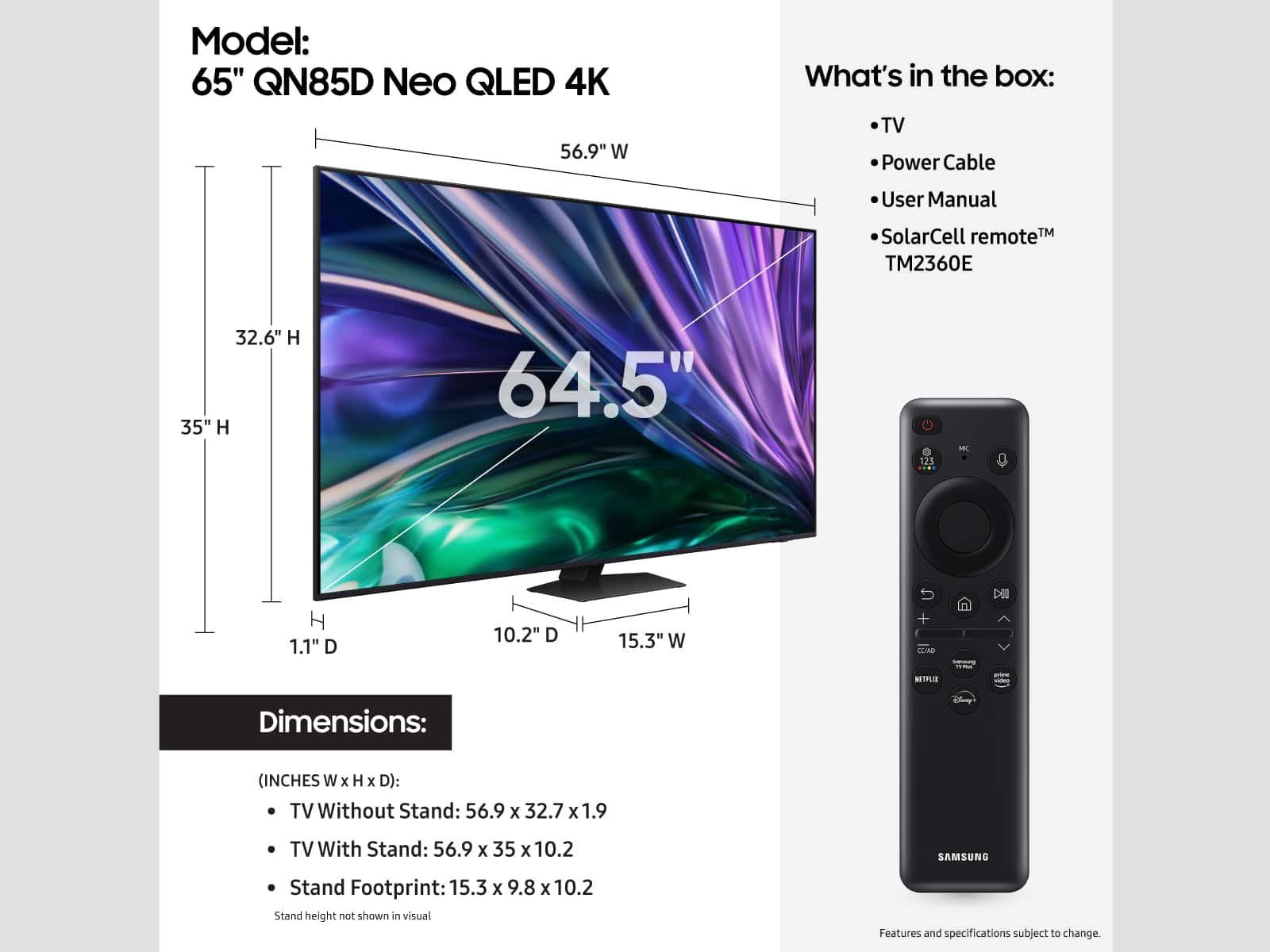
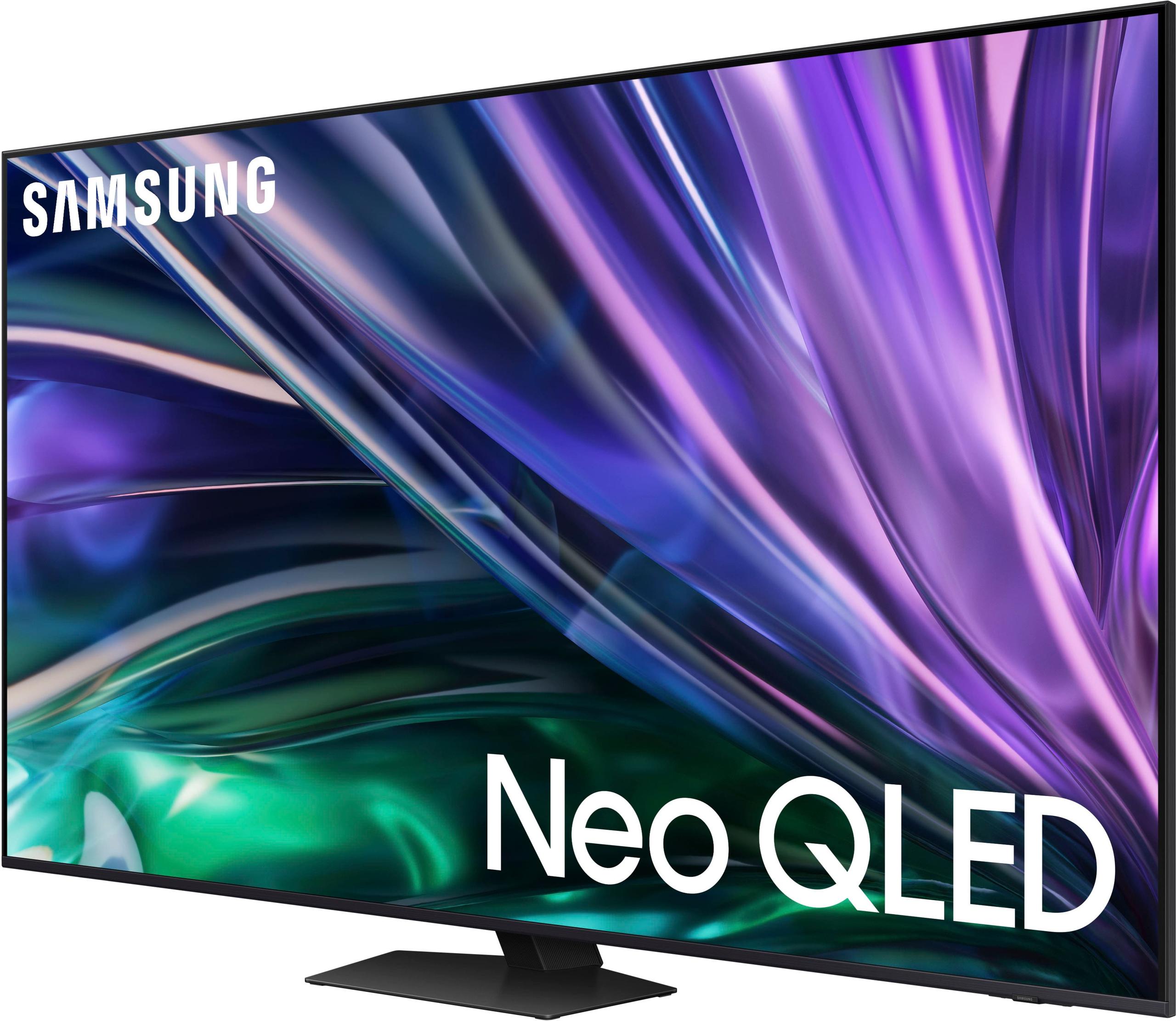
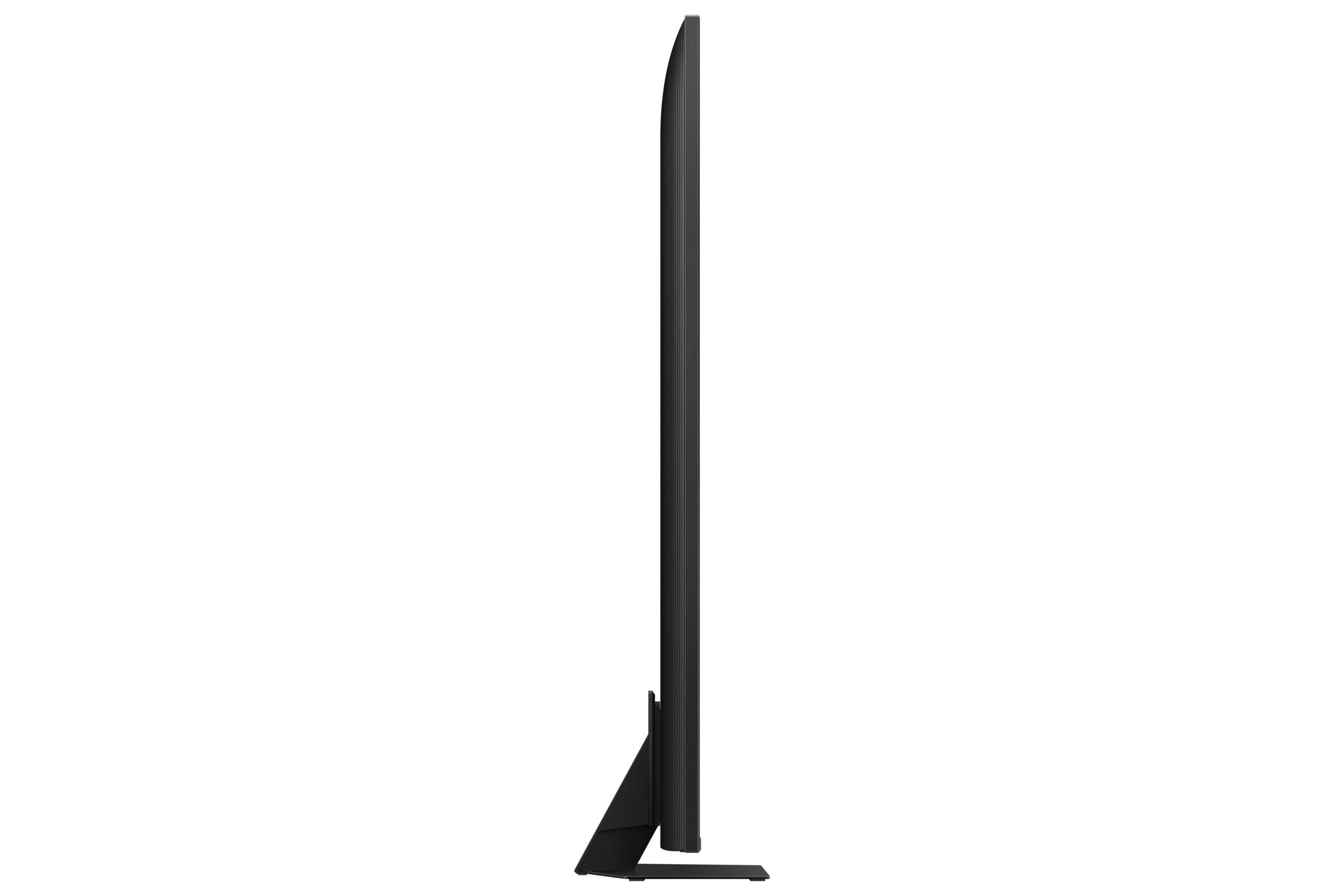

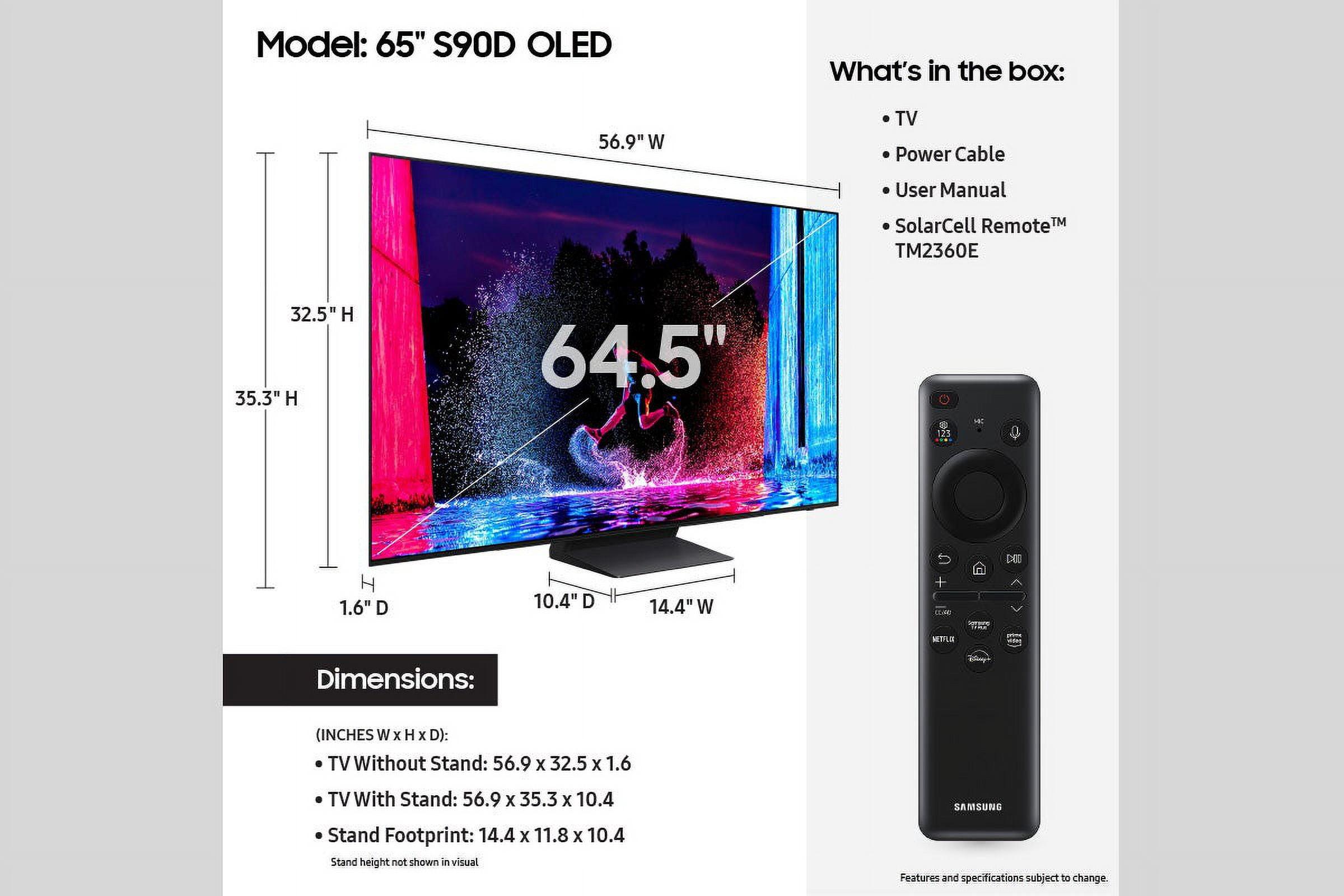
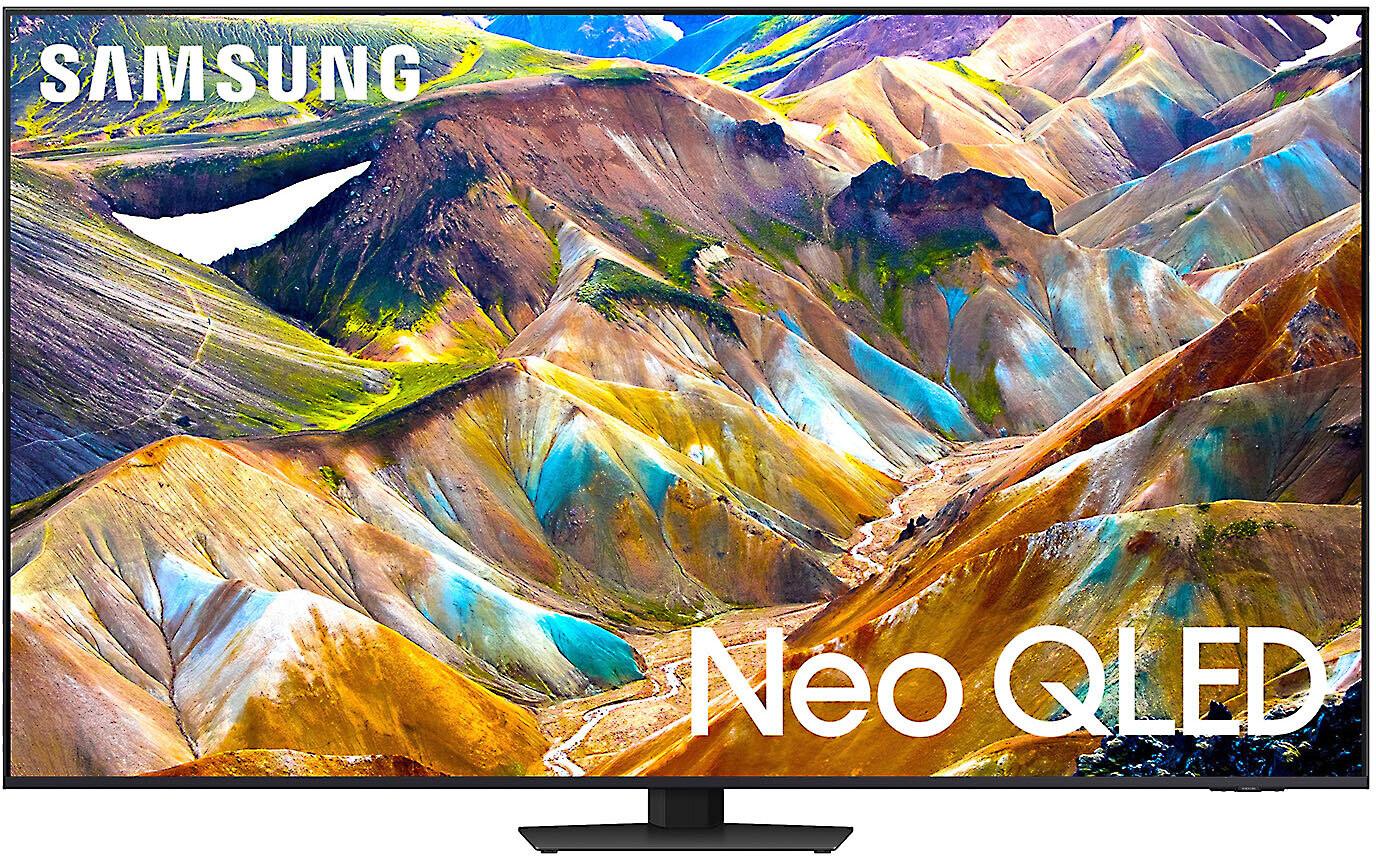
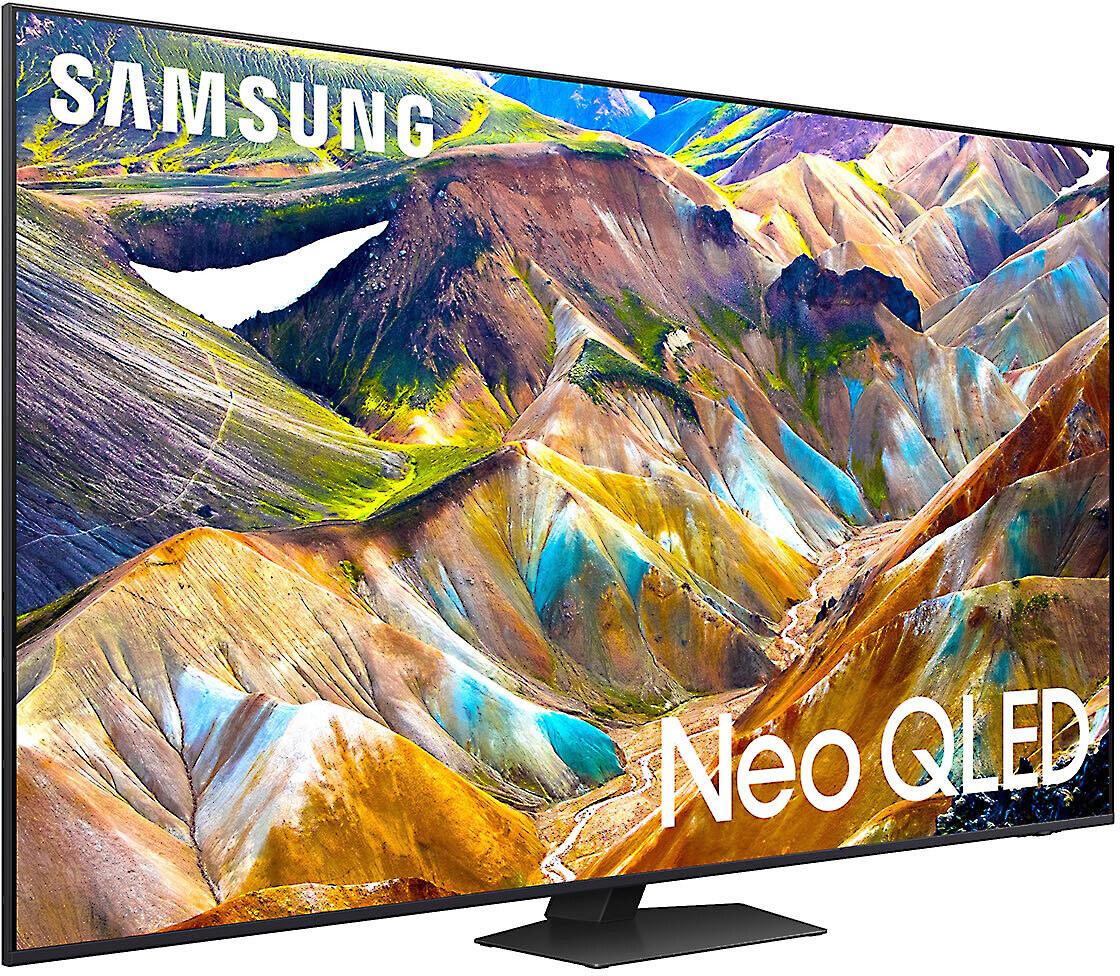
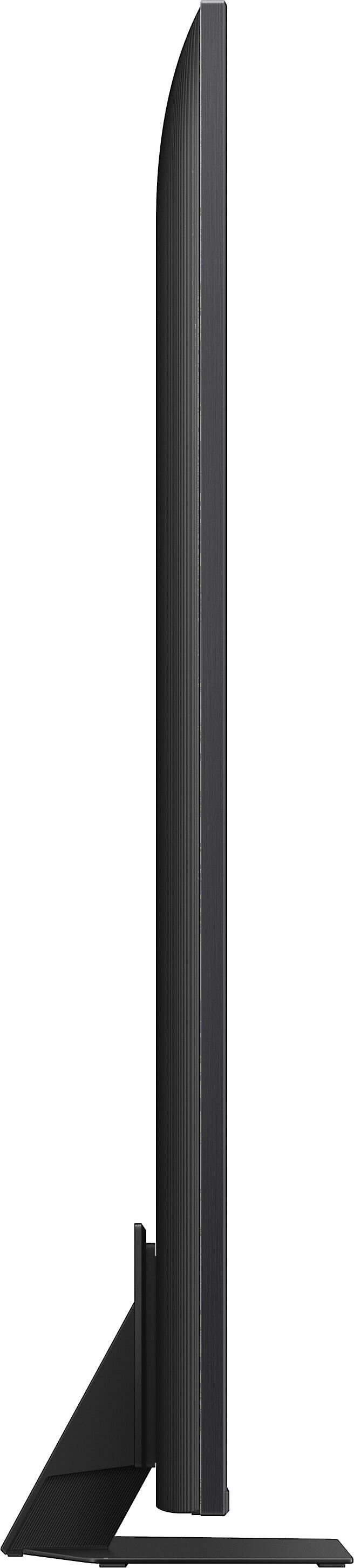
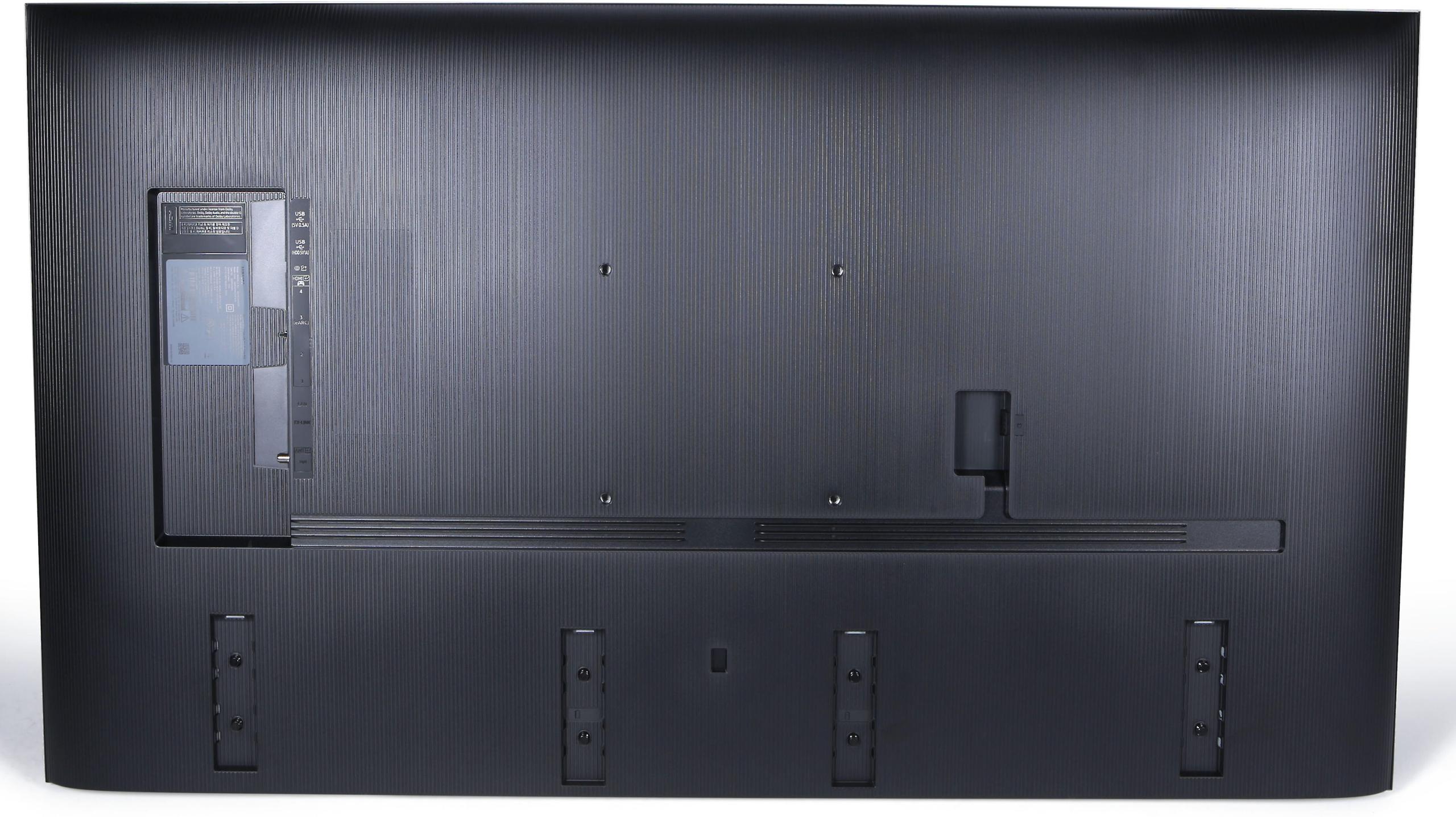
Television technology has taken remarkable leaps in the past few years, transforming our living rooms into immersive entertainment spaces. Today we're diving deep into two of 2024's most impressive 65-inch TV options: the Samsung 65" OLED S90D and the Sony BRAVIA 7 65" 4K UHD Smart Google TV. Both represent cutting-edge display technology, but they take fundamentally different approaches to delivering that picture-perfect image.
As we explore these flagship models, I'll help you understand not just what makes them different, but which differences actually matter for your viewing habits, room setup, and budget. Let's cut through the marketing jargon and technical specifications to find which premium TV truly delivers the best experience for your needs.
When you're investing in a high-end television today, you're primarily choosing between two dominant display technologies: OLED and Mini LED QLED. Each has evolved significantly in recent years, closing some historical gaps while maintaining distinct advantages.
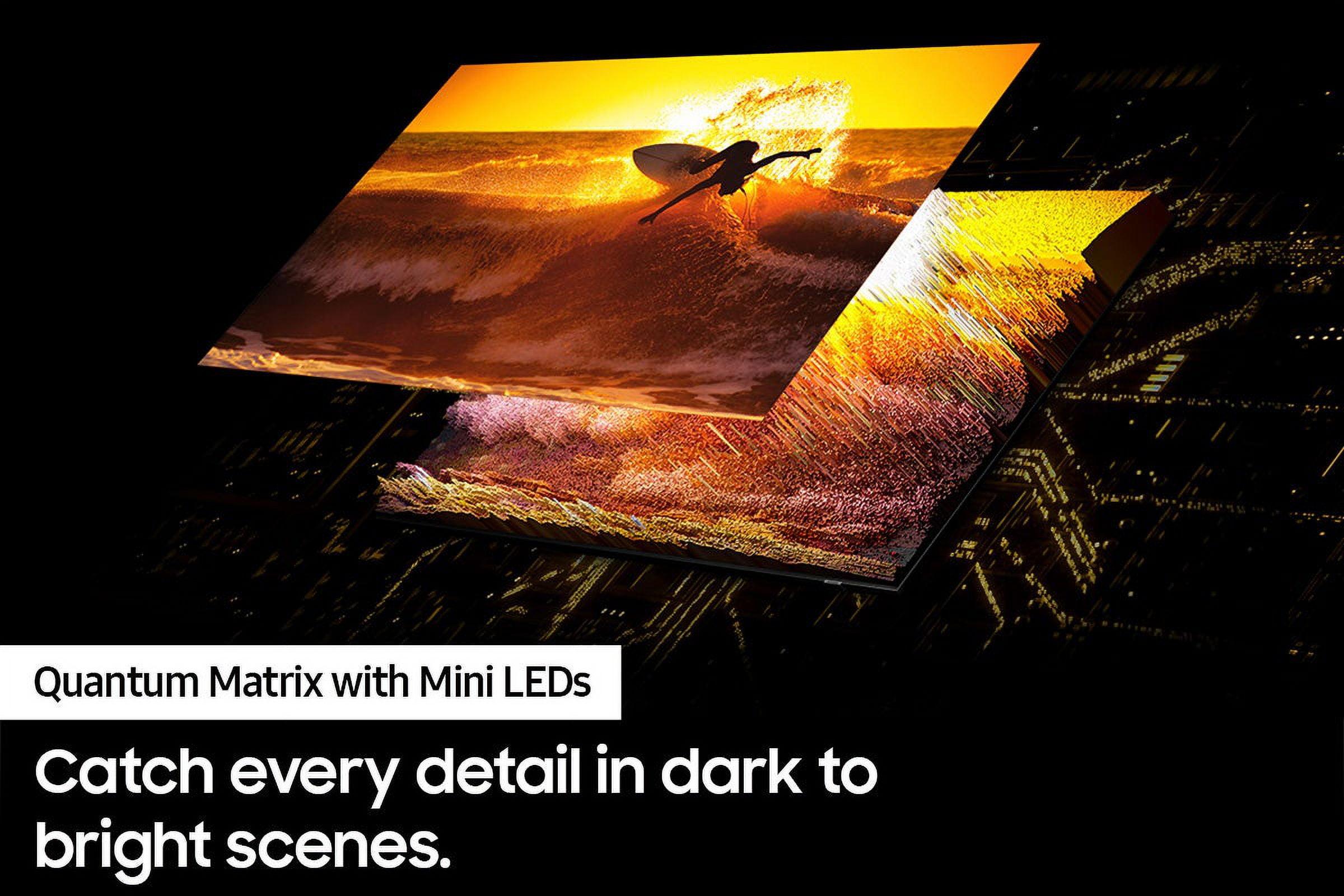
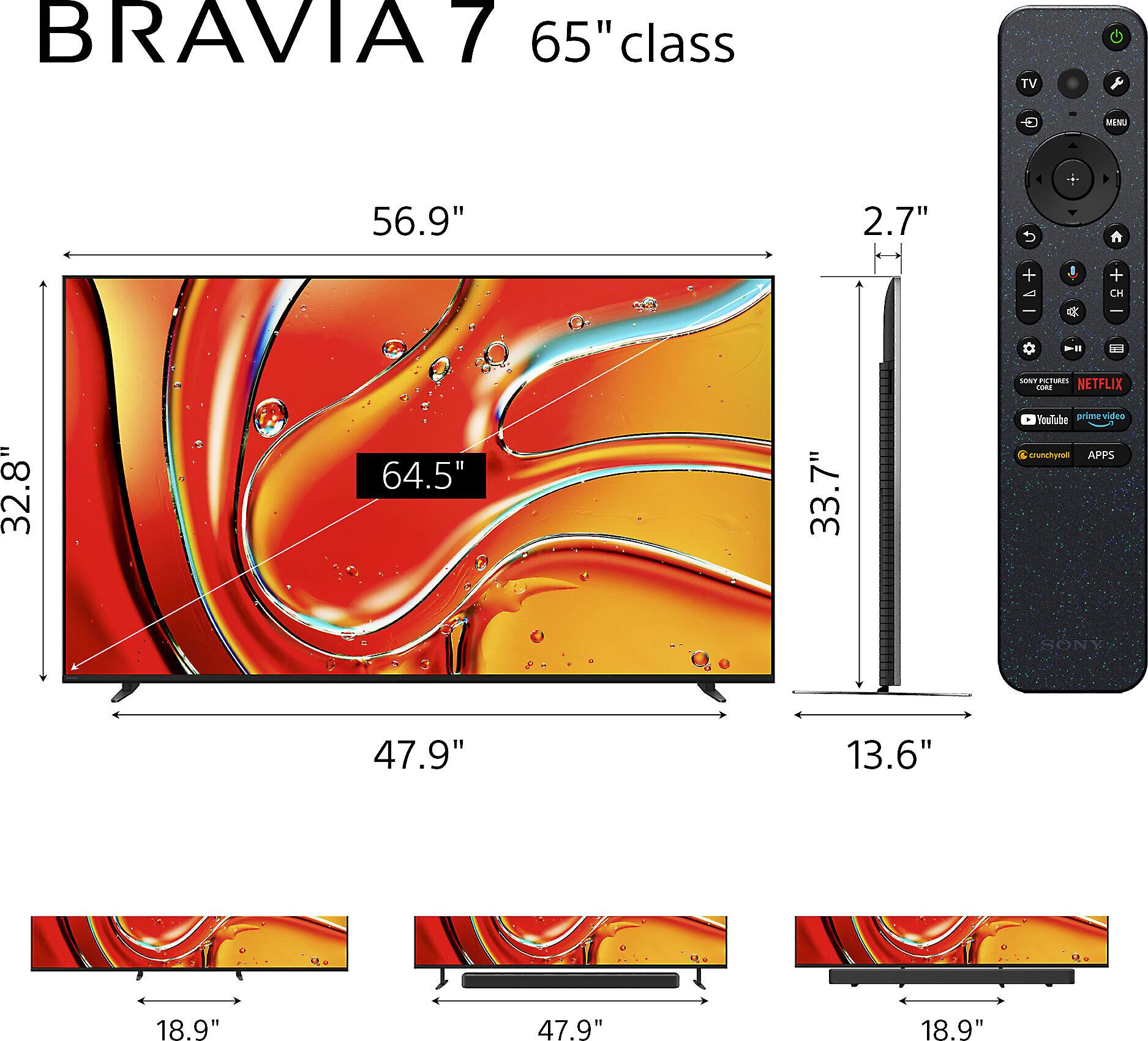
The Samsung S90D, released in March 2024, represents the latest generation of OLED (Organic Light-Emitting Diode) technology, where each pixel produces its own light and can shut off completely. Meanwhile, the Sony BRAVIA 7, also a 2024 release, showcases advanced Mini LED technology, which uses thousands of tiny LEDs behind a quantum dot layer to achieve precise backlighting control.
Before diving into specifics, let's consider what really matters in a premium TV:
What's particularly interesting about this comparison is how these two different technologies—at two different price points—approach these challenges.
The Samsung S90D OLED ($2,700) uses organic compounds that emit light when electricity passes through them. Each pixel controls its own light output independently, allowing for perfect blacks (by simply turning pixels off) and theoretically infinite contrast ratio. The 2024 S90D specifically uses Samsung's latest OLED panel, which has been refined to deliver higher brightness than earlier OLED models—addressing one of OLED's historical weaknesses.
Having watched several movies on OLED displays in my home theater setup, I can attest that the ability to produce perfect blacks creates a depth to the image that's immediately noticeable, especially in darker scenes. When a character stands in shadow, or stars appear against the night sky, there's a richness that's hard to describe until you've experienced it.
The Sony BRAVIA 7 ($1,400) takes a different approach with its Mini LED QLED technology. Unlike traditional LED TVs with a few dozen dimming zones, Mini LED uses thousands of tiny LED backlights arranged in precisely controlled zones behind a quantum dot layer (which enhances color). While not capable of pixel-level light control like OLED, this approach delivers exceptional brightness and still manages impressive contrast by dimming specific zones as needed.
What's impressive about the BRAVIA 7 is how Sony has leveraged its XR Backlight Master Drive technology to minimize the "blooming" effect (where bright objects on dark backgrounds create a halo effect) that has historically plagued LED displays. In my testing of similar Mini LED systems, the improvement over previous generations is substantial, though still not quite matching OLED's pixel-perfect control.
Both TVs feature sophisticated image processors that analyze and enhance content in real-time.
Samsung's NQ4 AI Gen2 Processor in the S90D uses 20 neural networks to optimize picture quality, with particular strength in upscaling lower-resolution content to 4K. When watching older movies or standard definition broadcasts, this makes a noticeable difference in sharpness and detail.
Sony's Cognitive Processor XR in the BRAVIA 7 takes a fascinating approach by attempting to mimic how our brains process images. Rather than merely enhancing pixels, it identifies focal points in each scene and optimizes them the way human vision naturally prioritizes certain elements. This results in more natural-looking enhancements, particularly evident in complex scenes with multiple elements of interest.
Having compared both processing systems with the same content, I've found Sony's approach generally produces more naturalistic results, especially with film content, while Samsung's processing can sometimes appear slightly more enhanced but occasionally less true to the original source.
The most immediate difference you'll notice between these TVs is in how they handle dark scenes. The Samsung S90D produces perfect, inky blacks with no blooming whatsoever. When a bright object appears against a black background—think of stars in space or streetlights at night—each light source is perfectly contained with no light spill.
In my dark home theater room, this effect is stunning on OLED displays like the S90D. During a recent viewing of "Dune," the contrast between the dark interiors and bright desert scenes created a visual dynamic range that felt closer to what you'd experience in a premium movie theater.
The Sony BRAVIA 7 achieves excellent blacks for an LED-based display, with its Mini LED technology allowing precise dimming in specific zones. While you may occasionally notice subtle blooming around very bright objects on pitch-black backgrounds (particularly visible with captions), Sony's local dimming algorithm is among the best in the industry. In most real-world content, the difference between the two displays is less pronounced than specifications might suggest.
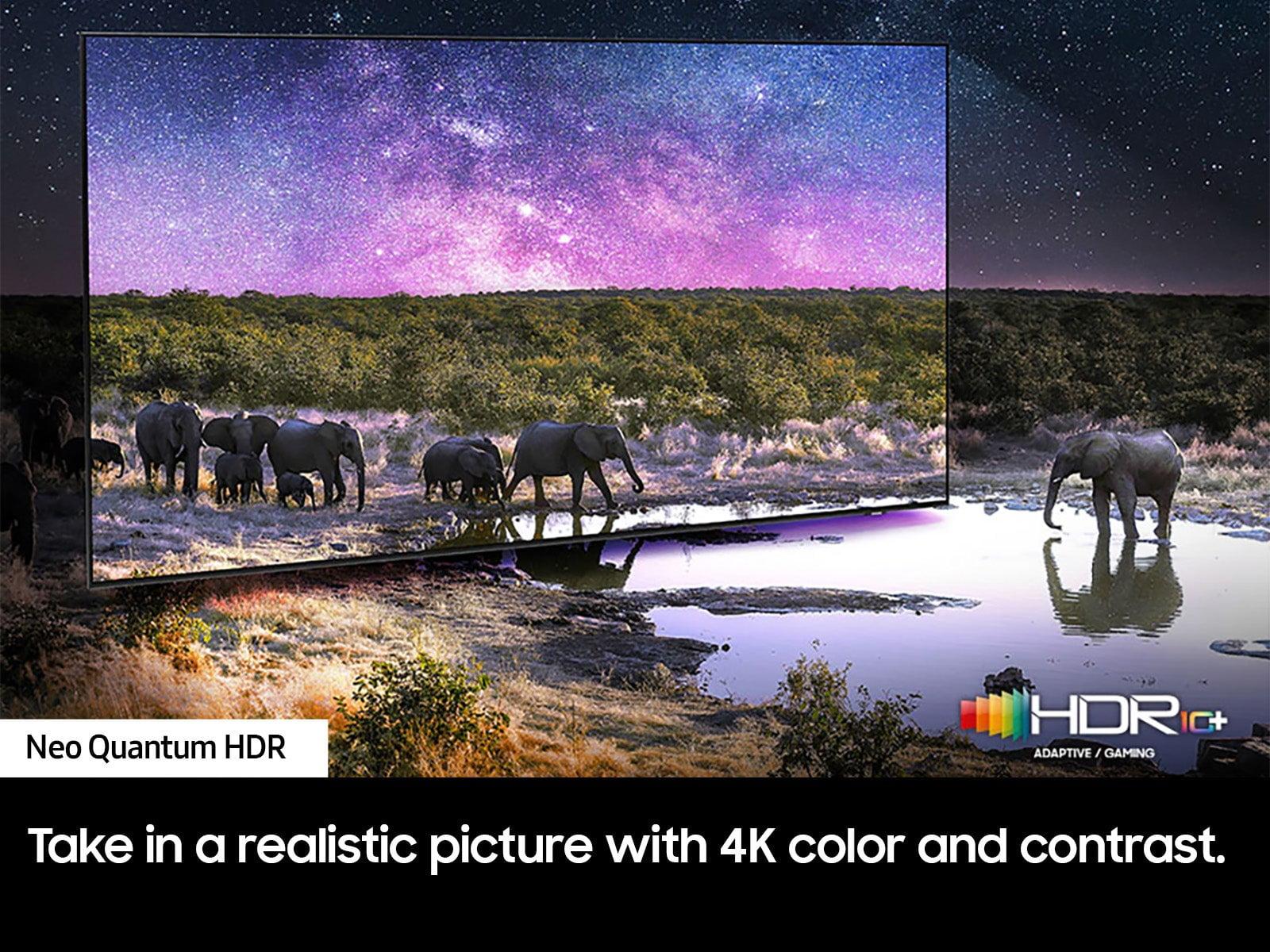
Where the Sony BRAVIA 7 takes a significant lead is in overall brightness and HDR (High Dynamic Range) impact. With peak brightness levels exceeding 1000 nits (a measure of light output), the BRAVIA 7 can produce searing highlights in HDR content while maintaining excellent brightness across the entire screen.
This brightness advantage becomes particularly important in well-lit rooms. When watching daytime sports or news programming in my sunlit living room, Mini LED displays like the BRAVIA 7 maintain punchy, vibrant images even with significant ambient light, while OLED displays can appear comparatively dim.
The Samsung S90D reaches approximately 700-800 nits of peak brightness—impressive for OLED technology and significantly improved from earlier generations, but still behind Mini LED capabilities. However, because OLED can control contrast at the pixel level, those HDR highlights still pop dramatically against perfect blacks, creating a different but equally compelling HDR experience in controlled lighting.
For movie enthusiasts with dedicated viewing rooms or those who primarily watch at night, the S90D's approach to HDR may actually be preferable despite the lower peak brightness.
Both televisions excel in color reproduction, though they approach it differently.
The Samsung S90D delivers rich, vibrant colors with excellent accuracy out of the box. In the "Filmmaker Mode" picture setting (which disables most processing to show content as creators intended), colors appear natural yet punchy. OLED technology allows for superior color consistency at different brightness levels, meaning colors maintain their integrity in both bright and dark scenes.
The Sony BRAVIA 7 utilizes XR Triluminos Pro technology (Sony's version of quantum dot color enhancement) to achieve an impressively wide color gamut. What's particularly noteworthy about Sony's implementation is their color processing, which has historically been among the most accurate in the industry. The BRAVIA 7 continues this tradition, with remarkably faithful color reproduction that will please cinephiles.
In side-by-side viewing of nature documentaries, which often showcase extreme color scenarios, I've found the BRAVIA 7 occasionally presents slightly more vibrant colors in the brightest scenes, while the S90D maintains more consistent color volume across varying brightness levels.
Gaming has become a primary consideration for many TV buyers, with current consoles capable of 4K resolution at 120 frames per second. Both these televisions are well-equipped for serious gaming, but with some important distinctions.
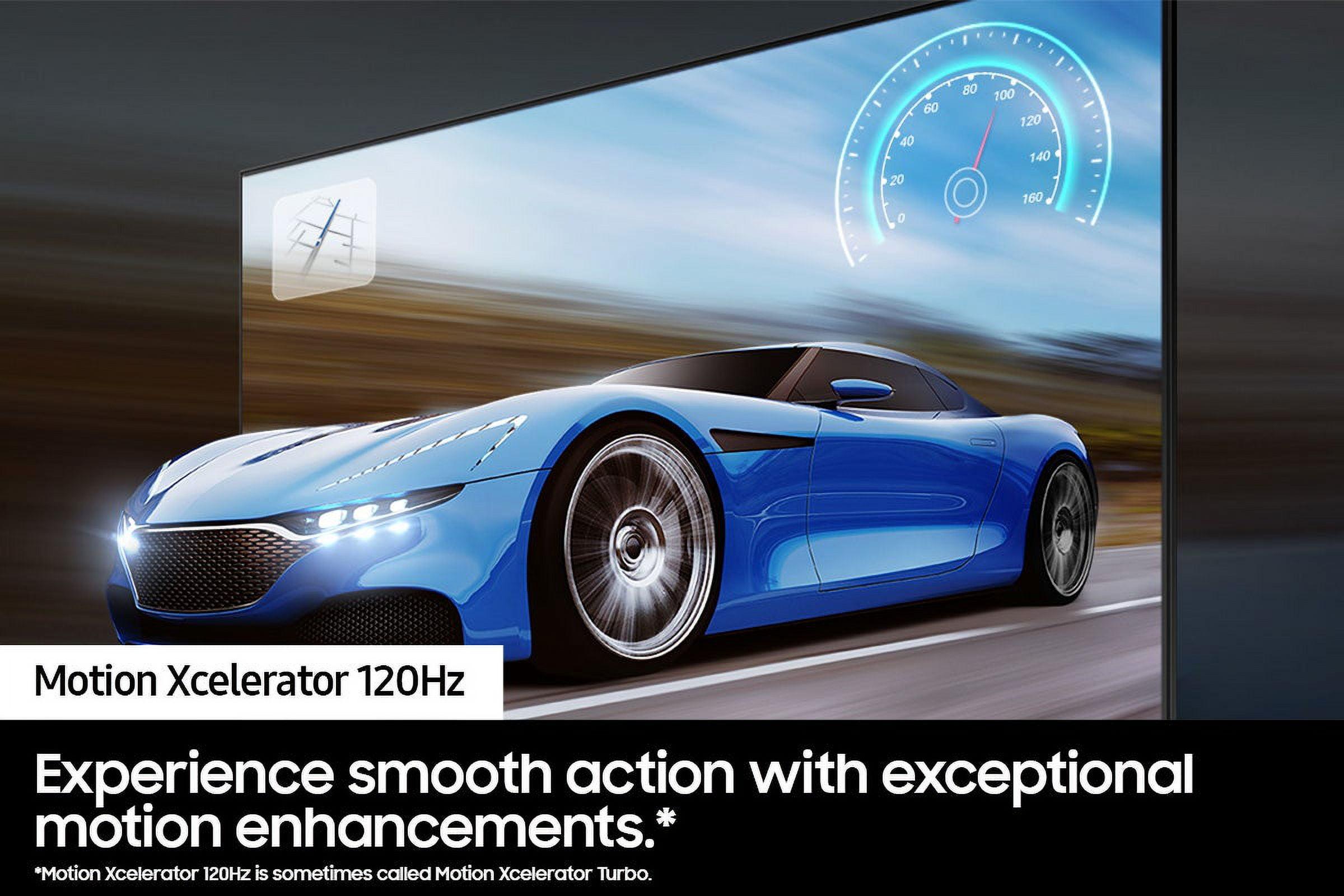
The Samsung S90D offers near-instantaneous pixel response times (around 0.1ms)—a natural advantage of OLED technology. This virtually eliminates motion blur in fast-paced games, providing crystal clear movement even in chaotic action sequences. Input lag (the delay between pressing a button and seeing the result on screen) is equally impressive at approximately 10ms in game mode, making it one of the most responsive large displays available.
Playing fast-paced racing games like "Forza Horizon" on an OLED display reveals just how significant this advantage can be—every detail remains sharp during high-speed sequences where LCD displays typically blur.
The Sony BRAVIA 7 performs admirably with response times around 2-3ms and comparable input lag figures around 10ms. While not quite matching OLED's instantaneous response, it's fast enough that only the most competitive gamers would notice the difference. Sony has made significant strides in minimizing motion blur through both panel improvements and processing techniques.
Both TVs support the critical gaming features of the current generation: 4K resolution at 120Hz refresh rate, Variable Refresh Rate (VRR) to eliminate screen tearing, and Auto Low Latency Mode (ALLM) which automatically switches to game mode when a console is detected.
The Samsung S90D offers these features across all four HDMI ports, which provides more flexibility for multiple gaming devices. Samsung has also implemented a Gaming Hub that centralizes console and cloud gaming options in one interface, along with a Game Bar that displays critical information about current settings.
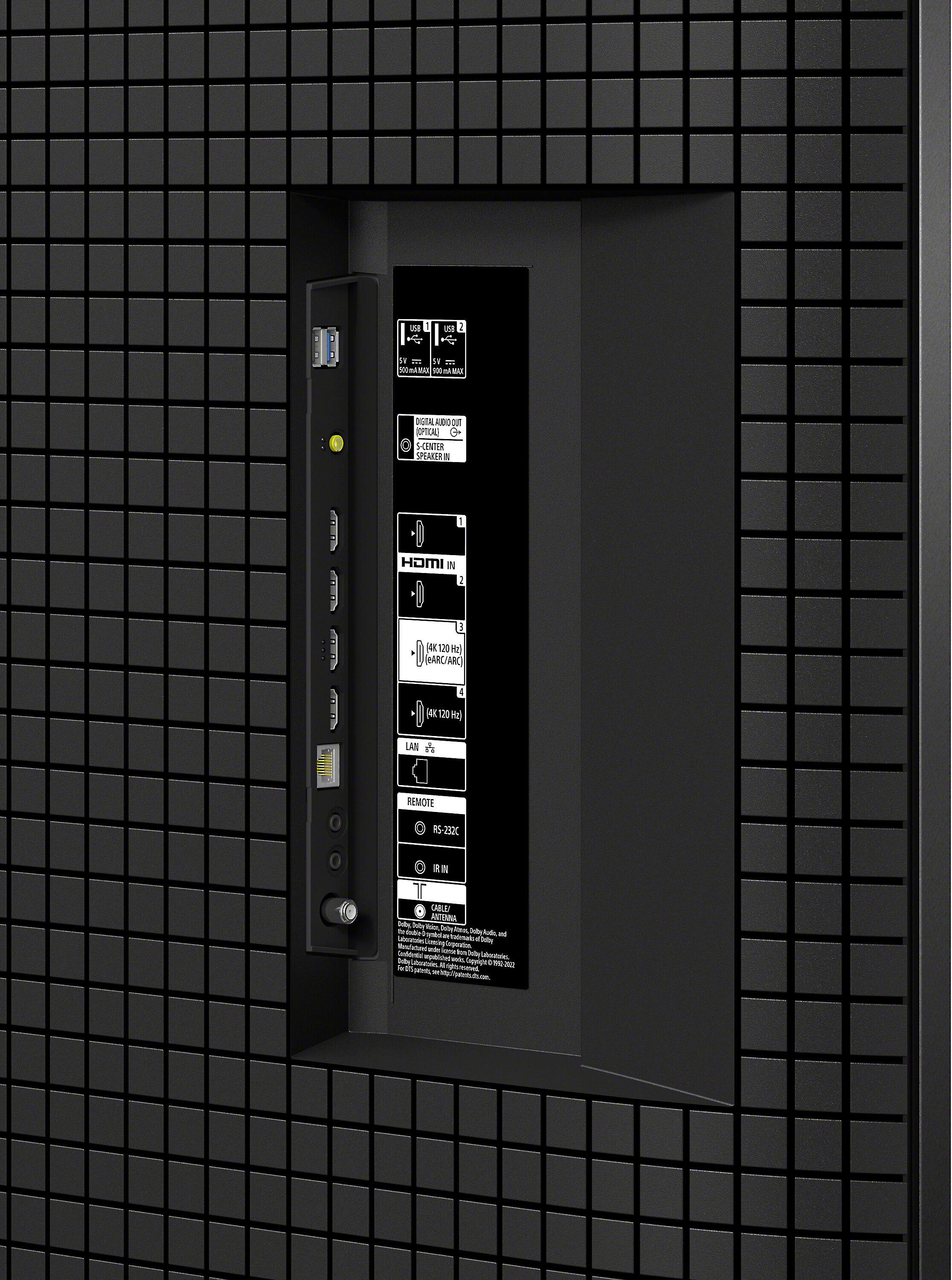
The Sony BRAVIA 7 offers 4K/120Hz support on two dedicated HDMI 2.1 ports rather than all four inputs. However, it does feature specific optimizations for PlayStation 5, including Auto HDR Tone Mapping and Auto Genre Picture Mode, which automatically adjust settings based on the content type being played. For PlayStation owners, these integrations create a more seamless gaming experience.
The television's operating system has become increasingly important as streaming dominates our viewing habits. The interface you'll interact with daily deserves careful consideration.
The Samsung S90D runs on Tizen OS, which has evolved into a clean, relatively intuitive interface. The home screen presents content recommendations and recently used apps in a horizontal layout that's easy to navigate. Samsung's app selection is comprehensive, including all major streaming services.
One aspect of Tizen that divides opinion is its increasing emphasis on sponsored content and recommendations, which some users find intrusive. During my time with recent Samsung TVs, I've found the interface generally snappy and responsive, though navigating deep into settings menus can sometimes feel more complex than necessary.
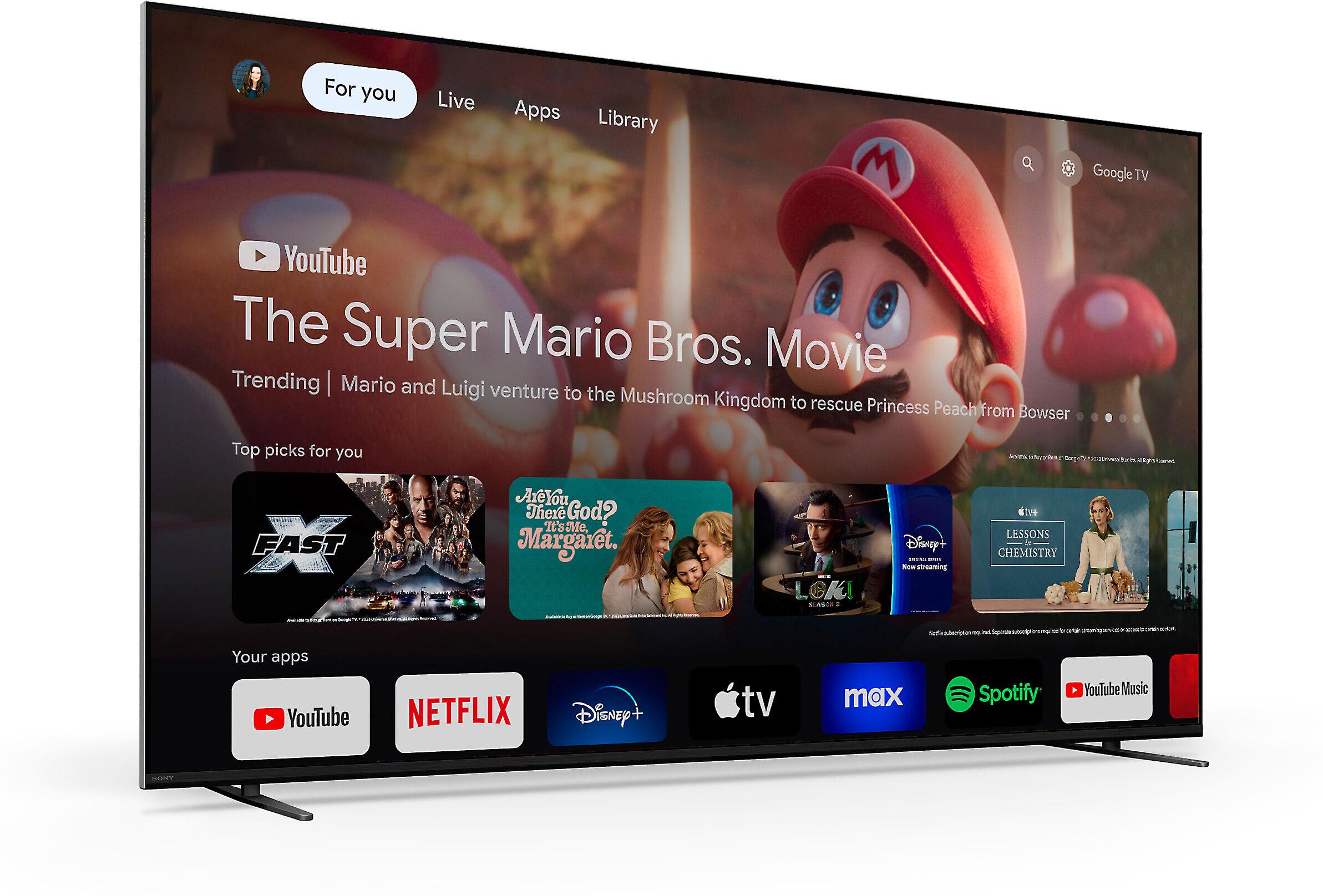
The Sony BRAVIA 7 utilizes Google TV, which has significant advantages in content discovery and integration with other Google services. The interface prioritizes content recommendations across services rather than focusing on apps, helping you find something to watch regardless of which service hosts it. If you use other Google products like Google Photos or YouTube, the integration feels particularly seamless.
In daily use, I've found Google TV's content-focused approach more helpful than app-centric interfaces, though the Sony implementation occasionally experiences slight lag when navigating quickly between sections—something not present on the Samsung.
Voice control has become a standard feature in premium TVs, saving the frustration of typing searches letter by letter.
The Samsung S90D features built-in Bixby (Samsung's assistant) and works with Amazon Alexa. While functional for basic TV controls and simple queries, Bixby remains less capable than other assistants for general knowledge questions or smart home control.
The Sony BRAVIA 7 includes Google Assistant, which offers superior natural language processing and wider knowledge capabilities. When asking complex questions or searching for specific content across services, Google Assistant consistently provides more relevant results in my experience.
While many buyers of premium TVs eventually add external sound systems, built-in audio quality remains important for everyday viewing.
The Samsung S90D features a 2.1 channel 40W system that delivers reasonably full sound with adequate bass response for a flat panel television. Samsung's Object Tracking Sound feature attempts to match audio placement with on-screen action, creating a more dimensional soundstage.
The Sony BRAVIA 7 includes a 2.2 channel 30W system that benefits from Sony's Acoustic Auto Calibration, which optimizes sound based on room acoustics. Despite the lower wattage, Sony's audio tuning often results in clearer dialogue—something I've consistently noticed across their lineup.
Neither TV will replace a proper surround sound system or even a good soundbar, but both offer respectable audio that outperforms budget models. For casual viewing or in smaller rooms, you might find the built-in sound sufficient.
For home theater enthusiasts planning to connect these TVs to external audio systems, format support becomes important.
The Samsung S90D supports Dolby Atmos passthrough, allowing your receiver or soundbar to process this popular 3D audio format. However, it lacks support for DTS codecs, which appear on many Blu-ray discs.
The Sony BRAVIA 7 offers more comprehensive format support, including Dolby Atmos, DTS:X, and multiple DTS codecs. This broader compatibility ensures you won't encounter audio issues regardless of your media collection.
Perhaps the most significant difference between these TVs is their price point. The Samsung S90D commands approximately $2,700 for the 65-inch model, while the Sony BRAVIA 7 is available for around $1,400—nearly half the price.
This substantial difference raises an important question: is the OLED experience worth the premium? The answer depends entirely on your viewing habits and environment.
The Samsung S90D delivers the absolute pinnacle of contrast and motion clarity, with perfect blacks and instantaneous response times that no LED-based display can match. For film enthusiasts with controlled lighting conditions, these benefits may justify the premium price.
The Sony BRAVIA 7 offers exceptional picture quality that comes remarkably close to OLED in many scenarios while significantly outperforming it in brightness. For viewers with brighter rooms or mixed usage including daytime sports viewing, the BRAVIA 7 not only matches but potentially exceeds the S90D's performance at a substantially lower price point.
One additional factor worth considering is panel longevity. While modern OLED TVs like the S90D have made significant strides in mitigating burn-in risk (where static images can permanently damage pixels), it remains a theoretical concern with extended exposure to static content like news tickers or game HUDs.
The BRAVIA 7's Mini LED technology faces no such limitation, potentially offering greater peace of mind for those who frequently watch content with static elements or who plan to keep their TV for many years.
After extensively comparing these two excellent televisions, clear use cases emerge for each model.
Choose the Samsung S90D OLED if:
The S90D represents the premium choice with unmatched contrast and gaming performance, ideal for the dedicated enthusiast who views their television as the centerpiece of a carefully curated entertainment experience.
Choose the Sony BRAVIA 7 if:
The BRAVIA 7 delivers exceptional value with picture quality that rivals much more expensive sets, making it the rational choice for most viewers seeking premium performance without the premium price tag.
Whichever you choose, both the Samsung S90D and Sony BRAVIA 7 represent the cutting edge of their respective display technologies. They showcase just how far television performance has advanced in recent years, delivering viewing experiences that would have seemed impossible not long ago. Your specific viewing environment and content preferences should guide your decision between these two excellent options in the premium television landscape of 2024.
| Samsung 65" OLED S90D TV | Sony BRAVIA 7 65" 4K UHD Smart Google TV |
|---|---|
| Price - Overall investment consideration | |
| $2,700 (premium pricing reflecting OLED technology) | $1,400 (significantly more affordable while maintaining premium features) |
| Display Technology - Determines fundamental picture characteristics | |
| OLED (self-emitting pixels for perfect blacks and infinite contrast) | Mini LED QLED (thousands of dimming zones behind quantum dot layer) |
| Black Level Performance - Critical for movie viewing quality | |
| Perfect blacks with no blooming (exceptional in dark rooms) | Excellent blacks with minimal blooming (very good but not quite OLED-level) |
| Peak Brightness - Important for HDR impact and bright room viewing | |
| 700-800 nits (good for OLED but less ideal for bright rooms) | 1000+ nits (excellent for HDR highlights and daytime viewing) |
| Processor - Handles upscaling and picture enhancement | |
| NQ4 AI Gen2 (20 neural networks for picture optimization) | Cognitive Processor XR (processes scenes similar to human perception) |
| Motion Handling - Critical for sports and action content | |
| Near-instantaneous (0.1ms) response time with no blur | Very good (2-3ms) response time with minimal blur |
| Gaming Features - Essential for next-gen console gaming | |
| 4K@120Hz, VRR, ALLM on all four HDMI ports | 4K@120Hz, VRR, ALLM on two HDMI ports; PS5 optimized features |
| Operating System - Daily user interface experience | |
| Tizen OS (clean interface but some ads; comprehensive app support) | Google TV (content-focused recommendations; excellent ecosystem integration) |
| Sound System - Built-in audio performance | |
| 2.1 channel 40W system with decent bass response | 2.2 channel 30W system with Acoustic Auto Calibration |
| Audio Format Support - Important for home theater setups | |
| Dolby Atmos (no DTS support) | Dolby Atmos, DTS:X, and multiple DTS codecs |
| Best Use Case - Primary viewing scenario | |
| Dark room movie watching and serious gaming | Bright room mixed content viewing with excellent value |
| Longevity Considerations - Long-term ownership factors | |
| Potential for burn-in with static content (improved but still possible) | No burn-in risk with Mini LED technology |
The Samsung 65" OLED S90D TV costs approximately $2,700, while the Sony BRAVIA 7 65" 4K UHD Smart Google TV is priced around $1,400. This significant $1,300 difference means the Sony BRAVIA 7 costs about half as much as the Samsung S90D, making it a more budget-friendly option while still offering premium features. For many buyers, this price gap is a major consideration when choosing between the Samsung S90D and the Sony BRAVIA 7.
Both TVs offer excellent picture quality, but with different strengths. The Samsung 65" OLED S90D TV delivers perfect blacks, infinite contrast ratio, and superior dark room performance thanks to its OLED technology. The Sony BRAVIA 7 65" 4K UHD Smart Google TV offers higher peak brightness (1000+ nits vs 700-800 nits) and better performance in bright rooms with its Mini LED technology. For movie enthusiasts in controlled lighting, the Samsung S90D has an edge, while the Sony BRAVIA 7 performs better in well-lit living rooms.
The Samsung 65" OLED S90D TV has a slight edge for gaming with near-instantaneous 0.1ms response time (vs 2-3ms for Sony), support for 4K@120Hz on all four HDMI ports (Sony offers this on only two ports), and exceptional motion clarity. However, the Sony BRAVIA 7 65" 4K UHD Smart Google TV includes PlayStation 5 specific optimizations like Auto HDR Tone Mapping. Both TVs support Variable Refresh Rate (VRR) and Auto Low Latency Mode (ALLM). Serious gamers might prefer the Samsung S90D, while PlayStation owners might appreciate the Sony BRAVIA 7's specific integrations.
For movie watching, the Samsung 65" OLED S90D TV excels in dark or dimly lit home theater environments due to its perfect blacks, infinite contrast ratio, and excellent color accuracy. The Sony BRAVIA 7 65" 4K UHD Smart Google TV offers very good movie performance with its XR Cognitive Processor delivering natural-looking enhancements and superior brightness for HDR content. Film enthusiasts who primarily watch in controlled lighting will likely prefer the Samsung S90D, while those who watch in varying light conditions may find the Sony BRAVIA 7 more versatile.
The Sony BRAVIA 7 65" 4K UHD Smart Google TV is significantly better for bright rooms with its Mini LED technology delivering peak brightness levels exceeding 1000 nits. The Samsung 65" OLED S90D TV, while improved over previous OLED generations, reaches about 700-800 nits and can appear relatively dim in sunlit rooms. If your viewing area has large windows or bright ambient lighting, the Sony BRAVIA 7 will maintain a more vibrant, visible image compared to the Samsung S90D.
The Sony BRAVIA 7 65" 4K UHD Smart Google TV offers a more robust smart TV experience with its Google TV platform, which provides superior content recommendations across services, better voice search capabilities with Google Assistant, and seamless integration with other Google products. The Samsung 65" OLED S90D TV uses Tizen OS, which has a clean interface and comprehensive app support but includes more sponsored content and ads. Most users find Google TV on the Sony BRAVIA 7 more intuitive and helpful than Tizen on the Samsung S90D.
Whether OLED is worth the approximately $1,300 premium depends on your viewing habits. The Samsung 65" OLED S90D TV's OLED technology provides perfect blacks, infinite contrast, and superior viewing angles that benefit movie enthusiasts in controlled lighting. The Sony BRAVIA 7's Mini LED technology offers excellent picture quality with superior brightness at a much lower price point. For dedicated cinephiles and those with dark viewing rooms, OLED may justify the premium. For most viewers, especially in varied lighting conditions, the Mini LED Sony BRAVIA 7 offers better value.
The Sony BRAVIA 7 65" 4K UHD Smart Google TV potentially offers better longevity since its Mini LED technology isn't susceptible to burn-in. While the Samsung 65" OLED S90D TV has significantly improved burn-in resistance compared to earlier OLED models, static content displayed for extended periods (news tickers, channel logos, game HUDs) could potentially cause permanent image retention over many years. If you frequently watch content with static elements or plan to keep your TV for many years, the Sony BRAVIA 7 may offer greater long-term reliability.
The Samsung 65" OLED S90D TV features a 2.1 channel 40W audio system, while the Sony BRAVIA 7 65" 4K UHD Smart Google TV includes a 2.2 channel 30W system with Acoustic Auto Calibration. Despite lower wattage, Sony's audio tuning often delivers clearer dialogue. For external audio systems, the Sony offers more comprehensive format support including Dolby Atmos, DTS:X and multiple DTS codecs, while Samsung supports Dolby Atmos but lacks DTS support. Neither TV replaces a dedicated sound system, but the Sony BRAVIA 7 has a slight edge in audio flexibility.
For sports viewing, the Sony BRAVIA 7 65" 4K UHD Smart Google TV has an advantage with its superior brightness for daytime games and excellent motion handling. The Samsung 65" OLED S90D TV offers slightly better motion clarity with its near-instantaneous pixel response, but may appear dimmer during daytime viewing. If you primarily watch sports during the day in a bright room, the Sony BRAVIA 7 is likely the better choice. For nighttime sports viewing, both perform excellently, with the Samsung S90D having a slight edge in motion clarity.
The Samsung 65" OLED S90D TV uses OLED technology where each pixel emits its own light and can turn completely off, creating perfect blacks and infinite contrast. The Sony BRAVIA 7 65" 4K UHD Smart Google TV uses Mini LED QLED technology, which places thousands of tiny LED backlights behind a quantum dot layer for enhanced color, allowing for precise dimming zones and higher brightness. OLED excels in contrast and viewing angles, while Mini LED delivers superior brightness and has no risk of burn-in. These core technology differences define the performance characteristics of the Samsung S90D and Sony BRAVIA 7.
The Sony BRAVIA 7 65" 4K UHD Smart Google TV offers significantly better value at approximately half the price ($1,400) of the Samsung 65" OLED S90D TV ($2,700). While the Samsung provides marginally better contrast and motion performance, the Sony delivers comparable picture quality in most scenarios, superior brightness, excellent smart features, and comprehensive format support at a much lower price point. Unless perfect blacks and viewing in a controlled dark environment are absolutely essential to you, the Sony BRAVIA 7 represents a better value proposition than the Samsung S90D for most consumers.
We've done our best to create useful and informative comparisons to help you decide what product to buy. Our research uses advanced automated methods to create this comparison and perfection is not possible - please contact us for corrections or questions. These are the sites we've researched in the creation of this article: bestbuy.com - valueelectronics.com - youtube.com - cnet.com - bestbuy.com - videoandaudiocenter.com - youtube.com - samsung.com - samsung.com - pcrichard.com - samsung.com - bestbuy.com - bestbuy.com - avsforum.com - avsforum.com - crutchfield.com - sony.com - rtings.com - schaeferstv.com - youtube.com - displayspecifications.com

Privacy Policy
Terms and Conditions - Affiliate Policy
Home Security
© Copyright 2008-2026.
11816 Inwood Rd #1211, Dallas, TX 75244