

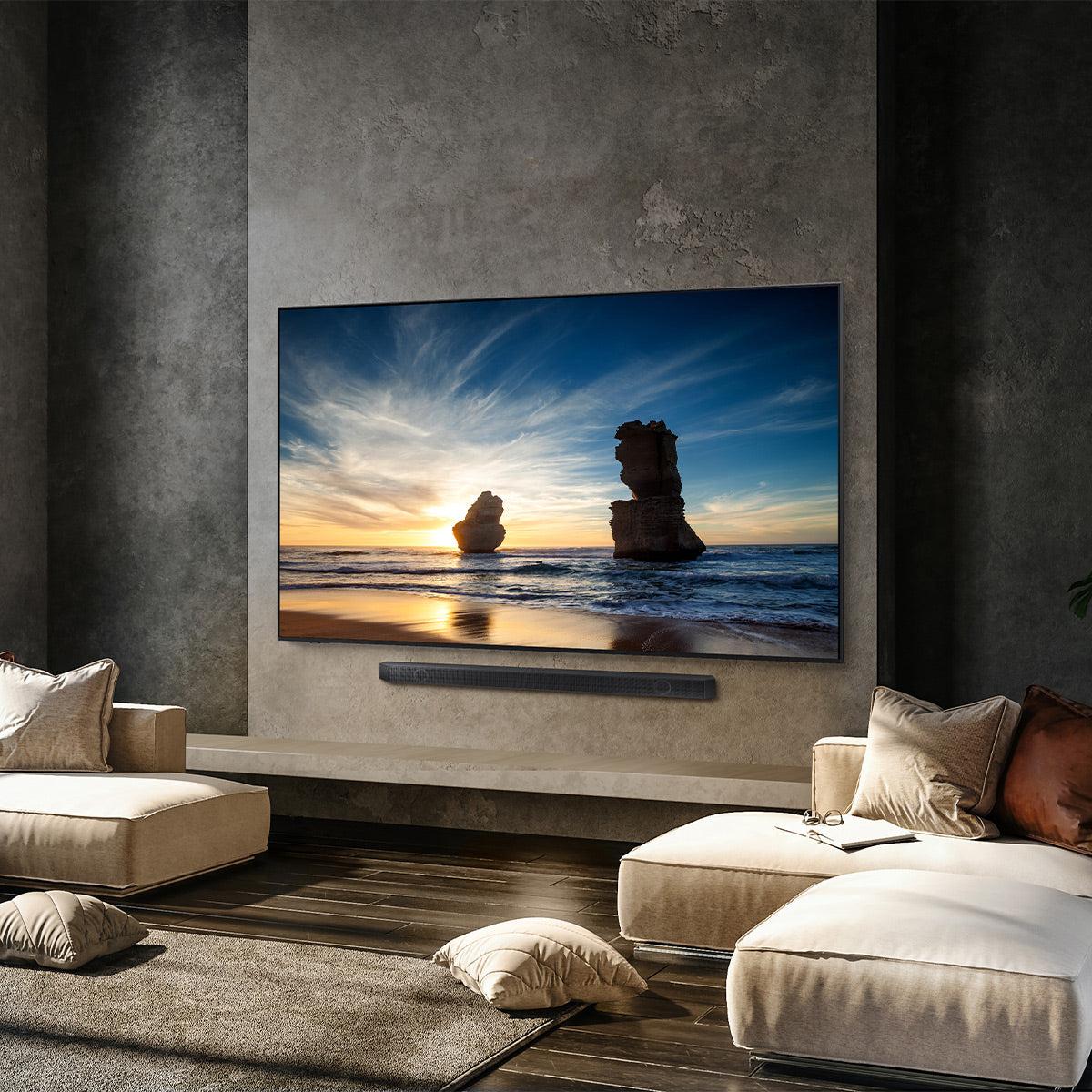
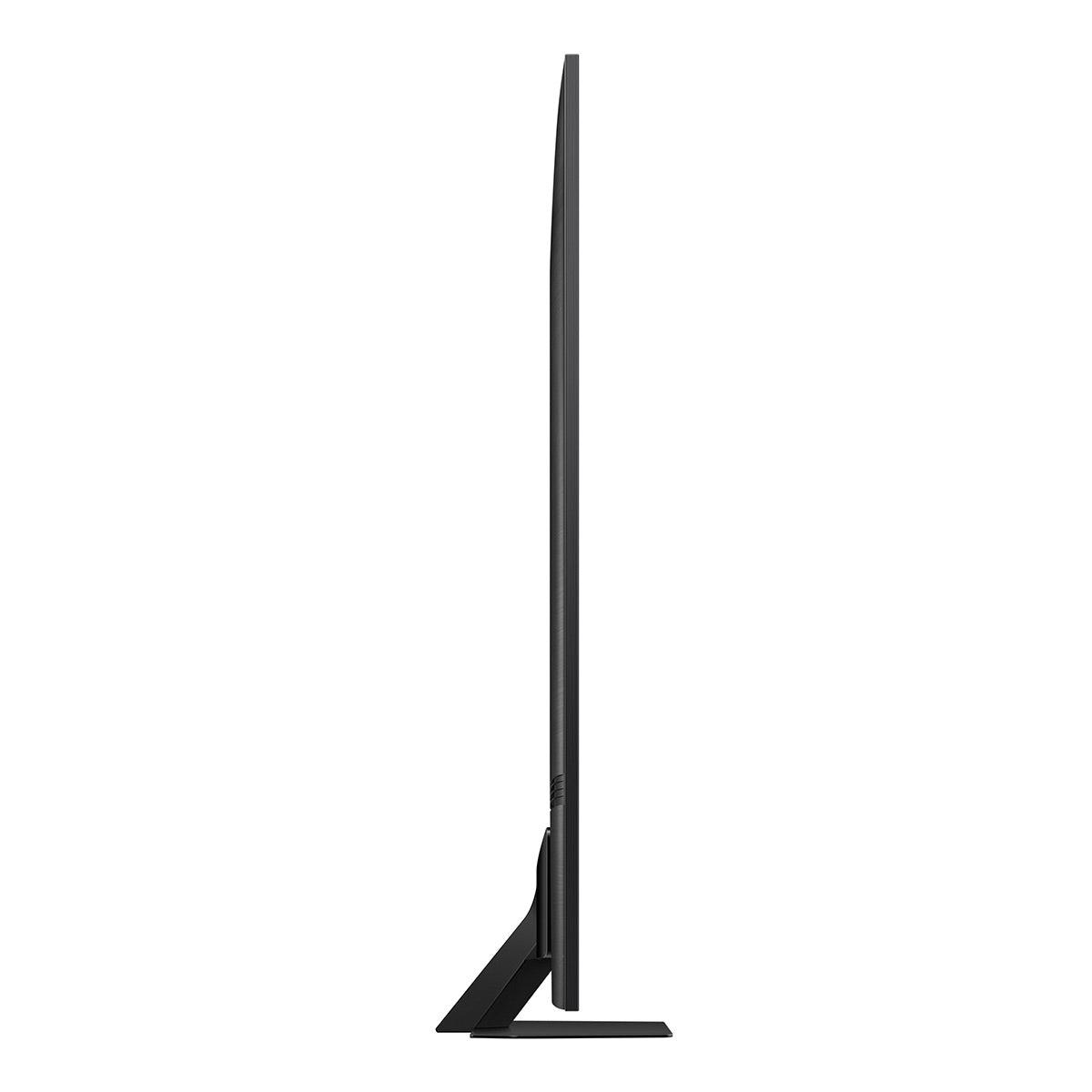
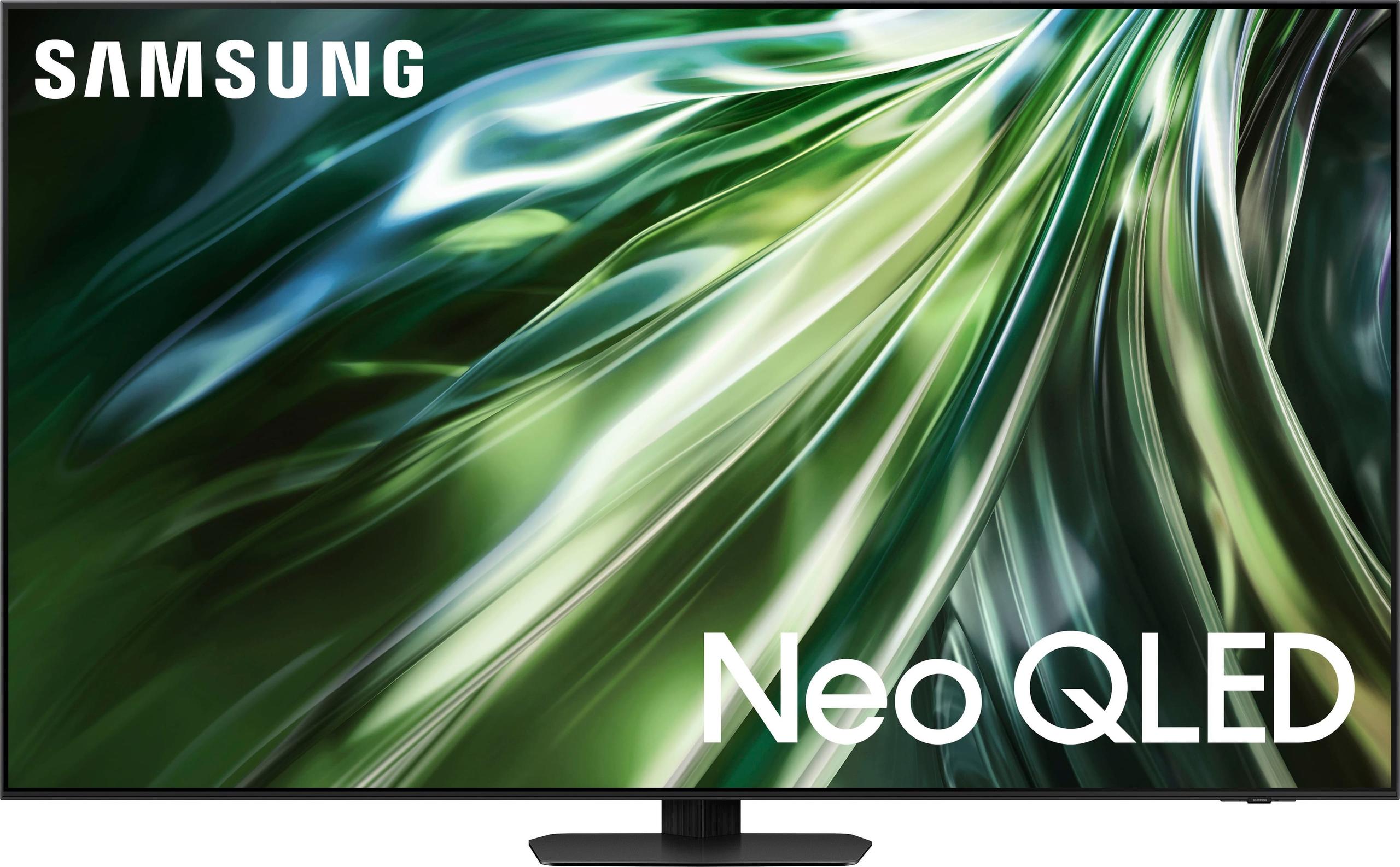


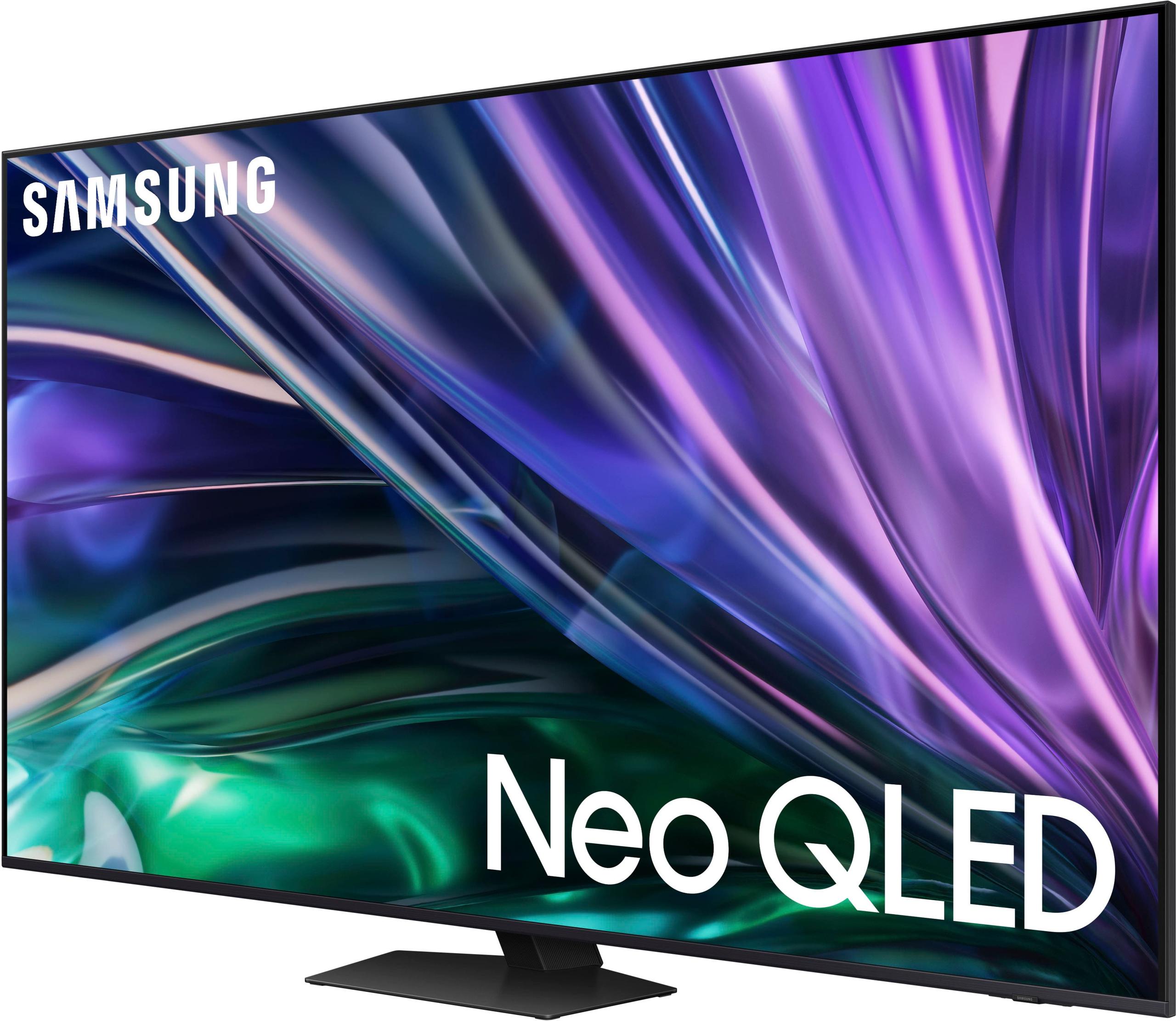
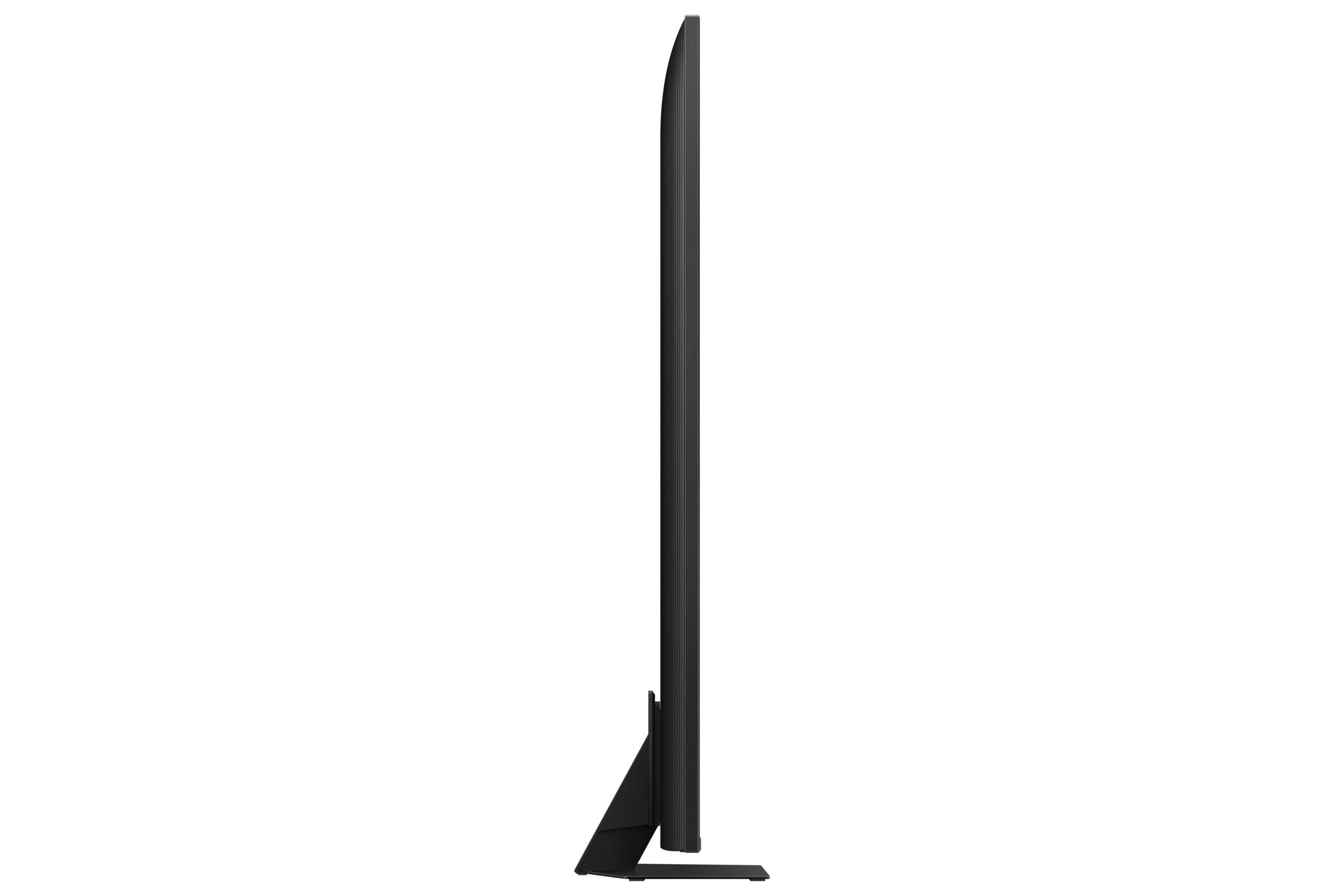

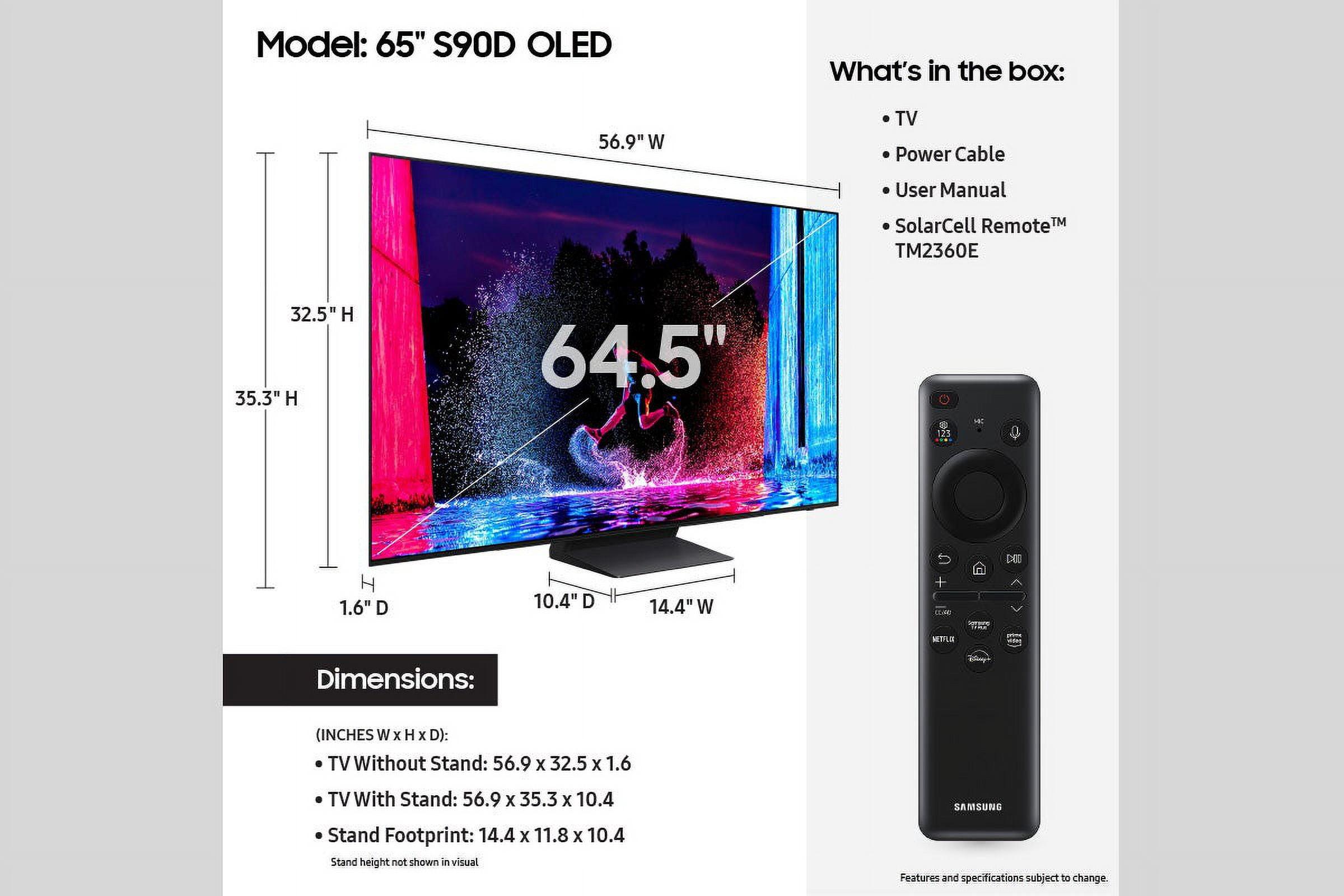
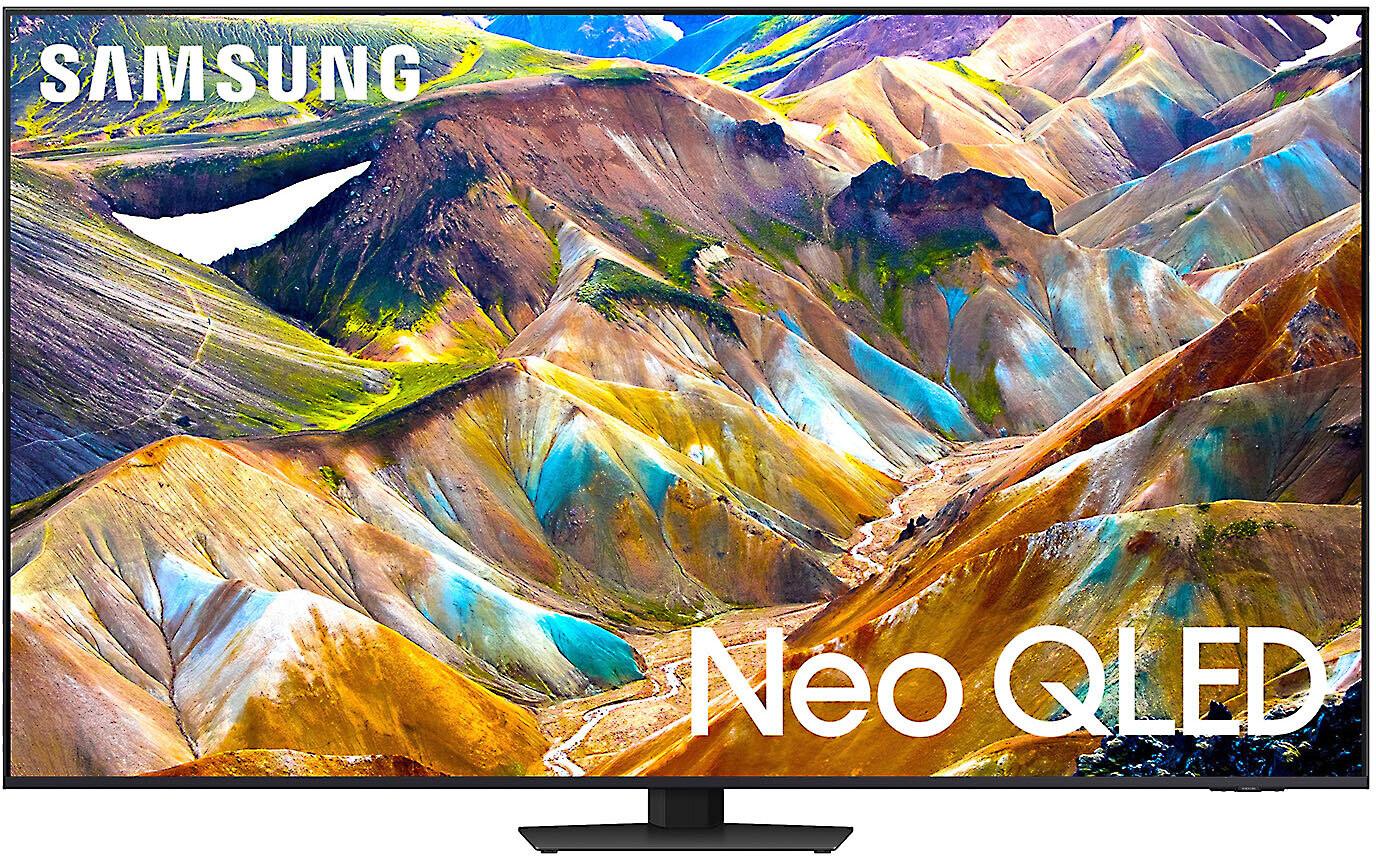
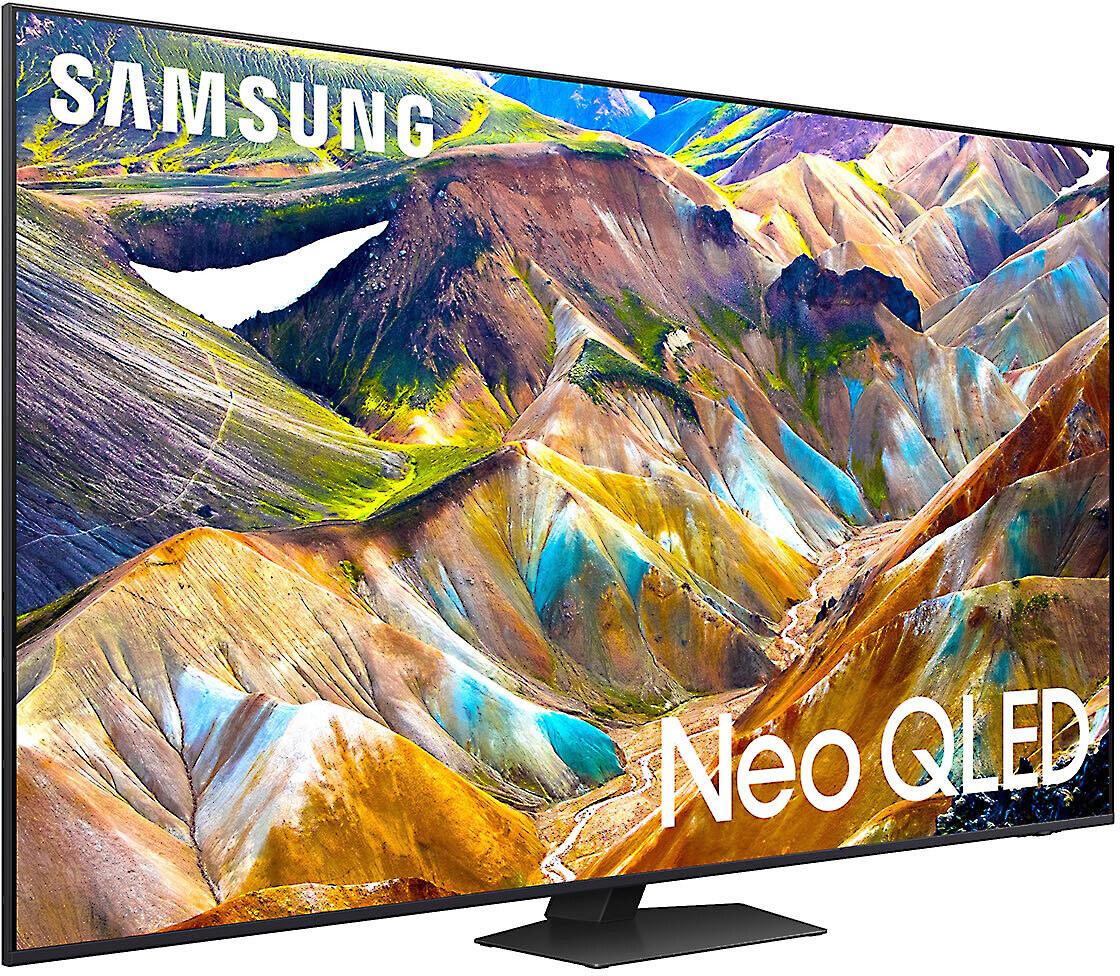
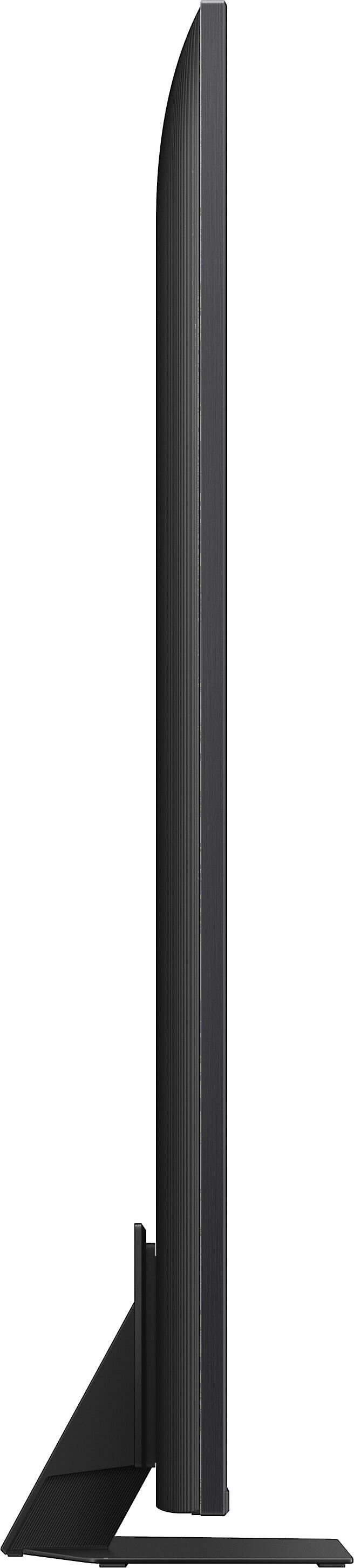
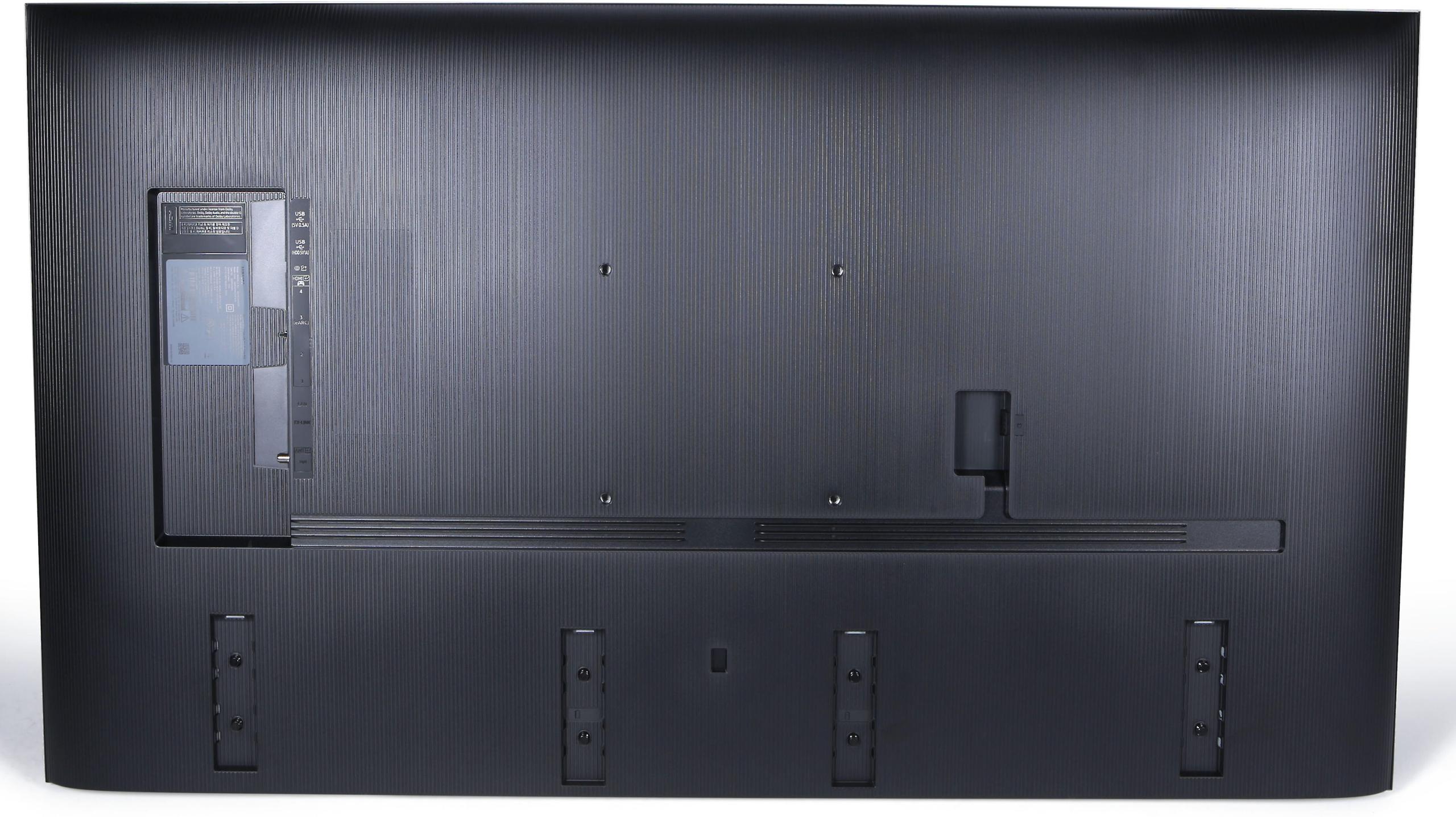
Television technology has advanced dramatically in recent years, giving consumers unprecedented picture quality options. If you're in the market for a premium 65-inch Samsung TV in 2024, you're likely considering two leading contenders: the Samsung 65" OLED S90D TV and the Samsung 65" QN90D Series 4K Neo QLED Smart TV. Both offer stunning visuals but through fundamentally different approaches to display technology. Let's explore what makes each special and who might benefit most from each option.
Samsung's 2024 lineup represents the culmination of years of display innovation. Both the OLED S90D and Neo QLED QN90D were released in March 2024, marking significant advancements over their predecessors.
OLED (Organic Light Emitting Diode) technology has been refined over the past decade, with each generation bringing improved brightness, reduced burn-in risk, and enhanced processing. Samsung's 2024 S90D represents their second generation of QD-OLED technology, which combines traditional OLED benefits with quantum dot color enhancement.
Meanwhile, Samsung's Neo QLED technology (introduced in 2021) has evolved to include more sophisticated mini-LED backlighting systems with greater dimming zones and improved light control. The 2024 QN90D features Samsung's most advanced implementation of this technology to date.
What's particularly interesting is that Samsung now competes with itself by offering both premium technologies, allowing consumers to choose the approach that best suits their viewing environment and preferences.
The Samsung S90D OLED TV ($1,699) uses organic compounds that emit light when electricity passes through them. The critical advantage of OLED is that each pixel generates its own light and can turn completely off independently. This pixel-level control means perfect blacks and infinite contrast—when an OLED pixel displays black, it's truly off and emitting no light whatsoever.
Samsung's implementation uses QD-OLED technology, which combines OLED's self-emissive properties with quantum dots. These microscopic semiconductor particles enhance color volume and purity. The quantum dots take the blue OLED light and convert portions of it into pure red and green, resulting in a wider color gamut than conventional OLED panels.
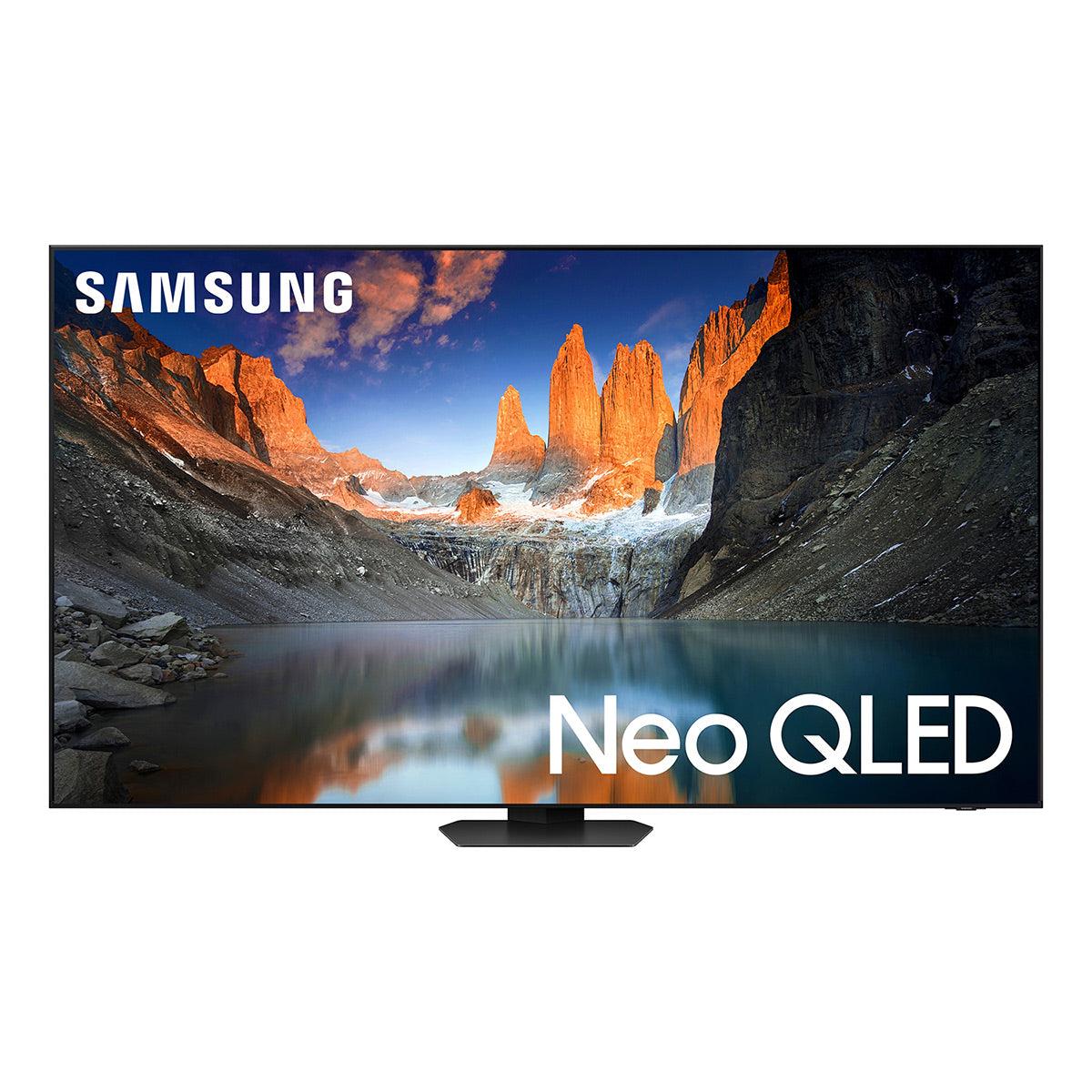
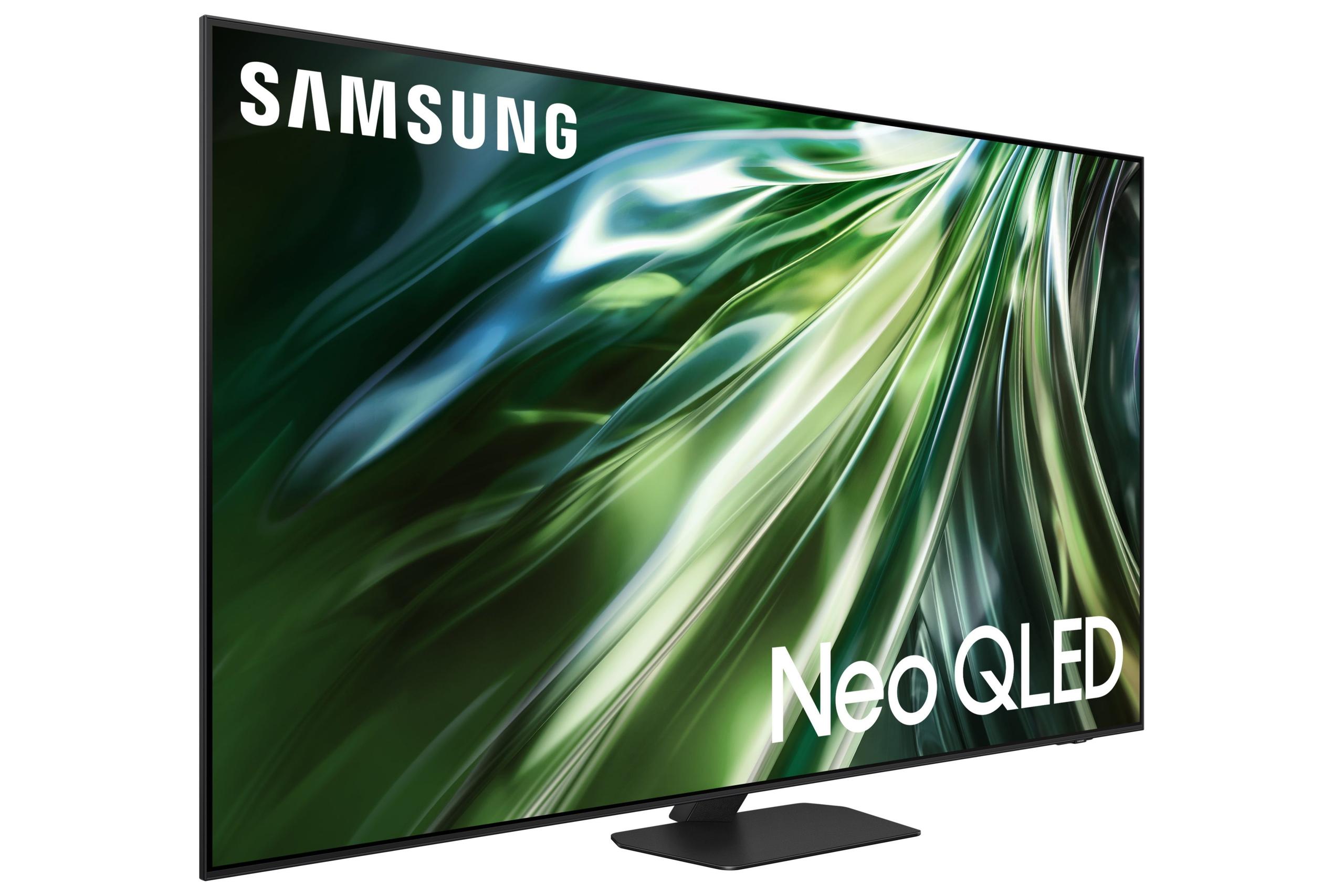
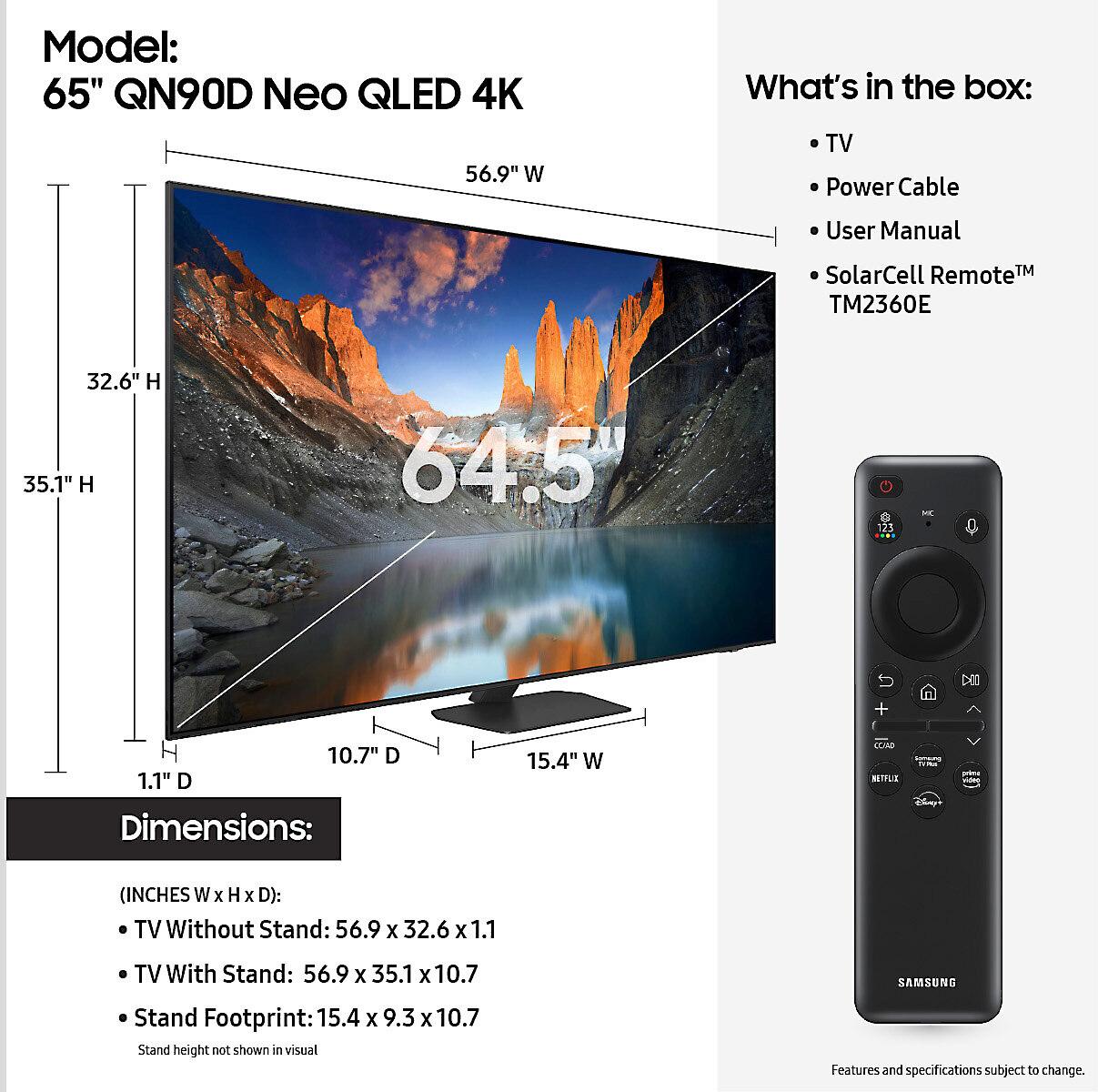
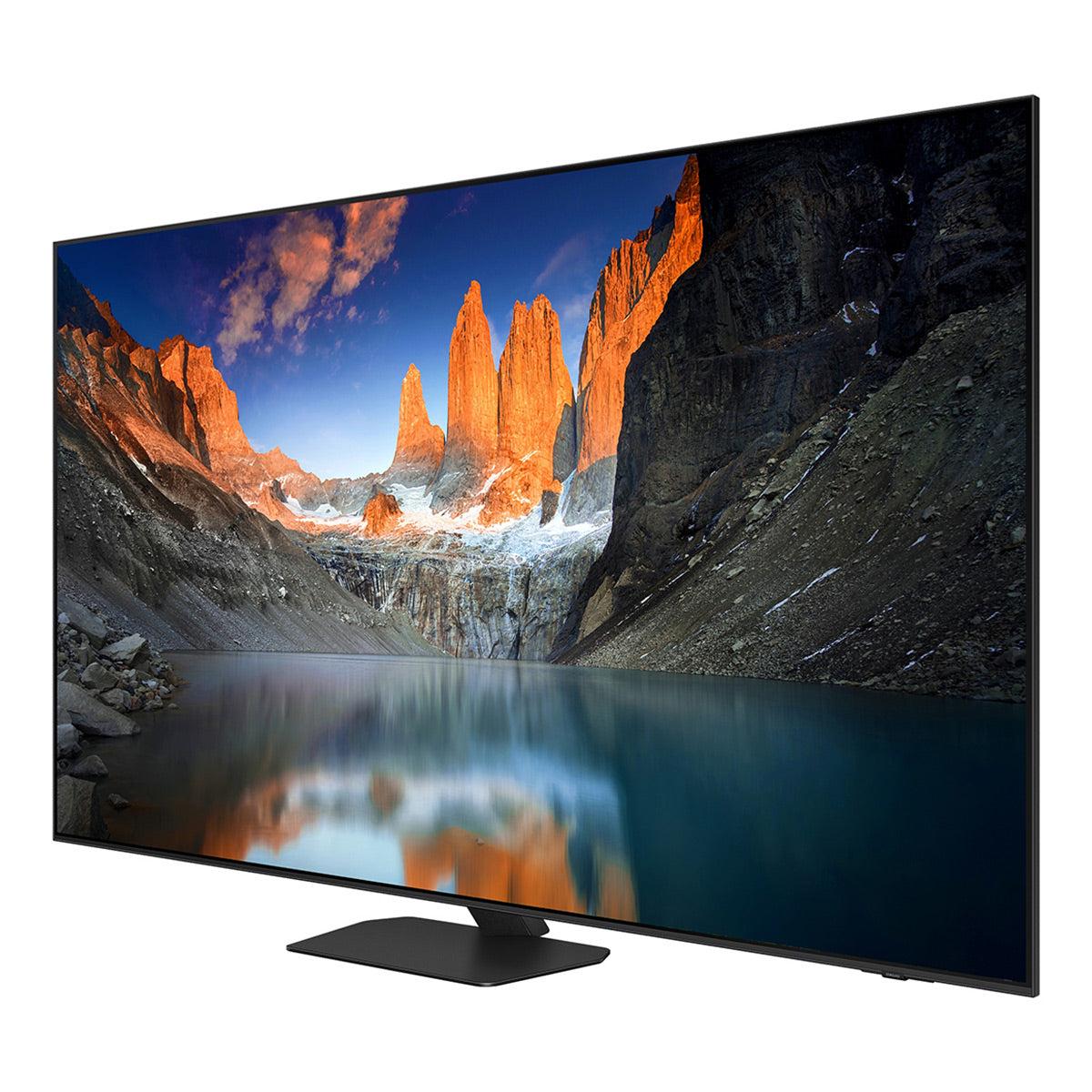
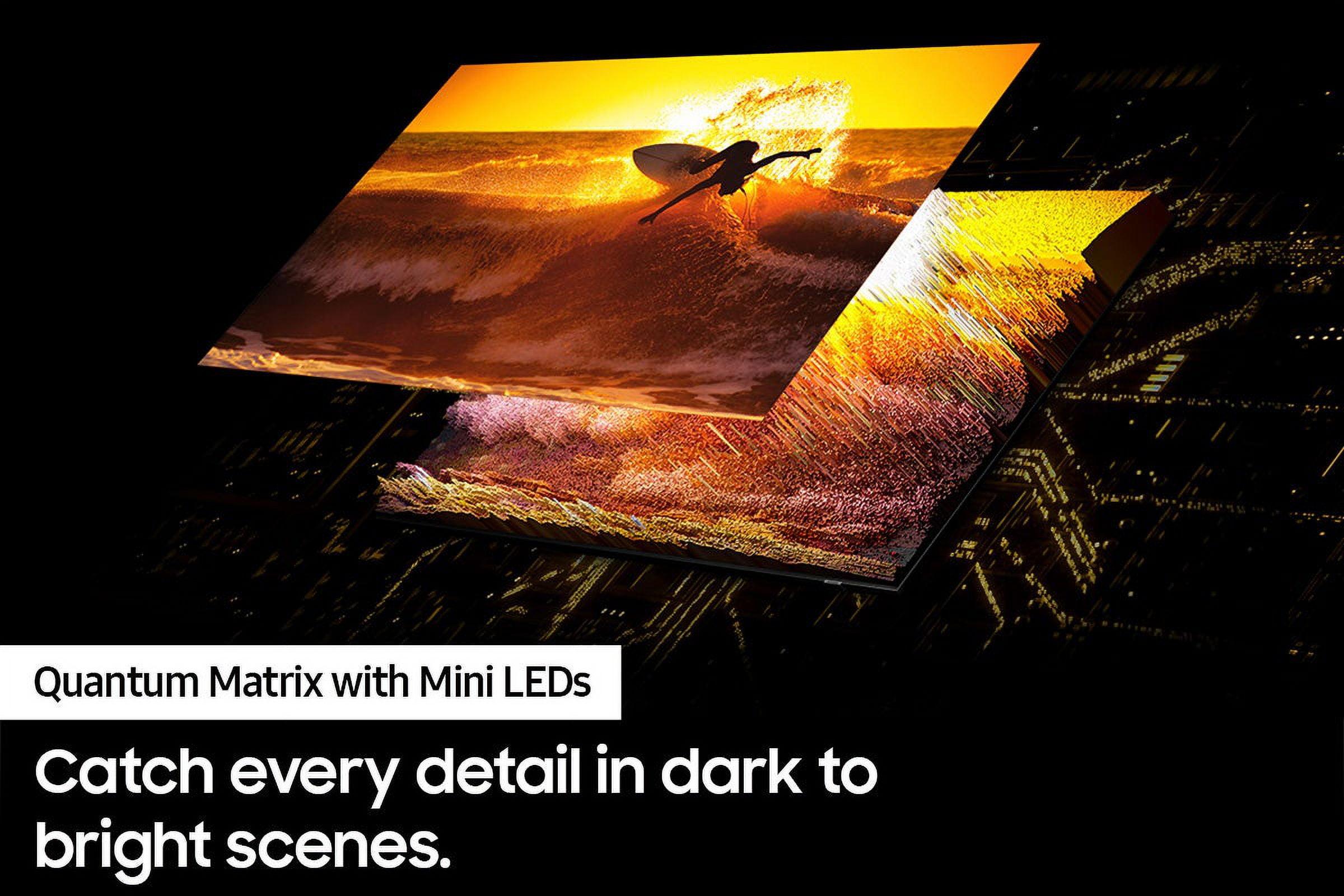
The Samsung QN90D Neo QLED TV ($2,497) takes a different approach. It uses thousands of tiny LEDs (mini-LEDs) arranged in what's called a "full-array local dimming" backlight. These mini-LEDs are significantly smaller than traditional LED backlights, allowing for more precise control of brightness in specific screen areas.
In front of this advanced backlight sits a layer of quantum dots that convert the blue light from the LEDs into a spectrum of colors. The "Neo" designation indicates Samsung's premium implementation of this technology with their most advanced mini-LED array and dimming algorithms.
The TV's processor divides the screen into hundreds of independently controlled dimming zones. When a part of the image should be dark, the LEDs in that zone dim or turn off, while LEDs in bright areas remain illuminated. This creates contrast, though not at the pixel-precise level that OLED achieves.
The single most important factor in perceived picture quality is contrast—the difference between the brightest whites and darkest blacks.
The S90D OLED delivers unmatched contrast because of its ability to produce perfect blacks. When watching movies with dark scenes (think space sequences or night scenes), OLED technology creates a depth and realism that's simply breathtaking. There's zero light leakage around bright objects on black backgrounds, often called "blooming" or "haloing"—an issue that even the best LED-based TVs can struggle with.
The QN90D Neo QLED comes impressively close to OLED black levels, thanks to its sophisticated mini-LED dimming system. However, because multiple pixels share the same dimming zone, some blooming can occur around bright objects on dark backgrounds. In most everyday content, this difference is subtle, but videophiles and film enthusiasts will notice it in challenging scenes.
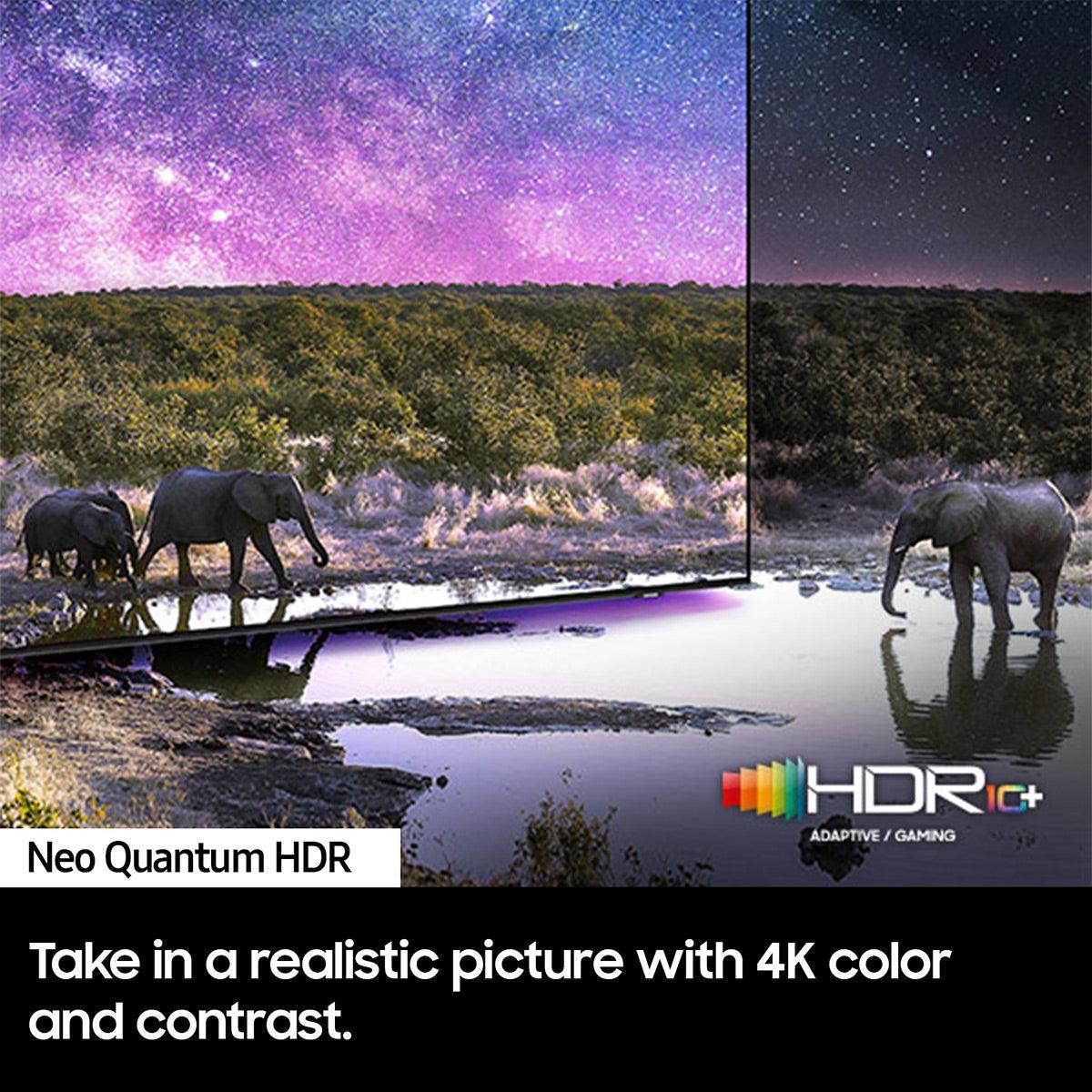
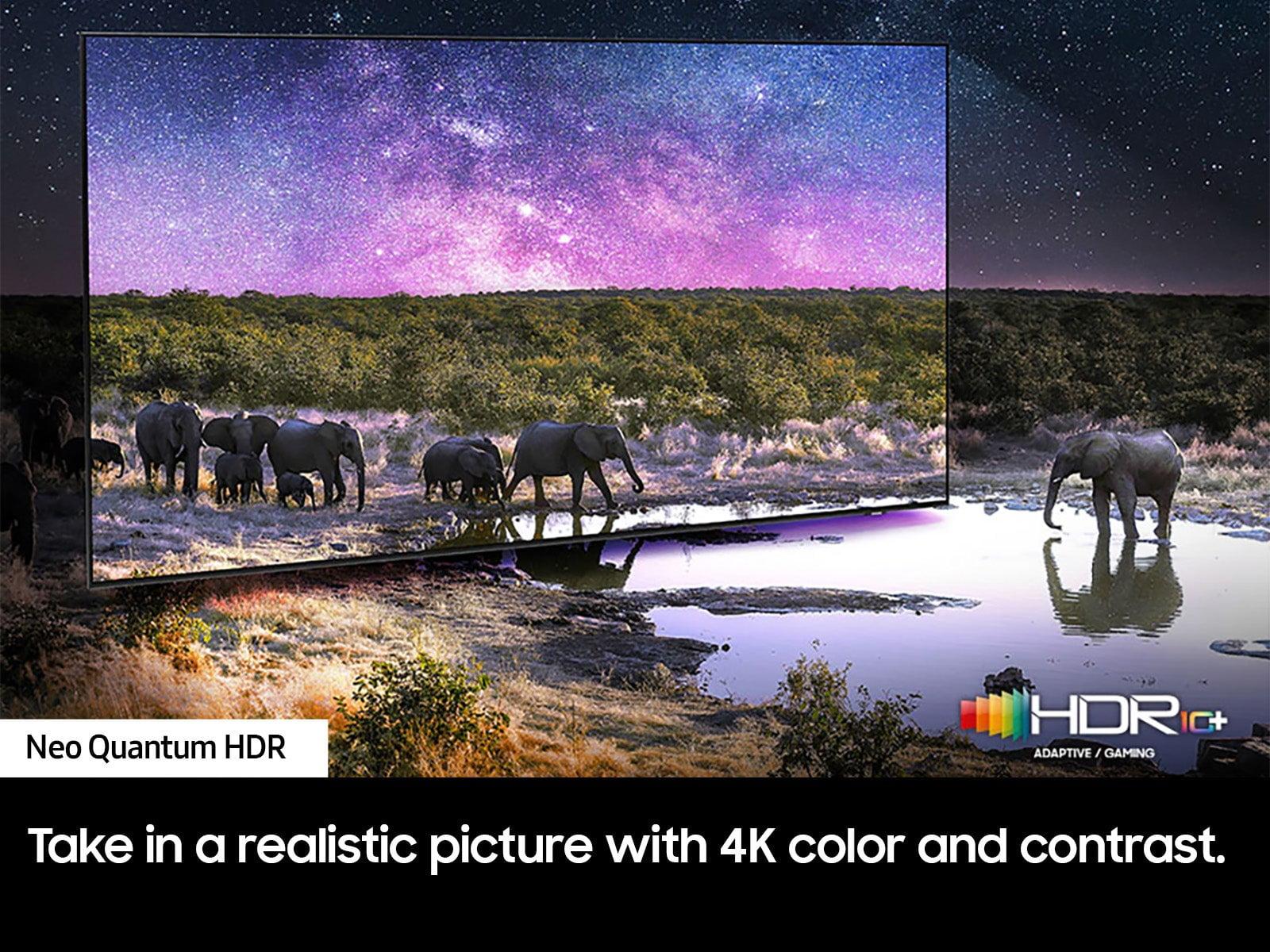
Here's where the Neo QLED fights back—and wins. The QN90D can achieve peak brightness levels over 2,000 nits in its brightest highlights, nearly double what the S90D OLED can produce. This extra brightness headroom makes HDR (High Dynamic Range) content pop with spectacular highlights.
HDR formats like HDR10+ (supported by both TVs) map content to take advantage of the display's peak brightness capabilities. The QN90D's superior brightness means it can display HDR content closer to creative intent for extremely bright highlights, such as sunlight reflecting off water or metal.
The OLED S90D isn't dim by any means—it can reach 800-1,000 nits in highlights—but it can't match the retina-searing brightness of the Neo QLED. For most content in moderate lighting, this difference isn't decisive, but in very bright rooms or with HDR content that emphasizes brilliant highlights, the QN90D has a clear advantage.
Both TVs excel in color reproduction, each covering nearly 100% of the DCI-P3 color space used in digital cinema. The S90D's QD-OLED technology produces slightly more saturated colors at all brightness levels, what TV enthusiasts call "color volume." This means that even bright scenes maintain rich, saturated colors where some LED TVs might wash out.
The QN90D's quantum dot enhancement also delivers excellent color, particularly at higher brightness levels where it can actually maintain better saturation than the OLED in extremely bright highlights. For most viewers, both TVs will appear to have stunning, lifelike color—this is truly an area where both technologies excel.
If you have a wide seating arrangement or frequently watch TV from off-center positions, the S90D OLED has a significant advantage. OLED technology maintains consistent image quality, contrast, and color at viewing angles up to 60 degrees off-center.
The QN90D Neo QLED, despite improvements over older LCD technologies, still exhibits some contrast and color degradation when viewed from wider angles. Samsung has implemented anti-glare technology to improve off-angle viewing, but physics prevents it from matching OLED's perfect viewing angles.
For fast-moving content like sports, action movies, or gaming, how a TV handles motion is crucial. The S90D OLED has a nearly instantaneous pixel response time—under 0.2 milliseconds—which means virtually no motion blur from the panel itself. This creates exceptionally clear motion, particularly noticeable in fast-paced sports like hockey or football.
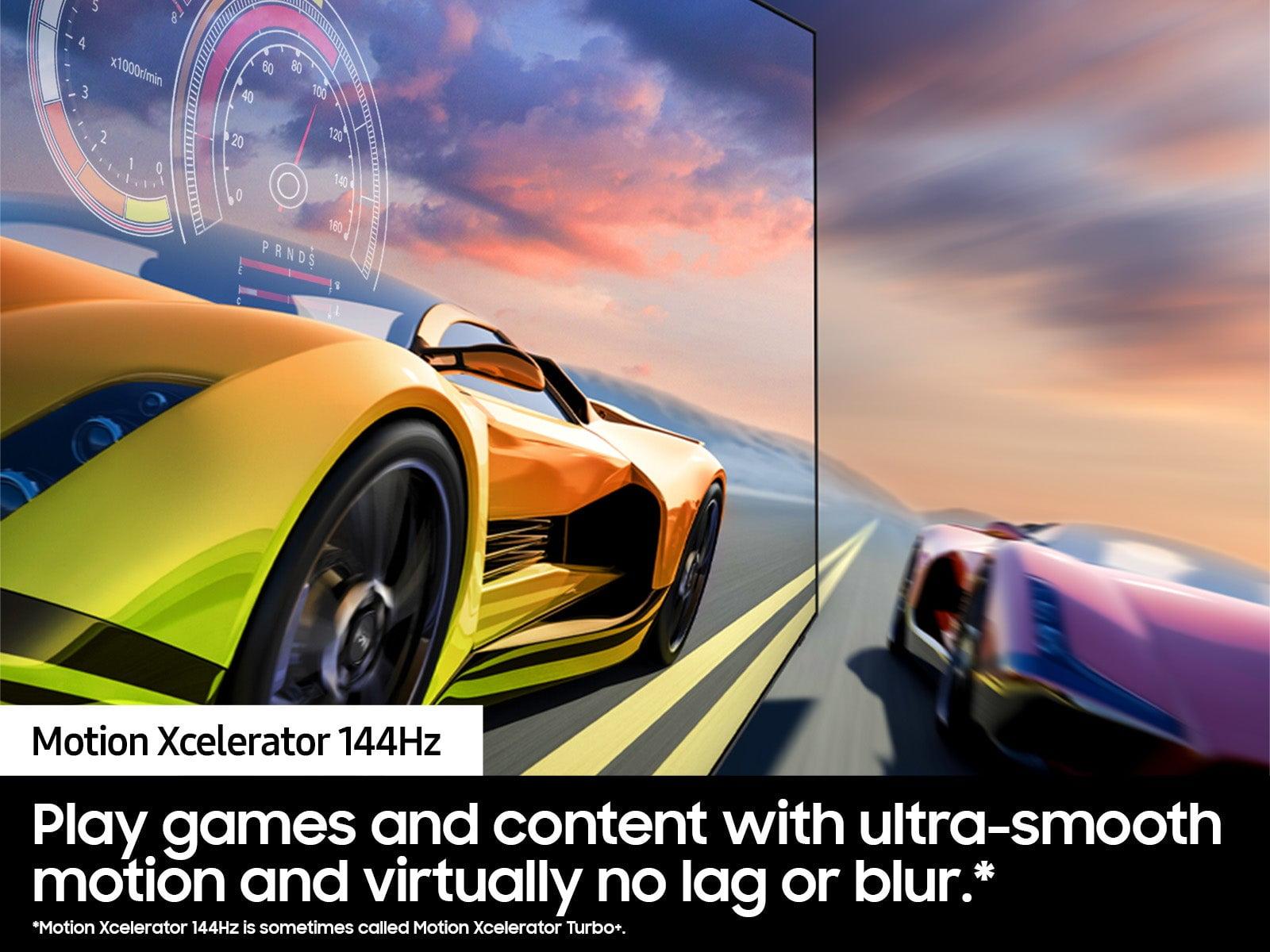
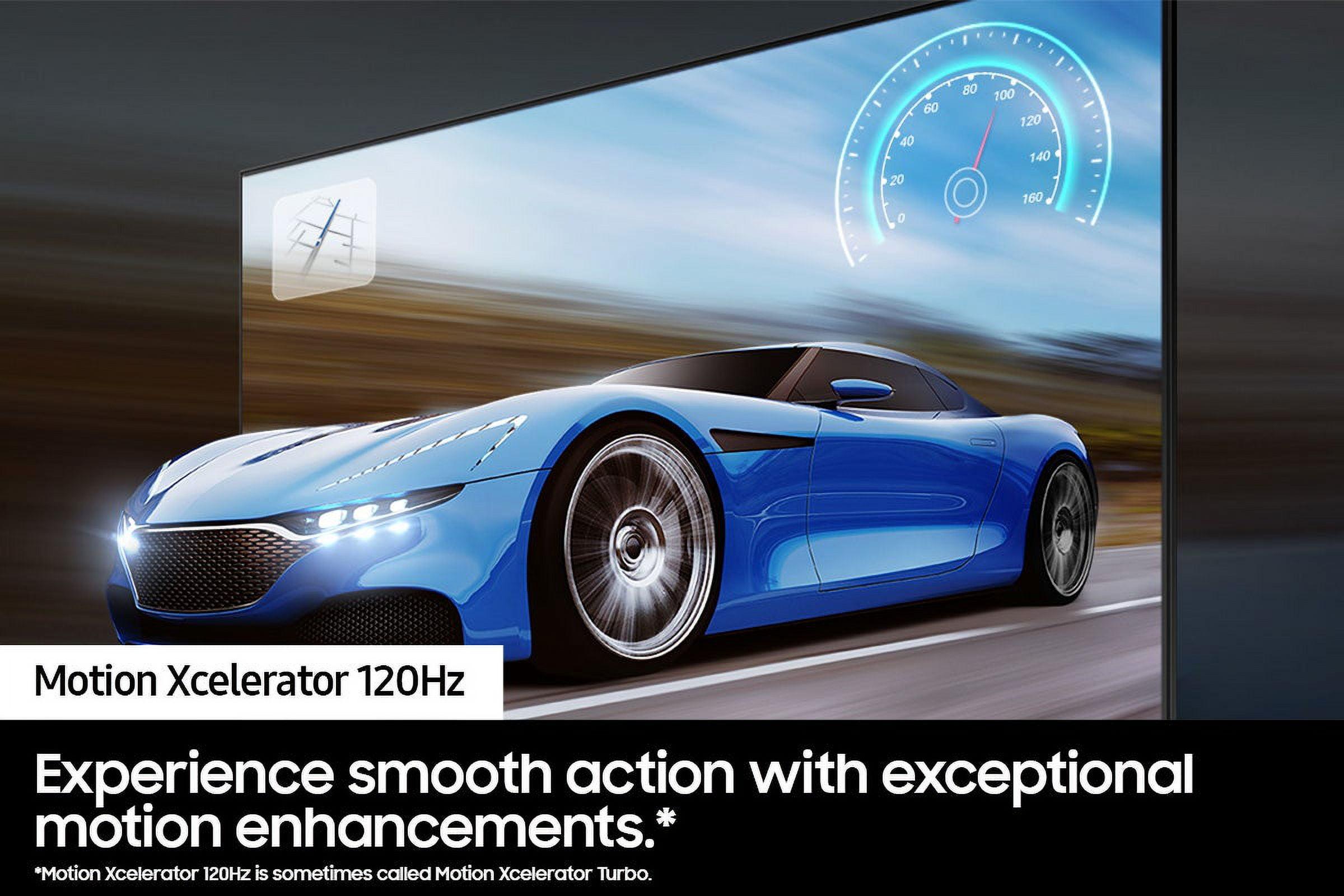
The QN90D has excellent motion handling for an LED-based display but can't quite match the OLED's instantaneous response. However, Samsung's Motion Xcelerator Turbo+ processing helps to reduce perceived blur through frame interpolation (adding calculated frames between actual frames) and black frame insertion techniques (briefly darkening the screen between frames to reduce persistence blur).
Both TVs feature 120Hz native refresh rates and can be set to various motion processing levels, from pure "movie mode" with no interpolation to aggressive "sports mode" that prioritizes clarity over natural motion.
Both Samsung flagships are exceptional gaming displays, featuring:
The S90D OLED has a slight edge for competitive gamers due to its faster pixel response time, which eliminates motion blur in fast-paced games. The QN90D Neo QLED counters with slightly better handling of static HUD elements for those concerned about burn-in with marathon gaming sessions.
Both TVs feature Samsung's Game Bar 3.0, an overlay that provides quick access to game-specific settings and information about the current input signal. They also support 21:9 and 32:9 ultrawide aspect ratios for compatible PC games, allowing for a more immersive field of view.
While serious home theater enthusiasts will pair either TV with a dedicated sound system, both models offer impressive built-in audio that goes beyond basic TV speakers.
The QN90D features a 4.2.2 channel speaker system with 60W of total power. It includes Object Tracking Sound+ (OTS+), which creates a more three-dimensional soundstage by using top and side-firing speakers. The sound truly appears to follow objects moving across the screen, adding a layer of immersion.
The S90D offers a slightly less powerful 40W system but still incorporates Dolby Atmos decoding and Samsung's Q-Symphony technology, which allows the TV speakers to work in harmony with compatible Samsung soundbars rather than being disabled when a soundbar is connected.
Both TVs include Adaptive Sound+ technology that automatically adjusts sound profiles based on what you're watching and Active Voice Amplifier, which boosts dialogue when ambient noise is detected in your room.
The 2024 Samsung smart TV experience is identical between models, with both running on the latest version of Samsung's Tizen operating system. The interface organizes content into a home screen with customizable shortcuts and recommendations based on viewing habits.
Both TVs feature:
The user experience is smooth and responsive on both models, with the powerful processor ensuring menus and content load quickly. Samsung's AI-driven upscaling is particularly impressive, making even lower-resolution content look sharp on these 4K displays.
For dedicated home theater environments, the S90D OLED has a clear advantage. In a controlled lighting environment (think darkened or dimly lit room), OLED's perfect blacks and infinite contrast create a cinematic experience that's hard to beat. Film content, particularly movies with many dark scenes, looks spectacular on OLED displays.
The OLED's wide viewing angles also make it ideal for larger seating arrangements where some viewers might be off to the sides. There's no "bad seat" with an OLED display.
However, if your theater room has significant ambient light or large windows, the QN90D Neo QLED's superior brightness might be the better choice. Its anti-reflection screen also does a better job handling room reflections than the OLED panel.
OLED technology has historically been associated with the potential for burn-in—where static images displayed for extended periods can leave a permanent ghost image on the screen. Samsung's latest OLED panels incorporate several technologies to mitigate this risk, including pixel shifting, logo detection (which dimms static logos), and pixel refresher algorithms.
For most viewers who watch varied content, burn-in is unlikely to be an issue with modern OLEDs. However, if you primarily watch content with static elements (like news channels with permanent logos or certain games with unchanging HUD elements) for many hours daily, the Neo QLED might provide greater peace of mind, as it's immune to burn-in.
Energy consumption is another consideration. The QN90D, despite its mini-LED efficiency improvements, still consumes more power than the S90D, particularly at higher brightness levels. Both TVs include eco-friendly modes that can reduce power consumption when needed.
The Samsung S90D OLED at $1,699 represents excellent value in the premium TV segment. It delivers reference-quality picture performance in controlled lighting conditions and has no significant weaknesses besides maximum brightness. For movie enthusiasts and those who primarily watch in the evening, it provides an experience that rivals much more expensive TVs.
The Samsung QN90D Neo QLED at $2,497 commands a nearly $800 premium over the OLED model. This higher price delivers class-leading brightness, slightly better HDR performance with extremely bright content, superior anti-reflection capabilities, and potentially better longevity for those concerned about burn-in. It's the better choice for bright rooms and viewers who prioritize daytime watching.
Both the Samsung 65" OLED S90D TV and Samsung 65" QN90D Series 4K Neo QLED Smart TV represent the pinnacle of their respective display technologies. Rather than one being definitively "better" than the other, they excel in different environments and use cases.
For most viewers seeking a premium viewing experience without breaking the bank, the S90D OLED offers exceptional value and picture quality that will impress all but the most demanding viewers. Its perfect blacks and infinite contrast make it particularly well-suited to movie watching in controlled lighting.
For those with bright viewing environments or who demand the absolute brightest, most spectacular HDR experience regardless of cost, the QN90D Neo QLED justifies its premium price tag with searing brightness and excellent overall performance.
Whichever you choose, both represent the culmination of decades of display technology development and will provide years of stunning picture quality for everything from casual TV watching to immersive gaming and movie experiences.
| Samsung 65" OLED S90D TV | Samsung 65" QN90D Series 4K Neo QLED Smart TV |
|---|---|
| Price - Significant difference in investment | |
| $1,699.99 (better value for premium picture quality) | $2,497.99 (premium pricing for brightness advantage) |
| Display Technology - Fundamentally different approaches to creating an image | |
| OLED (self-emissive pixels, perfect blacks, infinite contrast) | Neo QLED (mini-LED backlight with thousands of dimming zones) |
| Peak Brightness - Critical for HDR impact and bright room performance | |
| 800-1,000 nits (good for most environments) | 2,000+ nits (exceptional for bright rooms and HDR highlights) |
| Black Level Performance - Determines depth and realism in dark scenes | |
| Perfect blacks with pixel-level dimming (superior for movies) | Very good blacks with minimal blooming around bright objects |
| Contrast Ratio - Most important factor in perceived picture quality | |
| Infinite contrast ratio (every pixel controls its own light) | Excellent but limited by backlight technology |
| Viewing Angles - Important for wide seating arrangements | |
| Excellent (consistent picture quality at angles up to 60°) | Good but diminishes at wider angles |
| Motion Performance - Critical for sports and action content | |
| Near-instantaneous pixel response (<0.2ms) | Very good response time with enhanced processing |
| Gaming Features - Important for console and PC gamers | |
| 4K@120Hz, VRR, ALLM, FreeSync Premium Pro, <10ms input lag | 4K@120Hz, VRR, ALLM, FreeSync Premium Pro, <10ms input lag |
| Sound System - Built-in audio performance | |
| 40W with Dolby Atmos support | 60W 4.2.2 channel with Object Tracking Sound+ |
| Processor - Handles upscaling and smart features | |
| NQ4 AI Gen2 Processor with 20 neural networks | NQ4 AI Gen2 Processor with 20 neural networks |
| Burn-in Risk - Long-term durability consideration | |
| Minimal with modern protection features, but possible with static content | None (immune to burn-in) |
| Reflections and Glare - Important for rooms with windows | |
| Good reflection handling | Superior anti-reflection coating |
| Energy Efficiency - Impacts long-term ownership costs | |
| More efficient (particularly at lower brightness levels) | Higher power consumption, especially at peak brightness |
| Release Date - Indicates technology generation | |
| March 2024 (latest OLED technology) | March 2024 (latest Neo QLED technology) |
| Best Use Case - Helps match TV to viewing environment | |
| Superior for dark/dim rooms, movies, and wide seating areas | Superior for bright rooms, daytime viewing, and HDR impact |
The Samsung 65" QN90D Series 4K Neo QLED Smart TV is significantly better for bright living rooms due to its superior brightness capabilities, reaching over 2,000 nits compared to the 800-1,000 nits of the Samsung 65" OLED S90D TV. The QN90D also features better anti-reflection coating, making it ideal for rooms with windows and high ambient light. If your living room has lots of natural light or you primarily watch TV during daytime, the Neo QLED QN90D would be the better choice.
The Samsung 65" OLED S90D TV is priced at $1,699.99, while the Samsung 65" QN90D Series 4K Neo QLED Smart TV costs $2,497.99. This represents a significant price difference of approximately $800, making the S90D OLED a more budget-friendly option while still offering premium picture quality. The higher price of the QN90D primarily gets you superior brightness and slightly better reflection handling.
For watching movies in a dark room, the Samsung 65" OLED S90D TV is the superior choice. Its self-emissive OLED panel produces perfect blacks and infinite contrast, creating a more cinematic experience in controlled lighting conditions. While the Samsung 65" QN90D Series 4K Neo QLED Smart TV also performs excellently in dark rooms, it can't match the OLED's perfect pixel-level contrast and complete absence of blooming around bright objects on dark backgrounds. For the ultimate home theater experience in a darkened room, the S90D OLED is the better option.
Yes, the Samsung 65" OLED S90D TV still has a theoretical risk of burn-in, though it's significantly reduced compared to older OLED models. Samsung has implemented various protective features including pixel shifting, logo detection, and screen refreshers to minimize this risk. The Samsung 65" QN90D Series 4K Neo QLED Smart TV is completely immune to burn-in due to its different display technology. If you frequently watch content with static elements (like news channels or certain games) for many hours daily, the Neo QLED QN90D might provide greater peace of mind.
Both the Samsung 65" OLED S90D TV and Samsung 65" QN90D Series 4K Neo QLED Smart TV offer excellent gaming performance with 4K@120Hz support, Variable Refresh Rate (VRR), Auto Low Latency Mode (ALLM), and input lag under 10ms. However, the S90D OLED has a slight edge for competitive gamers due to its near-instantaneous pixel response time, which eliminates motion blur in fast-paced games. Both TVs support the latest gaming features including FreeSync Premium Pro and Samsung's Game Bar 3.0, but serious gamers might prefer the S90D OLED for its superior motion clarity.
The fundamental technology difference is that the Samsung 65" OLED S90D TV uses self-emissive organic pixels that each generate their own light and can turn completely off independently. In contrast, the Samsung 65" QN90D Series 4K Neo QLED Smart TV uses mini-LED backlighting with thousands of small LEDs behind a quantum dot color layer. This key difference affects contrast (OLED is superior), brightness (Neo QLED is superior), and viewing angles (OLED is superior). The technologies represent different approaches to creating a premium viewing experience, each with distinct advantages depending on your viewing environment.
The Samsung 65" OLED S90D TV has significantly better viewing angles, maintaining consistent picture quality, contrast, and color accuracy even when viewed from up to 60 degrees off-center. The Samsung 65" QN90D Series 4K Neo QLED Smart TV, despite improvements over traditional LED TVs, still exhibits some contrast and color degradation when viewed from wider angles. If you have a wide seating arrangement or people often watch from different positions in the room, the S90D OLED would provide a better experience for all viewers regardless of seating position.
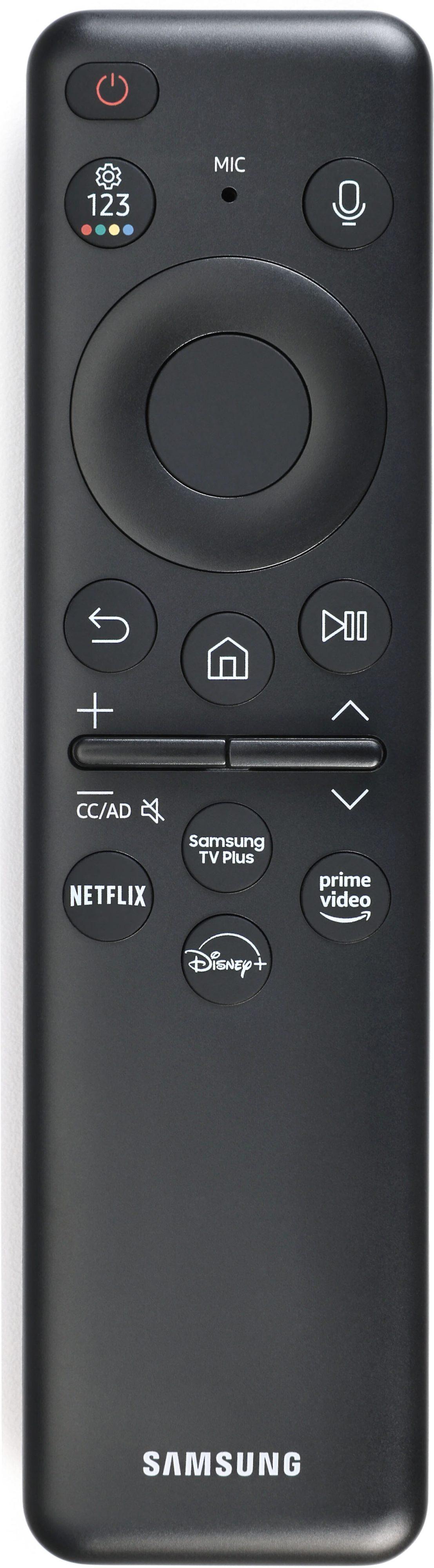
No, both the Samsung 65" OLED S90D TV and Samsung 65" QN90D Series 4K Neo QLED Smart TV feature identical smart TV platforms running on Samsung's Tizen operating system. Both TVs come with the same NQ4 AI Gen2 processor, support the same streaming apps, feature voice assistant compatibility (Amazon Alexa and Bixby), and offer similar smart home integration through SmartThings. The user experience, remote control, and available features are consistent across both models, so smart features should not be a differentiating factor in your buying decision.
For watching sports, the Samsung 65" QN90D Series 4K Neo QLED Smart TV has an advantage due to its superior brightness, which helps maintain clarity during daytime viewing of bright sports content like football or baseball. However, the Samsung 65" OLED S90D TV offers better motion clarity due to its faster pixel response time, which can be beneficial for fast-moving sports like hockey or basketball. If you primarily watch sports during the day in a bright room, choose the QN90D; if you watch sports mostly in the evening in controlled lighting, the S90D might provide a slightly better experience with smoother motion.
The Samsung 65" QN90D Series 4K Neo QLED Smart TV features a more powerful and sophisticated audio system with a 60W 4.2.2 channel speaker arrangement and Object Tracking Sound+ technology, which creates a more three-dimensional soundstage. The Samsung 65" OLED S90D TV offers a 40W system that still delivers good sound quality with Dolby Atmos support. Both TVs include adaptive sound features that optimize audio based on content and room conditions, but for built-in audio quality, the Neo QLED QN90D has a clear advantage.
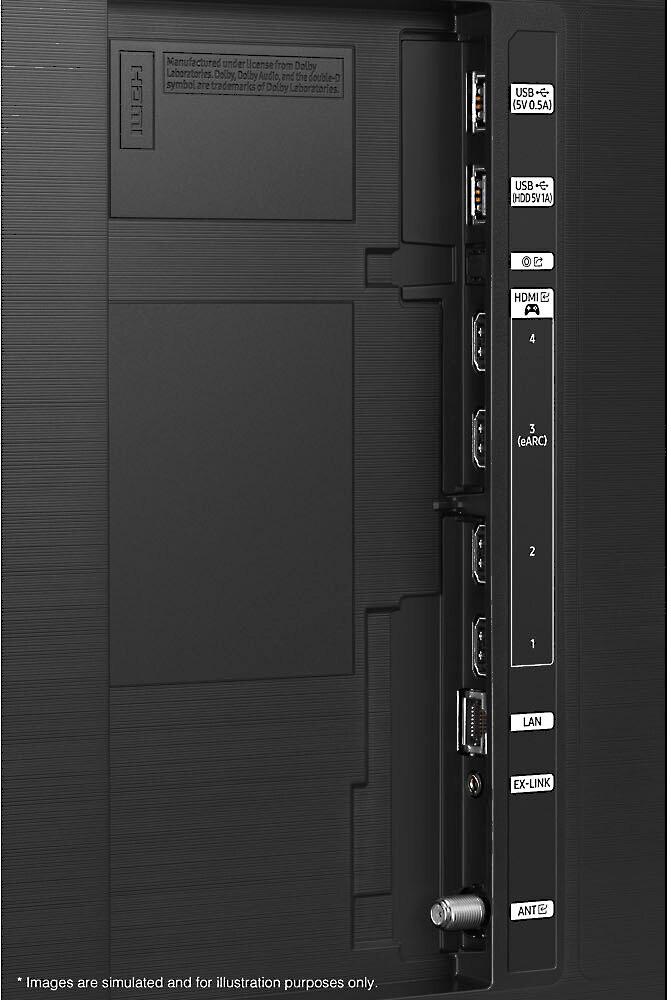
Both the Samsung 65" OLED S90D TV and Samsung 65" QN90D Series 4K Neo QLED Smart TV work excellently with external home theater systems via their HDMI eARC ports, which support high-quality audio passthrough to receivers or soundbars. Both TVs also feature Samsung's Q-Symphony technology, which allows the TV speakers to work in conjunction with compatible Samsung soundbars rather than being disabled. For pure picture quality in a dedicated home theater environment with controlled lighting, the S90D OLED's perfect blacks and infinite contrast might provide a slight edge for the cinematic experience, but both will deliver excellent results when paired with quality audio equipment.
The Samsung 65" QN90D Series 4K Neo QLED Smart TV potentially offers better longevity due to its immunity to burn-in and generally robust LED technology. While modern Samsung 65" OLED S90D TV models have significantly improved durability compared to earlier OLED generations, there remains a theoretical possibility of burn-in with extremely heavy use of static content. Both TVs come with the same warranty coverage, but if long-term durability with minimal concerns is your priority, the Neo QLED QN90D might provide greater peace of mind, especially for applications where the TV will be used extensively with static content elements.
Whether the approximately $800 price difference between the $1,699.99 Samsung 65" OLED S90D TV and $2,497.99 Samsung 65" QN90D Series 4K Neo QLED Smart TV is worth it depends entirely on your viewing environment and priorities. The price premium for the Neo QLED is most justified if you have a very bright room with lots of windows, primarily watch TV during daytime hours, or strongly value maximum brightness for HDR content. For most viewers with normal living rooms who watch a mix of content and can control lighting somewhat, the S90D OLED represents better value while still delivering premium picture quality. The S90D OLED offers 80-90% of the Neo QLED QN90D's performance at about 68% of the price.
We've done our best to create useful and informative comparisons to help you decide what product to buy. Our research uses advanced automated methods to create this comparison and perfection is not possible - please contact us for corrections or questions. These are the sites we've researched in the creation of this article: bestbuy.com - valueelectronics.com - youtube.com - cnet.com - bestbuy.com - videoandaudiocenter.com - youtube.com - samsung.com - samsung.com - pcrichard.com - samsung.com - samsung.com - standardtvandappliance.com - gerhardsappliance.com - bestbuy.com - image-us.samsung.com - rtings.com - youtube.com - images.samsung.com

Privacy Policy
Terms and Conditions - Affiliate Policy
Home Security
© Copyright 2008-2026.
11816 Inwood Rd #1211, Dallas, TX 75244