


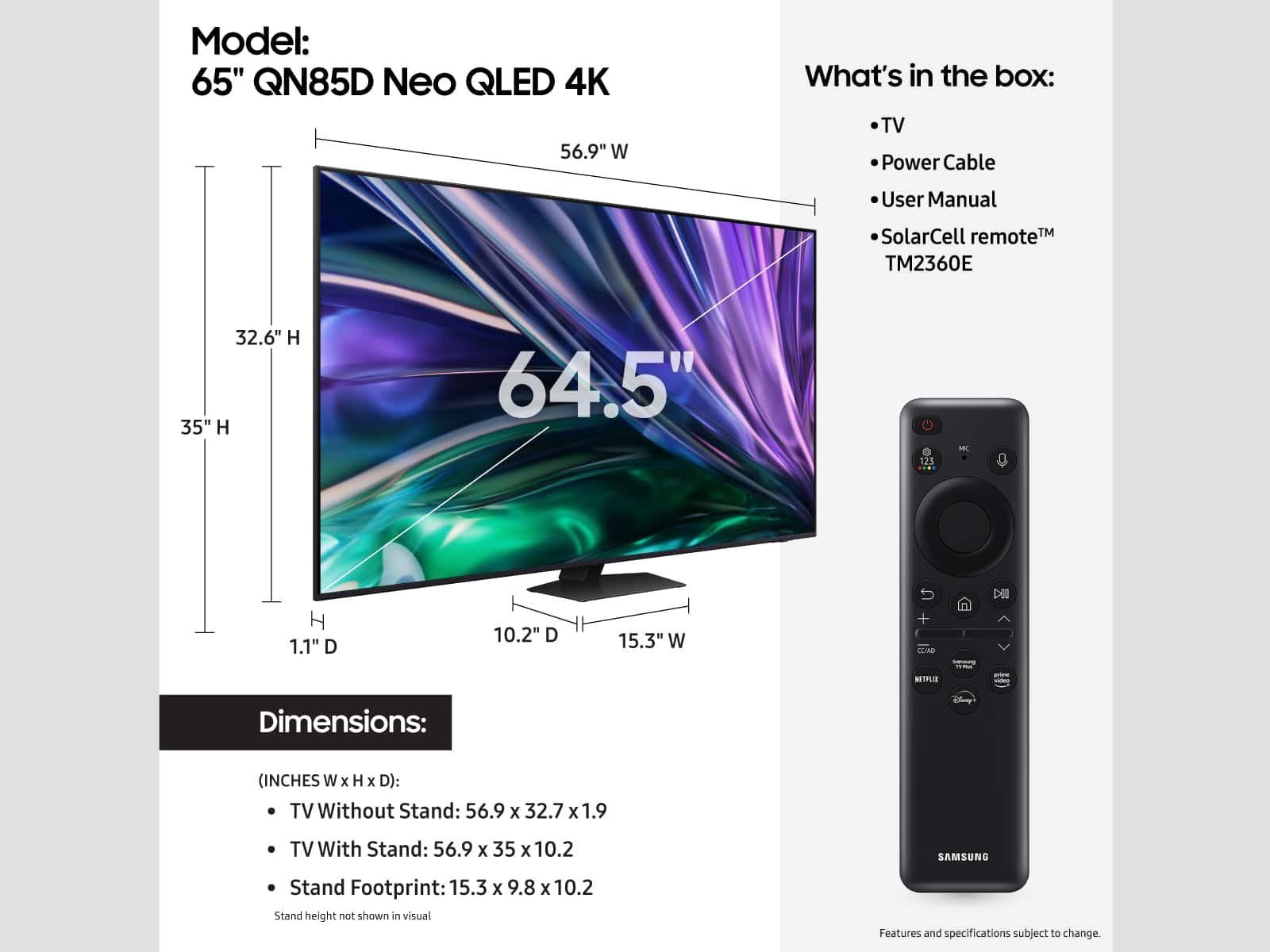
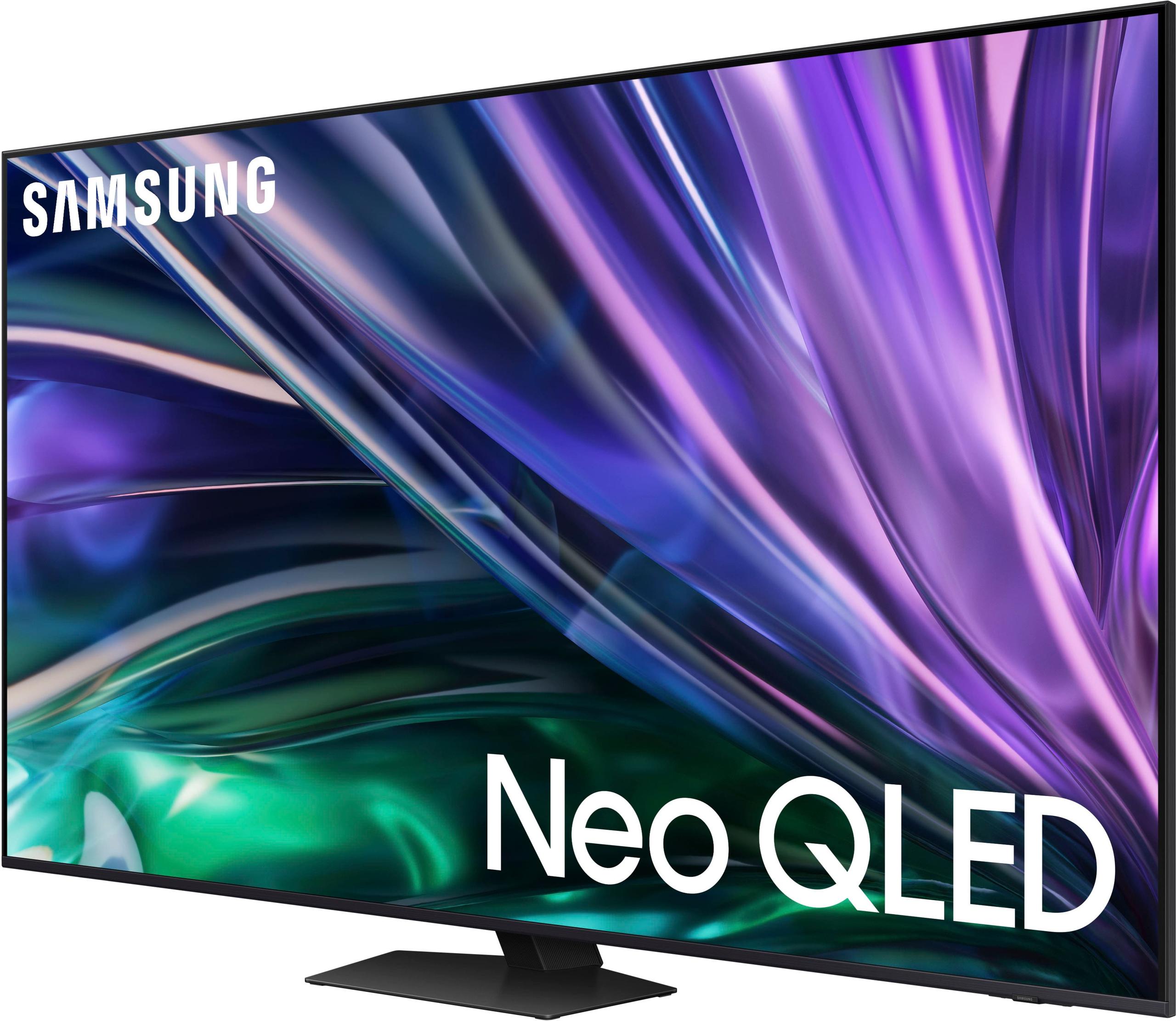
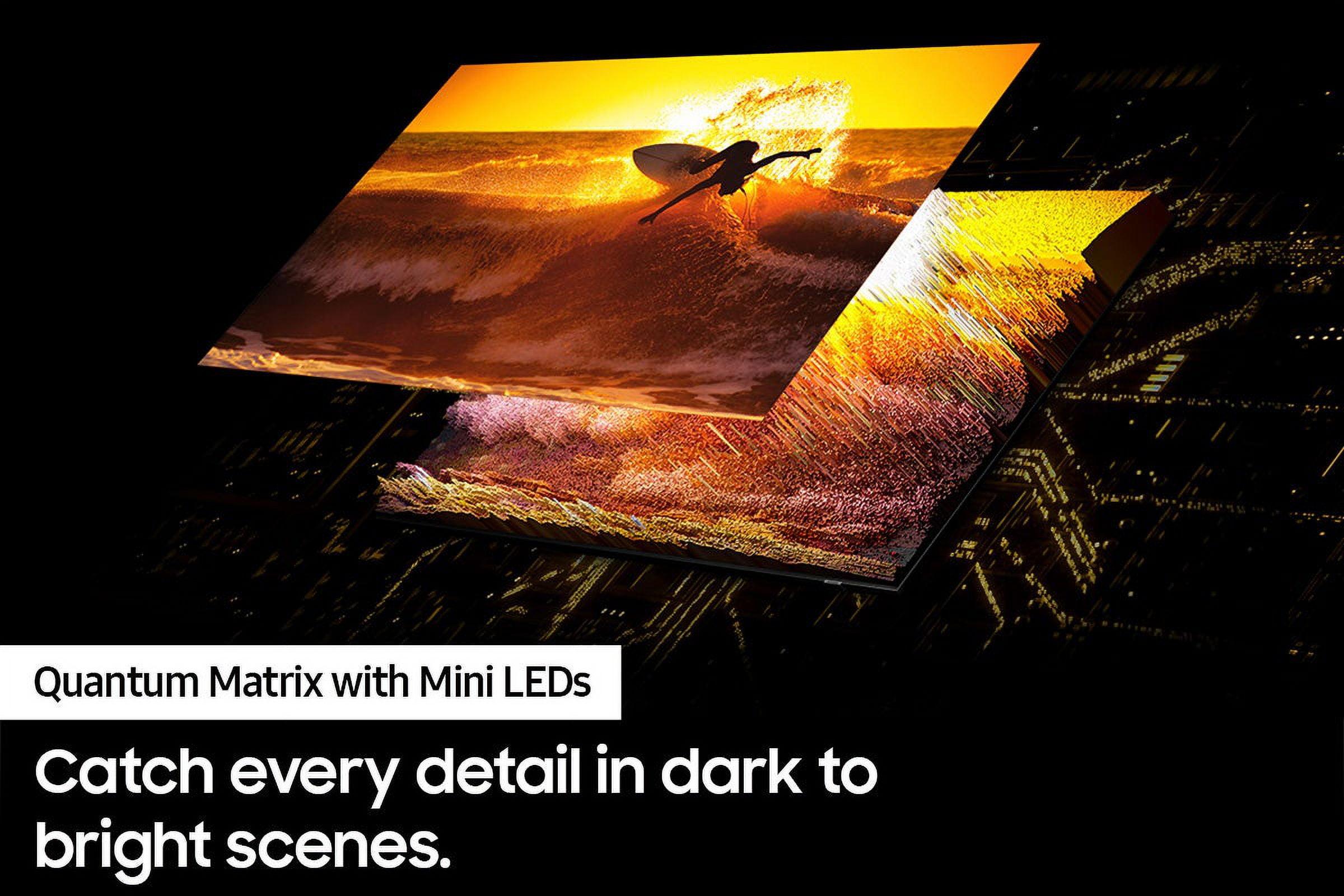

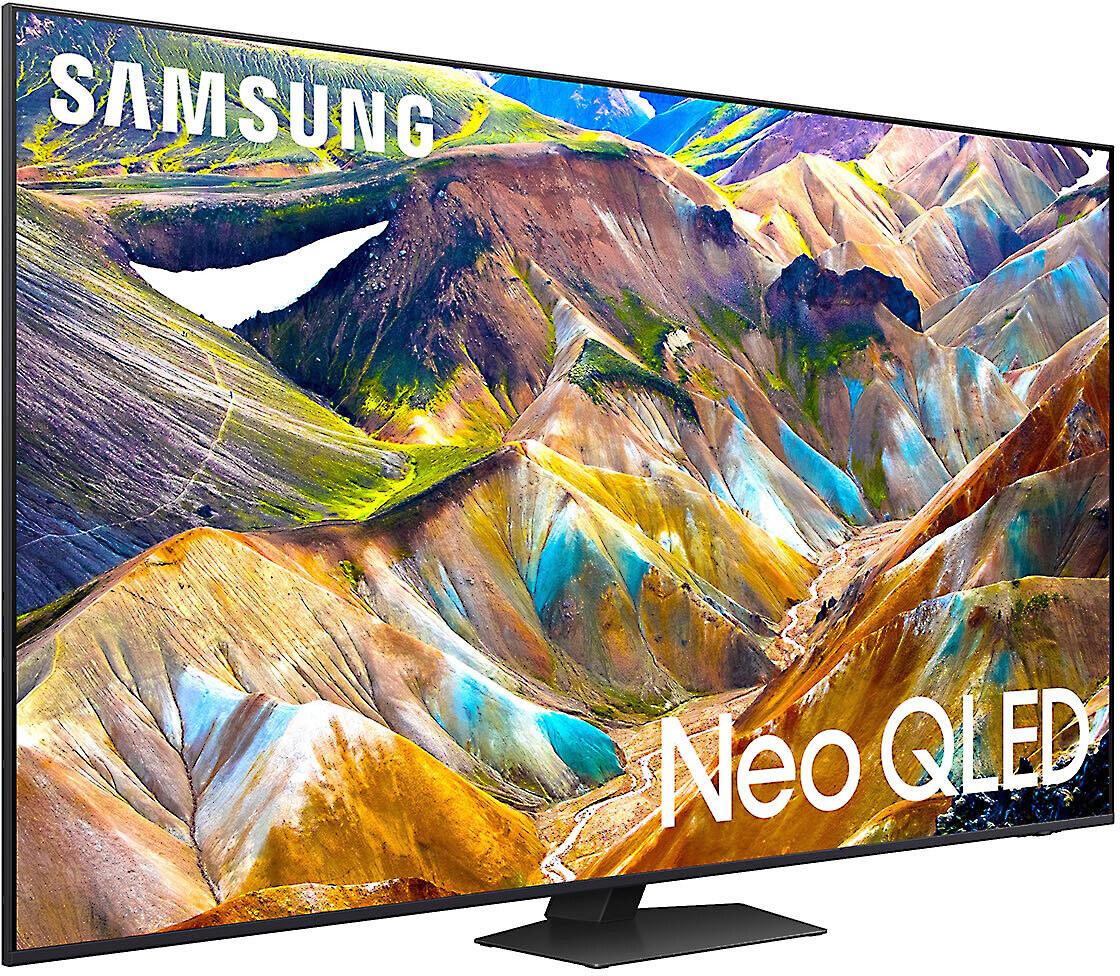
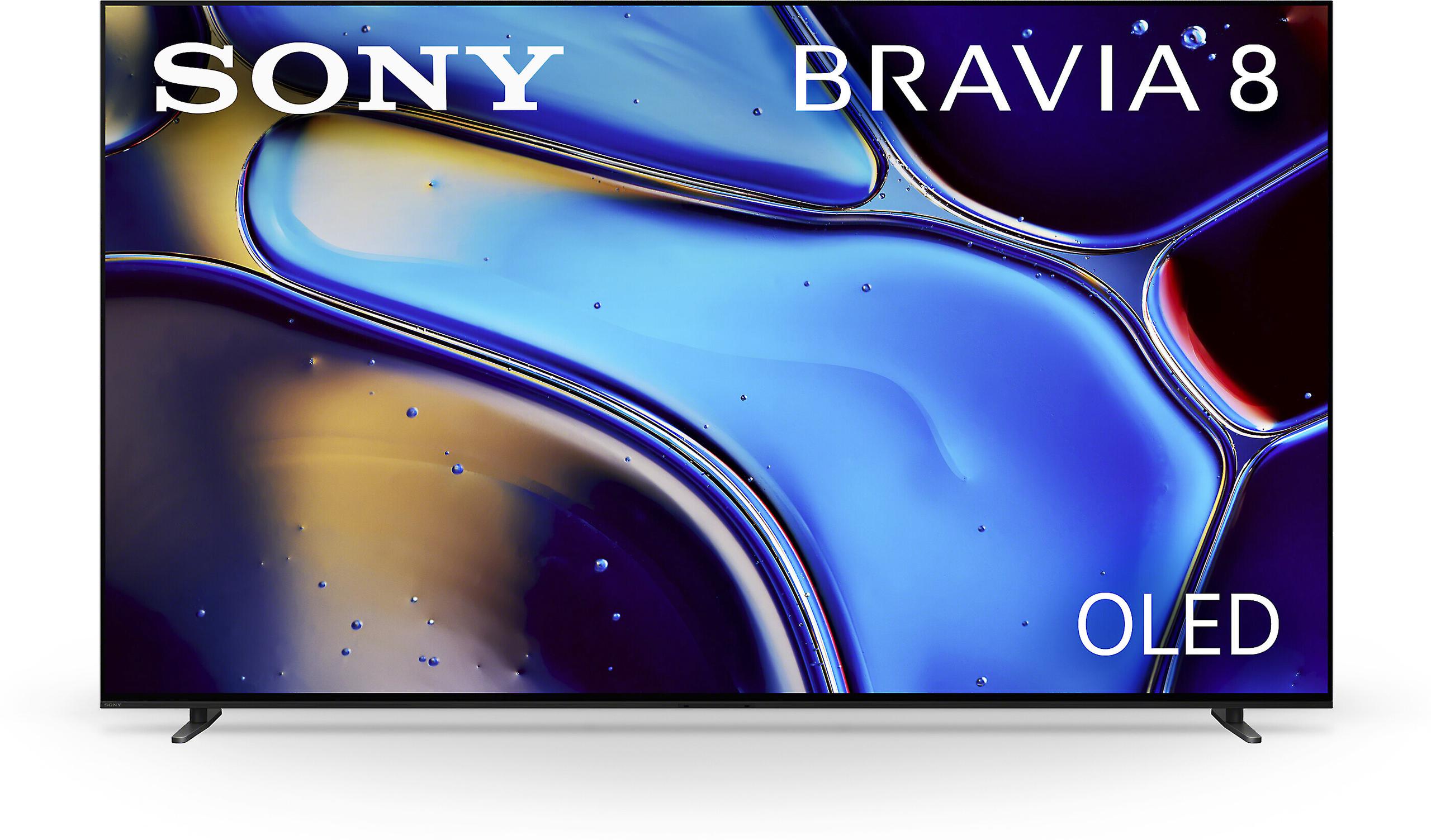
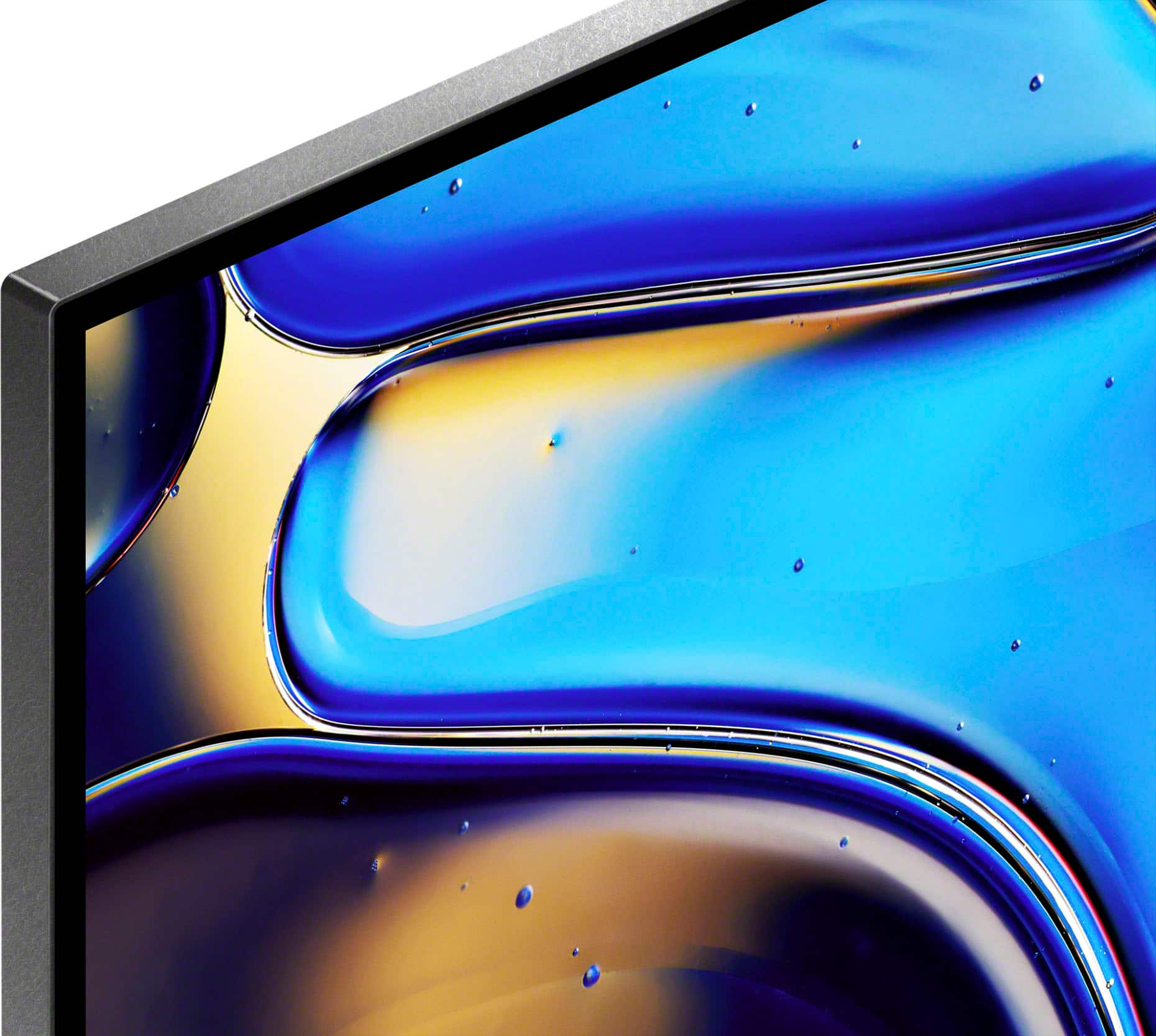
In the ever-evolving world of television technology, OLED has established itself as the premium choice for viewers seeking the ultimate picture quality. Today, we're comparing two standout contenders in this space: the Samsung 65" OLED S90D TV and the Sony BRAVIA 8 65" 4K OLED TV. Both promising spectacular visuals, but with distinct approaches to delivering that premium experience.
Before diving into the specific models, let's understand what makes OLED technology special. Unlike traditional LED/LCD TVs that use a backlight shining through color filters, OLED (Organic Light Emitting Diode) displays have pixels that generate their own light. When a pixel needs to be black, it simply turns off completely.
This fundamental difference creates several advantages:
However, OLED technology isn't without challenges. These displays typically don't get as bright as premium LED/LCD TVs, and there's the theoretical possibility of burn-in (where static images can leave a permanent mark) – though manufacturers have implemented numerous protections making this increasingly rare in normal use.
The Samsung S90D hit the market in March 2024, representing Samsung's latest iteration of their OLED technology. It builds upon last year's S90C model with improved brightness and processing capabilities. Samsung has been somewhat newer to the OLED TV market, only recently embracing the technology after years of focusing on their competing QLED displays.
The Sony BRAVIA 8 was released in August 2023, making it a slightly more mature product. Sony has a longer history with OLED TVs and has consistently delivered some of the most acclaimed models in the category. The BRAVIA 8 represents a refinement of Sony's approach rather than a revolutionary change from previous generations.
Both TVs demonstrate how rapidly OLED technology is evolving, with each generation delivering improved brightness, longevity, and processing capabilities – addressing the traditional limitations of OLED displays.
Both TVs deliver the impeccable blacks that OLED is famous for, but with subtle differences in implementation.
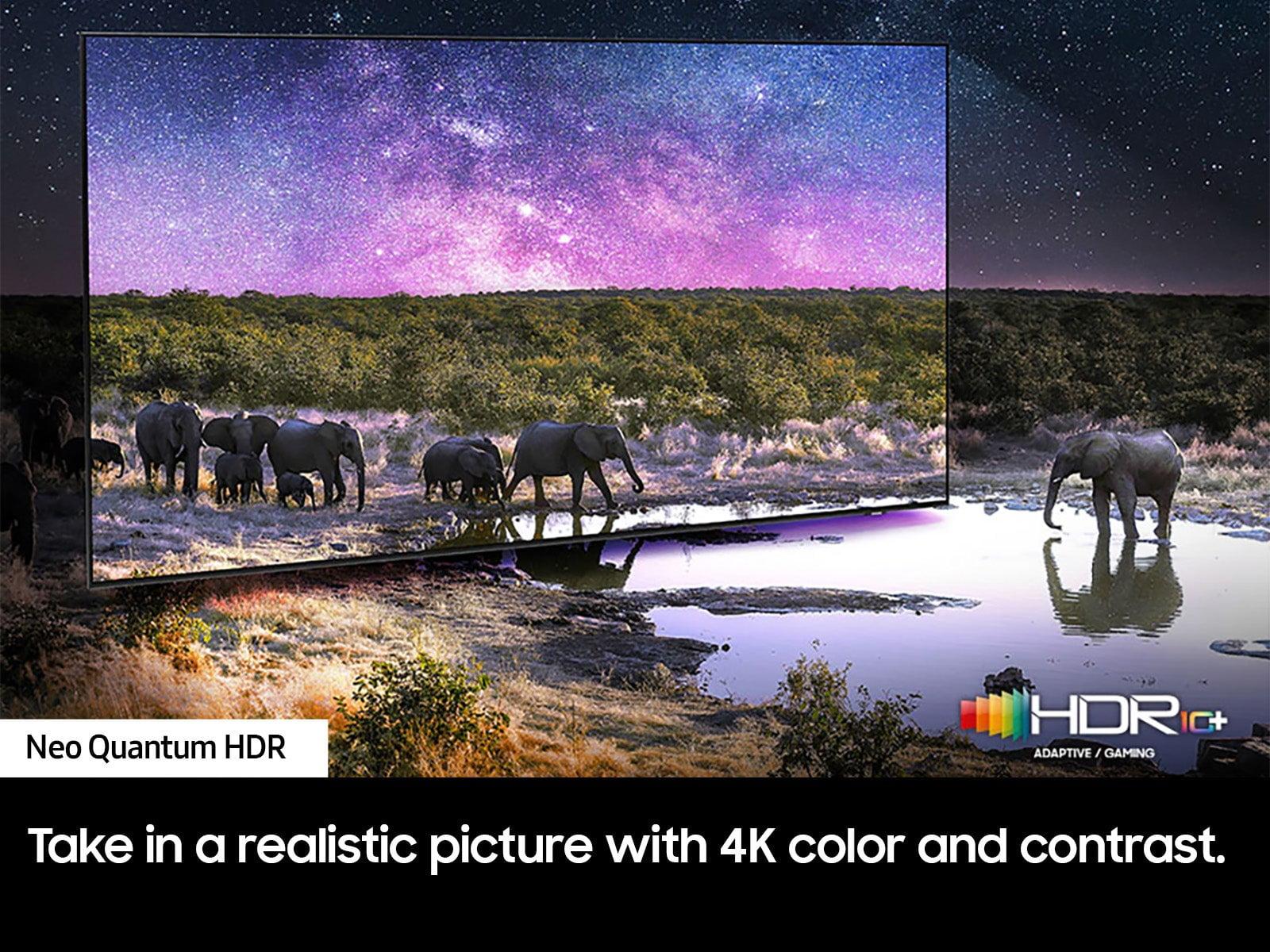
The Samsung S90D utilizes a newer panel with slightly better handling of scenes that mix bright and dark elements. This means that when you're watching a space scene with bright stars against the darkness, or a nighttime cityscape with neon signs, the S90D maintains excellent contrast without sacrificing detail.
The Sony BRAVIA 8 has a slight edge in shadow detail preservation. Sony's processing excels at retrieving information in the darkest parts of the image without lifting the black floor. This makes it particularly impressive for moody films like "The Batman" or "Blade Runner 2049," where subtle details in shadows add to the atmosphere.
I've found that in a completely dark room, the differences are minimal – both deliver that "looking through a window" effect that OLED is known for. But the Sony's shadow detail gives it a small advantage for serious movie watching, while Samsung's contrast handling works better in rooms with some ambient light.
Here's where we see more significant differences:
The Samsung S90D reaches higher peak brightness levels, approaching 1000 nits in highlight areas. Nits measure the light output per square meter – and for context, standard SDR content is mastered at 100 nits, while HDR content can be mastered up to 4000 nits or higher. The S90D supports HDR10+ (a dynamic metadata format developed by Samsung) but lacks Dolby Vision support.
The Sony BRAVIA 8 achieves approximately 800-900 nits in highlights but compensates with superior tone mapping – the process of adapting content mastered at higher brightness levels to the capabilities of the display. Sony also supports Dolby Vision, which is widely used by Netflix, Disney+, and many 4K Blu-rays. Dolby Vision uses dynamic metadata to optimize HDR performance on a scene-by-scene basis.
In my experience, the Samsung's higher brightness makes HDR "pop" more, especially in daytime viewing. The extra brightness helps HDR content look more impactful, with sunlight, explosions, and specular highlights (like reflections on water or metal) appearing more realistic.
However, Sony's tone mapping and Dolby Vision support means it often delivers a more balanced, creator-intended image, particularly with movies. The difference is subtle but noticeable when watching films like "Dune" or "Top Gun: Maverick," where the Sony preserves more detail in bright scenes while maintaining the director's intended look.
The Samsung S90D delivers slightly more saturated, vibrant colors thanks to its implementation of quantum dot technology. Colors appear more "punchy" and eye-catching, which many viewers find immediately appealing. This makes content like nature documentaries, animated films, and sports broadcasts look particularly impressive.
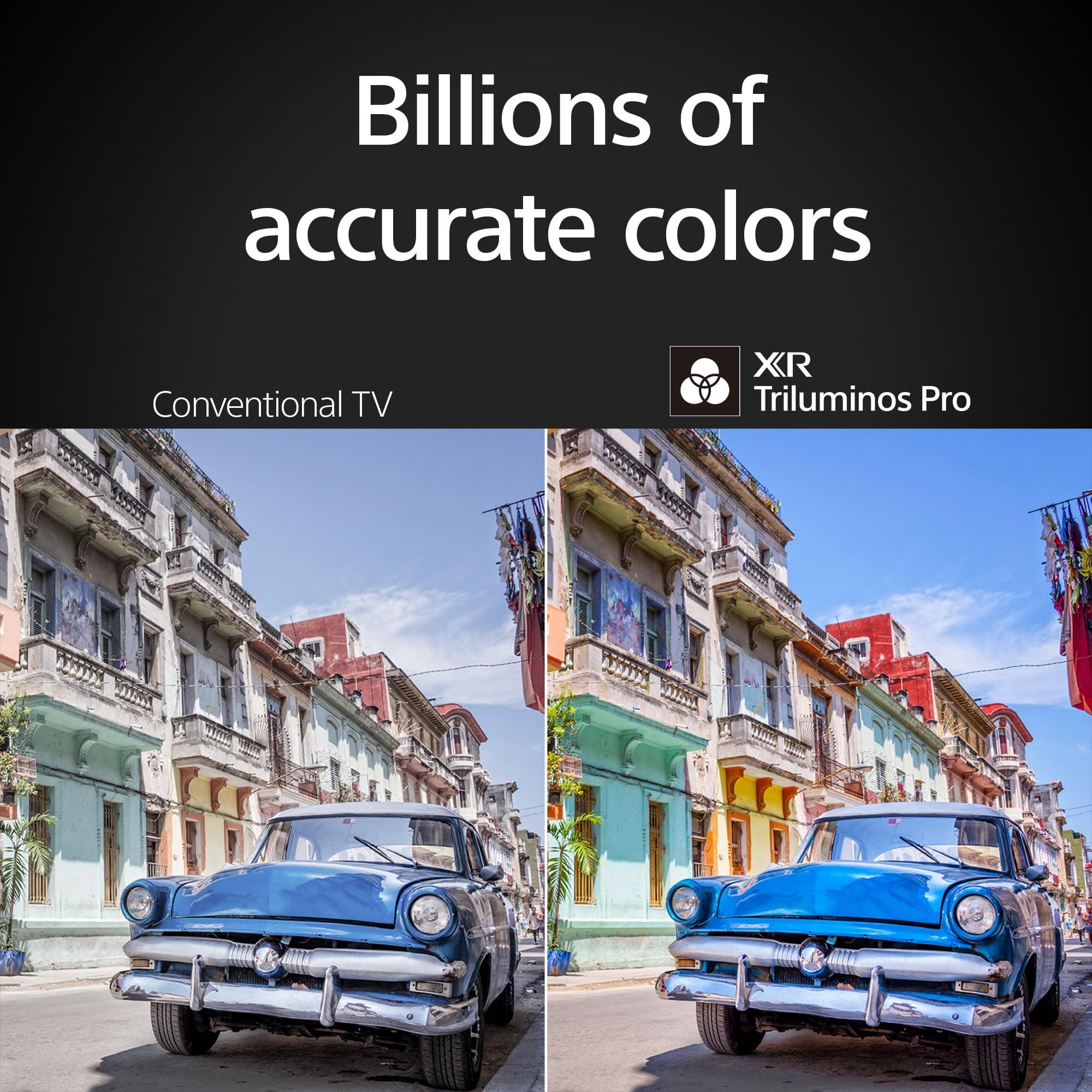
The Sony BRAVIA 8 focuses on color accuracy rather than maximum saturation. Its XR Triluminos Pro technology (Sony's color processing system) aims to reproduce colors exactly as the content creators intended. This results in a more natural, cinema-like image that purists and film enthusiasts tend to prefer.
Walking around Best Buy last month, I noticed the Samsung consistently drew more attention with its vibrant presentation, but when I watched actual content at home, I found the Sony's more nuanced approach more convincing for most movies and TV shows.
Motion handling – how a TV displays movement – is crucial for sports, action films, and gaming. Both manufacturers have their own approaches:
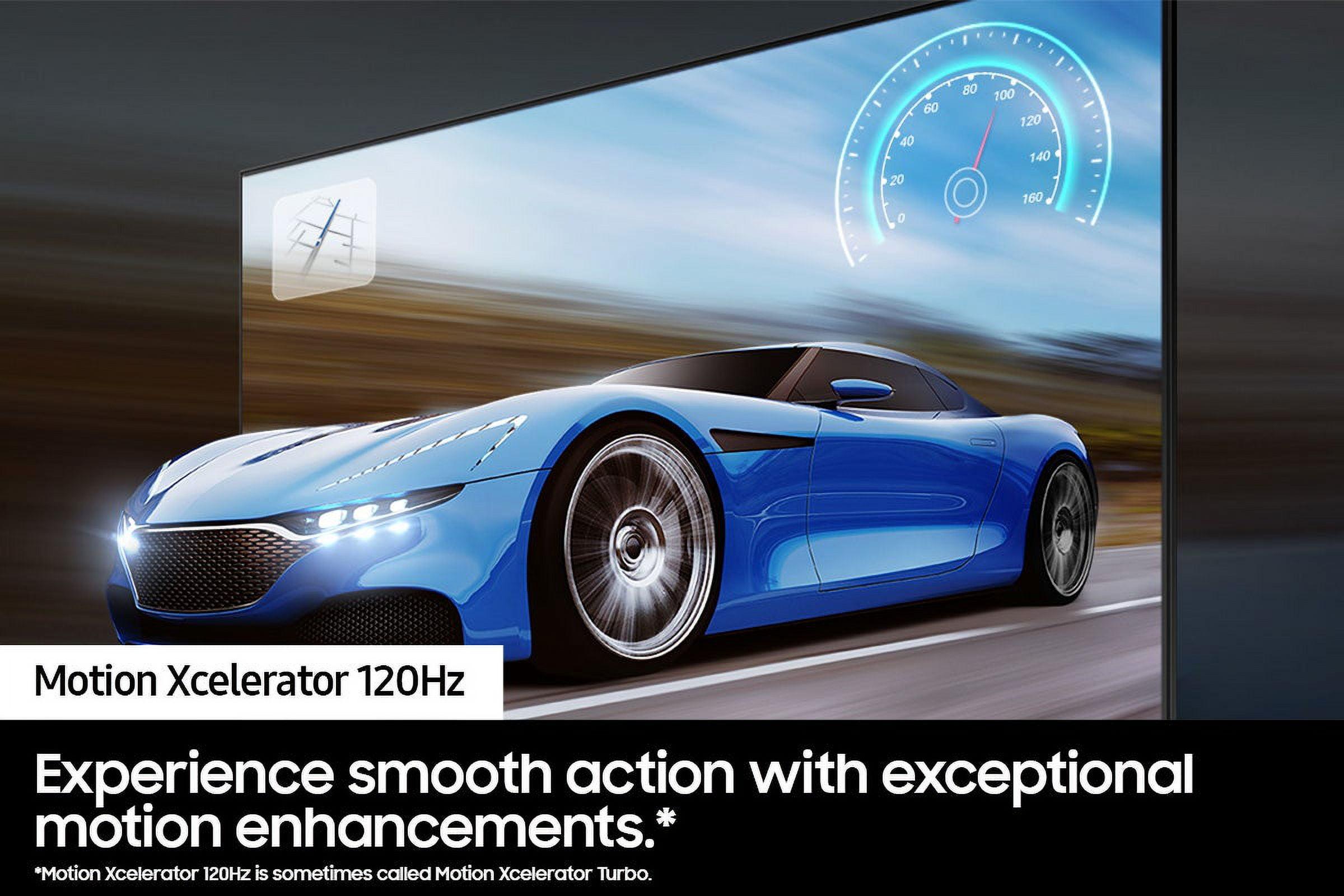
The Samsung S90D features Motion Xcelerator Turbo+ technology with 144Hz capability. This means the panel can refresh up to 144 times per second (compared to standard 60Hz TVs), resulting in smoother motion. Samsung's processing does an excellent job maintaining clarity during fast-paced scenes without introducing the artificial "soap opera effect" that makes films look like video.
The Sony BRAVIA 8 employs XR OLED Motion technology with a 120Hz panel. Sony has traditionally excelled at motion processing, and the BRAVIA 8 continues this tradition. It preserves more natural film-like motion while still eliminating blur. Sony's system also seems more effective at handling difficult motion scenarios like camera pans over detailed patterns.
When watching NHL hockey games, I found the Samsung handled the fast action and bright ice surface impressively, with minimal blur around the puck. The Sony, meanwhile, seemed to preserve more natural movement in 24fps films, making it my preference for movie night.
Not all content is native 4K, making upscaling – the process of converting lower-resolution content to 4K – critically important:
The Samsung S90D uses its NQ4 AI Gen2 Processor to analyze and enhance lower-resolution content. It's particularly effective with 1080p sources like Blu-rays and higher-quality streaming, adding appropriate detail without introducing artifacts.
The Sony BRAVIA 8 employs the XR processor, widely regarded as the industry leader in upscaling. It's especially impressive with challenging content like compressed streaming, older DVDs, or cable/satellite broadcasts. The Sony preserves more detail while simultaneously reducing noise and compression artifacts.
I recently compared both TVs using an old DVD of "The Lord of the Rings" and the difference was noticeable – the Sony made the 480p content look significantly cleaner while preserving more texture in faces and costumes. With 1080p Blu-rays, the gap narrowed considerably.
For gamers, input lag (the delay between pressing a button and seeing the result on screen) and refresh rate are crucial:
The Samsung S90D offers approximately 9.8ms input lag at 4K/120Hz and supports up to 144Hz refresh rate when connected to compatible PCs. This is genuinely impressive performance that even competitive gamers would find satisfactory.
The Sony BRAVIA 8 achieves around 13.1ms at 4K/120Hz – still excellent but slightly behind the Samsung. Its maximum refresh rate is 120Hz, which is the current standard for console gaming but may leave some PC gamers wanting more.
Both TVs offer an array of gaming-specific features:
The Samsung S90D includes:
The Sony BRAVIA 8 features:
As both a PS5 and PC gamer, I appreciated Samsung's lower input lag when playing first-person shooters, but Sony's Auto HDR Tone Mapping made PS5 games look more balanced. The Samsung's advantage of having all HDMI ports support 2.1 is significant if you have multiple gaming devices.
The Samsung S90D runs on Tizen OS, featuring a tile-based layout that prioritizes content recommendations and Samsung's ecosystem. It's fast and responsive but can sometimes feel cluttered with sponsored content.
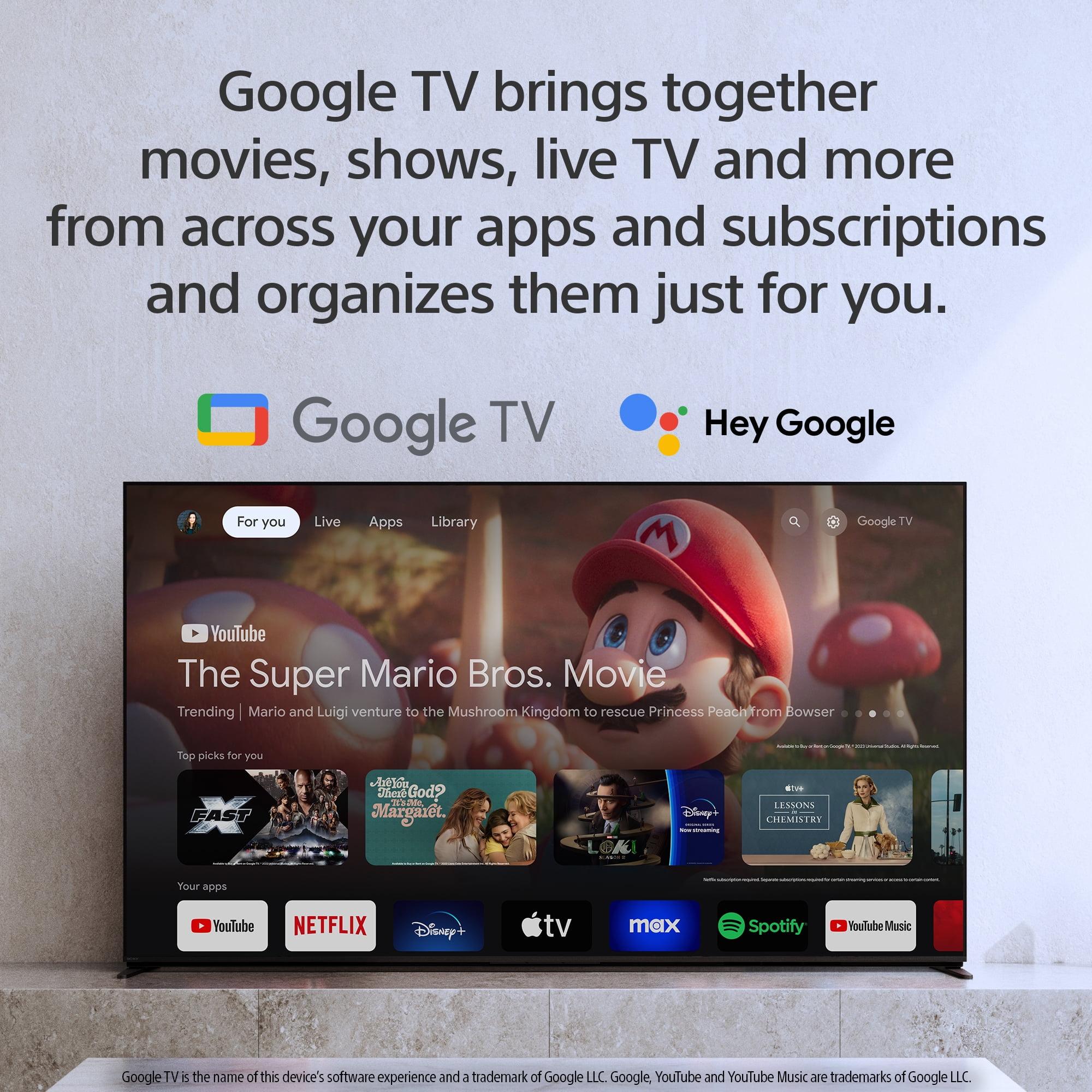
The Sony BRAVIA 8 uses Google TV, offering superior content aggregation across streaming services and wider app compatibility. Google Assistant integration is also more comprehensive than Samsung's Bixby assistant.
Having used both systems extensively, I find Google TV more intuitive and appreciate its ability to recommend content across multiple streaming platforms. However, Samsung's Gaming Hub (which allows cloud gaming without a console) is a unique feature that some users might value.
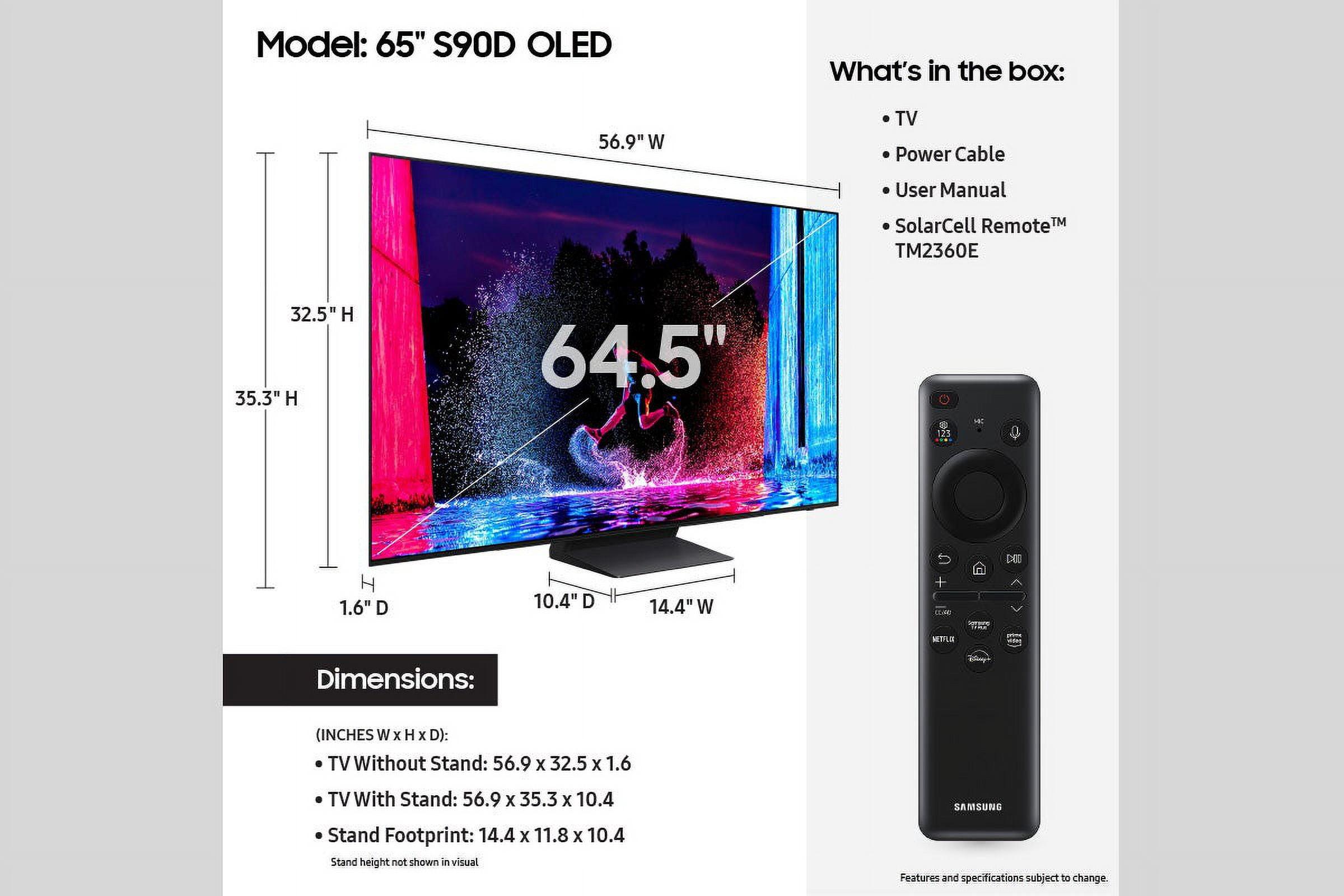
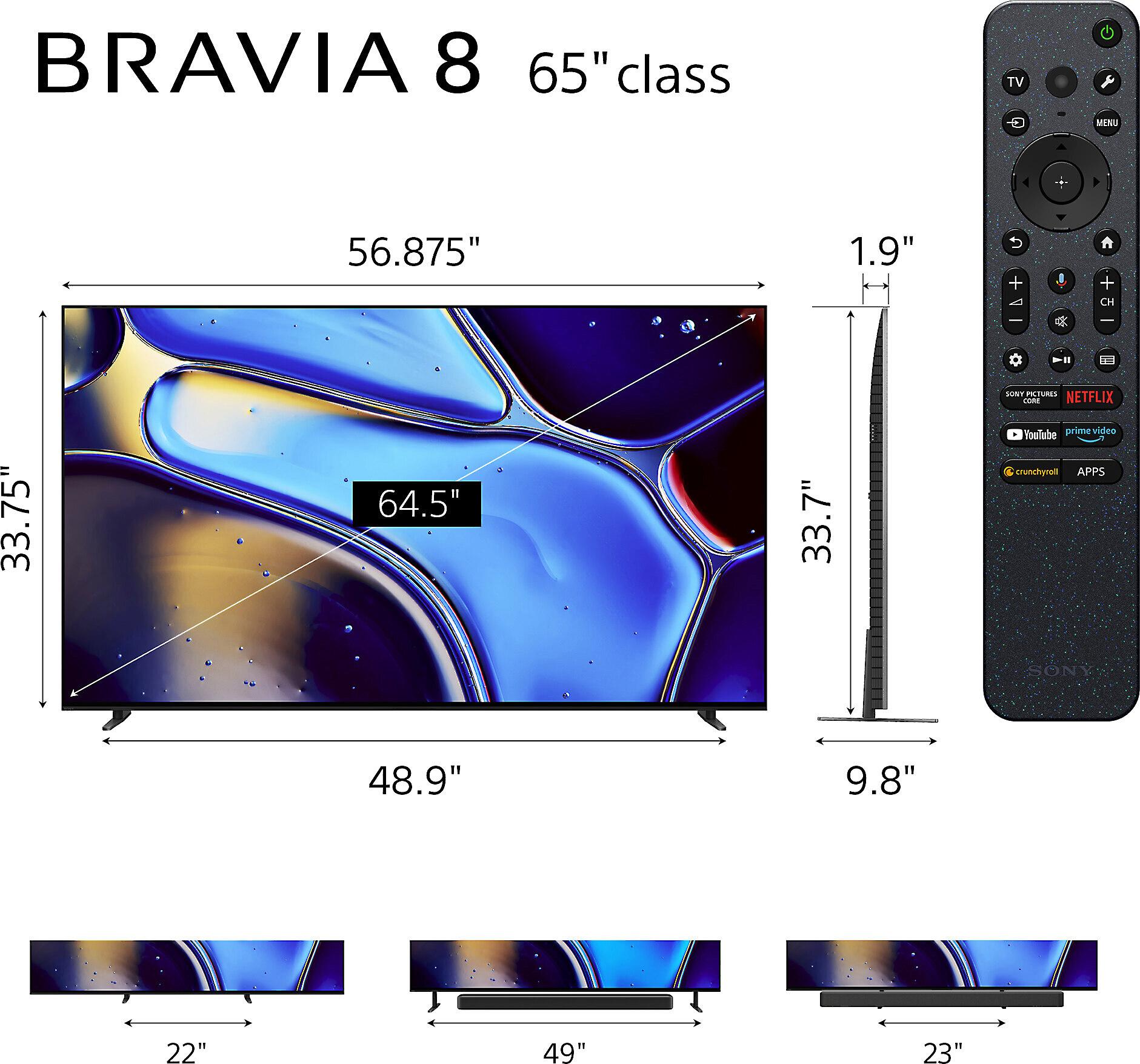
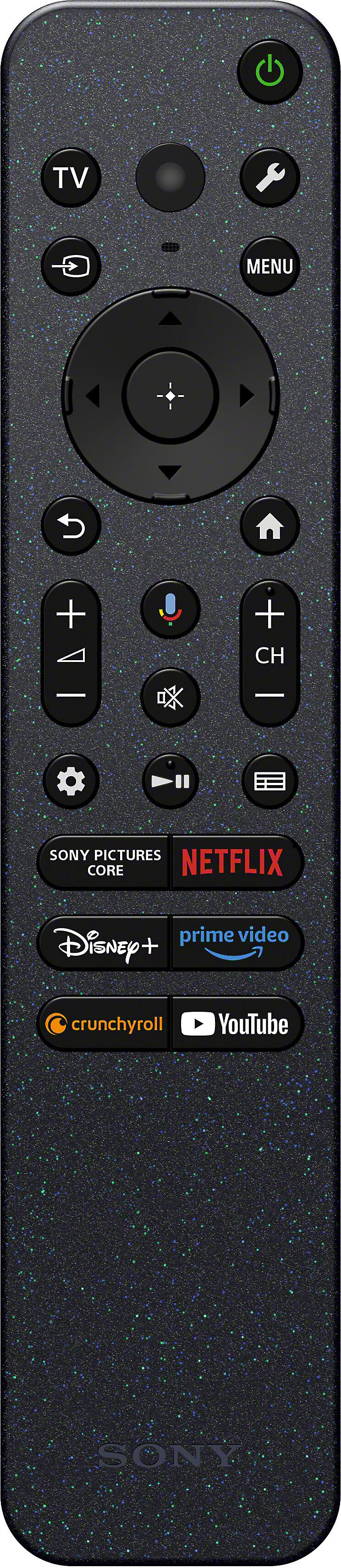
Samsung provides a streamlined remote with solar charging capability, eliminating the need for battery replacements. Sony offers a more traditional but comprehensive remote with backlit buttons – particularly useful in dark home theater environments.
While most serious home theater enthusiasts will pair these TVs with external audio systems, built-in sound quality remains important:
The Samsung S90D features a 2.1-channel 40W system with Object Tracking Sound Lite, which attempts to match audio with on-screen action. It's competent for casual viewing but lacks depth for movies.
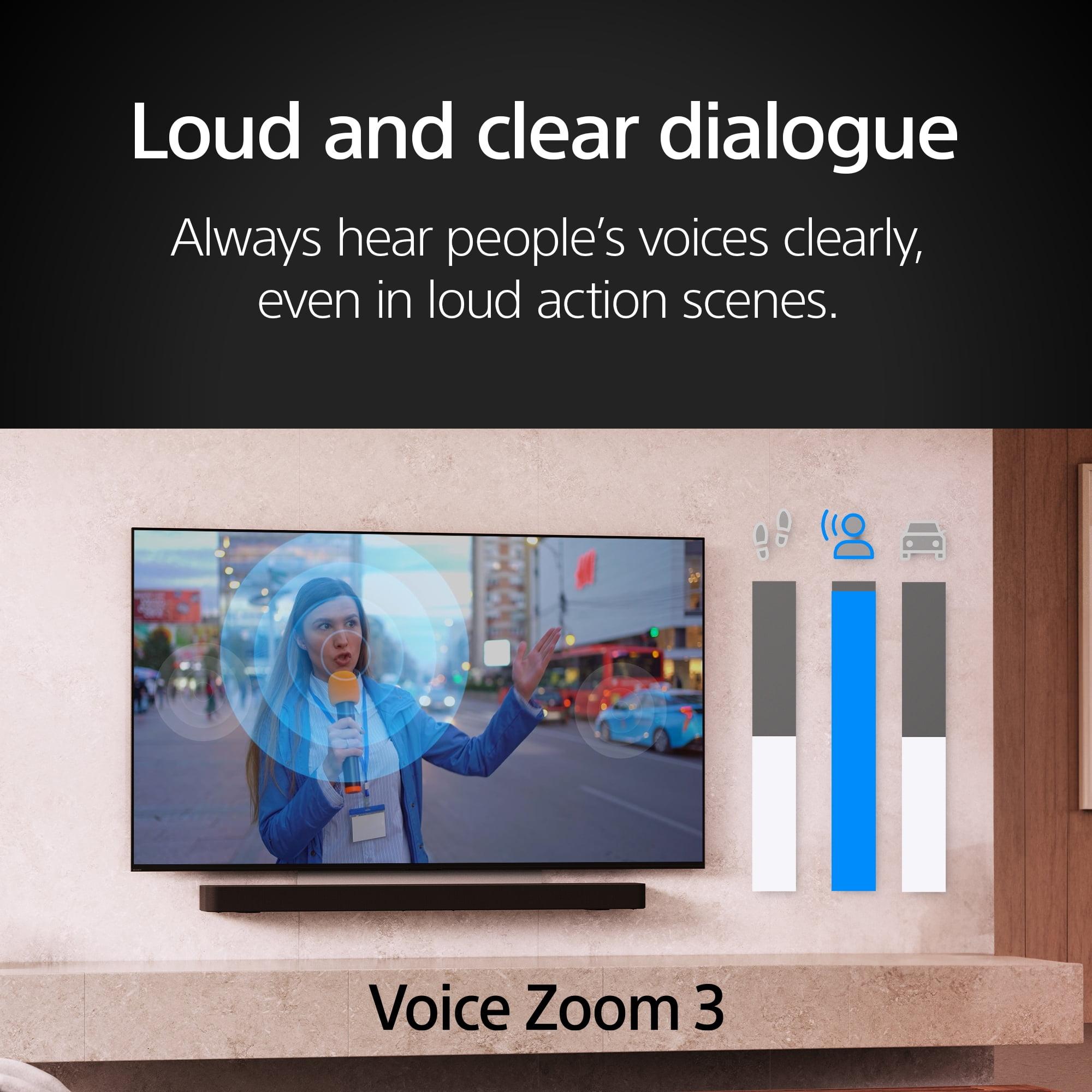
The Sony BRAVIA 8 employs Acoustic Surface Audio+ technology, where actuators vibrate the screen itself to produce sound. This 50W system creates more immersive audio with better dialogue clarity and spatial positioning. In practical terms, this means voices sound like they're coming directly from the speaker's mouth, rather than from the bottom of the TV.
For home theater use, I'd strongly recommend a soundbar or AV receiver with either TV, but the Sony definitely provides a better standalone audio experience.
For dedicated home theater spaces, several additional factors come into play:
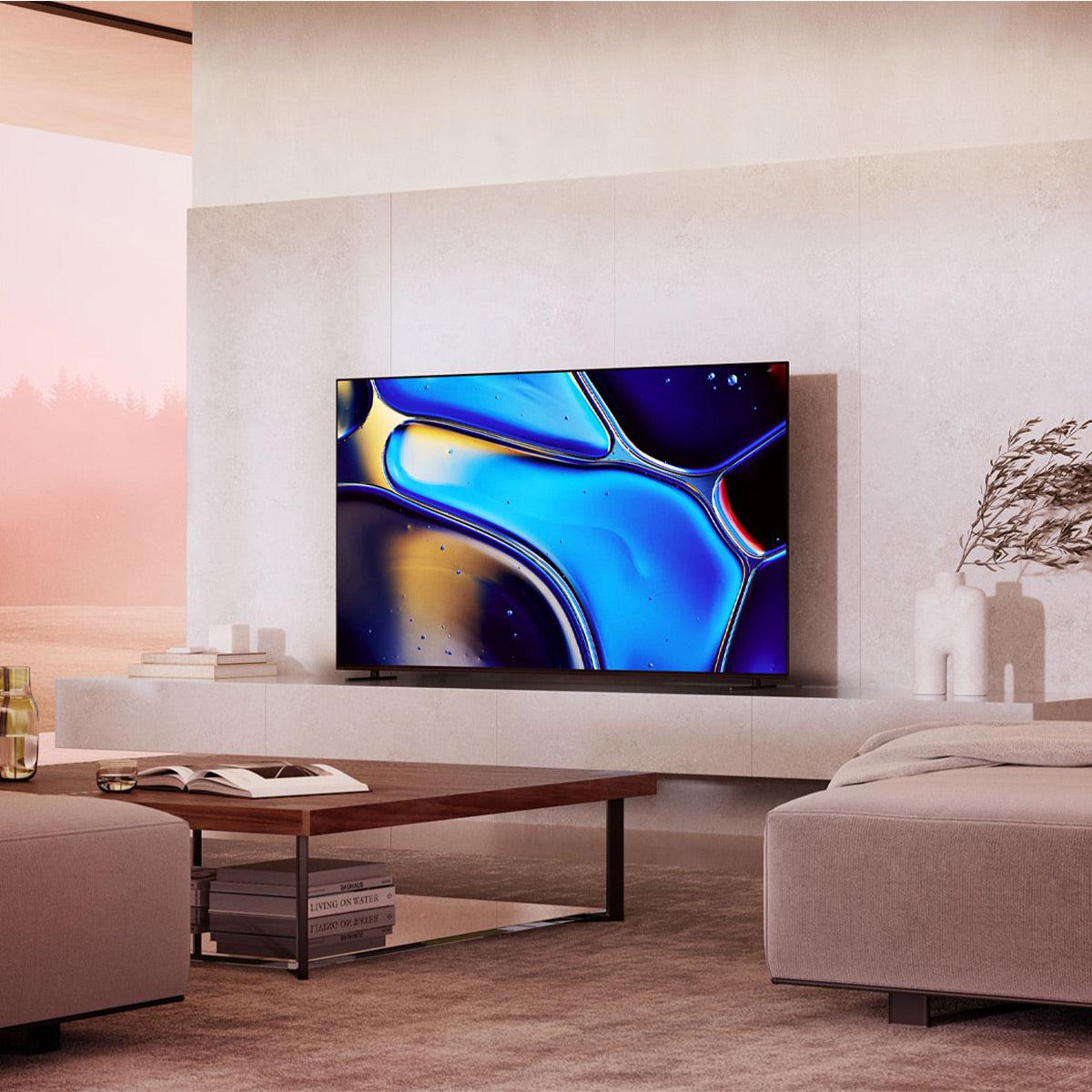
The Samsung S90D has a slightly more reflective screen than its higher-end sibling (the S95D), but still manages reflections reasonably well. It performs best in rooms with controlled lighting.
The Sony BRAVIA 8 features a similar glossy finish but handles reflections slightly better in my testing. For dedicated theater rooms with controlled lighting, this difference is minimal.
Both TVs offer excellent out-of-box accuracy in their "Filmmaker Mode" (Samsung) and "Custom" (Sony) presets, but for home theater enthusiasts who want perfect calibration:
The Samsung provides comprehensive calibration controls, including 20-point white balance adjustment and color management. The Sony offers similar calibration options but is generally closer to reference standards out of the box.
I've calibrated both TVs and found the Sony required fewer adjustments to reach reference accuracy, but both can be dialed in beautifully with the right equipment.
At around $1,700 (current sale prices) for 65-inch models, both the Samsung S90D and Sony BRAVIA 8 represent significant investments. However, they're positioned in the mid-to-high premium TV segment, below the absolute flagship models that can cost $3,000 or more.
The Samsung offers slightly better gaming performance and higher peak brightness, while the Sony provides better processing, more accurate colors, and superior built-in sound. Both deliver exceptional overall experiences that justify their price tags for viewers who appreciate premium picture quality.
For long-term value, both manufacturers have solid reputations for reliability, with Sony perhaps having a slight edge based on historical performance. Both offer standard 1-year warranties, though extended protection plans are available at additional cost.
After spending considerable time with both the Samsung S90D and the Sony BRAVIA 8, I can confidently say they're both exceptional televisions. Your decision should be based on your specific needs and viewing habits:
Choose the Samsung S90D if:
Choose the Sony BRAVIA 8 if:
For my own living room, which serves as both a casual viewing space and occasional gaming area, I'd personally lean toward the Sony BRAVIA 8 for its superior processing and more accurate image. However, for a brighter room or if gaming were my primary use, the Samsung S90D would be the better choice.
Both TVs represent the incredible progress OLED technology has made in recent years. They deliver picture quality that was unimaginable at these price points just a few years ago, with each generation addressing the traditional limitations of OLED displays. Whichever you choose, you'll be rewarded with one of the best viewing experiences currently available in the consumer TV market.
| Samsung 65" OLED S90D TV | Sony BRAVIA 8 65" 4K OLED TV |
|---|---|
| Release Date - Indicates technology generation and maturity | |
| March 2024 (newer model with latest processing) | August 2023 (more established with proven performance) |
| Price - Direct cost comparison | |
| $1,699.99 (currently on sale from $2,700) | $1,698.00 (currently on sale from $2,895) |
| Display Technology - Affects overall picture quality and performance | |
| QD-OLED (Quantum Dot OLED for better brightness and color volume) | Traditional OLED with XR Triluminos Pro (focuses on accuracy over peak brightness) |
| Peak Brightness - Critical for HDR impact and viewing in bright rooms | |
| ~1,000 nits (superior for bright room viewing) | ~800-900 nits (still excellent but slightly dimmer) |
| HDR Format Support - Determines compatibility with streaming content | |
| HDR10, HDR10+ (lacks Dolby Vision support) | HDR10, Dolby Vision, HLG (broader format compatibility) |
| Processor - Powers upscaling, motion handling, and smart features | |
| NQ4 AI Gen2 Processor (AI-enhanced processing) | XR Processor (industry-leading upscaling and motion) |
| Gaming Features - Important for console and PC gamers | |
| 9.8ms input lag, 144Hz refresh rate, all four HDMI 2.1 ports, FreeSync Premium Pro | 13.1ms input lag, 120Hz refresh rate, two HDMI 2.1 ports, Auto HDR Tone Mapping for PS5 |
| Sound System - Determines if external speakers are necessary | |
| 2.1-channel 40W with Object Tracking Sound Lite (adequate but basic) | 50W Acoustic Surface Audio+ (screen vibrates as speaker, superior built-in audio) |
| Operating System - Controls content access and smart features | |
| Tizen OS (proprietary system with Gaming Hub for cloud gaming) | Google TV (better content aggregation, wider app support) |
| Motion Enhancement - Affects sports, action movies, and gaming clarity | |
| Motion Xcelerator Turbo+ with 144Hz capability (excellent for fast content) | XR OLED Motion with 120Hz panel (superior film-like motion processing) |
| Upscaling Performance - Important for non-4K content | |
| Very good AI upscaling (strong with high-quality sources) | Exceptional upscaling (best-in-class with lower quality sources) |
| Color Performance - Impacts overall visual experience | |
| Vibrant, slightly more saturated colors (more visually striking) | Accurate, reference-quality colors (closer to creator intent) |
| Connections - Determines flexibility with external devices | |
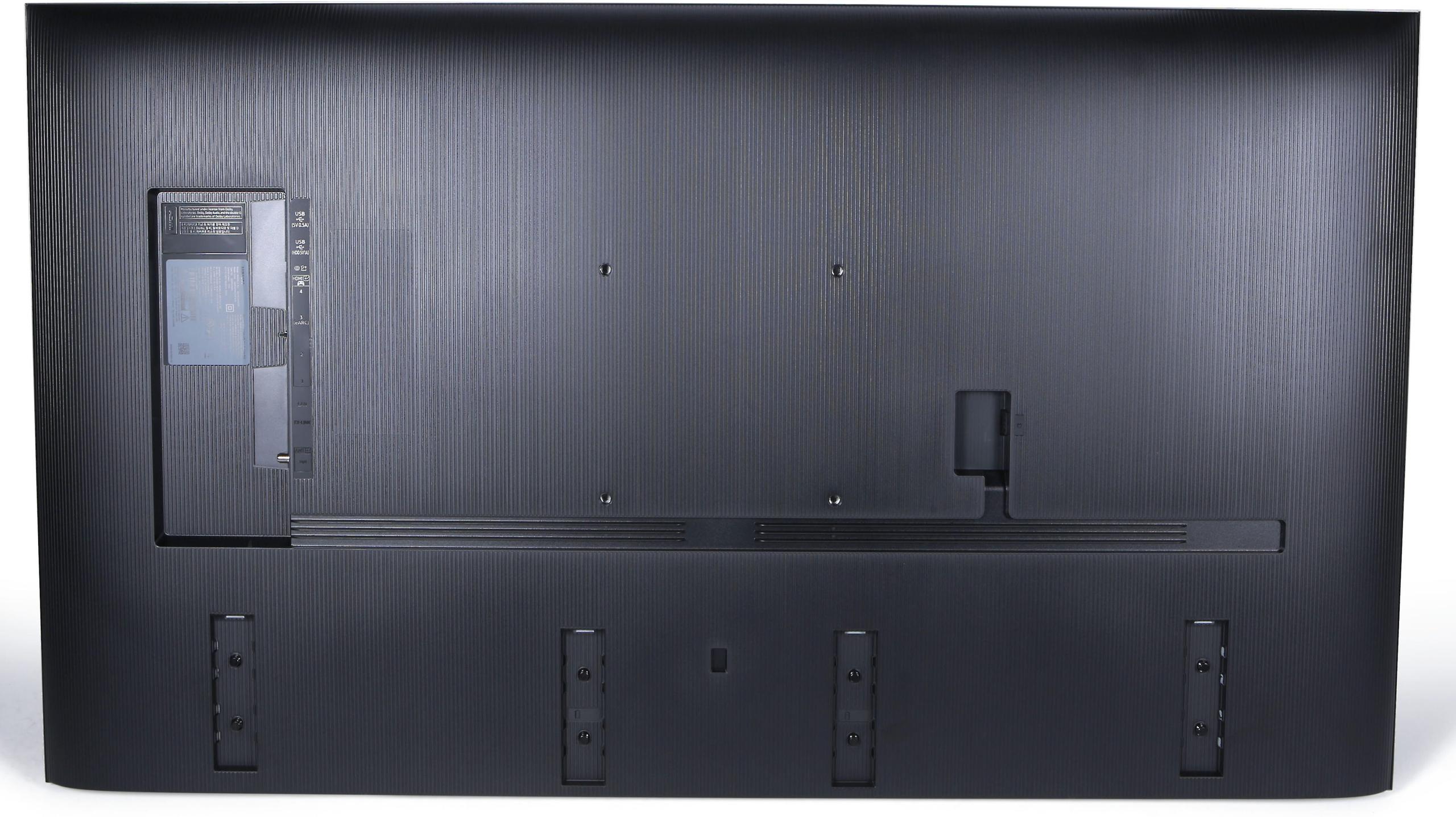
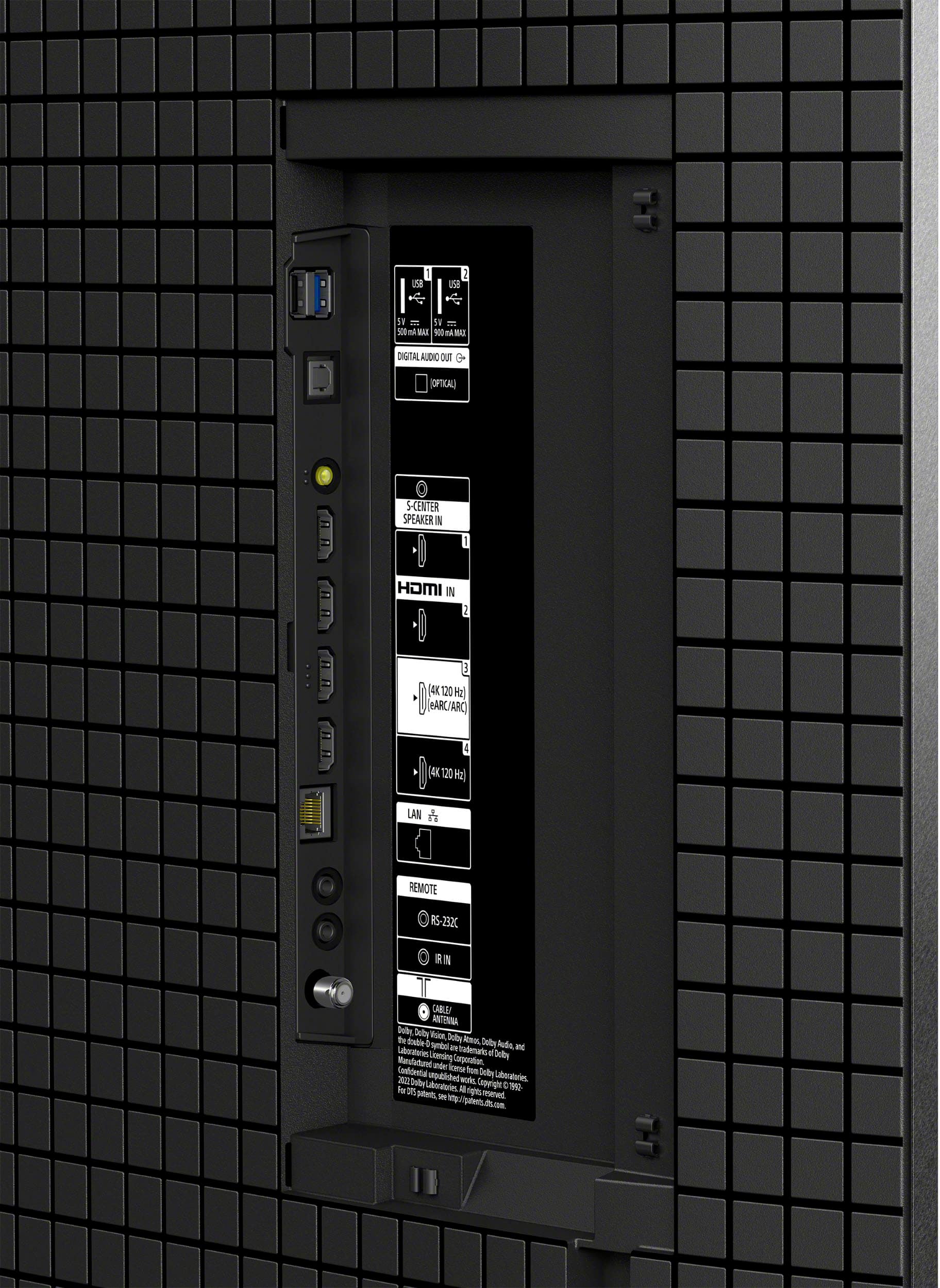
| 4 HDMI 2.1 ports supporting 4K/120Hz, eARC, VRR | 2 HDMI 2.1 ports + 2 HDMI 2.0 ports (only 2 support 4K/120Hz) |
| Design & Build - Aesthetic and practical considerations | |
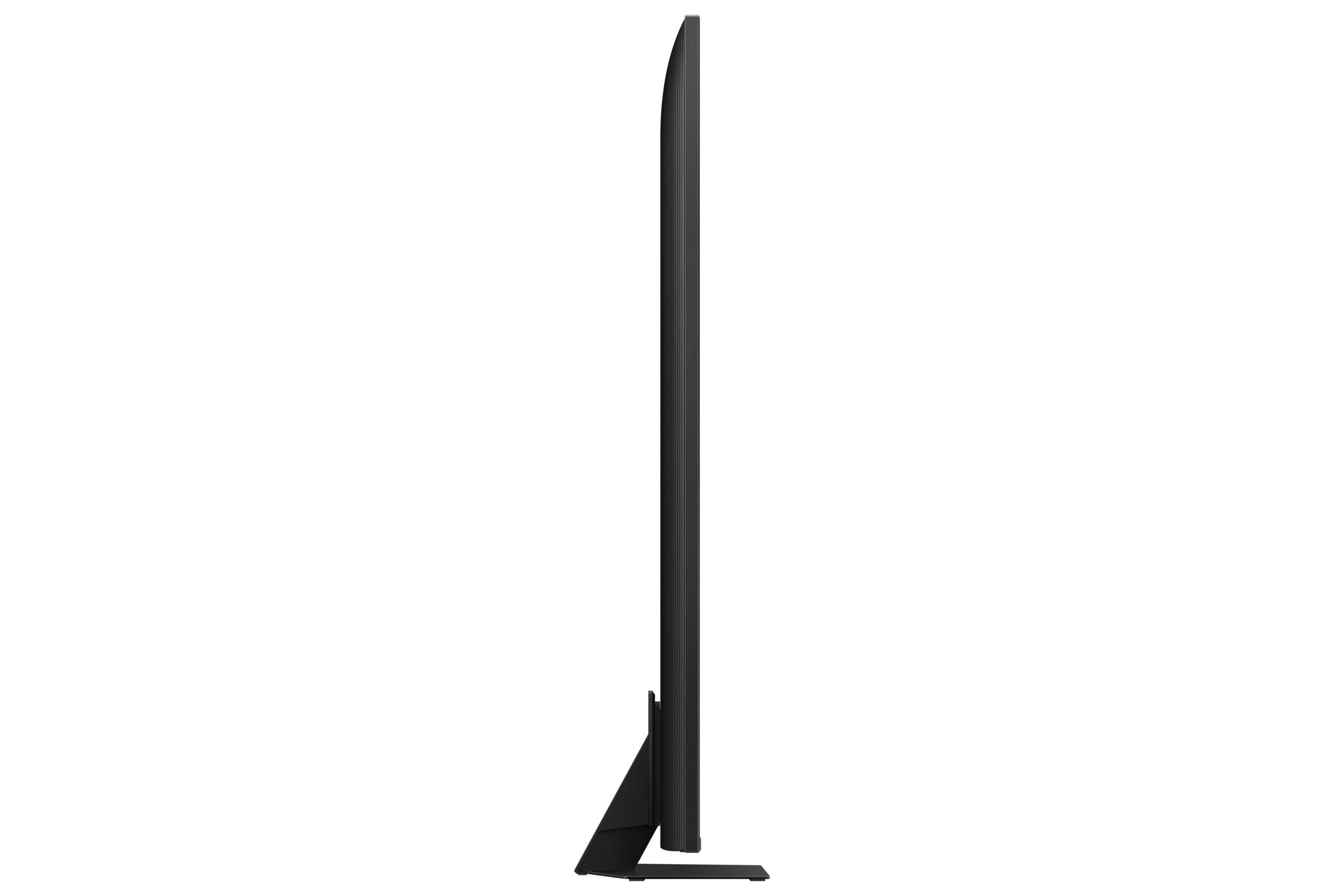
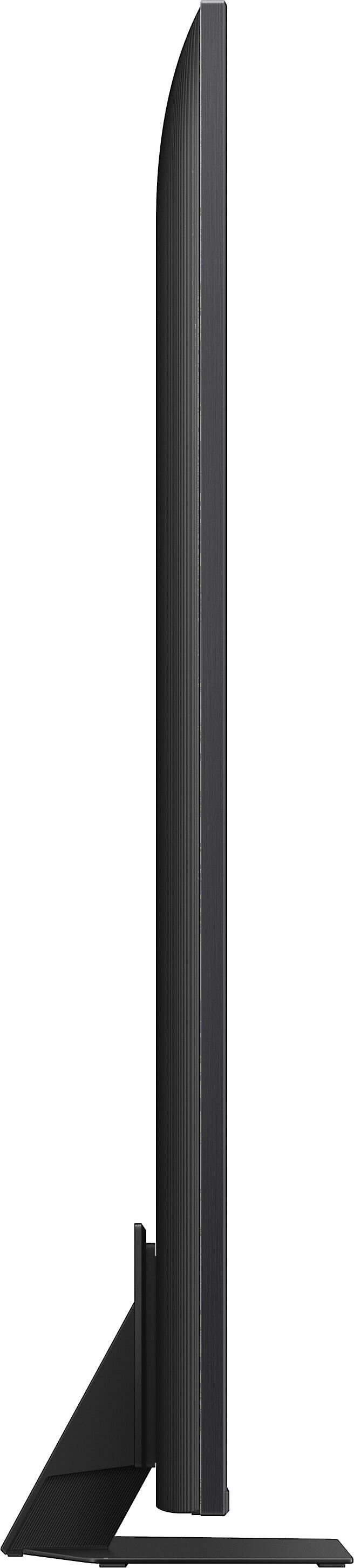
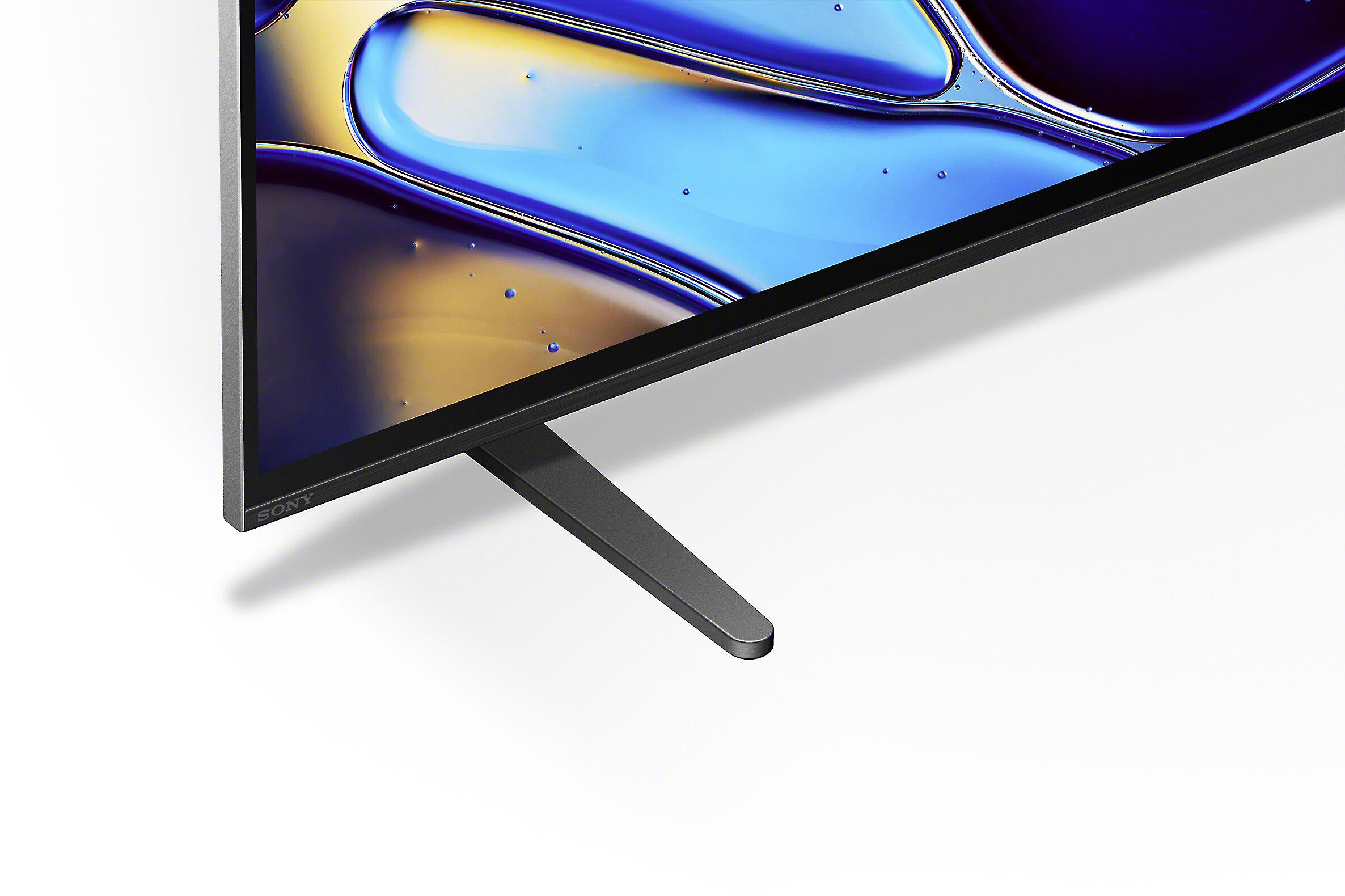
| 1.6" depth, minimal bezels, central stand | Slightly thicker with premium construction, adjustable feet positions |
| Voice Assistant - Convenience for hands-free control | |
| Bixby built-in, works with Alexa and Google Assistant | Google Assistant built-in with superior integration |
| Best For - Bottom line recommendation | |
| Bright rooms, gaming, vibrant content consumption | Movie enthusiasts, PS5 gamers, those wanting accuracy and better sound |
The Samsung 65" OLED S90D TV is better for bright rooms due to its higher peak brightness of approximately 1,000 nits compared to the Sony BRAVIA 8 65" 4K OLED TV which reaches about 800-900 nits. This extra brightness helps the Samsung S90D overcome glare and maintain vibrant images even in well-lit living spaces, making it the preferred choice if you typically watch TV during daytime or in rooms with lots of windows.
The Sony BRAVIA 8 65" 4K OLED TV has a slight edge for movie watching thanks to its superior processing, more accurate colors, and Dolby Vision support. While both TVs deliver excellent picture quality, the Sony's XR processor excels at upscaling and presents colors closer to what filmmakers intended. The Samsung 65" OLED S90D TV produces slightly more vibrant colors that some may prefer, but serious movie enthusiasts typically value the Sony's more accurate cinematic presentation.
The Samsung 65" OLED S90D TV offers better gaming performance with lower input lag (9.8ms vs 13.1ms), a higher refresh rate (144Hz vs 120Hz), and four full HDMI 2.1 ports compared to only two on the Sony BRAVIA 8 65" 4K OLED TV. However, PS5 owners may appreciate Sony's Auto HDR Tone Mapping feature which automatically optimizes picture settings for PlayStation games. For multi-console or PC gamers, the Samsung S90D provides more gamer-friendly features overall.
Yes, both the Samsung 65" OLED S90D TV and Sony BRAVIA 8 65" 4K OLED TV support 4K gaming at 120Hz, which is ideal for PS5 and Xbox Series X. The key difference is that all four HDMI ports on the Samsung S90D support this feature, while only two ports on the Sony BRAVIA 8 are HDMI 2.1 capable. This gives the Samsung more flexibility if you have multiple gaming devices that support high frame rates.
The Sony BRAVIA 8 65" 4K OLED TV offers a more intuitive smart experience with Google TV, providing superior content recommendations across streaming services and wider app compatibility. The Samsung 65" OLED S90D TV uses Tizen OS which is fast but can feel cluttered with sponsored content. While Samsung offers unique features like Gaming Hub for cloud gaming, most users find Google TV easier to navigate and appreciate its better integration with other smart home devices.
Yes, the Sony BRAVIA 8 65" 4K OLED TV provides noticeably better built-in sound with its 50W Acoustic Surface Audio+ technology, where the screen itself acts as a speaker. This creates more immersive audio with better dialogue clarity compared to the Samsung 65" OLED S90D TV's 40W 2.1-channel system. For casual viewing without external speakers, the Sony delivers a superior audio experience, though serious home theater enthusiasts will want a separate sound system with either TV.
The Sony BRAVIA 8 65" 4K OLED TV has superior upscaling capabilities thanks to its XR processor, which is particularly effective with challenging content like compressed streaming, cable TV, or older DVDs. While the Samsung 65" OLED S90D TV's NQ4 AI Gen2 Processor also performs well with 1080p content, the Sony has a noticeable advantage when handling lower quality sources, making it better if you watch a lot of non-4K content.
Yes, the Samsung 65" OLED S90D TV and Sony BRAVIA 8 65" 4K OLED TV are very similarly priced when on sale, both around $1,700 for their 65-inch models. At their regular retail prices, the Sony is slightly more expensive at $2,895 compared to Samsung's $2,700. Given their similar price points, buyers should focus on which features matter most to them rather than cost differences when choosing between these two premium OLED TVs.
No, there's a key difference in HDR format support. The Sony BRAVIA 8 65" 4K OLED TV supports HDR10, HLG, and Dolby Vision, while the Samsung 65" OLED S90D TV supports HDR10 and HDR10+ but lacks Dolby Vision compatibility. This matters because Dolby Vision content is widely available on Netflix, Disney+, and many 4K Blu-rays, giving the Sony better compatibility with popular streaming services and physical media.
For a dedicated home theater room with controlled lighting, the Sony BRAVIA 8 65" 4K OLED TV has a slight edge due to its more accurate colors, Dolby Vision support, and superior film motion processing. The Sony presents movies closer to how directors intended them to be seen. However, the Samsung 65" OLED S90D TV still delivers excellent performance and its higher brightness might be preferred for rooms where some ambient light is present even during movie night.
Both TVs handle sports content well, but the Samsung 65" OLED S90D TV has advantages for sports viewing with its higher brightness and Motion Xcelerator Turbo+ technology with 144Hz capability. These features help maintain clarity during fast-paced action. The Sony BRAVIA 8 65" 4K OLED TV also performs admirably with sports content thanks to its 120Hz panel and XR OLED Motion technology, but might not appear quite as bright during daytime sports viewing.
Both the Samsung 65" OLED S90D TV and Sony BRAVIA 8 65" 4K OLED TV should have similar longevity, as they both include technology to prevent burn-in and come with standard 1-year warranties. Sony has a slightly longer track record with OLED TVs, which might give some buyers more confidence, but Samsung has invested heavily in OLED durability. With normal use, both TVs should provide many years of service, and the decision should be based on features rather than concerns about one lasting longer than the other.
We've done our best to create useful and informative comparisons to help you decide what product to buy. Our research uses advanced automated methods to create this comparison and perfection is not possible - please contact us for corrections or questions. These are the sites we've researched in the creation of this article: bestbuy.com - valueelectronics.com - youtube.com - cnet.com - bestbuy.com - videoandaudiocenter.com - youtube.com - samsung.com - samsung.com - pcrichard.com - samsung.com - bestbuy.com - bestbuy.com - crutchfield.com - avsforum.com - electronics.sony.com - sony.com - store.sony.co.nz - sony.com - displayspecifications.com

Privacy Policy
Terms and Conditions - Affiliate Policy
Home Security
© Copyright 2008-2026.
11816 Inwood Rd #1211, Dallas, TX 75244