


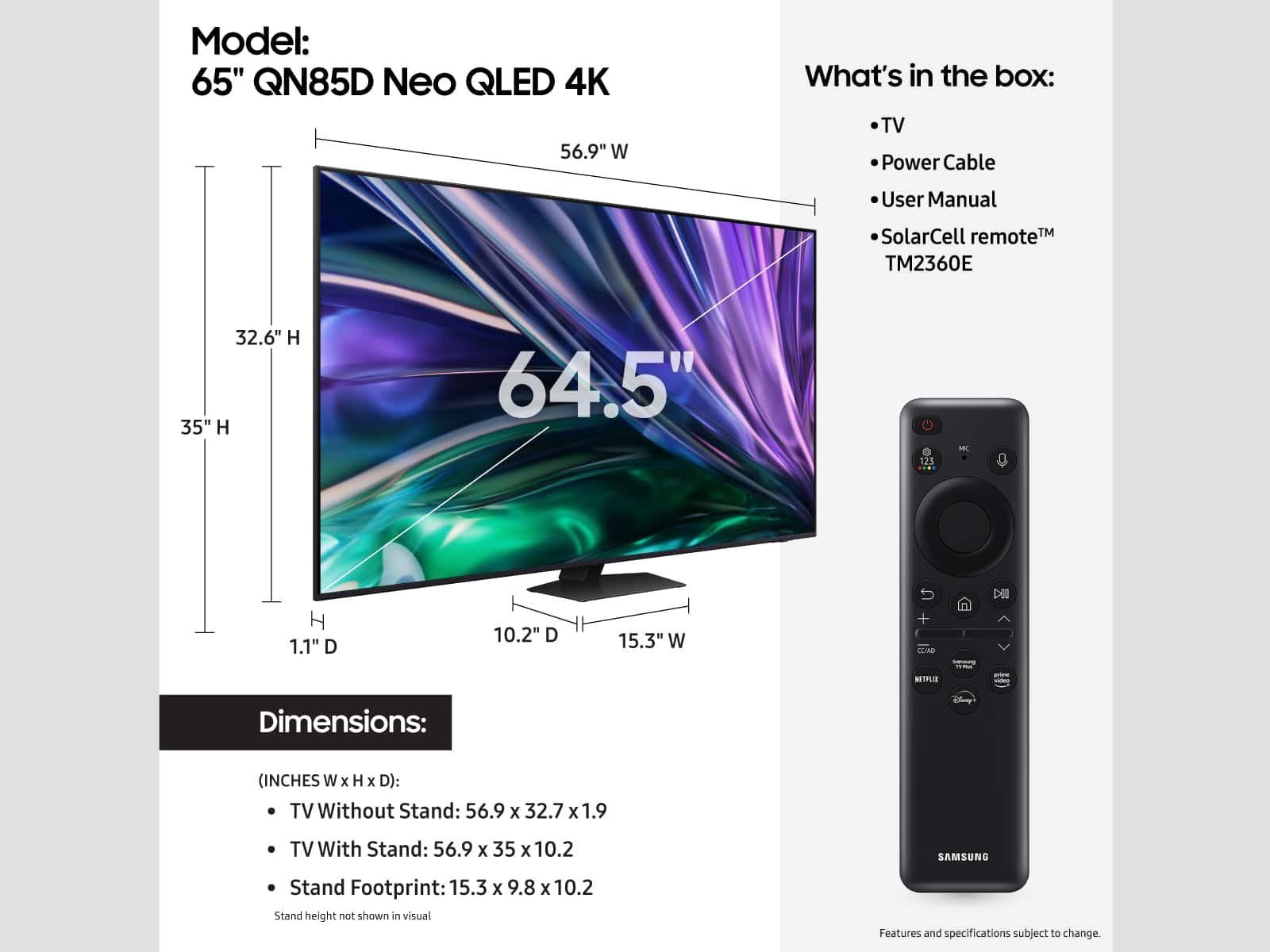
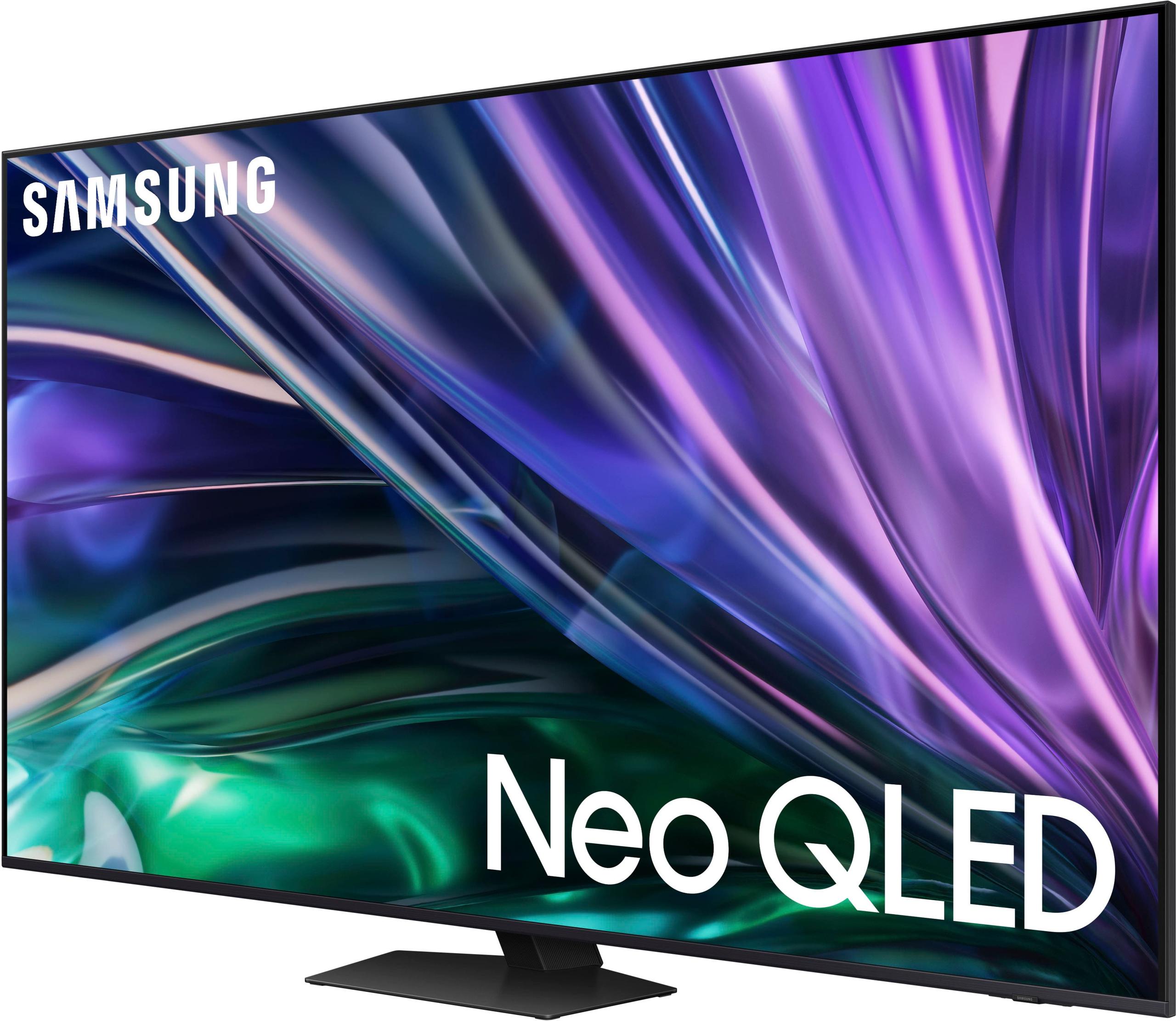
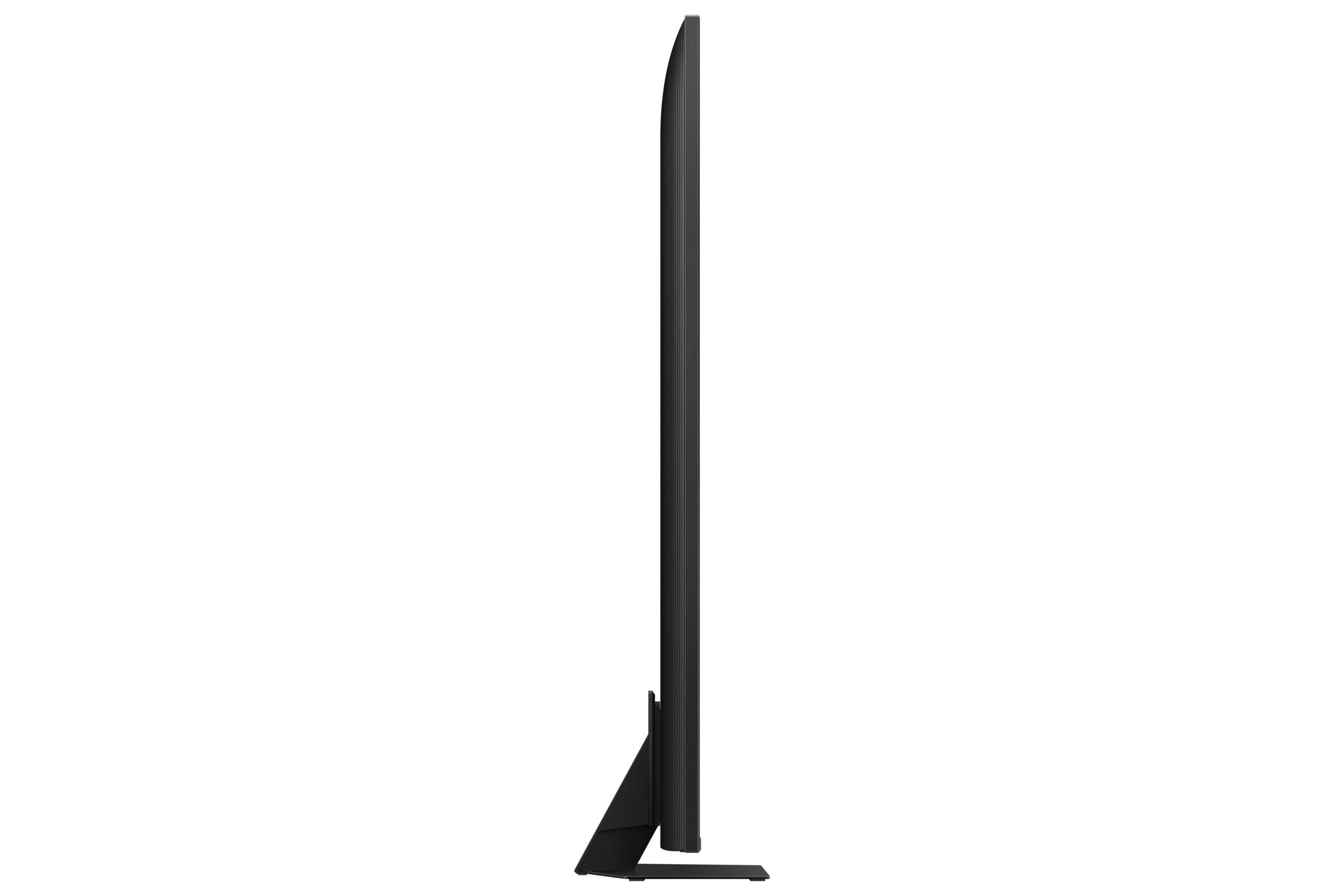
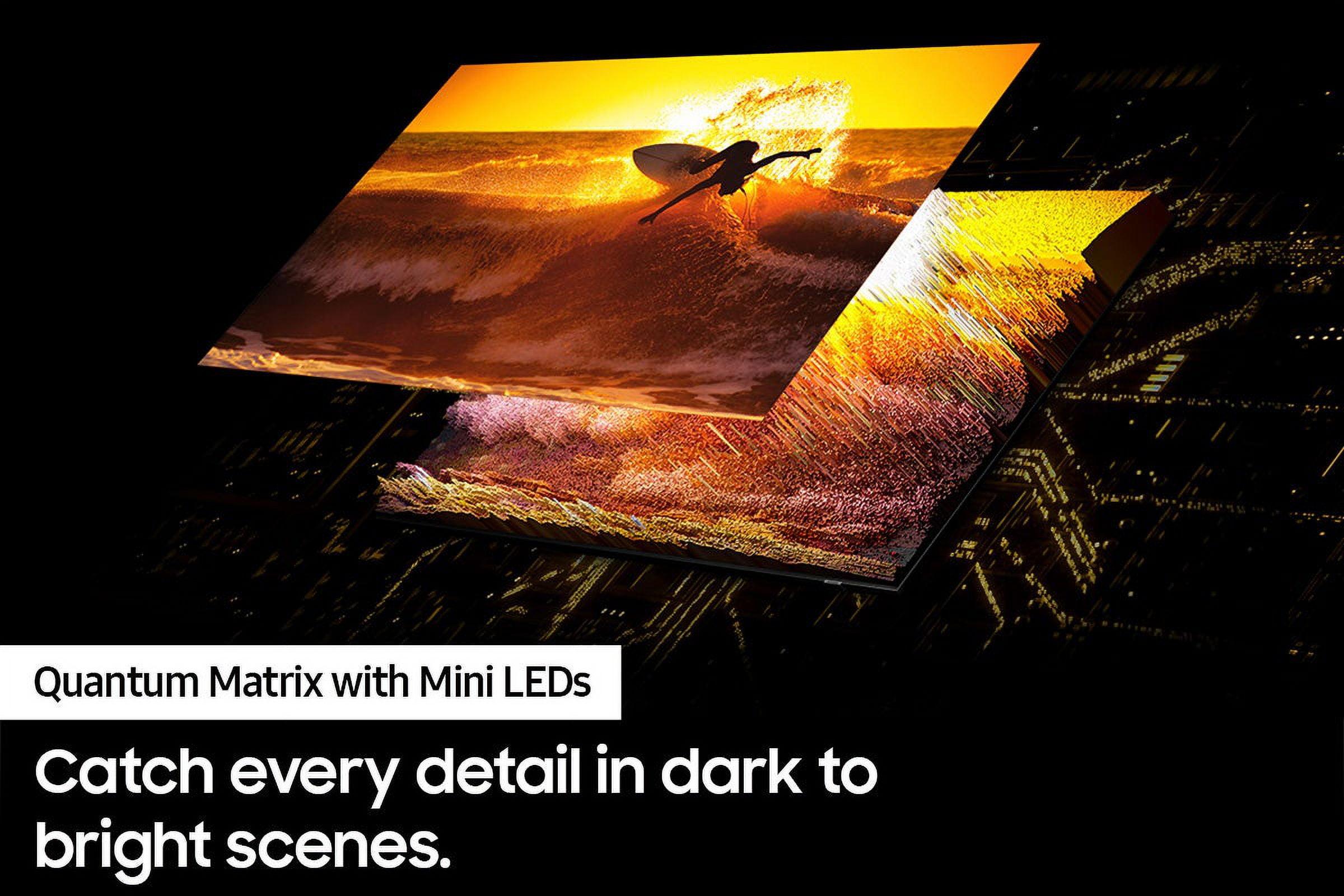

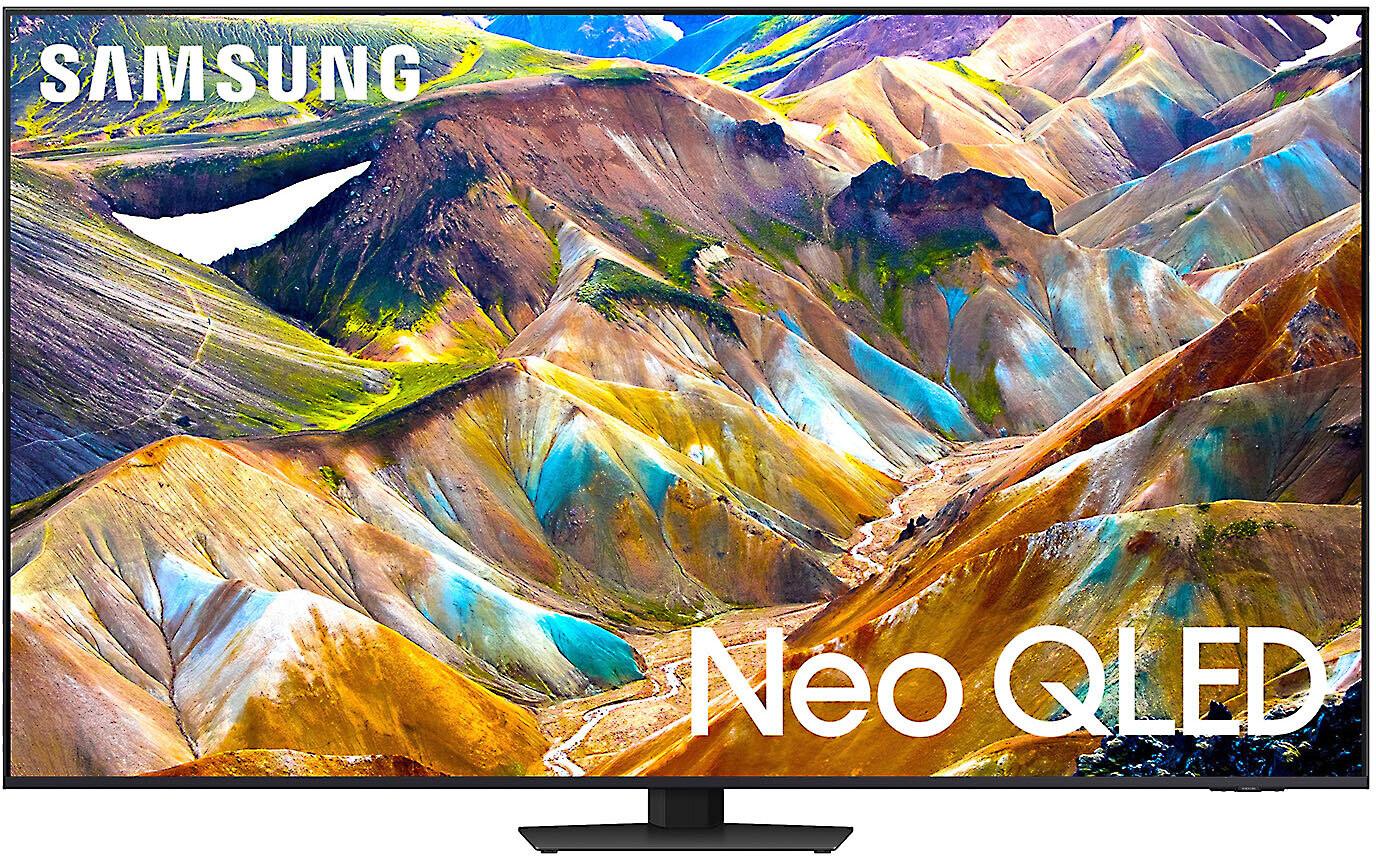
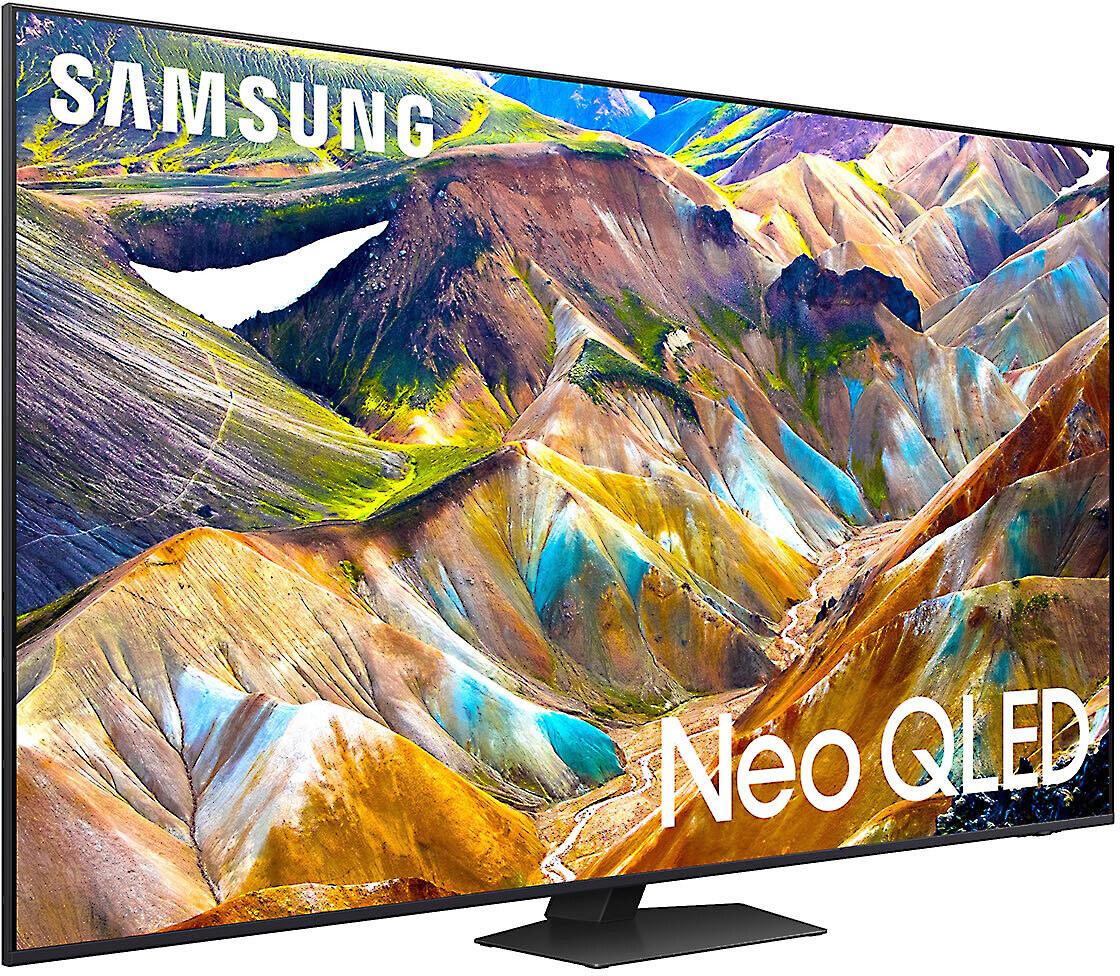
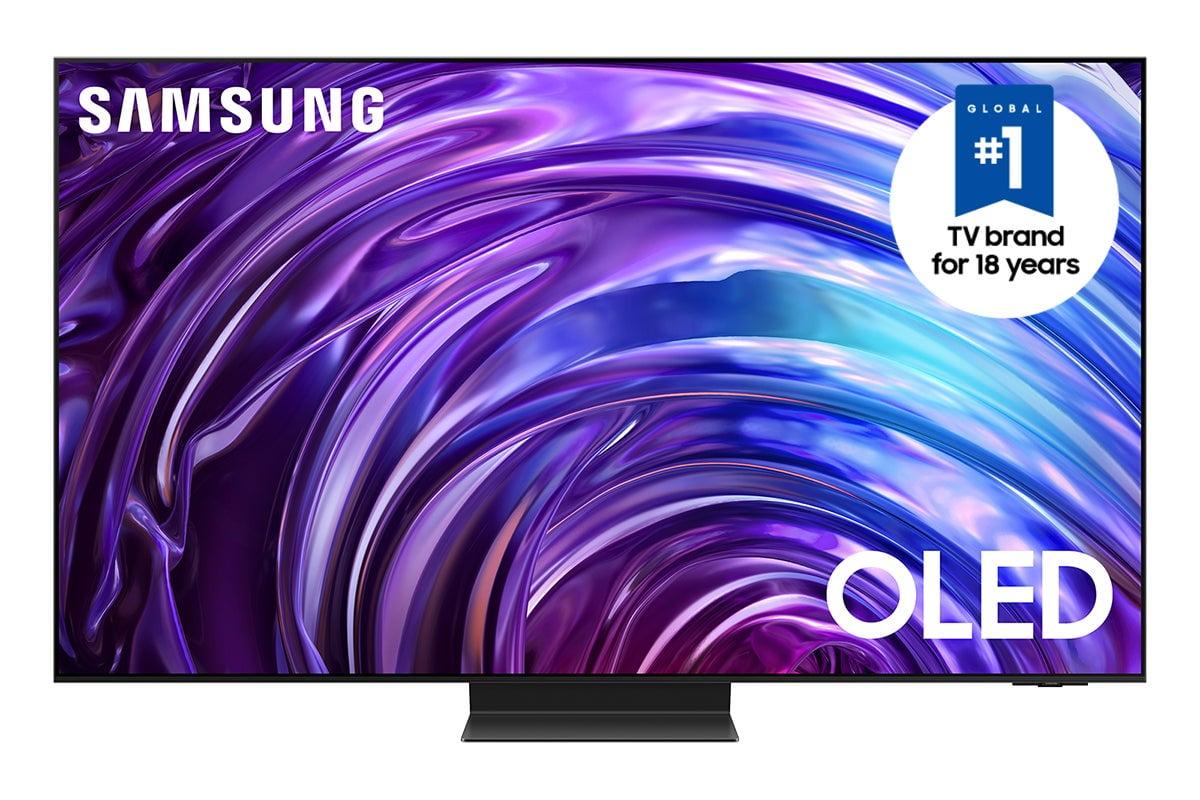
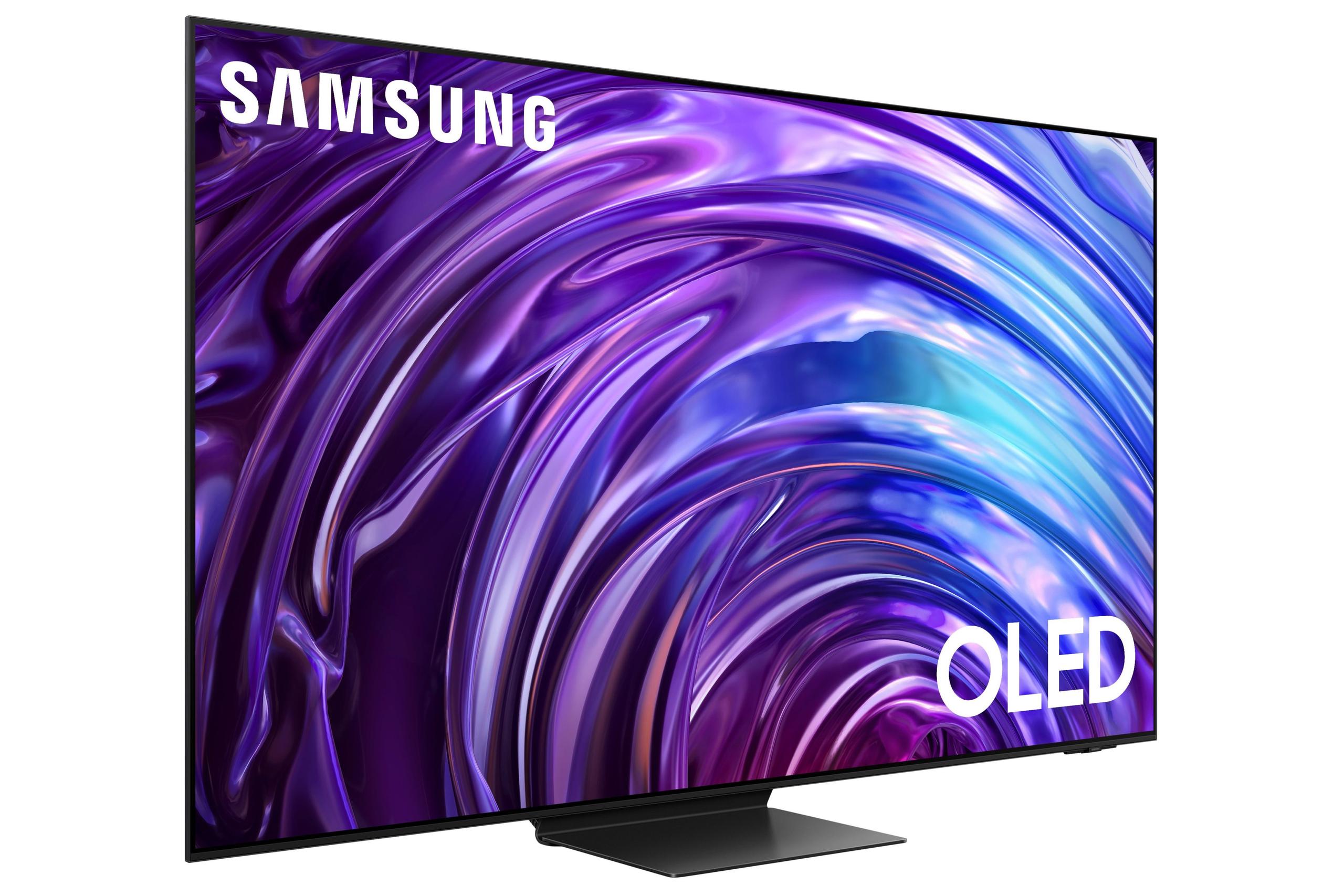
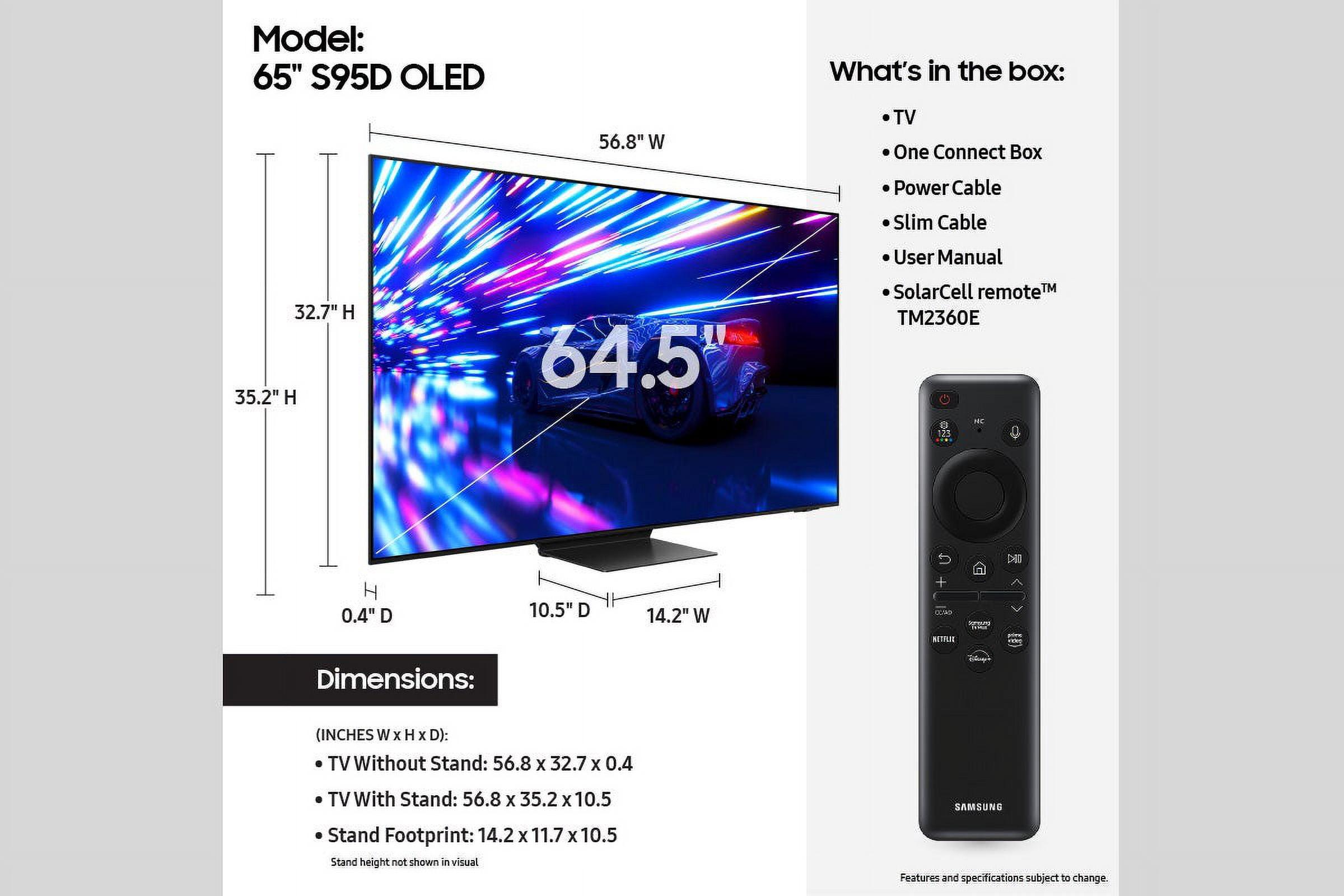
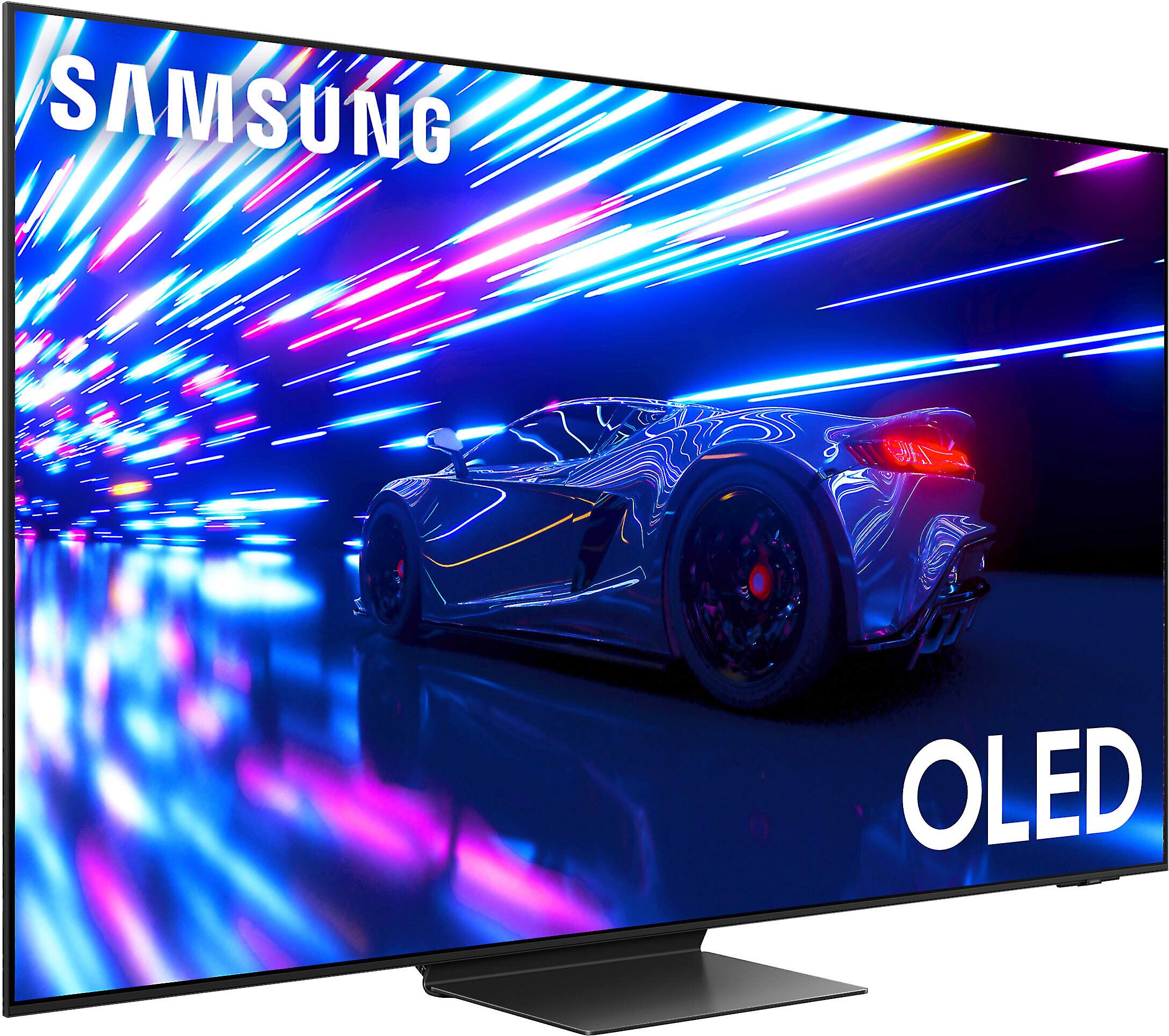

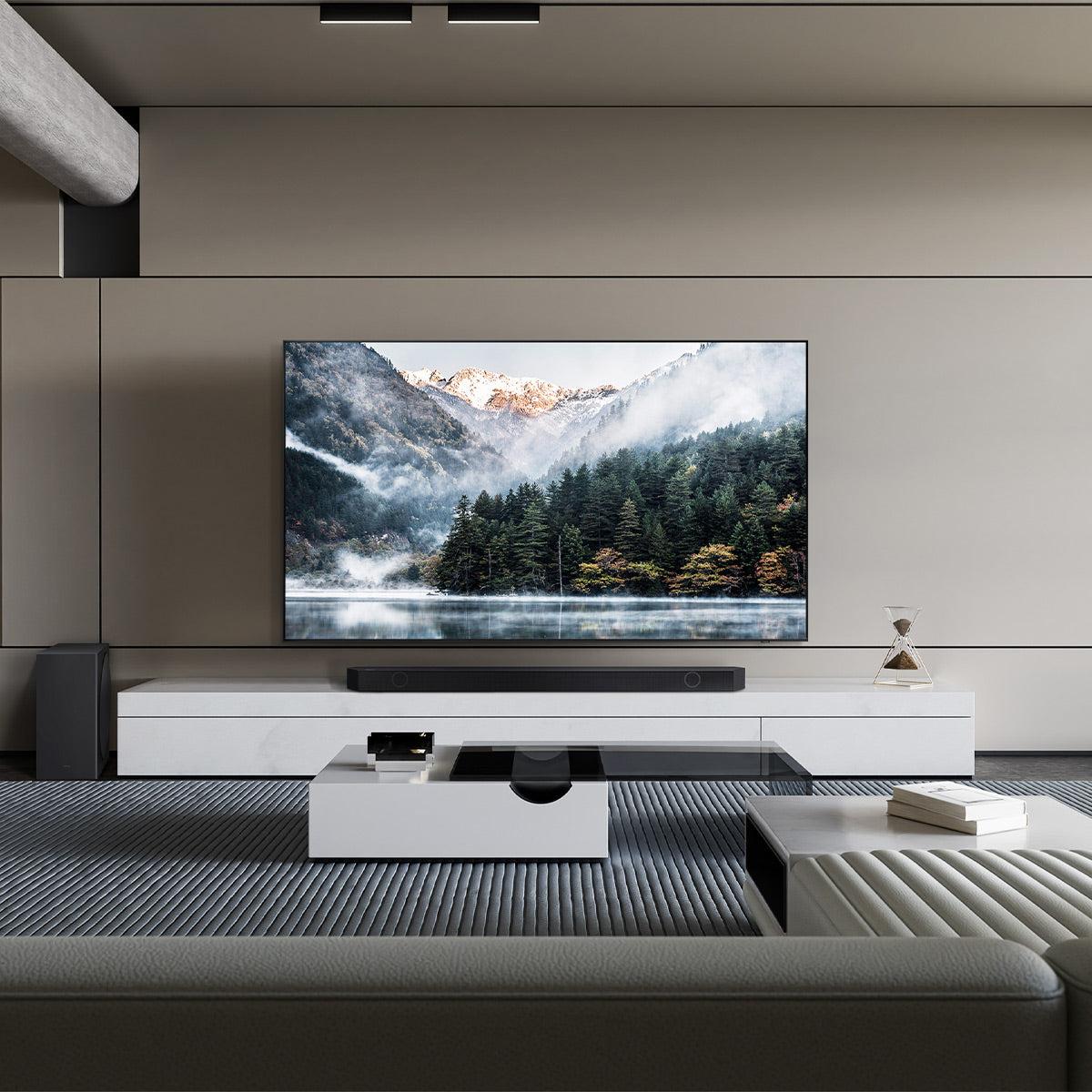
When Samsung re-entered the OLED TV market in 2022 after a decade-long hiatus, they did so with a splash. Unlike their competitors who use traditional WOLED (White OLED) panels, Samsung embraced QD-OLED technology, which combines the perfect blacks of OLED with the enhanced color volume of quantum dots. The 2024 lineup continues this technological advancement with two standout 65-inch models: the mid-tier S90D and the flagship S95D.
Both TVs hit the market in March 2024, representing Samsung's third generation of QD-OLED displays. These aren't minor updates – each model brings meaningful improvements over their 2023 predecessors, the S90C and S95C. The most significant advances are in brightness capabilities, AI-powered processing, and, exclusively for the S95D, a revolutionary anti-glare technology that addresses one of OLED's traditional weaknesses.
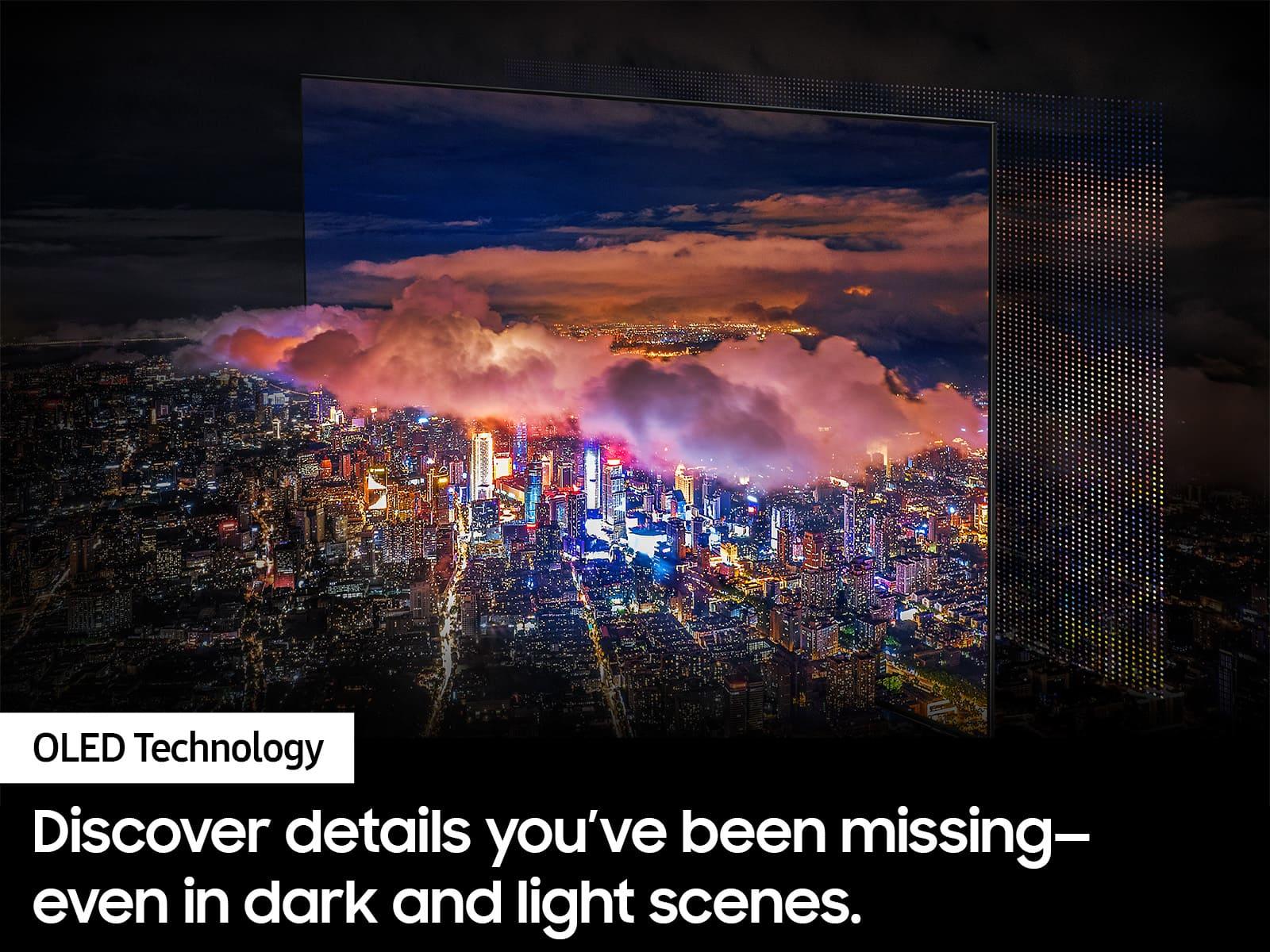
For those unfamiliar with OLED technology, it differs fundamentally from traditional LED/LCD TVs. Each pixel in an OLED display generates its own light and can turn completely off, creating perfect blacks and infinite contrast. This results in stunning picture quality, especially when watching movies in darkened rooms. However, OLEDs have historically struggled with maximum brightness compared to high-end LED TVs, making them less ideal for brightly lit environments – a limitation the new models aim to address.
Before diving into the specific differences between the S90D and S95D, it's important to understand what makes a premium OLED worth the investment. Unlike budget TVs where compromises are expected, high-end OLEDs should excel in several crucial areas:
Picture quality forms the foundation of any premium TV experience. This encompasses not just resolution (both are 4K), but more importantly: contrast ratio (how deep the blacks appear), color accuracy (how true-to-life colors look), color volume (the range of colors at different brightness levels), and HDR performance (how the TV handles content with both very bright and very dark elements simultaneously).
Brightness capabilities determine how well the TV performs in well-lit environments and how impactful HDR highlights appear. While all OLEDs deliver perfect blacks, their peak brightness varies significantly.
Reflection handling is increasingly important as many living rooms have multiple windows or overhead lighting that can create distracting reflections on glossy screens.
Gaming features matter tremendously for the growing segment of console and PC gamers who want their TV to deliver responsive, tear-free gameplay with minimal input lag (the delay between pressing a button and seeing the action on screen).
Design and build quality reflect the premium nature of these TVs, influencing how they look in your space both when on and off.
Smart features and usability determine how enjoyable the TV is to use daily, from content discovery to switching between inputs.
With these considerations in mind, let's see how these two premium Samsung OLEDs compare and, more importantly, which one might be right for your specific situation.
The Samsung S90D 65" launched at $2,699, though it's frequently available for closer to $1,999 during sales. The Samsung S95D 65" debuted at $3,399 and typically maintains a $700-900 premium over its sibling.
This price gap is substantial – representing nearly a 45% increase from the S90D's sale price to the S95D's retail price. The question that drives this entire comparison is whether the S95D's additional features justify this premium for your specific viewing habits and environment.
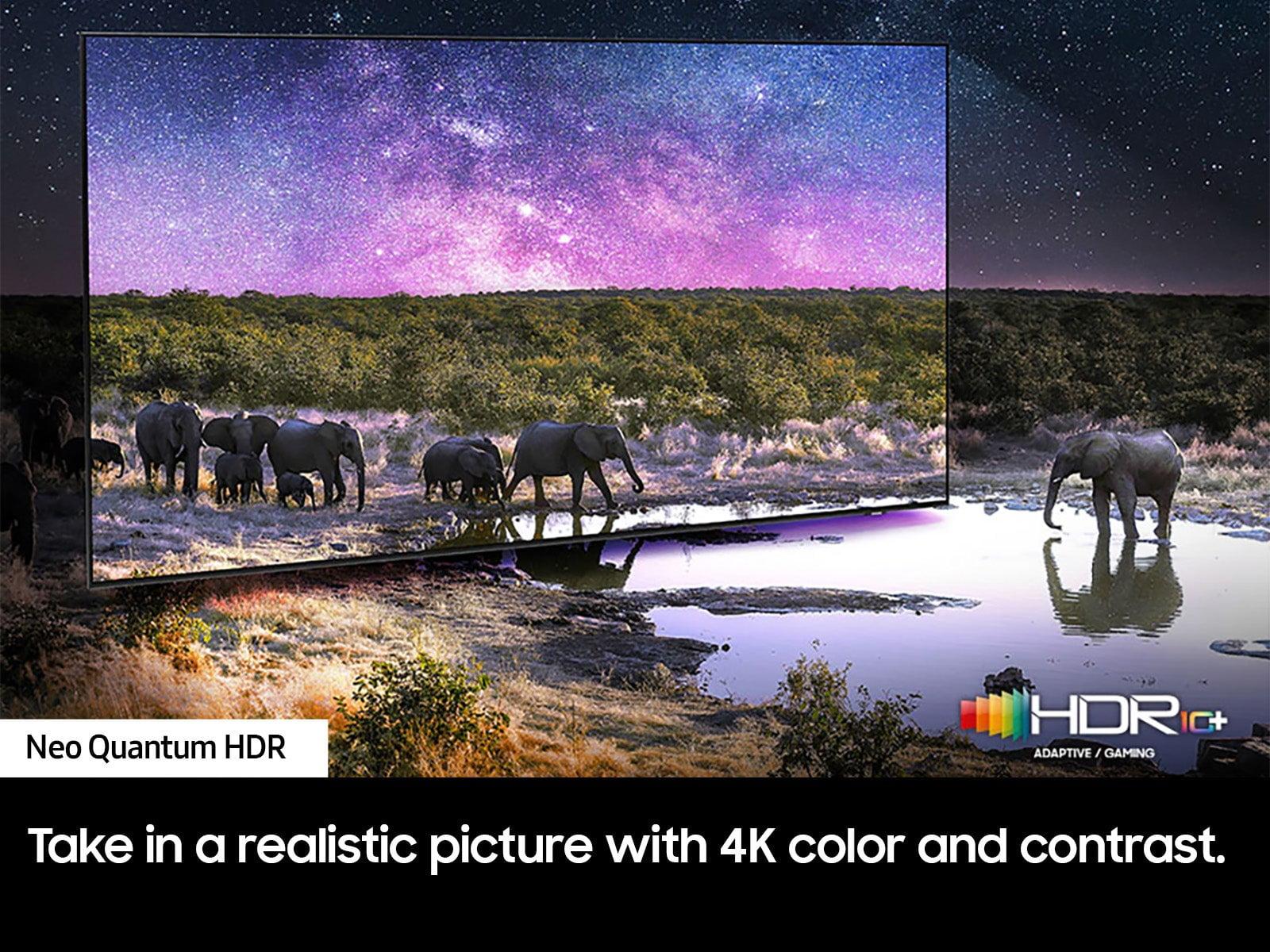
Both the S90D and S95D use QD-OLED panel technology, which combines the self-emissive pixels of OLED with quantum dot color enhancement. This provides better color volume than traditional WOLED panels, especially at higher brightness levels.
However, the panels aren't identical. The S95D uses the newest third-generation QD-OLED panel with enhanced brightness capabilities. In technical measurements, the S90D reaches approximately 1,300 nits of peak brightness in small highlights, while the S95D pushes to around 1,600 nits – representing about a 20% advantage.
What does this mean in real-world viewing? The difference is most noticeable when watching HDR content, where specular highlights like sunlight reflecting off water or the gleam of metal appear more realistic and impactful on the S95D. This brightness advantage also helps the S95D maintain more vibrant colors in very bright scenes – a traditional weakness of OLED technology.
In standard SDR content (typical TV shows, news, and some streaming content), the difference is less pronounced, though the S95D still maintains a slight edge in overall brightness.
The most significant technological differentiator between these models isn't their inherent picture quality but rather how effectively they maintain that quality in varied lighting conditions.
The S90D features a traditional glossy screen with basic anti-reflection treatment. It looks spectacular in controlled lighting but suffers from the same issue that plagues most premium TVs – noticeable reflections from windows, lamps, and even brightly colored objects in the room.
The S95D introduces Samsung's new "OLED Glare Free" technology, which dramatically reduces reflections without compromising image quality. Unlike older matte screens that reduced reflections but also diffused the image (making it less sharp), Samsung's approach maintains clarity while reducing reflections by up to 70%.
I've seen both TVs in identical environments with window light streaming in, and the difference is striking. The S90D shows clear, mirror-like reflections that compete with the image, while the S95D displays the same content with minimal distraction from reflections. This isn't just a minor enhancement – it fundamentally transforms how usable an OLED TV is in bright environments.
For home theater enthusiasts with controlled lighting, this feature might seem unnecessary. But for living rooms with windows or overhead lighting that can't always be dimmed, the S95D's anti-glare technology represents one of the most meaningful advances in recent TV technology.
Both TVs offer Pantone-validated colors, ensuring excellent color accuracy after proper calibration. The quantum dot layer helps both models achieve approximately 90% coverage of the BT.2020 color space – significantly better than most TVs on the market.
The S95D has a slight advantage in color volume (the ability to show saturated colors at high brightness levels) due to its higher peak brightness. This is particularly noticeable in vivid HDR content like animated films or nature documentaries.
The processing behind HDR content also differs slightly between models. The S90D features Samsung's OLED HDR+ technology, while the S95D upgrades to OLED HDR Pro. The primary difference is in how effectively the processor maps HDR content to the display's capabilities, with the S95D preserving slightly more detail in both shadows and highlights.
For gamers, both the S90D and S95D offer virtually identical core performance. Each TV includes:
The primary gaming-related difference is the S95D's anti-glare screen, which provides a significant advantage for daytime gaming sessions or rooms with difficult lighting. Competitive gamers in particular may appreciate how the S95D minimizes distracting reflections during fast-paced gameplay.
Both TVs also feature Samsung's Gaming Hub, a dedicated interface for accessing cloud gaming services like Xbox Game Pass and NVIDIA GeForce Now without needing a separate console.
The design philosophies of these two models diverge significantly, with implications for installation and daily use.
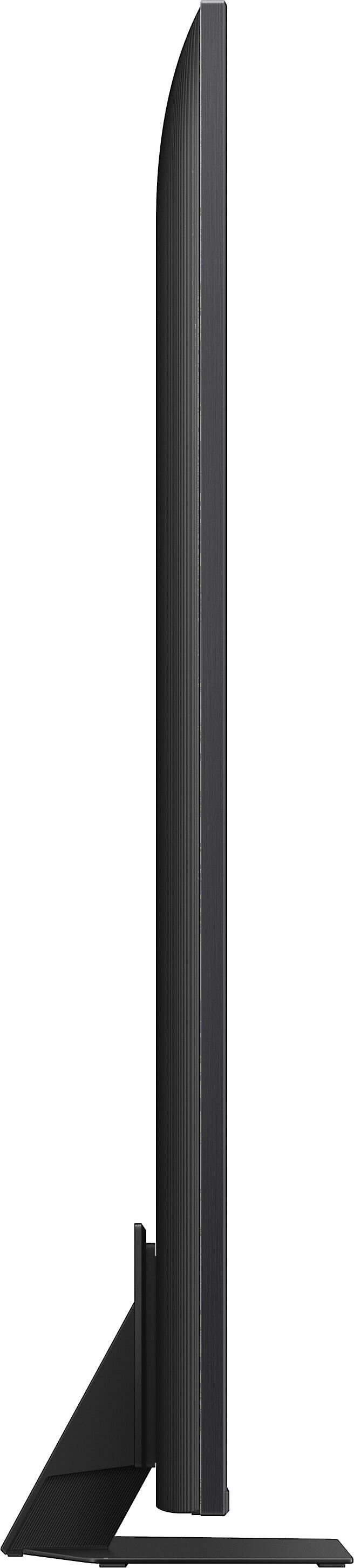
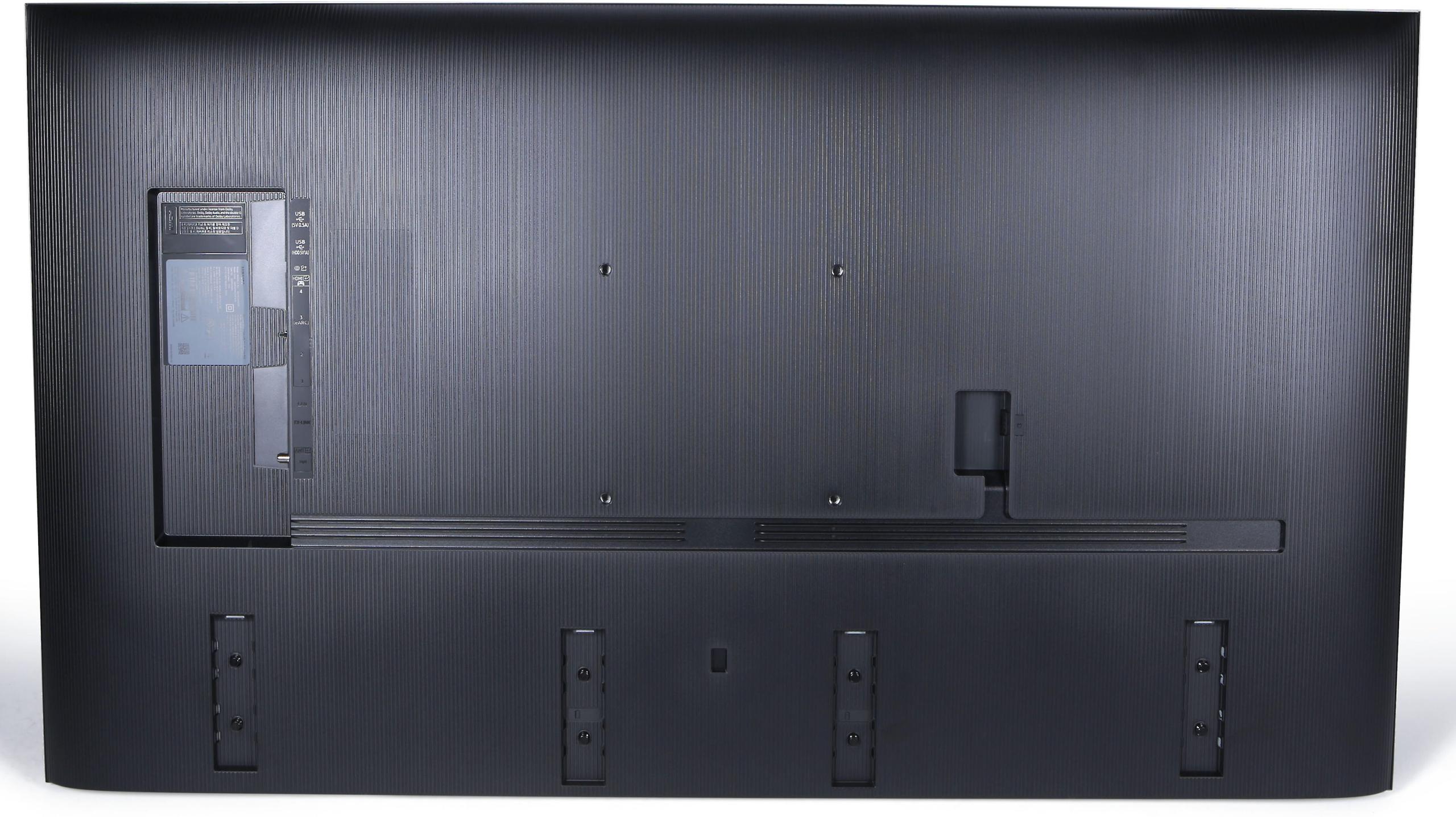
The S90D features a conventional design with all connections located on the back of the TV. Its profile is still impressively thin for most of the panel, with a slightly thicker section housing the electronics and connections. The center-mounted stand is sturdy and attractive, though wall-mounting remains a popular option.
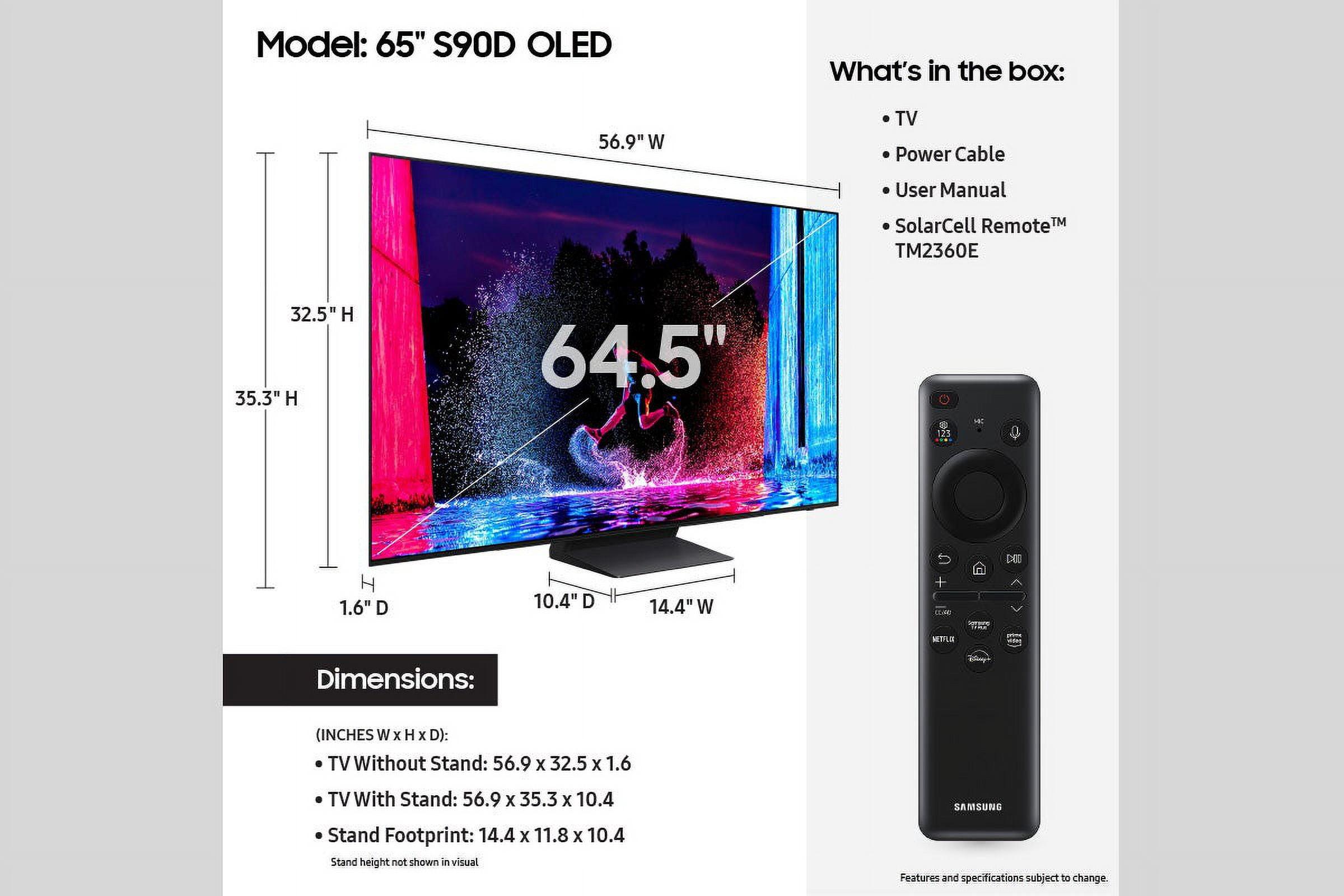
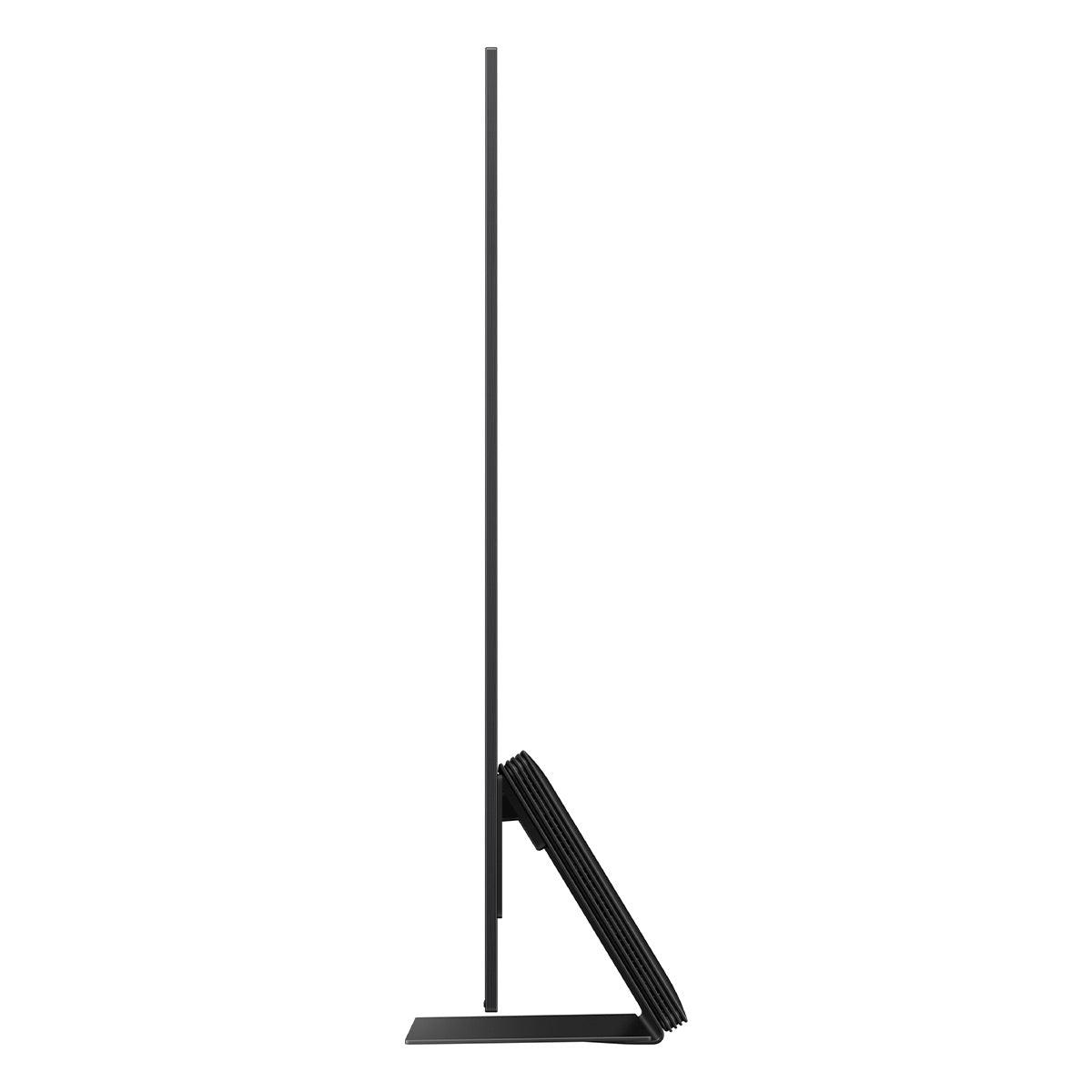
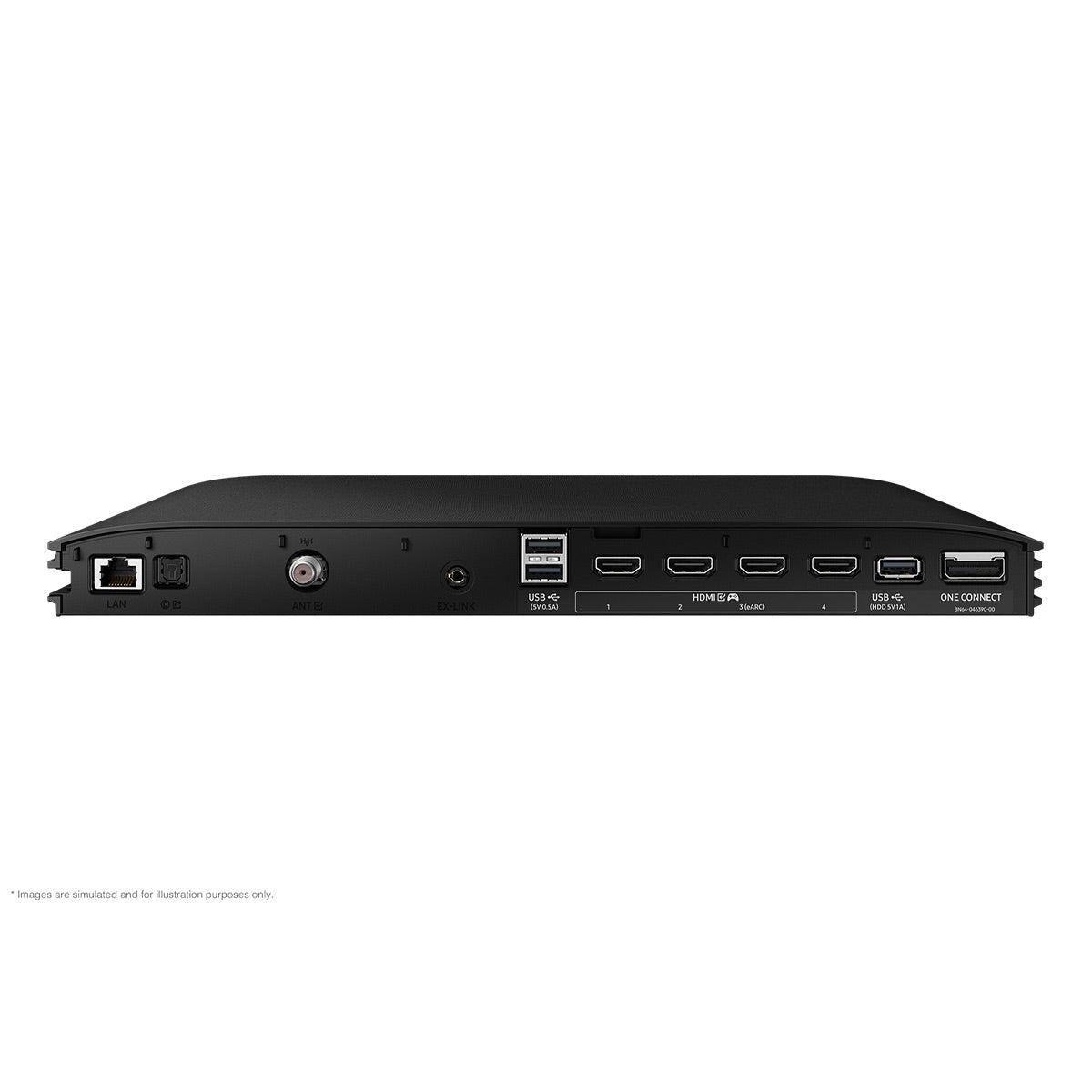
The S95D embraces a more premium approach with its external One Connect box, which houses all inputs and processing. This allows for an ultra-slim panel design – just 11mm thick across the entire display – and dramatically simplifies cable management. With only a single thin cable connecting the display to the One Connect box, the S95D offers a cleaner installation, especially for wall-mounting.
This design difference isn't merely aesthetic. For home theater enthusiasts or anyone with complex setups involving multiple sources (game consoles, streaming devices, sound systems), the One Connect box provides easier access to ports and simpler cable routing.
Both the S90D and S95D run on Samsung's Tizen operating system with essentially identical interfaces and capabilities. The 2024 iteration of Tizen focuses on personalized content recommendations and easy access to Samsung's growing free ad-supported streaming service, Samsung TV Plus.
The heart of both TVs' processing power is Samsung's NQ4 AI Gen2 Processor, which utilizes 20 neural networks to improve upscaling, motion handling, and picture optimization. This processor analyzes content in real-time to enhance clarity and reduce noise, particularly when watching lower-resolution sources like cable TV or older streaming content.
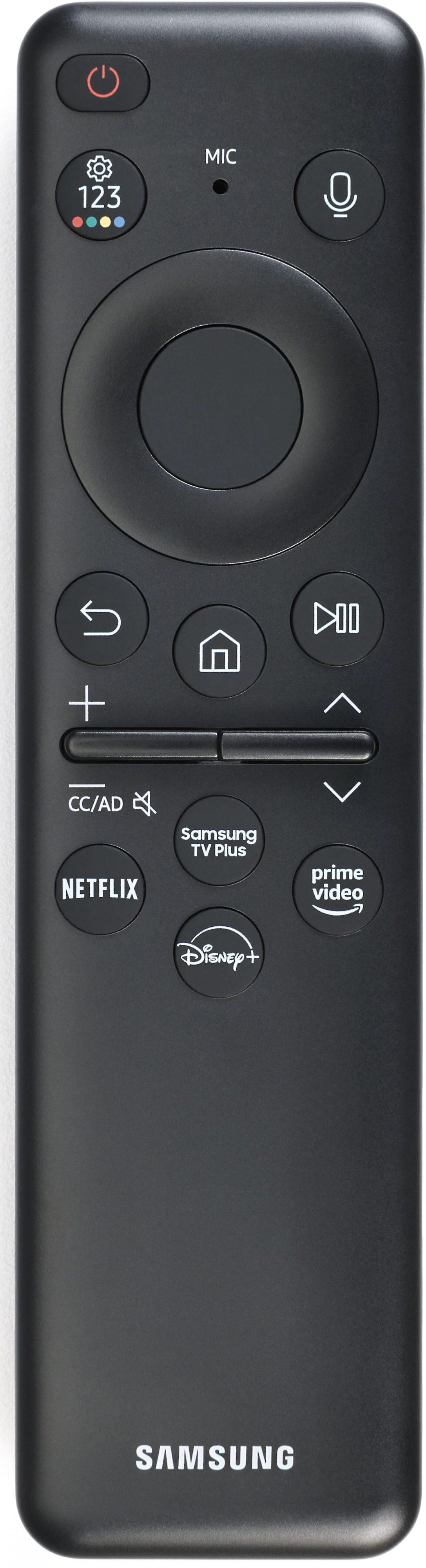
Both models include Samsung's SolarCell remote, which charges via indoor light and eliminates the need for disposable batteries. It's a small but thoughtful feature that reduces waste and avoids the annoyance of hunting for batteries when the remote dies.
To truly understand which TV might be right for you, it's helpful to consider specific viewing scenarios.
For dedicated home theaters with controlled lighting: Both TVs will deliver spectacular picture quality with perfect blacks and vibrant colors. The S95D's higher peak brightness gives it a slight edge in HDR performance, but the S90D remains outstanding in this environment. The price difference becomes harder to justify in perfectly dark rooms where the anti-glare technology offers minimal benefit.
For bright living rooms with windows: The S95D's anti-glare technology and higher brightness create a substantially better viewing experience during daytime hours. The ability to see dark scenes clearly without reflections washing out the image makes the premium price more justified. If you primarily watch TV during daylight hours in a room with windows, the S95D offers a meaningful improvement.
For mixed-use rooms with variable lighting: Consider your primary viewing habits. If you mostly watch at night with controlled lighting, the S90D will deliver excellent performance at a lower price point. If you frequently watch during the day or have unavoidable lighting issues, the S95D's anti-glare capabilities represent a significant quality-of-life improvement.
The S90D makes the most sense for:
The S95D is the better choice for:
When choosing between the Samsung S90D and S95D, consider these decision points:
For most viewers with typical living rooms that experience varying lighting conditions, the S95D's anti-glare technology represents a genuine advancement that improves the everyday viewing experience. However, the S90D remains an excellent high-performance option that delivers about 90% of the S95D experience at a more accessible price point.
Ultimately, both TVs represent the cutting edge of display technology in 2024. The choice between them comes down not to which is the "better" TV in absolute terms, but rather which offers the best value proposition for your specific viewing environment, habits, and budget.
| Samsung 65" OLED S90D TV | Samsung 65" S95D 4K OLED Smart TV |
|---|---|
| Price - Your investment consideration | |
| $2,699 MSRP (frequently on sale for ~$1,999) | $3,399 MSRP ($700-900 premium over S90D) |
| Panel Technology - Determines fundamental picture quality | |
| QD-OLED (Quantum Dot OLED) with 2nd-gen panel | QD-OLED with newest 3rd-gen panel for enhanced brightness |
| Peak Brightness - Critical for HDR impact and daytime viewing | |
| ~1,300 nits (20% brighter than previous generation) | ~1,600 nits (20% brighter than S90D) |
| Anti-Glare Technology - Game-changer for rooms with windows or bright lighting | |
| Standard glossy screen with basic anti-reflection | "OLED Glare Free" technology (reduces reflections by ~70%) |
| HDR Processing - Affects detail in brightest and darkest areas | |
| OLED HDR+ | OLED HDR Pro (enhanced version with better highlight detail) |
| Color Performance - Determines realism and vibrancy | |
| Pantone-validated colors with excellent accuracy | Pantone-validated colors with slightly better color volume due to higher brightness |
| Processor - Powers AI upscaling and picture optimization | |
| NQ4 AI Gen2 Processor with 20 neural networks | NQ4 AI Gen2 Processor with 20 neural networks (identical) |
| Gaming Features - Essential for console gamers | |
| 4K/120Hz, VRR, ALLM, ~9ms input lag | 4K/120Hz, VRR, ALLM, ~9ms input lag (identical) |
| Design & Connectivity - Affects installation and cable management | |
| Traditional design with connections on TV back panel | Ultra-slim (11mm) design with external One Connect box |
| Smart Platform - Your interface for content discovery | |
| Samsung Tizen OS (2024 version) | Samsung Tizen OS (2024 version) (identical) |
| Ideal Environment - Where each TV performs best | |
| Excellent for controlled lighting or evening viewing | Superior for rooms with windows, variable lighting conditions |
| Best Value For - Your use case consideration | |
| Budget-conscious buyers who primarily watch in darker environments | Viewers seeking the absolute best picture quality regardless of room lighting |
The Samsung S95D is significantly better for bright rooms thanks to its OLED Glare Free technology, which reduces reflections by up to 70% compared to the S90D's standard glossy screen. The S95D also reaches higher peak brightness levels (around 1,600 nits vs. the S90D's 1,300 nits), making it much easier to see content clearly in well-lit environments with windows or overhead lighting.
The Samsung 65" S95D typically costs $700-900 more than the Samsung 65" S90D. The S95D has an MSRP of $3,399, while the S90D has an MSRP of $2,699 but is frequently available for around $1,999 during sales. This represents approximately a 30-45% price premium for the S95D over the S90D.
Whether the Samsung S95D is worth the extra $700-900 over the Samsung S90D depends primarily on your viewing environment. If you watch TV in a room with significant ambient light or windows, the S95D's anti-glare technology and higher brightness make a substantial difference in everyday viewing. For dark or controlled lighting environments like dedicated home theaters, the S90D provides nearly identical picture quality at a lower price point.
Both the Samsung S90D and Samsung S95D offer identical core gaming features: 4K/120Hz support, Variable Refresh Rate (VRR), Auto Low Latency Mode (ALLM), and approximately 9ms input lag. The primary gaming advantage of the S95D is its anti-glare screen, which reduces distracting reflections during daytime gaming sessions. For gamers who play in controlled lighting, both TVs provide equally excellent performance.
While both the Samsung S90D and Samsung S95D use QD-OLED technology (combining OLED with quantum dots), they don't use identical panels. The S95D features the newer third-generation QD-OLED panel with enhanced brightness capabilities, reaching around 1,600 nits peak brightness compared to the S90D's approximately 1,300 nits. Both are significantly brighter than traditional WOLED panels used by other manufacturers.
For movie watching in a dark room, both the Samsung S90D and Samsung S95D deliver exceptional picture quality with perfect blacks and vibrant colors. The S95D has a slight edge in HDR performance due to its higher peak brightness (1,600 nits vs. 1,300 nits) and enhanced HDR Pro processing, which preserves more detail in both highlights and shadows. However, in controlled lighting, the difference is subtle and may not justify the price premium for many viewers.
The key design difference is that the Samsung S95D features an external One Connect box housing all connections and processing, allowing for an ultra-slim 11mm panel thickness throughout. The Samsung S90D has a traditional design with connections on the back of the TV and a slightly thicker profile. The S95D's design enables cleaner wall-mounting and easier cable management, especially in complex home theater setups.
Both the Samsung S90D and Samsung S95D run identical versions of Samsung's Tizen operating system with the same app selection, voice assistants, and smart home integration features. They both use Samsung's NQ4 AI Gen2 Processor for content upscaling and picture optimization. There are no significant differences in smart TV functionality between the two models.
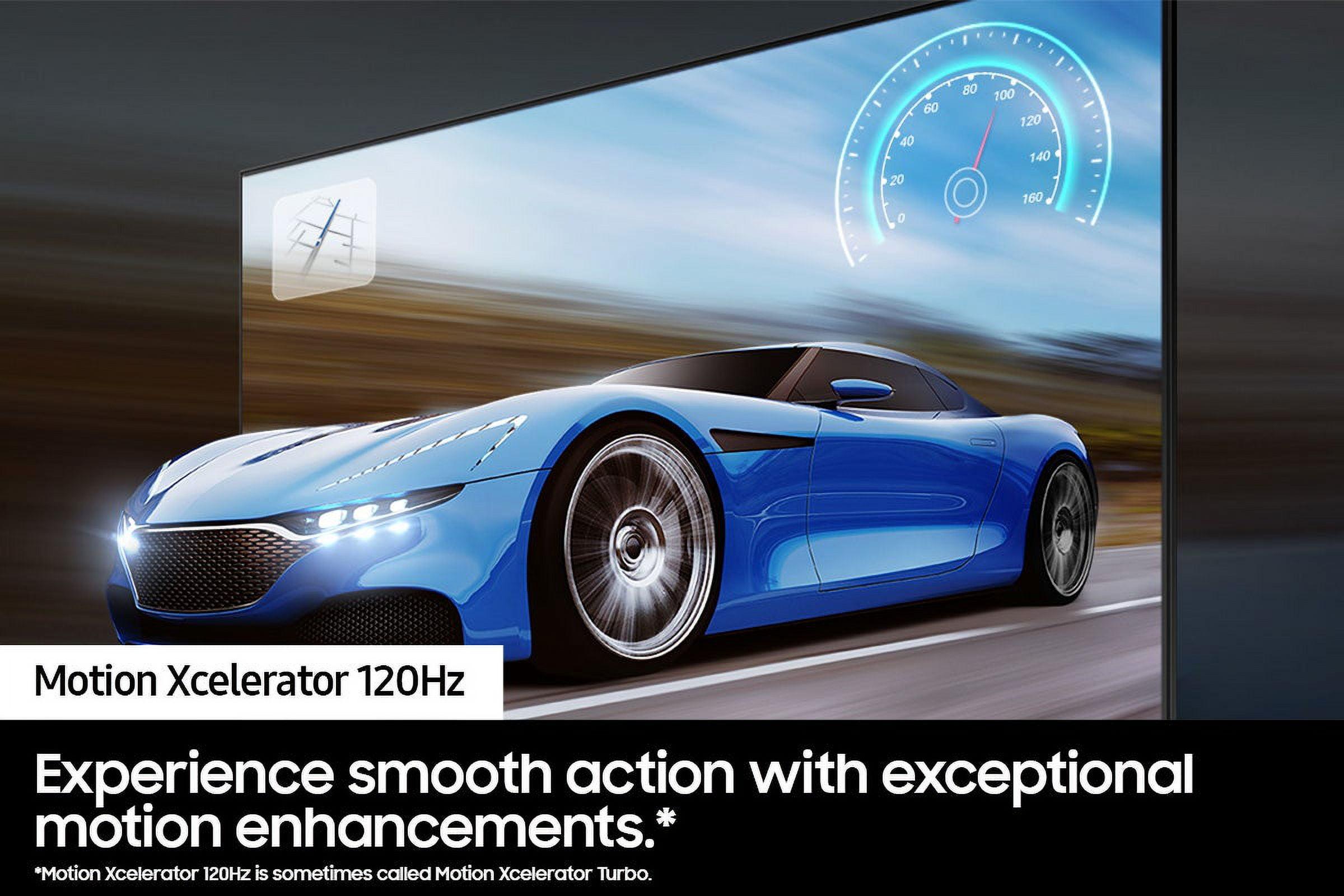
The Samsung S95D has a clear advantage for sports viewing, particularly during daylight hours. Its anti-glare screen significantly reduces distracting reflections, while its higher peak brightness keeps fast-moving content looking clear and vibrant. Both the S95D and S90D feature excellent motion handling with their Motion Xcelerator 144Hz technology, but the S95D's superior performance in bright environments makes it the better choice for sports fans who frequently watch daytime events.
The primary premium features of the Samsung S95D that justify its higher price over the Samsung S90D are:
Yes, both the Samsung S90D and Samsung S95D will receive the same software updates throughout their lifecycle. Samsung typically supports its premium TVs with software updates for approximately 3-4 years, and both models run on the same Tizen operating system with identical underlying hardware capabilities. Any new features introduced via software will come to both models simultaneously.
For a dedicated home theater with controlled lighting, the Samsung S90D offers better value. In dark environments, its picture quality is nearly indistinguishable from the more expensive Samsung S95D, as the S95D's primary advantages (anti-glare screen and higher brightness) provide less benefit in already-dark rooms. However, if budget isn't a concern or if you occasionally watch with some ambient light, the S95D's slightly higher peak brightness (1,600 vs 1,300 nits) does provide marginally better HDR performance even in ideal conditions.
We've done our best to create useful and informative comparisons to help you decide what product to buy. Our research uses advanced automated methods to create this comparison and perfection is not possible - please contact us for corrections or questions. These are the sites we've researched in the creation of this article: bestbuy.com - valueelectronics.com - youtube.com - cnet.com - bestbuy.com - videoandaudiocenter.com - youtube.com - samsung.com - samsung.com - pcrichard.com - samsung.com - techradar.com - videoandaudiocenter.com - avsforum.com - cnet.com - abt.com - merlinstv.com - nfm.com - rtings.com - flintsfurniture.com - samsung.com - bestbuy.com - displayspecifications.com

Privacy Policy
Terms and Conditions - Affiliate Policy
Home Security
© Copyright 2008-2026.
11816 Inwood Rd #1211, Dallas, TX 75244