


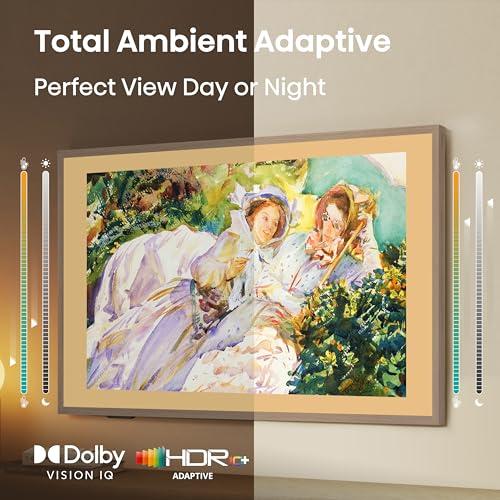


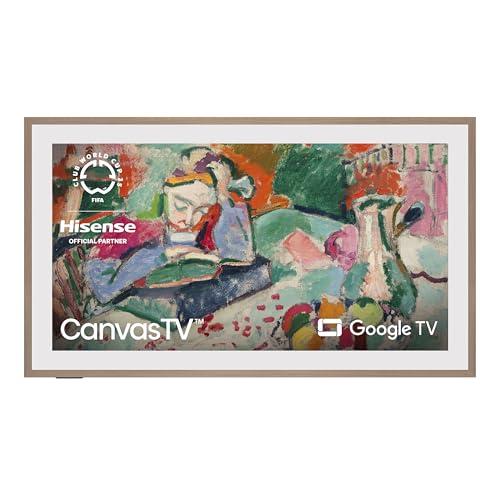



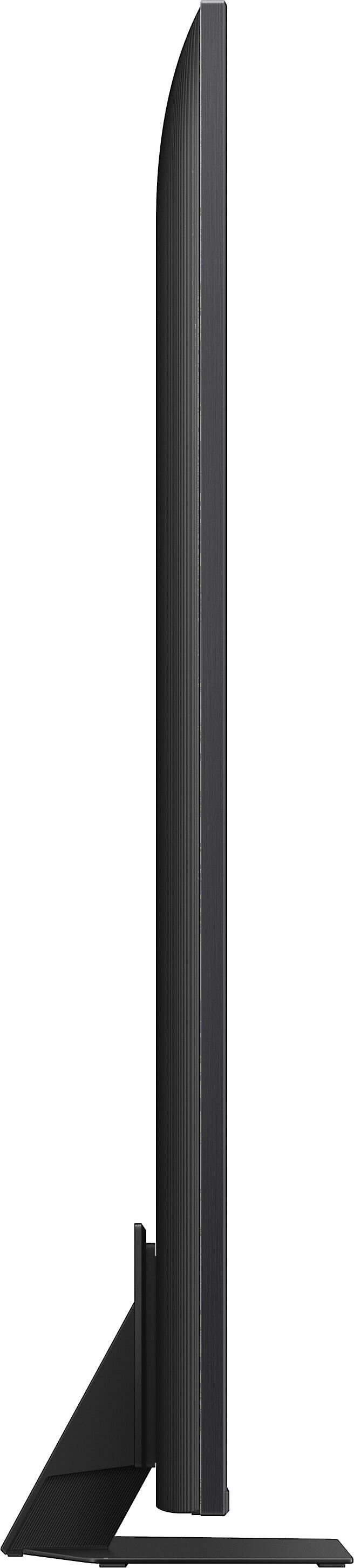
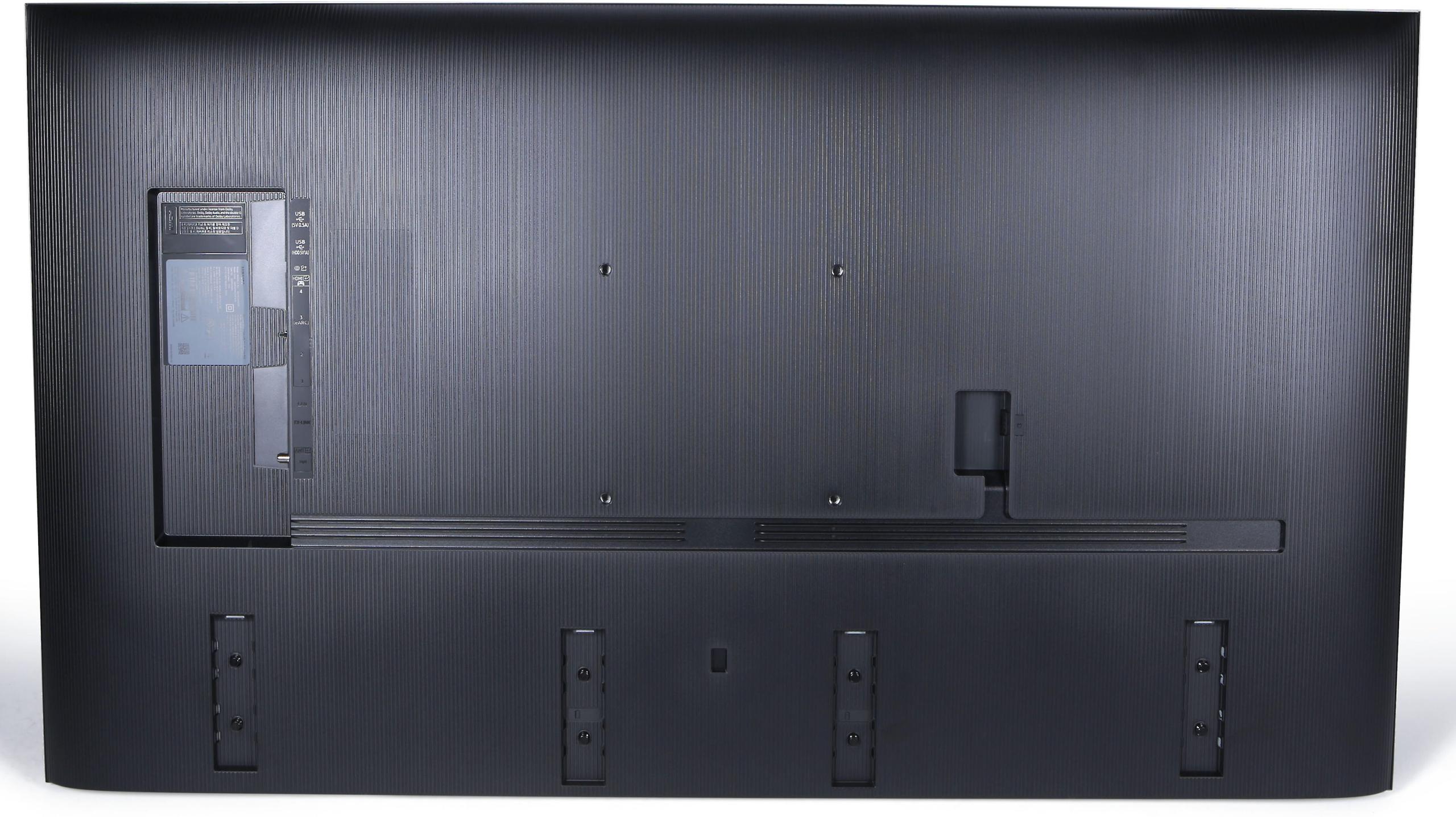
The television market has evolved dramatically in recent years, splitting into two distinct camps: TVs that disappear into your living space as functional art pieces, and displays that prioritize pure visual performance for entertainment. This split has created fascinating choices for consumers, especially when comparing the Hisense 65" S7N CanvasTV against the Samsung 65" OLED S90D.
Released in 2024, these 65-inch premium TVs represent fundamentally different philosophies about what a modern television should be. The Hisense CanvasTV pioneered mainstream art mode functionality, while the Samsung S90D focuses on delivering exceptional OLED picture quality at a more accessible price point than Samsung's flagship models.
Understanding which approach suits your needs requires diving deep into how these technologies work and what trade-offs each design creates. At the time of writing, the pricing gap between these models is significant enough to influence most purchasing decisions, but the features and performance differences tell a more complex story.
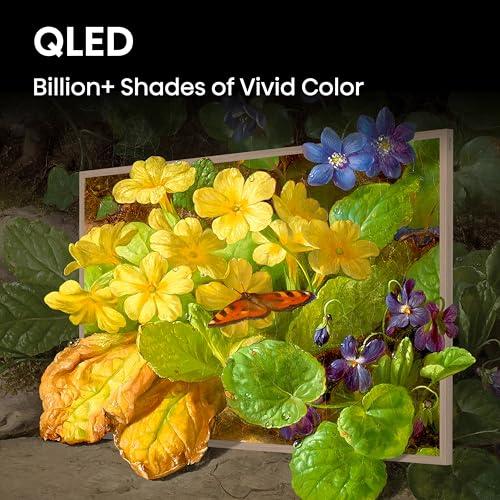
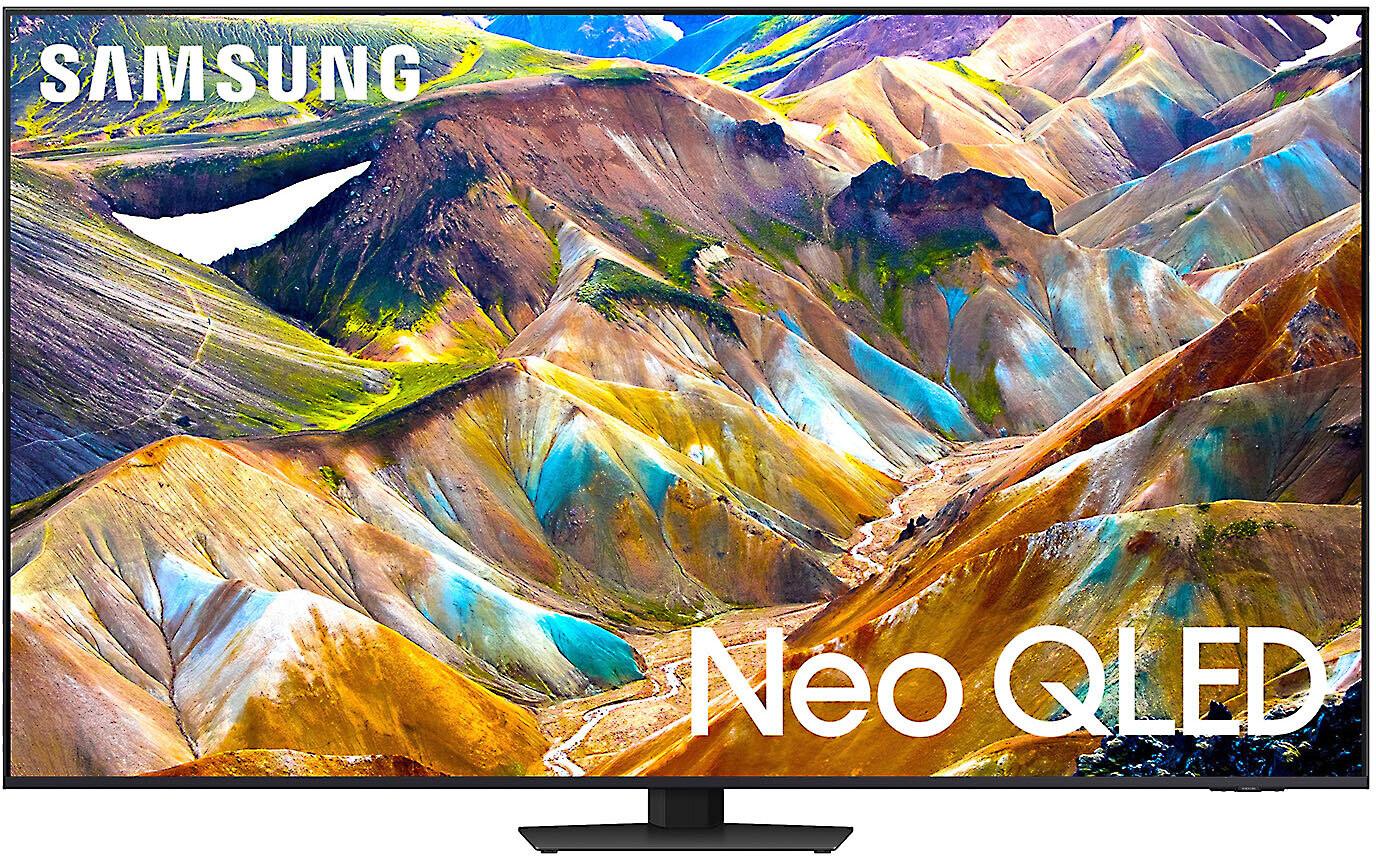
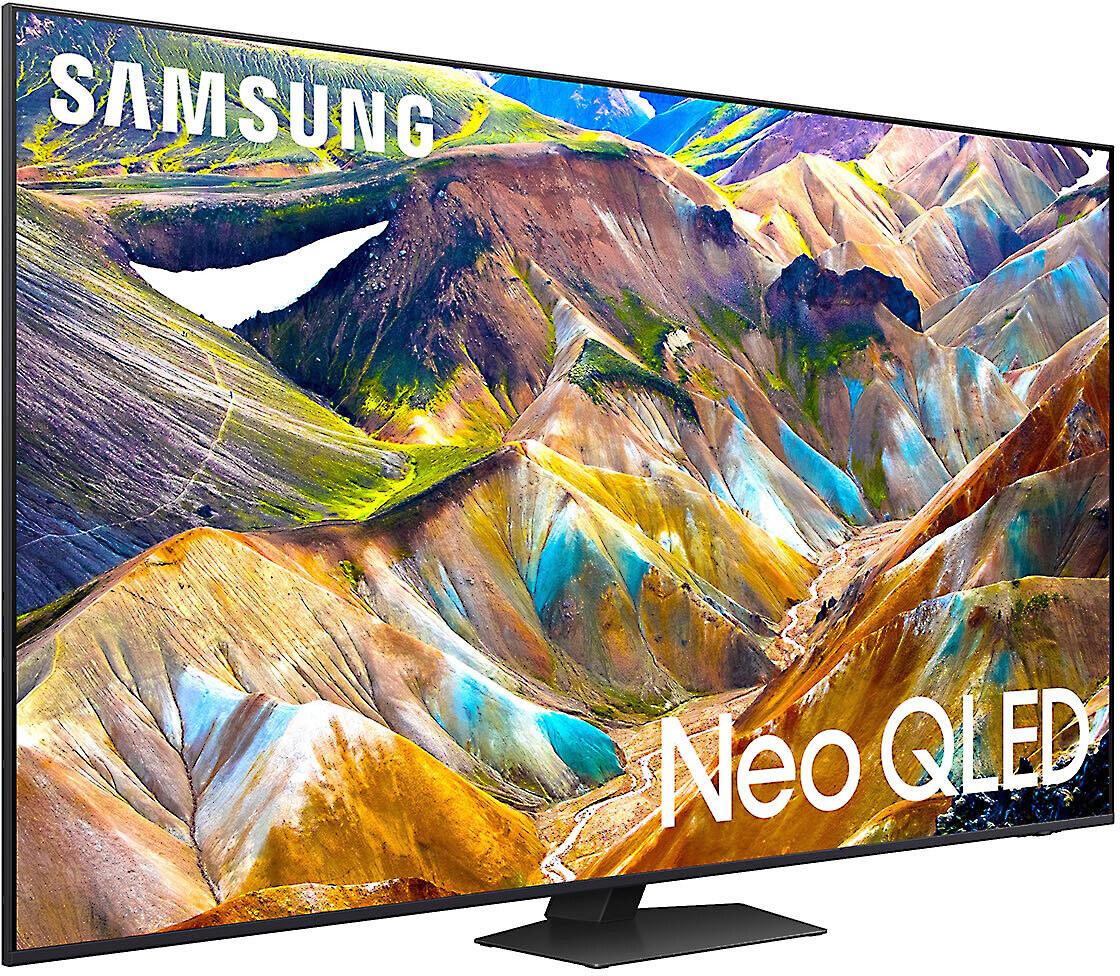
The core difference between these TVs starts with their fundamental display technologies. The Hisense S7N CanvasTV uses QLED technology, which stands for Quantum Dot Light Emitting Diode. This means it has a traditional LED backlight that shines through quantum dot filters—tiny semiconductor particles that emit pure colors when hit by light. Think of quantum dots as extremely precise color filters that can produce over a billion different color combinations.
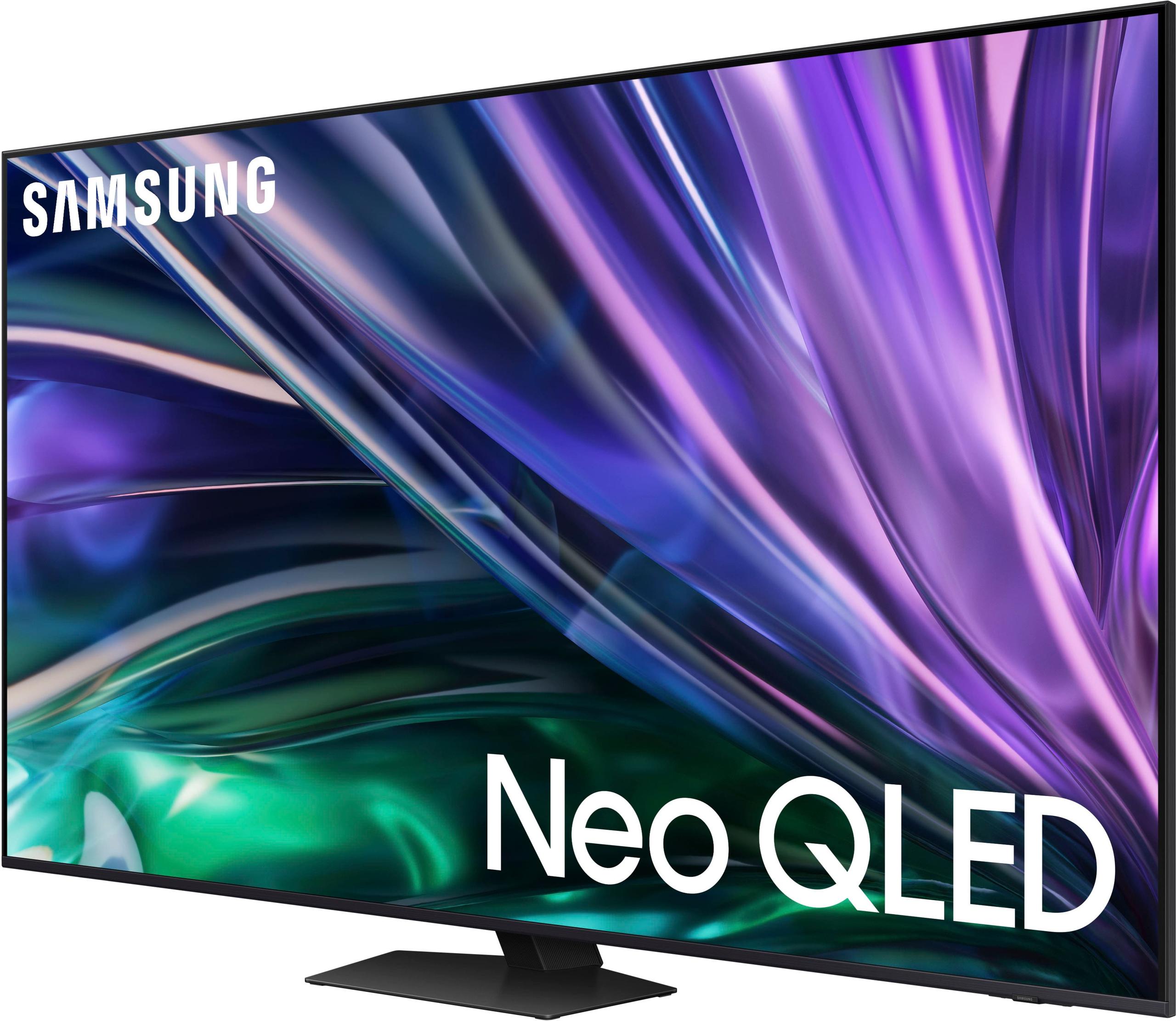
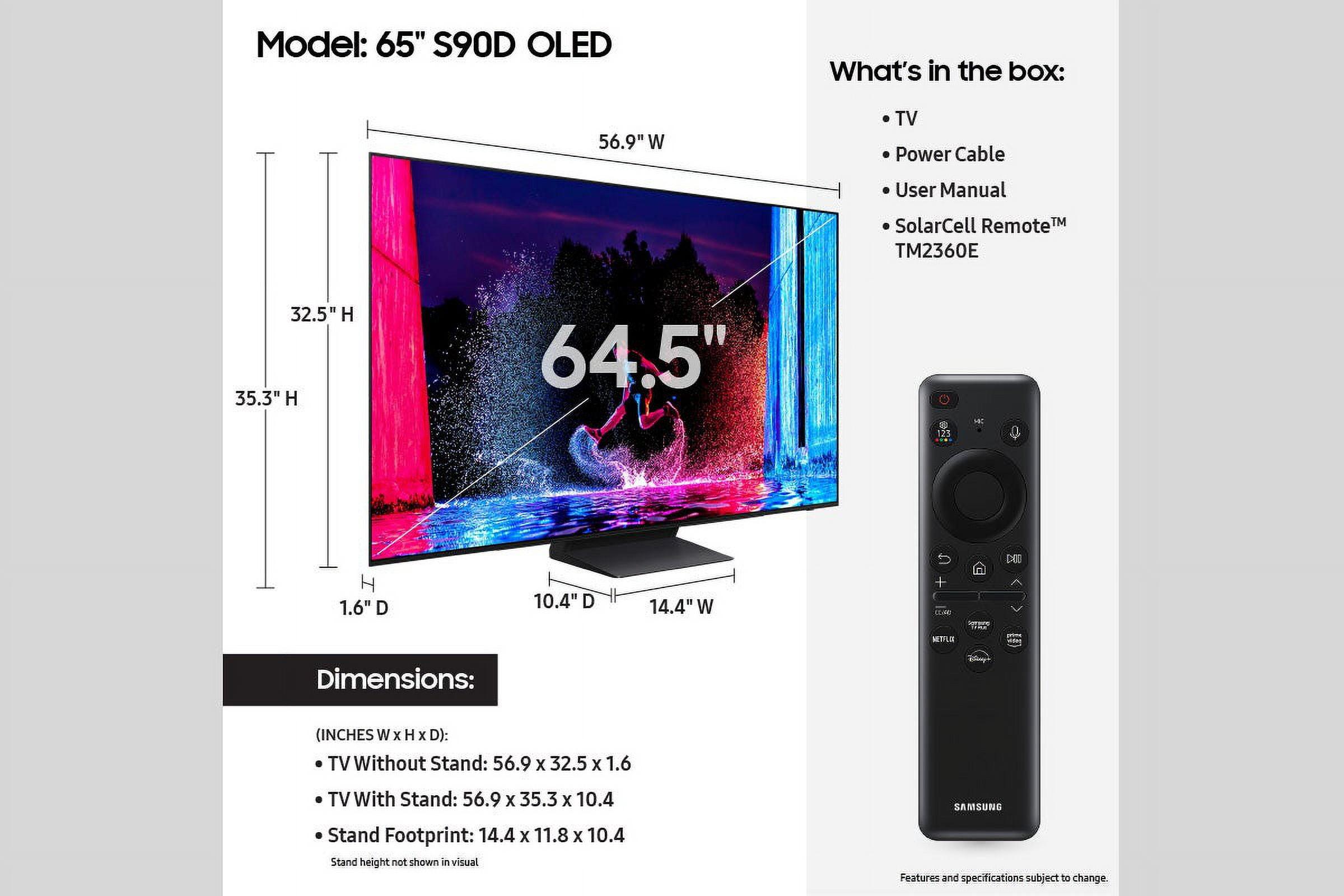
The Samsung S90D uses OLED technology (Organic Light Emitting Diode), where each individual pixel generates its own light. When an OLED pixel needs to show black, it simply turns off completely, creating what's called "perfect blacks." This fundamental difference shapes everything about how these TVs perform.
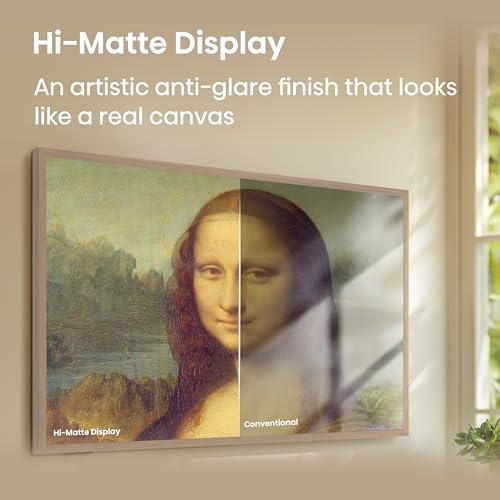
But here's where it gets interesting: the Hisense CanvasTV has a secret weapon called Hi-Matte Display technology. This anti-glare coating reduces reflections by 95%, which sounds technical but has real-world implications. Most TVs, including the Samsung S90D, have glossy screens that act like mirrors in bright rooms. The Hisense's matte finish eliminates this problem, making it actually watchable near windows or under bright lights.
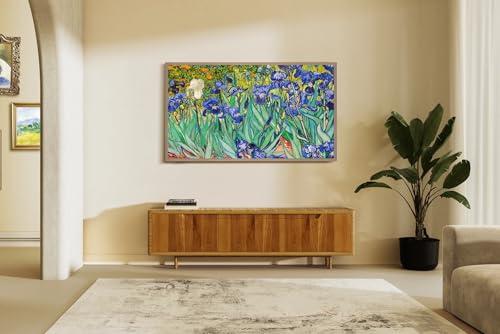
This matte coating also gives digital artwork displayed on the Hisense CanvasTV a texture that mimics real paintings. When you're not watching TV, the screen can display hundreds of included artworks that look remarkably like actual paintings hanging on your wall. The texture prevents that flat, digital look that makes most TVs obviously electronic when displaying static images.
When evaluating TV picture quality, several metrics matter most: contrast ratio (the difference between the brightest whites and darkest blacks), color accuracy, brightness levels, and how well the TV handles motion. These characteristics determine how engaging and realistic your viewing experience feels.
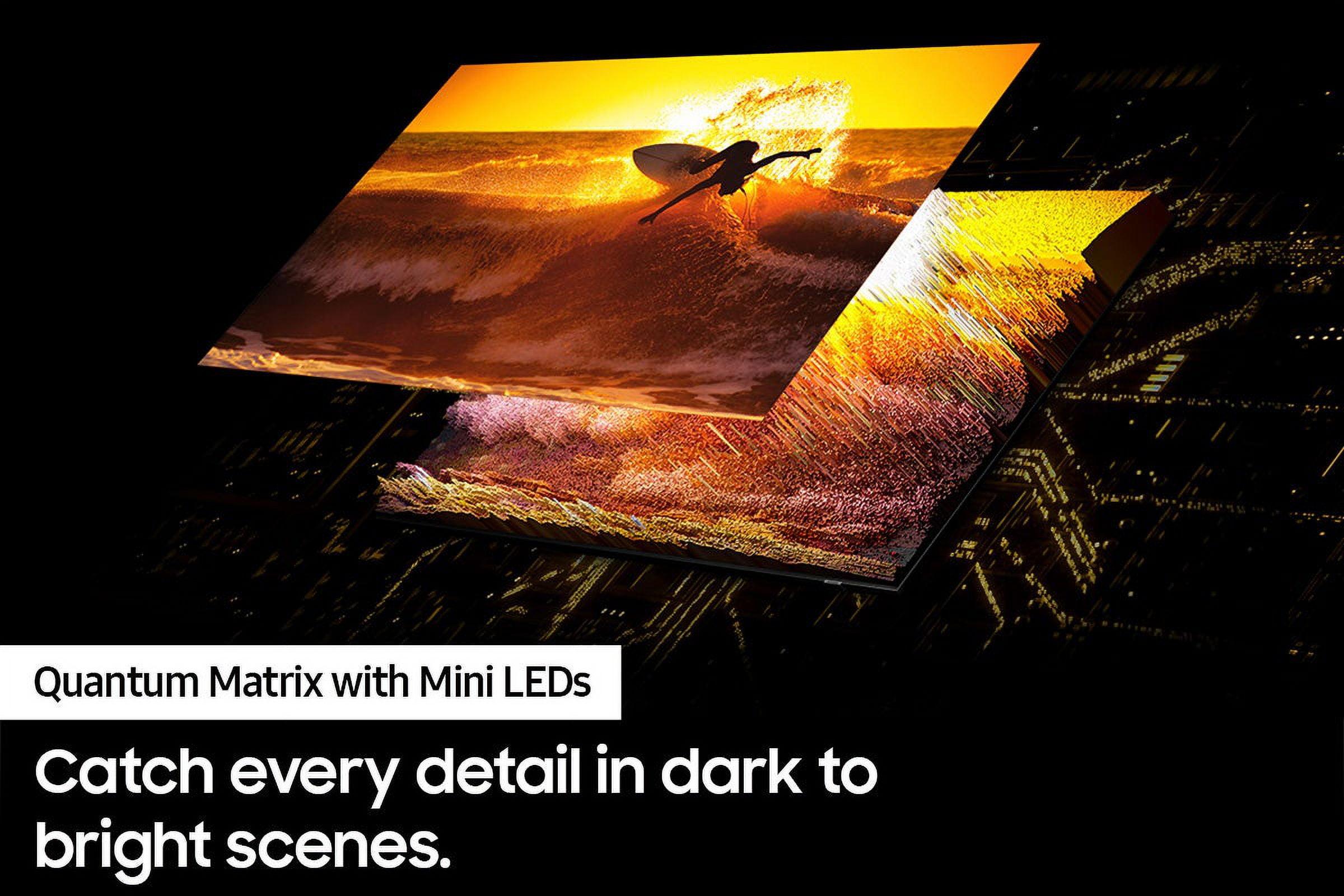
The Samsung S90D dominates in contrast performance because of its OLED technology. Since each pixel can turn completely off, blacks are literally perfect—no light leaks through like with traditional LED backlights. This creates an infinite contrast ratio that makes movie scenes in dark environments absolutely stunning. When watching a space movie, the blackness of space truly looks like void, making stars and spacecraft pop with incredible dimensionality.
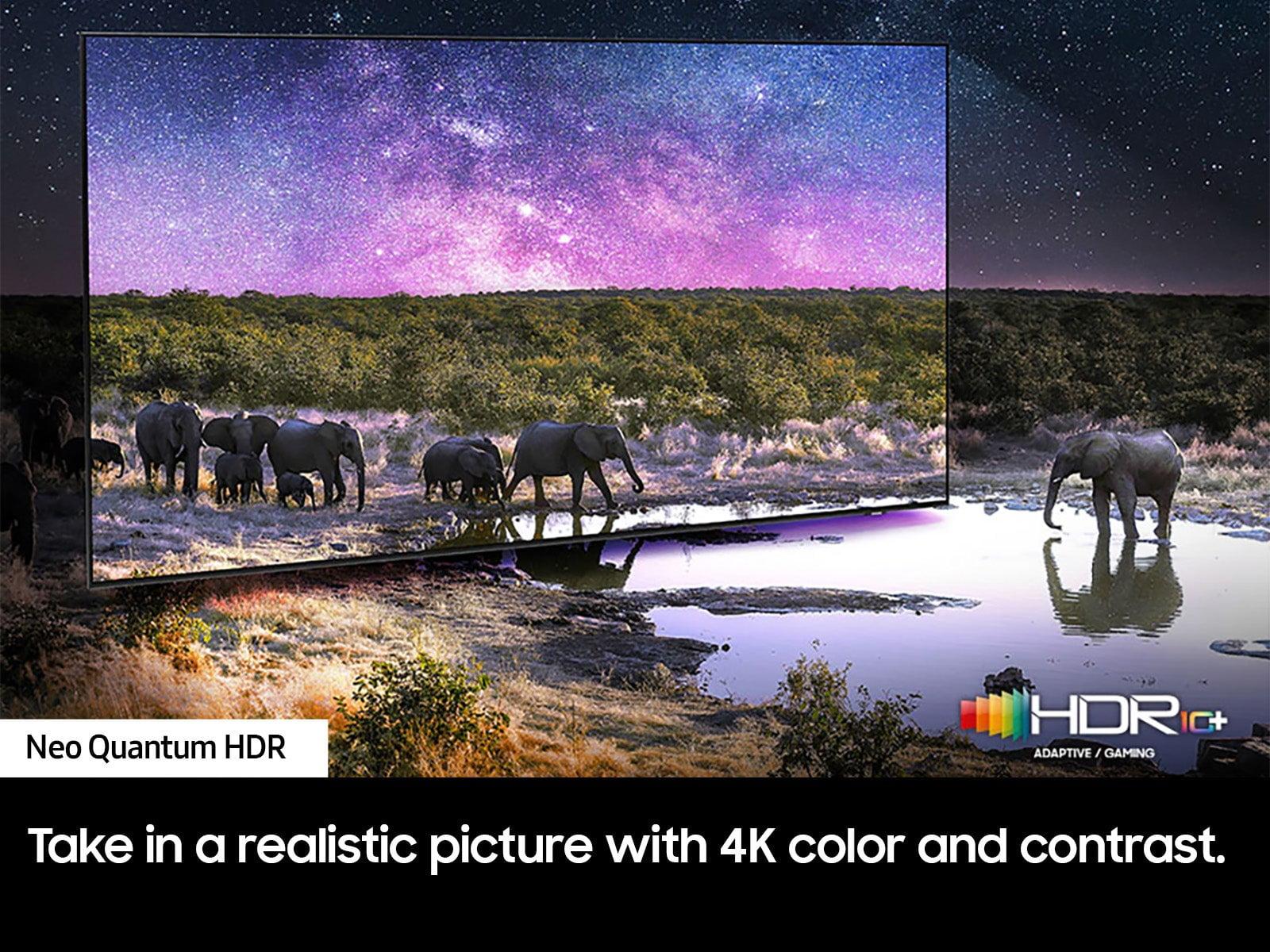
However, the Hisense CanvasTV fights back with impressive brightness levels and quantum dot color accuracy. While it can't match OLED's perfect blacks, it can get significantly brighter, which matters enormously for HDR content. HDR (High Dynamic Range) expands the range of brightness and darkness a TV can display, making images more lifelike. The Hisense's higher peak brightness means HDR highlights—like sunlight streaming through a window or a bright explosion—appear more dramatic and realistic.
Color performance reveals another interesting split. The Samsung S90D delivers more accurate colors overall, thanks to OLED's precise pixel control. Colors appear natural and properly saturated without looking artificial. The Hisense CanvasTV produces more vivid colors due to quantum dot technology, particularly excelling in reds and greens. Some viewers prefer this more saturated look, especially for animated content and sports, while others find it less realistic.
Our research into professional reviews consistently shows the Samsung S90D winning in dark room performance, while the Hisense CanvasTV performs better in bright rooms. This isn't just about reflections—the Samsung's OLED panel becomes harder to see in bright ambient light, while the Hisense maintains good visibility and color accuracy even in daylight.
Modern gaming demands have pushed TV manufacturers to optimize for low input lag (the delay between pressing a button and seeing the response on screen) and high refresh rates (how many times per second the image updates). Both TVs excel here, but in different ways.
The Hisense CanvasTV achieves an impressively low 5.4ms input lag with its native 144Hz refresh rate. To put this in perspective, anything under 20ms feels responsive to most gamers, so 5.4ms is excellent. The 144Hz refresh rate means the TV can display 144 unique frames per second, creating incredibly smooth motion in fast-paced games. This is particularly beneficial for competitive gaming, where every millisecond and smooth frame can provide an advantage.
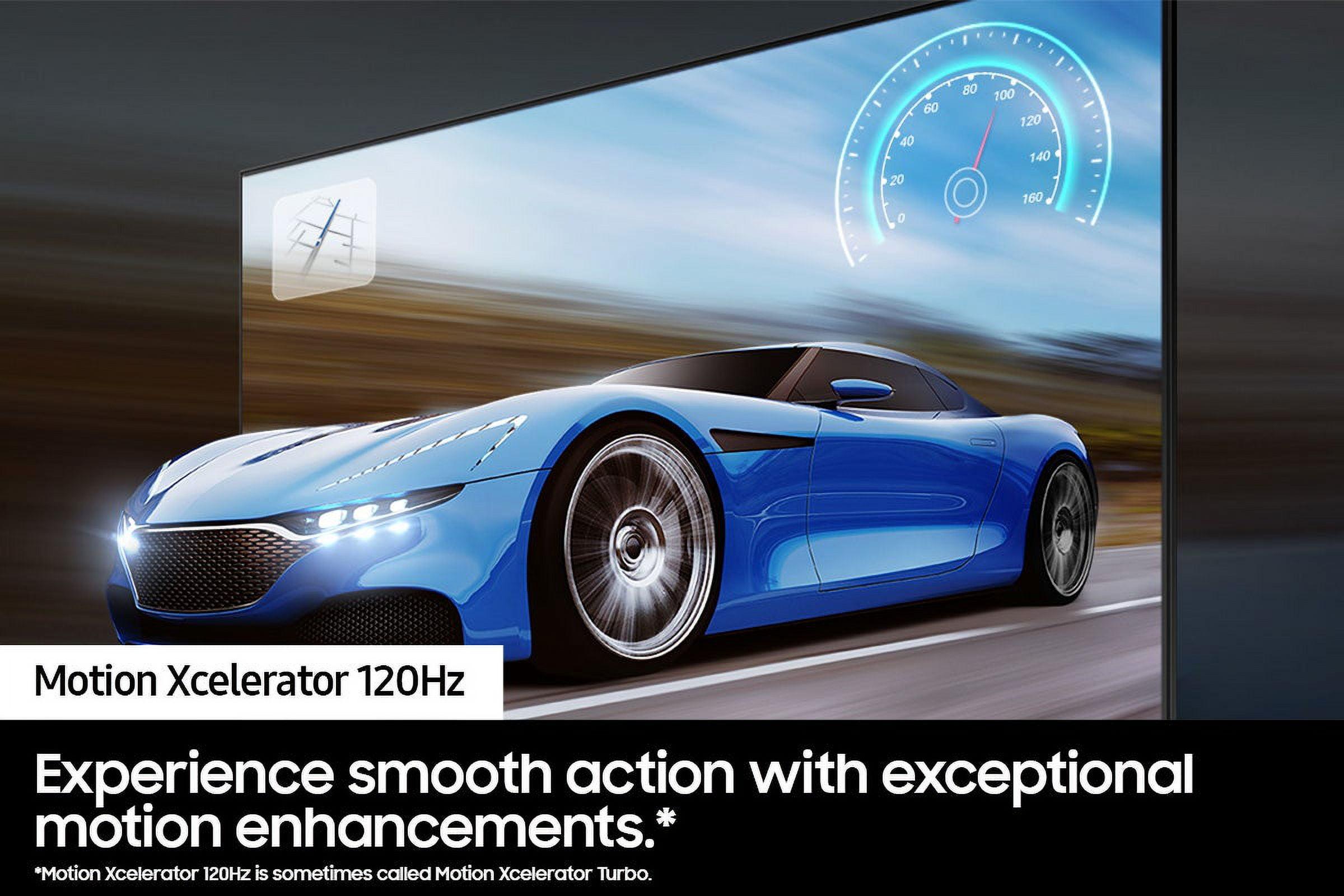
The Samsung S90D includes Motion Xcelerator 144Hz technology and supports advanced gaming features like Variable Refresh Rate (VRR), which synchronizes the TV's refresh rate with your gaming console's output to eliminate screen tearing—a visual artifact that makes moving objects appear to split horizontally. Both TVs support HDMI 2.1, the latest connection standard that enables 4K gaming at high frame rates.
Gaming enthusiasts will appreciate that both models include Auto Low Latency Mode (ALLM), which automatically switches the TV to its lowest-lag game mode when it detects a gaming console. This happens seamlessly without requiring manual menu navigation.
For home theater gaming setups, the Samsung S90D provides a more cinematic experience thanks to its superior contrast, making games with dark environments more immersive. The Hisense CanvasTV excels for competitive gaming in brighter rooms where its anti-glare properties prevent distractions from ambient light.
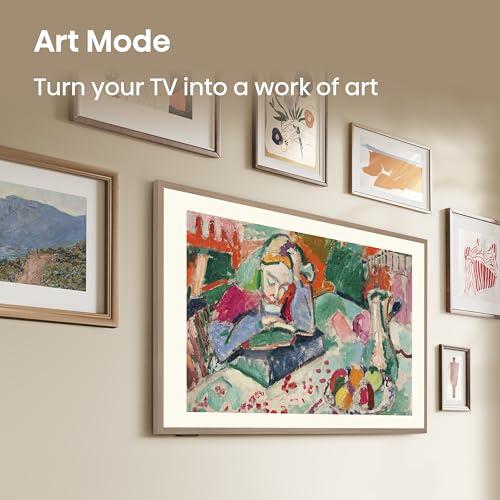
The Hisense CanvasTV represents a significant shift in how we think about televisions in living spaces. When not actively watching content, most TVs become large black rectangles that dominate walls. The CanvasTV solves this with sophisticated Art Mode technology.
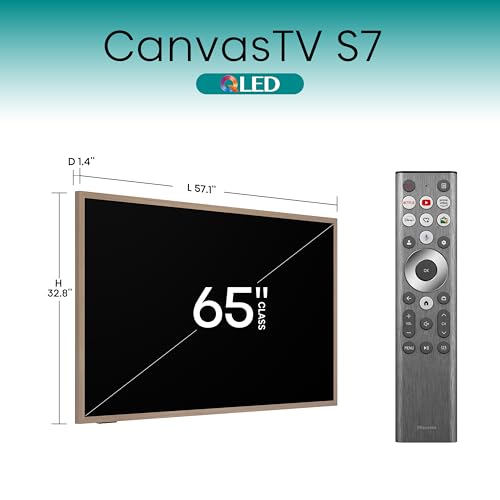
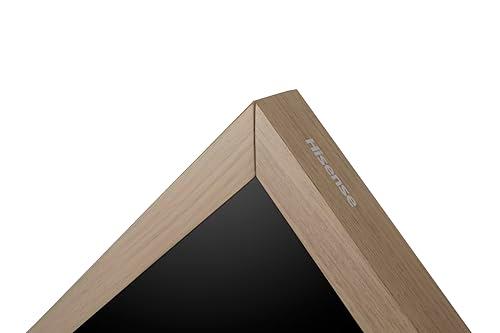
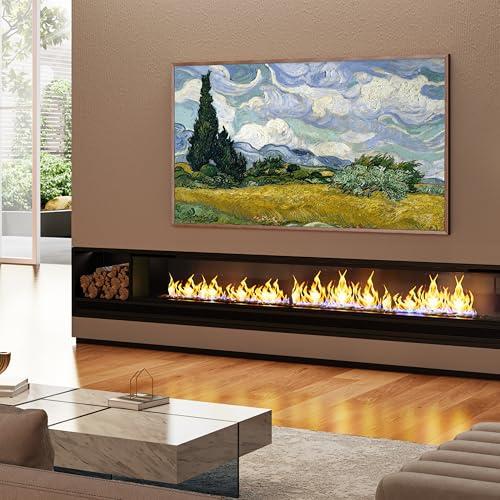
The system includes 120 pre-loaded masterpiece artworks, from classical paintings to modern photography. But the real innovation lies in the presentation. The Hi-Matte display coating gives these digital images a texture and depth that genuinely resembles real paintings or photographs. Combined with the magnetic frame system (teak wood comes standard, with white and walnut options available separately), the TV transforms into convincing wall art.
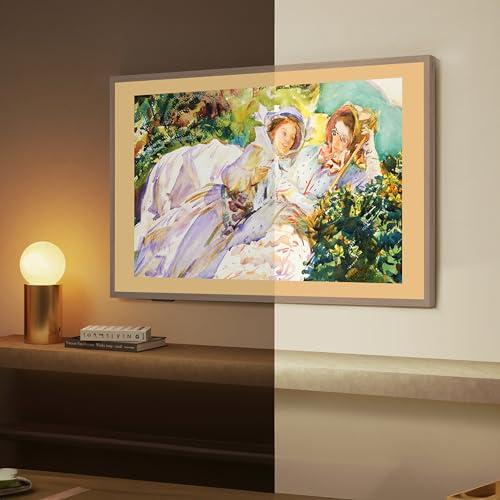
Motion sensors detect when people enter the room, automatically activating Art Mode. When the room empties, the screen goes black to save energy—a thoughtful touch that prevents the TV from consuming power displaying art to an empty room. You can also upload your own photos and artwork, turning the TV into a rotating gallery of personal memories.
This functionality addresses a real problem in modern home design. Large TVs can overwhelm rooms and create stark focal points when turned off. The Hisense CanvasTV disappears into the decor, actually enhancing room aesthetics rather than detracting from them.
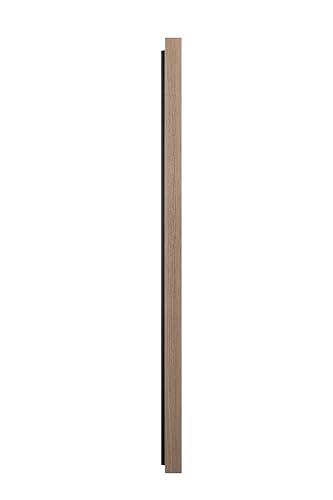
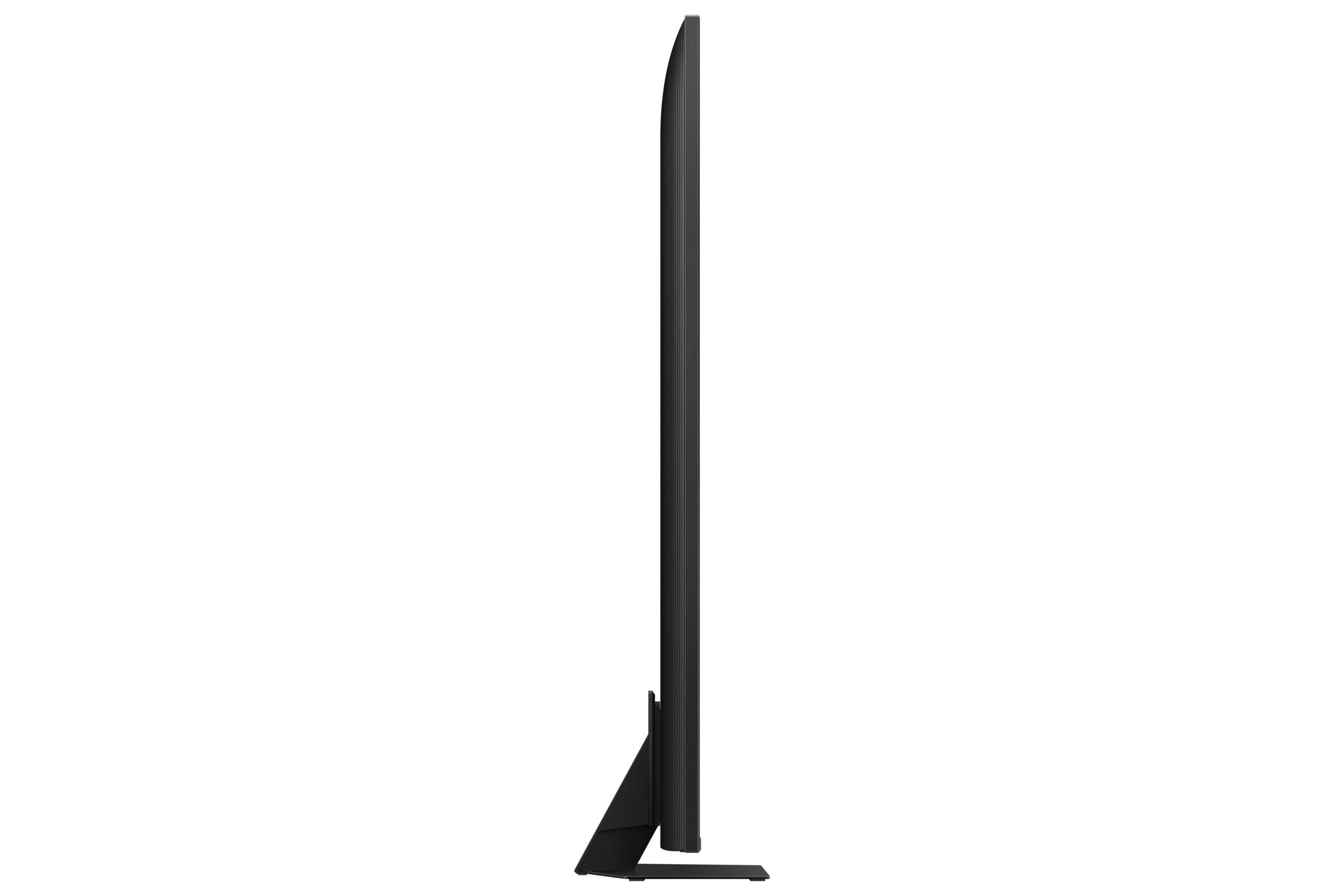
The included UltraSlim Wall Mount positions the TV just 3mm from the wall, creating a genuine picture-frame appearance. This isn't available on the Samsung S90D, which requires traditional TV mounting that leaves several inches of gap from the wall.
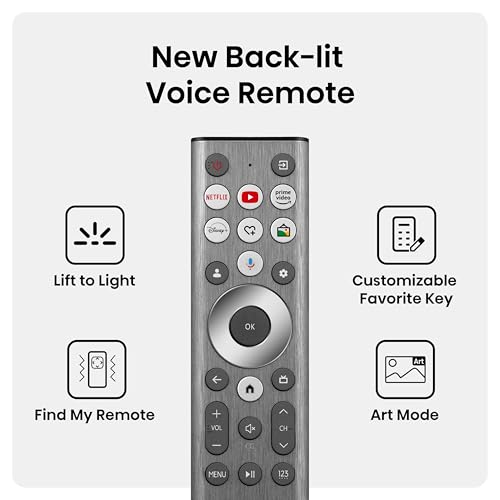
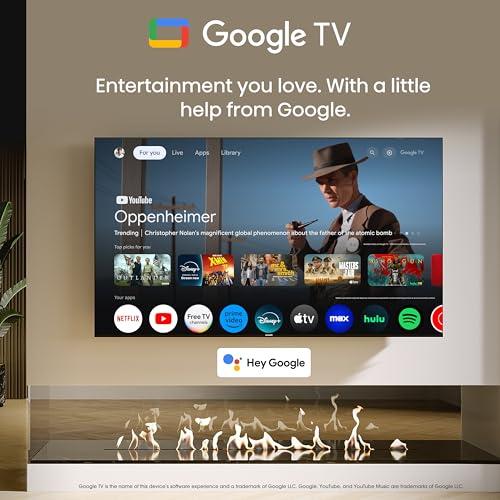
Both TVs run different smart TV platforms that affect daily usability. The Hisense CanvasTV uses Google TV, which offers an intuitive interface with excellent integration for Google services, YouTube TV, and Chromecast functionality. The platform feels responsive and provides good recommendations based on viewing habits across multiple streaming services.
The Samsung S90D runs Samsung's Tizen OS, which has matured into a capable platform with comprehensive app support. However, many users find Google TV's interface more intuitive and appreciate its better integration with non-Samsung devices.
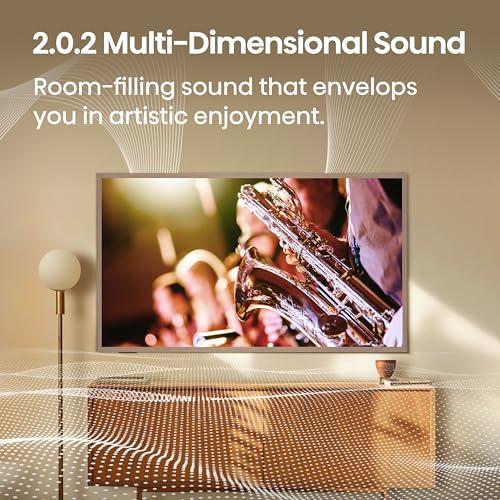
Audio performance reveals another key difference. The Hisense CanvasTV includes a 2.0.2 channel sound system with upward-firing speakers that create virtual surround sound using DTS Virtual:X technology. For a TV designed to hang flush against the wall, the audio quality is surprisingly robust. The upward-firing speakers bounce sound off the ceiling to create height effects, making movie soundtracks and music more immersive.
The Samsung S90D supports Dolby Atmos processing but relies on more traditional speaker placement. Both TVs benefit from external soundbars for serious home theater setups, but the Hisense provides better built-in audio for casual viewing.
At the time of writing, the Hisense CanvasTV typically costs several hundred dollars less than the Samsung S90D, making value comparison crucial. The Hisense includes the UltraSlim wall mount, magnetic frame system, and comprehensive art functionality at no additional cost. When you factor in that Samsung's competing Frame TV costs significantly more and charges monthly fees for premium artwork, the Hisense represents exceptional value for aesthetically-minded buyers.
However, the Samsung S90D delivers superior pure picture quality, especially for dark room viewing. OLED technology commands premium pricing because of its performance advantages and manufacturing complexity. Samsung's established service network and brand reputation also factor into long-term ownership confidence.
OLED panels have historically faced concerns about burn-in, where static images can leave permanent marks on the screen. Modern OLED TVs include numerous protective technologies that make burn-in extremely rare with normal usage, but it remains a theoretical concern for displays showing static art images frequently. The Hisense CanvasTV doesn't face this issue due to its QLED technology.
For dedicated home theater setups, the choice becomes more nuanced. The Samsung S90D provides the cinematic experience that movie enthusiasts crave. Its perfect blacks make letterboxed movies (those with black bars above and below) truly disappear into the darkness, creating proper cinematic presentation. The superior contrast also makes subtle details in dark scenes more visible, enhancing the viewing experience for films with dramatic lighting.
The Hisense CanvasTV works better in multi-purpose living spaces where the room serves various functions beyond movie watching. Its anti-glare properties mean you don't need to control ambient lighting as strictly, making it more practical for rooms with windows or mixed lighting conditions.
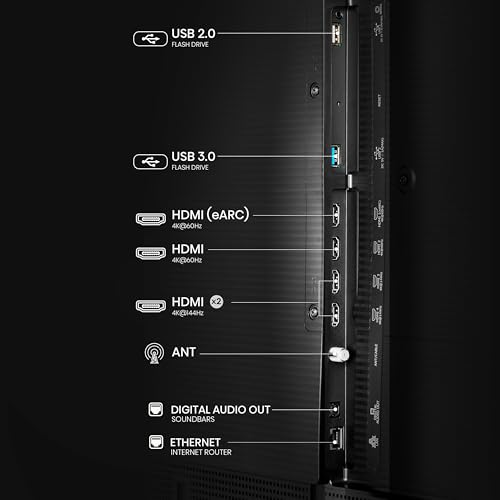
Both TVs support eARC (Enhanced Audio Return Channel) for connecting high-end soundbars and AV receivers, ensuring compatibility with serious home theater audio systems.
The choice between the Hisense CanvasTV and Samsung S90D ultimately depends on your primary priorities and room environment.
Choose the Hisense CanvasTV if you want a TV that enhances your living space aesthetically when not in use. It's ideal for bright rooms, design-conscious buyers, and those who value the unique dual-purpose functionality. The gaming performance is excellent, the price-to-feature ratio is outstanding, and the Google TV platform provides a smooth user experience.
The Samsung S90D makes sense for picture quality purists who primarily use their TV in darker environments. It's the better choice for serious movie watching, offers more refined OLED technology, and provides the premium Samsung experience. While more expensive, it delivers superior performance in its core function as an entertainment display.
Consider your room's lighting conditions carefully—this single factor might determine which TV works better for your situation. The Hisense CanvasTV transforms problematic bright rooms into advantages, while the Samsung S90D reaches its full potential in controlled lighting environments.
Both represent excellent value in their respective categories, offering premium features and performance that would have cost significantly more just a few years ago. The TV market's evolution has created these specialized options, and your choice should align with how you actually use and live with your television daily.
| Hisense 65" S7N CanvasTV QLED 4K Smart Display | Samsung 65" OLED S90D TV |
|---|---|
| Display Technology - Fundamentally different approaches to picture quality | |
| QLED with Quantum Dot on VA panel | True OLED with per-pixel lighting |
| Anti-Glare Performance - Critical for bright room viewing | |
| Hi-Matte coating reduces reflections by 95% (excellent for daylight) | Standard glossy finish (can reflect ambient light) |
| Black Level Performance - Most important for dark room movie watching | |
| Good blacks but some light leakage (5000:1 contrast) | Perfect blacks with infinite contrast ratio |
| Peak Brightness - Essential for HDR content impact | |
| 450 cd/m² (adequate for most HDR content) | Higher peak brightness (exact specs vary, typically 600+ cd/m²) |
| Gaming Performance - Input lag and refresh rate for responsive gaming | |
| 5.4ms input lag, native 144Hz, supports 4K@144Hz | Ultra-low input lag, Motion Xcelerator 144Hz, 4K@120Hz guaranteed |
| Art Mode Functionality - Unique aesthetic integration when TV is off | |
| Full Art Mode with 120+ artworks, magnetic frames, motion sensors | No art mode functionality |
| Smart TV Platform - Daily usability and interface quality | |
| Google TV (intuitive, excellent Chromecast integration) | Samsung Tizen OS (comprehensive but less intuitive) |
| Audio System - Built-in sound quality without external speakers | |
| 2.0.2 surround with upward-firing speakers, DTS Virtual:X | Dolby Atmos support, traditional speaker placement |
| Wall Mounting - Installation aesthetics and profile | |
| UltraSlim mount included (3mm from wall, picture-frame look) | Standard mounting (several inches from wall, traditional TV appearance) |
| HDR Support - Enhanced contrast and color range | |
| Dolby Vision, HDR10+, HLG, HDR10+ Adaptive | OLED HDR+ with NQ4 AI processing, HDR10+ support |
| Room Lighting Suitability - Performance in different environments | |
| Excellent in bright rooms, good in dark rooms | Excellent in dark rooms, challenging in bright rooms |
| Color Performance - Vibrancy and accuracy trade-offs | |
| Vivid quantum dot colors, especially strong reds/greens | More accurate, natural colors with wide viewing angles |
| Value Proposition - Features and performance relative to cost | |
| Exceptional value with art functionality, mount, and frame included | Premium OLED performance at mid-tier OLED pricing |
The Hisense 65" S7N CanvasTV is significantly better for bright rooms due to its Hi-Matte anti-glare coating that reduces reflections by 95%. The Samsung 65" OLED S90D has a glossy screen that can create distracting reflections in bright lighting conditions, making the Hisense CanvasTV the clear winner for daylight viewing.
The Hisense S7N CanvasTV uses QLED technology with quantum dots and LED backlighting, while the Samsung OLED S90D uses OLED panels where each pixel creates its own light. OLED provides perfect blacks and infinite contrast, but QLED can get brighter and doesn't risk burn-in from static images.
Both TVs excel for gaming, but the Hisense CanvasTV has a slight edge with 5.4ms input lag and native 144Hz refresh rate supporting 4K@144Hz gaming. The Samsung S90D offers Motion Xcelerator 144Hz and guarantees 4K@120Hz performance. Competitive gamers may prefer the Hisense CanvasTV for its lower input lag.
Only the Hisense 65" S7N CanvasTV has dedicated Art Mode with 120+ pre-loaded artworks, magnetic frame system, and motion sensors for automatic activation. The Samsung OLED S90D doesn't offer art display functionality, making the Hisense CanvasTV unique for users who want their TV to enhance room aesthetics.
The Samsung 65" OLED S90D excels in dark rooms due to its perfect black levels and infinite contrast ratio, creating a more cinematic experience. While the Hisense CanvasTV offers good dark room performance, it cannot match OLED's ability to display true blacks, making the Samsung S90D superior for dedicated home theater setups.
The Hisense S7N CanvasTV runs Google TV, which offers intuitive navigation and excellent Chromecast integration. The Samsung OLED S90D uses Samsung's Tizen OS with comprehensive app support. Most users find Google TV on the Hisense CanvasTV more user-friendly and better integrated with non-Samsung devices.
The Hisense 65" S7N CanvasTV typically offers better value, including art functionality, UltraSlim wall mount, and magnetic frame system at a lower price point. The Samsung OLED S90D costs more but delivers premium OLED picture quality. The Hisense CanvasTV provides more features per dollar spent.
The Hisense CanvasTV features a 2.0.2 surround system with upward-firing speakers and DTS Virtual:X for surprisingly good built-in audio. The Samsung S90D supports Dolby Atmos but uses more traditional speaker placement. For casual viewing without a soundbar, the Hisense CanvasTV provides superior built-in audio.
Both TVs support HDR formats, but they excel differently. The Samsung OLED S90D delivers more dramatic contrast with perfect blacks, making HDR content more impactful in dark scenes. The Hisense CanvasTV can get brighter for more vivid HDR highlights. Choose the Samsung S90D for contrast-heavy content or the Hisense CanvasTV for bright, colorful HDR material.
The Samsung 65" OLED S90D offers superior viewing angles with consistent colors and brightness from any position. The Hisense CanvasTV uses a VA panel that can show color shifts when viewed from extreme side angles, though its anti-glare coating helps maintain visibility. The Samsung S90D is better for large seating areas.
The Hisense S7N CanvasTV includes an UltraSlim wall mount that positions the TV just 3mm from the wall, creating a picture-frame appearance perfect for its art functionality. The Samsung OLED S90D requires standard mounting with several inches of wall gap. For flush, aesthetic wall mounting, the Hisense CanvasTV is specifically designed for this purpose.
Choose the Hisense 65" S7N CanvasTV for bright rooms, art display functionality, gaming performance, and better value with included accessories. Choose the Samsung OLED S90D for superior picture quality in dark rooms, perfect blacks, accurate colors, and premium OLED technology. The Hisense CanvasTV suits design-conscious buyers while the Samsung S90D appeals to picture quality enthusiasts.
We've done our best to create useful and informative comparisons to help you decide what product to buy. Our research uses advanced automated methods to create this comparison and perfection is not possible - please contact us for corrections or questions. These are the sites we've researched in the creation of this article: bestbuy.com - hisense.sg - tomsguide.com - content.syndigo.com - rtings.com - hisense-usa.com - youtube.com - bestbuy.com - youtube.com - displayspecifications.com - displayspecifications.com - manuals.plus - displayspecifications.com - bestbuy.com - hisense-canada.com - manuals.plus - bargainoutletandmore.com - bestbuy.com - device.report - bestbuy.com - valueelectronics.com - youtube.com - cnet.com - bestbuy.com - videoandaudiocenter.com - youtube.com - samsung.com - samsung.com - pcrichard.com - samsung.com

Privacy Policy
Terms and Conditions - Affiliate Policy
Home Security
© Copyright 2008-2026.
11816 Inwood Rd #1211, Dallas, TX 75244