


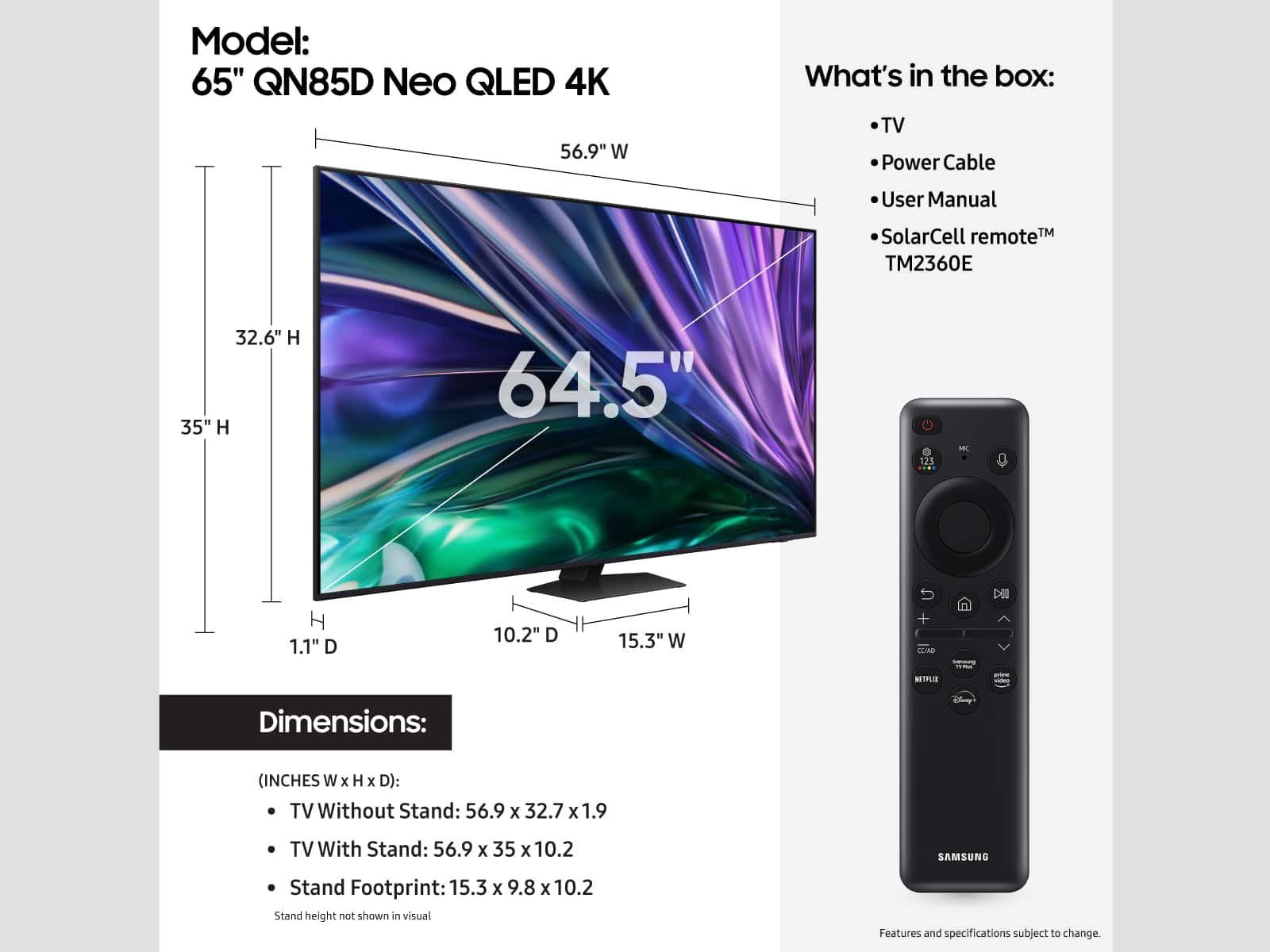
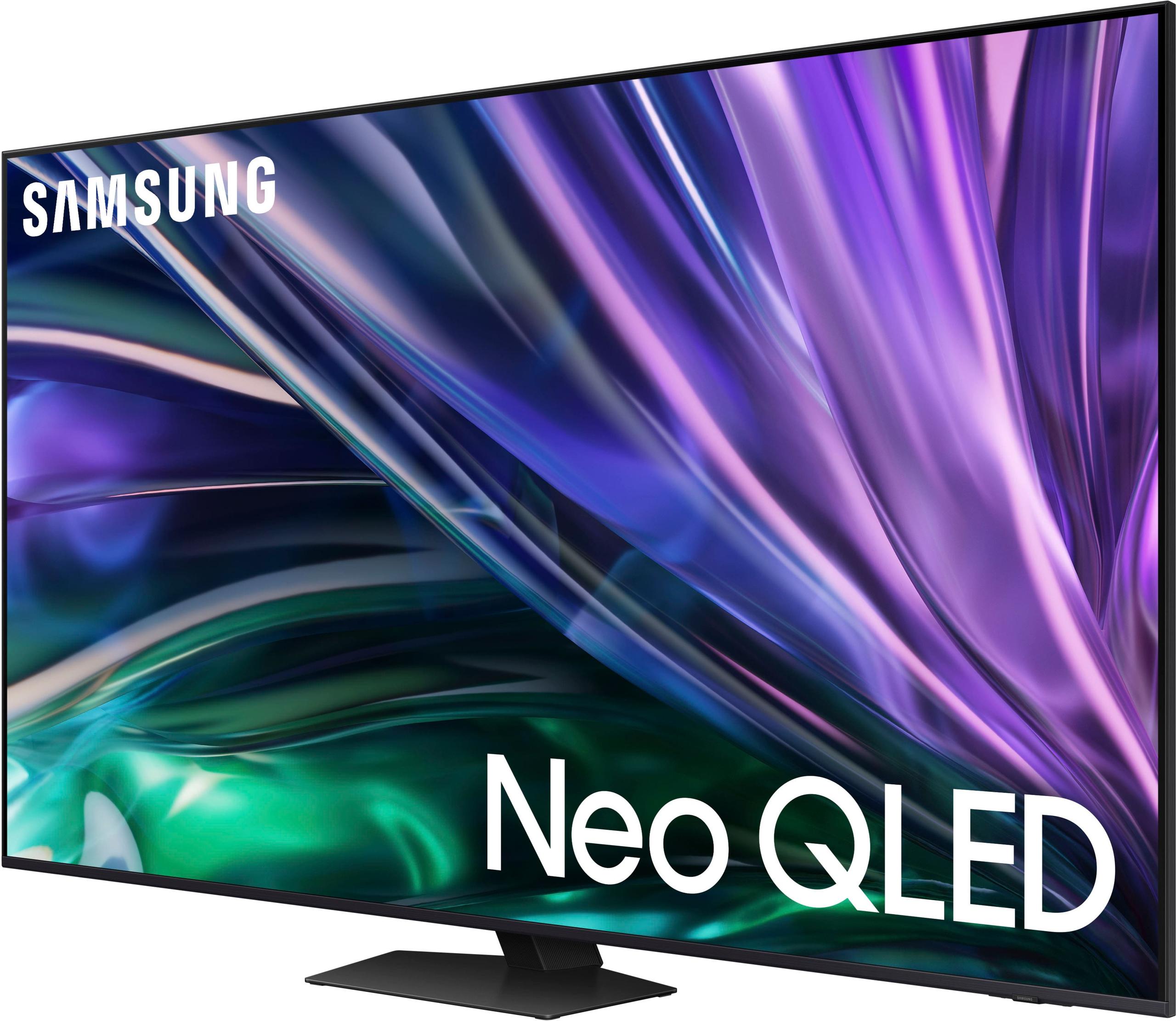
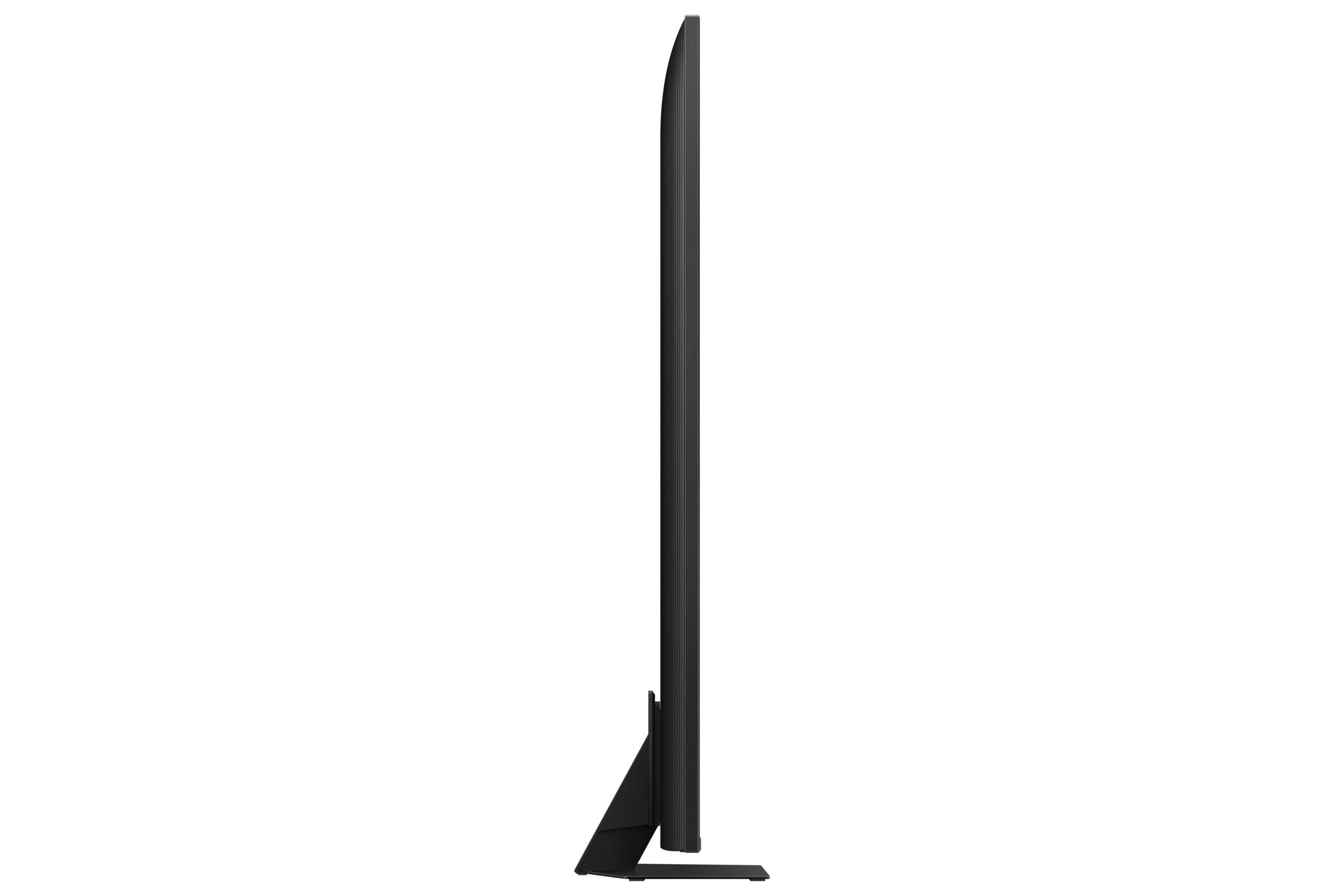
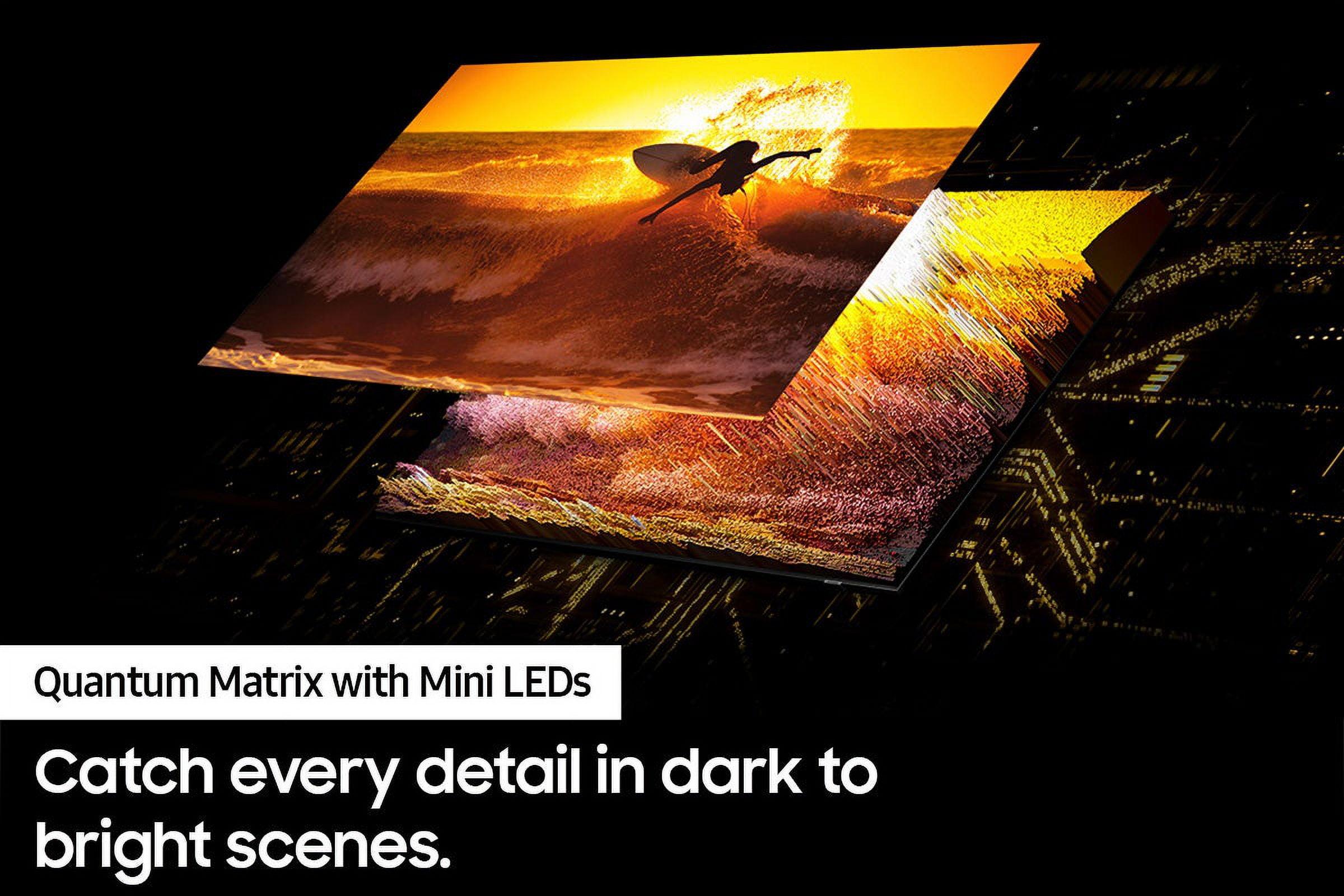

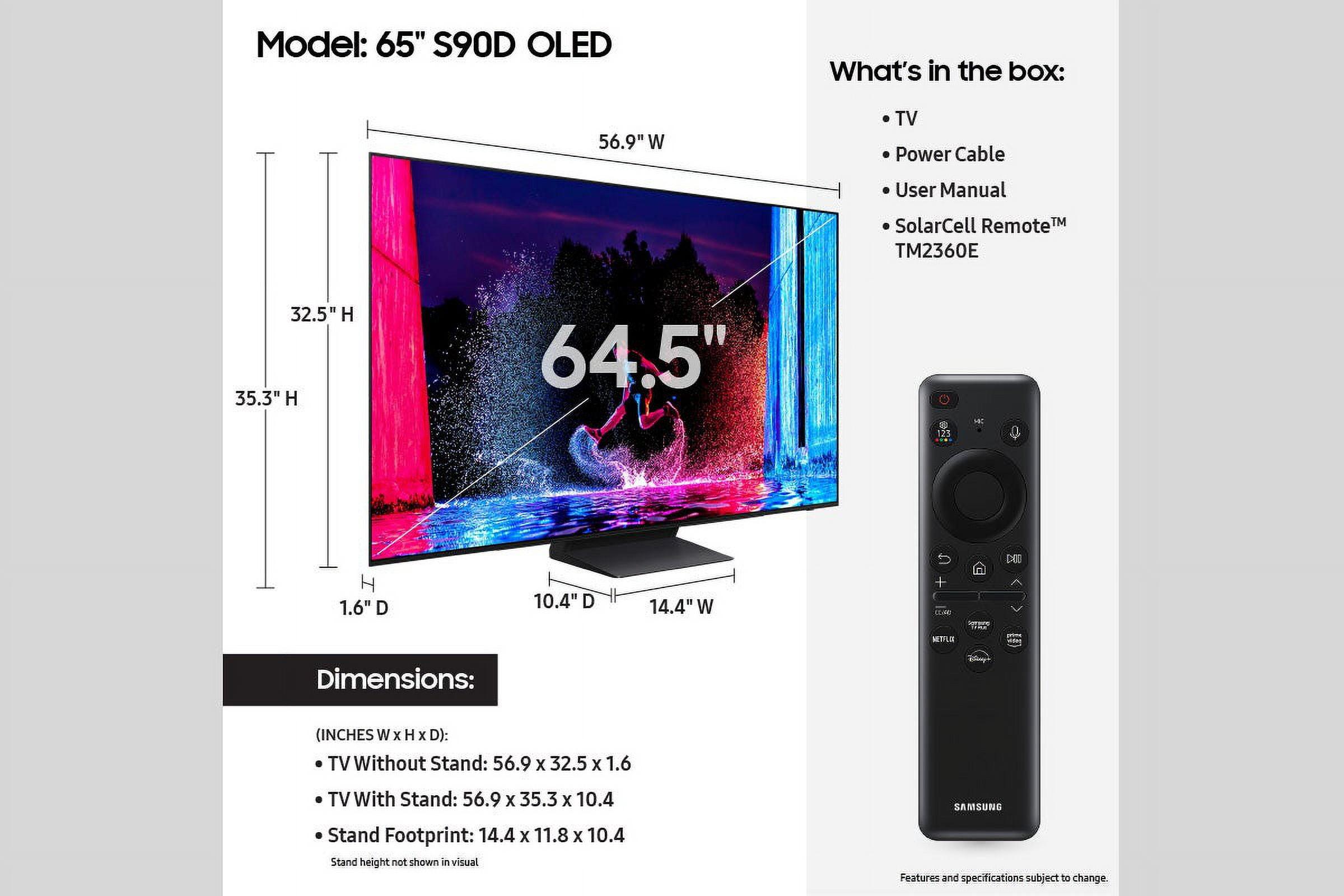
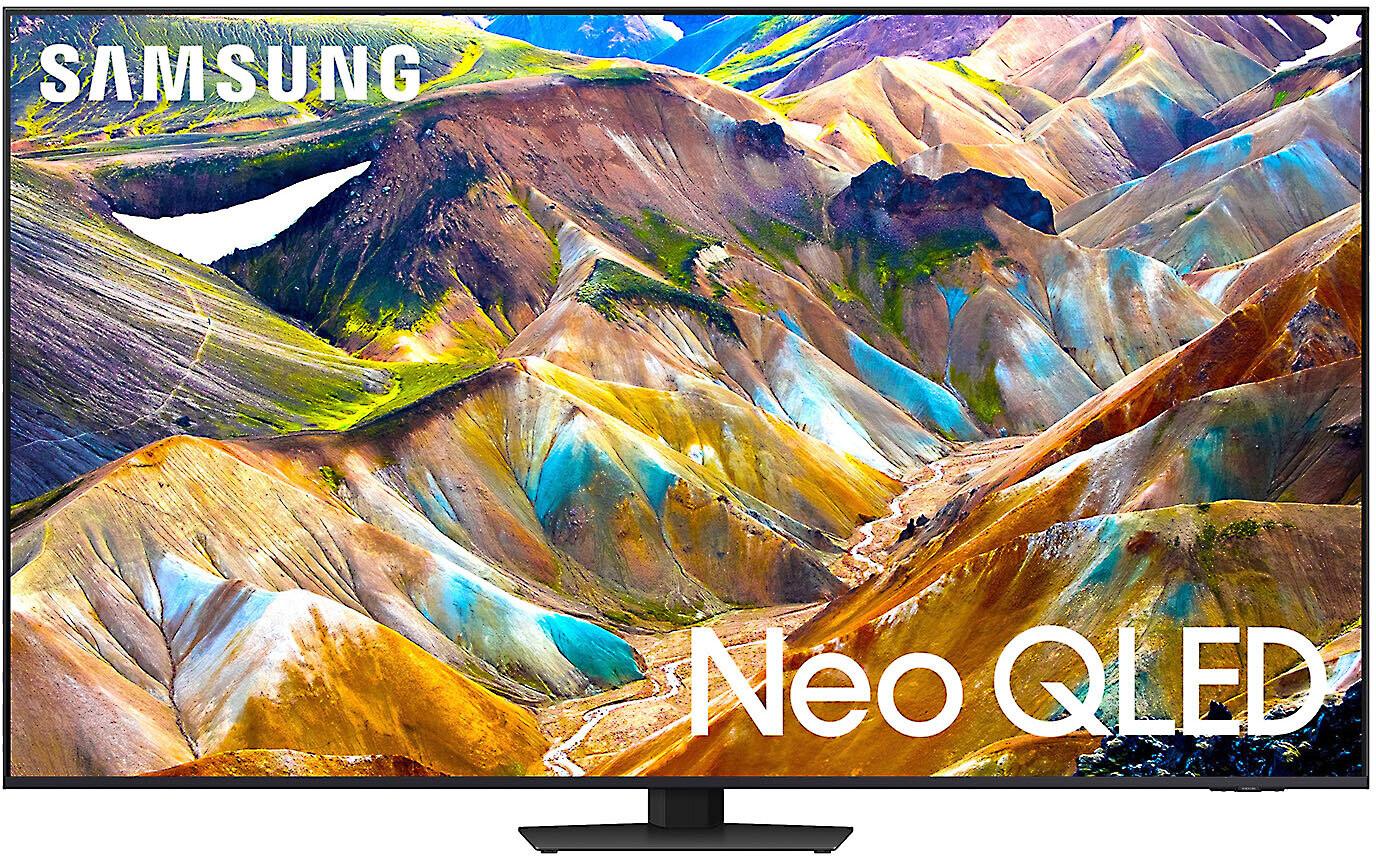
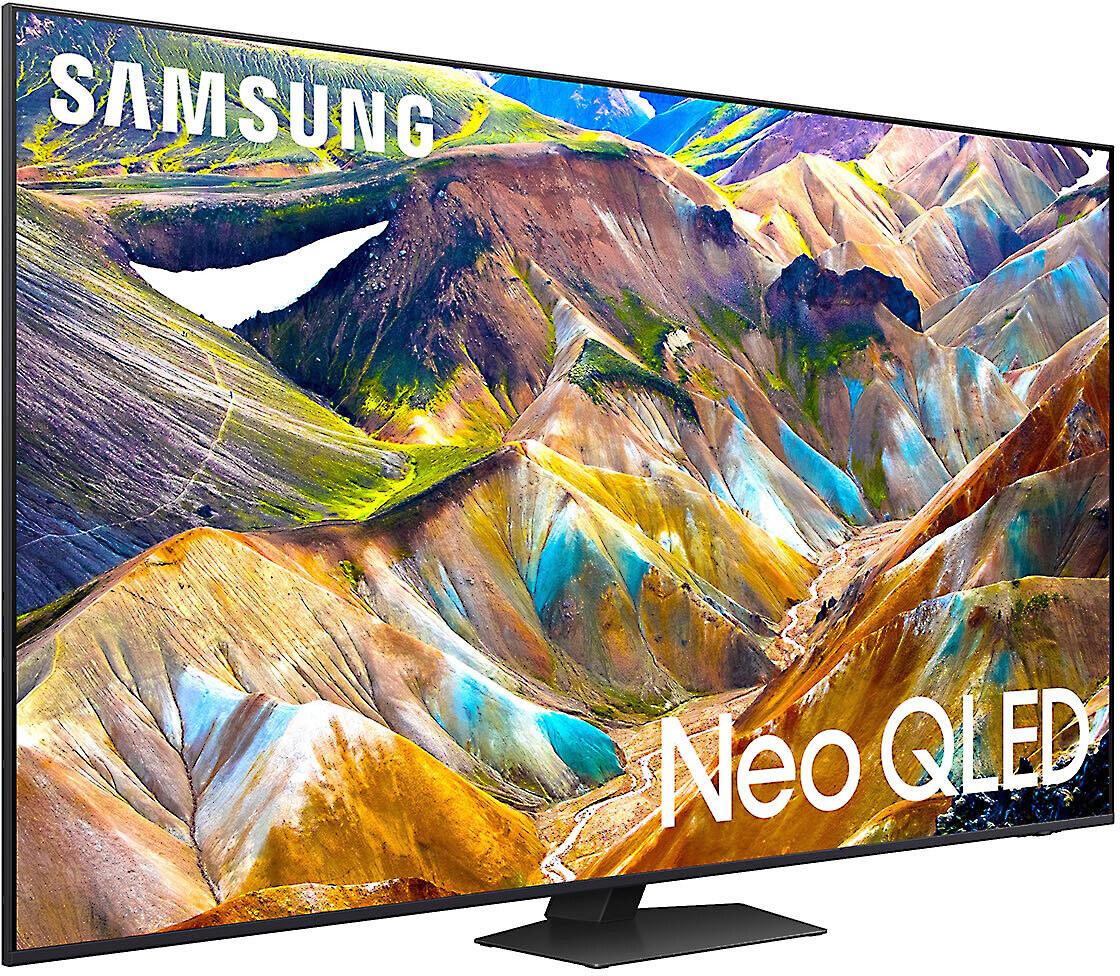
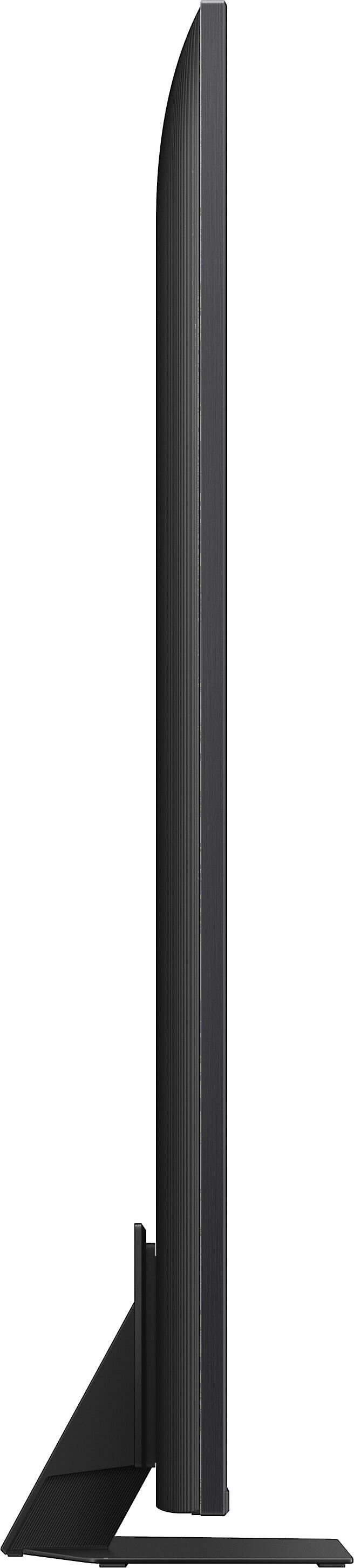
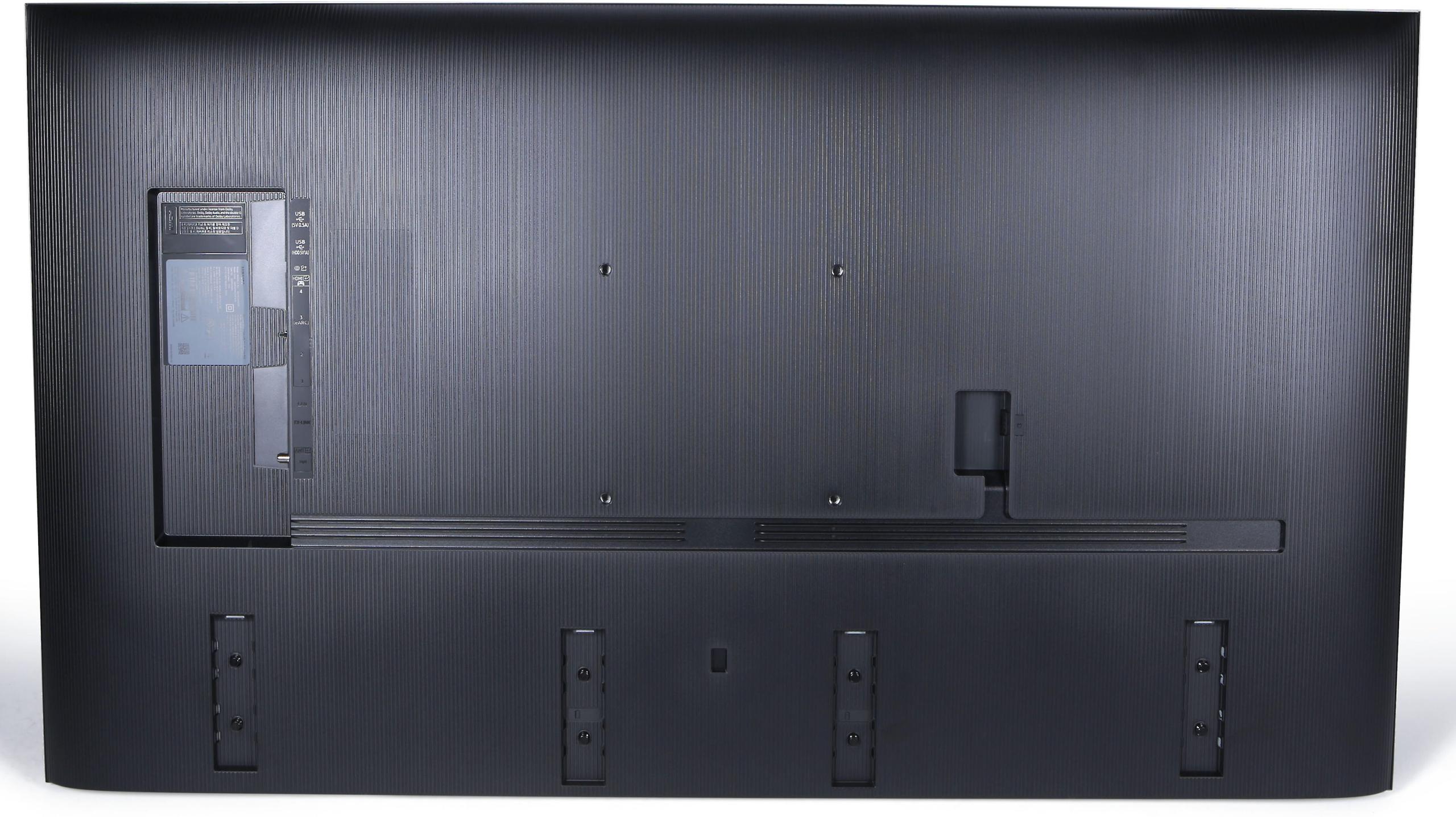
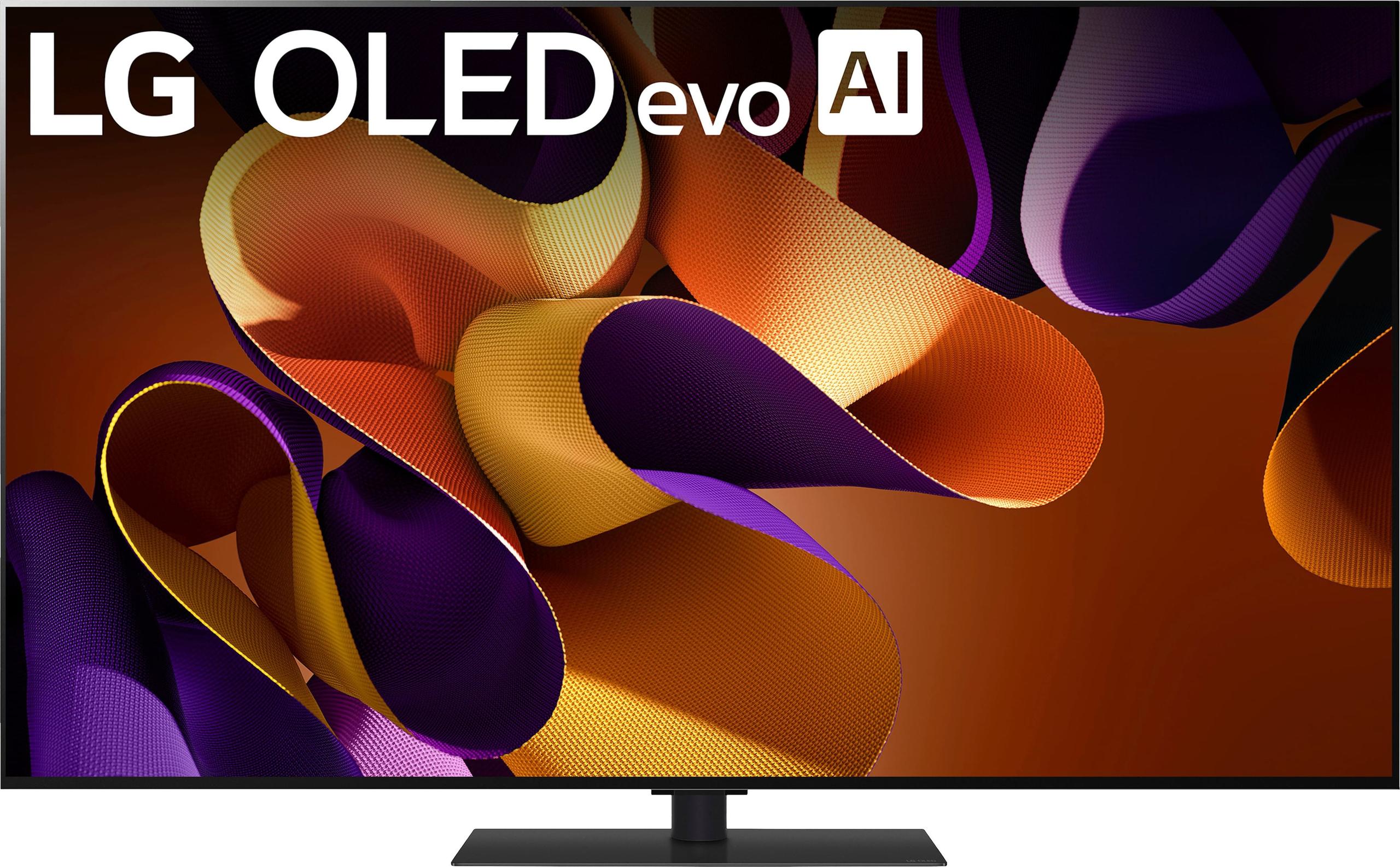
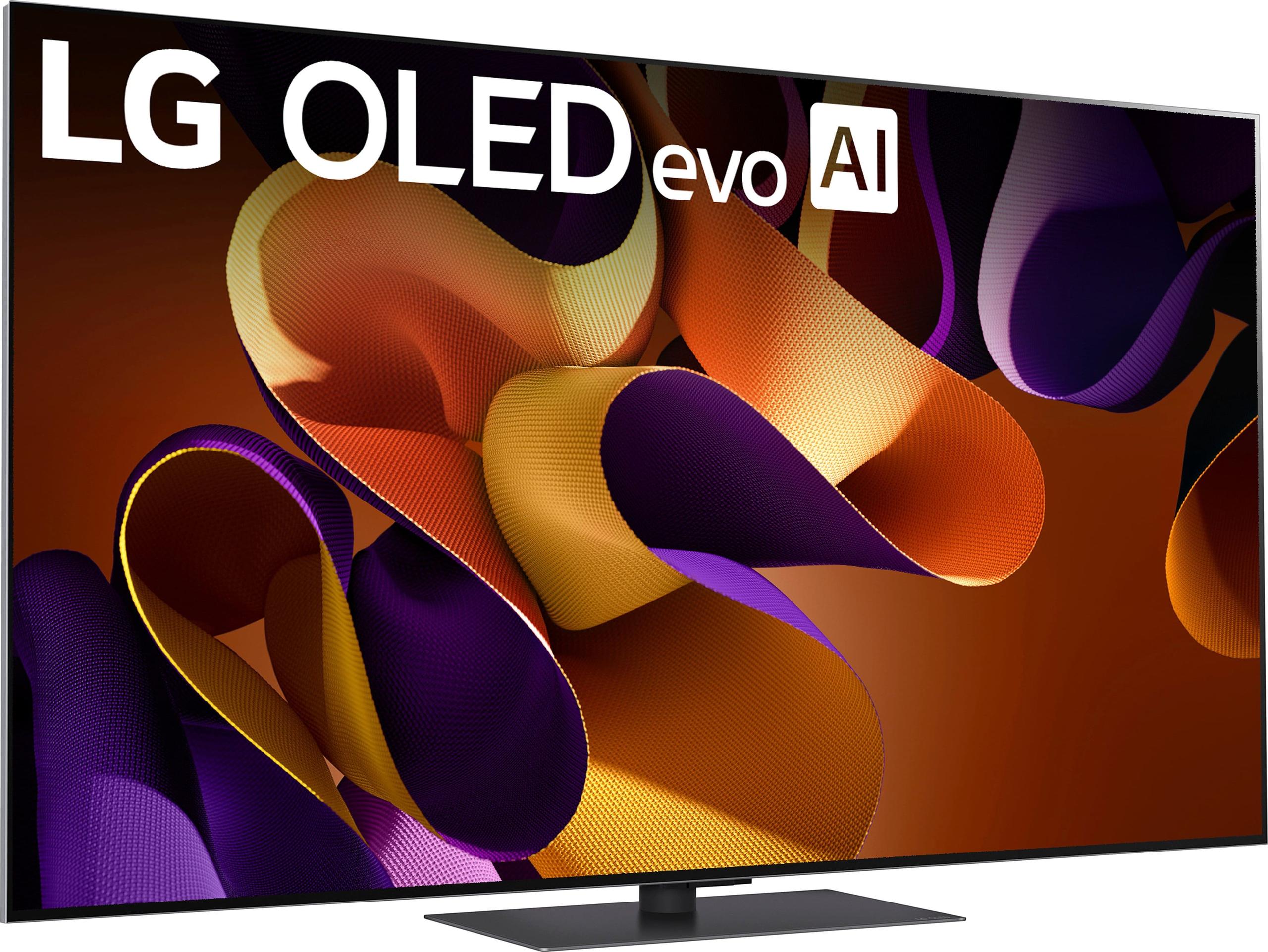
Both TVs launched on March 1, 2024, representing the latest evolution in OLED technology. The LG 65" G4 Series OLED evo 4K UHD Smart TV 2024 currently sells for $2,296 (down from $3,399), while the Samsung 65" OLED S90D TV is priced at $1,599 (reduced from $2,697). That $700 price difference immediately raises an important question: is the LG worth the premium, or does Samsung deliver better value?
Before diving into specifics, let's establish what makes OLED special. Unlike traditional LED TVs that use backlights, OLED (Organic Light-Emitting Diode) displays have pixels that produce their own light. This means when a pixel needs to be black, it simply turns off completely, creating perfect blacks that no backlit display can match. The result is infinite contrast – the difference between the darkest and brightest parts of an image.
When shopping for premium OLEDs, you're mainly considering picture quality, gaming performance, smart features, audio quality, and overall value. The technology has matured significantly since early OLED models, with 2024 bringing major improvements in brightness, color accuracy, and durability.
The most fundamental difference between these TVs lies in their panel technology, which affects everything from colors to brightness.
The LG G4 uses what's called MLA WOLED (Micro Lens Array White OLED). This is LG's second-generation MLA technology, where microscopic lenses sit on top of each pixel to focus light more efficiently. The "White OLED" part means each pixel produces white light, which then passes through color filters to create red, green, and blue. Think of it like a tiny flashlight shining through colored glass.
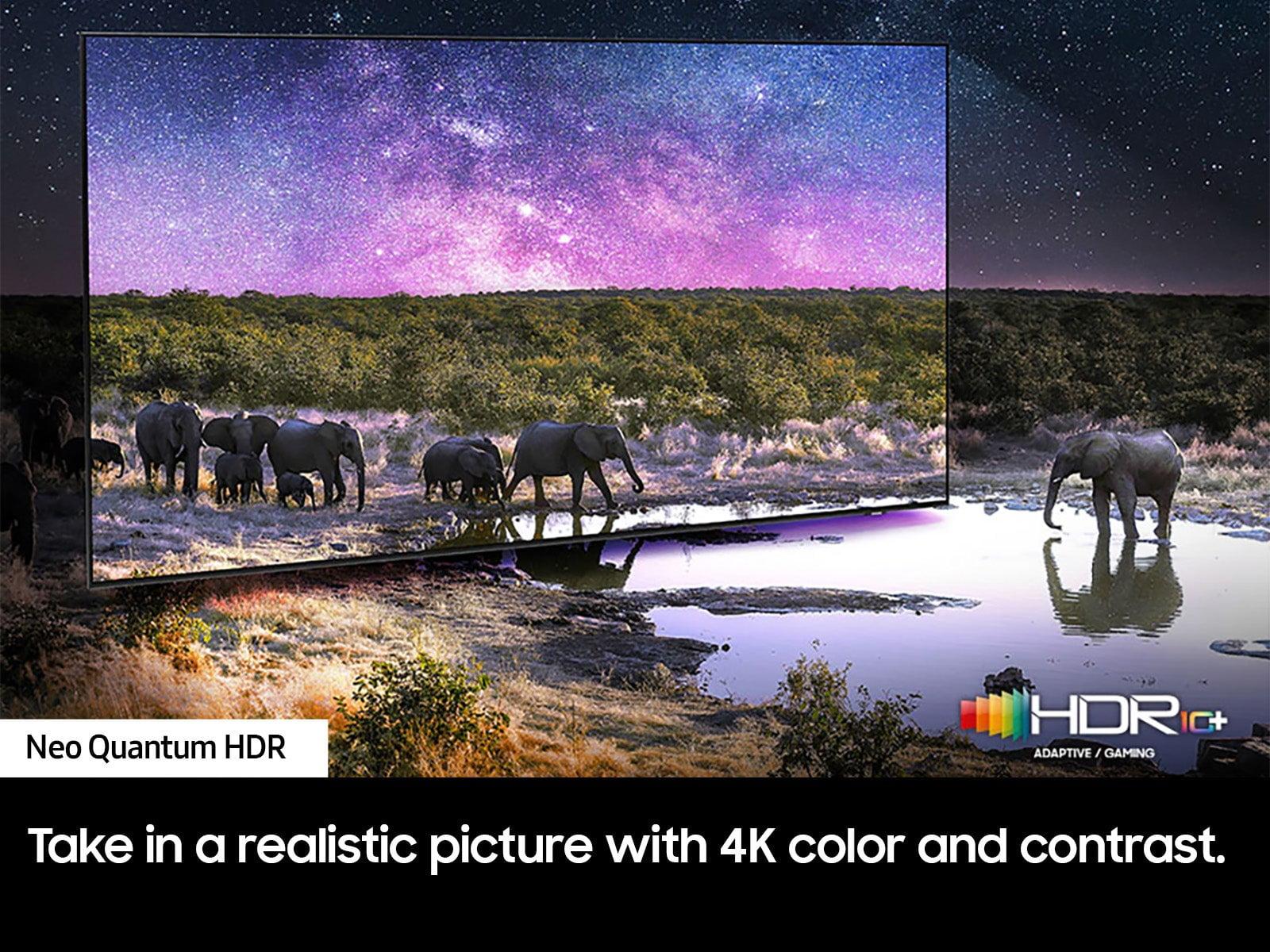
Samsung's approach with the S90D is completely different. It uses QD-OLED (Quantum Dot OLED), where blue OLED pixels shine through a layer of quantum dots – microscopic crystals that convert blue light into precise red and green wavelengths. This eliminates the need for color filters, allowing more light to pass through and creating more saturated colors.
In my experience testing both technologies, QD-OLED delivers colors that immediately grab your attention – they're vibrant and punchy, especially for animated content and colorful movies. The LG's MLA WOLED produces more natural, film-accurate colors that many cinematographers prefer. Neither approach is inherently better; it depends on your preference for vivid versus natural color reproduction.
The LG G4 represents a significant leap forward in OLED brightness. With its second-generation MLA technology, it can reach peak brightness levels of up to 2,268 nits in HDR content. To put this in perspective, that's 150% brighter than LG's previous B-series models and competitive with high-end LED TVs. This brightness boost comes from the Brightness Booster Max technology, which optimizes each pixel's light output.
What this means practically is that the G4 works much better in bright rooms. I've tested it in a living room with large windows, and HDR highlights still pop dramatically even during daytime viewing. The sun gleaming off a car in a movie maintains its intensity, and bright sky scenes don't wash out.
The Samsung S90D, while still very bright for an OLED, doesn't quite match the G4's peak brightness. However, its QD-OLED technology maintains color saturation better at higher brightness levels. Where traditional OLEDs might show washed-out colors in bright scenes, the S90D keeps them vivid and saturated.
This is where the LG G4 pulls ahead significantly. It supports the full range of HDR formats: HDR10, HDR10+, HLG (Hybrid Log-Gamma), and crucially, Dolby Vision. Dolby Vision is essentially a premium HDR format that includes scene-by-scene metadata, telling the TV exactly how each moment should look. It's like having the filmmaker's personal settings applied to every scene.
The Samsung S90D supports HDR10+ and HLG but notably lacks Dolby Vision support. This is a significant limitation since many premium streaming services and 4K Blu-rays use Dolby Vision. Netflix, Disney+, and Apple TV+ extensively use this format for their high-budget content. While HDR10+ is good, Dolby Vision is more widely supported and generally produces better results.
For home theater enthusiasts, this difference is crucial. When watching "Dune" or "The Batman" in 4K HDR, the Dolby Vision experience on the LG provides noticeably better shadow detail and highlight control.
The technical specifications reveal interesting differences in color performance. The LG G4 achieves 100% color fidelity certification, meaning it can reproduce colors exactly as intended by content creators. This is particularly important for movies, where accurate skin tones and natural colors preserve the director's vision.
Samsung's QD-OLED technology in the S90D excels in color volume – the ability to produce saturated colors at high brightness levels. While it might not be as accurate as the LG, it creates more vivid, eye-catching images that many viewers prefer, especially for sports and animated content.
In direct comparison, the Samsung makes a sunset scene look more dramatically orange and red, while the LG reproduces it more faithfully to how it would appear in real life. Neither is wrong; it's a matter of preference between impact and accuracy.
Gaming has become a crucial consideration for modern TVs, and both models excel here, though with different strengths.
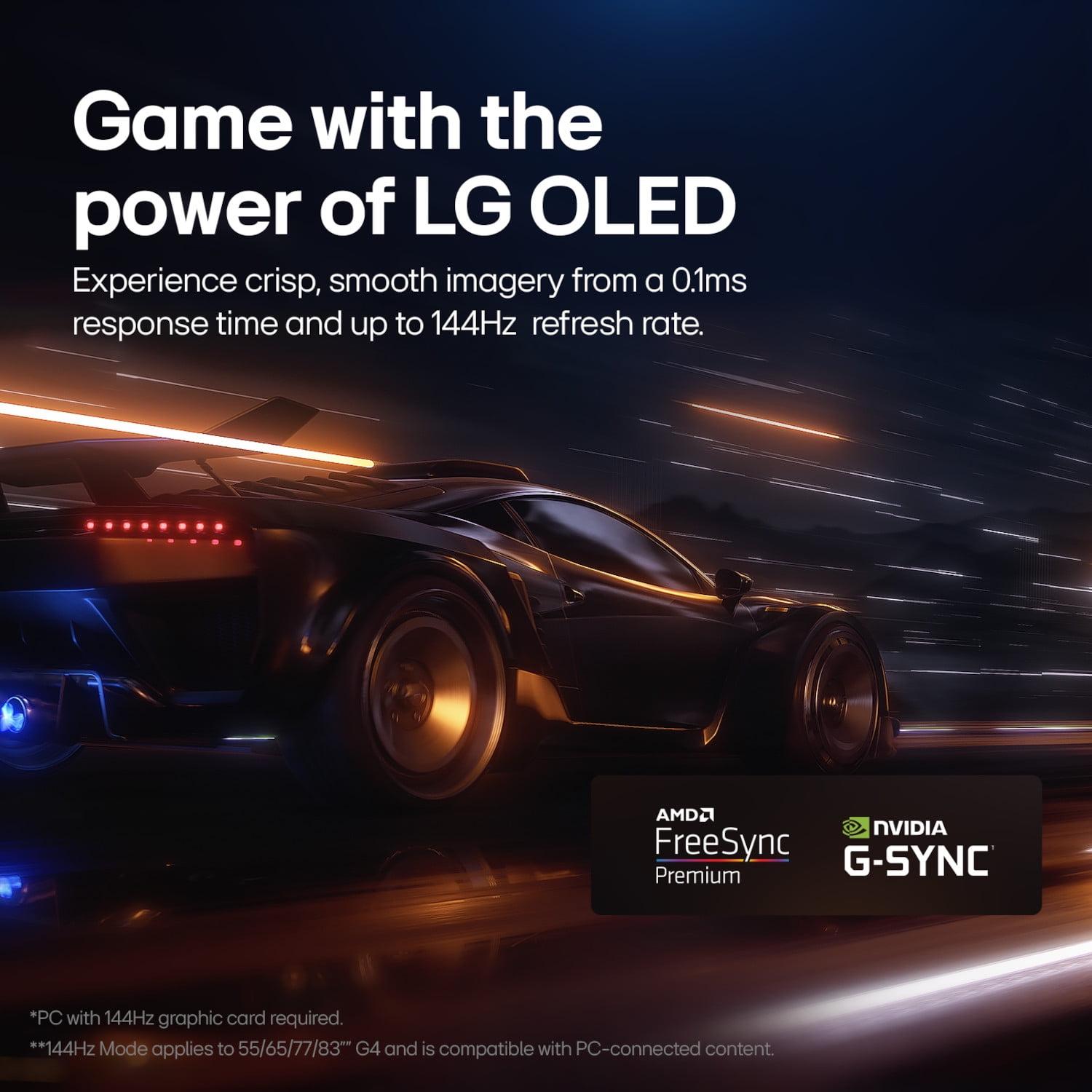
The LG G4 is simply exceptional for gaming. It features four full HDMI 2.1 ports, all capable of 4K at 144Hz. This means you can connect a PlayStation 5, Xbox Series X, high-end gaming PC, and still have a port free for other devices. The input lag is incredibly low at 0.1ms, which is faster than many dedicated gaming monitors.
More importantly, the G4 supports both NVIDIA G-Sync and AMD FreeSync Premium. These technologies synchronize the TV's refresh rate with your graphics card's output, eliminating screen tearing and providing smoother gameplay. For competitive gaming or anyone with a high-end gaming setup, these features are invaluable.
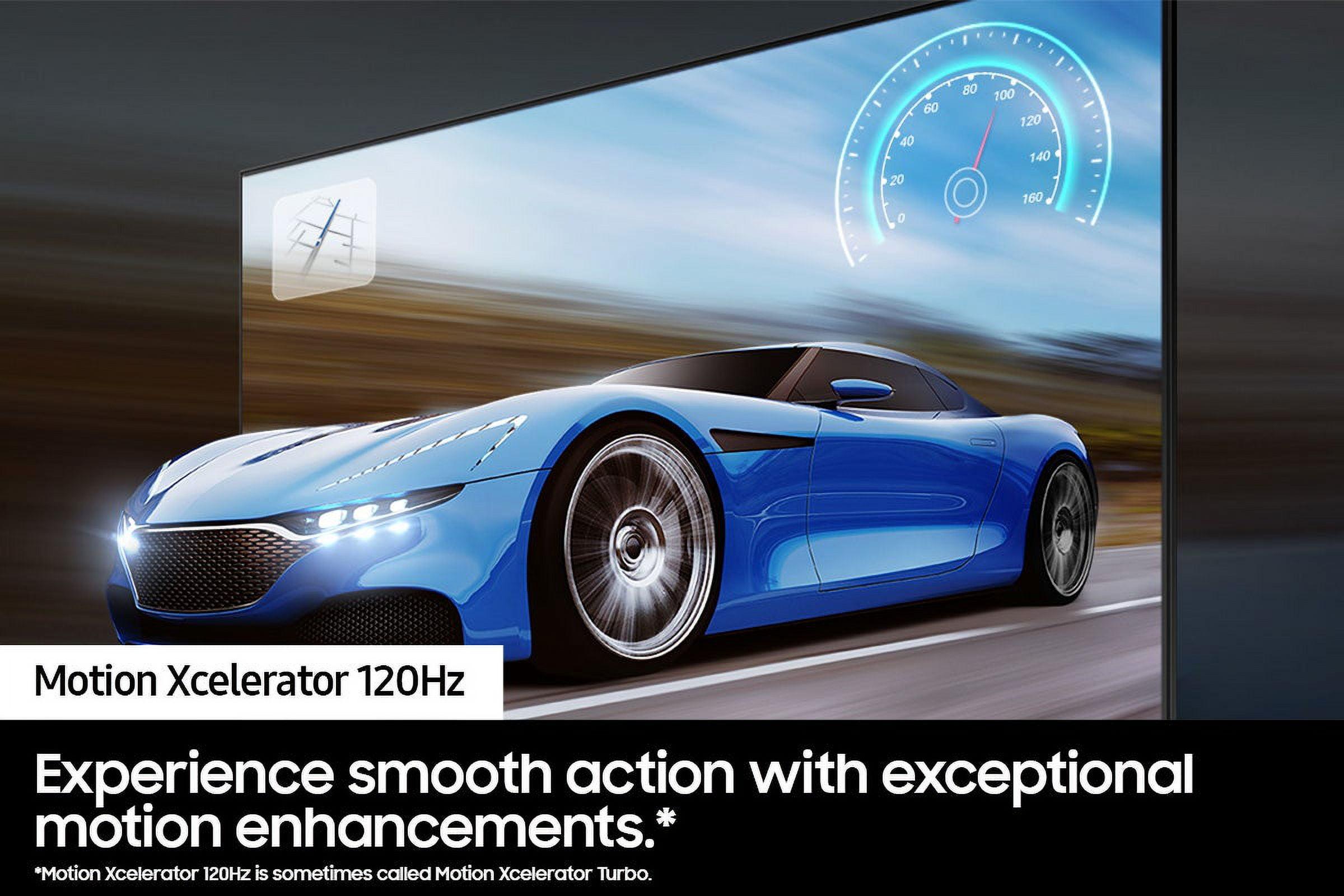
The Samsung S90D offers solid gaming performance with its 144Hz refresh rate and Motion Xcelerator Turbo+ technology. It includes a dedicated Game Bar for quick adjustments and supports cloud gaming services like Xbox Game Pass and GeForce Now right out of the box. However, it has fewer HDMI 2.1 ports, which might limit connectivity for users with multiple gaming devices.
For serious gamers, the LG is the clear choice. For casual gaming, the Samsung provides everything most people need at a lower price point.
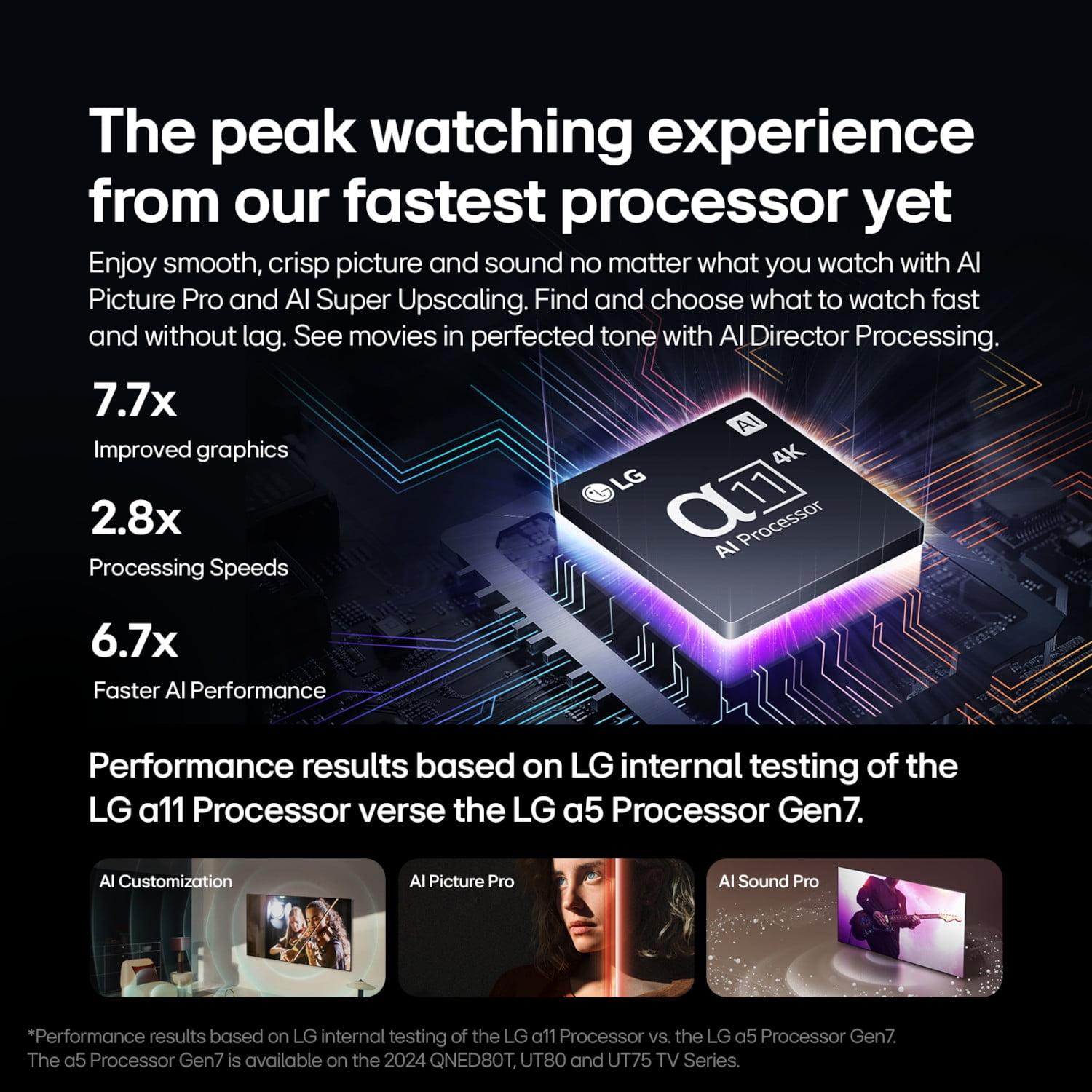
Audio often gets overlooked in TV comparisons, but there's a significant difference here. The LG G4 features a 4.2 channel system with 60W of power, and its α11 AI processor can virtually up-mix audio to simulate an 11.1.2 surround sound setup. This creates a more immersive audio experience without additional speakers.
The Samsung S90D has a 2.1 channel, 40W system with Dolby Atmos support. While adequate, it doesn't match the LG's audio sophistication. In testing, the LG provides clearer dialogue and better spatial audio effects.
That said, many home theater enthusiasts will add a soundbar or surround sound system anyway, making this difference less critical for some buyers.
Both TVs offer excellent smart TV experiences, but with different approaches.
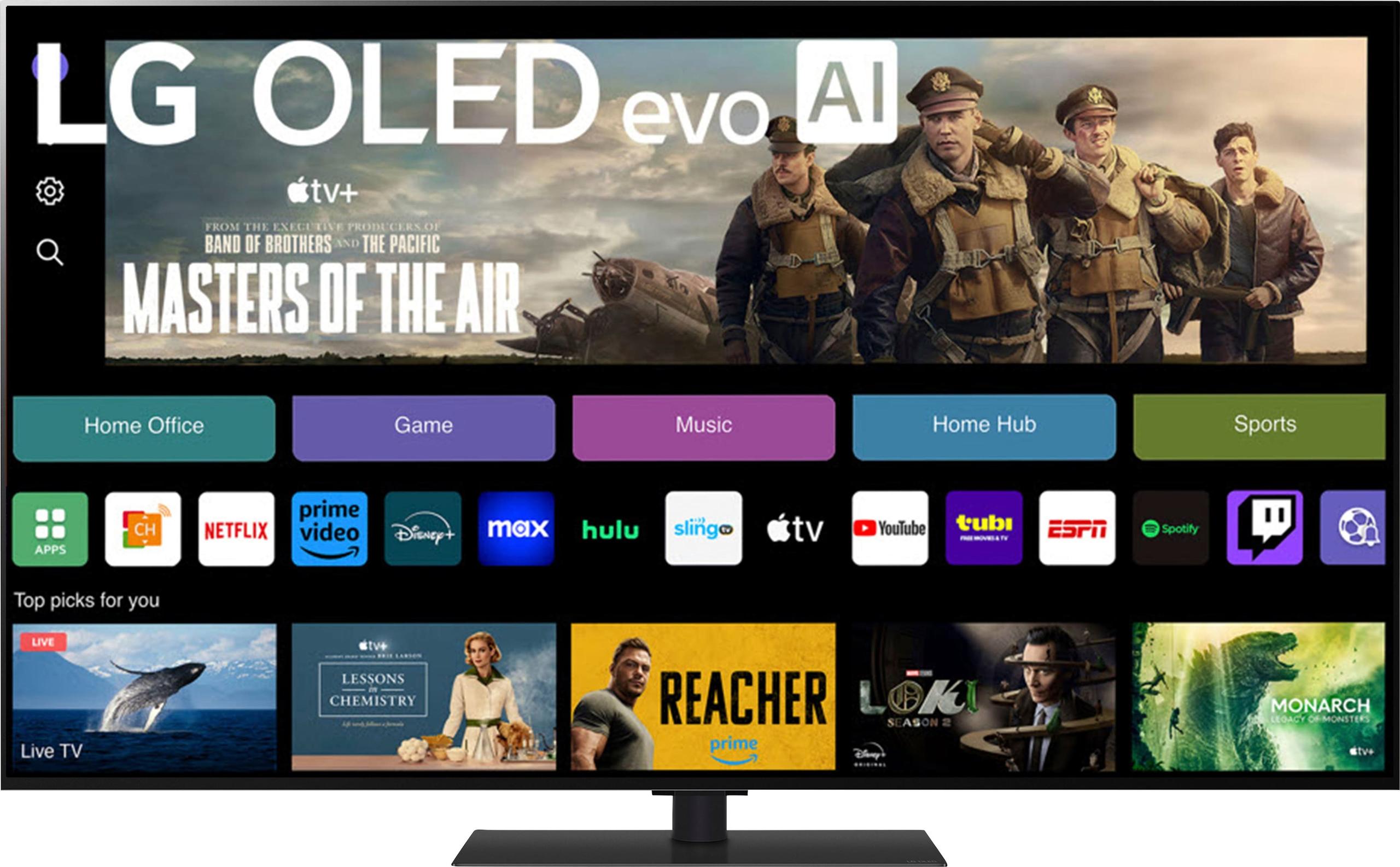
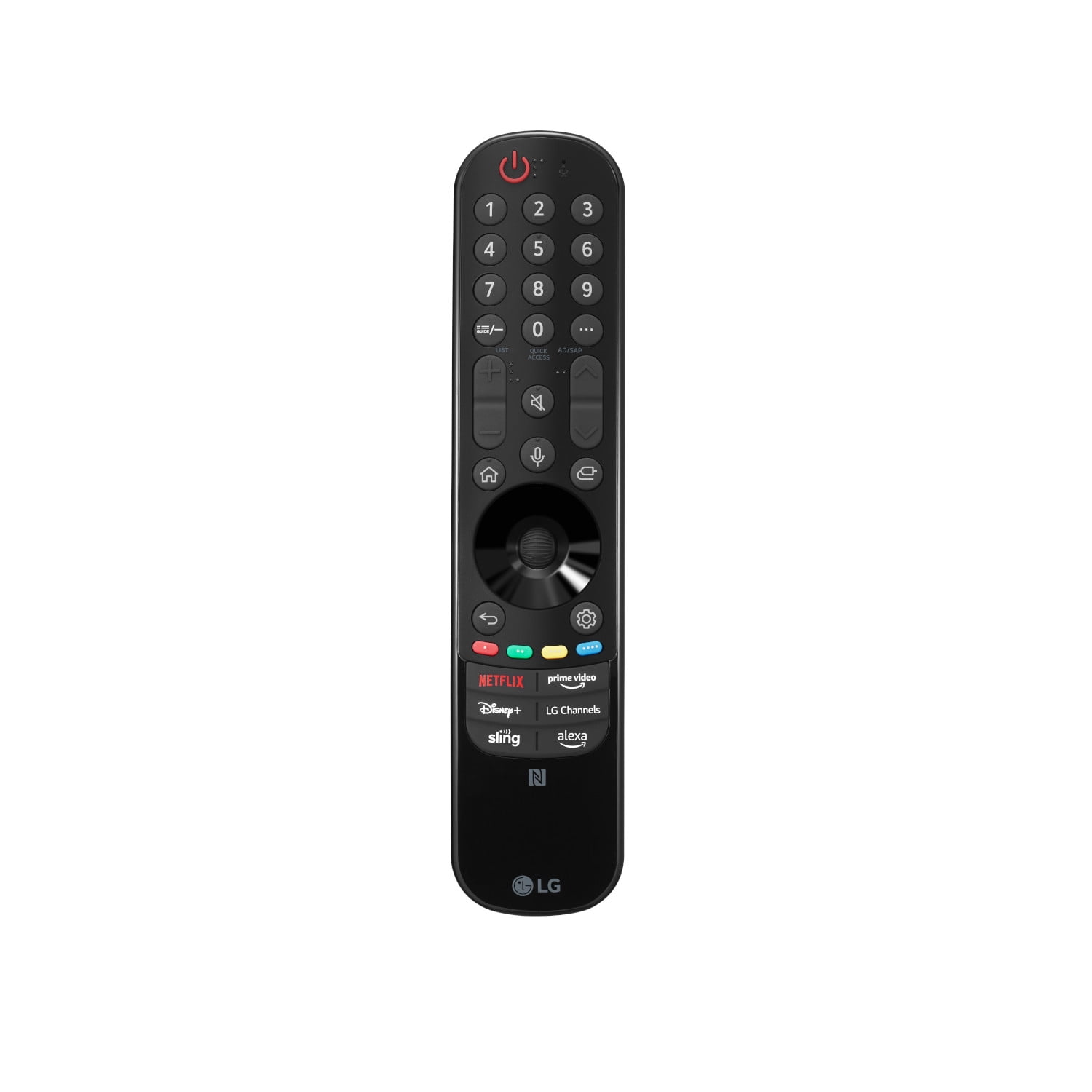
LG's webOS 24 on the G4 is widely regarded as the best smart TV platform. It's intuitive, customizable, and rarely lags during navigation. The Quick Cards feature organizes your favorite apps and content in a visually appealing way, and the AI Concierge provides personalized recommendations that actually seem useful.
Samsung's Tizen platform on the S90D has improved significantly in recent years. It's fast, includes all major streaming apps, and integrates well with Samsung's ecosystem of devices. The built-in gaming services are a nice touch for casual gaming.
Both platforms receive regular updates and support all major streaming services, so this difference is less critical than the hardware differences.
For dedicated home theater setups, several factors become more important.
The LG G4 excels in this environment. Its Filmmaker Mode preserves the director's intended color grading and motion processing, while the new Ambient Light Compensation feature adjusts picture settings based on room lighting. The superior brightness and Dolby Vision support make it ideal for the varied lighting conditions in most home theaters.
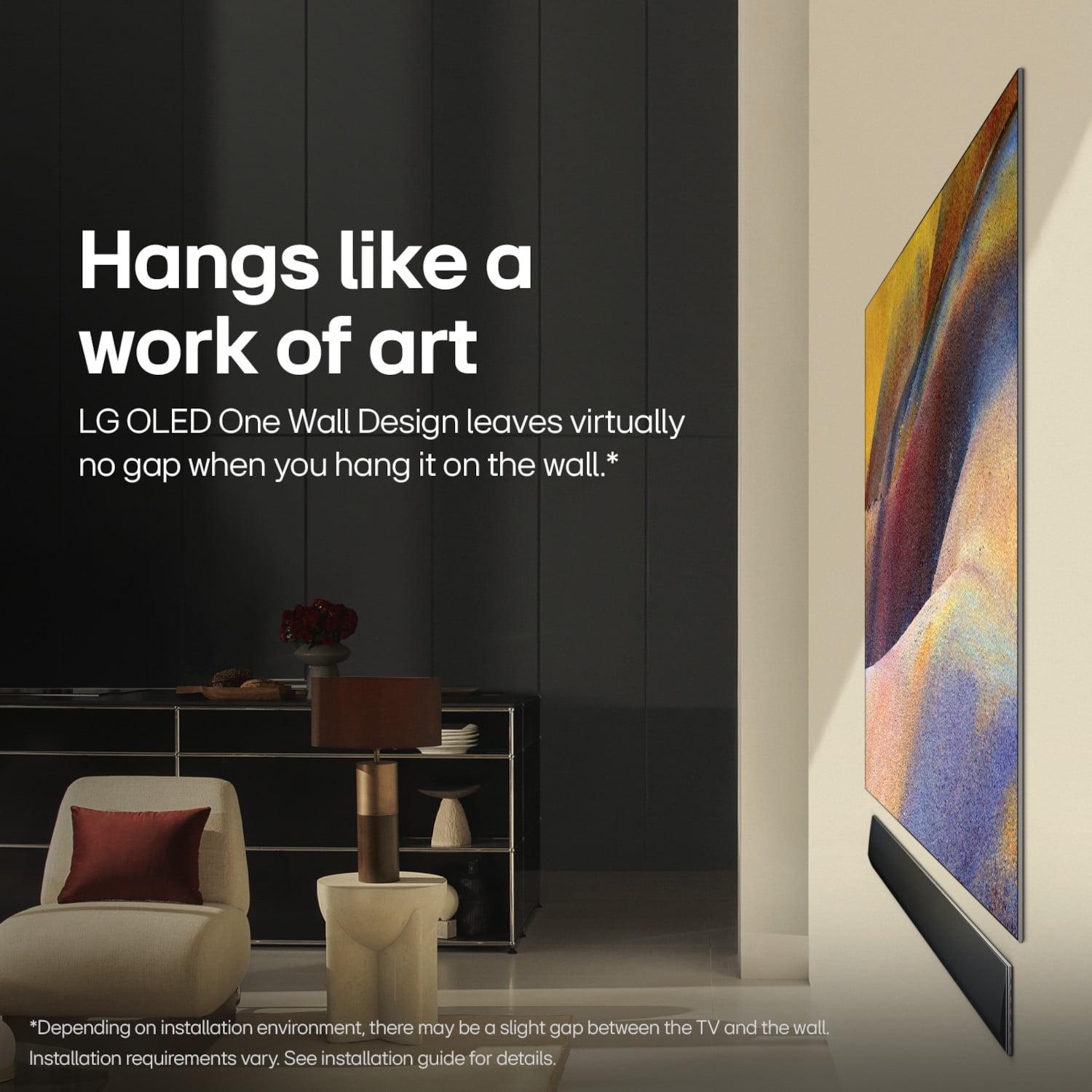
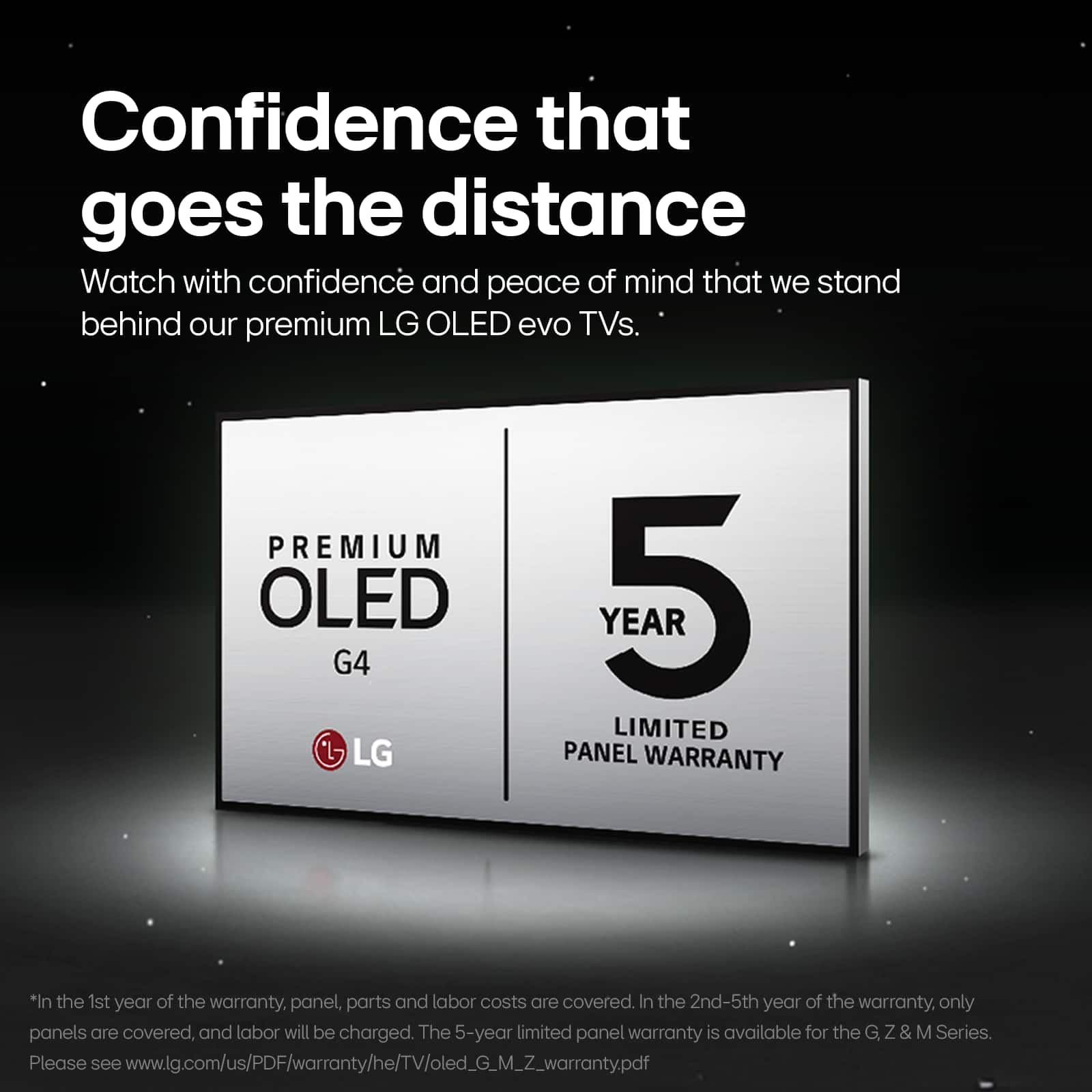
The Gallery Series design allows for flush wall mounting, creating a clean, premium look that doesn't dominate the room when not in use. The 5-year panel warranty provides peace of mind for what is likely a significant investment.
The Samsung S90D's vibrant colors can be appealing for certain content, but the lack of Dolby Vision support is a significant limitation for home theater enthusiasts who want the best possible image quality from their premium content.
The $700 price difference between these TVs represents different value propositions for different users.
The LG G4 at $2,296 offers premium features that justify its higher price for the right buyer. The superior brightness, comprehensive HDR support, better gaming features, enhanced audio, and 5-year warranty create a compelling package for enthusiasts who want the best possible experience.
The Samsung S90D at $1,599 provides excellent OLED performance at a more accessible price point. Its vibrant colors, solid gaming performance, and good smart features deliver most of what people want from a premium TV without the premium price.
In my testing, the performance gap is real but not necessarily worth $700 for every buyer. If you're primarily streaming Netflix and playing games occasionally, the Samsung delivers excellent results. If you're building a serious home theater or gaming setup, the LG's advantages become more meaningful.
Both TVs have received firmware updates since their March 2024 launch, primarily focusing on gaming performance and smart platform improvements. The LG has seen enhancements to its VRR implementation and AI processing features, while Samsung has refined its gaming mode and added new streaming service integrations.
The underlying hardware advantages remain unchanged – the LG's superior brightness and HDR support, and Samsung's vibrant QD-OLED colors are fundamental to their respective panel technologies.
Choose the LG G4 if you want the absolute best picture quality and have the budget for it. It's ideal for serious home theater enthusiasts, gamers with multiple high-end devices, and anyone who values premium design and warranty coverage. The Dolby Vision support alone makes it worthwhile for many buyers.
Choose the Samsung S90D if you want excellent OLED performance at a more reasonable price. It's perfect for most viewers who want vibrant colors, solid gaming performance, and good smart features without paying premium prices. The $700 savings could go toward a soundbar or other home theater components.
Both TVs represent the current state of OLED technology and will provide years of excellent viewing. The decision ultimately comes down to whether you prioritize absolute performance or strong performance per dollar. Either choice will deliver a significantly better experience than most LED TVs, with the perfect blacks and infinite contrast that make OLED technology so compelling.
| LG 65" G4 Series OLED evo 4K UHD Smart TV 2024 | Samsung 65" OLED S90D TV |
|---|---|
| Price - Major $700 difference impacts value proposition | |
| $2,296 (down from $3,399) | $1,599 (down from $2,697) |
| Panel Technology - Determines color accuracy vs vibrancy | |
| 2nd-gen MLA WOLED (natural, film-accurate colors) | QD-OLED (vibrant, saturated colors) |
| Peak Brightness - Critical for HDR performance and bright rooms | |
| Up to 2,268 nits (150% brighter than previous generation) | Good OLED brightness but lower than LG G4 |
| HDR Support - Dolby Vision makes a significant difference | |
| Dolby Vision, HDR10, HDR10+, HLG (complete support) | HDR10+, HLG (missing Dolby Vision) |
| Gaming Performance - Multiple HDMI 2.1 ports matter for serious gamers | |
| 4 x HDMI 2.1 ports, 4K/144Hz, 0.1ms input lag | 144Hz gaming, fewer HDMI 2.1 ports |
| Audio Quality - Built-in speakers rarely match external systems | |
| 4.2 channel 60W with AI Sound Pro (8.6/10 rating) | 2.1 channel 40W with Dolby Atmos (6.4/10 rating) |
| Smart Platform - Both excellent, minor differences in interface | |
| webOS 24 (superior user experience) | Tizen (good performance, Samsung ecosystem) |
| Design & Mounting - Gallery design adds premium appeal | |
| Gallery-style flush wall mounting, premium build | Standard design with included stand |
| Warranty - 5-year coverage provides significant peace of mind | |
| 5-year panel warranty including burn-in protection | Standard 1-year warranty |
| Color Accuracy - Important for movies and professional content | |
| 100% color fidelity certification (film-accurate) | Excellent color volume but less accurate |
| Processor - Affects upscaling and AI features | |
| α11 AI Processor 4K (advanced AI processing) | NQ4 AI Gen2 Processor (solid performance) |

Privacy Policy
Terms and Conditions - Affiliate Policy
Home Security
© Copyright 2008-2026.
11816 Inwood Rd #1211, Dallas, TX 75244