

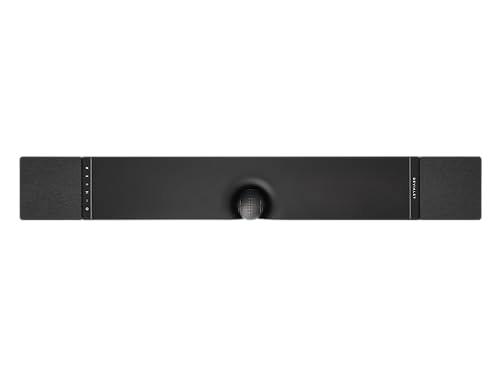
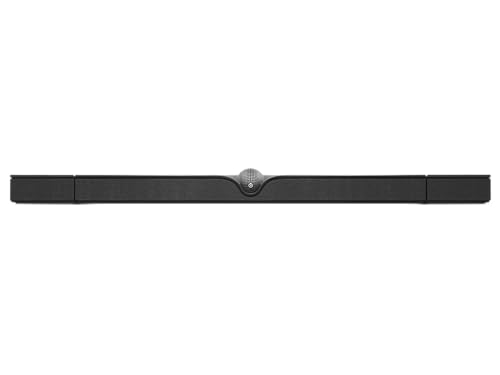

Shopping for a soundbar in 2024 can feel overwhelming. The market spans everything from basic TV audio upgrades to sophisticated home theater systems that rival traditional surround sound setups. Today, we're diving deep into two very different approaches to premium Dolby Atmos audio: the Devialet Dione, a luxury all-in-one engineering marvel, and the Polk Audio MagniFi Max AX, a feature-rich traditional system that delivers impressive performance at a more accessible price point.
Before we compare these specific products, it helps to understand what separates modern soundbars from the basic models that dominated the market just a few years ago. The game-changer has been Dolby Atmos—a technology that treats individual sounds as "objects" that can be precisely placed anywhere in a three-dimensional space around you. Instead of just left and right speakers, Atmos creates a bubble of sound that includes height channels, making you feel like you're inside the action rather than just listening to it.
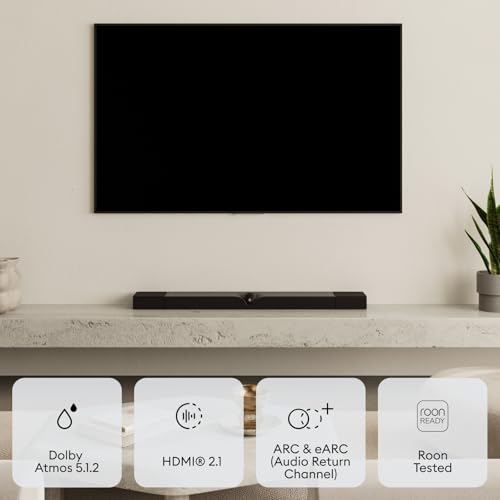
The numbers you see in soundbar specifications—like 5.1.2 or 3.1.2—tell you exactly how many channels the system can produce. The first number represents main speakers (front left, center, front right, plus surround left and right for 5-channel systems). The second number is the subwoofer channel for bass. The final number indicates height channels that create overhead effects. More channels generally mean more immersive sound, but the quality of implementation matters just as much as quantity.
What's fascinating about modern soundbars is how they've evolved to solve the age-old problem of great sound in real homes. Traditional surround sound requires multiple speakers placed around your room, but most people can't or don't want speakers mounted behind their couch or wires running across their living room. Modern soundbars use sophisticated digital signal processing and carefully positioned drivers to create the illusion of sounds coming from all around you, using just the soundbar itself and sometimes a separate subwoofer.
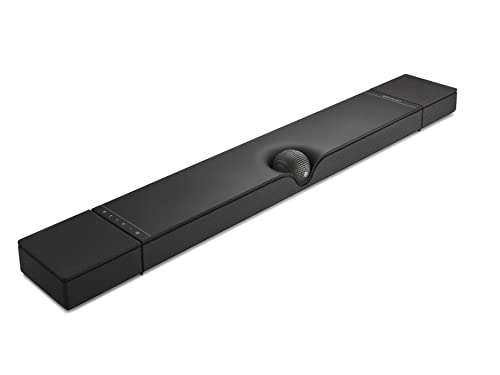
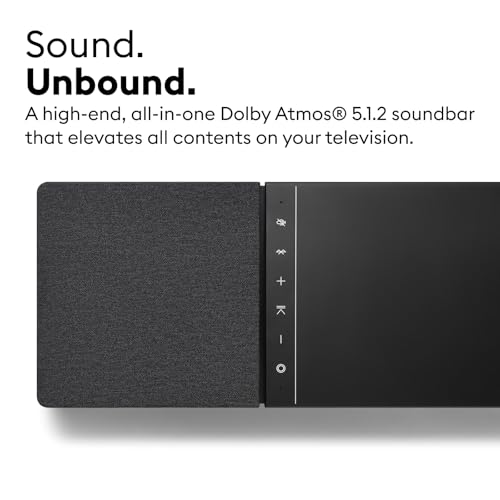
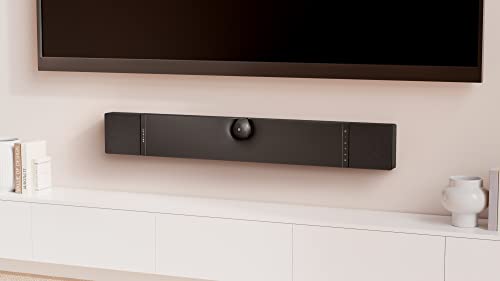
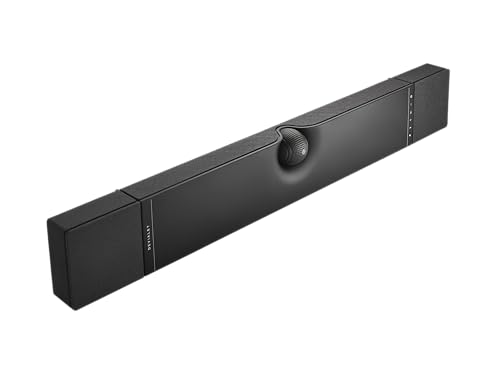
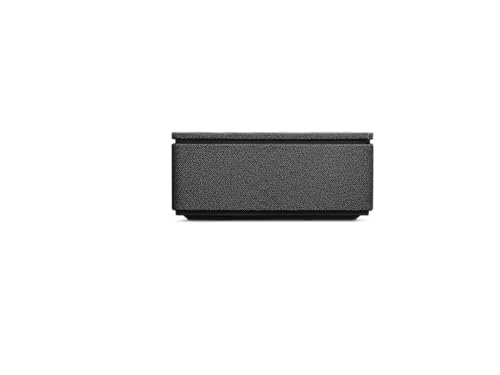
The Devialet Dione, released in 2021, represents the French company's first venture into soundbars after building a reputation for ultra-high-end wireless speakers. At the time of writing, it commands a premium price that's roughly four times higher than more mainstream options, positioning it firmly in luxury territory alongside brands like Bang & Olufsen.
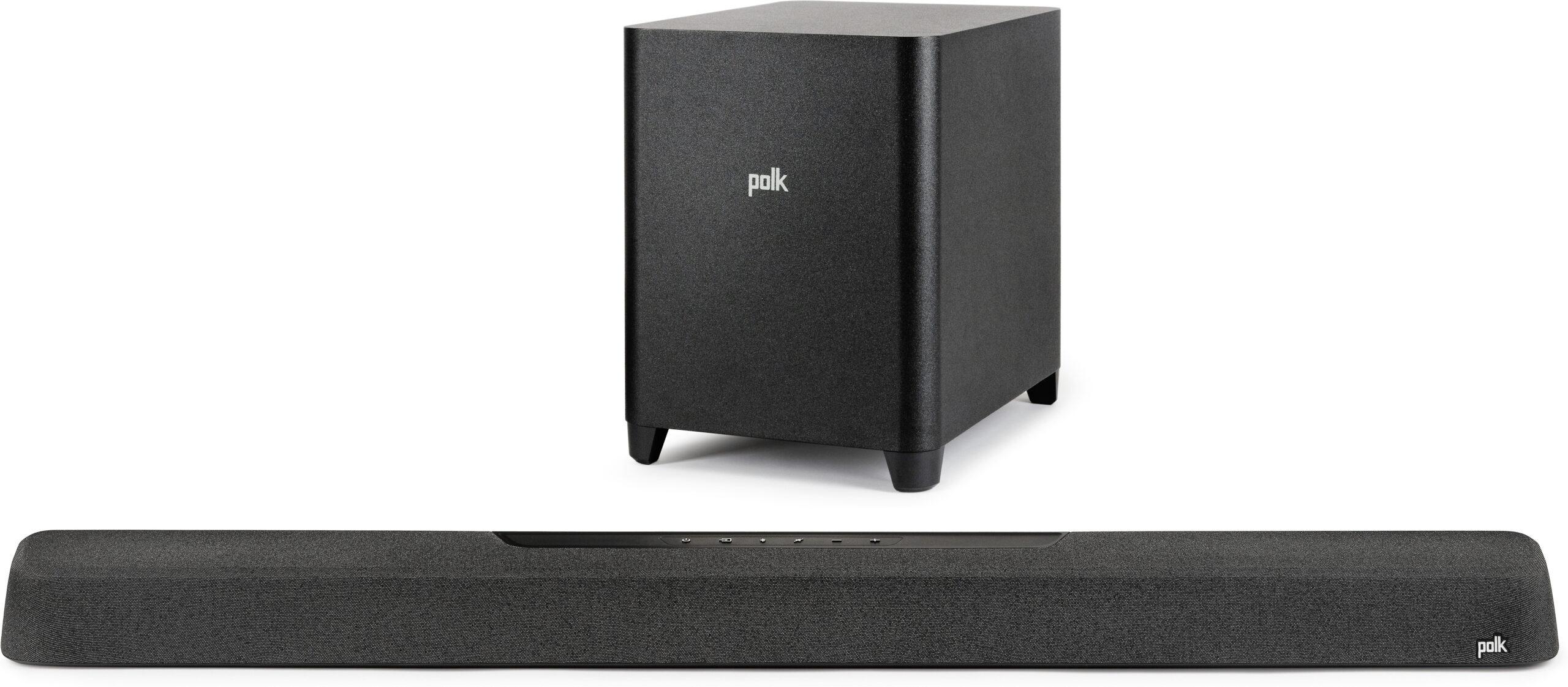
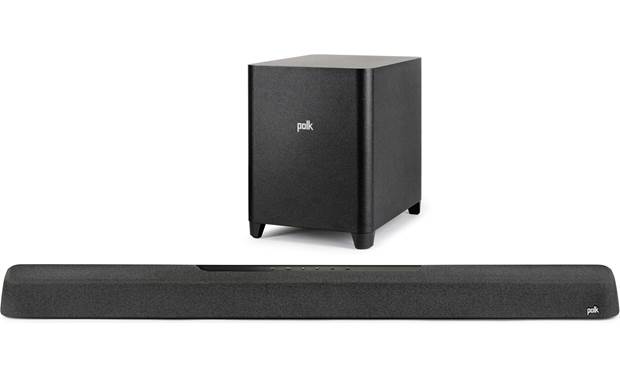
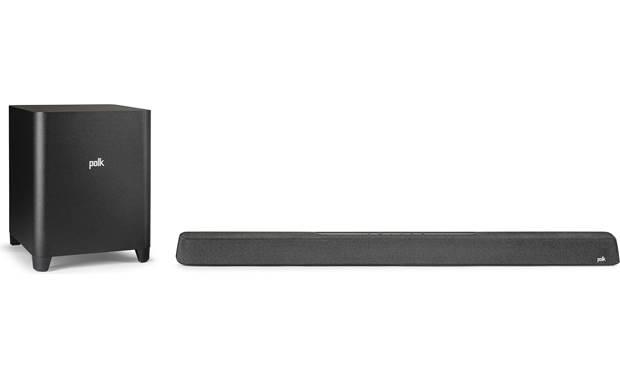
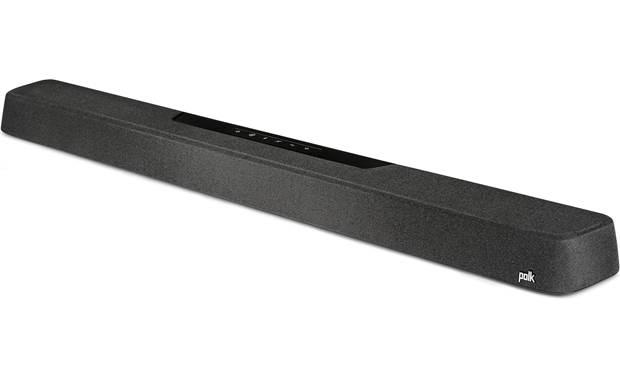
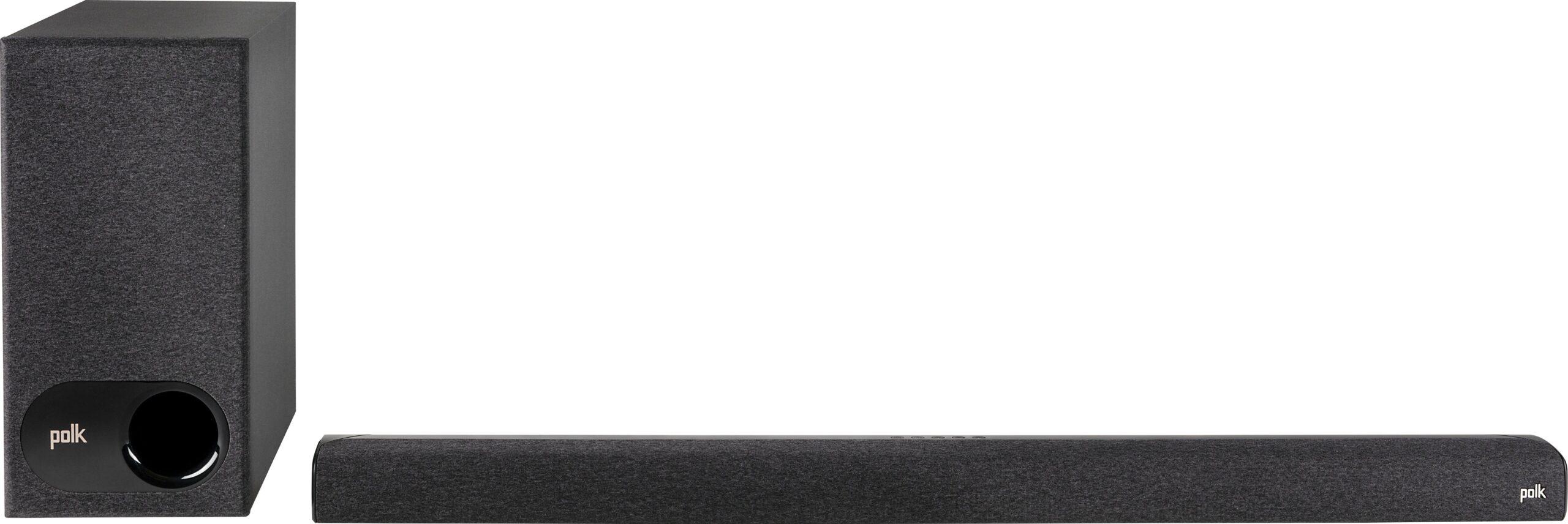
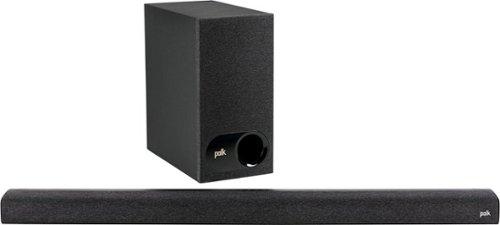
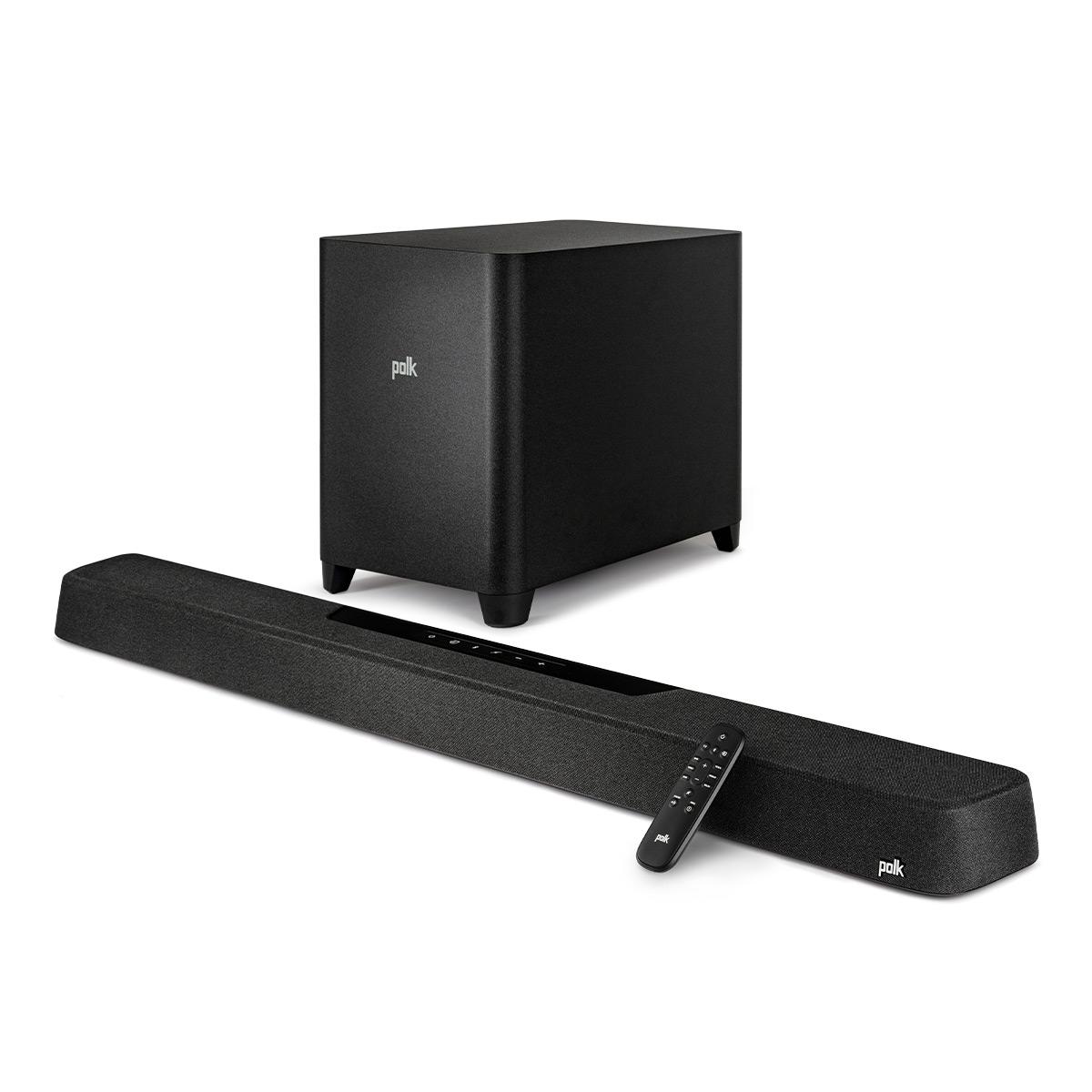
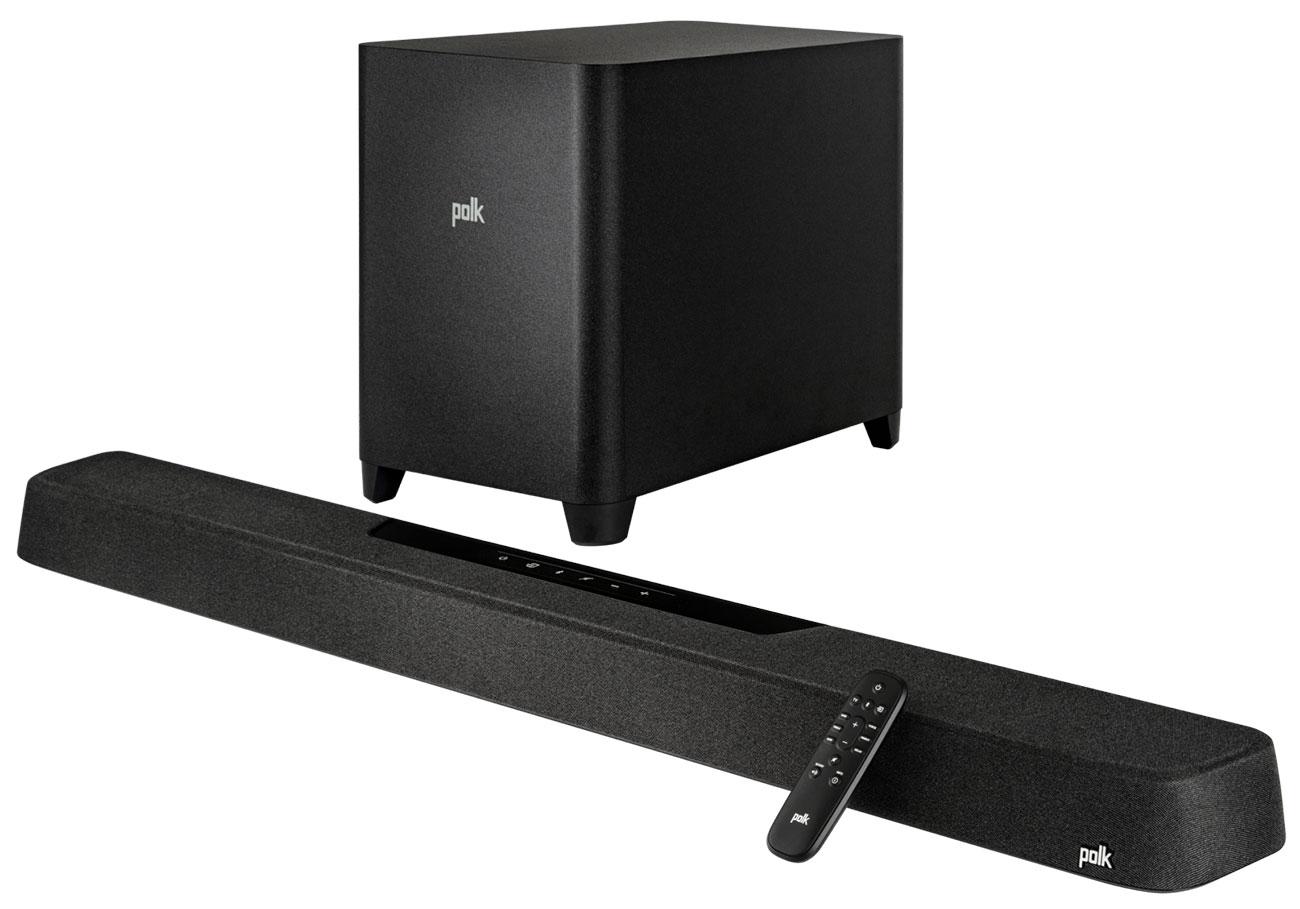
The Polk Audio MagniFi Max AX, launched in 2022, takes the opposite approach. Polk, with decades of experience in affordable home theater, packed serious Dolby Atmos technology into a system that costs about one-quarter of the Dione's price. It follows the traditional soundbar-plus-subwoofer approach that most consumers expect.
These different philosophies—premium all-in-one engineering versus accessible traditional design—create interesting trade-offs that affect everything from sound quality to room placement to long-term satisfaction.
The most fundamental difference between these soundbars lies in their approach to reproducing sound. The Devialet Dione packs an almost absurd 17 individual drivers into its sleek aluminum chassis. This includes nine full-range drivers that handle midrange and treble frequencies, plus eight dedicated subwoofer drivers arranged in what Devialet calls a "push-push" configuration. This means pairs of bass drivers face each other and work together to cancel out vibrations that would normally shake the cabinet, allowing for cleaner, more accurate bass reproduction.
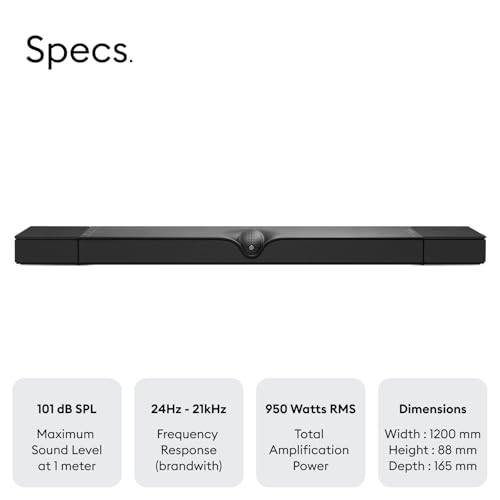
What makes this particularly impressive is that all these drivers fit into a single soundbar that's less than three inches tall. The engineering required to prevent these 17 drivers from interfering with each other while maintaining the slim profile is genuinely remarkable. The Devialet Dione's 950 watts of total amplification power means each driver gets its own dedicated amplification channel, allowing for precise control that you typically only find in high-end audiophile equipment.
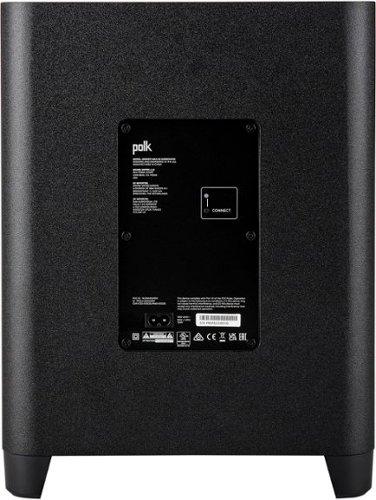
The Polk Audio MagniFi Max AX, by contrast, uses the more traditional approach of an 11-driver soundbar paired with a separate 10-inch wireless subwoofer. This separation allows each component to specialize: the soundbar handles dialogue, midrange effects, and height channels, while the subwoofer focuses purely on deep bass reproduction. The total system power of 340 watts is distributed between the soundbar (180 watts) and subwoofer (160 watts).
From our research into user experiences and professional reviews, this architectural difference creates distinct advantages for each system. The Devialet Dione offers unmatched convenience—you literally just plug it in and you're done. No subwoofer to position, no wireless pairing, no additional power outlets needed. The trade-off is that you're committed to whatever bass performance the internal drivers can achieve from their fixed position.
The Polk's separate subwoofer, while requiring more setup, offers flexibility that can be crucial in real-world rooms. You can place the subwoofer in the corner for maximum bass reinforcement, or tuck it behind furniture to minimize visual impact, or position it for the smoothest bass response at your listening position. This flexibility often translates to better bass performance in practice, even if the specifications suggest otherwise.
Bass reproduction reveals the clearest difference between these two design philosophies. The Devialet Dione's eight internal subwoofers achieve something genuinely impressive: they extend down to 24 Hz, which is deep enough to reproduce the lowest frequencies in most movie soundtracks. For context, most people can't hear much below 20 Hz, so 24 Hz represents truly deep bass performance.
The push-push driver configuration deserves explanation because it's not marketing fluff—it's actual engineering that solves real problems. When a conventional subwoofer driver moves forward to create bass, the entire cabinet experiences an equal and opposite force that pushes backward. This creates vibrations that muddy the sound and limit how loud the system can play cleanly. By pairing drivers so they face each other and move in opposite directions, these forces cancel out, allowing for much cleaner bass reproduction from a compact enclosure.
Our analysis of professional measurements and user feedback suggests the Devialet Dione achieves remarkably clean bass for a soundbar. Users consistently report that it doesn't require a separate subwoofer even in larger rooms, which is unusual for soundbars in general. The bass integrates seamlessly with the midrange because it's all coming from the same location, eliminating the timing and positioning issues that can plague separate subwoofers.
The Polk's 10-inch subwoofer takes a different approach that has its own advantages. A larger dedicated driver can move more air and create more visceral impact, particularly in the 30-60 Hz range where movie explosions and music bass lines live. User reviews consistently praise the Polk's bass impact in medium to large rooms, noting that the separate subwoofer provides the kind of physical presence that you feel in your chest during action sequences.
The wireless connection between the soundbar and subwoofer has improved significantly since early implementations a few years ago. Modern systems like the Polk maintain reliable connections without the dropouts or delay issues that plagued earlier wireless subwoofers. However, you still need to position the subwoofer within range of the soundbar and ensure both components have power connections.
Nothing ruins a movie experience like struggling to understand dialogue. Both soundbars attack this problem with sophisticated technology, but their solutions differ meaningfully.
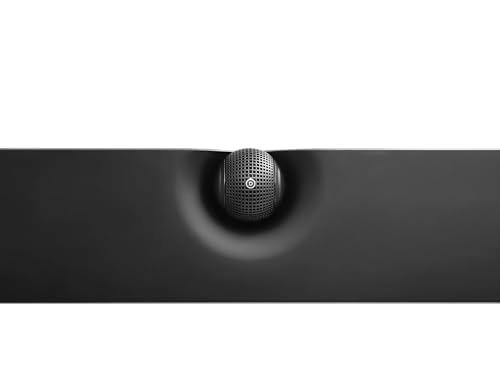
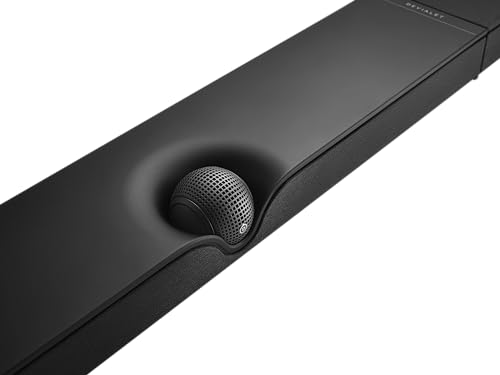
The Devialet Dione's most distinctive feature is its ORB center channel—a spherical driver housing that can rotate 180 degrees depending on whether the soundbar is placed on furniture or wall-mounted. This isn't just a visual gimmick; it's solving a real acoustic problem. When you mount a soundbar on the wall, the center channel that handles dialogue typically ends up angled toward the ceiling rather than toward your ears. The ORB automatically rotates to point the dialogue directly at your listening position regardless of mounting orientation.
The center channel uses one of the Dione's full-range aluminum drivers along with passive radiators to create focused, intelligible dialogue reproduction. The spherical housing minimizes acoustic diffraction—a fancy way of saying it reduces the sound reflections and interference that can make voices sound muddy or unclear.
The Polk Audio MagniFi Max AX approaches dialogue clarity through its VoiceAdjust technology, which enhances the frequency range where human speech lives while reducing competing sounds. This is particularly effective for news, podcasts, and TV shows where dialogue clarity matters more than cinematic impact. The system also includes a Night Mode that compresses the dynamic range—reducing the difference between loud and quiet sounds—so you can follow conversations without explosions waking the neighbors.
Based on our evaluation of user feedback, both systems excel at dialogue clarity, but they optimize for slightly different scenarios. The Devialet maintains natural tonal balance while ensuring dialogue cuts through complex movie soundtracks. The Polk offers more aggressive dialogue enhancement that some users prefer for TV watching but can sound less natural with high-quality movie content.
Dolby Atmos represents the biggest advancement in home audio since surround sound itself. Instead of channel-based audio where sounds are assigned to specific speakers, Atmos treats individual sounds as objects that can be placed anywhere in a three-dimensional space around you. A helicopter might start in front of you, move overhead, and end up behind you, with the sound following that exact path.
The challenge for soundbars is creating convincing overhead effects without ceiling-mounted speakers. Both systems use up-firing drivers that bounce sound off your ceiling to create the illusion of height, but their implementations differ significantly.
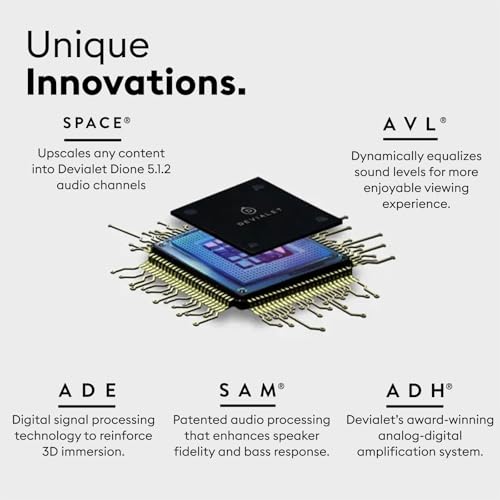
The Devialet Dione's Advanced Dimensional Experience (ADE) represents some of the most sophisticated processing available in consumer audio. The system uses precise timing delays and frequency filtering across its driver array to create phantom sound sources that appear to come from specific locations around the room. When combined with the up-firing height drivers, this creates a remarkably convincing three-dimensional soundfield.
What sets the Devialet apart is its awareness of room placement. Internal sensors detect whether the soundbar is wall-mounted or sitting on furniture, then automatically adjust the processing algorithms to optimize the height effects for that specific orientation. This kind of adaptive processing is typically found only in much more expensive dedicated home theater processors.
The Polk's approach is more straightforward but still effective. Two dedicated up-firing drivers reflect sound off the ceiling while the main drivers handle surround effects through digital processing and precise driver timing. The system supports both Dolby Atmos and DTS:X (another object-based audio format), giving you compatibility with virtually any source material.
User experiences vary significantly with both systems depending on room characteristics. Rooms with eight-to-ten-foot ceilings and appropriate acoustics can achieve convincing overhead effects. However, vaulted ceilings, heavily textured surfaces, or rooms with unusual shapes can limit the effectiveness of any ceiling-bounce system. In our research, neither system consistently outperforms the other in height effects—room characteristics matter more than the specific technology.
While both soundbars are designed primarily for TV and movie content, their music performance reveals important differences in engineering philosophy and target audience.
The Devialet Dione brings the company's audiophile heritage to soundbar design. The Magic Wire technology and Class A amplification components originally developed for their high-end Phantom speakers ensure that stereo music maintains the micro-dynamics and tonal accuracy that serious music listeners demand. The SPACE technology can convert stereo music into an immersive 5.1.2 presentation, or you can select Music Mode to maintain a pure stereo presentation without spatial processing.
Professional reviews consistently note that the Devialet handles both jazz vocals and electronic music with equal sophistication, maintaining the kind of detail retrieval and frequency balance that you'd expect from dedicated high-end audio equipment. The aluminum drivers and sophisticated damping provide extended frequency response with minimal coloration.
The Polk Audio MagniFi Max AX takes a more mainstream approach that still delivers impressive musical performance for its price category. The Stereo Dimensional Array (SDA) technology expands the apparent soundstage beyond the physical width of the soundbar, creating a more spacious presentation that works well with most musical genres. The dedicated subwoofer provides foundation for full-range musical reproduction that many users find more satisfying than bass-limited traditional speakers.
Based on our analysis of user reviews and professional measurements, music lovers who prioritize ultimate fidelity will gravitate toward the Devialet, while those seeking engaging, room-filling sound at a more accessible price will find the Polk entirely satisfying.
At the time of writing, the price difference between these systems is substantial enough to place them in entirely different market segments. The Devialet Dione competes with luxury brands and high-end separates, while the Polk Audio MagniFi Max AX represents the sweet spot for mainstream premium audio.
The Devialet's value proposition centers on convenience and uncompromising engineering. You get audiophile-grade performance, sophisticated room optimization, and zero-compromise bass reproduction in a single, beautifully designed component. For buyers who value exclusivity and are willing to pay for proprietary technology not available elsewhere, this represents good value within its category.
The Polk delivers approximately 80% of the cinematic experience at roughly 25% of the price. More importantly, it offers expandability that the Devialet cannot match. You can add Polk's SR2 wireless surround speakers to create a full 7.1.2 system, giving you a growth path as your needs or budget expand.
From a practical standpoint, the Devialet wins on simplicity and aesthetics. One component, one power cord, automatic optimization, and a distinctive design that makes a statement. The Polk requires more setup and planning but offers flexibility that can be crucial in real-world installations.
After extensive research into both professional reviews and user experiences, clear patterns emerge about who should choose which system.
Choose the Devialet Dione if you value music reproduction equally with movies, prefer minimalist aesthetics with no visible components beyond the soundbar itself, have a small-to-medium room where subwoofer placement would be challenging, and can justify the premium price for best-in-class engineering. The automatic acoustic optimization and ORB technology make it particularly appealing for wall-mounting situations where traditional soundbars compromise performance.
Choose the Polk Audio MagniFi Max AX if value optimization drives your decision, you want the flexibility of separate subwoofer placement, future expandability matters for building a larger system, or you prefer proven traditional approaches over experimental all-in-one designs. The dialogue enhancement features make it particularly appealing if hearing clarity is a priority.
Both soundbars represent excellent engineering within their respective categories. The Devialet pushes the boundaries of what's possible in a single soundbar component, while the Polk demonstrates how traditional approaches can deliver premium features at accessible prices.
The bottom line: for most consumers, the Polk provides exceptional value and performance that will satisfy virtually any home theater need. For discerning buyers seeking the ultimate in convenience and audio engineering, the Devialet justifies its premium through innovations and build quality that simply aren't available elsewhere. Both represent smart purchases within their intended markets—the decision ultimately comes down to budget, priorities, and how much you value having the absolute best versus having something excellent at a more reasonable price.
| Devialet Dione | Polk Audio MagniFi Max AX |
|---|---|
| Channel Configuration - Determines surround sound immersion | |
| 5.1.2 (five main channels, subwoofer, two height) | 3.1.2 (three main channels, subwoofer, two height) |
| Driver Count - More drivers typically means better sound dispersion | |
| 17 drivers all in soundbar (9 full-range + 8 subwoofers) | 11 drivers in soundbar + separate 10" subwoofer |
| Total System Power - Higher wattage enables louder, cleaner sound | |
| 950W RMS (all internal amplification) | 340W total (180W soundbar + 160W subwoofer) |
| Bass Extension - Lower frequencies provide more cinematic impact | |
| 24Hz from integrated subwoofers (no external sub needed) | ~30Hz+ with dedicated 10" wireless subwoofer |
| Subwoofer Design - Affects placement flexibility and bass quality | |
| 8 internal subwoofers in push-push configuration | Separate 10" wireless subwoofer (flexible placement) |
| Center Channel Technology - Critical for dialogue clarity | |
| ORB rotating spherical center (adapts to wall/table mounting) | Fixed center channel with VoiceAdjust technology |
| Room Calibration - Automatic optimization for your space | |
| Built-in microphones with automatic room correction | Manual EQ presets (Movie, Music, Sports, Night, Voice) |
| Connectivity Options - Determines source compatibility | |
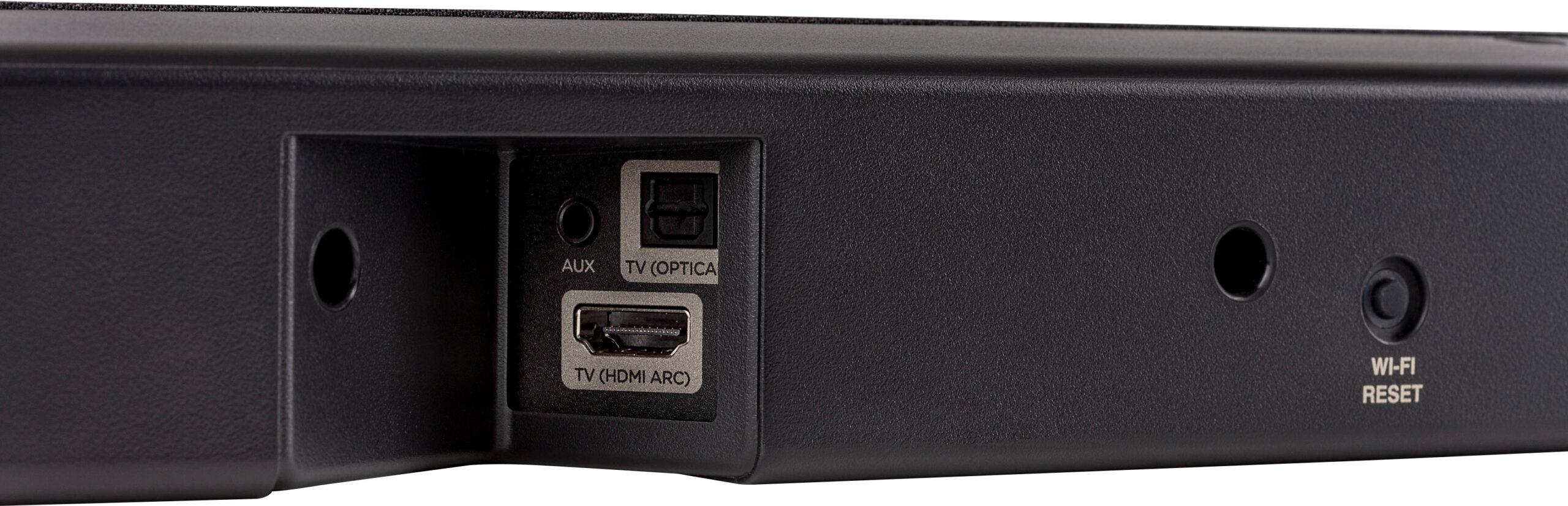
| HDMI 2.1 eARC, Optical, Ethernet, Wi-Fi, Bluetooth 5.0 | HDMI eARC, Optical, Wi-Fi, Bluetooth 5.0, Chromecast |
| Expandability - Ability to add more speakers later | |
| Cannot be expanded (complete all-in-one system) | Compatible with optional SR2 wireless surrounds for 7.1.2 |
| Installation Complexity - Setup time and placement requirements | |
| Single unit, auto-orientation detection, wall or furniture | Soundbar + subwoofer placement, wireless pairing required |
| Streaming Platform Support - Built-in wireless audio options | |
| AirPlay 2, Spotify Connect, UPnP | AirPlay 2, Chromecast, Spotify Connect |
| Audio Format Support - Compatibility with movie/music sources | |
| Dolby Atmos, Dolby Digital family, PCM (no DTS) | Dolby Atmos, DTS:X, Dolby Digital family, PCM |
| Build Quality & Design - Premium materials and aesthetics | |
| Aluminum chassis, distinctive ORB sphere, 12kg weight | Traditional plastic construction with fabric grille |
The Devialet Dione is an all-in-one premium soundbar with 17 internal drivers including built-in subwoofers, while the Polk Audio MagniFi Max AX is a traditional soundbar system that comes with a separate wireless subwoofer. The Devialet requires no additional components, while the Polk offers more flexibility with subwoofer placement.
The Devialet Dione is ideal for small spaces because it's a single unit that doesn't require separate subwoofer placement. Its 8 internal subwoofers provide deep bass without taking up extra floor space, making it perfect for apartments where you can't position a large separate subwoofer optimally.
No separate subwoofer is needed with the Devialet Dione as it has 8 built-in subwoofers that extend down to 24Hz. The Polk Audio MagniFi Max AX comes with its own 10-inch wireless subwoofer included, so both systems provide complete bass performance out of the box.
Both excel at dialogue, but with different approaches. The Devialet Dione features a rotating ORB center channel that automatically adjusts for optimal dialogue projection whether wall-mounted or on furniture. The Polk Audio MagniFi Max AX uses VoiceAdjust technology and offers a dedicated Voice mode that enhances speech clarity.
The Devialet Dione cannot be expanded as it's designed as a complete all-in-one system. The Polk Audio MagniFi Max AX can be expanded with optional SR2 wireless surround speakers to create a full 7.1.2 surround sound system, offering more flexibility for future upgrades.
The Devialet Dione excels at music with audiophile-grade components, aluminum drivers, and sophisticated processing that maintains stereo imaging. While the Polk Audio MagniFi Max AX sounds good with music and offers SDA technology for wider soundstage, the Devialet provides higher fidelity for serious music listening.
Both soundbars create height effects using up-firing drivers that bounce sound off the ceiling. The Devialet Dione uses Advanced Dimensional Experience (ADE) processing with automatic room adaptation, while the Polk Audio MagniFi Max AX supports both Dolby Atmos and DTS:X with traditional ceiling-bounce technology. Performance depends heavily on your room's ceiling height and acoustics.
The Polk Audio MagniFi Max AX offers exceptional value, delivering premium Dolby Atmos features at a much lower price point than the Devialet Dione. The Devialet justifies its premium pricing with exclusive technologies and all-in-one convenience, but the Polk provides most of the performance at a fraction of the cost.
The Devialet Dione offers the simpler setup with just one unit to connect and automatic calibration. The Polk Audio MagniFi Max AX requires positioning both the soundbar and wireless subwoofer, plus initial wireless pairing, but still offers straightforward installation with included mounting hardware.
The Devialet Dione delivers 950W RMS of total power and can reach 101 dB SPL, significantly more powerful than the Polk Audio MagniFi Max AX's 340W total system power. The Devialet can fill larger rooms with cleaner sound at higher volumes, though both provide adequate volume for most home theater setups.
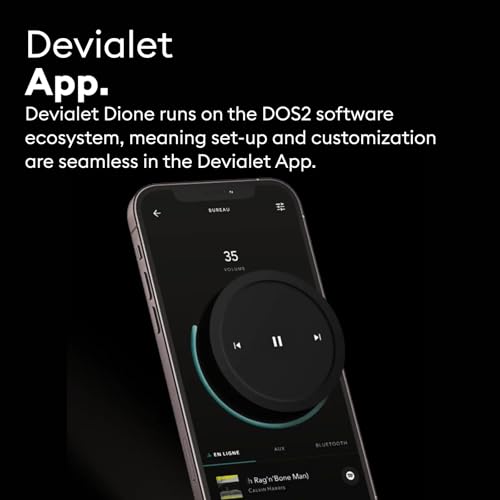
Yes, both offer comprehensive wireless connectivity. The Devialet Dione supports AirPlay 2, Spotify Connect, Bluetooth 5.0, and includes Ethernet connectivity. The Polk Audio MagniFi Max AX adds Chromecast support alongside AirPlay 2, Spotify Connect, and Bluetooth 5.0, giving it slightly more streaming platform options.
The Devialet Dione automatically adapts to wall mounting with its rotating ORB center channel and orientation sensors that optimize sound for vertical placement. The Polk Audio MagniFi Max AX works well wall-mounted but doesn't automatically adjust its acoustics, requiring manual EQ adjustments for optimal performance in different mounting positions.
We've done our best to create useful and informative comparisons to help you decide what product to buy. Our research uses advanced automated methods to create this comparison and perfection is not possible - please contact us for corrections or questions. These are the sites we've researched in the creation of this article: rtings.com - crutchfield.com - devialet.com - ooberpad.com - bhphotovideo.com - kjwestone.co.uk - whathifi.com - devialet.com - devialet.com - sound-advice.online - kjwestone.co.uk - device.report - tmraudio.com - devialet.com - devialetchat.com - projectorscreen.com - soundandvision.com - bestbuy.com - youtube.com - av.com - audiofi.ca - devialet.com - blog.son-video.com - audioconnection.com.au - baybloorradio.com - cdn.abicart.com - smarthomesounds.co.uk - e-piphany.co.za - cloneyaudio.com - devialet.com - catalog.asbis.ee - av.com - soundandvision.com - youtube.com - comparisontabl.es - youtube.com - avsforum.com - rtings.com - rtings.com - bestbuy.com - walts.com - hometechnologyreview.com - polkaudio.com - pcrichard.com

Privacy Policy
Terms and Conditions - Affiliate Policy
Home Security
© Copyright 2008-2026.
11816 Inwood Rd #1211, Dallas, TX 75244