



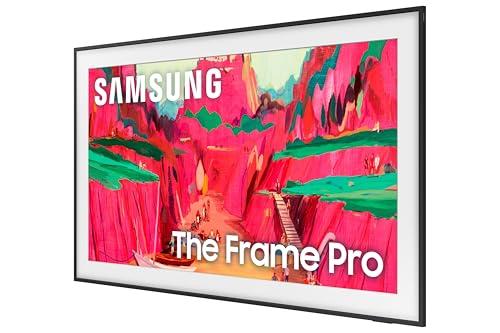
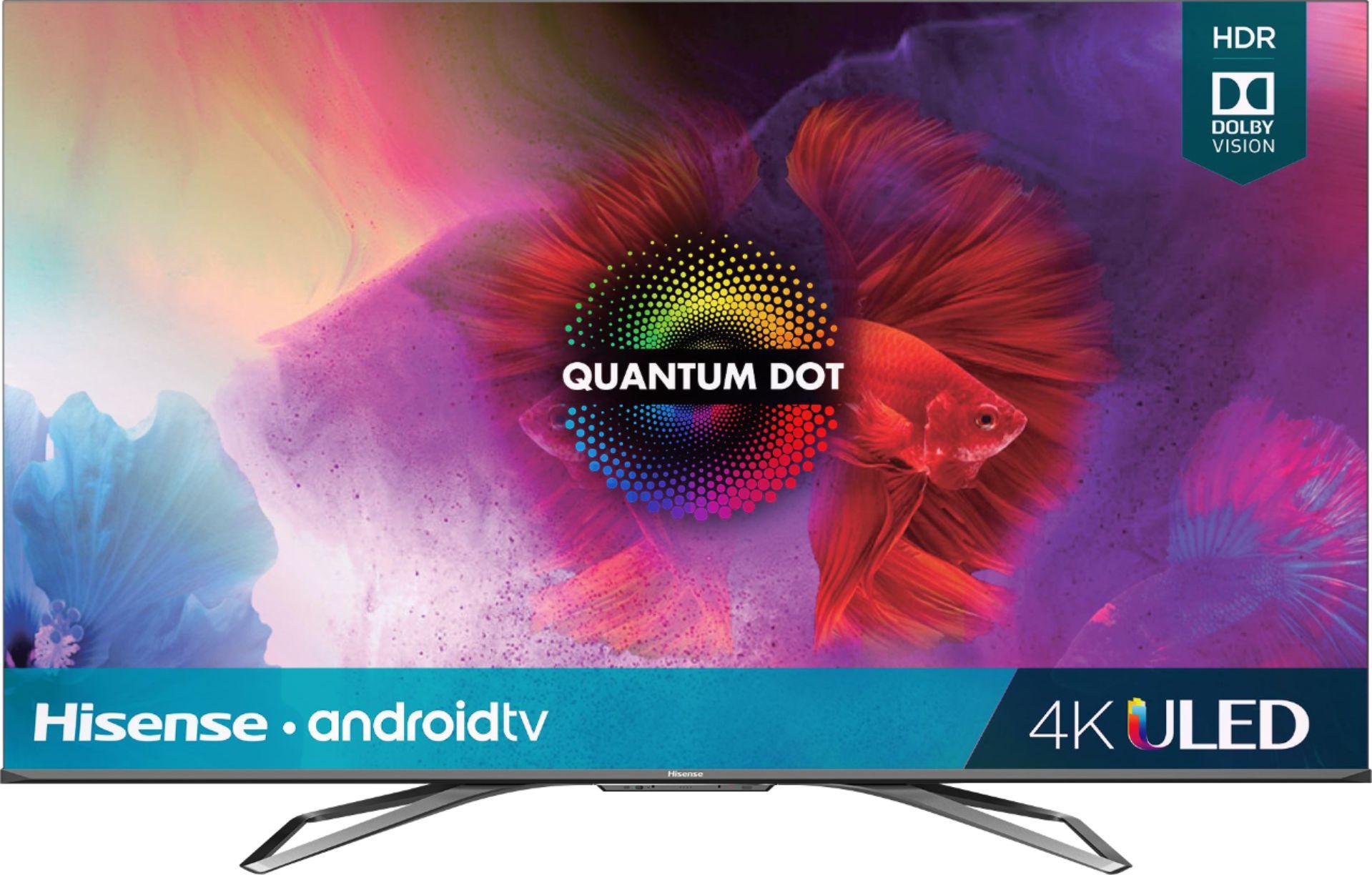
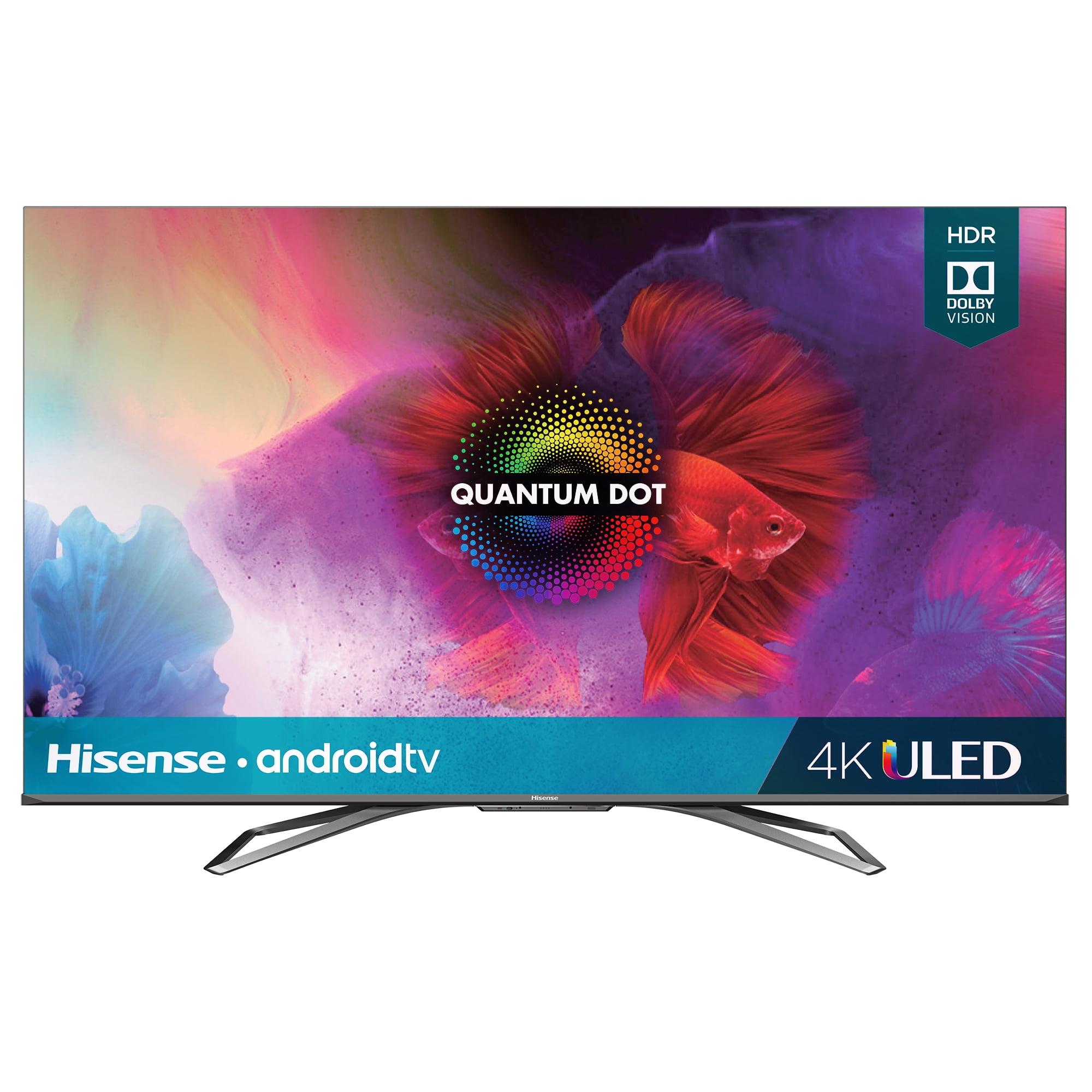
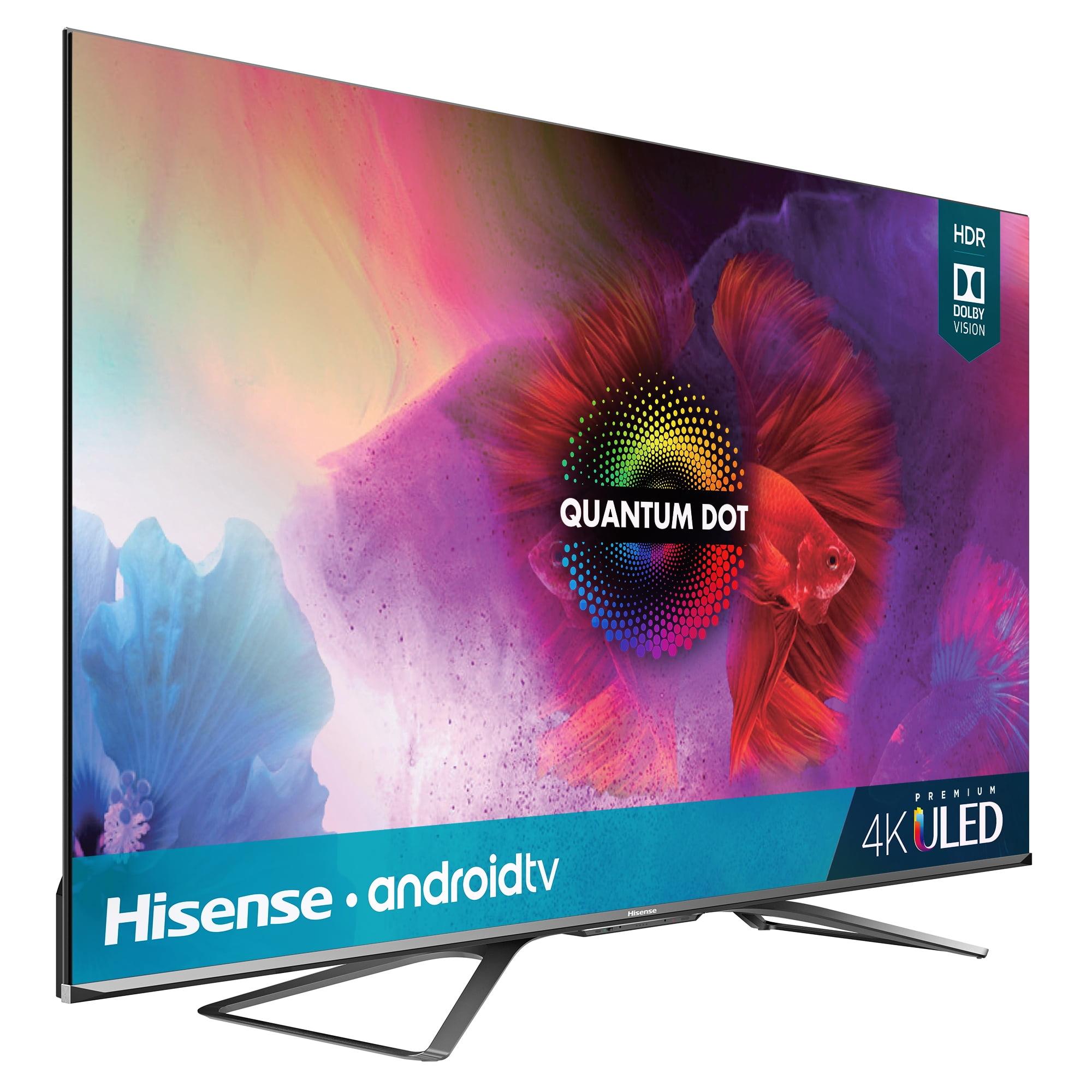


When you're shopping for a premium 65-inch TV, you'll quickly discover that not all flagship models are created equal. The Samsung Frame Pro 2025 and Hisense H9G Quantum Series perfectly illustrate this point - they're both excellent TVs that compete in the premium space, but they take radically different approaches to what makes a TV worth your money.
Understanding these differences isn't just about specs on paper. It's about recognizing which philosophy aligns with how you actually live with and use a TV in your home. Let's dive deep into what sets these models apart and, more importantly, which one deserves a spot in your living room.
The premium TV market has evolved dramatically since both of these models hit the market. The Hisense H9G launched in 2020 as part of Hisense's push into premium territory, while the Samsung Frame Pro represents Samsung's 2025 evolution of their lifestyle TV concept. That five-year gap tells an important story about how TV priorities have shifted.
In 2020, the focus was squarely on cramming maximum performance into affordable packages. TVs like the H9G delivered flagship-level picture quality at prices that undercut established premium brands. Fast-forward to 2025, and the conversation has broadened significantly. Yes, performance still matters enormously, but so does how a TV integrates into your living space, how it manages cables, and whether it can serve purposes beyond just displaying content.
When evaluating any premium TV today, you need to consider several key factors: picture quality across different lighting conditions, gaming capabilities, smart platform functionality, audio performance, and increasingly, design integration. The Samsung Frame Pro and Hisense H9G excel in different combinations of these areas, which is exactly why choosing between them requires understanding your priorities.
The biggest technical difference between these TVs lies in their fundamental display approaches, and this difference shapes everything else about their performance.
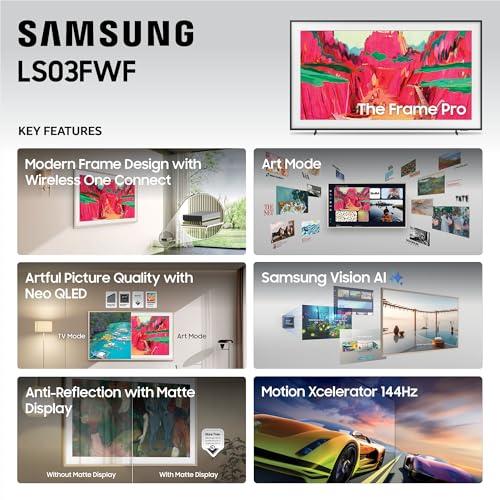
The Samsung Frame Pro uses Neo QLED technology, which combines Mini LED backlighting with Quantum Dot color enhancement. Think of Mini LED as using thousands of tiny LED lights behind the screen instead of larger LED strips along the edges. This allows for much more precise control over brightness in different parts of the picture - when a scene has both a dark cave and bright sunlight, Mini LED can dim specific zones to make the cave truly dark while keeping the sunlight blazing bright.
The Quantum Dot layer adds another performance boost by converting blue LED light into incredibly pure red and green colors. The result is a color palette that can display over a billion distinct shades, far more than conventional LED TVs. In practice, this means more lifelike skin tones, more vibrant nature scenes, and more accurate color reproduction overall.
The Hisense H9G takes a different but equally valid approach with its full-array local dimming system and Quantum Dot technology. While it doesn't use Mini LEDs, it employs 180 distinct dimming zones across the panel. Each zone can brighten or dim independently, creating excellent contrast control. The key advantage here is that with fewer, larger zones, each zone can get darker than Mini LED implementations, potentially delivering deeper blacks in dark room viewing.
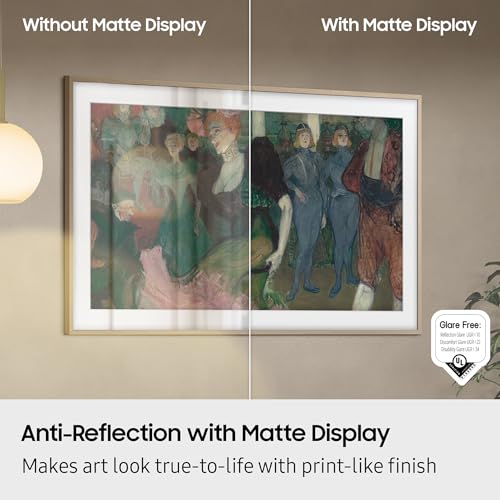
Both TVs achieve similar peak brightness levels - around 1,000 nits - but they handle that brightness differently. The Frame Pro uses a matte anti-reflection coating that diffuses incoming light, making the TV incredibly easy to watch in bright rooms but slightly reducing the glossy "pop" of the image. The H9G uses a traditional glossy screen that can look more vibrant in ideal conditions but struggles more with reflections from windows or lamps.
For most viewers, the practical difference comes down to your room's lighting. If you watch TV primarily in the evening with controlled lighting, the H9G's deeper blacks and glossy presentation can look more cinematic. If your TV faces windows or you watch a lot during the day, the Frame Pro's matte screen eliminates distractions that would make other TVs unwatchable.
Gaming has become a crucial battleground for premium TVs, especially with the PlayStation 5 and Xbox Series X demanding high refresh rates and advanced features. Here's where the five-year age gap between these models becomes most apparent.
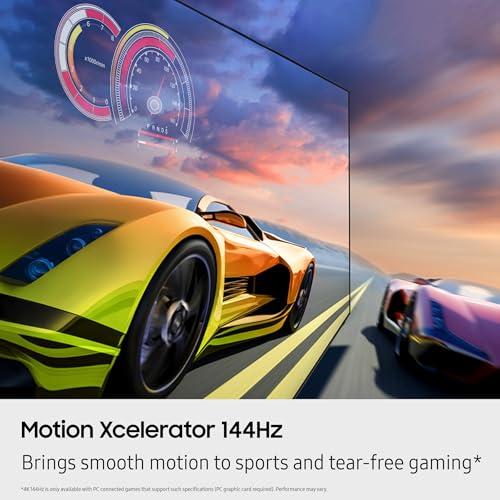
The Samsung Frame Pro supports a 144Hz refresh rate, which means it can display up to 144 frames per second for incredibly smooth motion. More importantly, it includes Variable Refresh Rate (VRR) support in multiple formats - HDMI Forum VRR, FreeSync Premium Pro, and others. VRR eliminates screen tearing by synchronizing the TV's refresh rate with your gaming console's frame rate output. When your console renders 87 frames per second, the TV refreshes at exactly 87Hz instead of the standard 60Hz, creating seamless motion.
However, our research into professional reviews reveals a significant limitation: the Frame Pro suffers from relatively high input lag - over 30 milliseconds in many cases. Input lag is the delay between pressing a button on your controller and seeing the action on screen. For competitive gaming, every millisecond counts, and 30ms is noticeably slower than most gaming-focused TVs.
The Hisense H9G approaches gaming from the opposite direction. It lacks VRR support entirely - a feature that wasn't widely available when it launched in 2020. However, it compensates with excellent input lag performance, often measuring under 20ms in game mode. Its native 120Hz panel handles fast-paced games smoothly, and the Motion Rate 480 processing (Hisense's marketing term for motion smoothing) helps maintain fluid motion even in demanding scenes.
For casual gaming - playing single-player adventures, enjoying story-driven games, or gaming occasionally - the Frame Pro's VRR support and future-proofing make it the better choice. For competitive gaming, esports, or anyone who prioritizes immediate response over fancy features, the H9G delivers where it matters most.
The smart TV experience has become just as important as picture quality for many users, and these two TVs represent very different philosophies.
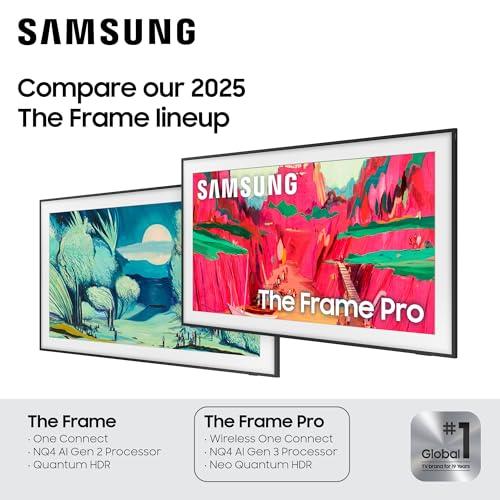
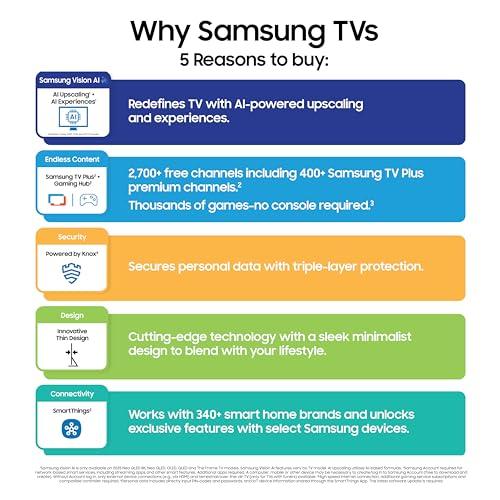
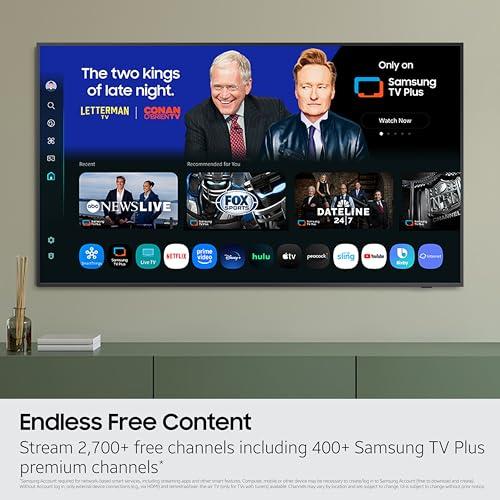
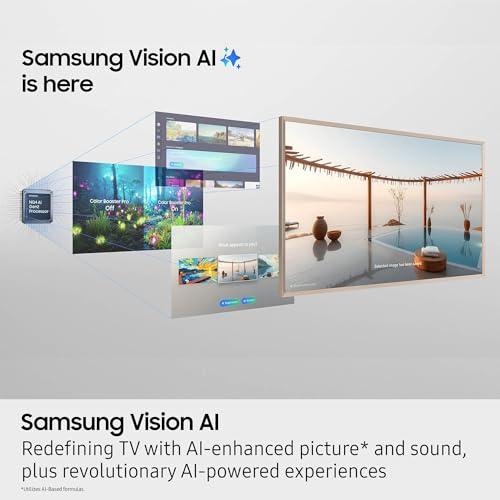
Samsung's Tizen operating system on the Frame Pro provides deep integration with Samsung's ecosystem. If you own Samsung phones, tablets, or other smart home devices, the interconnectedness can be genuinely useful. The interface is polished and responsive, thanks to the powerful NQ4 AI Gen3 processor that also handles picture processing duties. Voice control through Bixby and Alexa feels natural and comprehensive.
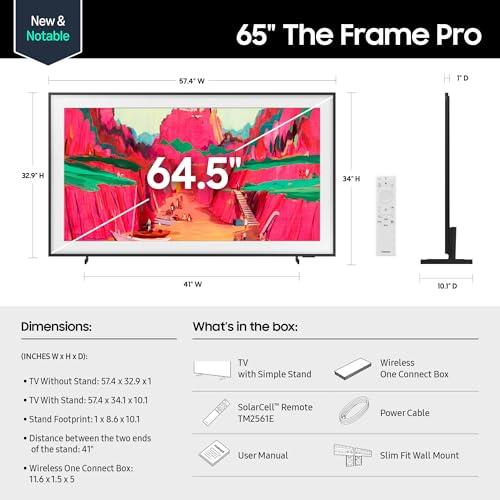
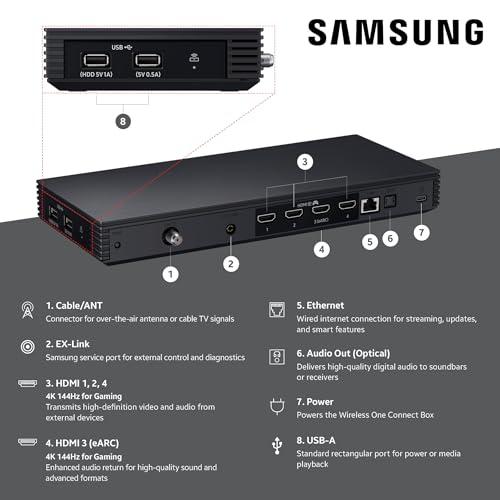
The standout innovation is the Wireless One Connect Box - a revolutionary feature that transmits all audio and video wirelessly to the TV using Wi-Fi 7 technology. This means you can hide your cable box, gaming console, and streaming devices in a cabinet up to 33 feet away from the TV, with zero visible cables. For anyone who's struggled with cable management or wants a truly clean installation, this technology is genuinely transformative.
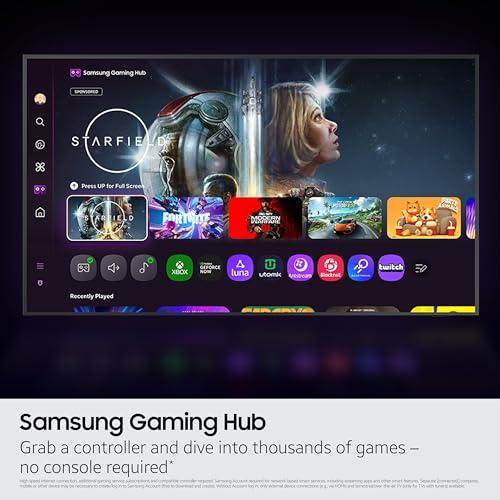
The Hisense H9G runs Android TV, which offers different advantages. The Google Play Store provides access to virtually any streaming app or game you might want. Chromecast integration lets you cast content from your phone effortlessly. Google Assistant voice control tends to be more conversational and capable than Samsung's alternatives, especially for search and smart home control.
Android TV's open nature means more flexibility but sometimes less polish. Updates can be irregular, and the interface occasionally feels less refined than Samsung's custom solution. However, for users who prefer Google's ecosystem or want maximum app compatibility, Android TV delivers.
Audio often gets overlooked in TV comparisons, but the difference between these models is substantial enough to influence your buying decision.
The Samsung Frame Pro includes a 40-watt, 2.0.2-channel speaker system with Dolby Atmos support. The ".2" designation means it includes upward-firing speakers that bounce sound off your ceiling to create a sense of height and immersion. Object Tracking Sound (OTS) technology moves audio across the screen to match visual action - when a car drives from left to right, the sound follows convincingly.
Perhaps more importantly, Q-Symphony Pro allows the TV's speakers to work in harmony with compatible Samsung soundbars instead of shutting off entirely. This creates a larger, more enveloping soundstage that's genuinely impressive for TV audio.
The H9G provides more basic audio with its 20-watt, 2.0-channel system. While it supports Dolby Atmos decoding, it lacks the physical drivers to create meaningful height effects. The sound is adequate for casual viewing but doesn't match the Frame Pro's sophistication.
For most users, TV speakers are a temporary solution until they invest in a soundbar or surround system. However, if you're planning to rely on built-in audio for an extended period, or if you value the convenience of good built-in sound, the Samsung Frame Pro provides significantly better performance.
This is where the Samsung Frame Pro truly differentiates itself from virtually every other TV on the market, including the H9G.
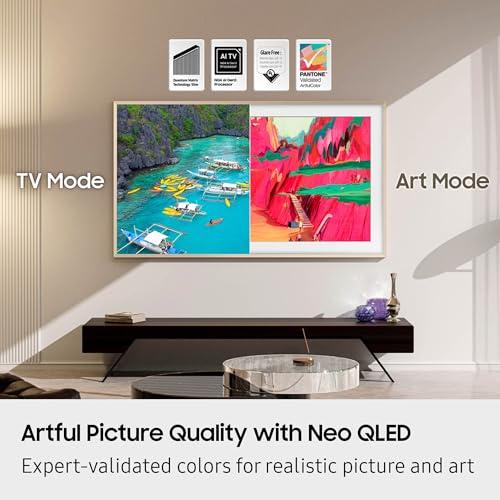
Art Mode transforms the Frame Pro into a digital art gallery when you're not actively watching content. The TV displays over 3,000 curated artworks from renowned museums and galleries, with new pieces added regularly through Samsung's Art Store subscription. The matte screen coating and customizable bezels make displayed art look remarkably like actual framed prints hanging on your wall.
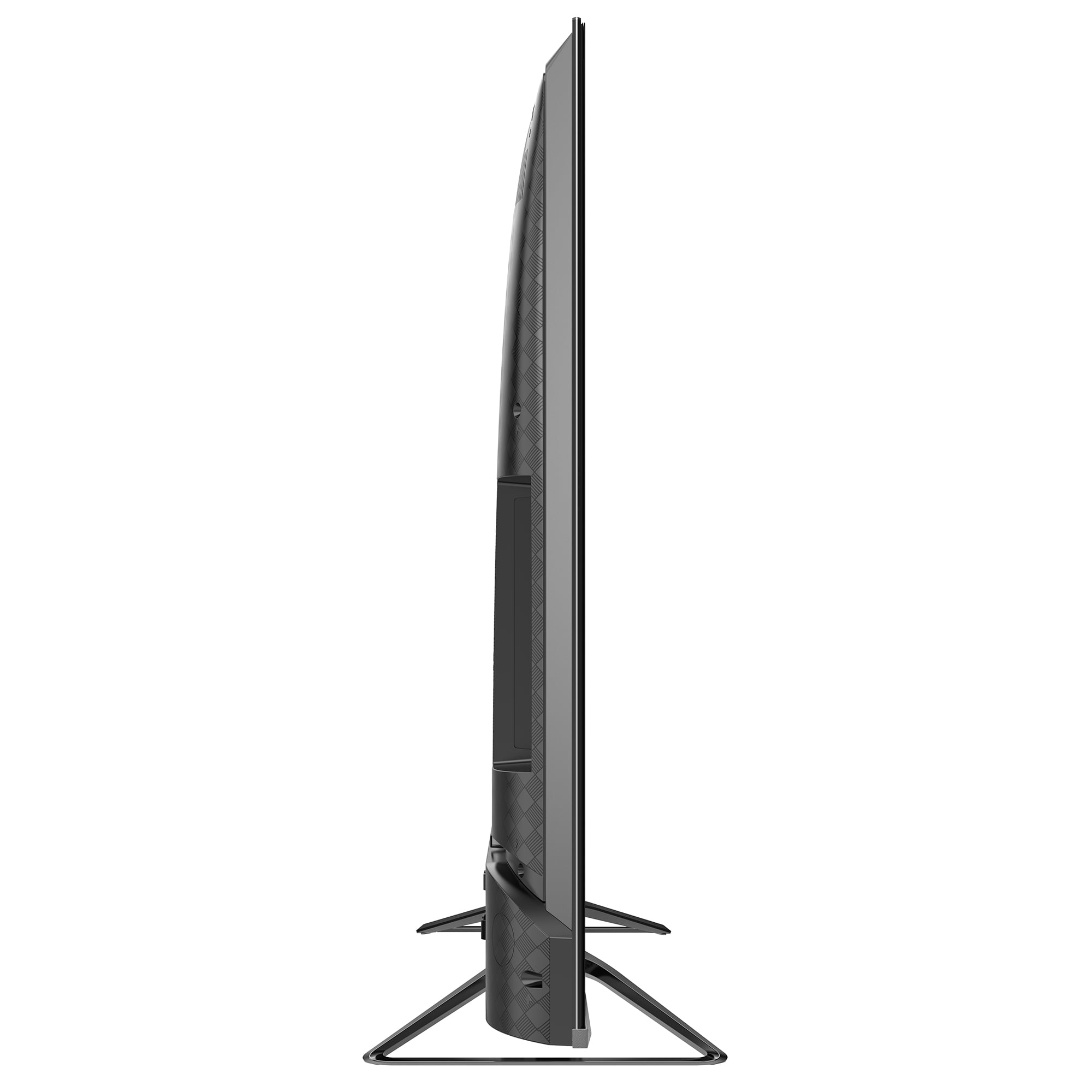
The implementation goes deeper than just displaying pretty pictures. Motion sensors detect when someone enters the room and can automatically switch from art to your last-watched content. Color accuracy is Pantone-validated to ensure artworks appear as the artists intended. The slim profile - just over 4 inches deep - allows flush wall mounting that genuine picture frames would envy.
Customizable bezels let you match the TV to your décor style - modern white, classic wood tones, or colorful options depending on your aesthetic. While these bezels cost extra, they complete the illusion of having a genuine art piece rather than obviously hanging a TV on your wall.
The Hisense H9G takes a more traditional approach to TV design. It's attractive enough with slim bezels and decent build quality, but it clearly looks like a TV. There's no attempt to blend into your décor or serve dual purposes.
For many buyers, this difference is irrelevant - they want a TV that looks like a TV and performs like one. For others, especially those with open-concept living spaces or design-conscious homes, the Frame Pro's ability to disappear into the décor when not in use is worth the premium alone.
At the time of writing, the price gap between these TVs is substantial - the Frame Pro typically costs roughly 2.5 times more than the H9G. This price difference isn't just about brand premium; it reflects genuinely different value propositions.
The Hisense H9G represents exceptional performance per dollar. For the money, you get picture quality that was flagship-level when it launched and remains competitive today. The 180-zone local dimming, Quantum Dot color, and solid gaming performance would have cost twice as much from established premium brands in 2020. Even today, finding this level of performance at this price point requires careful shopping.
The Samsung Frame Pro asks you to pay a premium for features you literally cannot get elsewhere. The wireless connectivity, art display functionality, and matte screen coating represent genuine innovation, not just incremental improvements. Whether these features justify the price premium depends entirely on how much value you place on lifestyle integration versus pure performance.
For dedicated home theater use, both TVs have specific strengths and limitations that serious enthusiasts should understand.
The H9G excels in light-controlled environments where its superior black levels and glossy screen can shine. Its full-array local dimming creates more convincing HDR performance in dark scenes, and the lack of reflection coating allows for maximum color saturation and contrast. For movie watching in a basement theater or dedicated media room, these characteristics matter significantly.
However, the H9G lacks some features that home theater enthusiasts expect. No Dolby Vision support means missing out on the most advanced HDR format. Limited smart platform updates as the TV ages could affect long-term streaming app compatibility.
The Frame Pro brings more advanced processing and broader HDR support, but the matte coating trades some contrast depth for reflection control. In a properly darkened home theater, this trade-off might not favor the Samsung. However, the superior audio system and advanced smart features provide better long-term value for casual home theater use.
For most home theater applications, dedicated projectors or OLED TVs remain the gold standard. Between these two LCD options, your choice should depend on your room's light control and whether you prioritize maximum contrast or convenience features.
After extensive research into professional reviews and user feedback, clear patterns emerge for who benefits most from each TV.
Choose the Samsung Frame Pro if you:
Choose the Hisense H9G if you:
Both the Samsung Frame Pro and Hisense H9G succeed brilliantly at what they're designed to do, but they're designed for fundamentally different users and use cases.
The H9G remains one of the best performance-per-dollar choices in the premium TV space, even years after its launch. Its picture quality, gaming capabilities, and smart features provide everything most users need at a price that's hard to argue with. For buyers who want maximum TV performance without paying for features they won't use, it's an outstanding choice.
The Frame Pro represents the future of premium TVs - devices that serve multiple purposes and integrate seamlessly into modern homes. Its innovations in wireless connectivity and design integration aren't just marketing gimmicks; they solve real problems that many users face. The premium is substantial, but so is the functionality you're paying for.
Ultimately, your choice between these TVs should align with your priorities and living situation. If you want the best TV performance for your money and don't need design integration, the Hisense H9G delivers exceptional value. If you're willing to pay more for a TV that can transform your living space and offer unique capabilities no other TV provides, the Samsung Frame Pro justifies its premium through genuine innovation.
Both represent excellence in their respective approaches to what a premium TV should be. The question isn't which is better - it's which philosophy matches what you actually want from your next TV.
| Samsung 65" The Frame Pro 4K Neo QLED Smart TV 2025 | Hisense 65" H9G Quantum Series 4K UHD Smart Android TV |
|---|---|
| Display Technology - Determines picture quality and room suitability | |
| Neo QLED Mini LED with matte anti-reflection coating | Full-array LED with Quantum Dot and glossy screen |
| Peak Brightness - Critical for HDR performance and bright room viewing | |
| 1,000 nits with superior reflection handling | 1,000 nits but struggles with reflections |
| Local Dimming Zones - Controls contrast and black depth | |
| Mini LED zones (exact count unspecified) with precise control | 180 zones with deeper blacks in dark rooms |
| Gaming Refresh Rate - Smoothness for modern consoles | |
| 144Hz with VRR support (future-proof) | 120Hz native without VRR (2020 standard) |
| Input Lag - Response time for competitive gaming | |
| 30ms+ (slower for competitive gaming) | Under 20ms (excellent for gaming) |
| Smart Platform - App availability and interface quality | |
| Tizen OS with Samsung ecosystem integration | Android TV with Google Play Store flexibility |
| Wireless Connectivity Innovation - Cable management solution | |
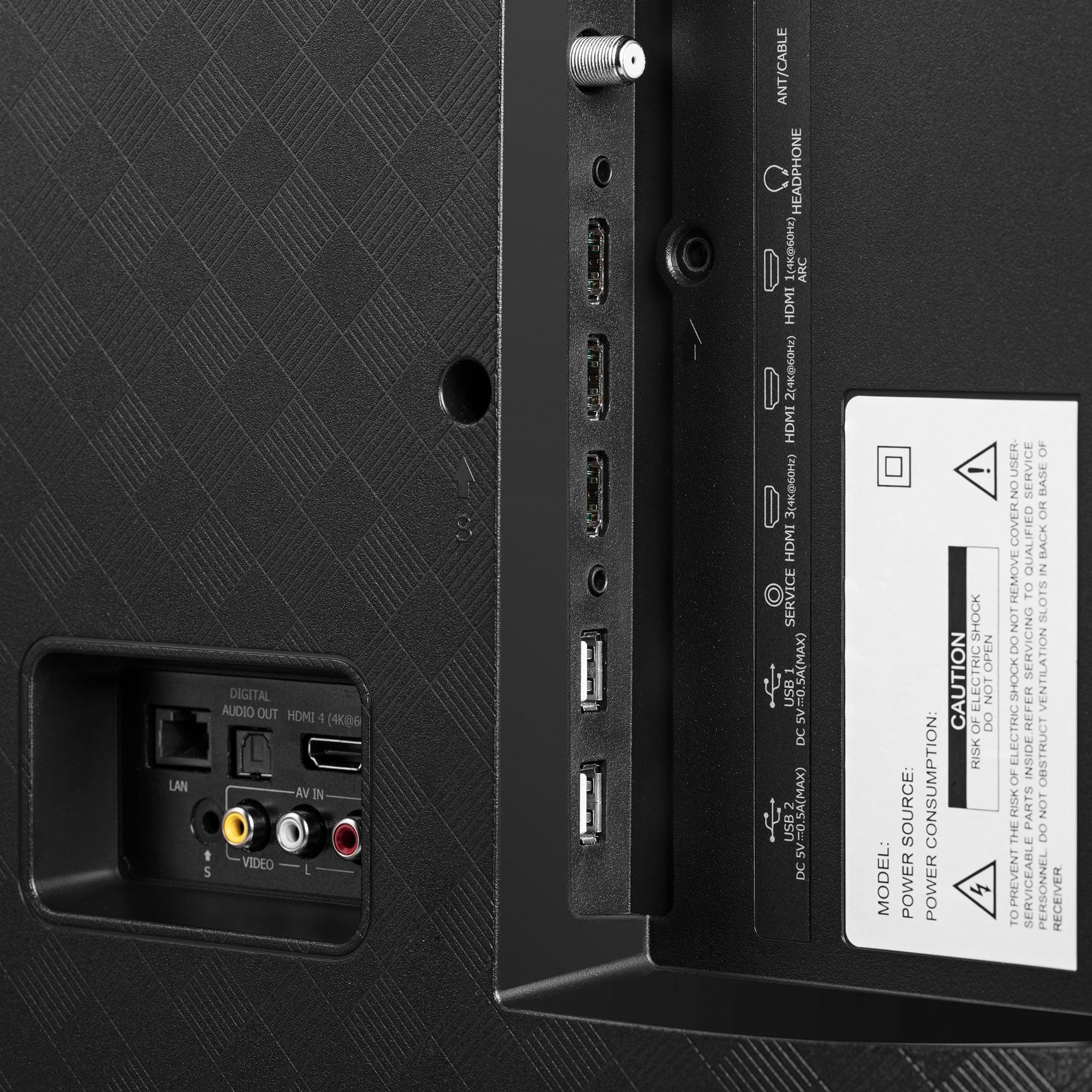
| Wireless One Connect Box eliminates all cables | Standard wired connections only |
| Audio System - Built-in sound quality | |
| 40W 2.0.2CH with Dolby Atmos and height speakers | 20W 2.0CH basic stereo system |
| Art Mode - Transforms TV into wall art when off | |
| 3,000+ curated artworks with customizable bezels | Traditional TV design only |
| HDR Format Support - Premium content compatibility | |
| HDR10, HDR10+, Neo Quantum HDR | HDR10, HDR10+, Dolby Vision, HLG |
| Design Philosophy - How it fits in your home | |
| Lifestyle-first with picture frame aesthetic | Performance-first traditional TV design |
| Value Proposition - What you're paying for | |
| Premium for unique lifestyle features and innovation | Maximum picture quality performance per dollar |
The Samsung Frame Pro excels in bright rooms thanks to its matte anti-reflection coating that eliminates glare from windows and lamps. While both TVs achieve similar 1,000-nit peak brightness, the Hisense H9G uses a glossy screen that can become unwatchable with reflections in well-lit spaces.
It depends on your gaming style. The Hisense H9G offers superior input lag (under 20ms) making it better for competitive gaming, while the Samsung Frame Pro provides 144Hz refresh rate with VRR support for smoother casual gaming and future console compatibility.
The Hisense H9G delivers exceptional performance per dollar, offering flagship-level picture quality at a fraction of premium TV prices. The Samsung Frame Pro costs significantly more but includes unique features like wireless connectivity and art display mode that you can't get elsewhere.
Only the Samsung Frame Pro includes Art Mode, transforming into a digital gallery with over 3,000 curated artworks and customizable bezels. The Hisense H9G is a traditional TV that looks like a TV when turned off.
The Samsung Frame Pro runs Tizen OS with excellent Samsung ecosystem integration and innovative Wireless One Connect Box technology. The Hisense H9G uses Android TV, offering more app flexibility through Google Play Store and better Google Assistant integration.
The Samsung Frame Pro significantly outperforms with its 40W 2.0.2-channel system including upward-firing speakers and Object Tracking Sound. The Hisense H9G provides basic 20W stereo audio that's adequate but not impressive.
The Hisense H9G performs better in dark rooms with its 180-zone full-array local dimming creating deeper blacks and better contrast. The Samsung Frame Pro's matte coating reduces some contrast depth but offers more advanced processing.
Both support major HDR formats, but with differences. The Hisense H9G includes Dolby Vision support which the Samsung Frame Pro lacks. However, the Samsung Frame Pro offers more advanced HDR processing through its NQ4 AI Gen3 processor.
The Samsung Frame Pro revolutionizes cable management with its Wireless One Connect Box that transmits all signals wirelessly, eliminating visible cables entirely. The Hisense H9G uses standard wired connections requiring traditional cable management solutions.
Both work for home theater but excel differently. The Hisense H9G offers better dark room performance with superior black levels, while the Samsung Frame Pro provides more advanced audio and smart features. Dedicated home theater enthusiasts might prefer OLED options over either LCD model.
The Samsung Frame Pro launched in 2025 and should receive regular updates for 5-7 years. The Hisense H9G from 2020 may have limited future Android TV updates, though major streaming apps should continue working for several more years.
Choose the Samsung Frame Pro if you have a bright room, value design integration, and want cutting-edge features like wireless connectivity. Pick the Hisense H9G if you prioritize maximum picture quality per dollar, prefer dark room viewing, or focus on gaming performance over lifestyle features.
We've done our best to create useful and informative comparisons to help you decide what product to buy. Our research uses advanced automated methods to create this comparison and perfection is not possible - please contact us for corrections or questions. These are the sites we've researched in the creation of this article: tomsguide.com - youtube.com - smarthomesounds.co.uk - images.samsung.com - rtings.com - samsung.com - bestbuy.com - bestbuy.com - businessinsider.com - dentonstv.com - samsung.com - flatpanelshd.com - samsung.com - jefflynch.com - youtube.com - costco.com - rtings.com - bestbuy.com - techradar.com - youtube.com - digitaltrends.com - assets.hisense-usa.com - bestbuy.com - youtube.com - bestbuy.com

Privacy Policy
Terms and Conditions - Affiliate Policy
Home Security
© Copyright 2008-2026.
11816 Inwood Rd #1211, Dallas, TX 75244