





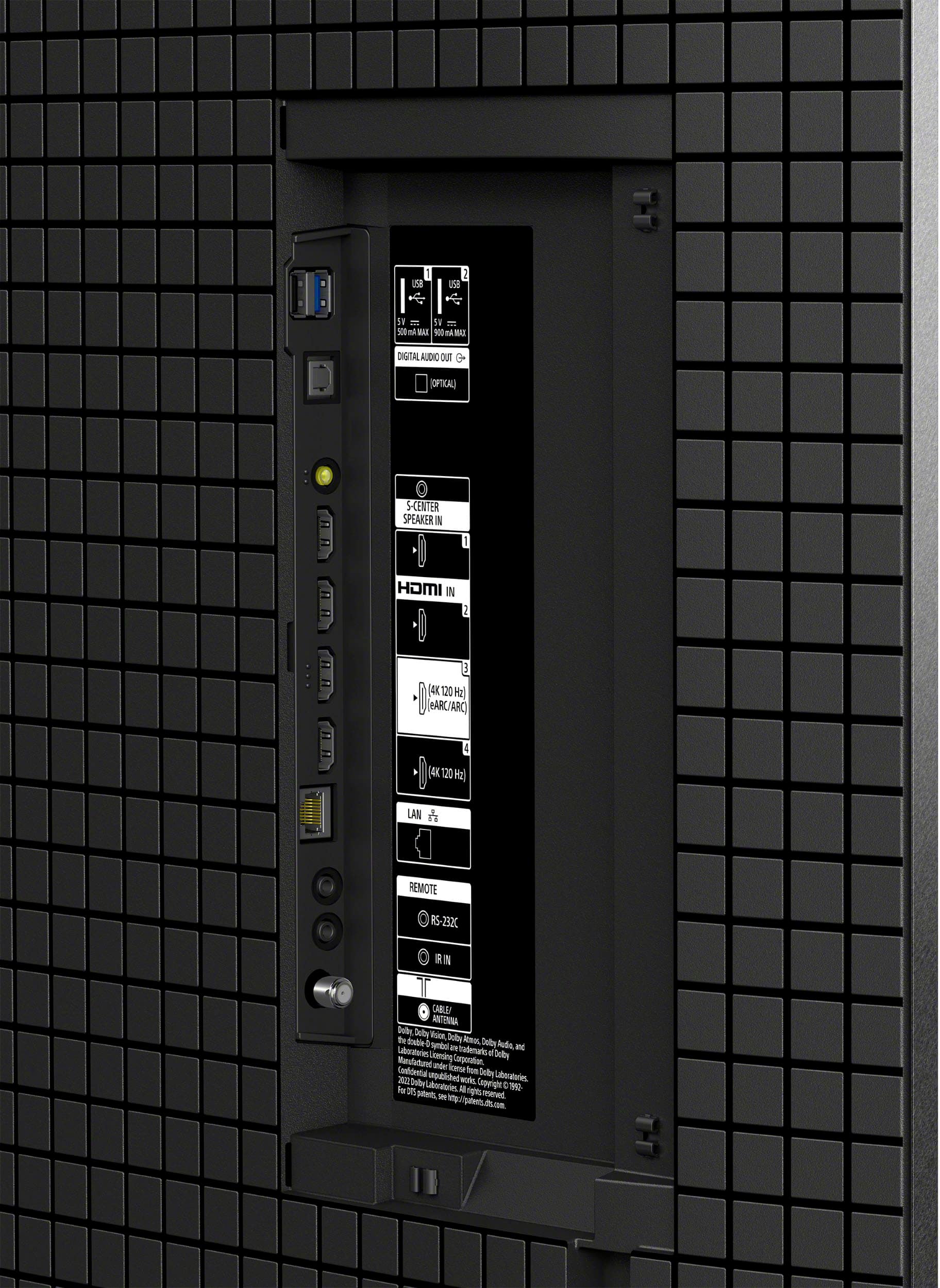
The premium TV market has evolved dramatically over the past few years, and 2025 brings us two fascinating approaches to high-end television design. The Samsung Frame Pro represents a lifestyle-first philosophy that finally delivers flagship picture quality, while the Sony BRAVIA 8 focuses purely on performance and cinematic excellence. At the time of writing, both TVs are priced similarly in the premium 65-inch category, making the choice more about priorities than budget.
Understanding what separates these TVs requires looking beyond simple specifications. Modern premium TVs aren't just displays anymore—they're entertainment hubs, gaming monitors, smart home devices, and in Samsung's case, digital art galleries. The key is figuring out which approach best fits your lifestyle and viewing habits.
Premium 65-inch TVs fall into two main camps: lifestyle TVs and performance displays. Lifestyle TVs prioritize how they look in your room when turned off, while performance displays focus entirely on picture quality and features. This distinction matters more than you might think, because it affects everything from brightness capabilities to design compromises.
The most important technical considerations include contrast ratio (the difference between the brightest whites and darkest blacks), peak brightness (measured in nits, which determines how vivid HDR content appears), color gamut (the range of colors the TV can display), and processing power (how well the TV enhances lower-quality content). Gaming performance depends heavily on input lag (the delay between pressing a button and seeing the result on screen) and refresh rate (how many times per second the image updates).
What's particularly interesting about comparing the Samsung Frame Pro and Sony BRAVIA 8 is that they represent fundamentally different panel technologies solving the same problem: delivering an exceptional viewing experience. Samsung uses Mini LED with quantum dots, while Sony employs OLED technology—two approaches with distinct strengths and weaknesses.
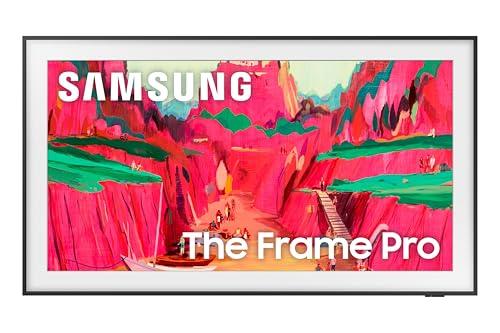
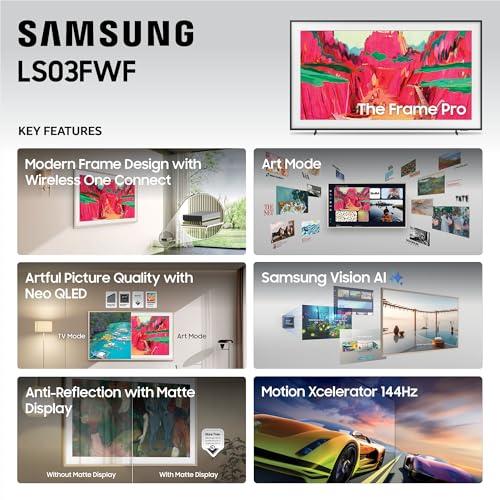
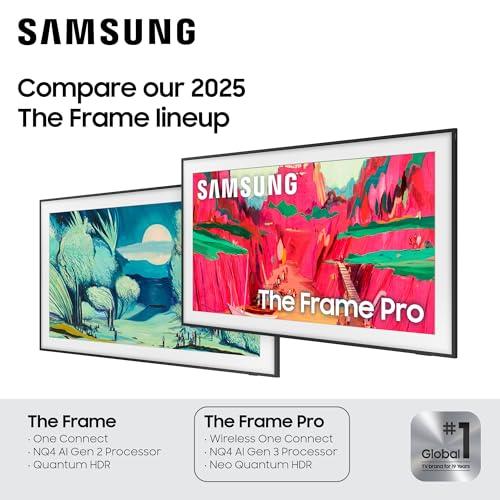
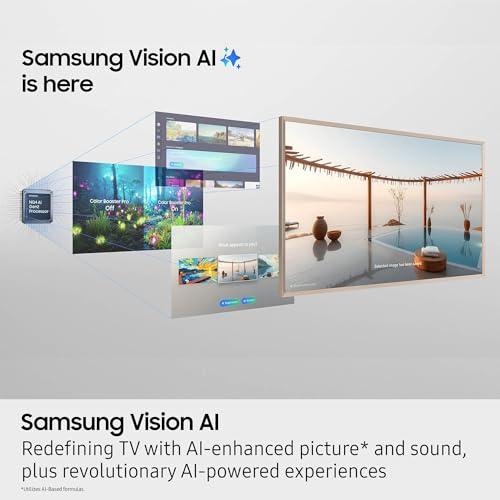
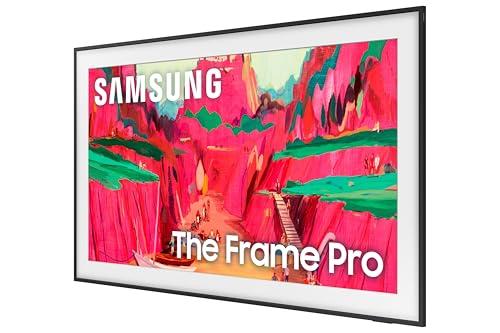
The Samsung Frame Pro launched in 2025 as Samsung's answer to years of criticism about the original Frame series compromising picture quality for aesthetics. Previous Frame models used basic LED panels that, while decent, couldn't compete with flagship TVs. The Pro model changes this equation entirely by incorporating the same Neo QLED Mini LED technology found in Samsung's most expensive models.
Samsung's timing here is strategic. The original Frame created an entirely new category when it launched several years ago, but competitors have been closing the gap. By upgrading to Mini LED technology—which uses thousands of tiny LED zones for precise brightness control—Samsung can finally claim the Frame delivers both style and substance.
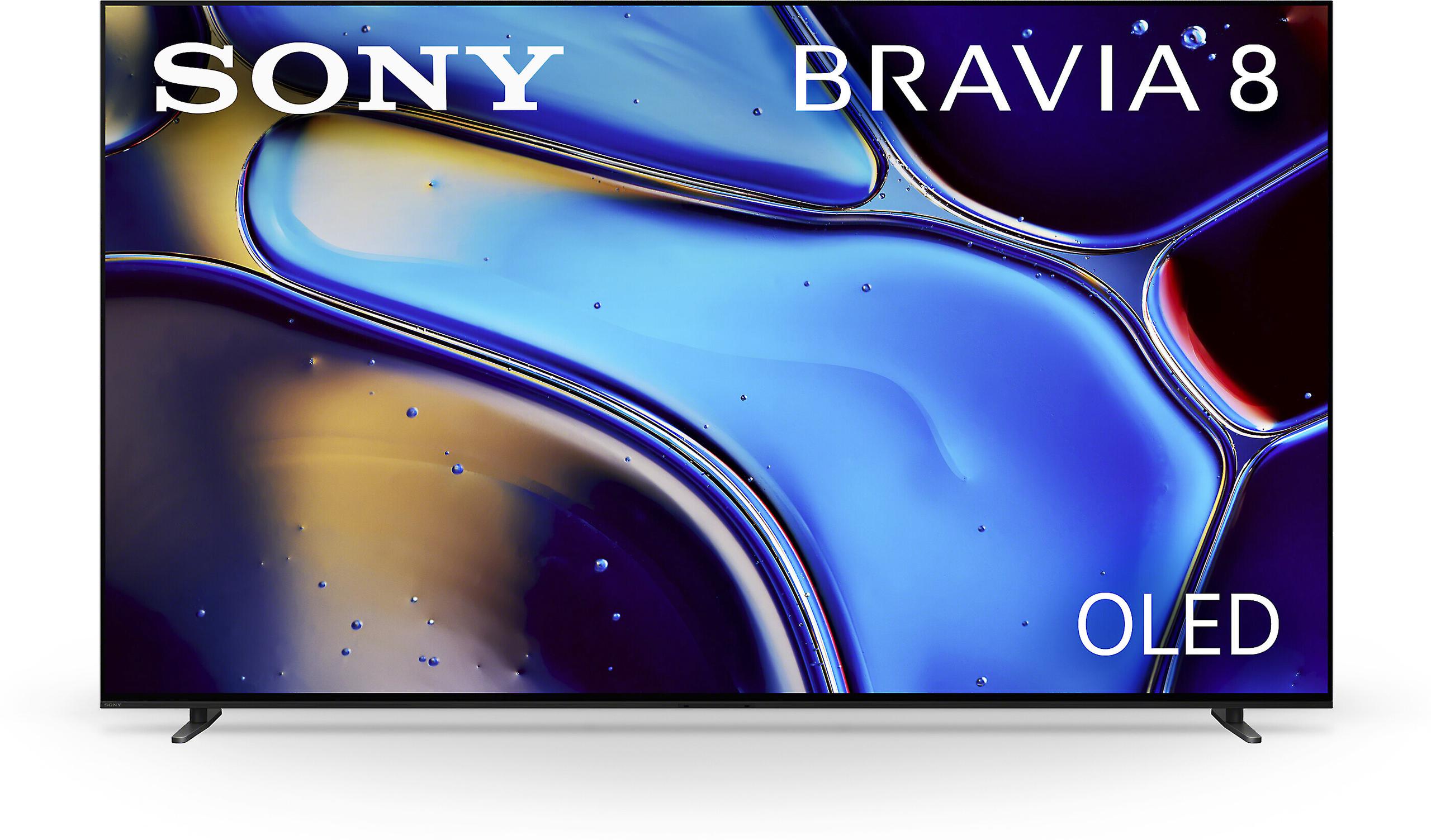
The Sony BRAVIA 8, available since 2024, represents Sony's continued refinement of OLED technology. Sony has been perfecting their OLED processing for years, and the BRAVIA 8 includes their latest XR Processor with AI enhancement. What makes Sony's approach interesting is their focus on how the human eye actually perceives images, using processing that mimics natural vision rather than simply boosting specifications.
OLED technology itself has matured significantly. Early OLED TVs suffered from brightness limitations and burn-in concerns, but modern panels like the one in the BRAVIA 8 address most of these issues while maintaining OLED's signature perfect blacks and infinite contrast.
Picture quality represents the most significant difference between these TVs, and understanding why requires diving into panel technologies. The Samsung Frame Pro uses Neo QLED Mini LED, which combines thousands of small LED backlights with quantum dot color enhancement. This setup can achieve peak brightness exceeding 1,000 nits—bright enough to make HDR content really pop, even in well-lit rooms.
Mini LED technology works by creating many small lighting zones across the screen. When a movie shows a bright explosion against a dark sky, the Frame Pro can illuminate just the explosion area while keeping the sky regions dim. This creates better contrast than traditional LED TVs, though not quite matching OLED's perfect blacks.
The quantum dot layer adds another advantage: color volume. This technical term describes how accurately colors appear at different brightness levels. Traditional displays often lose color saturation as brightness increases, but quantum dots maintain vivid colors even at peak brightness. This makes HDR content more impactful and natural-looking.
The Sony BRAVIA 8 takes a completely different approach with its OLED panel. Instead of a backlight, each pixel generates its own light and can turn completely off. This creates true blacks—not dark gray, but actual absence of light. The result is contrast that Mini LED simply cannot match, with shadow details that seem to emerge from pure darkness.
OLED's strength in dark scenes is remarkable. When watching a movie like "Dune" or "Blade Runner 2049," the BRAVIA 8 reveals details in shadows that other display technologies struggle to show. Colors also appear more natural because they're not competing with backlight bleed or zone dimming artifacts.
However, OLED panels typically peak around 600-800 nits compared to the Frame Pro's 1,000+ nits. In bright rooms or for HDR content designed for high brightness, this difference becomes noticeable. HDR standards like Dolby Vision are mastered at 4,000 nits, so brighter displays can better approximate the creator's intent.
For home theater use, the choice often comes down to your viewing environment. The Sony BRAVIA 8 excels in dedicated dark rooms where its perfect blacks create an immersive cinematic experience. The Samsung Frame Pro works better in multi-purpose living spaces with ambient light, where its superior brightness and anti-glare matte screen maintain picture quality throughout the day.
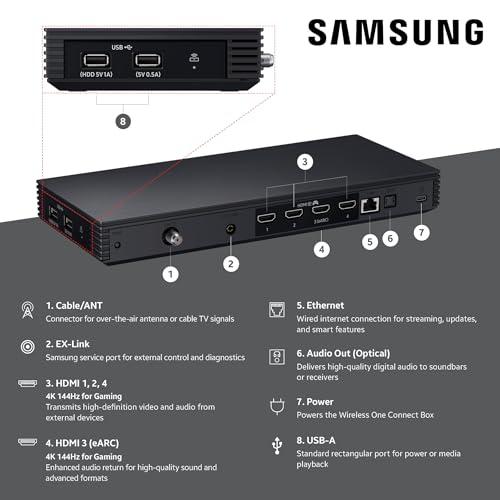
Modern gaming demands have transformed TV requirements, and both models address these needs differently. The Samsung Frame Pro supports up to 144Hz refresh rates—higher than most TVs—which theoretically provides smoother motion for high-frame-rate gaming. However, our research reveals that input lag measures around 30ms, which is surprisingly high for a Samsung TV.
Input lag matters enormously for gaming, especially competitive titles. It's the delay between pressing a controller button and seeing the action on screen. Most serious gamers prefer input lag under 20ms, making the Frame Pro's performance concerning despite its high refresh rate capability.
The Sony BRAVIA 8 takes a more balanced approach with 120Hz refresh rate but much lower input lag in game mode—typically under 20ms based on expert testing. Sony also includes exclusive PlayStation 5 features like Auto HDR Tone Mapping and Auto Genre Picture Mode, which automatically optimize settings based on the game type.
Variable Refresh Rate (VRR) support on both TVs eliminates screen tearing—the visual artifact where parts of the image appear misaligned during fast motion. Auto Low Latency Mode (ALLM) automatically switches to game mode when it detects a gaming console, reducing input lag without manual setting changes.
For serious gaming, the Sony BRAVIA 8 emerges as the clear winner despite its lower maximum refresh rate. The combination of low input lag, console optimizations, and OLED's superior motion handling creates a more responsive experience. The Samsung Frame Pro might appeal to casual gamers who value the higher refresh rate for future-proofing, but current performance favors Sony.
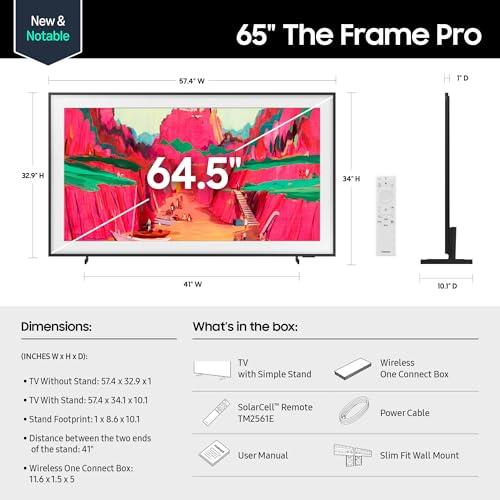
Here's where these TVs diverge most dramatically. The Samsung Frame Pro includes a revolutionary Wireless One Connect Box that transmits video and audio signals wirelessly up to 10 meters. This eliminates all visible cables between your devices and the TV, creating the clean aesthetic that Frame buyers demand.
The wireless technology uses Wi-Fi 7 with omni-directional transmission, meaning the box doesn't need direct line-of-sight to the TV. You can hide it in a cabinet, closet, or entertainment center while maintaining full functionality. For installations where running cables would be difficult or unsightly, this feature alone justifies the TV's existence.
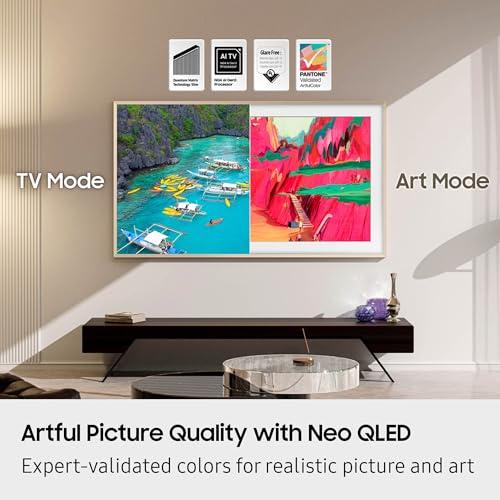
The matte anti-reflective screen coating deserves special mention. Unlike glossy TV screens that act like mirrors in bright rooms, the Frame Pro's matte finish diffuses reflections while maintaining color accuracy. This coating makes the TV usable even with windows directly behind the seating area—a situation that would make most TVs unwatchable.
Art Mode transforms the TV into a digital gallery when not in use, displaying over 3,000 curated artworks or personal photos. The display is Pantone-validated for color accuracy, ensuring reproduced artwork looks authentic. Customizable bezels let you match the TV to your décor, though these bezels aren't compatible with older Frame models.
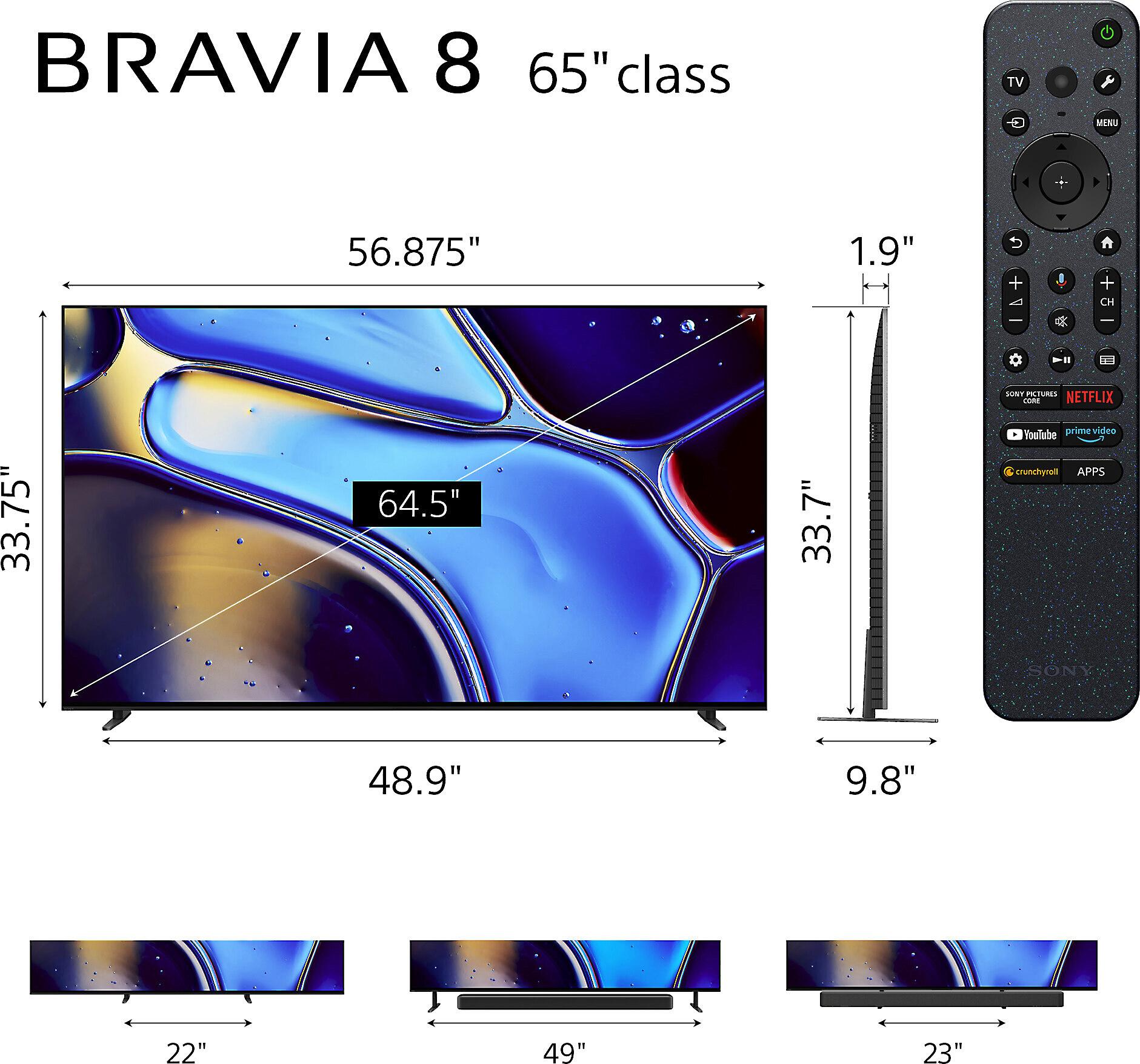
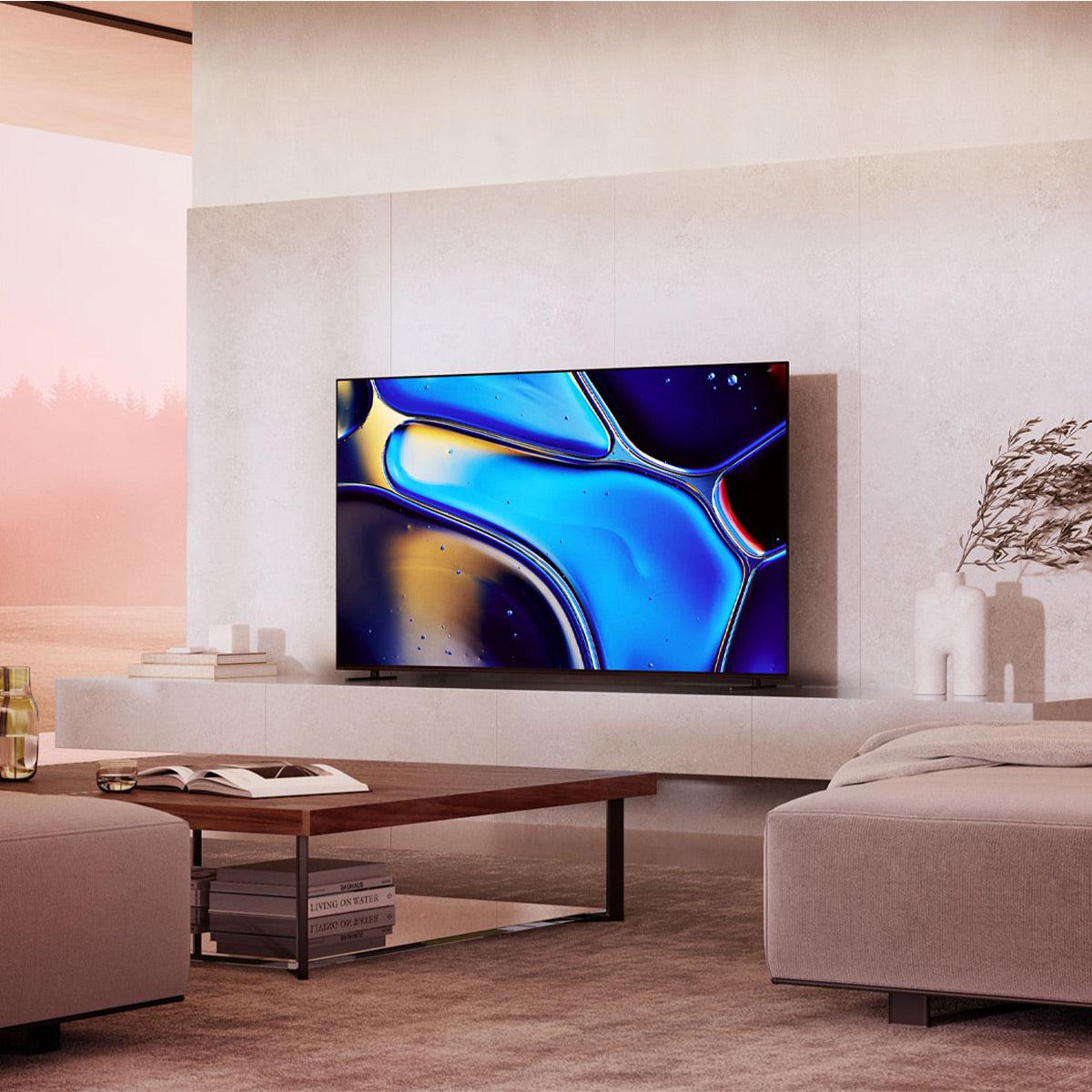
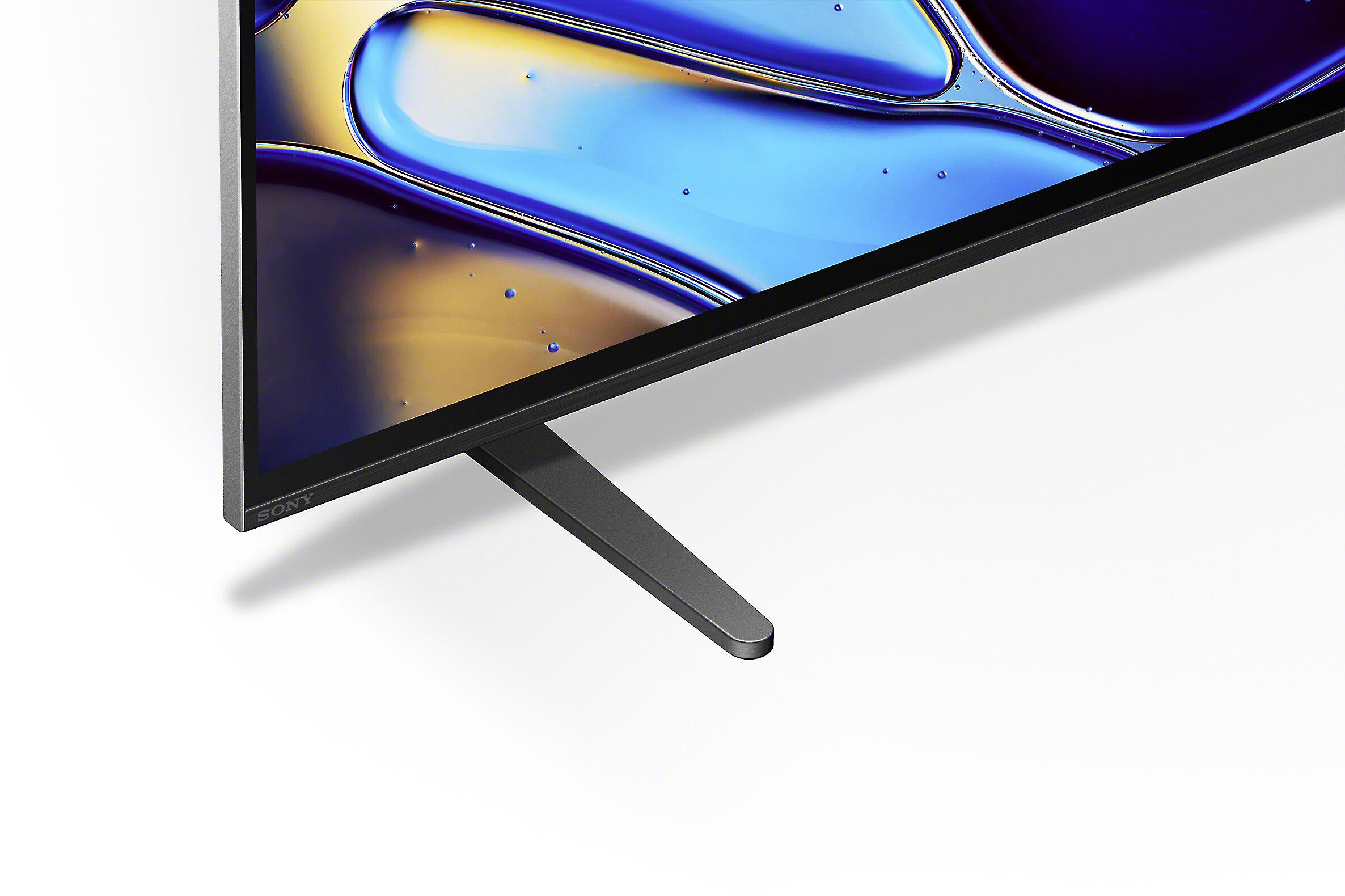
The Sony BRAVIA 8 follows a more traditional approach with minimalist design and premium build quality. The thin profile and adjustable stand options work well in conventional TV setups, but it doesn't pretend to be anything other than a television. For some buyers, this honesty is preferable to the Frame's lifestyle aspirations.
Audio represents an often-overlooked differentiator between premium TVs. The Samsung Frame Pro includes a 2.0.2-channel system with Object Tracking Sound technology. This feature analyzes audio content and directs specific sounds to different parts of the screen, creating a more immersive experience. Q-Symphony Pro synchronizes the TV's speakers with compatible Samsung soundbars for enhanced audio.
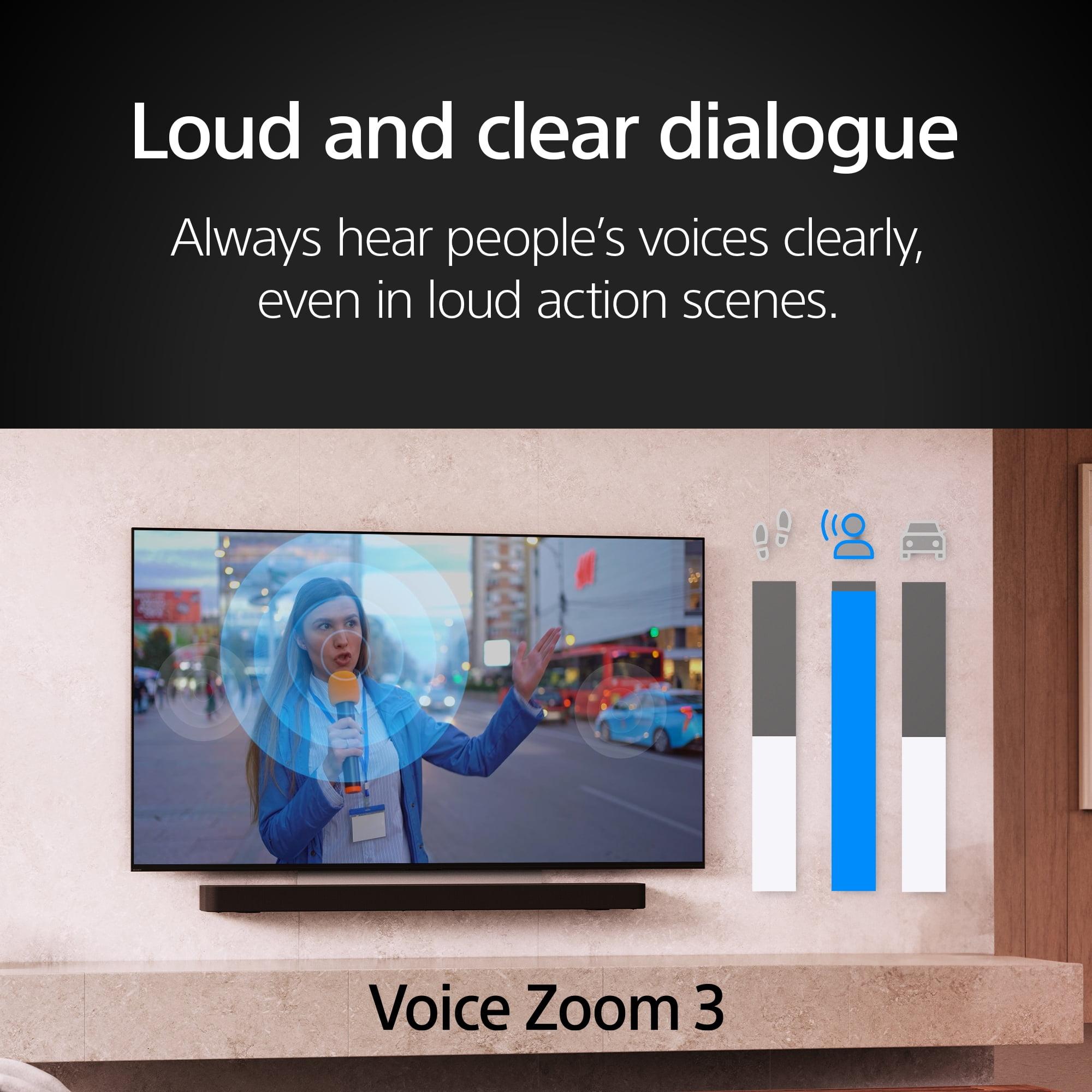
The Sony BRAVIA 8 uses Acoustic Surface Audio+, which literally turns the entire screen into a speaker. This innovative approach makes dialogue appear to come directly from actors' mouths rather than from speakers below the screen. The 2.1-channel system includes 50 watts of power compared to the Frame Pro's 40 watts, providing fuller sound.
Both TVs support Dolby Atmos for spatial audio, but Sony's implementation typically receives higher marks for accuracy and naturalism. The screen-as-speaker technology creates a unique listening experience that works particularly well for movies and dialogue-heavy content.
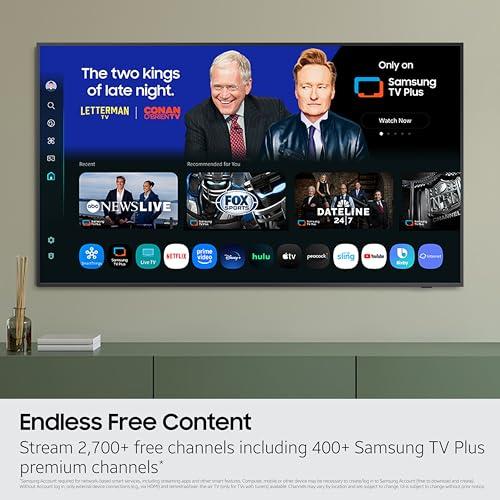
Smart TV platforms differ significantly between the models. The Samsung Frame Pro runs Tizen, Samsung's proprietary system known for speed and comprehensive app support. The Art Mode integration is seamless, and voice control through Alexa or Bixby works reliably for basic commands.
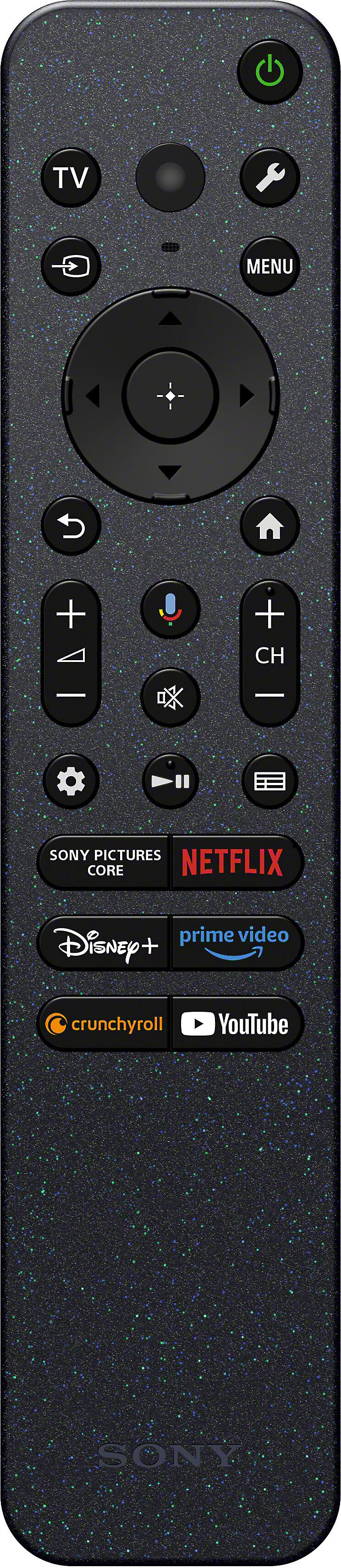
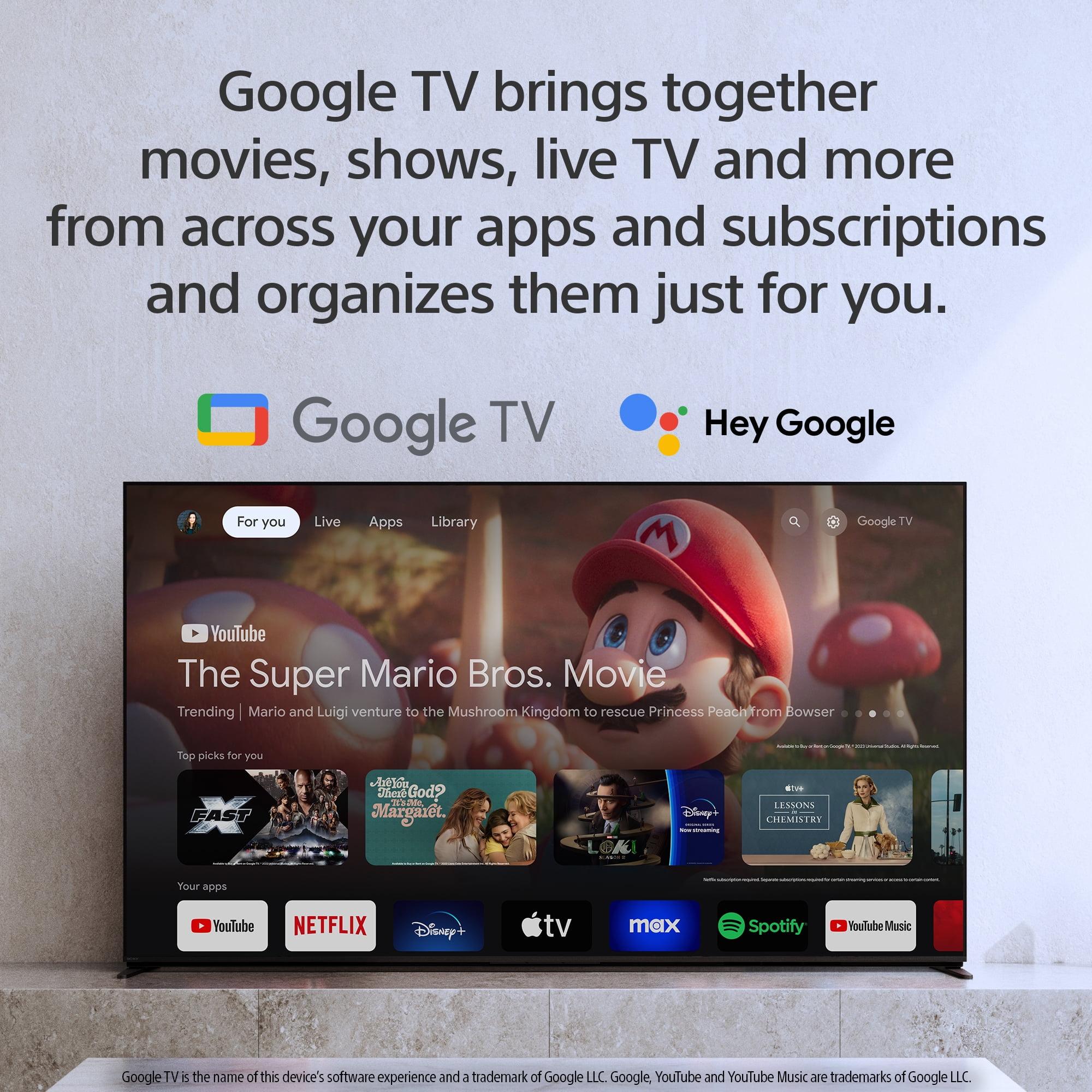
The Sony BRAVIA 8 uses Google TV, which excels at content discovery and recommendation. The interface learns your viewing habits and suggests relevant content across different streaming services. Google Assistant integration is more sophisticated than Samsung's voice options, handling complex queries and smart home control.
At the time of writing, both TVs command similar premium pricing in the 65-inch category, making value comparison more nuanced than simple cost analysis. The Samsung Frame Pro essentially asks buyers to pay a modest premium over standard Neo QLED TVs for the wireless connectivity and aesthetic features.
This premium feels justified for buyers who value the Frame's unique capabilities. The wireless installation alone could save hundreds in professional mounting and cable management costs. The Art Mode functionality adds genuine utility for design-conscious buyers, effectively replacing the need for large artwork or photo displays.
The Sony BRAVIA 8 delivers maximum picture quality per dollar in the OLED category. Sony's processing technology and gaming optimizations provide features that would cost extra from other manufacturers. The TV's build quality and Sony's reputation for longevity suggest strong long-term value.
Consider ownership costs beyond the initial purchase. OLED panels can develop burn-in over time with static content, though this risk has decreased significantly in modern panels. The Samsung Frame Pro uses more traditional LED technology with lower burn-in risk, but the wireless connection system introduces a potential point of failure not present in conventional TVs.
Both TVs should receive software updates for several years, maintaining compatibility with new streaming services and features. Samsung typically provides updates longer than most manufacturers, while Sony's Google TV platform benefits from Google's ongoing development.
For dedicated home theater setups, the choice becomes more clear-cut. The Sony BRAVIA 8 excels in dark rooms where its perfect blacks and accurate colors create the most cinematic experience possible. Professional calibration options ensure accurate reproduction of movie content as directors intended.
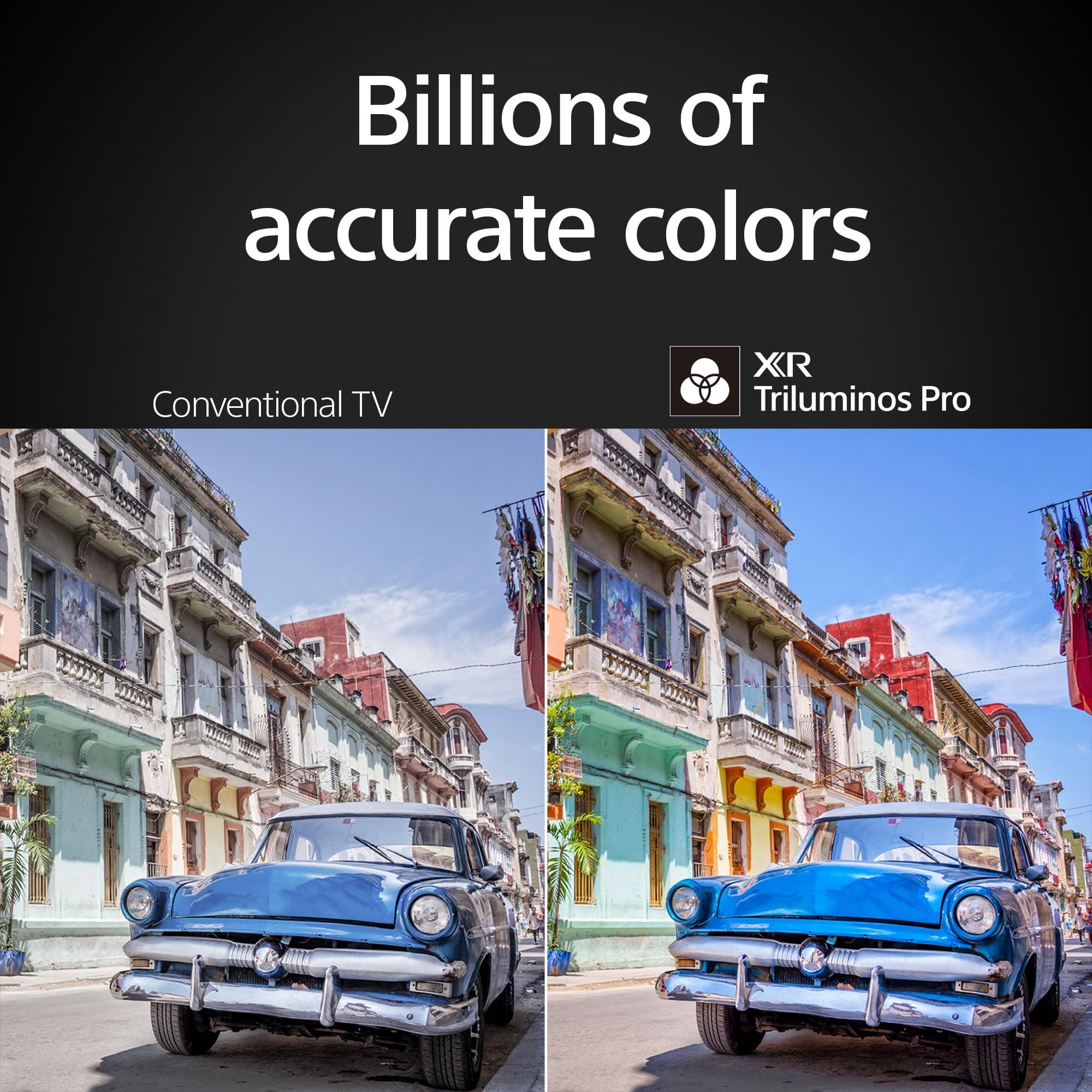
The TV's color processing deserves special recognition. Sony's years of experience in professional monitors translates to consumer TVs that handle color gradients and skin tones with exceptional accuracy. This matters most when watching high-quality content like 4K Blu-rays or premium streaming services.
The Samsung Frame Pro works better in multi-purpose rooms that serve as both home theaters and living spaces. Its superior brightness handles ambient light gracefully, and the matte screen prevents reflections that would ruin dark movie scenes on glossy displays. However, purists will notice the slightly elevated black levels compared to OLED.
The choice between these TVs ultimately depends on your primary use case and personal priorities. Choose the Samsung Frame Pro if you want a TV that enhances your living space aesthetically while delivering flagship performance. The wireless connectivity, Art Mode functionality, and bright room performance make it ideal for modern living spaces where the TV serves multiple roles.
The Sony BRAVIA 8 suits buyers who prioritize pure picture quality and cinematic performance above all else. Its superior gaming performance, perfect blacks, and accurate color reproduction make it the better choice for serious movie watching and gaming.
Consider your viewing environment carefully. Bright, multi-purpose rooms favor the Samsung's high brightness and matte screen. Dark, dedicated viewing spaces benefit from Sony's superior contrast and color accuracy. The difference in gaming performance strongly favors Sony for serious players, while the Samsung's 144Hz support provides better future-proofing for emerging content.
Both TVs represent excellent value in their respective approaches to premium television. The Samsung Frame Pro successfully bridges the gap between lifestyle product and high-performance display, while the Sony BRAVIA 8 delivers reference-quality picture performance without compromise. Your choice should reflect whether design integration or pure performance better matches your viewing priorities and living situation.
| Samsung 65" The Frame Pro 4K Neo QLED Smart TV 2025 | Sony BRAVIA 8 65" 4K OLED TV |
|---|---|
| Display Technology - Determines contrast, brightness, and overall picture quality | |
| Neo QLED Mini LED with Quantum Dots | QD-OLED with self-lit pixels |
| Peak Brightness - Critical for HDR impact and bright room viewing | |
| 1,000+ nits (excellent for daytime viewing) | 600-800 nits (better for dark rooms) |
| Black Levels - Affects contrast and cinematic depth | |
| Very good blacks with local dimming | Perfect blacks (infinite contrast) |
| Gaming Performance - Input lag and refresh rate for responsive gaming | |
| 144Hz refresh rate, ~30ms input lag | 120Hz refresh rate, sub-20ms input lag |
| Screen Finish - Impacts reflection handling and room suitability | |
| Matte anti-glare (eliminates reflections) | Glossy finish (traditional TV appearance) |
| Unique Design Features - Lifestyle and aesthetic considerations | |
| Art Mode, customizable bezels, wireless One Connect Box | Traditional premium TV design with slim profile |
| Smart Platform - Interface quality and content discovery | |
| Tizen with comprehensive app support | Google TV with superior content recommendations |
| Audio System - Built-in sound quality and innovation | |
| 2.0.2CH, 40W, Object Tracking Sound | 2.1CH, 50W, Acoustic Surface Audio+ (screen as speaker) |
| PlayStation 5 Integration - Console-specific optimizations | |
| Standard gaming features | Auto HDR Tone Mapping, Auto Genre Picture Mode |
| Installation Flexibility - Setup and cable management options | |
| Wireless transmission up to 10 meters | Traditional wired connections |
| Best Use Case - Primary strength for different viewing scenarios | |
| Bright living rooms, design-focused spaces | Dark home theaters, serious gaming setups |
The Sony BRAVIA 8 delivers superior picture quality for movies thanks to its OLED technology that produces perfect blacks and infinite contrast. This creates a more cinematic experience in dark rooms. However, the Samsung Frame Pro performs better in bright rooms due to its higher peak brightness and anti-glare matte screen.
The Sony BRAVIA 8 is better for serious gaming with sub-20ms input lag and PlayStation 5 optimizations like Auto HDR Tone Mapping. While the Samsung Frame Pro supports higher 144Hz refresh rates, its ~30ms input lag makes it less responsive for competitive gaming.
The Samsung Frame Pro is significantly brighter with over 1,000 nits peak brightness compared to the Sony BRAVIA 8's 600-800 nits. This makes the Samsung much better for bright living rooms and daytime viewing, while the Sony excels in darker environments.
OLED in the Sony BRAVIA 8 uses self-lit pixels that can turn completely off for perfect blacks, while Neo QLED in the Samsung Frame Pro uses thousands of mini LED backlights with quantum dots for brighter, more colorful images. OLED offers better contrast, while Neo QLED provides superior brightness.
Yes, the Samsung Frame Pro transforms into a digital art gallery when off, displaying over 3,000 curated artworks with Pantone-validated color accuracy. The matte screen and customizable bezels make it look like a real framed painting, which the traditional Sony BRAVIA 8 cannot replicate.
Both offer excellent smart platforms, but serve different needs. The Sony BRAVIA 8 uses Google TV with superior content discovery and recommendations, while the Samsung Frame Pro runs Tizen with seamless Art Mode integration and comprehensive app support.
The Samsung Frame Pro's Wireless One Connect Box transmits video and audio wirelessly up to 10 meters using Wi-Fi 7 technology, eliminating all visible cables. This creates a clean installation impossible with the traditionally-wired Sony BRAVIA 8.
The Sony BRAVIA 8 excels in dedicated home theaters with its perfect blacks, accurate colors, and superior contrast in dark rooms. The Samsung Frame Pro works better in multi-purpose living spaces where its brightness and anti-glare screen handle ambient light effectively.
Both the Samsung Frame Pro and Sony BRAVIA 8 support modern gaming features like 4K/120Hz, VRR, and ALLM. However, the Sony BRAVIA 8 includes exclusive PlayStation 5 optimizations for automatic picture adjustments based on game type.
The Sony BRAVIA 8 offers innovative Acoustic Surface Audio+ that turns the entire screen into a speaker with 50W power, making dialogue appear to come directly from characters. The Samsung Frame Pro provides 40W with Object Tracking Sound but uses traditional speaker placement.
The Sony BRAVIA 8 uses OLED technology which has minimal burn-in risk with modern panels and usage patterns, though static content over extended periods should be avoided. The Samsung Frame Pro uses LED technology with no burn-in concerns whatsoever.
Both the Samsung Frame Pro and Sony BRAVIA 8 offer excellent value in different ways. The Samsung provides unique lifestyle features like wireless connectivity and Art Mode, while the Sony delivers maximum picture quality and gaming performance per dollar in the OLED category.
We've done our best to create useful and informative comparisons to help you decide what product to buy. Our research uses advanced automated methods to create this comparison and perfection is not possible - please contact us for corrections or questions. These are the sites we've researched in the creation of this article: tomsguide.com - youtube.com - smarthomesounds.co.uk - images.samsung.com - rtings.com - samsung.com - bestbuy.com - bestbuy.com - businessinsider.com - dentonstv.com - samsung.com - flatpanelshd.com - samsung.com - jefflynch.com - youtube.com - costco.com - bestbuy.com - bestbuy.com - crutchfield.com - avsforum.com - electronics.sony.com - sony.com - store.sony.co.nz - sony.com - displayspecifications.com

Privacy Policy
Terms and Conditions - Affiliate Policy
Home Security
© Copyright 2008-2026.
11816 Inwood Rd #1211, Dallas, TX 75244