

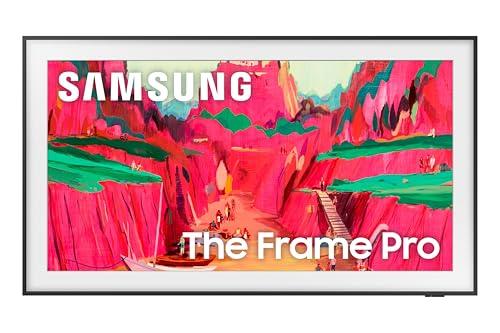


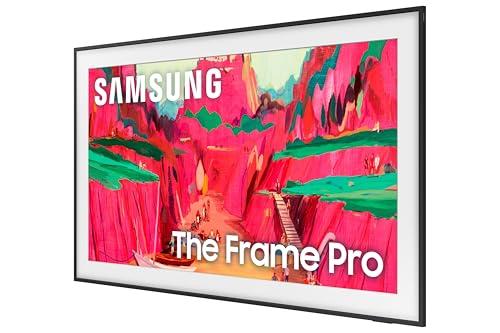
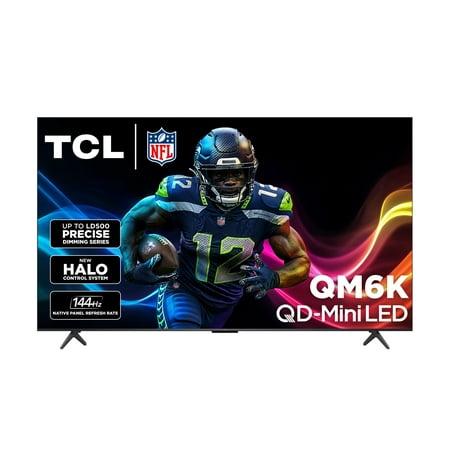
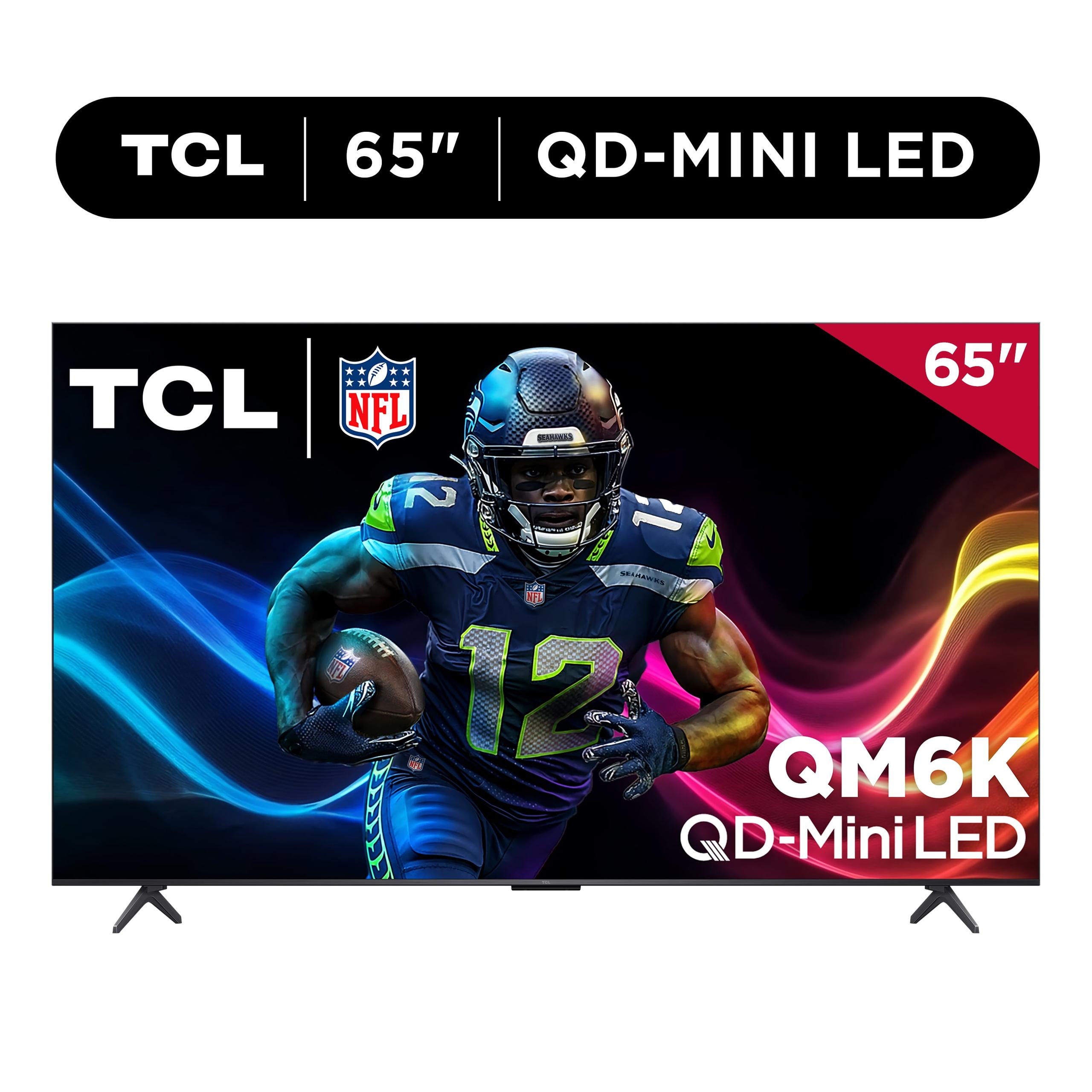
Shopping for a 65-inch TV in 2025 means choosing between dramatically different approaches to what a television should be. The Samsung Frame Pro and TCL QM6K both use advanced Mini LED technology, but they couldn't be more different in their priorities. One transforms your living room into an art gallery, while the other delivers flagship performance at a fraction of the typical cost.
Both TVs emerged from the 2025 model year with significant technological leaps. The Samsung Frame Pro represents Samsung's first serious attempt to bridge the performance gap that has long plagued their lifestyle-focused Frame series. Meanwhile, the TCL QM6K launched as one of the first 2025 models to market, showcasing how budget brands now compete directly with premium manufacturers on technical specifications.
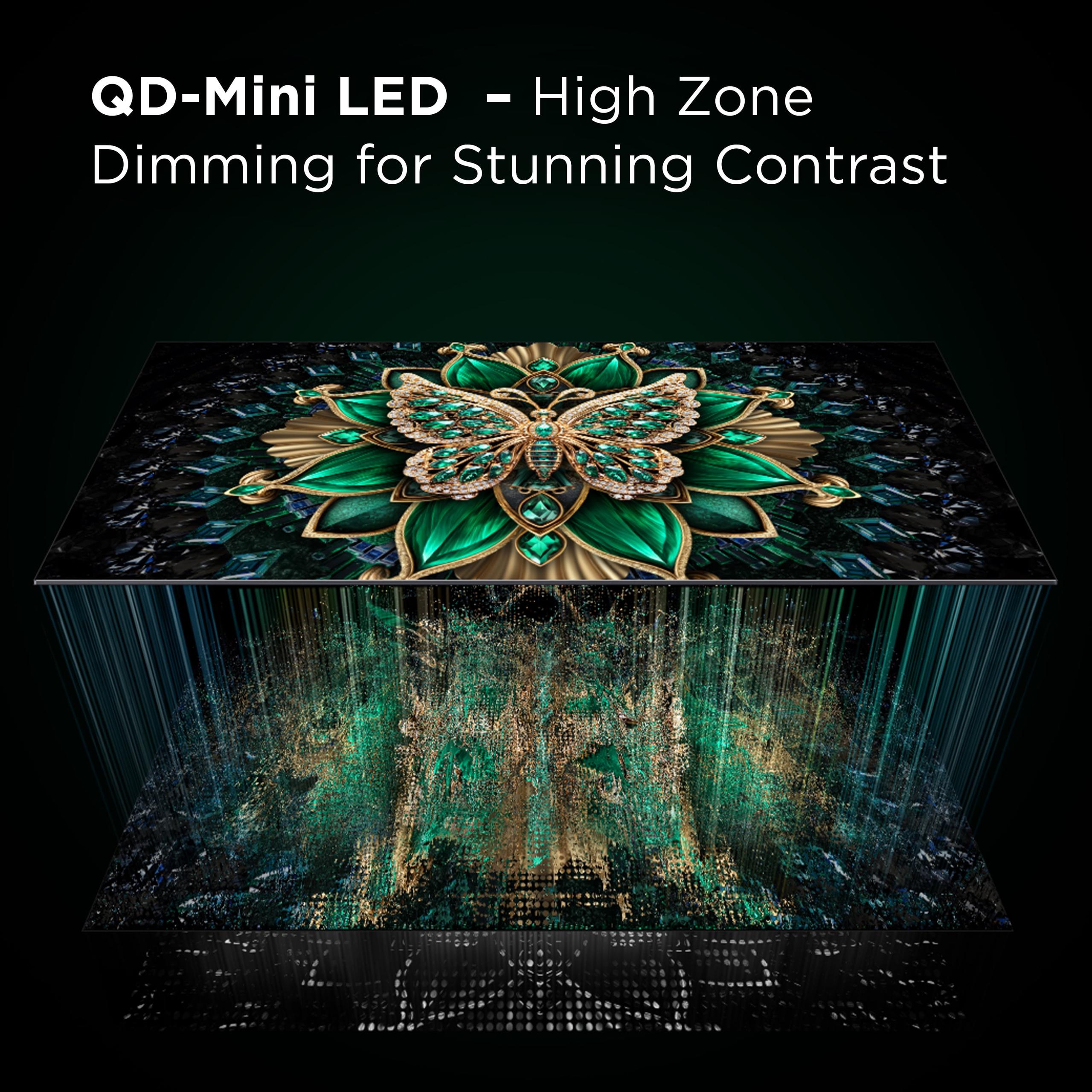
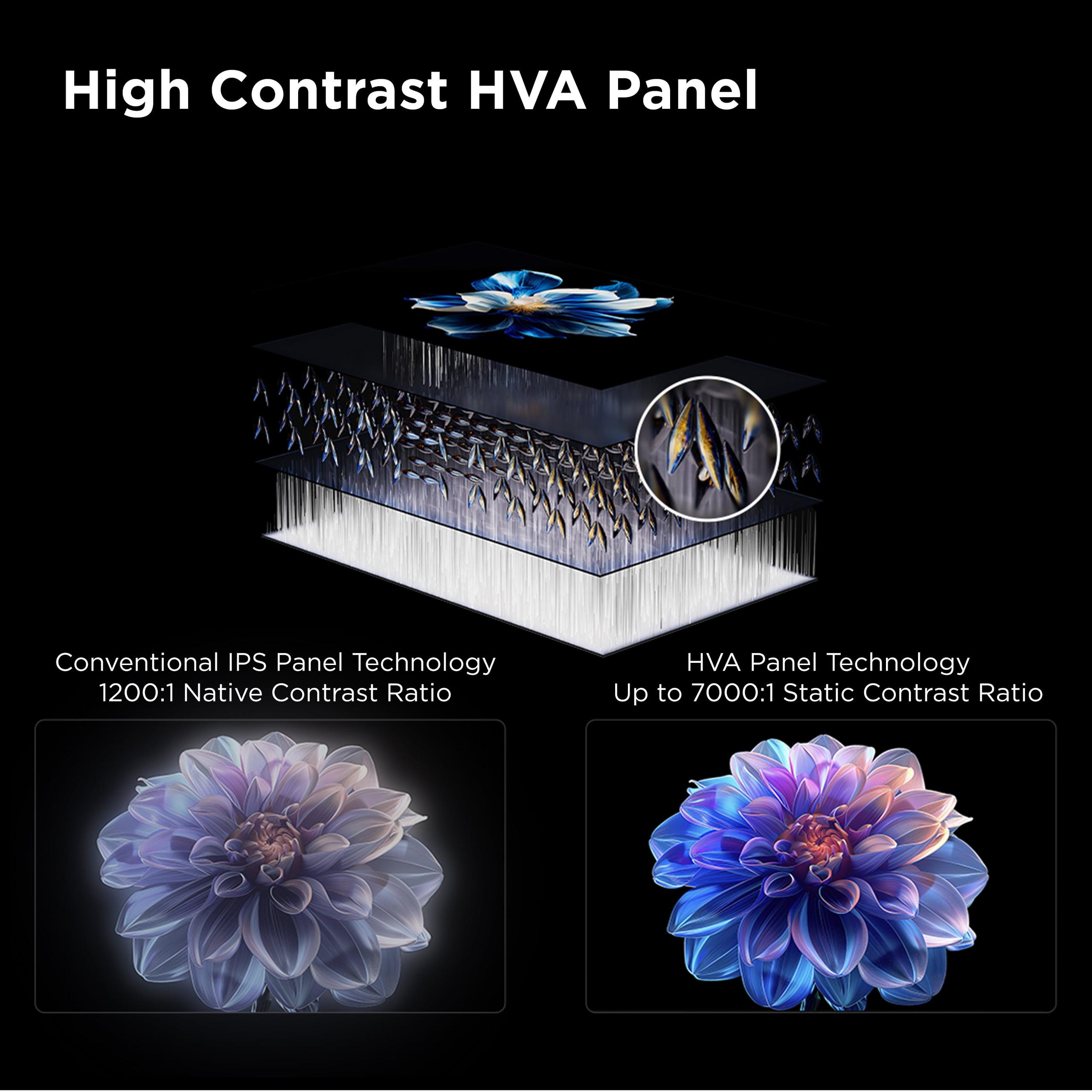
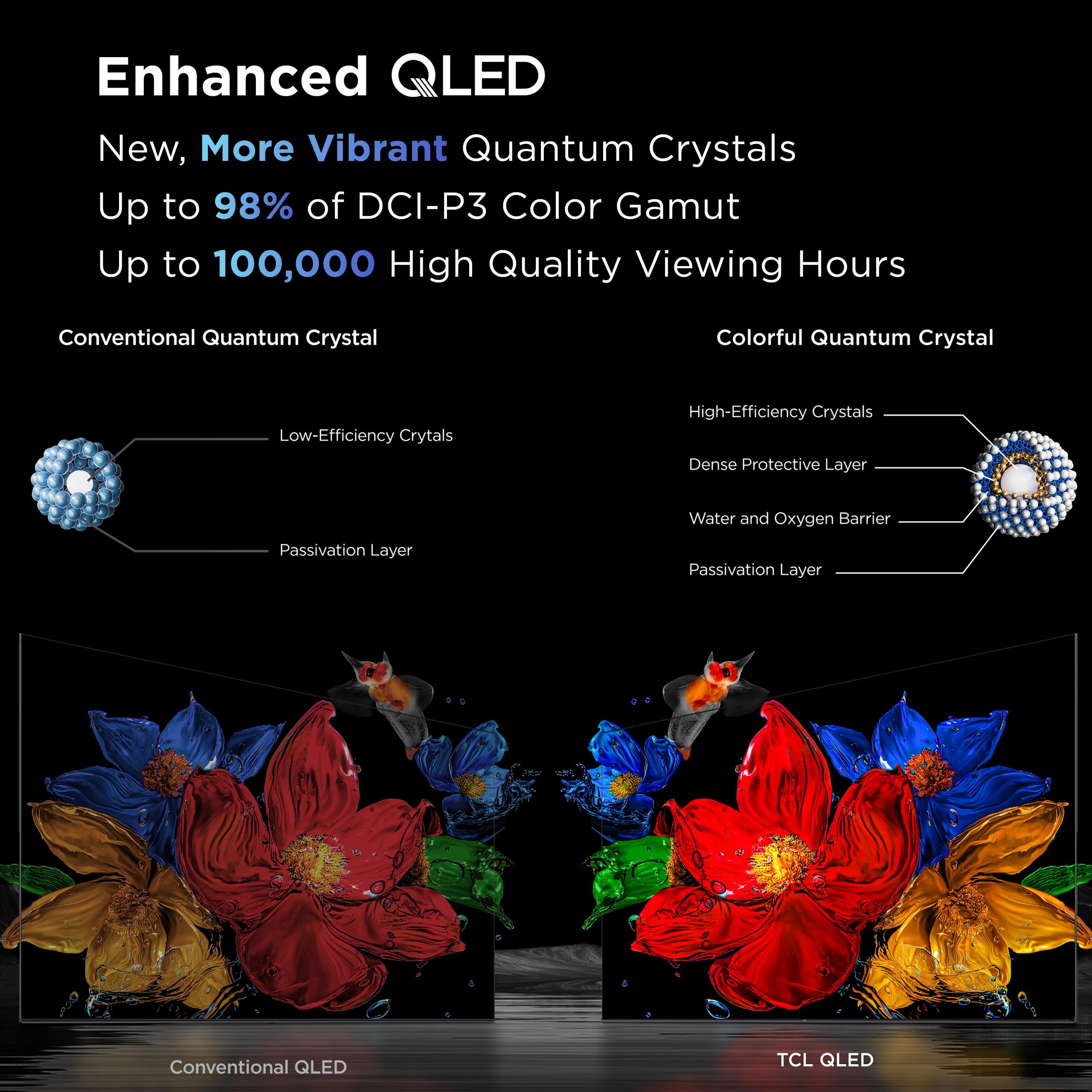
Understanding these TVs requires grasping what Mini LED technology actually does. Traditional LED TVs use large LED bulbs behind the screen that light up entire zones, creating problems with contrast—bright objects make nearby dark areas look gray and washed out. Mini LED uses thousands of tiny LEDs instead, allowing much more precise control over which parts of the screen are bright or dark. Both the Samsung Frame Pro and TCL QM6K combine this with quantum dots, which are microscopic particles that convert LED light into purer, more vibrant colors.
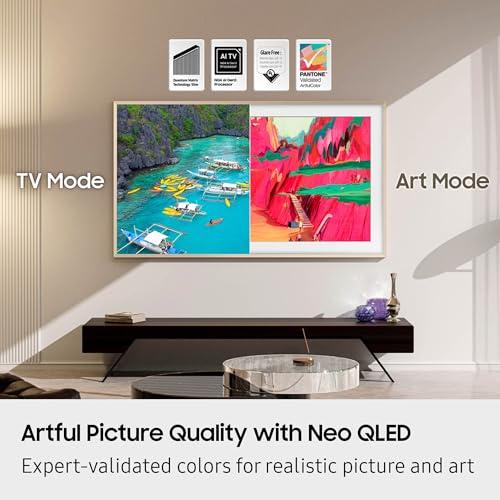
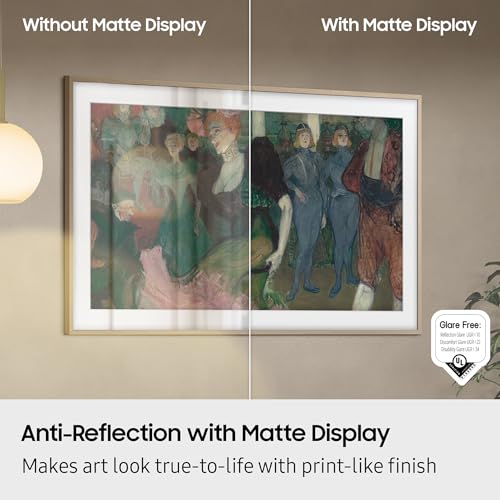
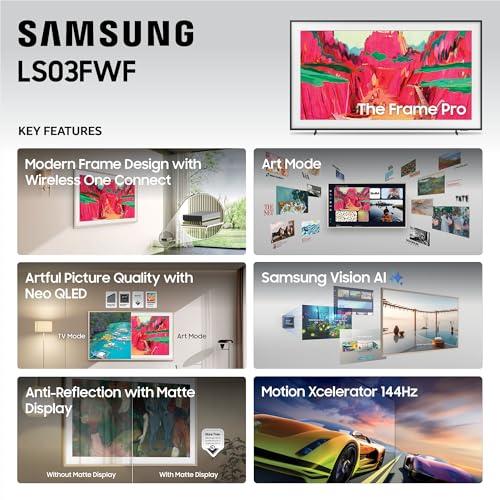
The fundamental difference between these TVs starts with their basic purpose. The Samsung Frame Pro asks: "What if your TV could disappear when you're not using it?" Samsung's Art Mode transforms the screen into a digital picture frame, displaying over 3,000 curated artworks or your personal photos. The matte anti-glare screen coating makes these images look remarkably like real prints, eliminating the glossy reflections that scream "this is a TV screen."
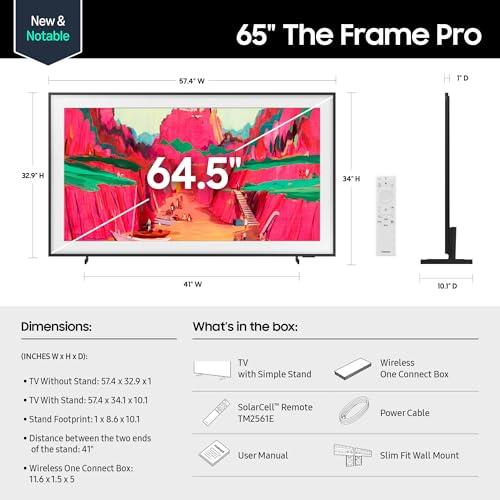
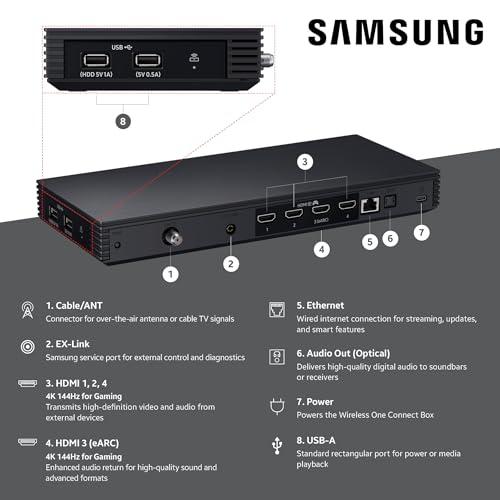
This lifestyle integration comes with real practical benefits. The Wireless One Connect Box—a small device that handles all your cable connections—can sit up to 33 feet away from the TV, completely eliminating visible cables. For anyone who's struggled with cord management behind a wall-mounted TV, this feels revolutionary. The box uses Wi-Fi 7 technology to transmit 4K video wirelessly, something that seemed impossible just a few years ago.
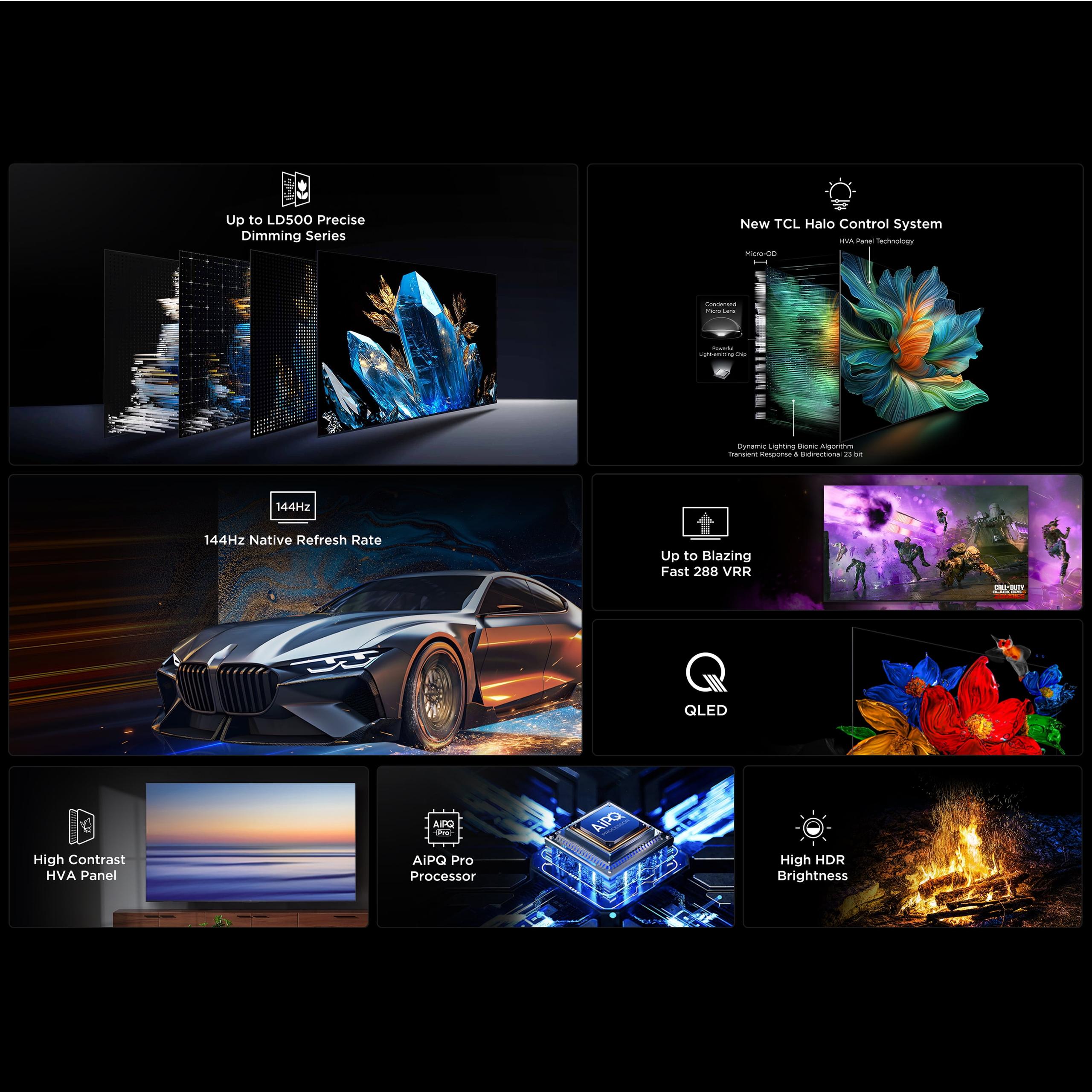
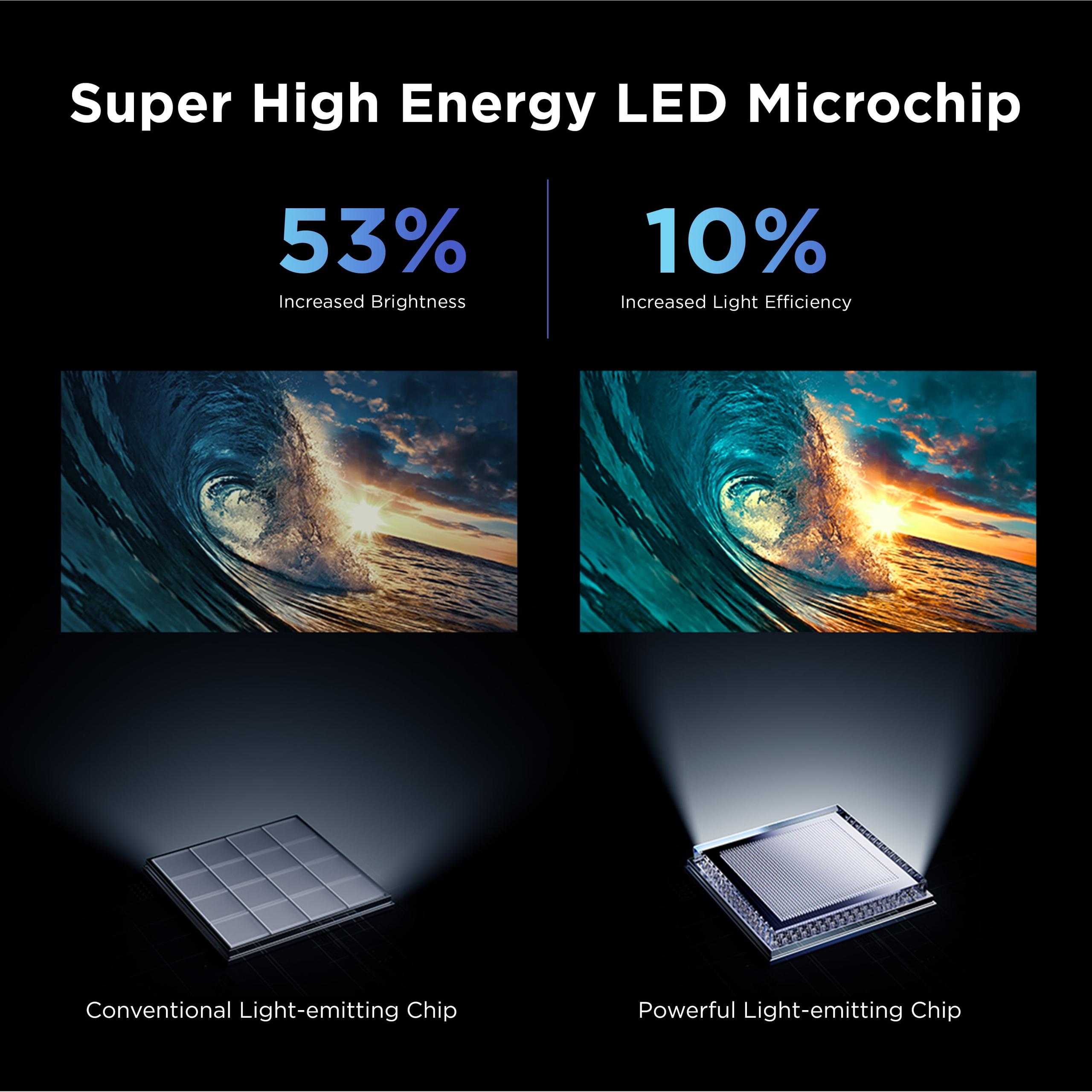
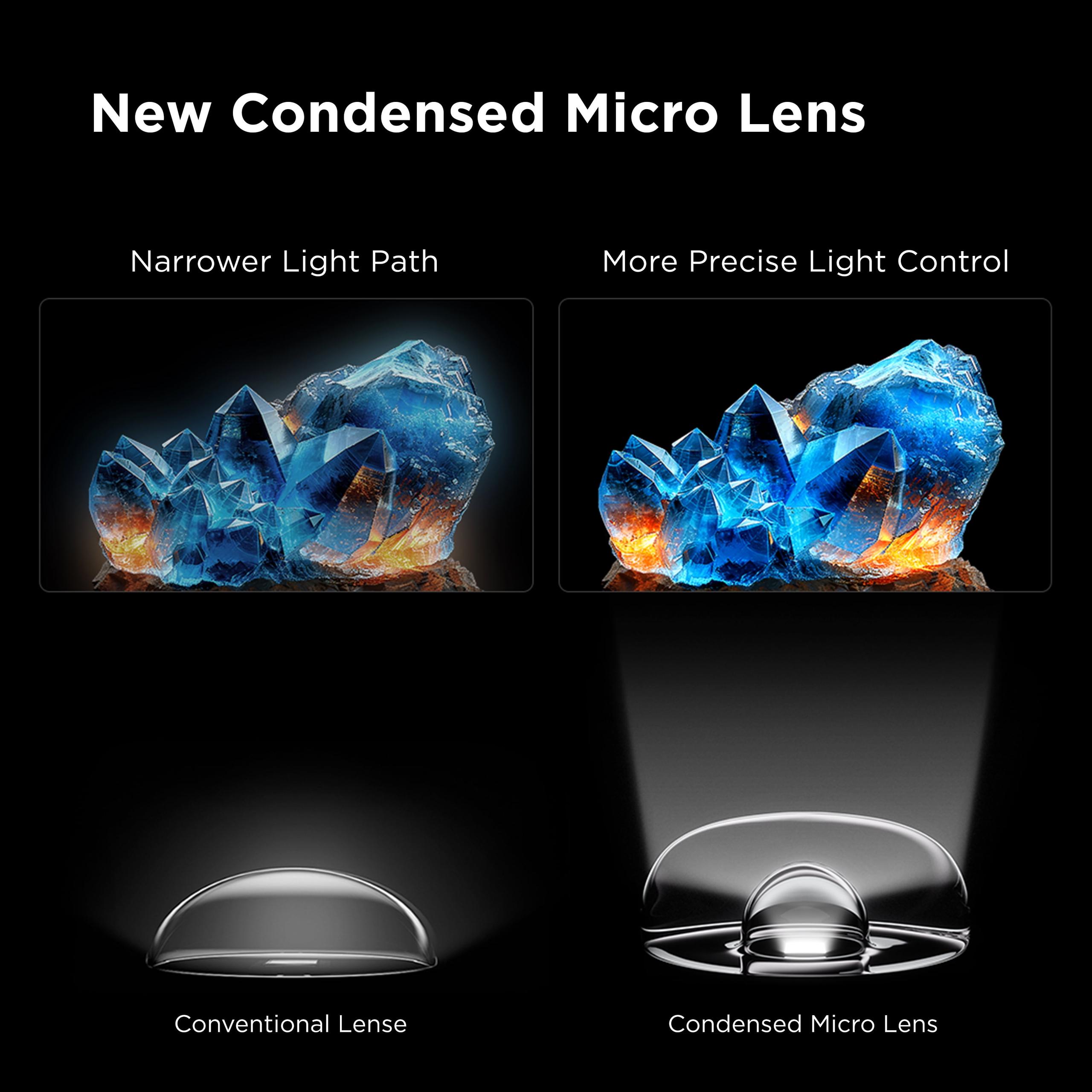
The TCL QM6K, by contrast, focuses entirely on performance per dollar. It uses traditional glossy screens that maximize color pop and contrast, along with what TCL calls their "Super High Energy LED Chip"—essentially brighter, more efficient Mini LEDs that push 53% more light while using 10% less power than previous generations. Where Samsung hides cables, TCL maximizes the screen itself with their "FullView 360" nearly bezel-less design.
Peak brightness matters more than most people realize, especially for HDR (High Dynamic Range) content. HDR works by displaying much brighter whites and darker blacks simultaneously, creating more realistic images. The Samsung Frame Pro achieves over 1,000 nits of peak brightness—roughly ten times brighter than older LCD TVs—while the TCL QM6K reaches competitive levels with its enhanced LED system.
But here's where things get interesting: the Samsung's matte coating reduces that brightness by about 20% compared to glossy screens, while also making colors appear slightly less saturated. In a bright room, this tradeoff works beautifully—you can actually see the image without fighting reflections. In a darkened home theater, many viewers prefer the deeper colors and extra brightness punch of traditional glossy screens like the TCL QM6K.
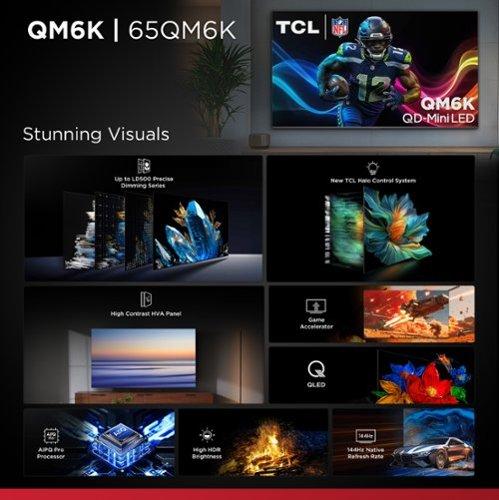
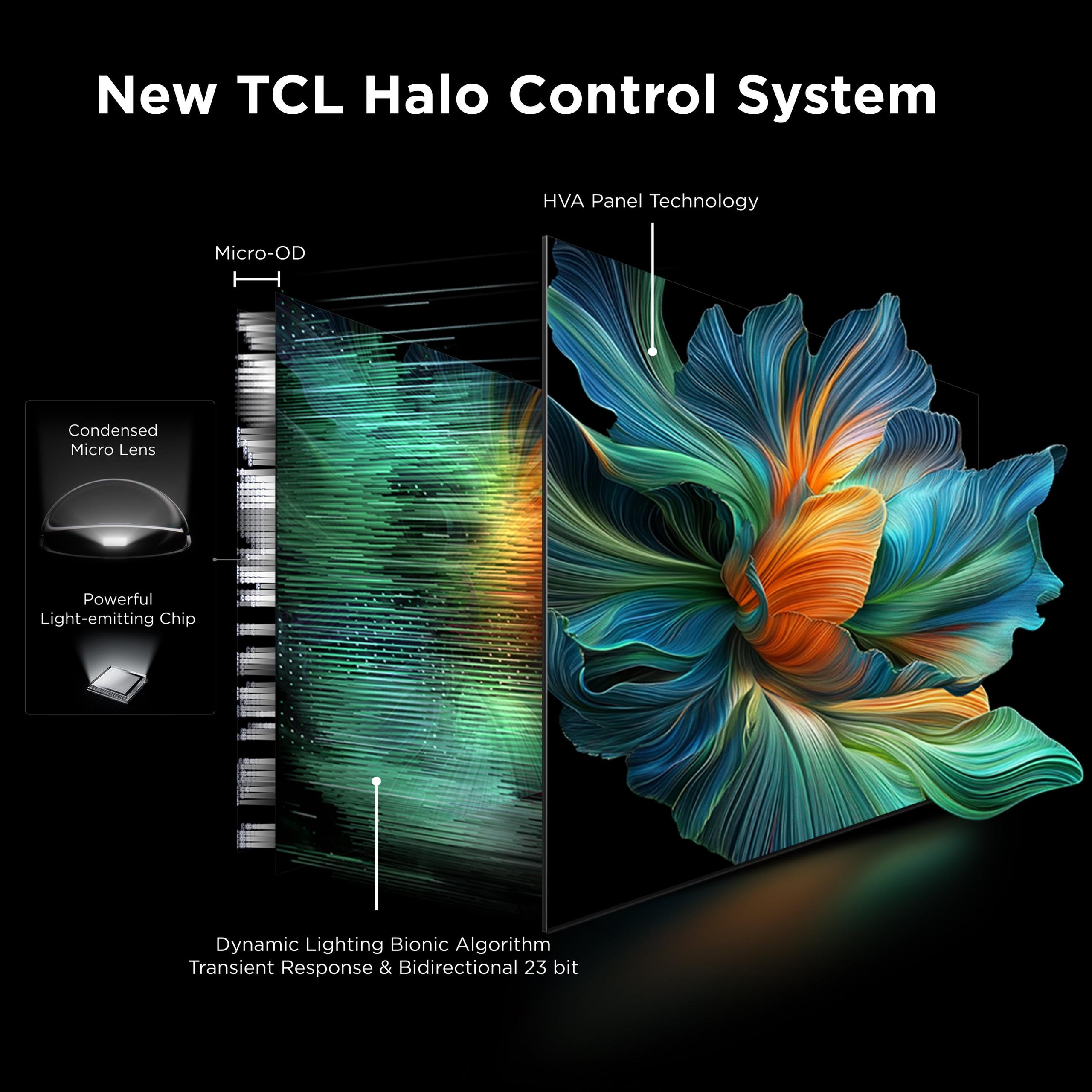
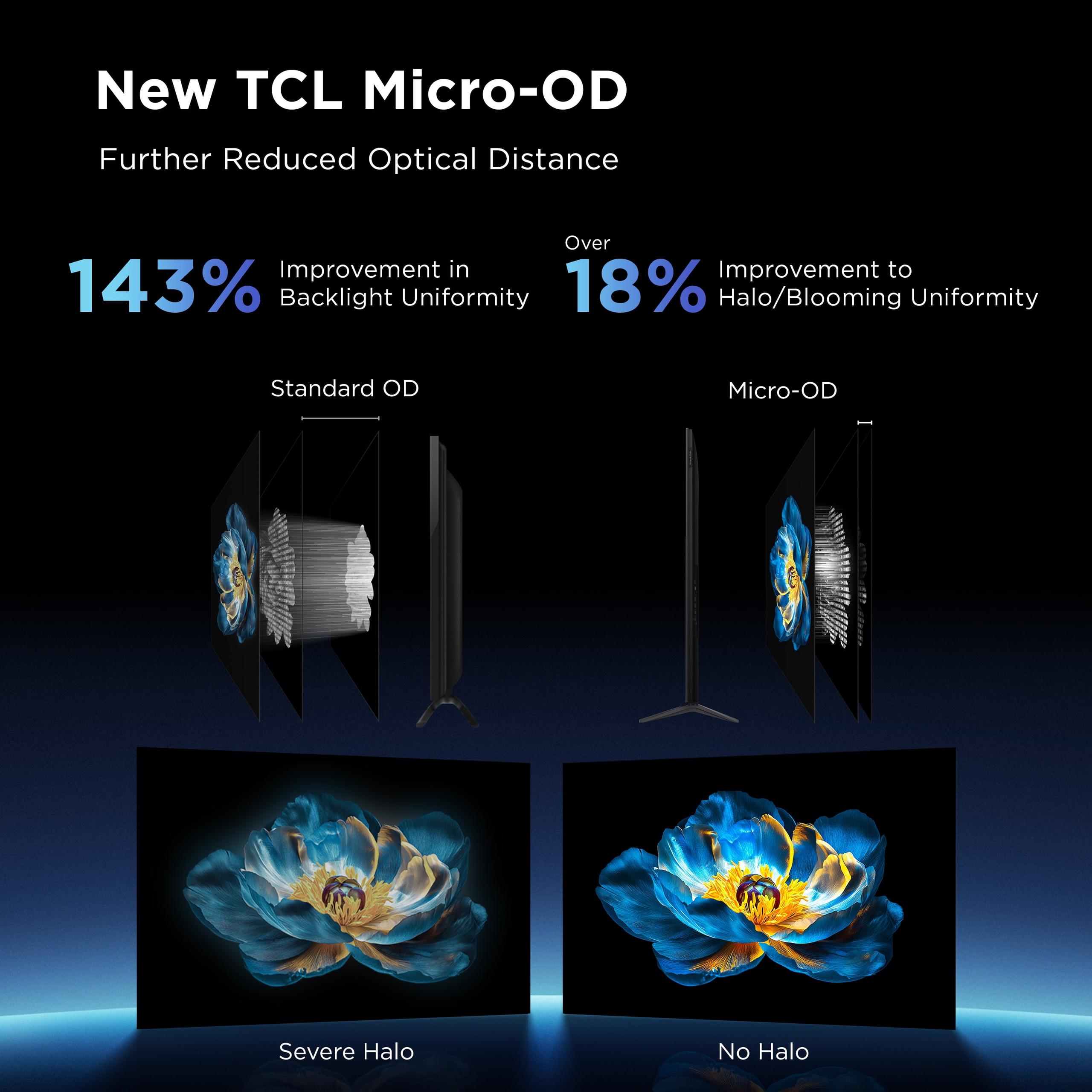
Local dimming—how precisely the TV can control brightness in different screen areas—separates good Mini LED TVs from great ones. The Samsung Frame Pro uses "Quantum Matrix Technology," which sounds marketing-heavy but actually refers to sophisticated algorithms that prevent bright objects from creating visible halos in dark scenes. The TCL QM6K counters with up to 500 precise dimming zones and what they call "Halo Control System," using multiple technologies including reduced optical distance (the space between LEDs and screen) to minimize blooming effects.
Based on extensive testing by professional reviewers, both TVs handle local dimming well for their respective price points, though neither matches the perfect blacks of OLED technology or Samsung's flagship Neo QLED models. The TCL QM6K actually shows slightly better uniformity in dark scenes, likely due to its more traditional panel construction.
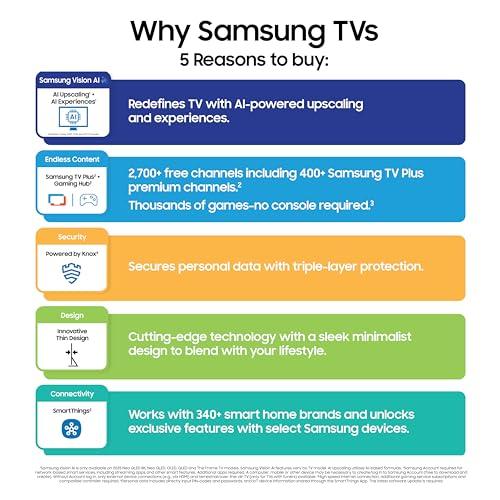
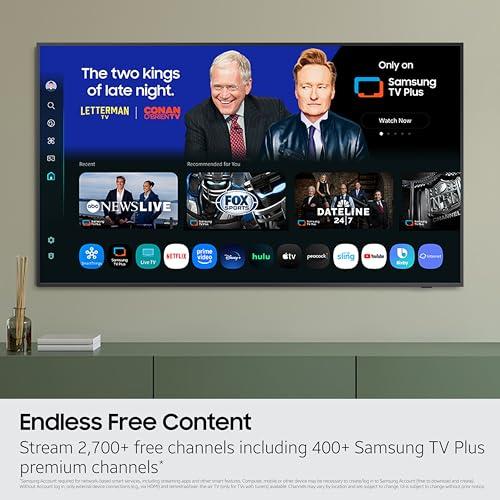
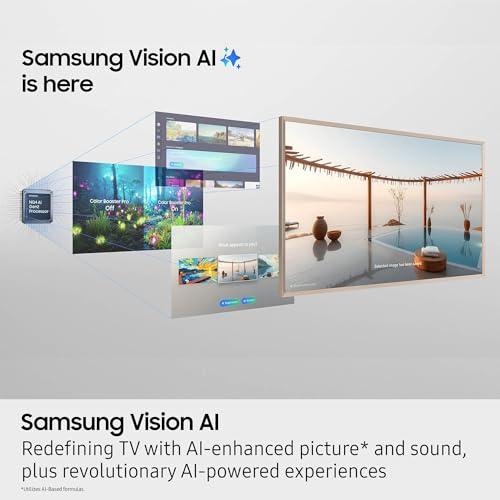
The smart TV experience can make or break daily usage, and these platforms take notably different approaches. The Samsung Frame Pro runs Tizen OS, Samsung's proprietary system that's evolved significantly since its rocky early days. Tizen now offers comprehensive app support and integrates seamlessly with Samsung's broader ecosystem, including soundbars and mobile devices. The Art Store integration feels natural rather than tacked-on, and Samsung Vision AI learns your viewing habits to optimize content automatically.
Google TV on the TCL QM6K takes a more streamlined approach, focusing on content discovery and recommendation. It aggregates shows and movies from different streaming services into unified recommendations, something Samsung has struggled to match. Google TV also receives more frequent updates and tends to get new streaming apps faster than manufacturer-specific platforms.
From a long-term support perspective, Samsung typically provides 4-5 years of major updates for their premium models, while Google TV's update schedule depends partly on TCL's commitment. However, Google's backing generally ensures strong ongoing support for their TV platform.
Gaming reveals the starkest performance differences between these TVs. Input lag—the delay between pressing a controller button and seeing the result on screen—critically impacts competitive gaming. Professional testing shows the TCL QM6K achieving excellent input lag figures in game mode, typically under 10 milliseconds at 4K resolution.
The Samsung Frame Pro struggles significantly here, with input lag measurements exceeding 30 milliseconds in most modes. Samsung includes a micro HDMI port directly on the TV as a workaround, bypassing the Wireless One Connect Box for lower latency, but this defeats the cable-free aesthetic that's the Frame's primary selling point.
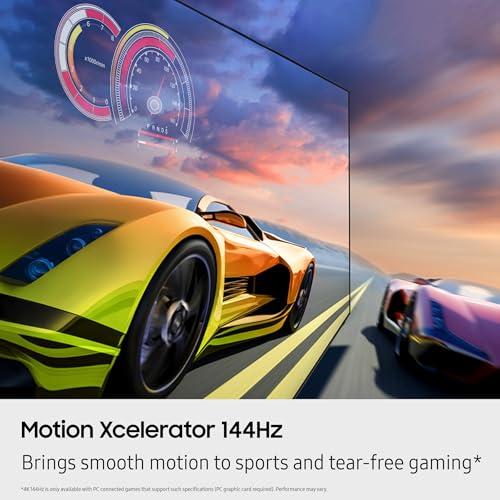
Refresh rate capabilities tell a similar story. Both TVs support 144Hz gaming, but the TCL QM6K implements this more effectively with their "Game Accelerator 288" technology, supporting variable refresh rates up to 288Hz. This means the TV can adjust its refresh rate in real-time to match your gaming console or PC, eliminating screen tearing and stuttering.
Variable Refresh Rate (VRR) compatibility is crucial for modern gaming. Both TVs support HDMI Forum VRR and AMD FreeSync Premium Pro, ensuring smooth gameplay with Xbox Series X/S, PlayStation 5, and gaming PCs. However, the TCL QM6K's superior implementation and lower input lag make it the clear winner for serious gamers.
TV speakers have improved dramatically in recent years, though external sound systems still reign supreme for serious home theater setups. The Samsung Frame Pro includes a 40-watt, 2.0.2-channel system with Dolby Atmos support, along with Samsung's Q-Symphony technology that coordinates TV speakers with compatible Samsung soundbars for enhanced surround effects.
The TCL QM6K takes a different approach with an Onkyo-tuned 2.1-channel system featuring a dedicated built-in subwoofer. This provides notably better bass response than typical TV speakers, though overall power output is similar between the models. Both support Dolby Atmos, which creates three-dimensional audio effects when watching compatible content.
For most users, either system provides adequate sound for casual viewing, but home theater enthusiasts will want to add a dedicated soundbar or surround system regardless of which TV they choose.
At the time of writing, the pricing difference between these TVs is substantial—the Samsung Frame Pro costs roughly three times more than the TCL QM6K. This price gap reflects fundamentally different value propositions rather than pure performance scaling.
The Samsung Frame Pro commands premium pricing for its unique lifestyle features: the art display functionality, wireless cable management, customizable bezels, and Samsung's brand reputation. If you value these features and want a TV that integrates seamlessly into your home décor, the price premium makes sense. The matte screen coating alone costs significant money to implement properly, and the Wireless One Connect Box represents genuinely innovative technology.
The TCL QM6K offers remarkable value by focusing resources on core TV performance rather than lifestyle features. You get flagship-level picture quality, excellent gaming performance, and modern smart TV features at a price point that was unthinkable for this level of technology just a few years ago.
In dedicated home theater environments, these TVs serve different purposes. The Samsung Frame Pro's matte coating and lifestyle features become less relevant in darkened rooms, where pure performance matters more. Its slightly reduced brightness and color saturation compared to glossy screens may disappoint viewers who prioritize maximum visual impact.
The TCL QM6K excels in traditional home theater setups with its glossy screen maximizing contrast and color vibrancy in controlled lighting. Its superior gaming performance also matters more in dedicated entertainment spaces where input lag and refresh rates directly impact the experience.
However, the Samsung Frame Pro offers advantages for multi-purpose rooms that serve as both living spaces and occasional home theaters. The Art Mode means the TV doesn't dominate the room when not in use, and the superior reflection handling helps when ambient light can't be completely controlled.
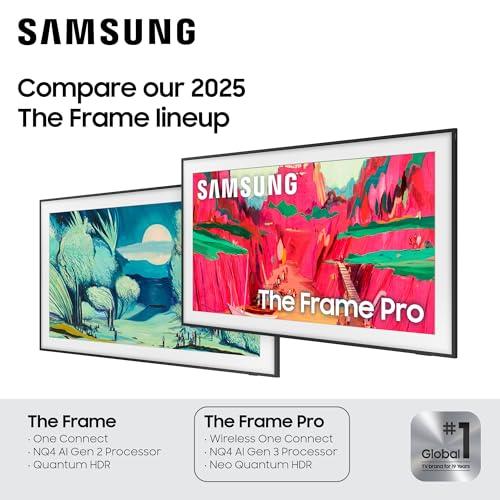
Both TVs represent significant technological advancement from their 2024 predecessors. The Samsung Frame Pro finally addressed longstanding performance complaints about Frame TVs with its Neo QLED upgrade, while maintaining the artistic focus that defines the series. The addition of 144Hz gaming support and improved HDR processing shows Samsung listening to user feedback.
The TCL QM6K demonstrates how quickly budget manufacturers have closed the performance gap with premium brands. Features that were flagship-exclusive just two years ago—like advanced local dimming, high refresh gaming, and sophisticated HDR processing—now appear in mid-range models.
From a future-proofing perspective, both TVs include modern connectivity standards like HDMI 2.1, ensuring compatibility with future gaming consoles and streaming devices. The Samsung Frame Pro's wireless technology feels particularly forward-thinking, potentially eliminating upgrade headaches when changing connected devices.
The Samsung Frame Pro makes sense for specific situations: when design integration matters as much as performance, when you want a conversation piece that happens to be an excellent TV, or when budget allows for premium lifestyle features. It's particularly compelling for main living spaces where the TV is always visible, and for users already invested in Samsung's ecosystem.
Choose the TCL QM6K when performance per dollar is paramount, when gaming is a priority, or when you want flagship features without flagship pricing. It's ideal for dedicated entertainment spaces, for users who prioritize technical specifications over design, or as an entry point into premium TV technology.
The decision ultimately comes down to priorities: are you buying a TV that integrates beautifully into your life, or are you maximizing screen performance within your budget? Both approaches have merit, and both TVs execute their respective visions extremely well.
In the rapidly evolving TV market, the Samsung Frame Pro and TCL QM6K represent two successful but fundamentally different philosophies about what modern TVs should be. Your choice between them says as much about your priorities and lifestyle as it does about technical preferences.
| Samsung 65" The Frame Pro 4K Neo QLED Smart TV 2025 | TCL 65" QM6K QD-Mini LED 4K TV |
|---|---|
| Display Technology - Core foundation affecting brightness, contrast, and color quality | |
| Neo QLED Mini LED with Quantum Matrix Technology Slim | QD-Mini LED with Super High Energy LED Chip and Halo Control System |
| Peak Brightness - Critical for HDR performance and bright room viewing | |
| 1,000+ nits with matte anti-glare coating | Competitive brightness with 53% improved efficiency over previous generation |
| Refresh Rate & Gaming - Essential for smooth motion and competitive gaming | |
| 144Hz gaming support, but high input lag (30ms+) limits competitive gaming | 144Hz native with Game Accelerator 288 (up to 288Hz VRR) and low input lag |
| Local Dimming - Controls contrast and prevents light bleeding around bright objects | |
| Advanced Quantum Matrix with precise zone control | Up to 500 precise dimming zones with Halo Control System |
| Smart Platform - Your daily interface for streaming and apps | |
| Samsung Tizen with Art Store integration and Samsung Vision AI | Google TV with superior content discovery and faster app updates |
| Design Philosophy - Determines how the TV fits in your space | |
| Art-focused with customizable bezels, matte screen, and wireless cable management | Traditional bezel-less design maximizing screen-to-body ratio |
| Unique Features - What sets each TV apart from competitors | |
| Art Mode with 3,000+ artworks, Wireless One Connect Box eliminates all cables | Game Accelerator 288, Onkyo audio with built-in subwoofer, exceptional value |
| Audio System - Built-in sound quality before adding external speakers | |
| 40W 2.0.2CH with Dolby Atmos and Q-Symphony soundbar integration | 2.1CH Onkyo system with dedicated subwoofer and Dolby Atmos |
| Connectivity - Ports and wireless capabilities for your devices | |
| 5 HDMI ports (4K 144Hz), Wi-Fi 5, micro HDMI on TV, Wireless One Connect | 4 HDMI ports with eARC, Wi-Fi 6, traditional wired connections |
| Best For - Who should consider each model | |
| Design-conscious users wanting art display and premium lifestyle integration | Gamers and value-seekers prioritizing performance over aesthetics |
The TCL QM6K offers exceptional picture quality for its price range, delivering flagship-level brightness and contrast at a budget-friendly cost. The Samsung Frame Pro provides superior peak brightness and color accuracy but costs significantly more. For pure value, the TCL QM6K wins, while the Samsung Frame Pro justifies its premium with lifestyle features.
The Samsung Frame Pro is worth the premium if you value its unique Art Mode, wireless cable management, and design integration features. However, if you prioritize gaming performance and pure TV functionality, the TCL QM6K delivers better value with superior input lag and refresh rate performance at a fraction of the cost.
The TCL QM6K is significantly better for gaming, offering low input lag under 10ms and Game Accelerator 288 technology supporting up to 288Hz variable refresh rate. The Samsung Frame Pro has notably high input lag (30ms+), making it unsuitable for competitive gaming despite its 144Hz support.
Both TVs support HDR10 and HDR10+ formats. The Samsung Frame Pro features Neo Quantum HDR with excellent brightness for HDR content. The TCL QM6K includes Dolby Vision IQ support, which the Samsung Frame Pro lacks. Both deliver excellent HDR performance for their respective price ranges.
The Samsung Frame Pro runs Tizen OS with comprehensive app support and unique Art Store integration. The TCL QM6K uses Google TV, which offers superior content discovery and faster app updates. Both platforms provide excellent streaming experiences, with preference depending on whether you want Samsung's ecosystem integration or Google's recommendation algorithms.
The TCL QM6K includes an Onkyo-tuned 2.1 channel system with a built-in subwoofer, providing better bass response. The Samsung Frame Pro offers a 40W 2.0.2 channel system with Q-Symphony technology for soundbar integration. Both support Dolby Atmos, but the TCL QM6K delivers superior built-in audio quality.
The Samsung Frame Pro excels in bright rooms due to its matte anti-glare coating that virtually eliminates reflections, combined with high peak brightness. The TCL QM6K has a glossy screen that can struggle with reflections in bright environments, despite competitive brightness levels.
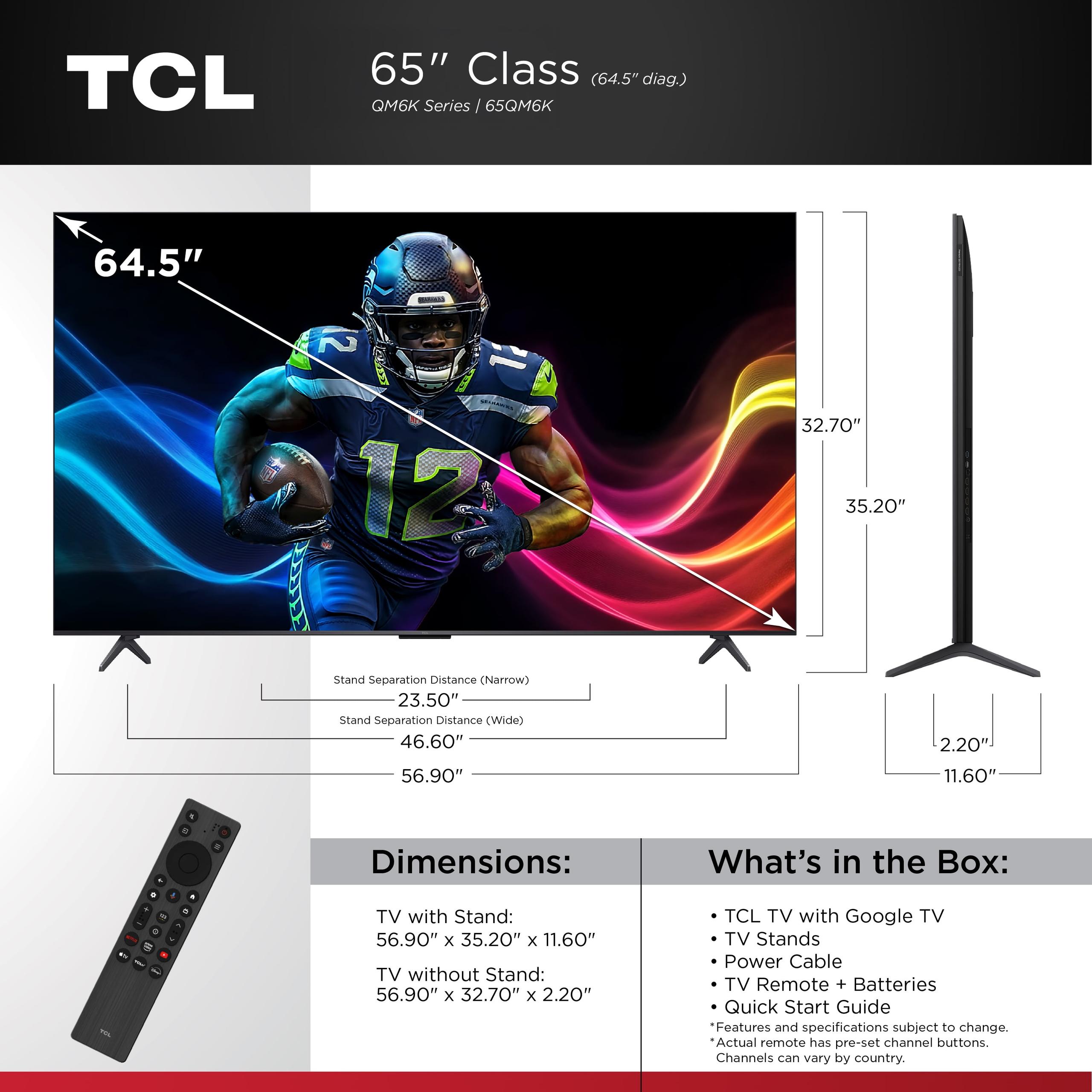
Both TVs are VESA wall mount compatible. The Samsung Frame Pro offers a major advantage with its Wireless One Connect Box, eliminating all visible cables for a clean wall installation. The TCL QM6K requires traditional cable management, which can be more challenging for wall mounting but costs significantly less overall.
The Samsung Frame Pro features premium build quality with customizable bezels and sophisticated wireless technology. Samsung generally offers strong long-term support and reliability. The TCL QM6K provides solid construction for its price point, though TCL's long-term support history is shorter than Samsung's established track record.
For dedicated home theaters, the TCL QM6K performs better with its glossy screen maximizing contrast and color vibrancy in controlled lighting. The Samsung Frame Pro works well in multi-purpose rooms but its matte coating reduces some visual impact in darkened environments. Both offer excellent picture quality for home theater use.
The Samsung Frame Pro provides 5 HDMI ports supporting 4K 144Hz, plus the innovative Wireless One Connect Box with Wi-Fi 5. The TCL QM6K includes 4 HDMI ports with eARC and Wi-Fi 6 support. The Samsung Frame Pro offers more ports and wireless flexibility, while the TCL QM6K has newer Wi-Fi standards.
Choose the Samsung Frame Pro if you want a TV that doubles as wall art, need wireless cable management, and budget allows for premium lifestyle features. Select the TCL QM6K if gaming performance is important, you want maximum value for picture quality, or you prefer traditional TV functionality without paying for design features you won't use.
We've done our best to create useful and informative comparisons to help you decide what product to buy. Our research uses advanced automated methods to create this comparison and perfection is not possible - please contact us for corrections or questions. These are the sites we've researched in the creation of this article: tomsguide.com - youtube.com - smarthomesounds.co.uk - images.samsung.com - rtings.com - samsung.com - bestbuy.com - bestbuy.com - businessinsider.com - dentonstv.com - samsung.com - flatpanelshd.com - samsung.com - jefflynch.com - youtube.com - costco.com - youtube.com - tomsguide.com - youtube.com - tcl.com - tomsguide.com - youtube.com - youtube.com - hometechnologyreview.com - rtings.com - bestbuy.com - tcl.com - youtube.com - youtube.com - bestbuy.com - youtube.com - youtube.com - youtube.com - tcl.com - youtube.com - walmart.com - tcl.com - displayspecifications.com - kitele.com - displayspecifications.com - flatpanelshd.com - woodruffappliance.com - displayspecifications.com - prnewswire.com - tcl.com - youtube.com - abt.com - youtube.com - tclkenya.co.ke - budgethomefurn.com

Privacy Policy
Terms and Conditions - Affiliate Policy
Home Security
© Copyright 2008-2026.
11816 Inwood Rd #1211, Dallas, TX 75244