

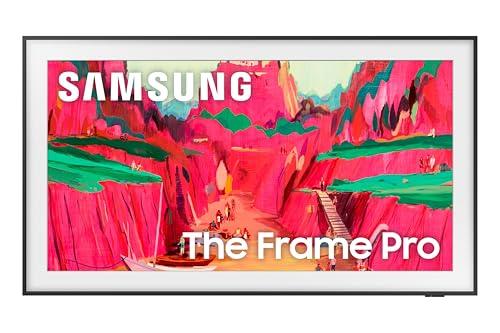
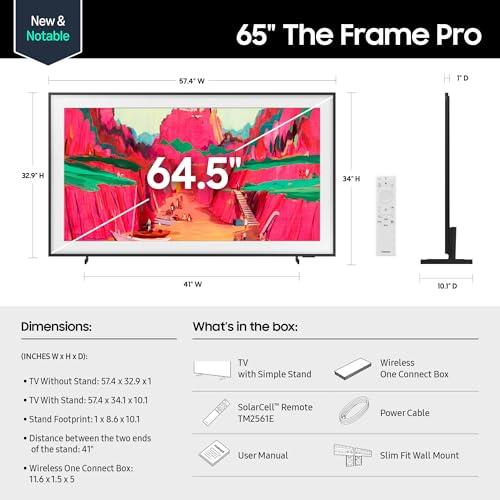




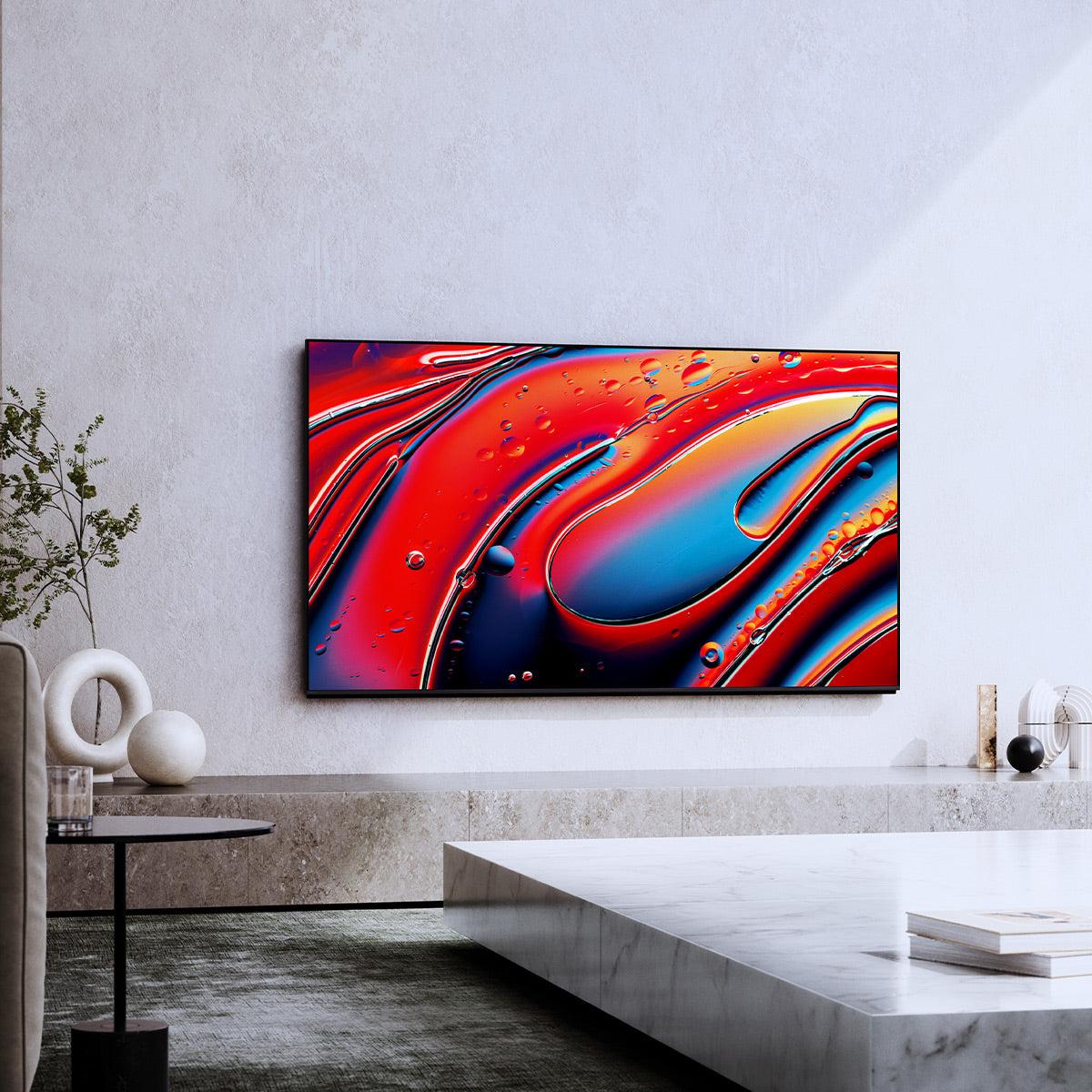
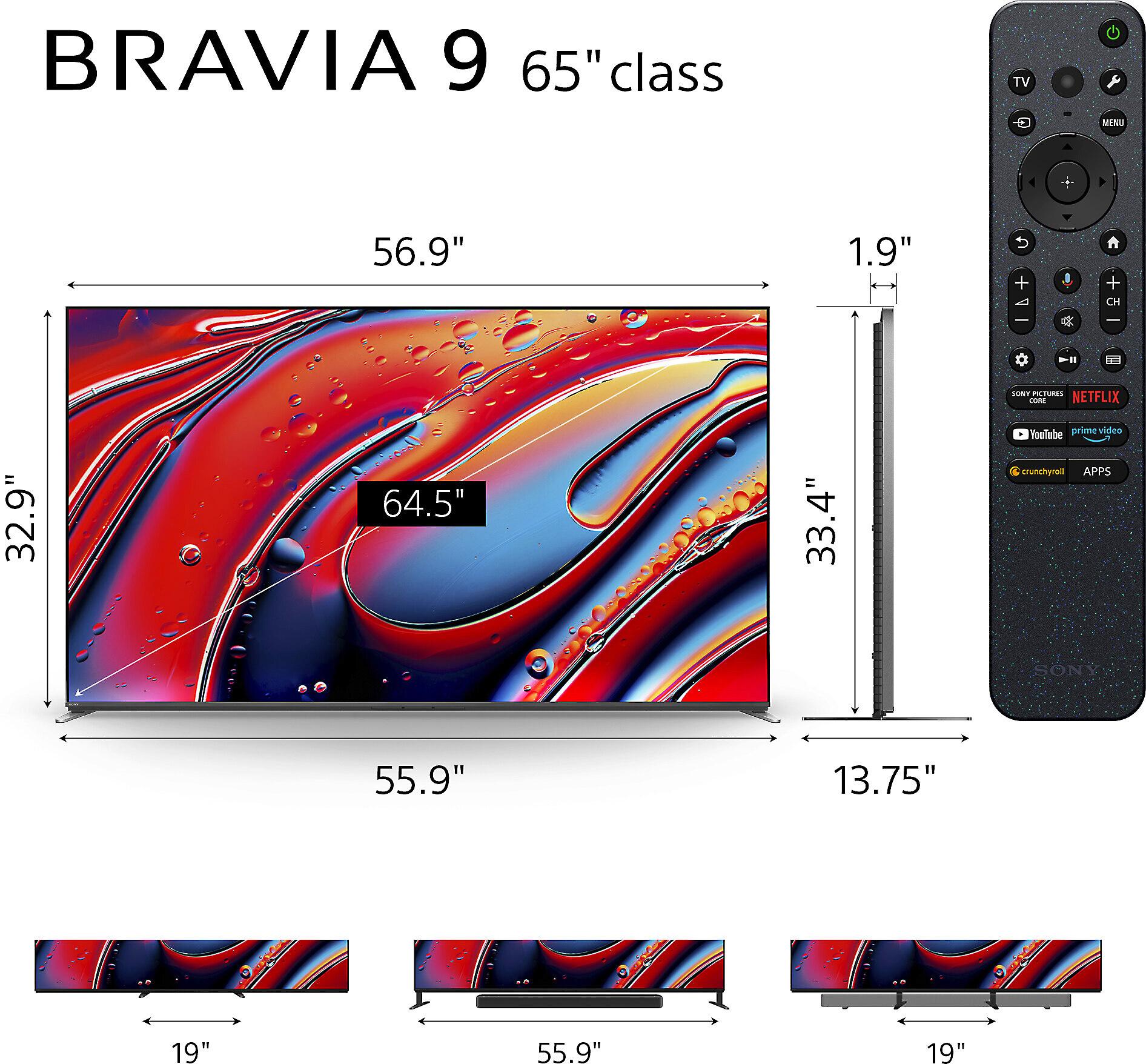
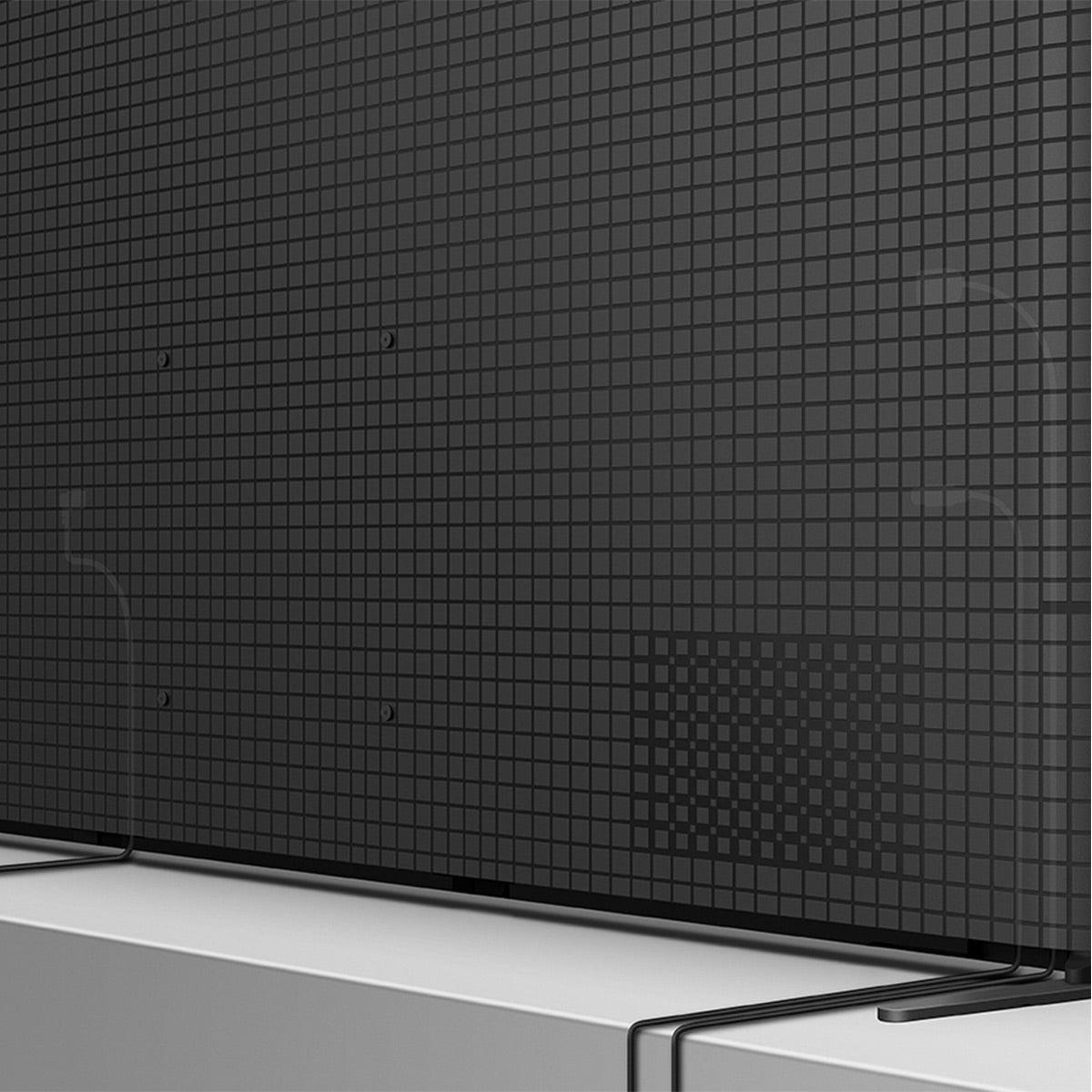
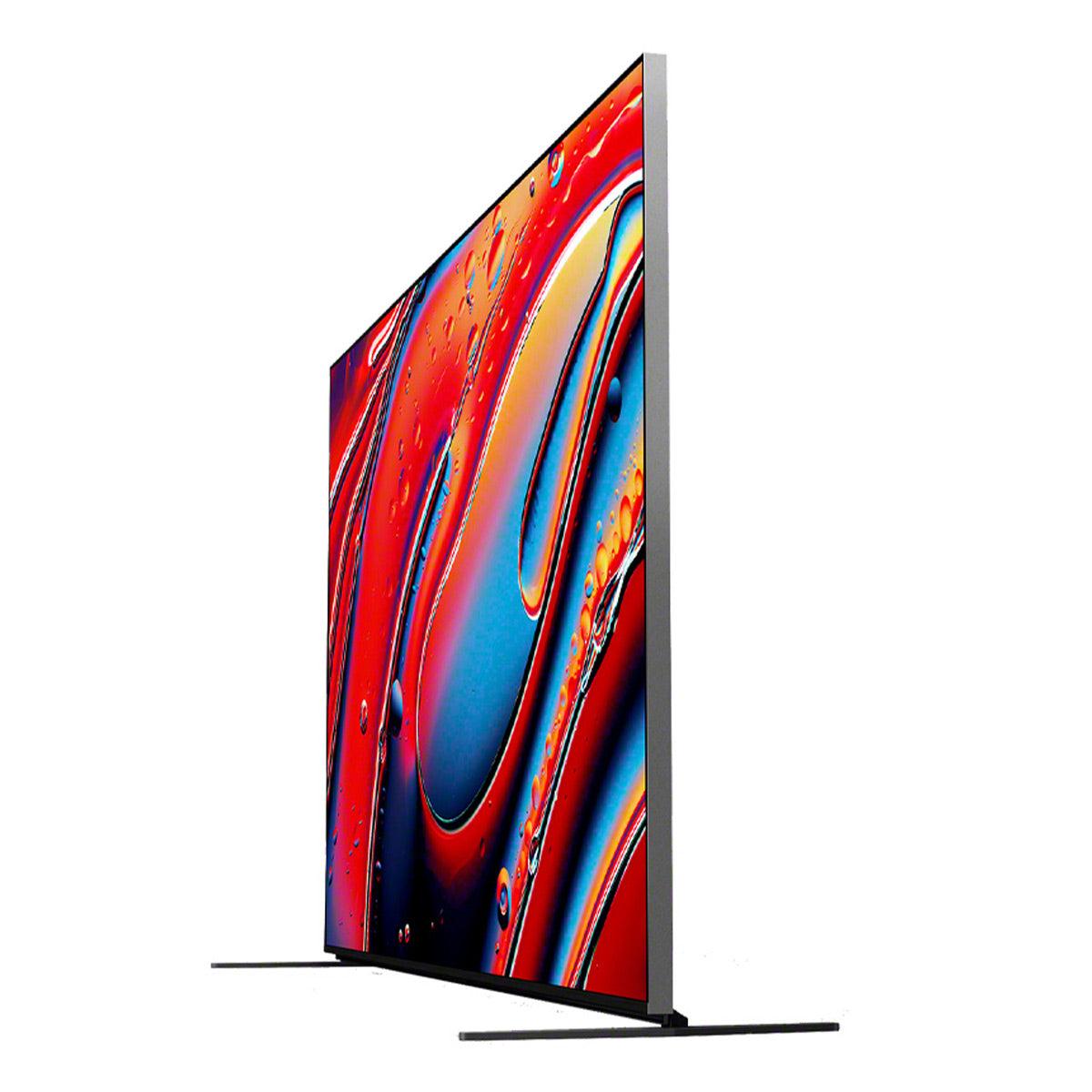
When you're ready to upgrade to a premium 65-inch TV, you'll likely encounter two very different philosophies in the Mini LED space. The Samsung Frame Pro, released in 2025, represents a revolutionary approach to home entertainment that doubles as living room art. Meanwhile, the Sony BRAVIA 9, launched in 2024, focuses purely on delivering the best possible picture quality for serious movie watching and gaming.
Both TVs use Mini LED technology—think of it as thousands of tiny LED lights behind the screen that can be individually controlled to create better contrast and brighter highlights than traditional LED TVs. However, these two models take dramatically different approaches to what a premium TV should be and do.
Mini LED technology emerged as the sweet spot between OLED's perfect blacks and traditional LED's superior brightness. Unlike OLED panels that can suffer from burn-in (permanent image retention from static content), Mini LED TVs can display bright content indefinitely without degradation. They're also significantly brighter than OLED screens, making them excellent choices for rooms with lots of windows or ambient light.
The key metrics that matter most in this category are peak brightness (measured in nits), local dimming zones (how many sections of the backlight can be independently controlled), color gamut coverage (how many colors the TV can display), and input lag for gaming. Both the Samsung Frame Pro and Sony BRAVIA 9 excel in these areas but emphasize different strengths.
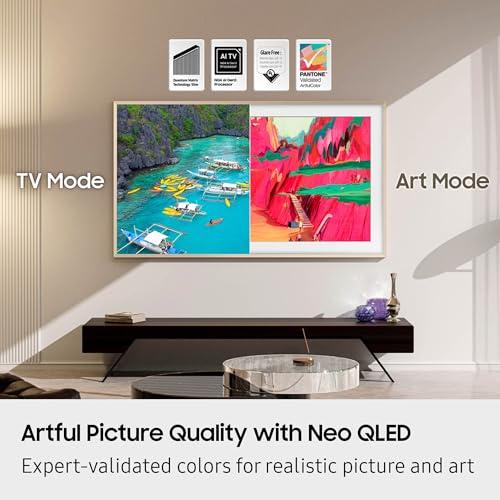
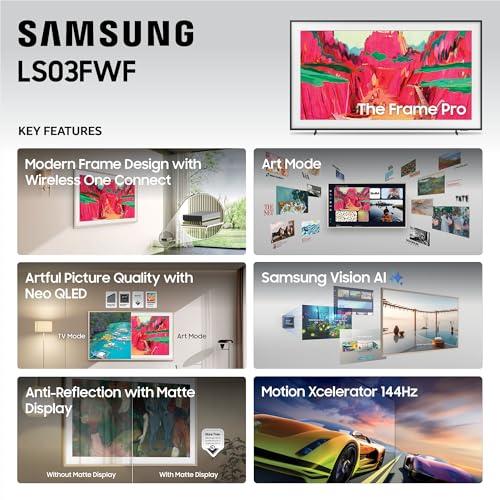
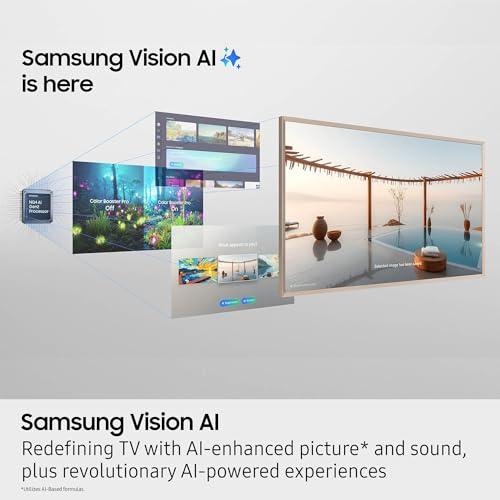
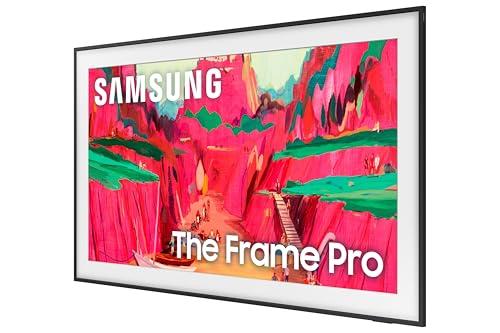
The most obvious difference between these TVs becomes apparent the moment you see them. The Samsung Frame Pro was designed from the ground up to disappear into your living space. When you're not watching content, it transforms into a digital art gallery, displaying museum-quality reproductions and personal photos with a matte anti-glare screen that mimics the look of actual artwork.
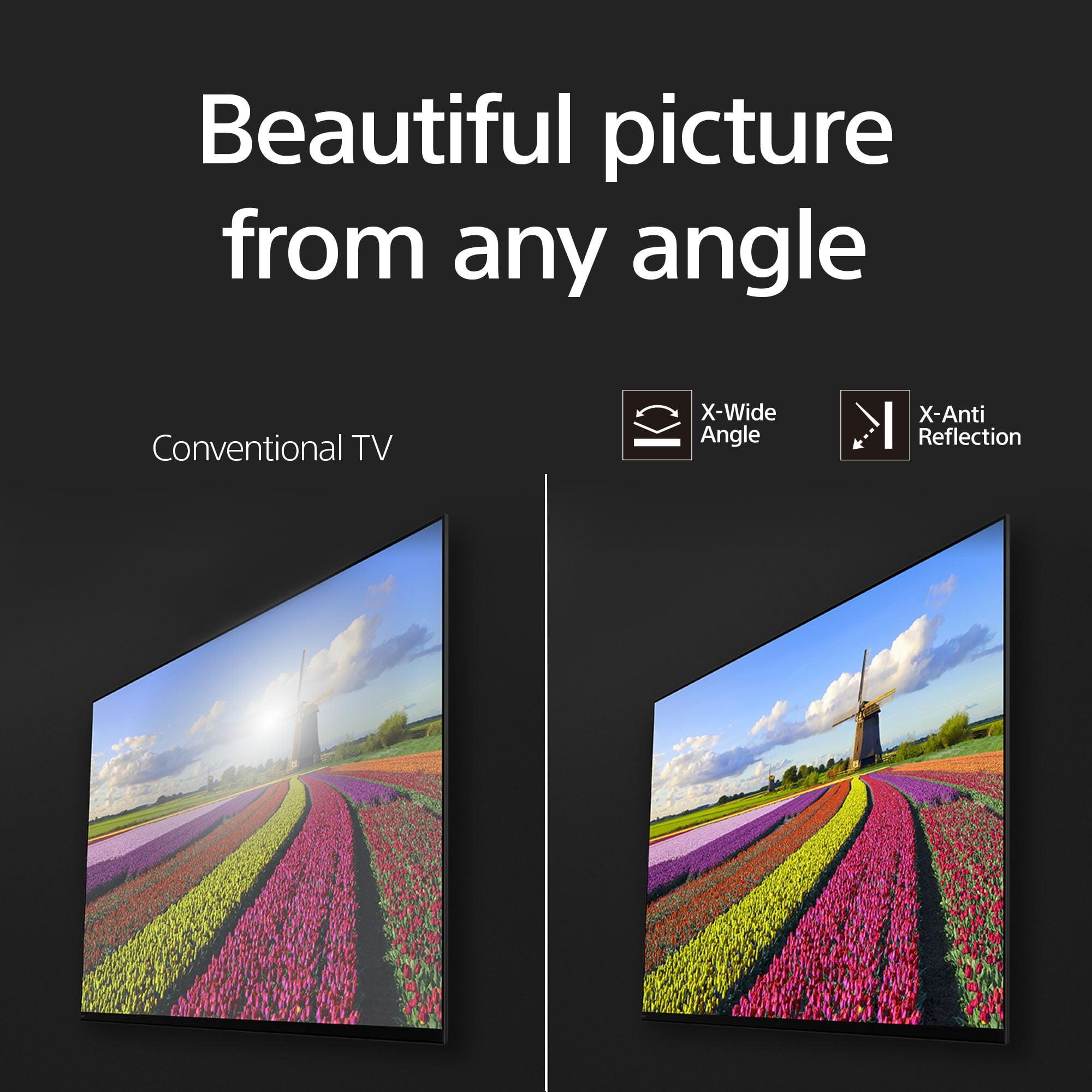
This isn't just a gimmick—Samsung has spent years refining the Frame series, and the 2025 Pro model finally addresses the performance complaints that plagued earlier versions. The matte screen eliminates reflections so effectively that artwork and video content look natural under any lighting condition, from bright sunny rooms to dimly lit evening spaces.
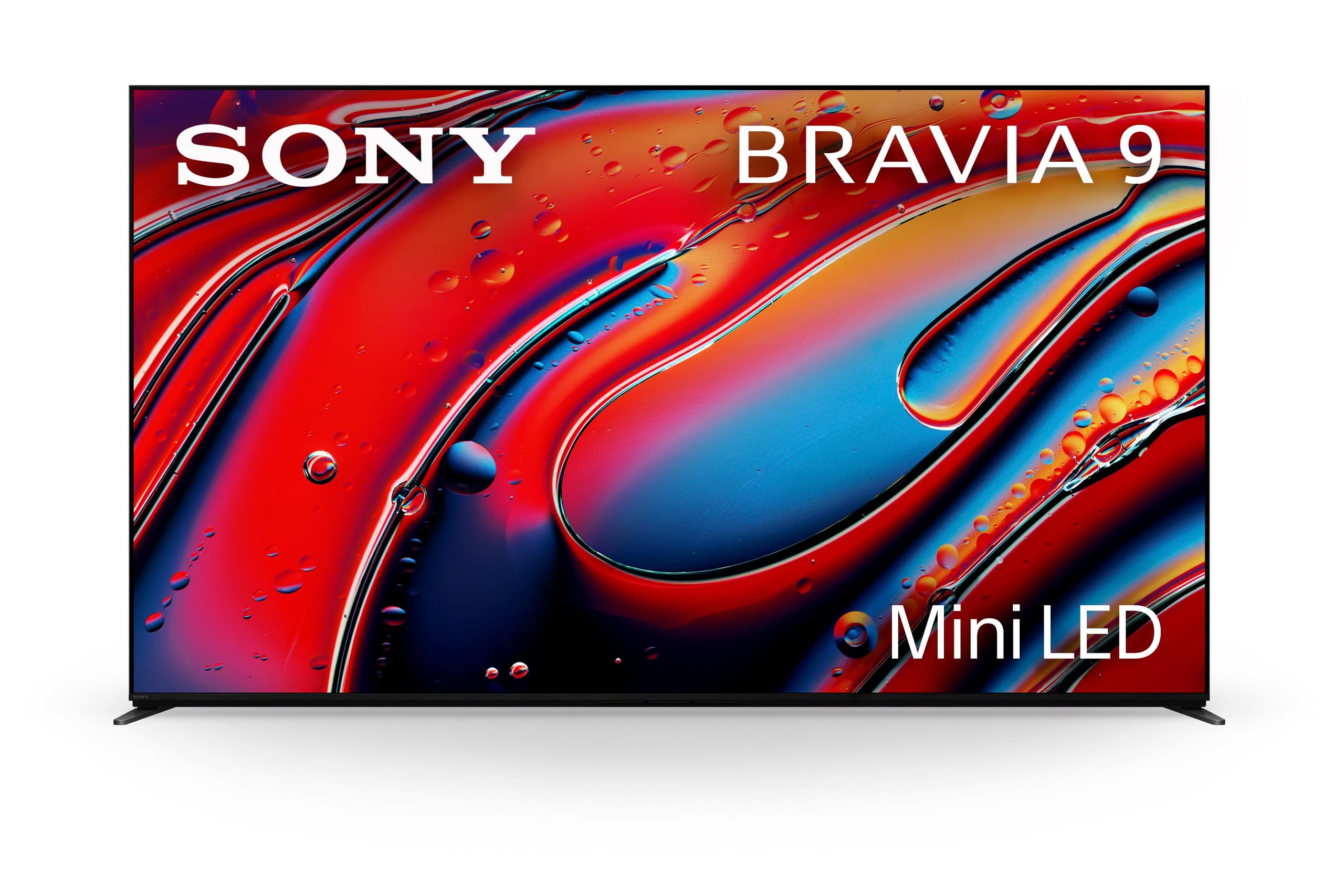
The Sony BRAVIA 9, on the other hand, makes no compromises for aesthetics. Sony designed this TV to match their professional mastering monitors used in Hollywood post-production facilities. The goal was simple: display content exactly as directors and cinematographers intended, with no artistic interpretation from the TV itself.
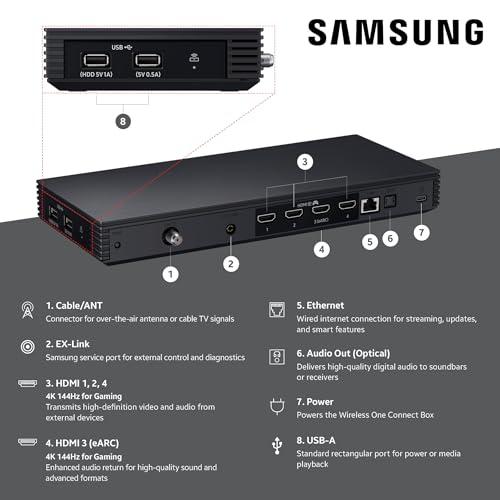
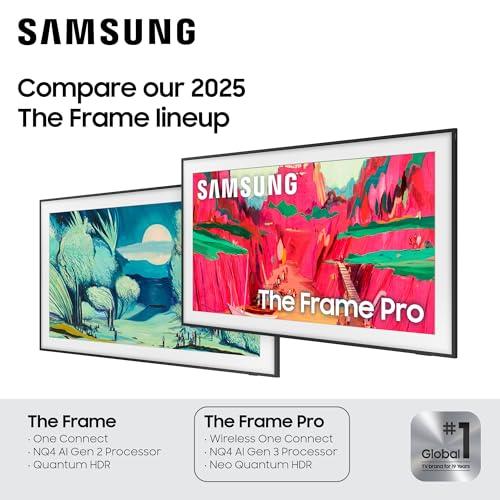
Perhaps the most groundbreaking feature of the Samsung Frame Pro is its Wireless One Connect Box. Instead of running cables directly to the TV, all your devices connect to a separate box that transmits video and audio wirelessly using Wi-Fi 7 technology. The box can be placed up to 33 feet away from the TV, even through walls and obstacles.
This innovation completely eliminates visible cables, which is crucial for maintaining the Frame Pro's gallery aesthetic. You can mount the TV flush against the wall like a painting while keeping all your gaming consoles, cable boxes, and streaming devices hidden in a cabinet across the room. The wireless transmission supports full 4K resolution at 144Hz with no apparent quality loss.
However, this wireless approach does introduce some limitations. If the wireless connection fails, you're left with only a single micro HDMI port on the TV itself as a backup—not exactly elegant when you need to connect multiple devices. For most users, the wireless connection proves reliable, but it does represent a single point of failure that traditional TVs don't have.
The Sony BRAVIA 9 sticks with proven wired connections, offering four HDMI ports with two supporting the full HDMI 2.1 specification. While this means dealing with cable management, it also ensures absolute reliability for gaming and other latency-sensitive applications.
Both TVs deliver exceptional picture quality, but they achieve it through different approaches. Our research into professional reviews and user feedback reveals some interesting performance differences that matter depending on your viewing habits.
The Samsung Frame Pro reaches peak brightness levels around 1,000 nits—a massive improvement over the standard Frame's 400 nits. This makes HDR content really pop, especially in bright rooms. The quantum dot layer enhances color saturation, producing vibrant images that grab your attention. The TV covers about 93% of the UHDA-P3 color space, which is impressive for any display.
However, the Frame Pro's local dimming system isn't as sophisticated as some competitors. Local dimming is the technology that selectively brightens or darkens different areas of the screen to improve contrast. With fewer dimming zones and less aggressive processing, the Frame Pro can't achieve the deep blacks that make dark movie scenes truly cinematic.
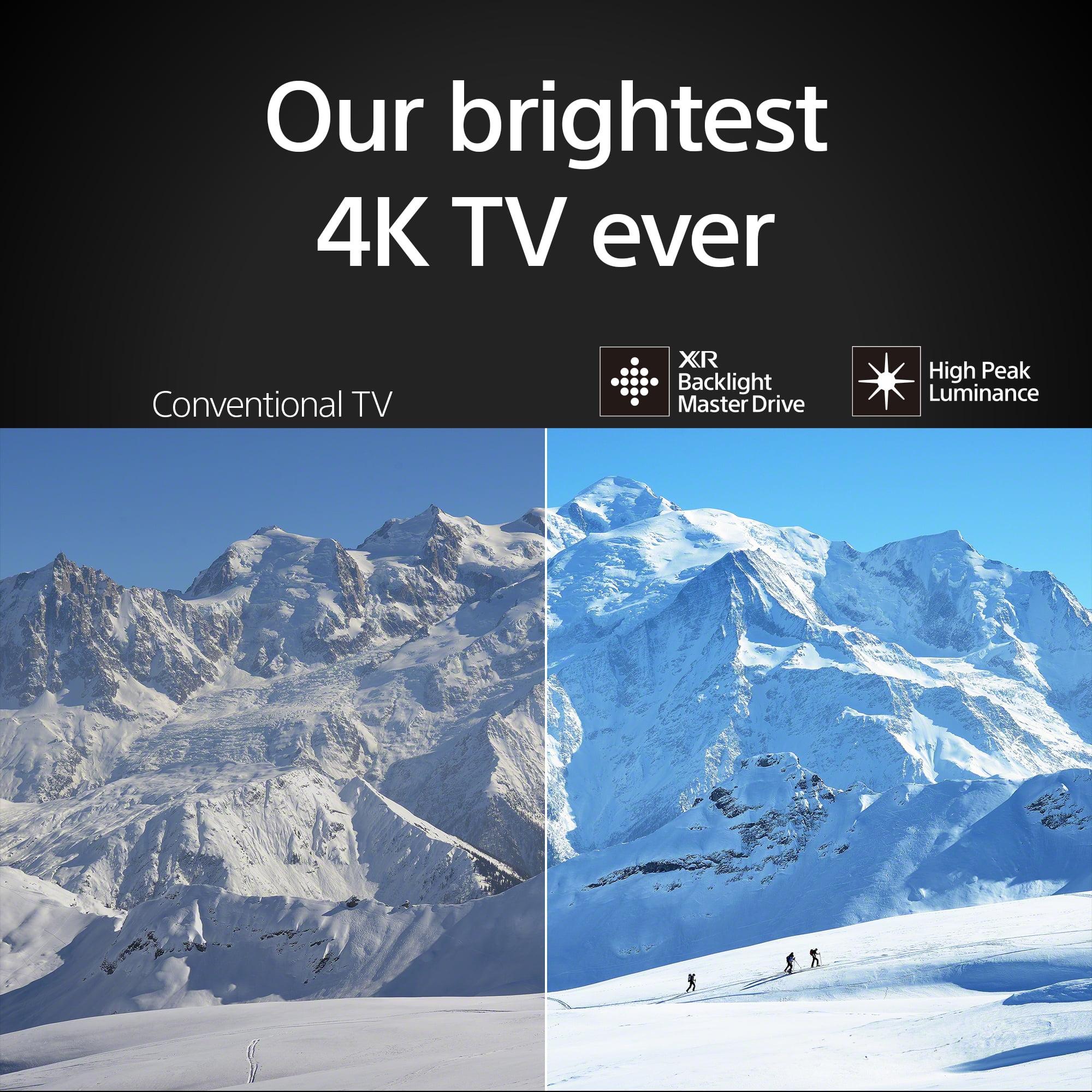
The Sony BRAVIA 9 takes a more nuanced approach to picture quality. Sony's XR Backlight Master Drive uses what they claim are the smallest LED controllers in the industry, allowing for more precise control over brightness and contrast. This results in better black depth and less blooming (unwanted light spill around bright objects in dark scenes).
Sony's color processing also prioritizes accuracy over saturation. While colors might not appear as immediately vibrant as Samsung's, they're more faithful to what content creators intended. This makes the BRAVIA 9 particularly appealing for movie enthusiasts who want to see films as directors envisioned them.
For HDR performance, both TVs support all major formats, including Dolby Vision on the Sony (which Samsung still doesn't support). The Sony BRAVIA 9 generally handles the subtle gradations in HDR content better, while the Samsung Frame Pro impresses with sheer brightness and impact.
Gaming performance reveals another area where these TVs target different users. The Samsung Frame Pro offers a 144Hz refresh rate—higher than most TVs and beneficial for PC gaming with high-end graphics cards. All HDMI ports support 4K at 144Hz, and the TV includes Variable Refresh Rate (VRR) support to eliminate screen tearing.
However, input lag measurements from professional reviews show the Frame Pro averaging over 30 milliseconds in most modes. Input lag is the delay between pressing a button on your controller and seeing the action on screen. While 30ms isn't terrible for casual gaming, it's significantly higher than most modern TVs and could frustrate competitive gamers.
The wireless connection adds another variable to gaming performance. While Samsung claims the wireless transmission adds minimal latency, any wireless technology introduces some delay. Serious gamers might need to use that single micro HDMI port on the TV itself for the most responsive experience.
The Sony BRAVIA 9 takes a more traditional but reliable approach to gaming. It maxes out at 120Hz refresh rate but offers much better input lag performance—typically under 15ms in game mode. Two of its HDMI ports support the full HDMI 2.1 specification with 4K at 120Hz, VRR, and Auto Low Latency Mode.
Sony also optimizes specifically for PlayStation 5 gaming, with features like Auto HDR Tone Mapping that enhances the console's HDR output. If you're primarily a console gamer, the BRAVIA 9's more responsive performance and proven compatibility make it the safer choice.
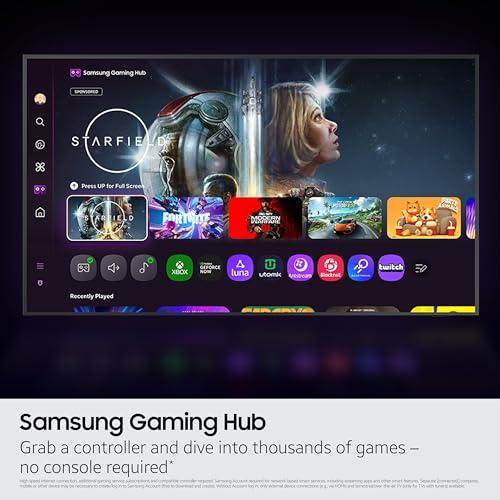
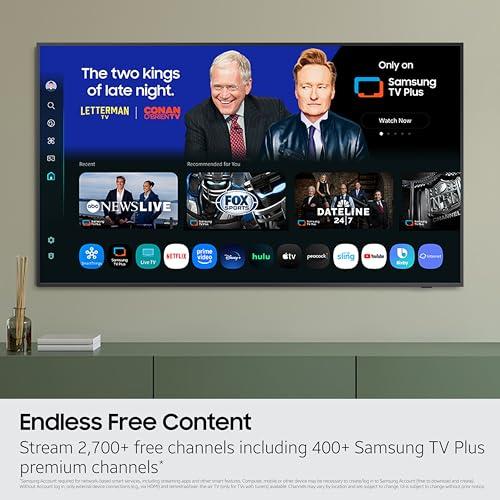
Both TVs offer comprehensive smart features, but with different approaches to content discovery and control. The Samsung Frame Pro runs Samsung's Tizen platform, which provides access to all major streaming services and includes built-in voice control through Alexa and Bixby.
The standout feature remains Art Mode, which gives you access to over 3,000 curated artworks through Samsung's Art Store. You can also display personal photos with various matting and framing options. The TV includes motion sensors that automatically switch between Art Mode and screensaver to save energy when no one's in the room.
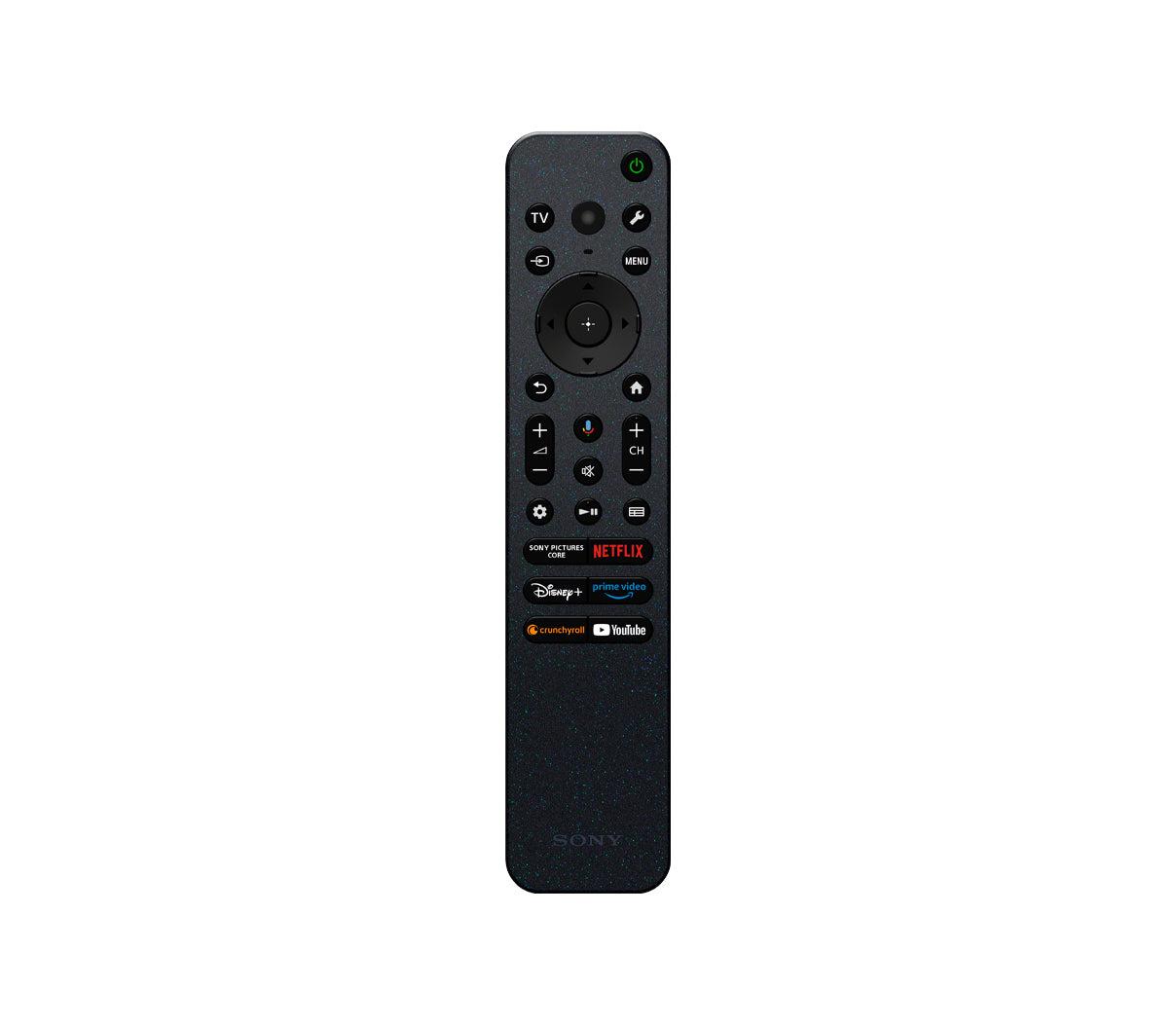
The Sony BRAVIA 9 uses Google TV, which excels at content discovery across multiple streaming services. Google's recommendation engine learns your preferences and surfaces content from Netflix, Disney+, Prime Video, and other services in a unified interface. Voice control through Google Assistant feels more natural and comprehensive than Samsung's implementation.
Audio represents one area where the Sony BRAVIA 9 clearly outperforms the Samsung Frame Pro. Sony's Acoustic Multi-Audio+ system includes up-firing speakers that create a more immersive soundstage. The 70-watt, 2.2.2-channel setup with beam tweeters positioned around the screen edges produces sound that appears to come from different parts of the image.
Sony's Voice Zoom 3 technology also makes dialogue easier to understand—a common complaint with modern movies and TV shows. The TV supports Dolby Atmos and can sync with compatible Sony soundbars for an even more expansive audio experience.
The Samsung Frame Pro includes a more modest 40-watt, 2.0.2-channel system. While it supports Dolby Atmos and Object Tracking Sound (which moves audio effects across the screen to match the action), the overall output feels less powerful and immersive than Sony's implementation. Samsung's Q-Symphony technology does allow seamless integration with their soundbars, maintaining the clean wireless aesthetic.
At the time of writing, the Samsung Frame Pro typically costs several hundred dollars less than the Sony BRAVIA 9, making it the more accessible option for flagship Mini LED performance. When you factor in the dual functionality as an art display and the innovative wireless connectivity, the Frame Pro offers unique value that's difficult to quantify purely on picture quality metrics.
The Sony BRAVIA 9 commands a premium price that reflects its superior picture processing, better audio system, and proven gaming performance. For buyers who prioritize pure performance over lifestyle features, the extra cost delivers measurable benefits in image quality and user experience.
Both TVs represent significant investments, but they target different priorities. The Frame Pro's value proposition centers on its revolutionary approach to living room integration, while the BRAVIA 9's pricing reflects its position as a no-compromise performance display.
In a dedicated home theater environment, the Sony BRAVIA 9 emerges as the clear choice. Its superior local dimming, more accurate colors, and better black depth make it ideal for movie watching in controlled lighting conditions. The more powerful audio system also reduces the immediate need for a separate sound system.
The BRAVIA 9's traditional connectivity ensures reliable performance with all your home theater components, from 4K Blu-ray players to gaming consoles. Sony's reputation for long-term software support and color accuracy also appeals to serious home theater enthusiasts.
The Samsung Frame Pro could work in a home theater, but its design priorities limit its effectiveness in that environment. The matte anti-glare coating, while excellent for bright rooms, can make images appear less sharp and vibrant in dark viewing conditions. The wireless connectivity, while innovative, introduces potential reliability concerns for critical viewing sessions.
Choose the Samsung Frame Pro if you value innovation and lifestyle integration above pure performance metrics. It's ideal for buyers who want their TV to enhance their living space even when turned off, those dealing with challenging bright room conditions, and anyone frustrated with cable management in modern home setups.
The Frame Pro makes the most sense for casual viewers who prioritize convenience and aesthetics. If you primarily watch streaming content, appreciate the art display functionality, and don't need the absolute best gaming performance, the Frame Pro offers a unique value proposition that no other TV can match.
Select the Sony BRAVIA 9 if picture quality and performance are your top priorities. It's the better choice for movie enthusiasts, serious gamers, content creators who need color accuracy, and anyone planning to use their TV primarily for entertainment rather than decoration.
The BRAVIA 9 particularly appeals to buyers who want traditional reliability, superior audio without additional equipment, and the best possible performance regardless of price. If you're building a dedicated viewing space or upgrading from an older high-end TV, the Sony delivers the technical excellence you're likely expecting.
Both TVs represent the cutting edge of Mini LED technology, but they serve fundamentally different needs. The Samsung Frame Pro revolutionizes how TVs integrate into our living spaces, while the Sony BRAVIA 9 perfects the traditional approach to home entertainment displays. Your choice ultimately depends on whether you prioritize innovation and lifestyle enhancement or pure performance excellence.
| Samsung 65" The Frame Pro 4K Neo QLED Smart TV 2025 | Sony BRAVIA 9 65" 4K UHD Mini LED QLED Smart Google TV |
|---|---|
| Peak Brightness - Critical for HDR impact and bright room viewing | |
| 1,000+ nits (excellent for most rooms) | Similar brightness but better local dimming control |
| Design Philosophy - Determines how the TV fits your lifestyle | |
| Dual-purpose TV/art display with customizable bezels | Traditional premium TV focused on picture quality |
| Connectivity Innovation - Major differentiator for installation | |
| Wireless One Connect Box eliminates all cables | Traditional wired HDMI connections (more reliable) |
| Gaming Performance - Important for console and PC gaming | |
| 144Hz refresh rate but 30ms+ input lag | 120Hz refresh rate with sub-15ms input lag |
| Local Dimming - Affects contrast and black depth in dark scenes | |
| Basic local dimming (adequate but not exceptional) | Advanced XR Backlight Master Drive (superior control) |
| Audio System - Determines if you need a soundbar | |
| 40W 2.0.2CH system (modest performance) | 70W 2.2.2CH with Acoustic Multi-Audio+ (much better) |
| Smart Platform - Affects app selection and user experience | |
| Samsung Tizen with Art Mode integration | Google TV with superior content discovery |
| Screen Finish - Impacts viewing in different lighting conditions | |
| Matte anti-glare (eliminates reflections, softer image) | Traditional glossy finish (sharper but more reflective) |
| HDR Support - Affects premium content quality | |
| HDR10, HDR10+, HLG (missing Dolby Vision) | HDR10, Dolby Vision, HLG (more comprehensive) |
| Color Accuracy - Important for movies and content creation | |
| Vibrant, saturated colors (consumer-friendly) | Cinema-accurate colors (professional calibration) |
| Unique Features - Special capabilities that set each apart | |
| Art Mode with 3,000+ artworks, wireless installation | Professional color matching, superior motion clarity |
| Best For - Who should choose this TV | |
| Design-conscious buyers wanting lifestyle integration | Movie enthusiasts and serious gamers prioritizing performance |
The Sony BRAVIA 9 delivers superior overall picture quality with better black depth, more accurate colors, and advanced local dimming technology. While the Samsung Frame Pro offers impressive brightness and vibrant colors, Sony's professional-grade color processing and contrast control make it the better choice for critical viewing.
The Samsung Frame Pro is worth buying if you prioritize lifestyle integration and innovative features like Art Mode and wireless connectivity. However, if pure performance matters most, the Sony BRAVIA 9 provides better picture quality, superior audio, and more reliable gaming performance for the price difference.
The Sony BRAVIA 9 is significantly better for gaming, offering input lag under 15ms compared to the Samsung Frame Pro's 30ms+ delay. While the Frame Pro supports 144Hz refresh rate, the Sony's faster response time and proven console compatibility make it the superior gaming choice.
Yes, the Samsung Frame Pro genuinely resembles framed artwork when displaying images through Art Mode. The matte anti-glare screen eliminates reflections, customizable bezels match your decor, and the wireless connectivity removes all visible cables for a clean gallery aesthetic.
Both the Samsung Frame Pro and Sony BRAVIA 9 achieve similar peak brightness around 1,000 nits. The key difference is that the Frame Pro's matte screen handles bright room reflections better, while the Sony's glossy screen delivers sharper images in controlled lighting conditions.
The Samsung Frame Pro's Wireless One Connect Box proves reliable for most users, transmitting 4K content up to 33 feet without quality loss. However, it does create a single point of failure compared to traditional wired connections on the Sony BRAVIA 9, which offers more dependable connectivity.
The Sony BRAVIA 9 offers superior smart features with Google TV's excellent content discovery and voice control. While the Samsung Frame Pro provides comprehensive app support through Tizen, Sony's platform delivers better recommendations and more intuitive navigation across streaming services.
If you don't value Art Mode, the Samsung Frame Pro becomes harder to justify over the Sony BRAVIA 9. Without the lifestyle integration benefits, Sony's superior picture quality, better audio system, and lower input lag make it the more compelling choice for pure entertainment viewing.
The Sony BRAVIA 9 delivers significantly better built-in audio with its 70-watt Acoustic Multi-Audio+ system compared to the Samsung Frame Pro's 40-watt speakers. Sony's up-firing tweeters and Voice Zoom technology create a more immersive soundstage that may eliminate the need for additional audio equipment.
The Samsung Frame Pro works adequately for home theater but isn't optimal due to its matte screen reducing image sharpness in dark rooms. The Sony BRAVIA 9 excels in dedicated theater environments with superior black depth, accurate colors, and better motion handling for cinematic content.
Value depends on priorities: the Samsung Frame Pro offers unique wireless connectivity and art display functionality at a lower price point, while the Sony BRAVIA 9 delivers superior performance across picture quality, audio, and gaming. Choose based on whether you prioritize innovation or pure performance.
Both TVs support standard VESA wall mounting, but the Samsung Frame Pro excels here with its wireless design eliminating cable management concerns. The Sony BRAVIA 9 requires traditional cable routing, making the Frame Pro significantly easier to install for a clean, gallery-like appearance.
We've done our best to create useful and informative comparisons to help you decide what product to buy. Our research uses advanced automated methods to create this comparison and perfection is not possible - please contact us for corrections or questions. These are the sites we've researched in the creation of this article: tomsguide.com - youtube.com - smarthomesounds.co.uk - images.samsung.com - rtings.com - samsung.com - bestbuy.com - bestbuy.com - businessinsider.com - dentonstv.com - samsung.com - flatpanelshd.com - samsung.com - jefflynch.com - youtube.com - costco.com - bestbuy.com - bestbuy.com - youtube.com - whathifi.com - crutchfield.com - rtings.com - pcrichard.com - merlinstv.com - youtube.com - sony.ca - electronics.sony.com

Privacy Policy
Terms and Conditions - Affiliate Policy
Home Security
© Copyright 2008-2026.
11816 Inwood Rd #1211, Dallas, TX 75244