



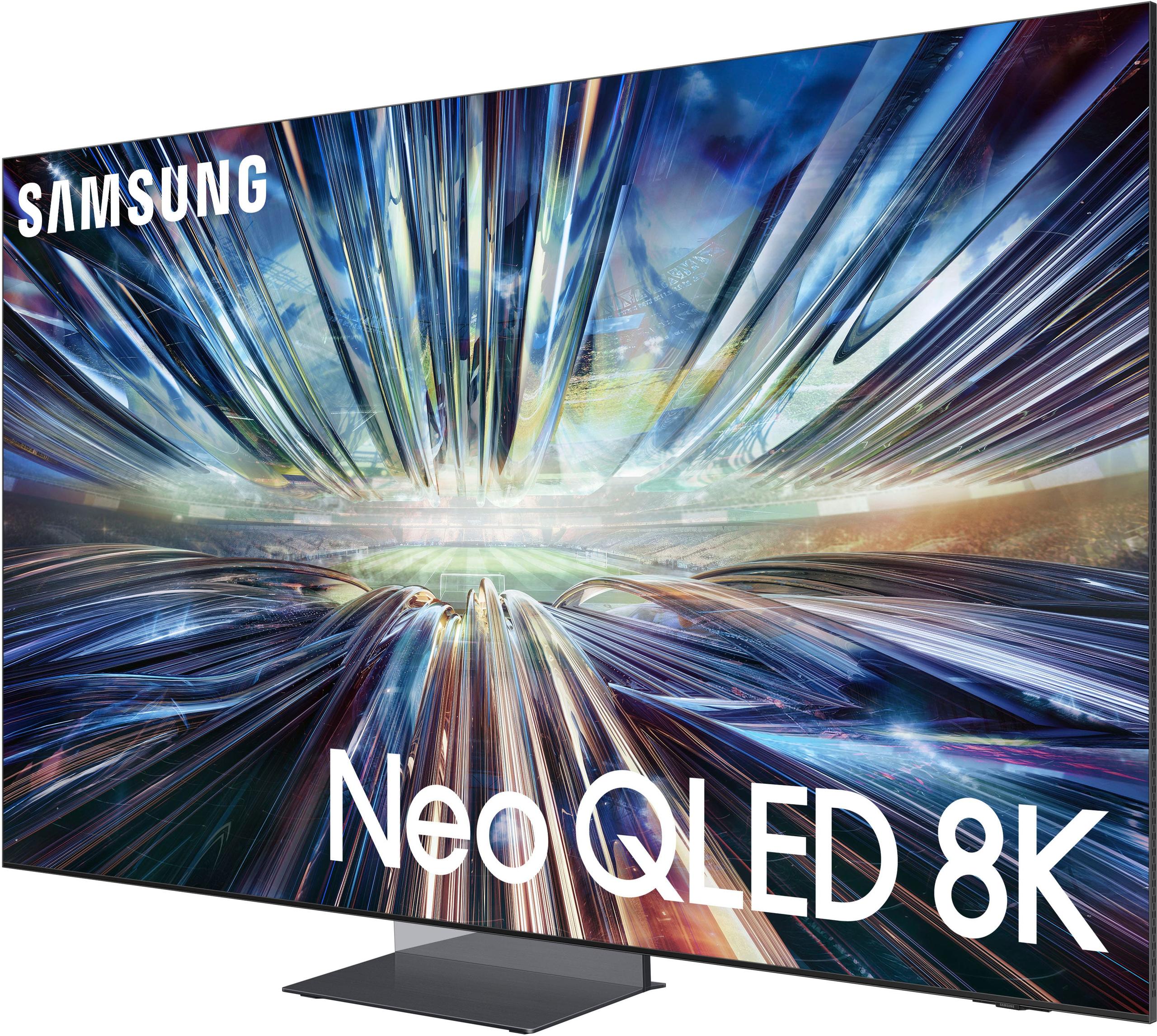


When Samsung released both the Frame Pro and QN900D in 2024, they created an interesting choice for premium TV buyers. Both use Samsung's impressive Neo QLED technology (which combines quantum dot color with Mini LED backlighting for brighter, more colorful pictures), but they serve completely different purposes. One prioritizes style and living room integration, while the other focuses purely on delivering the best possible picture and gaming performance money can buy.
After researching extensive user feedback and professional reviews, it's clear these TVs represent two distinct philosophies about what a premium television should be. The Frame Pro asks "what if your TV could disappear when you're not watching it?" while the QN900D asks "what's the absolute best viewing experience we can create?" Both approaches have merit, but understanding the differences is crucial for making the right choice.
Before diving into specifics, it helps to understand what Neo QLED actually means. Traditional LED TVs use large LED lights behind the screen, which can cause light to bleed into dark areas of the picture. Neo QLED uses thousands of tiny Mini LEDs (about 1/40th the size of regular LEDs) that can be controlled in precise zones. This creates much brighter highlights and better contrast. Add Samsung's quantum dot layer, which converts light into pure, vibrant colors, and you get the foundation both TVs share.
Where they diverge dramatically is in their implementation and priorities. The Frame Pro uses this technology to create a TV that can convincingly mimic a picture frame when displaying art, while the QN900D uses it to push the boundaries of what's technically possible in home entertainment.
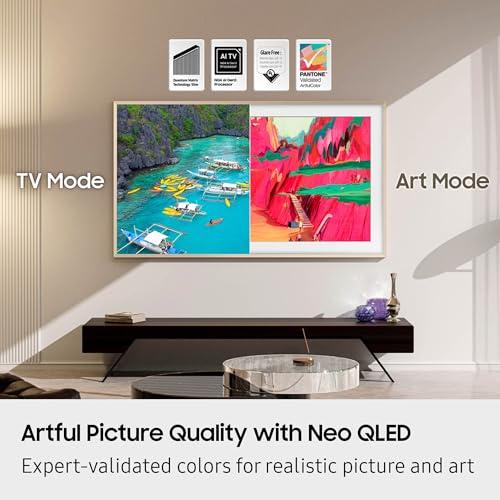
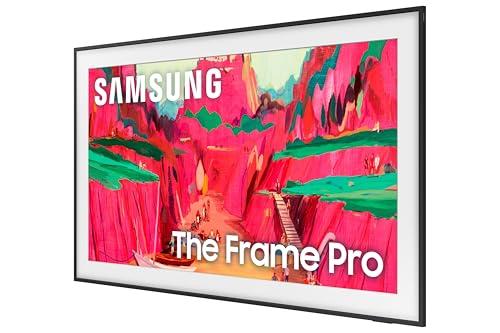
The most obvious difference between these TVs is their approach to living in your home. The Frame Pro was designed around a simple premise: most TVs look like black rectangles when they're off, which isn't particularly attractive in a well-designed room. Samsung solved this by creating a TV that transforms into a digital art gallery when not in use.
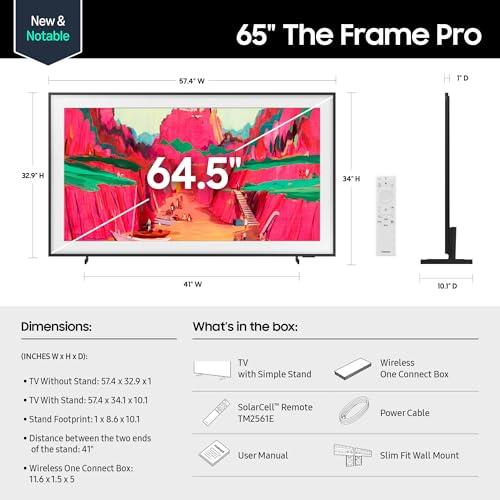
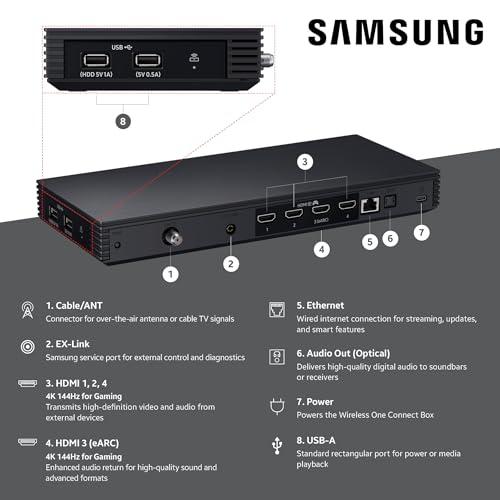
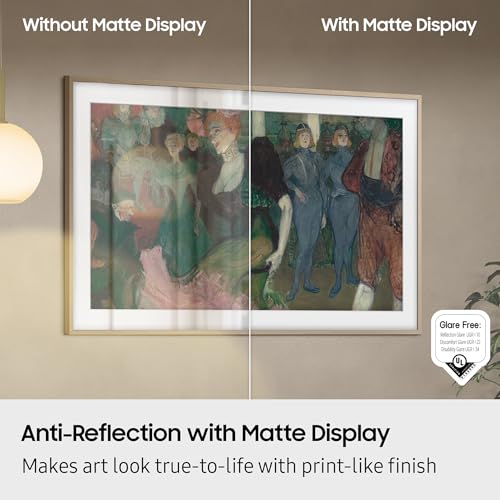
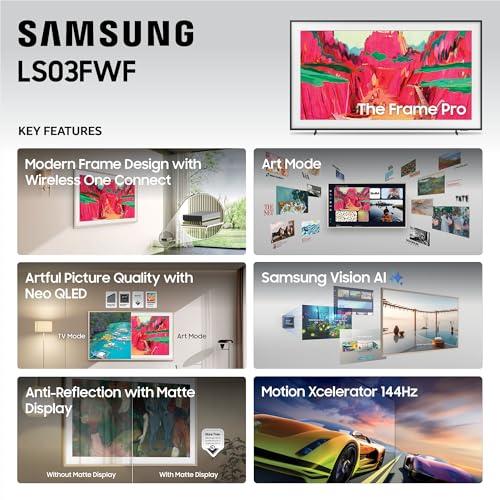
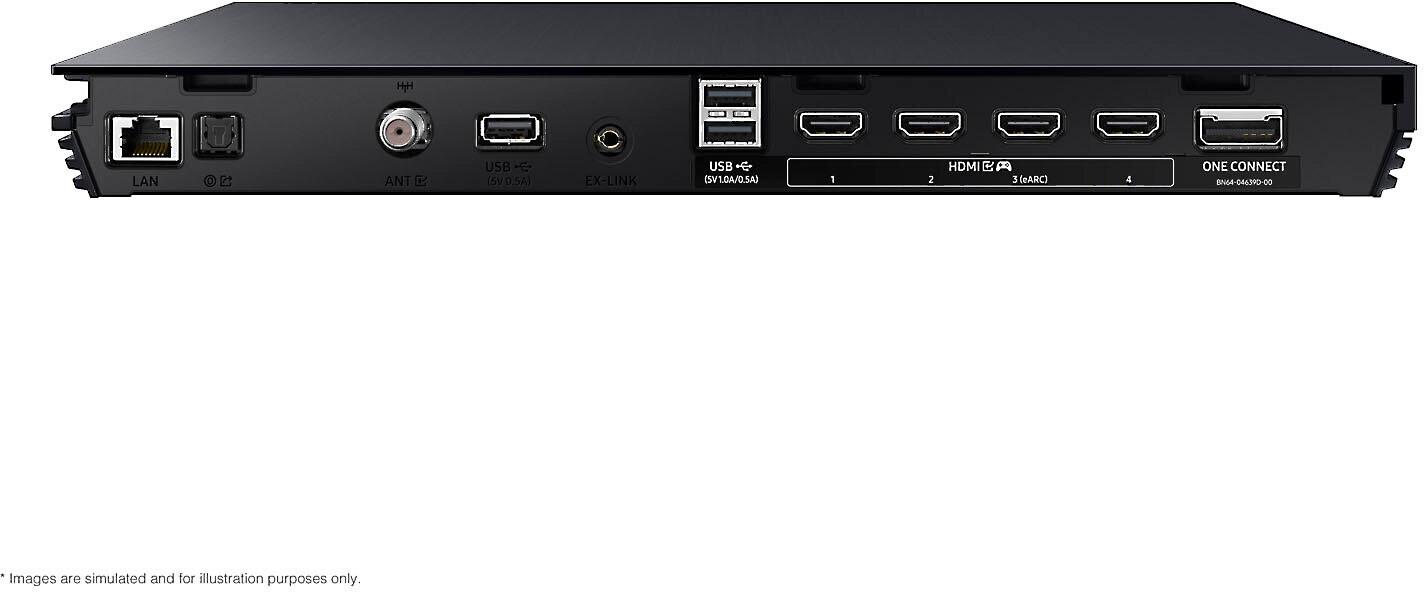
The matte anti-reflection screen is genuinely impressive - it eliminates the mirror-like reflections that plague most TVs in bright rooms. Combined with customizable bezels that can match your décor, the Frame Pro can genuinely disappear into a gallery wall setup. The wireless One Connect Box (which houses all the ports and processing) can be hidden up to 33 feet away, meaning zero visible cables on your wall-mounted TV.
This wireless transmission technology, introduced in 2024, represents a significant engineering achievement. Using Wi-Fi 7 and what Samsung calls "Omni-Directional Technology," it maintains full 4K quality even through walls and obstacles. For anyone who's struggled with cable management in a living room, this solves a major aesthetic problem.
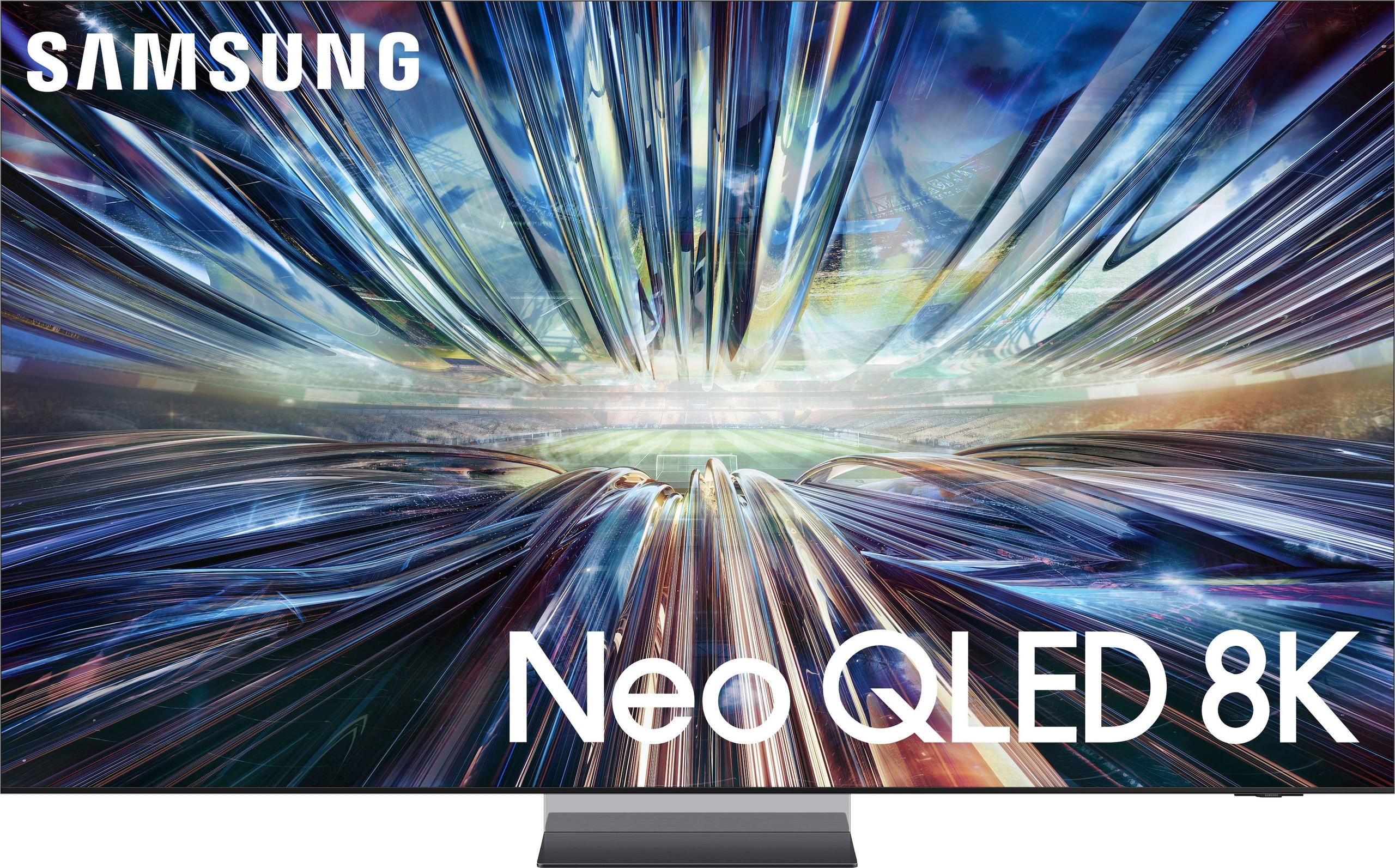
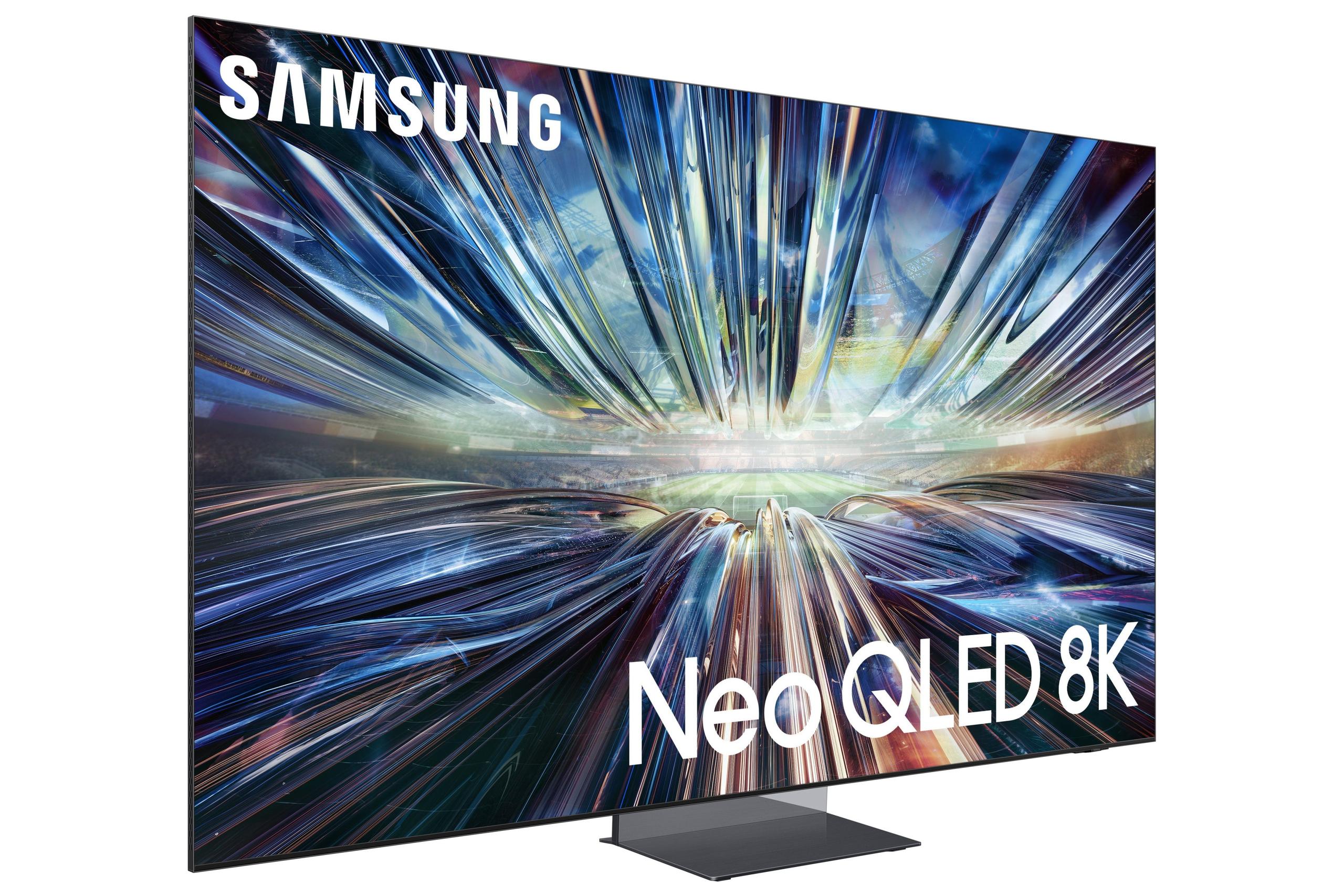
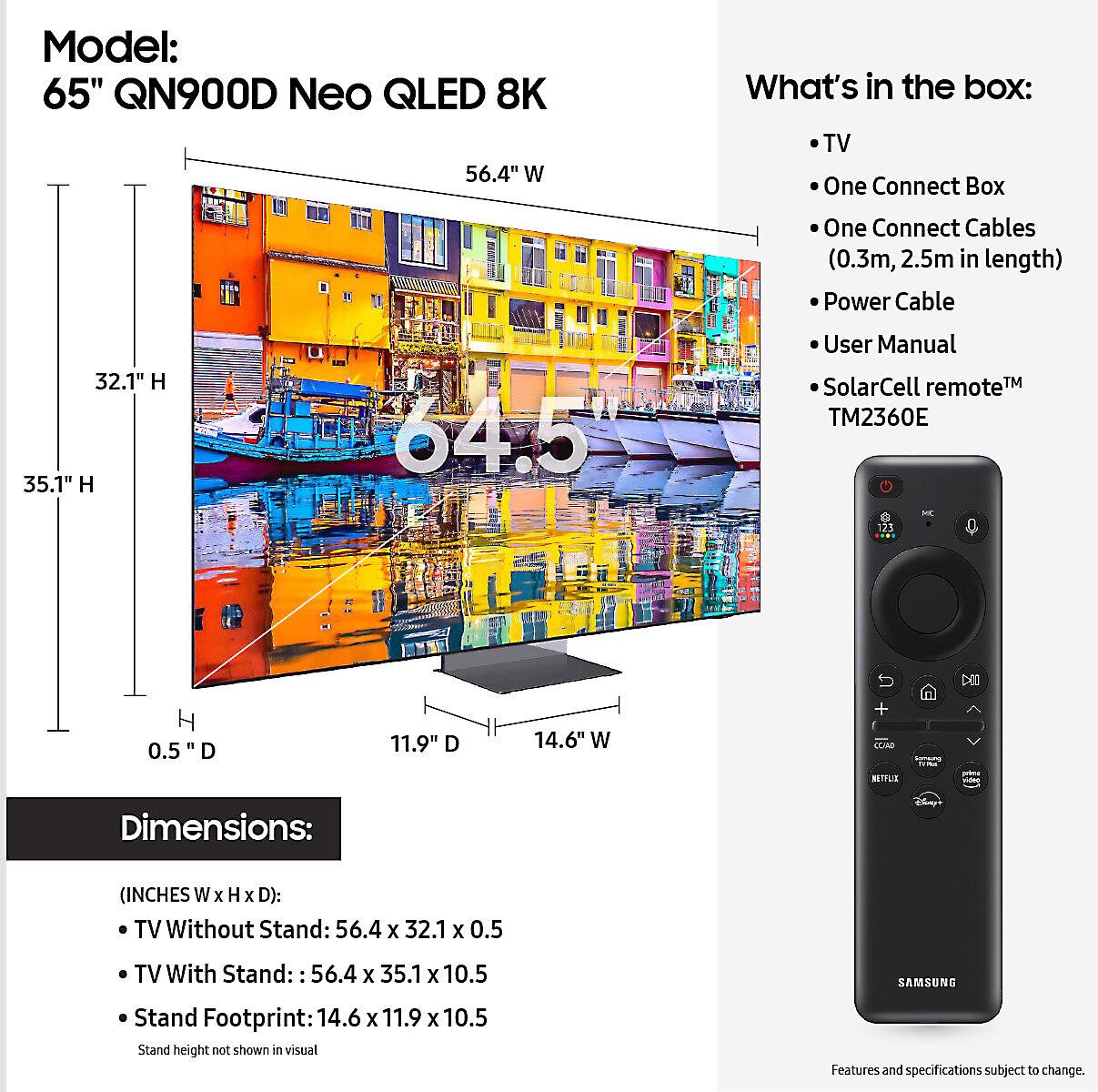
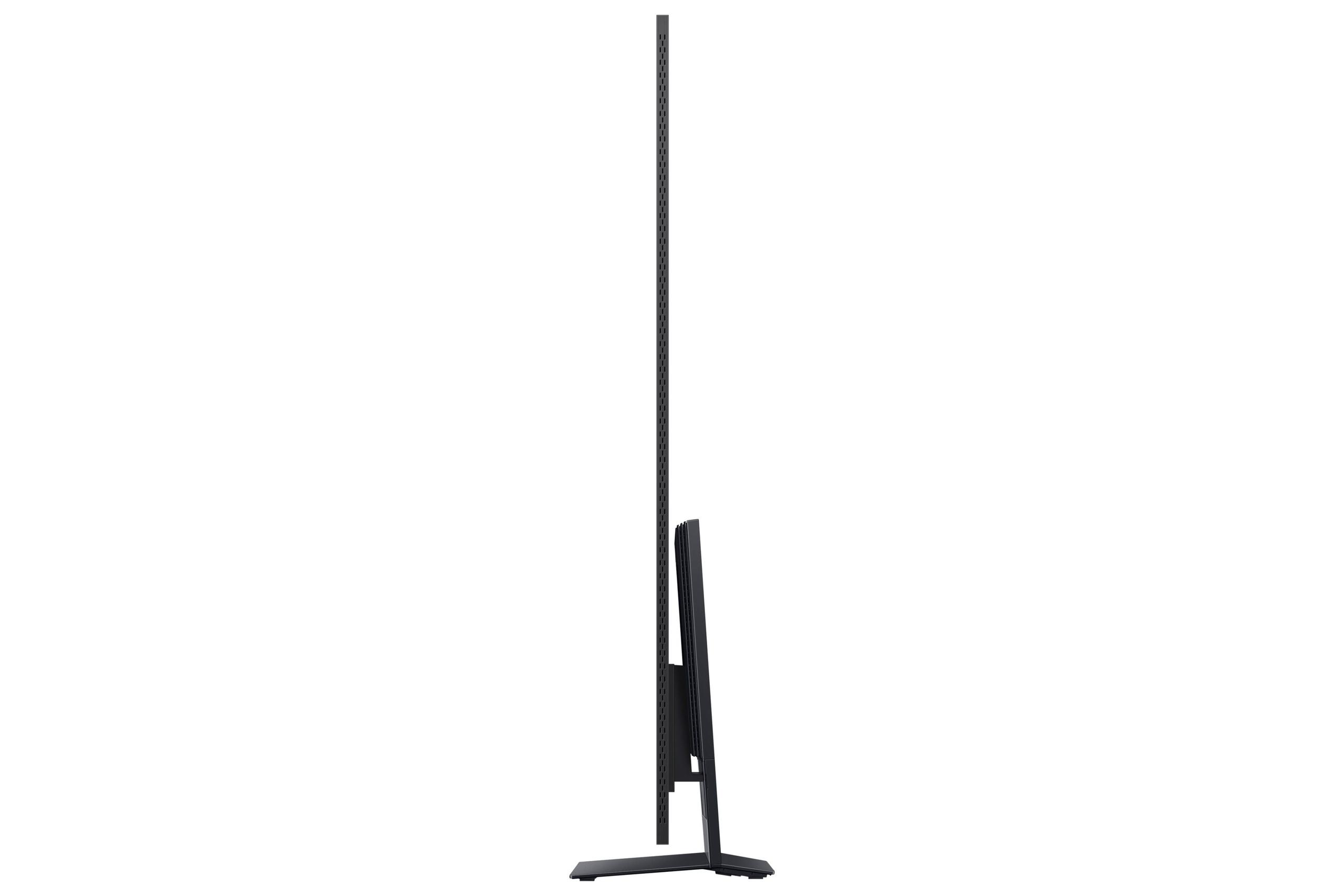
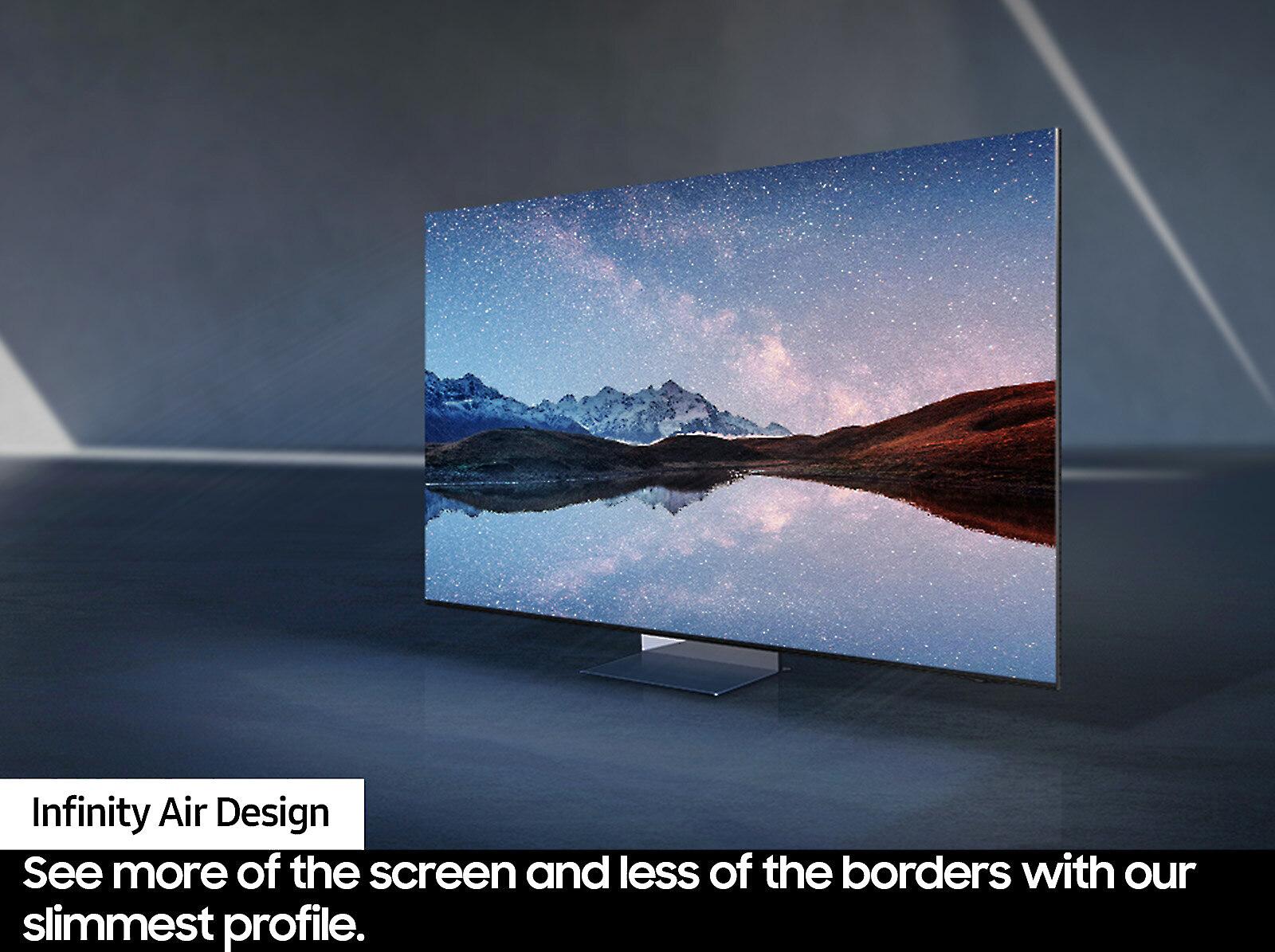
The QN900D, meanwhile, takes the traditional approach of making the TV itself as impressive as possible. Its Infinity Air Design emphasizes the ultra-slim profile and nearly bezel-free appearance. While it still uses an external One Connect Box (to keep the TV thin), everything connects via cables. The focus here is on making a statement piece that showcases technological prowess rather than blending in.
This is where the technical differences become crucial for your viewing experience. The Frame Pro delivers excellent 4K performance optimized for current content, while the QN900D pushes into 8K territory with more advanced processing.
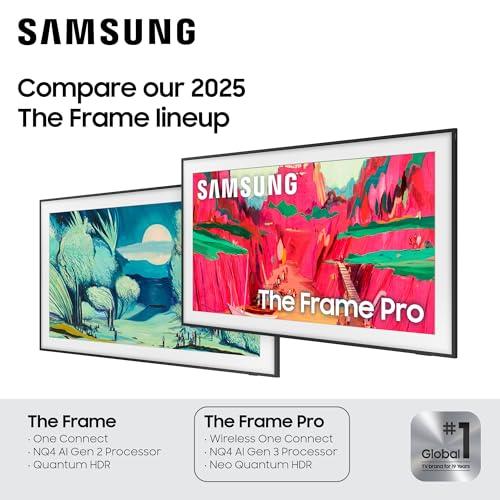
The Frame Pro achieves around 1,000 nits peak brightness (nits measure how bright a display can get - typical TVs hit 100-400 nits), which is genuinely impressive for a lifestyle-focused TV. This brightness, combined with the matte coating, means you can watch comfortably even in bright living rooms where other TVs would look washed out. The NQ4 AI Gen3 processor handles 4K upscaling well, making lower-resolution content look sharp and detailed.
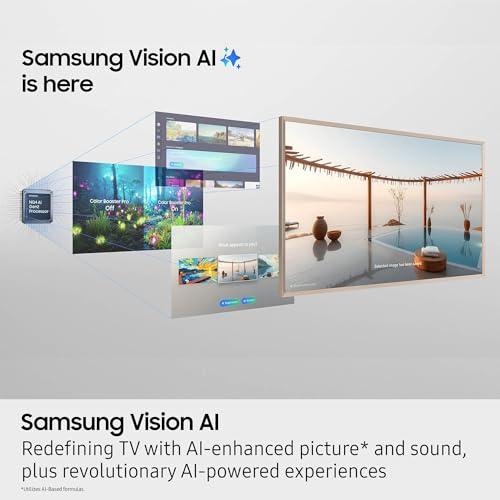
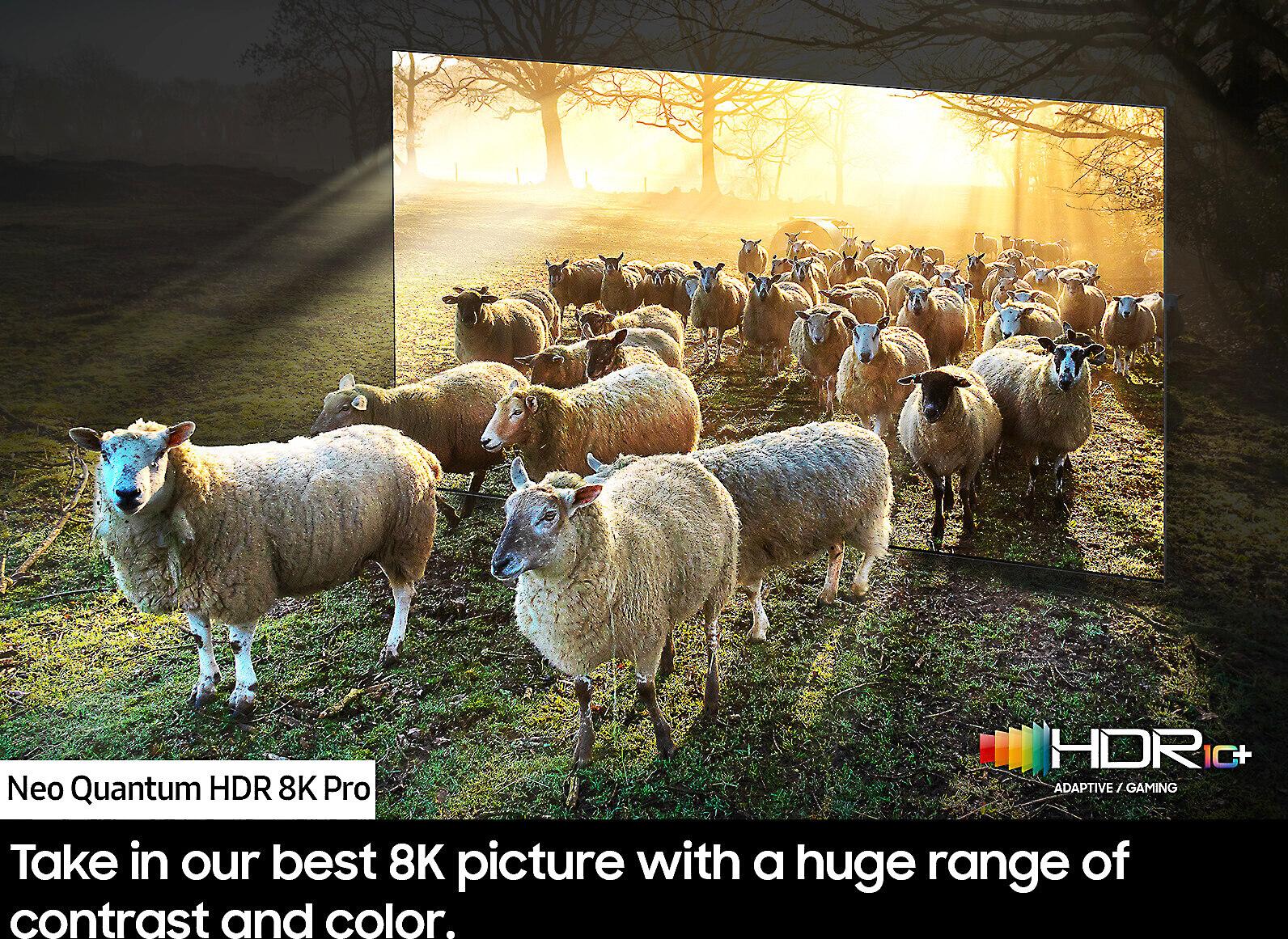
The QN900D steps up with the more powerful NQ8 AI Gen3 processor - essentially twice as fast as the chip in the Frame Pro. This extra processing power becomes apparent in its 8K AI upscaling capabilities. While true 8K content remains limited (mostly YouTube videos and some streaming demos), the upscaling genuinely improves 4K and HD content by adding detail and reducing artifacts.
Based on professional measurements and user feedback, the QN900D achieves higher peak brightness levels and more precise local dimming control through its Quantum Matrix Technology Pro. This translates to better HDR (High Dynamic Range) performance, where bright highlights pop more dramatically while maintaining detail in dark shadows.
However, both TVs share a common limitation of Mini LED technology: they can't achieve the perfect blacks of OLED displays. Mini LED creates hundreds of dimming zones, but light can still bleed between zones, causing a subtle glow around bright objects on dark backgrounds. This is most noticeable in dark room viewing with content like space movies or dark video games.
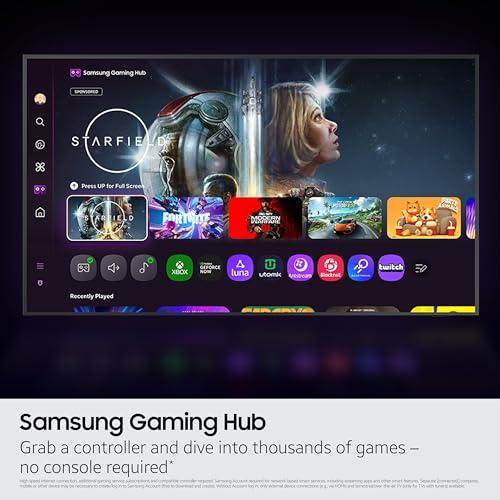
Gaming reveals the starkest performance differences between these models. The QN900D was clearly designed with serious gamers in mind, while the Frame Pro treats gaming as a secondary consideration.
The QN900D supports up to 4K at 240Hz or 8K at 60Hz refresh rates, with incredibly low input lag (the delay between pressing a button and seeing the action on screen). Professional testing shows input lag under 10 milliseconds in Game Mode, which is competitive with dedicated gaming monitors. It supports all Variable Refresh Rate (VRR) technologies, including HDMI Forum VRR, AMD FreeSync, and NVIDIA G-Sync compatibility. VRR eliminates screen tearing by synchronizing the TV's refresh rate with your gaming device's frame rate.
The TV also includes Low-Frame-Rate Compensation, which is technical speak for keeping games smooth even when frame rates drop significantly. For competitive gaming, especially fast-paced shooters or racing games, these features make a real difference in responsiveness and visual smoothness.
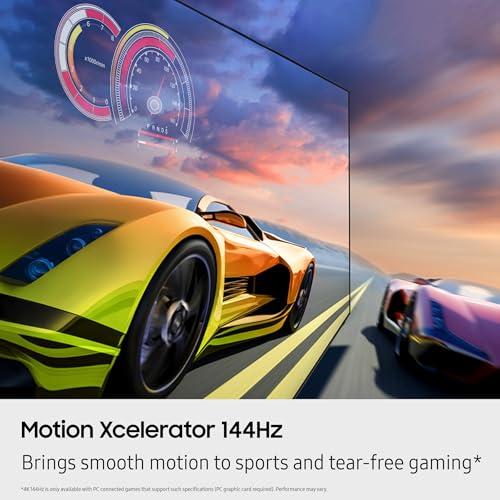
The Frame Pro, unfortunately, falls short for serious gaming. Input lag measures over 30 milliseconds even in Game Mode - fine for casual gaming but frustrating for competitive play. While it supports 144Hz refresh rates and VRR, the actual pixel response times are slower, creating motion blur even at high refresh rates. There's also the practical issue of the Wireless One Connect Box potentially adding latency, though Samsung includes a micro HDMI port on the TV itself for direct connection when every millisecond counts.
Audio represents another clear performance gap. The QN900D includes a robust 90-watt, 6.2.4-channel speaker system with true Dolby Atmos support. The ".4" refers to upward-firing drivers that bounce sound off your ceiling to create height effects. Combined with Object Tracking Sound Pro (which moves audio across the screen to match visual movement), it delivers genuinely immersive audio that can fill a room convincingly.
The Frame Pro includes a more modest 40-watt, 2.0.2-channel system. While it supports Dolby Atmos and Samsung's Q-Symphony technology (which coordinates with Samsung soundbars), it lacks the power and speaker configuration for room-filling sound. This isn't necessarily a dealbreaker, as many premium TV buyers add dedicated sound systems anyway, but it's worth considering if you prefer built-in audio solutions.
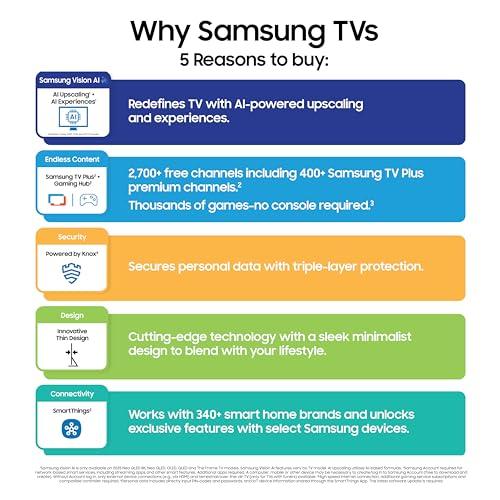
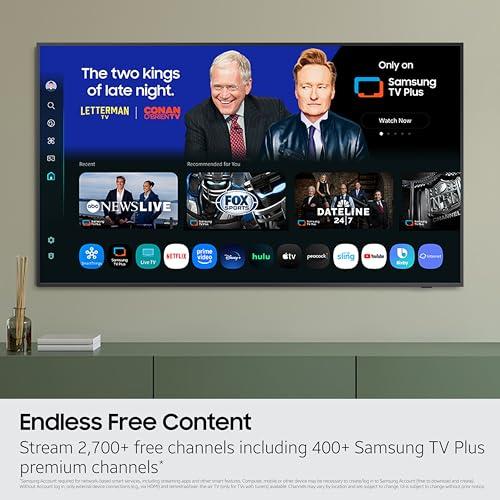
Both TVs run Samsung's Tizen smart platform, which provides access to all major streaming services and generally receives positive reviews for responsiveness and interface design. They include built-in voice assistants (Alexa and Bixby) and integrate with Samsung's SmartThings ecosystem for smart home control.
The Frame Pro adds unique smart features around its art functionality. The Samsung Art Store provides access to curated artwork collections, and the TV can automatically adjust brightness and color temperature to match your room's lighting throughout the day. It's also Pantone-validated for color accuracy, which matters if you're displaying personal photography or professional artwork.
The QN900D focuses more on advanced AI picture processing. Its more powerful processor enables real-time scene optimization, automatically adjusting settings based on content type. For sports, it might enhance motion clarity; for movies, it might prioritize color accuracy and contrast.
This is where the QN900D shows its flagship status. All four HDMI ports support full HDMI 2.1 bandwidth, enabling 4K at 240Hz or 8K at 60Hz. It includes Wi-Fi 6E support for faster wireless connectivity and more stable streaming of high-bandwidth content.
The Frame Pro provides five HDMI ports (impressive for any TV), but uses Wi-Fi 5 rather than the newer Wi-Fi 6E standard. For most users, Wi-Fi 5 remains perfectly adequate for streaming 4K content, but Wi-Fi 6E offers advantages in congested wireless environments and for future bandwidth requirements.
At the time of writing, both TVs command premium pricing that reflects their advanced technology and market positioning. The QN900D typically carries flagship pricing as Samsung's most advanced consumer TV, while the Frame Pro commands a significant premium over the standard Frame model for its wireless technology and improved picture quality.
From a pure performance-per-dollar perspective, the QN900D offers more traditional value - you're paying for cutting-edge display technology, gaming capabilities, and audio performance. The Frame Pro asks buyers to pay extra for aesthetic and lifestyle benefits that don't necessarily improve viewing quality.
However, value calculations change when you consider the complete room setup. If you're paying for professional cable management, custom wall mounting, or trying to integrate a TV into a carefully designed living space, the Frame Pro's wireless capabilities and art functionality might justify its premium pricing.
For dedicated home theater setups, the QN900D makes more sense in most scenarios. Its superior brightness, contrast control, and color accuracy create more cinematic experiences. The robust built-in audio, while not matching a dedicated surround system, provides better baseline performance for movie watching.
The 8K capability, while not essential today, offers some future-proofing as content creators begin experimenting with higher resolutions. More importantly, the 8K processing helps with current content by providing cleaner upscaling and better detail enhancement.
The Frame Pro can certainly work in home theaters, especially those that double as living spaces during the day. Its bright output and matte coating actually help in rooms where light control isn't perfect. However, the motion blur issues and lower contrast performance make it less ideal for critical movie viewing.
After extensive research into user experiences and professional reviews, my recommendation comes down to how you actually use your living space and what you value in a television.
Choose the Frame Pro if your TV lives in a multi-purpose room where aesthetics matter as much as performance. If you frequently have people over, appreciate art and photography, or simply don't want a black rectangle dominating your wall when the TV is off, the Frame Pro solves real problems that traditional TVs create. The wireless connectivity eliminates a major pain point in living room design, and the picture quality, while not flagship-level, is genuinely excellent for most content.
The QN900D makes sense for anyone prioritizing maximum performance or building around a serious entertainment setup. Gamers, movie enthusiasts, sports fans, and anyone who wants the best possible picture and sound should strongly consider this model. The 8K capability adds future-proofing value, and the superior processing creates noticeable improvements even with current 4K content.
Both TVs represent significant achievements in television technology, but they serve different masters. The Frame Pro masters the art of disappearing when you want it to and performing beautifully when you need it to. The QN900D masters the art of being the best possible television Samsung knows how to make. Understanding which approach matches your priorities will lead you to the right choice for your home and viewing habits.
| Samsung 65" The Frame Pro 4K Neo QLED Smart TV 2025 | Samsung QN900D Series 65" Neo QLED 8K Smart TV |
|---|---|
| Resolution - Higher resolution means sharper detail, but content availability matters | |
| 4K (3,840 x 2,160) - Perfect for all current streaming and gaming content | 8K (7,680 x 4,320) - Future-proof with excellent AI upscaling of 4K content |
| Processor - More powerful chips deliver better upscaling and smoother performance | |
| NQ4 AI Gen3 Processor - Mid-tier Samsung chip, adequate for 4K processing | NQ8 AI Gen3 Processor - Flagship chip, 2x faster than 4K models |
| Peak Brightness - Critical for HDR impact and bright room viewing | |
| ~1,000 nits - Excellent for bright rooms, enhanced by matte coating | Higher peak brightness with Quantum Matrix Pro - Superior HDR performance |
| Gaming Performance - Essential for competitive gaming and console compatibility | |
| 144Hz support but 30ms+ input lag - Fine for casual gaming only | 4K@240Hz/8K@60Hz with <10ms input lag - Excellent for competitive gaming |
| Audio System - Built-in sound quality affects whether you need a soundbar | |
| 40W, 2.0.2CH with basic Dolby Atmos - Adequate but limited power | 90W, 6.2.4CH with True Dolby Atmos - Room-filling surround sound |
| Design Philosophy - How the TV integrates into your living space | |
| Art gallery aesthetic with customizable bezels and matte anti-glare screen | Traditional premium TV design with ultra-slim Infinity Air profile |
| Connectivity Innovation - Cable management and installation flexibility | |
| Wireless One Connect Box (up to 33ft range) - Eliminates all visible cables | Wired One Connect Box - Traditional setup with external connection hub |
| HDMI Ports and Gaming Support - Important for multiple devices and future compatibility | |
| 5 HDMI ports, VRR support but slower response times | 4 HDMI 2.1 ports with full bandwidth, superior VRR implementation |
| Unique Features - Special capabilities that differentiate each model | |
| Art Mode with Samsung Art Store, Pantone color validation, wireless design | 8K AI upscaling, Object Tracking Sound Pro, flagship processing power |
| Best Use Case - Who should choose each model | |
| Design-conscious buyers wanting TV-as-art functionality in living rooms | Performance enthusiasts, gamers, and home theater setups prioritizing quality |
| Value Proposition - What you're paying extra for | |
| Premium for lifestyle features, wireless tech, and aesthetic integration | Flagship pricing for cutting-edge performance and future-proofing |
The Samsung QN900D is significantly better for gaming, especially competitive gaming. It offers 4K at 240Hz or 8K at 60Hz with input lag under 10ms, while the Samsung Frame Pro has over 30ms input lag that makes it unsuitable for serious gaming. The QN900D also supports superior VRR implementation and faster response times.
The primary difference is their design philosophy: the Samsung Frame Pro prioritizes aesthetic integration with Art Mode, wireless connectivity, and a gallery-like appearance, while the Samsung QN900D focuses on maximum performance with 8K resolution, flagship processing power, and superior gaming capabilities.
The Samsung QN900D delivers superior overall picture quality with higher peak brightness, more advanced local dimming through Quantum Matrix Technology Pro, and a more powerful NQ8 processor. However, the Samsung Frame Pro offers excellent 4K performance with better glare resistance thanks to its matte anti-reflection coating.
Yes, the Samsung Frame Pro features Art Mode that transforms the TV into a digital art gallery when not actively watching content. It accesses Samsung's Art Store for curated artwork and can display personal photos, making it function as both a TV and decorative wall art.
The Samsung Frame Pro excels in bright rooms due to its matte anti-reflection screen that virtually eliminates glare, combined with good brightness output. While the Samsung QN900D can achieve higher peak brightness, it uses a traditional glossy screen that may reflect room lighting.
Both TVs handle 4K content excellently, but the Samsung QN900D has advantages with its more powerful NQ8 processor providing superior upscaling and processing. The Samsung Frame Pro uses the capable NQ4 processor that handles current 4K streaming and gaming content very well.
The Samsung QN900D has significantly better audio with a 90W, 6.2.4-channel system including upward-firing speakers for Dolby Atmos effects. The Samsung Frame Pro has a more basic 40W, 2.0.2-channel system that's adequate but may benefit from an external soundbar.
Yes, the Wireless One Connect Box on the Samsung Frame Pro uses Wi-Fi 7 technology and works reliably up to 33 feet, even through walls. This eliminates all visible cables for a clean installation, though Samsung includes a micro HDMI port on the TV for direct connections when needed.
The Samsung QN900D is better suited for dedicated home theater setups due to its superior contrast control, higher brightness, better built-in audio, and optimized dark room performance. The Samsung Frame Pro can work in multi-purpose rooms that double as entertainment spaces.
The Samsung QN900D's 8K resolution provides future-proofing and excellent AI upscaling that enhances current 4K and HD content by adding detail and reducing artifacts. While native 8K content is limited, the processing improvements are noticeable with existing content sources.
Both TVs can be wall-mounted, but the Samsung Frame Pro is specifically designed for flush wall mounting with its ultra-slim profile and wireless connectivity eliminating cable visibility. The Samsung QN900D can also be wall-mounted but requires cable management from the One Connect Box.
Value depends on priorities: the Samsung Frame Pro offers unique lifestyle benefits for design-conscious buyers who want TV-as-art functionality, while the Samsung QN900D provides superior performance value for those prioritizing picture quality, gaming, and flagship features. Consider your room setup and usage patterns when deciding.
We've done our best to create useful and informative comparisons to help you decide what product to buy. Our research uses advanced automated methods to create this comparison and perfection is not possible - please contact us for corrections or questions. These are the sites we've researched in the creation of this article: tomsguide.com - youtube.com - smarthomesounds.co.uk - images.samsung.com - rtings.com - samsung.com - bestbuy.com - bestbuy.com - businessinsider.com - dentonstv.com - samsung.com - flatpanelshd.com - samsung.com - jefflynch.com - youtube.com - costco.com - rtings.com - videoandaudiocenter.com - bestbuy.com - avsforum.com - bestbuy.com - walts.com - images.samsung.com - samsung.com - merlinstv.com - samsung.com - avsforum.com - samsung.com

Privacy Policy
Terms and Conditions - Affiliate Policy
Home Security
© Copyright 2008-2026.
11816 Inwood Rd #1211, Dallas, TX 75244