





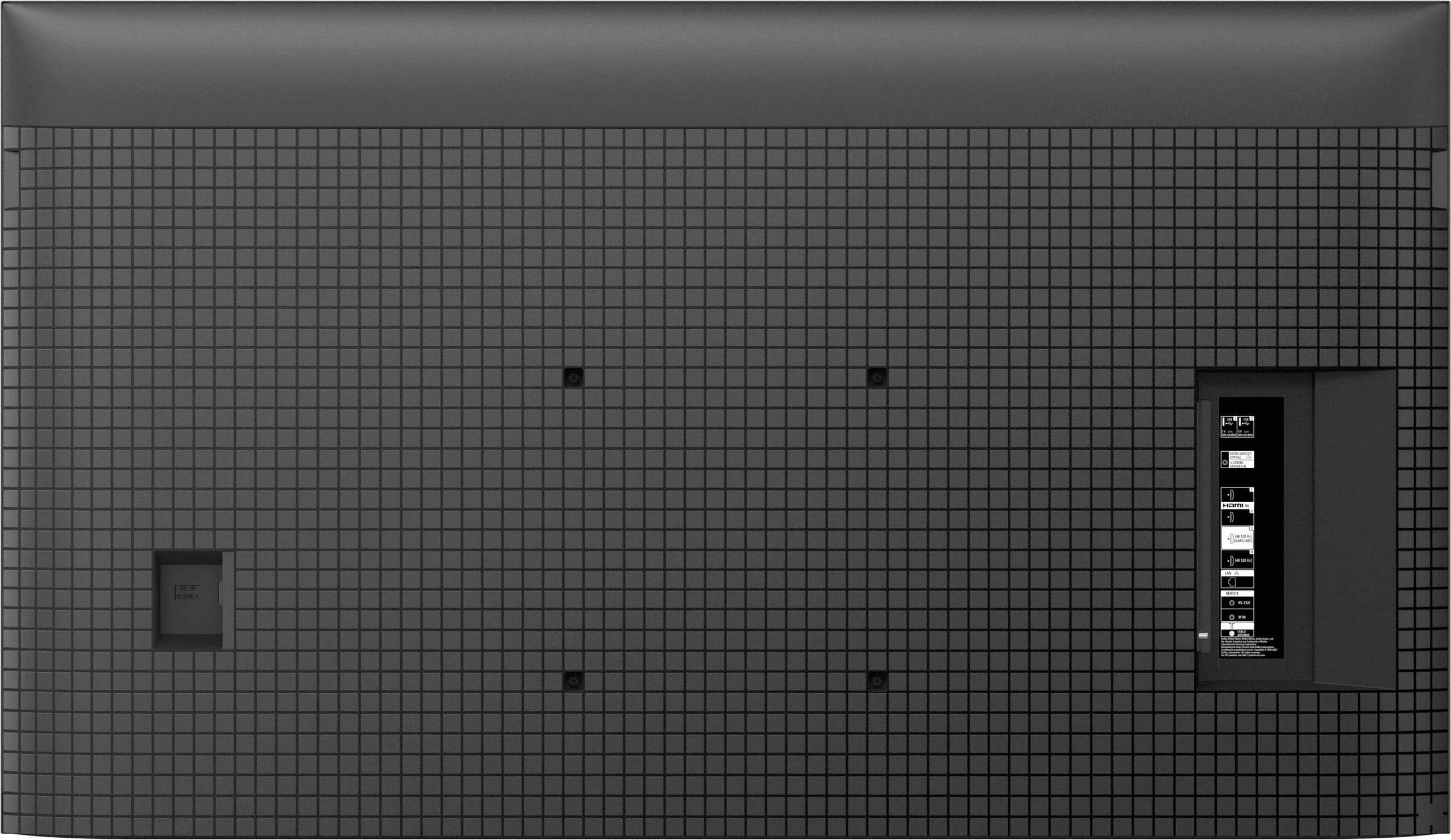
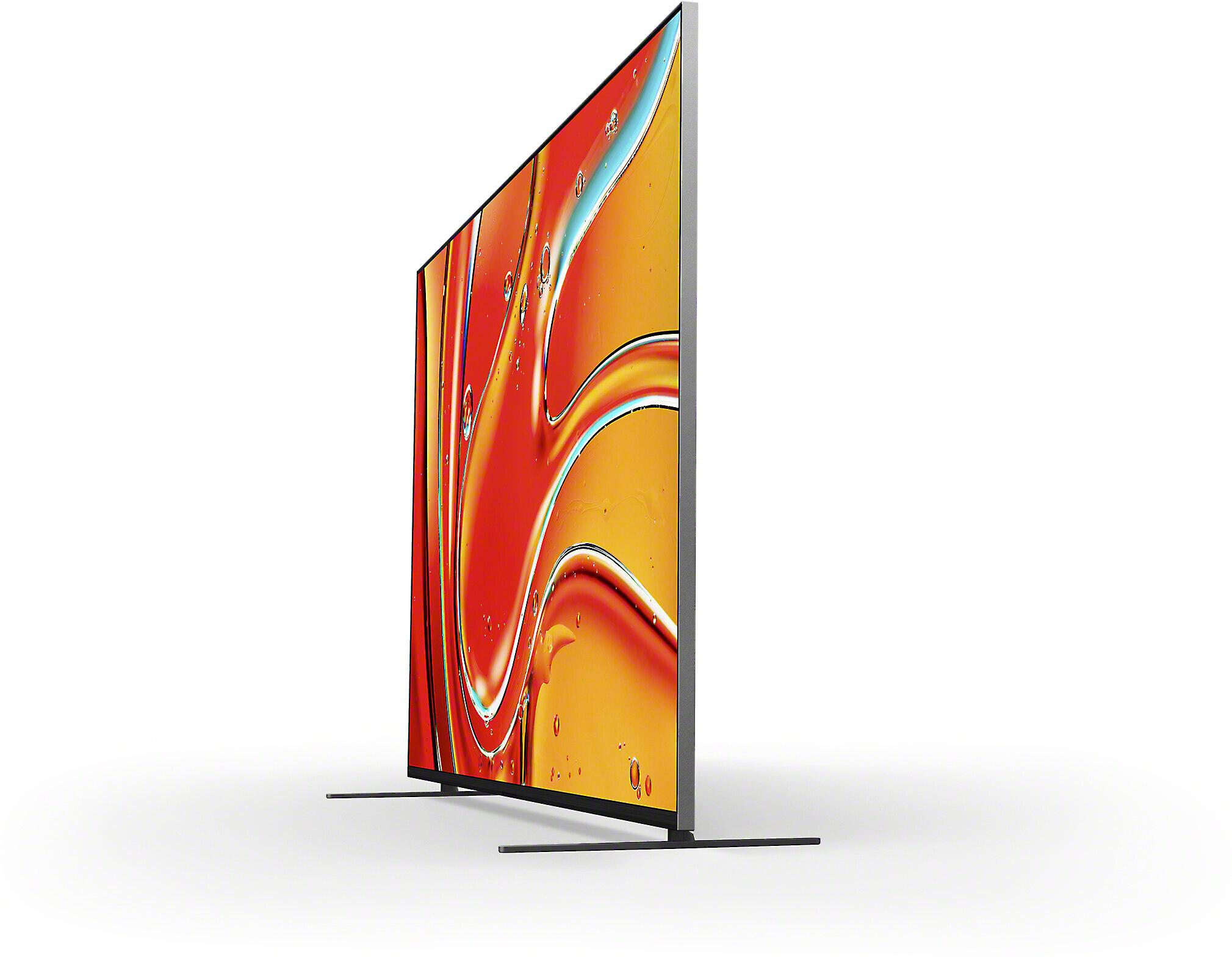
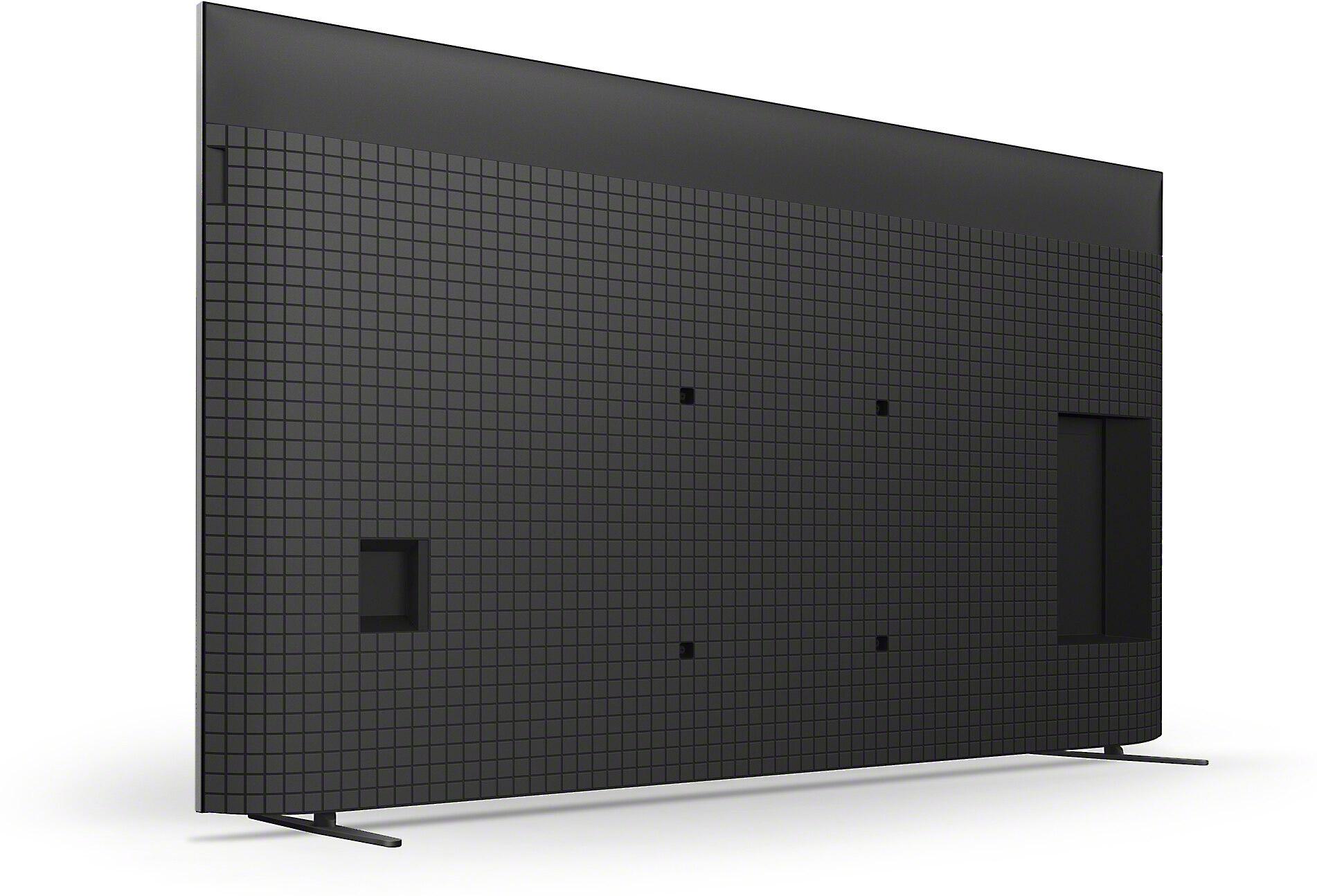
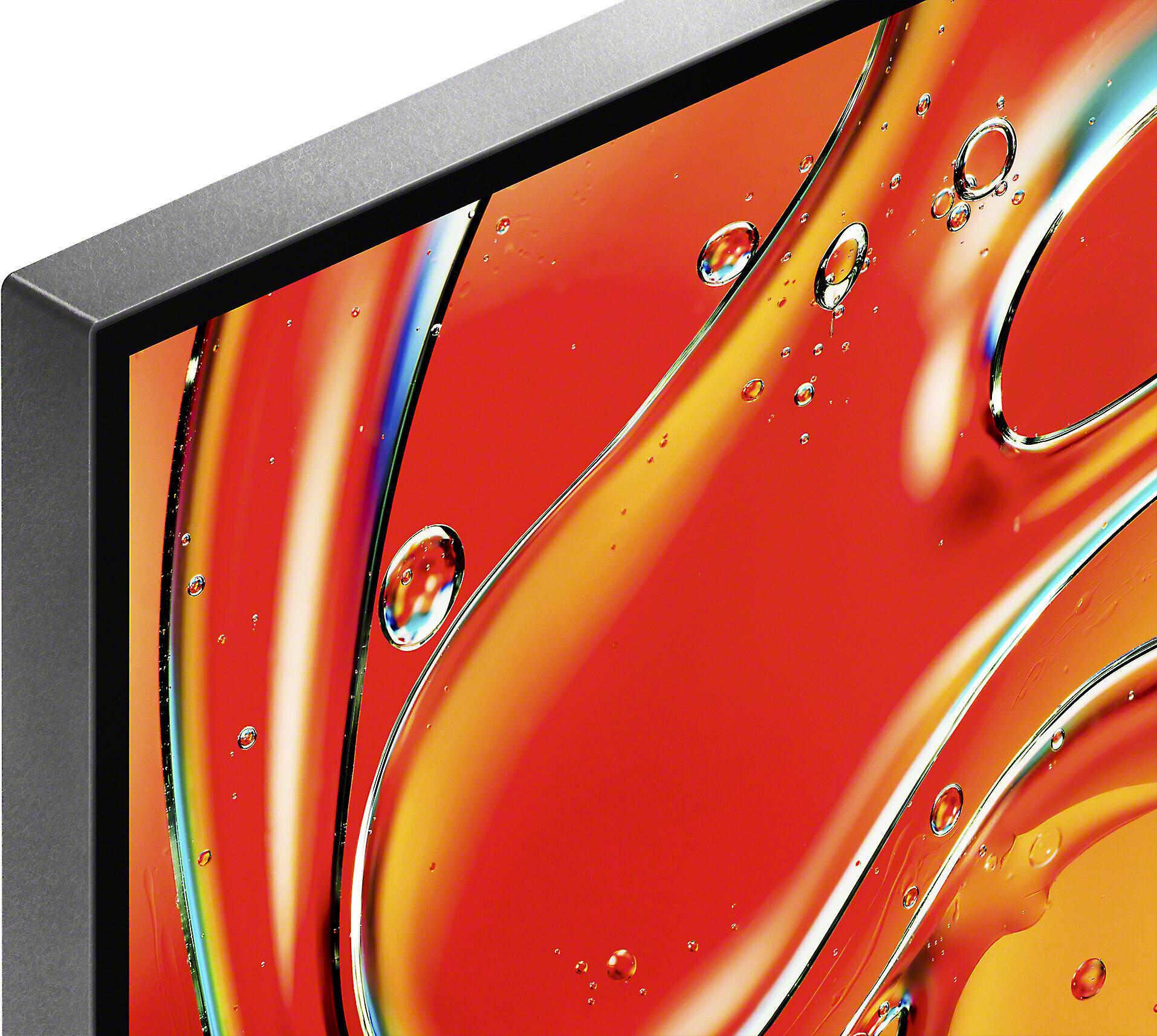
Shopping for a premium 65-inch TV in 2024 and 2025 means choosing between two fundamentally different approaches to television design. The Samsung 65" The Frame Pro, released in 2025, represents Samsung's most ambitious attempt yet to make a TV that disappears into your living room décor. Meanwhile, the Sony BRAVIA 7, launched in 2024, focuses on delivering exceptional picture quality through advanced processing technology.
Both TVs sit in that premium mid-tier category where you're getting flagship-level features without the eye-watering price tags of the absolute top models. At the time of writing, the Sony BRAVIA 7 offers better value for pure performance, while the Samsung Frame Pro commands a premium for its unique lifestyle features. But which one makes more sense for your living room?
The 65-inch size has become the sweet spot for most homes—large enough to create that cinematic experience without overwhelming smaller spaces. But within this category, manufacturers take wildly different approaches to what a premium TV should be.
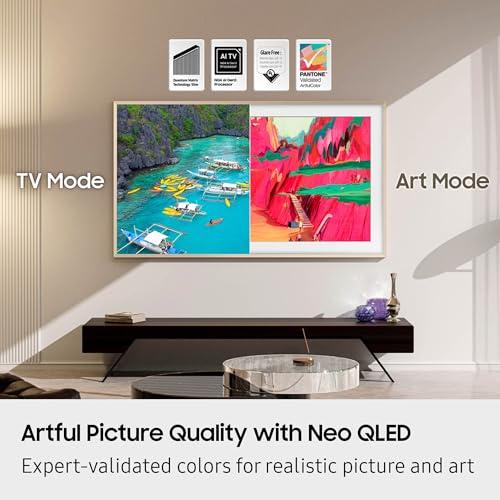
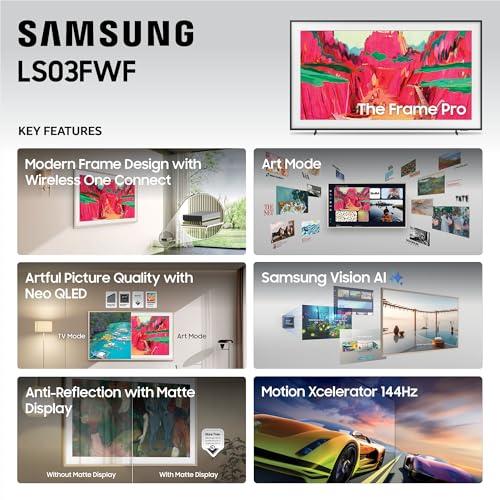
Samsung's philosophy with the Frame Pro centers around integration. They've asked: "What if your TV could be beautiful even when it's off?" This thinking led to Art Mode, which transforms the screen into a digital art gallery, and now the revolutionary Wireless One Connect Box that eliminates every visible cable.
Sony's approach with the BRAVIA 7 is more traditional but arguably more focused: "What if we made the most accurate, best-processing TV possible at this price point?" This philosophy drives their XR Cognitive Processor technology and their obsession with color accuracy.
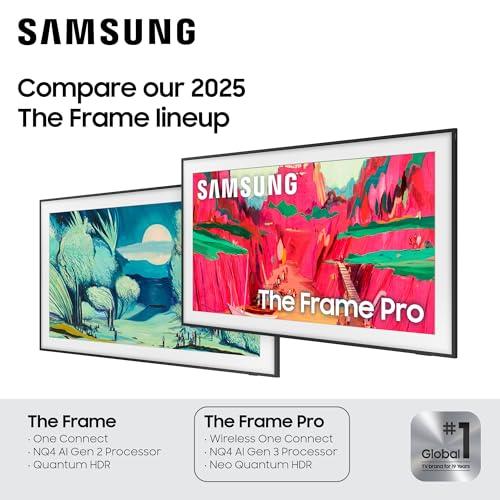
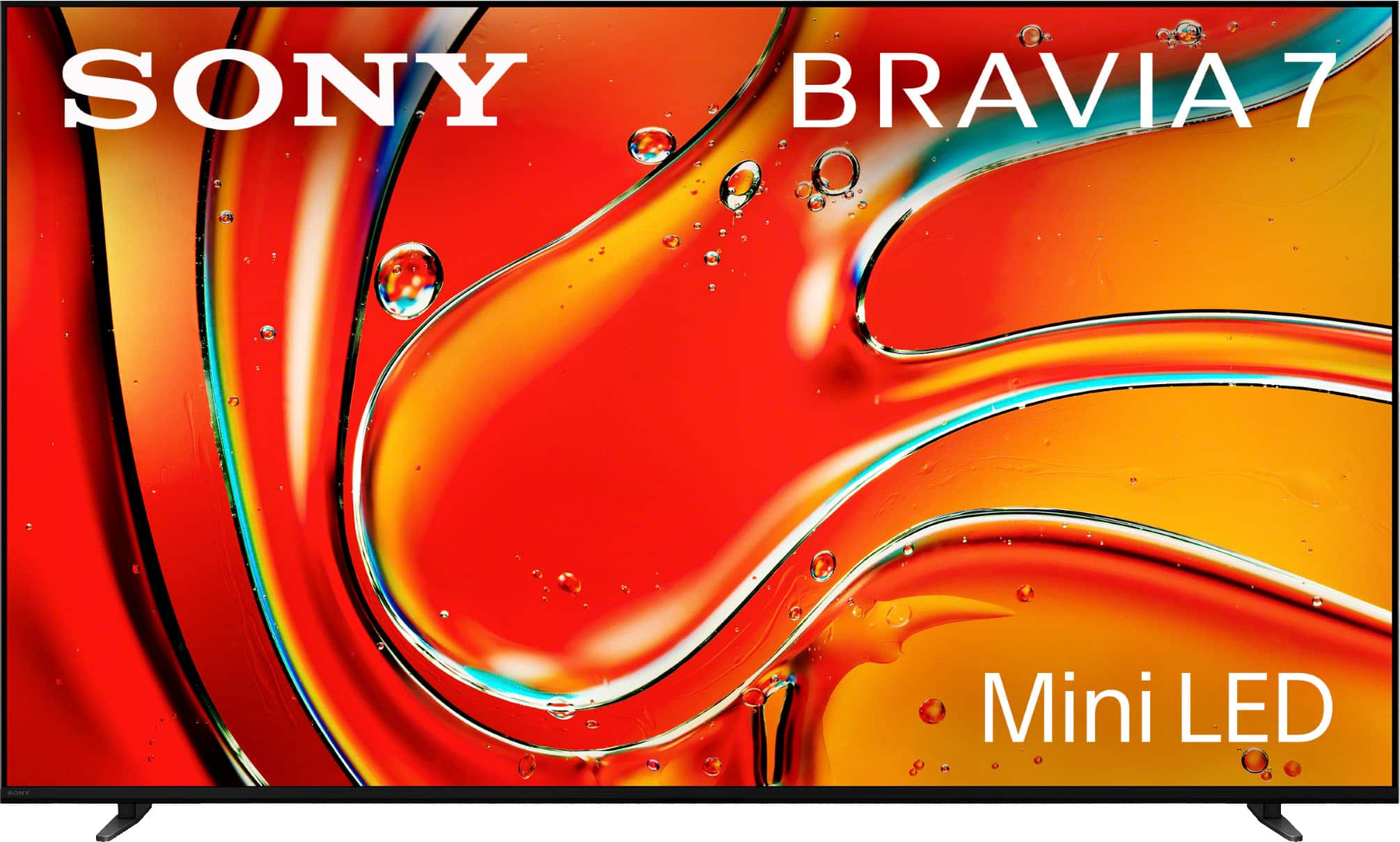
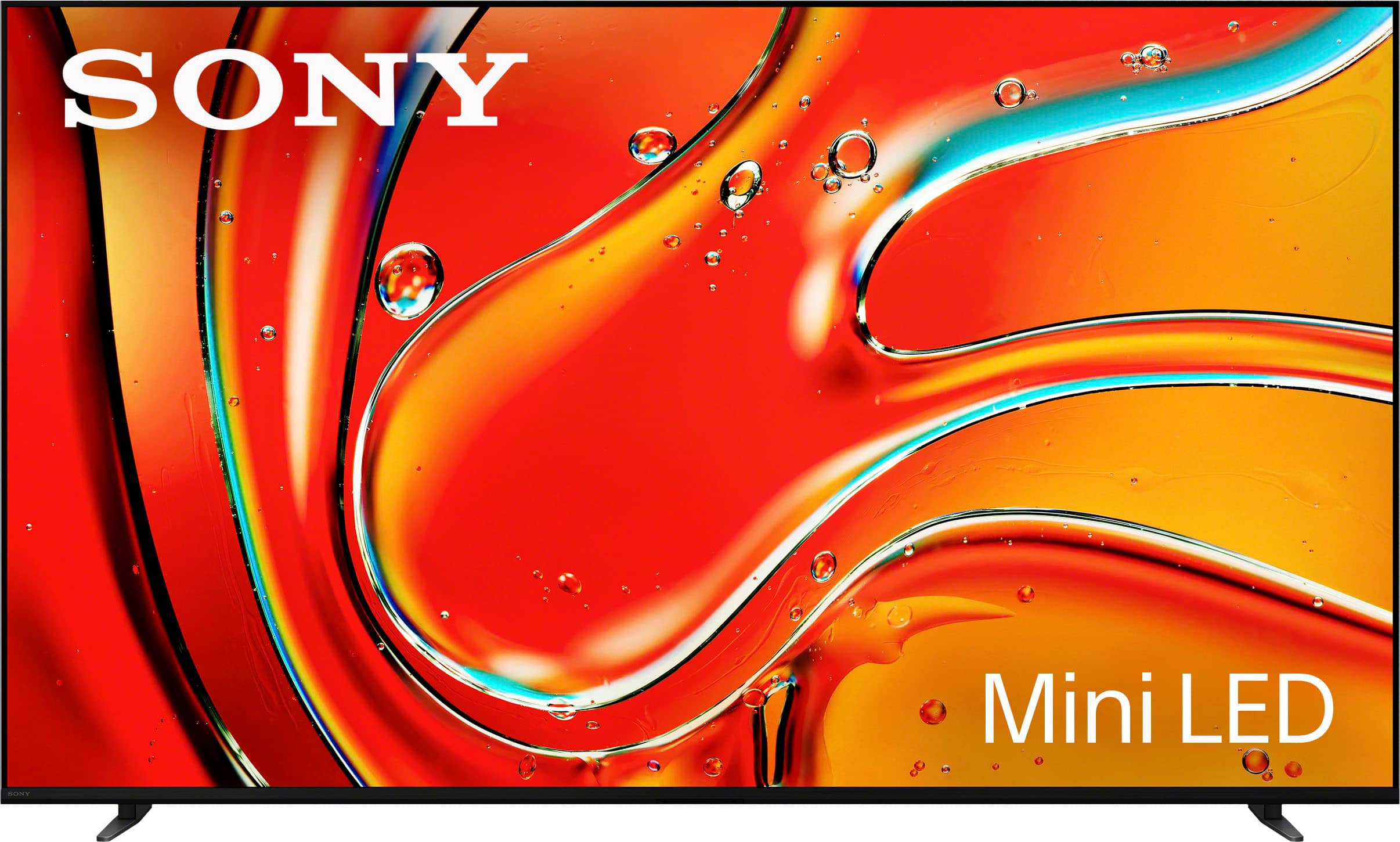
The key technical difference is in their display technology. Both use Mini LED backlighting—a technology that places thousands of tiny LEDs behind the screen for precise brightness control. Think of it like having thousands of tiny flashlights that can dim or brighten individually to create deeper blacks and brighter highlights. However, Samsung combines this with Quantum Dot technology in their Neo QLED panel, while Sony focuses on processing improvements with their XR Backlight Master Drive system.
When evaluating TV performance, picture quality remains the most critical factor. Both TVs excel here, but in different ways that matter depending on your viewing environment and preferences.
The Samsung Frame Pro represents a massive leap forward from previous Frame models. Where earlier versions struggled with dim, washed-out images that made the Art Mode more appealing than actual TV watching, the 2025 model delivers 1,000 nits of peak brightness. For context, that's more than double what most standard TVs produce and sufficient to make HDR (High Dynamic Range) content really pop.
HDR is crucial because it allows TVs to display a much wider range of brightness levels—from deep blacks to brilliant whites—just like your eyes see in real life. The Frame Pro's Neo QLED technology uses Quantum Dots, which are microscopic crystals that produce more pure, vibrant colors when light hits them. This combination means bright scenes look genuinely bright, and colorful content appears more vivid than on standard TVs.
The Sony BRAVIA 7 takes a different approach to brightness. While Sony doesn't publish exact nit measurements, user reports and professional reviews suggest it's somewhat dimmer than Samsung's offering. However, Sony's strength lies in how accurately it reproduces the brightness levels that content creators intended. Their XR processor includes sophisticated tone mapping that ensures HDR content displays at precisely the right brightness levels throughout the entire image.
For practical viewing, this means the Samsung Frame Pro will look more impressive in bright rooms or when showing colorful, punchy content. The Sony BRAVIA 7 will look more natural and film-like, especially in controlled lighting conditions where accuracy matters more than raw output.
Here's where the philosophical differences become most apparent. Samsung's approach with the Frame Pro optimizes colors for impact and visibility in various lighting conditions. Their Quantum Dot technology produces a wide color gamut—essentially a larger palette of colors the TV can display—which makes images pop off the screen. This works particularly well for the TV's Art Mode, where you want paintings and photographs to look vibrant and gallery-worthy.
Sony's XR Triluminos Pro technology in the BRAVIA 7 focuses on accuracy over impact. Based on our research into professional reviews and user feedback, Sony TVs consistently deliver more natural-looking skin tones and colors that match what directors intended. This accuracy comes from Sony's decades of experience in professional broadcast and film equipment—they literally make the cameras and monitors used to create the content you're watching.
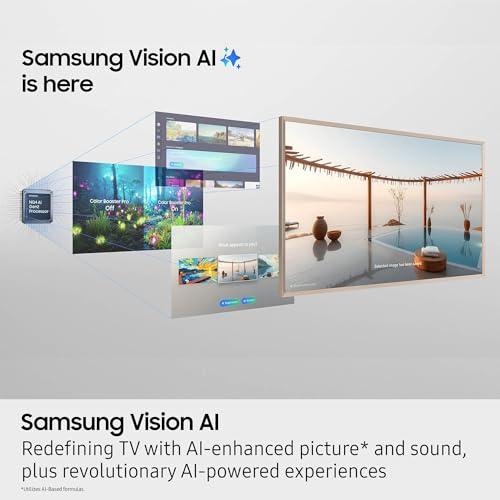
The processing differences extend to upscaling, which is crucial since much of what you watch isn't native 4K. Both TVs use AI-powered processors to analyze lower-resolution content and recreate missing detail. The Samsung Frame Pro's NQ4 Gen 3 AI processor does solid work here, but the Sony BRAVIA 7's XR Cognitive Processor has earned particular praise for making old movies and TV shows look surprisingly sharp and detailed.
Both TVs use Mini LED backlighting with local dimming, but their implementations differ significantly. Local dimming allows different areas of the screen to be brightened or dimmed independently, crucial for displaying both bright stars and dark space in the same scene.
The Samsung Frame Pro uses Quantum Matrix Technology Slim, which provides decent contrast improvements over standard LED TVs. However, Samsung's implementation prioritizes the ultra-thin design profile needed for the Frame's aesthetic goals. This means some compromise in the depth of blacks and contrast uniformity compared to chunkier, performance-focused designs.
The Sony BRAVIA 7 dedicates more space to its Mini LED implementation, resulting in better black depth and less blooming (where bright objects cause halos in dark scenes). For movie watching, especially in darker rooms, this creates a more cinematic experience with better shadow detail.
Gaming capability has become increasingly important as consoles like the PlayStation 5 and Xbox Series X push 4K resolution at high refresh rates. Both TVs support modern gaming features, but with different strengths and weaknesses.
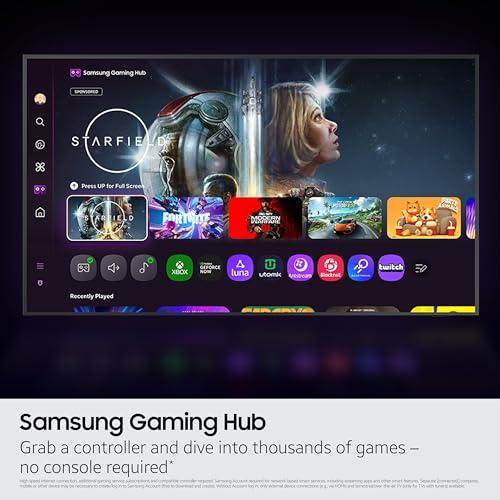
The Samsung Frame Pro supports 144Hz refresh rate—higher than most gaming TVs and matching high-end PC monitors. Refresh rate determines how many times per second the image updates, with higher rates providing smoother motion during fast-paced games. The TV also includes Variable Refresh Rate (VRR) technology, which synchronizes the TV's refresh rate with your console's output to eliminate screen tearing.
However, there's a significant caveat: input lag. Input lag measures the delay between when you press a button and when you see the result on screen. Based on professional testing data, the Frame Pro exhibits input lag over 30 milliseconds, which is considered high for gaming. For comparison, competitive gaming monitors typically achieve under 10ms. Samsung includes a micro HDMI port directly on the TV for lower-latency gaming, but this somewhat defeats the purpose of the wireless design.
The Sony BRAVIA 7 takes the opposite approach. While it caps out at 120Hz refresh rate (still excellent for console gaming), it achieves input lag under 8.5 milliseconds in Game Mode. This makes it much more responsive for competitive gaming. Sony has also optimized the TV specifically for PlayStation 5, including Auto HDR Tone Mapping that automatically adjusts brightness settings for the best gaming experience.
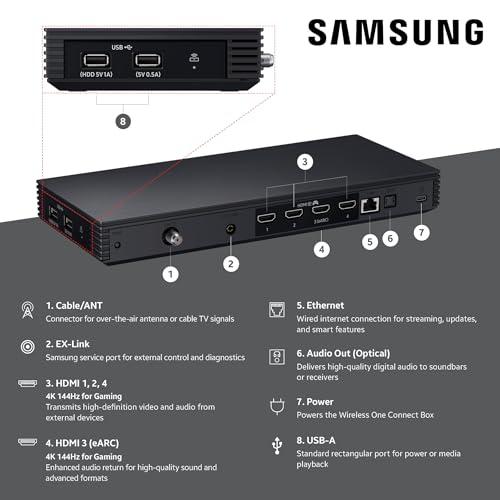
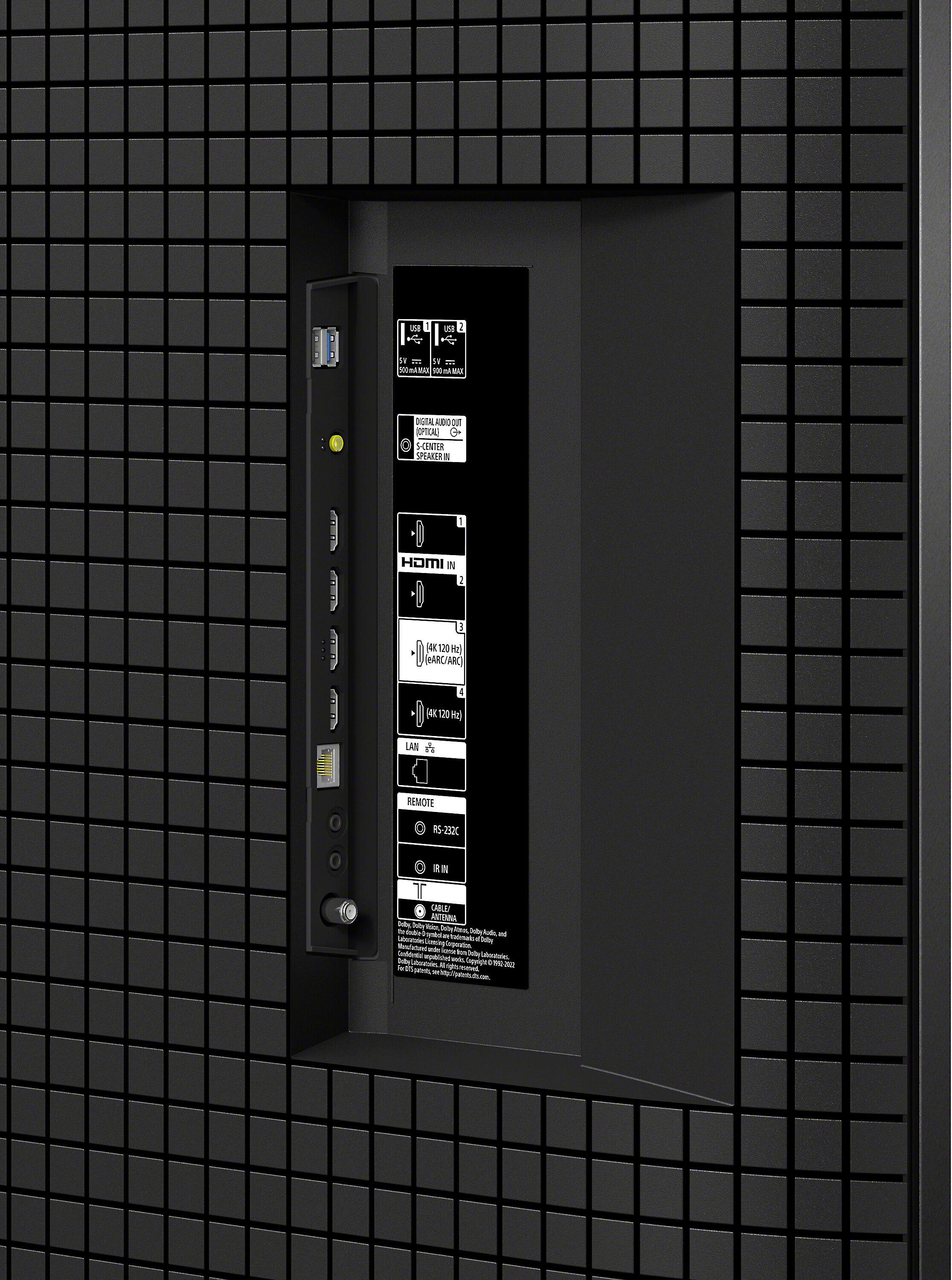
The trade-off comes in HDMI connectivity. The Sony BRAVIA 7 provides only two HDMI 2.1 ports capable of 4K at 120Hz, while the Samsung Frame Pro offers five HDMI ports all supporting high refresh rates.
The software experience significantly impacts daily usability, and these TVs take completely different approaches.
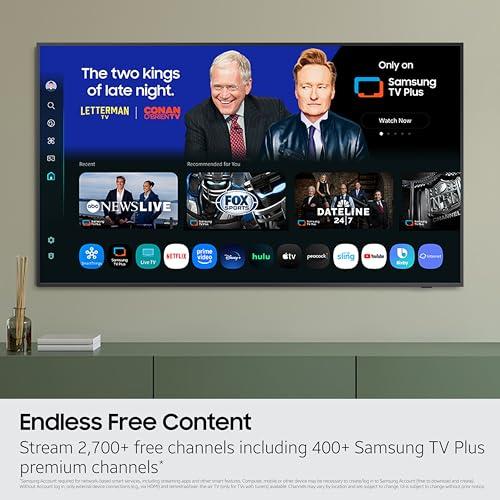
The Samsung Frame Pro runs Samsung's Tizen platform, which has matured significantly over recent years. Tizen feels snappy and includes all major streaming apps, plus built-in voice assistants including Alexa and Bixby. The standout feature remains Art Mode, which transforms the TV into a digital art gallery when not in use. Samsung's Art Store provides access to thousands of curated artworks, and you can upload personal photos. The matte anti-glare screen makes displayed art look remarkably like actual prints, reducing reflections that would break the illusion.
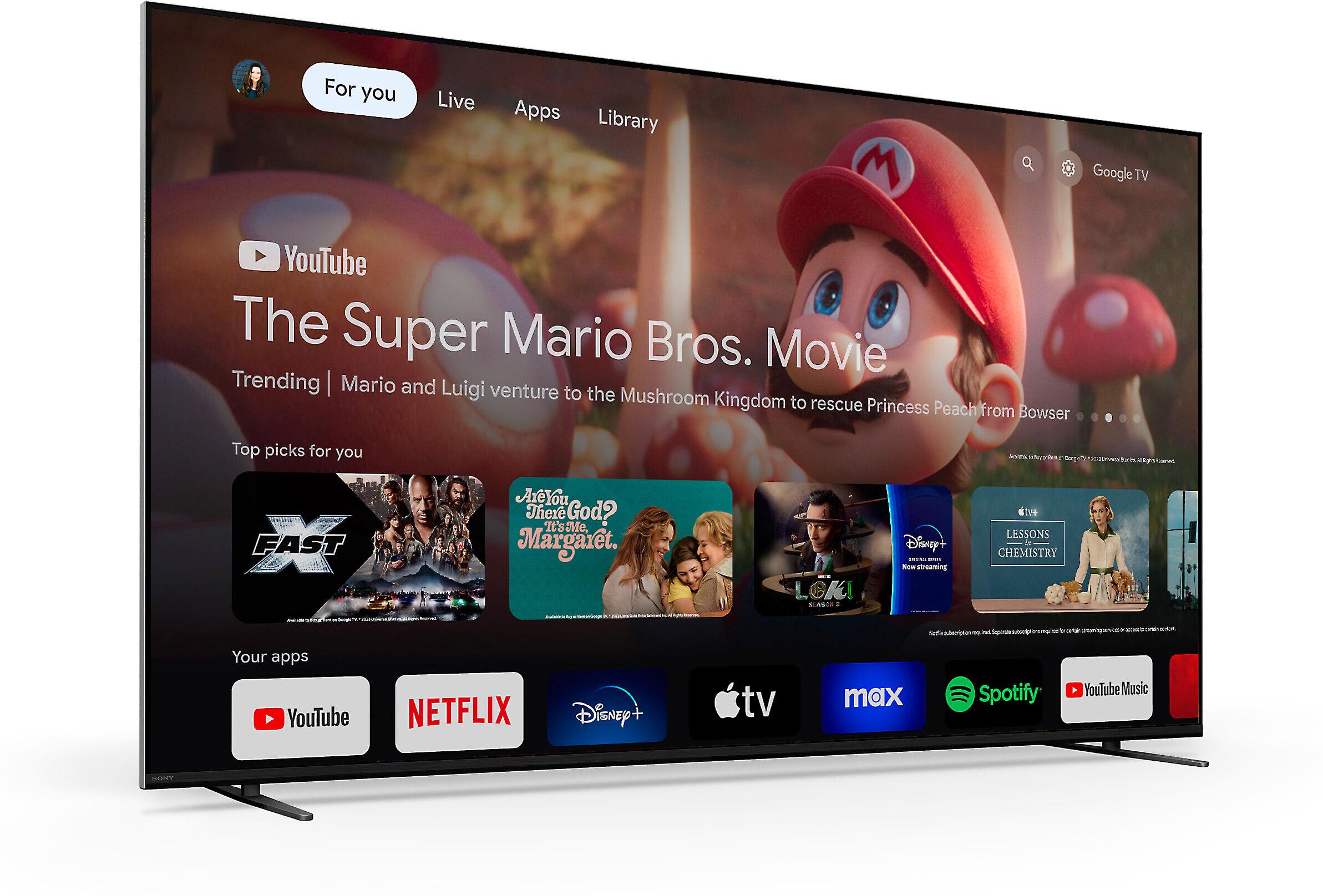
The Sony BRAVIA 7 uses Google TV, which many users find more intuitive than Samsung's interface. Google TV aggregates content from different streaming services into a unified interface, making it easier to discover new shows and pick up where you left off across platforms. The integration with Google Assistant feels more natural than Samsung's voice options, and Chromecast built-in makes sharing content from phones seamless.
From a long-term perspective, Google TV typically receives more frequent updates and new features compared to proprietary platforms like Tizen. This could impact the TV's usefulness years down the road.
Perhaps nowhere is the difference more apparent than in physical design and installation.
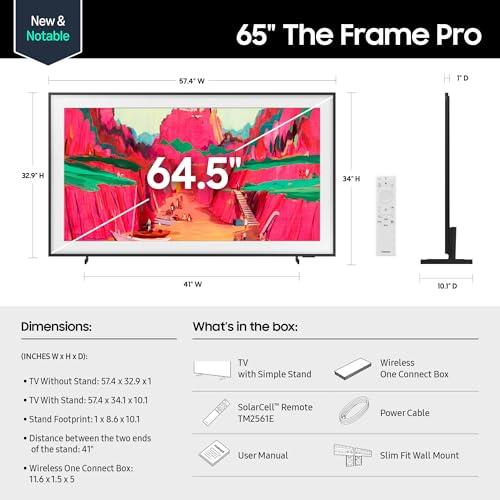
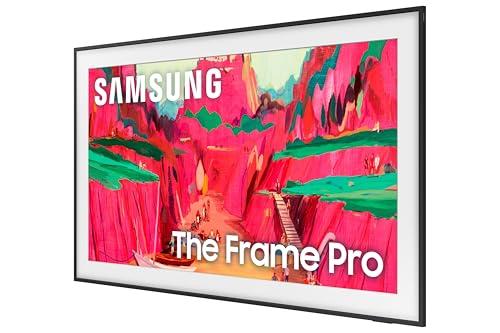
The Samsung Frame Pro represents Samsung's boldest design statement yet. The 2025 model introduces a Wireless One Connect Box—a small external device that connects to all your sources and transmits audio and video wirelessly to the TV using Wi-Fi 7 technology. This eliminates every visible cable, crucial for the Frame's gallery aesthetic. The box can be placed up to 33 feet away, even behind walls or in cabinets.
The TV itself maintains the ultra-slim profile with customizable bezels that let you match different décor styles. The matte anti-glare finish significantly reduces reflections, making both art and video content clearly visible even in bright rooms. This is crucial for the Art Mode functionality and general daytime viewing.
However, this wireless approach has limitations. There's no wired backup if the wireless connection fails, and the previous generation's bezels won't fit the new model. Some users also find the matte finish reduces the perceived sharpness of video content compared to glossy screens.
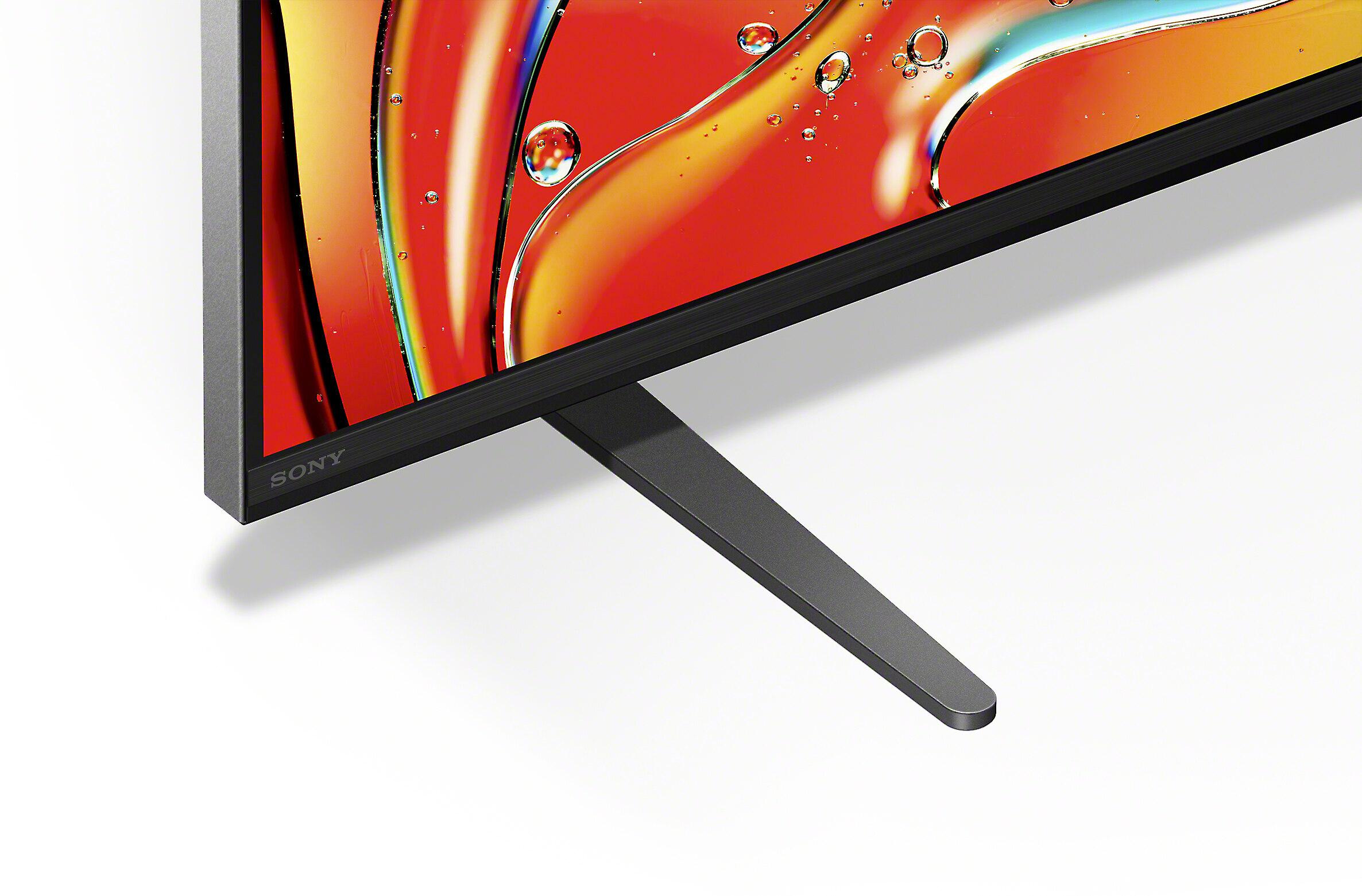
The Sony BRAVIA 7 embraces traditional TV design philosophy. It's built for performance first, with a more substantial build that accommodates better Mini LED implementation. The conventional connectivity means more cables but also more reliability and flexibility in setup.
Both TVs include respectable built-in audio systems, important since many users won't add separate soundbars immediately.
The Samsung Frame Pro features a 40W 2.0.2CH system with Dolby Atmos support. The inclusion of upward-firing drivers helps create some sense of height in the soundstage. Object Tracking Sound (OTS) attempts to make audio follow visual elements across the screen, while Q-Symphony Pro allows coordination with Samsung soundbars for expanded audio.
The Sony BRAVIA 7 also provides 40W output but focuses on accuracy and balance rather than immersive effects. It supports both Dolby Atmos and DTS:X formats and includes Acoustic Auto Calibration, which adjusts sound based on your room acoustics. Professional reviews consistently praise Sony's audio tuning as more natural-sounding than many competitors.
For serious home theater use, both TVs will benefit from dedicated sound systems, but Sony's more balanced approach provides better dialog clarity for everyday viewing.
At the time of writing, the Sony BRAVIA 7 offers superior value for traditional TV performance. You're getting better color accuracy, superior processing, lower gaming input lag, and excellent build quality at a lower price point than the Samsung.
The Samsung Frame Pro commands a significant premium—several hundred dollars more—for its lifestyle features. Whether this premium makes sense depends entirely on how much you value the wireless installation, Art Mode functionality, and unique aesthetic integration.
For pure TV performance per dollar, Sony wins decisively. For lifestyle integration and unique capabilities, Samsung offers features no other TV manufacturer provides.
The Samsung Frame Pro makes most sense for users who view their TV as a piece of furniture first and an entertainment device second. If you're designing a living space where the TV needs to blend seamlessly into the décor, and you're willing to pay extra for wireless installation and Art Mode functionality, the Frame Pro delivers capabilities no other TV offers. It's also excellent for bright rooms where the anti-glare screen and high brightness provide clear advantages.
The Sony BRAVIA 7 is the better choice for viewers who prioritize picture quality and traditional TV performance. If you watch a lot of movies, care about color accuracy, do serious gaming, or simply want the best performance for your money, Sony's approach delivers superior results. The Google TV platform is also more user-friendly for most people.
For dedicated home theater setups, the Sony BRAVIA 7 typically performs better due to superior contrast, color accuracy, and processing. The TV's ability to handle various content types with appropriate tone mapping makes it more versatile for the mixed content typical in home theaters.
The Samsung Frame Pro can work in home theater settings, but the matte screen finish and bright, punchy color tuning are optimized for living room use rather than darkened theater environments.
Both TVs succeed at their intended purposes, but they serve different users. The Samsung Frame Pro finally delivers the picture quality the Frame series always promised while maintaining its unique aesthetic appeal. If design integration matters more than peak performance, and you're willing to pay extra for wireless convenience and Art Mode functionality, it's an excellent choice.
The Sony BRAVIA 7 offers superior fundamental TV performance at a better price point. For most users who want the best picture quality and gaming performance without paying flagship prices, Sony provides better value and more traditional reliability.
The decision ultimately comes down to priorities: choose Samsung for lifestyle integration and unique capabilities, choose Sony for superior TV performance and value. Both represent solid investments that should serve their intended users well for years to come.
| Samsung 65" The Frame Pro 4K Neo QLED Smart TV 2025 | Sony BRAVIA 7 65" 4K UHD Smart Google TV |
|---|---|
| Display Technology - Core panel type affects brightness and color performance | |
| Neo QLED Mini LED with Quantum Dots | Mini LED with Full Array Local Dimming |
| Peak Brightness - Critical for HDR impact and bright room viewing | |
| 1,000 nits (excellent for daytime viewing) | Not specified (likely 600-800 nits based on reviews) |
| Refresh Rate - Determines gaming smoothness and motion clarity | |
| 144Hz (highest available for PC gaming) | 120Hz (sufficient for all current consoles) |
| Input Lag - Most important gaming performance metric | |
| 30+ ms (too high for competitive gaming) | Under 8.5ms (excellent for serious gaming) |
| Smart Platform - Daily interface experience | |
| Tizen with Art Mode gallery features | Google TV with superior app ecosystem |
| HDMI 2.1 Ports - Number supporting 4K@120Hz gaming | |
| 5 ports (all support high refresh rates) | 2 ports (limits multi-console setups) |
| Design Philosophy - How the TV integrates into your space | |
| Wireless One Connect Box, customizable bezels, matte anti-glare finish | Traditional TV design focused on performance over aesthetics |
| HDR Format Support - Premium streaming compatibility | |
| HDR10, HDR10+ Adaptive/Gaming (no Dolby Vision) | HDR10, HLG, Dolby Vision (broader format support) |
| Color Processing Approach - Visual style preference | |
| Quantum Dots for vibrant, punchy colors | XR Triluminos Pro for natural, film-accurate colors |
| Audio System - Built-in sound quality | |
| 40W 2.0.2CH with Dolby Atmos, Object Tracking Sound | 40W with Dolby Atmos, DTS:X, Acoustic Auto Calibration |
| Installation Flexibility - Setup and cable management | |
| Completely wireless with One Connect Box up to 33 feet away | Conventional wired setup with standard cable management |
| Target Room Environment - Optimal viewing conditions | |
| Bright rooms with matte anti-glare performance | Controlled lighting for best contrast and accuracy |
| Release Year - Technology generation and feature maturity | |
| 2025 (latest Neo QLED improvements) | 2024 (proven Mini LED implementation) |
The Sony BRAVIA 7 delivers superior picture quality for movie watching due to its more accurate color reproduction and better contrast performance. Sony's XR Cognitive Processor excels at displaying content as directors intended, with natural skin tones and precise HDR brightness mapping. The Samsung Frame Pro offers brighter, more vibrant colors that work well for general viewing but may appear oversaturated for cinematic content. For dedicated movie watching, the Sony BRAVIA 7 provides the more film-accurate experience.
The Sony BRAVIA 7 is significantly better for serious gaming despite the Samsung Frame Pro's higher 144Hz refresh rate. The Sony delivers input lag under 8.5ms compared to Samsung's 30+ ms, making it much more responsive for competitive gaming. While the Samsung Frame Pro supports higher refresh rates, the poor input lag performance undermines gaming performance. The Sony BRAVIA 7 also includes PlayStation 5 optimization features and more reliable wired connectivity for gaming setups.
The Samsung Frame Pro performs significantly better in bright rooms thanks to its 1,000-nit peak brightness and matte anti-glare screen finish. The matte coating dramatically reduces reflections, making content clearly visible even with windows or lights behind viewers. The Sony BRAVIA 7 uses a traditional glossy screen that can show reflections in bright conditions. For living rooms with lots of natural light, the Samsung Frame Pro provides superior daytime viewing performance.
The Sony BRAVIA 7 runs Google TV, which offers a more intuitive interface with better content discovery and more frequent updates. Google TV aggregates shows from multiple streaming services and includes seamless Chromecast integration. The Samsung Frame Pro uses Samsung's Tizen platform, which is fast and includes all major apps but lacks Google TV's unified content approach. However, Tizen offers unique Art Mode functionality that transforms the TV into a digital art gallery when not in use.
The Sony BRAVIA 7 provides superior value for traditional TV performance, offering better color accuracy, gaming performance, and processing capabilities at a lower price point. The Samsung Frame Pro commands a significant premium for its lifestyle features like wireless connectivity and Art Mode. If you prioritize pure TV performance per dollar, the Sony BRAVIA 7 wins decisively. The Samsung Frame Pro only makes financial sense if you specifically value its unique design and lifestyle integration features.
Both TVs support wall mounting, but the Samsung Frame Pro is specifically designed for wall installation with included mounting hardware and a flush-mount design. The Wireless One Connect Box eliminates all visible cables, creating a clean gallery-like appearance. The Sony BRAVIA 7 can be wall-mounted using standard VESA mounting systems but requires conventional cable management. For the cleanest possible wall installation, the Samsung Frame Pro offers unmatched aesthetics with its wireless design approach.
Both the Samsung Frame Pro and Sony BRAVIA 7 feature 40W speaker systems with Dolby Atmos support, but they take different approaches. The Samsung includes Object Tracking Sound and upward-firing drivers for more immersive effects. The Sony BRAVIA 7 focuses on accuracy and natural sound reproduction, with Acoustic Auto Calibration that adjusts audio based on room acoustics. Professional reviews consistently praise Sony's audio tuning as more balanced, while Samsung's system emphasizes spatial effects over accuracy.
The Sony BRAVIA 7 offers broader HDR format support, including HDR10, HLG, and Dolby Vision for maximum streaming service compatibility. The Samsung Frame Pro supports HDR10 and HDR10+ Adaptive/Gaming but lacks Dolby Vision, which is used by Netflix, Disney+, and other premium streaming services. For the widest compatibility with streaming content and 4K Blu-rays, the Sony BRAVIA 7 provides more comprehensive HDR format support.
The Sony BRAVIA 7 is better suited for dedicated home theater use due to its superior contrast performance, color accuracy, and ability to display content in darker environments. Sony's processing excels at handling mixed content types with appropriate tone mapping. The Samsung Frame Pro's matte screen and bright, punchy color tuning are optimized for living room use rather than darkened theater environments. For serious home theater applications, the Sony BRAVIA 7 delivers more cinematic performance.
The Samsung Frame Pro's Wireless One Connect Box uses Wi-Fi 7 technology with a range up to 33 feet, providing generally reliable wireless transmission for most home setups. However, there's no wired backup option if the wireless connection experiences interference or fails. The Sony BRAVIA 7 uses traditional wired connections, offering guaranteed reliability but requiring visible cable management. For maximum connection reliability, especially for gaming or critical viewing, wired connections like those on the Sony BRAVIA 7 remain more dependable.
The Sony BRAVIA 7 likely offers better long-term software support due to Google TV's frequent updates and Google's commitment to the platform. Android/Google TV typically receives more regular feature updates and security patches compared to proprietary platforms. The Samsung Frame Pro uses Tizen, which receives updates but less frequently than Google TV. Both TVs represent 2024-2025 technology that should remain current for several years, but Google's platform historically provides more consistent long-term support than Samsung's proprietary system.
Choose the Samsung Frame Pro if you prioritize design integration, need excellent bright-room performance, and value the unique Art Mode functionality. It's ideal for living spaces where the TV needs to blend into décor and wireless installation is important. Choose the Sony BRAVIA 7 if you want superior picture quality, better gaming performance, and excellent value for traditional TV performance. The Sony BRAVIA 7 offers better overall TV performance per dollar, while the Samsung Frame Pro provides unique lifestyle features that no other TV manufacturer offers.
We've done our best to create useful and informative comparisons to help you decide what product to buy. Our research uses advanced automated methods to create this comparison and perfection is not possible - please contact us for corrections or questions. These are the sites we've researched in the creation of this article: tomsguide.com - youtube.com - smarthomesounds.co.uk - images.samsung.com - rtings.com - samsung.com - bestbuy.com - bestbuy.com - businessinsider.com - dentonstv.com - samsung.com - flatpanelshd.com - samsung.com - jefflynch.com - youtube.com - costco.com - bestbuy.com - bestbuy.com - avsforum.com - avsforum.com - crutchfield.com - sony.com - rtings.com - schaeferstv.com - youtube.com - displayspecifications.com

Privacy Policy
Terms and Conditions - Affiliate Policy
Home Security
© Copyright 2008-2026.
11816 Inwood Rd #1211, Dallas, TX 75244