






When you're ready to upgrade to a premium 65-inch TV, you're entering a fascinating battleground where cutting-edge technology meets real-world value. The Samsung Frame Pro and TCL QM8 represent two completely different philosophies in premium television design, and understanding their approaches will help you make the right choice for your home.
The premium TV market has evolved dramatically in recent years, with Mini-LED technology becoming the sweet spot between OLED's perfect blacks and traditional LED's affordability. Both the Samsung Frame Pro and TCL QM8 use Mini-LED backlighting, which means they pack thousands of tiny LEDs behind the screen instead of the dozen or so edge-lit LEDs in budget TVs.
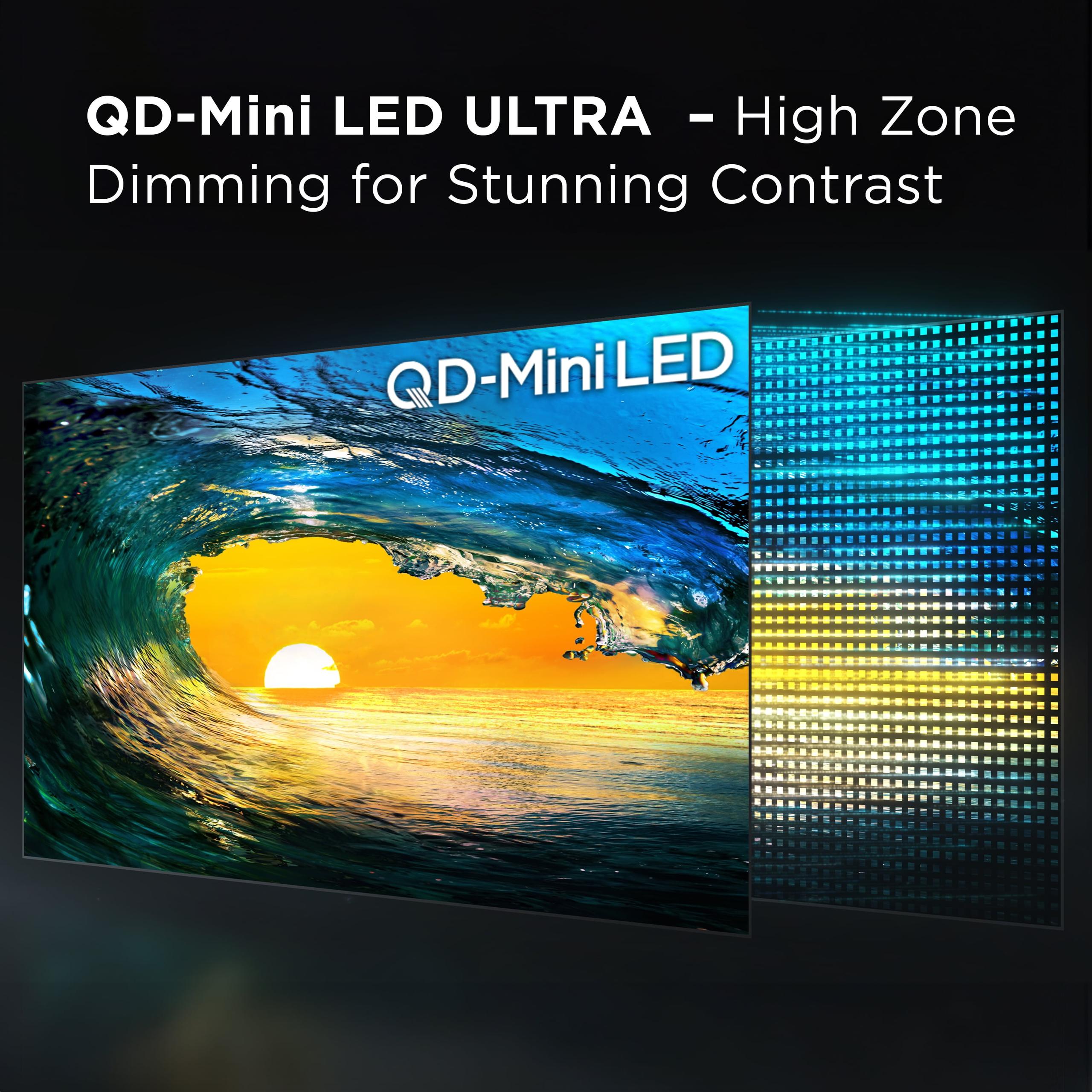
This Mini-LED approach creates what's called "local dimming zones" – essentially independent sections of the screen that can brighten or dim based on what's being displayed. Think of it like having thousands of individual flashlights behind your screen instead of one big one. The more zones you have, the better your TV can display bright fireworks against a dark sky without the bright parts making the dark parts look gray.
The key performance metrics that matter most in premium TVs are peak brightness (how bright highlights can get), contrast ratio (the difference between the brightest and darkest parts), color accuracy (how realistic colors look), and gaming performance (input lag and refresh rates). Both TVs excel in different areas, which makes this comparison particularly interesting.
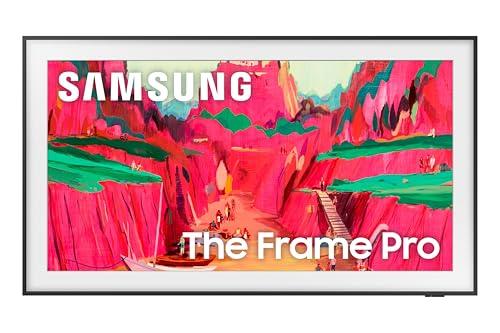
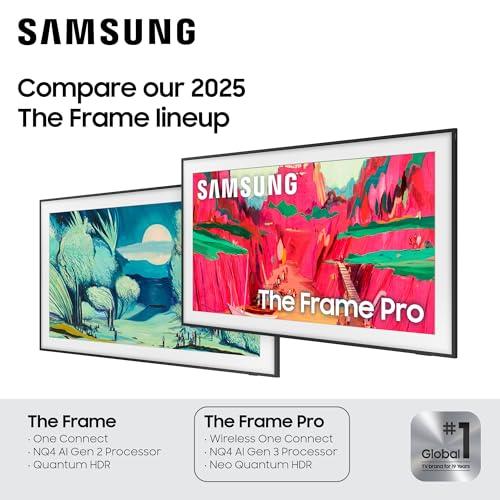
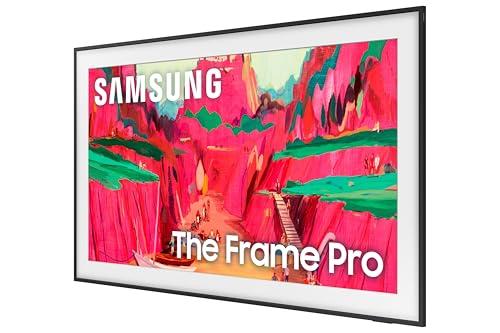
Released in early 2025, the Samsung Frame Pro represents Samsung's most significant upgrade to their lifestyle TV lineup since launching the original Frame in 2017. The "Pro" designation isn't just marketing – Samsung completely redesigned the display technology while maintaining the artistic aesthetic that made the Frame series famous.
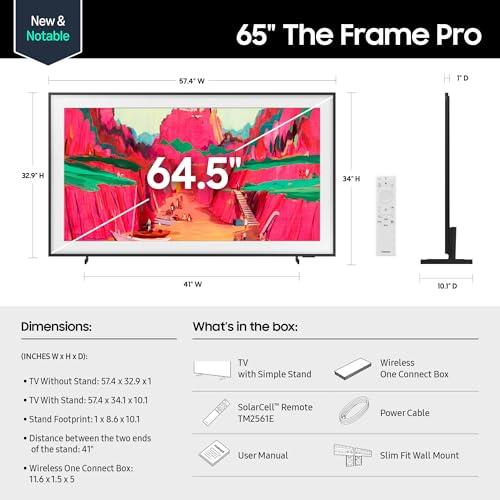
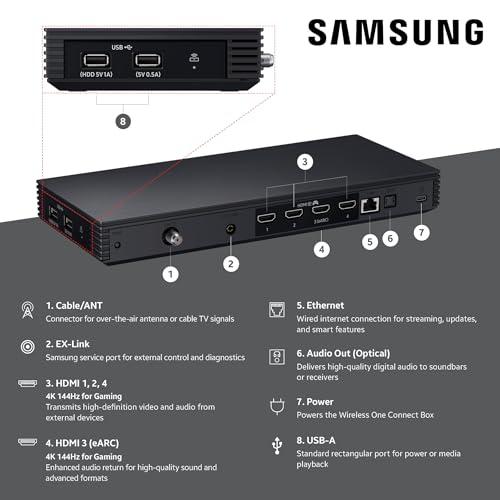
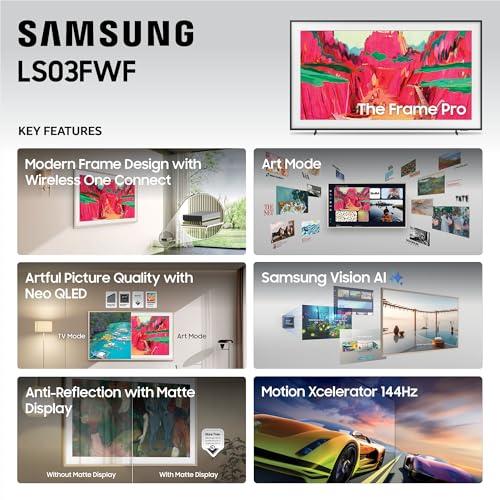
The biggest innovation here is the Wireless One Connect Box, which transmits all video and audio signals wirelessly using Wi-Fi 7 technology. This means every HDMI device, cable box, or gaming console connects to a separate box that can sit up to 30 feet away from your TV. The result? Zero visible cables running to your wall-mounted TV – something that's genuinely revolutionary in the TV space.
The Frame Pro uses Samsung's Neo QLED technology, which combines Mini-LED backlighting with Quantum Dot color enhancement. Quantum Dots are microscopic particles that, when hit by light, emit very specific colors – this creates more accurate and vibrant colors than traditional LED TVs. The Neo QLED panel reaches over 1,000 nits of peak brightness, which is bright enough to make HDR content really pop, especially in well-lit rooms.
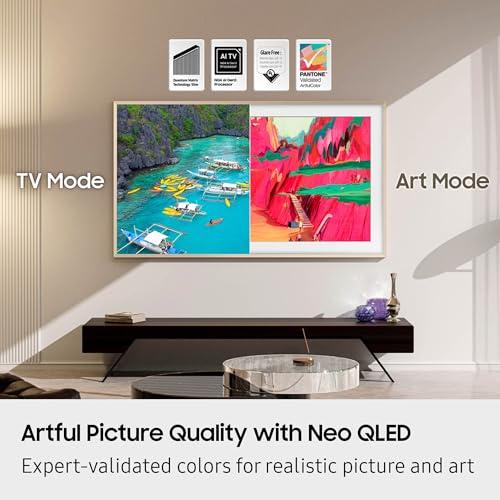
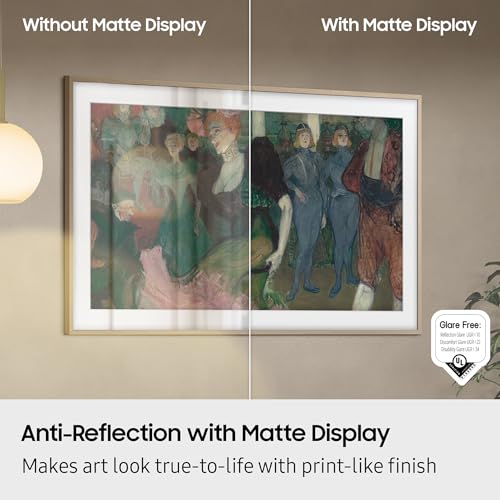
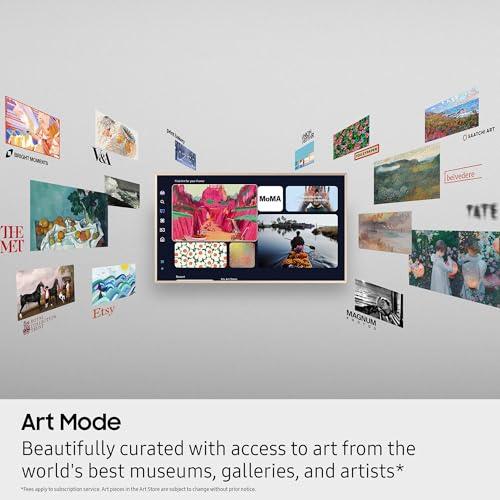
What sets the Samsung Frame Pro apart is its matte anti-reflection screen coating. Most TVs have glossy screens that reflect room lighting like mirrors, but Samsung's matte finish diffuses reflections, making the TV look more like an actual painting on your wall. This is particularly important for the Frame's Art Mode, which transforms the TV into a digital gallery displaying thousands of curated artworks when not watching content.
The Art Mode isn't just a screensaver – it's a complete ecosystem. The TV has ambient light sensors that adjust the artwork's brightness and color temperature throughout the day, motion sensors that turn the display on when you enter the room, and even customizable bezels that let you match your décor. Samsung partnered with major museums and galleries to provide high-quality reproductions that genuinely look like art hanging on your wall.
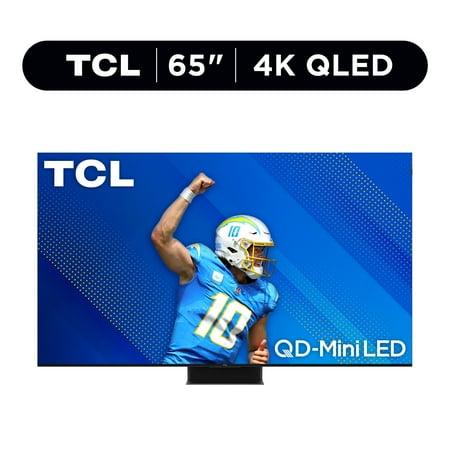
TCL released the QM8 series in 2024, and it represents their flagship approach to premium TV technology without the lifestyle premium. Where Samsung focuses on integration and aesthetics, TCL puts every dollar into raw performance, and the results are impressive.
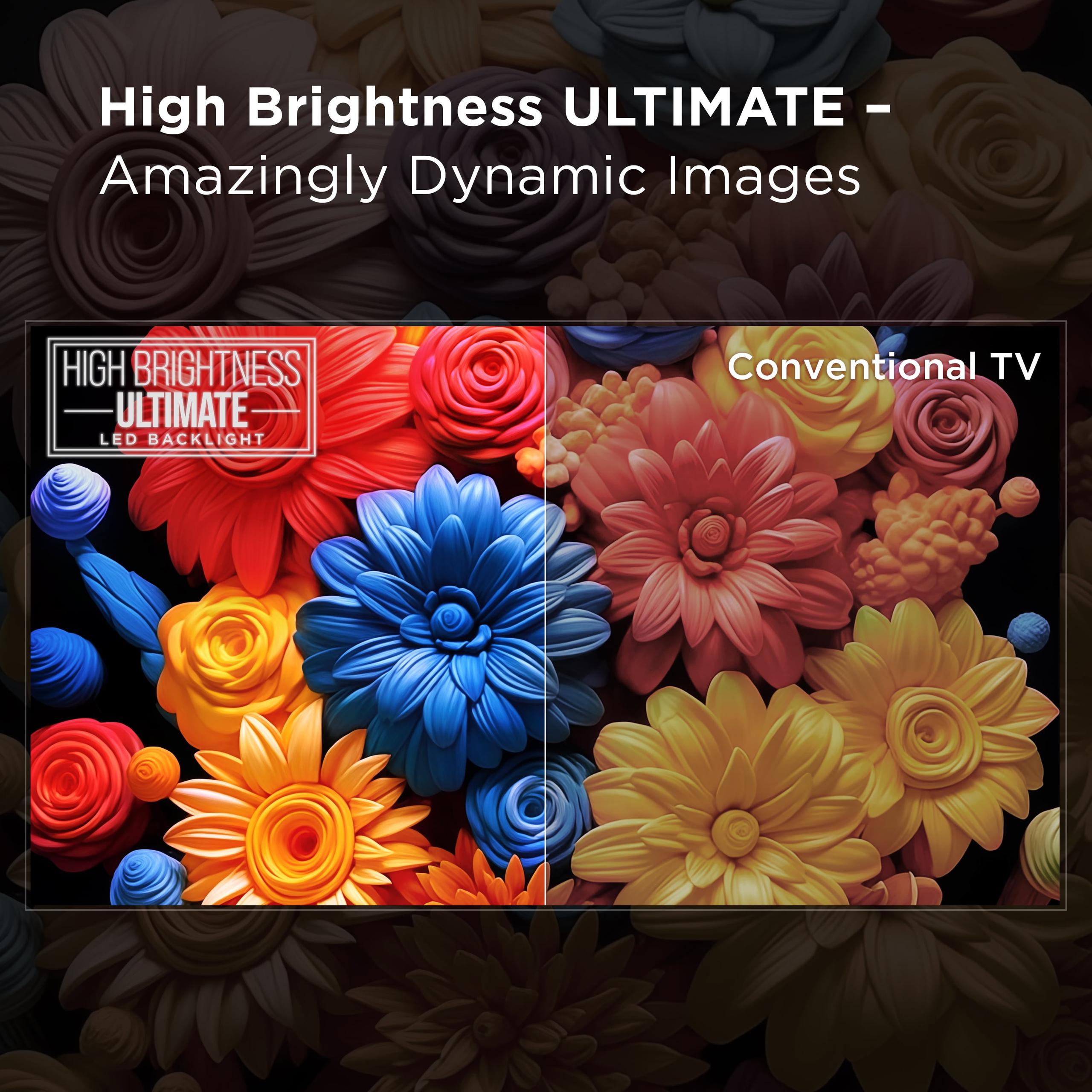
The TCL QM8 features up to 5,000 local dimming zones compared to the Frame Pro's unspecified but likely lower count. More zones mean better contrast control – the QM8 can make stars twinkle against truly black space without the bright stars creating halos around them. This massive zone count, combined with TCL's QD-Mini LED technology, allows the QM8 to reach up to 5,000 nits of peak brightness – nearly five times brighter than the Samsung Frame Pro.
That brightness difference isn't just about numbers on a spec sheet. When you're watching HDR content like a movie with explosions or a nature documentary with bright sunlight, those extra nits translate to highlights that genuinely look like they're glowing. The sun reflecting off water or the flash of lightning becomes viscerally impactful in a way that dimmer TVs simply can't match.
The TCL QM8 also includes an impressive ONKYO 2.1.2 channel audio system with 80 watts of total power, including up-firing speakers for Dolby Atmos surround sound and a built-in subwoofer. This is significantly more robust than the Frame Pro's 40-watt system and means you might not need to immediately buy a soundbar.
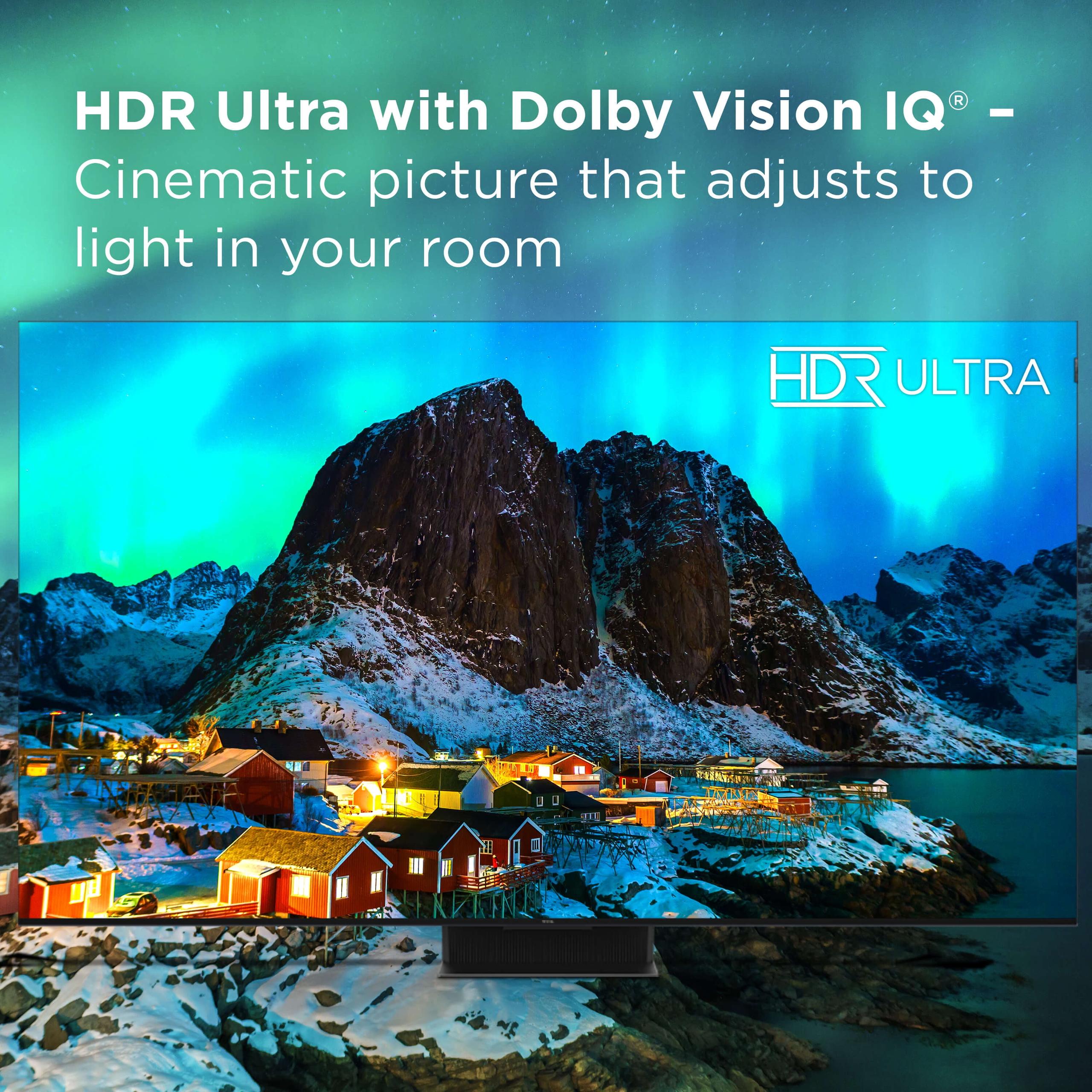
Based on our research into professional reviews and user feedback, the picture quality comparison reveals interesting trade-offs. The TCL QM8 delivers objectively superior HDR performance thanks to its massive brightness advantage and more effective local dimming. When displaying bright HDR content, the QM8's ability to hit 5,000 nits means specular highlights – things like car headlights, explosions, or bright reflections – have an almost three-dimensional quality that makes them pop off the screen.
However, the Samsung Frame Pro offers a more refined viewing experience in typical living room conditions. The matte screen coating eliminates distracting reflections that plague most TVs during daytime viewing. If your TV faces windows or has overhead lighting, this anti-glare technology provides a consistently comfortable viewing experience that the glossy QM8 can't match.
For color accuracy, both TVs perform well, but they take different approaches. The Frame Pro is Pantone-validated, meaning its colors are certified to match professional standards – crucial for its art display functions. The QM8 covers nearly the entire DCI-P3 color space used for movie production, delivering vibrant, cinema-accurate colors.
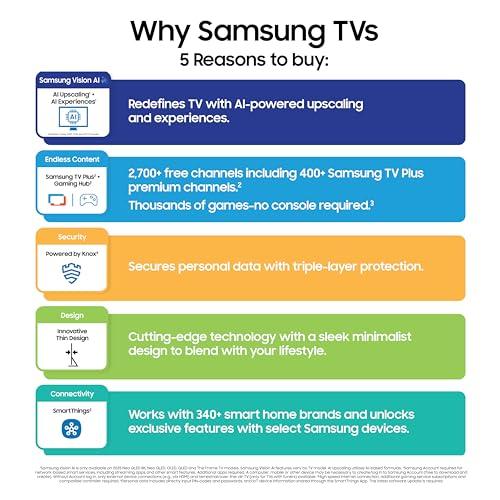
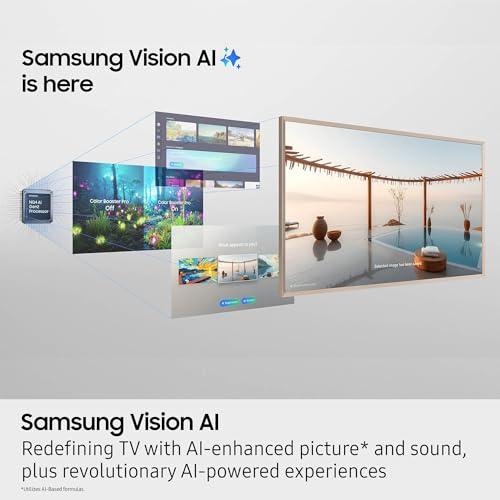
The upscaling performance – how well each TV makes lower-resolution content look good – favors the Samsung Frame Pro thanks to its NQ4 AI Gen3 processor. This chip uses machine learning trained on thousands of video types to intelligently enhance detail and reduce artifacts. If you watch a lot of streaming content or cable TV, this translates to noticeably cleaner, sharper images.
For gaming, there's no contest – the TCL QM8 dominates. Input lag, which measures the delay between when you press a controller button and see the action on screen, is incredibly low on the QM8. Professional reviewers consistently measure gaming input lag under 10 milliseconds, which puts it among the best gaming TVs available.
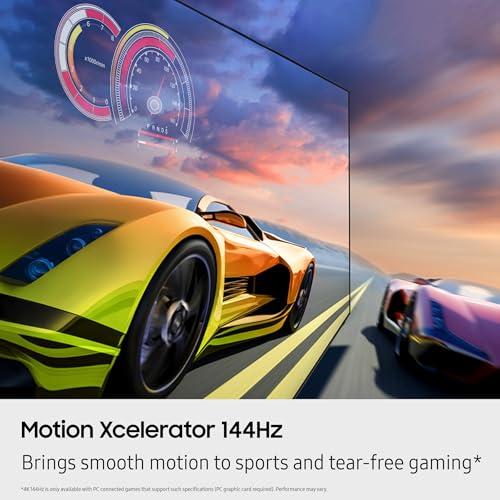
The Samsung Frame Pro, despite supporting 144Hz refresh rates, suffers from high input lag exceeding 30 milliseconds. This might not sound like much, but in competitive gaming, that extra 20+ milliseconds can mean the difference between landing a shot and missing it. Samsung includes a micro HDMI port directly on the TV to bypass the wireless connection, but this defeats the purpose of the cable-free design.
Both TVs support Variable Refresh Rate (VRR) technology, which synchronizes the TV's refresh rate with your gaming device's frame rate to eliminate screen tearing. However, the QM8 implements this more effectively across different gaming scenarios.
The refresh rate story is interesting: while both TVs can theoretically handle 144Hz, the Frame Pro achieves this through its wireless connection, which introduces latency. The QM8 handles high refresh rates through traditional HDMI connections, maintaining low latency even at maximum refresh rates.
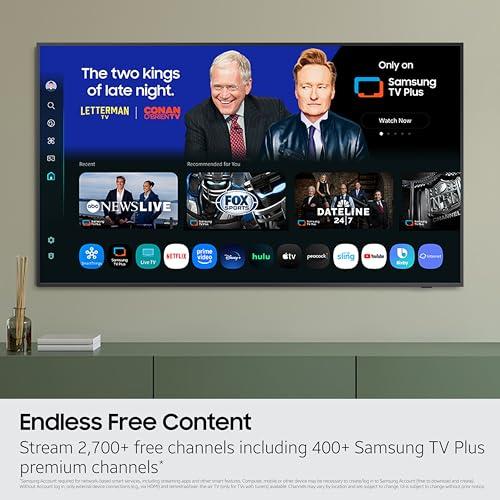
Smart TV platforms have become increasingly important as streaming dominates how we watch content. The Samsung Frame Pro runs Tizen, Samsung's proprietary operating system that's generally well-regarded for its speed and app selection. The interface is clean and integrates well with Samsung's ecosystem if you have other Samsung devices.
The TCL QM8 uses Google TV, which offers excellent integration with Google services and generally has the most comprehensive app selection available. Google TV's recommendation engine is particularly good at surfacing content from across your various streaming subscriptions.
The connectivity story heavily favors the Frame Pro in terms of innovation. The Wireless One Connect Box is genuinely impressive technology that solves a real problem – cable management has always been the achilles heel of wall-mounted TVs. Being able to place all your devices in a cabinet while maintaining a completely clean wall installation is worth the premium for many buyers.
However, the QM8 offers more advanced wireless connectivity with Wi-Fi 6 support compared to the Frame Pro's Wi-Fi 5. For everyday use, this means potentially better performance when streaming high-bitrate 4K content over wireless connections.
The design philosophies couldn't be more different. The Samsung Frame Pro is designed to disappear into your living space, masquerading as wall art when not displaying TV content. The customizable bezels, ultra-thin profile, and matte screen create a genuine art piece that happens to be a TV.
The TCL QM8 embraces traditional TV aesthetics but executes them well with thin bezels and a premium build quality. It's clearly a TV, but an attractive one that won't look out of place in a modern living room.
For home theater enthusiasts, this design difference matters significantly. If you have a dedicated theater room, the QM8's superior brightness and contrast performance will deliver a more cinematic experience. However, if your TV is in a multi-purpose living space where aesthetics matter as much as performance, the Frame Pro's ability to blend into your décor when not in use is genuinely valuable.
At the time of writing, these TVs occupy different price tiers, with the TCL QM8 typically costing several hundred dollars less than the Samsung Frame Pro. This price difference reflects their different target markets and design priorities.
The QM8 offers exceptional performance per dollar. You're getting flagship-level brightness, extensive local dimming, excellent gaming performance, and robust built-in audio for significantly less money. If your primary concern is getting the best possible picture quality and features for your budget, the QM8 represents outstanding value.
The Frame Pro commands a lifestyle premium that's justified if its unique features align with your needs. The wireless connectivity, art display capabilities, and anti-glare screen solve specific problems that matter to certain buyers. If you value the ability to display art, need cable-free installation, or frequently watch TV in bright rooms, the premium becomes worthwhile.
Choose the Samsung Frame Pro if you're looking for a TV that integrates into your living space as both entertainment device and art piece. It's particularly compelling if you have a bright living room where traditional TVs struggle with reflections, want to avoid running cables to a wall-mounted TV, or genuinely value the art display functionality. The refined picture quality and smart platform make it an excellent choice for general TV watching, just don't expect gaming performance to match dedicated gaming TVs.
The TCL QM8 is the clear choice for performance enthusiasts who want maximum bang for their buck. If you prioritize picture quality metrics like brightness and contrast, need excellent gaming performance, or want the most robust built-in audio system, the QM8 delivers flagship performance at a more accessible price point.
For dedicated home theater use, the QM8's superior brightness and contrast performance give it the edge, especially in darker viewing environments where its incredible HDR performance can truly shine. However, in multi-purpose living spaces where the TV is always visible, the Frame Pro's ability to display art when not in use adds genuine lifestyle value that's hard to quantify but easy to appreciate.
Both represent excellent choices in their respective categories – the key is understanding which philosophy better matches your priorities and living situation.
| Samsung 65" The Frame Pro 4K Neo QLED Smart TV 2025 | TCL 65" QM8 Mini-LED Smart TV |
|---|---|
| Peak Brightness - Critical for HDR impact and bright room viewing | |
| 1,000+ nits (excellent for most rooms) | Up to 5,000 nits (exceptional HDR performance) |
| Local Dimming Zones - Controls contrast and black levels | |
| Unspecified count with Neo QLED technology | Up to 5,000 zones (superior contrast control) |
| Gaming Input Lag - Essential for responsive gaming | |
| 30ms+ (poor for competitive gaming) | Under 10ms (excellent for all gaming types) |
| Refresh Rate - Smooth motion for sports and gaming | |
| 144Hz via wireless connection | 120Hz native, 144Hz VRR support |
| Anti-Reflection Technology - Reduces glare in bright rooms | |
| Matte anti-glare screen (eliminates reflections) | Standard glossy screen (reflections in bright rooms) |
| Audio System - Built-in sound quality | |
| 40W 2.0.2CH with Dolby Atmos | 80W ONKYO 2.1.2CH with subwoofer |
| Wireless Connectivity - Cable management solution | |
| Wireless One Connect Box (revolutionary cable-free setup) | Traditional wired HDMI connections |
| Art Mode Features - Lifestyle integration | |
| Full art gallery with 3,000+ curated works, customizable bezels | None (traditional TV aesthetics) |
| Smart Platform - Streaming and app experience | |
| Samsung Tizen with excellent app support | Google TV with superior content discovery |
| Wi-Fi Standard - Streaming performance | |
| Wi-Fi 5 (adequate for most content) | Wi-Fi 6 (better for high-bitrate streaming) |
| Color Technology - Accuracy and vibrancy | |
| Neo QLED with Pantone validation (art-focused accuracy) | QD-Mini LED covering DCI-P3 space (cinema accuracy) |
| Upscaling Performance - Lower resolution content quality | |
| NQ4 AI Gen3 processor (excellent AI enhancement) | TCL AIPQ PRO processor (good performance) |
| Target Use Case - Best suited for | |
| Bright living rooms, art display, cable-free installation | Home theaters, gaming, maximum performance per dollar |
The TCL QM8 delivers superior overall picture quality with up to 5,000 nits peak brightness and 5,000+ local dimming zones, creating more impactful HDR and better contrast. However, the Samsung Frame Pro offers excellent picture quality with its Neo QLED panel and excels in bright rooms due to its matte anti-glare screen that eliminates reflections.
The TCL QM8 is significantly better for gaming with input lag under 10ms, making it excellent for competitive gaming. The Samsung Frame Pro has high input lag over 30ms, which makes it less suitable for serious gaming despite supporting 144Hz refresh rates.
The TCL QM8 offers exceptional value with flagship-level performance at a lower price point, including superior brightness, gaming capabilities, and robust 80W audio. The Samsung Frame Pro commands a premium for its unique lifestyle features like Art Mode and wireless connectivity, which may justify the cost for specific buyers.
The Samsung Frame Pro excels in bright rooms thanks to its matte anti-reflection screen that virtually eliminates glare, making it comfortable to watch even with windows or overhead lighting. The TCL QM8 has a glossy screen that can reflect light, though its extremely high brightness helps overcome some glare issues.
The TCL QM8 has significantly better built-in audio with its 80W ONKYO 2.1.2 channel system featuring up-firing speakers and a built-in subwoofer. The Samsung Frame Pro has a more modest 40W 2.0.2CH system, though both support Dolby Atmos for immersive sound.
Only the Samsung Frame Pro offers Art Mode, transforming into a digital art gallery with access to thousands of curated artworks from museums and galleries. The TCL QM8 is a traditional TV without art display capabilities, focusing purely on entertainment performance.
For dedicated home theaters, the TCL QM8 is typically better due to its exceptional 5,000-nit peak brightness and superior local dimming, creating more cinematic HDR performance in dark viewing environments. The Samsung Frame Pro is better suited for multi-purpose living spaces where aesthetics and bright room performance matter more.
The Samsung Frame Pro uses Samsung's Tizen platform, which is fast and well-integrated with Samsung devices. The TCL QM8 runs Google TV, offering excellent content discovery and the most comprehensive app selection. Both platforms are reliable, with Google TV having a slight edge for streaming variety.
The Samsung Frame Pro revolutionizes cable management with its Wireless One Connect Box, allowing completely cable-free wall mounting with all devices connecting wirelessly from up to 30 feet away. The TCL QM8 uses traditional HDMI connections requiring cable management solutions for clean installations.
Both TVs handle 4K streaming well, but the TCL QM8 has Wi-Fi 6 support for better wireless performance with high-bitrate content. The Samsung Frame Pro uses Wi-Fi 5 and includes excellent upscaling technology that makes lower-resolution content look sharper and cleaner.
The TCL QM8 is generally better for sports viewing due to its superior brightness making daytime games more vibrant and its excellent motion handling. However, the Samsung Frame Pro can be preferable if you watch sports in a bright room with lots of glare, where its anti-reflection screen provides more comfortable viewing.
Choose the Samsung Frame Pro if you want a TV that doubles as art, need cable-free installation, or frequently watch in bright rooms with reflections. Choose the TCL QM8 if you prioritize maximum picture quality performance, gaming capabilities, or want the best value for flagship-level features. Consider your room lighting, aesthetic preferences, and primary use cases when deciding between these excellent TVs.
We've done our best to create useful and informative comparisons to help you decide what product to buy. Our research uses advanced automated methods to create this comparison and perfection is not possible - please contact us for corrections or questions. These are the sites we've researched in the creation of this article: tomsguide.com - youtube.com - smarthomesounds.co.uk - images.samsung.com - rtings.com - samsung.com - bestbuy.com - bestbuy.com - businessinsider.com - dentonstv.com - samsung.com - flatpanelshd.com - samsung.com - jefflynch.com - youtube.com - costco.com - rtings.com - rtings.com - techradar.com - tcl.com - the-gadgeteer.com - nfm.com - ecoustics.com - careyscommunications.com - pcrichard.com - tcl.com

Privacy Policy
Terms and Conditions - Affiliate Policy
Home Security
© Copyright 2008-2026.
11816 Inwood Rd #1211, Dallas, TX 75244