



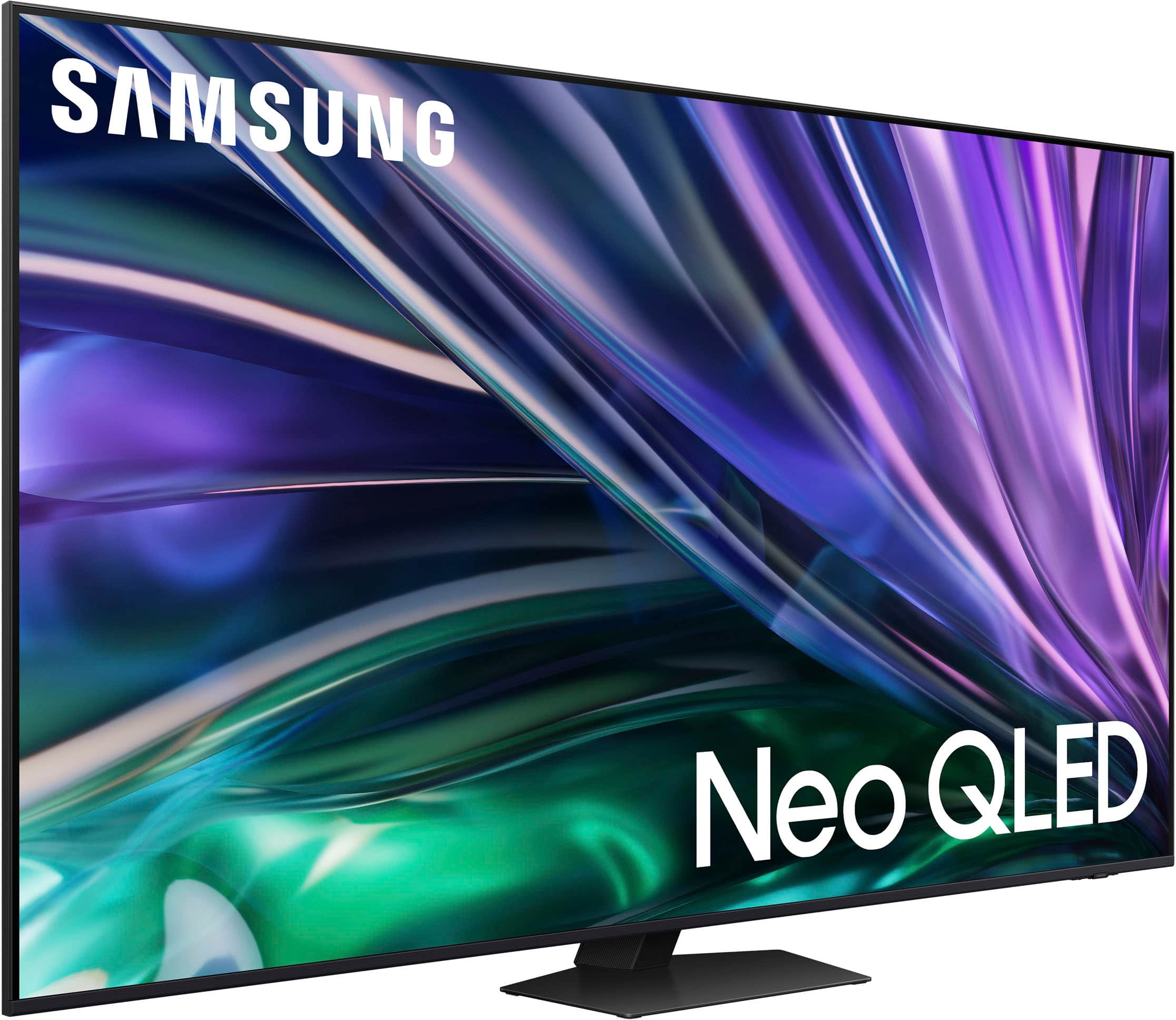

Samsung's Neo QLED lineup represents some of the best LED TV technology available today, but choosing between models can be tricky when they serve such different purposes. The Samsung 65" The Frame Pro 4K Neo QLED Smart TV 2025 and Samsung 65" QN85D Neo QLED 4K Smart TV both use Mini-LED backlighting and quantum dot technology, yet they're designed for completely different types of viewers.
At the time of writing, these TVs sit in different price brackets – the Frame Pro commands nearly double the price of the QN85D, which immediately tells us they're targeting different audiences. But is that premium justified? Let's dig into what makes each TV special and help you decide which one belongs in your living room.
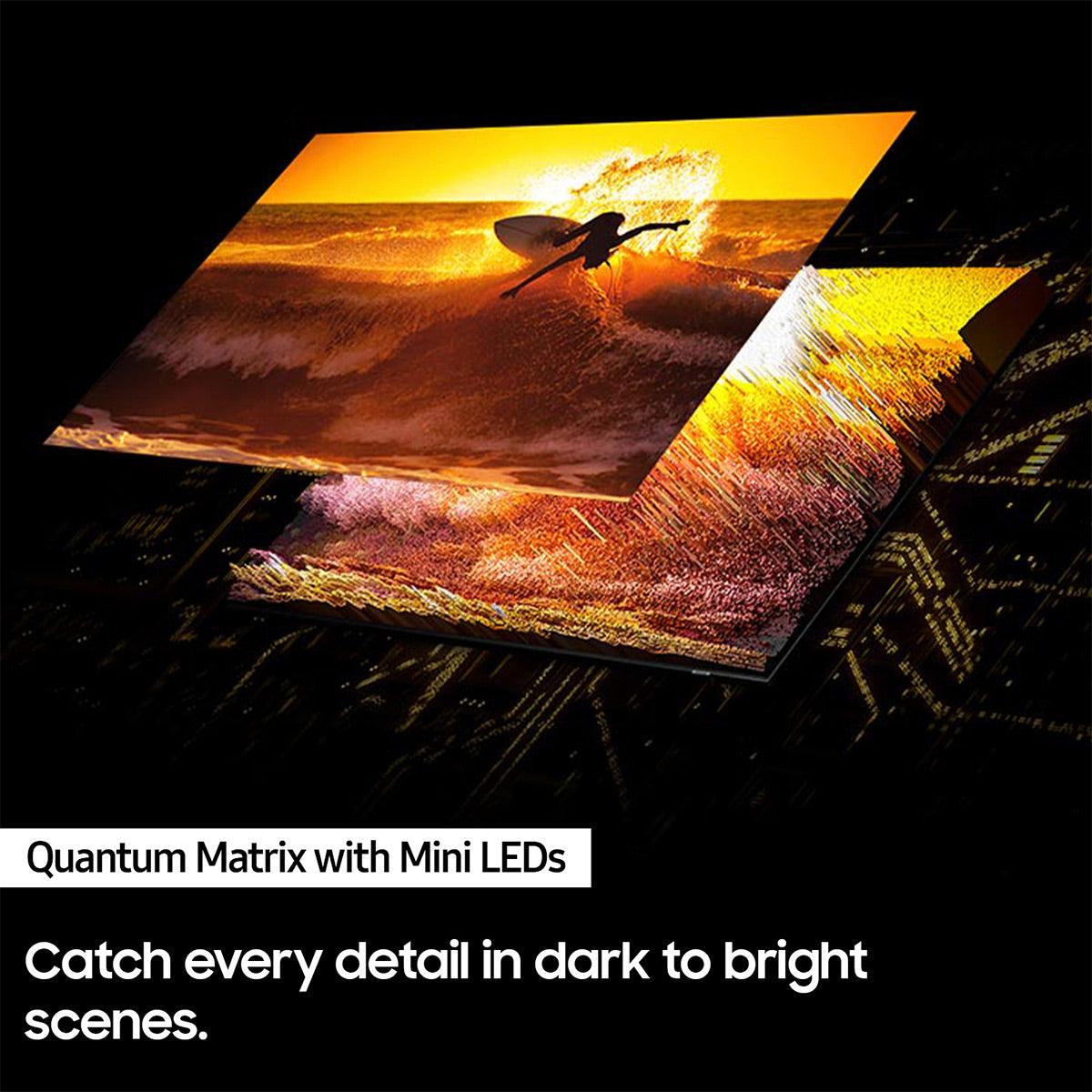
Before we compare these specific models, it's worth understanding what Neo QLED actually means. Traditional LED TVs use larger LED lights behind the screen, but Neo QLED TVs use thousands of tiny Mini-LEDs – each about 1/40th the size of regular LEDs. This allows for much more precise control over brightness and darkness across different parts of the screen, creating better contrast (the difference between the darkest blacks and brightest whites).
Both TVs also use quantum dots – microscopic particles that can produce incredibly pure colors when hit with light. Think of them as tiny color filters that make reds more red and blues more blue without looking oversaturated or fake.
The main considerations when shopping for any premium TV include picture quality, design integration, gaming performance, and overall value. However, these two Samsung models approach these priorities very differently.
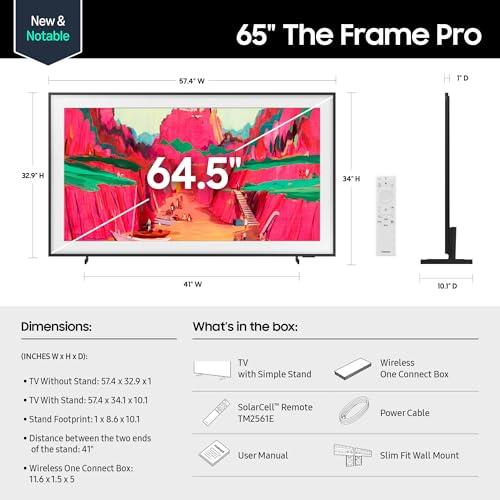
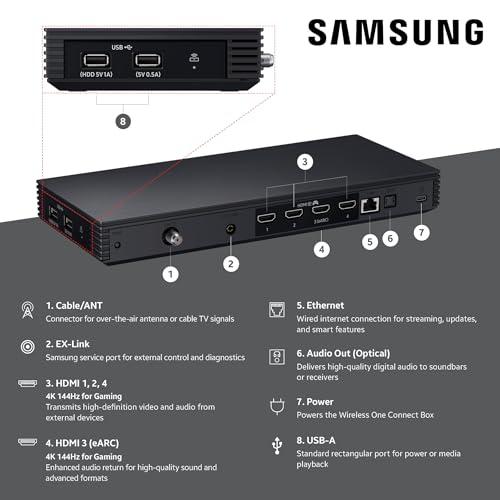
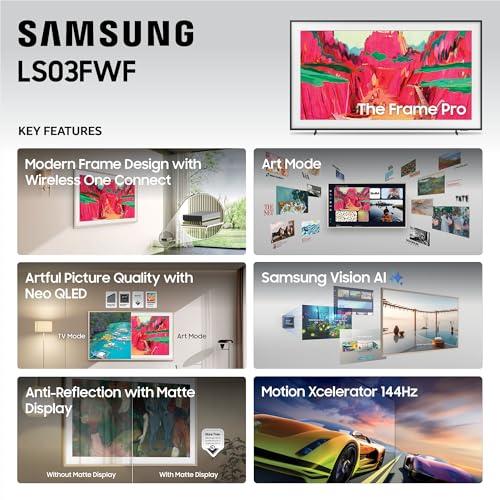
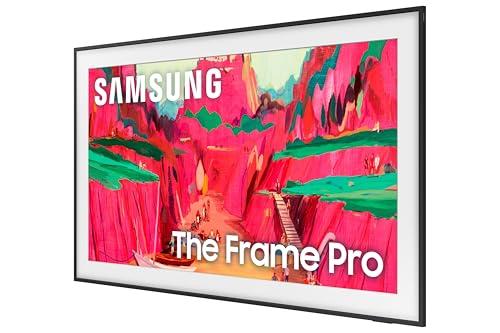
The most obvious difference between these TVs is their design approach. The Frame Pro was released in 2025 as Samsung's answer to customers who wanted their TV to disappear into their home decor when not in use. It features a revolutionary Wireless One Connect Box that can transmit 4K video signals wirelessly from up to 33 feet away. This means you can hide all your cable boxes, gaming consoles, and streaming devices in a cabinet across the room, leaving absolutely no visible wires connected to the TV itself.
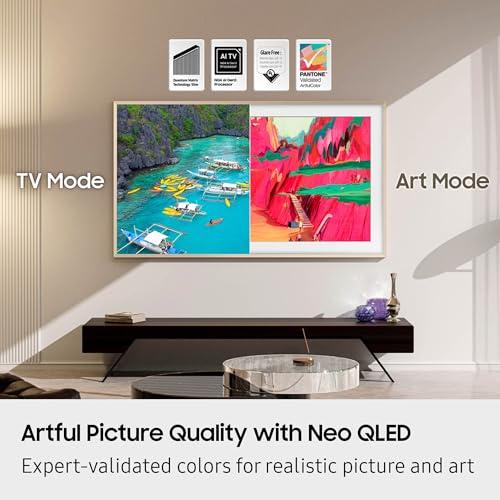
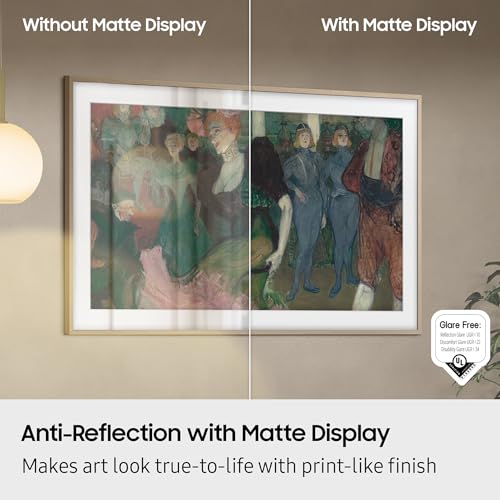
The screen itself has a matte finish that reduces reflections and makes displayed artwork look more like an actual painting or photograph. When you're not watching content, Art Mode transforms the TV into a digital art gallery, cycling through thousands of professionally curated artworks or your own photos. The customizable bezels let you match the TV to your room's aesthetic – you can choose wood grain, metal, or colored frames that make it look like a piece of framed art hanging on your wall.
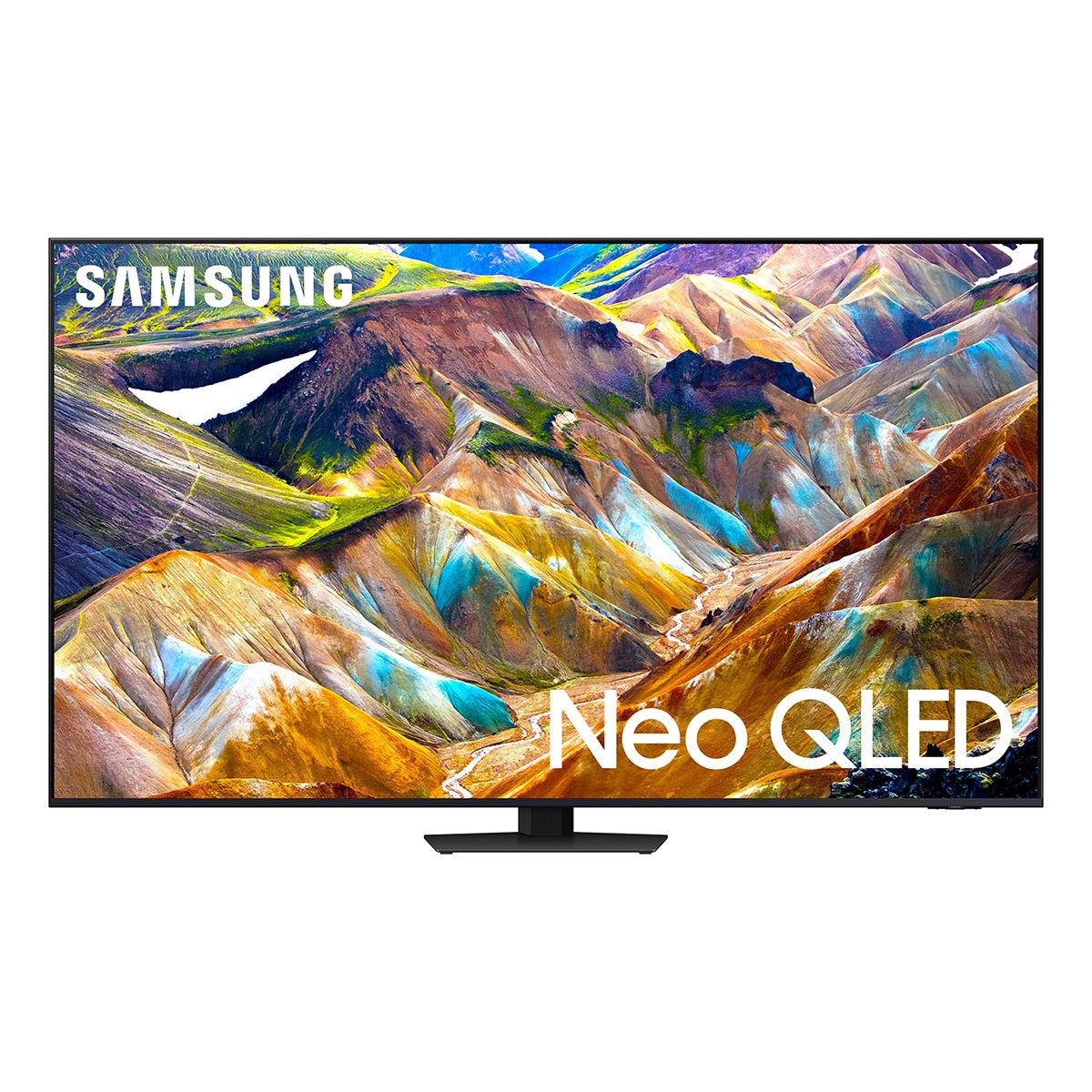
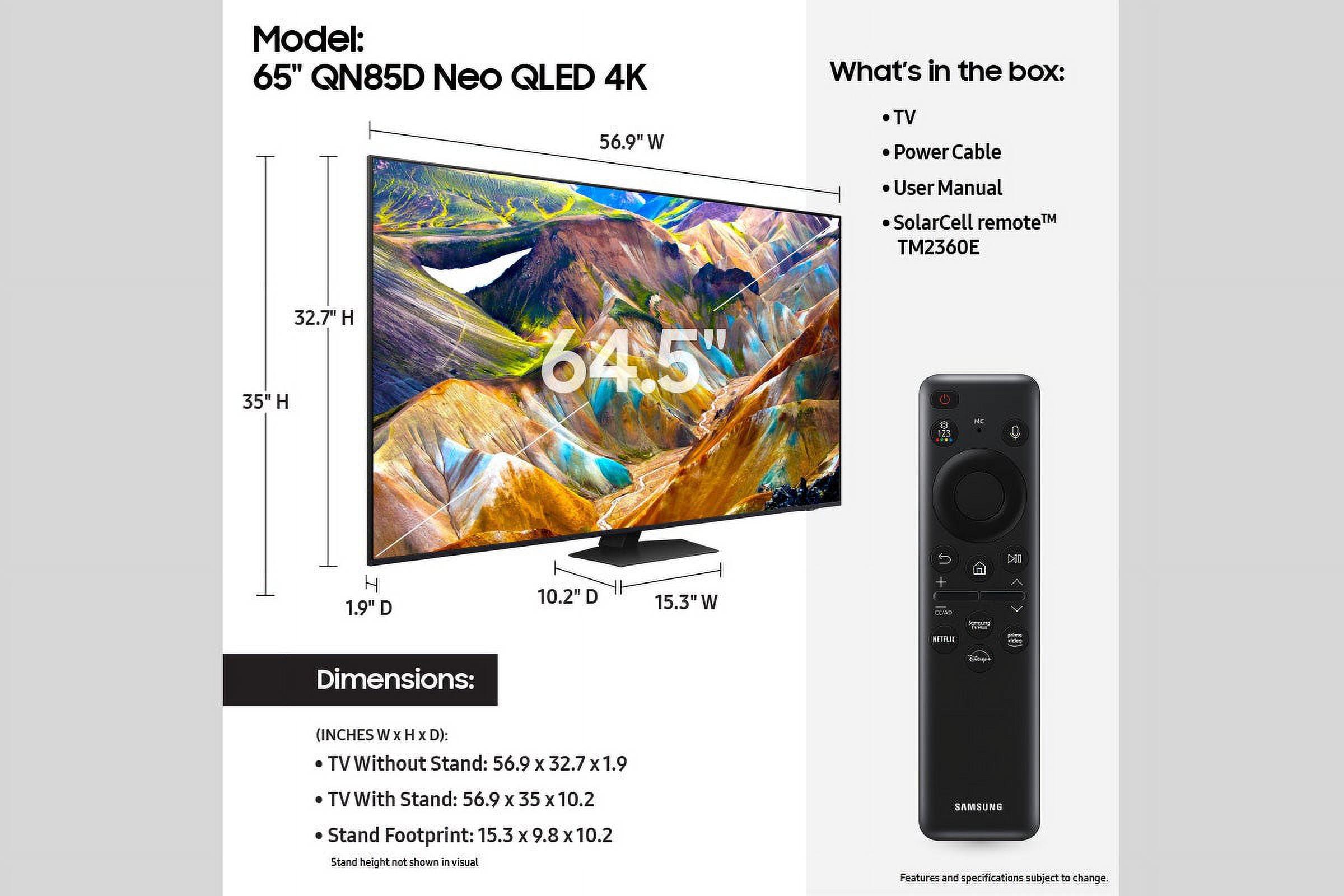
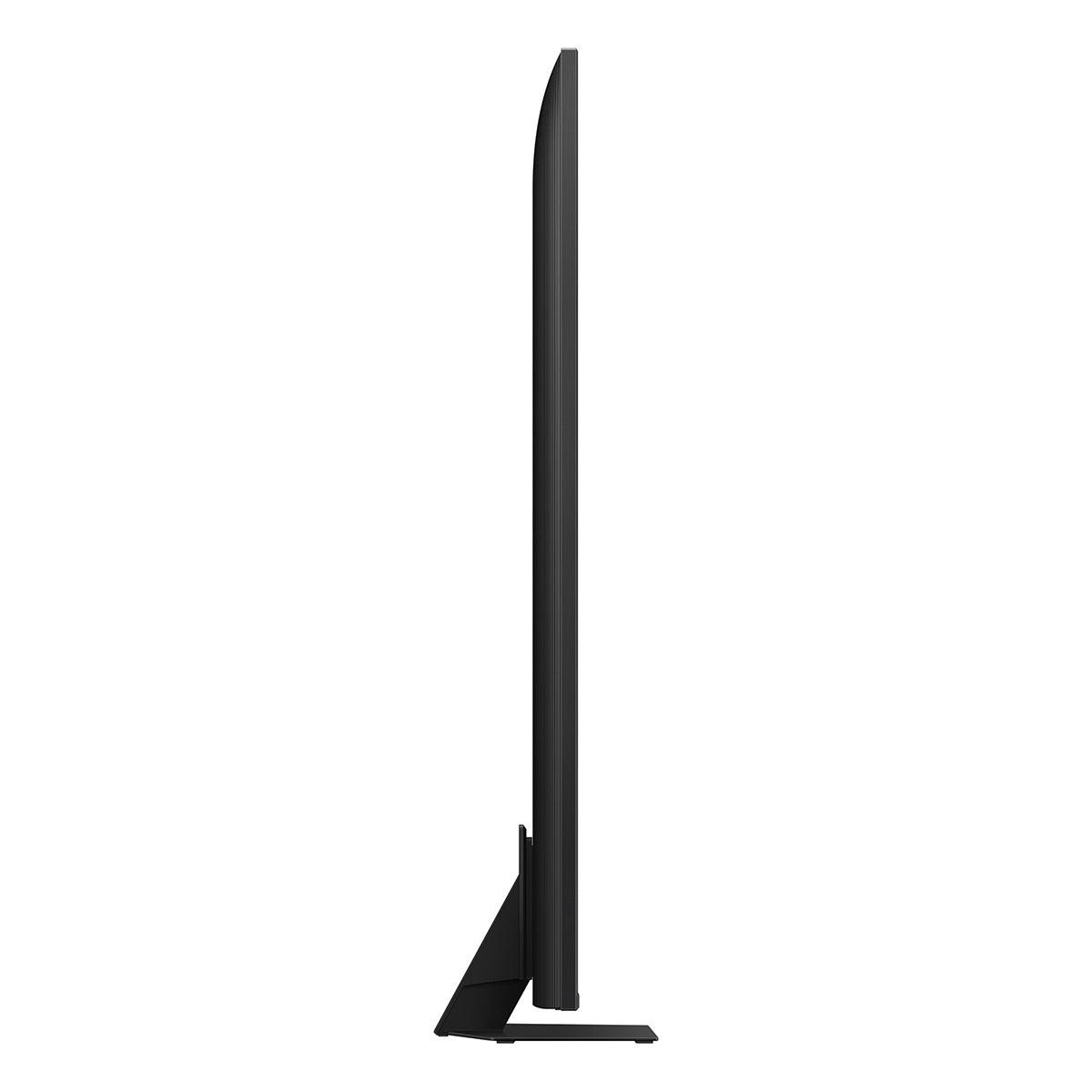
In contrast, the QN85D takes a traditional approach. Released in 2024, it focuses purely on delivering excellent picture quality and gaming performance without the lifestyle features. It has a standard glossy screen optimized for video content and uses conventional wired connections. While it's still an attractive TV, it looks like what it is – a high-end television.
Here's where things get interesting from a technical standpoint. Our research into professional reviews and user experiences reveals that these TVs excel in different lighting conditions due to their panel technologies.
The Frame Pro achieves over 1,000 nits of peak brightness – that's roughly ten times brighter than a typical indoor environment. Combined with its matte anti-glare coating, this makes it exceptional for bright rooms with lots of windows or overhead lighting. The quantum dot color coverage reaches 93.4% of the UHDA-P3 color space, which is the standard used by streaming services and UHD Blu-rays. In practical terms, this means colors look vibrant and accurate even when competing with daylight.
However, the QN85D has a significant advantage in darker viewing environments. It uses a VA panel (Vertical Alignment), which provides a much higher native contrast ratio – over 160,000:1 compared to the Frame Pro's more modest contrast. This translates to deeper, more convincing blacks when watching movies in a dimmed room. The trade-off is that VA panels have narrower viewing angles, so colors and contrast degrade more quickly when you're sitting off to the side.
The QN85D also features 160 local dimming zones on the 65-inch model. Local dimming allows different sections of the screen to get brighter or darker independently, improving the contrast between bright and dark elements in the same scene. While the Frame Pro also has local dimming, early reports suggest it's less aggressive in its implementation to maintain the artistic aesthetic.
For HDR content – movies and shows with enhanced brightness and color information – both TVs support the major formats, but they handle them differently. The Frame Pro's higher peak brightness means HDR highlights like explosions, sunlight, or neon signs can really pop, even in bright rooms. The QN85D's superior contrast means you'll see more detail in dark scenes, like the shadows in a thriller or the subtle gradations in a sunset.
If you're a gamer, the choice between these TVs becomes much clearer. The QN85D offers significantly better gaming performance across the board. Input lag – the delay between pressing a button and seeing the result on screen – is crucial for competitive gaming. Professional testing shows the Frame Pro has input lag over 30 milliseconds, which is quite high by modern standards and could be noticeable in fast-paced games.
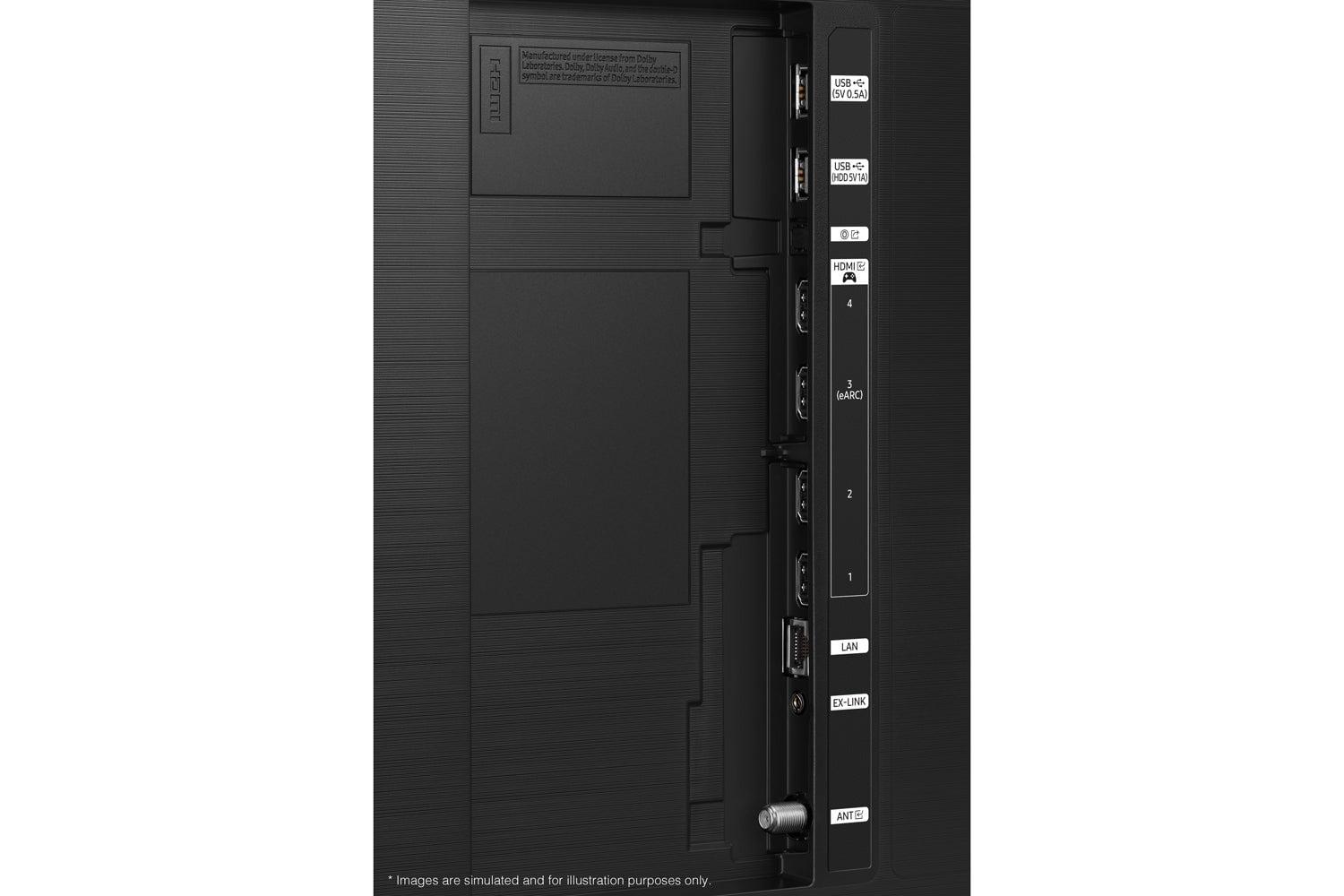
The QN85D achieves much lower input lag, making it suitable for serious gaming. It also offers four HDMI 2.1 ports that can handle 4K gaming at 120Hz from PlayStation 5 or Xbox Series X consoles. All ports support Variable Refresh Rate (VRR), which eliminates screen tearing, and Auto Low Latency Mode (ALLM), which automatically switches to the lowest lag mode when it detects a gaming signal.
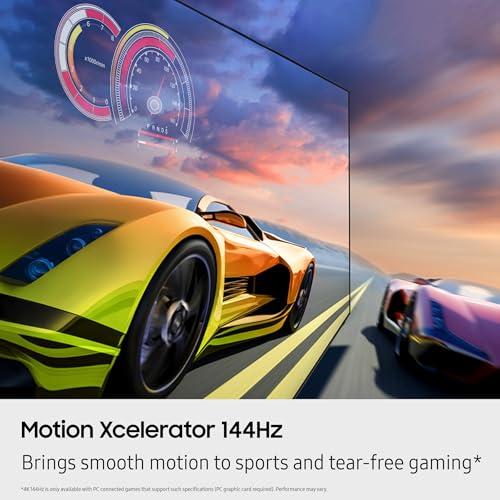
The Frame Pro does support up to 144Hz refresh rates and has a micro HDMI port directly on the TV for potentially lower latency connections, but the wireless transmission system introduces delays that make it less ideal for competitive gaming. It's fine for casual single-player games, but if you play online multiplayer titles where every millisecond counts, the QN85D is the better choice.
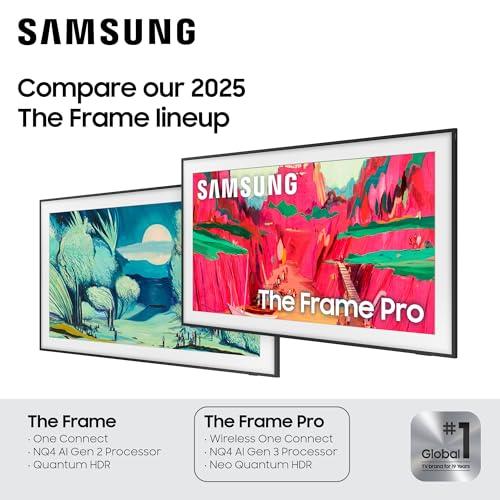
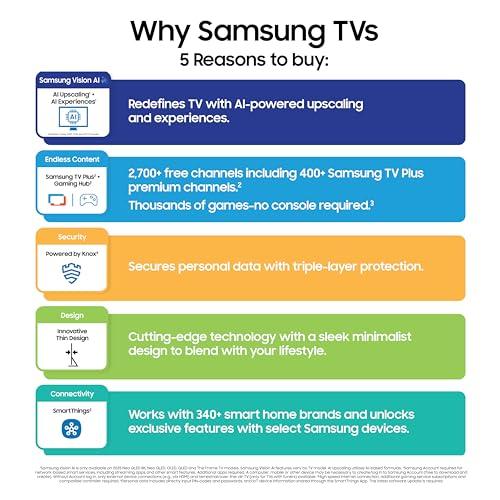
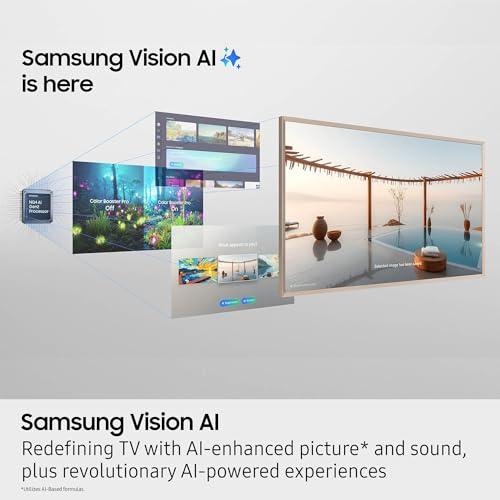
Both TVs run Samsung's Tizen operating system, which is fast and includes all major streaming apps. However, the Frame Pro benefits from the newer NQ4 AI Gen3 processor released in 2025, compared to the QN85D's Gen2 processor from 2024. This newer chip provides better upscaling of lower-resolution content – important since much of what we stream is still 1080p or compressed 4K.
The Frame Pro also includes Samsung Vision AI, which can provide real-time information about actors, music, and other content elements. While these AI features are impressive, they're more novelty than necessity for most users.
The Art Mode on the Frame Pro deserves special mention. It's not just a screensaver – the TV has brightness sensors that adjust the displayed artwork to match your room's ambient lighting, making it look more like a real piece of art. The Samsung Art Store offers thousands of works from museums and contemporary artists, though accessing the full catalog requires a subscription after the first year.
Neither TV will replace a dedicated sound system, but both offer respectable audio for their built-in speakers. The Frame Pro features a 40W, 2.0.2-channel system with Dolby Atmos support, while the QN85D includes Object Tracking Sound Lite, which moves audio effects around the screen to match what's happening visually.
Both support Q-Symphony, Samsung's technology that coordinates the TV's speakers with compatible Samsung soundbars for a more immersive experience. Given the premium pricing of both models, most buyers will likely pair them with external audio equipment anyway.
For dedicated home theater setups, the choice depends on your room's lighting control. If you have blackout curtains and primarily watch movies in a darkened environment, the QN85D's superior contrast ratio and black levels will provide a more cinematic experience. The deeper blacks make space scenes in science fiction films more convincing and help maintain the director's intended mood in darker dramatic scenes.
However, if your theater room has some ambient lighting or you prefer to keep some lights on while watching, the Frame Pro's higher brightness and anti-glare properties become advantages. The matte screen also reduces distracting reflections from any lighting in the room.
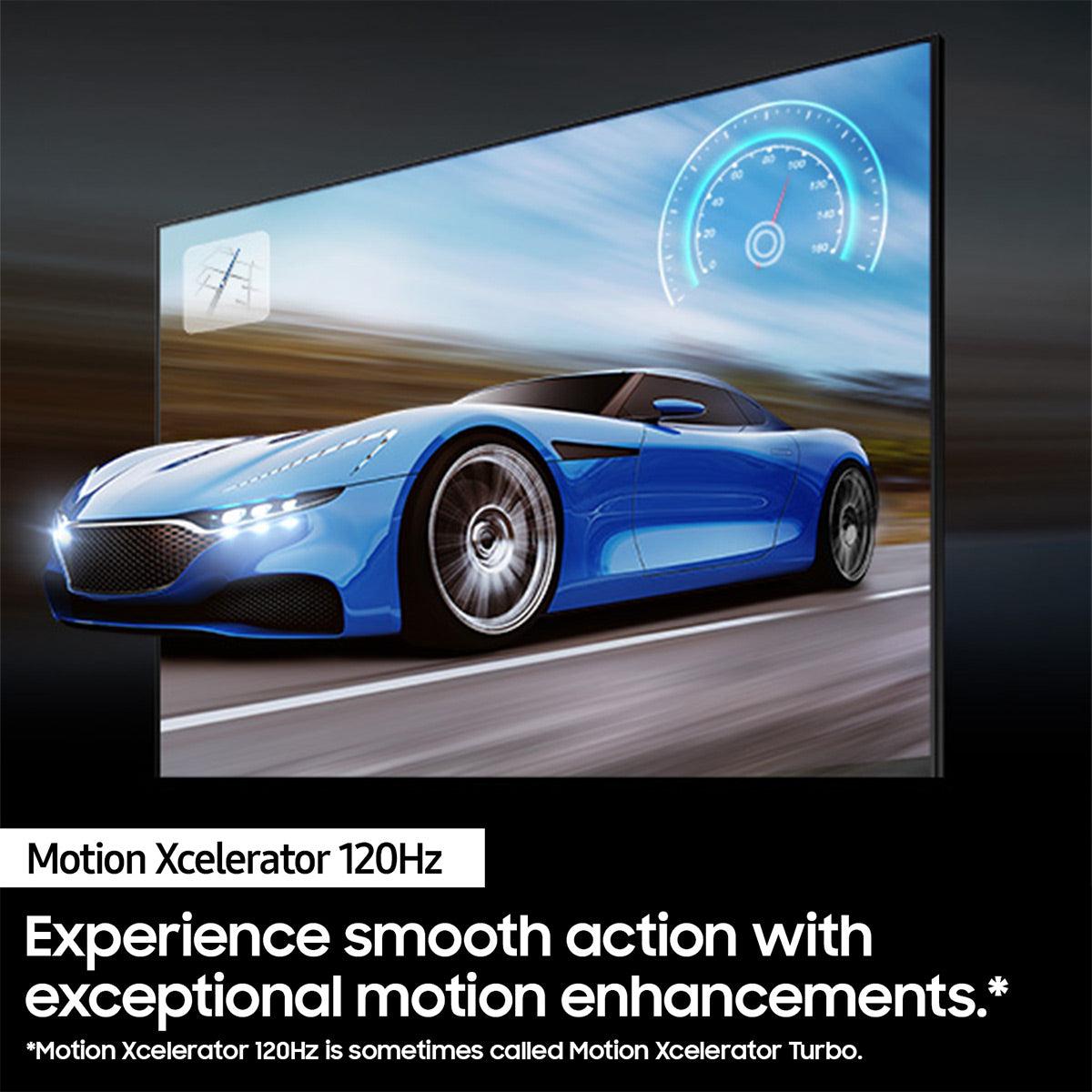
For sports viewing – a common use case in family rooms – both TVs handle motion well, but the QN85D has a slight edge due to its superior motion processing and lack of wireless transmission delays.
At the time of writing, the price difference between these models is substantial, with the Frame Pro commanding nearly double the QN85D's price. This premium is primarily for the wireless connectivity, art features, and latest-generation processing.
The Frame Pro makes sense if you're designing a living space where the TV needs to serve dual purposes as both entertainment and art. Interior designers and their clients often gravitate toward this model because it solves the age-old problem of large black rectangles dominating living room walls. The wireless setup also enables installation scenarios that would be impossible with traditional TVs, like mounting on walls where running cables would be impractical.
The QN85D represents exceptional value for performance-focused buyers. You're getting 90% of the picture quality at roughly half the price, plus better gaming performance. For most people who simply want an excellent TV for movies, sports, and gaming, it's the smarter choice.
The Frame Pro's Wireless One Connect Box represents genuine innovation in TV connectivity. Using Wi-Fi 7 and omni-directional technology, it maintains a stable 4K signal even through walls and furniture. This addresses real installation challenges and could influence future TV design across the industry.
However, this wireless approach has limitations. There's no wired fallback if the wireless connection encounters issues, and the system adds complexity that some users prefer to avoid. The QN85D uses proven wired connections that offer maximum reliability and compatibility.
After researching professional reviews and user experiences, my recommendation comes down to your specific needs and room setup.
Choose the Frame Pro if you're designing a living space where aesthetics matter as much as performance, you have a bright room that would benefit from the anti-glare screen, and you're willing to pay a significant premium for lifestyle features. It's also the better choice if you primarily watch streaming content and don't do serious gaming.
Choose the QN85D if you prioritize picture quality per dollar, do any gaming beyond casual mobile-style games, or prefer proven technology over cutting-edge features. It's particularly compelling for home theater setups or darker viewing environments where its superior contrast can shine.
Both are excellent TVs, but they serve different masters. The Frame Pro is about lifestyle integration and paying for the privilege of having your TV disappear when not in use. The QN85D is about getting maximum performance for your investment. Neither choice is wrong – it just depends on what you value most in your living space.
The substantial price difference means most buyers can afford to step up to a larger QN85D for the same budget as a smaller Frame Pro, which could provide a more impactful viewing experience overall. But for those who want their technology to blend seamlessly into their home's aesthetic, the Frame Pro represents a unique solution that no other TV manufacturer currently matches.
| Samsung 65" The Frame Pro 4K Neo QLED Smart TV 2025 | Samsung 65" QN85D Neo QLED 4K Smart TV |
|---|---|
| Display Technology - Foundation of picture quality performance | |
| Neo QLED Mini-LED with Quantum Dot, matte anti-glare finish | Neo QLED Mini-LED with VA panel, glossy finish optimized for video |
| Peak Brightness - Critical for HDR impact and bright room viewing | |
| 1,000+ nits (excellent for overcoming daylight and room lighting) | Strong HDR brightness but lower than Frame Pro (better value, still very bright) |
| Contrast Ratio - Determines black depth and overall picture depth | |
| Moderate contrast limited by matte coating (trades contrast for glare reduction) | 160,000:1+ native contrast with local dimming (superior blacks and depth) |
| Refresh Rate - Impacts motion smoothness and gaming fluidity | |
| 144Hz (future-proofed for next-gen gaming, though limited by input lag) | 120Hz (perfectly adequate for all current gaming and content needs) |
| Gaming Input Lag - Make-or-break spec for serious gamers | |
| 30ms+ (too high for competitive gaming, fine for casual play) | Low input lag optimized for gaming (excellent for all gaming types) |
| Processor Generation - Affects upscaling and smart features | |
| NQ4 AI Gen3 (2025 - latest processing with better upscaling) | NQ4 AI Gen2 (2024 - proven processor, slightly behind in AI features) |
| Connectivity Innovation - Unique setup and installation advantages | |
| Wireless One Connect Box (revolutionary cable-free setup, 33ft range) | Traditional wired HDMI connections (maximum reliability and compatibility) |
| HDMI Gaming Features - Essential for console gaming | |
| 5 HDMI ports with 4K 144Hz support, VRR, but wireless adds latency | 4 HDMI 2.1 ports with full gaming features and direct low-latency connection |
| Design Philosophy - Determines how TV integrates into your space | |
| Art Mode with customizable bezels (doubles as wall art when off) | Traditional premium TV design (focused purely on viewing performance) |
| Room Lighting Optimization - Affects where TV performs best | |
| Matte screen excels in bright rooms, reduces all reflections | Glossy screen optimized for controlled lighting, vulnerable to direct reflections |
| Local Dimming Zones - Controls contrast precision across screen | |
| Quantum Matrix slim with conservative dimming (preserves art aesthetic) | 160 zones with aggressive dimming algorithm (maximizes contrast performance) |
| Audio System - Built-in sound capabilities | |
| 40W 2.0.2CH with Dolby Atmos, Object Tracking Sound, Q-Symphony Pro | Dolby Atmos, Object Tracking Sound Lite, Q-Symphony compatibility |
| Smart Platform Features - Streaming and AI capabilities | |
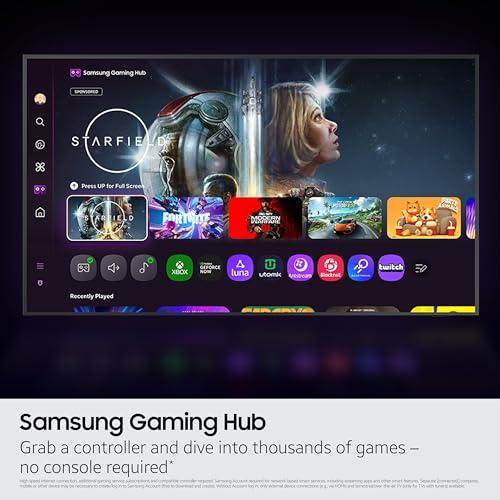
| Tizen OS with Samsung Vision AI, Art Store access, latest 2025 features | Tizen OS with comprehensive streaming apps, Samsung Gaming Hub |
| Target Buyer - Who each TV serves best | |
| Design-conscious users wanting TV to double as art, bright room viewing | Performance-focused buyers wanting maximum picture quality per dollar, gamers |
The Samsung QN85D delivers superior picture quality for movies, especially in darker viewing environments. Its VA panel technology provides a contrast ratio exceeding 160,000:1, creating deeper blacks and more realistic shadow details that are crucial for cinematic experiences. While the Samsung Frame Pro offers higher peak brightness at 1,000+ nits, the QN85D's superior contrast makes it the better choice for home theater setups where you can control ambient lighting.
The Samsung Frame Pro justifies its premium pricing if you value lifestyle integration and cutting-edge features like the Wireless One Connect Box and Art Mode. However, for pure performance value, the Samsung QN85D offers approximately 90% of the picture quality at roughly half the cost. The Frame Pro is worth the extra expense for design-conscious buyers who want their TV to double as wall art, while the QN85D provides better value for performance-focused viewers.
The Samsung QN85D is significantly better for gaming due to its low input lag and four HDMI 2.1 ports optimized for console gaming. The Samsung Frame Pro suffers from input lag over 30ms due to its wireless transmission system, making it unsuitable for competitive gaming. While the Frame Pro supports 144Hz refresh rates, the QN85D's superior responsiveness and direct wired connections make it the clear choice for serious gamers.
The main differences lie in design philosophy and target audience. The Samsung Frame Pro focuses on lifestyle integration with its Wireless One Connect Box, Art Mode, customizable bezels, and matte anti-glare screen. The Samsung QN85D prioritizes traditional TV performance with superior contrast, better gaming capabilities, and proven wired connectivity. Both use Mini-LED technology, but the Frame Pro trades some performance for aesthetic features.
The Samsung Frame Pro excels in bright rooms thanks to its matte anti-glare display and higher peak brightness exceeding 1,000 nits. This combination effectively eliminates reflections and maintains picture quality even with windows or overhead lighting. The Samsung QN85D handles indirect lighting well but can struggle with direct reflections due to its glossy screen, making the Frame Pro the superior choice for well-lit living spaces.
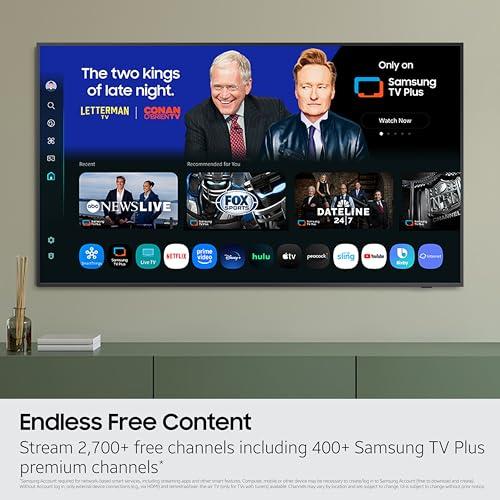
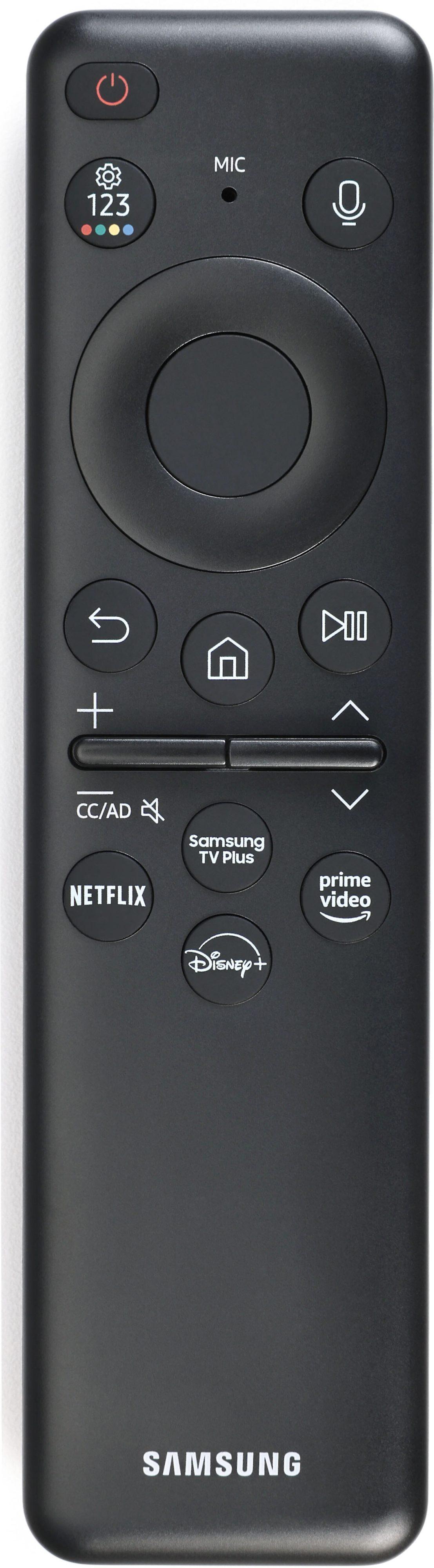
Yes, both the Samsung Frame Pro and Samsung QN85D run Samsung's Tizen operating system with access to all major streaming platforms including Netflix, Amazon Prime Video, Disney+, and more. The Frame Pro benefits from the newer NQ4 Gen3 processor with enhanced AI features, while the QN85D uses the proven Gen2 processor that still provides excellent smart TV performance and app responsiveness.
Audio quality is comparable between both models, with the Samsung Frame Pro featuring a 40W 2.0.2-channel system and the Samsung QN85D offering Object Tracking Sound Lite. Both support Dolby Atmos and Q-Symphony compatibility with Samsung soundbars. Neither TV provides audiophile-level sound, so buyers of either the Frame Pro or QN85D should consider pairing with external speakers for the best audio experience.
Both TVs support wall mounting, but the Samsung Frame Pro offers significant advantages with its Wireless One Connect Box that eliminates visible cables entirely. This creates an ultra-clean installation that looks like framed artwork. The Samsung QN85D requires traditional cable management for wall mounting, though it still achieves a clean look with proper installation. The Frame Pro's wireless design makes it ideal for situations where running cables would be difficult.
For dedicated home theater rooms with controlled lighting, the Samsung QN85D is the better choice due to its superior contrast ratio and deeper blacks that enhance the cinematic experience. However, if your home theater has some ambient lighting, the Samsung Frame Pro's higher brightness and anti-glare properties become advantageous. The QN85D also offers better gaming performance if your theater doubles as a gaming space.
Both the Samsung Frame Pro and Samsung QN85D include Samsung's standard one-year warranty covering parts and labor. Samsung provides comprehensive customer support, software updates, and service networks for both models. The Frame Pro includes additional support for Art Mode features and the Wireless One Connect system, while the QN85D benefits from Samsung's established track record with traditional TV support.
The Samsung Frame Pro revolutionizes connectivity with its Wireless One Connect Box that handles all inputs wirelessly from up to 33 feet away, plus it includes 5 HDMI ports and a micro HDMI port directly on the TV. The Samsung QN85D uses traditional wired connections with 4 HDMI 2.1 ports, 2 USB ports, and standard connectivity options. The Frame Pro's wireless system offers installation flexibility, while the QN85D's wired approach provides maximum reliability.
Choose the Samsung Frame Pro if your living room prioritizes aesthetics, has bright lighting, and you want the TV to blend into your decor when not in use. Select the Samsung QN85D if you prioritize performance per dollar, do gaming, or prefer traditional TV reliability. The Frame Pro excels as a lifestyle centerpiece, while the QN85D maximizes viewing performance and gaming capabilities for the investment.
We've done our best to create useful and informative comparisons to help you decide what product to buy. Our research uses advanced automated methods to create this comparison and perfection is not possible - please contact us for corrections or questions. These are the sites we've researched in the creation of this article: tomsguide.com - youtube.com - smarthomesounds.co.uk - images.samsung.com - rtings.com - samsung.com - bestbuy.com - bestbuy.com - businessinsider.com - dentonstv.com - samsung.com - flatpanelshd.com - samsung.com - jefflynch.com - youtube.com - costco.com - bestbuy.com - rtings.com - youtube.com - youtube.com - avsforum.com - youtube.com - samsung.com - videoandaudiocenter.com - shopjetson.com - mysoundconcepts.com - samsung.com - merlinstv.com - youtube.com - samsung.com - samsung.com

Privacy Policy
Terms and Conditions - Affiliate Policy
Home Security
© Copyright 2008-2026.
11816 Inwood Rd #1211, Dallas, TX 75244