


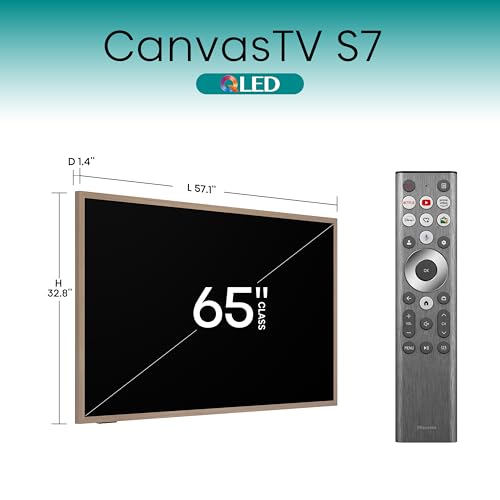




The 65-inch premium TV market has become fascinating in recent years. We're no longer just choosing between basic picture quality differences – we're picking between fundamentally different philosophies about what a TV should be. Should your TV disappear into your living room décor when not in use, or should it deliver the most jaw-dropping picture quality possible when you're binge-watching your favorite series?
This comparison crystallizes that choice perfectly. The Hisense 65" S7N CanvasTV, released in 2024, represents the "lifestyle-first" approach – a TV that moonlights as wall art. Meanwhile, the Sony BRAVIA 9, also from 2024, embodies the "performance-first" philosophy with cutting-edge Mini LED technology that prioritizes picture quality above all else.
At the time of writing, these TVs sit in completely different price brackets, with the Sony commanding roughly 2.5 times the investment of the Hisense. But here's the interesting part: they're both excellent TVs that excel at different things. Your choice between them says more about how you use your TV than it does about which is objectively "better."
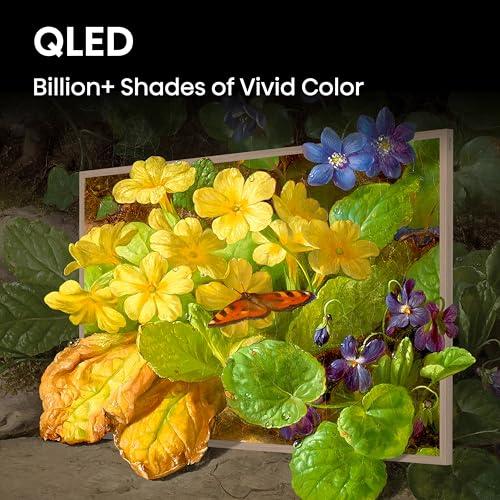
Before diving into specifics, let's establish what we're dealing with in the premium TV space. Both TVs use QLED technology, which stands for Quantum Dot Light Emitting Diode. Don't let the technical name scare you – quantum dots are tiny crystals that produce incredibly pure colors when light hits them. Think of them as microscopic color filters that make reds more red and blues more blue than traditional TV displays.
The key difference lies in backlighting. The Hisense S7N CanvasTV uses traditional LED backlighting with quantum dot enhancement, while the Sony BRAVIA 9 employs Mini LED technology. Mini LEDs are exactly what they sound like – thousands of tiny LEDs that are much smaller than regular LEDs, allowing for precise control over different areas of the screen. This creates better contrast because dark areas can be truly dark while bright areas stay brilliantly lit.
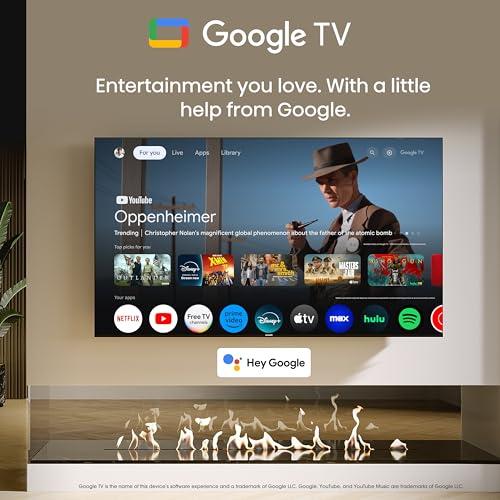
Both TVs run Google TV, which has become the most polished smart TV platform available. It learns your viewing habits, integrates with your Google services, and provides easy access to all major streaming platforms. The days of clunky smart TV interfaces are largely behind us.
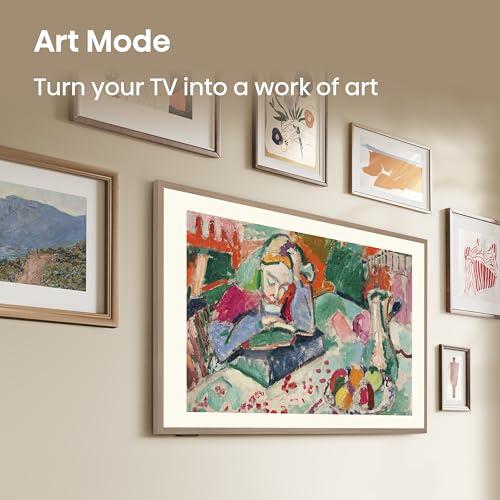
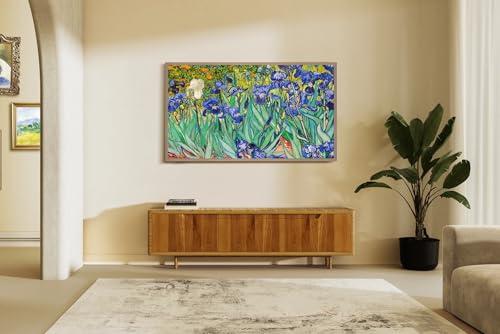
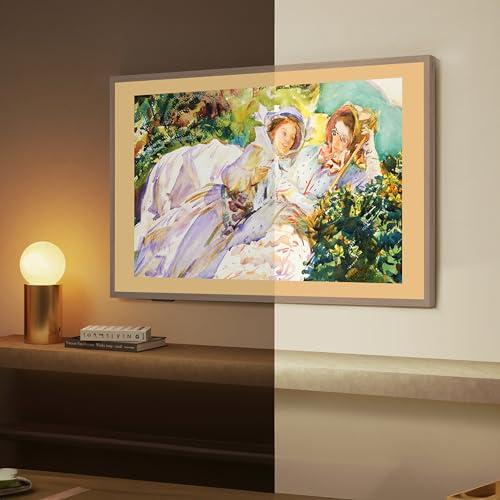
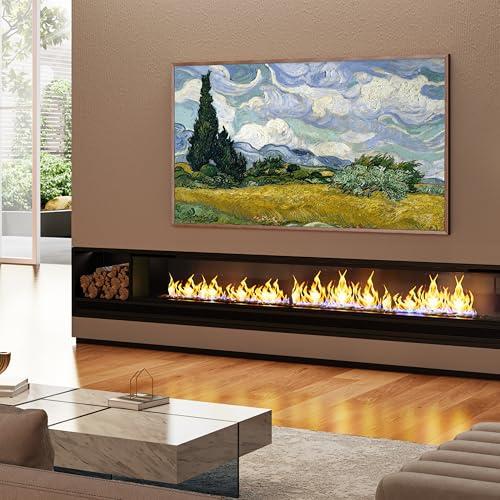
The Hisense S7N CanvasTV isn't just trying to be a good TV – it's trying to solve the "black rectangle problem" that has plagued living rooms since flat panels became popular. When turned off, most TVs become imposing black rectangles that dominate wall space. The CanvasTV takes a completely different approach.
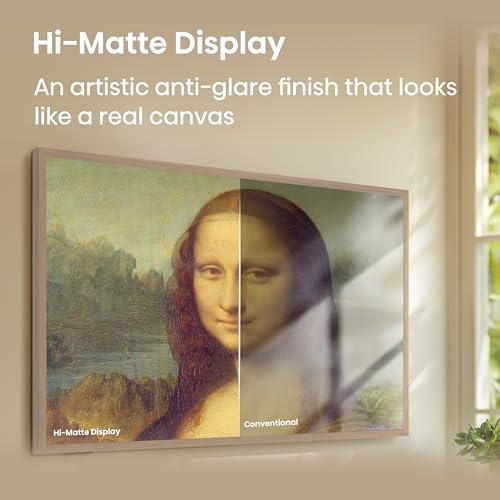
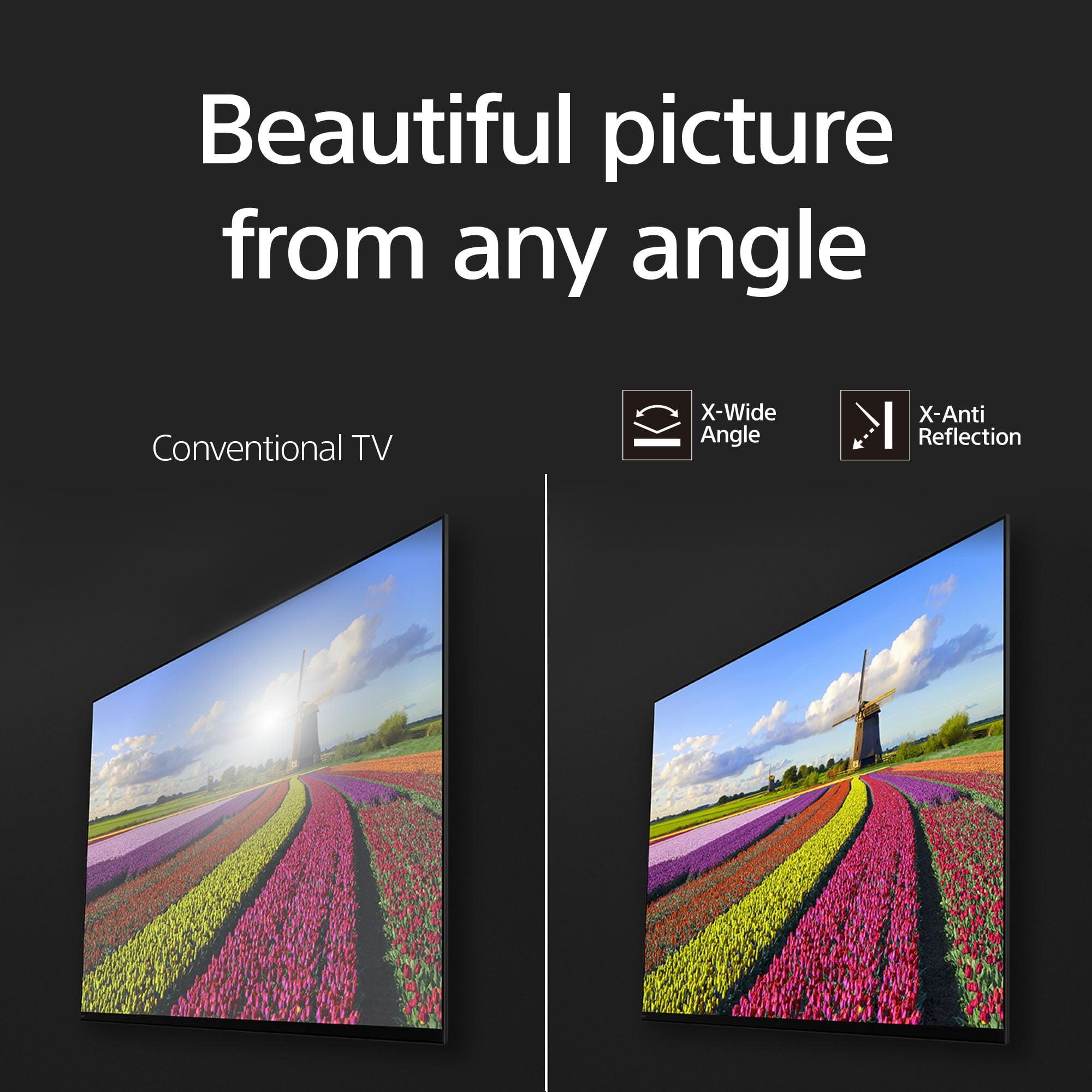
The secret weapon here is the Hi-Matte anti-glare display, which reduces reflections to just 5% compared to typical glossy TV screens. This isn't just about reducing annoying reflections during viewing – it's about creating a surface that genuinely looks like artwork when displaying paintings or photographs. The matte texture mimics real canvas, making the illusion surprisingly convincing.
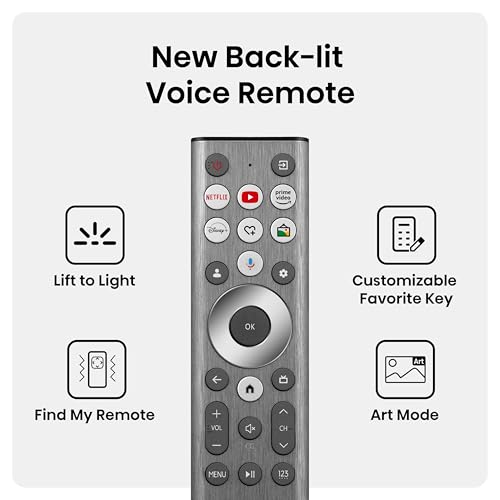
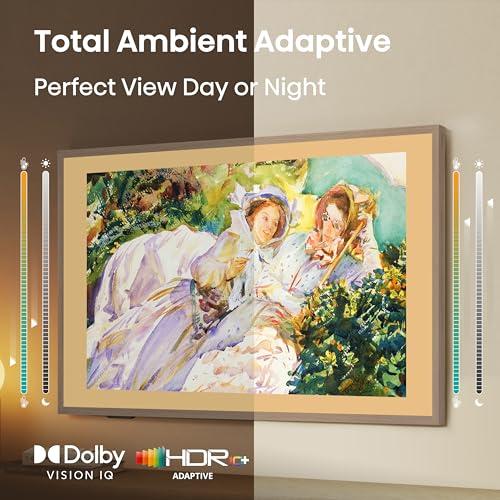
The Art Mode functionality goes beyond simple slideshow displays. The TV includes curated artwork collections and allows you to upload personal photos via mobile app or USB. Motion sensors automatically detect when someone enters the room and can transition from power-saving mode to art display. Light sensors adjust the artwork brightness to match ambient lighting, maintaining the painting illusion throughout the day.
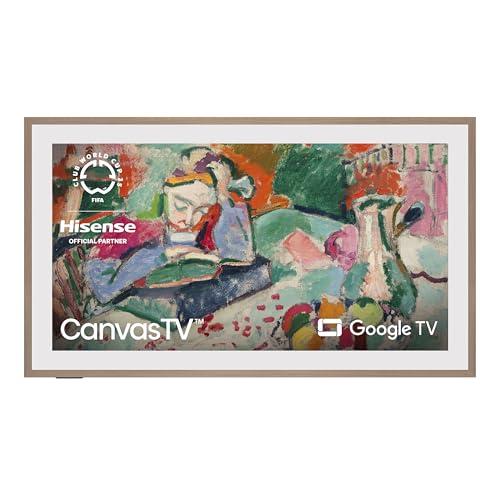
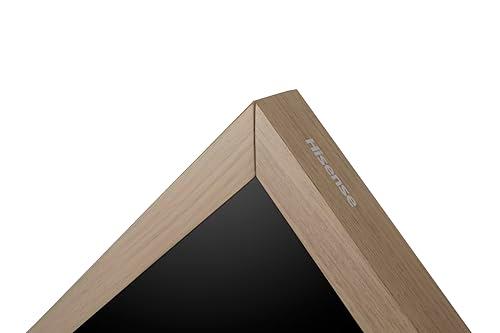
What sets this apart from Samsung's similar Frame TV is the included art library – no subscription fees required. The magnetic frame system deserves special mention too. The default teak frame can be swapped for white or walnut options, and the magnetic attachment makes switching frames genuinely easy, not just a marketing gimmick.
For picture quality during actual TV viewing, the CanvasTV holds its own remarkably well. The QLED panel delivers vibrant colors with quantum dot enhancement, and the 144Hz refresh rate actually exceeds many premium TVs. This high refresh rate means smoother motion in sports and action scenes, and it's particularly beneficial for gaming.
The Hi-Matte coating that makes art display so effective also provides practical viewing benefits. In bright rooms with windows or lamps, this TV maintains color vibrancy and contrast better than glossy displays. If you've ever struggled to watch TV during daytime with sunlight streaming in, you'll appreciate this advantage.
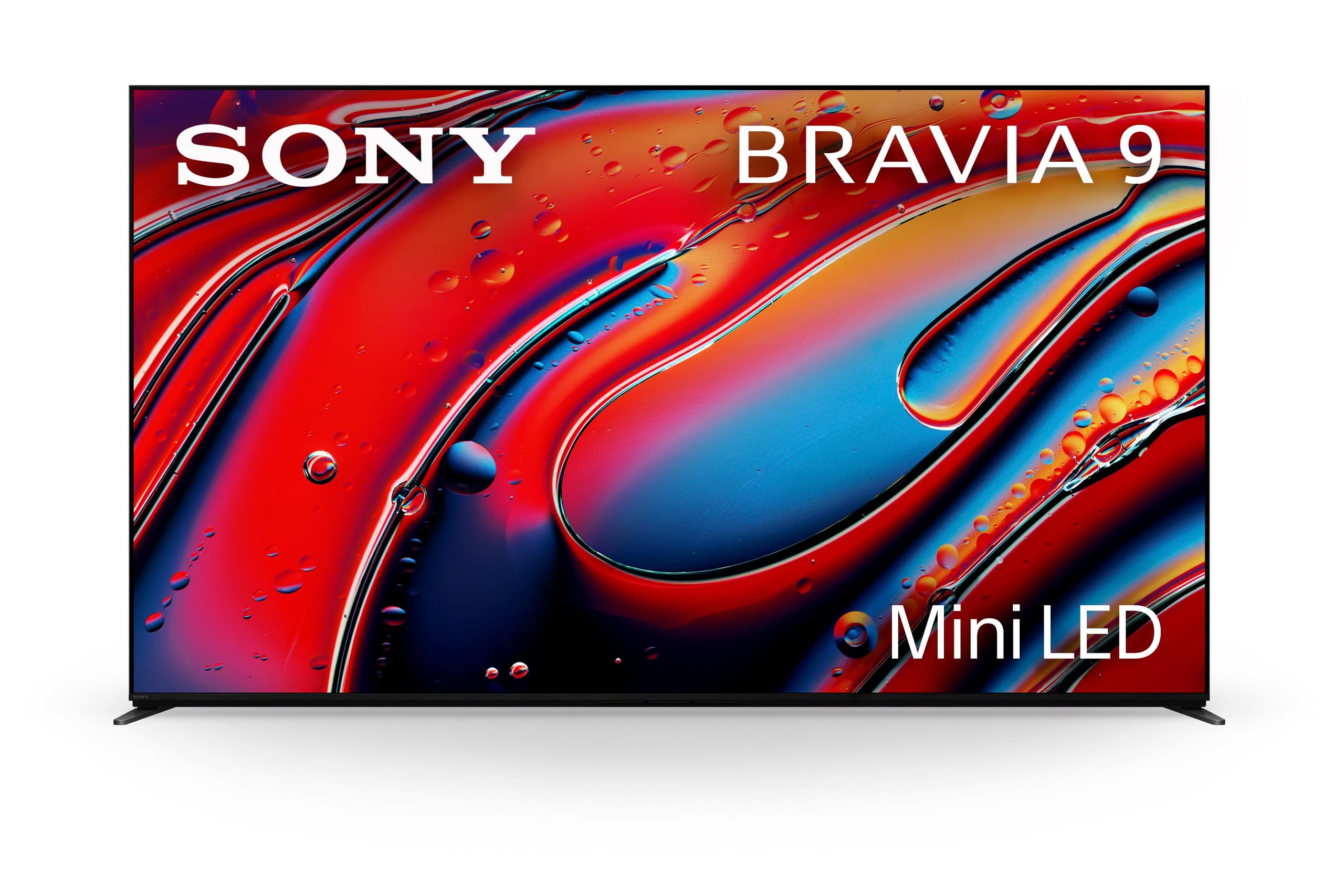
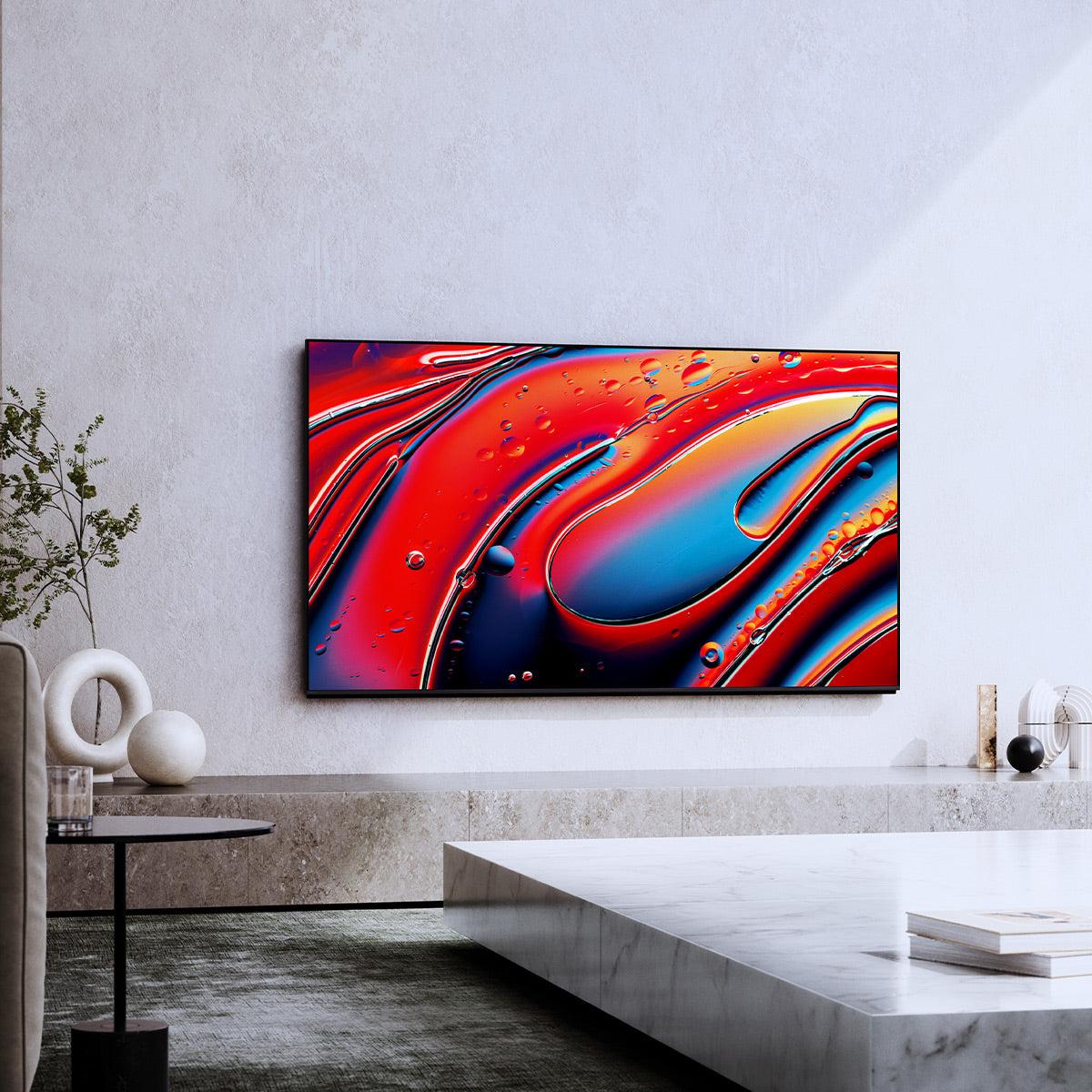
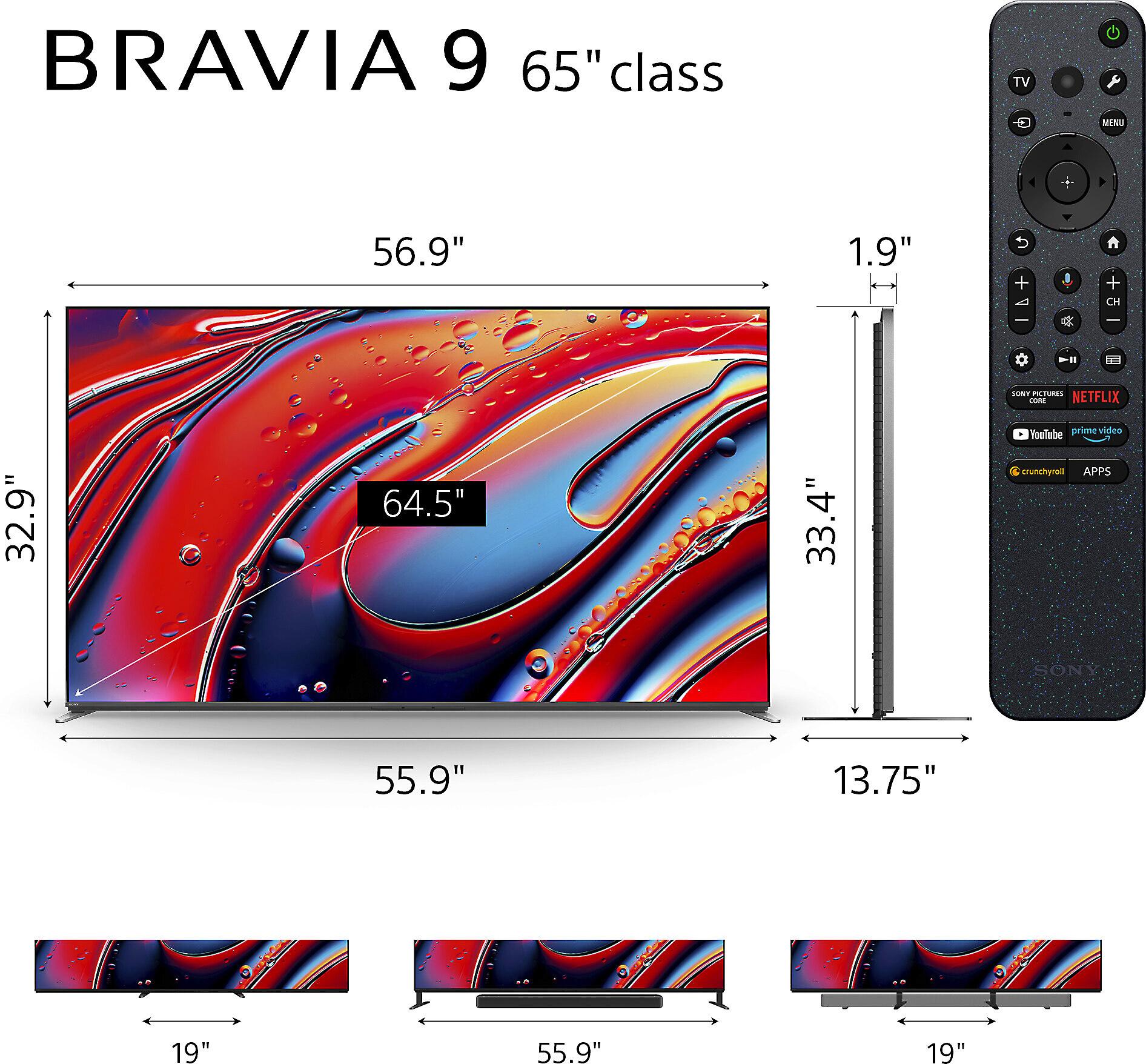
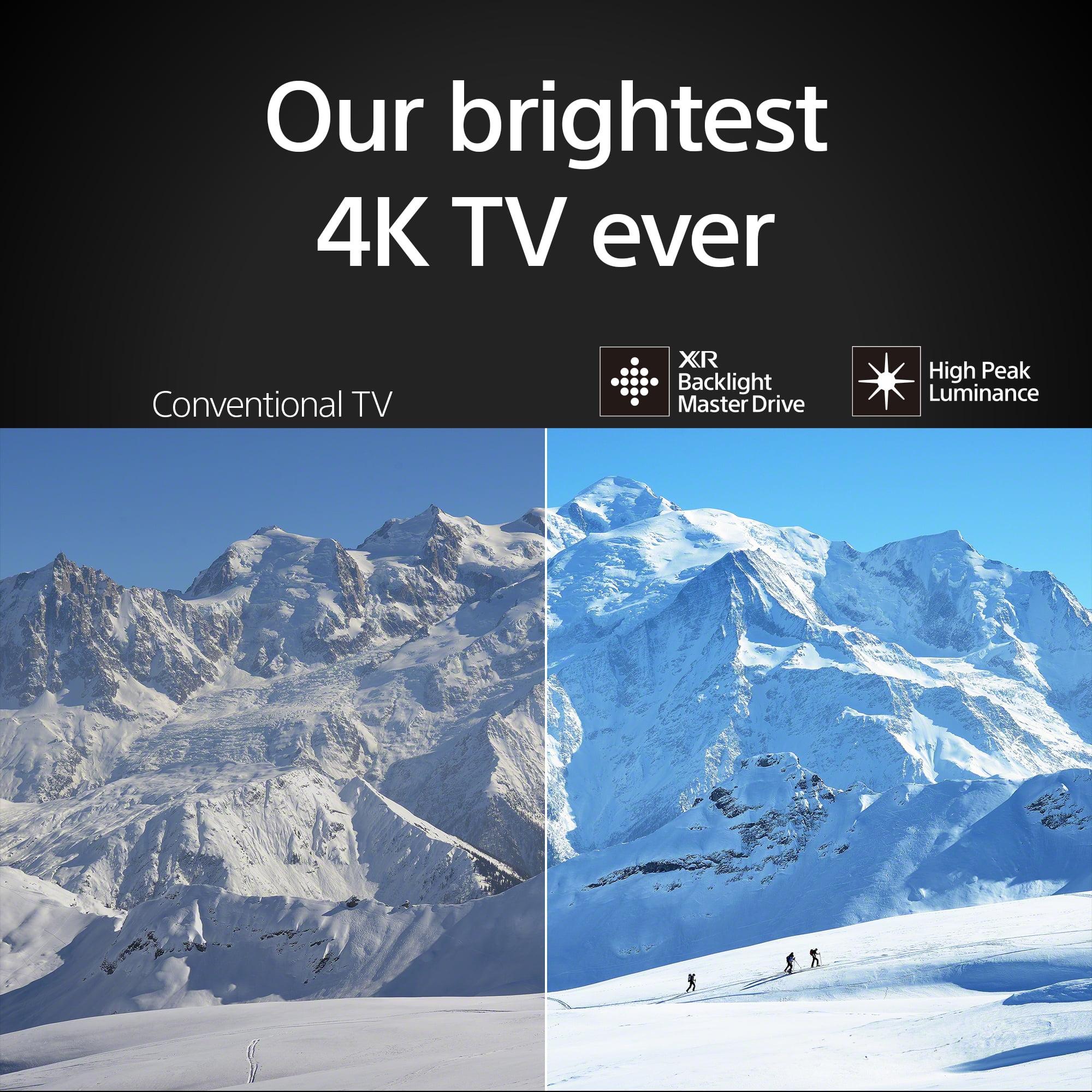
The Sony BRAVIA 9 represents Sony's most ambitious LED TV ever, and it shows. This is Sony's answer to premium OLED displays, using thousands of Mini LEDs controlled by their XR Backlight Master Drive technology. The result is Sony's brightest 4K TV ever, capable of over 2000 nits peak brightness – roughly four times brighter than the Hisense.
Why does brightness matter so much? In HDR (High Dynamic Range) content, brightness differences create the illusion of depth and realism. A bright explosion should genuinely make you squint slightly, while a night scene should have deep, detailed shadows. The Sony BRAVIA 9 can display both extremes simultaneously with remarkable precision.
The Mini LED system works by dividing the screen into hundreds of zones that can be independently controlled. When a scene shows bright stars against a dark sky, the zones displaying stars brighten dramatically while the zones showing sky remain nearly black. Traditional LED TVs can't achieve this precision – they might brighten the entire area, creating a halo effect around bright objects.
Sony's XR Contrast Booster 30 technology deserves special attention. This system analyzes each frame and adjusts backlight zones in real-time, balancing brightness across the entire screen. The result is HDR content that looks remarkably close to what film creators intended, with bright highlights that don't wash out colors and dark scenes that retain shadow detail.
The color processing also stands out. Sony's XR Triluminos Pro technology expands the color gamut significantly, producing more natural and saturated colors than standard QLED displays. This isn't just about making colors "pop" – it's about accuracy and naturalness, especially in skin tones and subtle gradations.
Both TVs excel for gaming, but in different ways. The Hisense CanvasTV actually has a higher native refresh rate at 144Hz compared to the Sony's 120Hz. For PC gaming, this translates to support for 4K gaming at 144 frames per second or 1080p gaming at an impressive 240fps. The input lag measures just 5.4 milliseconds, which is excellent for competitive gaming.
The Sony BRAVIA 9 takes a different approach, focusing on console optimization. Two HDMI 2.1 ports support 4K at 120Hz with Variable Refresh Rate (VRR), which eliminates screen tearing. The Auto HDR Tone Mapping feature specifically optimizes PlayStation 5 gaming, and the dedicated Game Bar provides quick access to gaming settings.
For context, input lag is the delay between pressing a button and seeing the action on screen. Anything under 20 milliseconds is considered good for gaming, while under 10 milliseconds is excellent. Both TVs achieve excellent gaming performance, with the Hisense slightly better for competitive PC gaming and the Sony better for console gaming experiences.
VRR technology deserves explanation because it's become crucial for modern gaming. Traditional displays refresh at fixed rates – 60Hz means 60 refreshes per second. But games don't always produce frames at consistent rates. VRR allows the display to match the game's frame rate dynamically, eliminating stuttering and tearing that occurs when frame rates and refresh rates don't align.
TV audio often gets dismissed as universally poor, but both these models challenge that assumption. The Sony BRAVIA 9 includes a sophisticated 2.2.2 channel system with 70 watts total power. The ".2.2" designation means two main channels (left and right), two subwoofer channels for bass, and two upward-firing channels that bounce sound off the ceiling to create height effects.
The Acoustic Multi-Audio+ system places speakers strategically around the TV frame, including upward-firing beam tweeters that create an elevated soundstage. When combined with Dolby Atmos content, the effect can be genuinely immersive, with sound appearing to come from above and around you rather than just from the TV's location.
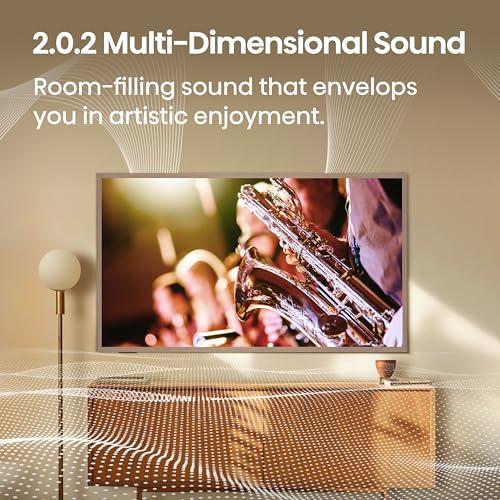
The Hisense CanvasTV takes a more modest approach with a 2.0.2 system and 36 watts total power. While less powerful, the DTS Virtual:X processing creates simulated surround sound that's quite effective for casual viewing. However, the Sony clearly wins for audio performance, particularly for movie watching or music listening.
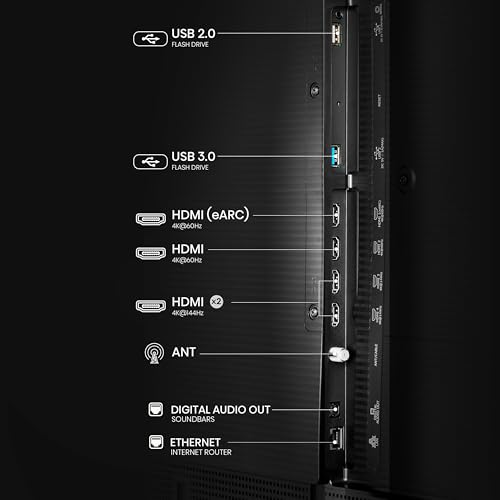
Both TVs support eARC (enhanced Audio Return Channel), which allows them to pass high-quality audio signals to external sound systems without compression. This feature has become essential for home theater setups using dedicated receivers or premium soundbars.
Both TVs run Google TV, which has evolved significantly from earlier Android TV implementations. The interface learns your viewing preferences and surfaces relevant content across different streaming services. Instead of opening Netflix to find something to watch, then Hulu, then Disney+, Google TV presents options from all your subscribed services in a unified interface.
The learning algorithms genuinely improve over time. Initially, recommendations might feel generic, but after a few weeks of use, the system becomes remarkably good at surfacing content you'll actually want to watch. Voice control through Google Assistant works reliably for both searching content and controlling smart home devices.
Where the TVs differ is in connectivity and additional features. The Sony BRAVIA 9 includes Wi-Fi 6 support for faster wireless streaming, while the Hisense CanvasTV uses Wi-Fi 5. For most users, this difference won't be noticeable, but Wi-Fi 6 provides more stable connections in households with many connected devices.
The fundamental design difference between these TVs reflects competing philosophies about technology's role in living spaces. The Hisense CanvasTV embodies the "technology should disappear" philosophy. When wall-mounted with the included UltraSlim mount, it sits just 3mm from the wall, creating a genuine picture frame appearance. The goal is seamless integration – guests might not immediately realize they're looking at a TV.
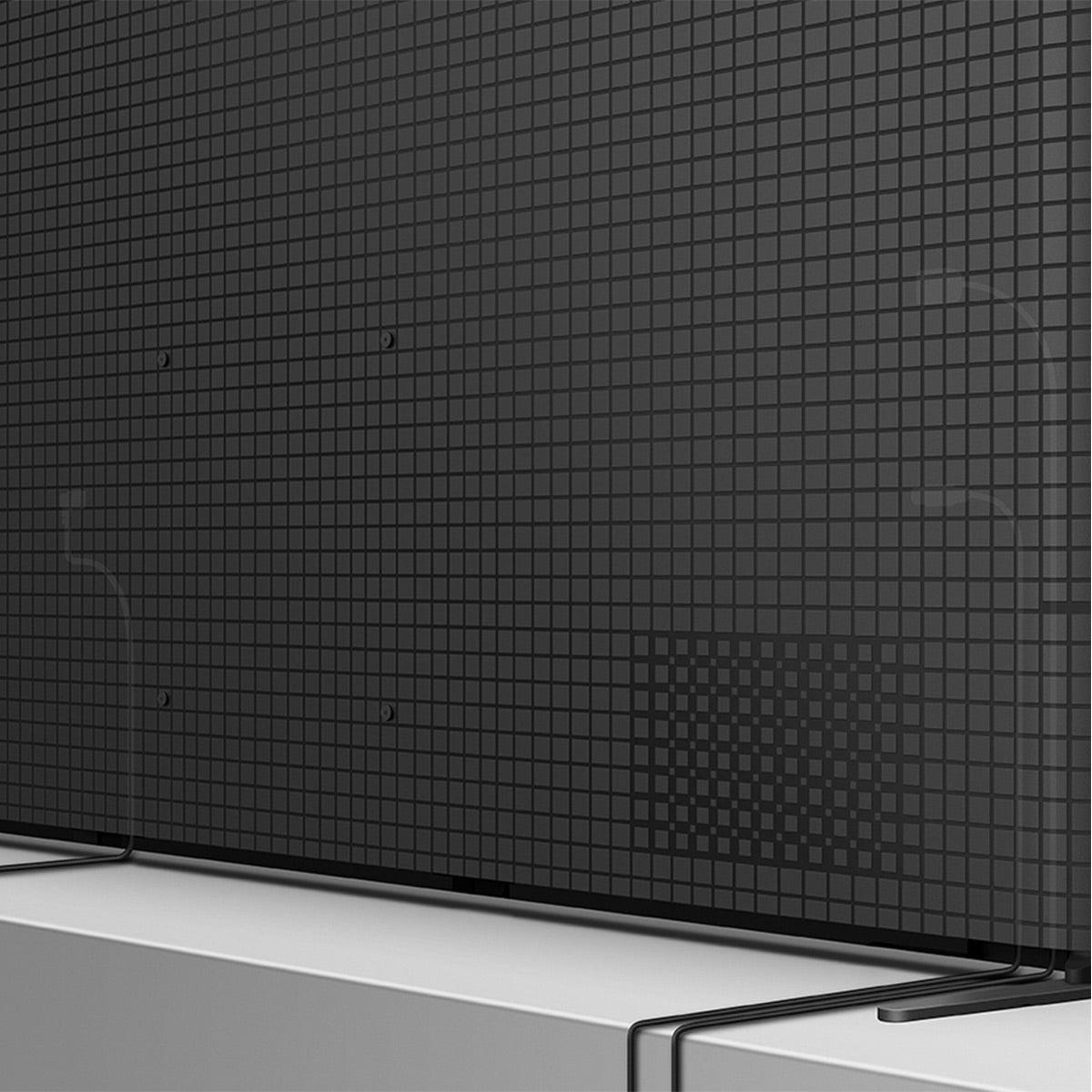
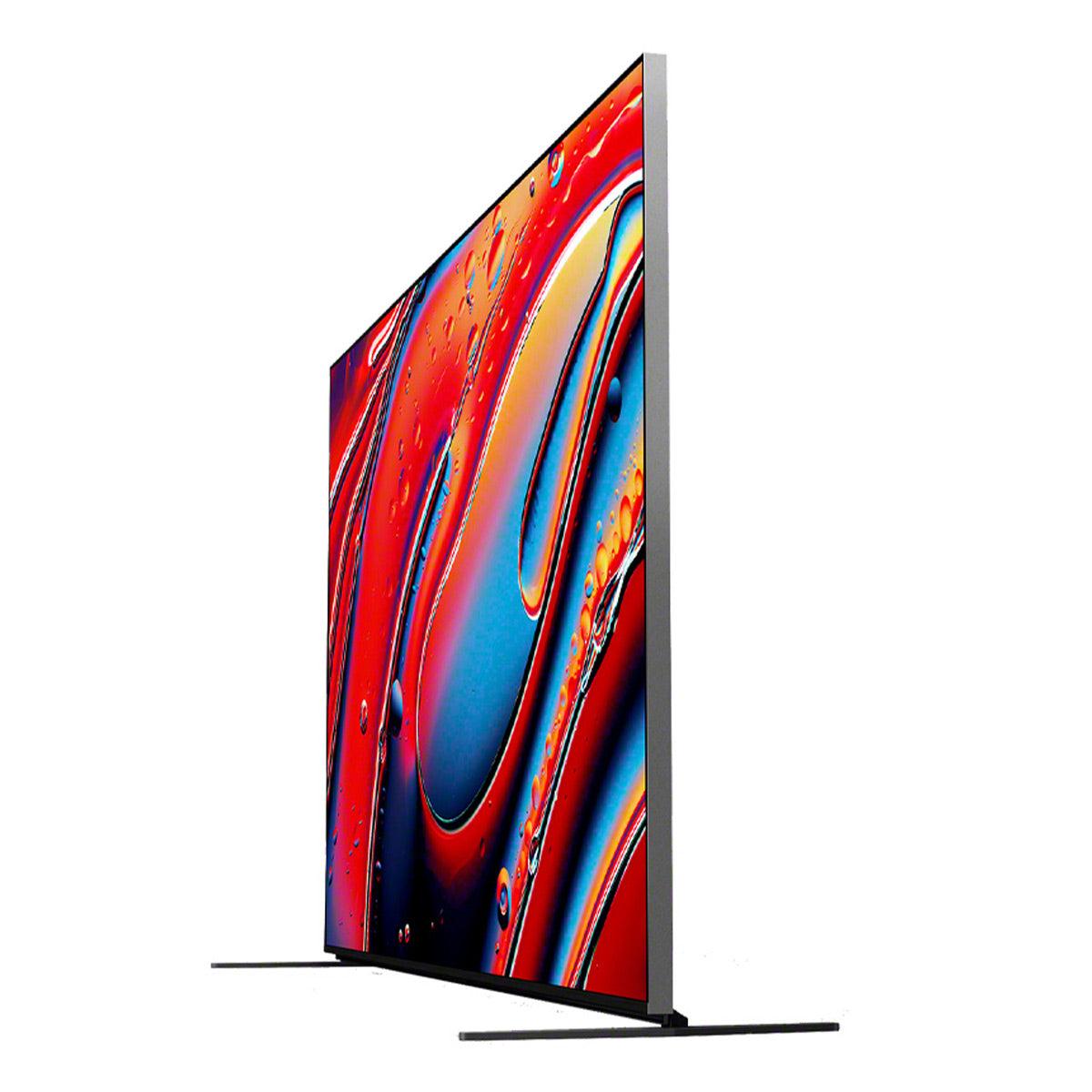
The Sony BRAVIA 9 embraces the "premium technology should make a statement" approach. The build quality feels substantial, the multi-position stand allows for various configurations, and the overall presence commands attention. This TV wants to be the centerpiece of your entertainment setup.
Neither approach is inherently better – they serve different needs and preferences. If your living room serves multiple purposes and you value maintaining a clean aesthetic, the Hisense approach makes sense. If you've dedicated space specifically for entertainment and want the best possible viewing experience, the Sony approach aligns better with those priorities.
Our research into professional reviews and user feedback reveals interesting patterns. The Sony BRAVIA 9 consistently receives praise for picture quality, with reviewers noting that Mini LED technology has reached maturity. The brightness and contrast capabilities genuinely rival OLED displays while maintaining the bright-room viewing advantages of LED technology.
However, some reviews note motion handling issues in Game Mode, where pixel response times can create blur during fast action. This appears to be a software optimization issue rather than hardware limitation, suggesting future firmware updates might address it.
The Hisense CanvasTV earns consistent praise for value and the effectiveness of its art display functionality. Users frequently mention surprise at how convincing the art mode appears, particularly in rooms with appropriate ambient lighting. The anti-glare coating receives particular appreciation from users with bright living rooms or large windows.
Professional calibrators note that both TVs achieve good color accuracy out of the box, though the Sony offers more extensive calibration options for enthusiasts who want to fine-tune performance.
For dedicated home theater use, the Sony BRAVIA 9 holds clear advantages. The superior brightness and contrast capabilities shine in dark room viewing, where HDR content can display its full dynamic range. The advanced audio system provides room-filling sound that reduces the immediate need for external audio equipment.
The Hisense CanvasTV can certainly serve home theater duty, and its 144Hz refresh rate actually provides advantages for certain content. However, the lower peak brightness means HDR content won't achieve the same impact as the Sony, particularly in dramatic scenes with bright highlights.
Color accuracy matters significantly for home theater use, and both TVs perform well, though the Sony's more sophisticated processing provides slight advantages in natural skin tones and subtle color gradations.
The Hisense CanvasTV makes sense for buyers who want excellent TV performance without sacrificing living room aesthetics. If your TV shares space with other activities – family gatherings, reading, entertaining guests – the art functionality adds genuine value beyond basic entertainment. The anti-glare coating provides practical benefits in bright rooms, and the gaming performance exceeds many more expensive TVs.
This TV particularly suits buyers who appreciate the concept of multifunctional technology. The ability to transform from entertainment center to art gallery addresses the reality of modern living spaces where TVs often occupy prominent wall positions.
The Sony BRAVIA 9 targets buyers who prioritize uncompromising picture quality and are willing to pay premium prices for cutting-edge technology. If you're serious about home theater, frequently watch HDR content, or simply want the best possible picture quality available in LED technology, the investment makes sense.
This TV also appeals to early adopters who want the latest display technology. Mini LED represents the current pinnacle of LED display technology, and Sony's implementation sets the standard for the category.
At the time of writing, the price difference between these TVs is substantial – approximately 2.5x for the Sony. This premium reflects the Mini LED technology, more sophisticated processing, and premium build quality. However, value isn't just about features per dollar – it's about getting the right features for your specific needs.
The Hisense CanvasTV delivers exceptional value by offering unique features not available elsewhere at its price point. The art functionality, anti-glare coating, and high refresh rate gaming performance provide tangible benefits that many users will appreciate daily.
The Sony BRAVIA 9 justifies its premium pricing through best-in-class picture quality and future-proof technology. For buyers who plan to keep their TV for many years and want to ensure it remains impressive throughout that period, the investment can make financial sense.
Choose the Hisense CanvasTV if you value aesthetics and integration. This TV works best for buyers who want their technology to enhance rather than dominate their living space. The art functionality isn't a gimmick – it genuinely transforms how a TV fits into home décor. Combined with excellent gaming performance and practical bright-room viewing benefits, it offers a unique value proposition.
Choose the Sony BRAVIA 9 if picture quality is your top priority. This TV delivers reference-level performance that will satisfy the most demanding viewers. The Mini LED technology provides a viewing experience that genuinely improves movies, shows, and games. If you're building a dedicated entertainment space or simply want the best possible picture quality, the premium pricing becomes justified.
Both TVs represent excellent choices within their respective market segments. The decision ultimately comes down to whether you prioritize lifestyle integration and value (Hisense) or maximum performance and premium features (Sony). Either choice will provide years of excellent entertainment – they just approach that goal from fascinatingly different directions.
The beauty of today's TV market is that both philosophies can coexist successfully. Some buyers need technology that disappears into their décor, while others want technology that makes a statement about performance and capability. Both the Hisense CanvasTV and Sony BRAVIA 9 excel at their intended purposes, making this less about finding the "best" TV and more about finding the best TV for your specific needs and preferences.
| Hisense 65" S7N CanvasTV | Sony BRAVIA 9 65" Mini LED |
|---|---|
| Display Technology - Core difference affecting picture quality and price | |
| QLED with standard LED backlighting | Mini LED with thousands of dimming zones |
| Peak Brightness - Critical for HDR content and bright rooms | |
| 450 nits (good for most content) | 2,000+ nits (Sony's brightest TV ever) |
| Anti-Glare Technology - Reduces reflections in bright rooms | |
| Hi-Matte coating reduces reflections to 5% | Standard glossy finish with some reflection control |
| Refresh Rate - Higher is better for gaming and sports | |
| 144Hz native (excellent for PC gaming) | 120Hz (standard for premium TVs) |
| Art Mode - Transforms TV into wall art when not viewing | |
| Full art gallery with motion sensors and free artwork | Not available |
| Input Lag - Lower is better for gaming responsiveness | |
| 5.4ms (excellent for competitive gaming) | Under 10ms (very good for all gaming types) |
| HDMI 2.1 Ports - Needed for 4K@120Hz gaming | |
| 2 ports supporting 4K@144Hz | 2 ports supporting 4K@120Hz with VRR |
| Audio System - Built-in speaker quality | |
| 2.0.2 system, 36W (decent for casual viewing) | 2.2.2 system, 70W with upward-firing speakers |
| Smart Platform - Both identical Google TV experience | |
| Google TV with free art library | Google TV with Sony Pictures Core access |
| Wall Mounting - Installation and aesthetic considerations | |
| UltraSlim mount included, 3mm from wall | Standard VESA mount, traditional TV appearance |
| Frame Customization - Aesthetic integration options | |
| Magnetic frames (teak, white, walnut available) | Fixed TV design, no frame options |
| HDR Support - Enhanced contrast and color range | |
| HDR10, HDR10+, Dolby Vision, HLG | HDR10, Dolby Vision, HLG with superior peak brightness |
| Gaming Optimization - Console-specific features | |
| Universal gaming features, excellent PC support | PS5 Auto HDR Tone Mapping, dedicated Game Bar |
| Build Quality - Construction and premium feel | |
| Lightweight design focused on wall mounting | Premium construction with adjustable stand options |
The Sony BRAVIA 9 delivers superior picture quality with its Mini LED technology and over 2,000 nits peak brightness. This creates deeper blacks, brighter highlights, and more dramatic HDR content. The Hisense S7N CanvasTV offers good picture quality with QLED technology, but can't match the contrast and brightness levels of the Sony's advanced Mini LED system.
Mini LED uses thousands of tiny LEDs for precise backlight control, allowing different screen areas to be independently brightened or dimmed. The Sony BRAVIA 9 uses this technology for exceptional contrast. Regular QLED, like in the Hisense CanvasTV, uses quantum dots for enhanced colors but with standard LED backlighting that can't achieve the same level of contrast control.
The Hisense S7N CanvasTV excels in bright rooms thanks to its Hi-Matte anti-glare coating that reduces reflections to just 5%. This maintains color vibrancy and contrast even with sunlight streaming in. While the Sony BRAVIA 9 is much brighter overall, its glossy finish can struggle more with direct reflections in very bright environments.
Only the Hisense CanvasTV offers true Art Mode functionality, transforming into a digital art gallery with motion sensors and customizable frames. It includes free curated artwork and can display personal photos. The Sony BRAVIA 9 doesn't have dedicated art features and appears as a traditional black screen when turned off.
Both TVs excel for gaming but in different ways. The Hisense S7N CanvasTV offers 144Hz refresh rate and 5.4ms input lag, making it excellent for PC gaming at 4K@144Hz. The Sony BRAVIA 9 provides superior console gaming with PS5 optimization, Auto HDR Tone Mapping, and dedicated gaming features, though it's limited to 120Hz refresh rate.
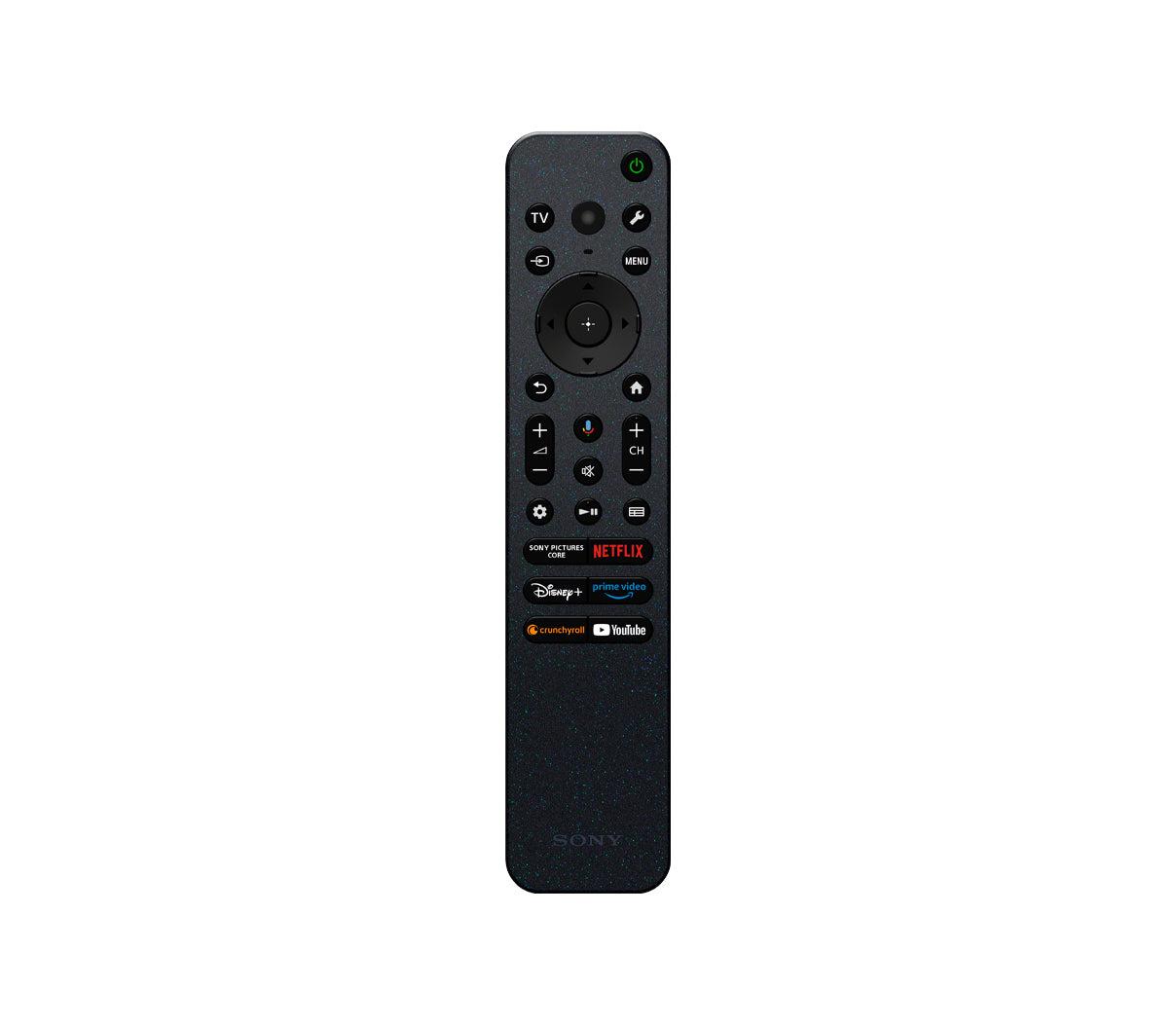
Both the Hisense CanvasTV and Sony BRAVIA 9 run identical Google TV platforms with the same interface, apps, and voice control features. The main difference is that Sony includes access to Sony Pictures Core for exclusive content, while Hisense provides free access to curated artwork for Art Mode display.
The Sony BRAVIA 9 significantly outperforms with its 2.2.2 channel system, 70W total power, and upward-firing speakers that create immersive surround sound. The Hisense S7N CanvasTV has a more basic 2.0.2 system with 36W power that's adequate for casual viewing but may require external audio for the best experience.
The Hisense CanvasTV offers 144Hz native refresh rate compared to the Sony BRAVIA 9's 120Hz. Higher refresh rates provide smoother motion in sports, action scenes, and gaming. The Hisense advantage is particularly noticeable for PC gaming, while 120Hz is perfectly adequate for console gaming and most TV content.
The Hisense S7N CanvasTV includes an UltraSlim wall mount that positions the TV just 3mm from the wall, creating a genuine picture frame appearance with magnetic customizable frames. The Sony BRAVIA 9 uses standard VESA wall mounting that extends further from the wall and maintains a traditional TV appearance.
The Hisense CanvasTV provides exceptional value with unique art features, anti-glare technology, and high gaming performance at a significantly lower price point. The Sony BRAVIA 9 costs considerably more but delivers premium Mini LED technology and best-in-class picture quality for those prioritizing maximum performance over cost considerations.
Both TVs support major HDR formats including Dolby Vision and HDR10, but the Sony BRAVIA 9 delivers superior HDR performance due to its much higher peak brightness capability. This creates more dramatic highlights and better contrast in HDR content. The Hisense S7N CanvasTV handles HDR well but can't achieve the same visual impact in bright scenes.
For dedicated home theater use, the Sony BRAVIA 9 is the clear choice with its superior brightness, contrast, Mini LED technology, and premium audio system. However, the Hisense CanvasTV can serve home theater duty effectively, especially in bright rooms where its anti-glare coating provides advantages, though it won't deliver the same level of HDR performance as the Sony model.
We've done our best to create useful and informative comparisons to help you decide what product to buy. Our research uses advanced automated methods to create this comparison and perfection is not possible - please contact us for corrections or questions. These are the sites we've researched in the creation of this article: bestbuy.com - hisense.sg - tomsguide.com - content.syndigo.com - rtings.com - hisense-usa.com - youtube.com - bestbuy.com - youtube.com - displayspecifications.com - displayspecifications.com - manuals.plus - displayspecifications.com - bestbuy.com - hisense-canada.com - manuals.plus - bargainoutletandmore.com - bestbuy.com - device.report - bestbuy.com - bestbuy.com - youtube.com - whathifi.com - crutchfield.com - rtings.com - pcrichard.com - merlinstv.com - youtube.com - sony.ca - electronics.sony.com

Privacy Policy
Terms and Conditions - Affiliate Policy
Home Security
© Copyright 2008-2026.
11816 Inwood Rd #1211, Dallas, TX 75244