

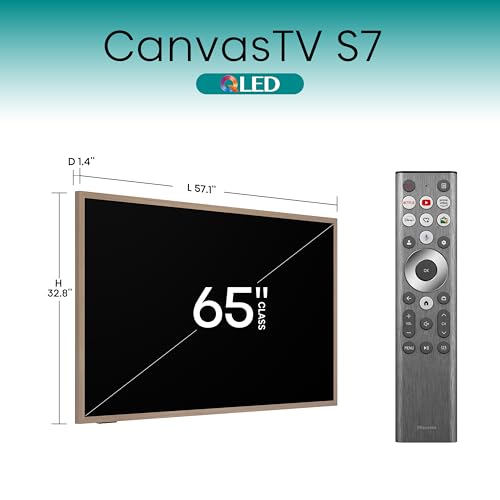





When you walk into someone's living room, what do you notice first? For many people, it's the massive black rectangle mounted on the wall – the TV that dominates the space even when it's turned off. But what if that "TV" looked like a piece of art instead? That's the fundamental question dividing today's premium TV market, and it's perfectly illustrated by two compelling options: the Hisense 65" S7N CanvasTV and the TCL 65" QM8 Mini-LED Smart TV.
These two TVs represent completely different philosophies about what a premium television should be in 2024. The Hisense CanvasTV asks whether your TV can disappear into your décor when not in use, while the TCL QM8 focuses purely on delivering the most impressive picture quality possible for the money. Both approach the same basic function – displaying your favorite content – but they couldn't be more different in execution.
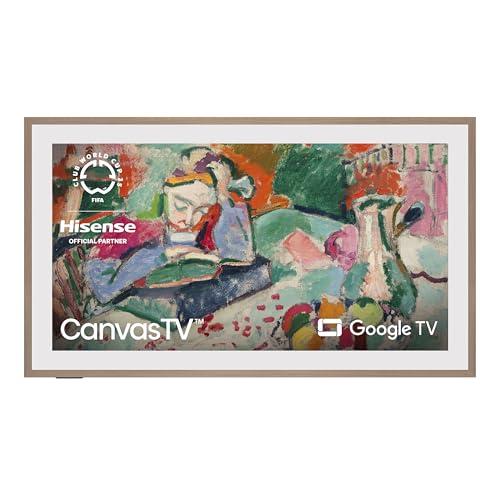
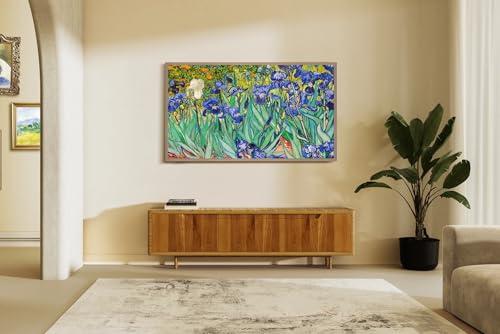
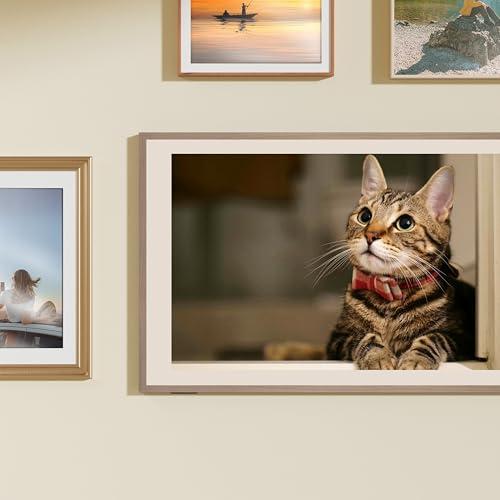
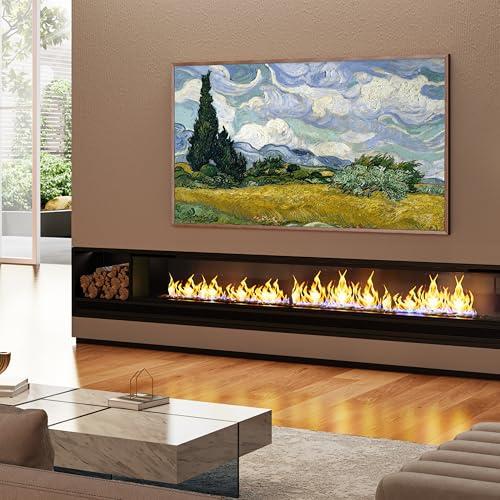
The Hisense CanvasTV, released in 2024, belongs to what's called the "lifestyle TV" category. Think of it as Samsung's Frame TV with a more affordable price tag and some clever improvements. The core idea is simple: when you're not actively watching something, your TV transforms into a digital art display, complete with a magnetic frame system that makes it look like an actual painting hanging on your wall.
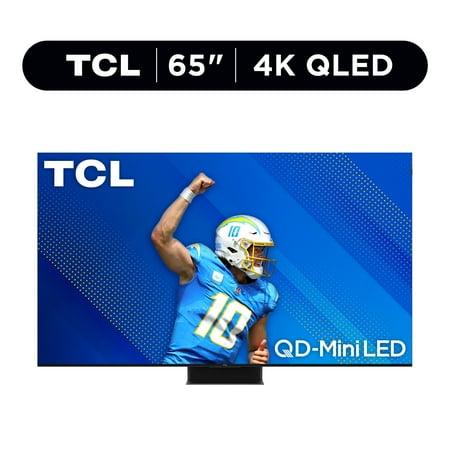
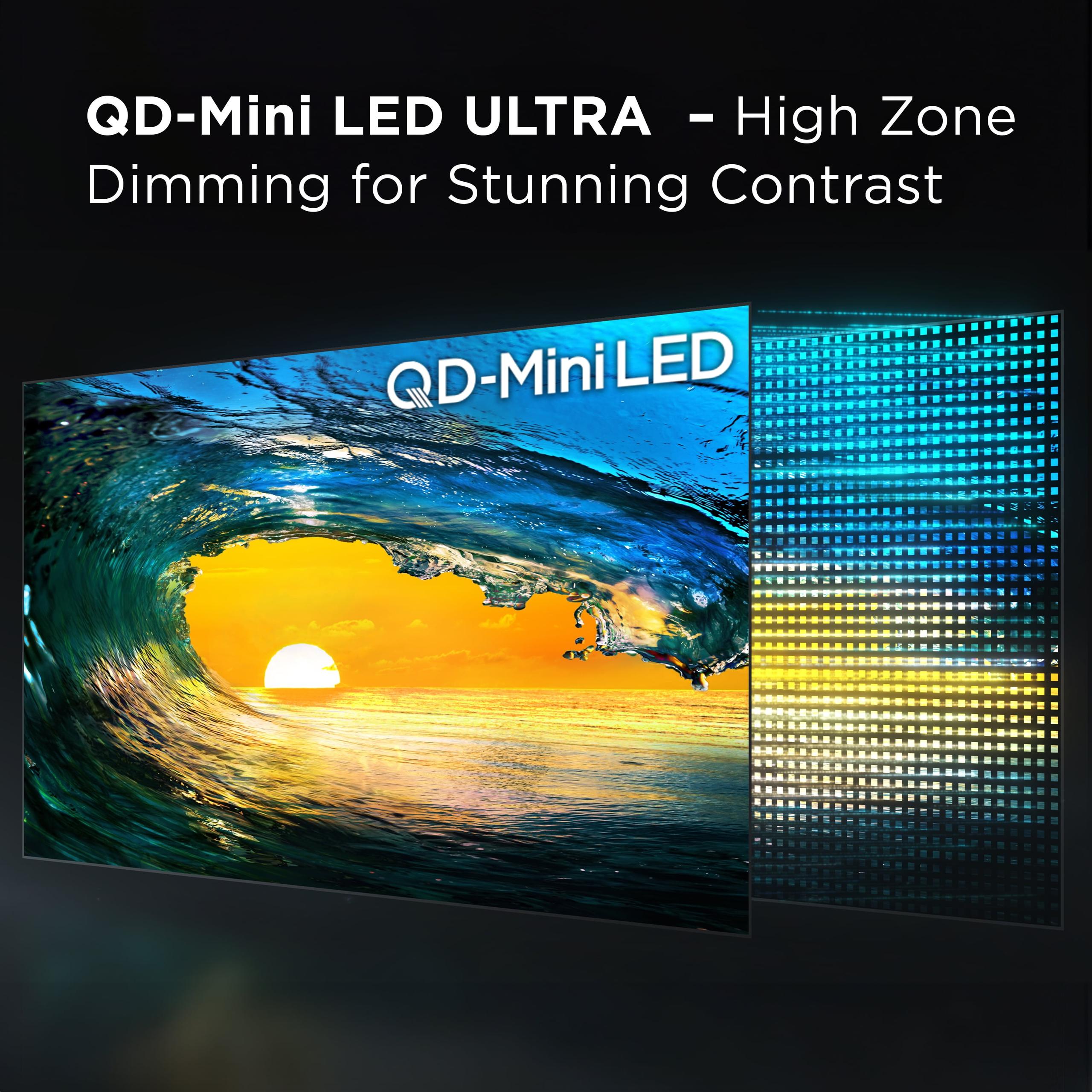
The TCL QM8, also from 2024, takes the opposite approach. It's what we call a "performance maximalist" TV. Every engineering decision prioritizes making the picture look as spectacular as possible. It uses mini-LED backlighting – imagine thousands of tiny LED lights behind the screen that can individually dim or brighten to create perfect contrast – combined with quantum dot technology that produces over a billion different colors.
At the time of writing, both TVs fall into similar price ranges in the premium category, typically within $50-100 of each other, making the decision between them primarily about what you value most rather than budget constraints.
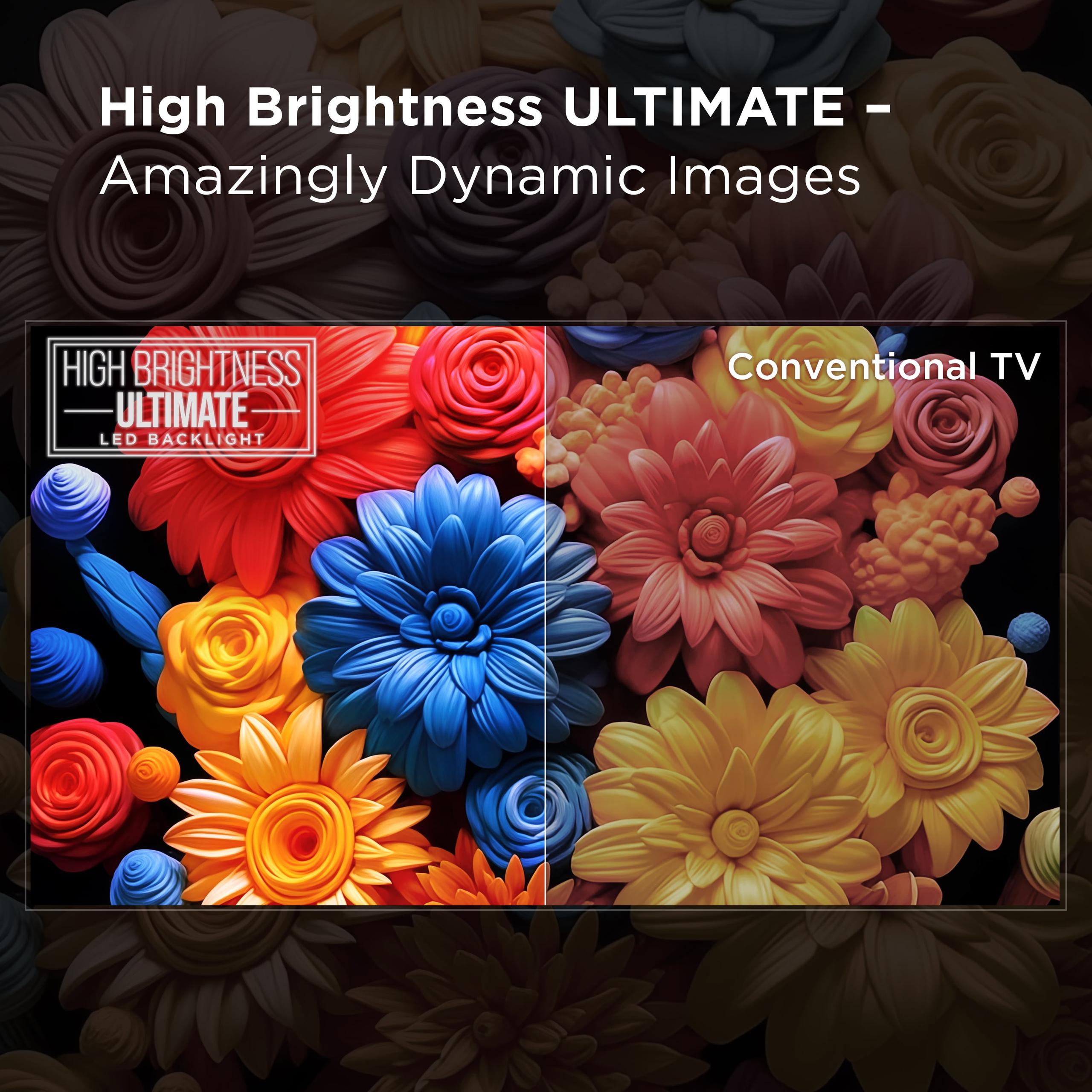
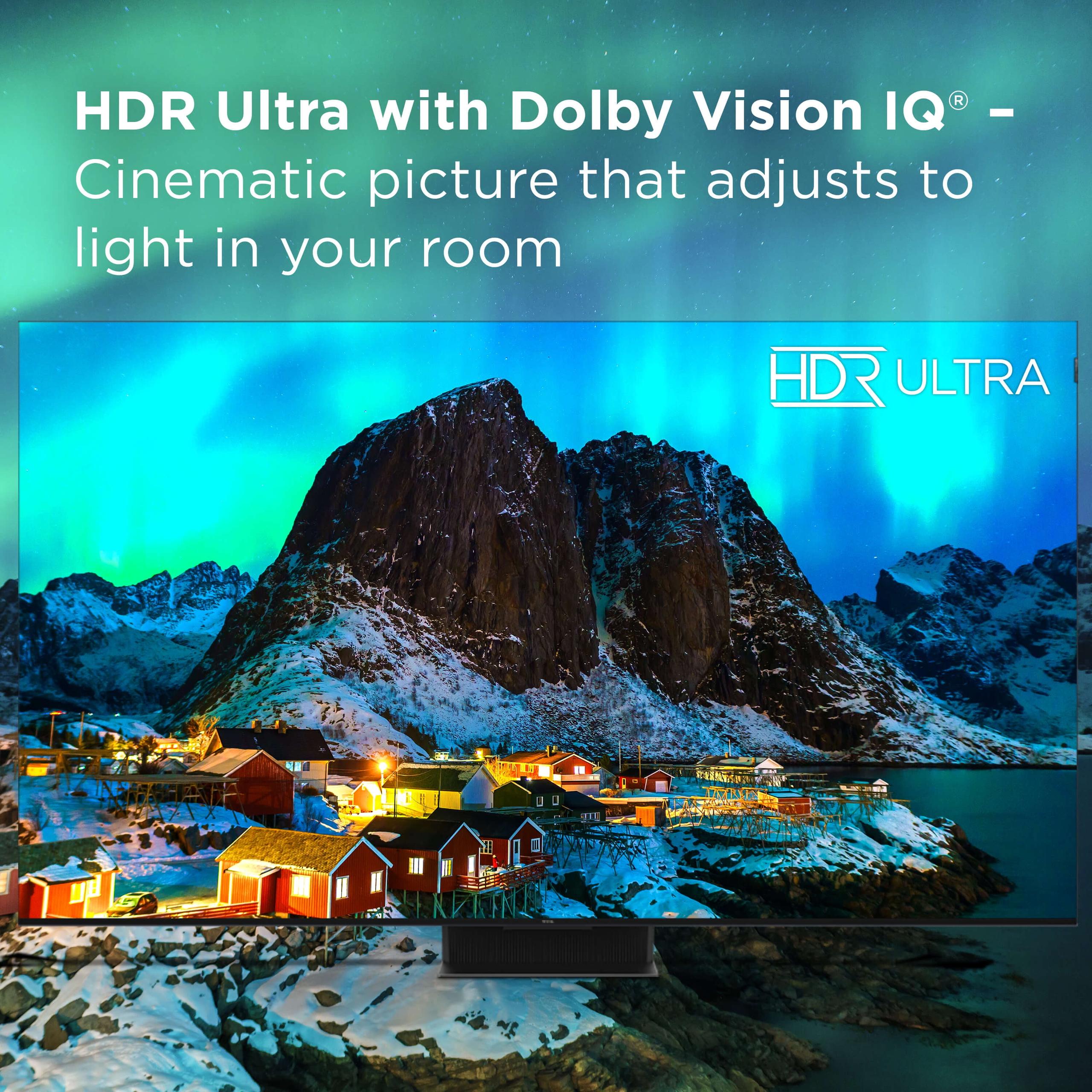
Here's where things get interesting. The TCL QM8 absolutely dominates in raw picture performance, and it's not even close. Its mini-LED backlight system can reach up to 5,000 nits of peak brightness – that's bright enough to make HDR highlights genuinely dazzling. To put this in perspective, a typical TV might reach 400-600 nits, while many premium models top out around 1,000-1,500 nits.
This massive brightness advantage means HDR (High Dynamic Range) content looks dramatically more impactful on the TCL QM8. When you're watching a movie with bright explosions, shimmering water, or gleaming metal, those highlights pop off the screen in a way that genuinely mimics what your eyes would see in real life. The mini-LED backlighting also provides thousands of dimming zones – individual sections of the backlight that can independently adjust their brightness. This creates incredibly deep blacks right next to brilliant whites, something that's crucial for contrast and overall picture depth.
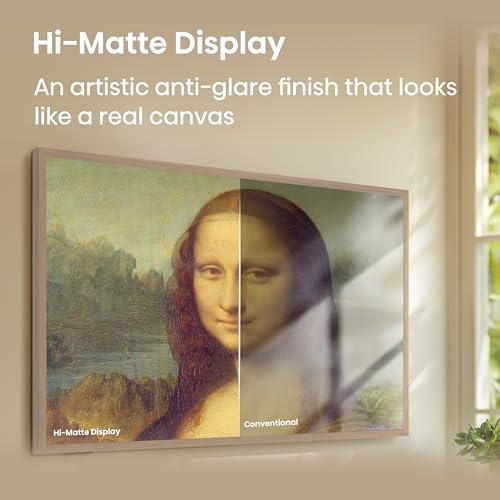
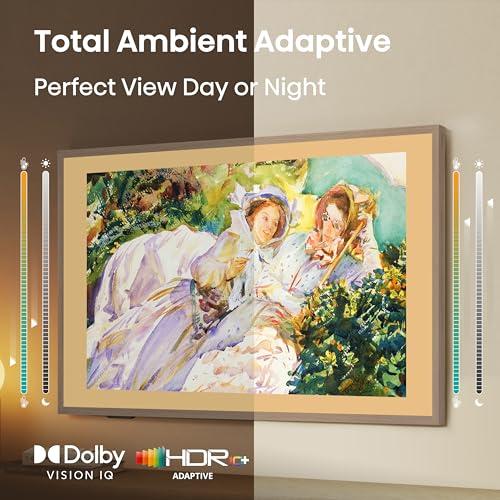
The Hisense CanvasTV takes a completely different approach with its Hi-Matte display technology. Instead of maximizing brightness, it prioritizes viewing comfort and glare reduction. The matte finish reduces reflections to just 5%, which might not sound impressive until you try watching a glossy TV in a bright room. We've all experienced the frustration of trying to watch something while sunlight streams through windows, turning your TV screen into an expensive mirror.
This anti-glare technology makes the CanvasTV genuinely watchable in conditions where other TVs become nearly unusable. However, this comes with trade-offs. The matte finish inherently reduces peak brightness and can make colors appear slightly less vibrant compared to glossy displays. It's a classic engineering compromise: comfort and usability versus maximum visual impact.
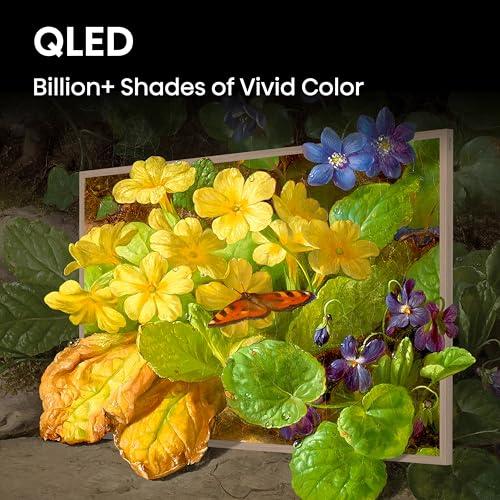
Both TVs use QLED technology with quantum dots, which enhances color accuracy and volume. Quantum dots are microscopic particles that emit very pure colors when hit with light, allowing both displays to reproduce more of the color spectrum than traditional LED TVs. The TCL QM8 leverages this with its massive brightness to create more impactful colors, while the CanvasTV uses it to maintain color accuracy despite the matte finish.
Modern gaming demands have pushed TV manufacturers to prioritize responsiveness, and both of these displays deliver excellent gaming experiences, though in different ways. Both offer 144Hz refresh rates, which means they can display up to 144 frames per second – crucial for smooth motion in fast-paced games. They also support Variable Refresh Rate (VRR), which synchronizes the TV's refresh rate with your gaming console or PC to eliminate screen tearing.
Input lag – the delay between pressing a button and seeing the action on screen – measures under 6 milliseconds on both TVs. That's fast enough for competitive gaming, though the TCL QM8 has a slight edge in motion clarity thanks to its superior local dimming. When you're playing darker games, the mini-LED backlighting provides better shadow detail and reduces the blur that can occur during fast movements.
The CanvasTV offers a different gaming advantage: the anti-glare display reduces eye strain during extended gaming sessions. If you game in a bright room or near windows, this can be a genuine comfort improvement that lets you play longer without fatigue.
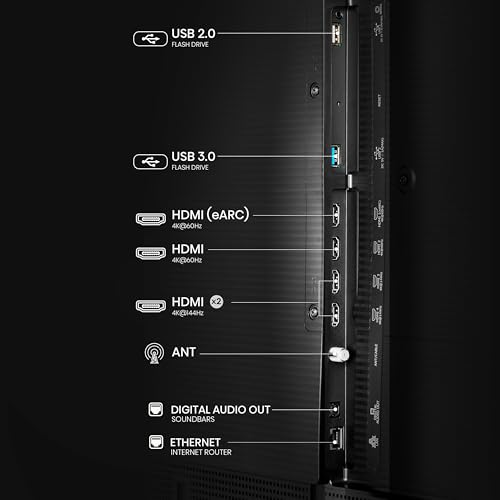
Both TVs include multiple HDMI 2.1 ports, which support the full bandwidth needed for 4K gaming at high refresh rates from modern consoles and graphics cards. This future-proofs your setup as games continue demanding more bandwidth.
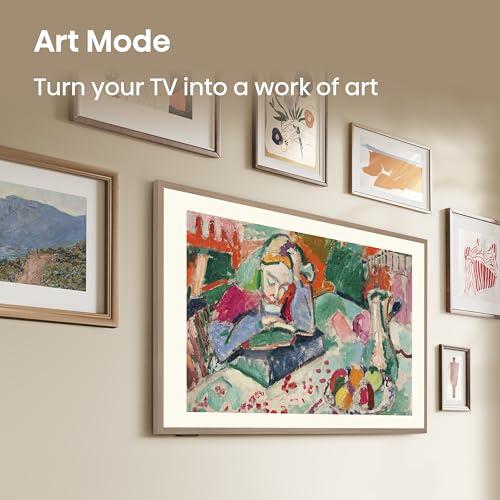
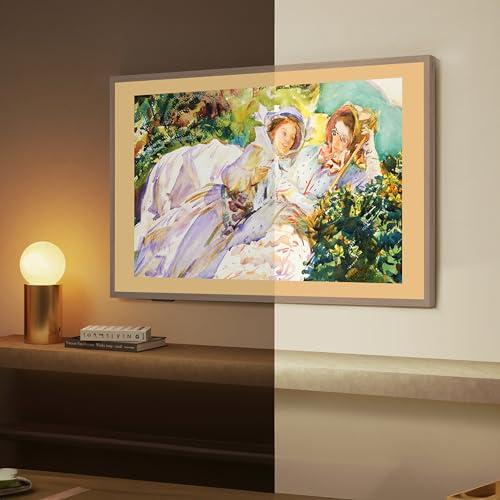
Here's where the Hisense CanvasTV truly shines and offers something the TCL QM8 simply cannot: the ability to function as home décor when not displaying video content. Art Mode transforms the TV into a digital gallery featuring over 120 pre-loaded masterpieces spanning different artistic periods and styles.
The implementation is genuinely clever. Motion sensors detect when someone enters the room and automatically activate the art display. When the room is empty, the screen turns off to save energy. Light sensors adjust the display brightness to match ambient lighting conditions, making the artwork look natural throughout the day. You can also upload your own photos, turning family memories into rotating wall art.
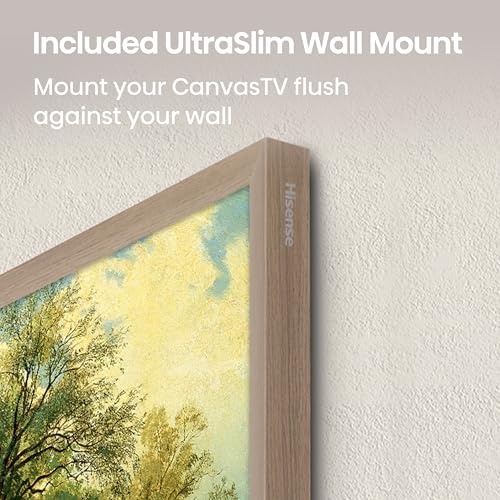
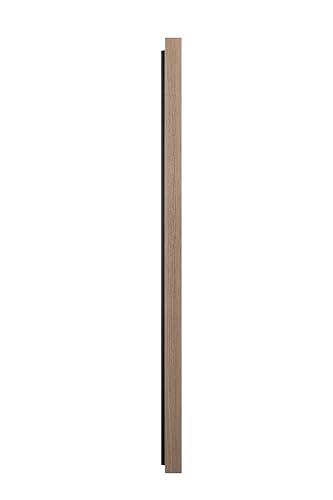
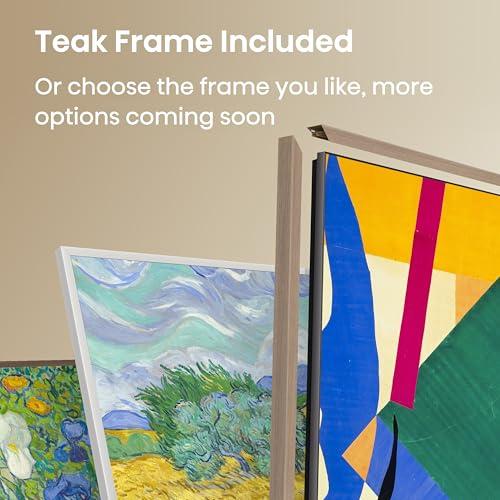
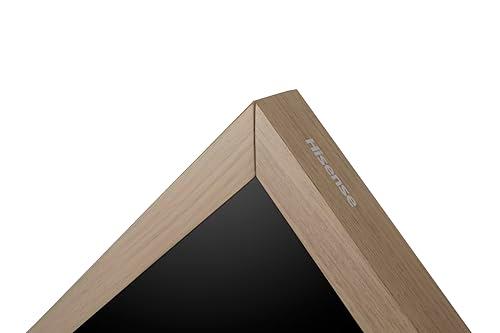
The magnetic frame system deserves special mention. Unlike competitors that require tools to change frames, the CanvasTV uses magnets for easy swapping between teak, white, and walnut finishes. The included ultra-slim wall mount positions the TV just 3mm from the wall, creating an authentic picture frame appearance that's genuinely convincing from normal viewing distances.
This isn't just a gimmick – it addresses a real problem. Many people struggle with the aesthetic impact of large TVs in their living spaces. The CanvasTV solves this by making the TV disappear visually when not in use, which can be valuable in homes where design aesthetics matter as much as entertainment capability.
Audio performance reveals perhaps the biggest gap between these two TVs. The TCL QM8 features an ONKYO 2.1.2 speaker system with 80 watts of total power, including a built-in subwoofer and upward-firing speakers for Dolby Atmos support. This creates genuine surround sound that fills the room with proper bass response – something most flat-panel TVs struggle to deliver.
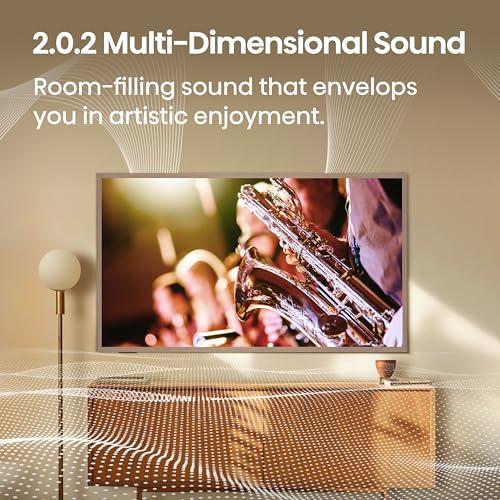
The CanvasTV offers a 2.0.2 system with DTS Virtual:X processing, which simulates surround sound but lacks a dedicated subwoofer. While adequate for casual viewing, it can't match the room-filling audio experience of the TCL QM8. This difference becomes particularly noticeable when watching action movies or listening to music, where bass response significantly impacts the experience.
For many users, the TCL QM8's superior audio could eliminate the need for a separate soundbar, saving both money and setup complexity. This adds meaningful value to the overall package.
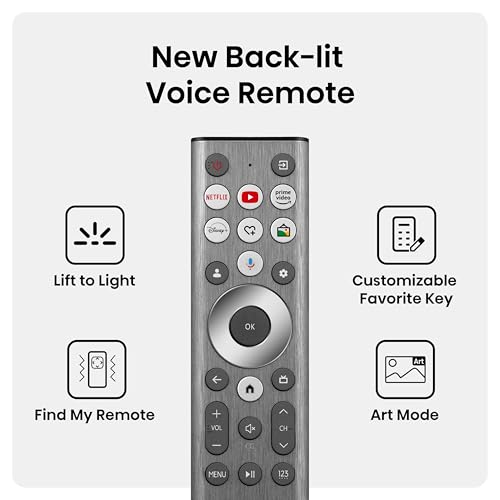
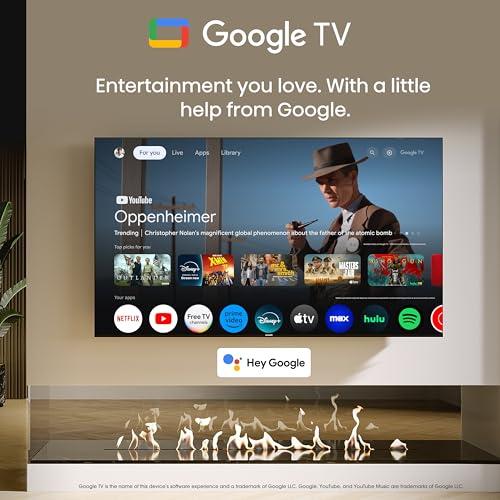
Both TVs run Google TV, which has evolved into one of the most intuitive smart TV platforms available. The interface is clean, responsive, and integrates well with both Google and third-party services. Voice control works reliably for basic functions like launching apps, adjusting volume, and searching for content.
The CanvasTV includes some unique smart features tied to its art functionality. The mobile app allows easy photo uploads and artwork management, while automated sensors create a hands-off experience that genuinely feels futuristic. You can walk into your living room and watch as your "painting" automatically illuminates and adjusts to the lighting conditions.
Both TVs support Wi-Fi 6 for fast, stable streaming and include comprehensive app ecosystems with all major streaming services. Software updates arrive regularly, ensuring long-term compatibility and feature additions.
For dedicated home theater setups, the TCL QM8 is the clear choice. Its massive brightness advantage becomes most apparent in darker rooms where you can fully appreciate the contrast between deep blacks and brilliant highlights. The mini-LED backlighting creates a more cinematic experience that approaches what you'd get from much more expensive OLED or high-end LCD displays.
The superior audio system also matters more in home theater contexts, where you're likely to be watching movies at higher volumes and expecting more immersive sound. The built-in Dolby Atmos support with upward-firing speakers creates a more enveloping audio experience without requiring ceiling speakers.
However, the CanvasTV isn't without merit in home theater applications. Its anti-glare display can be valuable if your theater room has any ambient light, and the art display functionality means your theater space can serve double duty as a gallery when not being used for movies.
Both TVs use VA (Vertical Alignment) LCD panels, which prioritize contrast over viewing angles. This means colors begin to fade and shift when viewed from the sides – typically becoming noticeable beyond about 30 degrees off-center. This is a common limitation of LCD technology that affects both models similarly.
For most living room setups where people sit relatively centered in front of the TV, this isn't problematic. However, if you have a wide seating arrangement or need the TV to be viewable from multiple angles simultaneously, both of these TVs will show their limitations compared to OLED displays, which maintain color accuracy from extreme angles.
Assessing long-term value requires considering both initial cost and ongoing benefits. The CanvasTV includes accessories that would cost significantly more if purchased separately – the ultra-slim wall mount, magnetic frames, and curated artwork library. Competing art TVs often charge monthly subscription fees for premium artwork, making the included collection genuinely valuable over time.
The TCL QM8 provides value through performance longevity. Its higher brightness ceiling and advanced processing mean it's more likely to remain impressive as content standards evolve and HDR implementations improve. Mini-LED technology also typically offers better long-term reliability than edge-lit alternatives.
Both TVs should receive software updates for several years, maintaining compatibility with new streaming services and features as they emerge.
The decision between the Hisense CanvasTV and TCL QM8 ultimately depends on your priorities and room characteristics.
Choose the CanvasTV if you have a bright living room where glare is a concern, value aesthetic integration over maximum performance, want the flexibility of art display functionality, or need partner approval for TV placement. It's also ideal if you spend significant time in the room when the TV isn't actively being used – the art display functionality genuinely transforms the space's character.
The TCL QM8 makes more sense if maximum picture quality is your priority, you have a darker viewing environment where its brightness advantage can shine, you're serious about gaming or movies, or you want the best built-in audio experience possible. It's also the better choice if you prefer straightforward functionality over lifestyle features.
Both represent excellent value in their respective categories at the time of writing. The CanvasTV delivers unique functionality that genuinely solves real-world problems around TV aesthetics and room integration. The TCL QM8 provides flagship-level display performance at a more accessible price point than traditional premium options.
Neither choice is wrong – they simply serve different needs and preferences. The key is honestly assessing what matters most in your specific situation and choosing the TV that best aligns with how you actually live and watch content.
| Hisense 65" S7N CanvasTV QLED 4K Smart Display | TCL 65" QM8 Mini-LED Smart TV |
|---|---|
| Display Technology - Core difference affecting picture quality and room suitability | |
| QLED with Hi-Matte anti-glare coating (prioritizes glare reduction) | Mini-LED with Quantum Dot (prioritizes maximum brightness and contrast) |
| Peak Brightness - Critical for HDR impact and bright room viewing | |
| ~450 nits peak (modest but consistent due to matte finish) | Up to 5,000 nits peak (exceptional HDR highlights and room-filling brightness) |
| Local Dimming - Affects contrast and black levels | |
| Standard edge-lit with basic zones | Full-array mini-LED with thousands of dimming zones |
| Anti-Glare Performance - Essential for bright living rooms | |
| Excellent - Hi-Matte reduces reflections to 5% | Standard glossy finish prone to reflections |
| Gaming Performance - Refresh rate and input lag for responsive gaming | |
| 144Hz refresh rate, ~5ms input lag, VRR support | 144Hz refresh rate, ~5ms input lag, VRR support, superior motion clarity |
| Audio System - Built-in sound quality affects need for soundbar | |
| 2.0.2 system without subwoofer (adequate for casual use) | ONKYO 2.1.2 system with 80W and built-in subwoofer (room-filling audio) |
| Art Display Mode - Unique lifestyle feature when TV is off | |
| Full art gallery with 120+ masterpieces, motion sensors, customizable frames | Not available |
| Wall Mounting Solution - Aesthetic integration capability | |
| Ultra-slim mount included, 3mm gap for picture frame look | Standard mounting (mount sold separately) |
| Frame Customization - Visual integration with home décor | |
| Magnetic swappable frames (teak included, white/walnut available) | Fixed TV bezel design |
| Smart Platform - User interface and app ecosystem | |
| Google TV with voice control and streaming apps | Google TV with voice control and streaming apps |
| HDMI Connectivity - Future-proofing for gaming consoles and devices | |
| 4 ports total (2x HDMI 2.1, 2x HDMI 2.0) | 4 ports total (2x HDMI 2.1, 2x HDMI 2.0) |
| Viewing Angles - Performance when viewed from the side | |
| Limited (typical VA panel, colors fade beyond 30°) | Limited (typical VA panel, colors fade beyond 30°) |
| Best Room Type - Optimal viewing environment | |
| Bright living rooms with ambient light and décor focus | Darker rooms or home theaters prioritizing maximum picture impact |
| Primary Value Proposition - What you're paying for | |
| Lifestyle integration with decent performance | Maximum picture quality and audio at competitive price |
The Hisense 65" S7N CanvasTV is significantly better for bright rooms due to its Hi-Matte anti-glare display technology, which reduces reflections to just 5%. This makes it watchable even with direct sunlight, while the TCL 65" QM8 Mini-LED has a glossy screen that can become difficult to see in bright conditions despite its higher brightness.
The core difference is philosophy: the Hisense CanvasTV prioritizes lifestyle integration with its art display mode and anti-glare screen, while the TCL QM8 focuses purely on maximum picture quality with mini-LED backlighting and up to 5,000 nits brightness for superior HDR performance.
The TCL 65" QM8 Mini-LED delivers superior picture quality with its mini-LED backlighting, thousands of local dimming zones, and exceptional peak brightness up to 5,000 nits. This creates more impactful HDR highlights and better contrast compared to the Hisense CanvasTV, which prioritizes viewing comfort over maximum visual impact.
Yes, the Hisense 65" S7N CanvasTV features a dedicated Art Mode with over 120 pre-loaded masterpieces and motion sensors that automatically display artwork when someone enters the room. It includes magnetic frames and can also display your personal photos, making it function as a digital art gallery when not watching content.
Both TVs offer excellent gaming performance with 144Hz refresh rates, VRR support, and low input lag under 6ms. The TCL QM8 has a slight edge with better motion clarity and shadow detail in dark games, while the Hisense CanvasTV offers reduced eye strain in bright gaming environments due to its anti-glare display.
The TCL 65" QM8 Mini-LED has significantly better audio with its ONKYO 2.1.2 system featuring 80W total power, a built-in subwoofer, and Dolby Atmos support. The Hisense CanvasTV offers a 2.0.2 system without a subwoofer, which is adequate but not as room-filling or impactful for movies and music.
Value depends on priorities: the Hisense CanvasTV includes expensive accessories like the ultra-slim wall mount, magnetic frames, and art library that would cost significantly more separately. The TCL QM8 offers exceptional display technology typically found in much more expensive TVs, making it better value for pure performance seekers.
The TCL 65" QM8 Mini-LED is better suited for dedicated home theaters due to its superior brightness, contrast, and built-in audio system that creates a more cinematic experience. The Hisense CanvasTV can work in home theaters but is optimized more for living room use where aesthetics and glare control matter.
Both the Hisense CanvasTV and TCL QM8 run Google TV with voice control, support all major streaming apps, include Wi-Fi 6 connectivity, and receive regular software updates. The CanvasTV adds unique art-focused smart features like automated photo uploads and sensor-based display activation.
Both TVs have similar viewing angle limitations due to their VA LCD panels, with colors beginning to fade when viewed beyond about 30 degrees off-center. Neither the Hisense CanvasTV nor TCL QM8 excels in this area, making them better suited for centered seating arrangements rather than wide room layouts.
The Hisense 65" S7N CanvasTV includes an ultra-slim wall mount that positions the TV just 3mm from the wall for a picture-frame appearance. The TCL QM8 requires purchasing a wall mount separately but supports standard VESA mounting patterns for flexible installation options.
Choose the Hisense CanvasTV if you have a bright room, value aesthetics when the TV is off, and want the unique art display functionality. Select the TCL 65" QM8 Mini-LED if you prioritize maximum picture quality, superior audio, and want the best HDR experience possible in your price range.
We've done our best to create useful and informative comparisons to help you decide what product to buy. Our research uses advanced automated methods to create this comparison and perfection is not possible - please contact us for corrections or questions. These are the sites we've researched in the creation of this article: bestbuy.com - hisense.sg - tomsguide.com - content.syndigo.com - rtings.com - hisense-usa.com - youtube.com - bestbuy.com - youtube.com - displayspecifications.com - displayspecifications.com - manuals.plus - displayspecifications.com - bestbuy.com - hisense-canada.com - manuals.plus - bargainoutletandmore.com - bestbuy.com - device.report - rtings.com - rtings.com - techradar.com - tcl.com - the-gadgeteer.com - nfm.com - ecoustics.com - careyscommunications.com - pcrichard.com - tcl.com

Privacy Policy
Terms and Conditions - Affiliate Policy
Home Security
© Copyright 2008-2026.
11816 Inwood Rd #1211, Dallas, TX 75244