







When shopping for a premium 65-inch TV in 2024 and beyond, you're essentially choosing between two different philosophies. Do you want a TV that disappears into your living room decor when not in use, or one that delivers the absolute best picture quality money can buy? This fundamental question shapes the entire premium TV market today.
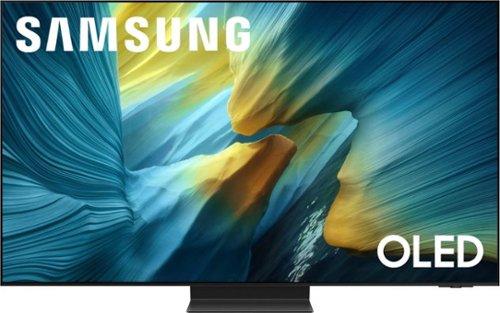
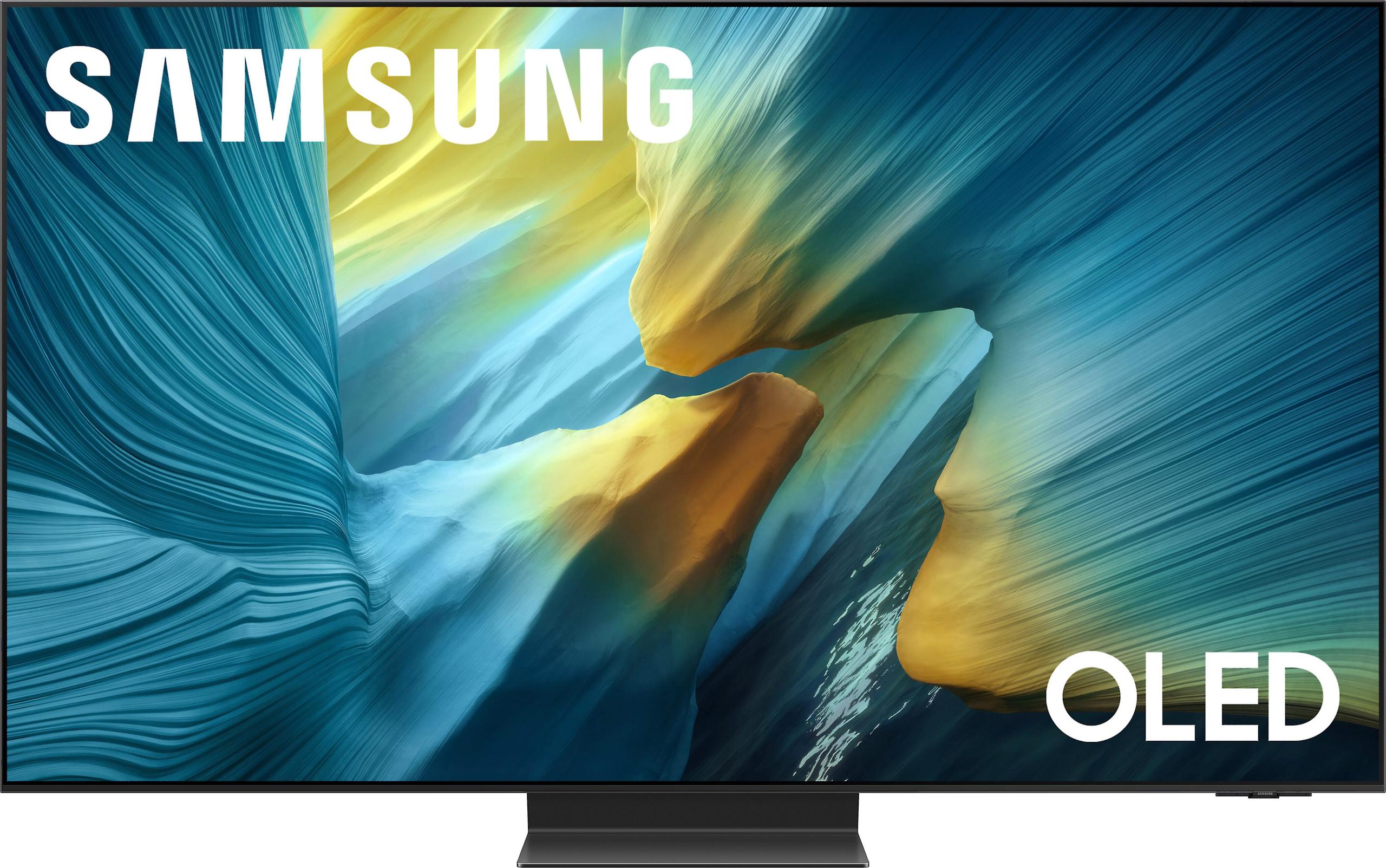
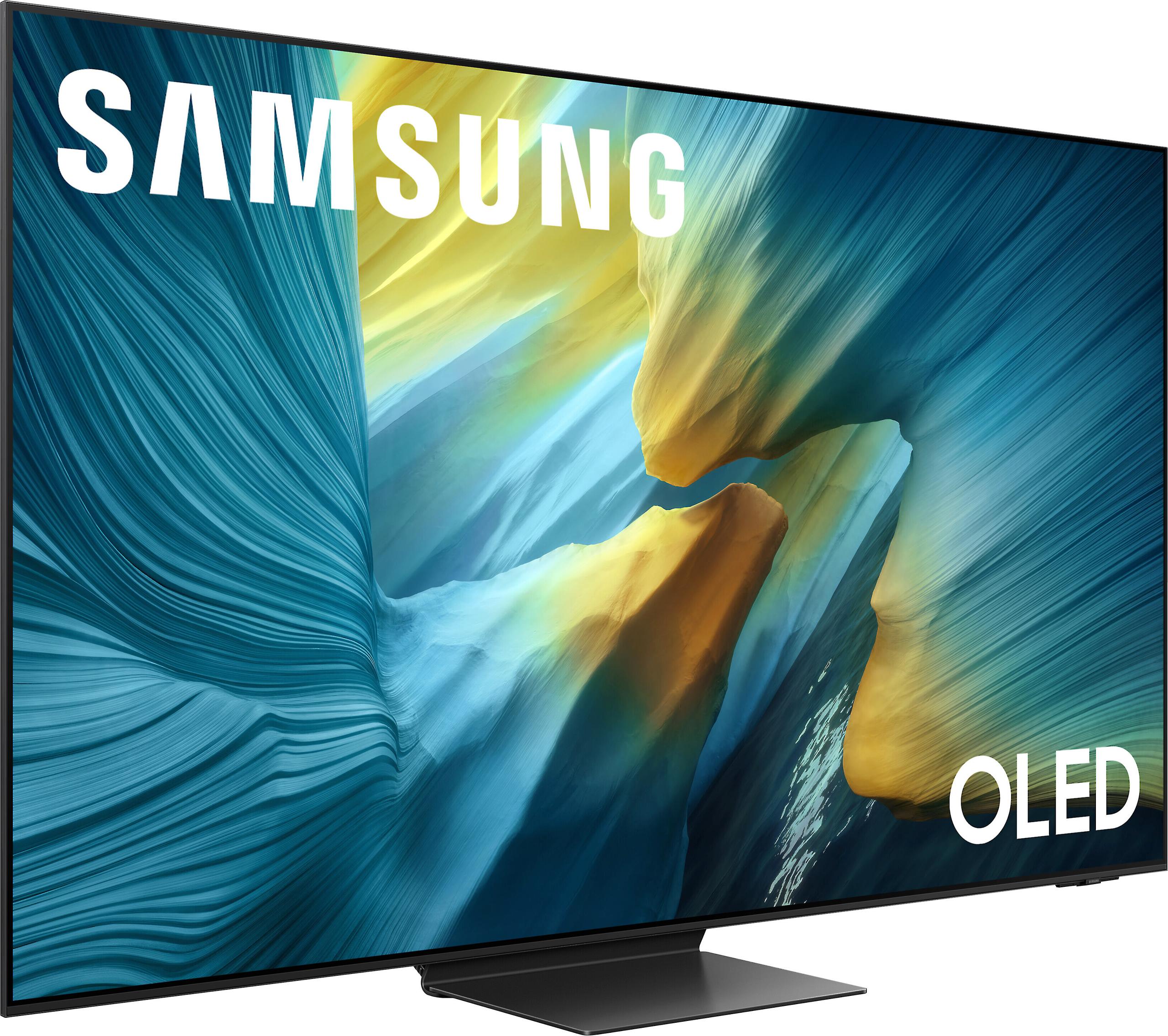
The Hisense CanvasTV S7N and Samsung OLED S95F represent these two approaches perfectly. Released in 2024 and 2025 respectively, they showcase how TV manufacturers are branching into distinct niches rather than creating one-size-fits-all products. At the time of writing, these TVs sit at dramatically different price points—the Hisense costs roughly one-third of the Samsung—yet both target the premium market in their own ways.
The premium TV landscape has evolved significantly since 2020. Where manufacturers once focused solely on bigger, brighter, and more colorful displays, today's market recognizes that different users have fundamentally different needs. Some want their TV to be the centerpiece of their entertainment setup, while others prefer it to blend seamlessly into their home's aesthetic.
This shift reflects broader changes in how we consume media. With streaming services dominating and gaming becoming more sophisticated, TVs need to excel at multiple tasks. Simultaneously, open-concept living spaces and minimalist design trends have made TV aesthetics more important than ever.
The key considerations when shopping in this category include display technology (which affects both performance and longevity), room integration capabilities, gaming performance for modern consoles, HDR handling for streaming content, and overall value proposition. Understanding these factors helps you identify which approach suits your specific situation.
The most fundamental difference between the Hisense CanvasTV and Samsung S95F lies in their display technologies. The Hisense uses QLED (Quantum Dot Light Emitting Diode) technology, while the Samsung employs OLED (Organic Light Emitting Diode) panels.
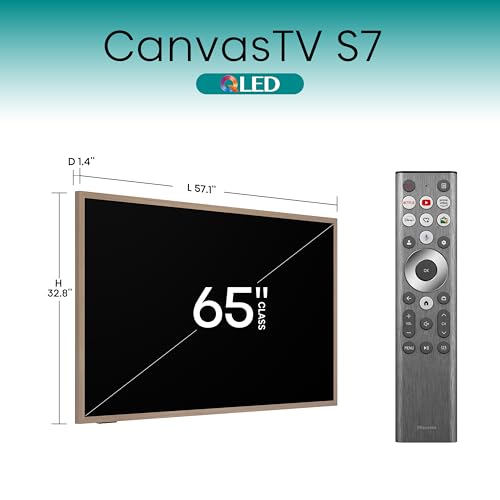
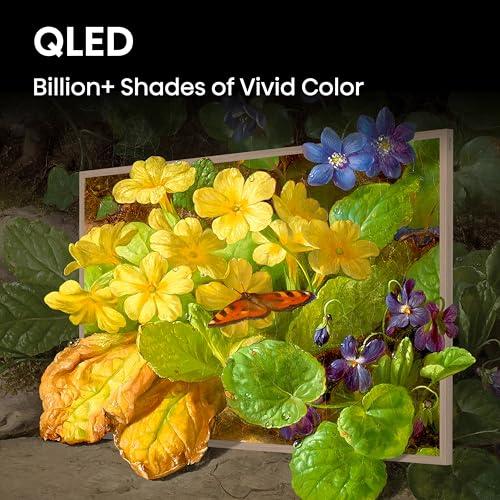
QLED displays work by passing light through quantum dots—tiny semiconductor particles that emit specific colors when illuminated. The Hisense CanvasTV uses this technology with an edge-lit LED backlight system, meaning LEDs along the TV's edges illuminate the entire screen. This approach keeps costs down and allows for the ultra-thin profile needed for its art-focused design.
However, edge-lighting creates inherent limitations. The CanvasTV achieves roughly 420 nits of peak brightness—adequate for most content but not exceptional for HDR (High Dynamic Range) material. HDR expands the range between the brightest whites and darkest blacks, creating more lifelike images, but it requires significant brightness to be effective. The TV's 5,000:1 contrast ratio, while respectable, can't match what's possible with more advanced backlighting systems.
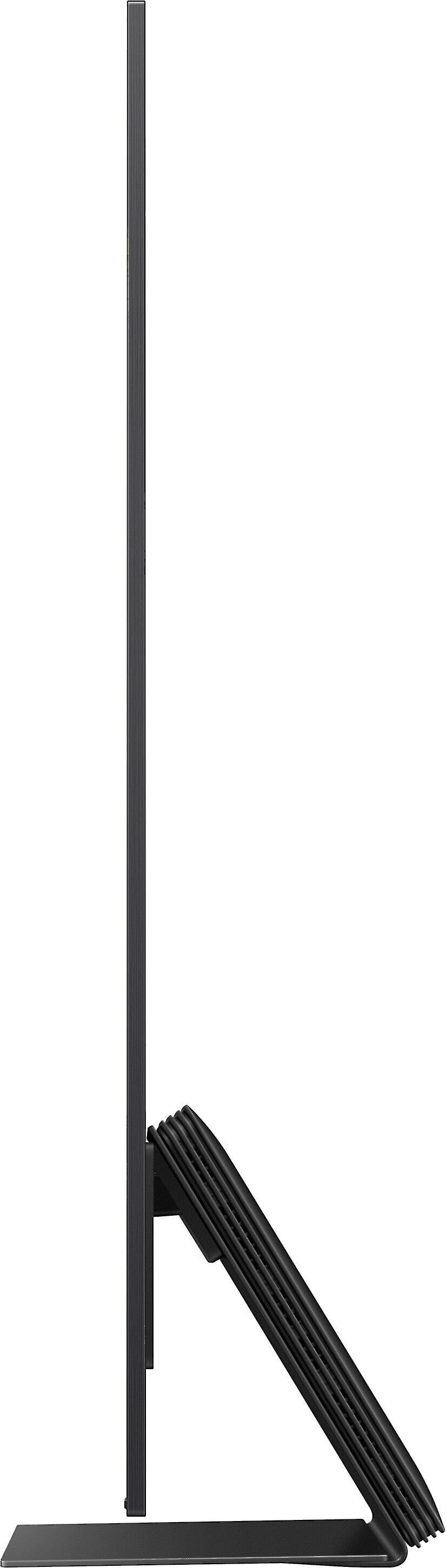
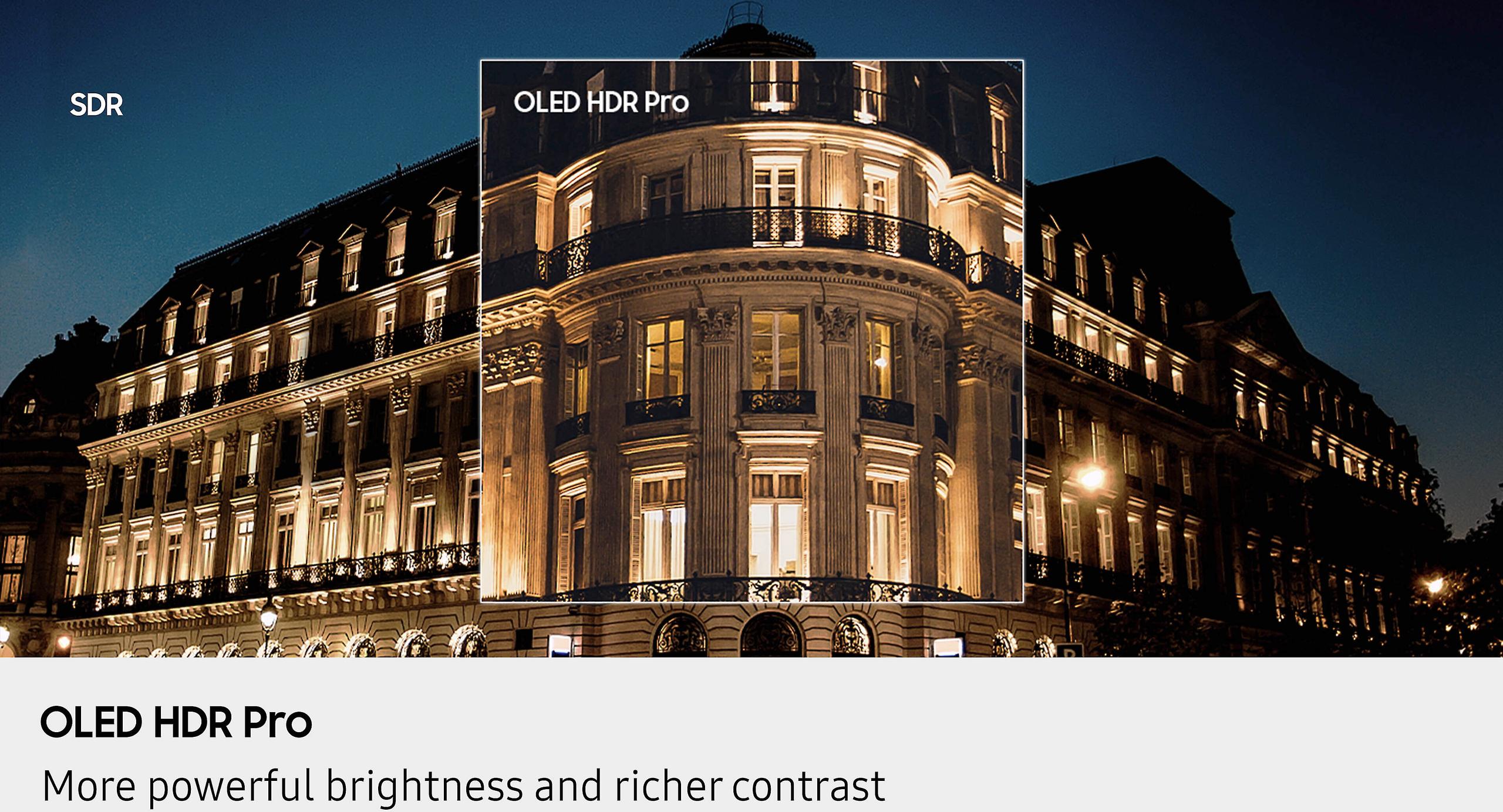
OLED technology takes a completely different approach. In the Samsung S95F, each pixel generates its own light, eliminating the need for backlighting entirely. This enables true blacks (pixels simply turn off completely) and theoretically infinite contrast ratios. More impressively, the S95F can reach over 2,000 nits of peak brightness—nearly five times brighter than the Hisense.
This brightness difference matters enormously for HDR content. When watching a movie with bright outdoor scenes or explosive action sequences, the Samsung can display highlights with stunning intensity while maintaining perfect blacks in shadowy areas. The Hisense, while capable, simply can't create the same visual impact.
Both TVs address glare and reflections, but through completely different methods that reveal their design priorities.
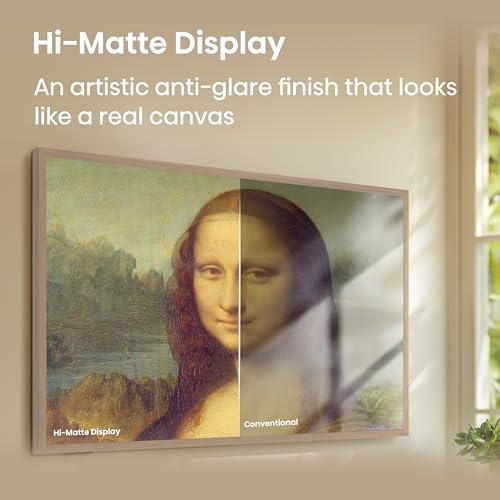
The Hisense CanvasTV employs a Hi-Matte display coating that reduces reflections to just 5% of incoming light. This aggressive anti-glare treatment serves dual purposes: it makes the TV usable in bright rooms and, crucially, helps it mimic the texture of real paintings when displaying artwork. The matte finish creates depth and eliminates the glossy "TV look" that would break the artistic illusion.
However, this coating comes with trade-offs. Matte screens inherently reduce color vibrancy and can make blacks appear slightly gray compared to glossy displays. For the CanvasTV, this compromise makes sense—when functioning as an art piece, perfect blacks matter less than eliminating distracting reflections.
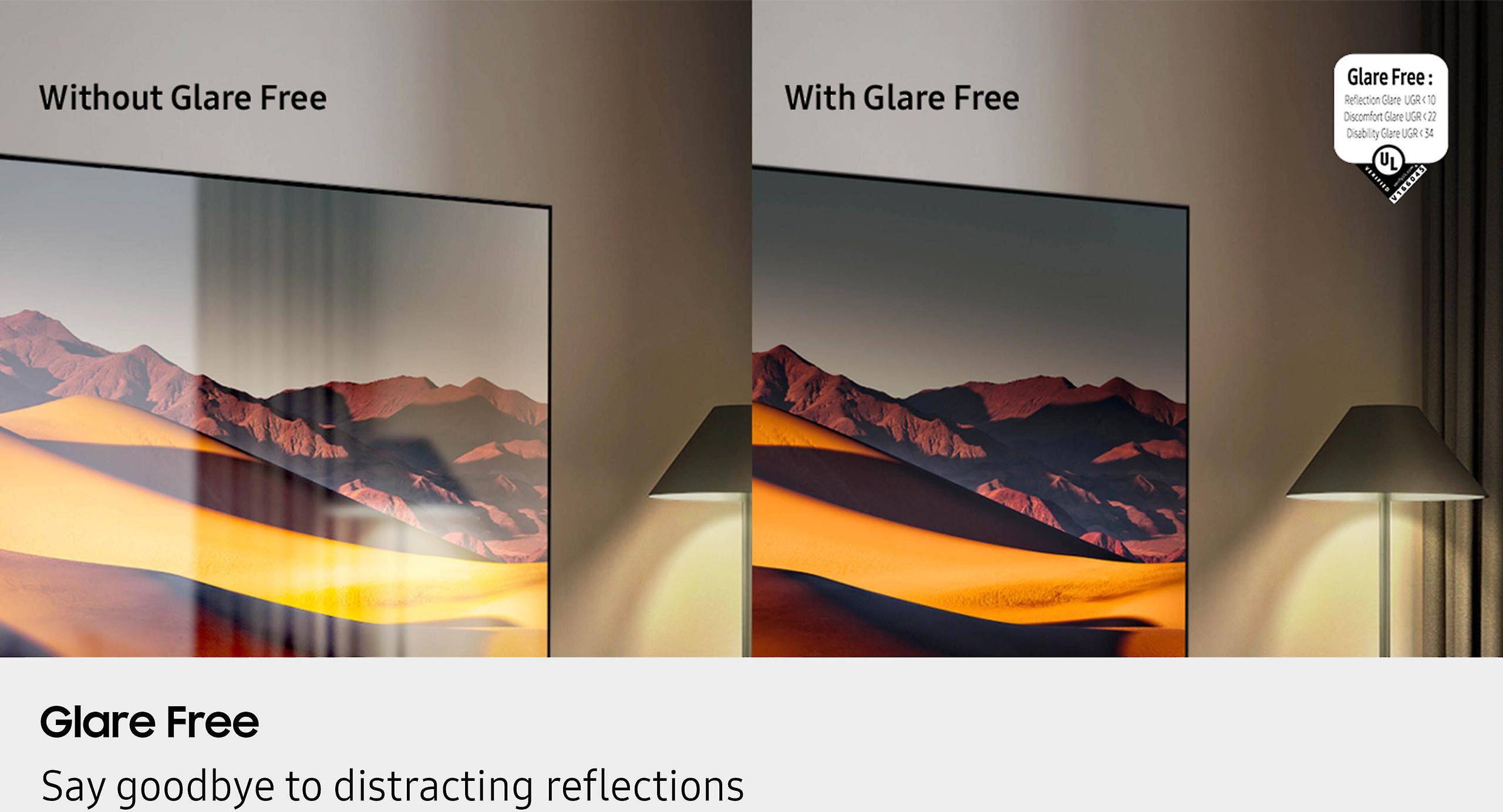
The Samsung S95F uses what Samsung calls "OLED Glare Free Certified" technology. Rather than a heavy matte coating, this system combines advanced panel engineering with processing algorithms to maintain OLED's inherent advantages while reducing reflections. The result preserves the deep blacks and vibrant colors OLED is known for while still performing well in bright environments.
In practical terms, the Hisense handles glare more aggressively, making it superior for rooms with large windows or direct sunlight. The Samsung offers a more balanced approach that works well in moderately bright rooms while preserving maximum picture quality.
Modern gaming demands high refresh rates, low input lag (the delay between controller input and screen response), and variable refresh rate support to prevent screen tearing. Both TVs deliver impressive gaming performance, though with different strengths.
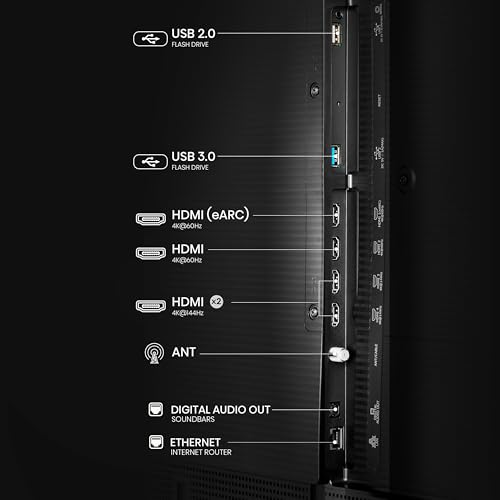
The Hisense CanvasTV supports native 144Hz refresh rates with 5.4ms input lag—excellent numbers that exceed many premium TVs. It can handle 4K resolution at 144Hz or 1080p at 240Hz, covering both console gaming (which typically targets 60-120Hz) and competitive PC gaming scenarios. The TV includes ALLM (Auto Low Latency Mode), which automatically switches to gaming mode when it detects a console, and VRR (Variable Refresh Rate) support to eliminate screen tearing.
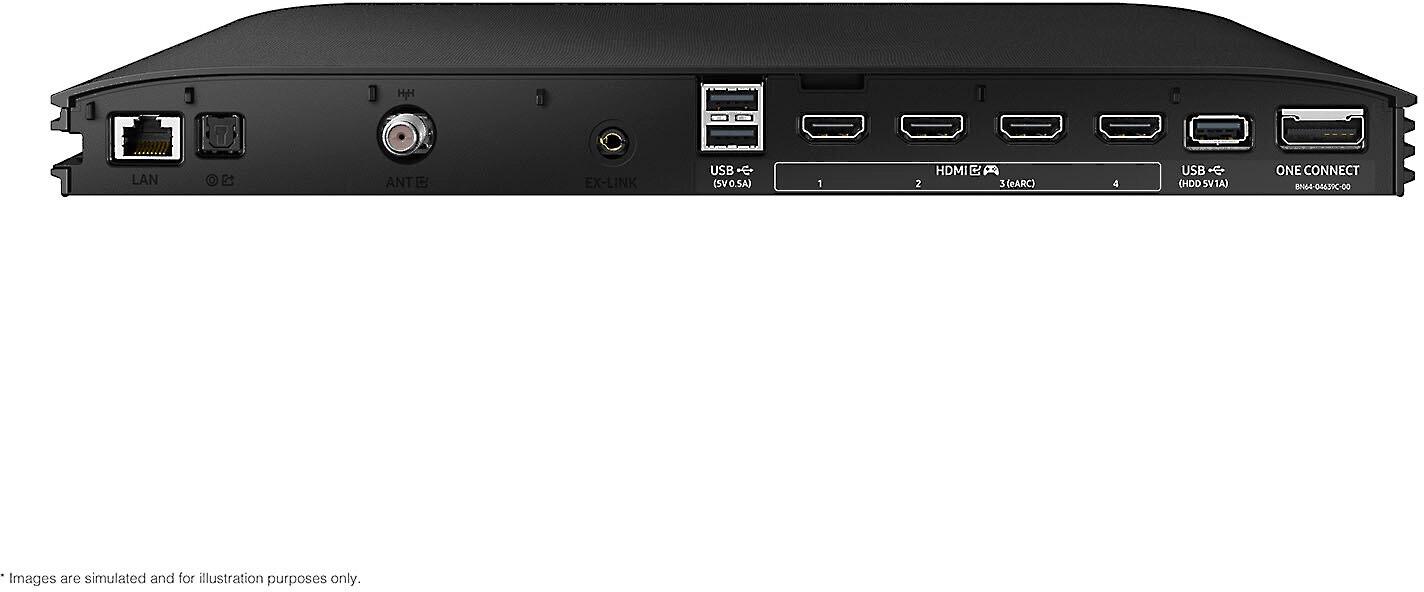
The Samsung S95F pushes gaming even further with 165Hz refresh rates and AMD FreeSync Premium Pro certification. This represents the current cutting edge for TV gaming, particularly beneficial for high-end PC gaming setups. The TV features four HDMI 2.1 ports (compared to two on the Hisense), providing more flexibility for multiple gaming systems.
More importantly, the Samsung includes AI Auto Game Mode, which automatically optimizes display settings based on the specific game being played. This represents the kind of intelligent processing that separates premium TVs from budget options.
For most users, both TVs provide excellent gaming experiences. The Samsung's additional features matter primarily for enthusiasts with high-end gaming PCs or those planning to connect multiple next-generation consoles.
The software experience differs significantly between these TVs, reflecting their target audiences and corporate philosophies.
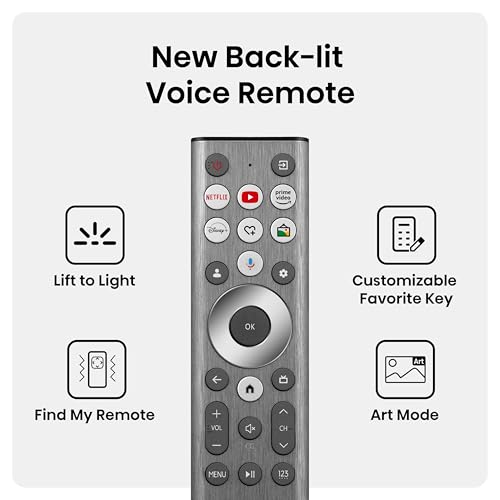
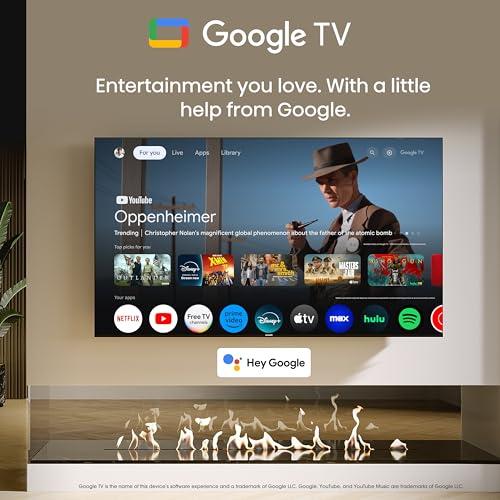
The Hisense CanvasTV runs Google TV, which provides a clean, intuitive interface with excellent integration across Google services. Chromecast is built-in, making it easy to cast content from phones or tablets. The TV supports Google Assistant, Amazon Alexa, and Apple HomeKit, ensuring compatibility with most smart home setups.
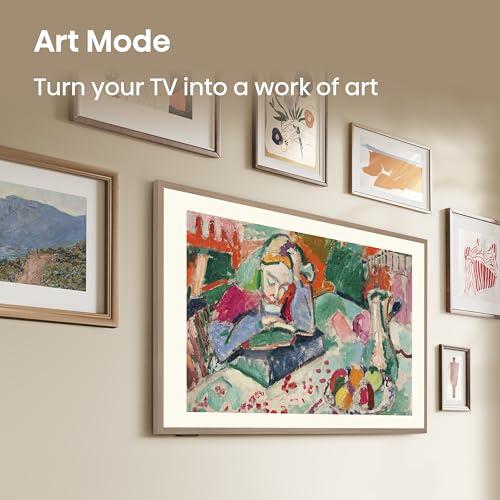
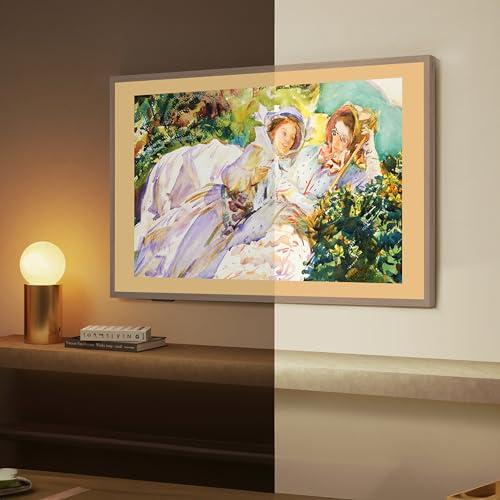
For art functionality, the CanvasTV includes over 1,000 curated artworks at no additional cost—a significant advantage over competitors that charge subscription fees for art libraries. The motion sensor automatically switches between TV and art modes when people enter or leave the room, creating a seamless experience.
The Samsung S95F uses Samsung's Tizen operating system with a crucial advantage: a commitment to seven years of software updates. This matters enormously for long-term value, as streaming services regularly update their apps and add new features. Many TVs become obsolete within 3-4 years due to software limitations, making Samsung's extended support valuable for a premium purchase.
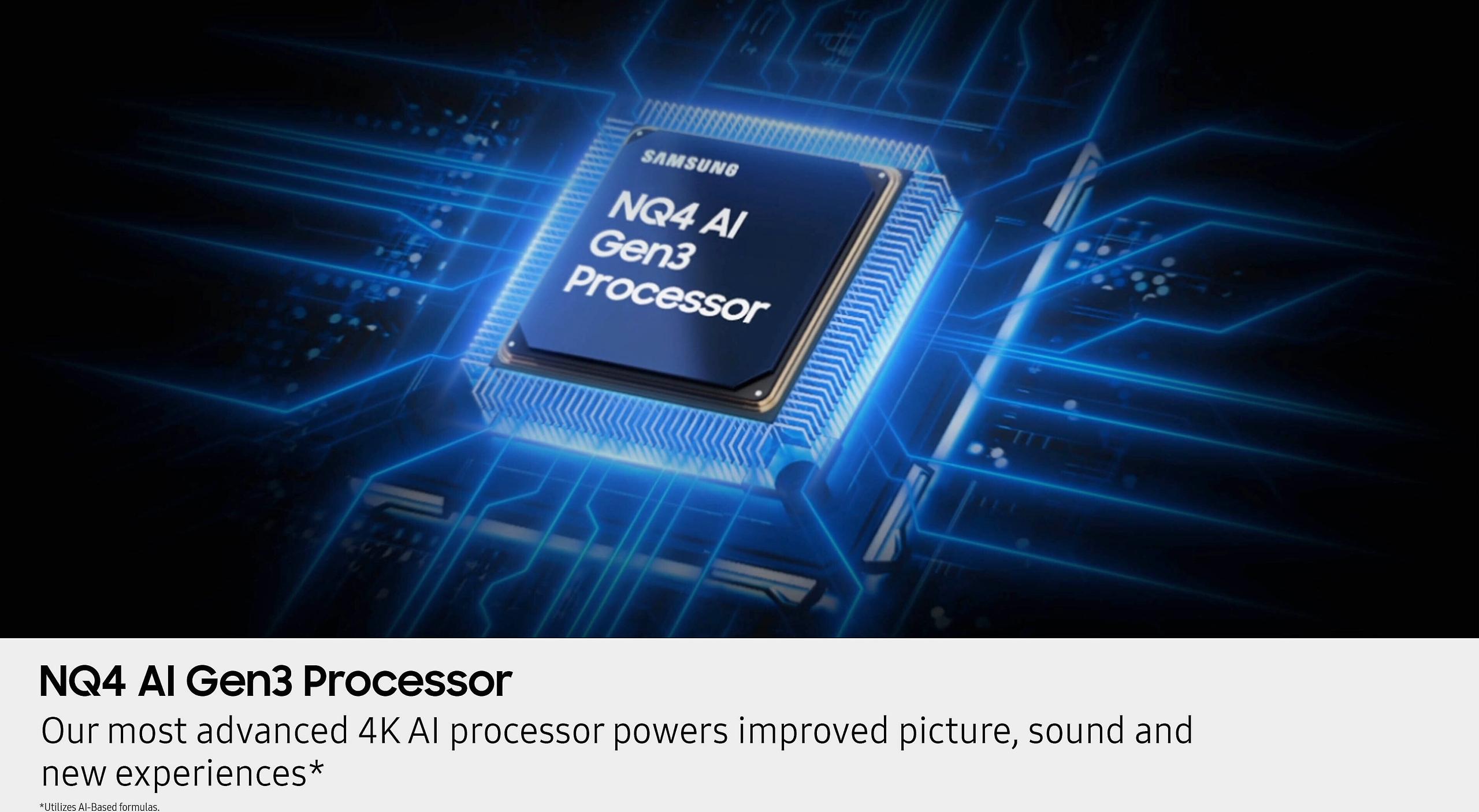
Samsung Vision AI, powered by 128 neural networks, represents advanced processing that automatically optimizes picture and sound quality based on content type and viewing conditions. While these AI features can be impressive, they're also somewhat subjective—some users prefer manual control over automatic adjustments.
TV audio often receives less attention than picture quality, but it significantly impacts the overall experience, especially in larger rooms or home theater setups.
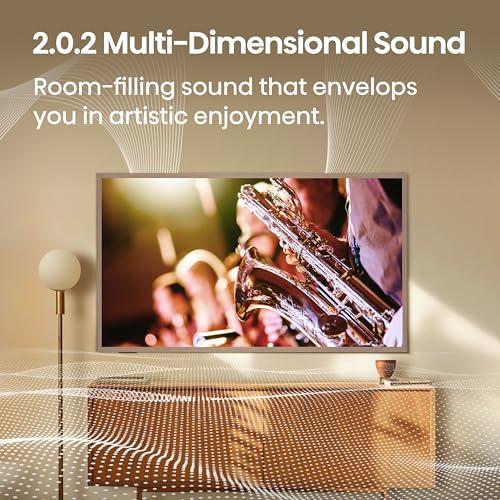
The Hisense CanvasTV features a 2.0.2 channel system with upward-firing speakers for simulated surround sound. DTS Virtual:X processing creates a surprisingly wide soundstage for a flat-panel TV. While not exceptional, it's adequate for casual viewing and better than many lifestyle-focused TVs that prioritize thin profiles over audio quality.
The Samsung S95F includes a more sophisticated 4.2.2 channel system outputting 70W of power. Object Tracking Sound (OTS+) uses multiple speakers to create the illusion that audio follows action across the screen—dialogue appears to come from characters' mouths rather than generic speaker locations. Dolby Atmos support adds height information to compatible content, creating more immersive experiences.
Q-Symphony technology allows the Samsung to work in harmony with compatible Samsung soundbars, using both TV and soundbar speakers simultaneously rather than disabling TV audio. This creates a more enveloping sound field without requiring expensive multi-speaker setups.
For home theater enthusiasts, both TVs support eARC (Enhanced Audio Return Channel), allowing them to pass high-quality audio to external receivers or soundbars. However, the Samsung's superior built-in audio reduces the immediate need for additional equipment.
The fundamental difference between these TVs becomes most apparent when they're turned off.
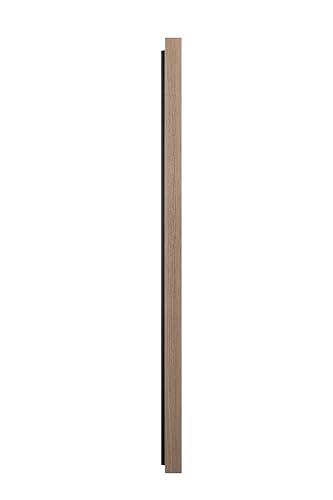
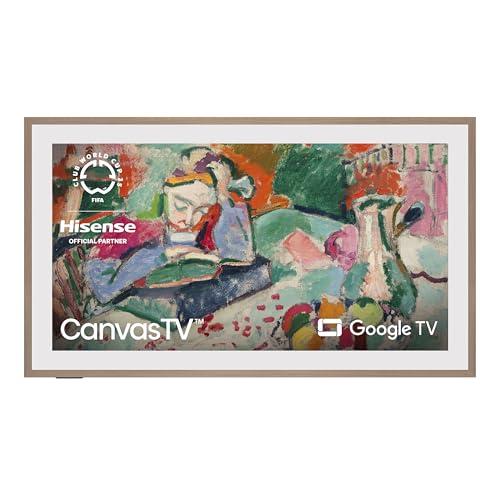
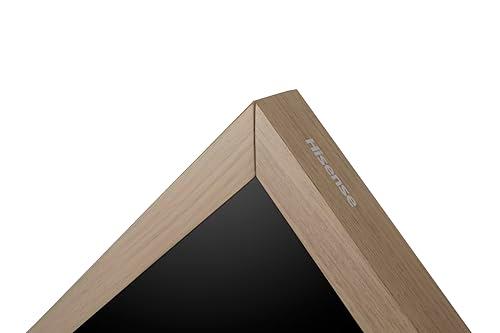
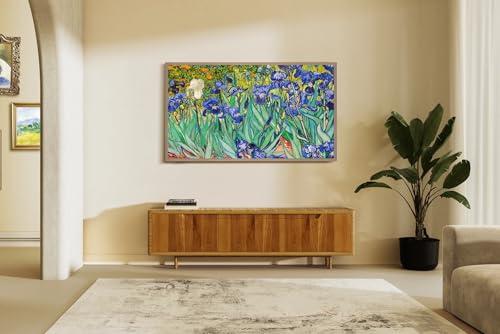
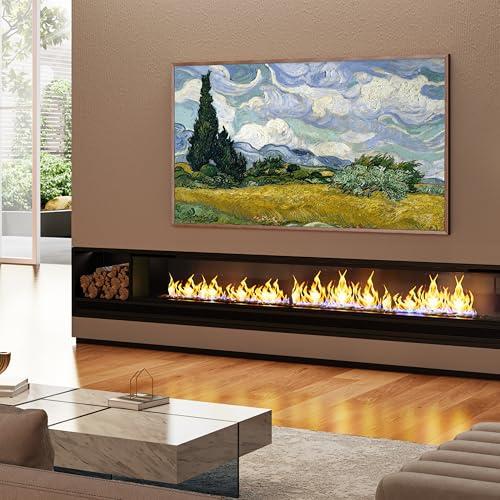
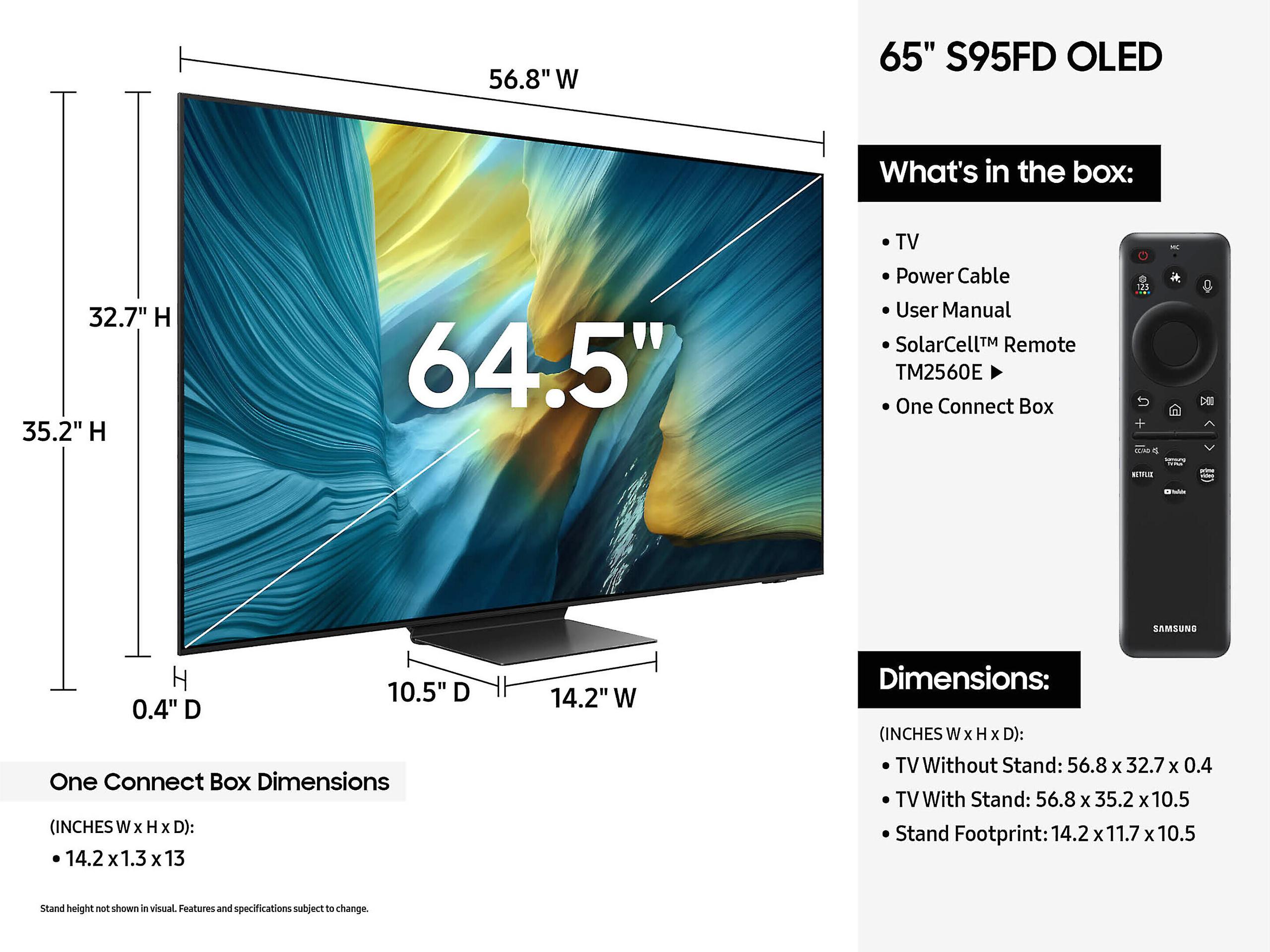
The Hisense CanvasTV transforms into a convincing piece of wall art. The included UltraSlim Wall Mount positions the TV just 3mm from the wall, creating a painting-like appearance. Magnetic frames in teak, white, or walnut finishes allow customization to match room decor. The anti-glare coating ensures artwork remains visible even in bright lighting.
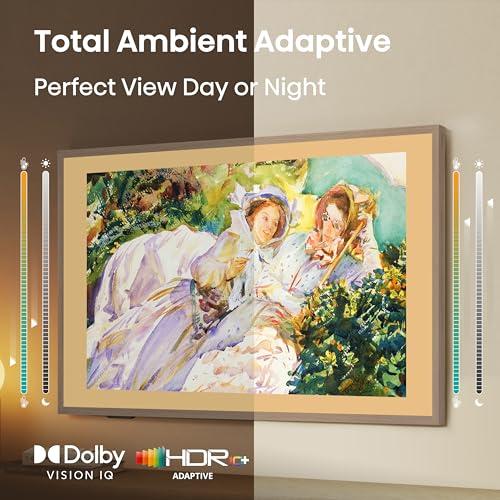
This integration extends beyond aesthetics. Motion sensors detect room occupancy, automatically switching between art and TV modes. The ambient light sensor adjusts artwork brightness to minimize energy consumption while maintaining visibility. These features create a seamless dual-purpose device rather than a TV with art mode tacked on.
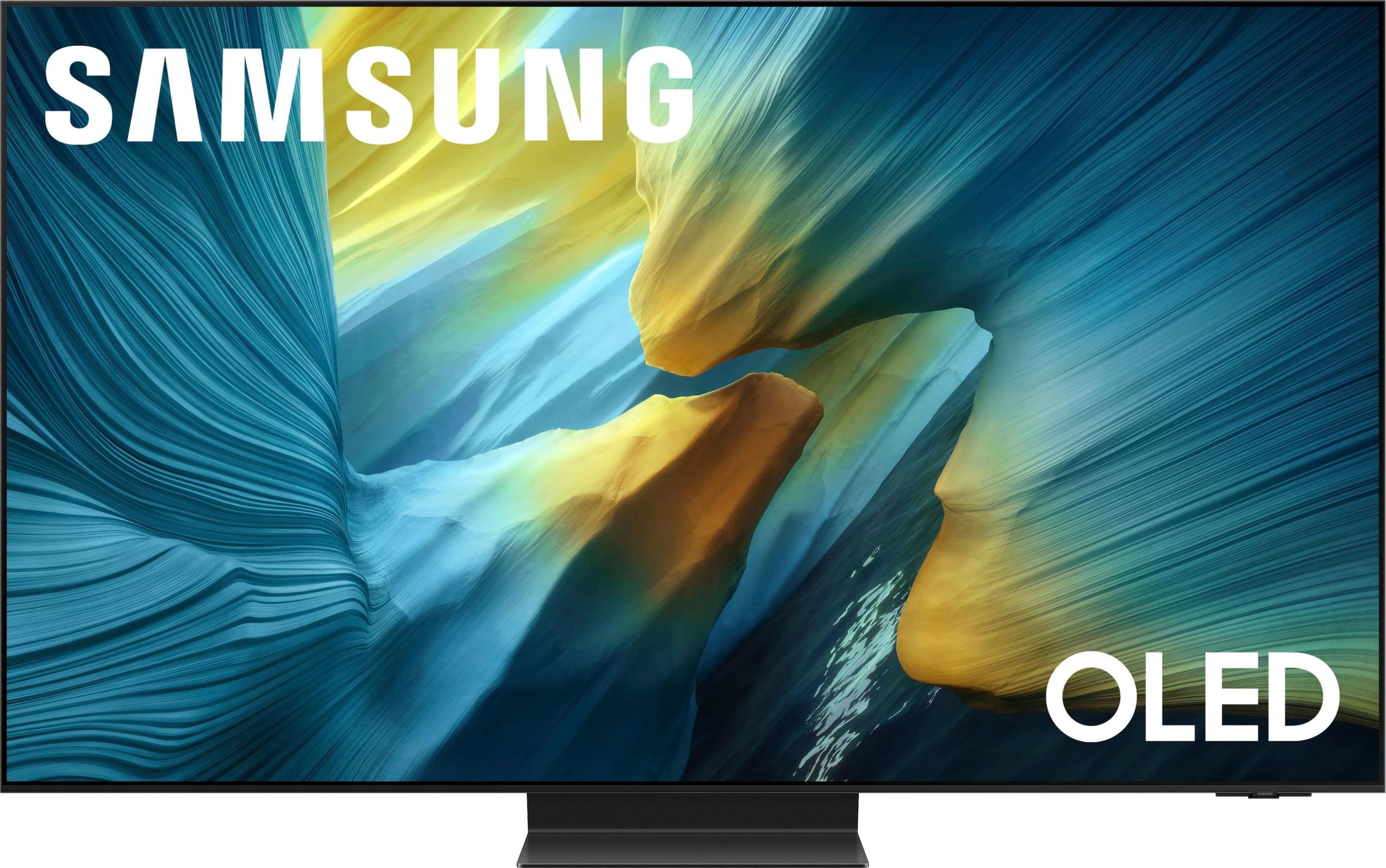
The Samsung S95F prioritizes entertainment optimization over room integration. While it's an attractive TV with premium materials and build quality, it looks like a TV when turned off. The design focuses on picture quality and performance rather than aesthetic camouflage.
This philosophical difference affects purchasing decisions significantly. If your TV will be prominently visible in a main living space, the Hisense's art integration might outweigh the Samsung's superior picture quality. Conversely, if your TV resides in a dedicated media room or entertainment space, the Samsung's performance advantages become more valuable.
At the time of writing, these TVs operate in different value categories entirely. The Hisense CanvasTV costs roughly one-third of the Samsung S95F, making direct price comparisons somewhat unfair.
However, value extends beyond initial purchase price. The Hisense includes art features that would cost hundreds of dollars annually with competing systems. The included wall mount and frame save additional money. Google TV provides reliable long-term software support, though not as extensive as Samsung's seven-year commitment.
The Samsung S95F represents a premium investment that should remain current longer due to superior hardware specifications and extended software support. Its OLED panel should maintain picture quality longer than edge-lit LED systems, which can develop uniformity issues over time.
For buyers planning to keep their TV for many years, the Samsung's higher initial cost may prove more economical long-term. However, for users who upgrade frequently or prioritize immediate value, the Hisense offers compelling advantages.
Choose the Hisense CanvasTV if you want a TV that enhances your living space's aesthetic when not in use. It's ideal for open-concept homes where the TV remains visible throughout daily life. The art integration works particularly well in formal living rooms, bedrooms, or any space where you want technology to blend with decor rather than dominate it. Budget-conscious buyers seeking premium features will find exceptional value, while casual viewers who don't prioritize peak HDR performance will be entirely satisfied with picture quality.
The Samsung OLED S95F suits buyers who prioritize uncompromising picture quality above all else. It's perfect for dedicated home theaters or media rooms where performance matters more than aesthetics. Serious gamers will appreciate the 165Hz refresh rates and advanced gaming features, while videophiles will love the exceptional brightness and contrast capabilities. If you frequently watch HDR content from premium streaming services or UHD Blu-rays, the superior performance justifies the higher cost.
Consider your viewing habits, room setup, and long-term plans. A TV used primarily for background entertainment during daily life serves different needs than one used for serious movie watching or gaming sessions. Both options excel in their intended roles—the key is matching your specific requirements to the right approach.
The evolution of the TV market means there's no longer a single "best" choice. Instead, there are increasingly specialized tools designed for specific use cases. Understanding your priorities helps you choose the TV that will serve you best for years to come.
| Hisense 65" S7N CanvasTV QLED | Samsung 65" OLED S95F |
|---|---|
| Display Technology - Core difference affecting picture quality and longevity | |
| QLED with Quantum Dots, edge-lit LED backlight | Self-illuminating OLED pixels with per-pixel control |
| Peak Brightness - Critical for HDR content and bright rooms | |
| ~420 nits (adequate for most content) | 2,089+ nits (exceptional HDR performance) |
| Contrast Ratio - Determines black levels and image depth | |
| 5,000:1 static contrast (limited by edge-lighting) | Infinite contrast with true blacks |
| Anti-Glare Technology - Key for bright room viewing | |
| Hi-Matte coating reduces reflections to 5% | OLED Glare Free Certified maintains picture quality |
| Refresh Rate - Important for gaming and smooth motion | |
| 144Hz native (excellent for gaming) | 165Hz with Motion Xcelerator (cutting-edge performance) |
| Input Lag - Critical for responsive gaming | |
| 5.4ms (very good for competitive gaming) | Sub-5ms with advanced game optimization |
| HDMI 2.1 Ports - Needed for 4K@120Hz gaming | |
| 2 ports (adequate for most setups) | 4 ports (maximum flexibility) |
| Smart Platform - Affects long-term usability | |
| Google TV with standard updates | Tizen OS with 7-year update commitment |
| Audio System - Built-in sound quality | |
| 2.0.2 channels with DTS Virtual:X | 4.2.2 channels, 70W with Object Tracking Sound |
| Art Mode Features - Lifestyle integration capabilities | |
| 1,000+ free artworks, customizable frames, motion sensing | Entertainment-focused, minimal art features |
| Design Philosophy - How it integrates into your space | |
| Art-first: 3mm wall mount, matte finish mimics paintings | Performance-first: premium TV aesthetics |
| HDR Support - Compatibility with streaming content | |
| HDR10, HDR10+, Dolby Vision, HLG | HDR10+ with Auto Remastering (no Dolby Vision) |
| Value Proposition - Best use case for the investment | |
| Exceptional value for lifestyle TV with solid performance | Premium investment for uncompromising picture quality |
The Samsung OLED S95F handles bright rooms better overall due to its exceptional peak brightness of over 2,000 nits and OLED Glare Free technology. However, the Hisense CanvasTV uses an aggressive Hi-Matte coating that reduces reflections to just 5%, making it excellent for rooms with direct sunlight. For mixed lighting conditions, the Samsung provides better picture quality, while the Hisense excels specifically with glare elimination.
The Hisense CanvasTV uses QLED technology with quantum dots and LED backlighting, while the Samsung S95F features OLED with self-illuminating pixels. OLED provides true blacks and infinite contrast since pixels turn completely off, while QLED offers bright, vibrant colors but can't achieve perfect blacks. The Samsung OLED delivers superior contrast and picture quality, especially in dark rooms.
Both TVs offer excellent gaming performance. The Hisense CanvasTV supports 4K at 144Hz with 5.4ms input lag and includes VRR and ALLM features. The Samsung S95F goes further with 165Hz refresh rates, four HDMI 2.1 ports, and AI Auto Game Mode. For competitive gaming or multiple consoles, the Samsung provides more advanced features, while the Hisense handles most gaming needs perfectly well.
The Hisense CanvasTV is specifically designed for art display with over 1,000 built-in artworks, customizable frames, and motion sensors that automatically switch between TV and art modes. It includes a 3mm wall mount that makes it look like a real painting. The Samsung S95F focuses on entertainment rather than art integration and doesn't offer dedicated art features or ultra-slim wall mounting.
The Samsung OLED S95F features superior audio with a 4.2.2 channel system outputting 70W, Object Tracking Sound technology, and Dolby Atmos support. The Hisense CanvasTV offers a 2.0.2 system with upward-firing speakers and DTS Virtual:X, which is adequate but not exceptional. For home theater use without a soundbar, the Samsung provides noticeably better audio quality and immersion.
The Samsung S95F excels in dedicated home theater environments with its exceptional brightness, infinite contrast, and superior audio system. Its OLED technology delivers the deep blacks and vibrant colors that movie enthusiasts prefer. The Hisense CanvasTV works well for casual home theater use but is primarily designed as a lifestyle TV. For serious movie watching, the Samsung provides the premium experience that justifies a home theater investment.
The Hisense CanvasTV runs Google TV, which offers intuitive navigation, excellent Google service integration, and built-in Chromecast. The Samsung S95F uses Tizen OS with a major advantage: seven years of guaranteed software updates compared to standard update cycles. Both platforms access major streaming services, but Samsung's long-term support commitment makes the Samsung a better investment for extended use.
The Samsung OLED S95F delivers exceptional HDR performance with over 2,000 nits peak brightness and Auto HDR Remastering technology. It supports HDR10+ but notably lacks Dolby Vision. The Hisense CanvasTV supports all major HDR formats including Dolby Vision but peaks at around 420 nits, limiting its HDR impact. For premium streaming content, the Samsung's brightness advantage creates more dramatic HDR effects.
Value depends on your priorities. The Hisense CanvasTV offers exceptional value for buyers wanting both TV and art display functionality, including free artwork and customizable frames. The Samsung S95F costs significantly more but provides premium OLED technology, superior gaming features, and seven-year software support. The Hisense wins on immediate value, while the Samsung may offer better long-term value through extended usability.
The Hisense CanvasTV has limited peak brightness that affects HDR performance and uses edge-lighting rather than full-array dimming. The matte coating, while great for art display, can make colors appear less vibrant. The Samsung S95F lacks Dolby Vision support despite its premium positioning and costs significantly more. The Samsung also focuses purely on entertainment rather than lifestyle integration.
Both TVs handle sports well with high refresh rates and motion processing. The Samsung OLED S95F offers 165Hz refresh rates and superior motion handling, making it excellent for fast sports action. The Hisense CanvasTV provides 144Hz refresh rates with good motion processing at a much lower cost. For dedicated sports viewing, the Samsung's advanced motion features provide the edge, but the Hisense performs admirably for casual sports watching.
Both TVs should provide 7-10 years of reliable use with proper care. The Samsung S95F offers seven years of guaranteed software updates, ensuring streaming apps remain current longer. OLED panels can experience burn-in with static images over time, though modern TVs include protections. The Hisense CanvasTV uses more traditional LED backlighting that typically lasts longer but may develop uniformity issues over time. The Samsung's extended software support provides better long-term value assurance.
We've done our best to create useful and informative comparisons to help you decide what product to buy. Our research uses advanced automated methods to create this comparison and perfection is not possible - please contact us for corrections or questions. These are the sites we've researched in the creation of this article: bestbuy.com - hisense.sg - tomsguide.com - content.syndigo.com - rtings.com - hisense-usa.com - youtube.com - bestbuy.com - youtube.com - displayspecifications.com - displayspecifications.com - manuals.plus - displayspecifications.com - bestbuy.com - hisense-canada.com - manuals.plus - bargainoutletandmore.com - bestbuy.com - device.report - businessinsider.com - tomsguide.com - youtube.com - avsforum.com - zdnet.com - samsung.com - pioneertvandappliance.com - samsung.com - displayspecifications.com - samsung.com

Privacy Policy
Terms and Conditions - Affiliate Policy
Home Security
© Copyright 2008-2026.
11816 Inwood Rd #1211, Dallas, TX 75244