

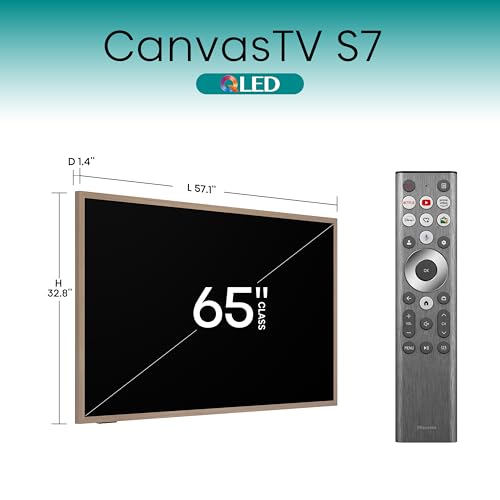


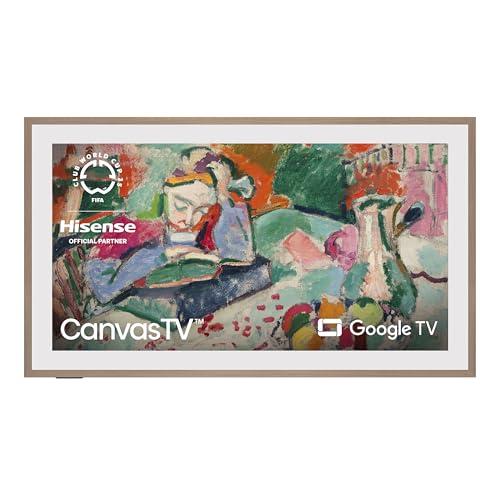

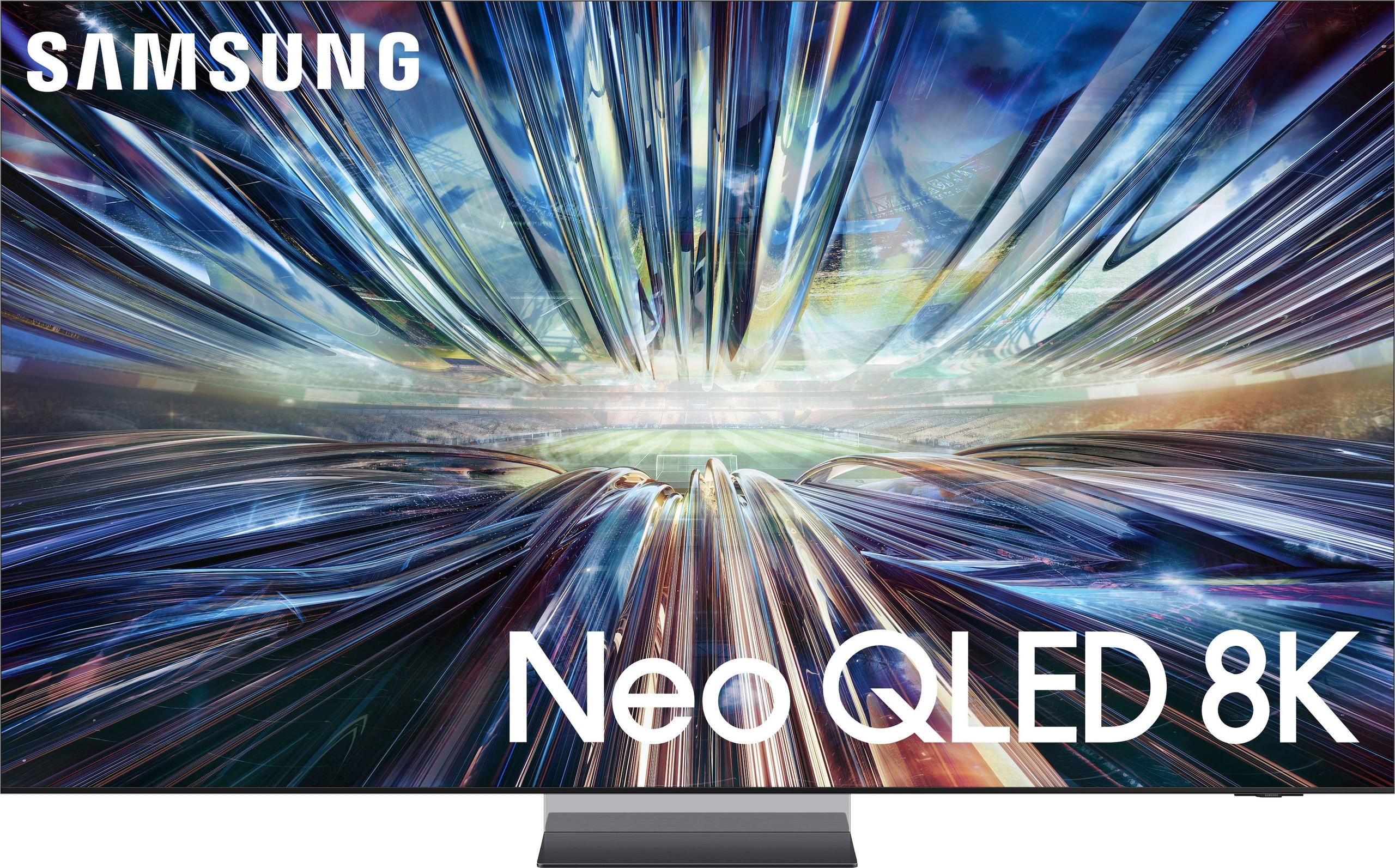
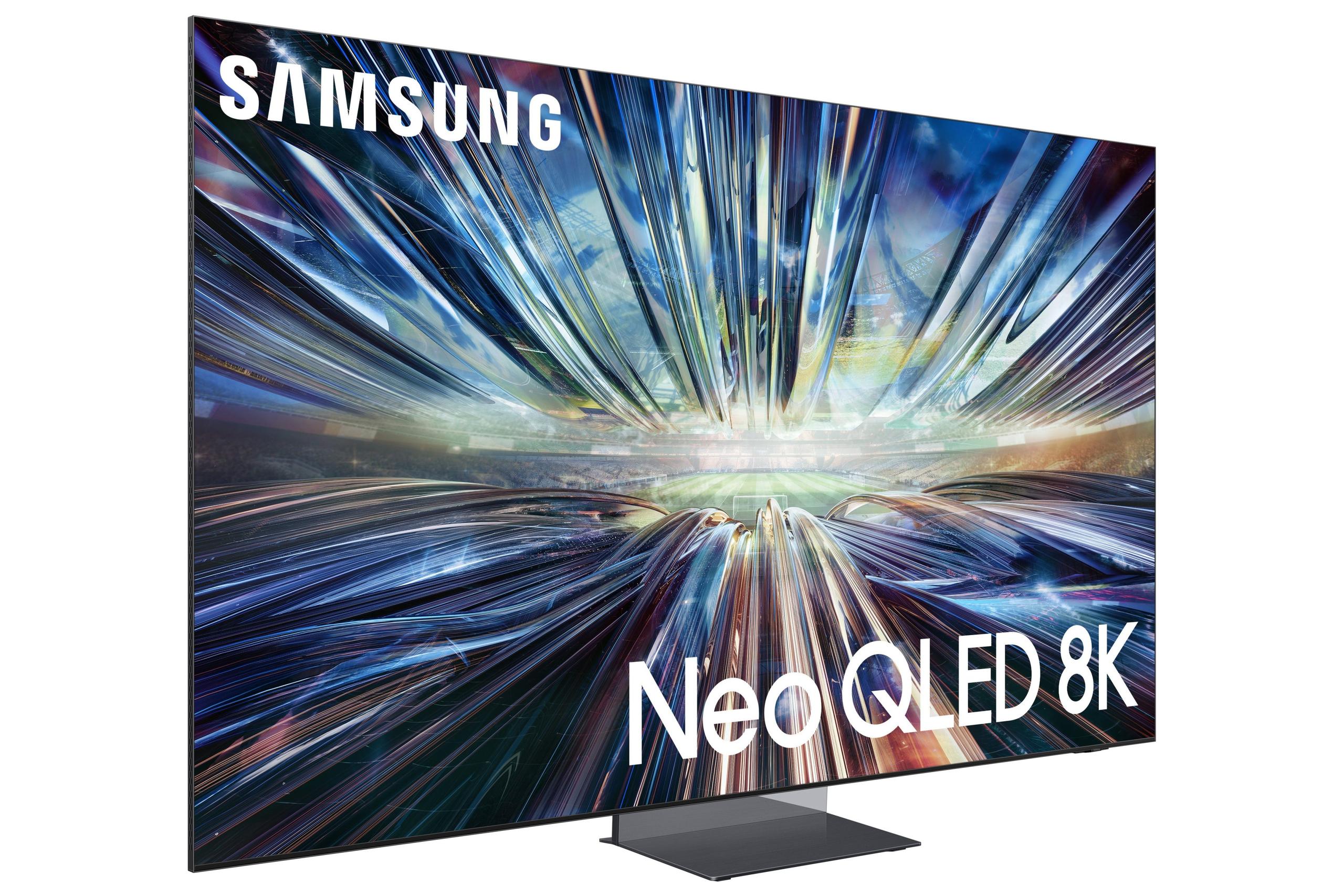
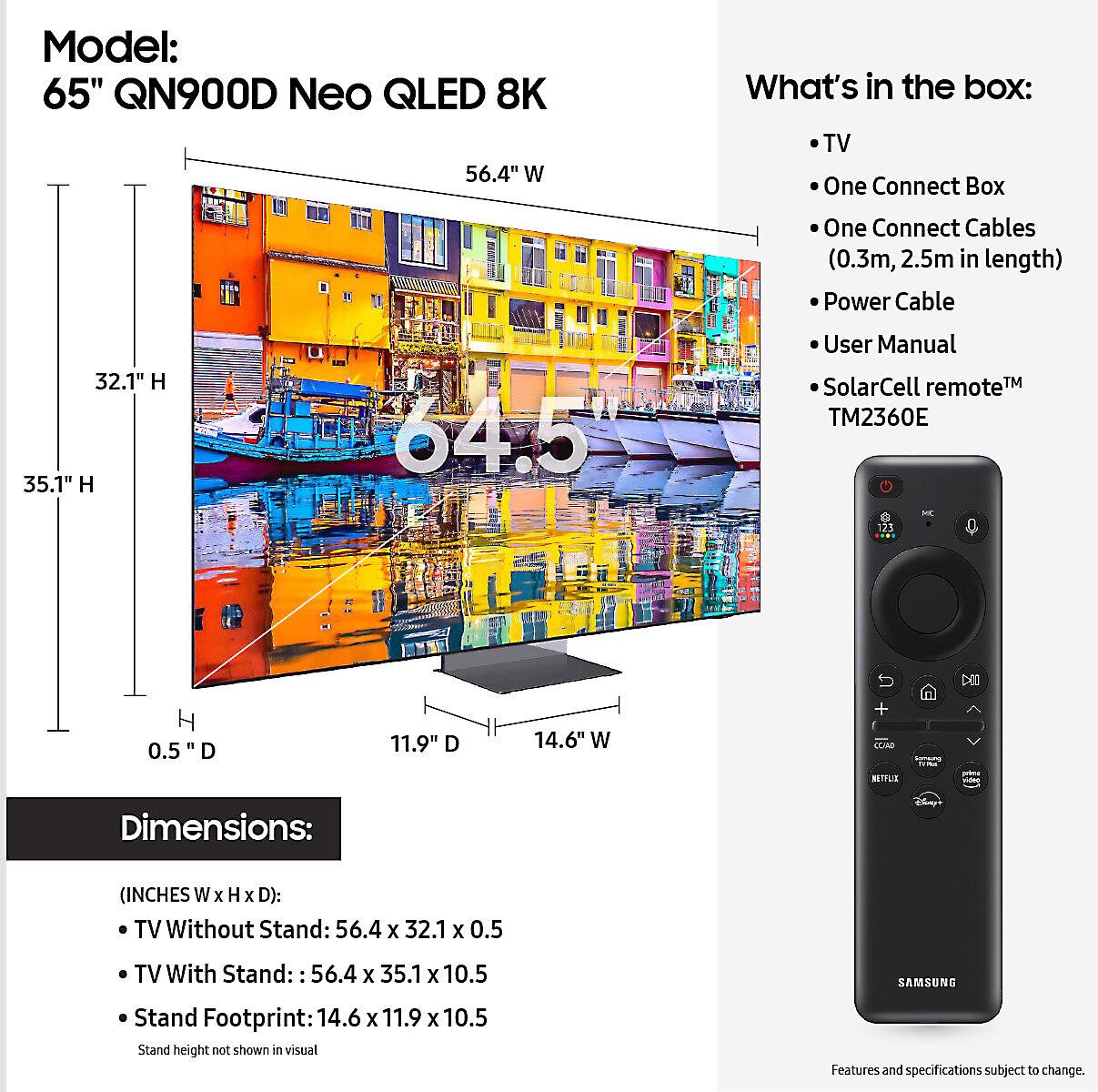
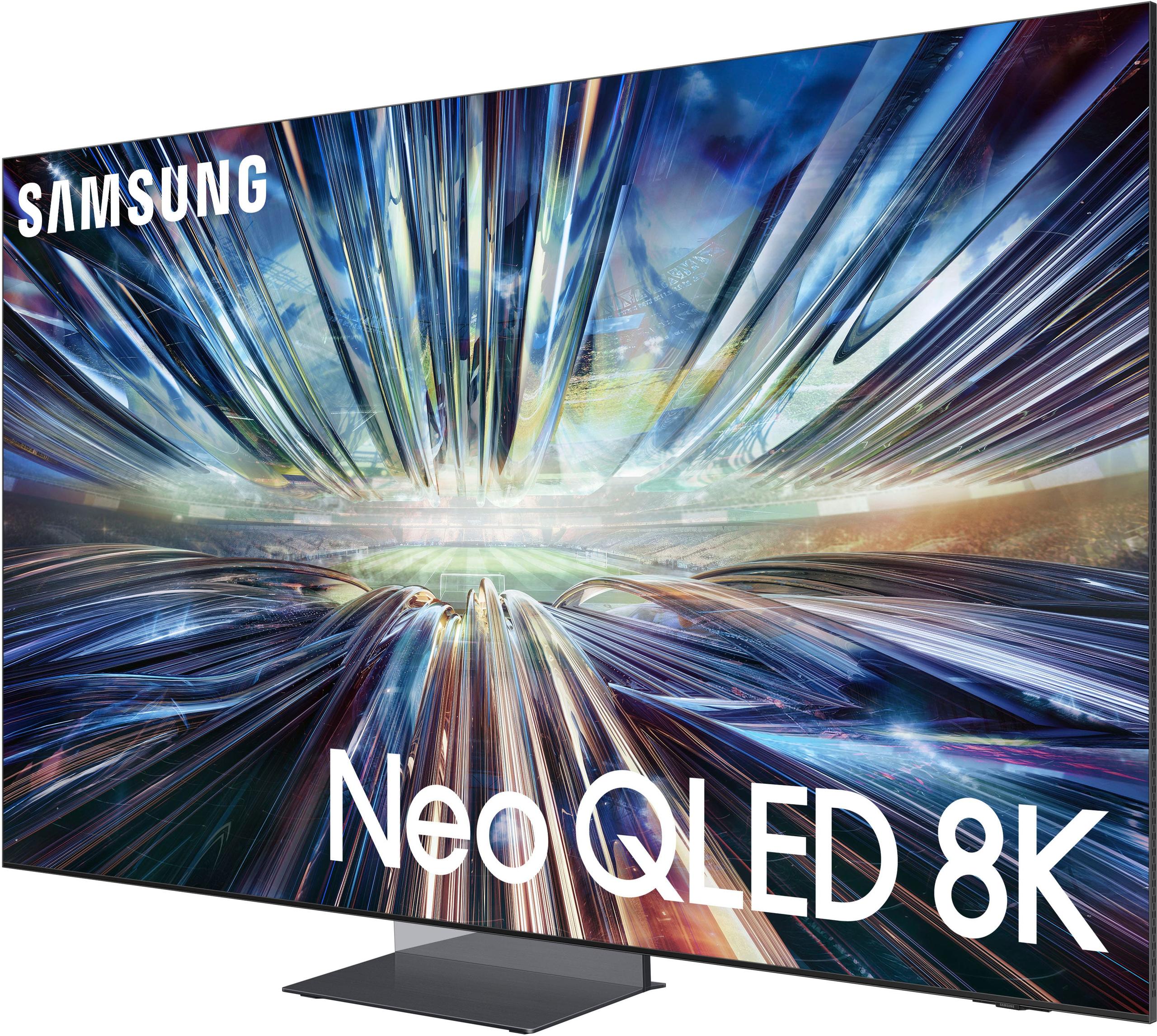

When shopping for a premium television in 2024, you'll encounter two distinctly different philosophies: TVs designed to disappear into your living space as art, and TVs engineered to deliver the absolute best viewing experience possible. The Hisense 65" S7N CanvasTV and Samsung QN900D Series 65" Neo QLED 8K Smart TV represent perfect examples of these opposing approaches. At the time of writing, you're looking at roughly half the investment for the Hisense compared to Samsung's flagship offering—but that price difference tells only part of the story.
Art TVs like the Hisense CanvasTV prioritize aesthetic integration above all else. They're designed to function as digital picture frames when you're not actively watching content, blending seamlessly into your home's décor. Think of them as furniture first, entertainment devices second.
Premium performance TVs like the Samsung QN900D take the opposite approach. Every component is engineered for maximum picture quality, sound performance, and future-proofing capabilities. These are the televisions that prioritize the viewing experience above everything else.
The key considerations differ dramatically between categories. For art TVs, you'll want to evaluate anti-glare performance (how well it handles bright room lighting), frame customization options, and how convincingly it can masquerade as artwork. For performance TVs, focus on peak brightness measurements, local dimming zones (areas of the backlight that can be controlled independently), processing power, and gaming capabilities.
The most obvious difference between the Hisense CanvasTV and Samsung QN900D is resolution. The Hisense delivers 4K (3840 x 2160 pixels), which remains the sweet spot for virtually all content available today. Netflix, Disney+, gaming consoles, and Blu-ray discs all top out at 4K resolution, making this a practical choice that won't leave you wanting for detail.
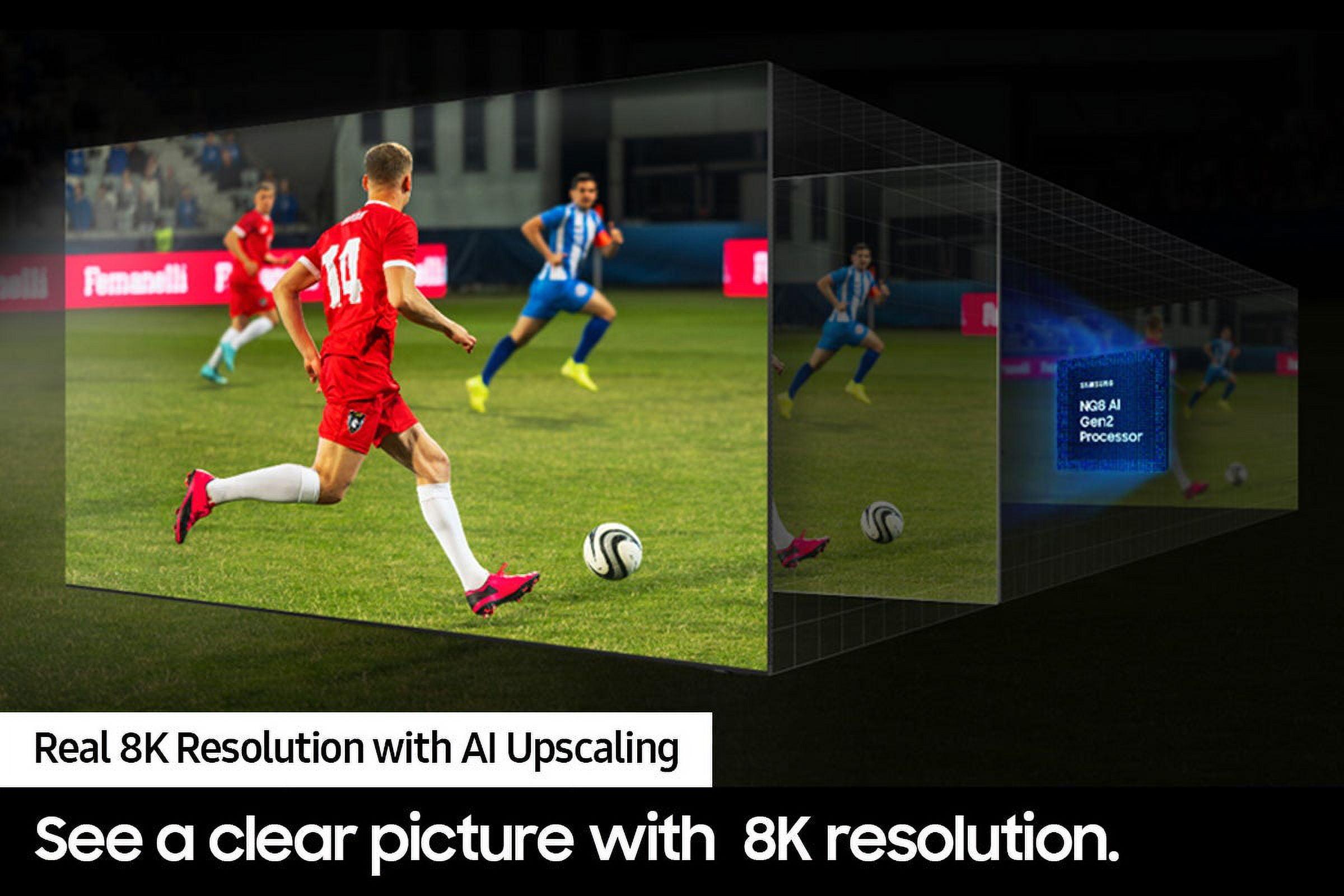
The Samsung QN900D, however, pushes into 8K territory (7680 x 4320 pixels)—that's four times the pixel density of 4K. While native 8K content remains scarce outside of some YouTube videos and experimental broadcasts, Samsung's NQ8 AI Gen3 processor works overtime to upscale everything you watch. This AI-powered upscaling (artificial intelligence processing that adds detail to lower-resolution content) can make your existing 4K Netflix shows and 1080p cable content look noticeably sharper and more detailed.
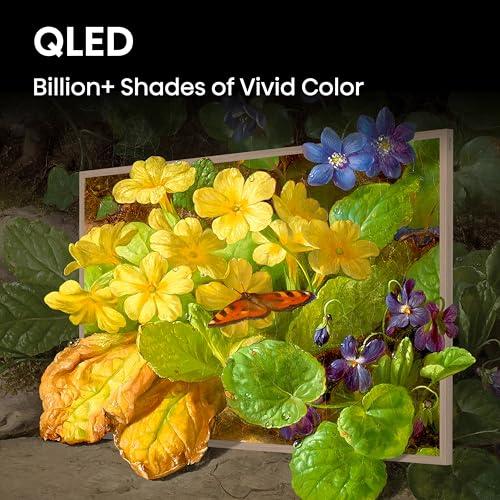
The technology behind each display reveals their priorities. The Hisense CanvasTV uses QLED with Quantum Dot Color—a technology that uses tiny semiconductor particles to produce more accurate colors, especially reds and greens. However, reviews consistently point to poor out-of-box color accuracy, meaning you'll likely need to spend time calibrating the display or hiring a professional to get optimal results.
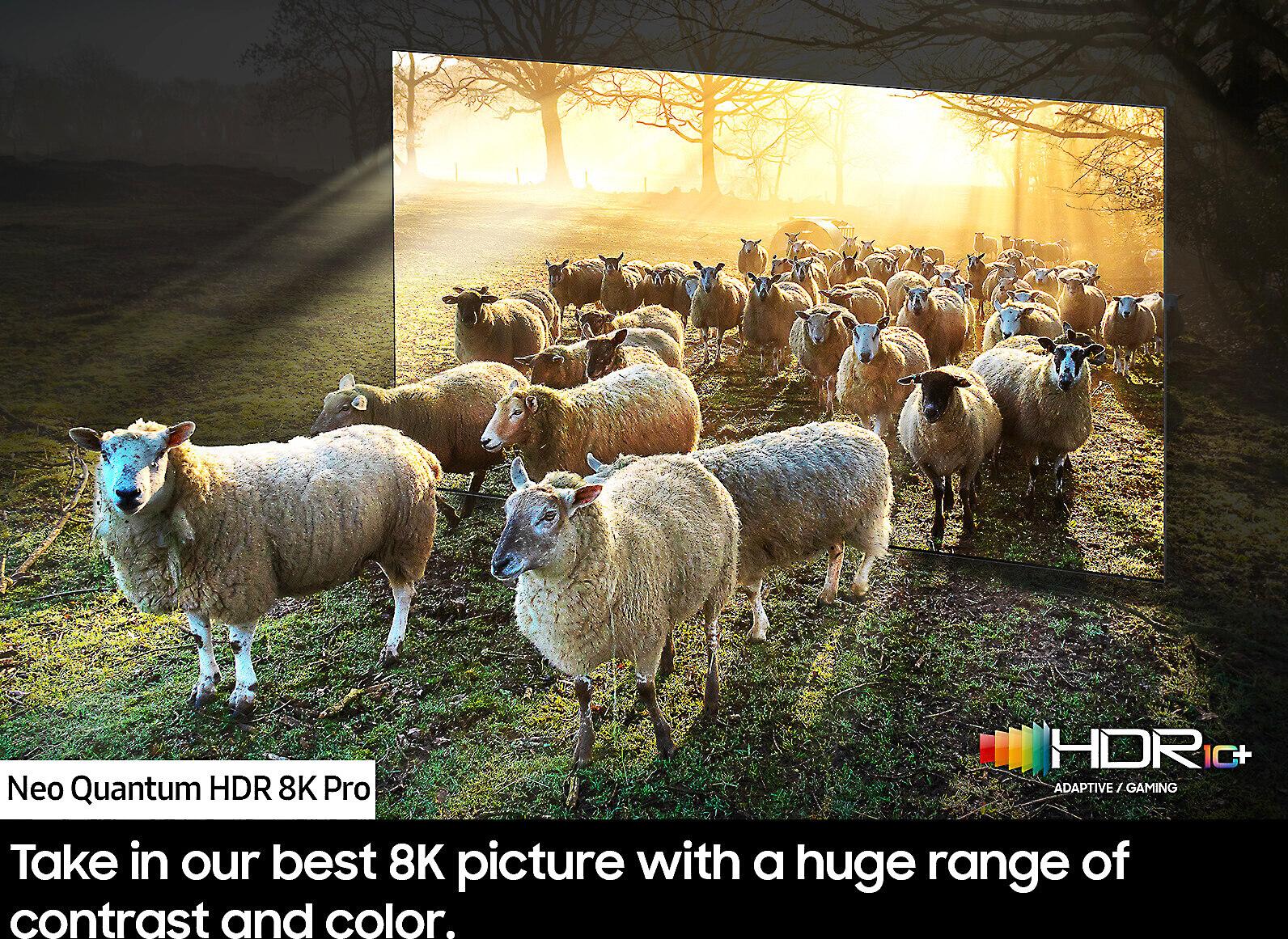
Samsung's approach with the QN900D centers on their Quantum Matrix Technology Pro, which provides precise control over thousands of local dimming zones. Local dimming allows different sections of the TV's backlight to brighten or dim independently, creating better contrast between bright and dark areas of the same scene. This becomes crucial when watching movies with dark scenes—think of the difference between seeing detail in shadows versus everything appearing as a gray blob.
Brightness and HDR Performance
Here's where the Samsung QN900D pulls significantly ahead. Peak brightness—measured in cd/m² (candelas per square meter)—directly impacts how vibrant HDR (High Dynamic Range) content appears. HDR expands the range between the darkest blacks and brightest whites your TV can display, making images more lifelike.
The Hisense CanvasTV reaches approximately 450 cd/m² at peak brightness, which works fine for standard content but limits HDR impact. The Samsung QN900D delivers considerably higher peak brightness thanks to its Mini LED backlighting—thousands of tiny LEDs placed directly behind the screen rather than around the edges. This translates to more dramatic HDR scenes where bright elements like explosions or sunlight really pop off the screen.
The contrast story reveals an interesting trade-off. The Hisense uses Mini LED backlighting too, but reviews indicate poor implementation. Instead of improving contrast, the mini-LEDs actually create raised black levels (blacks that appear gray rather than true black) and reduced dynamic range. It's a case where having more advanced hardware doesn't automatically mean better results.
Color Accuracy Challenges
Color accuracy matters more than many people realize. When a TV displays colors incorrectly, skin tones look unnatural, landscapes appear oversaturated, and the director's artistic intent gets lost. Unfortunately, the Hisense CanvasTV struggles significantly here. Multiple professional reviews describe its out-of-box color accuracy as "abysmal" and "terrible."
This doesn't make the TV unusable, but it does mean you'll need to invest time in calibration. Many users find acceptable results by switching to Cinema or Movie picture modes and adjusting settings manually. However, this contradicts the art TV philosophy of being effortless and ready to display beautiful content immediately.
The Samsung QN900D takes a different approach with scene-by-scene AI optimization. The NQ8 AI Gen3 processor analyzes each frame of content and adjusts color, contrast, and sharpness in real-time. While this sometimes creates an overly processed look that purists dislike, most viewers appreciate the consistently vibrant, detailed images it produces.
Gaming capabilities separate these TVs dramatically. The Hisense CanvasTV offers respectable gaming features for casual players: 144Hz refresh rate, 5.4ms input lag, and support for Variable Refresh Rate (VRR—technology that synchronizes your TV's refresh rate with your gaming console's output to eliminate screen tearing).
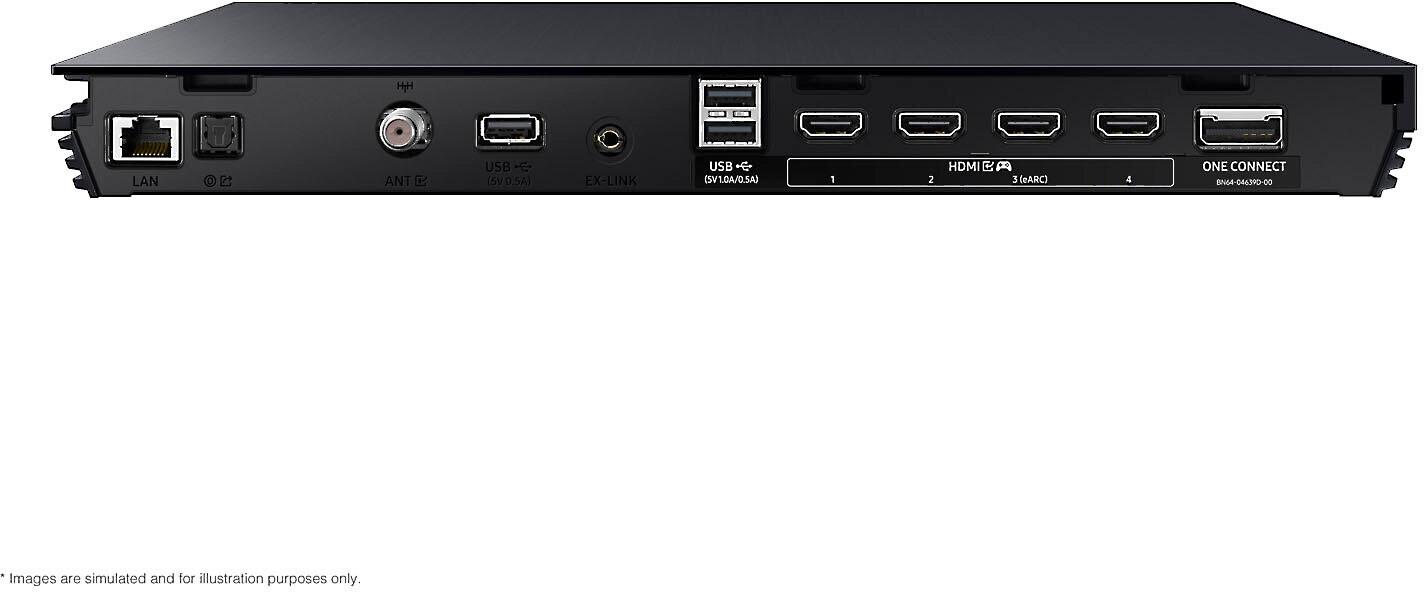
However, the Samsung QN900D caters to serious gaming enthusiasts. It supports 4K gaming at 240Hz—meaning incredibly smooth motion in fast-paced games—and can even handle 8K gaming at 60Hz for future console generations. All four HDMI ports support the latest HDMI 2.1 standard with full bandwidth, ensuring you won't run into compatibility issues with multiple gaming devices.
Input lag (the delay between pressing a controller button and seeing the action on screen) becomes critical for competitive gaming. While 5.4ms on the Hisense works fine for casual gaming, the Samsung achieves even lower input lag in Game Mode, providing that extra responsiveness serious gamers demand.
The Samsung QN900D also includes AI Auto Game Mode, which automatically detects when you're gaming and optimizes picture settings without manual intervention. For someone juggling gaming, streaming, and regular TV watching, these automatic optimizations eliminate constant menu diving.
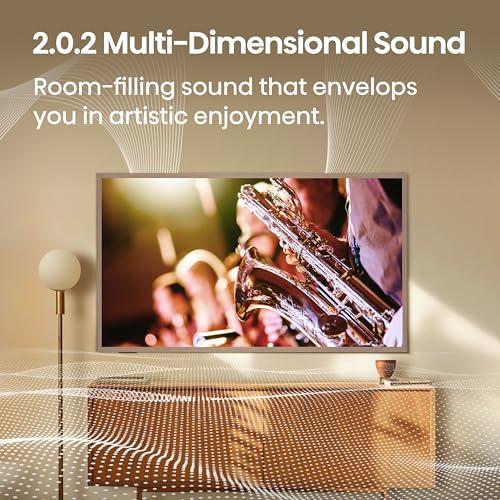
Sound quality often gets overlooked when comparing TVs, but it significantly impacts your viewing experience. The Hisense CanvasTV includes a 2.0.2 channel system with upward-firing speakers for virtual surround sound effects. At 36 watts total output, it's adequate for casual viewing and better than many TVs in its price range. The inclusion of DTS Virtual:X processing (technology that creates the illusion of surround sound from just a few speakers) helps create a more immersive audio experience.
The Samsung QN900D steps into premium audio territory with its 6.2.4 channel system delivering 90 watts of total output. This isn't just about volume—it's about audio precision. Object Tracking Sound follows action across the screen, so dialogue and effects appear to come from their visual location rather than just the TV speakers. True Dolby Atmos support adds height channels, creating genuine three-dimensional audio that complements the premium visual experience.
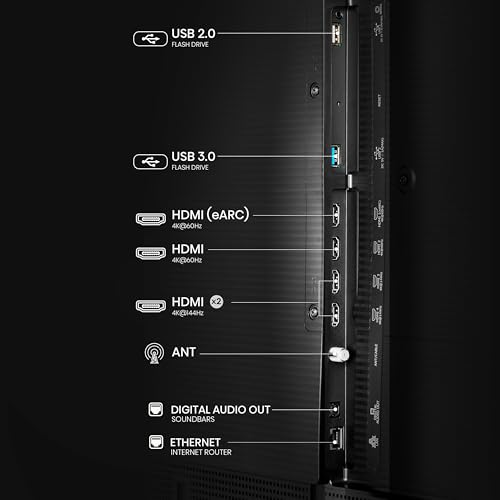
For home theater setups, both TVs support eARC (enhanced Audio Return Channel), allowing you to send high-quality audio to external sound systems. However, the Samsung's superior built-in audio system might eliminate the immediate need for a soundbar, while the Hisense will likely leave you shopping for audio upgrades sooner.
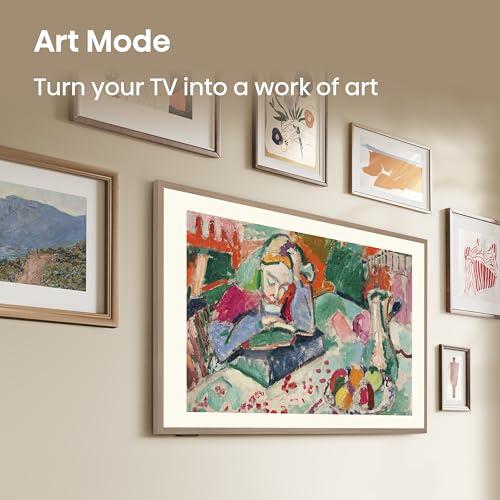
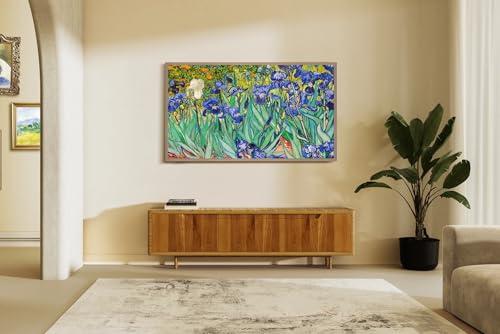
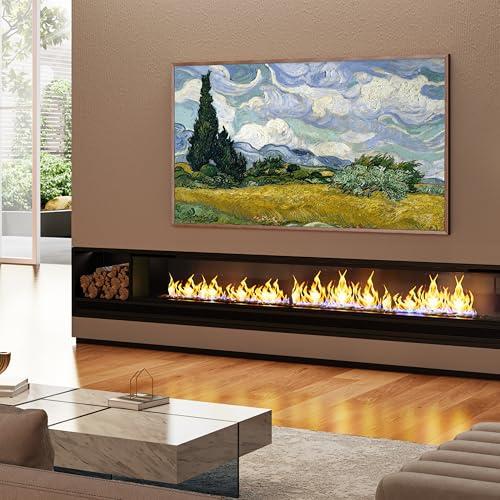
The Hisense CanvasTV wasn't designed to compete on pure performance metrics—it's engineered to solve a different problem entirely. When you're not watching TV, it transforms into a digital art gallery that genuinely resembles a framed painting on your wall.
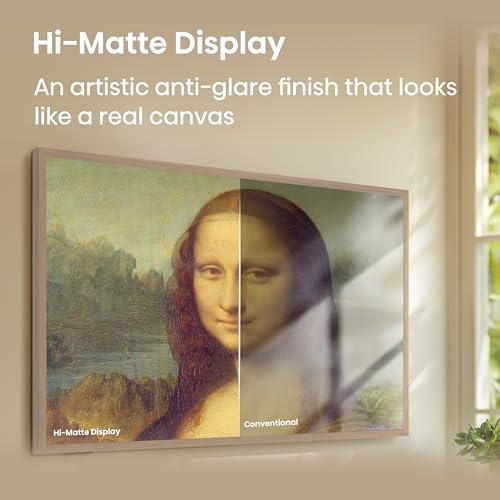
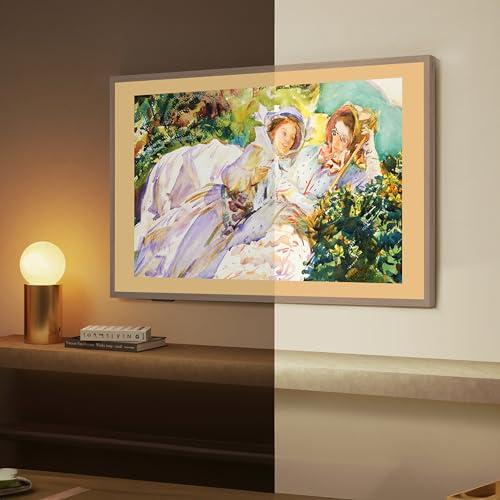
The Hi-Matte anti-glare coating represents genuinely impressive engineering. By reducing reflections to just 5%, the display remains clearly visible even with windows directly opposite or bright overhead lighting. Traditional TVs become mirrors in these conditions, but the Hisense maintains image clarity and color saturation. This makes it perfect for bright living rooms where glare typically ruins the viewing experience.
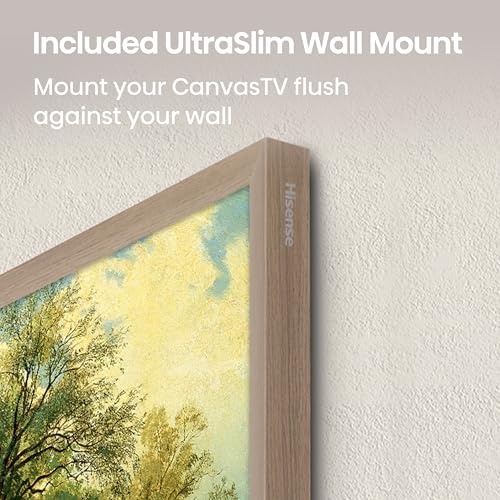
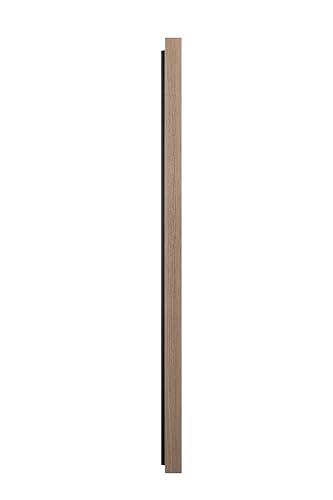
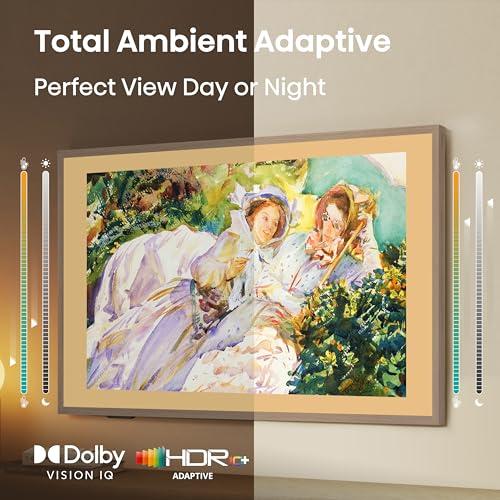
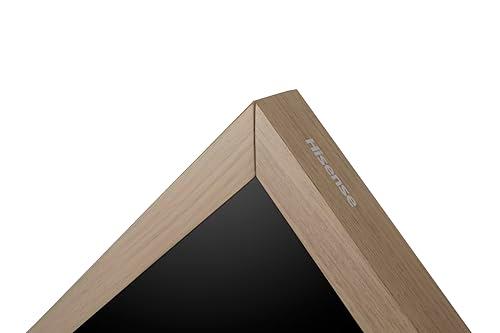
The ultra-slim wall mount positions the TV just 3mm from the wall, creating an authentic picture-frame appearance. Combined with the included magnetic wooden frame (available in teak, white, or walnut finishes), it genuinely looks like artwork when displaying static images. The motion sensor automatically activates Art Mode when someone enters the room, and the ambient light sensor adjusts brightness to minimize power consumption while maintaining visibility.
Unlike Samsung's Frame TV, the Hisense includes a substantial art library without subscription fees. You can also upload personal photos via USB or mobile app, making it a digital picture frame for family memories alongside curated artwork.
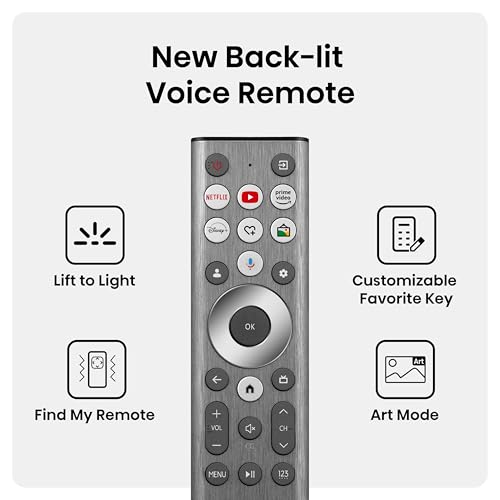
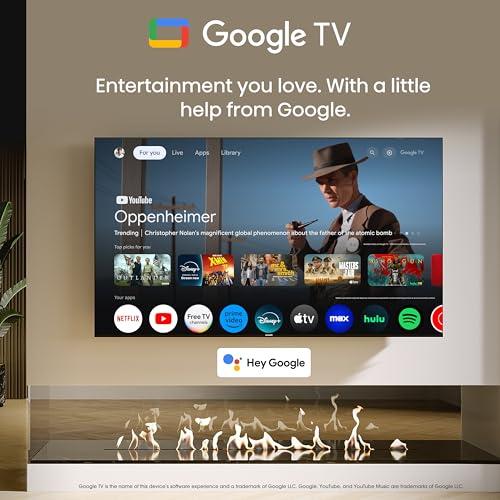
Both TVs offer comprehensive smart TV functionality, but with different approaches. The Hisense CanvasTV runs Google TV, which provides intuitive navigation and extensive app compatibility. Most users find it responsive and less cluttered than some competing platforms.
The Samsung QN900D uses Samsung's Tizen operating system, which integrates deeply with SmartThings home automation ecosystem. If you're building a connected home with Samsung appliances, smart lights, or security systems, this integration becomes valuable. Tizen also offers extensive voice assistant compatibility, including Bixby, Alexa, and Google Assistant support.
Both platforms provide access to all major streaming services, though Samsung's platform sometimes receives new apps or features first due to its larger market presence.
For dedicated home theater rooms with controlled lighting, the Samsung QN900D clearly emerges as the superior choice. Its higher peak brightness, superior contrast control, and immersive audio system create the cinematic experience serious movie enthusiasts demand. The 8K resolution provides future-proofing as content libraries expand, and the advanced processing ensures current content looks its absolute best.
However, home theaters represent a small portion of TV installations. Most people mount TVs in living rooms with windows, ambient lighting, and varied viewing angles. Here, the Hisense CanvasTV's anti-glare technology becomes genuinely valuable, maintaining picture quality in challenging lighting conditions where the Samsung might struggle with reflections.
The Hisense CanvasTV succeeds brilliantly at its intended purpose. If you want a TV that doubles as home décor, handles bright room viewing excellently, and provides solid 4K performance without premium pricing, it delivers exceptional value. It's perfect for design-conscious buyers who prioritize aesthetic integration over cutting-edge performance.
The Samsung QN900D justifies its premium positioning through superior performance across virtually every technical metric. It's the choice for enthusiasts who want flagship picture quality, advanced gaming capabilities, and future-proofing through 8K support. If you plan to keep your TV for many years and want the absolute best viewing experience available, the higher investment makes sense.
Consider your viewing environment carefully. Bright living rooms with lots of natural light favor the Hisense's anti-glare technology. Dedicated entertainment spaces with controlled lighting allow the Samsung's superior contrast and brightness capabilities to shine.
Gaming preferences matter too. Casual gamers will find the Hisense perfectly adequate, while serious enthusiasts will appreciate the Samsung's advanced gaming features and future compatibility with next-generation consoles.
Ultimately, these TVs solve different problems for different users. The Hisense CanvasTV makes TV ownership more stylish and living-room-friendly, while the Samsung QN900D delivers uncompromising performance for the ultimate viewing experience. Your choice depends on which philosophy aligns better with your priorities, budget, and viewing environment.
| Hisense 65" S7N CanvasTV | Samsung QN900D Series 65" Neo QLED 8K Smart TV |
|---|---|
| Resolution - Future-proofing vs current content optimization | |
| 4K (3840 x 2160) - Perfect for all current streaming and gaming content | 8K (7680 x 4320) - 4x more pixels with AI upscaling for future content |
| Display Technology - Core picture quality approach | |
| QLED with Quantum Dot Color, poor local dimming implementation | Neo QLED with Quantum Matrix Technology Pro, advanced Mini LED with precise local dimming |
| Peak Brightness - Critical for HDR impact and bright room viewing | |
| 450 cd/m² (adequate for most rooms, limited HDR pop) | Significantly higher peak brightness (dramatic HDR, better for controlled lighting) |
| Refresh Rate - Gaming and motion smoothness | |
| 144Hz native (excellent for PC gaming at 4K@144Hz) | Up to 240Hz at 4K, 60Hz at 8K (future-proof gaming performance) |
| Anti-Glare Technology - Bright room performance | |
| Hi-Matte coating reduces reflections to 5% (exceptional for bright living rooms) | Standard anti-reflection (requires controlled lighting for best results) |
| Art Mode Features - Aesthetic integration capabilities | |
| Full art gallery with motion sensors, customizable frames, no subscription fees | Not applicable - pure performance TV without art features |
| Audio System - Built-in sound quality | |
| 2.0.2 channels, 36W output with DTS Virtual:X (adequate, likely needs soundbar upgrade) | 6.2.4 channels, 90W with True Dolby Atmos and Object Tracking Sound (premium built-in audio) |
| Gaming Features - Advanced gaming capabilities | |
| ALLM, VRR, 5.4ms input lag (solid for casual gaming) | AI Auto Game Mode, comprehensive VRR with LFC, extremely low input lag (enthusiast-level gaming) |
| Smart TV Platform - Interface and app ecosystem | |
| Google TV (intuitive, responsive interface) | Tizen with SmartThings integration (extensive smart home connectivity) |
| Design Philosophy - Primary use case | |
| Art TV that doubles as entertainment device (aesthetic integration priority) | Premium performance TV for ultimate viewing experience (technical excellence priority) |
| Color Accuracy - Out-of-box picture quality | |
| Poor initial calibration requiring manual adjustment | AI-optimized scene-by-scene processing for consistent results |
| HDMI Connectivity - Gaming and device compatibility | |
| 4 ports (2 x HDMI 2.1, 2 x HDMI 2.0) | 4 ports all with full HDMI 2.1 bandwidth (future-proof connectivity) |
| Wall Mounting - Installation aesthetics | |
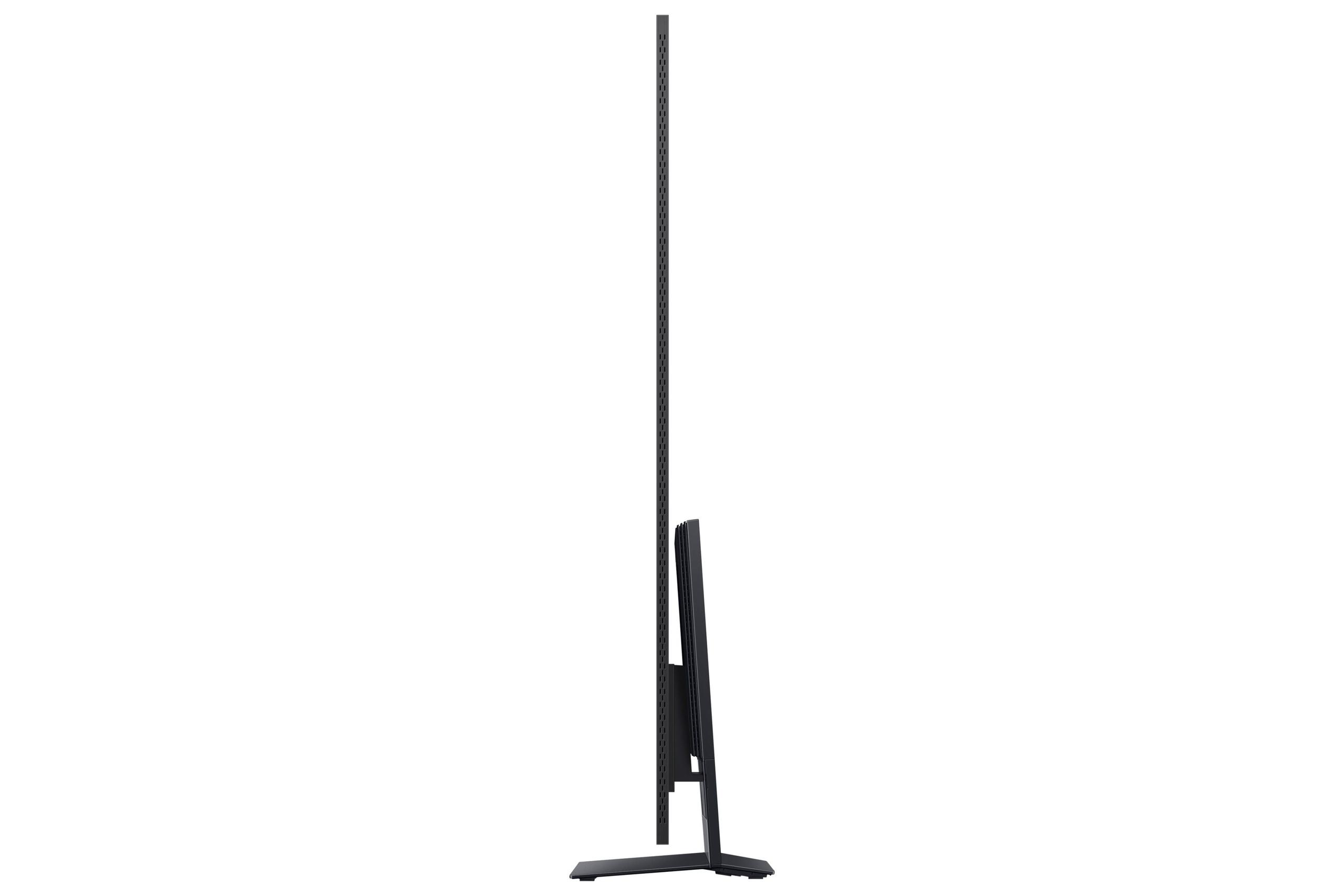
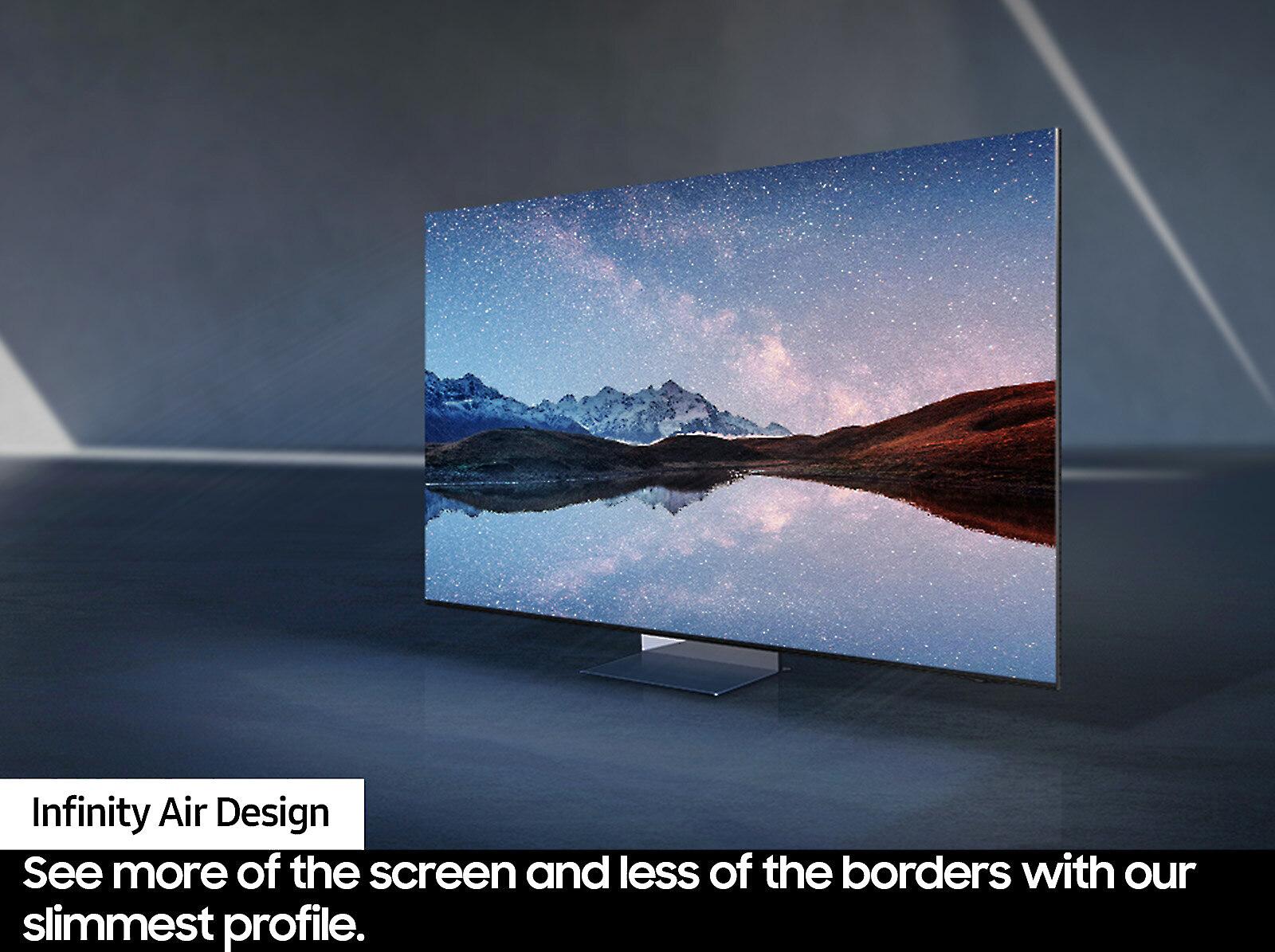
| Ultra-slim 3mm mount with magnetic frames (picture-frame appearance) | Infinity Air Design with One Connect Box (clean but traditional TV look) |
| Target Market - Best suited for | |
| Design-conscious buyers prioritizing aesthetics and bright room performance | Tech enthusiasts wanting flagship performance and future-proofing |
The Hisense 65" S7N CanvasTV is designed as an "art TV" that doubles as a digital picture frame when not in use, featuring anti-glare technology and customizable frames. The Samsung QN900D Series is a premium performance television focused on delivering flagship 8K picture quality, advanced gaming features, and superior audio. One prioritizes aesthetic integration, while the other maximizes viewing performance.
The Hisense CanvasTV excels in bright environments thanks to its Hi-Matte anti-glare coating that reduces reflections to just 5%. This makes it clearly visible even with direct sunlight or bright overhead lighting. The Samsung QN900D performs better in controlled lighting conditions where its superior brightness and contrast can shine without glare interference.
The Samsung QN900D's 8K resolution provides future-proofing and excellent AI upscaling of current content, but native 8K content remains limited. The Hisense CanvasTV's 4K resolution is perfectly suited for all current streaming services, gaming, and Blu-ray content. Unless you plan to keep the TV for many years or want cutting-edge upscaling, 4K offers better value currently.
The Samsung QN900D offers superior gaming performance with 4K@240Hz support, extremely low input lag, comprehensive VRR technology, and AI Auto Game Mode. The Hisense CanvasTV provides solid gaming with 4K@144Hz support and 5.4ms input lag, which works well for casual gaming but falls short of enthusiast-level performance.
Only the Hisense CanvasTV is designed for this purpose, featuring a comprehensive Art Mode with motion sensors, curated artwork library, and customizable magnetic frames. It genuinely looks like a framed painting on the wall. The Samsung QN900D is a traditional TV without art display functionality - it's purely focused on entertainment performance.
The Samsung QN900D delivers significantly better audio with its 6.2.4 channel system, 90W output, True Dolby Atmos, and Object Tracking Sound technology. The Hisense CanvasTV offers adequate 2.0.2 channel sound with DTS Virtual:X, but most users will eventually want to add a soundbar for improved audio quality.
The Hisense CanvasTV runs Google TV, which provides an intuitive, responsive interface with excellent app compatibility. The Samsung QN900D uses Tizen, which offers deep SmartThings smart home integration and extensive voice assistant support. Both platforms provide access to all major streaming services, with slight interface preference differences.
The Hisense CanvasTV provides exceptional value for buyers wanting art TV functionality with solid 4K performance at a mid-range price point. The Samsung QN900D justifies its premium pricing through flagship performance, 8K future-proofing, and advanced gaming features. Value depends on whether you prioritize aesthetics or maximum performance.
The Samsung QN900D excels in dedicated home theater rooms with its superior contrast, peak brightness, immersive audio system, and 8K resolution. The Hisense CanvasTV works better in multi-purpose living rooms where anti-glare technology maintains picture quality despite ambient lighting, though it lacks the premium performance for serious home theater use.
The Samsung QN900D offers superior out-of-box color accuracy with AI scene optimization, delivering consistent, vibrant images without manual adjustment. The Hisense CanvasTV requires calibration to achieve accurate colors, as reviews consistently note poor initial color performance that improves significantly with proper adjustment.
The Samsung QN900D offers better future-proofing through 8K resolution, advanced processing, and full HDMI 2.1 connectivity across all ports. The Hisense CanvasTV provides solid longevity for current content but may feel outdated sooner as 8K content becomes more available. Both should serve well for 5-7 years with different strengths.
Absolutely. Choose the Hisense CanvasTV for bright living rooms with windows, overhead lighting, or challenging glare conditions where its anti-glare technology provides clear advantages. Select the Samsung QN900D for rooms where you can control lighting, allowing its superior brightness and contrast capabilities to deliver the best possible viewing experience.
We've done our best to create useful and informative comparisons to help you decide what product to buy. Our research uses advanced automated methods to create this comparison and perfection is not possible - please contact us for corrections or questions. These are the sites we've researched in the creation of this article: bestbuy.com - hisense.sg - tomsguide.com - content.syndigo.com - rtings.com - hisense-usa.com - youtube.com - bestbuy.com - youtube.com - displayspecifications.com - displayspecifications.com - manuals.plus - displayspecifications.com - bestbuy.com - hisense-canada.com - manuals.plus - bargainoutletandmore.com - bestbuy.com - device.report - rtings.com - videoandaudiocenter.com - bestbuy.com - avsforum.com - bestbuy.com - walts.com - images.samsung.com - samsung.com - merlinstv.com - samsung.com - avsforum.com - samsung.com

Privacy Policy
Terms and Conditions - Affiliate Policy
Home Security
© Copyright 2008-2026.
11816 Inwood Rd #1211, Dallas, TX 75244