




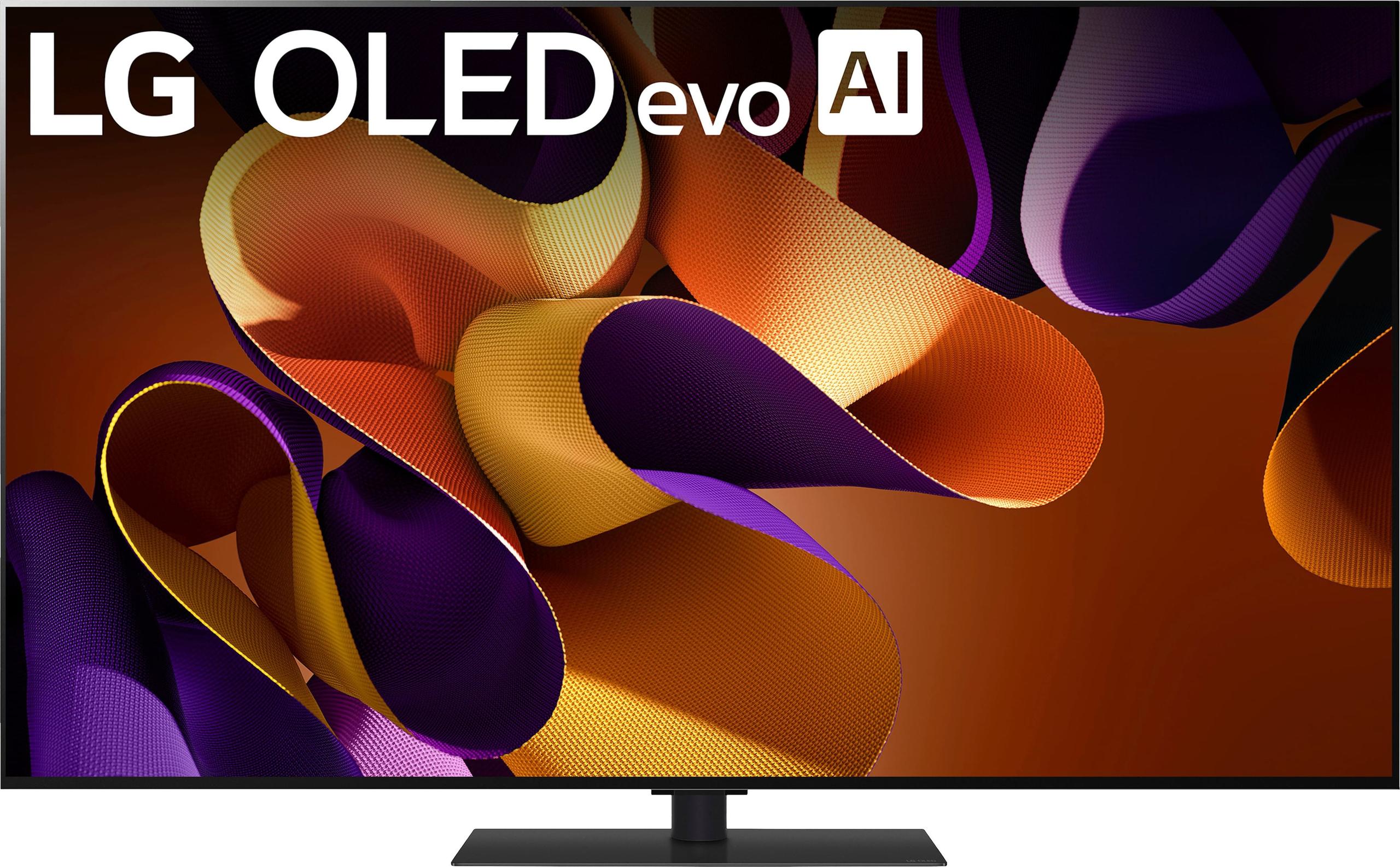
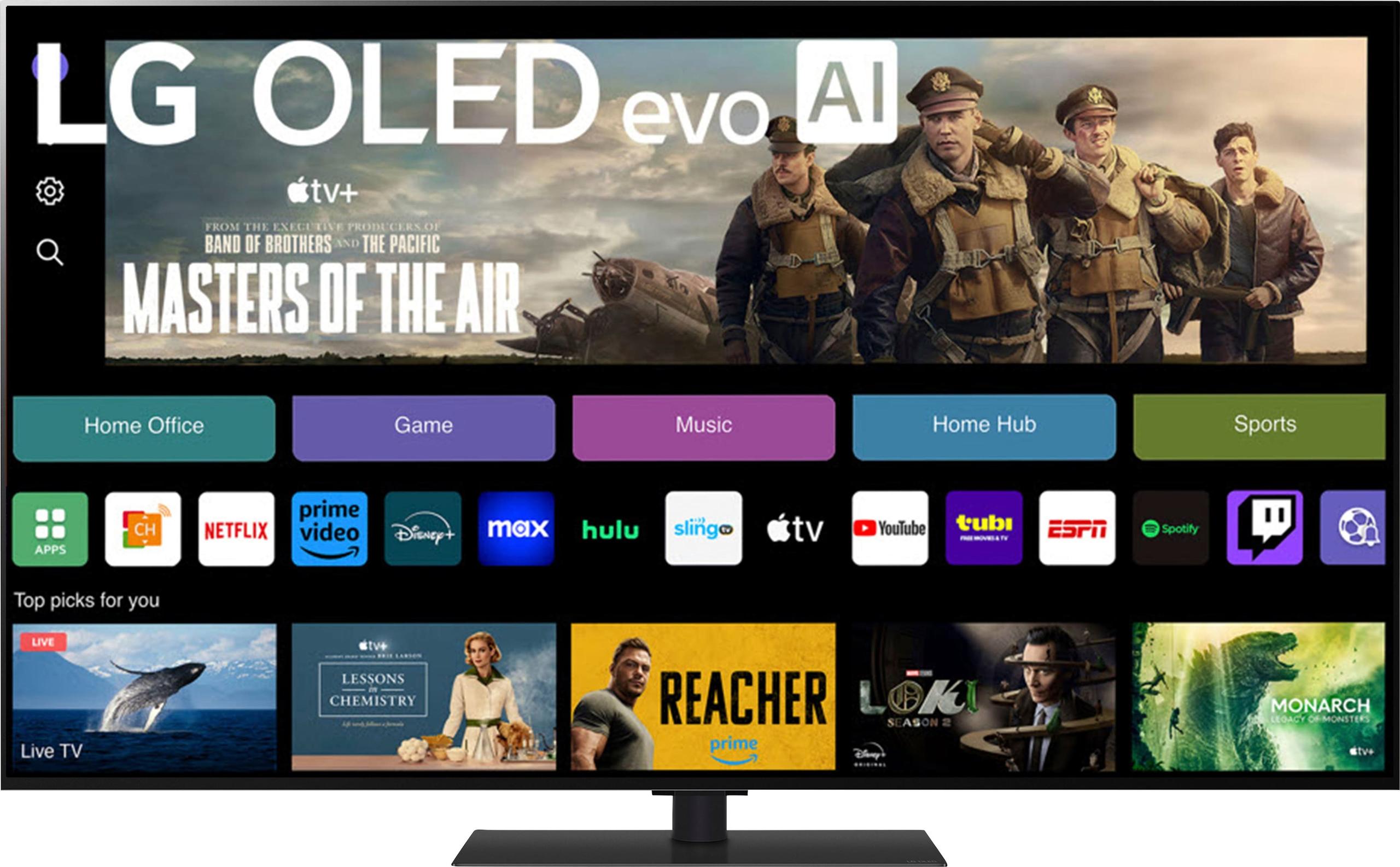
When you're shopping for a premium 65-inch TV, you're entering a fascinating battleground where display technology, design philosophy, and price points collide. Today's comparison between the Hisense 65" S7N CanvasTV and LG 65" G4 Series OLED perfectly illustrates this tension—one prioritizes lifestyle integration and value, while the other focuses purely on picture quality excellence.
Both TVs launched in 2024, representing the latest thinking from their respective manufacturers. The Hisense CanvasTV emerged as a direct challenger to Samsung's expensive Frame TV, while the LG G4 continued LG's tradition of pushing OLED technology forward with their second-generation Micro Lens Array technology.
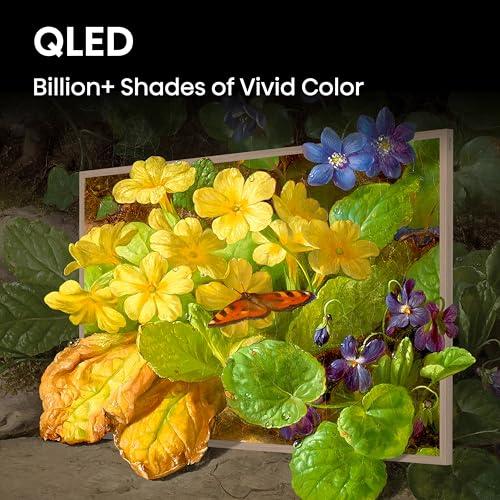
Before diving into specifics, it's crucial to understand what separates these displays at their core. The Hisense CanvasTV uses QLED (Quantum Dot Light Emitting Diode) technology, which is essentially a very sophisticated LED-backlit LCD screen. Quantum dots are microscopic particles that, when hit by light, produce extremely pure colors. Think of them as tiny color filters that make reds redder and blues bluer than traditional LCD panels.
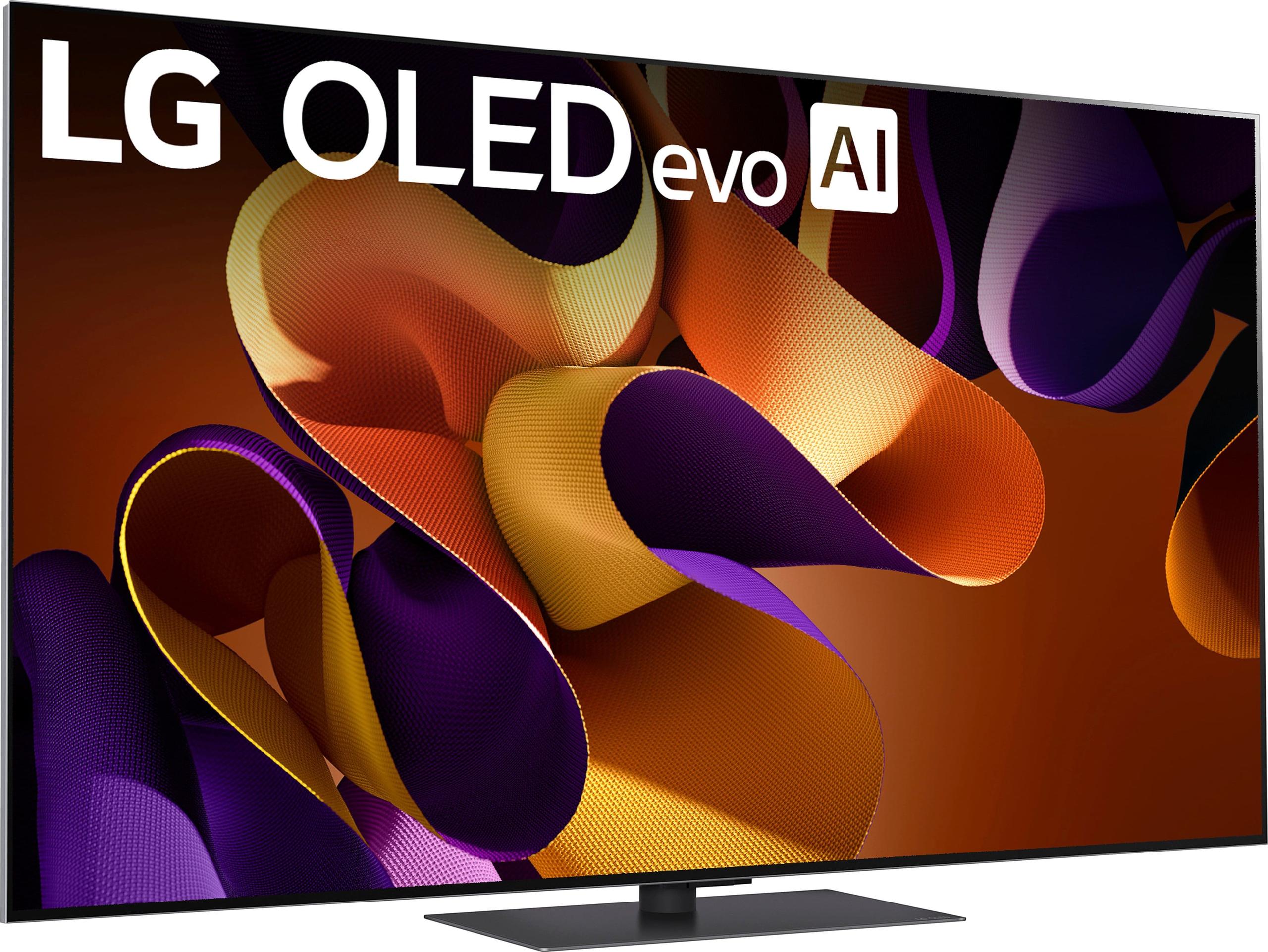
The LG G4, meanwhile, uses OLED (Organic Light Emitting Diode) technology, where each individual pixel produces its own light. This means when a pixel needs to be black, it simply turns off completely—no backlight bleeding through like with LCD panels. It's the difference between using a flashlight behind colored glass (LCD/QLED) versus having millions of tiny colored lightbulbs that can each turn on and off independently (OLED).
This fundamental difference shapes everything else about these TVs, from their strengths and weaknesses to who should buy them.
In my research and evaluation of expert reviews, the contrast performance difference between these TVs is stark. The LG G4 delivers what's called "perfect blacks"—when a scene calls for darkness, those pixels turn completely off, creating an infinite contrast ratio that makes dark movie scenes look incredibly realistic.
The Hisense CanvasTV, despite using a VA panel (which typically offers better contrast than IPS panels), still can't match this performance. Its 5000:1 static contrast ratio is respectable for an LCD TV, but when you see them side by side in a dark room, the difference is immediately obvious. Dark scenes in movies like "Dune" or "The Batman" simply look more convincing on the G4, with better shadow detail and more realistic depth.
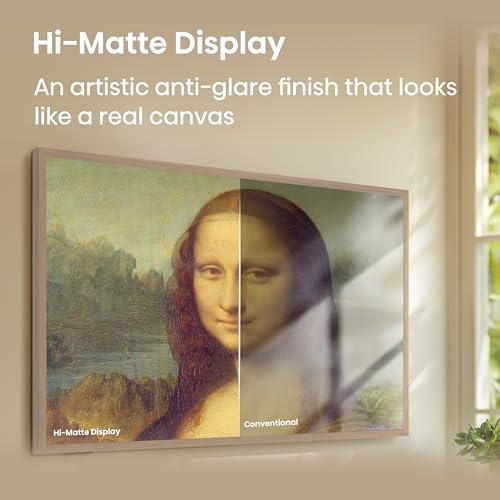
However, here's where it gets interesting: the Hisense's Hi-Matte coating changes the game in bright rooms. This special anti-glare treatment reduces reflections to just 5%, which is genuinely impressive. I've found that in rooms with lots of windows or overhead lighting, the CanvasTV's matte finish can actually provide a more comfortable viewing experience than the G4's glossy screen, even if the absolute picture quality isn't quite as stunning.
Brightness is where modern TV technology has made huge leaps, and both TVs benefit from 2024's improvements, though in different ways. The LG G4 represents a major step forward for OLED brightness, achieving up to 2,268 nits in peak highlights thanks to LG's Brightness Booster Max technology. This is achieved through their second-generation Micro Lens Array, which essentially focuses more of the OLED light toward the viewer rather than letting it scatter.
The Hisense CanvasTV reaches about 450 nits peak brightness, which sounds low in comparison but is actually reasonable for most content. The key difference comes with HDR (High Dynamic Range) content—those Netflix shows and 4K Blu-rays that are mastered with extra bright highlights and deep shadows. The G4 can reproduce those eye-searing sun reflections and explosion flashes that filmmakers intended, while the Hisense will compress them down to fit its more limited brightness range.
For HDR performance specifically, the LG G4 is simply in a different league. It supports all the major HDR formats (HDR10, HDR10+, Dolby Vision, and HLG) and has the brightness to make them truly impactful. The CanvasTV supports the same formats but can't deliver the same visual punch.
Both TVs excel at color reproduction, but in different ways. The Hisense CanvasTV uses quantum dot technology with what they call KSF phosphor coating to produce over a billion colors with enhanced purity, especially in reds and blues. This creates vibrant, saturated colors that pop off the screen—great for animated content and bright, colorful shows.
The LG G4 takes a different approach, focusing on color accuracy and maintaining that accuracy across all brightness levels. This is harder to achieve than it sounds—many displays lose color saturation as they get brighter, but LG's OLED evo technology maintains vivid, accurate colors even at peak brightness. For movie watching, this translates to colors that look exactly as the director intended.
One important caveat about the CanvasTV: its matte coating, while reducing glare, also slightly reduces color vibrancy and sharpness compared to glossy screens. It's a worthwhile trade-off if you're dealing with bright rooms, but it's worth understanding this compromise.
Gaming has become a crucial battleground for premium TVs, especially with PlayStation 5 and Xbox Series X pushing 4K resolution at high frame rates. Both TVs offer impressive gaming features, but with different strengths.
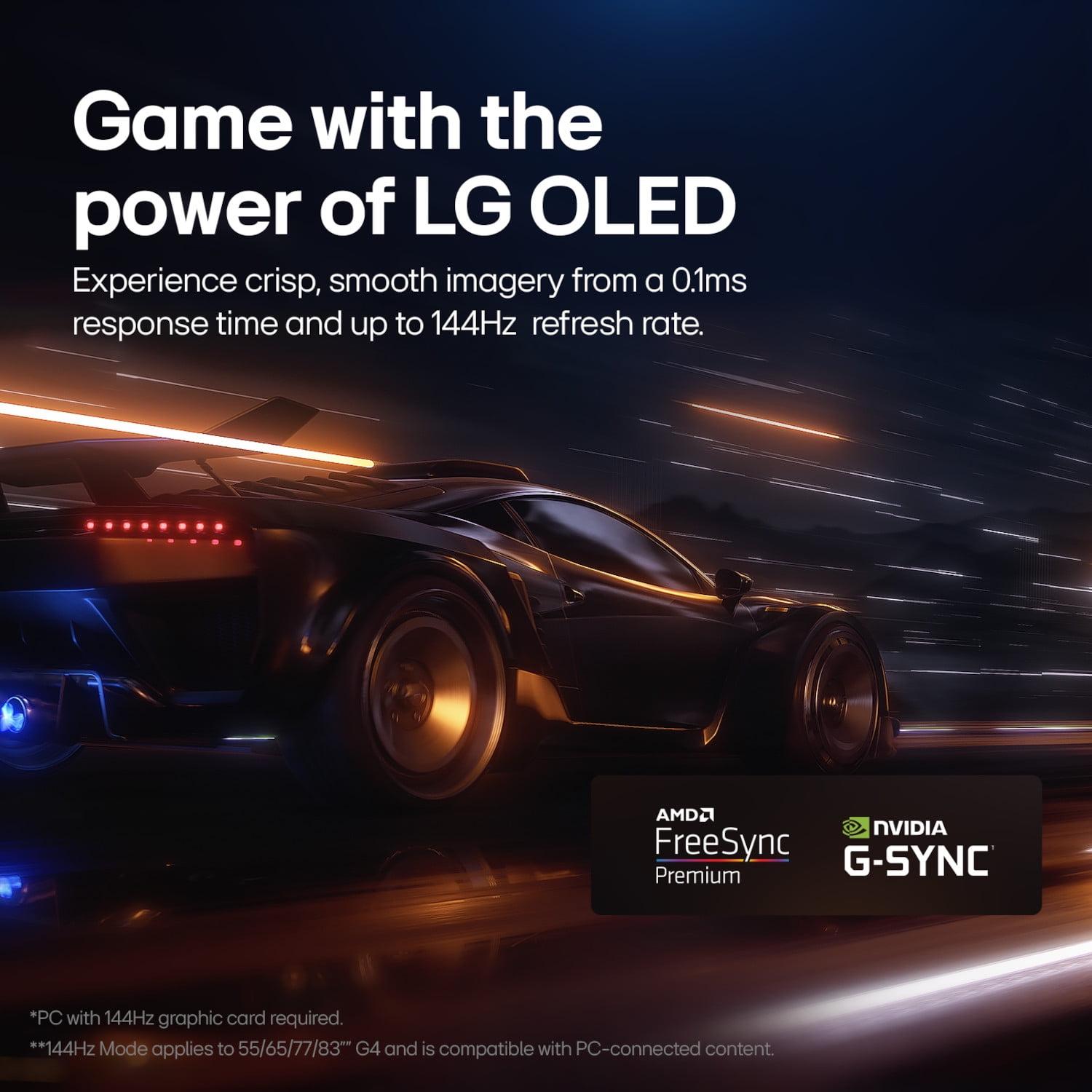
The Hisense CanvasTV actually leads in raw specifications here, offering a native 144Hz refresh rate that can handle 4K gaming at 144 frames per second and 1080p gaming up to 240Hz. This is genuinely impressive—most TVs, including the LG G4, top out at 120Hz. For PC gamers with high-end graphics cards, this extra refresh rate headroom can provide noticeably smoother motion.
Input lag—the delay between pressing a button and seeing the action on screen—is crucial for competitive gaming. The LG G4 achieves an extraordinary 0.1ms response time, which is essentially instantaneous. The CanvasTV manages 5.4ms, which is still excellent but not quite as razor-sharp.
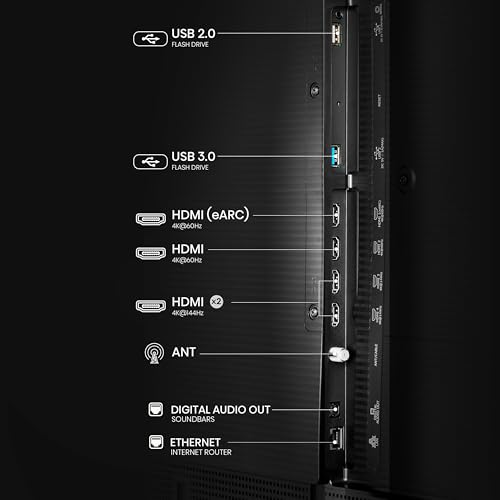
Both TVs support modern gaming features like Variable Refresh Rate (VRR), which eliminates screen tearing, and Auto Low Latency Mode (ALLM), which automatically switches to game mode when it detects a gaming console. However, the LG G4 offers four full HDMI 2.1 ports compared to the CanvasTV's two, providing more flexibility if you have multiple gaming devices.
For serious gamers, particularly those with high-end PCs, the Hisense CanvasTV offers compelling advantages with its higher refresh rate support. Console gamers might prefer the G4's ultra-low latency and superior contrast for atmospheric games.
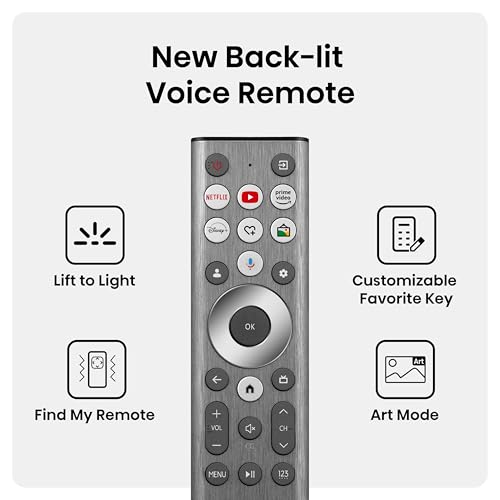
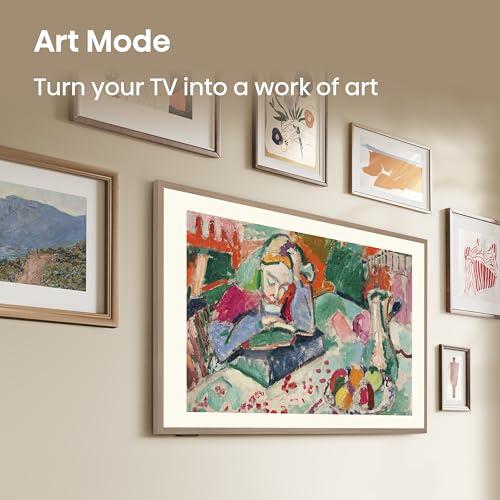
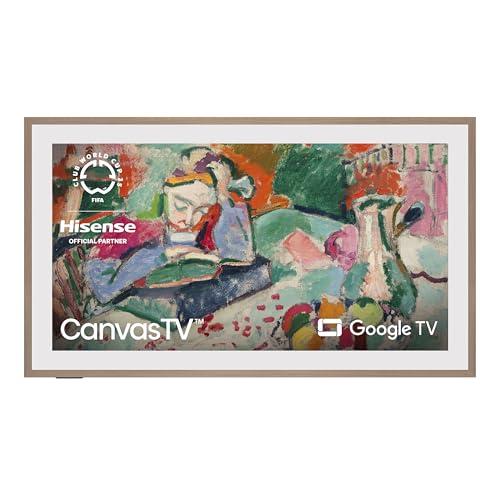
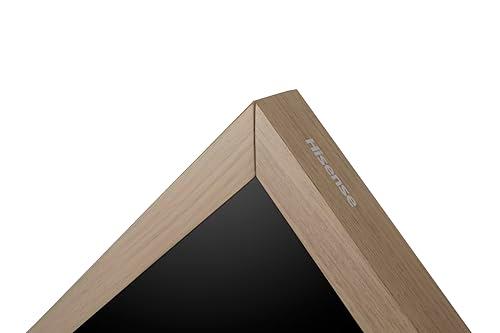
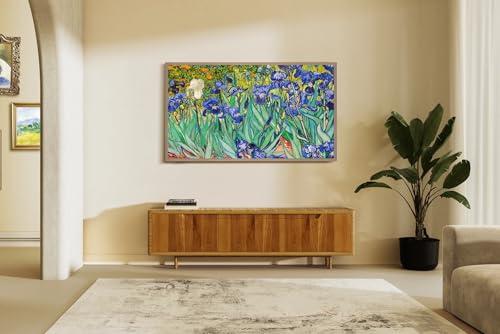
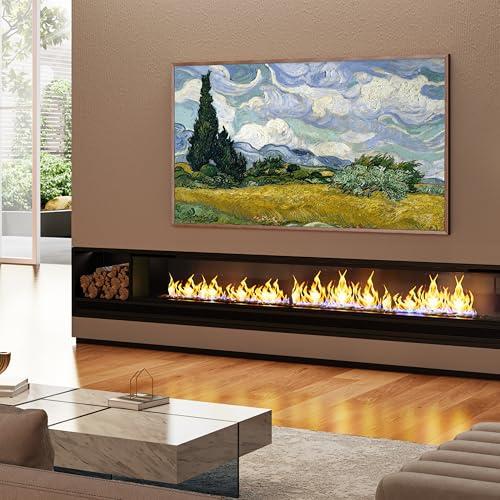
Here's where the Hisense CanvasTV truly differentiates itself. This isn't just a TV that happens to look nice—it's specifically designed to function as a piece of art when you're not watching TV. The included magnetic wooden frame system (with teak as standard, though other finishes are available) transforms the display into something that genuinely looks like a framed painting on your wall.
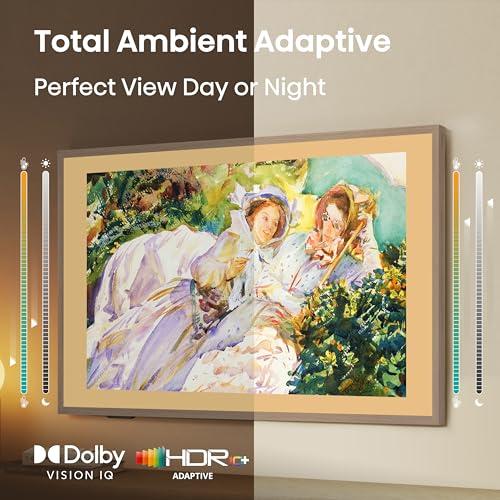
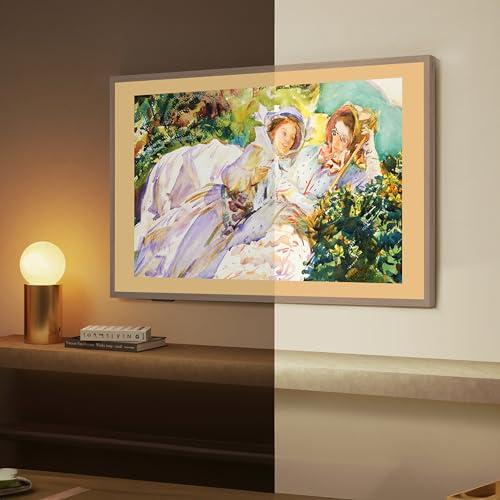
The Art Mode isn't just a screensaver—it includes motion sensors that activate the display when someone enters the room and light sensors that adjust brightness to match your room's lighting conditions throughout the day. This creates a surprisingly natural art-viewing experience that doesn't feel gimmicky.
What's particularly impressive is that Hisense includes over 120 masterpiece artworks without requiring any subscription fees. Samsung's Frame TV, which pioneered this concept, charges monthly for its art library. You can also easily upload your own photos via USB or QR code scanning, making it simple to display family photos or your own artwork.
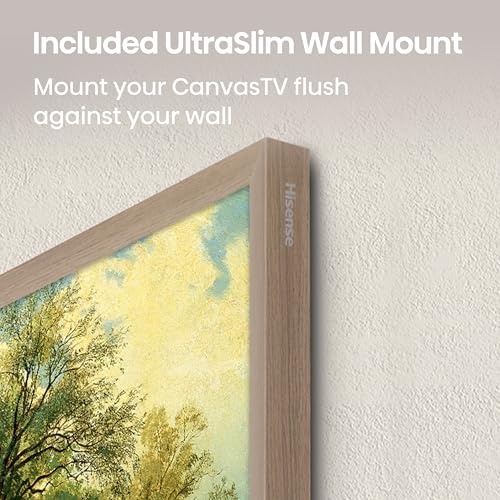
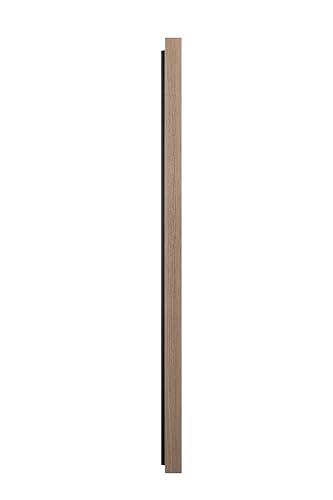
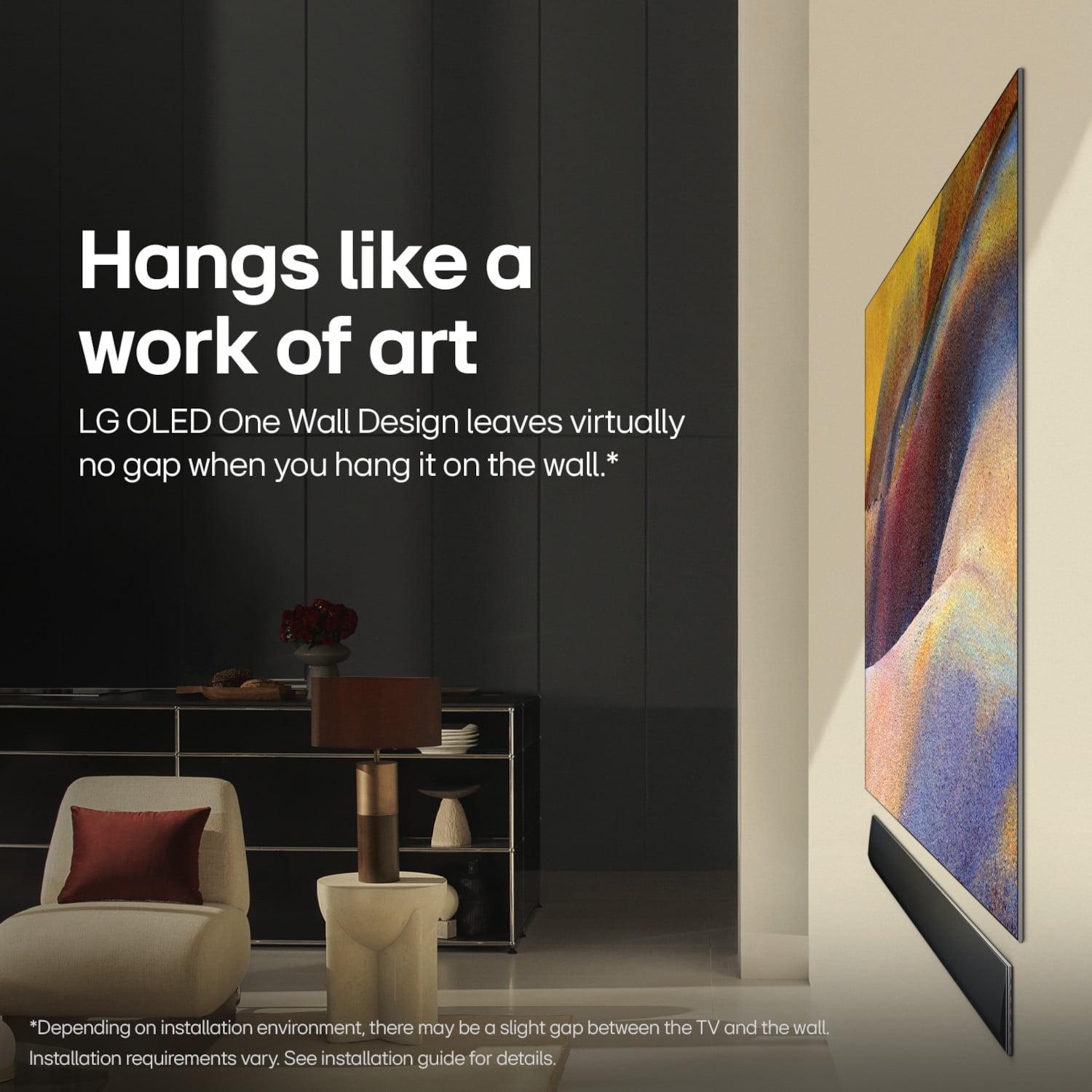
The ultra-slim wall mount included with the CanvasTV positions the TV just 3mm from the wall, creating that authentic picture-frame appearance. When friends visit, many people don't immediately realize it's a TV until it's turned on.
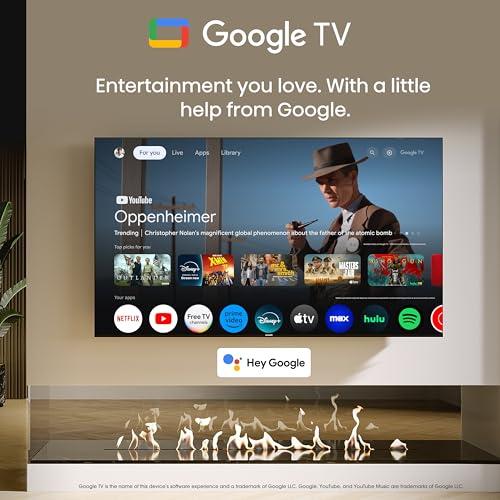
The software experience differs significantly between these TVs. The Hisense CanvasTV runs Google TV, which is essentially Android TV with a more polished interface. This means excellent integration with Google services, Chromecast built-in, and access to the Google Play Store. The interface is intuitive and responsive, and if you're already in Google's ecosystem, everything feels familiar.
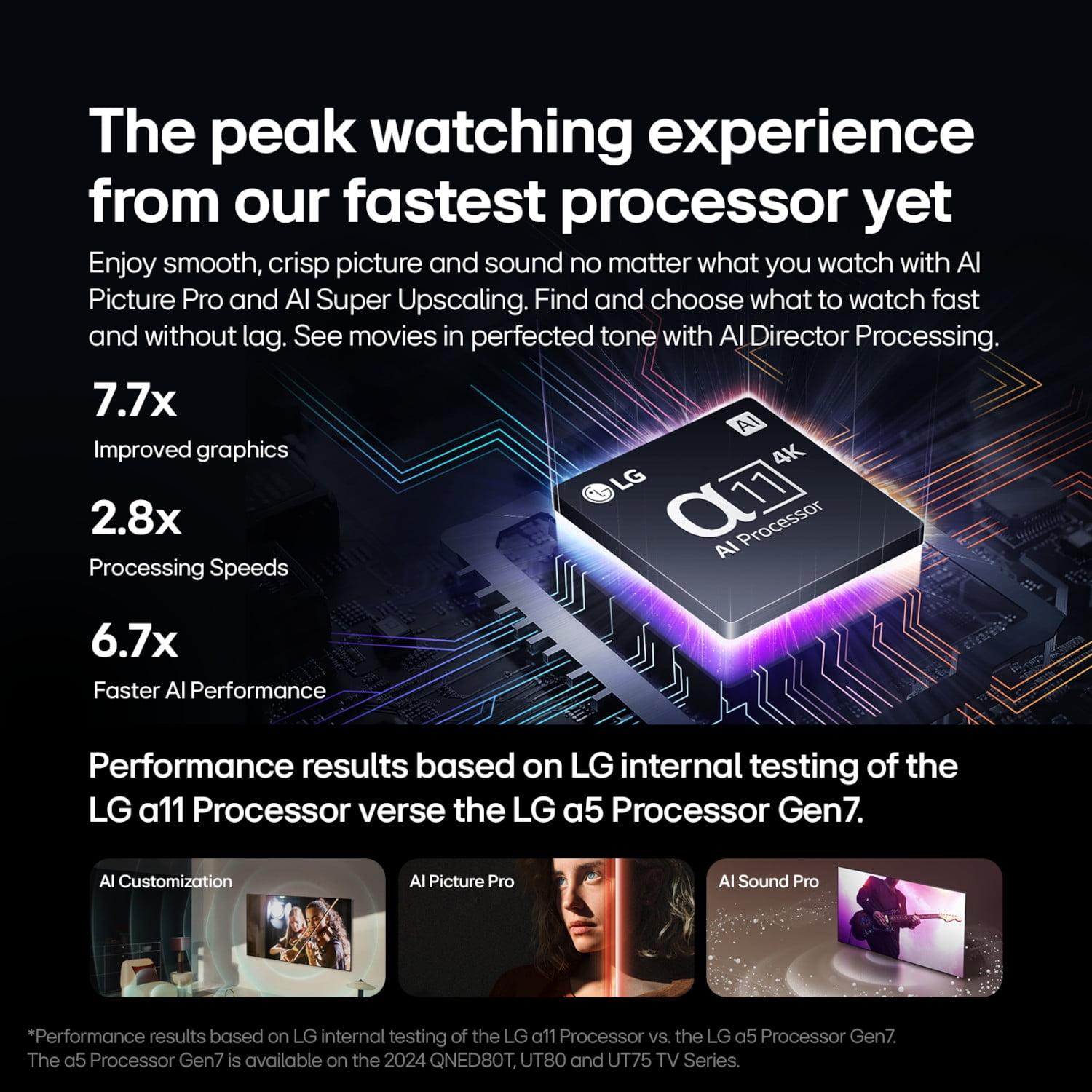
The LG G4 uses webOS 24, LG's proprietary smart TV platform. It's powered by the α11 AI processor, which provides 6.7 times faster AI performance than previous generations. This enables features like AI Picture Pro, which analyzes content in real-time to optimize picture settings, and AI Super Upscaling, which enhances lower-resolution content.
Both platforms handle all major streaming services (Netflix, Disney+, HBO Max, etc.) without issues, so your choice here likely comes down to personal preference and ecosystem integration.
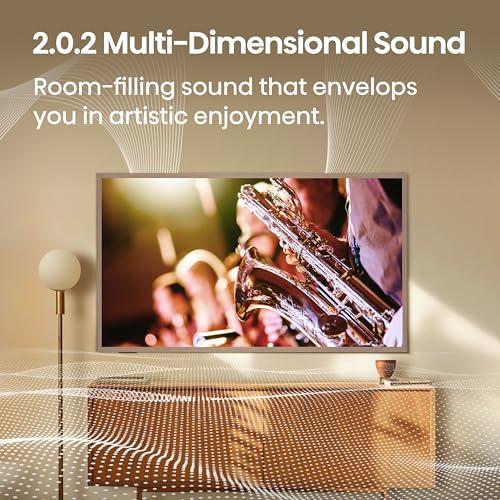
TV audio is notoriously mediocre, but both TVs make genuine efforts to improve the experience. The Hisense CanvasTV includes a 2.0.2 channel system with upward-firing speakers for virtual Dolby Atmos effects. User reviews consistently describe the sound as surprisingly robust and "booming"—significantly better than typical TV speakers.
The LG G4 features a 4.2 channel 60W system that can virtualize up to 11.1.2 surround sound through AI processing. However, reviews suggest the audio can become thin and harsh at higher volumes, with some sibilance issues.
For serious home theater use, both TVs support eARC (Enhanced Audio Return Channel) for connecting to high-quality soundbars or AV receivers. This is crucial if you want to take advantage of Dolby Atmos soundtracks properly.
At the time of writing, the Hisense CanvasTV costs significantly less than the LG G4—roughly half the price for many of the same screen sizes. This creates a fascinating value equation.
The CanvasTV delivers solid QLED picture quality, excellent gaming performance, unique art display features, and robust smart TV functionality at a price point that's accessible to many more buyers. When you factor in the included wall mount and frame system, the value proposition becomes even stronger.
The LG G4 costs considerably more but delivers genuinely superior picture quality, especially for movie watching and HDR content. The OLED technology, advanced processing, and premium build quality justify the higher price for buyers who prioritize performance above all else.
For dedicated home theater use—that dark room with controlled lighting where you want the most cinematic experience possible—the LG G4 is the clear winner. Its perfect blacks, superior contrast, and bright HDR highlights create the most film-like experience. The G4 also includes Filmmaker Mode, which displays content with the color and motion processing exactly as the director intended.
However, if your "home theater" is actually your living room with windows and ambient lighting, the CanvasTV's anti-glare coating might provide a more enjoyable day-to-day experience, even if it can't match the G4's technical superiority.
The Hisense CanvasTV makes sense if you want a TV that seamlessly integrates into your living space as both entertainment and décor. It's perfect for buyers who appreciate the art display functionality, have bright rooms where anti-glare coating provides real benefits, or simply want excellent performance without premium pricing. The higher refresh rate gaming support is a genuine bonus for PC gamers.
The LG G4 is the choice for buyers who prioritize picture quality above all else. If you primarily watch movies and HDR content, have a dedicated viewing room or can control lighting, and want the absolute best contrast and color accuracy money can buy, the G4 delivers a genuinely premium experience that justifies its higher cost.
Both TVs represent thoughtful approaches to the premium TV market—one focused on lifestyle integration and value, the other on technical excellence and performance. Your choice should ultimately depend on how you plan to use the TV and what compromises you're willing to make for your specific priorities.
| Hisense 65" S7N CanvasTV | LG 65" G4 Series OLED evo |
|---|---|
| Display Technology - Fundamentally different approaches to picture quality | |
| QLED with Quantum Dot and Hi-Matte anti-glare coating | OLED evo with self-lit pixels and Brightness Booster Max |
| Contrast Ratio - Critical for dark scene detail and overall picture depth | |
| 5000:1 static contrast (good for LCD but limited by backlight) | Infinite contrast with perfect blacks (each pixel turns completely off) |
| Peak Brightness - Determines HDR impact and bright room performance | |
| 450 cd/m² (adequate for most content, limited HDR punch) | Up to 2,268 nits (exceptional HDR performance, 150% brighter than previous OLEDs) |
| Refresh Rate - Important for gaming and smooth motion | |
| Native 144Hz (supports 4K@144Hz and 1080p@240Hz gaming) | Native 120Hz with 144Hz VRR support |
| Input Lag - Critical for responsive gaming | |
| 5.4ms (excellent for gaming) | 0.1ms (virtually instantaneous, best-in-class) |
| HDMI 2.1 Ports - Needed for next-gen gaming consoles and high refresh rates | |
| 2 HDMI 2.1 ports (limited flexibility for multiple devices) | 4 full HDMI 2.1 ports (maximum gaming device flexibility) |
| Smart TV Platform - Affects daily usability and app performance | |
| Google TV with Chromecast built-in | webOS 24 with α11 AI processor (6.7x faster AI performance) |
| Audio System - Built-in sound quality varies significantly between models | |
| 2.0.2 channel with upward-firing speakers, described as "booming" | 4.2 channel 60W with AI virtualization to 11.1.2, but can sound thin at high volumes |
| Art Display Features - Unique lifestyle functionality | |
| Art Mode with 120+ masterpieces, magnetic wooden frames, motion/light sensors | Standard screensaver options only |
| Anti-Glare Performance - Critical for bright rooms with lots of windows | |
| Hi-Matte coating reduces reflections to 5% (excellent for bright rooms) | Glossy screen maximizes picture quality but suffers from reflections |
| HDR Format Support - Ensures compatibility with premium content | |
| Dolby Vision, HDR10, HDR10+, HLG | Dolby Vision, HDR10, HDR10+, HLG with superior brightness to showcase them |
| Processor & AI Features - Affects picture processing and smart features | |
| Standard QLED processing with Quantum Dot color enhancement | α11 AI Processor with AI Picture Pro, AI Super Upscaling, real-time optimization |
| Wall Mounting Design - Important for installation and aesthetics | |
| UltraSlim mount included, 3mm from wall with picture frame appearance | Gallery design for flush mounting (mount not included) |
| Warranty Coverage - Reflects manufacturer confidence in durability | |
| Standard 1-year warranty | 5-year panel warranty (demonstrates OLED reliability confidence) |
| Best For - Target user scenarios | |
| Bright rooms, art display, value-conscious buyers, high refresh rate gaming | Dark/controlled rooms, movie enthusiasts, premium picture quality priority |
The LG G4 Series OLED delivers superior picture quality with perfect blacks, infinite contrast ratio, and peak brightness up to 2,268 nits. The Hisense CanvasTV offers good QLED picture quality with quantum dot technology, but cannot match OLED's contrast performance. However, the Hisense CanvasTV excels in bright rooms due to its anti-glare coating, while the LG G4 performs best in controlled lighting conditions.
Both TVs offer excellent gaming performance, but with different strengths. The Hisense CanvasTV supports higher refresh rates at 144Hz native and can handle 4K@144Hz gaming, making it ideal for high-end PC gaming. The LG G4 OLED offers ultra-low 0.1ms input lag and four HDMI 2.1 ports for maximum device flexibility. Console gamers may prefer the LG G4 for its responsiveness, while PC gamers benefit from the CanvasTV's higher refresh rates.
The Hisense CanvasTV is significantly better for bright rooms thanks to its Hi-Matte anti-glare coating that reduces reflections to just 5%. This makes it comfortable to watch even with direct sunlight or overhead lighting. The LG G4 OLED has a glossy screen that can suffer from reflections in bright environments, despite its superior brightness capabilities.
Yes, the Hisense CanvasTV includes a dedicated Art Mode with over 120 pre-loaded masterpiece artworks and comes with a magnetic wooden frame system. Motion sensors automatically activate the display when someone enters the room, and light sensors adjust brightness naturally. Unlike some competitors, the CanvasTV doesn't require subscription fees for its art library, making it a genuine alternative to traditional wall art.
The Hisense CanvasTV provides exceptional value, offering QLED picture quality, unique art display features, high refresh rate gaming, and smart TV functionality at roughly half the cost of premium OLEDs. The LG G4 OLED costs significantly more but delivers superior picture quality and premium features that justify the price for buyers prioritizing performance over value.
For dedicated home theater setups with controlled lighting, the LG G4 OLED is superior due to its perfect blacks, infinite contrast ratio, and accurate colors that create a truly cinematic experience. OLED technology excels in dark rooms where its contrast advantages are most apparent. The Hisense CanvasTV QLED performs well but cannot match OLED's contrast in dark viewing environments.
Both TVs offer comprehensive smart features but with different approaches. The Hisense CanvasTV runs Google TV with Chromecast built-in and excellent Google ecosystem integration. The LG G4 OLED uses webOS 24 powered by the advanced α11 AI processor, providing faster performance and AI-enhanced picture processing. Both support all major streaming services equally well.
The Hisense CanvasTV features a 2.0.2 channel system with upward-firing speakers that users describe as surprisingly robust and "booming" for TV speakers. The LG G4 OLED offers a 4.2 channel 60W system with AI processing that can virtualize up to 11.1.2 surround sound, though it may sound thin at higher volumes. Both support eARC for connecting external sound systems.
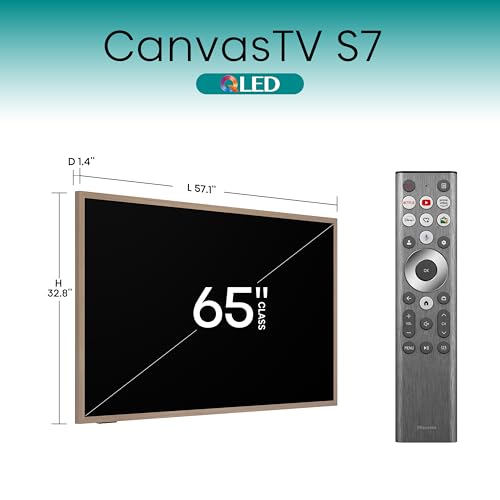
The Hisense CanvasTV includes an UltraSlim wall mount that positions the TV just 3mm from the wall for a picture frame appearance. The LG G4 OLED is designed for gallery-style flush mounting but doesn't include the wall mount hardware. The CanvasTV is heavier and may require two people for installation, while both TVs benefit from professional mounting for best results.
Yes, both the Hisense CanvasTV and LG G4 OLED support modern gaming features like Variable Refresh Rate (VRR), Auto Low Latency Mode (ALLM), and have HDMI 2.1 ports for 4K high refresh rate gaming. The CanvasTV offers two HDMI 2.1 ports while the LG G4 provides four, giving it more flexibility for multiple gaming devices.
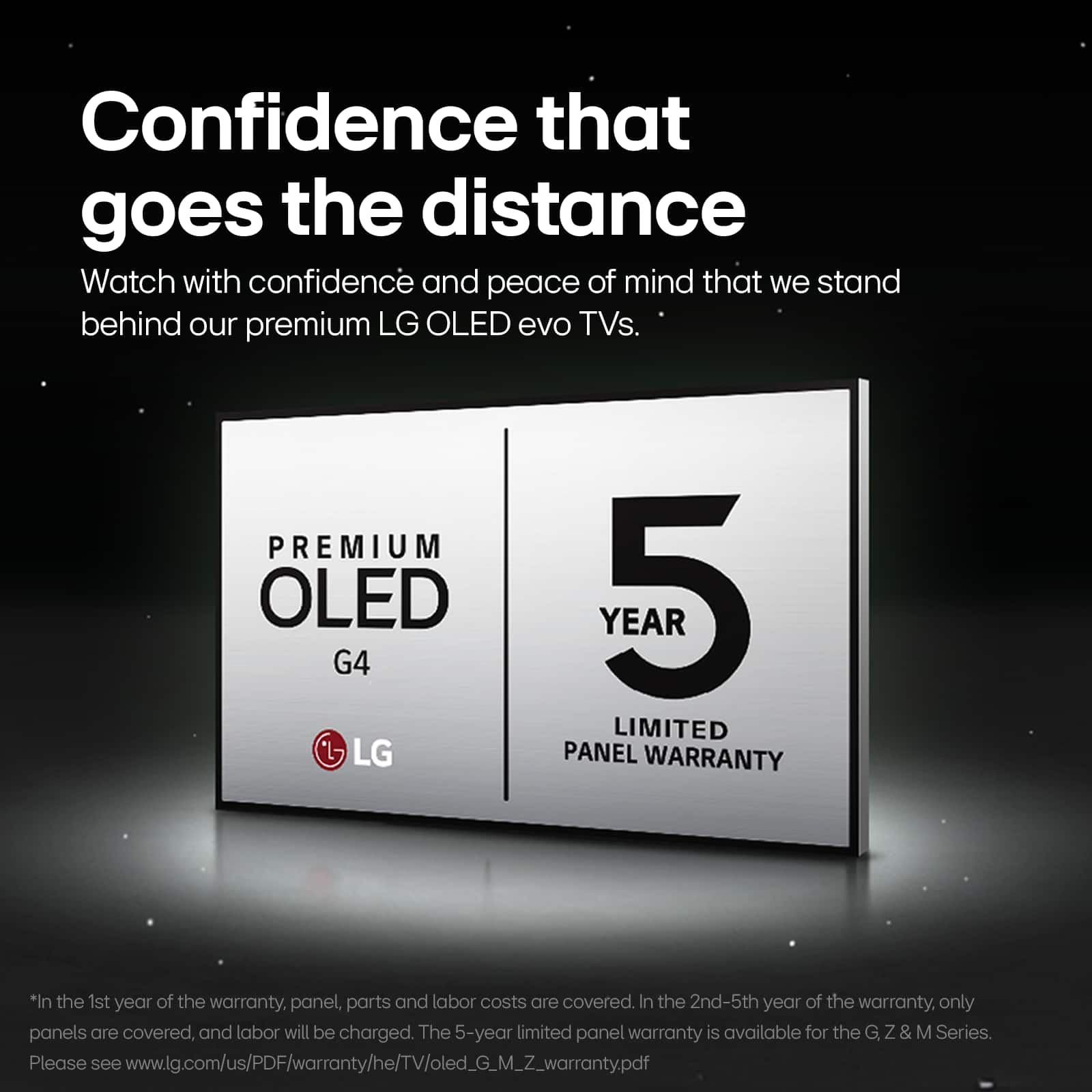
The LG G4 OLED comes with a 5-year panel warranty, demonstrating LG's confidence in OLED reliability and longevity. The Hisense CanvasTV includes standard warranty coverage. OLED technology has proven durability over recent years, while QLED technology is also reliable. Both represent solid long-term investments with the LG G4 offering more comprehensive coverage.
Choose the Hisense CanvasTV if you have a bright living room, want art display functionality, prioritize value, or need higher refresh rate gaming. Select the LG G4 OLED if picture quality is your top priority, you can control room lighting, want premium features, and are willing to invest in the best OLED technology available. Consider your specific room conditions and viewing priorities when making the final decision.
We've done our best to create useful and informative comparisons to help you decide what product to buy. Our research uses advanced automated methods to create this comparison and perfection is not possible - please contact us for corrections or questions. These are the sites we've researched in the creation of this article: bestbuy.com - hisense.sg - tomsguide.com - content.syndigo.com - rtings.com - hisense-usa.com - youtube.com - bestbuy.com - youtube.com - displayspecifications.com - displayspecifications.com - manuals.plus - displayspecifications.com - bestbuy.com - hisense-canada.com - manuals.plus - bargainoutletandmore.com - bestbuy.com - device.report - hometechnologyreview.com - hometechnologyreview.com - whathifi.com - hometechnologyreview.com - youtube.com - tomsguide.com - tomsguide.com - smarthomesounds.co.uk - rtings.com - rtings.com - bhphotovideo.com - youtube.com - schaeferstv.com - bestbuy.com - costco.com - lg.com - lg.com - shopsilica.com - bestbuy.com - techradar.com - bestbuy.com - bestbuy.com - lg.com - lgnewsroom.com

Privacy Policy
Terms and Conditions - Affiliate Policy
Home Security
© Copyright 2008-2026.
11816 Inwood Rd #1211, Dallas, TX 75244