

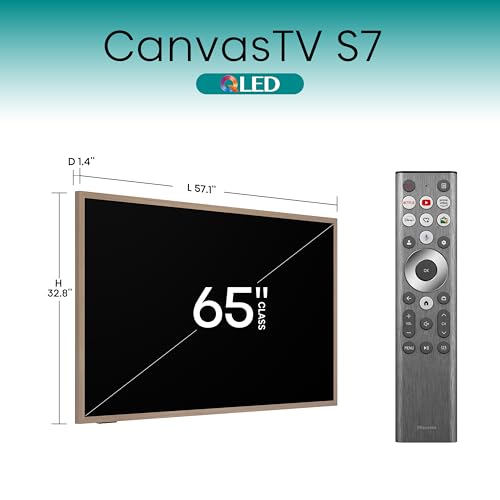


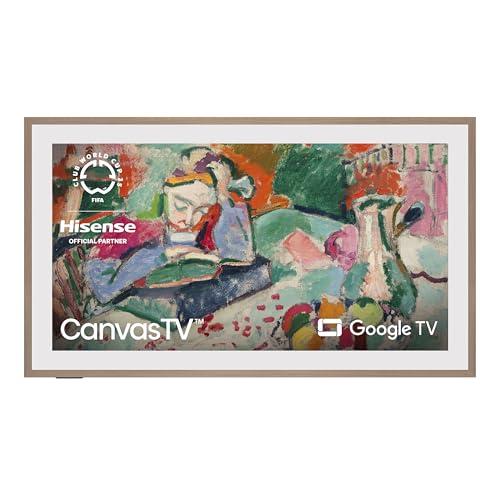

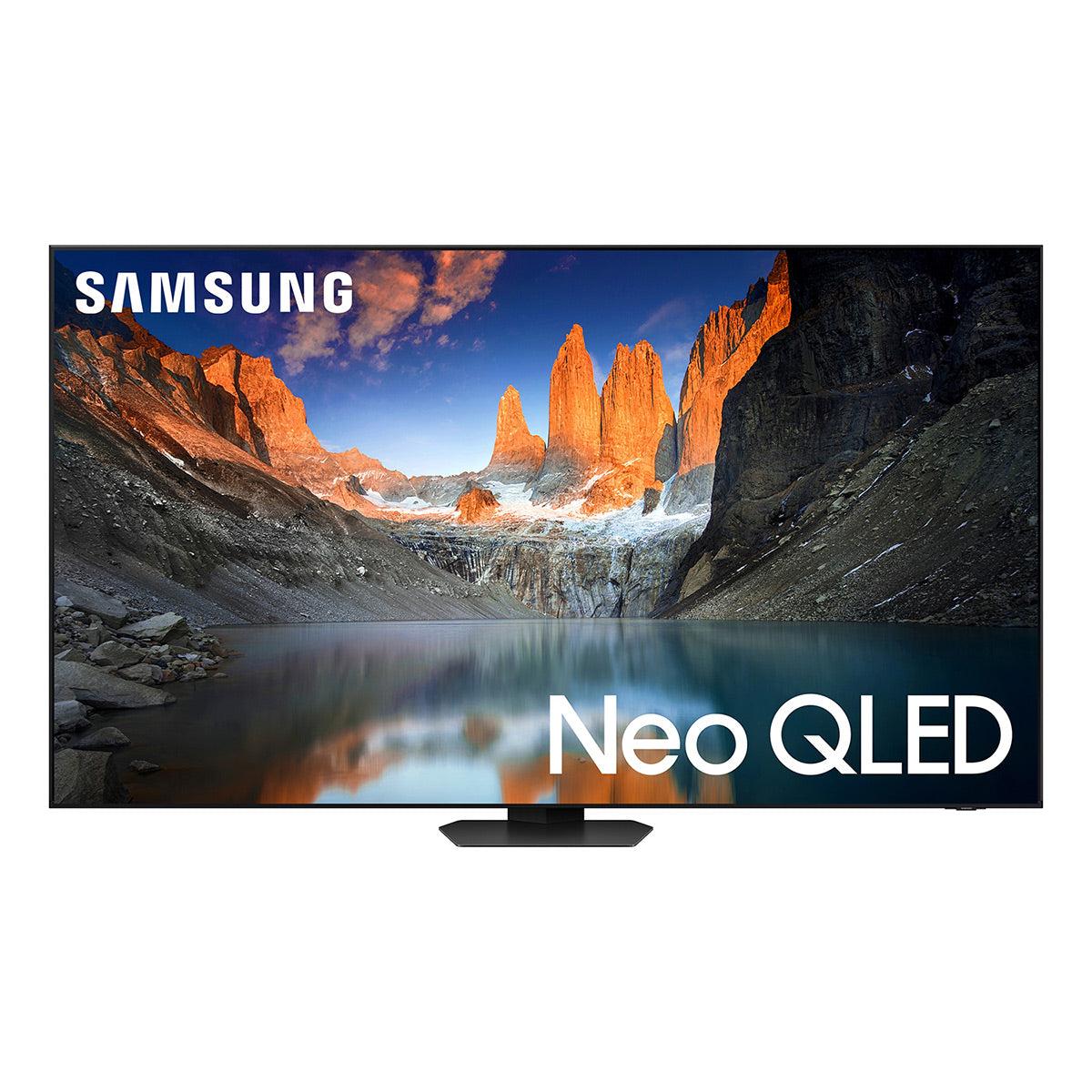
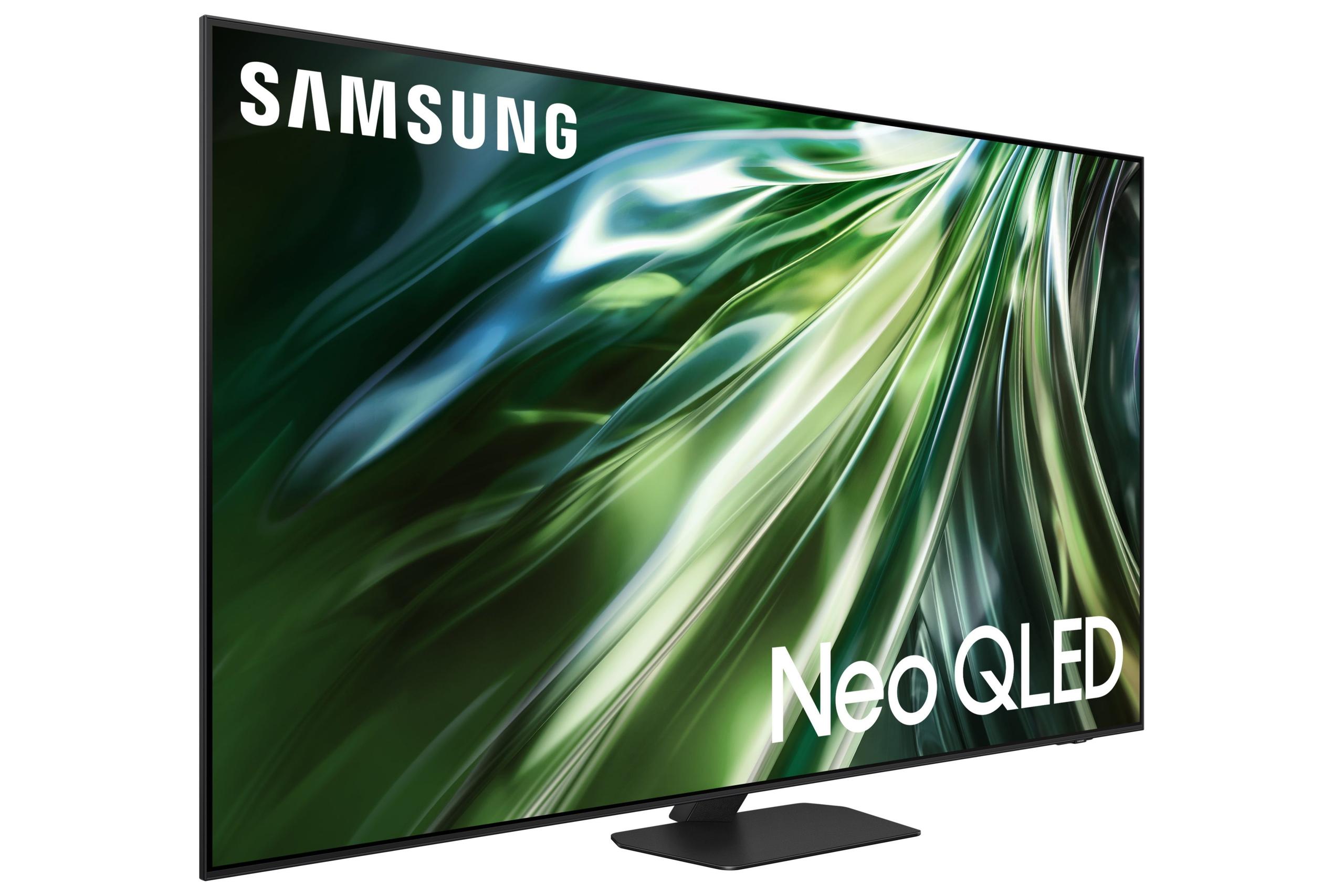
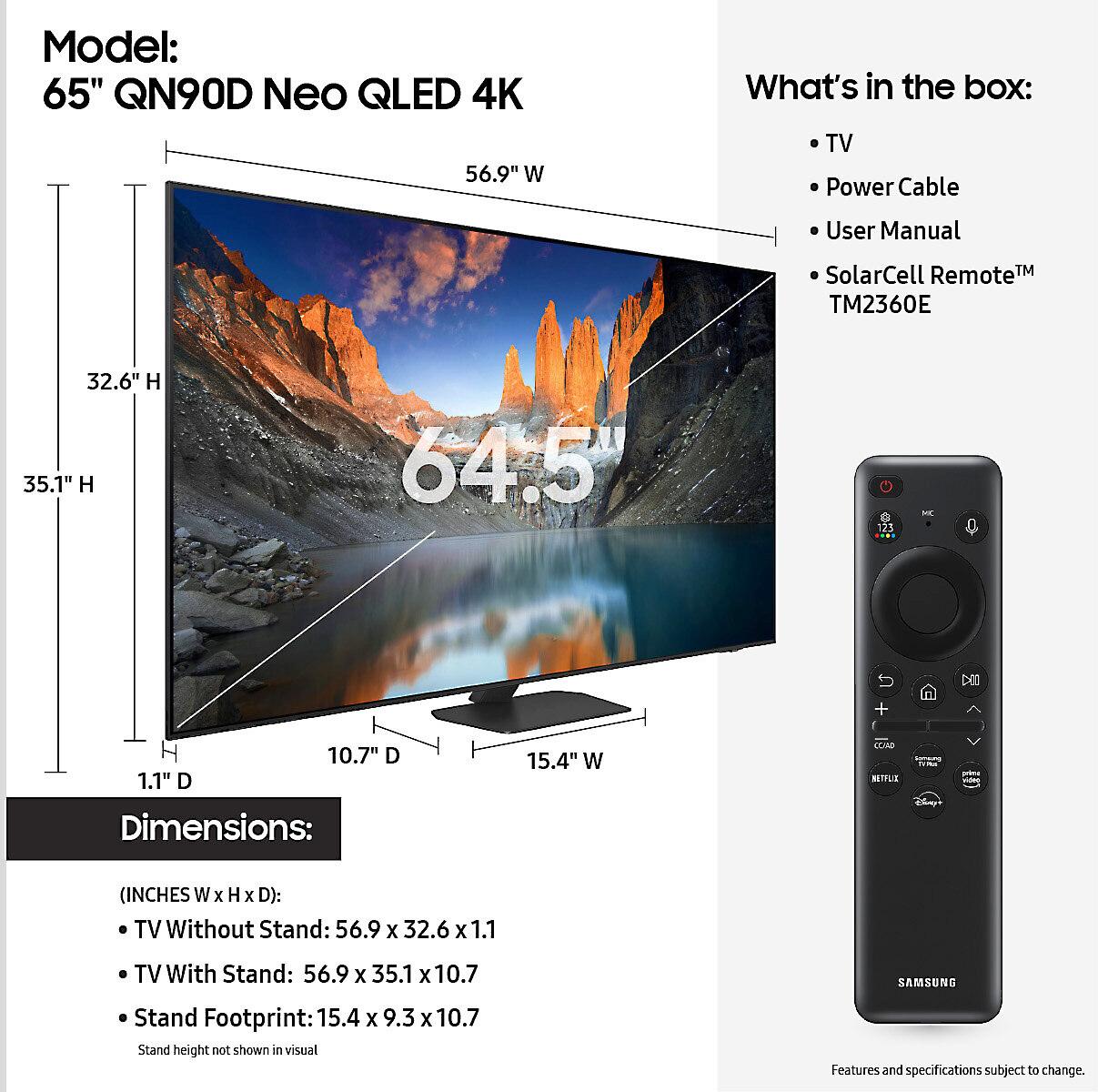
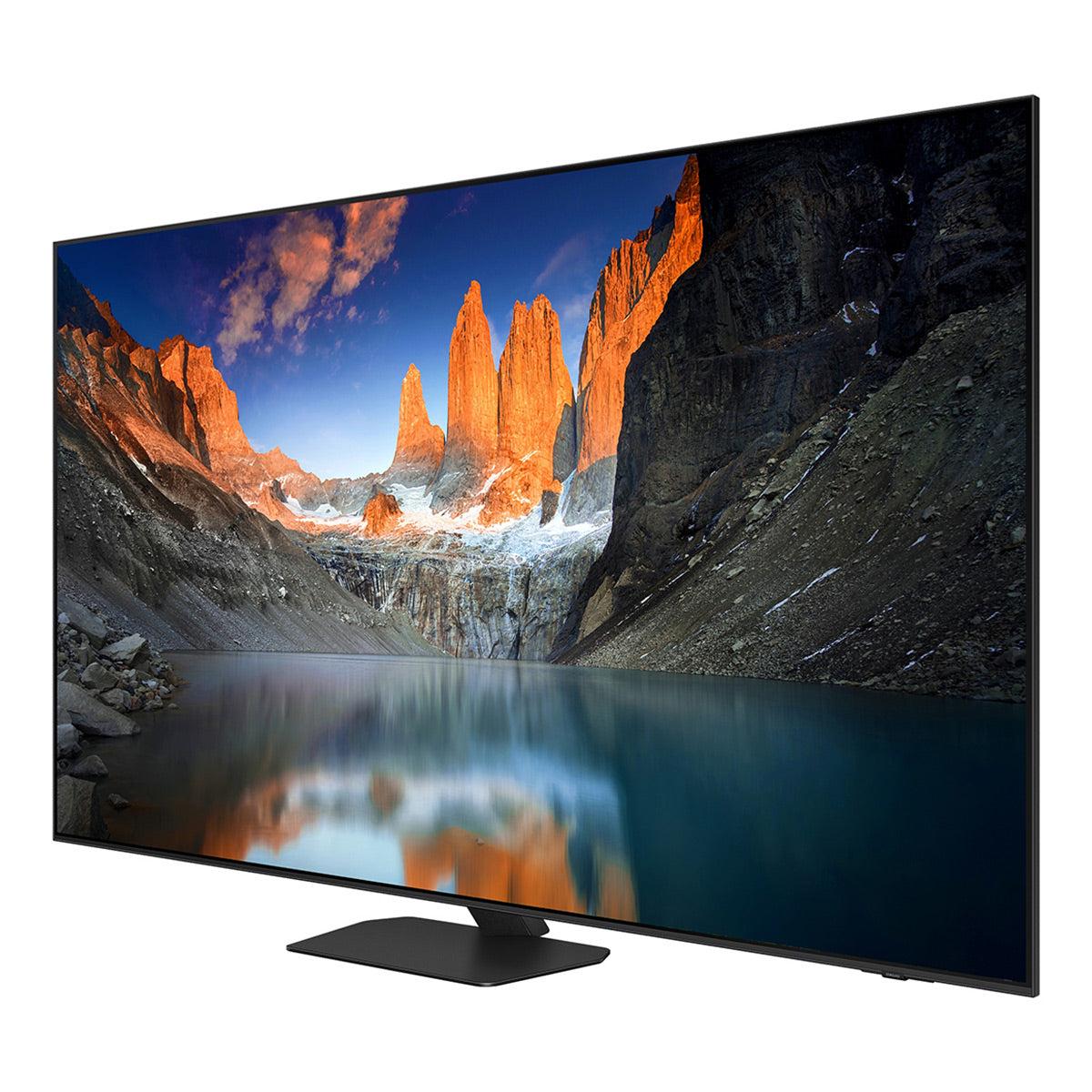
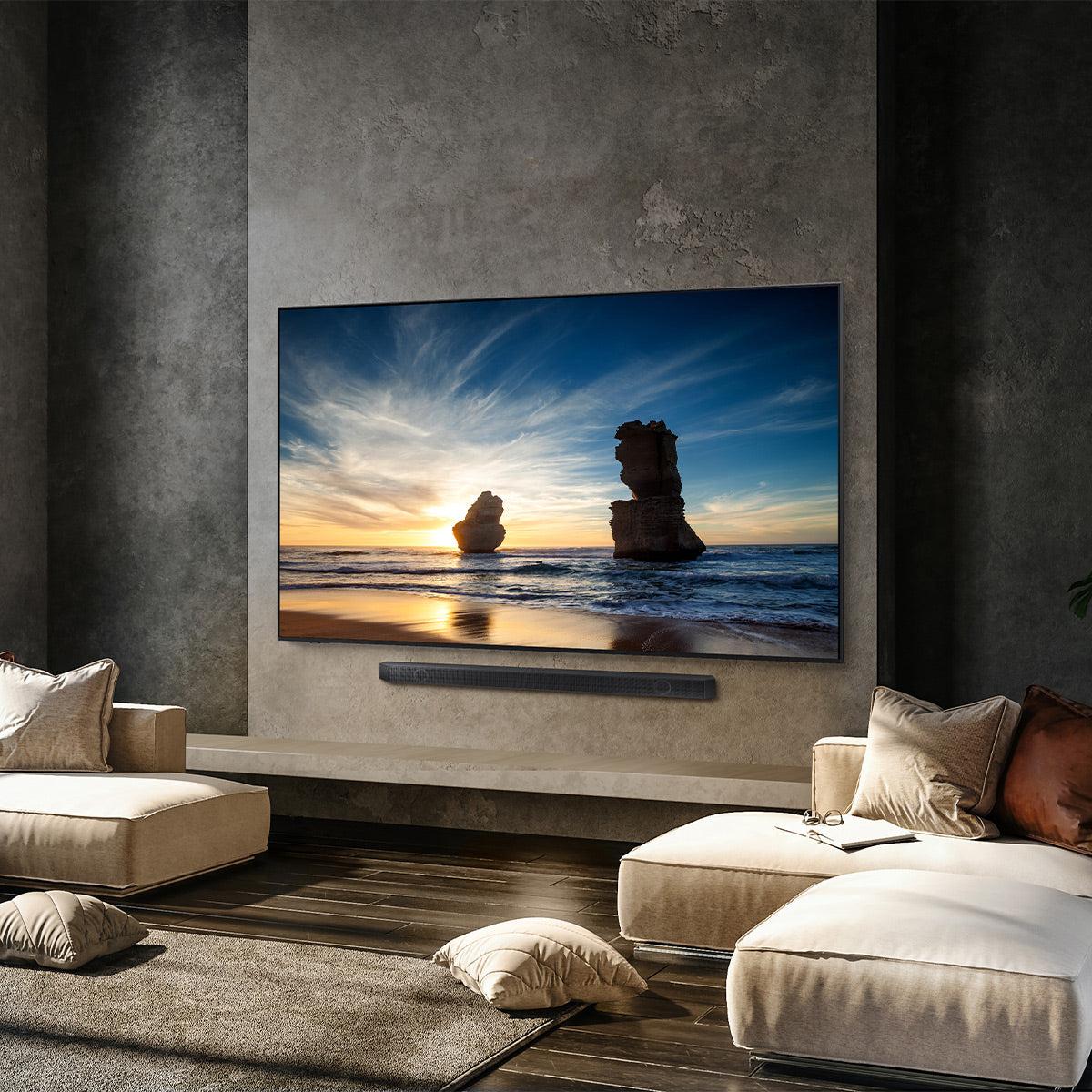
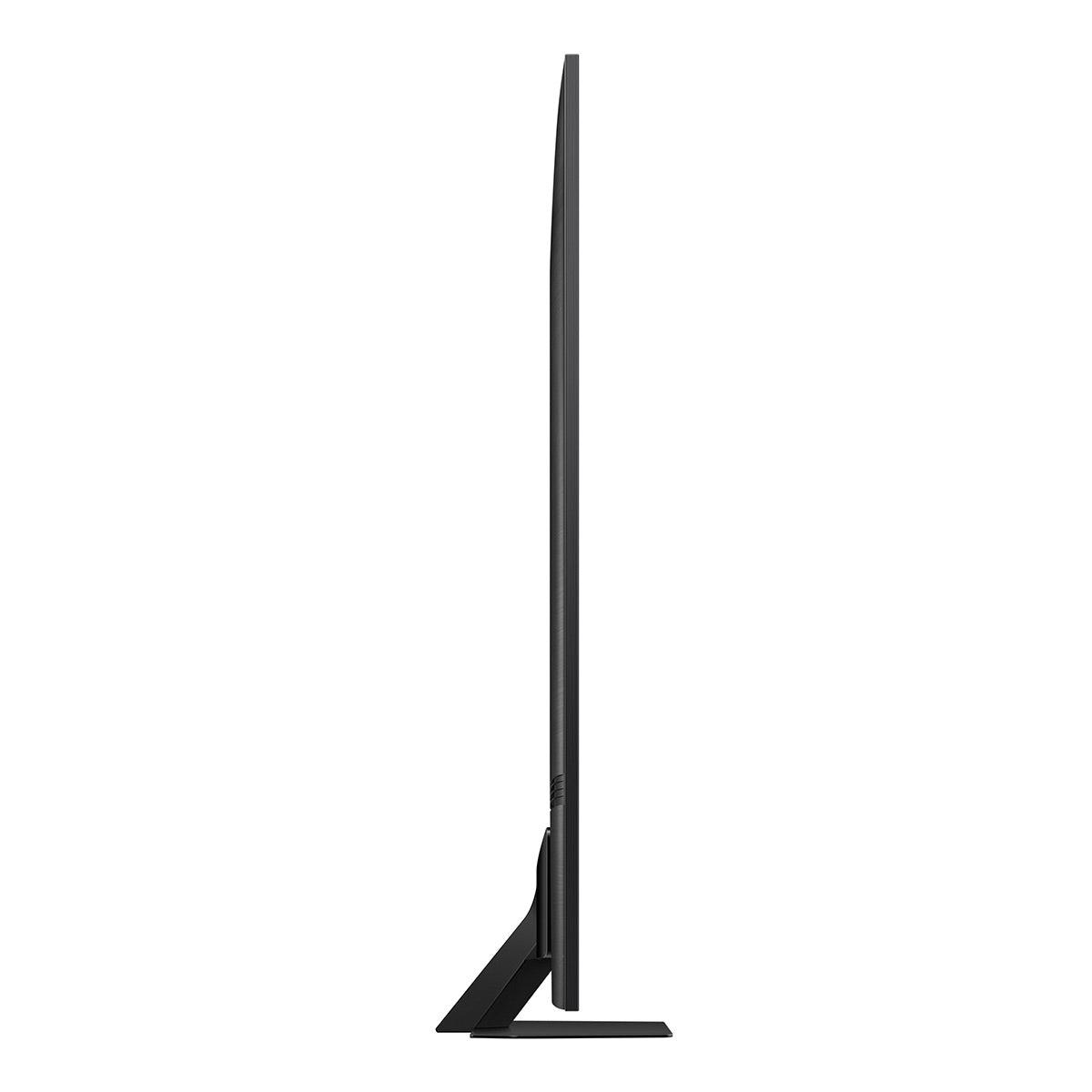
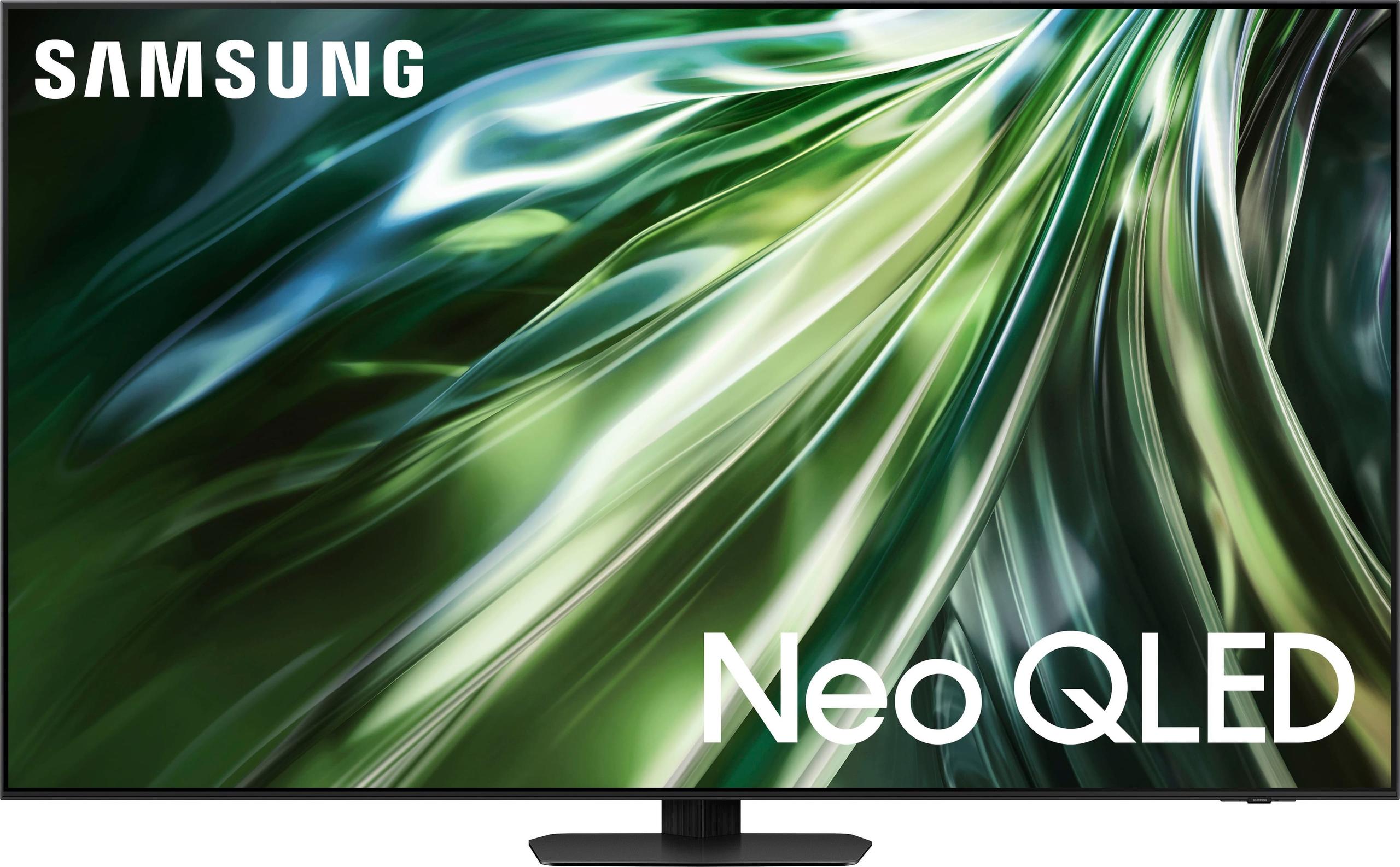

The 65-inch TV market has evolved dramatically in 2024, presenting buyers with an interesting choice between two fundamentally different philosophies. On one side, you have traditional performance powerhouses like the Samsung QN90D that prioritize raw picture quality and gaming prowess. On the other, innovative lifestyle displays like the Hisense S7N CanvasTV blur the line between television and home décor.
This isn't just about picking between two good TVs—it's about deciding what role you want your display to play in your home. Do you want the brightest, most vibrant picture possible for movie nights and gaming sessions? Or are you more interested in a TV that disappears into your décor when not in use, transforming into a digital art gallery?
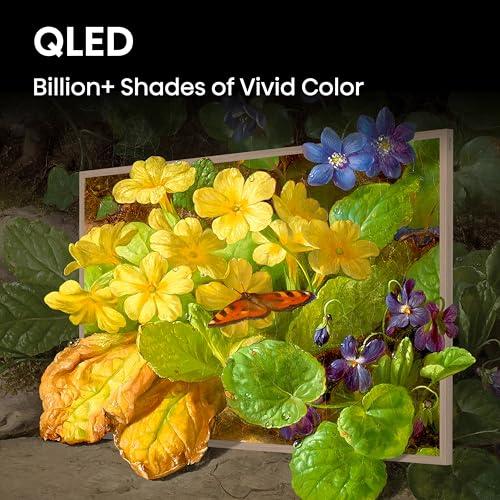
Both TVs use QLED (Quantum Dot Light Emitting Diode) technology, but they implement it very differently. QLED displays use microscopic particles called quantum dots that emit pure colors when hit by light. Think of quantum dots as tiny color filters that make reds more red and blues more blue, creating a wider range of colors than standard LED TVs can produce.
The Samsung QN90D takes this concept further with Neo QLED technology, which combines quantum dots with Mini-LED backlighting. Mini-LEDs are exactly what they sound like—much smaller LED lights that can be packed more densely behind the screen. The QN90D uses nearly 800 of these tiny zones that can dim independently, creating deeper blacks by turning off completely while keeping bright areas blazing.
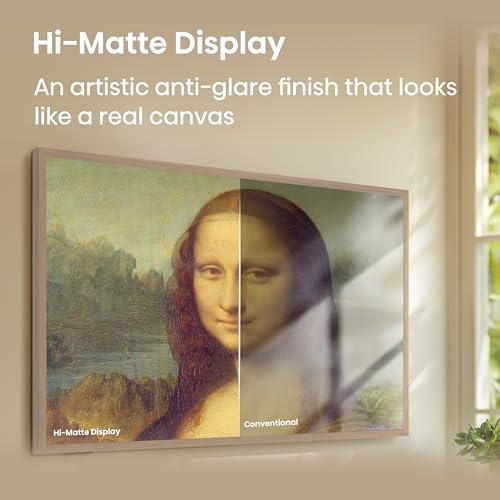
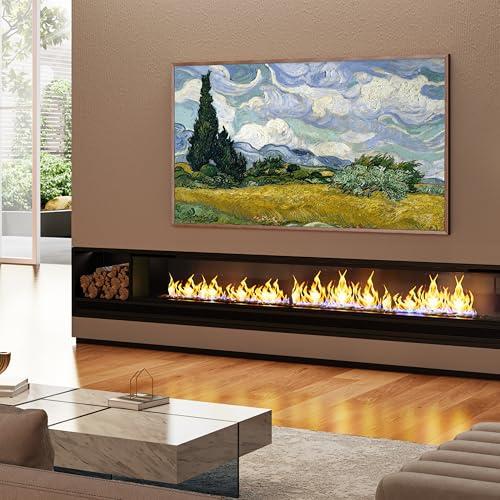
The Hisense CanvasTV, meanwhile, uses standard QLED with direct LED backlighting but focuses on a completely different challenge: making the TV disappear. Its Hi-Matte coating reduces reflections to just 5% of what you'd see on a glossy screen. This matters enormously if you've ever tried to watch TV with sunlight streaming through windows—instead of seeing your reflection, you see the content.
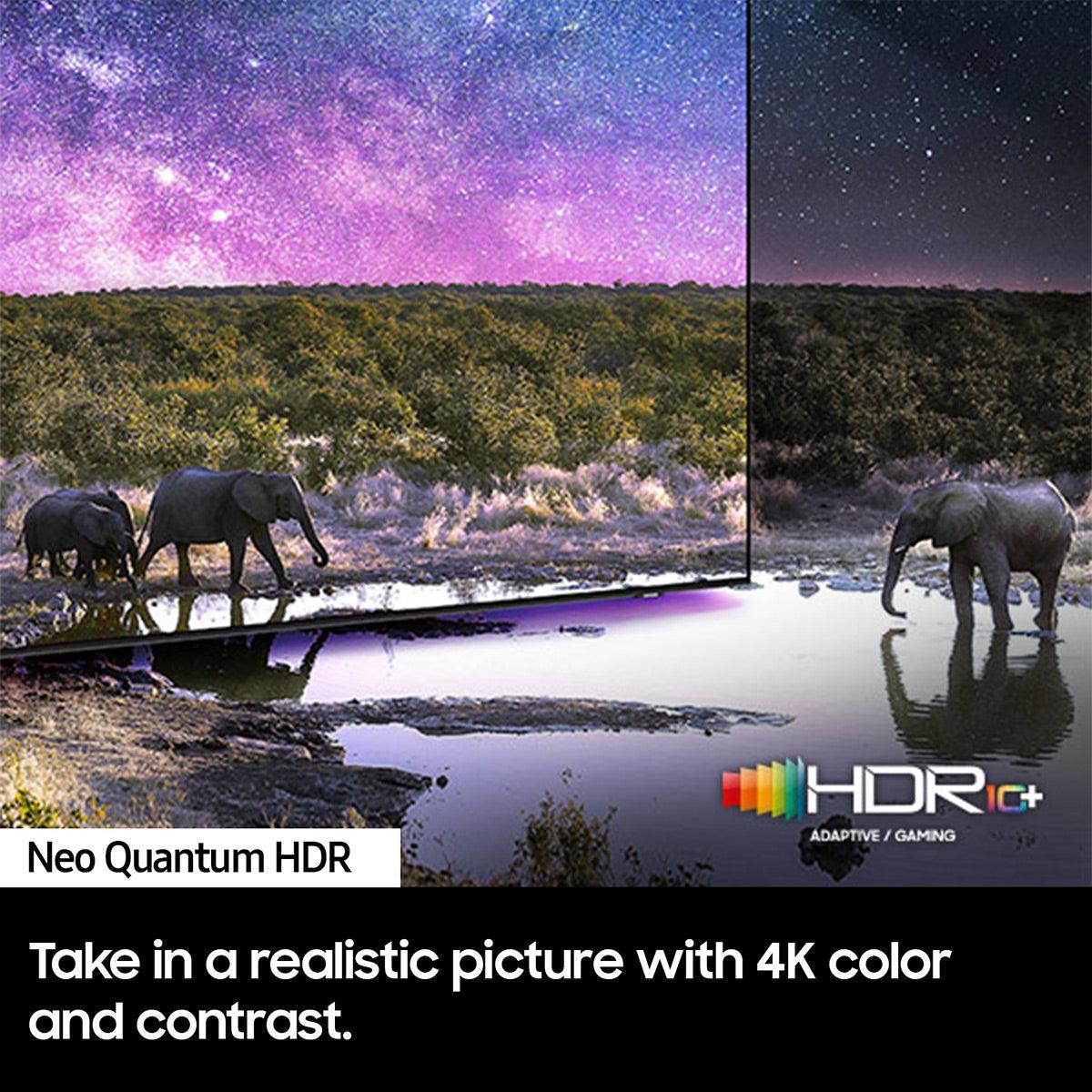
Here's where these TVs diverge dramatically. The Samsung QN90D is a brightness monster, capable of hitting peak levels around 2,000 nits (a nit is a unit of brightness—for reference, a typical indoor room is about 100 nits). This extreme brightness makes HDR (High Dynamic Range) content absolutely pop. When you're watching a movie with bright explosions or sunlit scenes, the QN90D can reproduce those highlights with an intensity that feels almost three-dimensional.
But here's the thing about extreme brightness: it only matters if you can actually see it. In a bright room with lots of windows, reflections on a glossy screen can wash out even the brightest display. This is where the Hisense CanvasTV shows its cleverness. While it maxes out at around 450 nits—significantly dimmer than the Samsung—its matte coating means you actually see more of those nits in challenging lighting conditions.
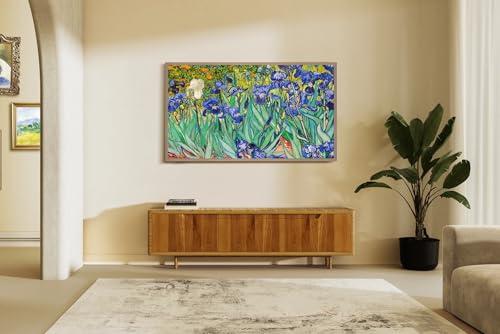
I've found that most people underestimate how important anti-glare properties are until they experience them. The CanvasTV's matte finish doesn't just reduce reflections; it fundamentally changes how the TV integrates into your living space. Instead of a black mirror when turned off, you get something that looks remarkably like a framed painting.
However, this comes with trade-offs. Matte coatings inevitably reduce contrast compared to glossy screens. The deepest blacks on the Hisense CanvasTV won't be as inky as what the Samsung QN90D can achieve in a dark room. For dedicated home theater enthusiasts who can control ambient lighting, the Samsung's superior contrast and peak brightness create a more cinematic experience.
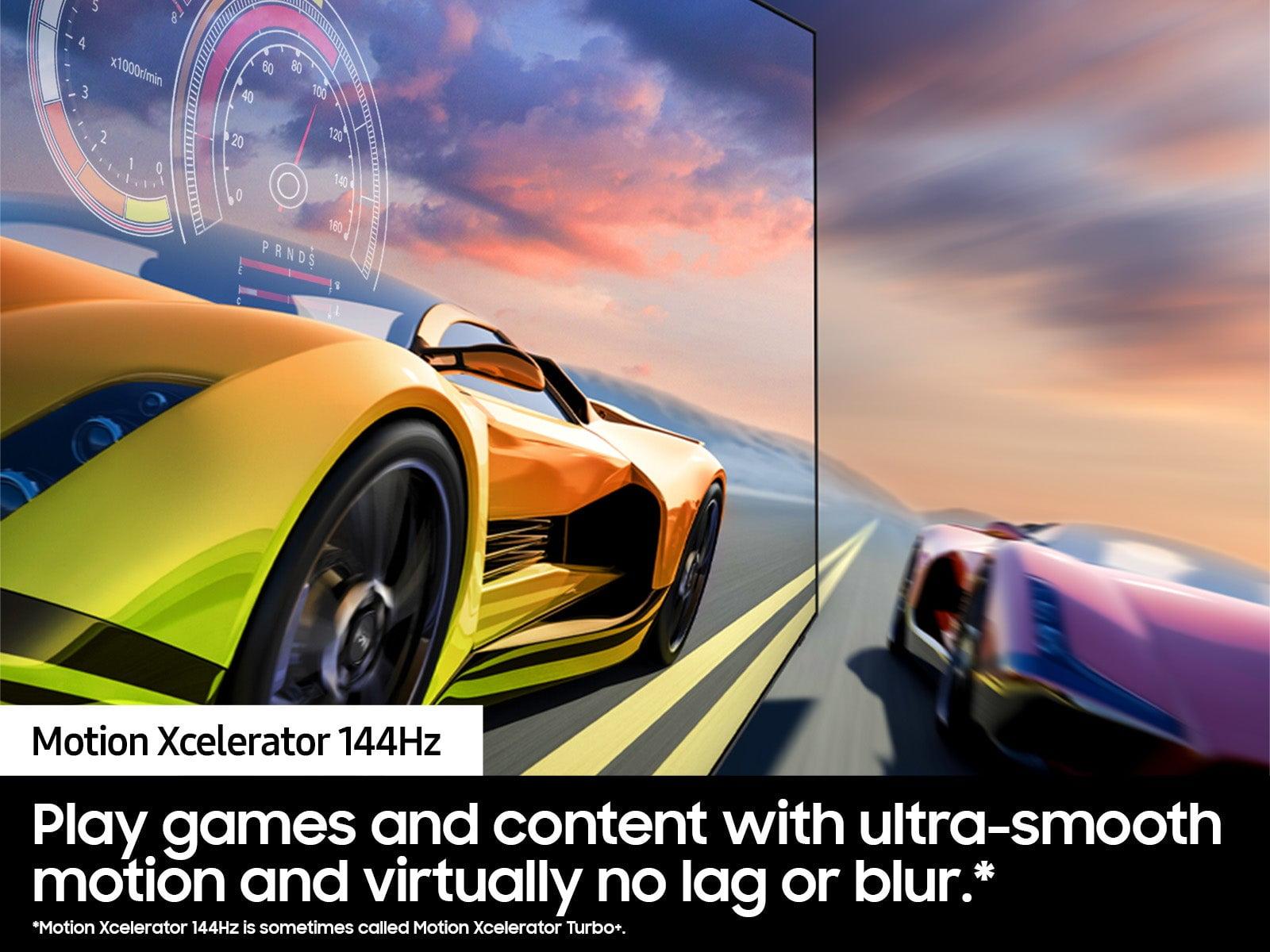
Both TVs excel at gaming but serve different audiences. The Samsung QN90D is clearly designed with console gaming in mind. Its 9.6ms input lag is excellent for PlayStation 5 and Xbox Series X gaming, and it supports all the advanced gaming features these consoles offer: Variable Refresh Rate (VRR) to eliminate screen tearing, Auto Low Latency Mode (ALLM) to automatically switch to game mode, and 4K resolution at 120Hz for silky-smooth motion.
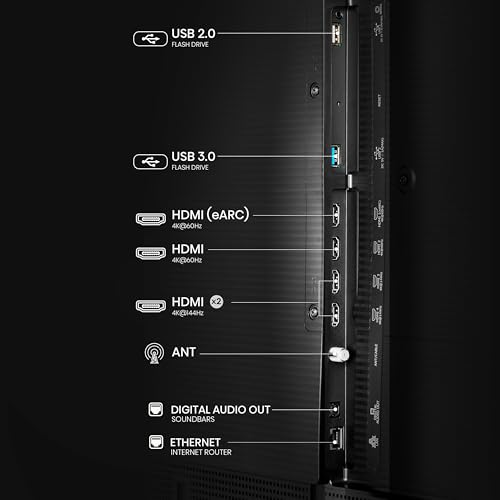
The Hisense CanvasTV actually surpasses the Samsung in one key area: it supports 4K at 144Hz for PC gaming. This higher refresh rate matters enormously if you're gaming on a high-end PC with a powerful graphics card. The difference between 120Hz and 144Hz might seem small, but competitive gamers often swear by every frame they can get. The CanvasTV also boasts a slightly lower input lag at 5.4ms, though both are fast enough that most gamers won't notice the difference.
What's interesting is that the Hisense CanvasTV's anti-glare coating provides an unexpected gaming benefit. If you game during the day in a bright room, the matte finish eliminates distracting reflections that could interfere with competitive gaming. I've noticed this makes a real difference in fast-paced shooters where every visual distraction matters.
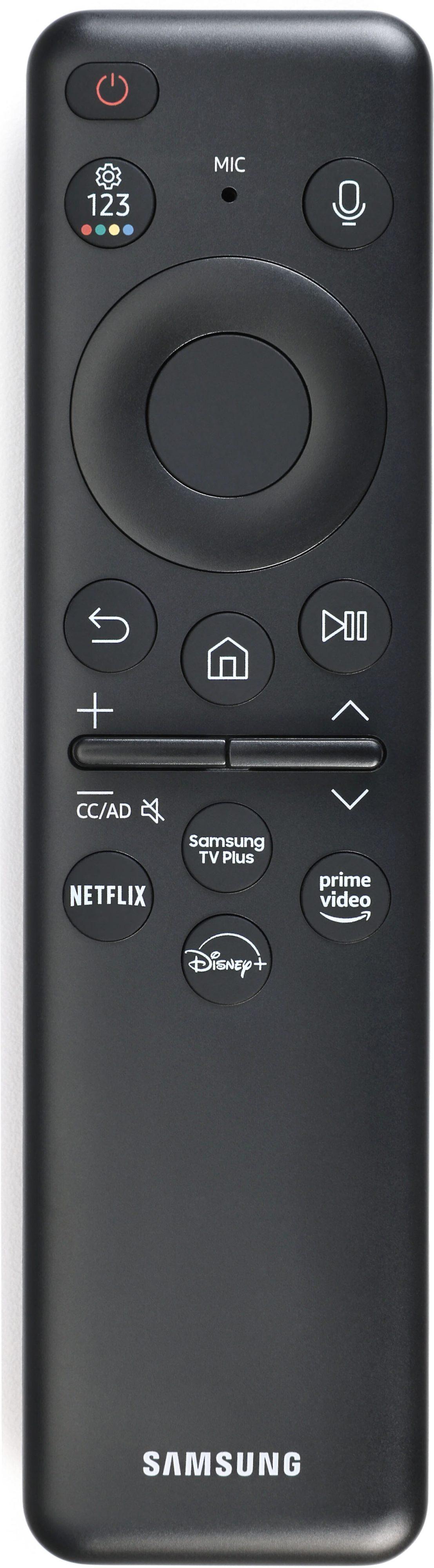
The software experience differs significantly between these TVs, and it's worth considering which ecosystem you prefer. The Samsung QN90D runs Tizen OS, Samsung's proprietary smart TV platform. Tizen has matured considerably over the years and now offers a clean, responsive interface. However, it can feel restrictive compared to more open platforms, and app selection occasionally lags behind Android-based systems.
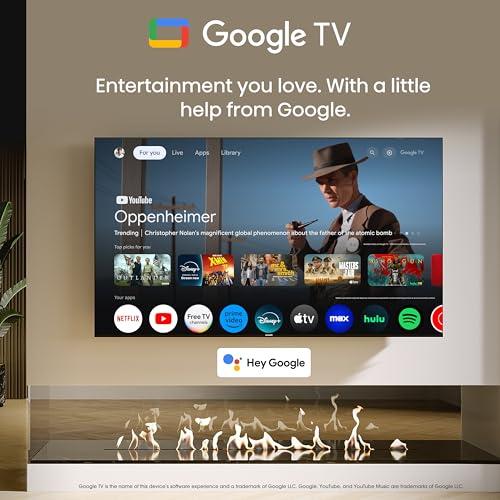
The Hisense CanvasTV runs Google TV (the successor to Android TV), which offers more flexibility and customization options. Google TV's interface is particularly good at surfacing content from across your streaming services, making it easier to find something to watch. The platform also tends to get new apps faster than Tizen.
But here's a crucial difference for home theater enthusiasts: HDR format support. The Samsung QN90D supports HDR10 and HDR10+ but notably lacks Dolby Vision, the premium HDR format used by many streaming services and 4K Blu-rays. The Hisense CanvasTV supports Dolby Vision along with all other major HDR formats. For serious movie watchers, this broader format support can be a deciding factor.
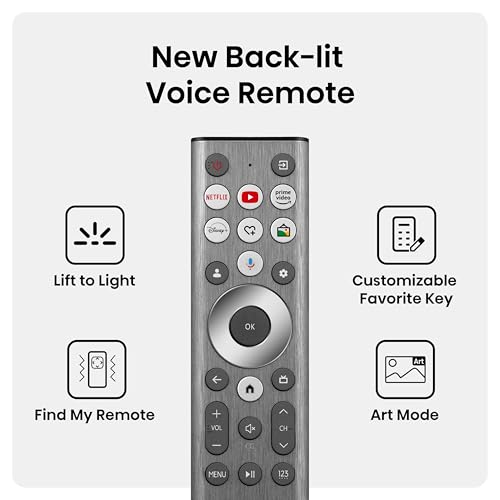
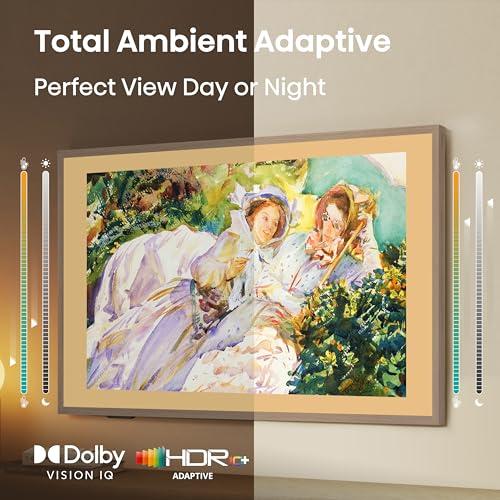
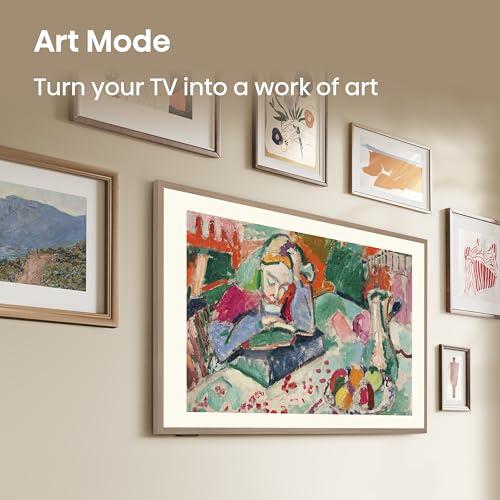
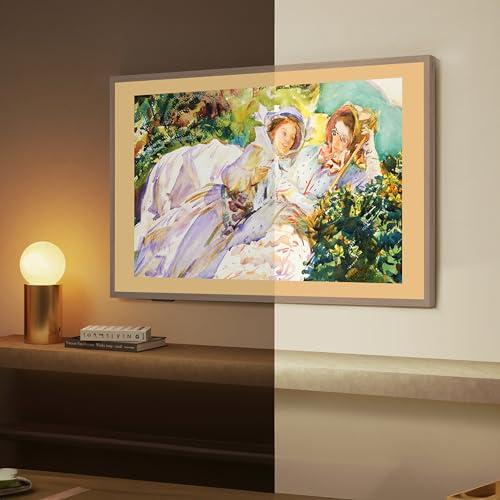
What truly sets the Hisense CanvasTV apart is its Art Mode functionality. When not in use, the TV displays artwork from a curated collection or your own photos, transforming into what genuinely looks like a framed painting on your wall. Motion sensors detect when someone enters the room and can automatically wake the display, while light sensors adjust brightness to maintain the artwork's appearance throughout the day.
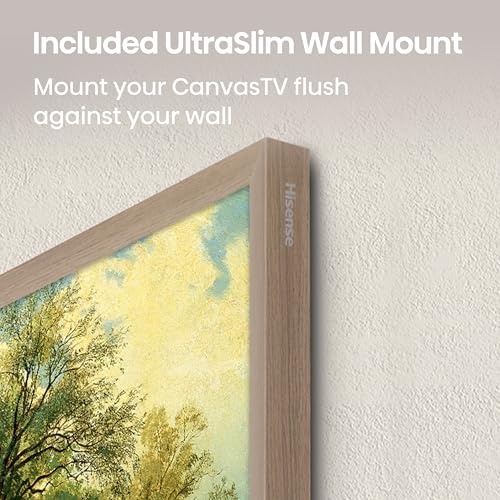
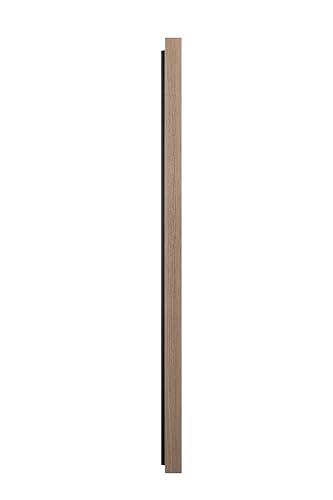
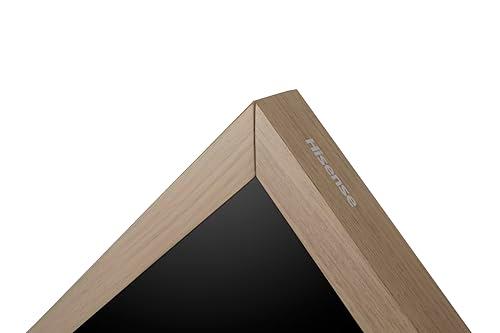
This isn't just a gimmick—it represents a fundamental shift in how we think about TVs in our living spaces. Traditional televisions are black rectangles that dominate walls when turned off. The CanvasTV, with its included wooden frame and ultra-slim 3mm wall mount, becomes part of your décor rather than interrupting it.
The included magnetic frame system lets you swap between different finishes (teak, white, or walnut) to match your décor. This level of customization is unprecedented in the TV world and shows how seriously Hisense takes the lifestyle integration concept.
Both TVs offer above-average audio for flat-panel displays, but they take different approaches. The Samsung QN90D features a 4.2.2 channel system with 60W of total power, including upward-firing speakers for a more immersive soundstage. Object Tracking Sound+ technology moves audio around the screen to match what's happening visually, which can be surprisingly effective for creating a more engaging experience.
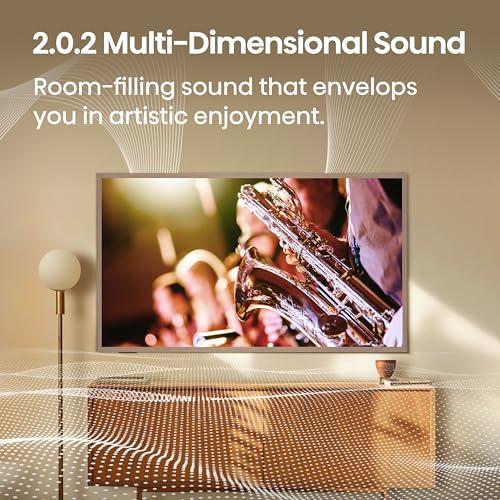
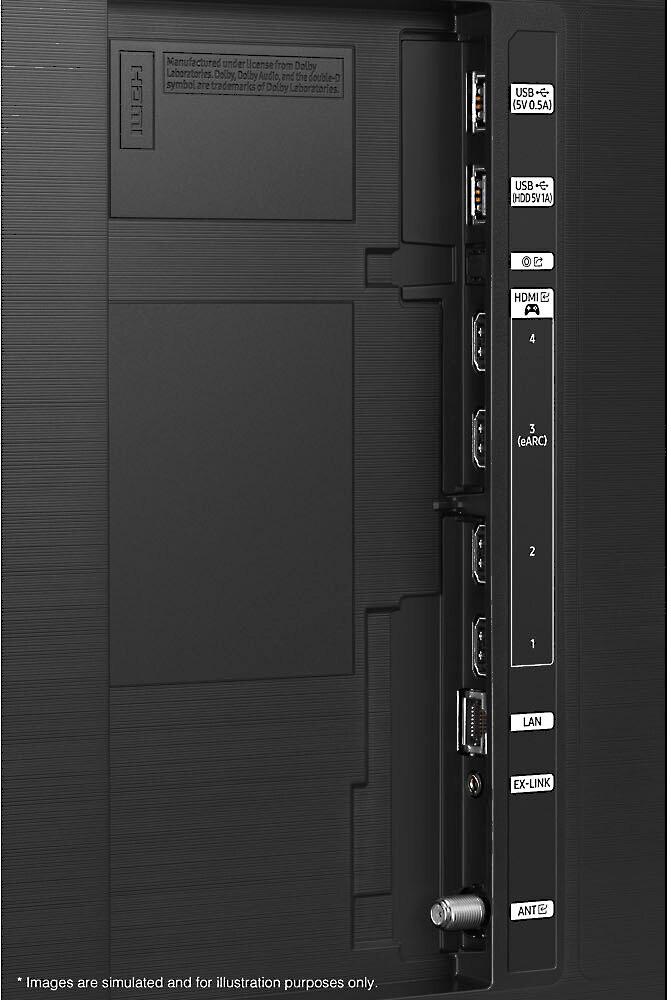
The Hisense CanvasTV uses a 2.0.2 channel system but supports more advanced audio formats, including DTS Virtual:X and Dolby Atmos pass-through via eARC (Enhanced Audio Return Channel). For home theater enthusiasts planning to connect a soundbar or receiver, the CanvasTV's broader format support provides more flexibility.
Neither TV will replace a dedicated sound system, but both offer respectable audio that's adequate for casual viewing. If you're building a serious home theater, you'll want external speakers regardless of which TV you choose.
At the time of writing, these TVs sit at different price points that reflect their distinct approaches. The Samsung QN90D commands a premium for its cutting-edge display technology and proven performance metrics. You're paying for the brightest, most color-accurate picture available in an LCD TV, plus gaming features that rival the best displays on the market.
The Hisense CanvasTV typically costs several hundred dollars less while offering unique lifestyle features you simply can't get elsewhere. The value proposition isn't just about picture quality per dollar—it's about getting a functional piece of art that happens to be an excellent TV.
For traditional home theater setups where picture quality reigns supreme, the Samsung QN90D justifies its higher cost through measurably superior performance. But for living rooms where the TV needs to integrate aesthetically when not in use, the Hisense CanvasTV offers compelling value through its innovative design approach.
Choose the Samsung QN90D if you're serious about picture quality and can control ambient lighting in your viewing space. This TV excels in dedicated media rooms or living spaces where you can dim lights for optimal viewing. Console gamers, movie enthusiasts who prioritize HDR brightness, and anyone wanting the absolute best LCD performance will appreciate what the QN90D delivers.
The Samsung QN90D also makes sense if you prefer the reliability and ecosystem integration of established premium brands. Samsung's track record with software updates and customer support provides peace of mind that matters for a major purchase.
Opt for the Hisense CanvasTV if you want something genuinely different—a TV that enhances your living space even when turned off. This is perfect for open-concept homes, apartments where the TV is always visible, or anyone who values design integration. PC gamers will appreciate the 144Hz support, while streaming enthusiasts benefit from comprehensive HDR format compatibility.
The Hisense CanvasTV represents the future of TVs as lifestyle products rather than just entertainment devices. If that vision appeals to you and you don't need absolute peak brightness performance, it offers remarkable value and innovation.
These aren't competing products as much as they represent different philosophies about what a modern TV should be. The Samsung QN90D perfects the traditional high-performance television with cutting-edge technology and premium build quality. The Hisense CanvasTV reimagines what a TV can be, prioritizing aesthetic integration and lifestyle functionality while still delivering solid performance.
Your choice ultimately depends on your priorities: maximum picture quality and proven performance, or innovative design and unique functionality at a lower price point. Both represent excellent value within their respective approaches, and both point toward exciting directions for TV technology in the years ahead.
| Hisense 65" S7N CanvasTV QLED 4K Smart Display | Samsung 65" QN90D Series 4K Neo QLED Smart TV |
|---|---|
| Display Technology - Determines overall picture quality and performance | |
| Standard QLED with direct LED backlighting | Neo QLED with Mini-LED backlighting (792 zones) |
| Peak Brightness - Critical for HDR performance and bright room viewing | |
| 450 nits (adequate for controlled lighting) | 2,000+ nits (excellent for any lighting condition) |
| Anti-Glare Performance - Essential for rooms with windows or ambient light | |
| Hi-Matte coating reduces reflections to 5% | Standard glossy finish with basic anti-reflection |
| Gaming Refresh Rate - Matters for competitive gaming and smooth motion | |
| 144Hz native (ideal for PC gaming) | 120Hz (optimized for console gaming) |
| Input Lag - Lower is better for responsive gaming | |
| 5.4ms (excellent for competitive gaming) | 9.6ms (very good for console gaming) |
| HDR Format Support - Determines compatibility with premium content | |
| Dolby Vision, HDR10, HDR10+, HLG (comprehensive) | HDR10, HDR10+, HLG (lacks Dolby Vision) |
| Smart TV Platform - Affects app selection and user experience | |
| Google TV (open ecosystem, extensive apps) | Tizen OS (Samsung ecosystem, reliable but limited) |
| Audio System - Built-in sound quality and features | |
| 2.0.2 channels with DTS Virtual:X | 4.2.2 channels, 60W with Object Tracking Sound+ |
| Design Philosophy - How the TV integrates into your living space | |
| Art Mode with customizable frames, ultra-slim wall mount | Traditional premium TV design, standard mounting |
| Unique Features - Special capabilities that differentiate each model | |
| Motion sensors, ambient light adjustment, digital art gallery | Advanced gaming features, superior local dimming |
| Target Audience - Who each TV is designed for | |
| Design-conscious buyers wanting lifestyle integration | Performance enthusiasts prioritizing picture quality |
The Hisense 65" S7N CanvasTV is significantly better for bright rooms due to its Hi-Matte anti-glare coating that reduces reflections to just 5%. While the Samsung 65" QN90D has higher peak brightness, its glossy screen creates more reflections in sunny conditions. The Hisense CanvasTV maintains better visibility when dealing with ambient light from windows or lamps.
The core difference is design philosophy: the Samsung 65" QN90D prioritizes maximum picture quality with Mini-LED technology and extreme brightness, while the Hisense 65" S7N CanvasTV focuses on lifestyle integration with Art Mode functionality and anti-glare design. The Samsung excels as a traditional high-performance TV, while the Hisense doubles as home décor when not in use.
It depends on your gaming setup. The Samsung 65" QN90D is optimized for console gaming (PS5/Xbox Series X) with excellent HDR brightness and 120Hz support. However, the Hisense 65" S7N CanvasTV offers 144Hz refresh rates ideal for PC gaming and has slightly lower input lag at 5.4ms. Console gamers should choose the Samsung, while PC gamers benefit from the Hisense CanvasTV.
No, there's a significant difference in HDR support. The Hisense 65" S7N CanvasTV supports all major HDR formats including Dolby Vision, HDR10, HDR10+, and HLG. The Samsung 65" QN90D notably lacks Dolby Vision support, only offering HDR10, HDR10+, and HLG. For comprehensive streaming and 4K Blu-ray compatibility, the Hisense CanvasTV has the advantage.
The Samsung 65" QN90D delivers superior dark room performance with its Mini-LED backlighting providing deeper blacks and higher contrast ratios. Its 792 local dimming zones create minimal blooming around bright objects. While the Hisense 65" S7N CanvasTV offers good picture quality, its matte coating and lower peak brightness make it less impressive in dedicated dark room viewing scenarios.
Art Mode is an exclusive feature of the Hisense 65" S7N CanvasTV that transforms the TV into a digital art gallery when not in use. The TV displays curated artwork or your personal photos, using motion sensors to detect when someone enters the room and ambient light sensors to adjust brightness automatically. Combined with customizable wooden frames, the Hisense CanvasTV genuinely resembles a framed painting on your wall.
For dedicated home theater rooms with controlled lighting, the Samsung 65" QN90D is the better choice due to its superior brightness, contrast, and Mini-LED technology that creates more cinematic visuals. However, the Hisense 65" S7N CanvasTV offers broader HDR format support including Dolby Vision, which many home theater enthusiasts prefer. The Samsung wins on pure performance, while the Hisense CanvasTV wins on format compatibility.
The Samsung 65" QN90D runs Tizen OS, Samsung's proprietary platform that's reliable but somewhat limited in customization and app selection. The Hisense 65" S7N CanvasTV uses Google TV, which offers more flexibility, better content discovery, and typically receives new apps faster. Google TV provides a more open ecosystem compared to Samsung's more closed approach.
The Hisense 65" S7N CanvasTV typically offers better value, providing unique lifestyle features like Art Mode and anti-glare technology at a lower price point than the Samsung 65" QN90D. However, if pure picture performance is your priority, the Samsung justifies its higher cost with superior brightness and Mini-LED technology. Value depends on whether you prioritize innovative design features or maximum performance.
Yes, both support wall mounting, but they serve different aesthetic purposes. The Samsung 65" QN90D uses standard VESA mounting and maintains a traditional TV appearance. The Hisense 65" S7N CanvasTV includes an ultra-slim wall mount that positions the TV just 3mm from the wall, creating an authentic painting-like appearance when combined with its wooden frame system.
The Samsung 65" QN90D has more powerful built-in audio with a 4.2.2 channel system producing 60W total output and Object Tracking Sound+ technology. The Hisense 65" S7N CanvasTV offers a 2.0.2 channel system but supports more advanced audio formats like DTS Virtual:X and Dolby Atmos pass-through. For standalone audio, choose the Samsung; for connecting external sound systems, the Hisense CanvasTV offers better format flexibility.
Choose the Samsung 65" QN90D if you prioritize maximum picture quality, console gaming performance, or need the brightest possible display for challenging lighting conditions. Select the Hisense 65" S7N CanvasTV if you want a TV that doubles as home décor, need comprehensive HDR format support, or prefer innovative design over peak performance. The Samsung targets traditional performance enthusiasts, while the Hisense CanvasTV appeals to design-conscious buyers seeking something unique.
We've done our best to create useful and informative comparisons to help you decide what product to buy. Our research uses advanced automated methods to create this comparison and perfection is not possible - please contact us for corrections or questions. These are the sites we've researched in the creation of this article: bestbuy.com - hisense.sg - tomsguide.com - content.syndigo.com - rtings.com - hisense-usa.com - youtube.com - bestbuy.com - youtube.com - displayspecifications.com - displayspecifications.com - manuals.plus - displayspecifications.com - bestbuy.com - hisense-canada.com - manuals.plus - bargainoutletandmore.com - bestbuy.com - device.report - tomsguide.com - abt.com - youtube.com - youtube.com - rtings.com - samsung.com - samsung.com - standardtvandappliance.com - gerhardsappliance.com - bestbuy.com - image-us.samsung.com - youtube.com - images.samsung.com

Privacy Policy
Terms and Conditions - Affiliate Policy
Home Security
© Copyright 2008-2026.
11816 Inwood Rd #1211, Dallas, TX 75244