




Last week, my neighbor stopped by to help me replace some water-damaged carpet in my living room. Mid-conversation about how possibly a pipe can just spontaneously burst, he suddenly stopped and asked, "Is that a painting? I couldn't help but grin. The Hisense 85-inch CanvasTV had just passed the ultimate litmus test for any art television – fooling someone who wasn't even looking for it.
For years, Samsung's The Frame has dominated the art TV conversation, transforming black rectangles into gallery walls when not displaying the latest episode of your favorite show. But Samsung's vision came with Samsung pricing, keeping this clever category frustratingly out of reach for most of us. Enter Hisense with the Class S7 CanvasTV (S7N), offering not just a competitive alternative but arguably superior value.
On sale at $1,898 for the massive 85-inch model I tested, Hisense isn't merely undercutting the competition – they're redefining what we should expect from art TVs. This isn't about building a budget knockoff; it's about recognizing that the art TV concept shouldn't be a luxury reserved for those with decorator budgets. After spending three weeks with this behemoth on my wall, I'm convinced Hisense has cracked the code.
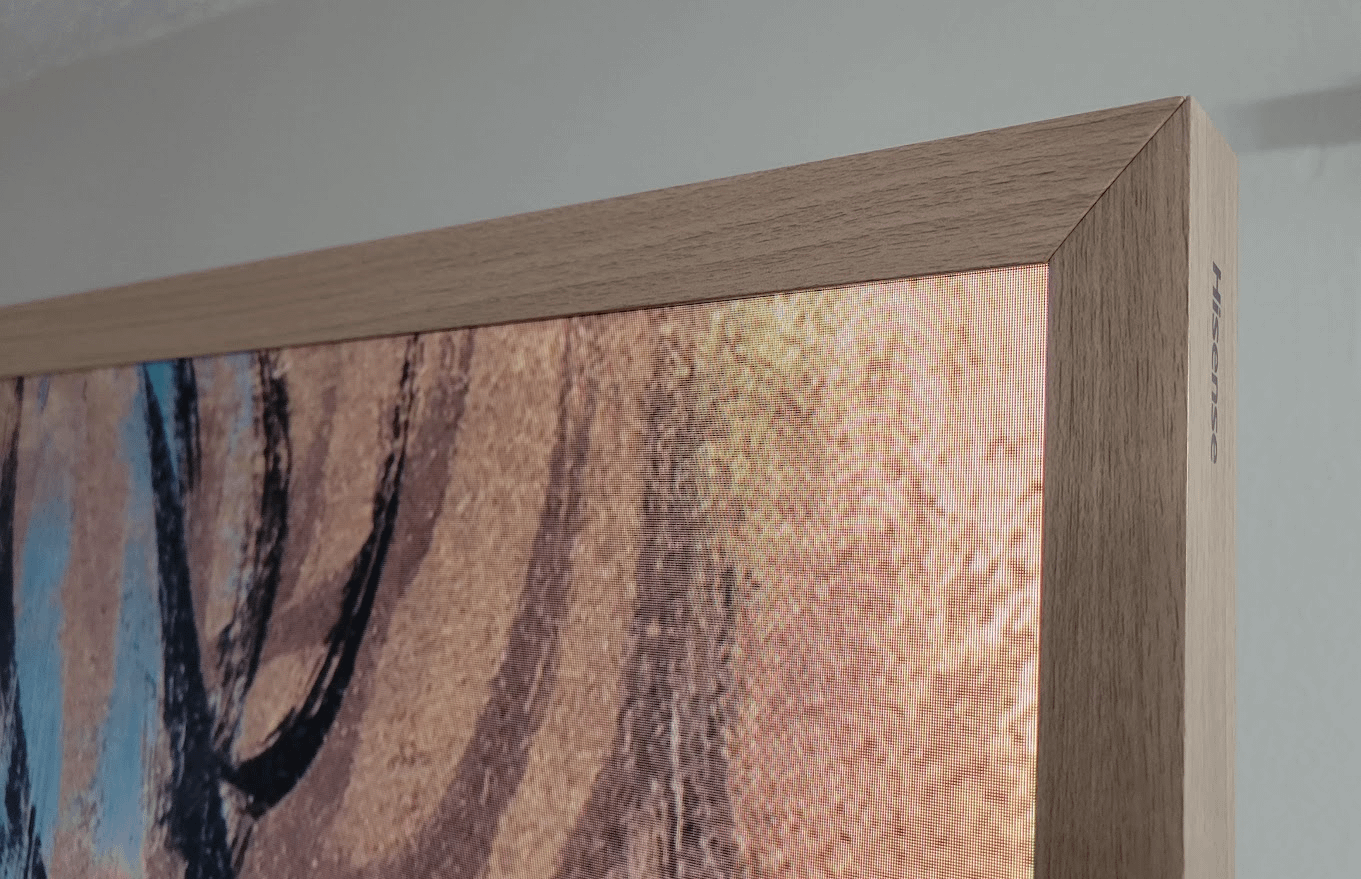
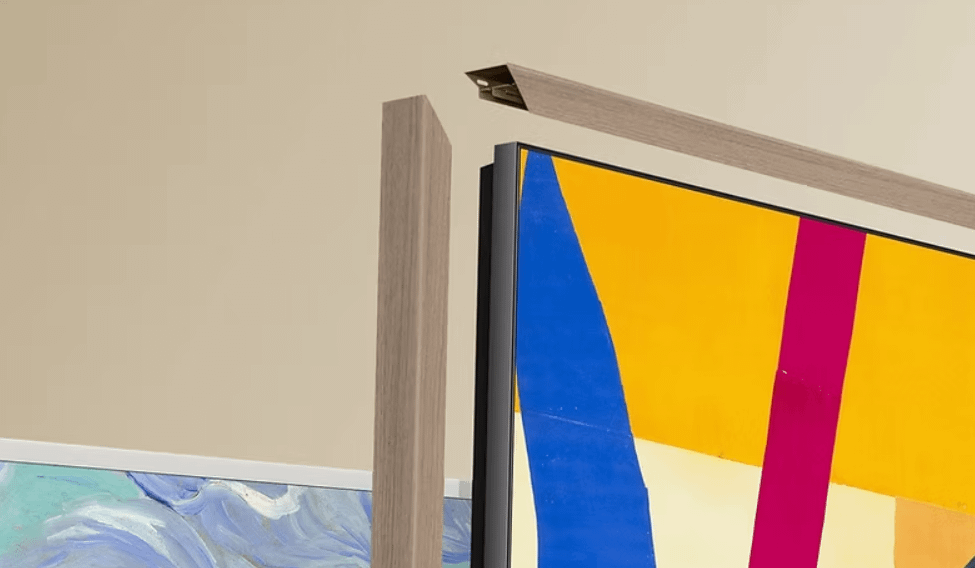
Opening the CanvasTV's packaging reveals Hisense's refreshingly consumer-friendly approach. While Samsung nickels and dimes customers for frames (starting at $200 for their 85-inch model, with some gold 3rd party frames selling for $999), Hisense includes an attractive birch / teak wood frame right in the box. This isn't some cheap plastic afterthought either – the metal frame with wood-grain finish features proper chamfering and a convincing pattern that holds up even under close inspection. Each frame piece fits into place with precision, and additional screws, metal clips, and snaps hold it in place permanently, creating clean corners that mirror actual picture frames. If you are handy, it wouldn't take much to whip out a can of spray paint and color it any shade you need.
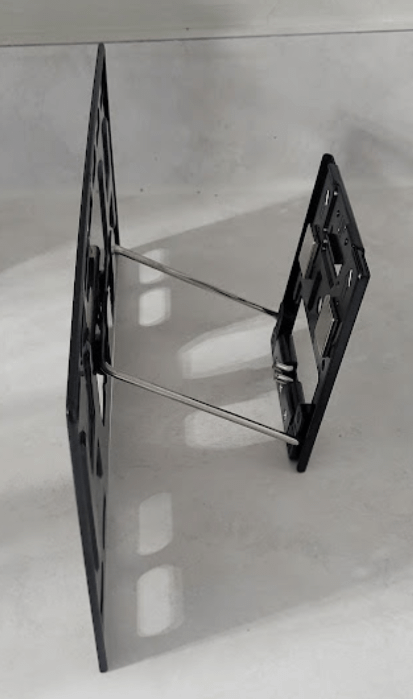
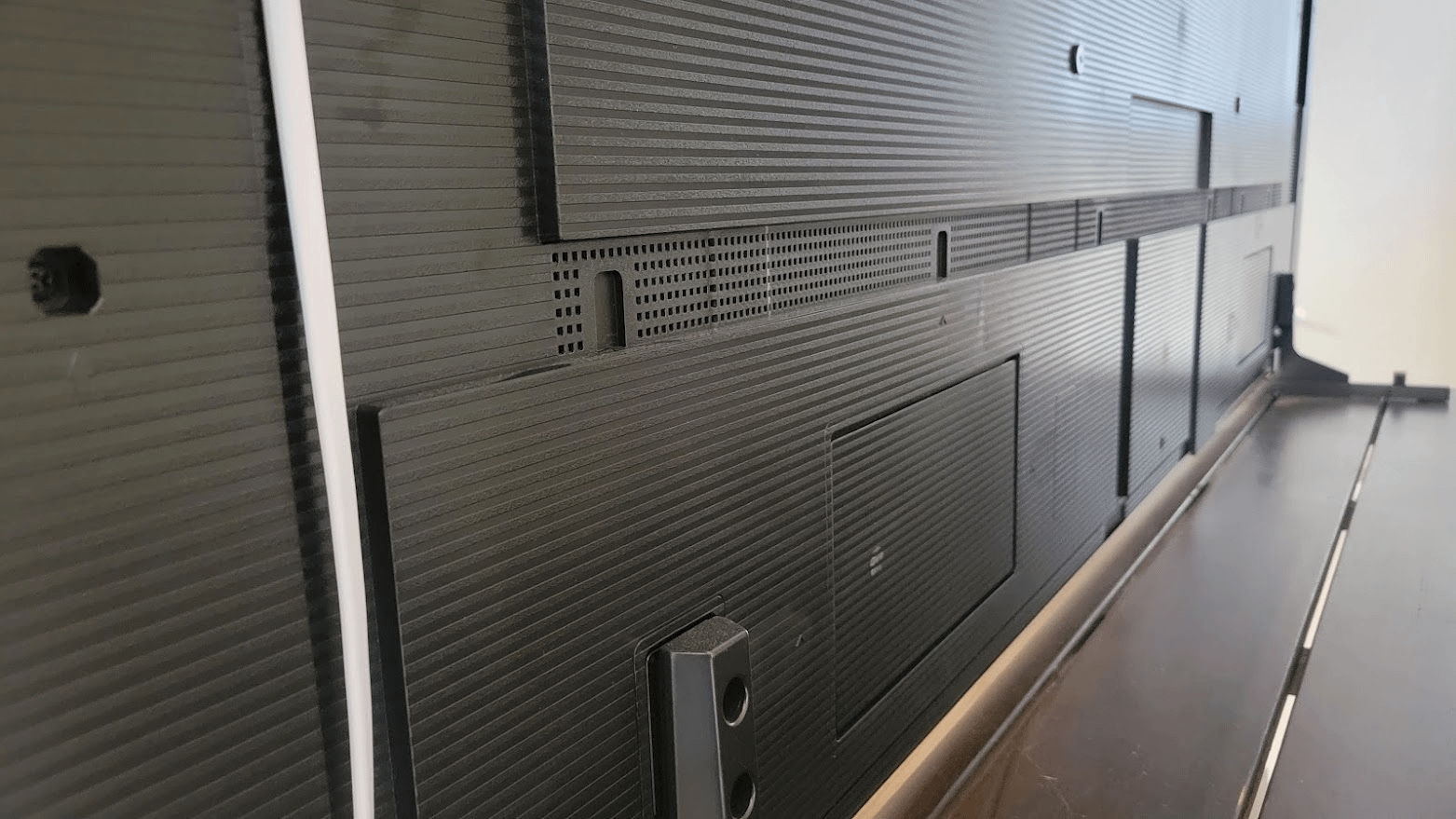
The included zero-clearance wall mount represents perhaps the cleverest engineering in the package. While just two large bolts secure the mounting bracket to the TV itself (a slightly nerve-wracking minimalism when you're dealing with 95 pounds of display), the system's genius lies in its fold-out metal loops that hook securely onto the wall-mounted plates. Combined with thoughtfully designed cutouts for the mount mechanism and routed channels for cable management throughout the back panel, the TV achieves something remarkable: it sits 100% flush against the wall, exactly like a genuine framed painting would. This attention to mounting detail is what transforms the CanvasTV from "a TV that looks like art" into something that genuinely fools visitors. Hisense even throws in a pair of hefty feet if you need to table-mount temporarily or live in a rental where wall mounting isn't permitted.

At 85 inches diagonal, this television commands serious presence. The TV itself measures roughly 75 inches wide by 42 inches tall, and with the frame attached, you're looking at a piece that dominates any wall it graces. Despite this scale, the overall thickness remains impressively svelte at just 1.4 inches, though one design element does break the illusion slightly: the IR sensor protrudes from the bottom edge. It's a small disappointment but most people won't be bothered.
In an era of terrible TV remotes, Hisense delivers what might be the best clicker in the business. The metal construction feels substantial without being heavy, the button layout makes intuitive sense, and – praise be – it's backlit. The moment you pick it up, soft illumination reveals every button, eliminating the frustrating fumble that ruins too many movie nights.
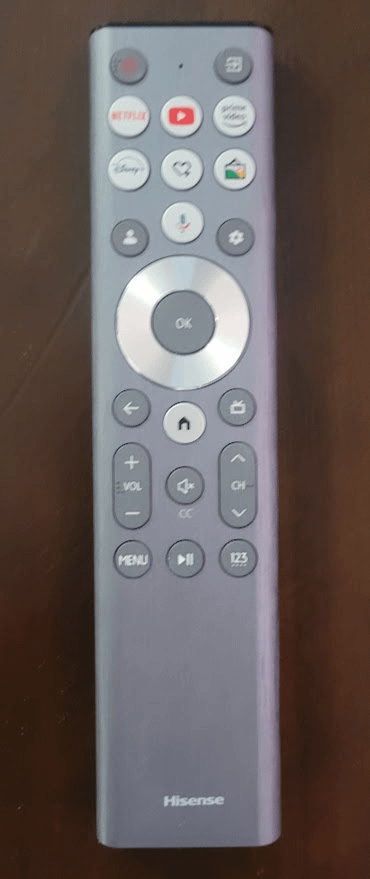
The remote includes dedicated buttons for major streaming services, a programmable favorite button (which I've set to jump straight to art mode), and clearly labeled controls that don't require memorization. Volume and channel rockers sit on the side where they're easy to find by touch, and there's a proper mute button instead of Samsung's confusing press-down-on-volume approach.
| Specification | Details |
|---|---|
| Screen Size | 85 inches (also available in 55" and 65") |
| Panel Type | QLED with VA panel |
| Resolution | 4K (3840 x 2160) |
| Refresh Rate | Up to 144Hz native |
| HDR Support | Dolby Vision, HDR10+, HDR10, HLG |
| Brightness | ~450 nits peak |
| Color Gamut | 90% DCI-P3 |
| Backlight | Direct LED with local dimming zones |
| Gaming Features | HDMI 2.1 (2 ports), VRR, ALLM, AMD FreeSync Premium |
| Audio | 2.0.2 channel, 40W total (Dolby Atmos) |
| Operating System | Google TV |
| Dimensions (w/o stand) | 74.8" x 42.1" x 1.4" |
| Weight | 95 lbs (without stand) |
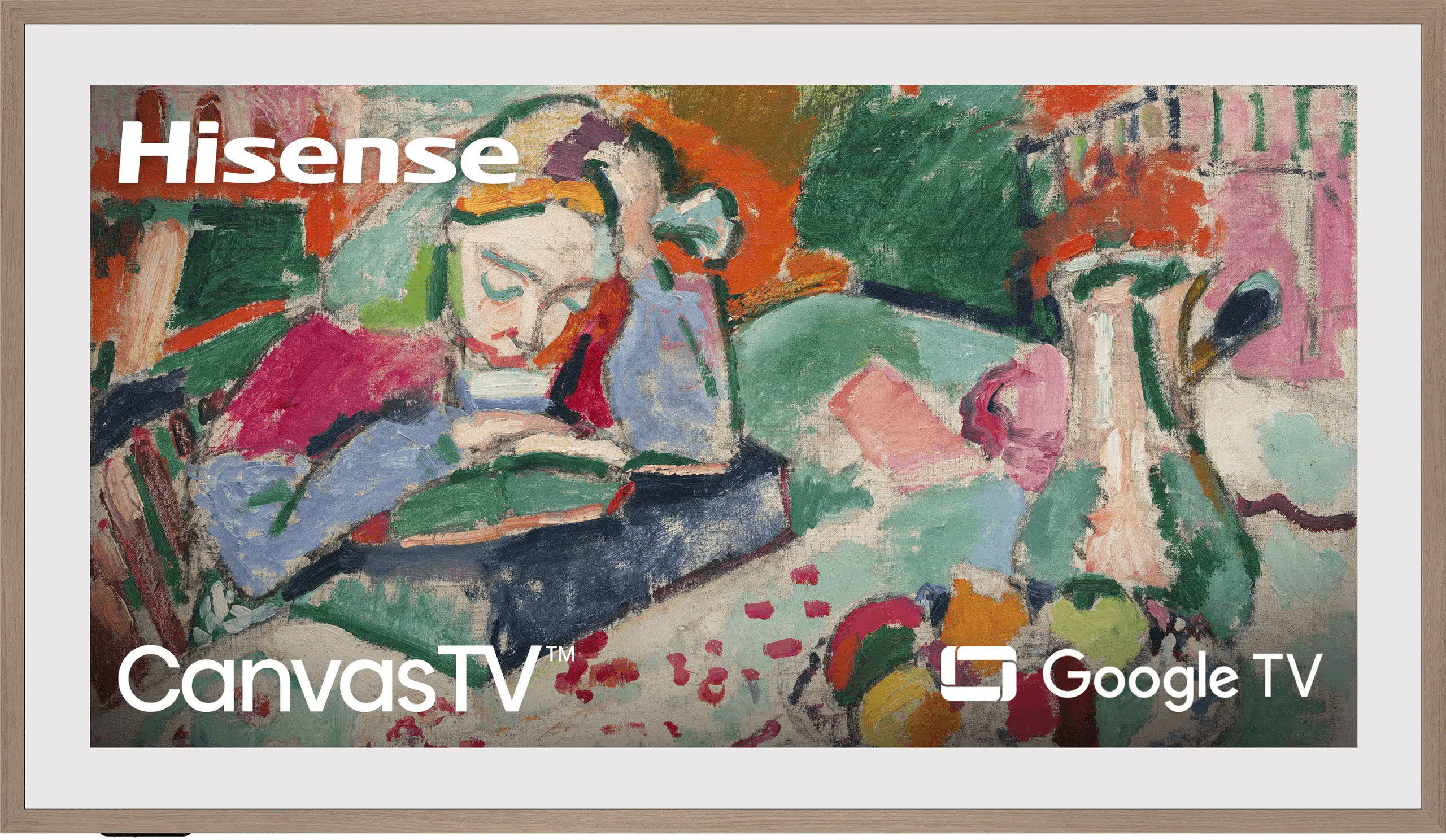
The CanvasTV employs Quantum Dot LED technology, commonly called QLED, which enhances color reproduction by using microscopic quantum dots to convert blue LED light into pure red and green. This results in more accurate and vibrant colors compared to standard LED TVs, particularly important when displaying artwork where color fidelity matters.
What separates a true art TV from a regular television with a screensaver isn't just the matte screen – it's the thoughtful integration of features designed specifically for the dual-purpose lifestyle. The CanvasTV excels here with several smart implementations that show Hisense understands how people actually use these devices.
The room presence sensor represents the most important of these features, detecting movement up to 4 meters away and automatically switching between art mode and standby. This isn't just about energy savings (though it does help with that); it's about maintaining the illusion. When you walk into the room, the TV seamlessly awakens to display your chosen artwork. When you leave, it powers down. The transition happens smoothly enough that guests don't realize they're looking at a television until you grab the remote.
The power button behavior showcases similar attention to detail. A quick press switches to art mode rather than turning the TV off completely – because let's be honest, you bought an art TV to display art, not to stare at a black rectangle. Only a long press can power down the unit. This might seem minor, but it fundamentally changes how you interact with the device daily.
An RGB ambient light sensor continuously monitors room lighting and adjusts both brightness and color temperature accordingly. Watch the display subtly warm as your room lights dim in the evening, maintaining consistent appearance regardless of environmental changes. This automatic adjustment proves particularly effective in rooms with large windows where lighting conditions shift throughout the day.
While gaming might not be the primary concern for art TV buyers, Hisense hasn't ignored this audience. Two HDMI 2.1 ports support 4K gaming at 120Hz, with VRR (Variable Refresh Rate) smoothing out frame rate fluctuations and ALLM (Auto Low Latency Mode) automatically optimizing settings when you fire up your console. The TV can even push 144Hz at 1440p for PC gamers who prioritize frame rates over resolution.
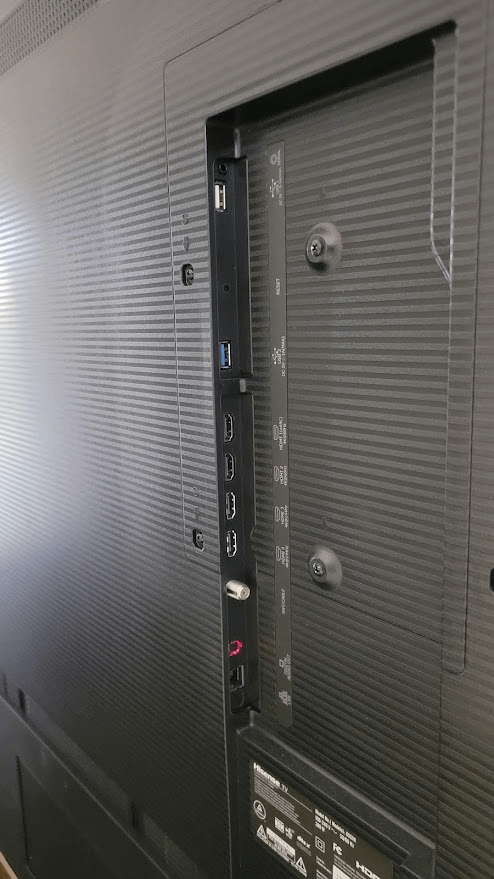
The remaining two HDMI ports are standard 2.0b spec, perfectly adequate for cable boxes, older consoles, or streaming devices. There's also an optical audio output for soundbars or AV receivers, two USB ports for media playback or powering streaming sticks, and both Wi-Fi 6 and Ethernet for network connectivity.
Google TV serves as the CanvasTV's operating system, bringing the familiar Android TV experience with some welcomed refinements. The interface organizes content across all your streaming services into a unified home screen, using Google's recommendation algorithm to surface shows and movies you might enjoy. While some find this layout cluttered compared to simpler platforms like Roku, the integration benefits are undeniable.
Setup takes roughly 15 minutes if you have the Google Home app on your phone, which can transfer Wi-Fi credentials and account information automatically. The TV comes with the expected streaming apps pre-installed – Netflix, Prime Video, Disney+, YouTube, and the rest of the usual suspects. Performance feels snappy thanks to adequate processing power; apps launch quickly and navigation remains smooth even when switching between multiple services.
The Google Assistant integration goes beyond simple voice search. Ask for weather updates, control smart home devices, or even display your Nest doorbell feed when someone rings – all without leaving the couch. The CanvasTV essentially becomes a giant Google smart display, complete with all the associated benefits and occasional frustrations of Google's ecosystem.
Here's where Hisense delivers the knockout punch to Samsung's premium pricing model. While The Frame locks its art collection behind a $50 annual subscription, the CanvasTV includes over 1,000 art options completely free. We're not talking about generic stock photos either – the collection includes genuine masterpieces from Picasso, Monet, Van Gogh, and other masters alongside contemporary pieces, photography, and abstract works.
Navigation through the art library divides works into intuitive categories: Landscapes, Figures, Modern, Still Life, and Others. Each piece can display with various virtual mat options, from simple white borders to more elaborate designs, all with multiple color choices. The matte rendering looks remarkably convincing, complete with subtle shadowing that enhances the three-dimensional effect.
You can schedule when art mode activates, how long each piece displays before rotating to the next, and whether to show pieces randomly or in sequence. A handy info button on the remote reveals details about the currently displayed artwork – the artist, year, and brief description – turning your living room into an educational gallery experience.
Uploading personal photos works through either USB drive or a web-based tool accessible from your phone. The process isn't quite as polished as Samsung's implementation, but it's functional enough for adding family photos or your own artistic endeavors to the rotation.
The deep Google Home integration transforms the CanvasTV into a legitimate smart home hub. Press the settings gear on the remote and select Google Home from the quick panel to access all your connected devices. Adjust smart lights to set the perfect movie mood, check security cameras, or control the thermostat – all from the same interface.
When someone presses your video doorbell, a picture-in-picture preview automatically appears on screen. Select it to expand the feed and communicate with visitors through the doorbell's two-way audio. It's these thoughtful touches that elevate the CanvasTV beyond simple art display into a genuinely useful smart home command center.
Before diving into picture quality, it's crucial to establish the proper benchmark. This isn't trying to be an OLED or Mini-LED flagship; it's an art TV that also needs to handle your Netflix binges competently. Judging it against premium TVs misses the point entirely. The question isn't whether it matches the best TVs money can buy, but whether it delivers an experience worthy of its $1,898 price tag while excelling at its primary mission: convincingly displaying art.
The 85-inch panel delivers impressive brightness that immediately distinguishes it from competitors like TCL's disappointingly dim NXTVISION. Measuring approximately 450 nits in standard viewing and capable of higher peaks in HDR content, the CanvasTV produces an image that pops even in well-lit rooms. Colors appear vibrant and generally accurate, with the Quantum Dot layer providing excellent saturation without the oversaturated "showroom" look that plagues cheaper TVs. That said, this panel is a step below premium panels and we'd love to see the same display tech in the Hisense U8 or U7 class TVs paired with this matte coating.
HDR performance proves surprisingly competent. While it can't match the peak brightness or contrast of premium sets, Dolby Vision content shows clear benefits over standard dynamic range. The opening of "The Batman" – a torture test for any LED TV with its predominantly dark scenes – remains watchable with decent shadow detail, though you'll notice some blooming around bright objects against dark backgrounds.
The matte screen coating, essential for the art illusion, does impact picture quality slightly. You lose some of the "pop" that glossy screens provide, and very bright highlights appear somewhat muted. But this same coating eliminates virtually all reflections, making daytime viewing far more pleasant than on traditional TVs. It's a worthwhile trade-off that really is necessary for the 'Art TV' effect.
Where the CanvasTV stumbles is viewing angles. Move more than 30 degrees off-center and colors begin shifting, with brightness dropping noticeably. This VA panel limitation means the sweet spot for viewing remains relatively narrow – fine for most living rooms but potentially problematic in wide seating arrangements. It's the most significant picture quality compromise and with the intent of leaving it on while displaying art, far off axis viewing actually becomes more common.
Motion handling proves adequate for the 144Hz panel, with 24fps cinema content displaying without judder and sports remaining reasonably clear. The TV offers various motion smoothing options, though like most enthusiasts, I recommend leaving these off for everything except sports.
While art display might be the CanvasTV's primary mission, Hisense hasn't forgotten about gamers. The 144Hz Game Mode PRO delivers genuinely competitive specs that wouldn't look out of place on a dedicated gaming monitor. The Variable Refresh Rate support ranging from 48Hz to 144Hz keeps gameplay smooth regardless of your hardware's output, while AMD FreeSync Premium virtually eliminates the screen tearing that can ruin crucial moments. Auto Low Latency Mode (ALLM) automatically switches the TV into its fastest response mode when you fire up your console, and the Low Latency MEMC (Motion Estimation, Motion Compensation) helps maintain clarity during fast-paced action without adding noticeable input lag. At 85 inches, this might be the largest high-refresh display most gamers will ever experience. While you're not buying the CanvasTV primarily for gaming, it's reassuring to know that when you do want to play, you're getting performance that can genuinely help you climb those leaderboards.
The 2.0.2 channel system – two main drivers plus two upfiring speakers for Dolby Atmos effects – delivers more impact than expected from an art-focused TV. Volume reaches genuinely loud levels without distortion, easily filling large rooms with clear dialogue and decent dynamic range. The Dolby Atmos implementation won't fool anyone into thinking sounds are coming from above, but it does add some spatial dimension to compatible content.
That said, this isn't audiophile territory. Bass response remains limited despite a "Bass Boost" setting that provides marginal improvement. The midrange can sound somewhat hollow during music playback, and complex movie soundtracks occasionally muddy together during action sequences. Compared to something like Hisense's own U7N series, which features superior audio processing and driver design, the difference is noticeable.
Still, the audio quality surpasses the thin, tinny sound typical of most flat-panel TVs, especially in overall output. You could reasonably skip a soundbar for casual viewing, though movie enthusiasts will still want external audio for the full experience.
When displaying artwork, the CanvasTV absolutely shines. The matte screen transforms from a liability during movie watching into the secret weapon that sells the illusion. Combined with the ambient light sensor's adjustments and the convincing frame, static artwork genuinely looks painted rather than displayed.
The 85-inch size proves particularly effective for art mode. At this scale, you can display museum-sized pieces that command attention without appearing oversized for typical viewing distances. The high resolution ensures even complex paintings with fine brushwork remain sharp and detailed.
Samsung's 85-inch Frame Pro starts at about $3,500 – currently a $1,500 premium over the CanvasTV. For that extra cash, you get better picture quality with superior viewing angles, Samsung's Tizen operating system, and access to Samsung's Art Store with its $50 annual subscription. The Wireless One Connect box that houses all connections separately from the TV is genuinely clever, making cable management easier.
But here's the thing: the Frame doesn't include any decorative frame at all. Add Samsung's bezels and you're looking at another $189. Include the art subscription and you're paying nearly double the CanvasTV's price in year one alone. The picture quality improvement, while real, might not justify such a massive premium for what's essentially the same core functionality.
TCL's NXTVISION is similar to Hisense's pricing at around $2,000 for the 85-inch model, but several compromises become apparent in direct comparison. The screen brightness disappoints, measuring barely 300 nits in our testing – noticeably dimmer than the CanvasTV even to casual observers. This dimness affects both regular viewing and art mode, where paintings appear muted and lack presence.
TCL includes two frames in the box (white and wood), which beats Samsung's zero and edges out Hisense's one. The AI art generation feature is genuinely innovative, creating new artwork on demand. However, TCL inexplicably omitted a motion sensor, meaning the TV can't automatically switch to art mode when you enter the room – an oversight for an art TV. The lack of independent brightness adjustment for art mode further hampers the experience.
You could buy an excellent traditional TV for $1,998 – something like Hisense U8 Class or Sony's X90L. These would beat the CanvasTV in pure picture quality metrics. But they'd also wouldn't fool anyone when turned displaying art, completely missing the point of why someone shops for an art TV. You'd also miss day to day features like the power button switching to art mode.
The art TV category exists because sometimes the best TV isn't about specifications but about how technology integrates into your life. A traditional TV, no matter how spectacular its picture, can't easily transform into a conversation piece when guests arrive or complement your interior design when not in use.
The CanvasTV succeeds because it reshapes what we should expect from this category. At $1,898 for a massive 85-inch display, Hisense delivers everything you actually need in an art TV: the included teak frame looks genuinely premium, the zero-clearance wall mount creates that perfect flush installation, and the collection of over 1,000 free artworks includes actual masterpieces from Picasso, Monet, and Van Gogh. No subscriptions, no hidden costs, no nickel-and-diming for essential accessories.
This approach reveals something important about the art TV market. Samsung has trained us to accept that transforming our TVs into art galleries should cost a premium – not just for the TV itself, but for frames, mounting hardware, and even the art collection. Hisense proves that was never necessary. The motion detection that automatically awakens the display when you enter the room, the thoughtful power button behavior that defaults to art mode, the ambient light sensor that adjusts the display throughout the day – these aren't expensive features to implement. They just require designing products with understanding how people actually live with these devices.
Of course, there are compromises. The viewing angles won't impress anyone accustomed to OLED or IPS panels. Audio enthusiasts will want to add a soundbar. But here's the thing: none of these compromises affect the core art TV experience. When displaying artwork, when impressing visitors with art instead a giant black rectangle, when transforming your living space from tech-heavy to gallery-chic, the CanvasTV absolutely delivers.
The Hisense S7N CanvasTV earns our Editor's Choice award not for being flawless, but for being a better value and total package compared to competitors. It takes a category that Samsung has kept artificially expensive and makes it accessible without compromising the core experience. The included accessories, free art library, and thoughtful features like motion detection and smart home integration create a complete package that respects both your wallet and your wall.
At $1,898 for an 85" or $999 for a 65" version, this isn't just the best value in art TVs – it's the TV that finally makes the entire category make sense. Samsung created the art TV market, but Hisense just democratized it. And my neighbor? He's ordering a 65" for his living room.




Privacy Policy
Terms and Conditions - Affiliate Policy
Home Security
© Copyright 2008-2026.
11816 Inwood Rd #1211, Dallas, TX 75244