









When you're shopping for a 65-inch QLED TV, you're entering the sweet spot of premium home entertainment. These displays offer the perfect balance of screen size and picture quality that works well in most living rooms without overwhelming the space. But with so many options available, choosing the right model can feel overwhelming—especially when you're comparing two TVs from the same manufacturer that take completely different approaches to the viewing experience.
Today we're looking at two distinct Hisense models: the S7N CanvasTV, a lifestyle-focused display that doubles as wall art, and the H9G Quantum Series, a performance-oriented TV built for serious viewing. At the time of writing, these models represent very different value propositions, with the CanvasTV typically priced several hundred dollars less than the H9G while offering unique features you won't find on traditional TVs.
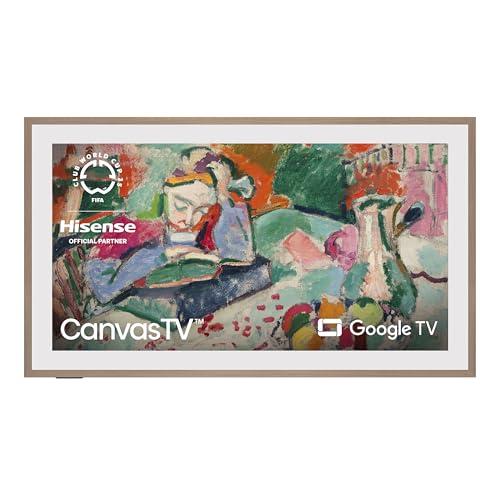
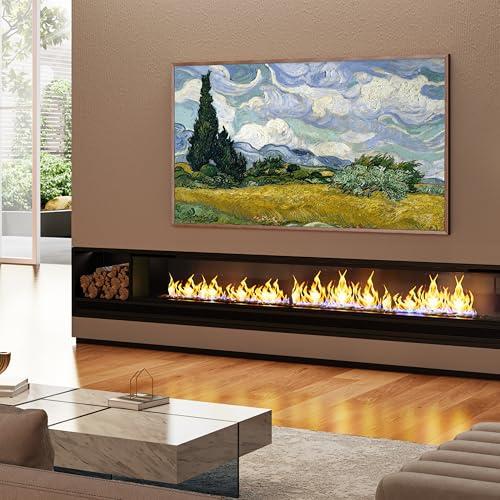
The biggest difference between these two models isn't just their features—it's their entire philosophy. The S7N CanvasTV was released in 2025 as Hisense's answer to Samsung's popular Frame TV, focusing on seamless integration into your home's decor. When you're not watching content, it transforms into a digital art gallery with realistic-looking paintings and photographs.
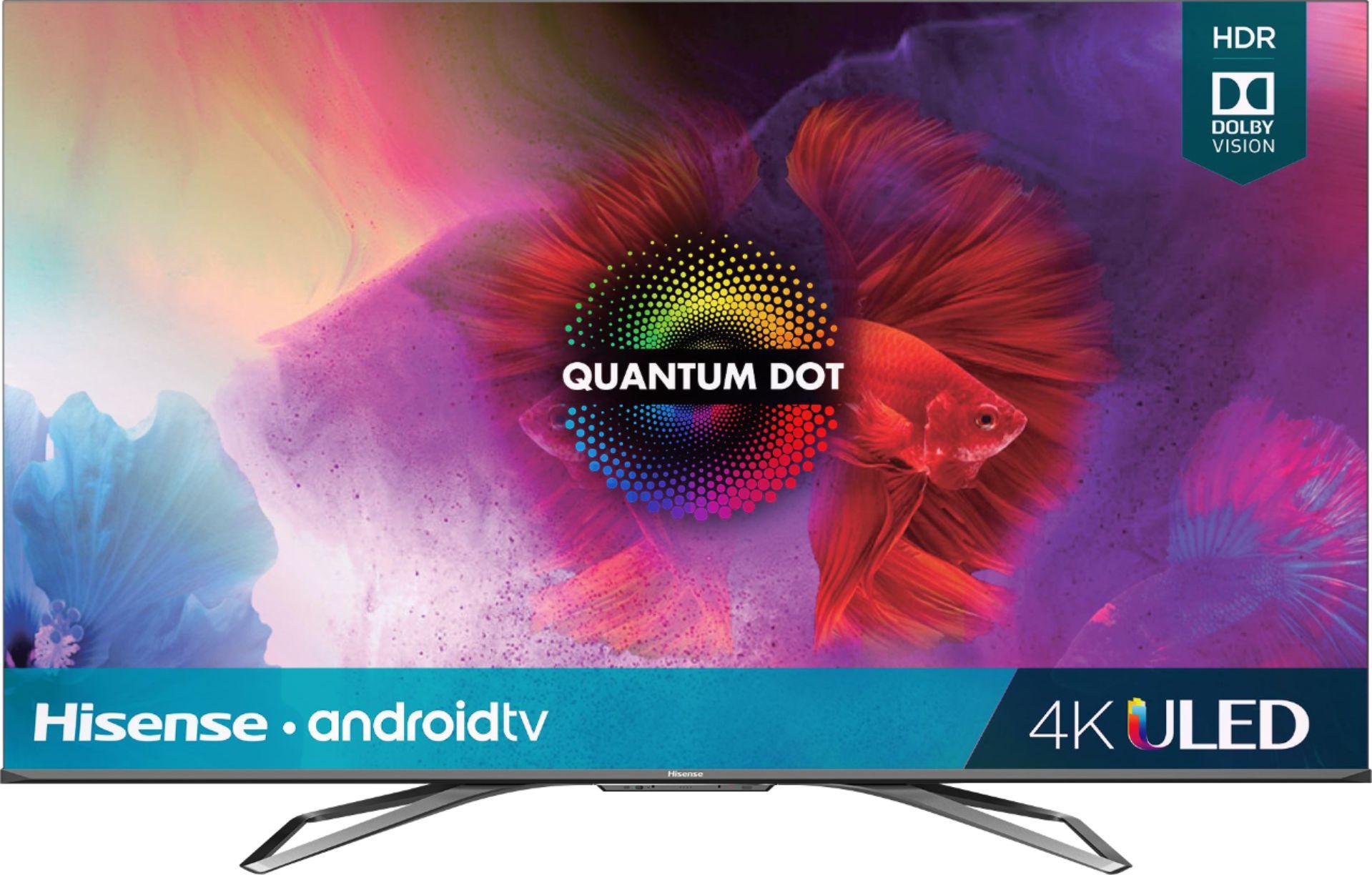
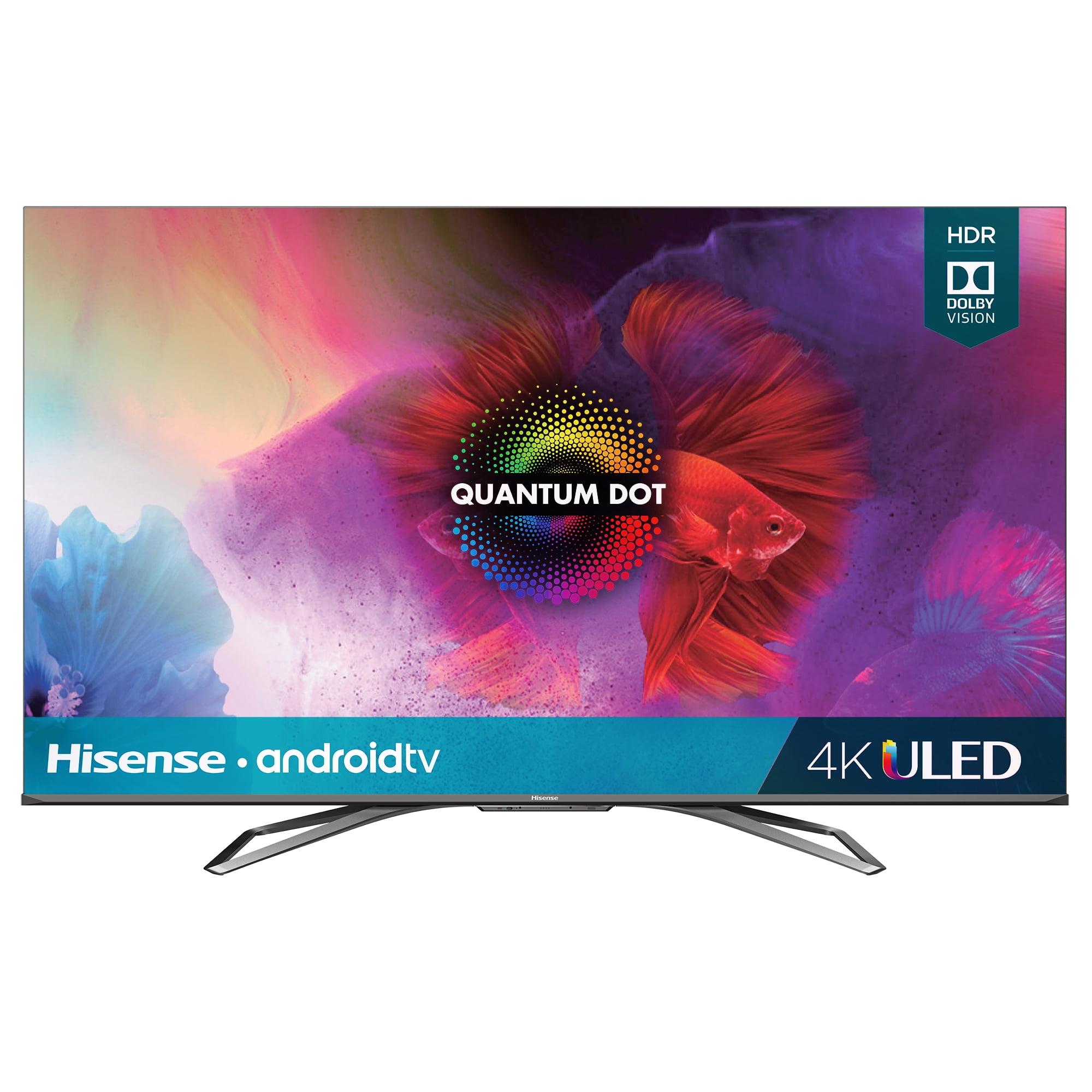
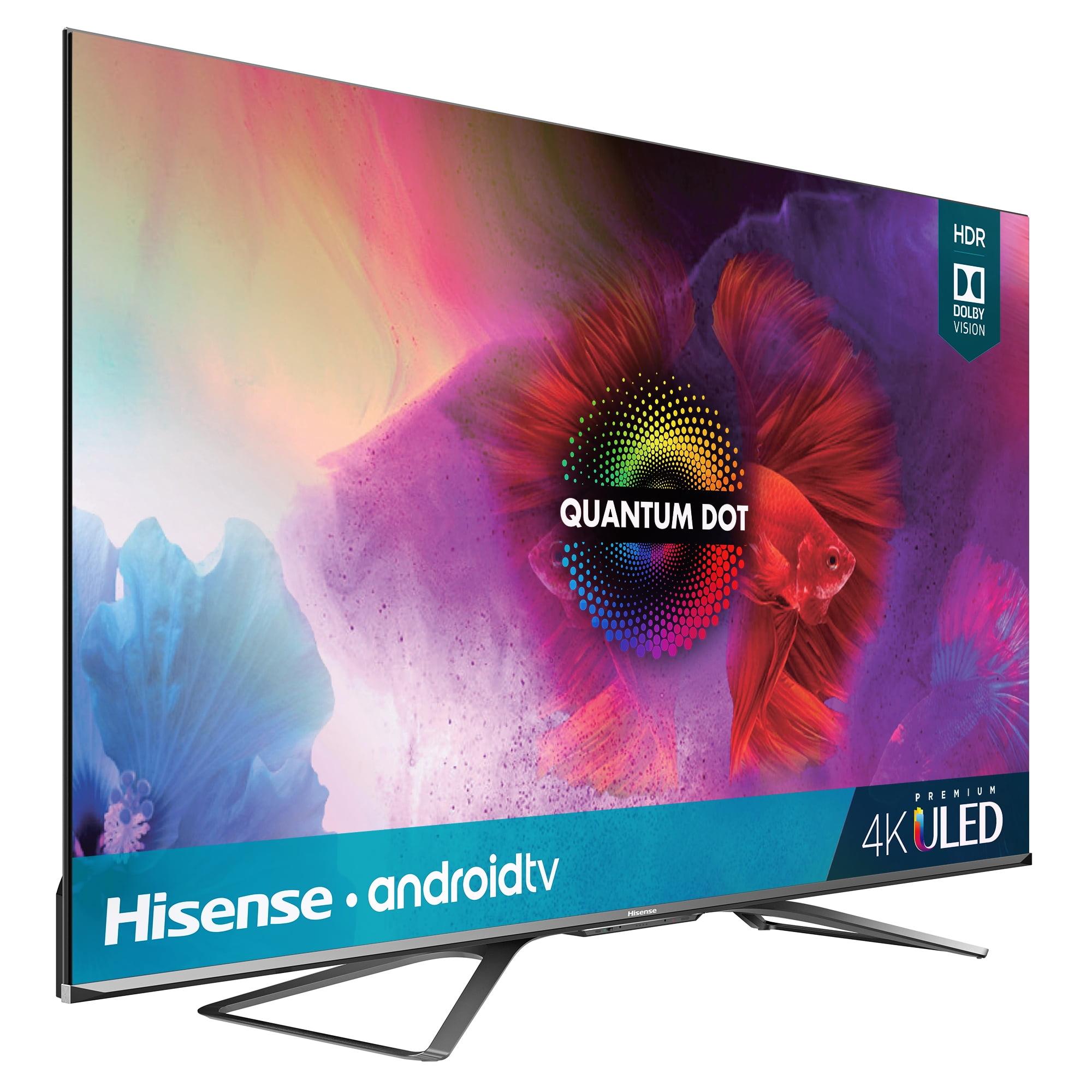
The H9G Quantum Series, on the other hand, represents Hisense's more traditional approach to premium TV design. It prioritizes pure picture performance with features like full-array local dimming and high peak brightness—technologies specifically designed to make HDR content look as impressive as possible.
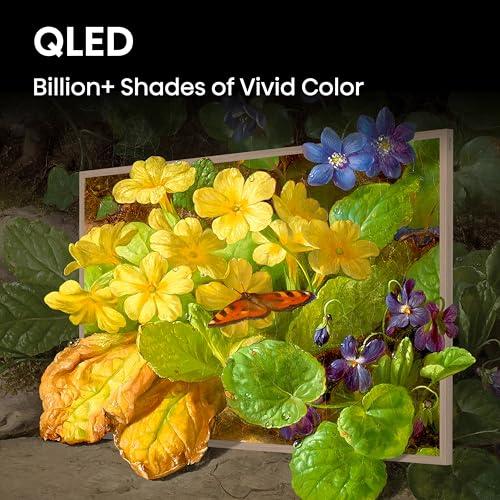
Both TVs use QLED technology, which stands for Quantum Dot Light Emitting Diode. This isn't quite the same as OLED (which creates its own light), but rather an enhancement to traditional LED TVs. QLED displays use tiny semiconductor crystals called quantum dots to produce more accurate colors and brighter images than standard LED TVs. Think of quantum dots as extremely precise color filters that help the TV display over a billion different color combinations with remarkable accuracy.
When it comes to picture quality, both TVs excel, but in different ways that suit different viewing environments and preferences.
The H9G Quantum Series takes the traditional approach to premium picture quality. Its standout feature is full-array local dimming with 180 individual zones. Local dimming is a technique where the TV can independently control the brightness of different sections of the screen's backlight. Imagine having 180 separate dimmer switches behind your TV screen—this allows the display to make some areas very bright (like a bright sky) while keeping other areas completely dark (like a night scene) in the same image.
This technology, combined with the H9G's impressive 1000-nit peak brightness, makes HDR content truly shine. HDR, or High Dynamic Range, is a technology that allows TVs to display a much wider range of brightness levels than standard content. When you're watching a movie with both bright sunlight and dark shadows, the H9G Quantum can display both extremes simultaneously with remarkable realism. This makes it particularly excellent for movie watching in darker rooms, where you can fully appreciate the deep blacks and bright highlights.
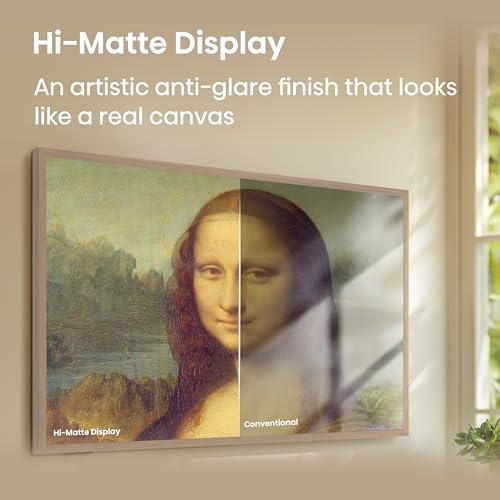
The S7N CanvasTV takes a completely different approach with its Hi-Matte anti-glare display. While it can't match the H9G's peak brightness (topping out at around 450 nits versus 1000), it solves a problem that many TV owners struggle with: reflections and glare in bright rooms. The matte coating reduces reflections to just 5%, which means you can watch TV comfortably even with windows or lights directly facing the screen.
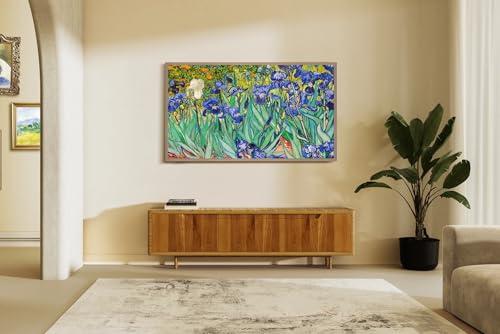
This anti-glare technology becomes particularly important when the TV is displaying artwork. Unlike glossy TV screens that can look like black mirrors when turned off, the CanvasTV's matte finish maintains the appearance of a real painting or photograph even in bright lighting conditions. The texture and depth created by this coating genuinely makes digital artwork look more authentic—something that's crucial for the TV's art mode functionality.
For color reproduction, both TVs use quantum dot technology, but the CanvasTV has been specifically tuned to enhance the art viewing experience. Colors appear vibrant and accurate, though the H9G's higher brightness capabilities mean it can display more impactful HDR content when you're watching movies or shows in darker environments.
Gaming performance has become increasingly important as more people use their TVs for console and PC gaming. This is where we see perhaps the biggest technological gap between these two models.
The S7N CanvasTV features a native 144Hz panel with Variable Refresh Rate (VRR) support ranging from 48Hz to 144Hz. VRR is a technology that synchronizes your gaming console or PC's frame rate with the TV's refresh rate, eliminating screen tearing and stuttering that can occur when they're out of sync. The TV also supports both 4K gaming at 144Hz and 1080p gaming at an impressive 240Hz, making it future-ready for the latest gaming consoles and high-end PCs.
With input lag measured at just 5.4 milliseconds and Auto Low Latency Mode (ALLM) that automatically switches to game mode when it detects a gaming device, the CanvasTV provides a responsive gaming experience that rivals dedicated gaming monitors.
The H9G Quantum Series offers a more traditional gaming experience with its native 120Hz panel and Game Mode feature. While it lacks VRR support—a significant omission by modern standards—it still provides good gaming performance for casual to moderate gaming needs. The 120Hz refresh rate ensures smooth motion in supported games, though it won't match the ultra-smooth experience possible with the CanvasTV's 144Hz capabilities.
For serious gamers, especially those with PlayStation 5, Xbox Series X, or high-end gaming PCs, the S7N CanvasTV is clearly the superior choice. The combination of higher refresh rates, VRR support, and low input lag creates a noticeably more responsive and fluid gaming experience.
Audio quality is often overlooked when comparing TVs, but it can significantly impact your overall viewing experience. The differences between these two models in audio performance are substantial.
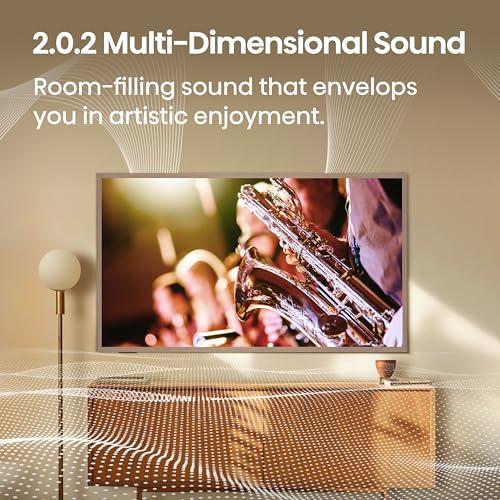
The S7N CanvasTV includes a 2.0.2 channel surround sound system with DTS Virtual:X support. The "2.0.2" designation means it has two main speakers, zero subwoofer, and two upward-firing speakers that bounce sound off your ceiling to create a more immersive audio experience. This setup can simulate surround sound effects without requiring additional speakers around your room.
DTS Virtual:X is an audio processing technology that creates the illusion of sound coming from multiple directions, including above you. When watching movies with overhead helicopters or rain effects, you'll actually hear these sounds seeming to come from above, creating a much more engaging experience than traditional stereo speakers.
The H9G Quantum Series features a more basic 10-watt-per-channel stereo speaker setup. While it includes standard audio processing and can deliver clear dialogue and adequate volume levels, it lacks the dimensional audio experience of the CanvasTV's more sophisticated speaker arrangement.
For most viewers, the difference is significant enough that the CanvasTV might eliminate the immediate need for a soundbar, while the H9G would benefit from external audio enhancement for the best experience.
Both TVs run on Google's smart TV platforms, but with different implementations that reflect their release years and target audiences.
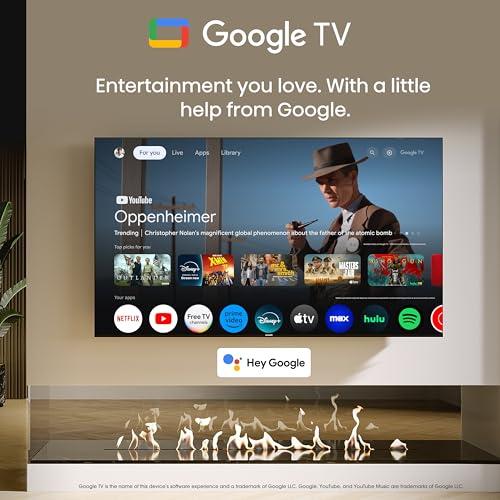
The S7N CanvasTV runs Google TV, the more modern and streamlined version of Google's smart TV interface. Released in 2025, it benefits from several years of refinement in user interface design and app integration. The system feels more responsive and intuitive, with better content recommendation algorithms and a cleaner visual layout.
The H9G Quantum Series uses Android TV, Google's earlier smart TV platform. While it includes essential features like Chromecast built-in and Google Assistant support with hands-free voice control through built-in microphones, the interface feels more dated compared to the newer Google TV experience.
Both platforms provide access to all major streaming services including Netflix, Disney+, Amazon Prime Video, and YouTube, along with thousands of additional apps through the Google Play Store. However, the CanvasTV's newer platform typically receives faster updates and better ongoing support.
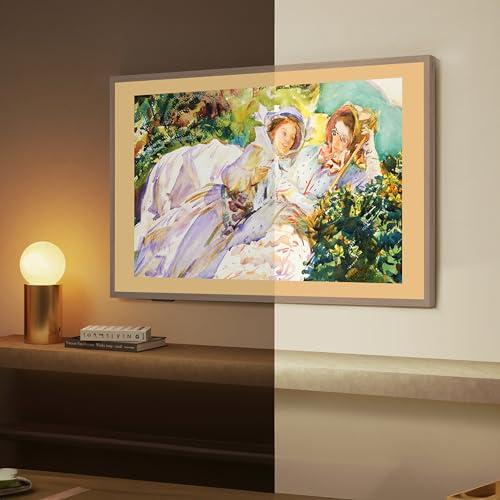
The S7N CanvasTV's Art Mode is its defining feature, and our research indicates it's far more sophisticated than you might initially think. When the TV detects no activity through its built-in motion sensors, it automatically switches to display artwork from its extensive built-in library.
What makes this implementation particularly impressive is the realism of the displayed art. The Hi-Matte coating doesn't just reduce glare—it creates texture and depth that genuinely mimics real paintings. User reviews consistently mention being surprised by how convincing the brush strokes and canvas textures appear, with some guests initially thinking they're looking at actual paintings.
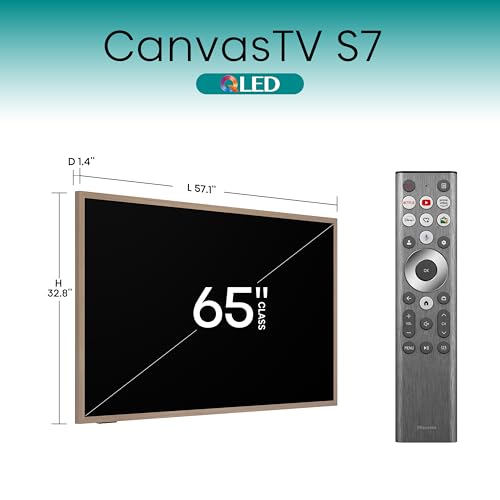
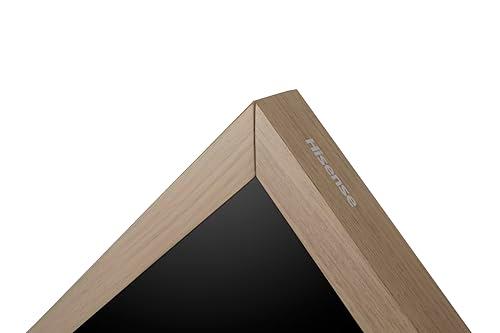
The TV comes with a magnetic teak frame that's easy to swap out, and additional frame colors are available separately. The UltraSlim wall mount positions the TV just 3mm from the wall, creating a truly flush, painting-like appearance that's nearly impossible to achieve with traditional TV mounts.
Unlike Samsung's competing Frame TV, which requires ongoing subscription fees for premium artwork, the CanvasTV includes hundreds of pieces of art at no additional cost. You can also easily upload your own photos or artwork via USB or mobile app, turning family photos or personal art collection into rotating displays.
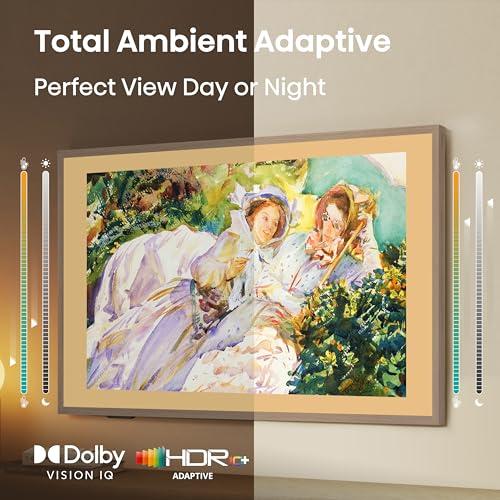
The ambient light sensor automatically adjusts the artwork's brightness throughout the day, and the motion sensor can power down the display when no one is in the room for extended periods, helping manage energy consumption while maintaining the art gallery experience.
For dedicated home theater use, the choice between these TVs depends heavily on your room setup and priorities.
The H9G Quantum Series excels in traditional home theater environments—darker rooms with controlled lighting where you can fully appreciate its superior contrast ratio and 1000-nit peak brightness. The 180-zone local dimming creates impressive black levels that make dark movie scenes look truly cinematic, while the high brightness ensures HDR highlights pop with realistic intensity.
If you're setting up a basement theater room or have heavy curtains that can block most ambient light, the H9G will deliver the more impressive picture quality for movies and TV shows. The deep blacks and bright highlights create that premium viewing experience that makes streaming content and 4K Blu-rays look their absolute best.
However, many modern "home theaters" are actually family rooms or living spaces with windows and ambient lighting. In these environments, the S7N CanvasTV often provides a better real-world viewing experience. The anti-glare coating means you won't be constantly adjusting blinds or fighting reflections, and the superior audio system enhances dialogue clarity and creates more immersive surround effects.
The CanvasTV's gaming advantages also matter in family-oriented home theaters where the space serves multiple entertainment purposes. The 144Hz gaming capabilities and low input lag make it excellent for family gaming sessions or when the space needs to accommodate both movie nights and gaming marathons.
The contrast between these TVs' technical approaches reveals important performance implications that aren't always obvious from specification sheets alone.
The H9G Quantum's full-array local dimming system represents a significant technological advantage for traditional viewing content. Each of the 180 dimming zones can be independently controlled, allowing for precise brightness management across the entire screen. This creates what's called a "blooming effect" reduction—where bright objects don't create unwanted halos or light spillover into surrounding dark areas.
However, this advantage comes with a trade-off. Full-array local dimming works best with content specifically mastered for HDR viewing and in darker viewing environments. In bright rooms, much of this contrast advantage is lost due to ambient light raising the overall black level of the room.
The CanvasTV's direct LED backlight with Hi-Matte coating takes the opposite approach. Instead of fighting ambient light with higher brightness, it works with room lighting by eliminating reflections entirely. The quantum dot color enhancement ensures colors remain vibrant even without extreme brightness levels, while the matte texture adds visual depth that glossy screens can't match.
The 144Hz vs 120Hz difference might seem minor, but it represents a significant capability gap. The extra 24Hz headroom allows the CanvasTV to handle Variable Refresh Rate more effectively, reducing judder and maintaining smoother motion across a wider range of frame rates. This becomes particularly noticeable with gaming content and high-frame-rate video.
After extensive research into user experiences and expert reviews, clear usage patterns emerge for each TV.
Choose the H9G Quantum Series if you have a dedicated viewing room with controlled lighting, prioritize maximum HDR impact for movies and shows, and don't need the latest gaming features. This TV excels when it can leverage its high brightness and local dimming capabilities in darker environments. It's the choice for serious movie enthusiasts who want the most cinematic picture quality possible.
The S7N CanvasTV makes more sense for the majority of users, particularly those with bright living spaces, multi-purpose rooms, or anyone who values the unique art display functionality. The combination of anti-glare performance, superior gaming capabilities, better audio system, and lower price point (at the time of writing) creates compelling value.
The art mode functionality isn't just a novelty—it genuinely transforms how the TV integrates into your living space. When guests notice and comment on your "beautiful painting" not realizing it's actually your TV, you'll understand why this feature has become so popular.
For gaming households, the CanvasTV is practically a no-brainer. The 144Hz capabilities with VRR support provide a noticeably superior gaming experience that will remain relevant as gaming technology continues advancing. The low input lag and ALLM features ensure responsive gameplay across all gaming platforms.
The audio advantage of the CanvasTV shouldn't be underestimated either. The 2.0.2 surround system with upward-firing speakers creates significantly more immersive audio than the H9G's basic stereo setup. For many users, this eliminates the immediate need for additional audio equipment.
Both TVs represent solid choices within Hisense's lineup, but they serve distinctly different needs. The H9G Quantum Series delivers exceptional traditional TV performance for dedicated viewing environments, while the S7N CanvasTV offers innovative functionality that addresses real-world usage scenarios most people actually encounter.
The CanvasTV's combination of practical bright-room performance, modern gaming capabilities, superior audio, and unique art functionality creates a more versatile and broadly appealing package. Unless you specifically need the H9G's extreme brightness and contrast capabilities for a dark home theater setup, the CanvasTV typically provides better overall value and functionality for most households.
The art mode feature transforms the TV from a large black rectangle into an active part of your home's decor, while the gaming and audio improvements ensure it performs excellently for all types of content. At its typically lower price point, the S7N CanvasTV represents one of the best values in the premium TV market today.
| Hisense 65" S7N CanvasTV QLED 4K Smart Display | Hisense 65" H9G Quantum Series 4K UHD Smart Android TV |
|---|---|
| Peak Brightness - Critical for HDR impact and bright room viewing | |
| 450 nits (adequate for most rooms, anti-glare coating compensates) | 1000 nits (excellent HDR performance, better for dark rooms) |
| Local Dimming - Controls contrast and black levels | |
| Direct LED backlight (basic contrast control) | Full-array with 180 zones (superior contrast and deeper blacks) |
| Gaming Performance - Refresh rate and input lag for responsive gaming | |
| 144Hz native with VRR support, 5.4ms input lag (excellent for modern gaming) | 120Hz native, no VRR support (good for casual gaming) |
| Anti-Glare Technology - Performance in bright rooms with windows | |
| Hi-Matte coating reduces reflections to 5% (excellent for bright spaces) | Standard glossy screen (prone to reflections in bright rooms) |
| Audio System - Built-in sound quality and surround effects | |
| 2.0.2 surround with upward-firing speakers, DTS Virtual:X (immersive audio) | 10W x 2 stereo speakers (basic audio, likely needs soundbar) |
| Art Mode - Displays artwork when TV is off | |
| Yes, with motion sensors and free artwork library (unique lifestyle feature) | Not available (traditional TV functionality only) |
| Smart TV Platform - User interface and app experience | |
| Google TV (modern, streamlined interface from 2025) | Android TV (older platform, still functional but less refined) |
| Design Integration - How it fits into home decor | |
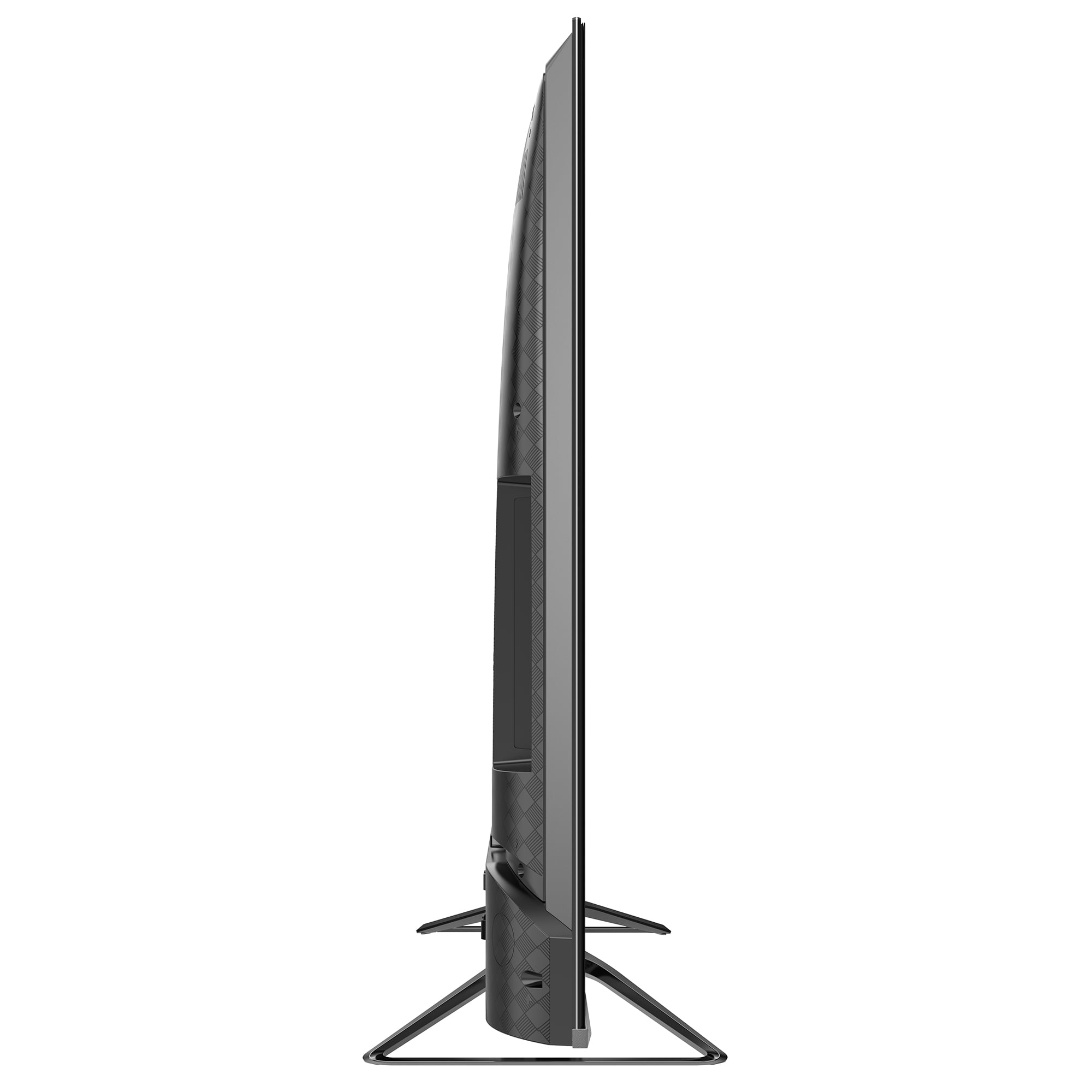
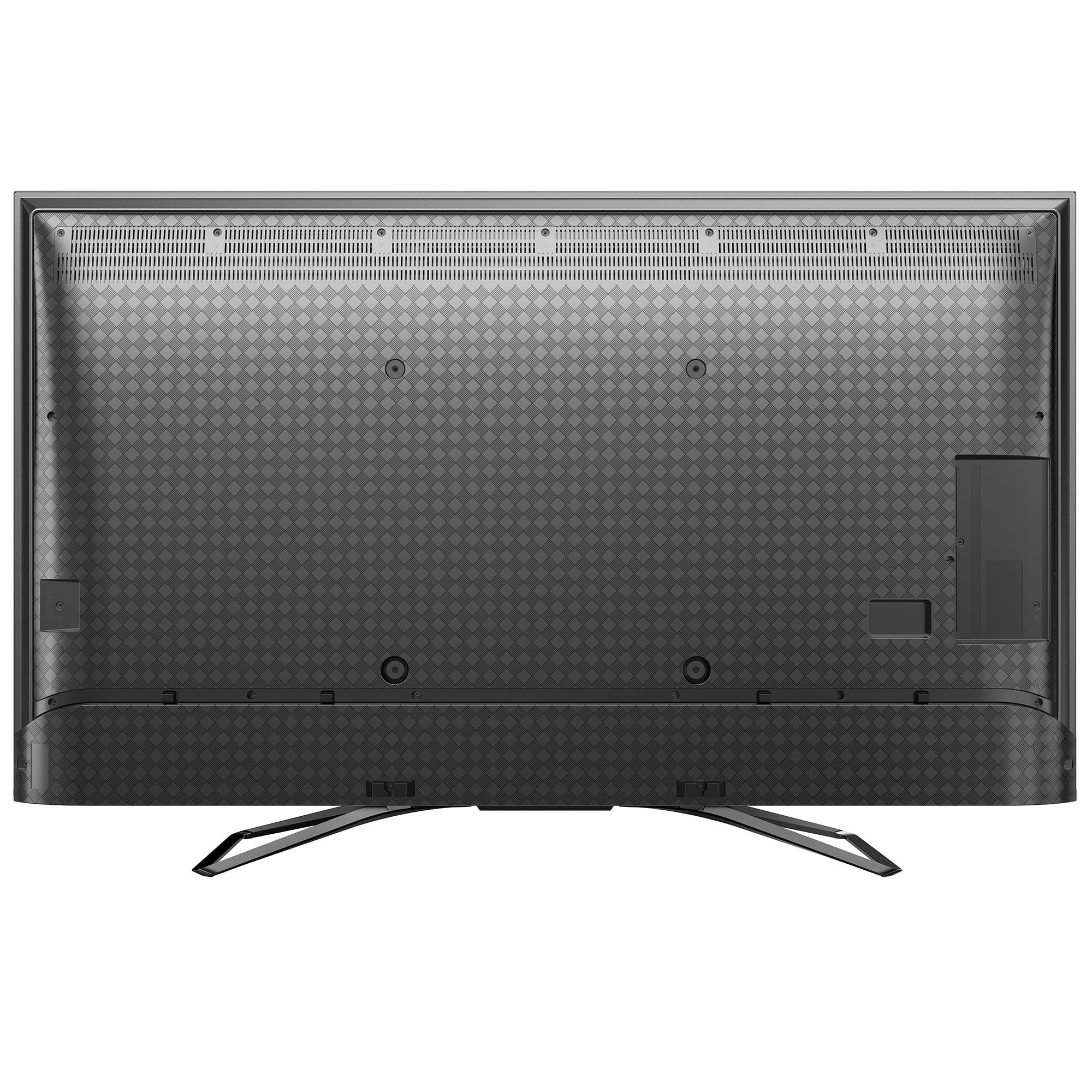
| UltraSlim wall mount, magnetic frames, flush 3mm installation | Traditional TV design with standard stand and mounting |
| HDR Gaming Support - 4K high refresh rate gaming capability | |
| 4K@144Hz, 1080p@240Hz with VRR (future-ready for next-gen gaming) | Standard gaming modes, no high refresh rate HDR gaming |
| Viewing Environment Optimization - Best room conditions for each TV | |
| Bright rooms, multi-purpose spaces, design-conscious homes | Dark home theaters, dedicated viewing rooms, controlled lighting |
The Hisense 65" S7N CanvasTV is significantly better for gaming with its 144Hz native refresh rate, Variable Refresh Rate (VRR) support, and 5.4ms input lag. It supports 4K gaming at 144Hz and 1080p at 240Hz. The Hisense 65" H9G Quantum Series offers basic gaming with 120Hz refresh rate but lacks VRR support, making the CanvasTV the clear winner for serious gamers.
The biggest difference is their purpose: the Hisense 65" S7N CanvasTV is designed as a lifestyle TV that doubles as wall art when not in use, while the Hisense 65" H9G Quantum Series focuses on traditional premium TV performance with higher brightness and better contrast for movie watching in dark rooms.
The Hisense 65" S7N CanvasTV excels in bright rooms thanks to its Hi-Matte anti-glare coating that reduces reflections to just 5%. The Hisense 65" H9G Quantum Series has a glossy screen that can show reflections and glare, making the CanvasTV the better choice for bright living spaces.
The Hisense 65" S7N CanvasTV has superior built-in audio with a 2.0.2 surround system featuring upward-firing speakers and DTS Virtual:X support. The Hisense 65" H9G Quantum Series only has basic 10W stereo speakers. Most users find the CanvasTV provides adequate sound without additional equipment.
The Hisense 65" H9G Quantum Series is better for dark home theaters with its 1000-nit peak brightness, full-array local dimming with 180 zones, and superior contrast ratio. However, if your home theater also serves as a family room with ambient lighting, the Hisense 65" S7N CanvasTV might still be preferable due to its anti-glare properties.
Yes, the Hisense 65" S7N CanvasTV uses Hi-Matte coating and comes with magnetic frames to create a realistic artwork appearance. Motion sensors automatically switch between TV and art modes, and the matte texture genuinely mimics canvas paintings. User reviews consistently praise how convincing the artwork looks compared to the standard black screen appearance of traditional TVs like the H9G Quantum Series.
The Hisense 65" H9G Quantum Series delivers superior HDR performance with 1000-nit peak brightness and 180-zone full-array local dimming, creating deeper blacks and brighter highlights. The Hisense 65" S7N CanvasTV tops out at 450 nits, making the H9G better for HDR movie content in dark viewing environments.
The Hisense 65" S7N CanvasTV runs Google TV (the newer platform) with built-in Google Assistant and Chromecast. The Hisense 65" H9G Quantum Series uses Android TV with similar Google features but an older interface. Both provide access to all major streaming apps, though the CanvasTV offers a more modern, streamlined experience.
No, the Hisense 65" S7N CanvasTV includes hundreds of artworks for free with no subscription fees required. You can also upload your own photos and artwork. This contrasts with some competing art TVs that charge monthly subscription fees for premium artwork access.
The Hisense 65" S7N CanvasTV typically offers better overall value with its lower price point, unique art functionality, superior gaming features, better built-in audio, and excellent bright room performance. The Hisense 65" H9G Quantum Series is worth the premium mainly if you prioritize maximum HDR brightness in a dark viewing environment.
For modern console gaming, the Hisense 65" S7N CanvasTV is far superior with 144Hz refresh rate, VRR support for smooth gameplay, and 5.4ms input lag. It supports next-gen gaming features from PlayStation 5 and Xbox Series X. The Hisense 65" H9G Quantum Series provides adequate gaming but lacks VRR and high refresh rate support.
The Hisense 65" S7N CanvasTV comes with an UltraSlim wall mount designed for flush installation just 3mm from the wall, creating a painting-like appearance. The Hisense 65" H9G Quantum Series uses standard TV mounting systems. The CanvasTV is specifically engineered for wall mounting to maximize its art display functionality.
We've done our best to create useful and informative comparisons to help you decide what product to buy. Our research uses advanced automated methods to create this comparison and perfection is not possible - please contact us for corrections or questions. These are the sites we've researched in the creation of this article: bestbuy.com - hisense.sg - tomsguide.com - content.syndigo.com - rtings.com - hisense-usa.com - youtube.com - bestbuy.com - youtube.com - displayspecifications.com - displayspecifications.com - manuals.plus - displayspecifications.com - bestbuy.com - hisense-canada.com - manuals.plus - bargainoutletandmore.com - bestbuy.com - device.report - rtings.com - bestbuy.com - techradar.com - youtube.com - digitaltrends.com - assets.hisense-usa.com - bestbuy.com - youtube.com - bestbuy.com

Privacy Policy
Terms and Conditions - Affiliate Policy
Home Security
© Copyright 2008-2026.
11816 Inwood Rd #1211, Dallas, TX 75244