

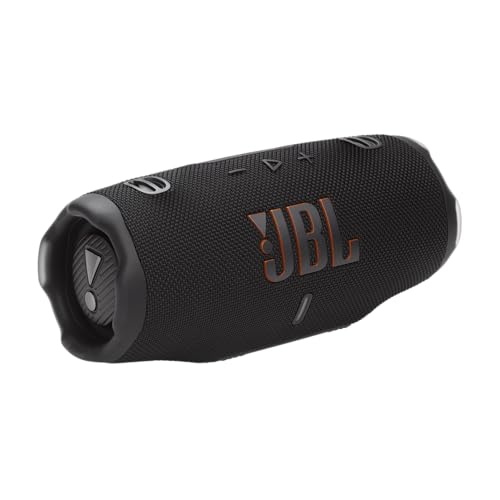




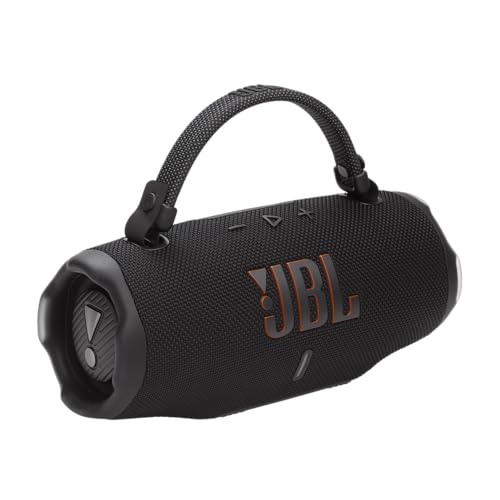
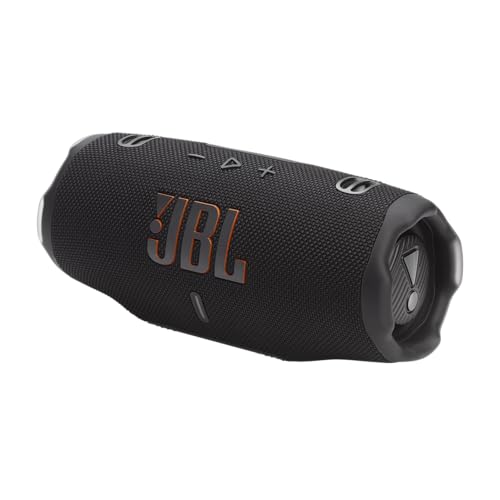
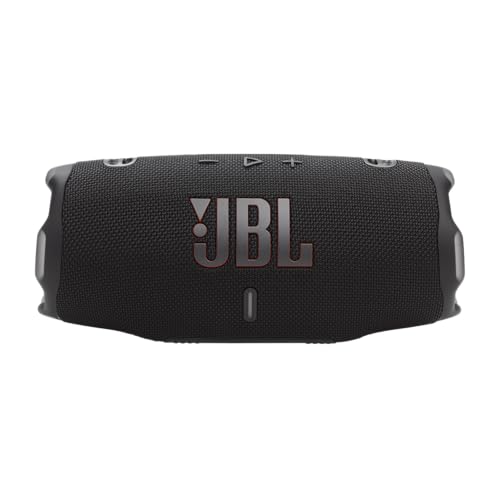
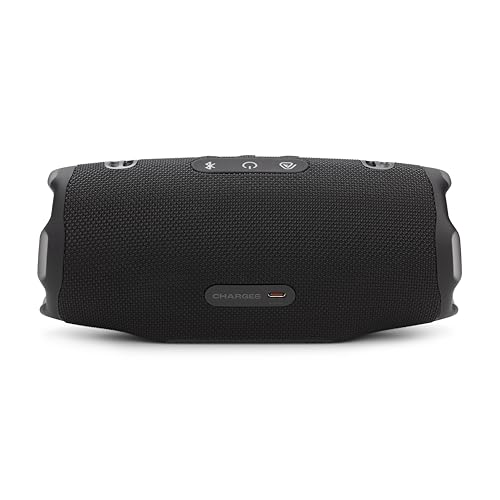
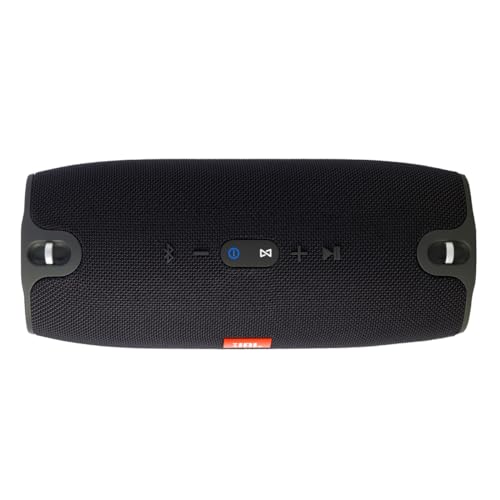
When you're shopping for a portable Bluetooth speaker, the sheer number of options can feel overwhelming. But if you've narrowed it down to JBL's Charge series, you're already on the right track. These speakers have built a reputation for delivering solid audio performance, impressive battery life, and the kind of rugged durability that lets you take them anywhere without worry.
The question many people face is whether to go with the newer JBL Charge 6 or save some money with the older JBL Charge 4. At the time of writing, there's typically a meaningful price difference between these two models, with the Charge 4 often available at a significant discount compared to the current-generation Charge 6. But does that older model still make sense, or are the improvements in the newer speaker worth the extra cost?
Before diving into the specific differences, it's worth understanding what makes a great portable Bluetooth speaker. Unlike home speakers that can rely on wall power and don't need to worry about getting wet, portable speakers have to balance several competing demands.
Audio quality remains the most important factor, but it's complicated by size constraints. These speakers need to fit in a backpack or beach bag, which limits how big the drivers (the components that actually create sound) can be. The challenge is getting decent bass response and clear highs from relatively small components.
Battery life becomes crucial when you're away from power outlets for hours or days. But bigger batteries mean more weight and bulk, so manufacturers have to find the sweet spot between playtime and portability.
Durability is non-negotiable for outdoor use. Water resistance ratings like IPX7 and IP68 tell you how much water exposure a speaker can handle, while build quality determines whether it'll survive being dropped on rocks or thrown in the back of a truck.
Connectivity has evolved rapidly. Newer Bluetooth versions offer better range, more stable connections, and the ability to connect multiple devices simultaneously. Some speakers also include additional input options like USB-C for lossless audio or traditional 3.5mm auxiliary inputs for older devices.
The most important performance metrics to focus on are maximum volume (measured in watts), frequency response (how well it reproduces different pitches), battery life in real-world conditions, and build quality for long-term reliability.
The JBL Charge 4 debuted in 2018 and represented solid engineering for its time. It used Bluetooth 4.2, which was becoming the standard, and featured JBL's signature rugged design with IPX7 water resistance. The speaker delivered 30 watts of power through a single oval driver, along with dual passive radiators to enhance bass response.
Fast forward to 2025, and the JBL Charge 6 arrives with significantly updated technology. Bluetooth has evolved to version 5.4, offering better range and connection stability. Water resistance has been upgraded to the more comprehensive IP68 rating, which adds dust protection and allows for deeper water submersion. But the biggest changes are in the audio department.
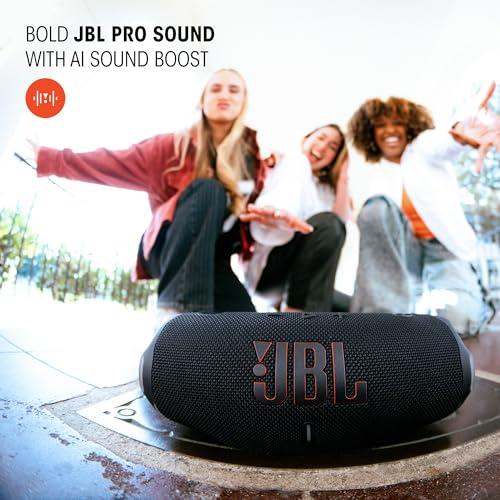
The seven years between these releases saw major advances in digital signal processing (DSP), which is essentially the computer brain that optimizes audio output. The Charge 6 includes JBL's AI Sound Boost technology, which analyzes music in real-time and adjusts the drivers to minimize distortion while maximizing volume. This wasn't available when the Charge 4 was designed.
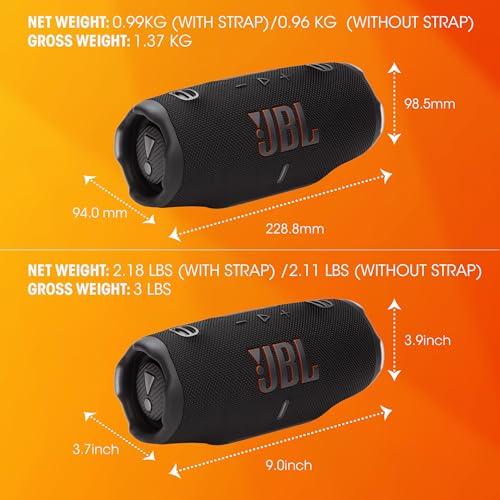
Battery technology has also improved significantly. Modern lithium-ion cells can store more energy in the same space, and fast-charging technology has become standard. These improvements explain why the Charge 6 can deliver longer playtime despite being roughly the same size as its predecessor.
The most immediately noticeable difference between these speakers is raw power output. The Charge 6 delivers 45 watts compared to the Charge 4's 30 watts. That 50% increase in power translates to roughly 2 decibels more volume, which is genuinely noticeable in real-world use. More importantly, the extra headroom means the Charge 6 stays cleaner and more controlled when you push it to higher volumes.
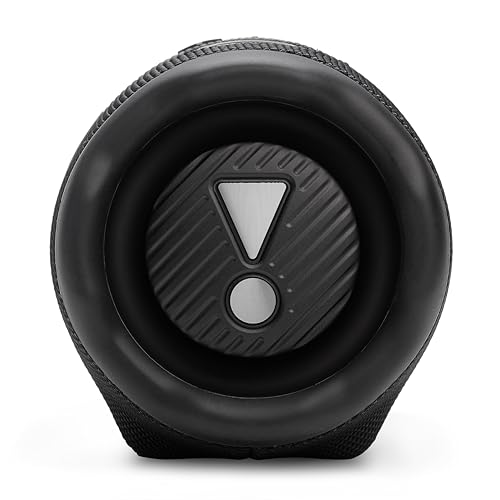
But the power difference tells only part of the story. The Charge 6 uses a fundamentally different driver configuration. Where the Charge 4 relies on a single 50x90mm oval driver to handle everything from deep bass to high treble, the Charge 6 splits the work between a larger 53x93mm woofer and a dedicated 20mm tweeter.
This two-way design brings real advantages. The dedicated tweeter handles high frequencies much more effectively, giving you better clarity on vocals, cymbals, and the upper harmonics that make instruments sound realistic. The larger woofer, freed from having to reproduce high frequencies, can focus entirely on bass and midrange. The result is a more balanced, detailed sound that reveals more of what's in your music.
Bass response deserves special attention because it's often the weakest point of portable speakers. The Charge 6 reaches down to 50Hz, compared to the Charge 4's 60Hz cutoff. That 10Hz difference represents meaningful improvement in the lowest frequencies you can actually feel. Electronic music, hip-hop, and rock all benefit from this extended low-end reach.
Battery performance is another area where modern technology shines. The Charge 6 delivers 24 hours of standard playback, extending to 28 hours with its Playtime Boost feature enabled. This mode reduces bass output and power consumption to squeeze extra hours from the battery. The Charge 4 tops out at 20 hours, and that's under ideal conditions.
The charging experience has improved dramatically too. The Charge 6 reaches full charge in 3 hours compared to the Charge 4's 4-hour requirement. More importantly, fast charging gives you 150 minutes of playback from just 10 minutes plugged in, which is genuinely useful when you're rushing out the door.
Durability gets an upgrade with the Charge 6's IP68 rating. While the Charge 4's IPX7 rating means it can handle being submerged in up to 1 meter of water for 30 minutes, the IP68 standard adds complete dust protection and allows for deeper submersion. The Charge 6 also includes drop protection rated for 1-meter falls, which should handle most accidental drops.
Despite being seven years older, the Charge 4 maintains some distinct advantages that matter to specific users. The most significant is its 3.5mm auxiliary input, which the Charge 6 completely lacks. This wired connection option becomes crucial if you have older devices without Bluetooth, want to conserve phone battery, or need the most reliable connection possible.
The AUX input also bypasses any Bluetooth compression, though the difference in audio quality is subtle with modern Bluetooth codecs. Still, some users prefer the peace of mind that comes with a direct wired connection, especially for critical listening or when Bluetooth interference might be an issue.
Color variety is another practical advantage for the Charge 4. JBL released it in over 10 different colors, compared to just 6 options for the Charge 6. If matching your speaker to your style or gear matters to you, the older model offers more choices.
The Charge 4 also supports JBL Connect+, which lets you wirelessly link up to 100+ compatible JBL speakers from that generation. The Charge 6 uses the newer Auracast standard, which is more advanced but only works with other Auracast-enabled speakers. If you already own older JBL speakers and want to create a multi-speaker setup, the Charge 4 maintains that compatibility.
From a value perspective, the Charge 4 often represents better bang for your buck, especially when found on sale. At the time of writing, it typically costs significantly less than the Charge 6 while still delivering capable performance for casual listening.
When evaluating speaker performance, frequency response tells you how evenly a speaker reproduces different pitches. The Charge 6 handles 56Hz to 20kHz, while the Charge 4 covers 60Hz to 20kHz. That might seem like a small difference, but those lowest frequencies are where you feel bass rather than just hear it.
Our research into user and expert reviews consistently shows the Charge 6 delivering more satisfying bass performance. Electronic music, which relies heavily on synthesized bass lines and kick drums, particularly benefits from this extended low-end response. The additional power headroom also means bass doesn't disappear when you turn up the volume, a common issue with smaller speakers.
Midrange clarity is where vocals, guitars, and most instruments live. The Charge 4's single-driver design actually does a respectable job here, with most reviews noting clear, present vocals. However, the Charge 6's dedicated tweeter allows the woofer to focus entirely on midrange and bass, resulting in less distortion and better separation between different instruments.
High-frequency performance shows the biggest gap between these speakers. Cymbals, string instruments, and the upper harmonics that give instruments their character all live in the treble range. The Charge 4's single driver struggles with these frequencies, often sounding somewhat muffled or veiled. The Charge 6's dedicated tweeter brings these details to life, making music sound more open and detailed.
Soundstage is how wide and spacious music sounds. Both speakers are mono, meaning they don't create true stereo separation unless you pair two units together. However, the Charge 6's better driver integration creates a more cohesive sound that doesn't feel as obviously directional.
For outdoor activities like camping, beach trips, or backyard parties, the Charge 6 makes a compelling case. Its extra volume fills larger spaces more effectively, while the improved water and dust resistance provides better protection in harsh conditions. The extended battery life means less worry about finding charging opportunities during multi-day adventures.
Home use reveals interesting considerations. While neither speaker is designed to replace a proper home stereo, both work well for casual listening in kitchens, bedrooms, or home offices. The Charge 6's USB-C lossless audio input (supporting up to 24-bit/192kHz) makes it surprisingly capable when connected to a computer or high-quality music player. This feature completely bypasses Bluetooth compression, though you'll need high-quality source files to notice the difference.
For home theater use, neither speaker is ideal as a primary solution, but both work reasonably well for casual TV watching or as temporary solutions. The Charge 6's extra clarity helps with dialogue, while both speakers' mono output means you won't get true surround sound effects. Bluetooth latency can cause lip-sync issues with video, though the Charge 6's USB-C connection eliminates this problem.
Exercise and fitness scenarios favor the Charge 6 for its superior water and sweat resistance, though both speakers handle gym environments well. The Charge 6's punchy bass response works particularly well for workout music.
The choice between these speakers often comes down to your priorities and budget. The Charge 6 represents a genuine upgrade in almost every measurable way. The improved sound quality isn't subtle – the extra power, dedicated tweeter, and extended bass response create a noticeably better listening experience. Combined with longer battery life, faster charging, and superior durability, it's the objectively better speaker.
However, the Charge 4 remains a solid choice for budget-conscious buyers or those with specific needs. If you require the AUX input for older devices, need maximum color options, or already own compatible JBL speakers for multi-speaker setups, the Charge 4 might be the more practical choice.
Choose the Charge 6 if you prioritize sound quality, want the latest technology, need maximum durability for outdoor use, or value fast charging and extended battery life. It's the better long-term investment and offers performance that justifies its higher price.
Choose the Charge 4 if you need AUX input connectivity, are working with a tighter budget, want access to more color options, or need compatibility with existing JBL Connect+ speakers. It delivers perfectly adequate performance for casual listening at a lower cost.
The audio quality gap between these speakers is significant enough that most users will notice and appreciate the Charge 6's improvements. Unless you have specific requirements that favor the Charge 4, the newer model represents better value for the performance and features you receive.
| JBL Charge 6 | JBL Charge 4 |
|---|---|
| Power Output - Determines maximum volume and bass impact | |
| 45W RMS (50% more power for noticeably louder, cleaner sound) | 30W RMS (adequate for small-medium spaces) |
| Audio Configuration - Affects sound clarity and separation | |
| 2-way system: 53x93mm woofer + 20mm tweeter (dedicated drivers for better frequency handling) | Single 50x90mm driver (handles all frequencies, some compromise in clarity) |
| Battery Life - Critical for extended outdoor use | |
| 24 hours standard, 28 hours with Playtime Boost (industry-leading endurance) | 20 hours (still excellent for most uses) |
| Charging Speed - Matters for quick turnarounds | |
| 3 hours full charge, 10 minutes = 150 minutes playback (modern fast charging) | 4 hours full charge (no fast charging feature) |
| Water/Dust Protection - Essential for outdoor durability | |
| IP68 (fully submersible + dustproof, superior protection) | IPX7 (water-resistant only, no dust protection) |
| Bluetooth Version - Affects connection stability and range | |
| 5.4 (latest standard, better range and multi-device handling) | 4.2 (older but reliable, shorter range) |
| Audio Customization - Control over sound signature | |
| 7-band EQ via app (precise sound tuning) | No EQ control (fixed sound signature) |
| Wired Audio Input - Compatibility with older devices | |
| USB-C only with lossless audio support (modern devices only) | 3.5mm AUX input (works with any device with headphone jack) |
| Multi-Speaker Pairing - For larger sound setups | |
| Auracast technology (Charge 6 and newer JBL models only) | JBL Connect+ (works with 100+ older JBL speakers) |
| Frequency Response - Range of sound reproduction | |
| 56Hz-20kHz (deeper bass extension, more impactful low-end) | 60Hz-20kHz (slightly limited bass reach) |
| Release Year - Technology generation and future support | |
| 2025 (current generation with latest features) | 2018 (proven reliability, often discounted) |
The JBL Charge 6 delivers significantly better sound quality with its 45W power output and dedicated tweeter design. It produces clearer highs, deeper bass (down to 56Hz vs 60Hz), and maintains better clarity at high volumes. The JBL Charge 4 offers decent sound with its 30W single-driver design but lacks the separation and detail of the newer model.
The JBL Charge 6 offers superior battery performance with 24 hours of standard playback, extendable to 28 hours with Playtime Boost mode. It also charges faster at 3 hours for a full charge. The JBL Charge 4 provides 20 hours of playback and takes 4 hours to fully charge, which is still excellent but not as convenient.
Yes, but the JBL Charge 6 has superior protection with an IP68 rating, making it fully submersible and dustproof. The JBL Charge 4 features IPX7 water resistance, which handles splashes and brief submersion but offers no dust protection. For harsh outdoor conditions, the Charge 6 provides better durability.
The JBL Charge 6 is noticeably louder with its 45W output compared to the JBL Charge 4's 30W. This 50% power increase translates to about 2dB more volume, which is clearly audible. The Charge 6 also maintains better sound quality at maximum volume without distortion.
Yes, both support multi-speaker pairing but use different technologies. The JBL Charge 6 uses Auracast, which works with newer JBL speakers. The JBL Charge 4 uses JBL Connect+, compatible with over 100 older JBL speakers. If you own older JBL speakers, the Charge 4 offers broader compatibility.
Neither speaker is ideal for dedicated home theater setups since they're mono speakers designed for portability. However, the JBL Charge 6 works better for casual TV watching due to its clearer dialogue reproduction and USB-C connection that eliminates Bluetooth latency issues. Both lack the stereo separation needed for immersive movie experiences.
The JBL Charge 4 typically offers better immediate value due to frequent discounts and lower entry cost. However, the JBL Charge 6 provides better long-term value with superior performance, modern features, and future-proof technology. Choose based on your budget and performance priorities.
The JBL Charge 4 is more versatile with its 3.5mm AUX input, working with any device that has a headphone jack. The JBL Charge 6 only connects via Bluetooth or USB-C, limiting compatibility with older devices. If you need to connect older MP3 players or laptops, the Charge 4 is more flexible.
The JBL Charge 6 excels outdoors with its higher volume output, superior water/dust protection (IP68), and extended battery life. Its extra power better fills outdoor spaces where sound dissipates quickly. The JBL Charge 4 handles outdoor use well but may struggle in larger spaces or harsh conditions where the Charge 6's durability advantages matter.
The JBL Charge 6 delivers significantly better bass with its larger dedicated woofer and lower frequency response (56Hz vs 60Hz). The additional power also means bass doesn't disappear at high volumes. The JBL Charge 4 provides adequate bass for its size but can't match the depth and impact of the newer model.
The JBL Charge 6 includes AI Sound Boost technology for real-time audio optimization, fast charging, Playtime Boost mode, and lossless USB-C audio. The JBL Charge 4 stands out with its 3.5mm AUX input and broader JBL Connect+ compatibility. The Charge 6 focuses on modern tech while the Charge 4 emphasizes traditional connectivity.
Choose the JBL Charge 6 if you want the best sound quality, latest features, and superior durability - it's worth the extra cost for most users. Pick the JBL Charge 4 if you need AUX input connectivity, want to save money, or require compatibility with older JBL speakers. The Charge 6 is the better long-term investment for performance-focused buyers.
We've done our best to create useful and informative comparisons to help you decide what product to buy. Our research uses advanced automated methods to create this comparison and perfection is not possible - please contact us for corrections or questions. These are the sites we've researched in the creation of this article: rtings.com - youtube.com - stereoguide.com - whathifi.com - youtube.com - elomymelo.com - soundguys.com - elomymelo.com - wifihifi.com - soundguys.com - jbl.com - whathifi.com - soundguys.com - youtube.com - smarthomesounds.co.uk - jbl.com - sweetwater.com - youtube.com - bestbuy.com - jbl.com.sg - jbl.com - dell.com - ca.jbl.com - soundguys.com - soundguys.com - dell.com - rtings.com - whathifi.com - whathifi.com - soundguys.com - soundguys.com - streamtechreviews.com - youtube.com - versus.com - applevis.com - versus.com - jbl.com - jbl.com - walmart.com - comparisontabl.es - harmanaudio.com - manuals.plus - jbl.com.sg - jbl.com - mm.jbl.com - bestbuy.com - newpower99.com - forums.woot.com

Privacy Policy
Terms and Conditions - Affiliate Policy
Home Security
© Copyright 2008-2026.
11816 Inwood Rd #1211, Dallas, TX 75244