


Portable Bluetooth speakers have transformed how we enjoy music, whether we're lounging by the pool, hiking mountain trails, or just moving around the house. But with so many options available, choosing the right one can feel overwhelming. Today, we're comparing two popular but distinctly different approaches to portable audio: the power-packed JBL Charge 4 and the intelligent Bose SoundLink Flex.
These speakers represent fascinating contrasts in design philosophy. The JBL Charge 4, released in 2018, prioritizes raw performance and marathon battery life. Meanwhile, the Bose SoundLink Flex, launched in 2021, focuses on smart technology and ultimate portability. Understanding these differences is crucial for making the right choice for your lifestyle.
Before diving into our comparison, let's establish what actually matters in a portable Bluetooth speaker. The most important factors are sound quality (how good the music actually sounds), battery life (how long it plays without charging), durability (can it survive drops and splashes), and portability (is it easy to carry around).
Sound quality isn't just about being loud – though volume certainly matters. The best portable speakers balance clear vocals, punchy bass, and crisp highs without distortion. They should sound good whether you're playing acoustic folk or bass-heavy electronic music. Frequency response refers to how well a speaker reproduces different pitches, from deep bass notes around 60Hz to sparkling highs at 20,000Hz.
Battery life is perhaps the most practical consideration. There's nothing worse than your speaker dying halfway through a beach day or camping trip. Modern portable speakers should deliver at least 8-12 hours of playback, though some exceed 20 hours.
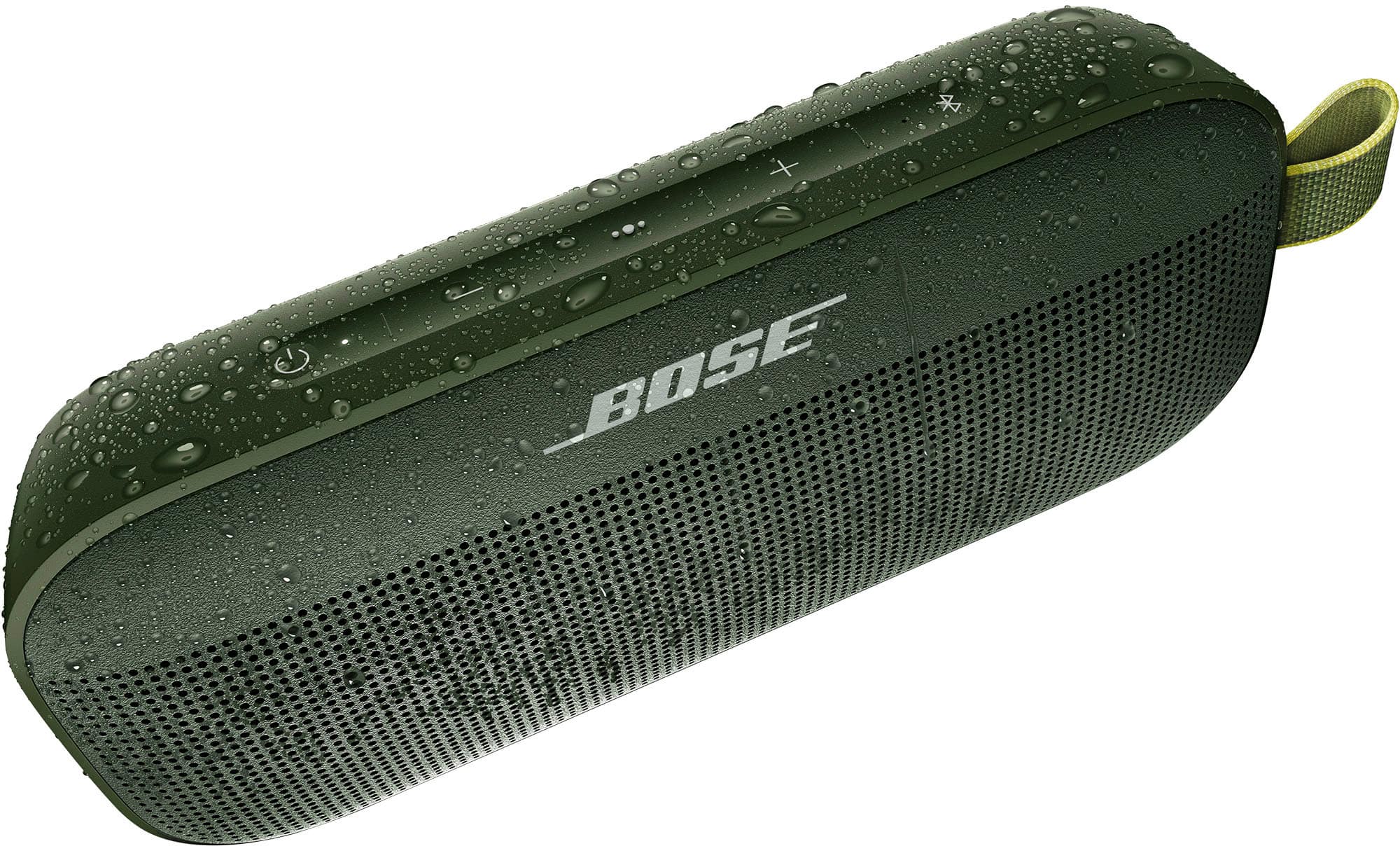
Durability typically involves water resistance ratings. IPX7 means a speaker can survive being submerged in up to one meter of water for 30 minutes – perfect for poolside use. IP67 adds dust protection, making it suitable for sandy beaches or dusty trails.
Finally, portability encompasses weight, size, and carrying options. A speaker that sounds amazing but weighs three pounds might not be ideal for backpacking, while an ultra-compact model might lack the power for outdoor gatherings.
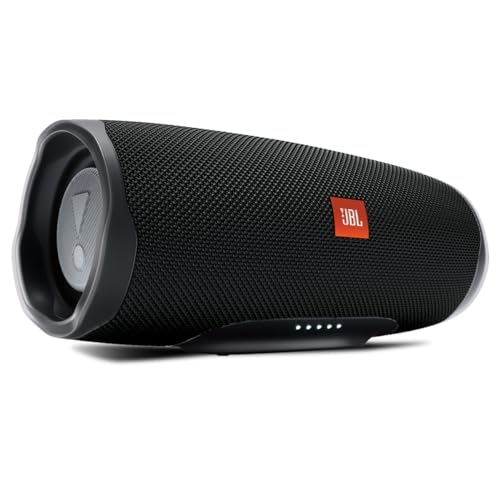
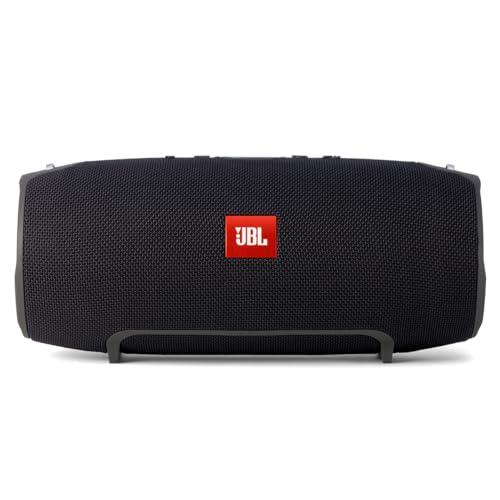
The JBL Charge 4 takes a "bigger is better" approach to portable audio. At nearly two pounds and roughly the size of a large water bottle, it's not winning any ultraportability contests. However, this substantial build serves a purpose – housing serious audio hardware and a massive battery.
Audio Performance That Commands Attention
The JBL Charge 4 delivers 30 watts RMS (Root Mean Square, which measures continuous power output rather than peak power) through a single racetrack-shaped driver measuring 50x90mm. This unusual oval shape allows for more surface area than traditional round drivers, moving more air for fuller sound. Flanking this main driver are dual passive radiators – essentially speakers without magnets that vibrate sympathetically with the main driver to enhance bass response.
This configuration produces what JBL calls their signature sound: punchy, energetic audio with emphasized bass that cuts through outdoor noise. The frequency response spans 60Hz to 20kHz, meaning it reproduces most audible frequencies, though it won't deliver the deepest sub-bass that you'd feel in your chest at a live concert.
In practical terms, the JBL Charge 4 excels with modern pop, hip-hop, and electronic music where strong bass presence enhances the listening experience. Its 30-watt output provides enough volume for small to medium gatherings – think a backyard barbecue with 15-20 people rather than a block party.
Marathon Battery Life with Bonus Features
The standout feature of the JBL Charge 4 is its exceptional 20-hour battery life, powered by a substantial 7500mAh lithium-ion battery. To put this in perspective, this is more capacity than many tablets and some laptops. During our research into user experiences, people consistently praise being able to use the speaker for days without reaching for the charger.
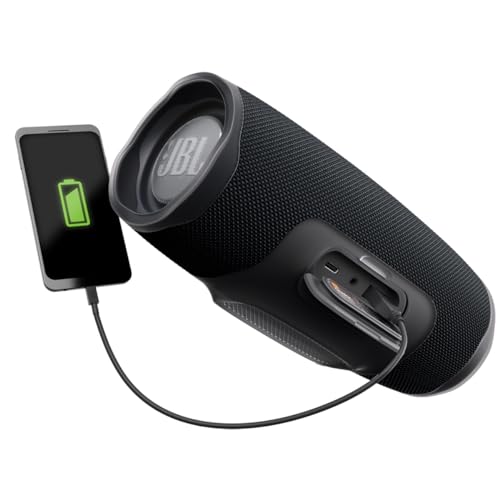
But here's where the JBL Charge 4 gets truly clever: it doubles as a power bank. A USB-A port on the back can output 5V/2A (10 watts) to charge your phone, tablet, or other devices. This feature transforms the speaker from just an audio device into a crucial piece of camping or travel gear. Imagine spending a weekend at the beach where your speaker not only provides the soundtrack but also keeps your devices charged.
Connectivity and Ecosystem Integration
The JBL Charge 4 uses Bluetooth 4.2, which was standard when it launched in 2018 but feels slightly dated compared to newer Bluetooth 5.0+ implementations. However, it performs reliably within its 30-foot range and can pair with two devices simultaneously, allowing friends to take turns as DJ.
A unique advantage is JBL Connect+ technology, which allows you to wirelessly link over 100 compatible JBL speakers for synchronized audio. While most people won't need 100 speakers, connecting two or three JBL Charge 4 units can create impressive stereo separation or room-filling sound for larger events.
The speaker also includes a 3.5mm auxiliary input – increasingly rare in modern speakers but valuable for connecting older devices or wired audio sources without Bluetooth capability.
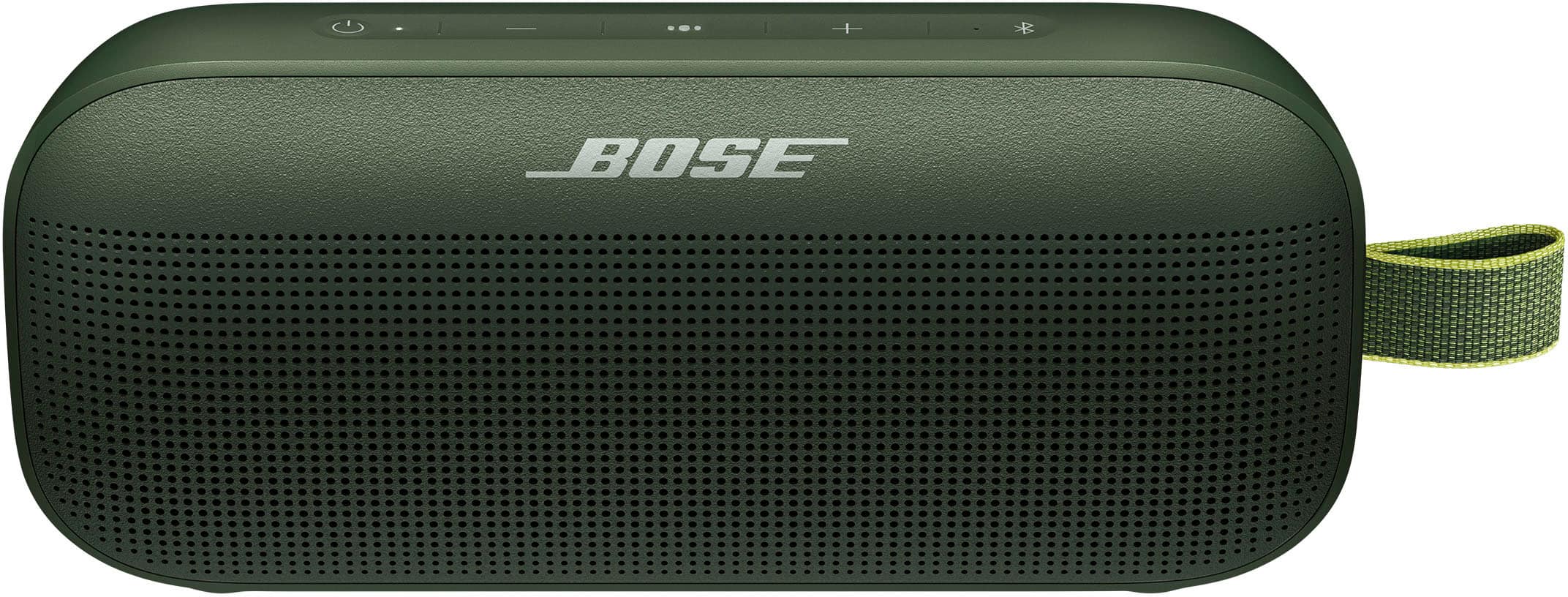
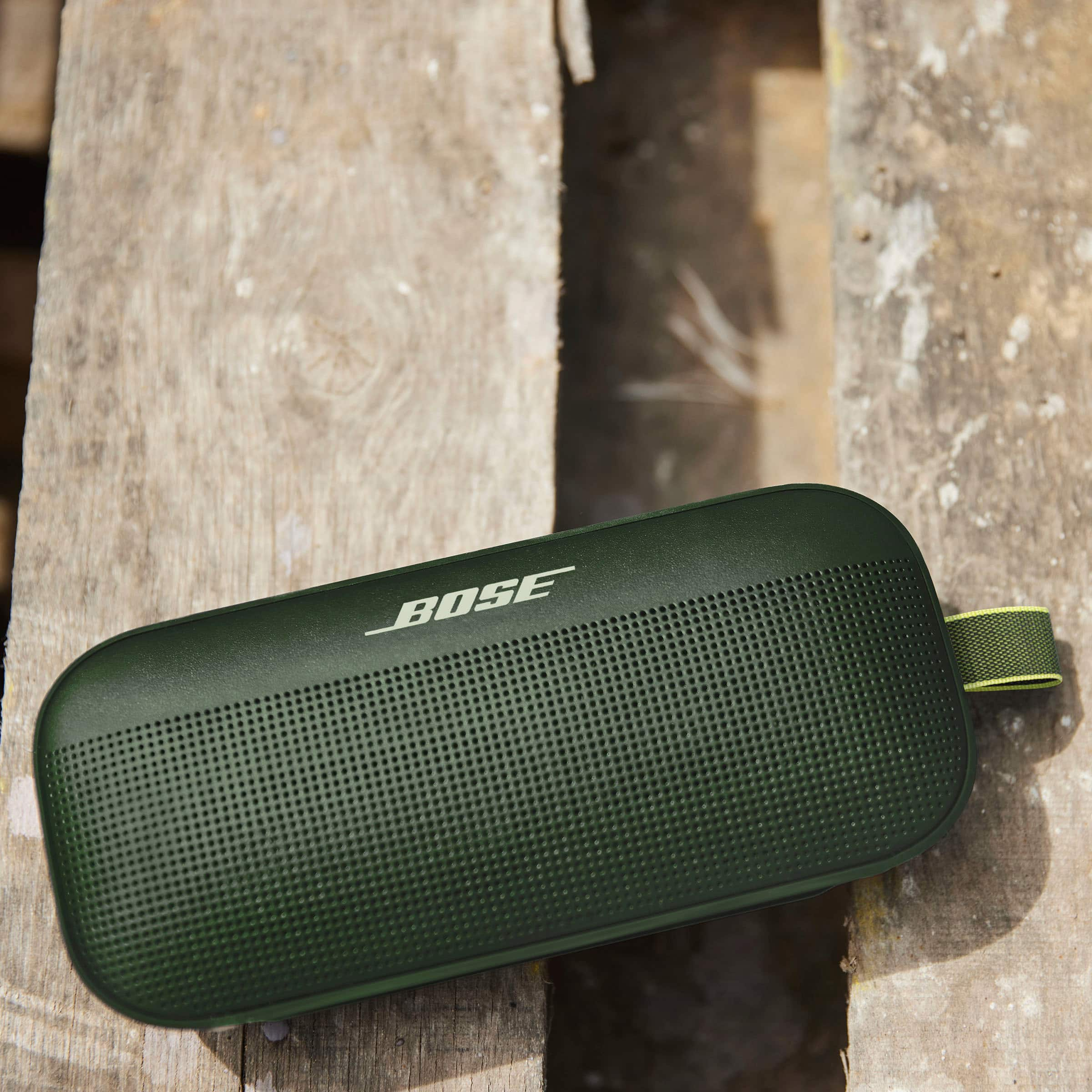
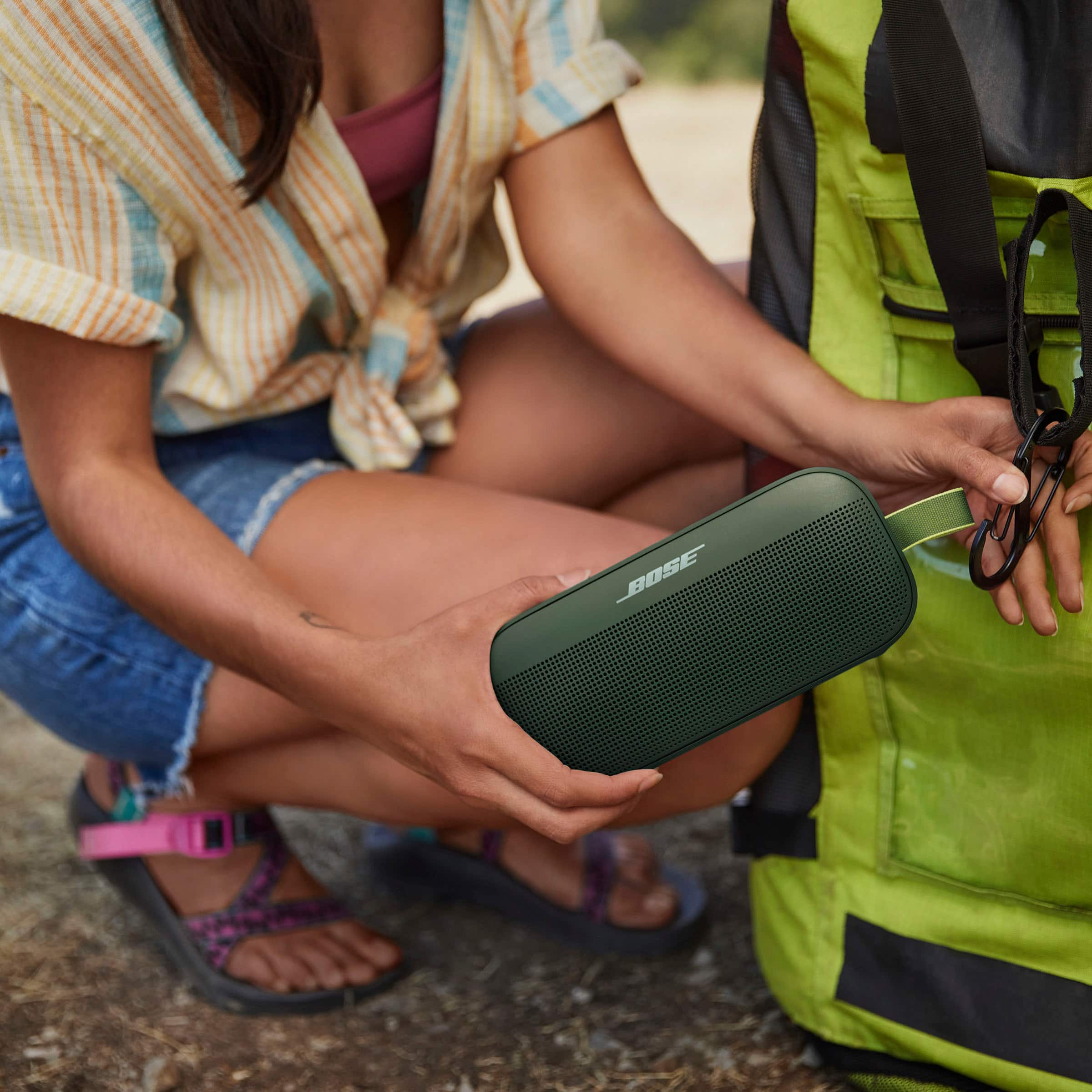
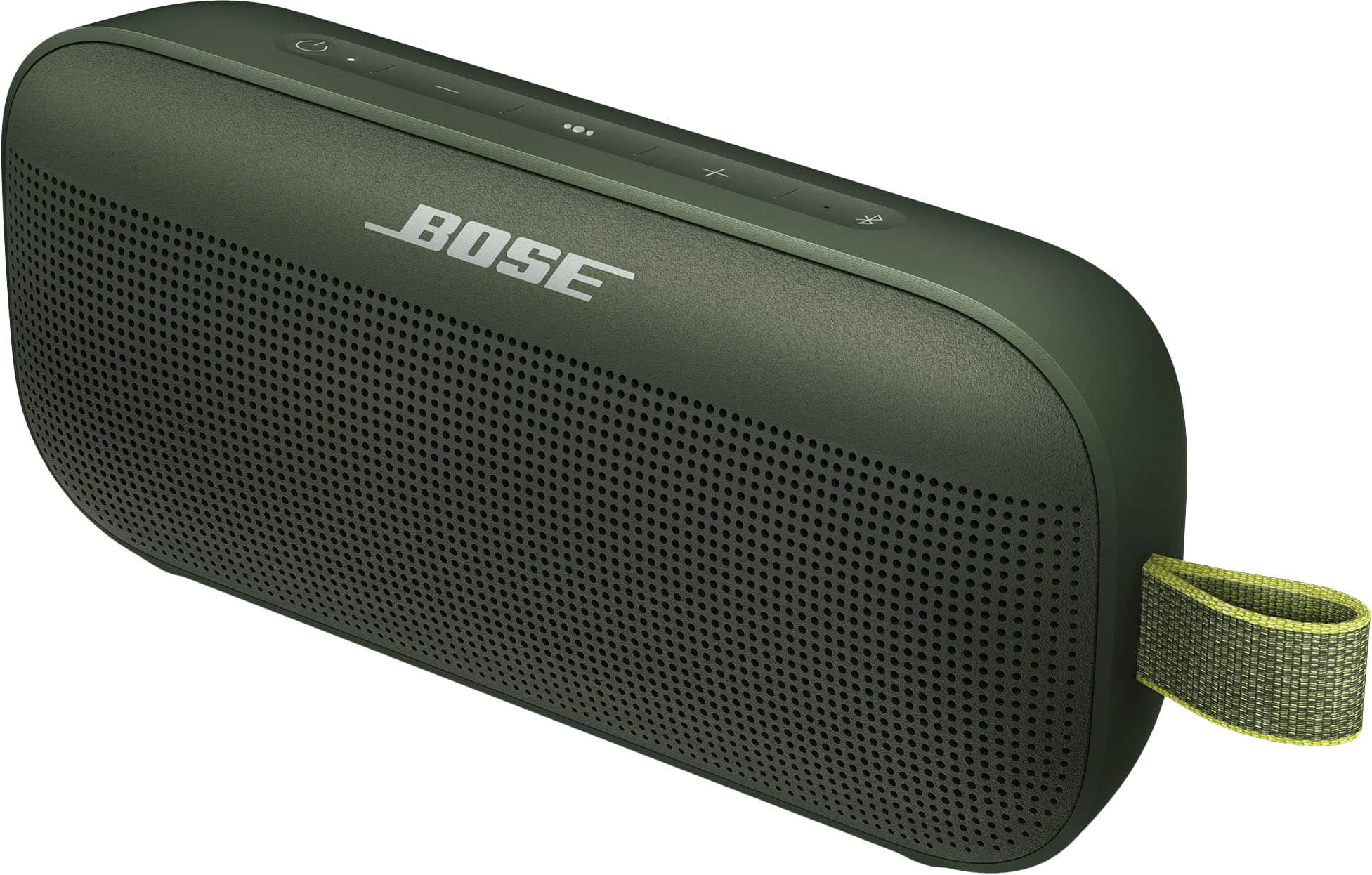
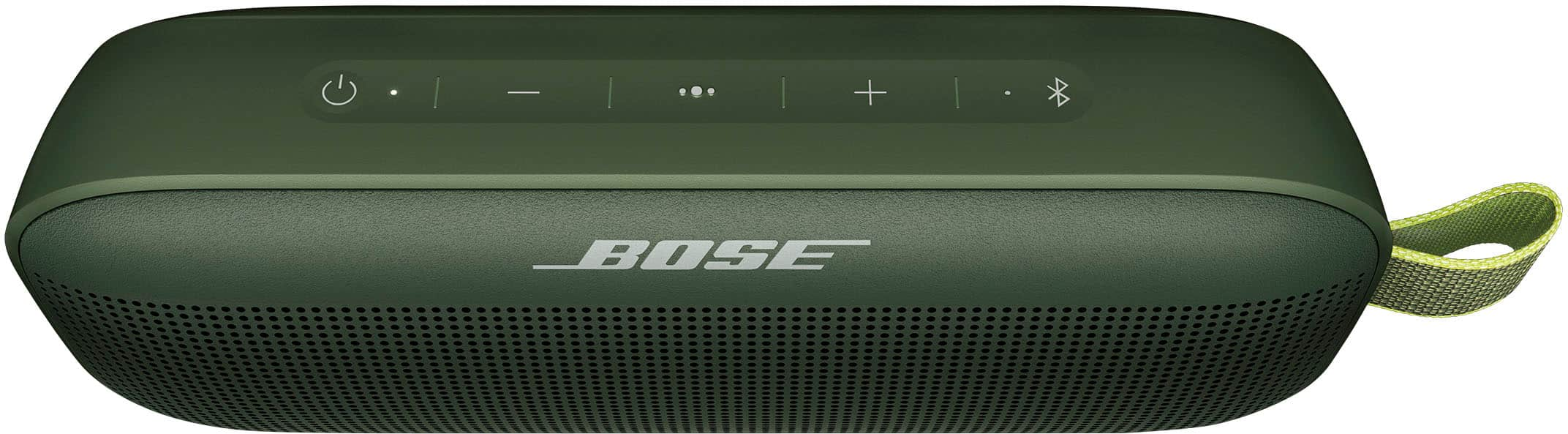
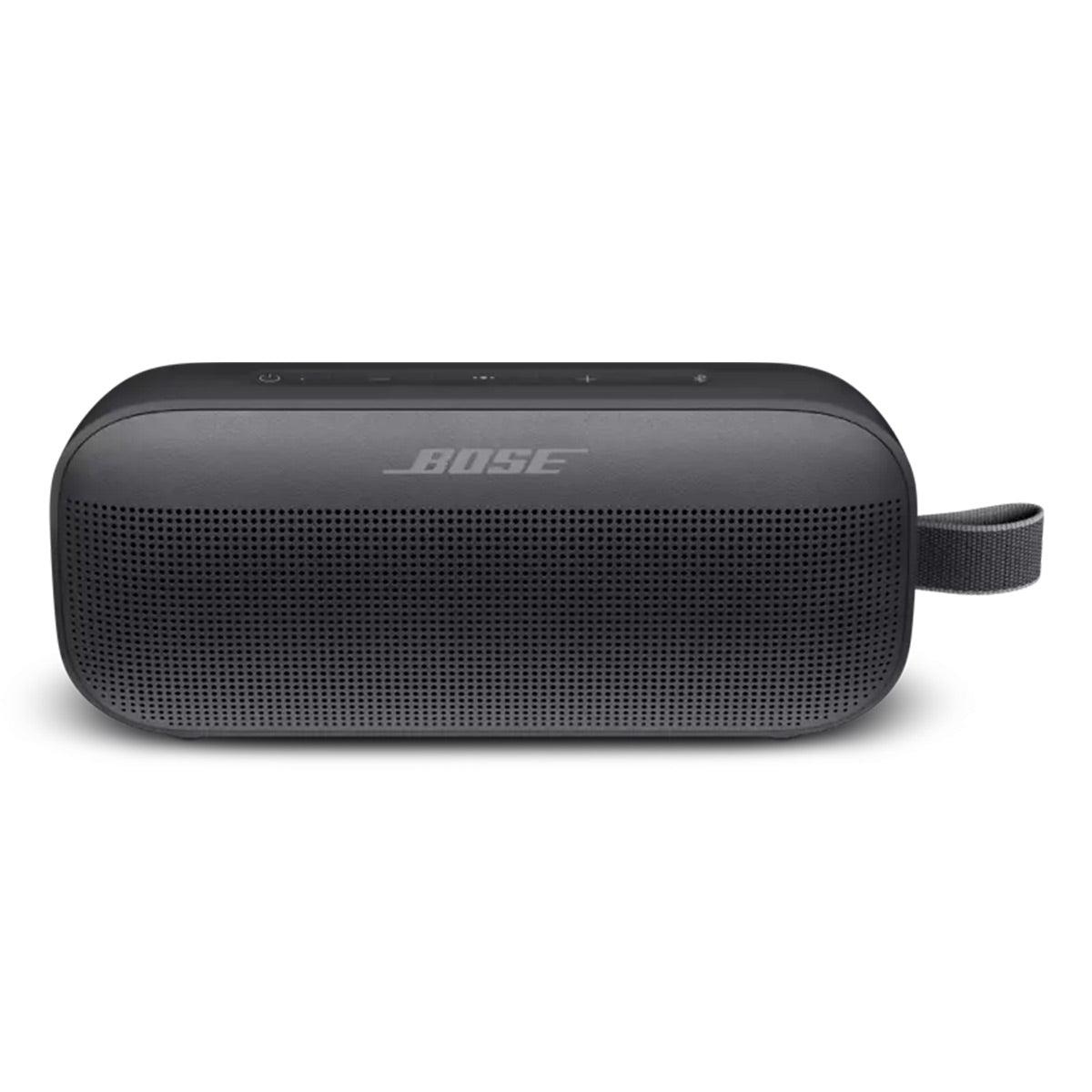
Released in 2021, the Bose SoundLink Flex represents a more modern approach to portable audio, emphasizing intelligence and adaptability over raw power. At just 590 grams (about 1.3 pounds), it's significantly lighter than the JBL Charge 4, making it genuinely pocketable for many users.
Intelligent Audio That Adapts
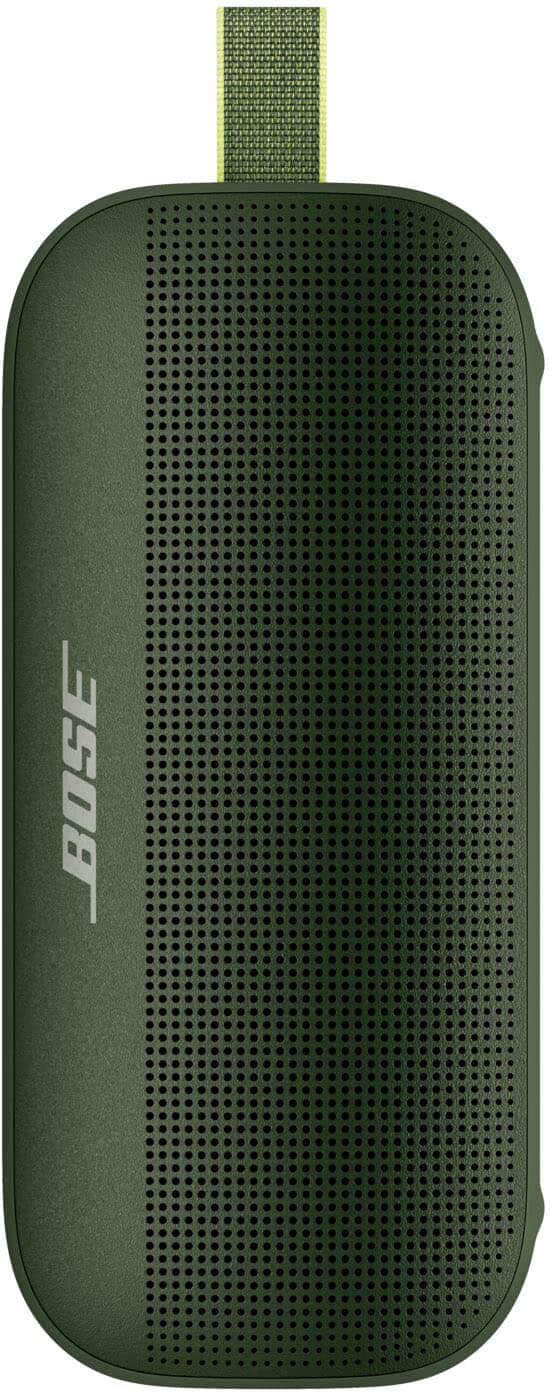
The most innovative feature of the Bose SoundLink Flex is PositionIQ technology – a system that automatically detects the speaker's orientation and adjusts the sound accordingly. This might sound like marketing gimmickry, but it addresses a real problem: most speakers are designed to sound optimal in one specific position, typically upright.
The Bose SoundLink Flex sounds equally good whether standing upright on a table, lying flat on a blanket, or hanging from its integrated utility loop on a backpack. Internal sensors detect the orientation and apply appropriate EQ adjustments (equalization changes that boost or cut specific frequencies) to maintain balanced sound regardless of placement.
This adaptive approach reflects Bose's expertise in digital signal processing – the complex computer calculations that modify audio signals in real-time. While the JBL Charge 4 relies primarily on physical driver design for its sound signature, the Bose SoundLink Flex uses sophisticated software to optimize performance.
Balanced Sound for Critical Listening
Where the JBL Charge 4 emphasizes impact and energy, the Bose SoundLink Flex prioritizes accuracy and balance. User reviews consistently highlight its exceptional midrange clarity, making vocals and instruments sound natural and detailed. This makes it particularly well-suited for acoustic music, podcasts, and audiobooks where vocal clarity is paramount.
The bass response, while less prominent than the JBL Charge 4, is tight and controlled. Electronic music might lack some of the visceral impact you'd get from JBL, but jazz, classical, and acoustic genres often sound more realistic and engaging.
Practical Intelligence Features
The Bose SoundLink Flex includes a built-in microphone that serves multiple purposes. It enables hands-free phone calls with surprisingly good clarity, and it can activate voice assistants like Siri or Google Assistant when connected to your phone. While not as advanced as dedicated smart speakers, this functionality adds genuine utility for users who frequently take calls or prefer voice control.
The integrated utility loop might seem minor, but it opens up creative placement options. You can hang the speaker from a tent loop while camping, attach it to a backpack while hiking, or suspend it from a bike handlebar. This flexibility, combined with PositionIQ, means the Bose SoundLink Flex can adapt to more usage scenarios than traditional speakers.
Volume and Power Output
The JBL Charge 4 significantly outperforms the Bose SoundLink Flex in pure volume output. With 30 watts versus the Bose's unspecified (but clearly lower) power output, the JBL can fill larger spaces and compete better with ambient noise. For beach parties, camping groups, or backyard gatherings, this advantage is substantial.
However, maximum volume isn't everything. The Bose SoundLink Flex delivers cleaner audio at its peak volumes, with less compression and distortion. If you primarily listen at moderate levels in smaller spaces, the Bose's superior audio processing becomes more apparent.
Battery Life and Charging
The JBL Charge 4's 20-hour battery life versus the Bose SoundLink Flex's 12 hours represents a 67% advantage – nearly double the playback time. For extended outdoor adventures, multi-day festivals, or simply users who hate charging devices, this difference is game-changing.
Both speakers charge via USB-C in approximately 4 hours, which has become the standard for modern portable speakers. The JBL Charge 4's power bank feature effectively extends this advantage further, as you're less likely to need external power sources for your other devices.
Durability and Environmental Protection
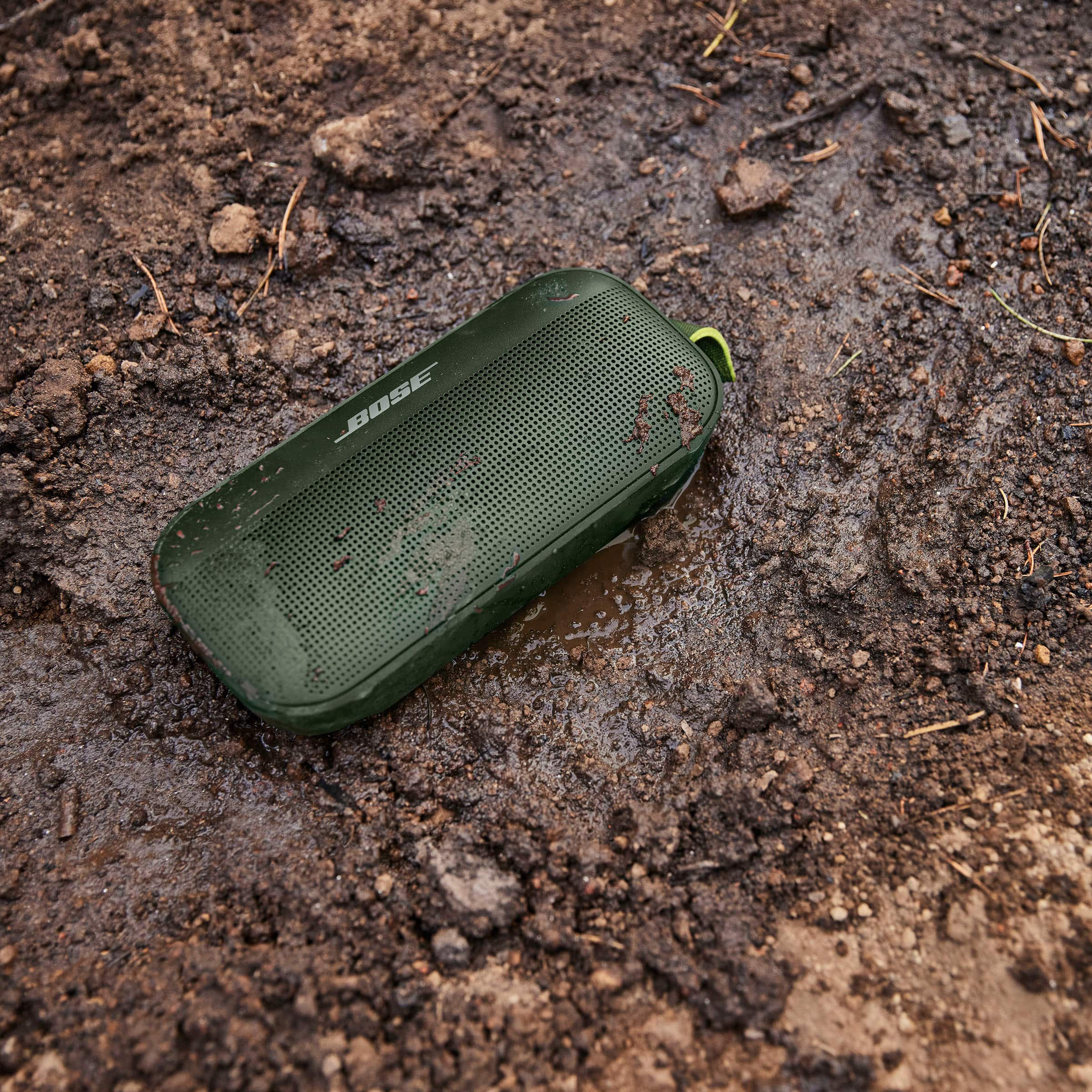
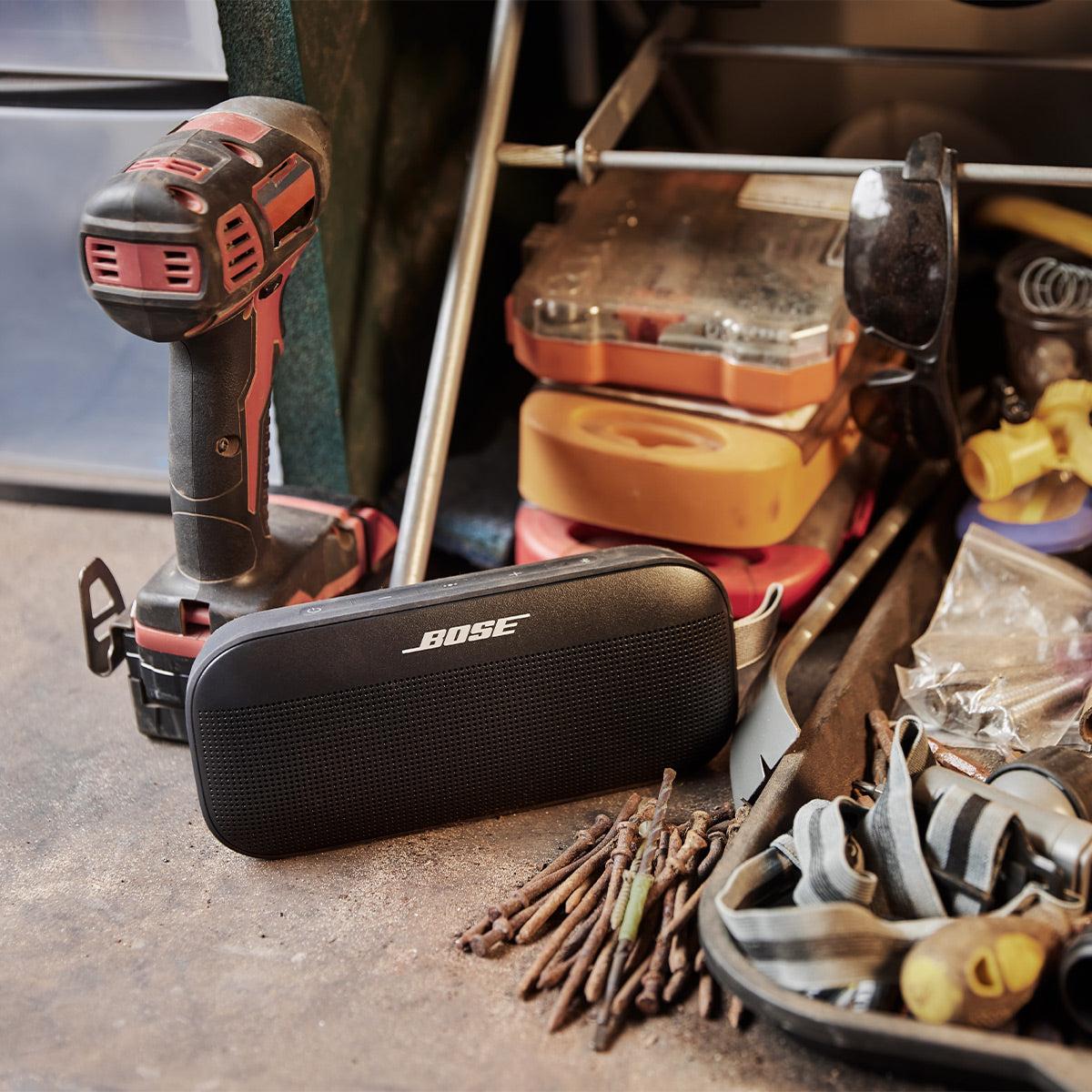
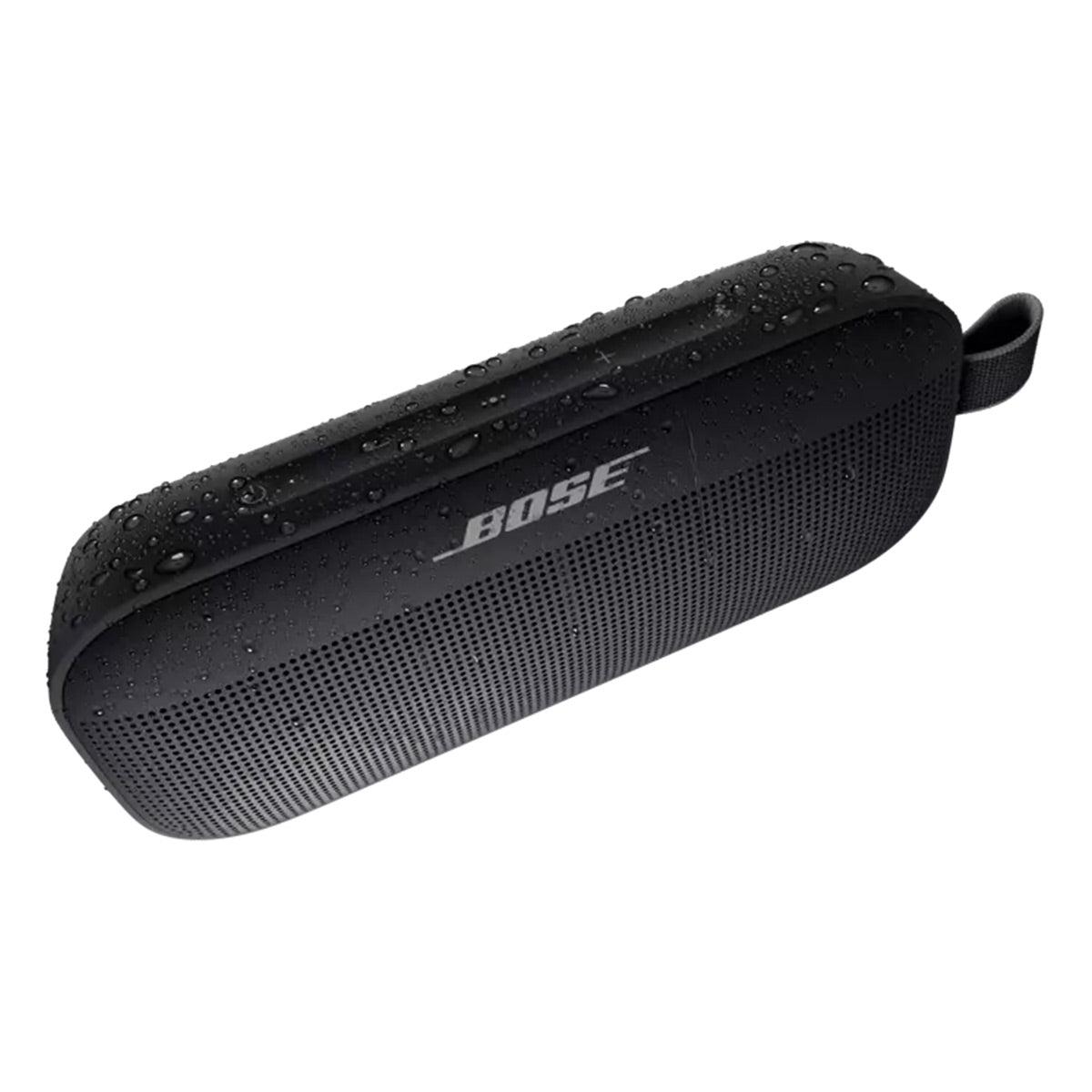
Both speakers offer excellent water resistance, though with slight differences. The JBL Charge 4's IPX7 rating means it can survive being submerged but offers no dust protection. The Bose SoundLink Flex's IP67 rating adds dust protection, making it better suited for sandy beaches or dusty hiking trails.
In terms of build quality, both feel substantial and well-engineered. The JBL Charge 4's fabric and rubber construction has proven durable over its six years in market, while the Bose SoundLink Flex's silicone exterior and powder-coated steel grille resist scratches and corrosion.
For Home Theater and Indoor Use
Neither speaker is designed primarily for home theater use, as both are mono speakers lacking the stereo separation and surround sound processing of dedicated home audio systems. However, they can serve as convenient portable audio for casual TV watching, video calls, or background music.
The JBL Charge 4's higher output makes it better for larger rooms, while the Bose SoundLink Flex's superior vocal clarity makes it preferable for dialogue-heavy content like podcasts or news programs. Both have sufficiently low latency for video watching without noticeable audio sync issues.
Outdoor Adventures and Travel
This is where the fundamental differences become most apparent. The JBL Charge 4 excels for car camping, beach trips, or base camp scenarios where power and volume matter more than weight. Its power bank feature becomes invaluable during extended outdoor periods.
The Bose SoundLink Flex shines for backpacking, urban travel, or any situation where every ounce matters. Its utility loop and PositionIQ technology make it adaptable to cramped spaces, unusual mounting positions, and varied acoustic environments.
Social Gatherings and Parties
For parties and gatherings, the JBL Charge 4 generally performs better due to its higher volume output and bass emphasis that cuts through conversation and ambient noise. The ability to link multiple units via Connect+ technology can create impressive multi-room or outdoor sound systems.
However, the Bose SoundLink Flex's balanced sound signature might actually be preferable for smaller, more intimate gatherings where conversation is important and overpowering bass could be intrusive.
At the time of writing, both speakers occupy similar price ranges in the portable speaker market, though exact pricing fluctuates with sales and availability. The JBL Charge 4, despite being older, often commands a premium due to its performance capabilities and proven track record.
The Bose SoundLink Flex generally offers better value for users prioritizing portability and modern features, while the JBL Charge 4 provides better value for users prioritizing performance and battery life.
Since 2018, portable speaker technology has evolved significantly, with improvements in battery efficiency, Bluetooth connectivity (newer speakers often feature Bluetooth 5.0+), and digital signal processing. Both speakers represent mature, refined designs that remain competitive despite their age.
Choose the JBL Charge 4 if you:
Choose the Bose SoundLink Flex if you:
Both the JBL Charge 4 and Bose SoundLink Flex excel in their respective niches, making the choice largely dependent on your specific priorities and usage patterns.
The JBL Charge 4 remains an excellent choice for users who prioritize performance, longevity, and utility features. Its combination of powerful audio, marathon battery life, and power bank functionality makes it particularly appealing for outdoor enthusiasts and frequent entertainers. Despite being older, its proven reliability and robust feature set keep it competitive.
The Bose SoundLink Flex represents a more modern approach, emphasizing intelligence, adaptability, and portability. Its PositionIQ technology, superior audio processing, and compact design make it ideal for users who value convenience and flexibility over raw power.
Neither speaker is objectively better than the other – they're optimized for different use cases and user preferences. The "best" choice depends entirely on whether you value power and endurance (JBL Charge 4) or intelligence and portability (Bose SoundLink Flex). Consider your typical usage scenarios, priorities, and preferences, and either speaker will serve you well within its intended role.
| JBL Charge 4 | Bose SoundLink Flex |
|---|---|
| Power Output - Determines maximum volume and ability to fill larger spaces | |
| 30W RMS (significantly louder for parties/gatherings) | Not specified (noticeably quieter but cleaner at peak volume) |
| Battery Life - Critical for extended outdoor use and travel | |
| 20 hours (exceptional for multi-day trips) | 12 hours (adequate for daily use, requires more frequent charging) |
| Weight - Affects daily portability and travel convenience | |
| 965g / 2.12 lbs (substantial but manageable for performance) | 590g / 1.3 lbs (39% lighter, genuinely portable) |
| Water/Dust Protection - Essential for outdoor adventures | |
| IPX7 (waterproof only, no dust protection) | IP67 (waterproof AND dustproof, better for beaches/hiking) |
| Power Bank Feature - Valuable for camping and extended outdoor use | |
| Yes, 5V/2A USB-A output (charges phones/tablets) | No power bank capability |
| Built-in Microphone - Enables hands-free calls and voice assistant access | |
| No microphone (audio playback only) | Yes (clear speakerphone and voice assistant support) |
| Audio Input Options - Important for device compatibility | |
| 3.5mm AUX input + Bluetooth 4.2 | Bluetooth 4.2 only (no wired option) |
| Smart Audio Features - Modern convenience and sound optimization | |
| Basic sound profile, no adaptive EQ | PositionIQ adaptive EQ (adjusts sound based on speaker orientation) |
| Multi-Speaker Pairing - Creates stereo or multi-room setups | |
| Connect+ links 100+ JBL speakers | Party Mode with other Bose Bluetooth speakers only |
| Mounting Options - Flexibility for different usage scenarios | |
| No integrated mounting (requires separate accessories) | Built-in utility loop (hangs from backpacks, tents, bikes) |
| Sound Signature - Different approaches to audio reproduction | |
| Bass-emphasized, energetic (ideal for electronic/pop music) | Balanced, accurate (better for vocals, acoustic, classical) |
| Release Year - Indicates technology generation and feature set | |
| 2018 (proven reliability, mature design) | 2021 (newer tech, more modern features) |
The JBL Charge 4 is significantly louder with its 30W power output, making it better for outdoor gatherings and parties. The Bose SoundLink Flex has lower volume output but delivers cleaner sound at its maximum levels, making it more suitable for personal listening or small groups.
The JBL Charge 4 offers exceptional 20-hour battery life, while the Bose SoundLink Flex provides 12 hours of playback. For extended camping trips or multi-day events, the JBL Charge 4 is the clear winner, lasting nearly twice as long between charges.
The Bose SoundLink Flex is much more portable, weighing only 590g compared to the JBL Charge 4's 965g. The Bose SoundLink Flex also features a built-in utility loop for easy attachment to backpacks or bikes, making it ideal for hiking and travel.
Both speakers offer excellent water protection. The JBL Charge 4 has IPX7 rating (waterproof but no dust protection), while the Bose SoundLink Flex features IP67 rating, providing both waterproof and dustproof protection. For beach or desert use, the Bose SoundLink Flex has the advantage.
It depends on your music preferences. The JBL Charge 4 delivers bass-heavy, energetic sound perfect for electronic, pop, and hip-hop music. The Bose SoundLink Flex offers more balanced, accurate sound with superior vocal clarity, making it better for acoustic, jazz, and classical music.
Only the Bose SoundLink Flex has a built-in microphone for hands-free calling and voice assistant access. The JBL Charge 4 lacks microphone functionality, so it's purely for music playback and cannot handle phone calls.
The JBL Charge 4 doubles as a power bank with its USB-A port, allowing you to charge phones, tablets, and other devices. The Bose SoundLink Flex does not offer power bank functionality, focusing solely on audio performance and portability.
The JBL Charge 4 is superior for outdoor parties due to its higher volume output, longer battery life, and ability to link multiple speakers using Connect+ technology. The Bose SoundLink Flex is better suited for intimate gatherings where conversation and audio clarity matter more than raw power.
The Bose SoundLink Flex features PositionIQ technology that automatically adjusts sound based on speaker orientation, ensuring optimal audio whether upright, lying flat, or hanging. The JBL Charge 4 relies on traditional driver design without adaptive EQ but offers Connect+ for linking multiple speakers.
Value depends on your priorities. The JBL Charge 4 typically costs more but offers exceptional battery life and power bank functionality. The Bose SoundLink Flex usually has a lower entry price and provides modern smart features with superior portability, making it better value for casual users.
Both speakers can connect to TVs via Bluetooth, though neither is designed primarily for home theater use since they're mono speakers. The JBL Charge 4 provides higher volume for larger rooms, while the Bose SoundLink Flex offers better vocal clarity for dialogue-heavy content like news or podcasts.
For car camping where weight isn't critical, choose the JBL Charge 4 for its power bank feature and longer battery life. For backpacking and hiking, the Bose SoundLink Flex is ideal due to its lighter weight, dust protection, utility loop for attachment, and PositionIQ technology that works in any mounting position.
We've done our best to create useful and informative comparisons to help you decide what product to buy. Our research uses advanced automated methods to create this comparison and perfection is not possible - please contact us for corrections or questions. These are the sites we've researched in the creation of this article: rtings.com - whathifi.com - whathifi.com - soundguys.com - soundguys.com - streamtechreviews.com - youtube.com - versus.com - applevis.com - versus.com - jbl.com - jbl.com - walmart.com - comparisontabl.es - harmanaudio.com - manuals.plus - jbl.com.sg - jbl.com - mm.jbl.com - bestbuy.com - newpower99.com - forums.woot.com - bose.com - bose.com - youtube.com - rtings.com - projectorscreen.com - assets.bose.com - boselatam.com - adorama.com - bose.com

Privacy Policy
Terms and Conditions - Affiliate Policy
Home Security
© Copyright 2008-2026.
11816 Inwood Rd #1211, Dallas, TX 75244