



Picking the right portable Bluetooth speaker can feel overwhelming when you're staring at dozens of options on store shelves. Two speakers that consistently catch attention are the JBL Charge 4 and the Sony XG300—but they represent completely different philosophies on what makes a great portable speaker.
The JBL Charge 4, released in 2018, focuses on true portability and practical features that make sense for active lifestyles. Meanwhile, the Sony XG300, which hit the market in 2022, prioritizes audio quality and advanced technology, even if it means sacrificing some portability. Understanding these fundamental differences will help you choose the speaker that actually fits your lifestyle.
Before diving into specifics, it's worth understanding what separates good portable speakers from mediocre ones. The best speakers balance several competing priorities: they need to sound great while staying light enough to actually carry around. They should survive outdoor adventures but not cost a fortune. Most importantly, they need enough battery life to soundtrack your entire day without leaving you scrambling for an outlet.
The technology has advanced significantly since 2018. Modern Bluetooth 5.2 connections are more stable and support higher-quality audio codecs like LDAC, which can transmit nearly three times more data than standard Bluetooth audio. Battery technology has improved too—speakers now routinely offer 20+ hours of playback, something that was impressive just a few years ago.
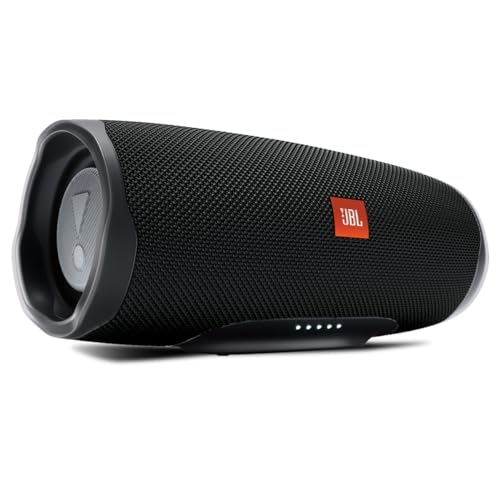
This is where these two speakers diverge most dramatically. The JBL Charge 4 uses a single racetrack-shaped driver (measuring 50x90mm) paired with two passive radiators. Think of passive radiators as speakers without magnets—they move sympathetically with the main driver to enhance bass response without requiring additional power or electronics.
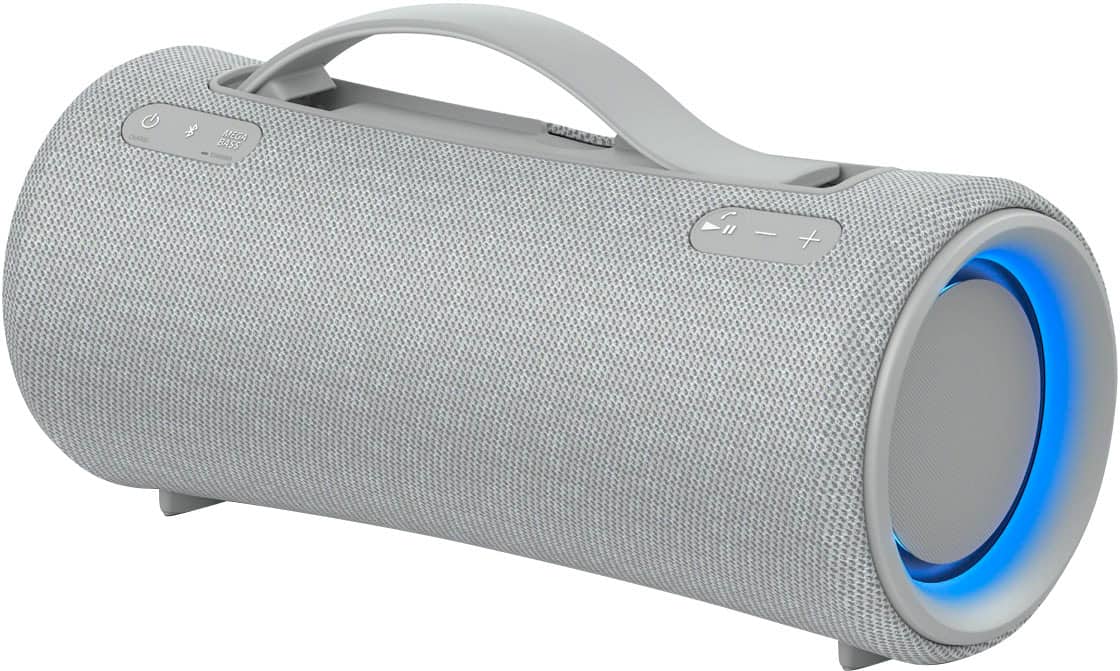
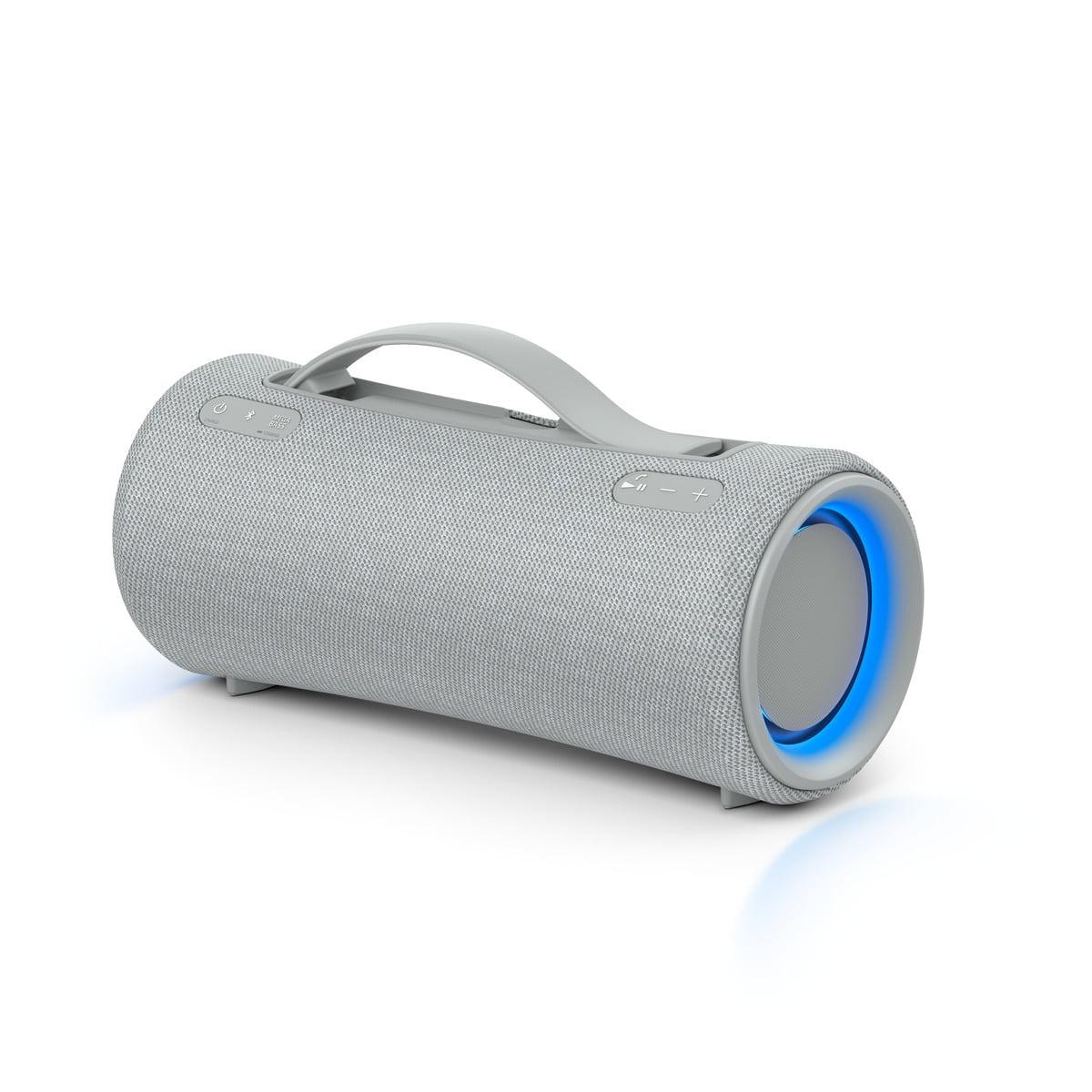
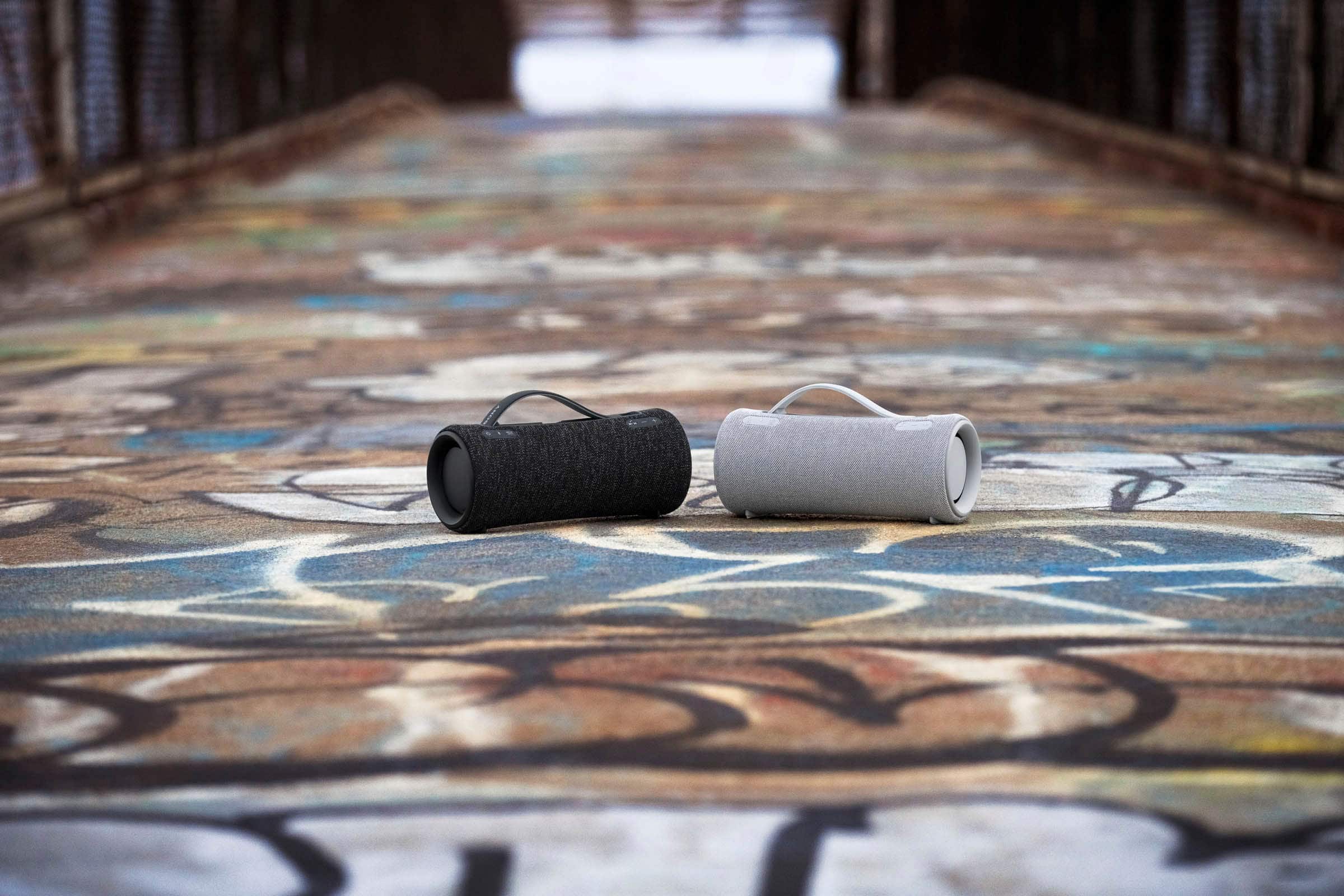
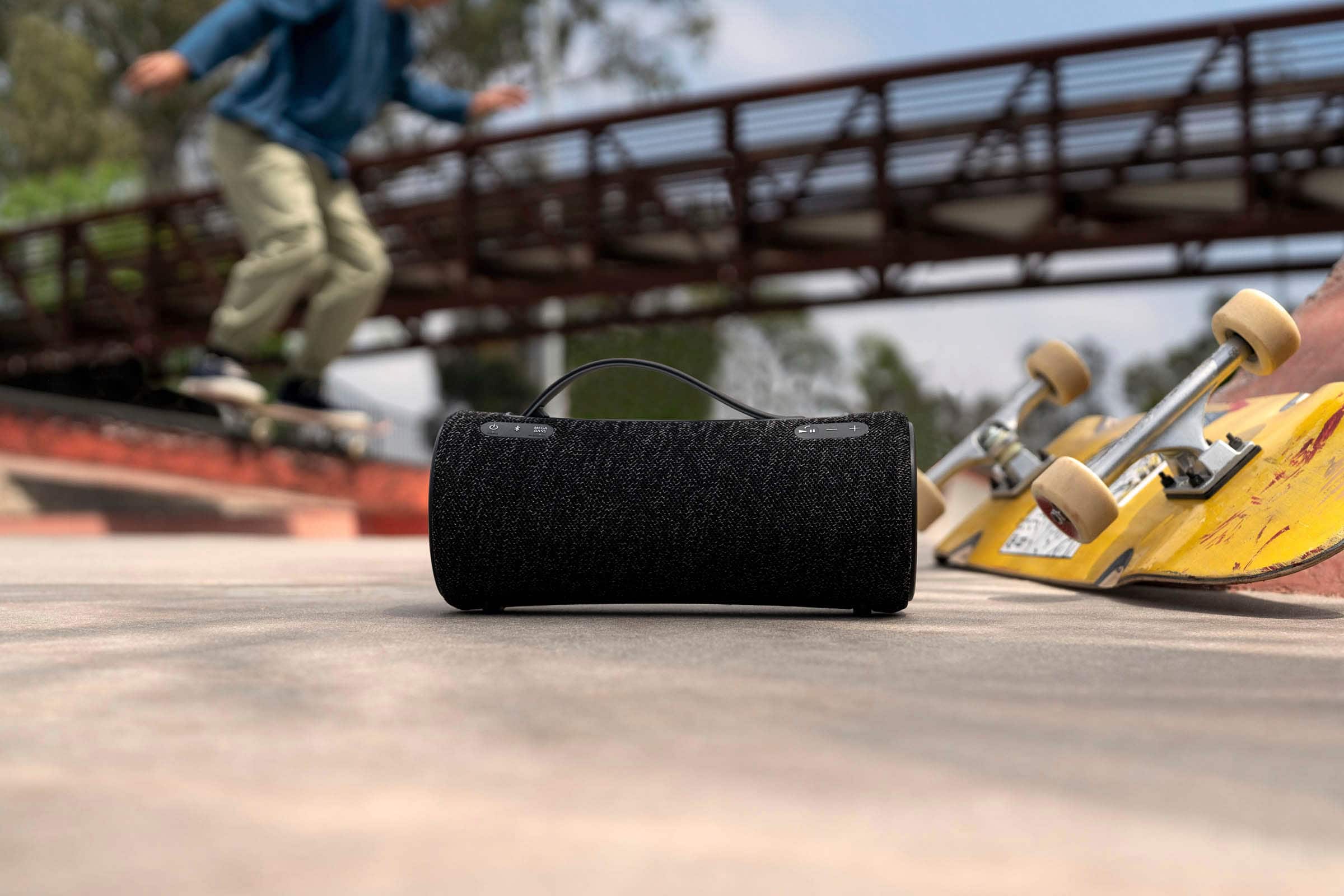
The Sony XG300, by contrast, uses a four-driver system: two dedicated tweeters for high frequencies and two of Sony's X-Balanced woofers for mid and low frequencies. The X-Balanced design uses a non-circular diaphragm (the part of the speaker that moves air) which Sony claims reduces distortion while increasing sound pressure. In practical terms, this means cleaner, more powerful sound.
The JBL Charge 4 covers 60Hz to 20kHz, which handles most music well but struggles with the deepest bass notes. You'll hear bass drums and bass guitars clearly, but those room-shaking sub-bass frequencies that make electronic music exciting simply aren't there. The midrange—where vocals and most instruments live—is well-balanced, though complex musical passages can sound congested since everything comes from a single driver.
The Sony XG300 extends down to 20Hz, capturing those deep bass frequencies that the JBL misses. More importantly, having separate drivers for different frequency ranges means each can be optimized for its specific job. Tweeters handle high frequencies without distortion, while the larger woofers move more air for better bass response. The result is noticeably clearer separation between instruments and vocals.
Based on extensive user feedback and professional reviews, the Sony delivers superior audio quality across all genres. The difference is subtle with simple acoustic music but becomes obvious with complex, bass-heavy tracks. Hip-hop, electronic, and rock music particularly benefit from the Sony's extended frequency range and driver separation.
The JBL Charge 4 outputs 30W of power, which sounds impressive but doesn't tell the whole story. At moderate volumes, it delivers clean, balanced sound. Push it to maximum volume, though, and the audio becomes compressed and harsh—a common limitation of single-driver systems trying to handle all frequencies simultaneously.
The Sony XG300 doesn't specify exact power output, but its multi-driver design maintains clarity much better at higher volumes. The dedicated tweeters prevent high frequencies from becoming harsh, while the larger woofers can move more air without distorting. This makes it significantly better for outdoor parties where you need to fill a larger space with sound.
Here's where personal priorities become crucial. The JBL Charge 4 weighs just 2.12 pounds and measures roughly the size of a large water bottle. You can genuinely carry it anywhere—toss it in a backpack for hiking, grip it with one hand at the beach, or pack it for air travel without thinking twice about weight limits.
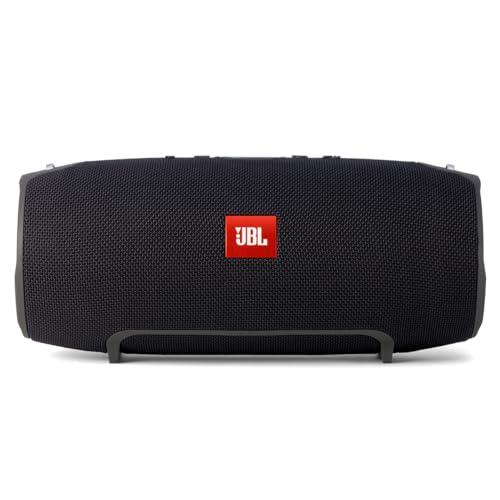
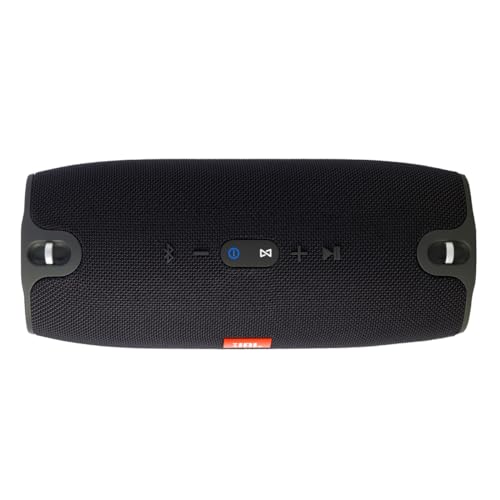
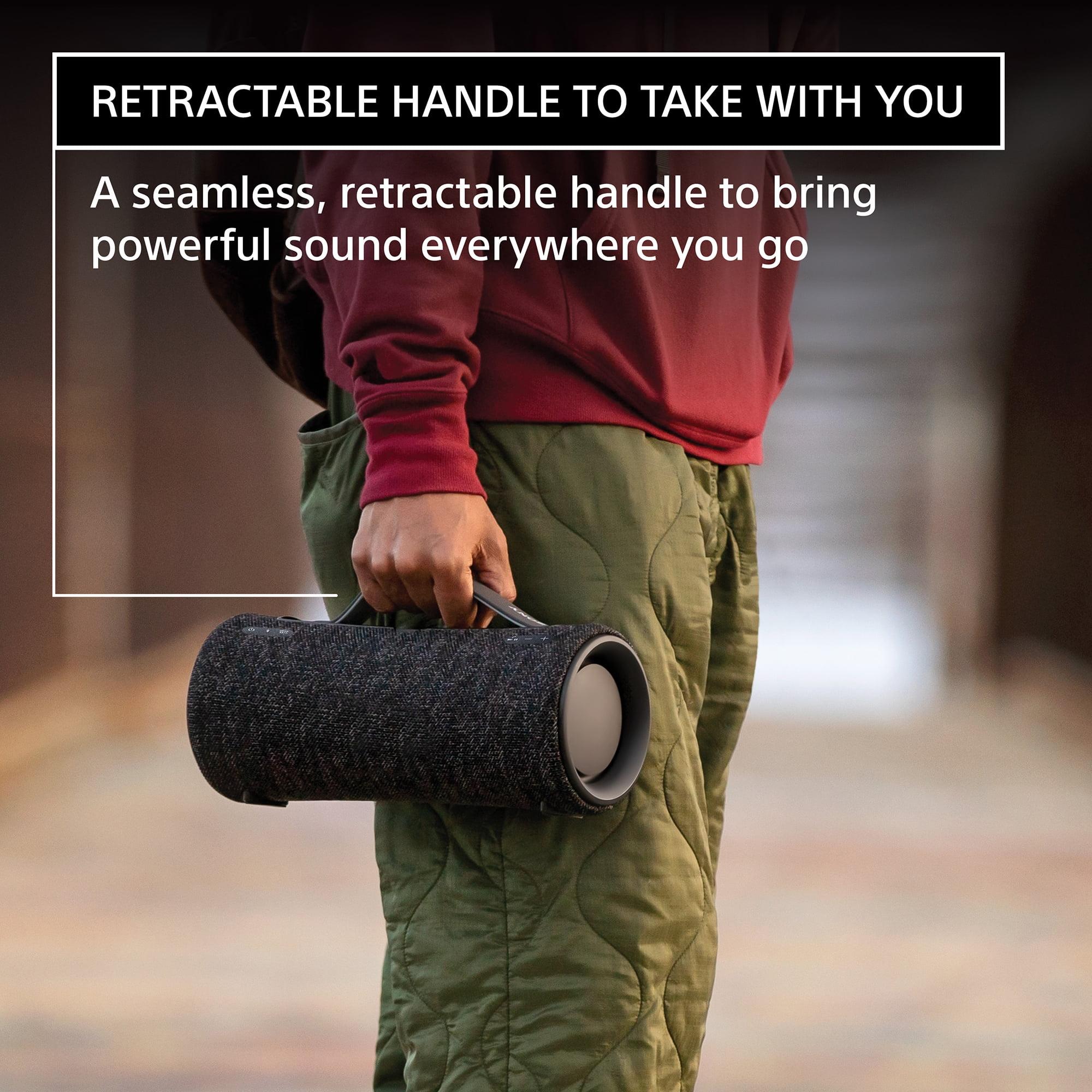
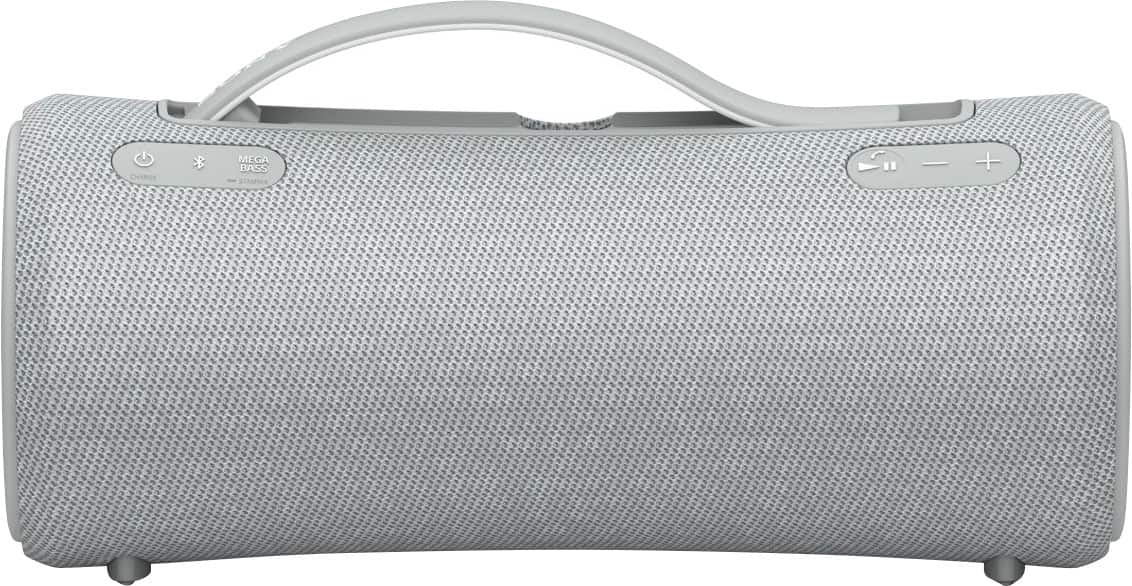
The Sony XG300 weighs 6.6 pounds—more than triple the JBL's weight. While it includes a retractable handle, this is clearly designed for "portable" use rather than truly mobile applications. Think moving from room to room at home, or from your car to a picnic table, rather than hiking trail to trail.
This weight difference fundamentally changes how you'll use each speaker. The JBL Charge 4 encourages spontaneous music wherever you go. The Sony XG300 rewards planning—you'll choose specific locations and events where its superior sound quality justifies the extra bulk.
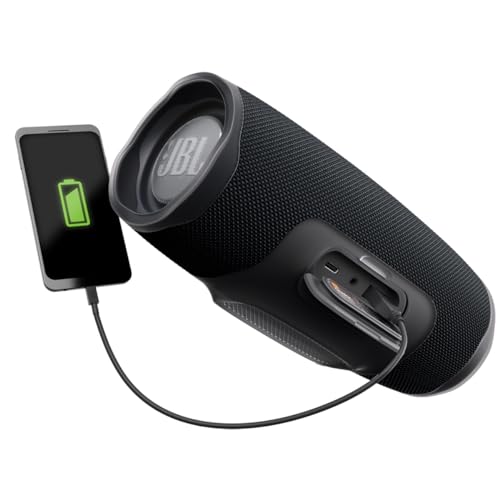
Both speakers offer impressive battery life by 2018-2022 standards, but with different strengths. The JBL Charge 4 provides up to 20 hours of playback from its substantial 7500mAh battery. More uniquely, it functions as a power bank, letting you charge phones, tablets, or other devices through its USB-A port. This dual functionality proved incredibly popular with outdoor enthusiasts who need both music and device charging in remote locations.
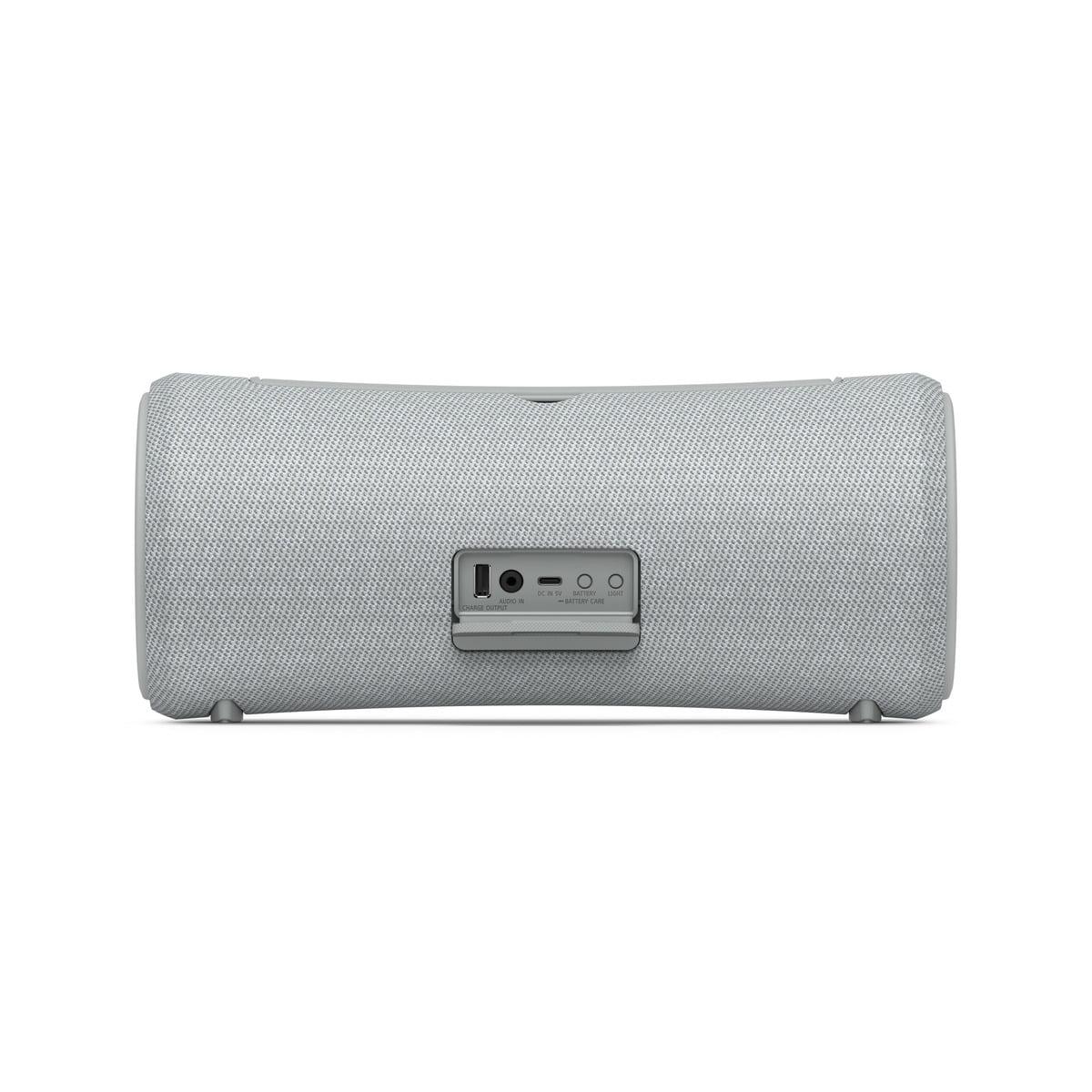
The Sony XG300 claims 25 hours of playback—the longest in this comparison. Its quick-charge feature delivers 70 minutes of playback from just 10 minutes of charging, perfect for those "forgot to charge it overnight" moments. While it has a USB-A output for device charging, Sony doesn't emphasize this feature the way JBL does.
At the time of writing, both battery life claims prove realistic in real-world use, though actual performance varies with volume levels and music choice. Bass-heavy music at high volumes drains batteries faster than acoustic music at moderate levels.
The JBL Charge 4 carries an IPX7 waterproof rating, meaning it can survive submersion in up to one meter of water for 30 minutes. It even floats briefly if dropped in water, making it practically bulletproof around pools, beaches, and boats. However, it lacks official dust protection, though the tight construction handles dusty conditions reasonably well.
The Sony XG300 ups the ante with IP67 protection—complete waterproof and dustproof certification. This makes it better suited for harsh environments like beaches (sand protection) or desert camping (dust protection). The comprehensive sealing also suggests better long-term durability in outdoor conditions.
This is where the four-year technology gap between these speakers becomes apparent. The JBL Charge 4 uses Bluetooth 4.2, which was standard in 2018 but feels dated today. Connection range is limited to about 33 feet, and it only supports basic SBC and AAC audio codecs.
The Sony XG300 leverages Bluetooth 5.2 with support for Sony's LDAC codec. LDAC can transmit nearly three times more audio data than standard Bluetooth, preserving more detail from high-resolution music files. The improved Bluetooth version also provides better range (up to 98 feet) and more stable connections.
Both speakers can link with other compatible units—the JBL Charge 4 through JBL Connect+ and the Sony XG300 through Party Connect. Both systems support up to 100 linked speakers, though you'll likely never approach these limits.
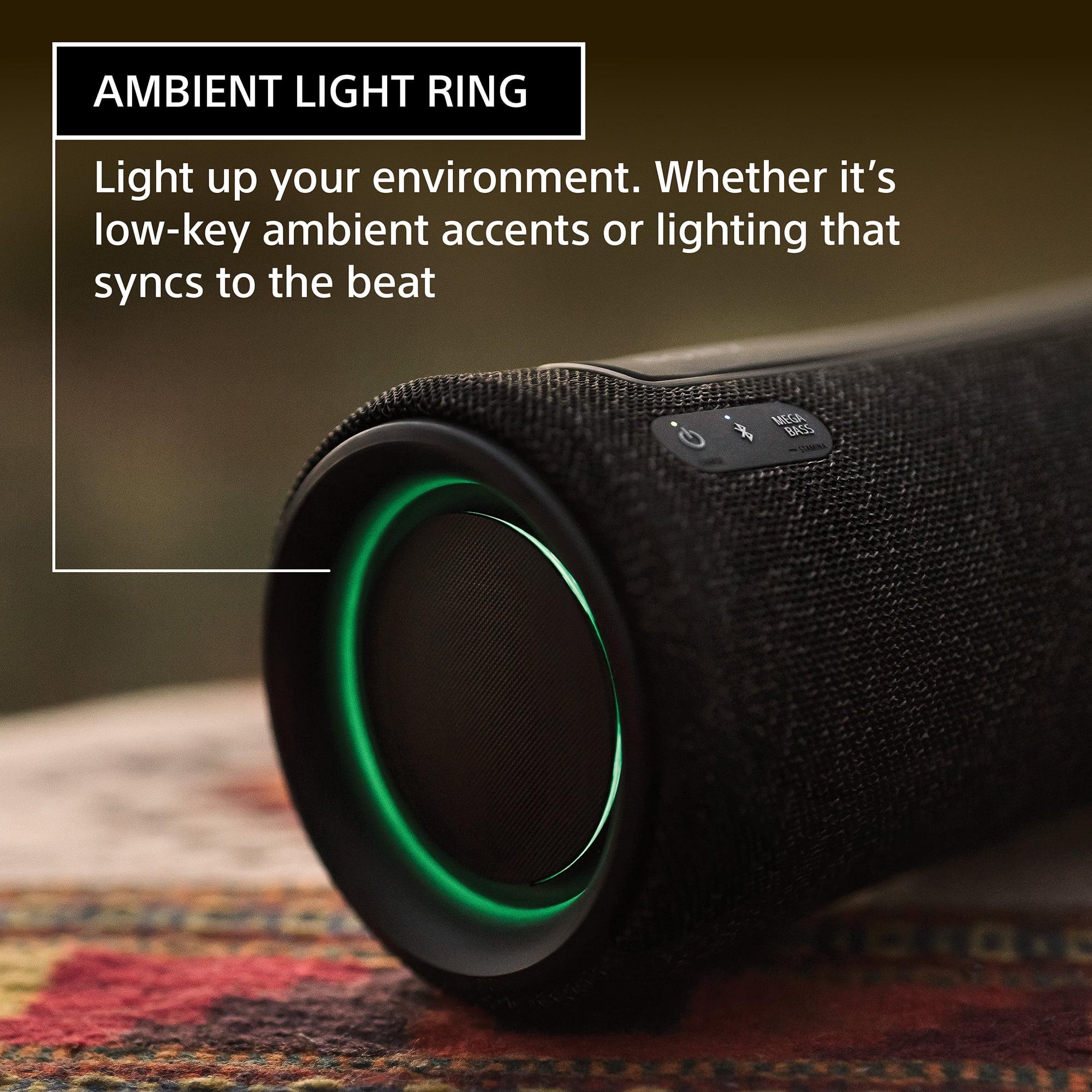
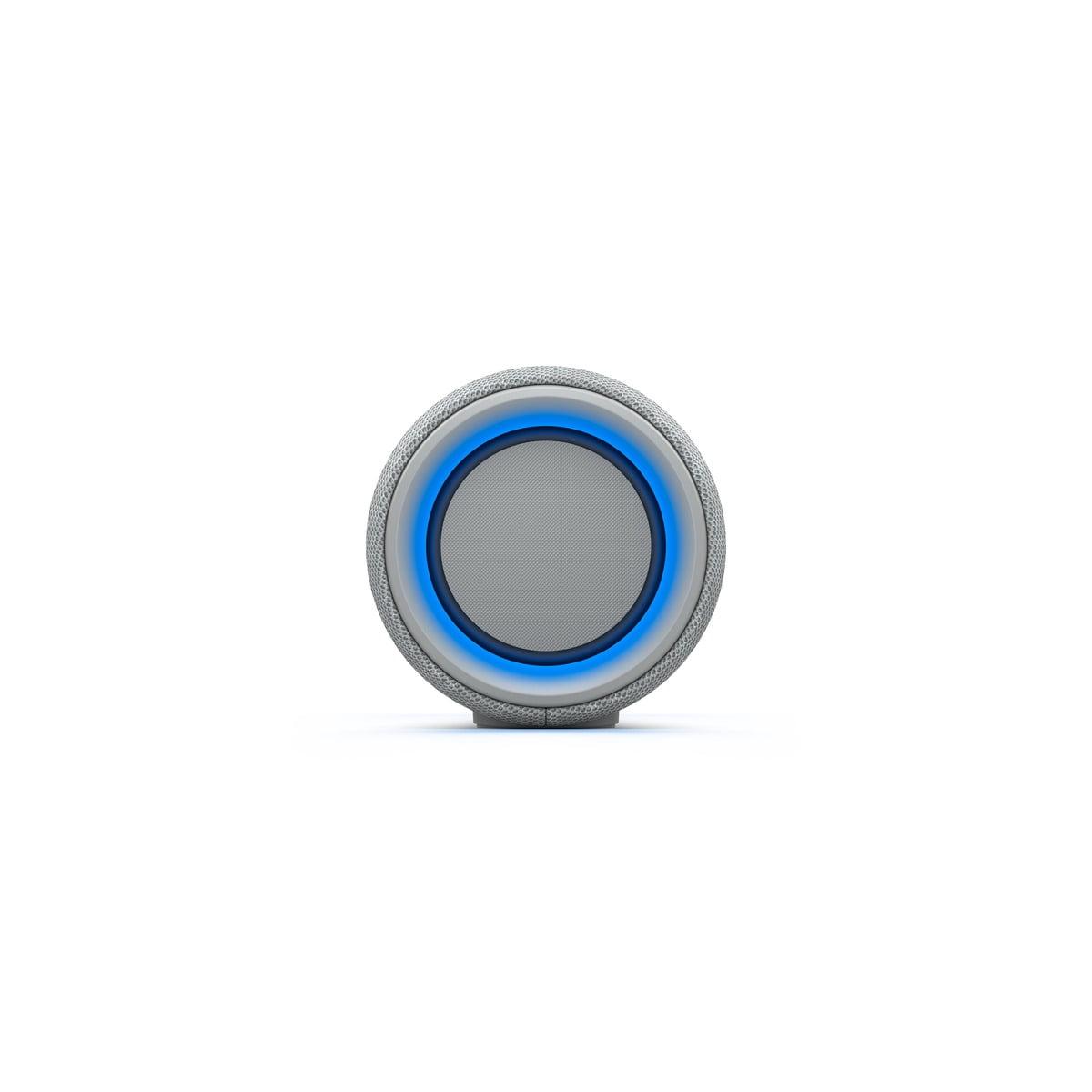
The Sony XG300 includes additional modern features like hands-free calling (the JBL lacks a microphone), customizable LED light shows, and comprehensive app control through Sony's Music Center app. The JBL's app is more basic, focusing on speaker pairing rather than sound customization.
The JBL Charge 4 takes a "what you hear is what you get" approach—no EQ, no sound modes, just JBL's house sound signature. This simplicity appeals to some users but limits adaptability to different music genres or listening environments.
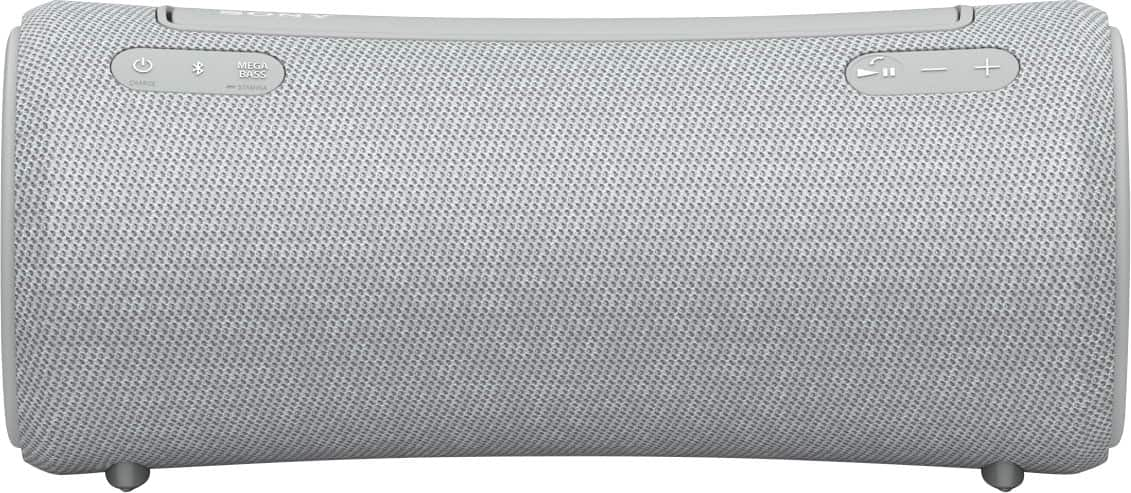
The Sony XG300 offers extensive customization through its Clear Audio+, MEGA BASS, and LIVE SOUND modes, plus a custom EQ for fine-tuning bass, mid, and treble levels. MEGA BASS mode particularly impresses with electronic and hip-hop music, adding punch without overwhelming the mix. LIVE SOUND mode creates a sense of spaciousness that works well with rock and acoustic music.
Neither speaker is designed primarily for home theater use, but both can serve as occasional TV speakers via Bluetooth or auxiliary input. The Sony XG300 works better for this application thanks to its built-in microphone (useful for video calls), stereo output, and superior dialogue clarity from its dedicated tweeters.
The JBL Charge 4's mono output limits its home theater appeal, though it can work for casual TV watching in smaller rooms. Its compact size makes it easy to position near a TV without dominating the space.
For serious home theater use, both speakers fall short compared to dedicated soundbars or speaker systems designed specifically for that purpose.
At the time of writing, these speakers typically occupy different price tiers, reflecting their different target markets. The JBL Charge 4 generally costs less, making it excellent value for users who prioritize portability and practical features like power bank functionality.
The Sony XG300 commands a premium price but justifies it with superior audio quality, longer battery life, and comprehensive features. Whether this premium is worthwhile depends entirely on your priorities and use cases.
Neither speaker feels overpriced for what it delivers. The JBL Charge 4 offers exceptional portability and utility features at its price point. The Sony XG300 delivers audiophile-level sound quality that would have required much larger, more expensive speakers just a few years ago.
The JBL Charge 4 excels here—lightweight enough to carry easily, waterproof enough to handle splashes and brief submersion, with power bank functionality to charge phones depleted by sun and photos. Its floating capability provides extra peace of mind around water.
The Sony XG300 shines in these scenarios. Its superior volume handling and bass response better fill outdoor spaces, while the longer battery life ensures it outlasts most gatherings. The retractable handle makes it practical to move between locations as the party shifts.
The JBL Charge 4 wins decisively here. Every ounce matters on long hikes, and its power bank functionality becomes crucial when you're away from electrical outlets for days. The smaller size also packs more efficiently with other gear.
The Sony XG300 works better as a semi-permanent speaker that occasionally moves between locations. Its superior sound quality makes it enjoyable for extended listening sessions, while features like hands-free calling add utility for work-from-home scenarios.
Choose the JBL Charge 4 if you're an active person who wants music to accompany adventures. It's perfect for hikers, beach-goers, travelers, and anyone who values true portability over absolute sound quality. The power bank functionality adds genuine utility that can be lifesaving in outdoor situations.
The Sony XG300 suits audio enthusiasts who want the best possible sound quality in a semi-portable package. It's ideal for people who host outdoor gatherings, work from home and need a versatile speaker for both music and calls, or simply want room-filling sound without the complexity of a full stereo system.
Both speakers excel in their intended roles, but they serve fundamentally different needs. The JBL Charge 4 remains relevant five years after release because it nailed the balance of portability, durability, and utility features that active users demand. The Sony XG300 represents the current state of the art for semi-portable speakers, delivering impressive audio quality with modern connectivity and features.
Your choice should align with how you actually plan to use the speaker. If you can honestly say you'll carry it on hikes, beach trips, and travel adventures, the JBL Charge 4 makes perfect sense. If you're primarily looking for great-sounding background music for home, patio, and occasional outdoor events, the Sony XG300 justifies its higher price and weight with noticeably superior performance.
Both speakers will serve you well for years—just pick the one that matches your lifestyle rather than the one with the most impressive specifications on paper.
| JBL Charge 4 | Sony XG300 |
|---|---|
| Weight - Critical for true portability | |
| 2.12 lbs (965g) - genuinely portable for hiking/travel | 6.6 lbs (3kg) - semi-portable, needs planning to move |
| Driver Configuration - Determines sound quality and clarity | |
| Single racetrack driver + 2 passive radiators (mono output) | 4 drivers: 2 tweeters + 2 X-Balanced woofers (true stereo) |
| Frequency Response - Shows bass depth and overall range | |
| 60Hz-20kHz (limited sub-bass for electronic music) | 20Hz-20kHz (captures deep bass frequencies) |
| Battery Life - How long your music lasts | |
| Up to 20 hours playback | Up to 25 hours playback + 10min charge = 70min play |
| Power Bank Function - Charges your devices on the go | |
| Yes, 7500mAh battery charges phones/tablets via USB-A | Limited USB output (not marketed as power bank feature) |
| Water/Dust Protection - Survival in outdoor conditions | |
| IPX7 waterproof (submersible), floats briefly | IP67 waterproof + dustproof (superior all-weather protection) |
| Bluetooth Technology - Connection quality and audio fidelity | |
| Bluetooth 4.2, SBC/AAC codecs, 33ft range | Bluetooth 5.2, LDAC codec support, 98ft range |
| Sound Customization - Adapting to different music styles | |
| No EQ or sound modes (fixed JBL signature sound) | MEGA BASS, LIVE SOUND, Clear Audio+ modes + custom EQ |
| Built-in Microphone - Hands-free calling capability | |
| No microphone (music only) | Yes, with echo cancellation for clear calls |
| Multi-Speaker Pairing - Creating bigger sound systems | |
| JBL Connect+ links 100+ compatible speakers | Party Connect links up to 100 Sony speakers |
| Release Year - Technology generation and feature set | |
| 2018 (proven design, older Bluetooth standard) | 2022 (latest tech, modern connectivity features) |
| Best Use Cases - Where each speaker truly excels | |
| Active adventures: hiking, camping, beach trips | Semi-stationary use: parties, home, patio entertaining |
The Sony XG300 delivers significantly better sound quality with its four-driver system (2 tweeters + 2 woofers) compared to the JBL Charge 4's single driver design. The Sony offers true stereo sound, deeper bass extension (20Hz vs 60Hz), and better instrument separation. While the JBL Charge 4 sounds good for its size, the Sony XG300 provides audiophile-level performance.
The Sony XG300 has superior water and dust protection with its IP67 rating, making it completely waterproof and dustproof. The JBL Charge 4 offers IPX7 waterproof protection (can be submerged up to 1 meter) and even floats briefly, but lacks dust protection. For beach or desert use, the Sony XG300 provides better all-weather durability.
Yes, the JBL Charge 4 excels as a power bank with its 7500mAh battery that can charge phones and tablets via USB-A port. The Sony XG300 has USB output capability but isn't marketed as a power bank feature. For outdoor adventures where device charging is crucial, the JBL Charge 4 is the clear winner.
The Sony XG300 offers up to 25 hours of playback compared to the JBL Charge 4's 20 hours. Additionally, the Sony includes quick charging (10 minutes = 70 minutes playback). While both provide excellent battery life for all-day use, the Sony XG300 has the edge for extended listening sessions.
The JBL Charge 4 weighs just 2.12 pounds, making it truly portable for hiking and travel. The Sony XG300 weighs 6.6 pounds—over three times heavier with a retractable handle design. For active outdoor use and genuine portability, the JBL Charge 4 is far superior.
No, only the Sony XG300 has a built-in microphone with echo cancellation for hands-free calling. The JBL Charge 4 lacks a microphone entirely, so it's music-only. If you need calling capability for work or convenience, choose the Sony XG300.
The Sony XG300 handles high volumes much better thanks to its multi-driver design. While the JBL Charge 4 outputs 30W of power, it becomes compressed and harsh at maximum volume. The Sony's dedicated tweeters and larger woofers maintain clarity even when cranked up, making it better for outdoor parties.
Yes, both speakers support multi-speaker pairing. The JBL Charge 4 uses JBL Connect+ to link with over 100 compatible speakers, while the Sony XG300 uses Party Connect for up to 100 Sony speakers. Both create synchronized audio across all connected units for large gatherings.
The Sony XG300 works better for occasional TV use with its stereo output, built-in microphone for video calls, and superior dialogue clarity from dedicated tweeters. The JBL Charge 4's mono output and lack of microphone limit its home theater appeal. However, both are primarily designed for music rather than serious home theater use.
The Sony XG300 offers extensive sound customization with MEGA BASS mode, LIVE SOUND mode, Clear Audio+, and custom EQ controls through the Sony Music Center app. The JBL Charge 4 has no EQ or sound modes—you get JBL's fixed sound signature. For music lovers who like to tweak their audio, the Sony XG300 provides much more flexibility.
This depends on your priorities. The JBL Charge 4 typically costs less and offers exceptional value for active users who need true portability and power bank functionality. The Sony XG300 commands a premium but justifies it with superior audio quality, longer battery life, and comprehensive features. Neither feels overpriced for what it delivers.
The fundamental difference is philosophy: the JBL Charge 4 prioritizes true portability and practical features like power bank capability, making it perfect for active adventures. The Sony XG300 focuses on audio quality and advanced features, accepting larger size and weight for significantly better sound. Choose the JBL Charge 4 for mobility, or the Sony XG300 for superior audio performance.
We've done our best to create useful and informative comparisons to help you decide what product to buy. Our research uses advanced automated methods to create this comparison and perfection is not possible - please contact us for corrections or questions. These are the sites we've researched in the creation of this article: rtings.com - whathifi.com - whathifi.com - soundguys.com - soundguys.com - streamtechreviews.com - youtube.com - versus.com - applevis.com - versus.com - jbl.com - jbl.com - walmart.com - comparisontabl.es - harmanaudio.com - manuals.plus - jbl.com.sg - jbl.com - mm.jbl.com - bestbuy.com - newpower99.com - forums.woot.com - bestbuy.com - youtube.com - sony.ca - youtube.com - electronics.sony.com - sony.com - abt.com - helpguide.sony.net - bhphotovideo.com - rtings.com - thesonyshop.ca - helpguide.sony.net

Privacy Policy
Terms and Conditions - Affiliate Policy
Home Security
© Copyright 2008-2026.
11816 Inwood Rd #1211, Dallas, TX 75244