



Portable Bluetooth speakers have become the go-to choice for anyone who wants quality music without being tethered to outlets or bulky sound systems. Whether you're hosting a backyard barbecue, heading to the beach, or just want better audio for your morning routine, these speakers bridge the gap between smartphone audio and full home stereo systems.
The category has evolved dramatically over the past decade. What started as basic wireless speakers with mediocre sound has transformed into sophisticated audio devices that can rival traditional stereo systems. Today's portable speakers offer everything from waterproof designs that survive pool parties to powerbank functions that keep your devices charged during camping trips.
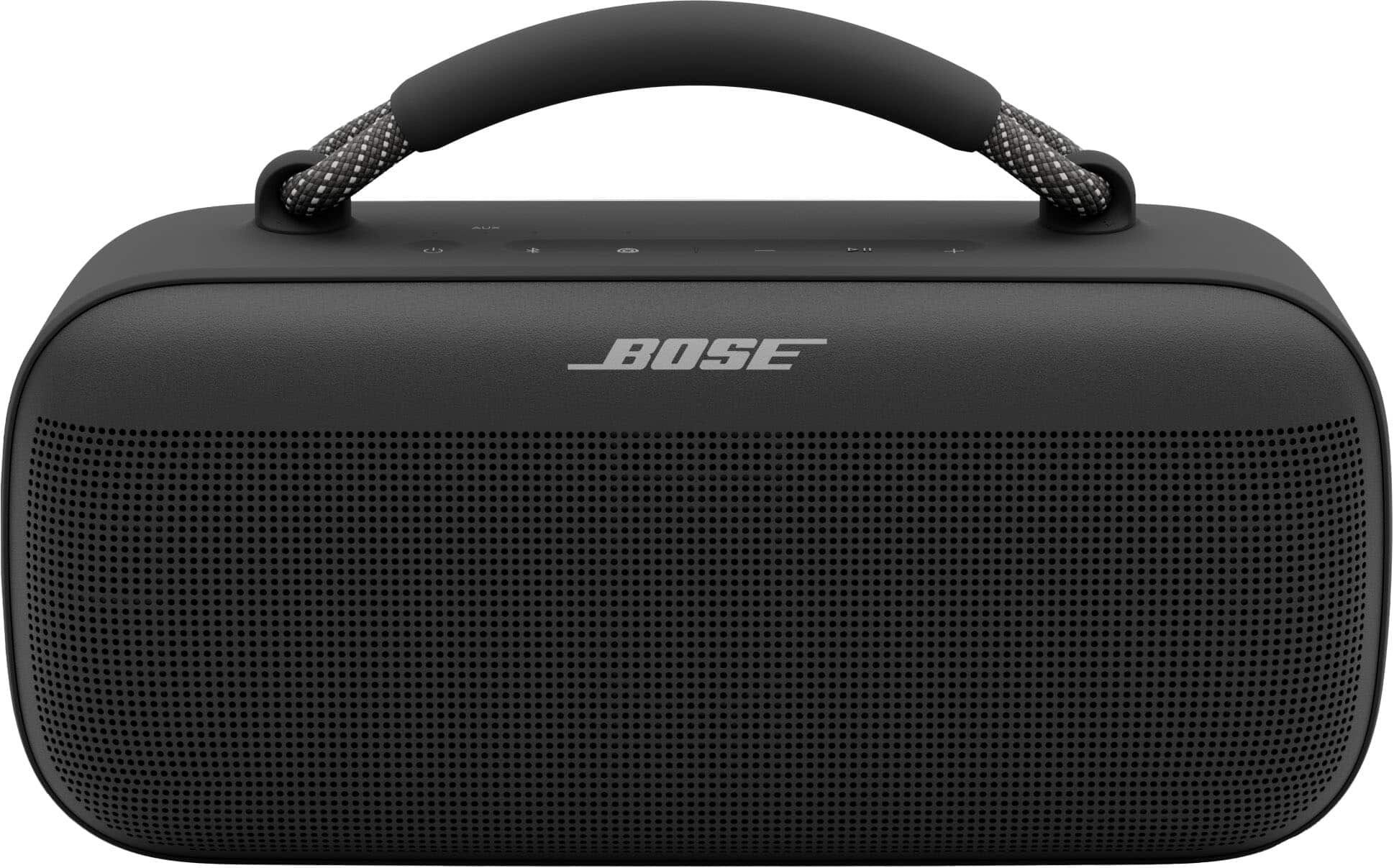
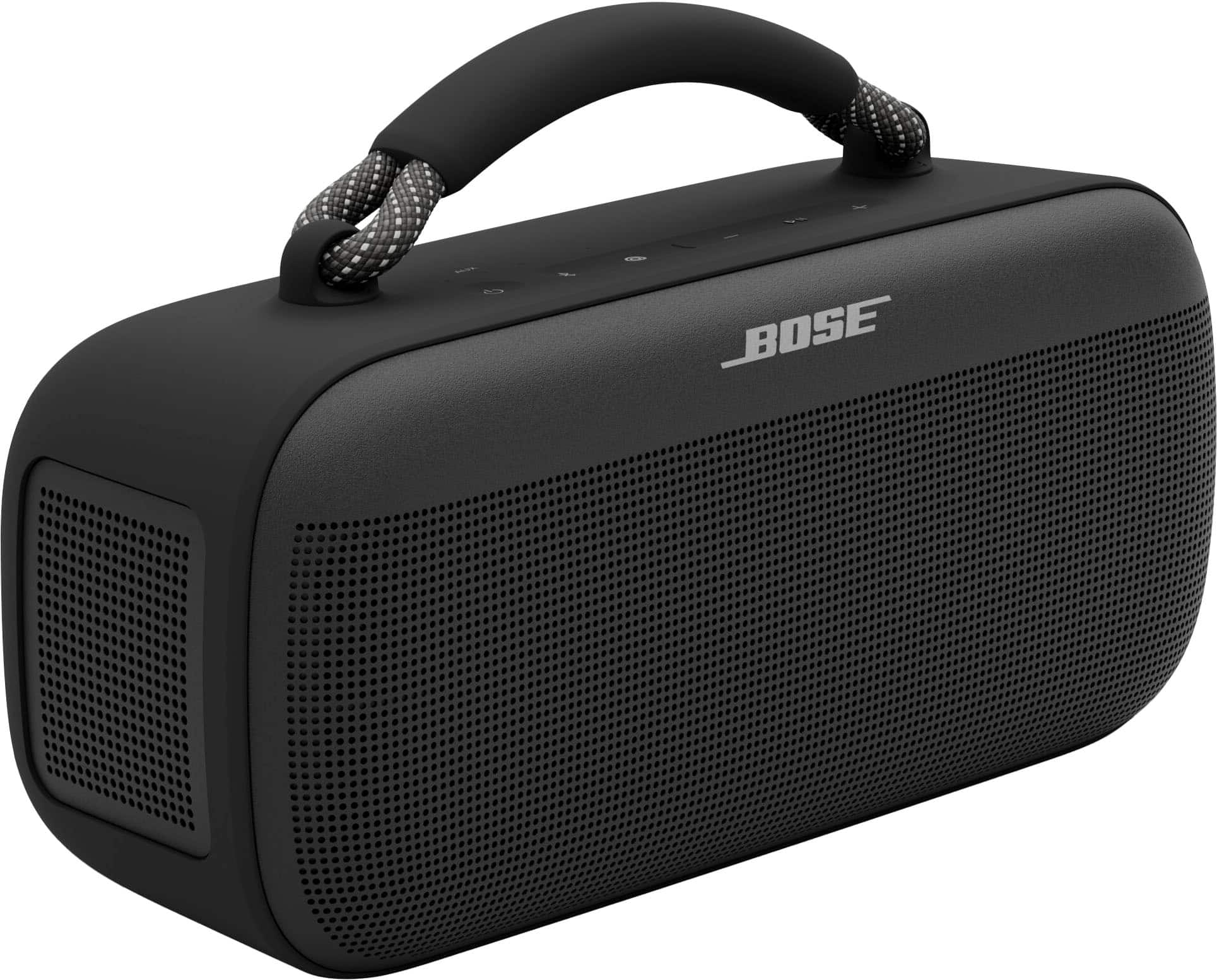
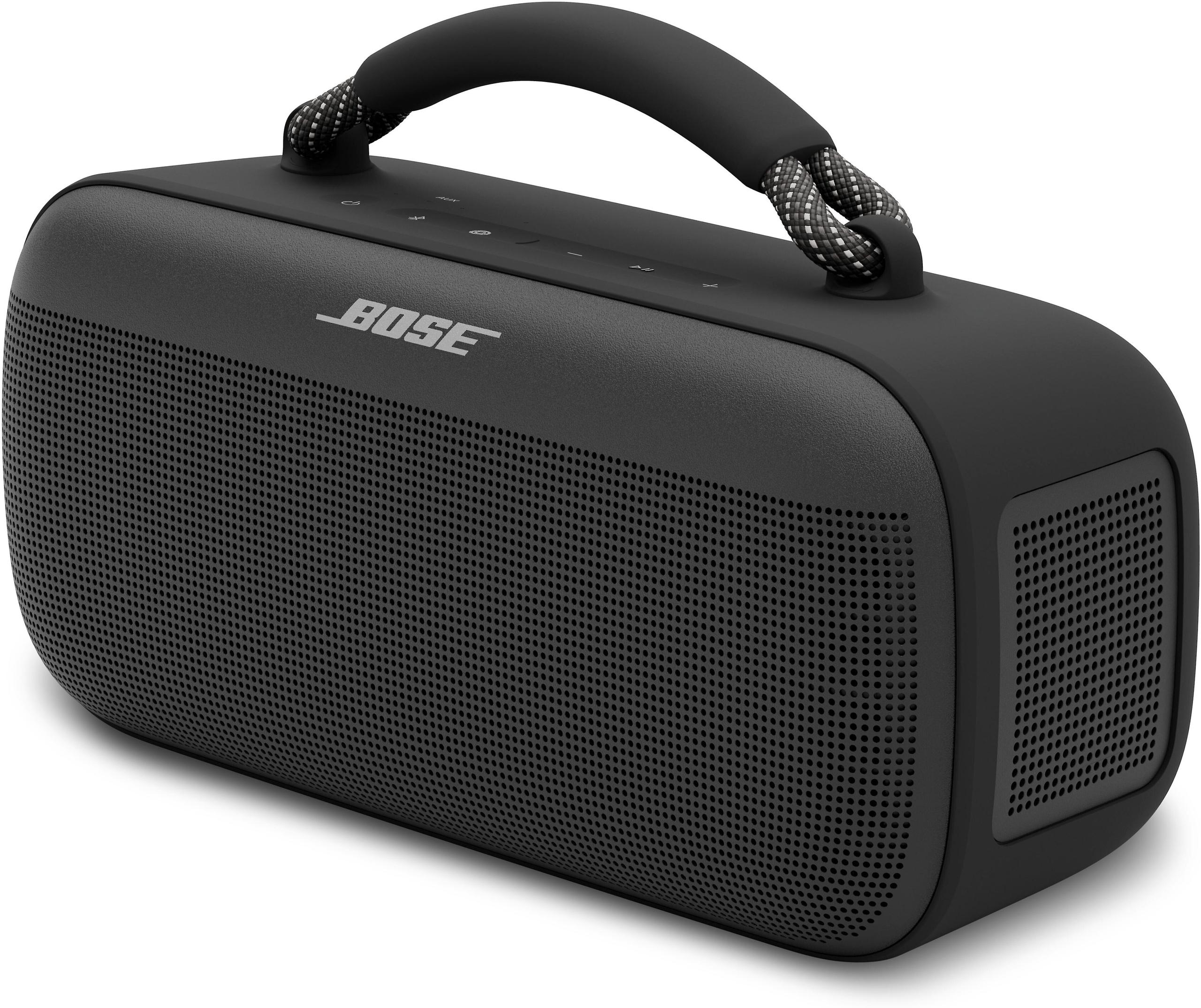
When choosing between the JBL Charge 4 and Bose SoundLink Max, you're essentially comparing two different philosophies in portable audio. The Charge 4, released in 2018, represents JBL's practical approach—delivering reliable performance and useful features at a reasonable price. The SoundLink Max, launched in 2024, embodies Bose's premium strategy, focusing on superior audio quality and cutting-edge technology for listeners willing to pay more.
Understanding these different approaches helps you determine which speaker better matches your priorities and budget.
The JBL Charge 4 emerged during a time when portable speakers were still finding their identity. In 2018, features like basic waterproofing, all-day battery life, and device charging were relatively novel. The speaker industry focused heavily on making products more durable and functional rather than perfecting audio quality.
Fast forward to 2024, and the landscape has changed dramatically. The Bose SoundLink Max represents six years of technological advancement. Bluetooth technology evolved from version 4.2 to 5.4, bringing improved connection stability, better range, and support for high-quality audio codecs (the compression formats that determine how your music sounds when transmitted wirelessly). Modern speakers also incorporate advanced digital signal processing—essentially computer algorithms that optimize sound in real-time.
This technological gap matters because it affects everything from how reliably your speaker connects to your phone to how good your music actually sounds. The SoundLink Max benefits from years of audio engineering refinements that simply weren't available when the Charge 4 was designed.
The most fundamental difference between these speakers lies in their audio architecture. The JBL Charge 4 uses a mono configuration, meaning all sound comes from a single channel. It features one racetrack-shaped driver (measuring 50×90mm) paired with two passive radiators—basically, surfaces that vibrate to enhance bass response without requiring additional power.
Think of mono audio like having one really good musician playing all the instruments versus a full orchestra where different instruments occupy specific positions. The Charge 4 delivers consistent sound regardless of where you position it, but you miss the spatial experience that makes music feel immersive.
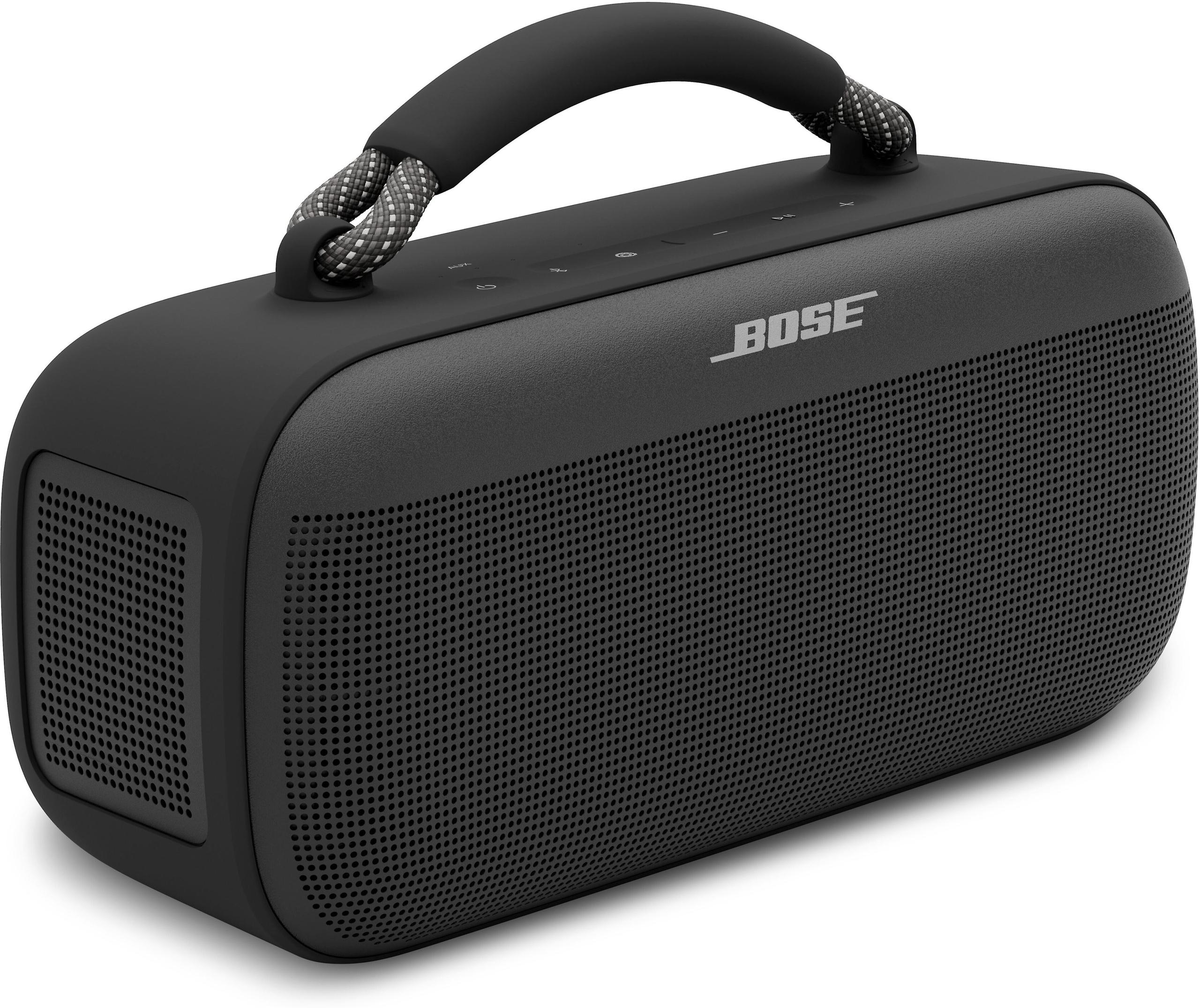
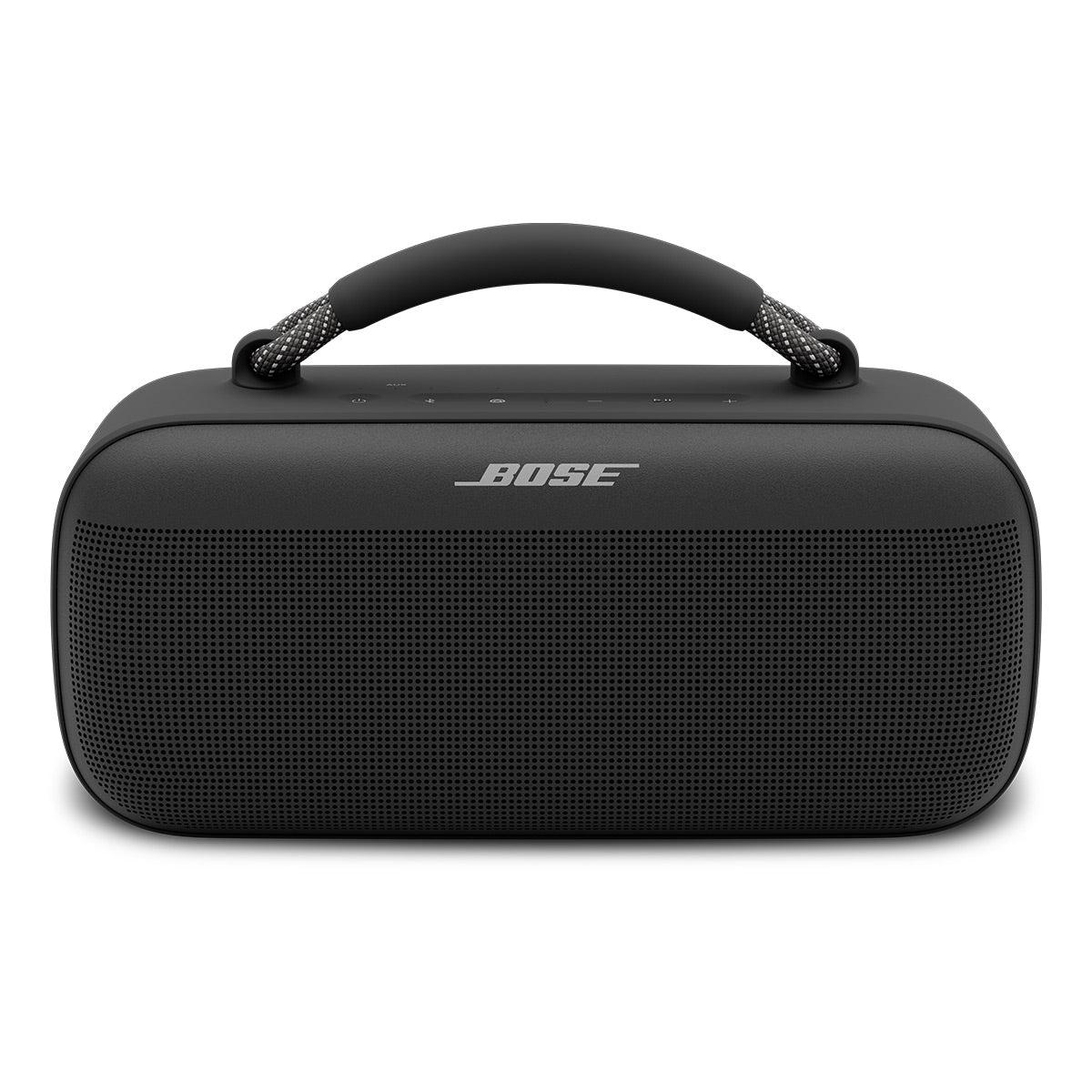
The Bose SoundLink Max, conversely, employs true stereo architecture with separate left and right channels. This setup includes multiple drivers: dedicated woofers for mid and low frequencies plus a tweeter specifically designed for high frequencies. Tweeters are crucial because they handle the delicate details in music—the shimmer of cymbals, the breath in a vocalist's performance, the spatial cues that make you feel like you're in the recording studio.
The Charge 4 delivers 30 watts RMS (Root Mean Square), which represents its continuous power output rather than peak bursts. This translates to substantial volume for its compact size, though our research into user experiences suggests the speaker begins to compress audio at maximum levels. Compression means the dynamic range—the difference between quiet and loud moments—gets reduced, making music sound less natural.
Bose hasn't specified the SoundLink Max's wattage, which is typical for the company. Instead, they focus on acoustic engineering and tuning. Based on user reviews, the SoundLink Max maintains clarity at high volumes without the distortion issues that plague many portable speakers when pushed to their limits.
The Charge 4 covers 60Hz to 20kHz, which represents the range of frequencies it can reproduce. To put this in perspective, the lowest note on a bass guitar is around 41Hz, so you'll miss some deep bass content. However, the speaker excels in the mid-range frequencies where vocals and most instruments live, ensuring speech and lead instruments remain clear and present.
User feedback consistently highlights the Charge 4's balanced approach to sound. It doesn't artificially boost bass to impress in store demos, instead delivering a more natural presentation that works well across different music genres. The trade-off is limited deep bass extension and somewhat rolled-off treble, meaning high-frequency details can sound muted.
The SoundLink Max benefits from Bose's decades of acoustic research. Reviews describe its sound as "powerful and energetic" with "tight bass" that doesn't overwhelm other frequencies. The stereo configuration provides spatial imaging—you can actually hear instruments positioned across a soundstage rather than coming from a single point.
The technological gap between these speakers becomes most apparent in their connectivity features. The Charge 4 uses Bluetooth 4.2, which was adequate in 2018 but lacks modern enhancements. It supports basic SBC codec—the standard compression format that prioritizes compatibility over quality.
The SoundLink Max incorporates Bluetooth 5.4, the latest standard at the time of writing. This brings several advantages: more stable connections, better range performance, and support for advanced audio codecs including AAC (preferred by Apple devices) and aptX Adaptive. These codecs preserve more musical detail during wireless transmission, resulting in noticeably better sound quality from high-resolution music sources.
aptX Adaptive is particularly impressive because it dynamically adjusts compression based on your environment and device capabilities, ensuring optimal quality whether you're streaming in a crowded area with interference or in ideal conditions.
Both speakers can connect to multiple devices, but they handle this differently. The Charge 4 remembers paired devices and can connect to two simultaneously, though only one can play audio at a time. Switching between sources requires manual intervention.
The SoundLink Max offers true multipoint connectivity, meaning it can maintain active connections to two devices and seamlessly switch between them based on which device starts playing audio. This feature proves invaluable in households where multiple people want to share speaker control or when you frequently switch between your phone and laptop.
The SoundLink Max includes Google Fast Pair for Android users—a feature that automatically detects and connects to your phone with a single tap. The speaker also supports Snapdragon Sound, a technology suite that optimizes various audio components for improved quality and reduced latency.
Bose's SimpleSync technology allows the SoundLink Max to connect with compatible Bose soundbars and smart speakers, extending your audio system throughout your home. While this limits you to Bose's ecosystem, it provides expansion possibilities that the Charge 4 can't match.
The JBL Charge 4 counters with Connect+ technology, enabling you to link over 100 compatible JBL speakers for massive sound installations. This feature works particularly well for large gatherings or events where you need to fill a significant space with synchronized audio.
Both speakers claim 20-hour battery life, but real-world performance varies significantly based on volume levels and music content. Our research into user experiences suggests the Charge 4 typically delivers 13-15 hours under normal listening conditions, while still providing the full 20 hours at moderate volumes with specific music types.
The SoundLink Max demonstrates more dramatic variation—20 hours at moderate levels but only 3 hours at maximum volume. This difference reflects its more powerful amplification and the demands of stereo processing.
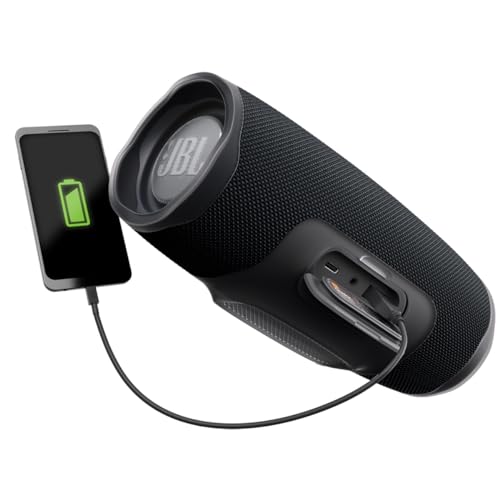
Both speakers double as powerbanks, but they use different approaches. The Charge 4 provides a dedicated USB-A port delivering 5V at 2A (10 watts), sufficient for charging smartphones and tablets at reasonable speeds. The port lives in a sealed compartment along with the AUX input, maintaining the speaker's waterproof integrity.
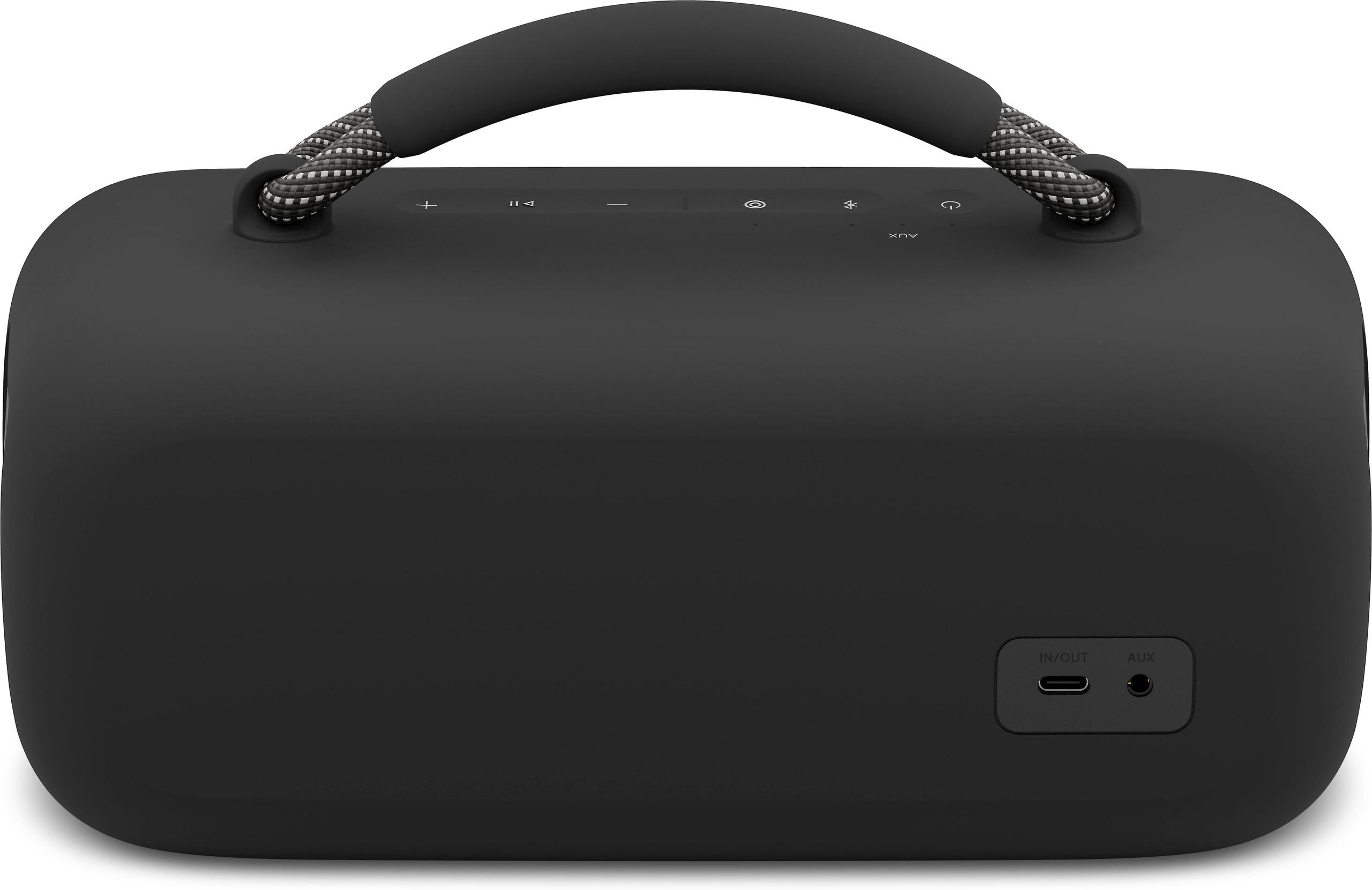
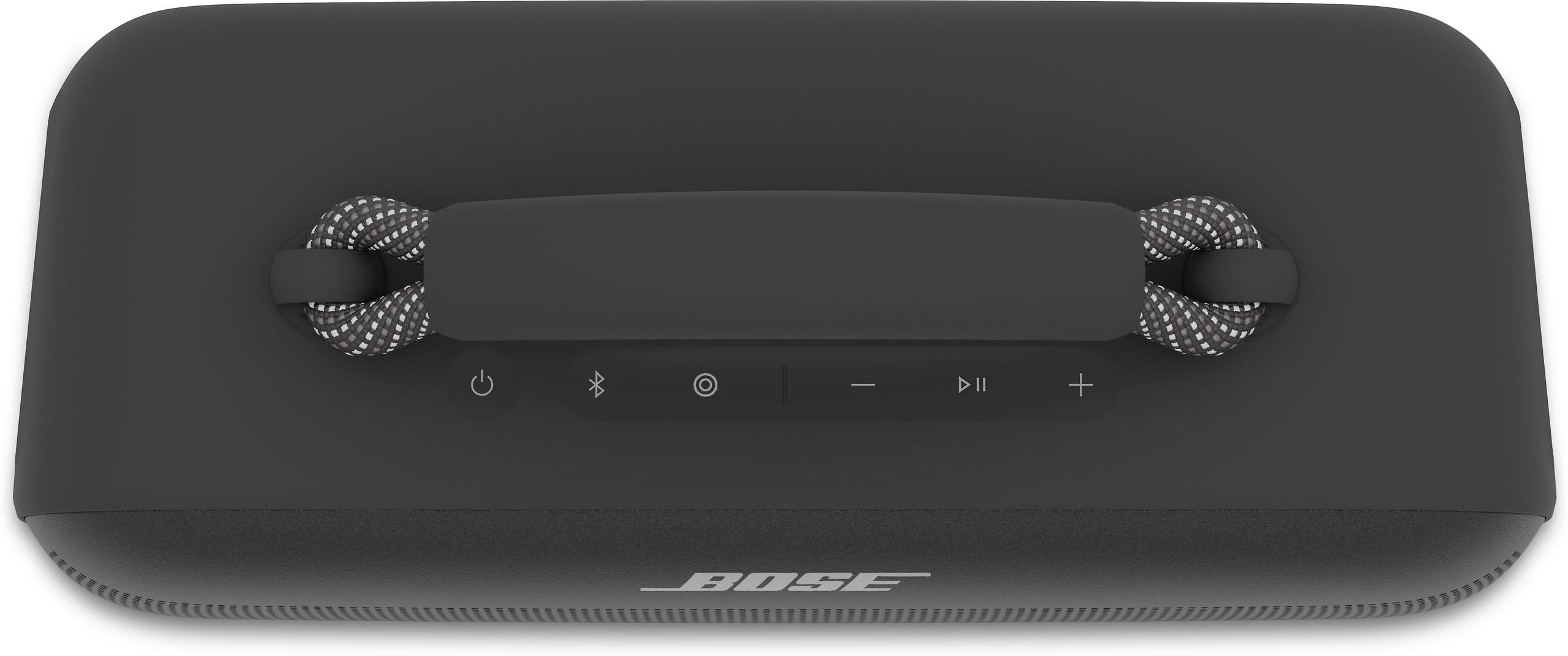
The SoundLink Max uses its USB-C port for both charging the speaker and powering external devices. This modern approach eliminates the need for different cable types but requires you to carry the appropriate cables for your devices.
The Charge 4 carries an IPX7 rating, meaning it can survive immersion in up to one meter of water for 30 minutes. The "X" indicates no official dust protection rating, though the speaker's construction provides reasonable protection against sand and debris.
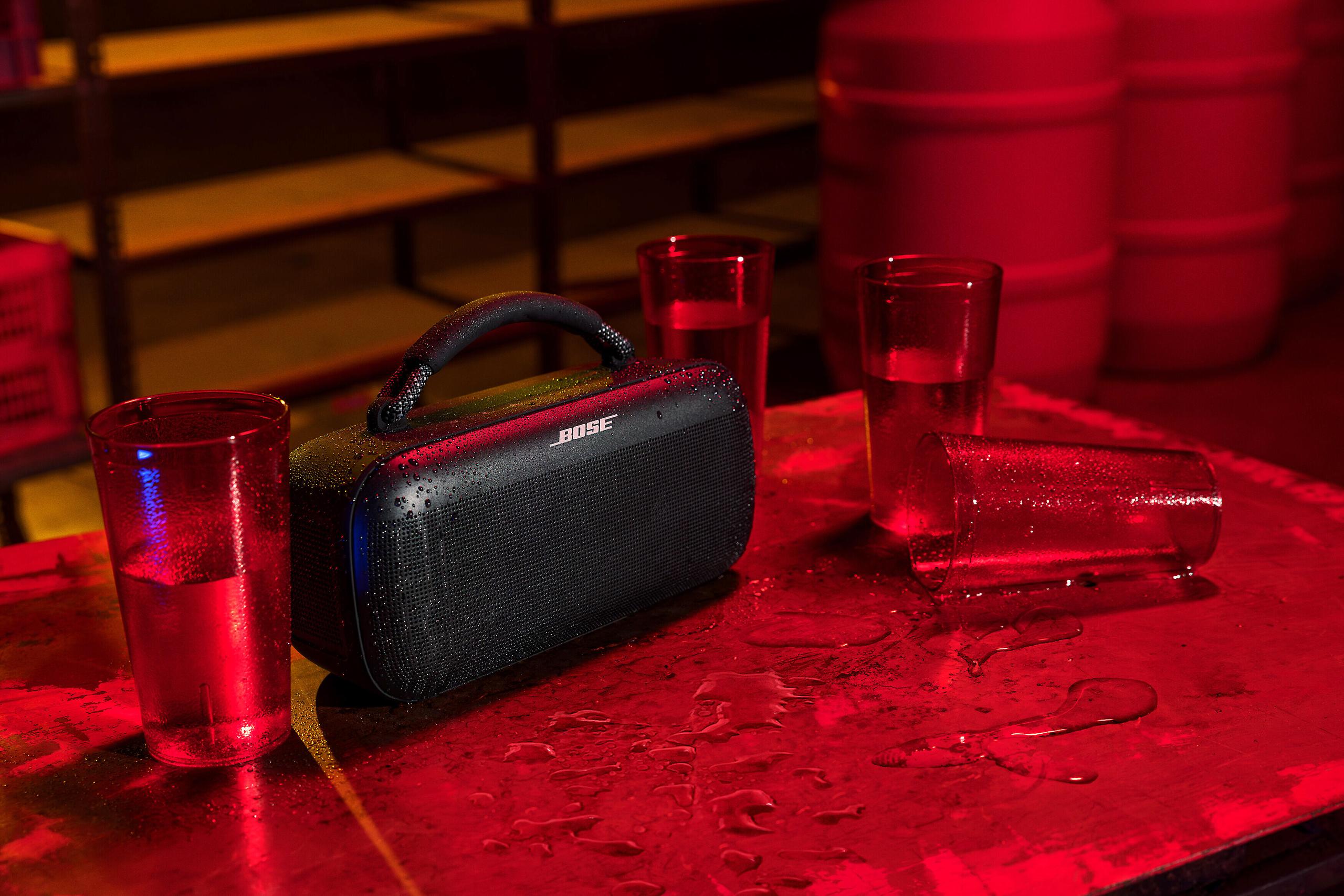
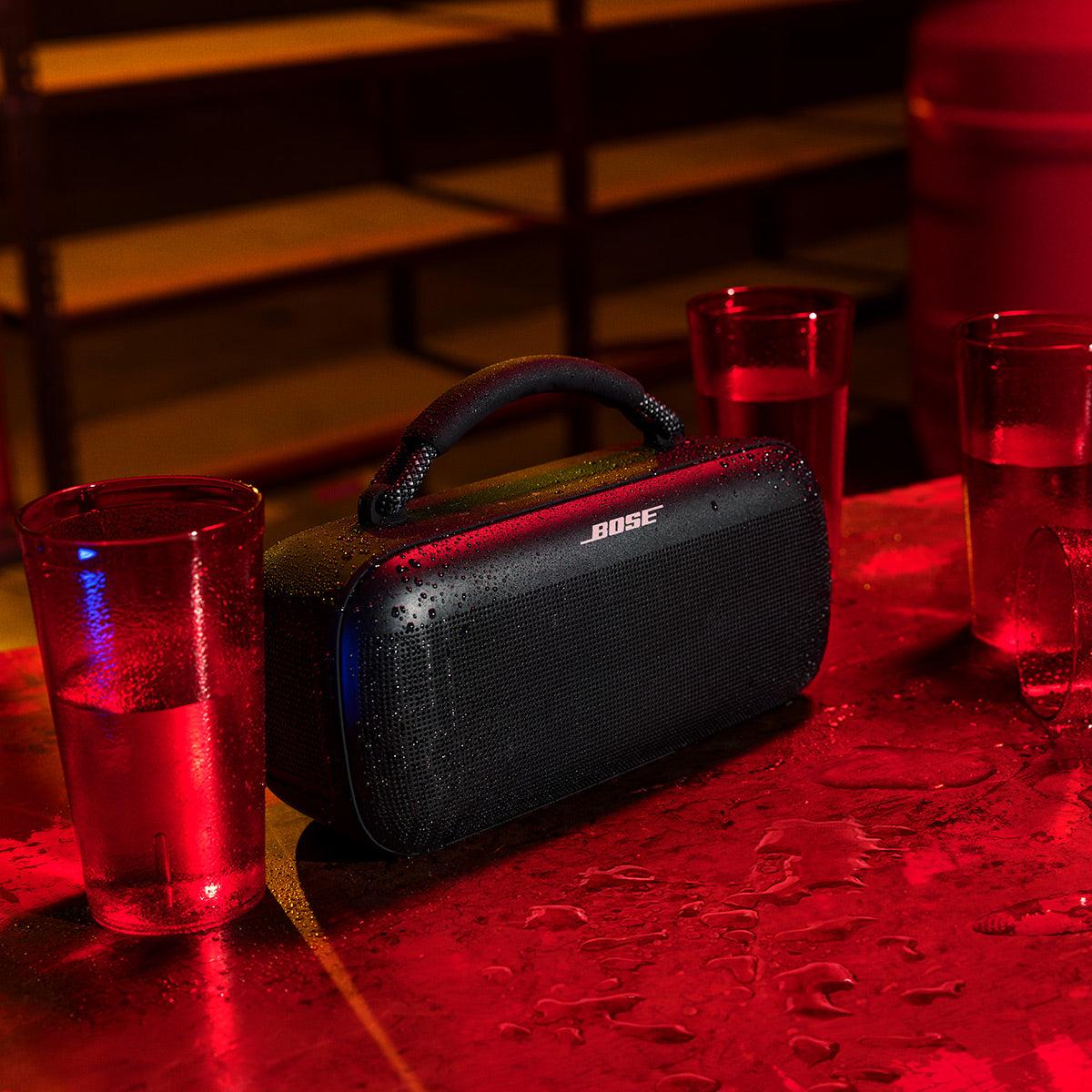
The SoundLink Max achieves IP67 rating—the same water protection plus official dust protection. This certification means the speaker can handle dusty environments like beaches or construction sites without compromising internal components. For outdoor enthusiasts, this distinction matters significantly.
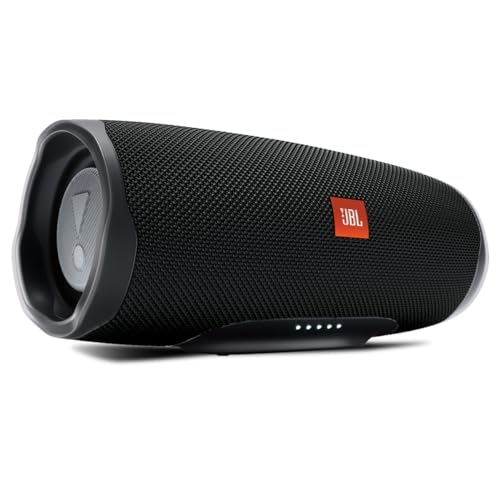
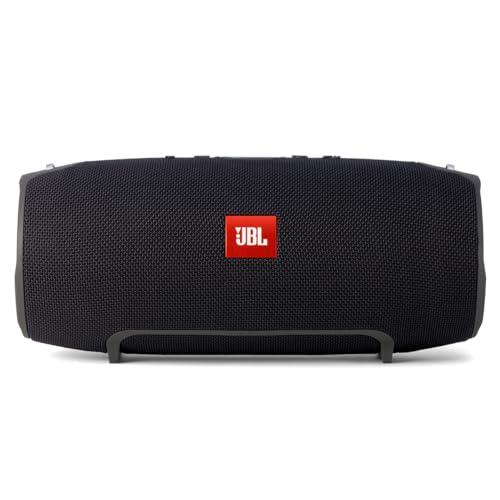
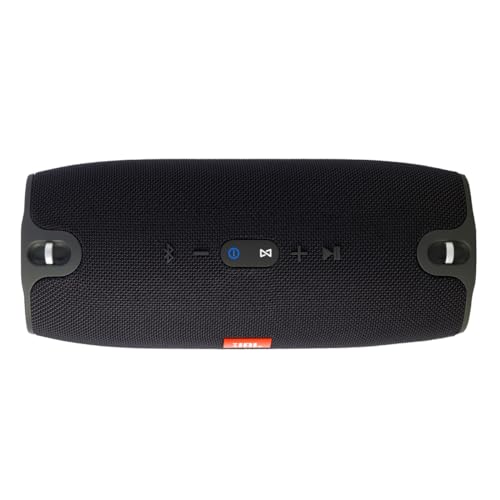
The Charge 4 features JBL's signature fabric wrapping over a rugged plastic housing. At 2.12 pounds, it strikes an excellent balance between durability and portability. The cylindrical design with integrated handle makes it genuinely grab-and-go convenient.
The SoundLink Max employs a more sophisticated construction with powder-coated steel enclosure and silicone wrapping. This approach provides superior protection against impacts and environmental damage but comes at the cost of increased weight—4.7 pounds makes it noticeably heavier to carry. The removable rope handle and optional shoulder strap help manage the additional bulk.
At the time of writing, the JBL Charge 4 typically retails for significantly less than the Bose SoundLink Max—often less than half the price. This price difference reflects their different market positioning and target audiences.
The Charge 4 delivers exceptional value for users who need reliable portable audio without premium pricing. You get waterproofing, all-day battery life, device charging capability, and decent sound quality at an accessible price point. For many users, this combination satisfies their needs completely.
The SoundLink Max commands premium pricing that reflects its superior audio quality, modern features, and brand prestige. Whether this premium makes sense depends on how much you value the improvements in sound quality and technology.
The Charge 4's 2018 technology means it lacks compatibility with emerging audio standards and features. While it continues working perfectly with current devices, it won't benefit from future improvements in Bluetooth audio quality or smart device integration.
The SoundLink Max provides better future-proofing with its modern Bluetooth implementation and app-based update capability. As streaming services and device manufacturers adopt new audio technologies, the SoundLink Max is more likely to remain compatible and relevant.
Neither speaker is designed primarily for home theater use, but they can serve as improvement over TV speakers or provide audio in secondary rooms. The SoundLink Max's stereo configuration makes it more suitable for this application, providing the spatial audio that enhances movie and TV viewing experiences.
The Charge 4's mono output limits its home theater potential, though it can serve adequately for casual viewing in kitchens, bedrooms, or other spaces where audio quality isn't critical.
The Charge 4 excels in outdoor scenarios where portability and reliability matter most. Its lighter weight, proven durability, and powerbank function make it ideal for camping, hiking, and beach trips. The lower price point also reduces anxiety about potential damage or loss.
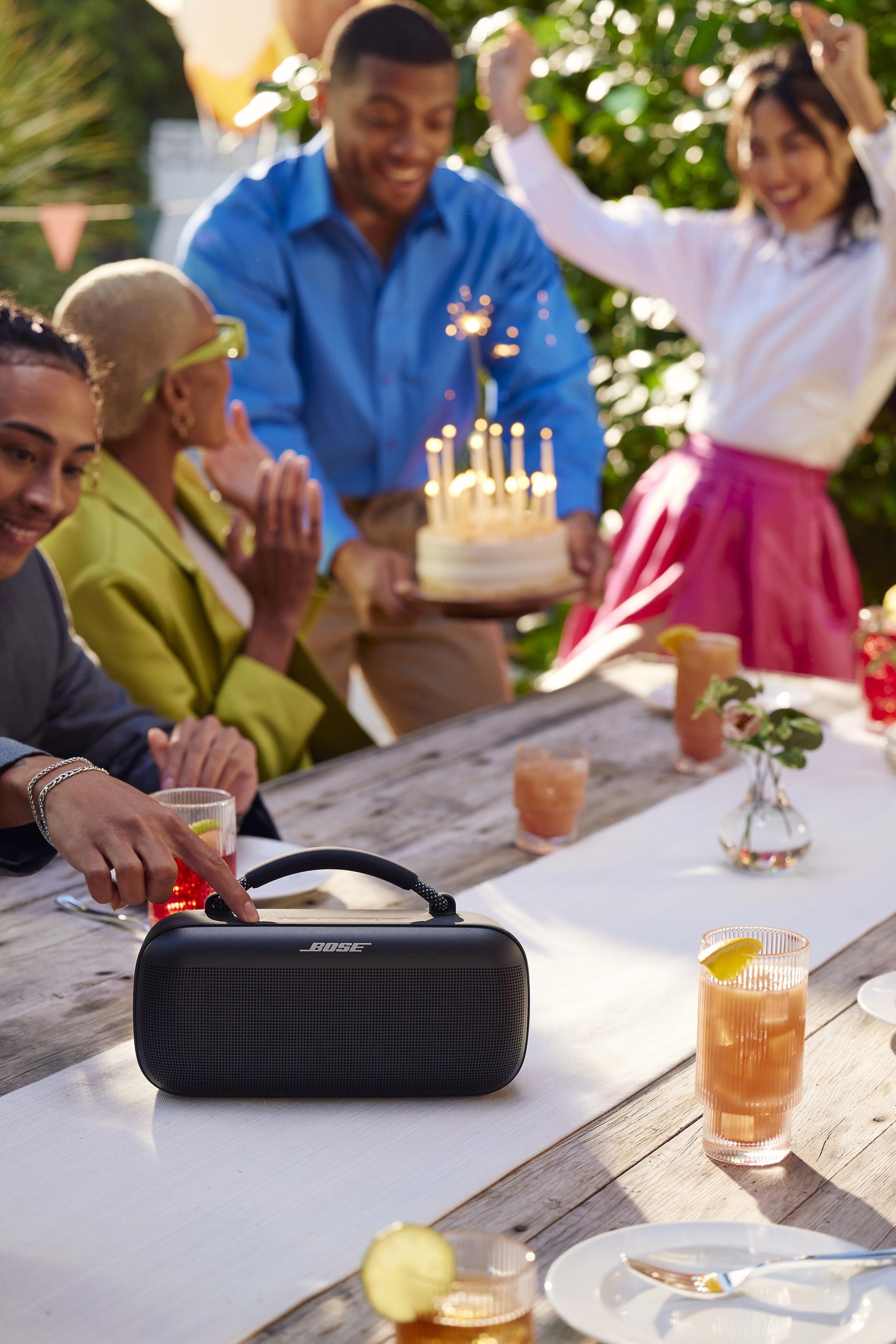
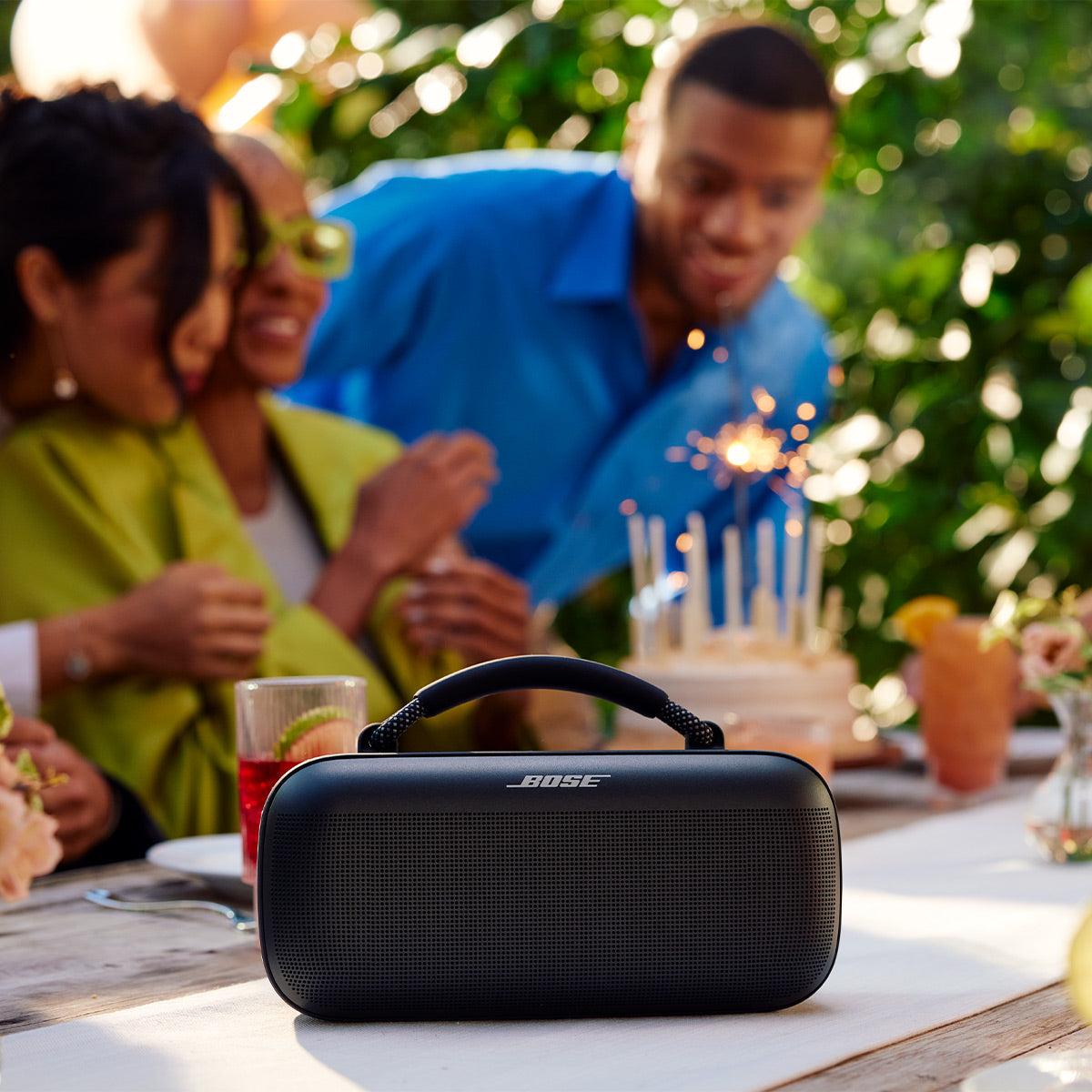
The SoundLink Max suits outdoor use when audio quality takes priority over portability. Its superior environmental protection and sound quality make it excellent for backyard entertaining or car camping where weight isn't a primary concern.
For DJs, small venue performers, or anyone needing reliable amplification, the SoundLink Max's ability to maintain clarity at high volumes provides significant advantages. Its stereo output and superior frequency response deliver more professional results.
The Charge 4's Connect+ feature makes it uniquely suitable for large gatherings where multiple speakers create zone audio or fill large spaces with synchronized sound.
Choose the JBL Charge 4 if you prioritize value, portability, and practical features over cutting-edge audio quality. It's ideal for budget-conscious buyers, outdoor enthusiasts, and anyone who needs reliable portable audio without premium pricing. The speaker particularly suits users who view portable speakers as convenient tools rather than primary music systems.
Choose the Bose SoundLink Max if audio quality is your primary concern and you're willing to pay premium prices for superior performance. It's the better choice for music enthusiasts, professionals who need high-volume clarity, and users who want the latest technology and features. The speaker suits buyers who view portable audio as an extension of their high-quality music systems.
The Charge 4 remains remarkably competitive despite its age, proving that excellent engineering and practical design can provide lasting value. However, the SoundLink Max represents what's possible when price isn't the primary constraint—superior audio quality, modern features, and premium build quality that justifies its higher cost for the right users.
Ultimately, both speakers succeed in their intended roles. Your choice should align with your priorities: practical value and portability versus premium audio quality and advanced features.
| JBL Charge 4 | Bose SoundLink Max |
|---|---|
| Audio Configuration - Determines soundstage and immersion quality | |
| Mono (single channel) with 50×90mm driver | True stereo with dual woofers + dedicated tweeter |
| Power Output - Affects maximum volume and clarity | |
| 30W RMS with dual passive radiators | Not specified, but maintains clarity at high volumes |
| Bluetooth Version - Impacts connection stability and audio quality | |
| 4.2 with basic SBC codec only | 5.4 with SBC, AAC, and aptX Adaptive codecs |
| Water/Dust Protection - Critical for outdoor durability | |
| IPX7 (waterproof only, no dust rating) | IP67 (waterproof AND dustproof certified) |
| Battery Life - Real-world performance varies significantly | |
| Up to 20 hours (typically 13-15 hours in practice) | Up to 20 hours moderate / 3 hours at max volume |
| Weight - Affects daily portability and travel convenience | |
| 2.12 lbs (highly portable, easy one-hand carry) | 4.7 lbs (requires two hands, less travel-friendly) |
| Multi-Speaker Pairing - For larger gatherings or parties | |
| JBL Connect+ (links 100+ compatible speakers) | SimpleSync (pairs with Bose ecosystem only) |
| Device Charging - Useful for extended outdoor use | |
| USB-A port, 5V/2A (10W dedicated powerbank) | USB-C port (shared charging/powerbank function) |
| Smart Features - Modern convenience and device integration | |
| Basic pairing, no smart features or app control | Google Fast Pair, multipoint connection, Bose app |
| Release Year - Technology generation and future compatibility | |
| 2018 (mature technology, limited future updates) | 2024 (latest features, better future-proofing) |
The Bose SoundLink Max delivers superior sound quality with its true stereo configuration featuring dedicated tweeters and woofers. The JBL Charge 4 uses a mono setup that provides consistent sound but lacks the spatial imaging and clarity that stereo speakers offer. For music enthusiasts, the SoundLink Max provides a more immersive listening experience.
The primary difference is audio architecture: the JBL Charge 4 uses mono sound from a single driver, while the Bose SoundLink Max features true stereo with separate left and right channels. Additionally, the Charge 4 is significantly lighter at 2.12 lbs compared to the SoundLink Max's 4.7 lbs, making portability a key consideration.
The JBL Charge 4 is better for travel due to its lighter weight and compact design. However, the Bose SoundLink Max offers superior environmental protection with IP67 rating (dustproof and waterproof) versus the Charge 4's IPX7 rating (waterproof only). Choose the Charge 4 for hiking and backpacking, or the SoundLink Max for car camping and beach use.
Yes, both speakers can charge external devices. The JBL Charge 4 has a dedicated USB-A port providing 10W charging power, while the Bose SoundLink Max uses its USB-C port for both speaker charging and device charging. The Charge 4's dedicated port is more convenient for simultaneous charging and listening.
Both the JBL Charge 4 and Bose SoundLink Max claim 20-hour battery life, but real-world performance varies. The Charge 4 typically delivers 13-15 hours under normal use, while the SoundLink Max provides 20 hours at moderate volumes but drops to just 3 hours at maximum volume due to its more powerful stereo amplification.
Yes, but they use different systems. The JBL Charge 4 supports Connect+ technology to link over 100 compatible JBL speakers for massive sound installations. The Bose SoundLink Max uses SimpleSync technology but only connects with other Bose products. For large gatherings, the Charge 4 offers more flexibility.
The Bose SoundLink Max is better for home use thanks to its stereo sound that provides proper left-right channel separation for movies and TV shows. The JBL Charge 4's mono output limits its effectiveness for home theater applications, though it works adequately for casual listening in kitchens or bedrooms.
The Bose SoundLink Max has significant advantages with Bluetooth 5.4, supporting advanced codecs like aptX Adaptive for better sound quality and multipoint connectivity for seamless device switching. The JBL Charge 4 uses older Bluetooth 4.2 with basic SBC codec only, which limits audio quality from high-resolution sources.
Both speakers are waterproof, but the Bose SoundLink Max offers better protection. The JBL Charge 4 has IPX7 rating for water submersion up to 1 meter, while the SoundLink Max features IP67 rating that adds official dust protection. Both handle pool parties well, but the SoundLink Max better resists sand and debris.
Value depends on your priorities. The JBL Charge 4 typically costs significantly less while delivering solid performance, waterproofing, and useful features like powerbank functionality. The Bose SoundLink Max costs more but provides superior sound quality and modern features. Budget-conscious buyers favor the Charge 4, while audio enthusiasts prefer the SoundLink Max.
The JBL Charge 4 delivers 30W RMS and handles moderate volumes well but compresses audio at maximum levels. The Bose SoundLink Max maintains clarity at high volumes without distortion, making it better for parties requiring loud, clear audio. However, the Charge 4's ability to link multiple speakers makes it ideal for large venue coverage.
The Bose SoundLink Max offers better future-proofing with its 2024 release featuring modern Bluetooth 5.4 and app-based updates. The JBL Charge 4, released in 2018, uses older technology that may become less compatible with future devices and audio standards. For long-term use, the SoundLink Max provides better technology longevity.
We've done our best to create useful and informative comparisons to help you decide what product to buy. Our research uses advanced automated methods to create this comparison and perfection is not possible - please contact us for corrections or questions. These are the sites we've researched in the creation of this article: rtings.com - whathifi.com - whathifi.com - soundguys.com - soundguys.com - streamtechreviews.com - youtube.com - versus.com - applevis.com - versus.com - jbl.com - jbl.com - walmart.com - comparisontabl.es - harmanaudio.com - manuals.plus - jbl.com.sg - jbl.com - mm.jbl.com - bestbuy.com - newpower99.com - forums.woot.com - staples.com - 365wholesale.com - bose.com - bose.com - bestbuy.com - soundguys.com - staples.com - techforless.com - bestbuy.com - assets.bose.com

Privacy Policy
Terms and Conditions - Affiliate Policy
Home Security
© Copyright 2008-2026.
11816 Inwood Rd #1211, Dallas, TX 75244