

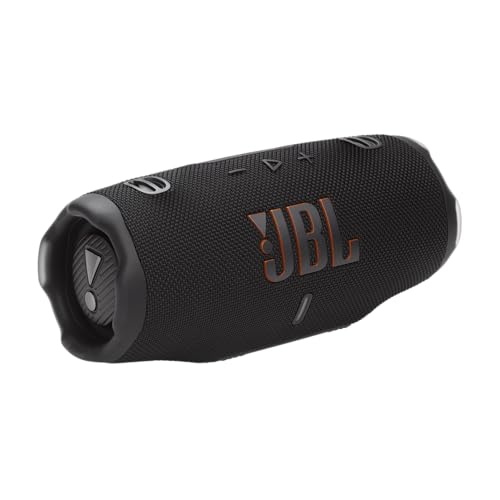





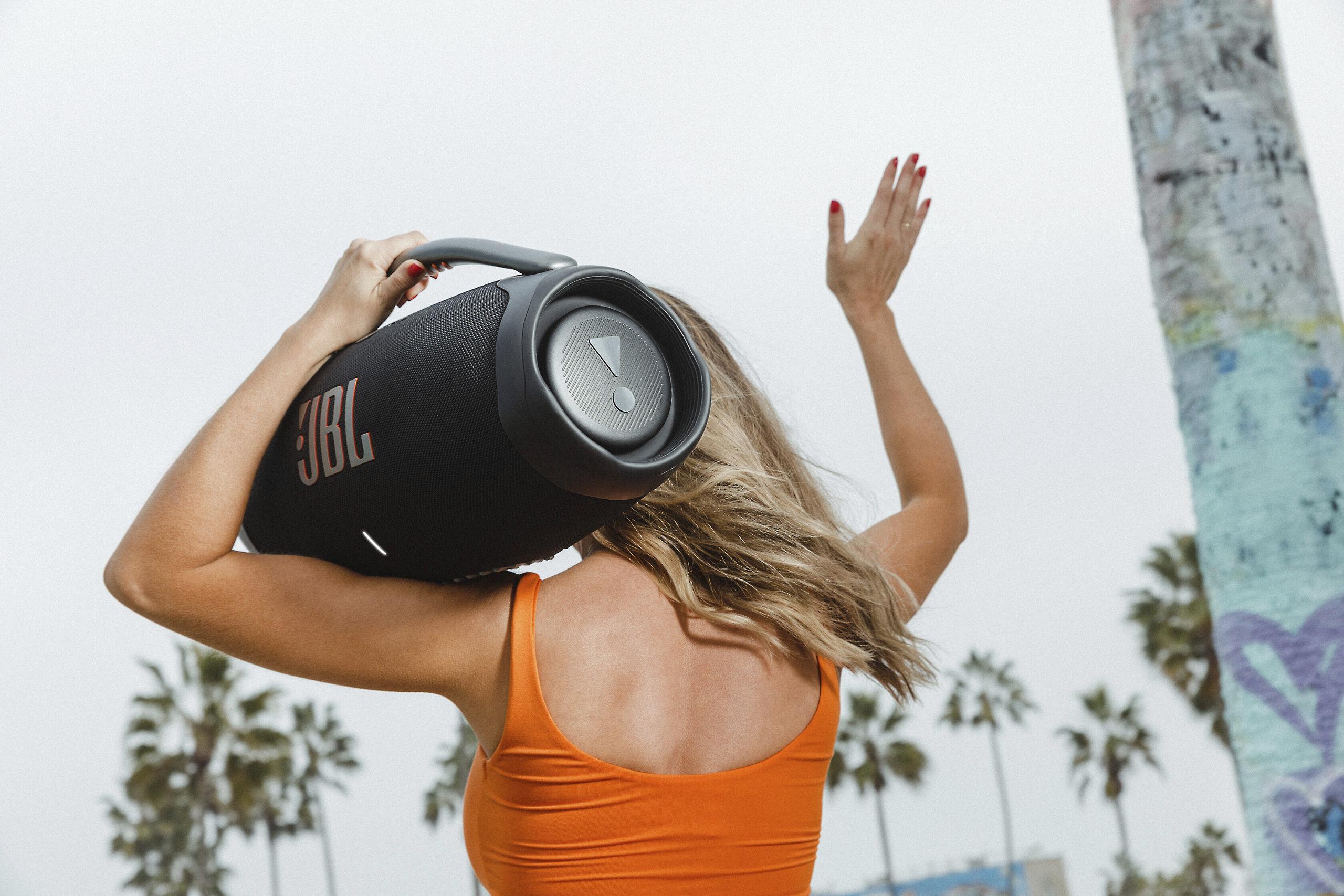
Choosing between the JBL Charge 6 and JBL Boombox 3 isn't really about picking the better speaker—it's about understanding which one fits your lifestyle. These two speakers represent completely different philosophies in portable audio, and getting the wrong one for your needs could leave you frustrated despite owning a quality product.
The portable speaker market has evolved dramatically over the past decade. What started as tiny, tinny devices has expanded into a diverse ecosystem serving everyone from solo travelers to party hosts. The key is recognizing that "portable" means different things to different people.
Modern portable speakers must balance several competing demands: sound quality, battery life, durability, and actual portability. Engineers face physics constraints—bigger drivers and amplifiers sound better but require more power and space. The best speakers cleverly work within these limitations using advanced digital signal processing (DSP), which analyzes audio in real-time to optimize performance.
When evaluating any portable speaker, focus on these core considerations: How will you primarily use it? Do you need true grab-and-go portability or can you accept some weight for better sound? Will you use it outdoors where weather resistance matters? Do you host gatherings requiring room-filling volume, or is personal listening your priority?
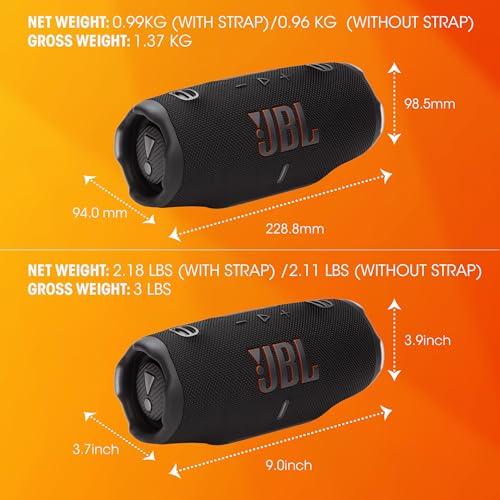
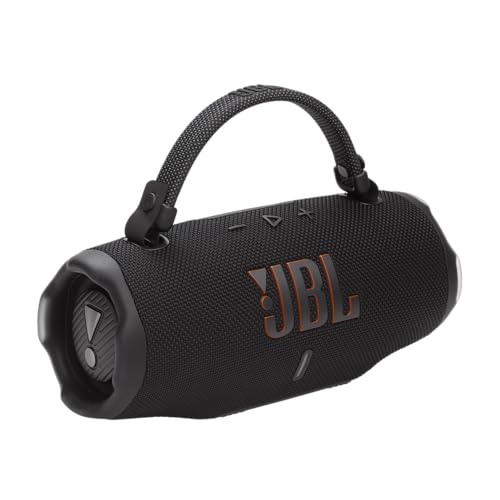
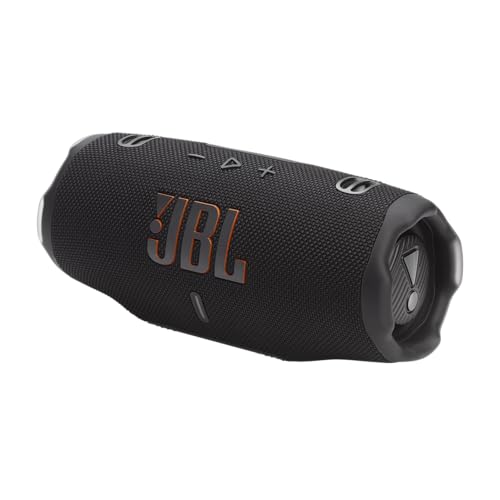
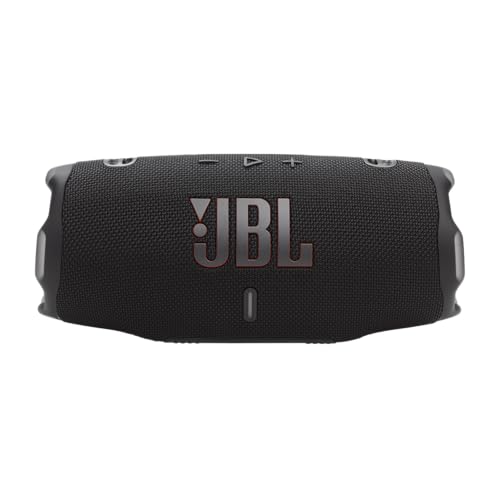
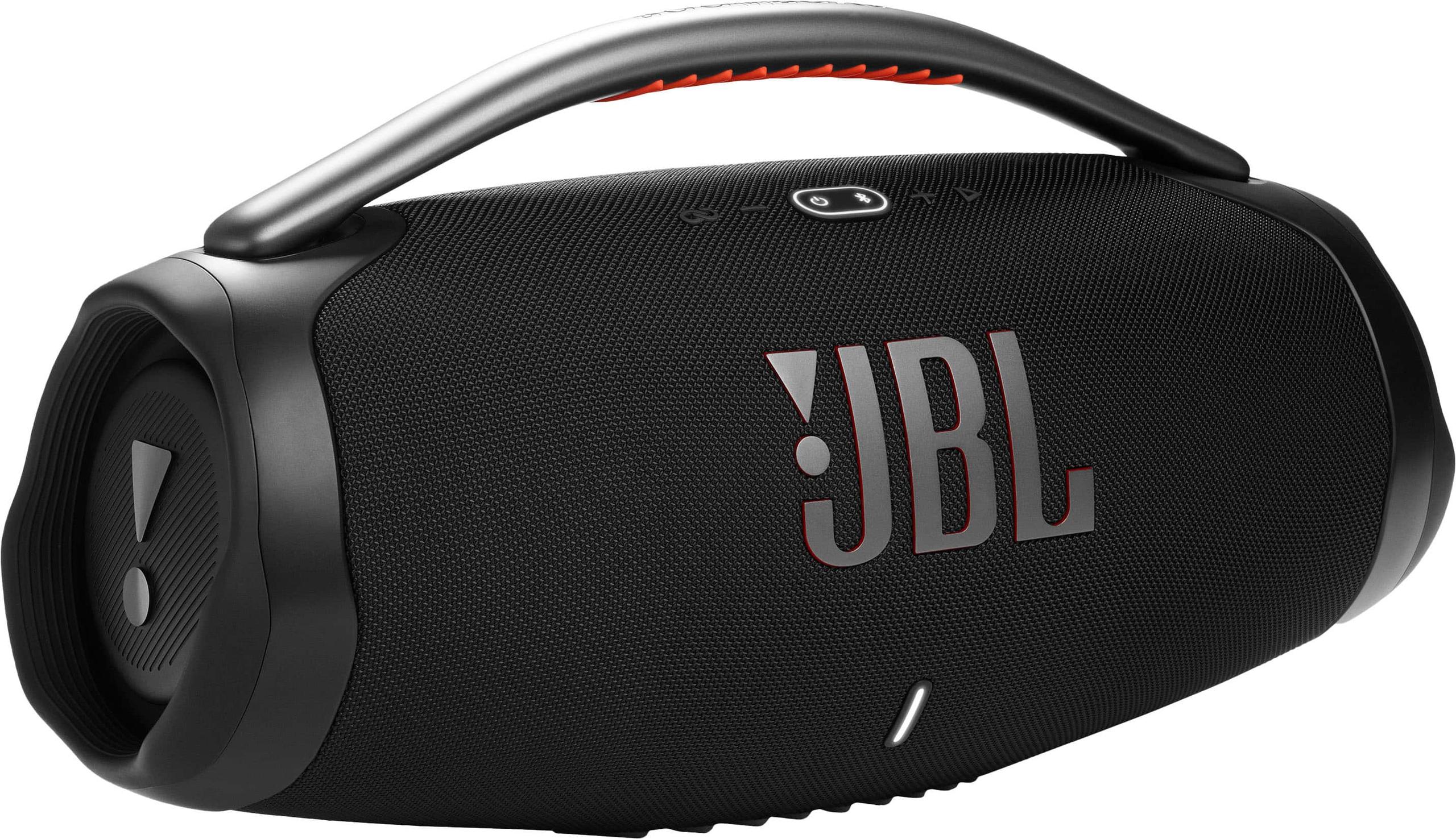
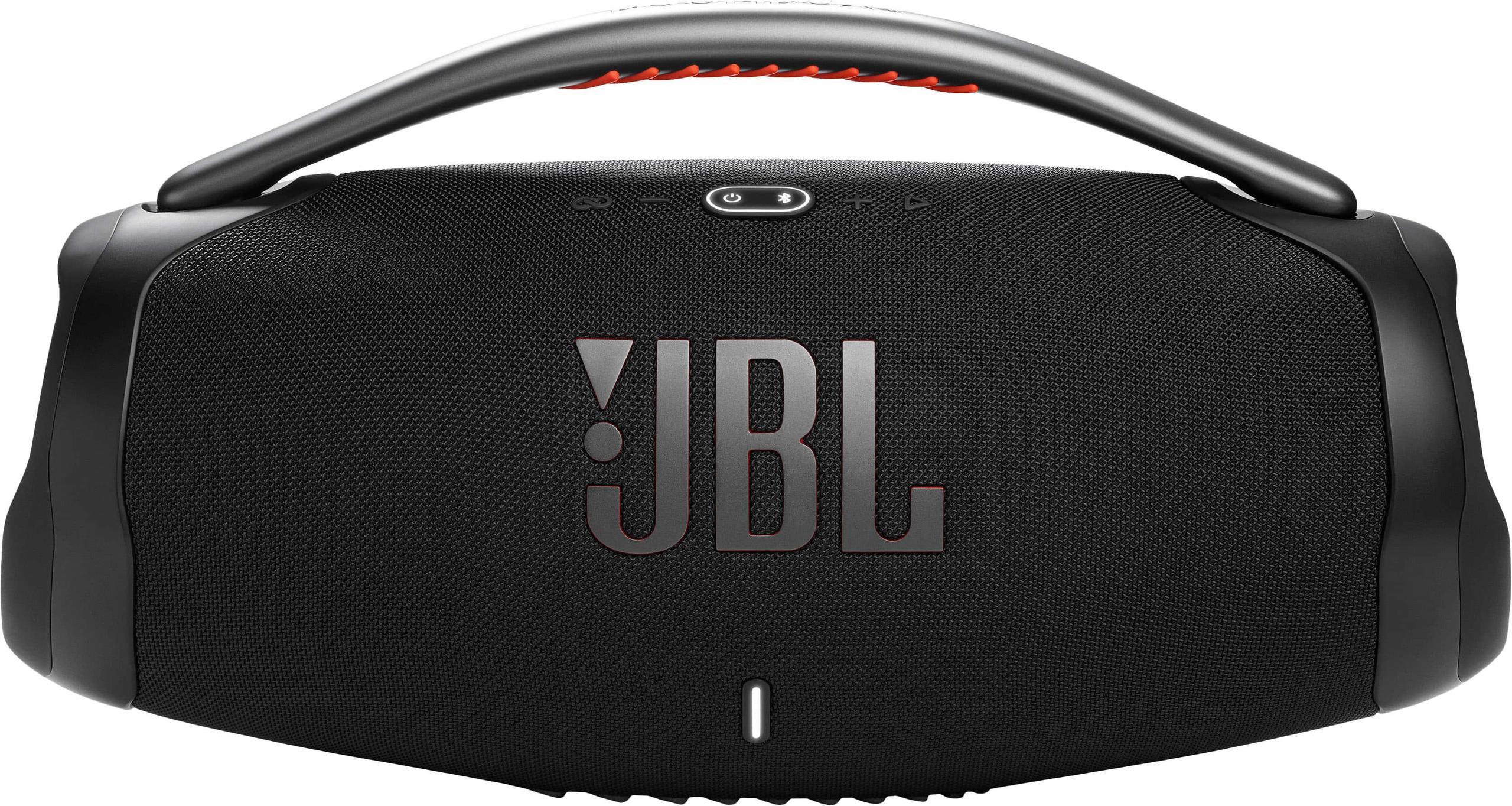
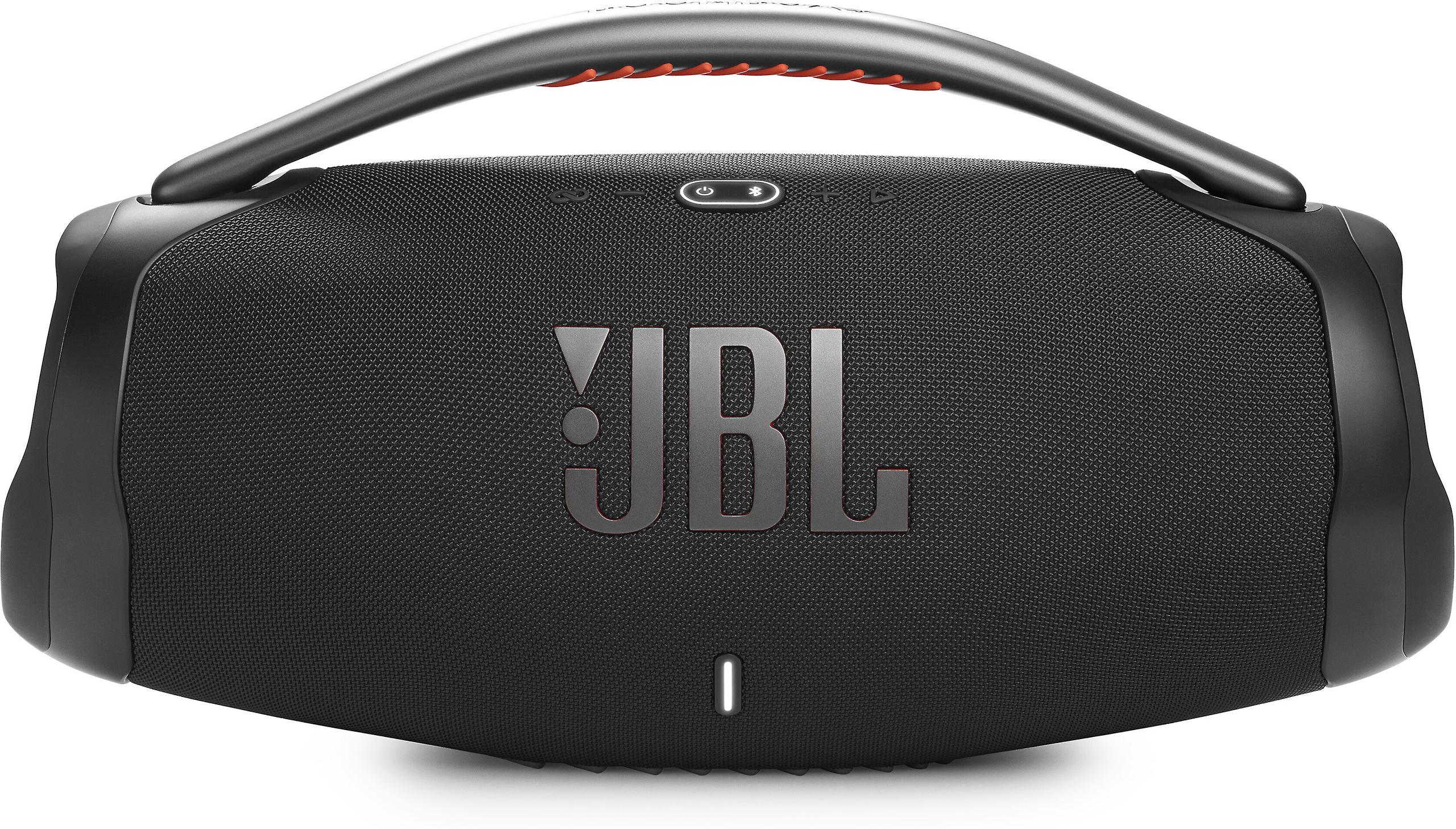
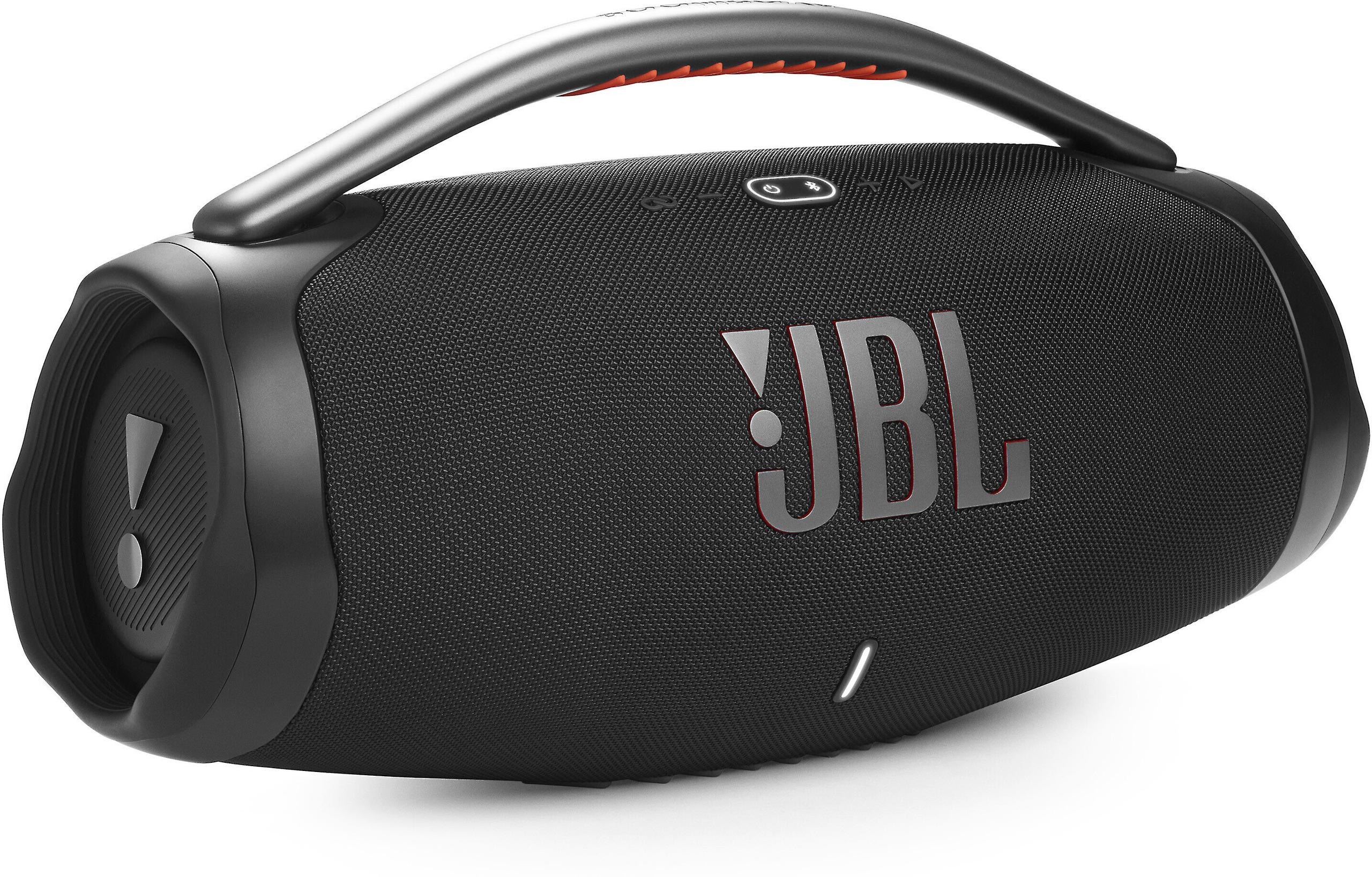
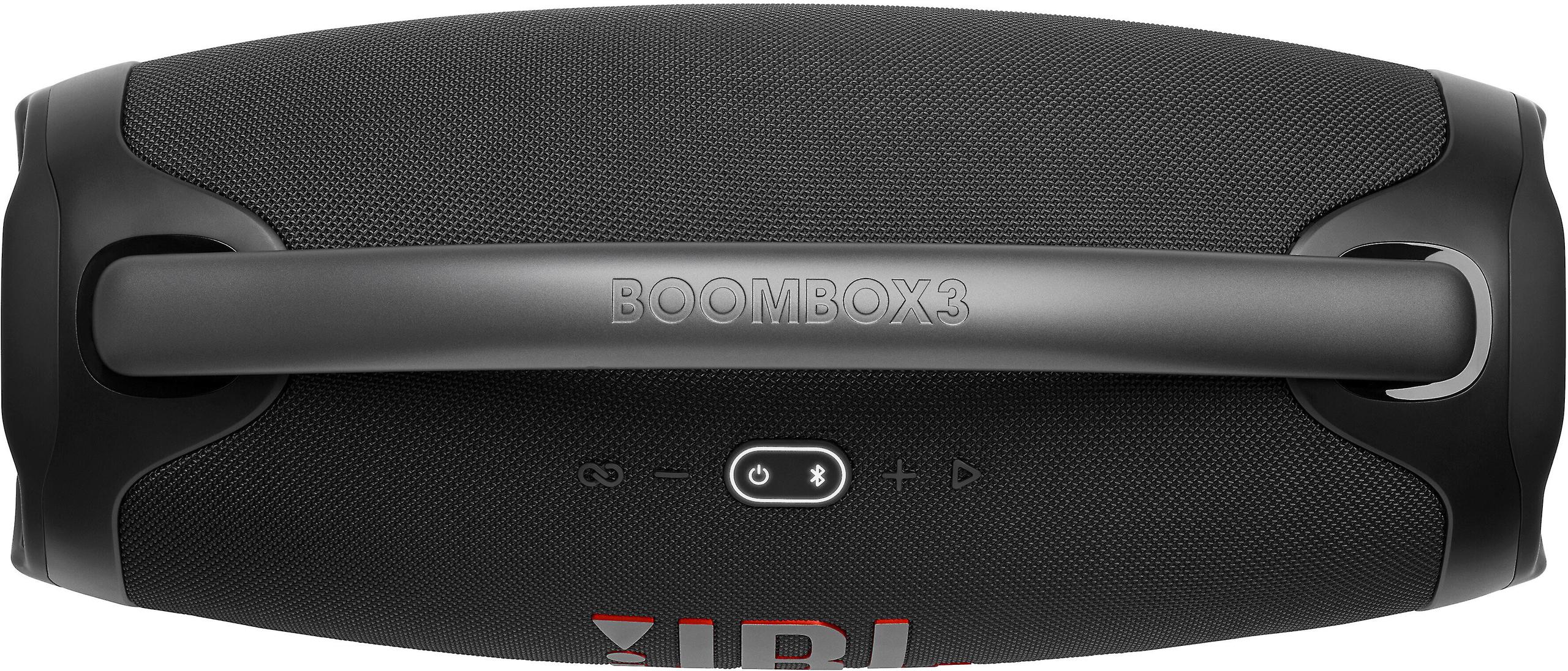
The JBL Charge 6, released in 2025, represents JBL's refined approach to truly portable audio. At just over 2 pounds, it's designed for people who want excellent sound quality without sacrificing mobility. The JBL Boombox 3, launched in 2023, takes the opposite approach—it prioritizes maximum audio performance even if that means weighing 21 pounds.
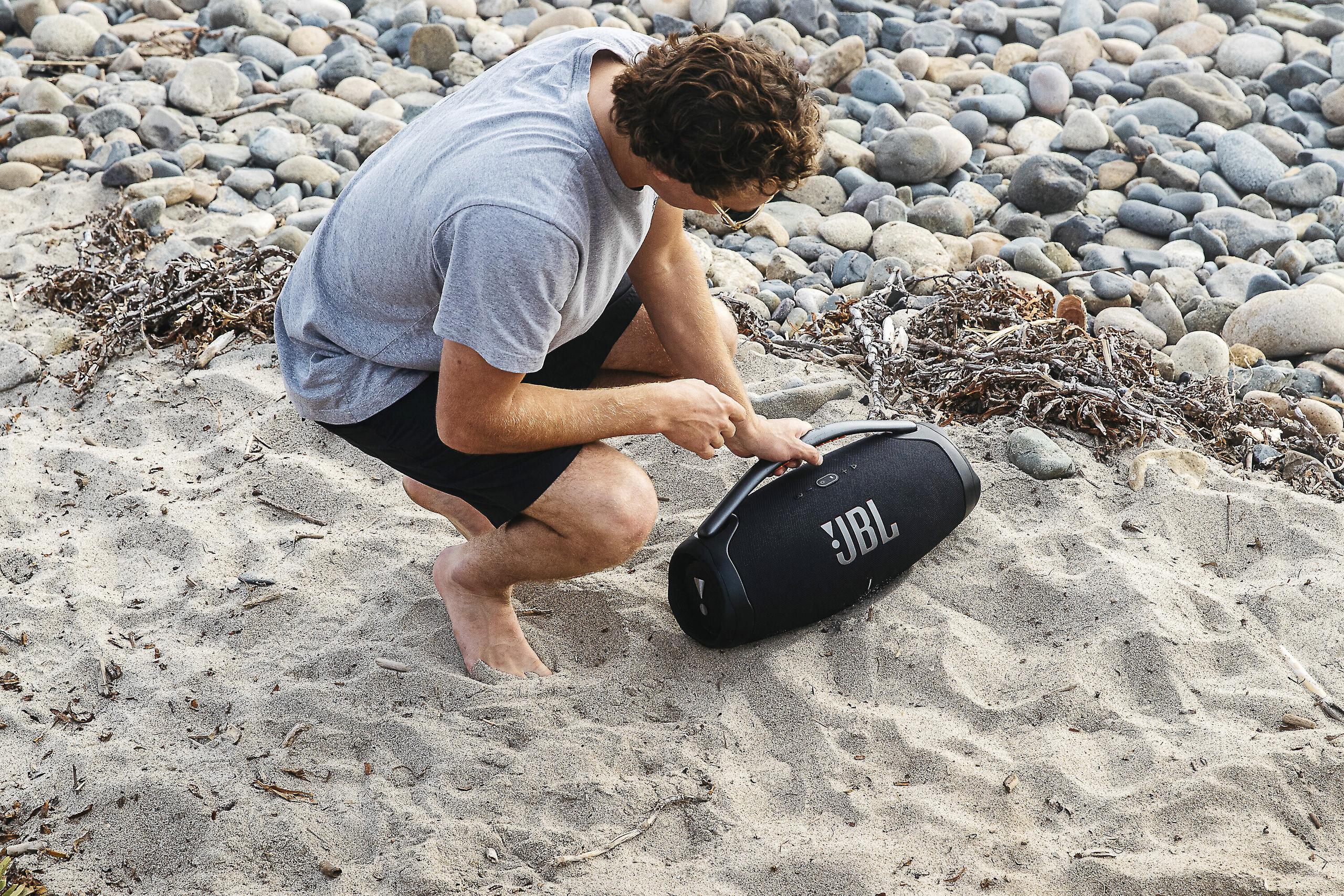
This weight difference isn't just about inconvenience; it fundamentally changes how you'll use each speaker. The Charge 6 slips into backpacks and travels easily, while the Boombox 3 essentially becomes furniture once you place it somewhere. At the time of writing, the Charge 6 costs roughly half what you'll pay for the Boombox 3, making value proposition a crucial consideration.
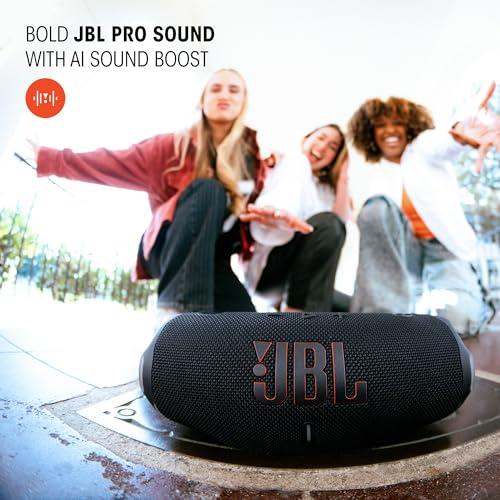
JBL has made meaningful improvements to both speakers compared to their predecessors. The Charge 6 introduces AI Sound Boost technology—essentially smart software that analyzes music in real-time to push the drivers harder without causing distortion. The Boombox 3 added Wi-Fi 6 connectivity and Dolby Atmos support, features that weren't available in earlier versions and significantly expand its capabilities beyond simple Bluetooth streaming.
The performance gap between these speakers is enormous, and it starts with raw power output. The Charge 6 delivers 45 watts RMS, while the Boombox 3 pumps out 180 watts when plugged into wall power (140 watts on battery). RMS (Root Mean Square) measures continuous power output—it's the honest way to rate speakers, unlike peak power ratings that only reflect brief bursts.
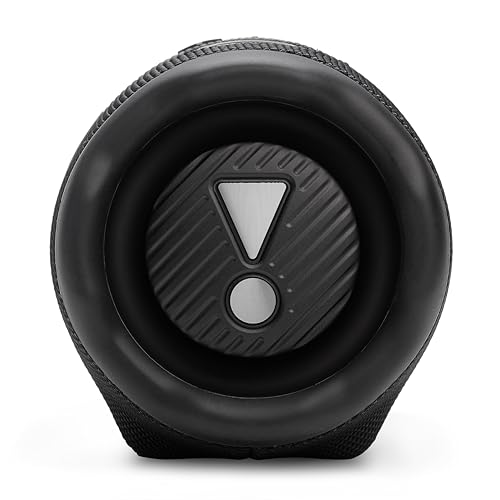
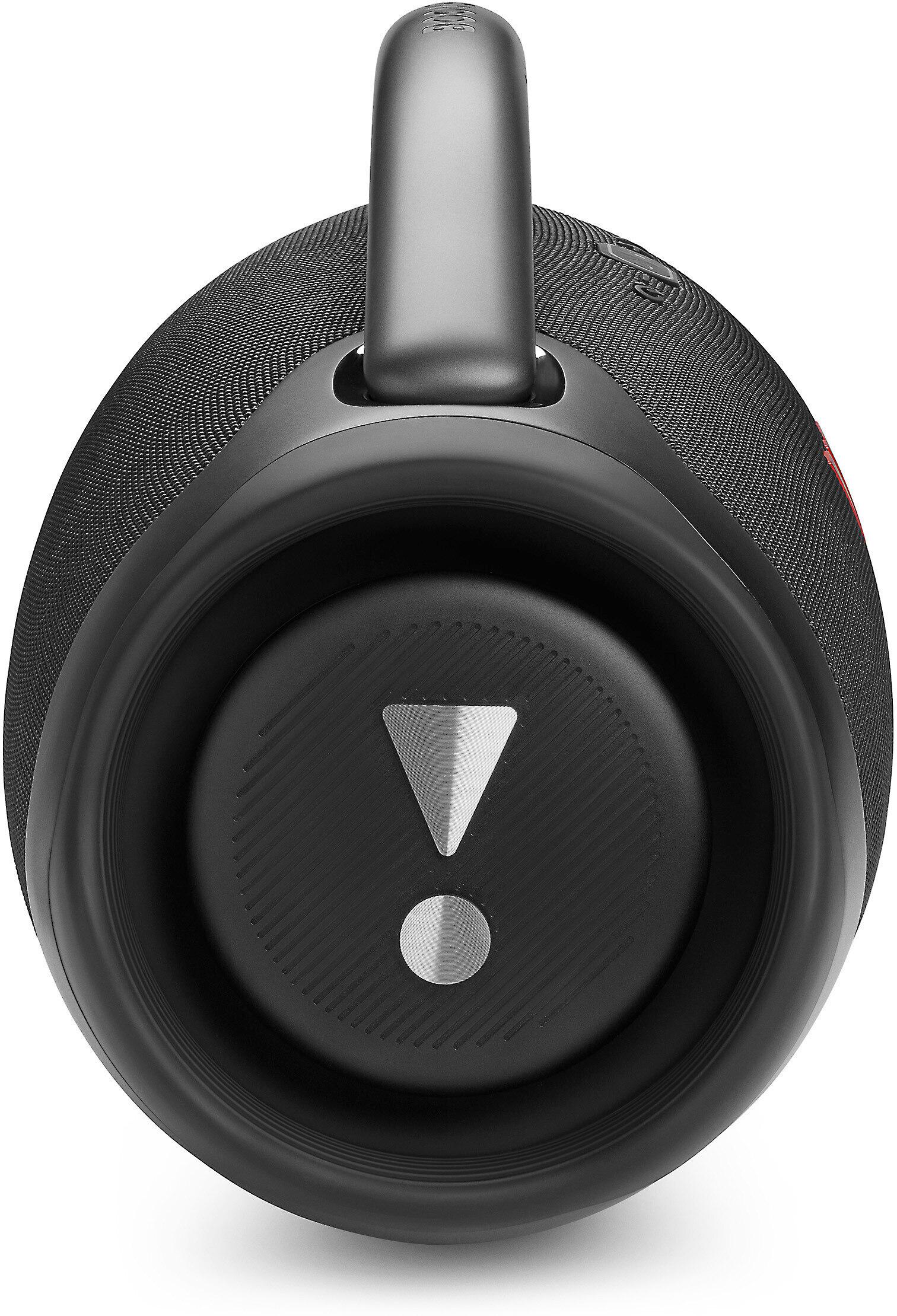
But raw wattage only tells part of the story. The Charge 6 uses a clever 2-way driver configuration with a specially designed oval woofer (53mm x 93mm) and a 20mm tweeter. This oval design maximizes the available space within the compact housing—it's like fitting a larger driver into a smaller package. Dual passive radiators on the sides act like secondary speakers that move air without requiring additional amplifiers, enhancing bass response despite the size constraints.
The Boombox 3 takes a completely different approach with a 3-way system featuring dedicated drivers for low, mid, and high frequencies. This separation allows each driver to focus on what it does best—the subwoofer handles deep bass, midrange drivers manage vocals and instruments, and tweeters reproduce crisp highs. It's like having separate specialized tools versus one multi-tool.
Frequency response tells you which musical notes a speaker can reproduce and how well. The Charge 6 handles 56Hz to 20kHz, while the Boombox 3 reaches down to 40Hz. Those extra 16Hz at the bottom matter more than you might think—that's where you feel bass in your chest rather than just hearing it. For reference, a bass guitar's low E string vibrates at about 41Hz, so the Boombox 3 can reproduce it more accurately.
However, the Charge 6 compensates brilliantly with its AI Sound Boost technology. This system continuously analyzes the incoming audio signal and adjusts the amplifier output to maximize performance without causing distortion. It's like having a sound engineer constantly tweaking the mix to get the most out of the hardware. Based on user feedback and expert reviews, this technology works remarkably well, allowing the Charge 6 to sound much larger than its physical size suggests.
Maximum volume capabilities differ dramatically between these speakers. The Charge 6 delivers impressive output for personal and small group listening but starts showing compression (where loud passages get squashed) at maximum volume. This is normal for compact speakers—the trade-off for portability.
The Boombox 3 maintains clarity and punch even at party volumes. User reports consistently mention its ability to overcome crowd noise and fill large spaces without strain. This comes from having larger drivers with more excursion (how far they can move) and substantially more amplifier power driving them.
For home theater use, neither speaker is ideal as a primary system, but they serve different supplementary roles. The Charge 6 works well for casual TV watching in bedrooms or small spaces, while the Boombox 3 could serve as a temporary sound system for basement movie nights or outdoor screen setups.
Both speakers claim 24 hours of battery life, but real-world performance varies significantly based on volume levels and audio content. Bass-heavy music at high volumes drains batteries much faster than acoustic music at moderate levels.
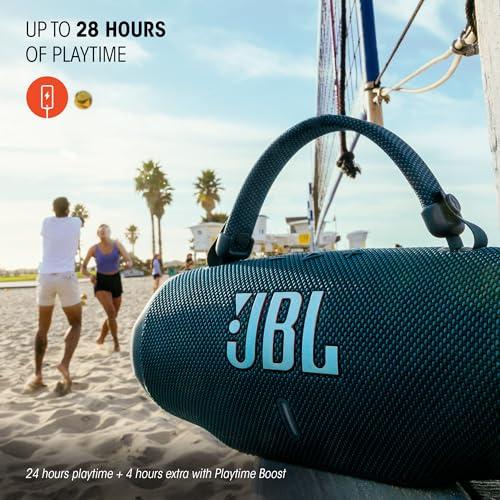
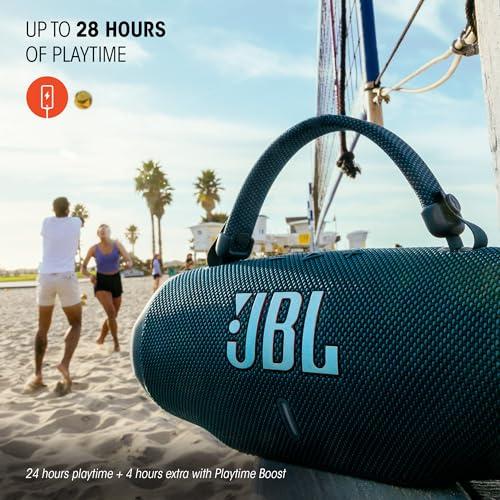
The Charge 6 achieves its battery life through efficient amplification and a clever Playtime Boost mode that reduces bass output to save power—extending total runtime to 28 hours. While this mode compromises sound quality slightly, it's invaluable for extended outdoor adventures where charging isn't possible.
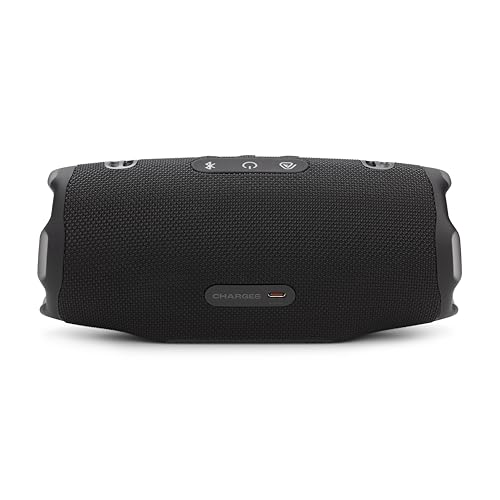
More importantly, the Charge 6 charges via USB-C in just 3 hours and offers fast charging—10 minutes provides 2.5 hours of playback. This quick charging capability transforms how you use the speaker, making it practical for spontaneous use. The Boombox 3 requires 6.5 hours to fully charge using its proprietary AC adapter, which limits flexibility.
Both speakers function as power banks for charging your devices, but the Charge 6's USB-C output is more versatile than the Boombox 3's USB-A port. This might seem like a minor detail, but when you're camping or traveling, having fewer cable types to manage matters.
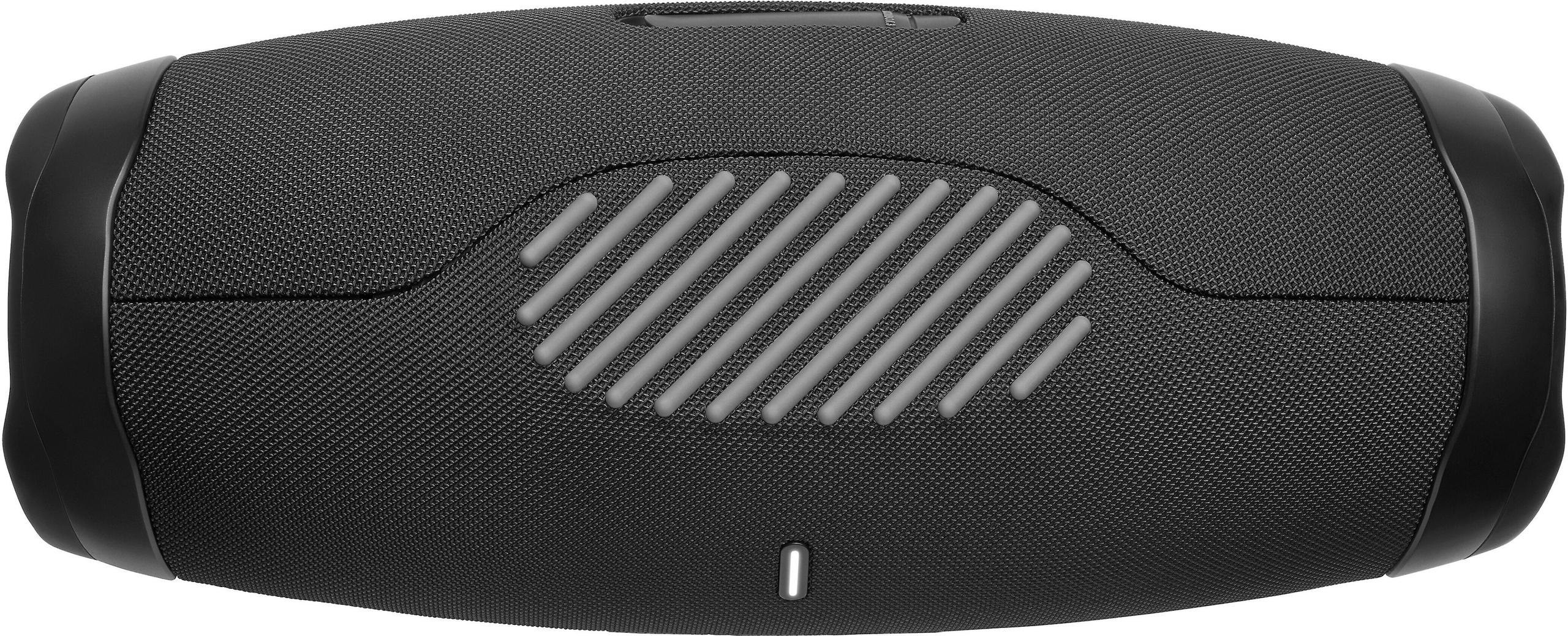
Outdoor use demands serious weather protection, and this is where the Charge 6 clearly excels. Its IP68 rating means complete dust protection and the ability to survive submersion up to 1.5 meters for 30 minutes. The Boombox 3 carries an IP67 rating—excellent water resistance but not fully submersible.
The Charge 6 also includes drop-proof certification for 1-meter falls onto concrete. Combined with its light weight, this makes it nearly indestructible for normal use. The Boombox 3 lacks drop testing certification, which makes sense given its weight—dropping 21 pounds of speaker onto a hard surface would likely damage both the speaker and the surface.
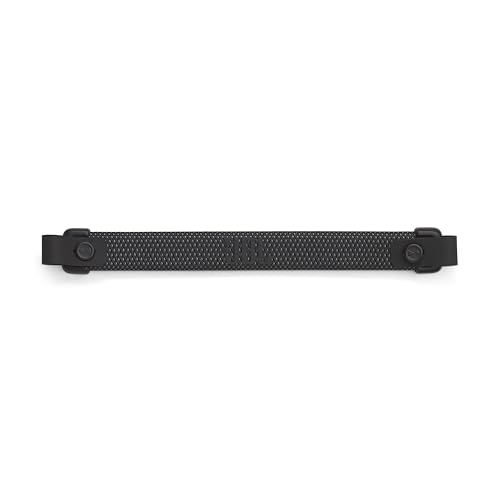
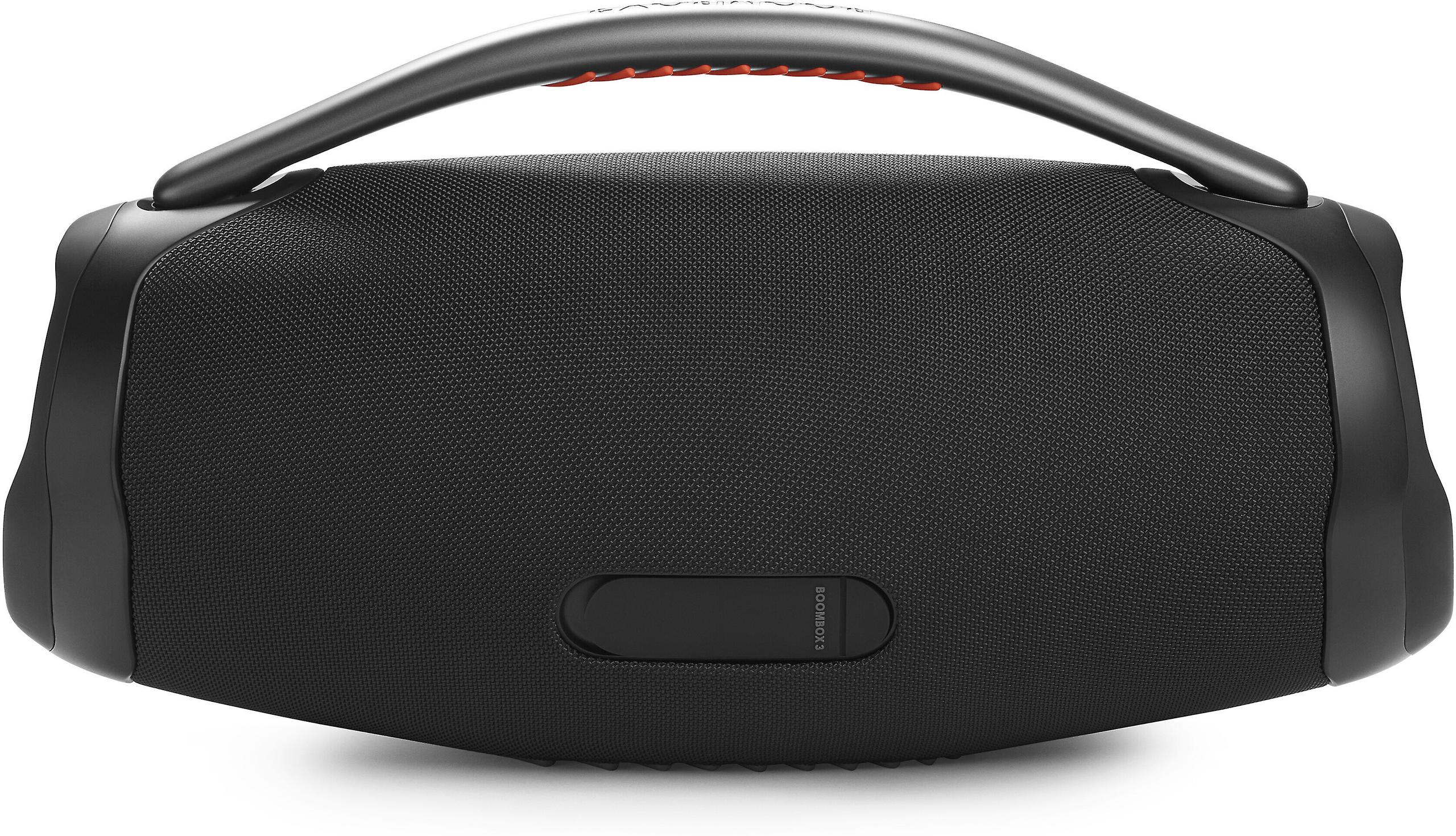
Both speakers use fabric grilles that resist damage better than plastic alternatives, but the Charge 6's removable carrying strap shows thoughtful design for active use. The Boombox 3 features a sturdy metal handle with silicone grips, but it's clearly designed for occasional repositioning rather than constant transport.
Modern speakers need to connect to more than just phones, and these two take different approaches. The Charge 6 focuses on refined Bluetooth performance with version 5.4 and Auracast technology for connecting multiple speakers. It also supports lossless audio playback through its USB-C port at up to 24-bit/192kHz resolution—higher quality than any Bluetooth transmission can provide.
The Boombox 3 includes Wi-Fi 6 connectivity, which opens up significantly more possibilities. Wi-Fi allows for multiroom audio systems, higher quality streaming, and features like Dolby Atmos processing that aren't possible over Bluetooth. When connected to Wi-Fi and using JBL's app, users report noticeably improved sound quality and additional ambient processing that makes music more immersive.
Both speakers offer companion apps with customizable EQ settings. The Charge 6 provides a 7-band graphic equalizer—more precise control than the Boombox 3's simpler adjustments. For most users, this level of customization allows fine-tuning the sound to personal preferences or room acoustics.
Based on extensive user feedback and expert reviews, the performance characteristics become clearer in practice. The Charge 6 consistently impresses users with its sound quality relative to size. Many report being surprised by the bass response and overall clarity, particularly when using the AI Sound Boost technology. However, users seeking room-filling volume or deep bass for dance music find it lacking.
The Boombox 3 receives praise for its powerful, room-filling sound but mixed feedback on portability. Users who expected true portability often express disappointment with the weight and size. Conversely, those who use it primarily in stationary applications rave about the audio quality and party-appropriate volume levels.
One consistent theme in reviews is that both speakers perform best within their intended use cases. The Charge 6 excels for personal listening, outdoor adventures, and situations requiring true portability. The Boombox 3 shines for parties, large rooms, and applications where maximum sound quality justifies the bulk.
At the time of writing, the price difference between these speakers reflects their different target markets. The Charge 6 offers exceptional value for truly portable high-quality audio, while the Boombox 3 commands a premium for its specialized high-output capabilities.
Consider the total cost of ownership beyond the purchase price. The Charge 6's portability means you'll actually use it in more situations, potentially replacing multiple lesser speakers. Its durability and fast charging reduce long-term maintenance concerns. The Boombox 3 requires a more specific commitment—you need the space and use cases that justify its bulk and higher price.
For most people, the Charge 6 represents better overall value because of its versatility. However, if you regularly host gatherings or need maximum audio performance, the Boombox 3's specialized capabilities justify the premium.
Choose the JBL Charge 6 if you prioritize versatility and true portability. It's ideal for travelers, outdoor enthusiasts, students, and anyone who wants excellent audio quality without compromising mobility. The combination of weather resistance, fast charging, and surprisingly good sound quality makes it an outstanding daily-driver speaker.
The Charge 6 also makes sense if you're building a modest audio setup on a budget. Its ability to pair with another unit for stereo sound provides an upgrade path, and the 7-band EQ allows customization that expensive speakers often lack.
Choose the JBL Boombox 3 if you need maximum audio performance and can accept the mobility limitations. It's perfect for party hosts, large room installations, outdoor events, and anyone who prioritizes sound quality above all else. The Wi-Fi connectivity and Dolby Atmos support make it a sophisticated audio system disguised as a portable speaker.
The Boombox 3 also makes sense as a primary home audio system for smaller spaces or as a high-quality outdoor entertainment system for patios or workshops where permanent installation isn't practical but mobility isn't required daily.
These speakers succeed in different ways because they solve different problems. The Charge 6 proves that portable doesn't have to mean compromised, delivering remarkable sound quality in a truly mobile package. The Boombox 3 demonstrates that when portability isn't the priority, speakers can deliver performance that rivals much larger systems.
Your choice should align with your primary use case rather than trying to find one speaker that does everything well. If you find yourself torn between the two, consider your most common listening scenarios and choose the speaker that excels in those situations. Both are excellent at what they're designed to do—the key is matching their strengths to your needs.
| JBL Charge 6 | JBL Boombox 3 |
|---|---|
| Power Output - Determines maximum volume and bass impact | |
| 45W RMS (30W woofer + 15W tweeter) | 180W plugged in, 140W on battery (4x more power) |
| Weight & Portability - Critical for actual mobility and travel | |
| 2.11 lbs (0.96 kg) - fits in backpacks | 21.2 lbs (9.62 kg) - requires two-handed carrying |
| Water Resistance - Protection level for outdoor use | |
| IP68 (fully submersible to 1.5m for 30 minutes) | IP67 (water-resistant but not submersible) |
| Battery Life - Hours of continuous playback | |
| 24 hours standard, 28 hours with Playtime Boost | 24 hours (but takes longer to charge) |
| Charging Time - How quickly you can get back to listening | |
| 3 hours full charge, 10 min = 2.5 hours playback | 6.5 hours full charge, no fast charging |
| Speaker Configuration - Affects stereo imaging and sound quality | |
| Mono output (requires pairing for stereo) | Built-in stereo with dedicated subwoofer |
| Frequency Response - Range of musical notes the speaker can reproduce | |
| 56Hz - 20kHz (good bass for size) | 40Hz - 20kHz (deeper bass you can feel) |
| Connectivity Options - How you can connect and stream audio | |
| Bluetooth 5.4, USB-C lossless audio, Auracast pairing | Bluetooth 5.3, Wi-Fi 6, 3.5mm aux, Dolby Atmos |
| Special Audio Features - Technology that enhances sound quality | |
| AI Sound Boost, 7-band EQ customization | 3-way driver system, Wi-Fi multiroom capability |
| Powerbank Function - Ability to charge your devices | |
| USB-C output for modern devices | USB-A 10W output for older devices |
| Drop Protection - Durability for active outdoor use | |
| 1-meter drop-proof certified | No drop certification due to weight |
| Best Use Case - Primary scenarios where each speaker excels | |
| Travel, outdoor activities, personal listening | Parties, large rooms, stationary high-volume use |
The JBL Charge 6 is significantly better for portability, weighing only 2.11 pounds compared to the JBL Boombox 3's 21.2 pounds. The Charge 6 fits easily in backpacks and luggage, while the Boombox 3 requires two-handed carrying and is more suited for stationary use.
The JBL Boombox 3 delivers much louder sound with 180 watts of power versus the Charge 6's 45 watts. The Boombox 3 also produces deeper bass (40Hz vs 56Hz) and has built-in stereo separation. However, the Charge 6 offers impressive sound quality for its size thanks to AI Sound Boost technology.
Both the JBL Charge 6 and JBL Boombox 3 offer 24 hours of battery life, but the Charge 6 has superior charging convenience. It charges in 3 hours versus 6.5 hours for the Boombox 3, and includes fast charging where 10 minutes provides 2.5 hours of playback.
The JBL Charge 6 offers superior water protection with IP68 rating, allowing full submersion up to 1.5 meters for 30 minutes. The JBL Boombox 3 has IP67 rating, providing excellent water resistance but cannot be fully submerged.
The JBL Boombox 3 is designed for parties with its powerful 180-watt output that can fill large rooms and overcome crowd noise. The Charge 6 works better for small gatherings but lacks the volume needed for larger parties without pairing multiple units.
Neither speaker is ideal as a primary home theater system, but they serve different supplementary roles. The JBL Charge 6 works well for casual TV watching in bedrooms or small spaces, while the JBL Boombox 3 could serve as temporary sound for basement movie nights or outdoor screen setups.
The JBL Charge 6 features Bluetooth 5.4, USB-C lossless audio, and Auracast multi-speaker pairing. The JBL Boombox 3 includes Bluetooth 5.3, Wi-Fi 6 connectivity, 3.5mm auxiliary input, and supports Dolby Atmos processing when connected via Wi-Fi.
The JBL Charge 6 typically offers better overall value due to its versatility, true portability, and lower price point. The JBL Boombox 3 justifies its higher price with specialized high-output capabilities, but only if you need maximum volume and can accept the weight limitations.
The JBL Charge 6 is more durable for active outdoor use with IP68 waterproofing and 1-meter drop-proof certification. The JBL Boombox 3 lacks drop certification due to its weight, though both speakers feature fabric grilles that resist damage better than plastic alternatives.
Both speakers function as power banks. The JBL Charge 6 offers USB-C output for modern devices, while the JBL Boombox 3 provides USB-A 10W output. The Charge 6's USB-C connection is more versatile for current smartphones and tablets.
The JBL Charge 6 is superior for beach and pool environments due to its full IP68 submersible rating, lightweight design for easy repositioning, and drop-proof durability. The JBL Boombox 3 offers water resistance but cannot handle submersion and is too heavy for frequent moving.
The JBL Charge 6 is designed as a versatile daily-driver speaker for personal use, travel, and outdoor activities where portability matters. The JBL Boombox 3 functions more like transportable furniture, excelling in stationary applications where maximum sound quality and volume are priorities over mobility.
We've done our best to create useful and informative comparisons to help you decide what product to buy. Our research uses advanced automated methods to create this comparison and perfection is not possible - please contact us for corrections or questions. These are the sites we've researched in the creation of this article: rtings.com - youtube.com - stereoguide.com - whathifi.com - youtube.com - elomymelo.com - soundguys.com - elomymelo.com - wifihifi.com - soundguys.com - jbl.com - whathifi.com - soundguys.com - youtube.com - smarthomesounds.co.uk - jbl.com - sweetwater.com - youtube.com - bestbuy.com - jbl.com.sg - jbl.com - dell.com - ca.jbl.com - soundguys.com - soundguys.com - dell.com - tomsguide.com - sweetwater.com - bestbuy.com - jbl.com - rtings.com - harmanaudio.com - jbl.com - jbl.com - thepowercentre.ca - youtube.com - bhphotovideo.com - krazykileys.ca

Privacy Policy
Terms and Conditions - Affiliate Policy
Home Security
© Copyright 2008-2026.
11816 Inwood Rd #1211, Dallas, TX 75244