

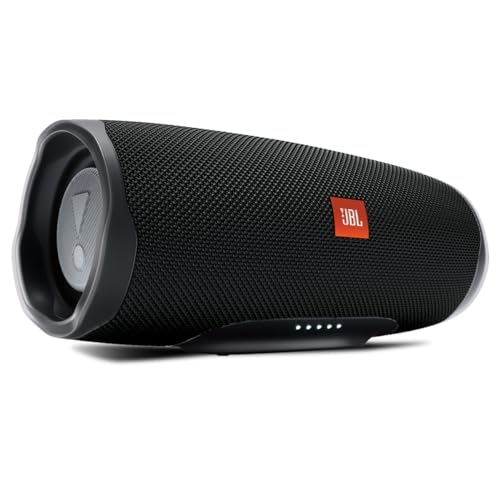
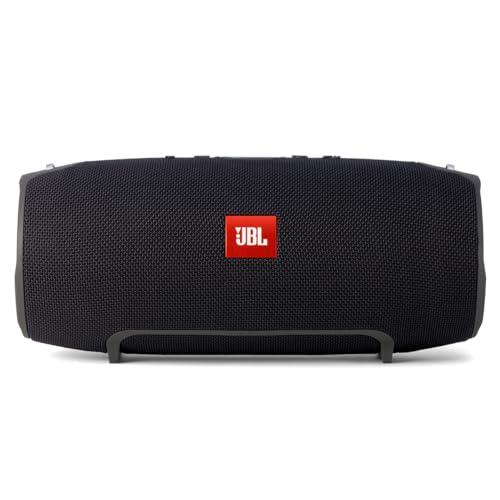
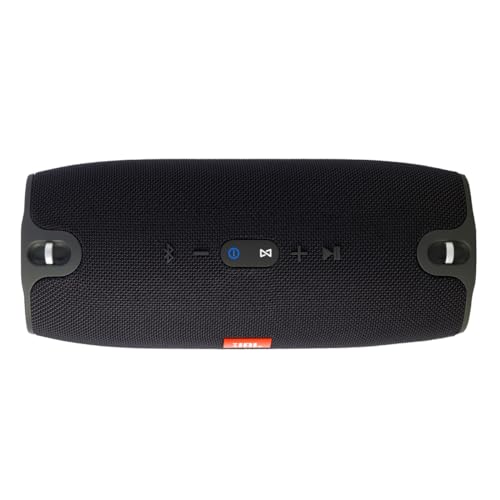
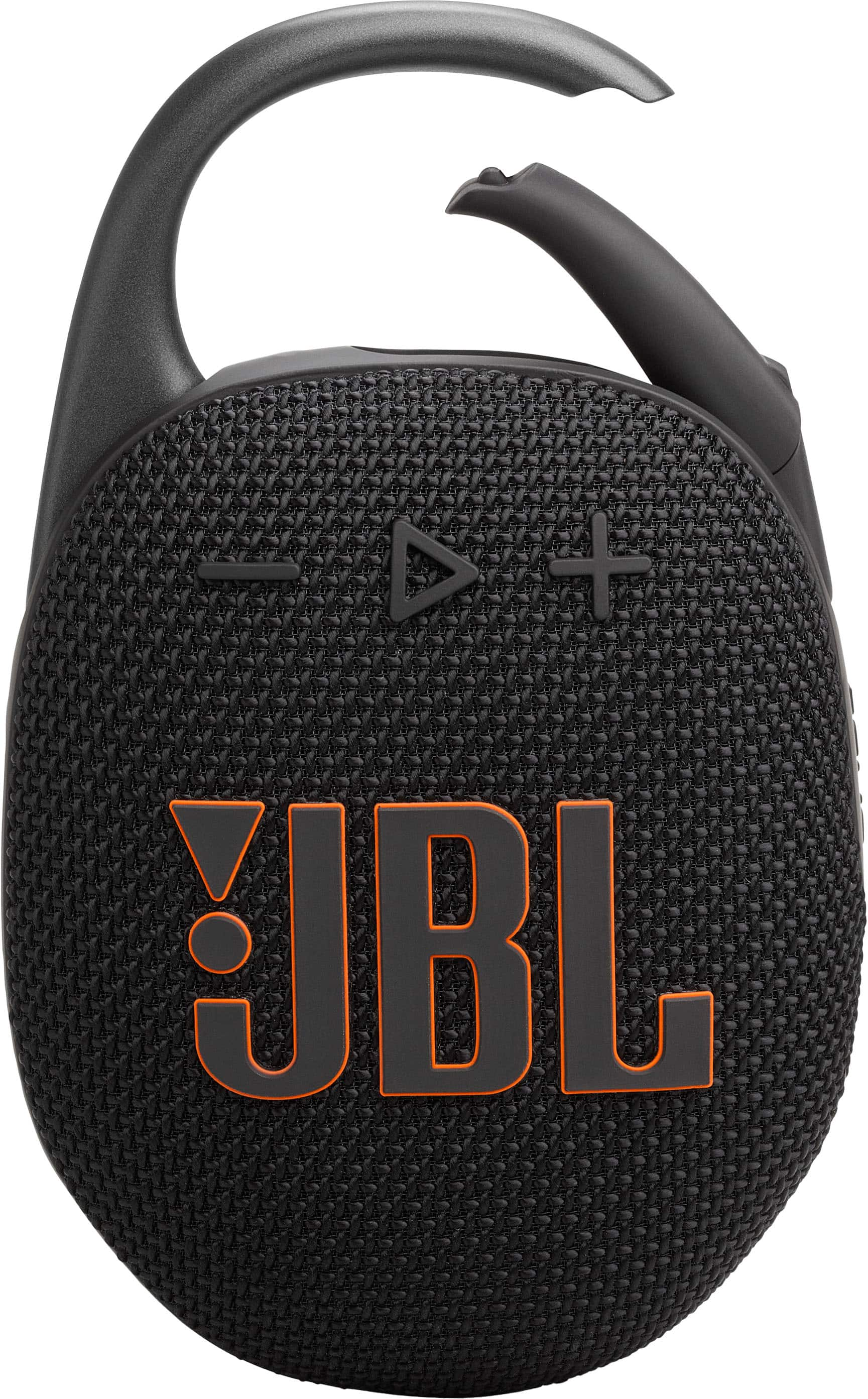
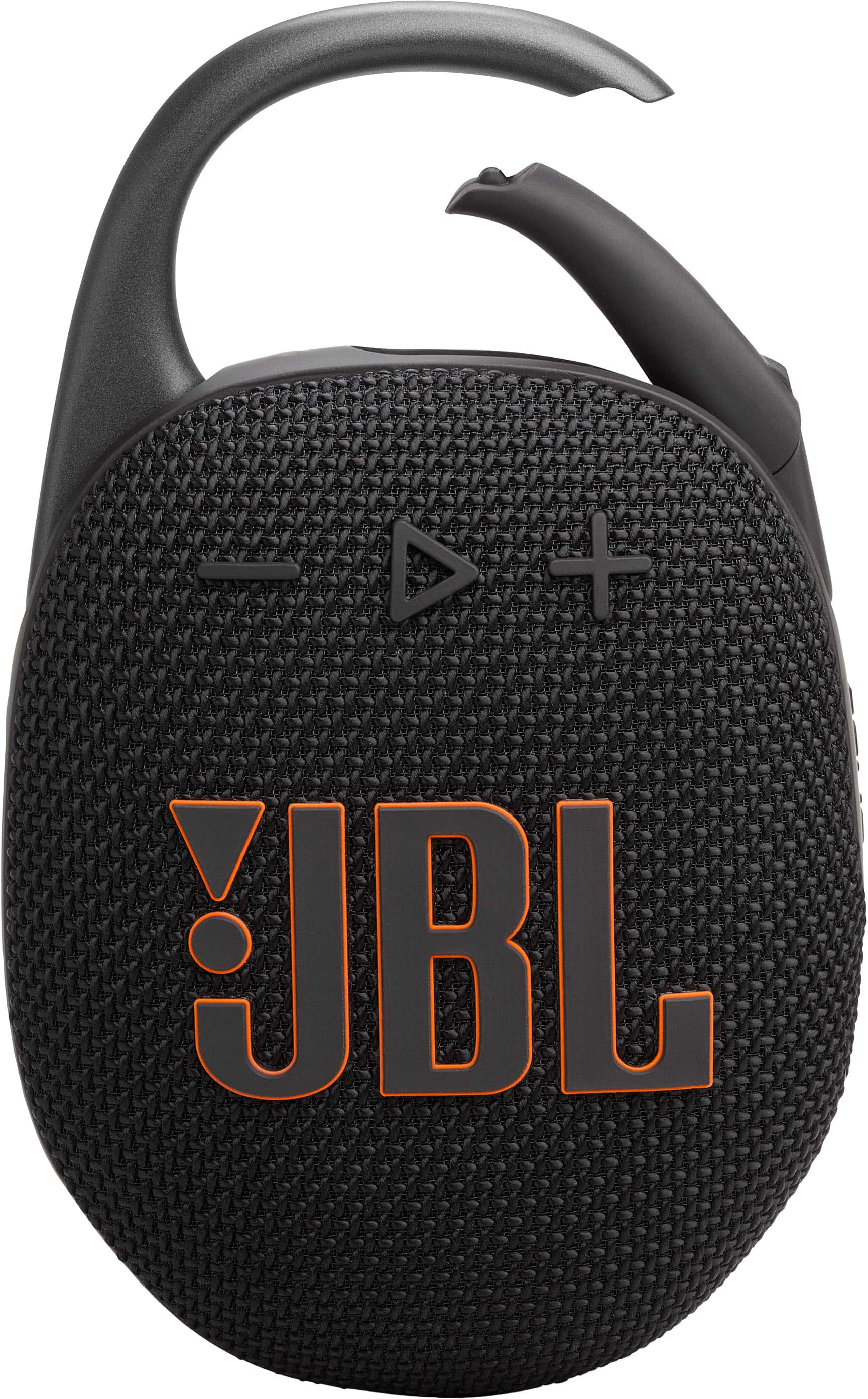
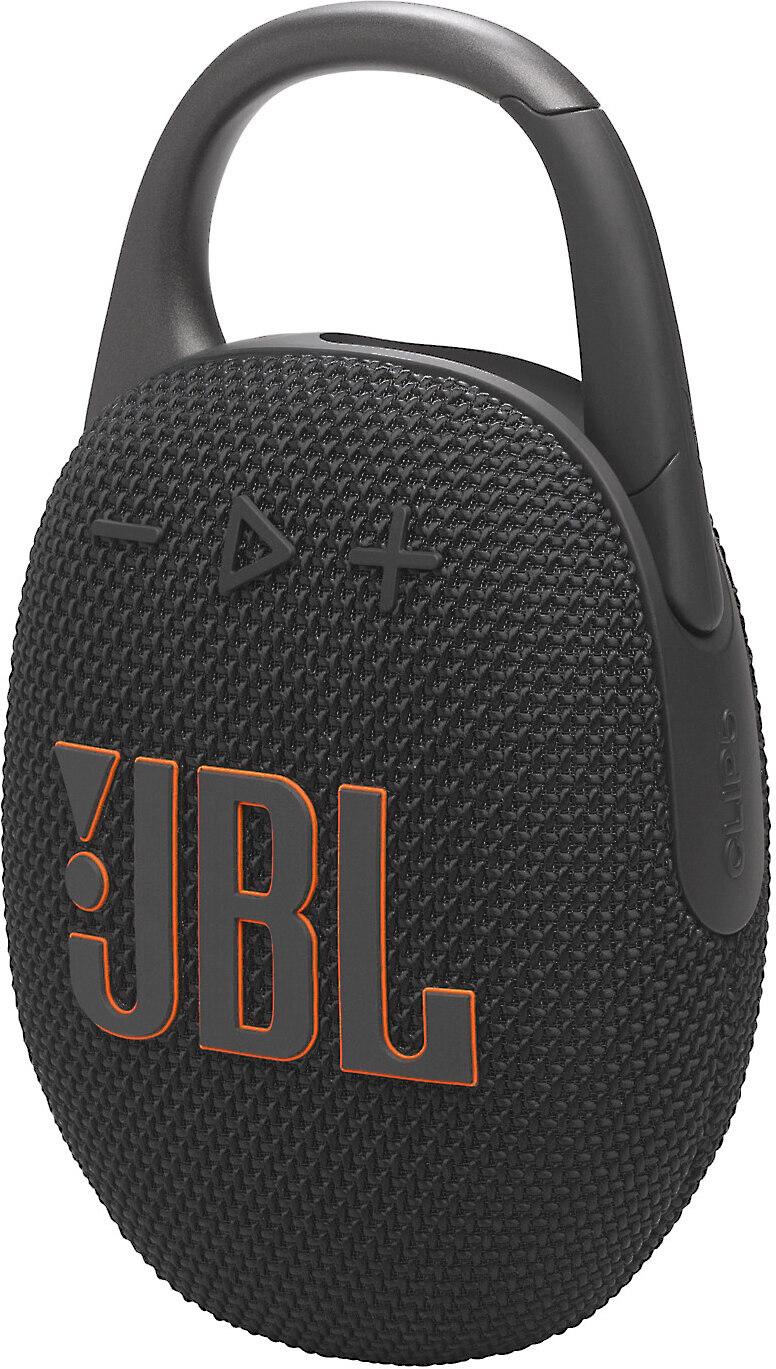
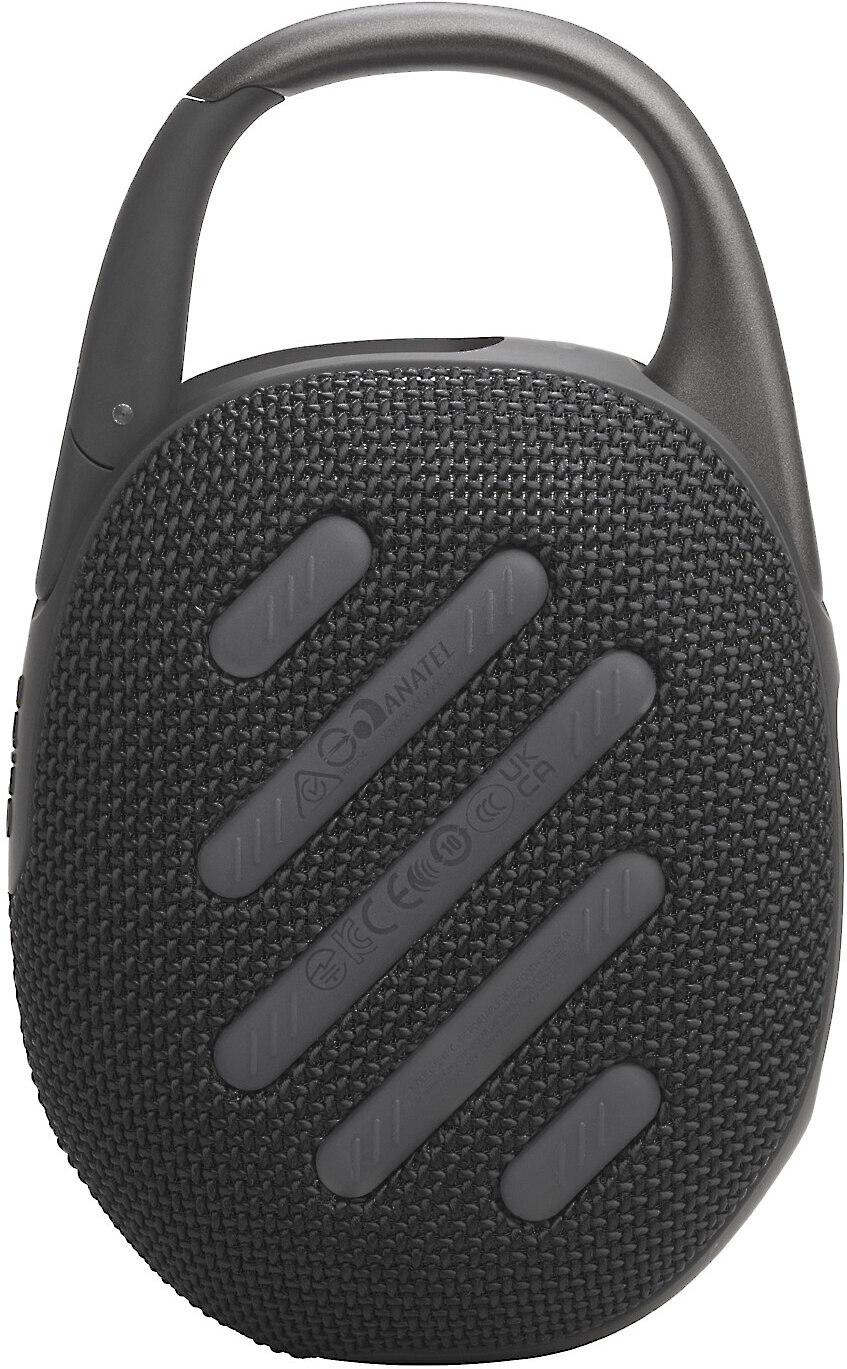
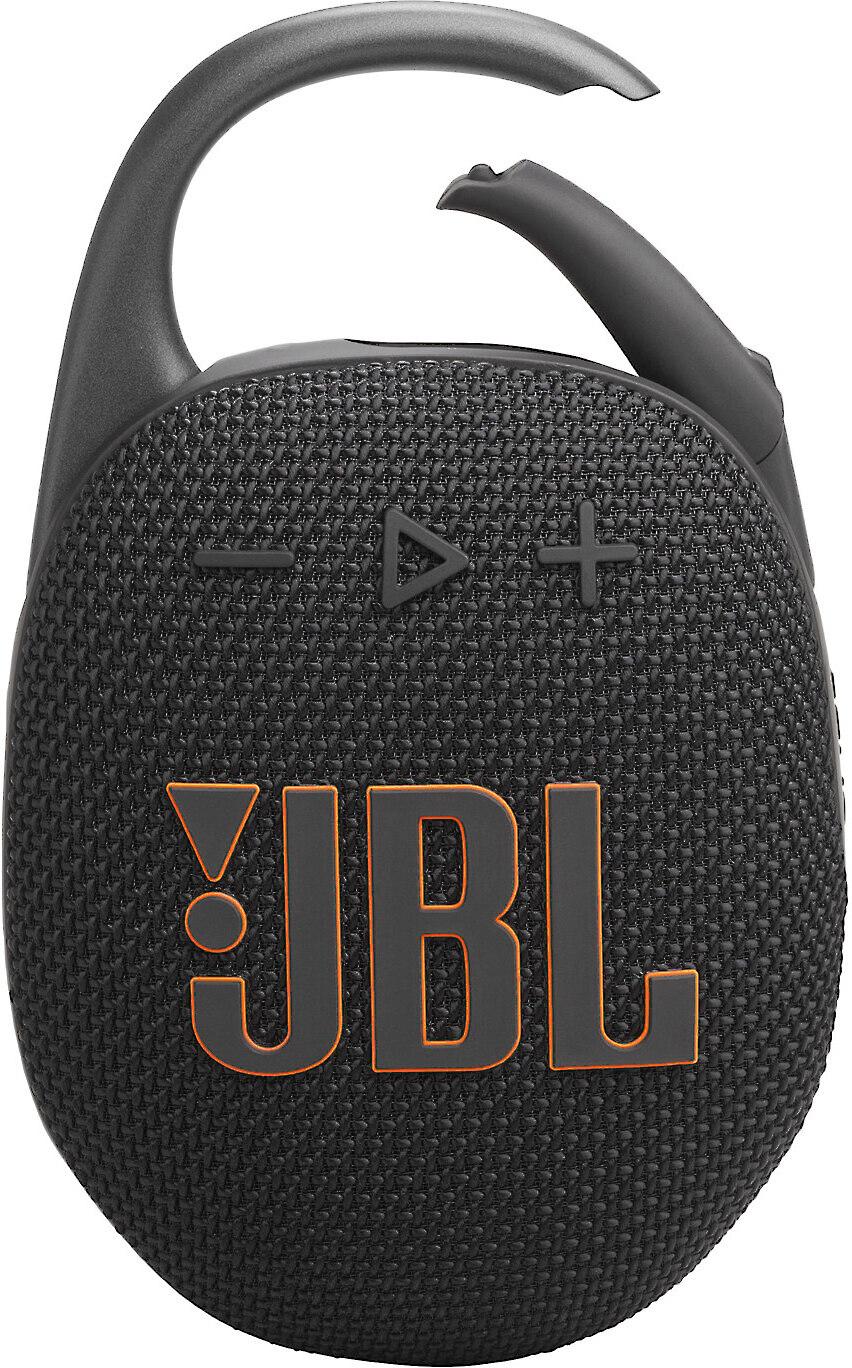

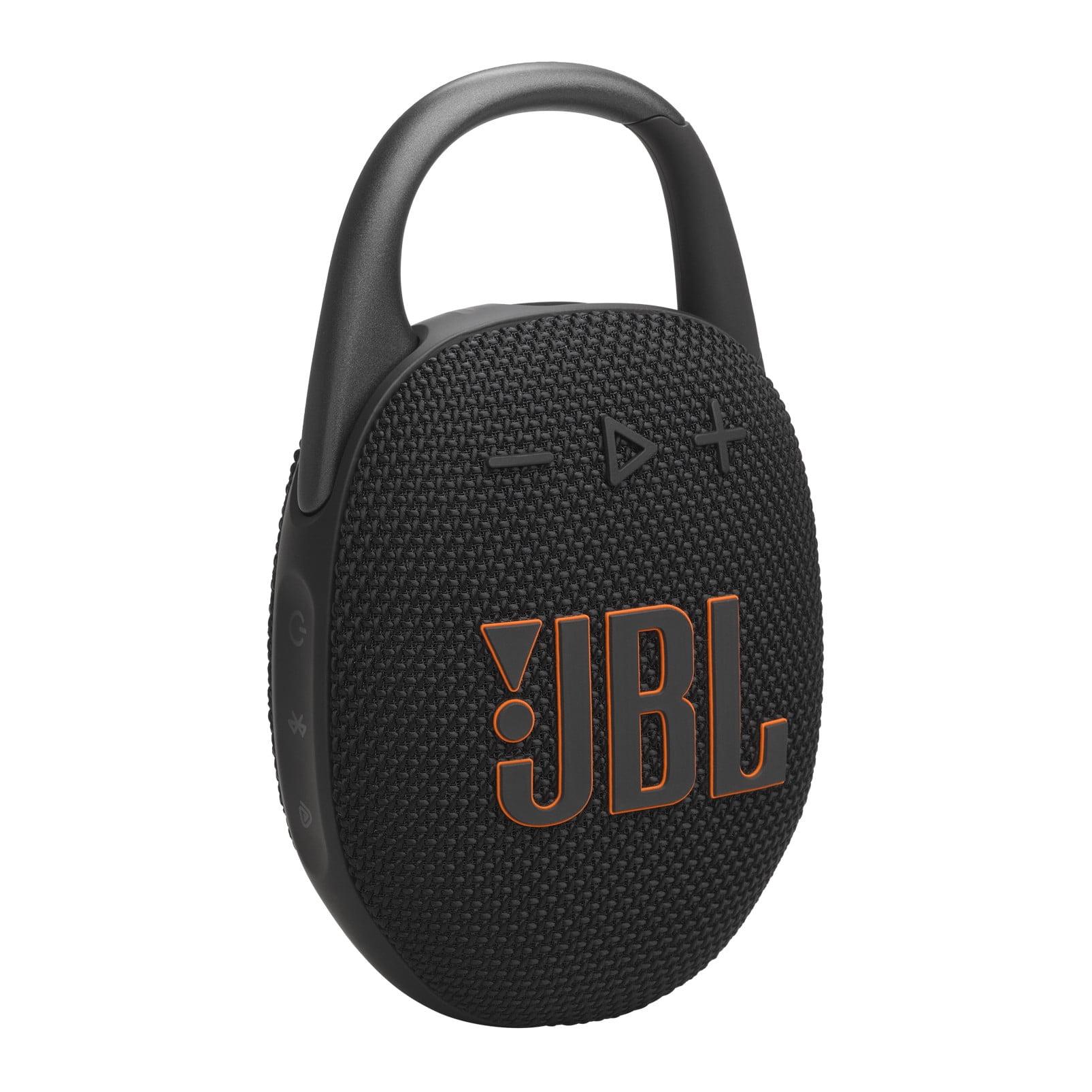
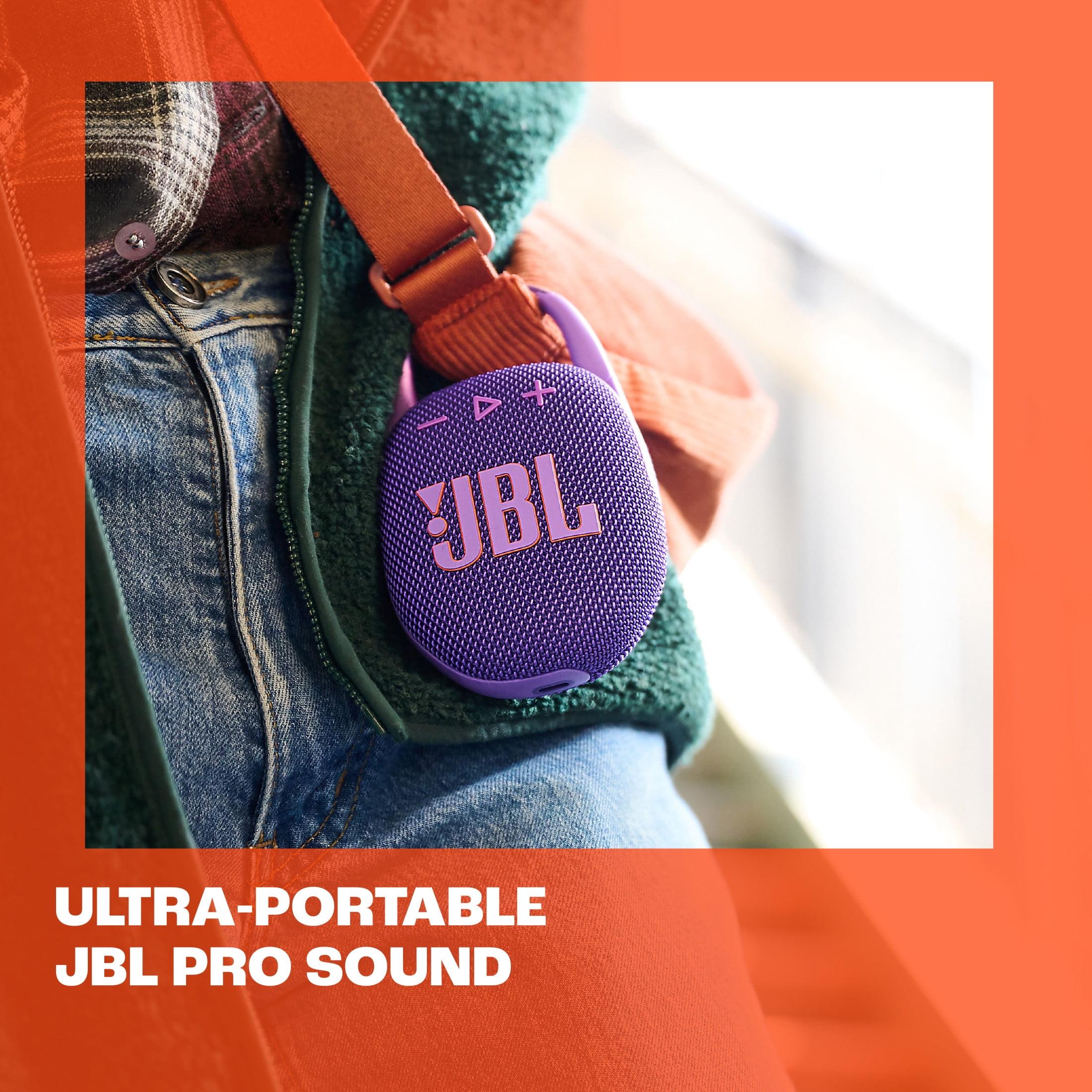


Portable Bluetooth speakers have become essential companions for our daily lives, but choosing between different models can feel overwhelming. Today we're comparing two JBL speakers that represent completely different philosophies: the JBL Charge 4, a mid-sized powerhouse built for groups and extended adventures, and the JBL Clip 5, an ultra-portable marvel designed to clip onto anything and follow you everywhere.
Both speakers excel in their respective categories, but understanding their fundamental differences will help you make the right choice for your specific needs and lifestyle.
Before diving into specifics, it's worth understanding what makes a great portable speaker. The category revolves around several key trade-offs that manufacturers must balance. Sound quality typically improves with size – larger speakers can house bigger drivers (the components that actually produce sound waves) and have more internal volume for bass resonance. However, bigger also means heavier and less convenient to carry.
Battery life becomes crucial since these speakers are designed for use away from power outlets. Water resistance has become standard, but the level of protection varies significantly. Some speakers just resist splashes, while others can be fully submerged. Additional features like the ability to charge your phone or connect multiple speakers can add significant value depending on your use case.
The most important performance metrics for portable speakers are maximum volume output (measured in watts), frequency response (how well they reproduce different sound frequencies), battery life, and build quality. Sound quality at moderate volumes often matters more than peak loudness, since distortion at maximum volume can ruin the listening experience.
The JBL Charge 4 was released in 2018 as part of JBL's established mid-size speaker lineup. At the time, it represented a significant update to the Charge series with improved audio performance and the addition of USB-C charging. The Charge series has always focused on balancing portability with serious audio performance while offering the unique ability to charge other devices – hence the "Charge" name.
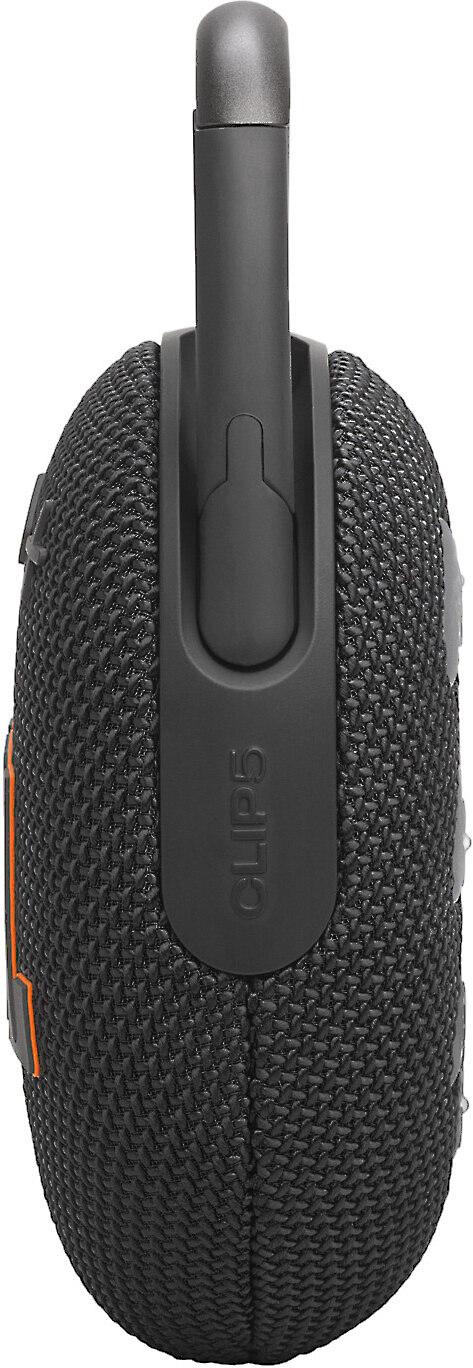
The JBL Clip 5 arrived much more recently in 2024, representing JBL's latest thinking on ultra-portable audio. The Clip series has always prioritized convenience above all else, with an integrated carabiner clip that lets you attach the speaker to virtually anything. The six-year gap between these releases means the Clip 5 benefits from significant technological advances, particularly in Bluetooth connectivity and app integration.
This timing difference is important because it explains why the newer Clip 5 includes modern features like Bluetooth 5.3 and smartphone app support, while the Charge 4 relies on older Bluetooth 4.2 technology without any app connectivity.
The most striking difference between these speakers is their power output. The JBL Charge 4 delivers 30 watts RMS (Root Mean Square – a measure of continuous power output), while the JBL Clip 5 produces just 7 watts. This isn't just a numbers game – it translates to dramatically different real-world performance.
In practical terms, the Charge 4 can comfortably fill a medium-sized room or outdoor space with sound, making it suitable for parties of 10-15 people. The Clip 5, despite its impressive engineering, works best for personal listening or small groups of 2-4 people. Think of it as the difference between a speaker for your backyard barbecue versus one for your morning jog.
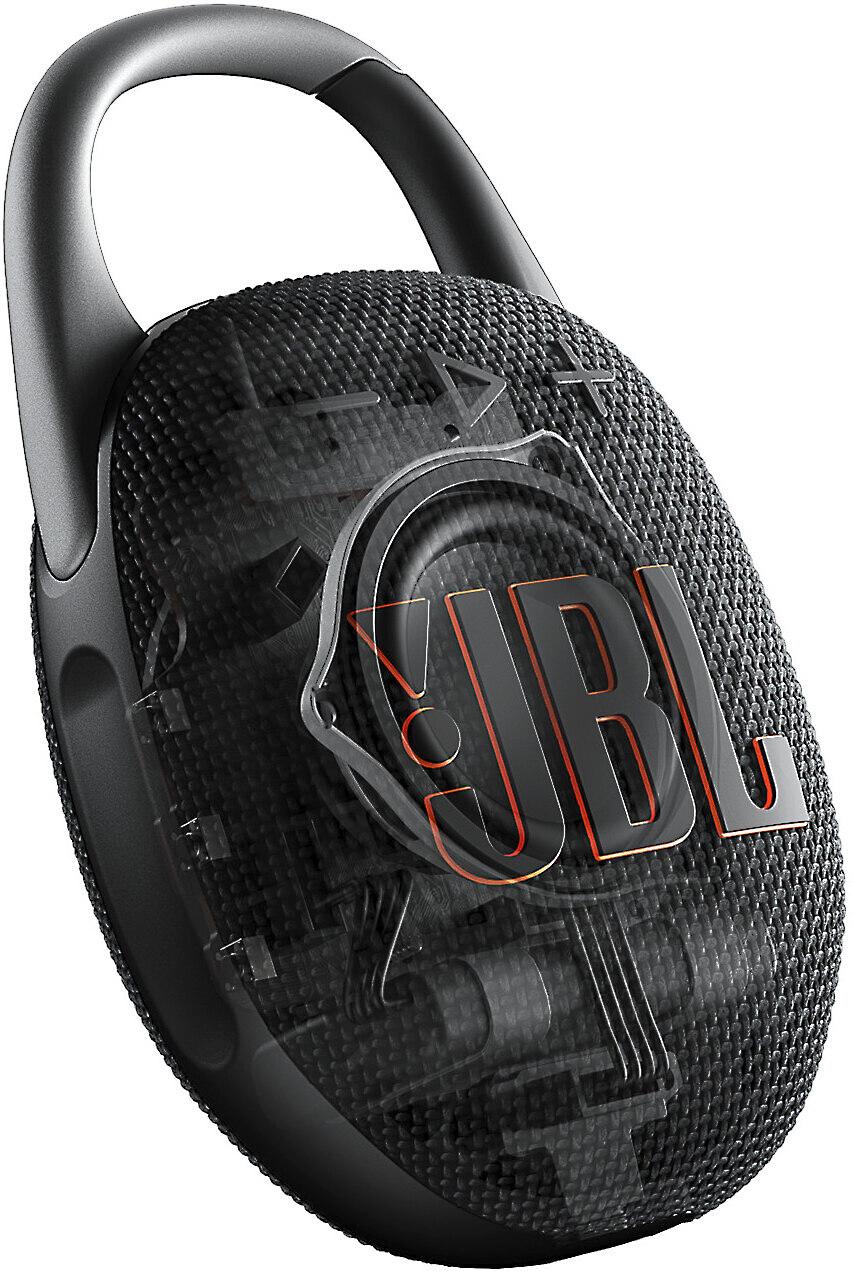
Our research into user experiences consistently shows that the Charge 4 maintains better sound quality at higher volumes. This is partly due to its larger driver (50 x 90mm racetrack design) compared to the Clip 5's much smaller driver. Larger drivers can move more air, which directly translates to both louder volume and better bass response.
Frequency response tells us how well a speaker reproduces different pitches of sound, measured in Hertz (Hz). The JBL Charge 4 handles frequencies from 60Hz to 20kHz, while the JBL Clip 5 covers 95Hz to 20kHz. That 35Hz difference in the low end is significant – it means the Charge 4 can reproduce deeper bass frequencies that you'll feel as much as hear.
To put this in perspective, a bass guitar's lowest note is around 41Hz, and a kick drum's fundamental frequency often sits around 60-80Hz. The Charge 4 can reproduce these foundational elements of music more completely, while the Clip 5 focuses more on mid-range clarity and higher frequencies.
However, the Clip 5 has a significant advantage in customization. Its companion smartphone app includes a 5-band equalizer, allowing you to adjust bass, mid-range, and treble frequencies to your preferences. This is particularly valuable because you can compensate somewhat for the speaker's size limitations by boosting certain frequencies. The Charge 4 offers no such customization – what you hear is what you get.
Both speakers feature JBL's signature sound profile, which tends to emphasize bass and upper-mid frequencies slightly. This creates an engaging, punchy sound that works well for popular music genres, though classical music enthusiasts might prefer a more neutral response.
The JBL Charge 4 employs dual passive radiators alongside its main driver. Passive radiators are essentially speakers without magnets that vibrate in response to the main driver's output, effectively extending bass response without requiring additional power or electronics. This design allows the Charge 4 to produce surprisingly deep bass for its size.
The Clip 5 also uses a passive radiator design, but its tiny internal volume severely limits how much bass enhancement this can provide. Physics ultimately wins here – you simply can't generate significant low-frequency energy in such a small enclosure.
User feedback consistently highlights this difference. The Charge 4 delivers bass that adds real impact to music, while the Clip 5's bass is present but more subtle. For bass-heavy genres like hip-hop or electronic music, this difference becomes quite noticeable.
The JBL Charge 4 promises up to 20 hours of playback, though real-world testing by users typically yields 13-15 hours depending on volume levels and music type. The Clip 5 claims 12 hours, extendable to 15 hours with its "Playtime Boost" feature (which likely reduces audio processing to conserve power).
These numbers deserve context. The Charge 4's larger battery capacity (7500mAh lithium-ion) compared to the Clip 5's smaller cell means it can sustain longer playback despite using more power. Both speakers will last through a full day of moderate use, but the Charge 4 has more reserve for extended adventures.
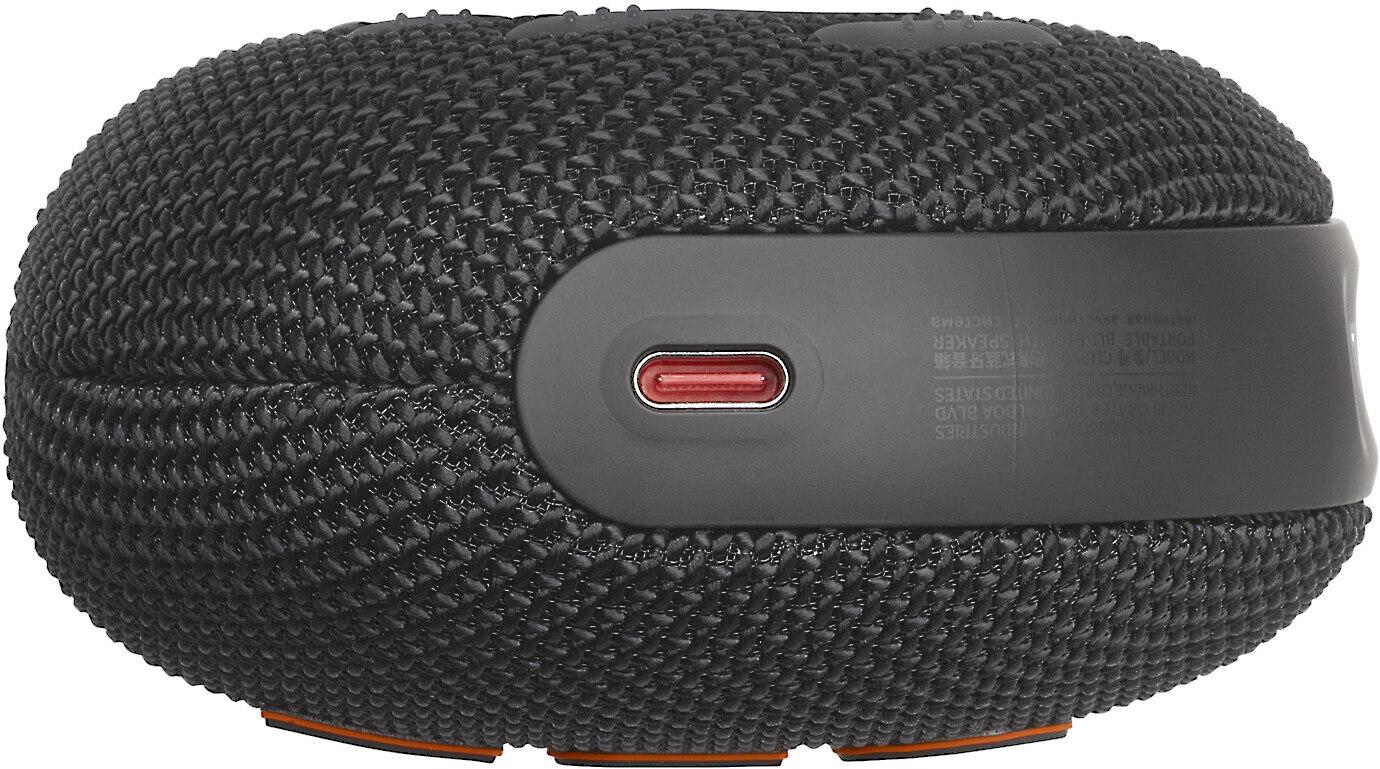
Here's where the newer Clip 5 shows its technological advancement. It charges fully in just 3 hours using USB-C, while the Charge 4 requires 4-5.5 hours for a complete charge cycle. Both use USB-C, which is convenient for travelers who can use the same cable for multiple devices.
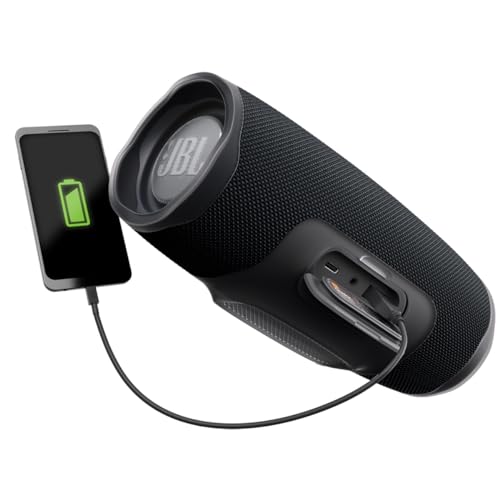
The Charge 4's standout feature is its power bank capability. Its USB-A output port can charge smartphones, tablets, or other devices at up to 2 amps. This transforms the speaker from just an audio device into a crucial piece of camping or travel gear. The Clip 5 lacks this functionality entirely.
The six-year technology gap between these speakers is most apparent in their Bluetooth implementations. The Charge 4 uses Bluetooth 4.2, which was standard in 2018 but lacks some modern conveniences. The Clip 5 features Bluetooth 5.3, the latest standard offering improved range, stability, and lower power consumption.
More importantly, the Clip 5 supports multipoint connection, meaning it can maintain active connections to two devices simultaneously. You can be playing music from your laptop and seamlessly switch to taking a call from your phone without reconnecting. The Charge 4 can pair with two devices but requires manual switching between them.
The JBL Clip 5 integrates with JBL's Portable app, providing access to EQ settings, firmware updates, and advanced features. The app's 5-band equalizer lets you fine-tune bass, low-mid, mid, high-mid, and treble frequencies independently. This level of control can help compensate for the speaker's physical limitations or adapt its sound signature to different environments.
The Charge 4 predates JBL's comprehensive app strategy and offers no smartphone integration. While this means fewer features, it also means simpler operation – just press the power button and play music.
Both speakers support connecting multiple units together, but they use different systems. The Charge 4 features JBL Connect+, which can link over 100 compatible JBL speakers from that generation. The Clip 5 supports the newer Auracast standard, part of Bluetooth 5.3's advanced audio sharing capabilities.
Auracast represents the future of multi-speaker audio, offering better synchronization and easier setup than older systems. However, Connect+ has the advantage of working with many existing JBL speakers, making it more practical if you already own other JBL products from that era.
The JBL Charge 4 carries an IPX7 rating, meaning it can withstand immersion in up to 1 meter of water for 30 minutes. This makes it genuinely waterproof for practical purposes – you can use it poolside without worry or even take it in the shower.
The Clip 5 goes further with an IP67 rating. The first digit (6) indicates complete dust protection, while the second digit (7) provides the same water protection as the Charge 4. This dust protection is particularly valuable for hiking, beach use, or any outdoor adventure where sand and dirt are concerns.
The Charge 4's larger size allows for more robust construction. Its fabric exterior and rubber base feel substantial and ready for rough handling. The Clip 5's integrated carabiner is surprisingly sturdy, but the speaker's tiny size means every component must be precisely engineered – there's no room for over-building.
User reports suggest both speakers hold up well to regular use, though the Charge 4's additional mass provides some protection against drops and impacts.
For home use, the JBL Charge 4 makes more sense for most people. Its superior volume and bass response work well for background music during cooking, cleaning, or entertaining. While neither speaker is designed for serious home theater use, the Charge 4 can serve as a temporary TV speaker improvement for small rooms.
The Clip 5 works better as a secondary speaker – perhaps in a bedroom or bathroom where space is limited and you want something unobtrusive.
This is where the choice becomes more interesting. The Charge 4 excels for car camping, beach trips, or any scenario where you're establishing a base camp. Its power bank functionality can be genuinely useful for charging phones or cameras during extended outdoor time.
The Clip 5 dominates for active adventures. Hiking, cycling, rock climbing, or any activity where weight and attachment convenience matter makes the Clip 5 the obvious choice. Its carabiner clip is surprisingly versatile – it attaches securely to backpack straps, tent loops, bicycle frames, or belt loops.
The Charge 4 is fundamentally designed for shared experiences. It has enough volume and bass to create a proper party atmosphere for medium-sized groups. Pool parties, backyard barbecues, or beach gatherings all benefit from its superior audio performance.
The Clip 5 focuses on personal or small-group use. It's perfect for sharing music with a hiking partner or providing audio during solo activities, but it won't satisfy a larger crowd.
At the time of writing, both speakers typically fall into similar price ranges, though exact pricing varies with sales and availability. From a pure performance-per-dollar perspective, the Charge 4 offers significantly more audio capability and the valuable power bank feature.
However, value extends beyond raw specifications. The Clip 5's convenience factor and modern features create value that's harder to quantify but very real for the right user. If portability and modern connectivity are priorities, the Clip 5 provides excellent value despite its smaller size.
The Charge 4's power bank capability adds substantial practical value, especially for travelers or outdoor enthusiasts. Being able to charge your phone from the speaker can be worth the price difference alone in certain situations.
You prioritize audio performance above all else. The Charge 4 simply sounds better – louder, fuller, with more satisfying bass. If you frequently entertain groups, want a speaker for outdoor gatherings, or need the power bank functionality, the Charge 4 is the clear choice.
It's also better if you prefer simpler operation without smartphone apps, or if you already own other JBL Connect+ compatible speakers.
Portability and convenience are your primary concerns. The Clip 5 disappears into your gear until you want music, then delivers surprisingly good sound quality for its size. If you're an active person who wants music during hikes, workouts, or commutes, the Clip 5 excels.
The modern Bluetooth features, app integration, and quick charging also make it attractive for users who value the latest technology and customization options.
These speakers serve fundamentally different purposes despite both being portable Bluetooth speakers. The JBL Charge 4 is a portable speaker that happens to be relatively compact, while the JBL Clip 5 is an ultra-portable device that happens to sound remarkably good.
Your choice should align with how you actually plan to use the speaker. If sound quality and group entertainment are priorities, the Charge 4 provides better value despite its older technology. If convenience, modern features, and personal use matter more, the Clip 5 represents impressive engineering in an incredibly small package.
Both speakers excel at their intended purposes, making this less about finding the "better" speaker and more about finding the right speaker for your specific needs and lifestyle.
| JBL Charge 4 | JBL Clip 5 |
|---|---|
| Power Output - Determines maximum volume and room-filling capability | |
| 30W RMS (suitable for groups of 10-15 people) | 7W (ideal for personal use or 2-4 people) |
| Battery Life - Critical for extended outdoor use | |
| Up to 20 hours (real-world 13-15 hours) | Up to 12 hours (15 with Playtime Boost) |
| Charging Time - How quickly you can get back to full power | |
| 4-5.5 hours (longer wait, but includes power bank) | 3 hours (significantly faster charging) |
| Power Bank Feature - Ability to charge other devices | |
| Yes, USB-A output at 5V/2A (charges phones/tablets) | No power bank capability |
| Frequency Response - Determines bass depth and overall sound range | |
| 60Hz - 20kHz (deeper bass, more complete sound) | 95Hz - 20kHz (limited low-end, focuses on mids/highs) |
| Bluetooth Version - Affects connection stability and modern features | |
| 4.2 (older standard, basic connectivity) | 5.3 (latest standard with multipoint connection) |
| App Support - Sound customization and advanced features | |
| None (simple operation, no customization) | JBL Portable app with 5-band EQ and updates |
| Water/Dust Resistance - Protection level for outdoor use | |
| IPX7 (waterproof to 1m, no dust rating) | IP67 (waterproof to 1m plus complete dust protection) |
| Portability Design - How easy it is to carry and attach | |
| Traditional speaker shape, 2.12 lbs | Ultra-compact with integrated carabiner clip, 0.628 lbs |
| Auxiliary Input - Wired backup connection option | |
| Yes, 3.5mm AUX input (useful backup connection) | No auxiliary input (Bluetooth only) |
| Multi-Speaker Connectivity - Linking multiple speakers together | |
| JBL Connect+ (links 100+ older JBL speakers) | Auracast (newer standard, better sync but fewer compatible devices) |
| Size & Weight - Physical footprint and carrying burden | |
| 8.7 x 3.7 x 3.7 inches, substantial but portable | 3.4 x 5.3 x 1.8 inches, clips anywhere without thought |
The JBL Charge 4 is significantly louder with 30W of power output compared to the JBL Clip 5's 7W. The Charge 4 can fill medium-sized rooms and outdoor spaces, making it suitable for parties of 10-15 people, while the Clip 5 is best for personal listening or small groups of 2-4 people.
The JBL Charge 4 delivers much better bass with its larger drivers and dual passive radiators. Its frequency response starts at 60Hz compared to the Clip 5's 95Hz, meaning the Charge 4 can reproduce deeper, more impactful bass frequencies that you'll actually feel during music playback.
Only the JBL Charge 4 can charge other devices through its built-in power bank feature with USB-A output. The JBL Clip 5 lacks this functionality entirely. This makes the Charge 4 particularly valuable for camping trips or extended outdoor use where device charging is important.
The JBL Clip 5 is far more portable, weighing just 0.628 lbs with an integrated carabiner clip that attaches to backpacks, belts, or gear. The Charge 4 weighs 2.12 lbs and requires carrying in a bag or hand, making the Clip 5 ideal for hiking, cycling, and active adventures.
The JBL Charge 4 offers longer battery life with up to 20 hours of playback (typically 13-15 hours in real use), while the JBL Clip 5 provides 12-15 hours depending on settings. However, the Clip 5 charges much faster at 3 hours compared to the Charge 4's 4-5.5 hours.
The JBL Clip 5 features modern Bluetooth 5.3 with multipoint connection, allowing seamless switching between two devices. The JBL Charge 4 uses older Bluetooth 4.2 technology. The Clip 5 also includes smartphone app support for sound customization, which the Charge 4 lacks entirely.
Yes, both speakers offer excellent water resistance. The JBL Charge 4 has IPX7 waterproof rating, while the JBL Clip 5 has IP67 rating with additional dust protection. Both can be submerged in up to 1 meter of water for 30 minutes, making either suitable for poolside or beach use.
The JBL Charge 4 is definitely better for outdoor parties with its 30W output providing room-filling sound and deeper bass. It can entertain larger groups effectively, while the JBL Clip 5 is designed more for personal use or intimate small gatherings where portability matters more than volume.
Both speakers support multi-speaker connectivity but use different systems. The JBL Charge 4 uses JBL Connect+ to link with over 100 compatible JBL speakers from that generation. The JBL Clip 5 uses the newer Auracast standard, which offers better synchronization but works with fewer existing devices.
The JBL Clip 5 provides superior customization through its companion app with a 5-band equalizer, allowing you to adjust bass, mids, and treble to your preferences. The JBL Charge 4 offers no sound customization options - you get the fixed sound signature without any adjustment capabilities.
Neither speaker is designed for serious home theater use, but the JBL Charge 4 could serve as a temporary TV audio improvement for small bedrooms due to its superior volume and bass response. The JBL Clip 5 is too small for meaningful home theater enhancement and works better as a personal audio device.
The choice depends on your priorities. The JBL Charge 4 offers better value for audio performance, longer battery life, and power bank functionality. The JBL Clip 5 provides better value for portability, modern features, and convenience. Choose the Charge 4 for sound quality and group use, or the Clip 5 for personal use and maximum portability.
We've done our best to create useful and informative comparisons to help you decide what product to buy. Our research uses advanced automated methods to create this comparison and perfection is not possible - please contact us for corrections or questions. These are the sites we've researched in the creation of this article: rtings.com - whathifi.com - whathifi.com - soundguys.com - soundguys.com - streamtechreviews.com - youtube.com - versus.com - applevis.com - versus.com - jbl.com - jbl.com - walmart.com - comparisontabl.es - harmanaudio.com - manuals.plus - jbl.com.sg - jbl.com - mm.jbl.com - bestbuy.com - newpower99.com - forums.woot.com - howtogeek.com - soundguys.com - youtube.com - rtings.com - gymcaddy.net - jbl.com - mm.jbl.com - soundguys.com - th.jbl.com - hu.harmanaudio.com

Privacy Policy
Terms and Conditions - Affiliate Policy
Home Security
© Copyright 2008-2026.
11816 Inwood Rd #1211, Dallas, TX 75244