

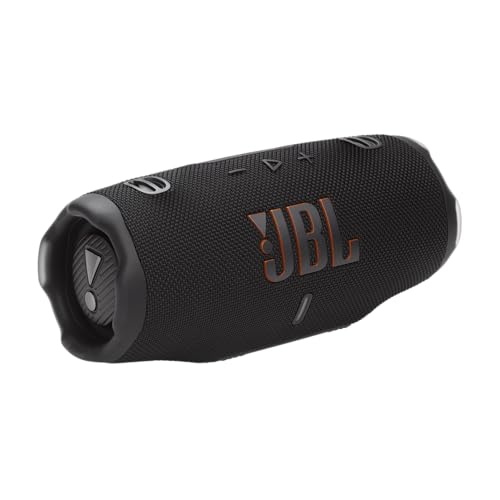








When you're shopping for a portable Bluetooth speaker that can handle everything from backyard barbecues to beach trips, you'll quickly discover that the mid-tier market—roughly $150-250 at the time of writing—offers some compelling choices. Two standouts that frequently appear on shortlists are the JBL Charge 6 and the Ultimate Ears MEGABOOM 4. Both launched recently (2025 and 2024 respectively) and represent the latest thinking from their manufacturers about what makes a great portable speaker.
The portable Bluetooth speaker category has evolved dramatically over the past few years. What used to be a choice between "loud but terrible sounding" or "decent audio but dies quickly" has transformed into a sophisticated market where you can actually get impressive sound quality, all-day battery life, and rugged durability in the same package. The challenge now isn't finding a speaker that works—it's finding the one that works best for your specific needs.
Before diving into the comparison, it's worth understanding what both the JBL Charge 6 and MEGABOOM 4 are trying to accomplish. They're both targeting people who want serious audio performance without sacrificing portability, but they take fundamentally different approaches to get there.
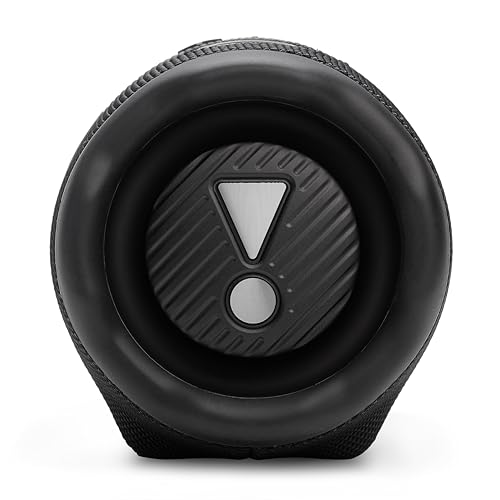
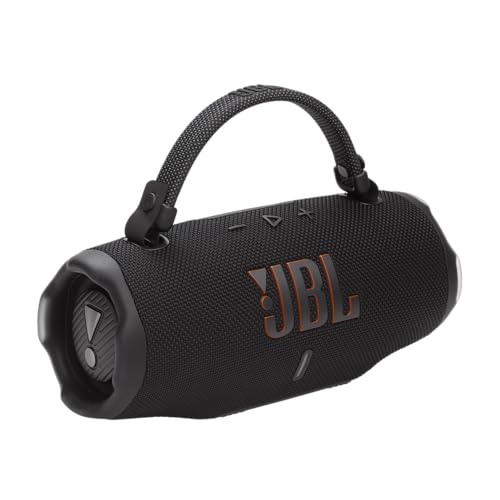
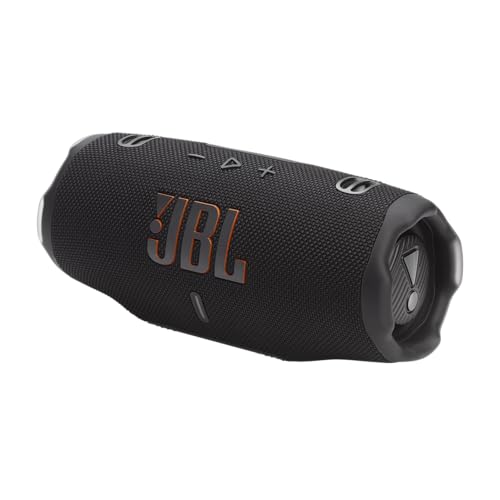
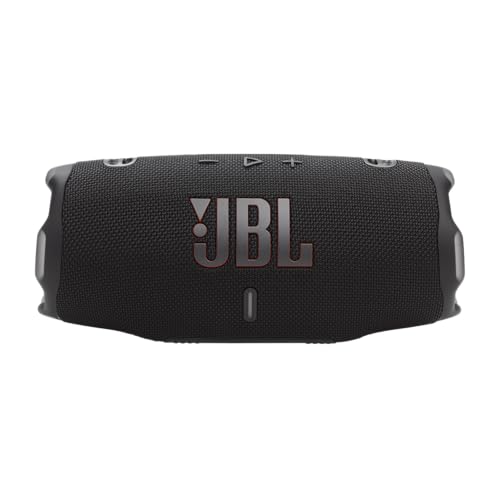
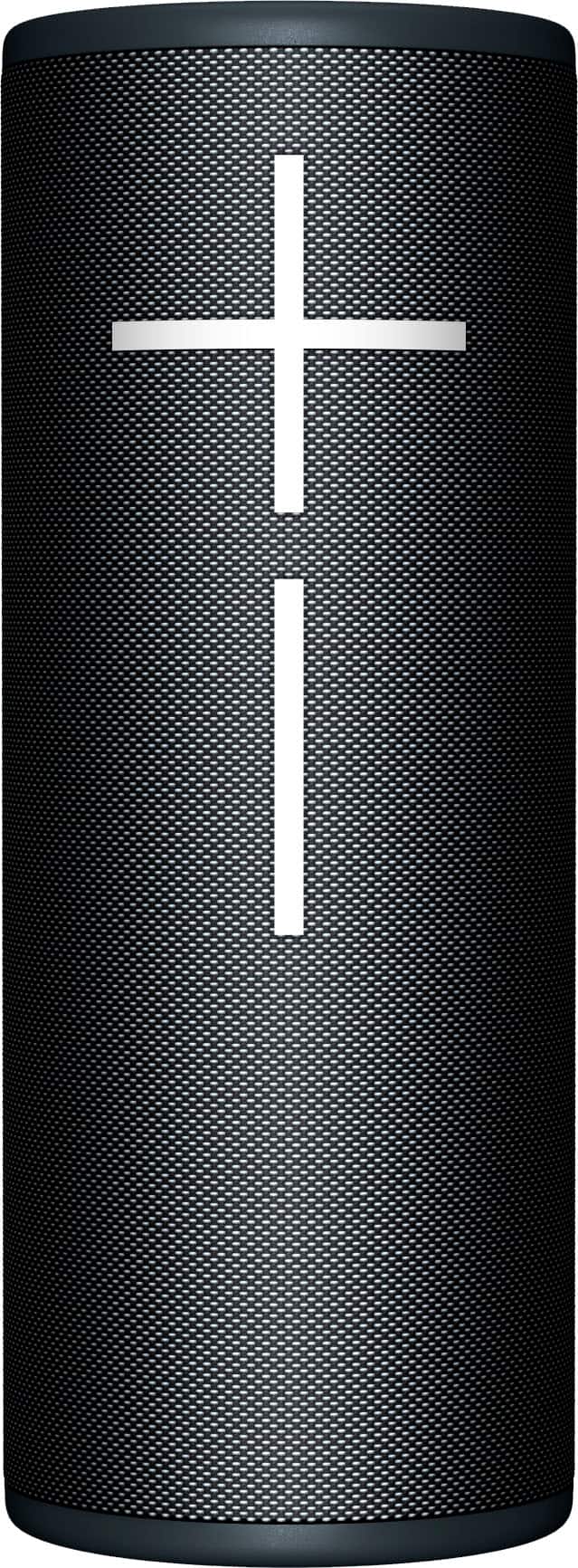
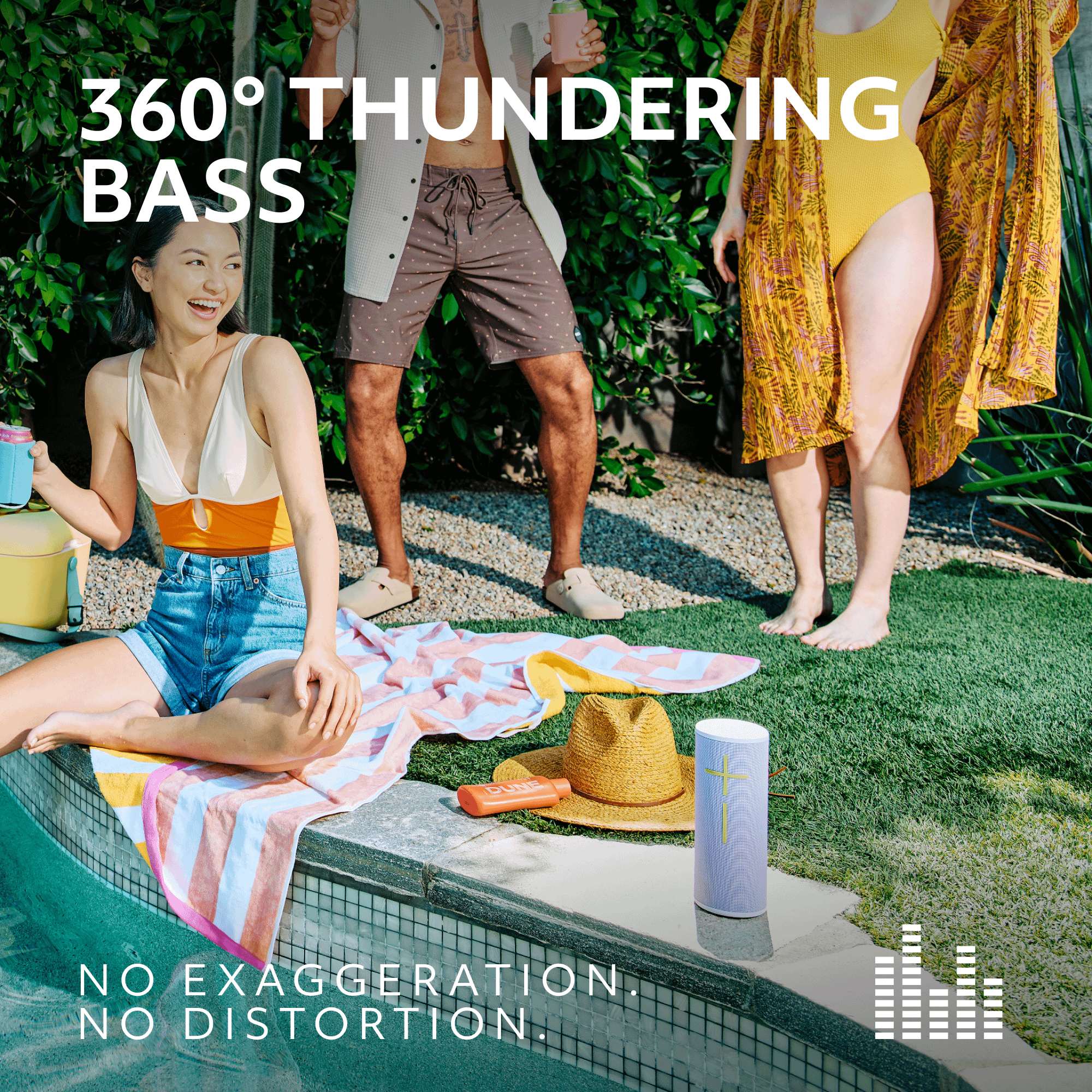
The biggest philosophical difference lies in how they distribute sound. The JBL Charge 6 uses what's called a directional design—think of it like a traditional stereo speaker that's designed to sound best when you're sitting in front of it. The MEGABOOM 4, on the other hand, uses a 360-degree design that radiates sound equally in all directions, like a campfire spreading warmth.
This isn't just a technical curiosity—it dramatically affects how you'll use each speaker. The directional approach means the Charge 6 can focus more energy toward your ears, potentially delivering louder, more detailed sound when positioned correctly. The 360-degree approach means the MEGABOOM 4 sounds consistent whether you're standing in front of it, beside it, or behind it, making it ideal for group situations where people are scattered around.
When it comes to raw output, the JBL Charge 6 flexes its muscles with 45 watts of total power—30 watts dedicated to the woofer (the driver handling bass and midrange) and 15 watts to the tweeter (handling high frequencies). This separation of duties, called a two-way design, allows each driver to specialize in what it does best rather than trying to handle everything at once.
The MEGABOOM 4 doesn't publish specific wattage figures, but based on our research into user experiences and expert reviews, it delivers noticeably less raw volume than the Charge 6. Where this becomes important is in outdoor settings or larger rooms where you need to overcome ambient noise. If you're planning pool parties or want to fill a large backyard with sound, that extra volume headroom from the Charge 6 becomes genuinely useful.
However, pure volume isn't everything. The MEGABOOM 4 compensates with what reviewers consistently describe as more impactful bass response. This comes down to design choices—Ultimate Ears redesigned the passive radiators (these are like speakers without magnets that vibrate sympathetically to enhance bass) to deliver what users describe as punchier, cleaner low-end without the muddiness that often plagues smaller speakers.
The JBL Charge 6 covers a frequency range from 56Hz to 20kHz, while the MEGABOOM 4 handles 60Hz to 20kHz. Those numbers might seem abstract, but that extra 4Hz on the low end means the Charge 6 can theoretically reproduce slightly deeper bass notes. In practice, though, the difference is subtle—both speakers handle the fundamentals of most music well, from the thump of kick drums to the sparkle of cymbals.
Where they diverge is in presentation. The Charge 6 tends toward what audio enthusiasts call a "neutral" sound signature—it tries to reproduce music as the artist intended without adding much coloration. The MEGABOOM 4 has more of what you might call a "fun" tuning, with enhanced bass presence that makes electronic music, hip-hop, and pop sound particularly engaging.
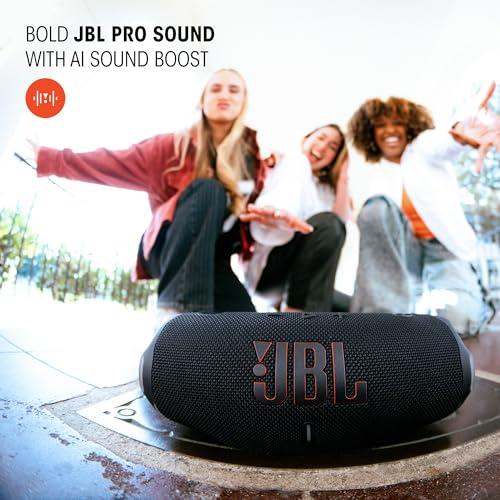
The Charge 6 also benefits from JBL's AI Sound Boost technology, which is essentially a smart algorithm that analyzes your music in real-time and adjusts the speaker's behavior to prevent distortion at high volumes. This means you can crank it up without the harsh, unpleasant breakup that smaller speakers often suffer from when pushed hard.
Here's something that might surprise you: the JBL Charge 6 is technically a mono speaker. Even though it has separate woofer and tweeter drivers, it combines stereo sources into a single channel. The MEGABOOM 4, despite its cylindrical shape, maintains stereo separation with its dual drivers positioned to create a stereo image.
For casual listening—background music at a party, podcast listening while cooking—this difference is largely academic. But if you care about hearing instruments positioned across the soundstage the way they were recorded, or if you plan to use your speaker for more critical listening, the MEGABOOM 4's stereo capability gives it an edge. You can also pair two Charge 6 units for true stereo, but that obviously doubles your investment.
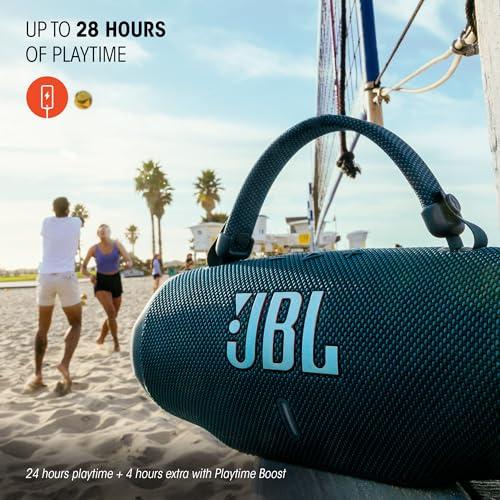
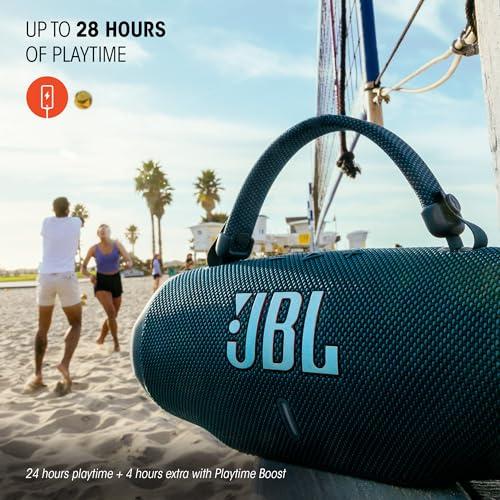
Nothing kills the vibe like a dead speaker, which makes battery performance crucial for portable audio. The JBL Charge 6 dominates this category with a rated 24 hours of playback, extendable to 28 hours using its Playtime Boost feature. Playtime Boost works by reducing bass output and lower-midrange frequencies—the most power-hungry parts of the audio spectrum—to squeeze extra runtime from the battery.
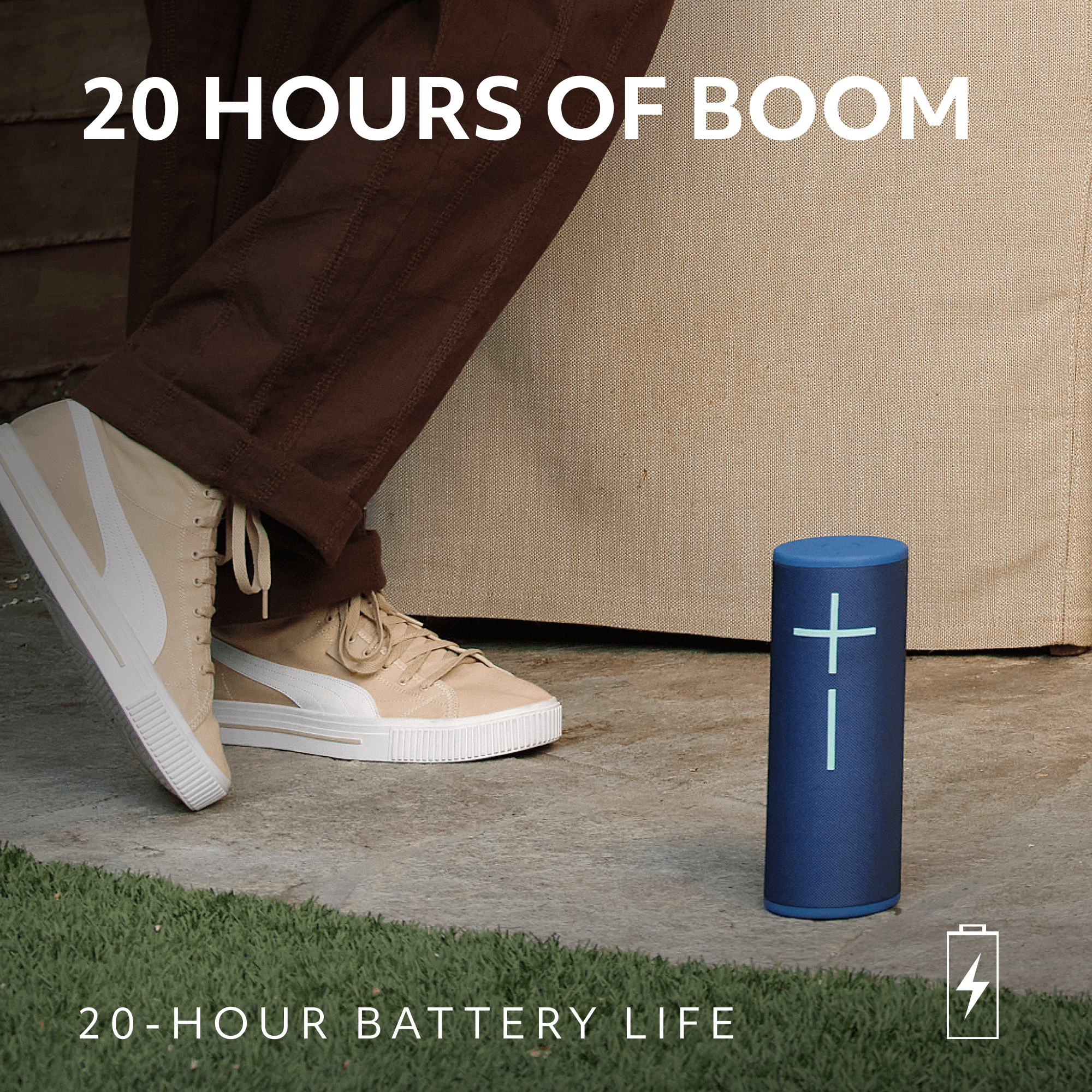
The MEGABOOM 4 offers a respectable 20 hours rated, though real-world usage typically delivers 16-18 hours according to user reports. That's still excellent for a speaker of this size, but the Charge 6's advantage here is meaningful. The difference between 20 and 24 hours might not matter for a backyard barbecue, but for camping trips or long days at the beach, that extra buffer can be the difference between all-day music and afternoon silence.
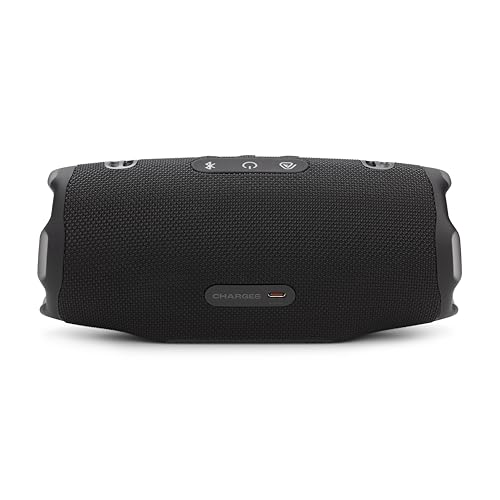
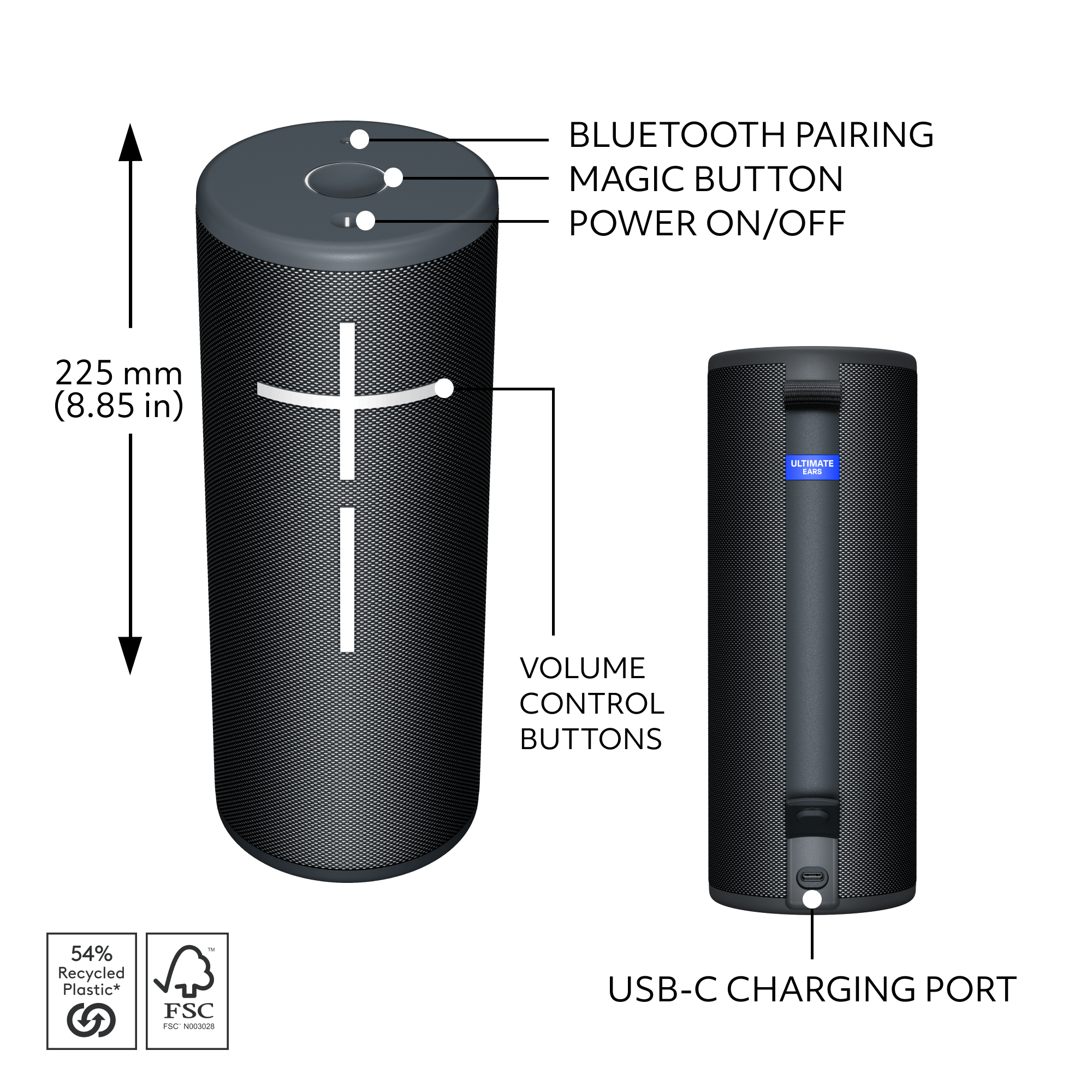
Both speakers charge via USB-C and take about 3 hours to reach full capacity, which has become the standard for this category. The Charge 6 includes fast charging that delivers 150 minutes of playback from just 10 minutes plugged in—useful when you realize your speaker is dead just as guests arrive.
The Charge 6 includes something the MEGABOOM 4 lacks: the ability to charge your phone or other devices from its internal battery. This powerbank feature uses the same USB-C port that charges the speaker, but it can output power to keep your devices running. During a long day outdoors, this dual functionality can be genuinely helpful, effectively giving your phone an extra 24 hours of standby time.
Some might dismiss this as a gimmick, but anyone who's been stuck with a dead phone during an outdoor adventure will appreciate having a backup power source that also happens to play great music.
Both speakers earned their reputation partly through rugged construction, but they achieve durability through different approaches. The JBL Charge 6 carries an IP68 rating, which means it's completely dustproof and can survive submersion in up to 1.5 meters of water for 30 minutes. The MEGABOOM 4 has an IP67 rating—still excellent, offering complete dust protection and water resistance, but it's not designed for full submersion.
In practical terms, both speakers will handle rain, splashes, and dusty environments without complaint. The Charge 6's submersion capability might matter if you're using it around deeper water or if accidents happen, but for most users, IP67 provides plenty of protection.
The MEGABOOM 4 has one durability feature the Charge 6 lacks: it floats. If you accidentally drop it in a pool or lake, it'll bob on the surface rather than sinking to the bottom. This is more than a recovery feature—it's a safety one, preventing the speaker from becoming a projectile in crowded pool areas.
Both speakers claim drop protection, with the Charge 6 tested for 1-meter falls onto concrete surfaces. The MEGABOOM 4 doesn't specify drop height, but its cylindrical design and fabric construction suggest it's built to handle typical outdoor mishaps.
The Charge 6 uses Bluetooth 5.4, while the MEGABOOM 4 relies on Bluetooth 5.0. Both provide solid connection stability and range, though the newer standard in the Charge 6 theoretically offers slightly better power efficiency and connection reliability.
More importantly, both speakers support connecting multiple units for expanded sound coverage. The Charge 6 uses JBL's Auracast technology to link with other compatible JBL speakers, while the MEGABOOM 4 employs Ultimate Ears' PartyUp feature, which can theoretically connect up to 150 compatible speakers. In reality, most people will connect two or three speakers maximum, making both systems more than capable.
The JBL Portable app gives Charge 6 owners access to a 7-band equalizer, allowing detailed sound customization. This level of control appeals to audio enthusiasts who want to fine-tune their listening experience for different music genres or environments. You can boost bass for hip-hop, enhance midrange clarity for podcasts, or create custom curves for specific acoustic spaces.
The Ultimate Ears app offers four preset EQ modes for the MEGABOOM 4: Bass Boost, Cramped Space, Deep Relaxation, and Podcast/Vocal. While less granular than JBL's approach, these presets are thoughtfully designed and cover most common use cases without requiring audio engineering knowledge.
The MEGABOOM 4 includes a unique feature called the Magic Button, which provides one-touch control for streaming services like Spotify and Apple Music. You can set up custom playlists that launch directly from the speaker, eliminating the need to fumble with your phone when you want to start music.
The Charge 6 supports lossless audio playback through its USB-C port, accepting digital audio signals up to 24-bit/192kHz resolution. This matters if you're an audiophile with high-resolution music files or if you want to use the speaker with a computer or high-end music player without Bluetooth's inherent quality limitations.
Neither speaker includes a traditional 3.5mm auxiliary input, which JBL eliminated in recent generations to improve water resistance. This might disappoint users with older devices or specific audio setups, but USB-C's digital connection actually provides better sound quality than analog aux inputs.
While both speakers are designed for portability, they can serve double duty as home audio solutions. The Charge 6's directional design and dedicated tweeter make it surprisingly capable for near-field listening—positioned on a desk or bookshelf, it delivers detailed sound that works well for music, podcasts, or even casual TV watching.
The MEGABOOM 4's 360-degree design shines in open floor plans where you want consistent sound throughout a space. Place it centrally in a living area, and everyone gets similar audio quality regardless of where they sit. However, its omnidirectional nature means it won't create the focused soundstage that makes the Charge 6 more suitable for traditional stereo listening.
For home theater use, neither speaker is ideal—both lack the wide soundstage and precise imaging that dedicated home audio systems provide. But in secondary spaces like bedrooms, workshops, or kitchens, both perform admirably.
The Charge 6's superior battery life and powerbank functionality make it particularly well-suited for extended outdoor adventures. Whether you're camping for a weekend or spending long days at the beach, the confidence of 24+ hour playback removes battery anxiety from the equation.
The MEGABOOM 4's floating capability and 360-degree sound make it ideal for pool parties and water sports. Its lighter weight (935g vs 960g) also gives it a slight edge for backpacking or situations where every gram matters.
Both speakers handle temperature extremes and rough handling well, but the Charge 6's superior water resistance provides extra peace of mind in challenging conditions.
At the time of writing, both speakers occupy similar price territory in the premium portable category. The value equation depends heavily on which features matter most to your usage patterns.
You prioritize maximum volume output for large outdoor gatherings or parties. The directional design and higher power output make it the clear choice when raw performance trumps other considerations. The 24-hour battery life and powerbank functionality also make it ideal for extended adventures where you need both music and device charging capability.
The 7-band EQ and lossless audio support appeal to listeners who want detailed control over their sound experience. If you're particular about audio quality or listen to diverse music genres, the Charge 6's customization options provide more flexibility.
Your typical use involves group listening situations where people gather around the speaker rather than sitting in front of it. The 360-degree sound dispersion eliminates sweet spots and dead zones, making it perfect for backyard gatherings, poolside parties, or any scenario where speaker placement flexibility matters more than maximum volume.
The enhanced bass response and fun sound signature make it particularly engaging for contemporary music genres. If you listen primarily to electronic music, hip-hop, or pop, the MEGABOOM 4's tuning will likely sound more exciting than the Charge 6's neutral approach.
Both the JBL Charge 6 and Ultimate Ears MEGABOOM 4 represent excellent values in the portable speaker market, but they excel in different areas. The Charge 6 is the power user's choice—louder, longer-lasting, and more feature-rich for serious outdoor use and detailed listening. The MEGABOOM 4 is the social listener's choice—better for group settings with superior bass response and placement flexibility.
Your decision should center on how you plan to use your speaker most often. If you frequently host large gatherings or need maximum battery life for extended adventures, the Charge 6 delivers better value. If you prioritize bass impact, omnidirectional sound, or water safety features, the MEGABOOM 4 makes more sense.
Either way, you're getting a well-built, great-sounding speaker that will serve you well for years. The portable audio market has matured to the point where there aren't many truly bad choices in this price range—just different approaches to solving the same fundamental challenge of delivering big sound from a portable package.
| JBL Charge 6 | Ultimate Ears MEGABOOM 4 |
|---|---|
| Power Output - Determines maximum volume and clarity at high levels | |
| 45W total (30W woofer + 15W tweeter) - Noticeably louder | Not specified - Lower overall volume capability |
| Sound Design - Affects placement flexibility and listening experience | |
| Directional mono - Best when positioned in front of listeners | 360-degree stereo - Consistent sound from any angle |
| Driver Configuration - Impacts sound quality and frequency separation | |
| 2-way system: dedicated woofer + tweeter for cleaner sound | Dual 2-inch full-range drivers with passive radiators |
| Frequency Response - Shows bass extension and treble reach | |
| 56Hz - 20kHz (slightly deeper bass capability) | 60Hz - 20kHz (still excellent range for this size) |
| Battery Life - Critical for extended outdoor use | |
| 24 hours standard, 28 hours with Playtime Boost | 20 hours rated (16-18 hours real-world usage) |
| Powerbank Function - Adds utility for device charging | |
| Yes - Can charge phones and tablets via USB-C | No - Audio playback only |
| Water Resistance - Protection level for outdoor activities | |
| IP68 - Fully submersible up to 1.5m for 30 minutes | IP67 - Water resistant but not designed for submersion |
| Buoyancy - Safety feature for water environments | |
| Does not float - Will sink if dropped in water | Floats - Stays on surface if accidentally dropped |
| Weight - Affects portability for travel and hiking | |
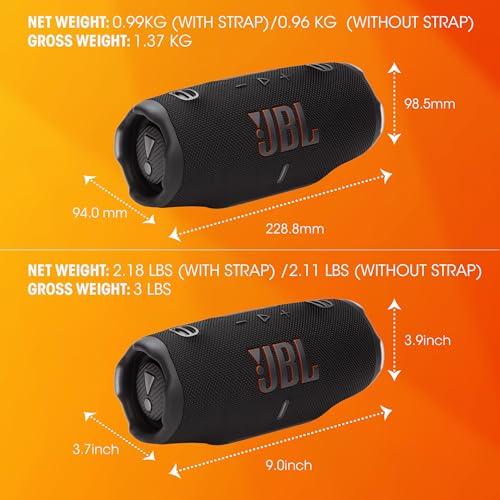
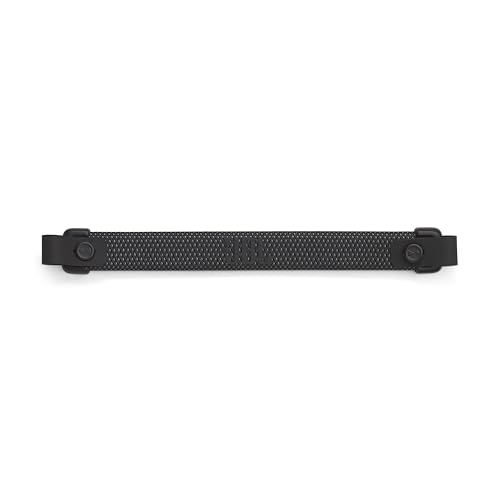
| 960g without strap (990g with strap) | 935g - Slightly lighter for easier carrying |
| Bluetooth Version - Connection stability and efficiency | |
| 5.4 - Latest standard with improved performance | 5.0 - Older but still reliable connectivity |
| EQ Customization - Sound personalization options | |
| 7-band graphic EQ via app - Detailed audio control | 4 preset modes - Simpler but effective options |
| Multi-Speaker Pairing - Expanding sound coverage | |
| Auracast technology with compatible JBL speakers | PartyUp feature - Connect up to 150 compatible UE speakers |
| Lossless Audio Support - High-quality wired playback | |
| Yes - 24-bit/192kHz via USB-C digital input | No - Bluetooth and analog only |
| Special Audio Tech - Manufacturer's sound enhancements | |
| AI Sound Boost - Real-time distortion prevention | Enhanced passive radiators - Punchier bass response |
The JBL Charge 6 is significantly louder than the MEGABOOM 4. With 45 watts of total power output, the Charge 6 can reach 85dBC (91dBC ground plane), making it the better choice for large outdoor gatherings or parties where you need to fill a big space with sound.
The MEGABOOM 4 uses 360-degree sound design, meaning it projects audio equally in all directions - perfect for group listening where people surround the speaker. The JBL Charge 6 uses directional sound that's optimized for front-facing placement, delivering more focused audio when positioned correctly in front of listeners.
The JBL Charge 6 wins with 24 hours of standard playback (28 hours with Playtime Boost enabled), compared to the MEGABOOM 4's 20 hours rated (16-18 hours in real-world use). For extended camping trips or all-day events, the Charge 6 provides more reliable battery performance.
Only the JBL Charge 6 includes powerbank functionality, allowing you to charge phones, tablets, and other devices through its USB-C port. The MEGABOOM 4 doesn't offer device charging - it's dedicated solely to audio playback.
The JBL Charge 6 has superior water protection with an IP68 rating, meaning it can survive full submersion up to 1.5 meters for 30 minutes. The MEGABOOM 4 has IP67 rating - still excellent for rain and splashes, but not designed for underwater use. However, the MEGABOOM 4 floats if dropped in water.
Both handle bass well, but differently. The MEGABOOM 4 delivers punchier, more impactful bass that's particularly engaging for hip-hop and electronic music. The JBL Charge 6 provides more controlled, accurate bass reproduction that works well across all music genres.
Yes, both support multi-speaker pairing. The JBL Charge 6 uses Auracast technology to connect with other compatible JBL speakers, while the MEGABOOM 4 uses PartyUp feature to link up to 150 compatible Ultimate Ears speakers for expanded sound coverage.
For maximum volume and extended battery life, choose the JBL Charge 6. For pool parties where the speaker might get wet or you want consistent sound for people scattered around, the floating MEGABOOM 4 with its 360-degree design is ideal.
The JBL Charge 6 offers more detailed sound with its dedicated woofer and tweeter setup, plus 7-band EQ customization and lossless USB-C audio support. The MEGABOOM 4 provides stereo sound (vs. mono) with 4 preset EQ modes and generally more fun, engaging sound tuning.
The MEGABOOM 4 is slightly lighter at 935g compared to the Charge 6's 960g without strap. The weight difference is minimal, but the MEGABOOM 4 also has a more compact cylindrical design that some find easier to pack.
Both work well indoors, but serve different purposes. The JBL Charge 6 excels for desk or bookshelf placement where you want focused, detailed sound. The MEGABOOM 4 works better in open floor plans where you want consistent audio throughout the room from central placement.
The JBL Charge 6 provides better value if you prioritize maximum performance - louder volume, longer battery life, powerbank functionality, and superior water resistance. The MEGABOOM 4 offers better value for social listening scenarios where 360-degree sound, floating capability, and punchy bass matter more than raw output power.
We've done our best to create useful and informative comparisons to help you decide what product to buy. Our research uses advanced automated methods to create this comparison and perfection is not possible - please contact us for corrections or questions. These are the sites we've researched in the creation of this article: rtings.com - youtube.com - stereoguide.com - whathifi.com - youtube.com - elomymelo.com - soundguys.com - elomymelo.com - wifihifi.com - soundguys.com - jbl.com - whathifi.com - soundguys.com - youtube.com - smarthomesounds.co.uk - jbl.com - sweetwater.com - youtube.com - bestbuy.com - jbl.com.sg - jbl.com - dell.com - ca.jbl.com - soundguys.com - soundguys.com - dell.com - bestbuy.com - ultimateears.com - ultimateears.com - trustedreviews.com - ultimateears.com - ultimateears.com - staples.com - rtings.com - ultimateears.com - colamco.com - whatsthebest.co.uk - colamco.com

Privacy Policy
Terms and Conditions - Affiliate Policy
Home Security
© Copyright 2008-2026.
11816 Inwood Rd #1211, Dallas, TX 75244