


When you're shopping for a portable Bluetooth speaker, you're essentially choosing between two different philosophies: maximum audio performance or ultimate portability. The JBL Charge 4 and JBL Go 4 represent these opposing approaches perfectly, and understanding their differences will help you make the right choice for your lifestyle.
Before diving into these specific models, it's worth understanding what separates good portable speakers from great ones. The most important factors include audio quality (how clear and powerful the sound is), battery life (how long it plays before needing a charge), portability (size and weight), durability (how well it handles drops, water, and dust), and connectivity features (how easily it pairs with your devices and other speakers).
The tricky part is that many of these features work against each other. Bigger speakers generally sound better but are harder to carry. Longer battery life usually means larger, heavier batteries. More powerful audio requires bigger drivers and amplifiers, which take up space. This is why choosing the right speaker means deciding which compromises you're willing to make.
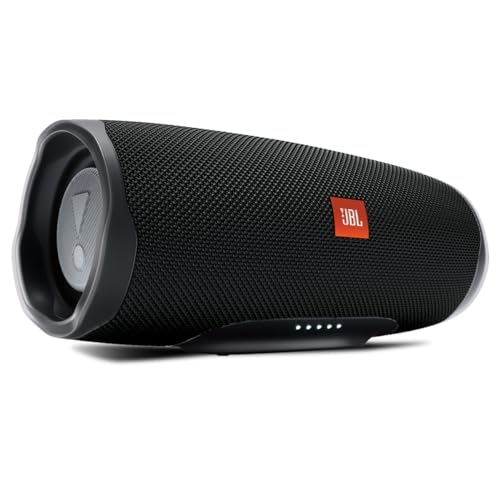
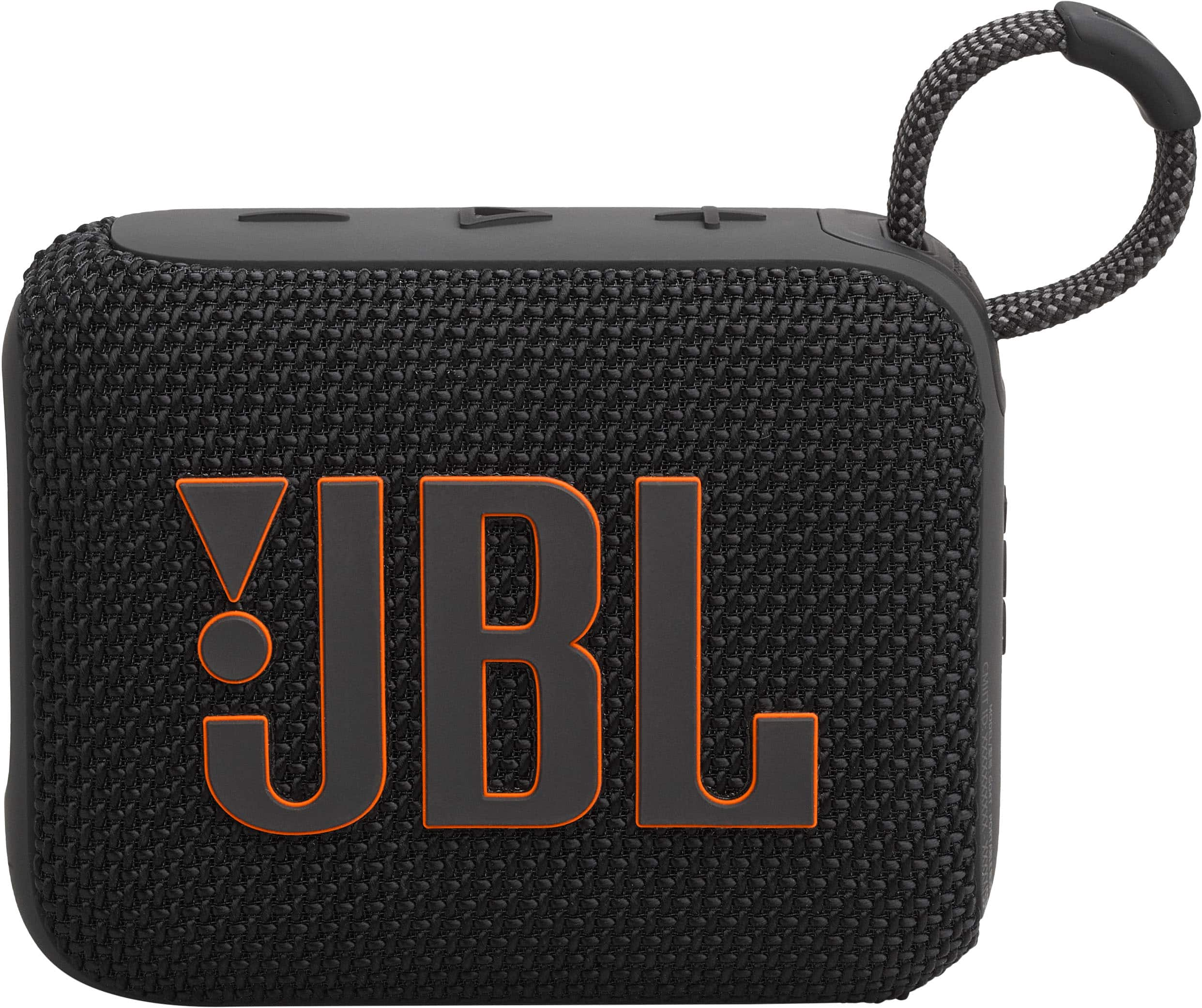
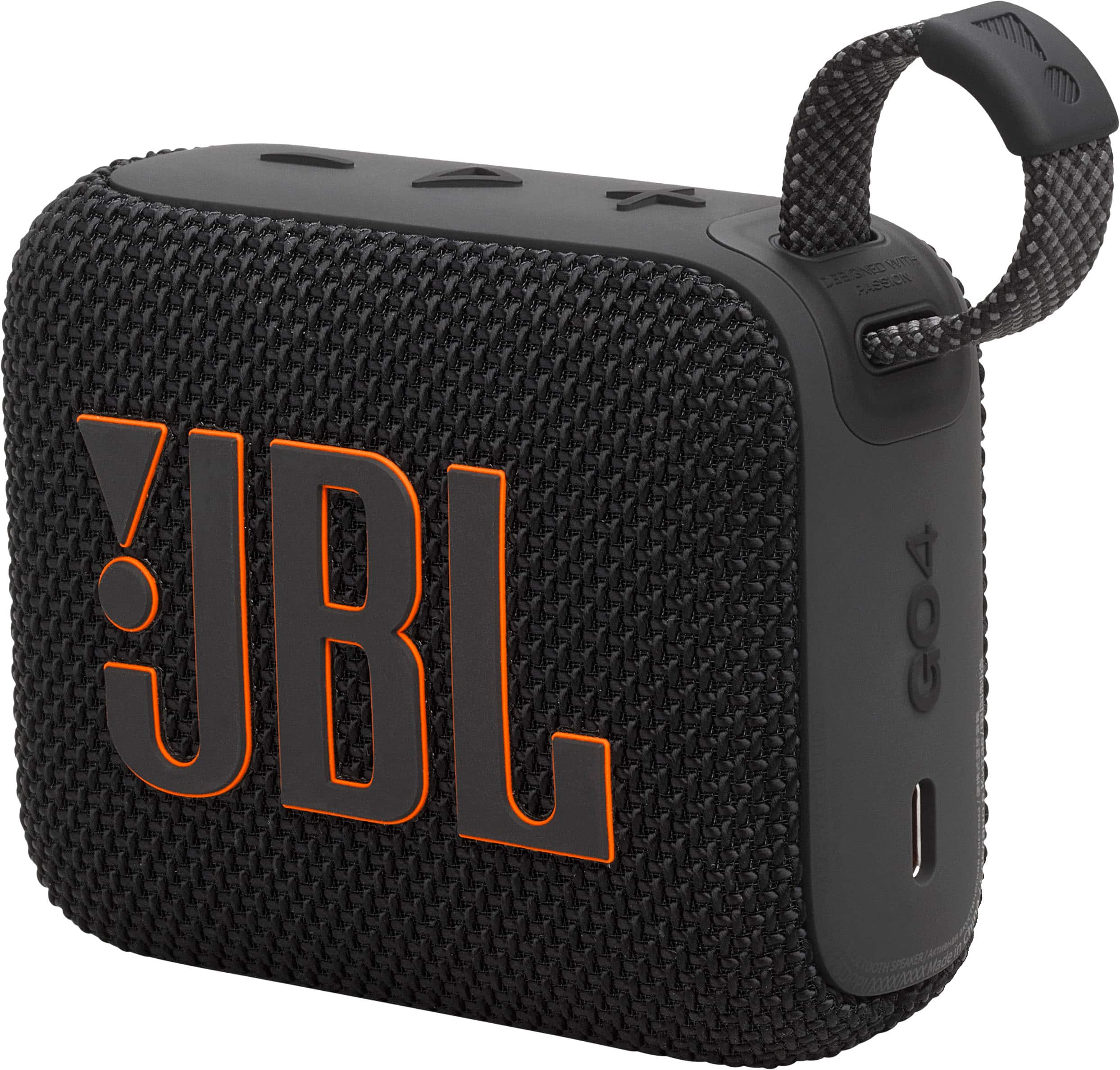
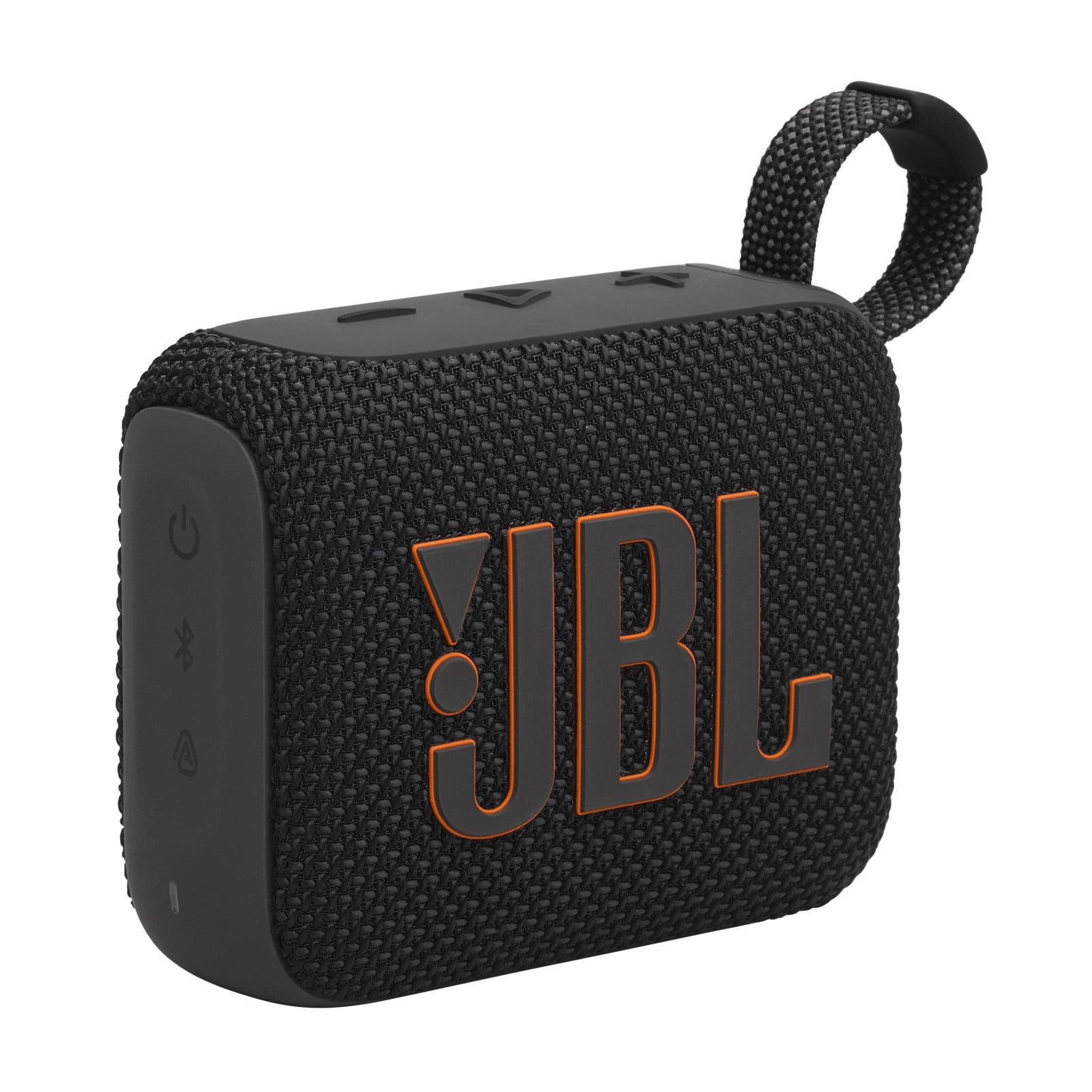
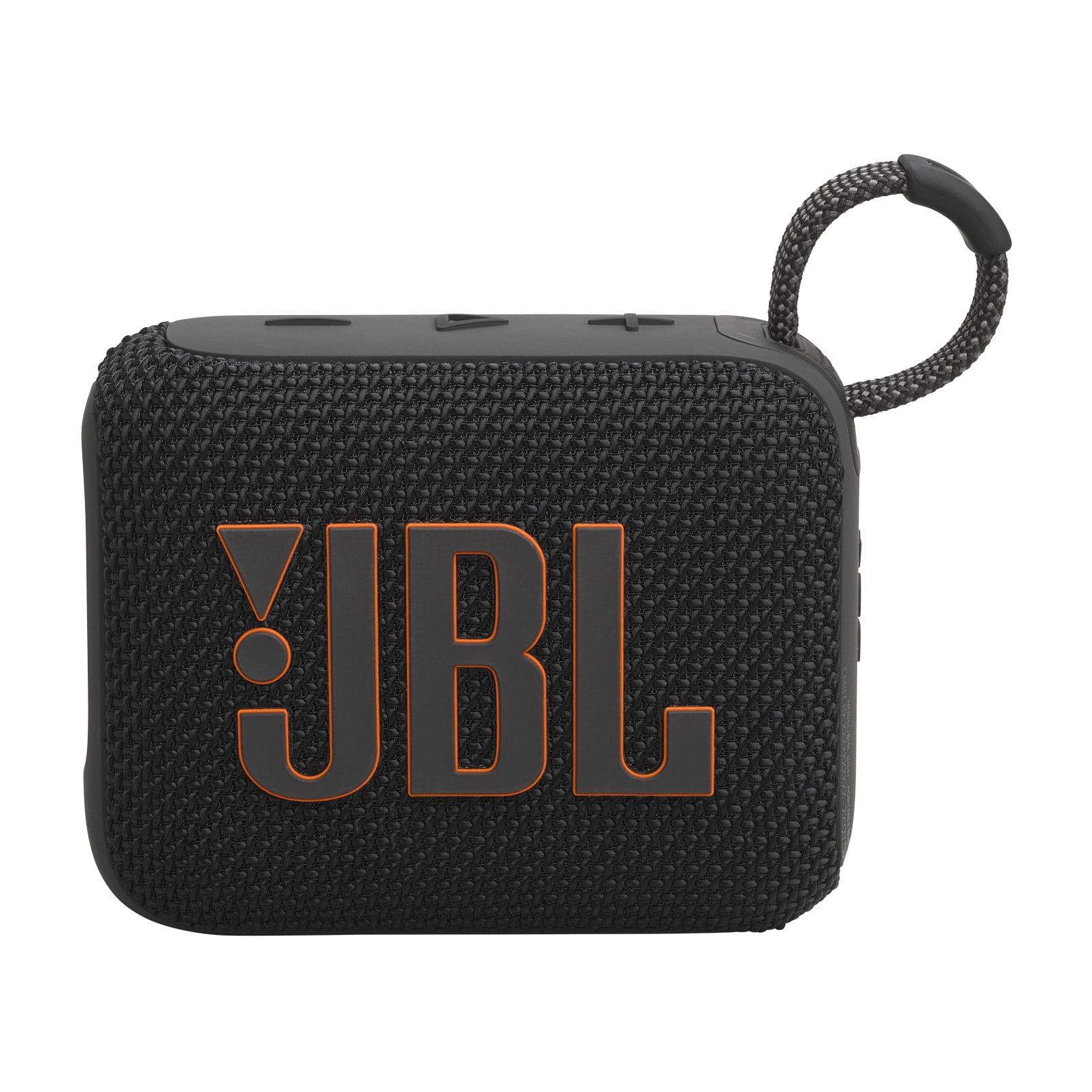
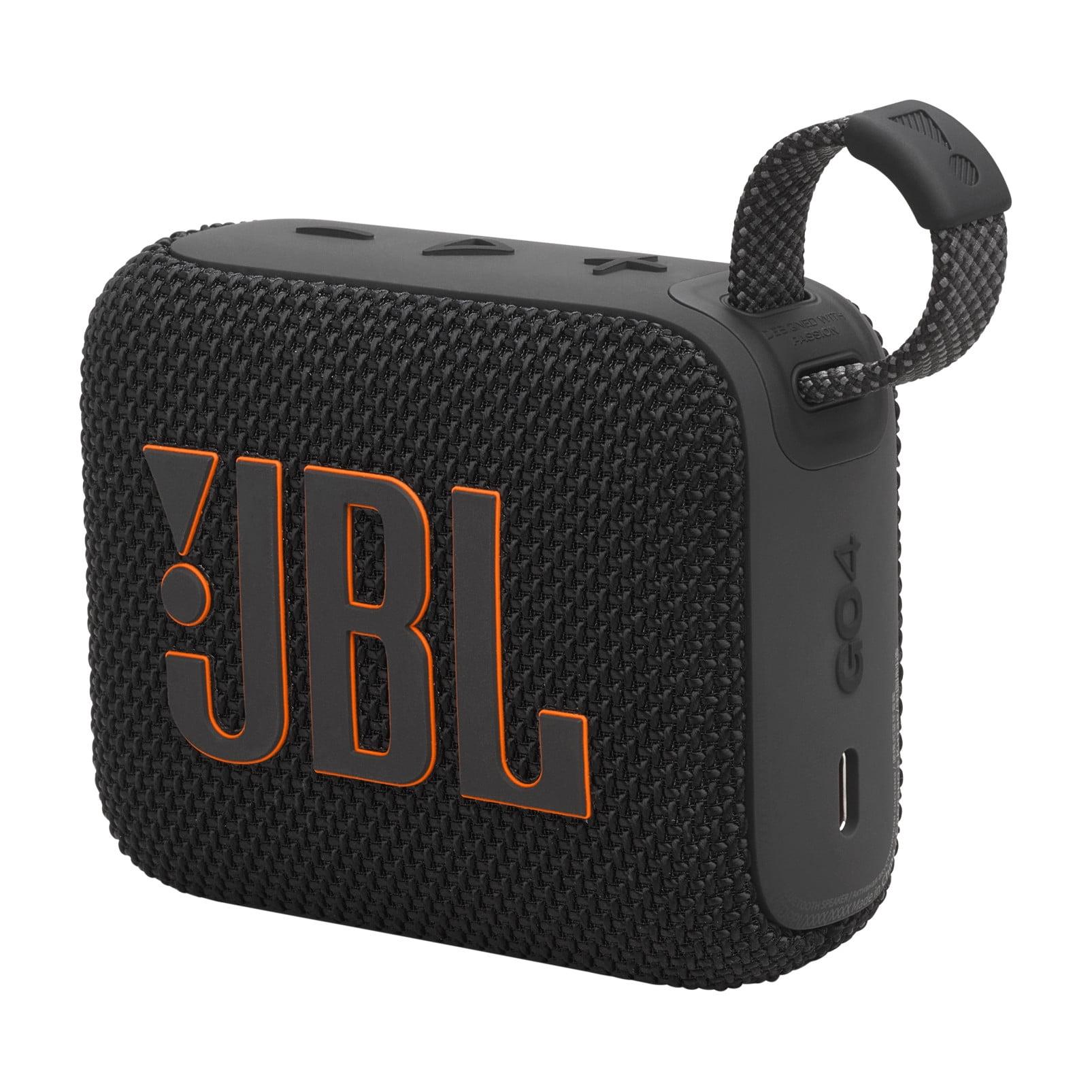
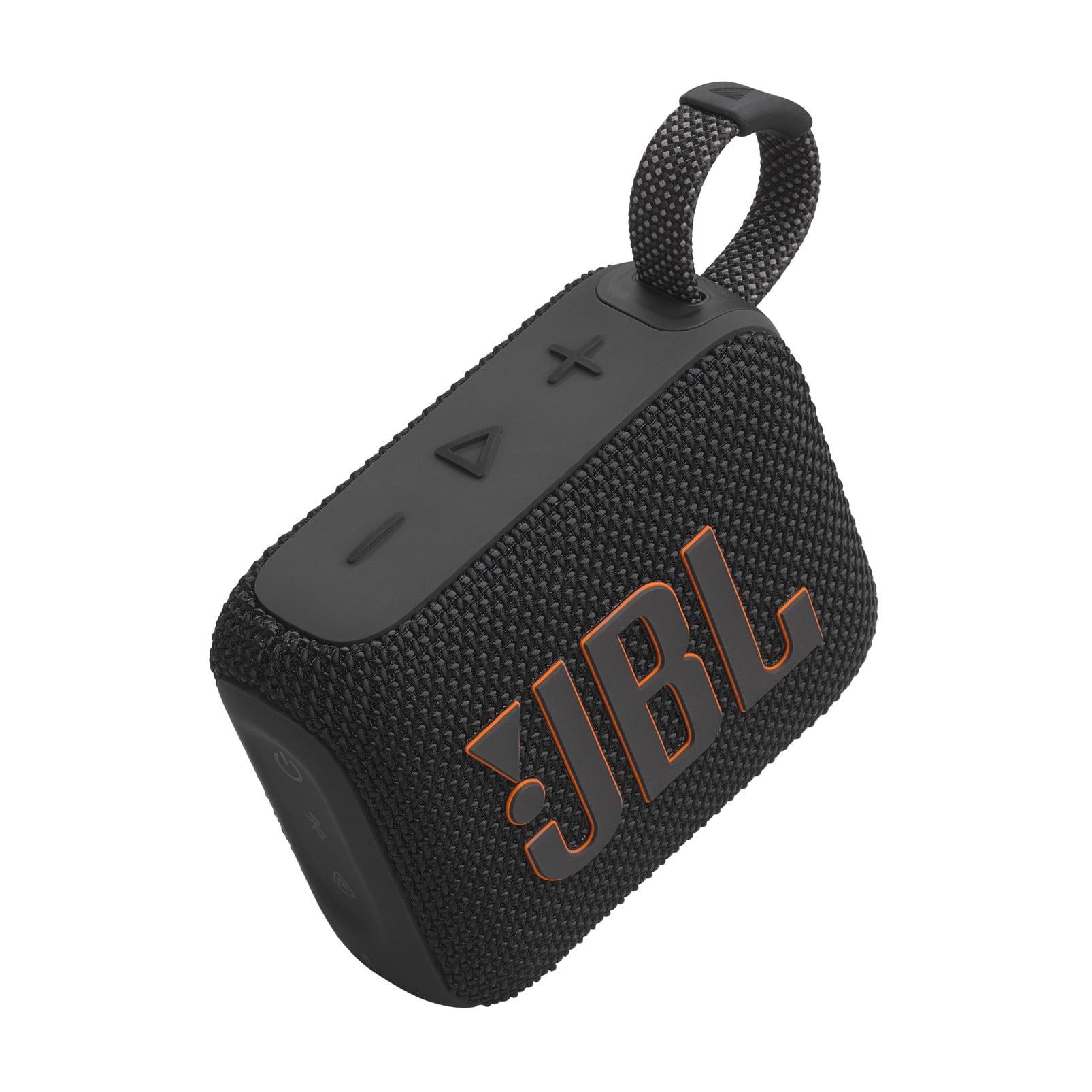
The JBL Charge 4, released in 2018, represents JBL's approach to serious portable audio. At roughly the size of a large water bottle, it's designed for people who want impressive sound quality without being tied to a wall outlet. The JBL Go 4, launched in 2024, takes the opposite approach – it's designed to be so small and light that you'll never hesitate to bring it along.
This six-year gap between releases shows in their feature sets. The Charge 4 uses older Bluetooth 4.2 technology but focuses on proven audio performance, while the Go 4 includes modern features like app-based sound customization and the latest Bluetooth 5.3 connectivity. Think of it as the difference between a reliable, powerful truck and a nimble, tech-packed compact car.
The most dramatic difference between these speakers is their power output. The Charge 4 delivers 30 watts of audio power compared to the Go 4's 4.2 watts – that's more than seven times the audio muscle. In practical terms, this means the Charge 4 can easily fill a large room or outdoor space with sound, while the Go 4 is better suited for personal listening or small groups.
Volume capability matters more than you might think. At outdoor gatherings, competing with wind, conversation, and ambient noise requires serious audio output. The Charge 4 can reach levels suitable for backyard parties, while the Go 4 tops out at around 83 decibels – fine for quiet environments but potentially drowned out in noisier settings.
Bass response is where the size difference becomes most apparent. The Charge 4 can reproduce frequencies down to 60Hz, while the Go 4 bottoms out at 90Hz. This might seem like technical jargon, but it translates to real-world differences in how your music sounds.
Frequencies below 80Hz are where you feel the "thump" in hip-hop, the rumble of movie explosions, or the deep notes of a bass guitar. The Charge 4's dual passive radiators – essentially tuned membranes that vibrate with the main driver – help it produce this satisfying low-end response. The Go 4, constrained by its tiny size, simply can't move enough air to create these deep bass notes.
However, the Go 4 has a trick up its sleeve: comprehensive EQ customization through JBL's mobile app. You can choose from four preset sound profiles or create your own custom five-band equalizer to optimize the sound for different music types. The Charge 4 has no app support at all – what you hear is what you get.
Both speakers deliver clear midrange performance where vocals and most instruments live, but they approach it differently. The Charge 4 uses a single, larger 50x90mm racetrack-shaped driver that can produce a full range of frequencies with good separation between instruments. Reviews consistently praise its balanced sound signature, though some note that the treble (high frequencies) can sound slightly rolled off at high volumes.
The Go 4 uses a smaller 45mm round driver but benefits from modern digital signal processing and that app-based EQ control. While it can't match the Charge 4's raw power, it delivers surprisingly detailed sound for its size. The ability to adjust the EQ means you can compensate for its natural limitations – boosting the bass response or brightening the treble depending on your preferences.
Battery performance reveals another fundamental difference in design philosophy. The Charge 4 packs a massive 7,500mAh lithium-ion battery that delivers up to 20 hours of playback time. That's genuinely all-day performance – you could start playing music at breakfast and still have juice left at bedtime.
The Go 4 includes an 850mAh battery providing 7-9 hours of playback. While that sounds modest, it's actually quite good for such a small speaker. The key insight is that most portable speaker sessions don't last 20 hours. For daily use – commuting, working out, or casual listening – 7-9 hours is typically plenty.
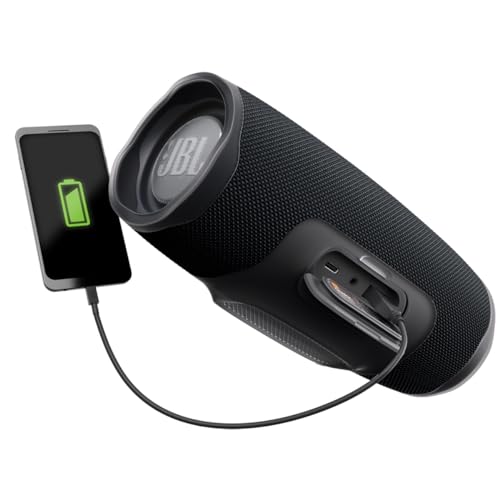
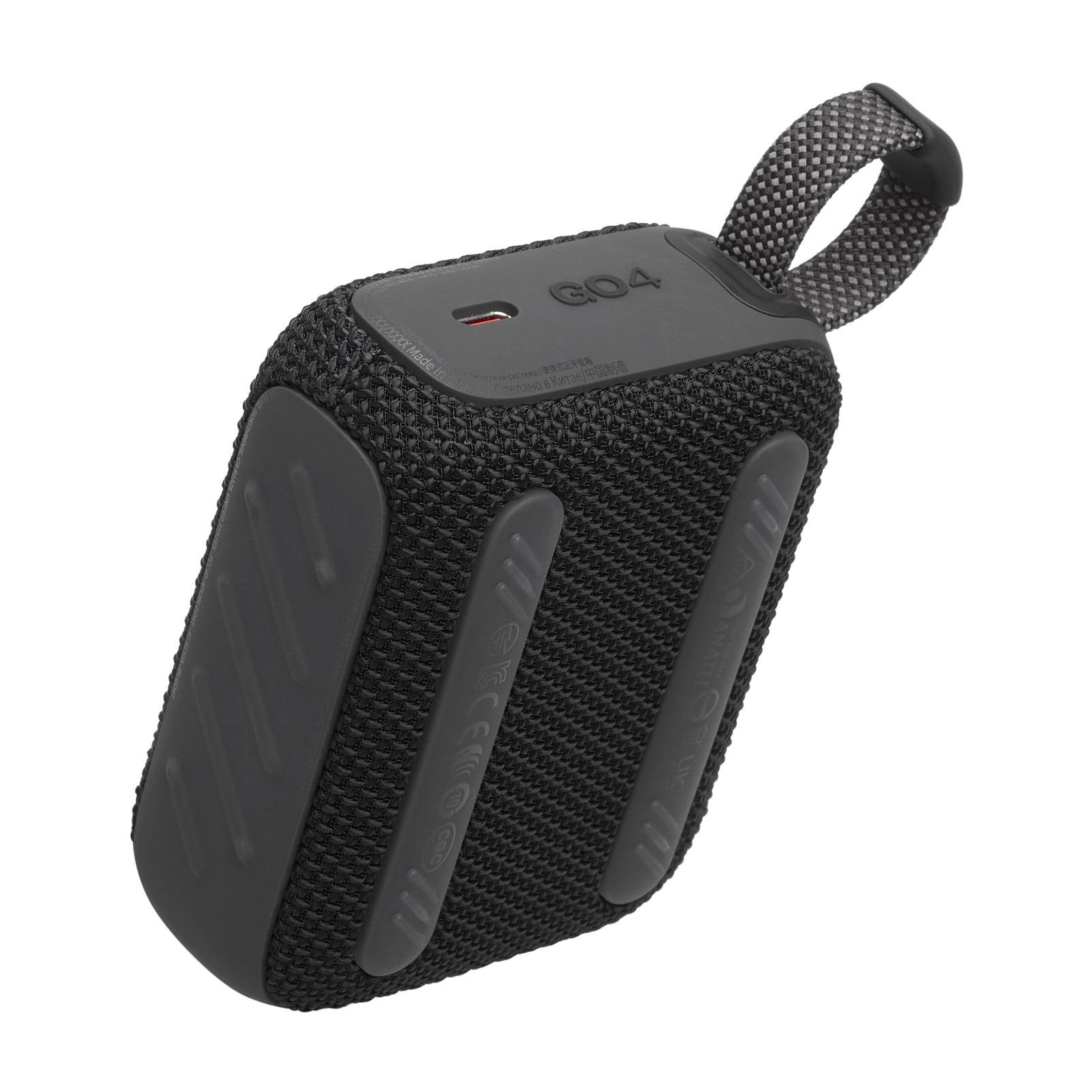
But here's where the Charge 4 shows its versatility: it doubles as a power bank. That USB-A port can charge your phone or tablet at 5V/2A, which is particularly valuable during camping trips or long days at the beach. The Go 4 can't charge other devices – it's purely a speaker.
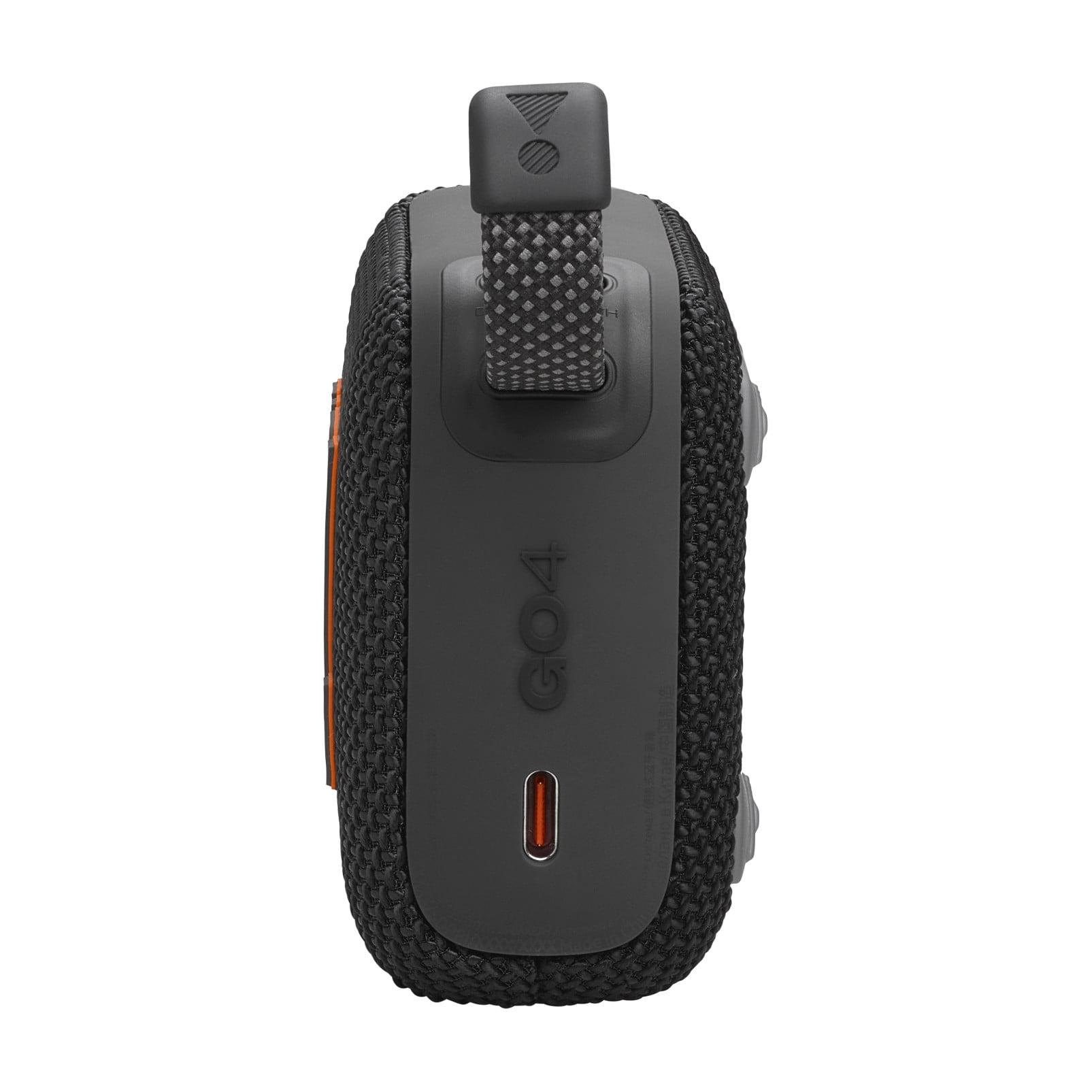
Charging time also differs significantly. The Go 4 charges in about 3 hours, while the Charge 4 needs roughly 4-5 hours to fully charge. Both use USB-C for charging, which is convenient since it's likely the same cable you use for your phone.
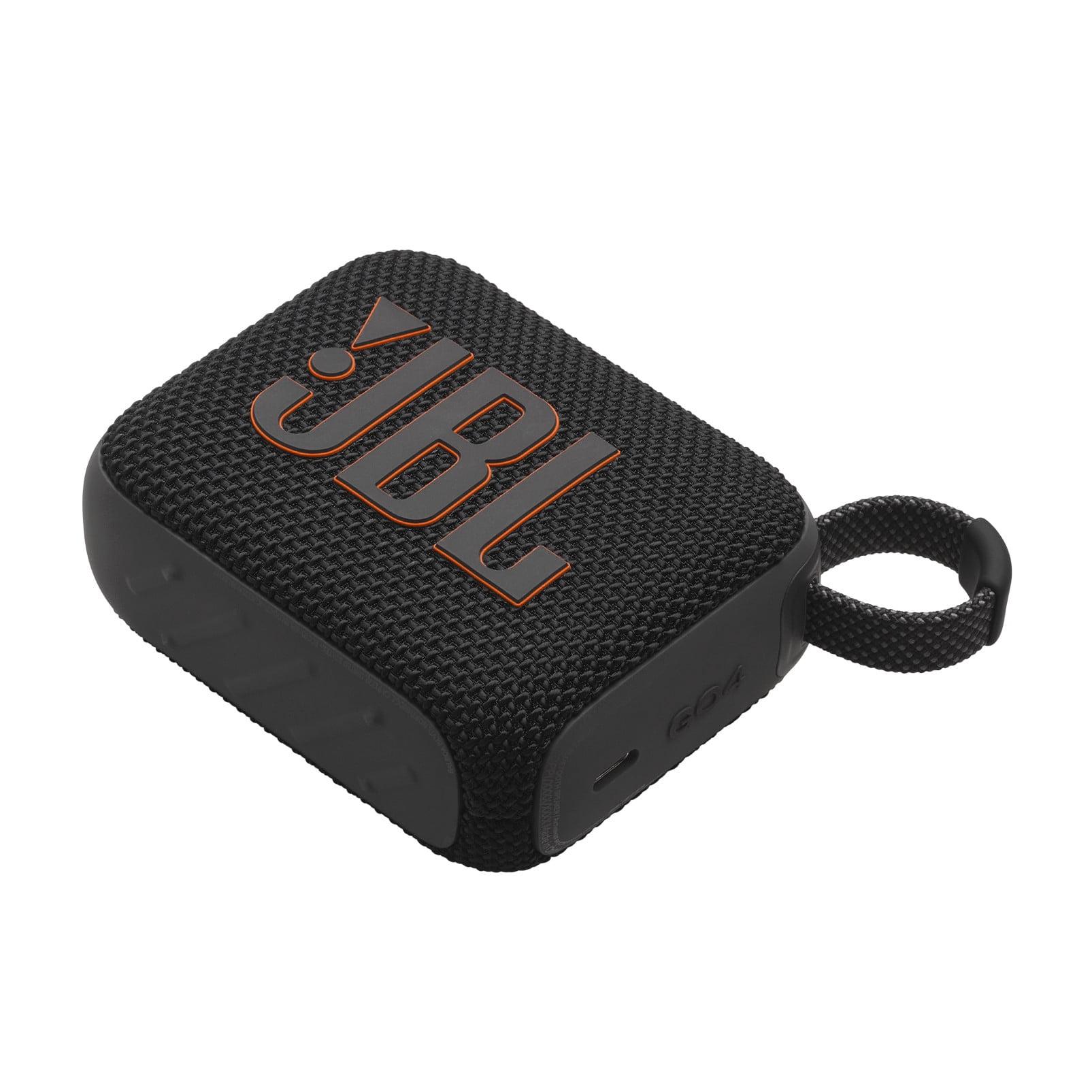
This is where the two speakers diverge most dramatically. The Go 4 measures just 3.7 x 3.0 x 1.7 inches and weighs 0.42 pounds – it literally fits in your back pocket. The Charge 4 at 8.7 x 3.7 x 3.7 inches and 2.1 pounds requires dedicated bag space.
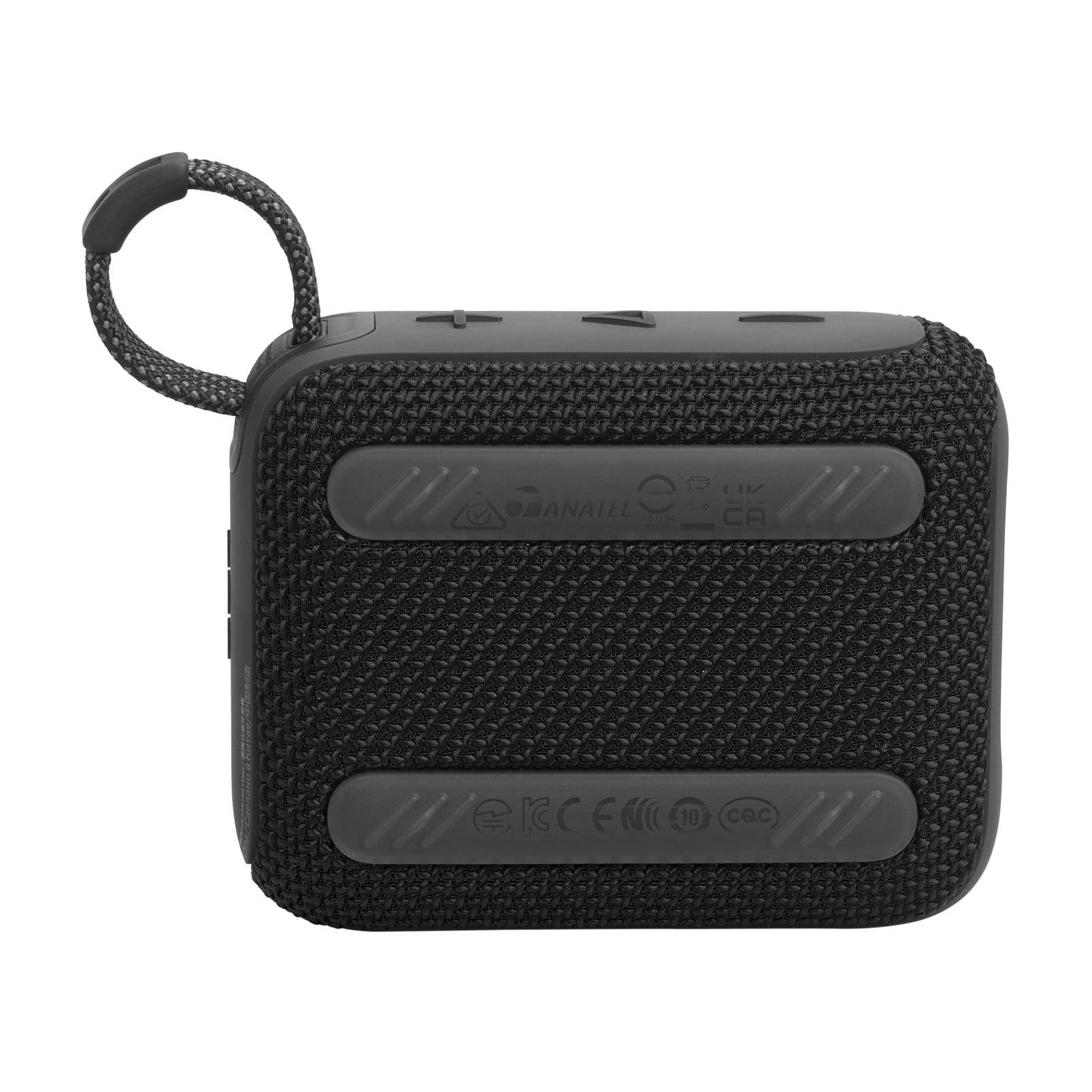
These aren't just numbers on a spec sheet. The Go 4's pocketability means it can go everywhere – to the gym, on bike rides, in carry-on luggage, or just around the house. Its redesigned integrated loop makes it easy to clip onto bags or hang from hooks. The Charge 4 requires more intentional packing but rewards that effort with significantly better performance.
For travel, the difference is night and day. The Go 4 disappears into any bag without weight penalty, while the Charge 4 represents a meaningful portion of airline carry-on weight limits. If you're backpacking or trying to pack light, size and weight matter enormously.
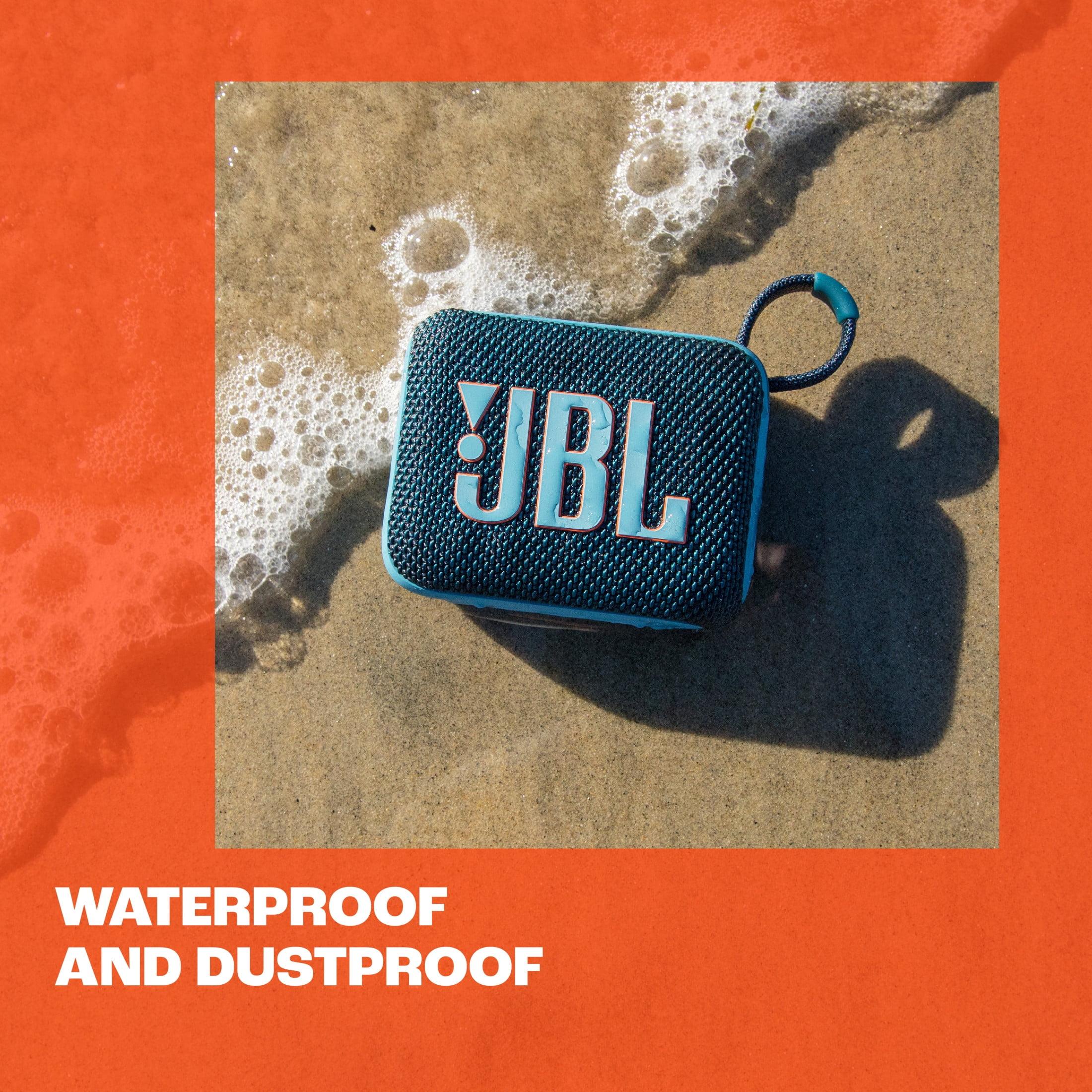
Both speakers handle water well, but with different approaches. The Charge 4 carries an IPX7 rating, meaning it can survive being submerged in up to one meter of water for 30 minutes. That's pool-party and beach-day proof, though it offers no specific dust protection.
The Go 4 ups the ante with an IP67 rating – the same water protection plus dust-tight construction. More importantly for small speakers, it actually floats if dropped in water. The silicone caps and feet provide extra grip and protection, and the overall construction feels surprisingly robust for something so lightweight.
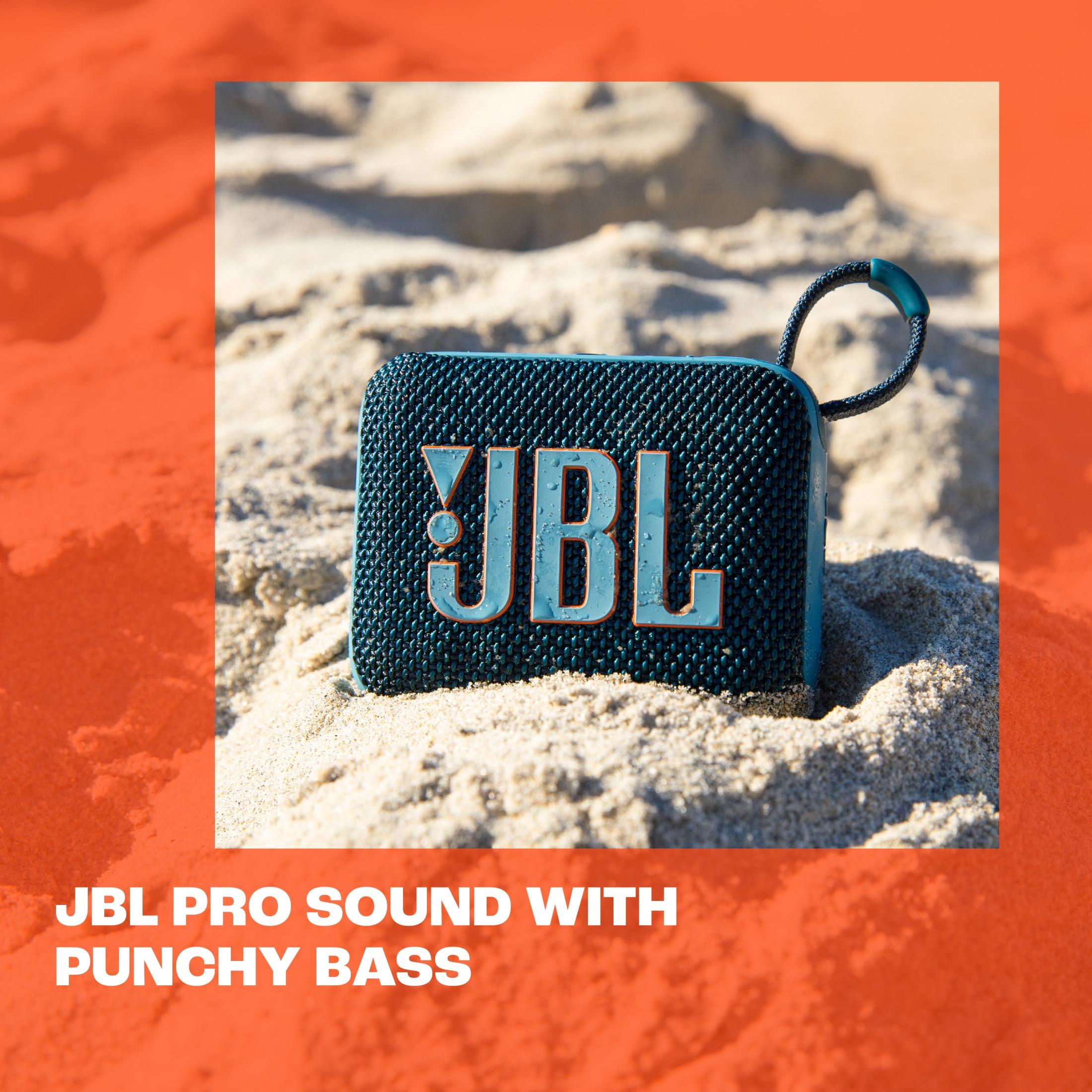
In practice, both speakers will handle typical outdoor use just fine. The Go 4's superior dust protection makes it better suited for beach use where sand is a concern, while the Charge 4's larger size and weight make it less likely to blow away in strong wind.
Here's where the six-year technology gap shows most clearly. The Go 4 includes Bluetooth 5.3, the latest standard that provides better range, more stable connections, and lower power consumption. It also features Auracast technology – a relatively new standard that allows easy connection of multiple compatible speakers for larger sound systems.
The Charge 4 uses Bluetooth 4.2, which is perfectly functional but older technology with shorter range and higher power consumption. However, it includes JBL Connect+ technology that can link with over 100 compatible JBL speakers – though this requires speakers that specifically support this older standard.
Both speakers can pair with two devices simultaneously, letting you and a friend take turns controlling the music. The Charge 4 also includes a 3.5mm auxiliary input for wired connections, which the Go 4 lacks.
The Go 4's biggest connectivity advantage is its dedicated mobile app. The JBL Portable app provides full control over EQ settings, stereo pairing with another Go 4, and access to features like Playtime Boost – a clever feature that optimizes the sound profile to extend battery life by up to two hours.
At the time of writing, these speakers target different price segments, with the Go 4 positioned as a budget-friendly option and the Charge 4 representing better value in the mid-range category. The Go 4's pricing reflects its ultra-portable design and modern features, while the Charge 4 often offers compelling value given its audio performance and battery life.
When evaluating value, consider the total cost of ownership. The Charge 4's longer battery life means fewer charging cycles over its lifetime, and its power bank functionality could replace a separate portable charger. The Go 4's convenience factor is harder to quantify but genuinely valuable if you'll use it more often because it's always available.
Outdoor entertainment: Pool parties, barbecues, camping trips, or beach days where you need sound that can compete with open spaces and background noise. The 20-hour battery life means all-day music without worrying about power.
Home audio: While not a replacement for a proper sound system, the Charge 4 can serve as excellent background music throughout your home. Its balanced sound signature works well for dinner parties or while working around the house.
Power user scenarios: If you need a speaker that doubles as a power bank, or if maximum audio quality is your priority regardless of size constraints.
Group activities: The Charge 4's volume capability makes it suitable when multiple people need to hear the music clearly.
Daily portability: Commuting, gym sessions, bike rides, or any situation where carrying a larger speaker would be inconvenient. Its pocket-friendly size means it's always available when you want music.
Travel: Whether for business or leisure, the Go 4's minimal size and weight make it ideal for hotels, flights, or vacation rentals where you want better sound than laptop speakers provide.
Personal listening: Working at your desk, cooking, or relaxing at home when you want music but don't need room-filling volume.
Tech enthusiasts: If you appreciate app-based customization, the latest Bluetooth technology, and features like Auracast connectivity.
Secondary speaker: As a complement to existing audio equipment, the Go 4 provides convenient portable sound without duplicating larger speakers' capabilities.
Neither the JBL Charge 4 nor JBL Go 4 is definitively better – they excel in different scenarios. The Charge 4 remains an excellent choice four years after its release because good audio engineering doesn't quickly become obsolete. Its combination of sound quality, battery life, and durability creates a speaker that many users will be happy with for years.
The Go 4 represents the modern approach to portable audio: maximize convenience and include smart features that enhance the user experience. Its EQ customization capabilities mean it can adapt to different music styles and environments in ways the Charge 4 simply can't.
Your choice ultimately depends on how you plan to use your speaker. If you want impressive sound quality and don't mind carrying something roughly the size of a large water bottle, the Charge 4 delivers exceptional performance and versatility. If ultimate portability is your priority and you appreciate having control over your sound profile through a mobile app, the Go 4 offers a compelling combination of convenience and modern features.
Both speakers represent JBL's commitment to reliable, good-sounding portable audio. The Charge 4 proves that sometimes the older approach of focusing purely on audio performance and battery life creates lasting value. The Go 4 shows how modern technology can make tiny speakers more capable and user-friendly than ever before. Choose based on your priorities, and either will serve you well.
| JBL Charge 4 | JBL Go 4 |
|---|---|
| Audio Power Output - Determines maximum volume and room-filling capability | |
| 30W RMS (can fill large outdoor spaces) | 4.2W RMS (suitable for personal/small group listening) |
| Battery Life - Critical for all-day use and outdoor activities | |
| Up to 20 hours (true all-day performance) | 7-9 hours (adequate for most daily activities) |
| Size & Weight - Affects daily portability and travel convenience | |
| 8.7" x 3.7" x 3.7", 2.1 lbs (requires bag space) | 3.7" x 3.0" x 1.7", 0.42 lbs (fits in back pocket) |
| Bass Response - Impact on music genres like hip-hop, rock, and electronic | |
| 60Hz-20kHz with dual passive radiators (deep, punchy bass) | 90Hz-20kHz with single driver (limited low-end extension) |
| Water/Dust Protection - Durability for outdoor and beach use | |
| IPX7 waterproof only (no dust protection) | IP67 waterproof and dustproof (floats in water) |
| Sound Customization - Ability to tune audio to your preferences | |
| None (fixed sound signature) | Full EQ control via JBL Go 4 mobile app with presets |
| Bluetooth Technology - Connection reliability and range | |
| Bluetooth 4.2 (older but proven stable) | Bluetooth 5.3 (latest standard with better range/efficiency) |
| Power Bank Feature - Charges phones and tablets during extended use | |
| Yes, 5V/2A USB-A output (very useful for camping/travel) | No charging capability for other devices |
| Multi-Speaker Connectivity - Link multiple speakers for bigger sound | |
| JBL Connect+ (works with 100+ older JBL Charge 4 models) | Auracast technology (future-proof but fewer compatible speakers currently) |
| Charging Time - How quickly you can get back to full battery | |
| 4-5 hours (longer due to large battery) | 3 hours (quick turnaround between uses) |
The JBL Charge 4 delivers significantly better sound quality with its 30W power output compared to the JBL Go 4's 4.2W. The Charge 4 produces deeper bass (down to 60Hz) and can fill larger rooms with clear, balanced sound. However, the JBL Go 4 offers EQ customization through its mobile app, allowing you to tune the sound to your preferences.
The JBL Charge 4 provides up to 20 hours of playback time, making it ideal for all-day events and camping trips. The JBL Go 4 offers 7-9 hours of battery life, which is sufficient for daily use and most activities. The Charge 4 also functions as a power bank to charge your devices.
The JBL Go 4 is far more portable, measuring just 3.7" x 3.0" x 1.7" and weighing only 0.42 pounds - it literally fits in your back pocket. The JBL Charge 4 is much larger at 8.7" x 3.7" x 3.7" and weighs 2.1 pounds, requiring dedicated bag space but delivering superior audio performance.
Yes, both speakers offer excellent water protection. The JBL Charge 4 has an IPX7 rating, meaning it can be submerged in water up to 1 meter deep. The JBL Go 4 features IP67 protection, which includes both waterproofing and dust resistance, plus it actually floats in water.
The JBL Charge 4 is much better for outdoor parties due to its powerful 30W output that can compete with wind and ambient noise. It also provides 20-hour battery life for all-day events. The JBL Go 4 is better suited for personal listening or small gatherings in quieter environments.
Yes, both speakers support multi-speaker pairing but use different technologies. The JBL Charge 4 uses JBL Connect+ to link with over 100 compatible speakers. The JBL Go 4 features newer Auracast technology for connecting multiple speakers, though fewer speakers currently support this standard.
The JBL Go 4 has comprehensive app support through the JBL Portable app, offering EQ presets, custom sound tuning, and speaker management features. The JBL Charge 4 has no app support - you get a fixed sound signature without customization options.
The JBL Go 4 uses the latest Bluetooth 5.3 technology, providing better range, stability, and power efficiency. The JBL Charge 4 uses older Bluetooth 4.2, which is reliable but has shorter range and higher power consumption. Both can pair with two devices simultaneously.
The JBL Go 4 charges much faster at about 3 hours due to its smaller battery. The JBL Charge 4 takes 4-5 hours to fully charge because of its much larger 7,500mAh battery. Both use convenient USB-C charging.
Only the JBL Charge 4 can charge external devices through its USB-A port, delivering 5V/2A power output. This power bank feature is particularly useful for camping trips or long days outdoors. The JBL Go 4 cannot charge other devices.
Value depends on your priorities. The JBL Charge 4 offers exceptional audio performance, 20-hour battery life, and power bank functionality. The JBL Go 4 provides modern features, app control, ultimate portability, and the latest connectivity technology at a lower price point.
For travel, the JBL Go 4 is the clear winner due to its pocket-friendly size and minimal weight impact on luggage. It's perfect for hotel rooms, flights, and vacation rentals. Choose the JBL Charge 4 only if you need maximum sound quality and don't mind the extra size and weight in your luggage.
We've done our best to create useful and informative comparisons to help you decide what product to buy. Our research uses advanced automated methods to create this comparison and perfection is not possible - please contact us for corrections or questions. These are the sites we've researched in the creation of this article: rtings.com - whathifi.com - whathifi.com - soundguys.com - soundguys.com - streamtechreviews.com - youtube.com - versus.com - applevis.com - versus.com - jbl.com - jbl.com - walmart.com - comparisontabl.es - harmanaudio.com - manuals.plus - jbl.com.sg - jbl.com - mm.jbl.com - bestbuy.com - newpower99.com - forums.woot.com - tomsguide.com - outeraudio.com - youtube.com - techradar.com - corporategift.com - jbl.com - target.com - dell.com - projectorscreen.com - mm.jbl.com

Privacy Policy
Terms and Conditions - Affiliate Policy
Home Security
© Copyright 2008-2026.
11816 Inwood Rd #1211, Dallas, TX 75244