

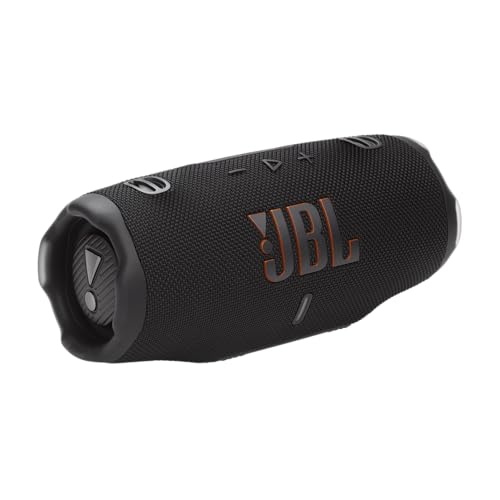




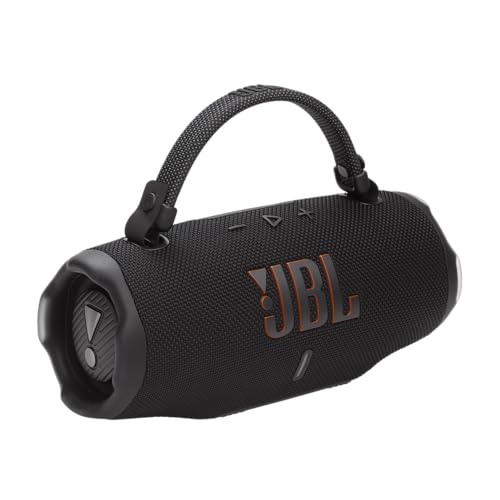
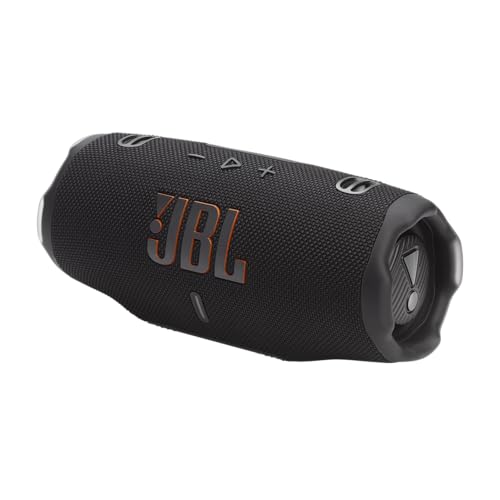
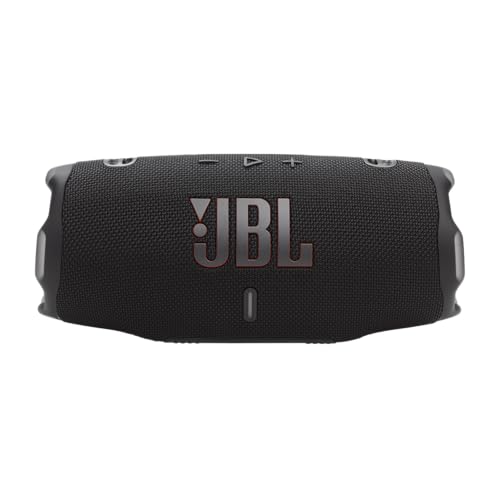
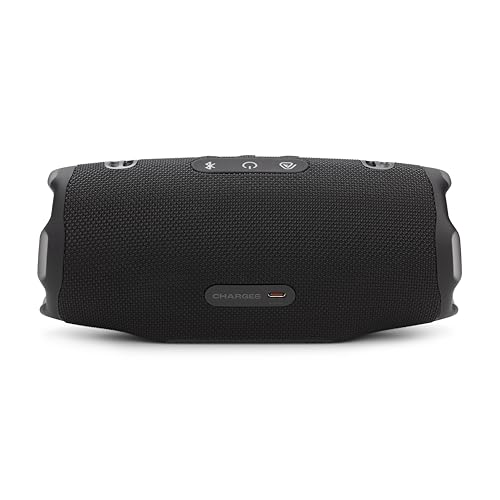
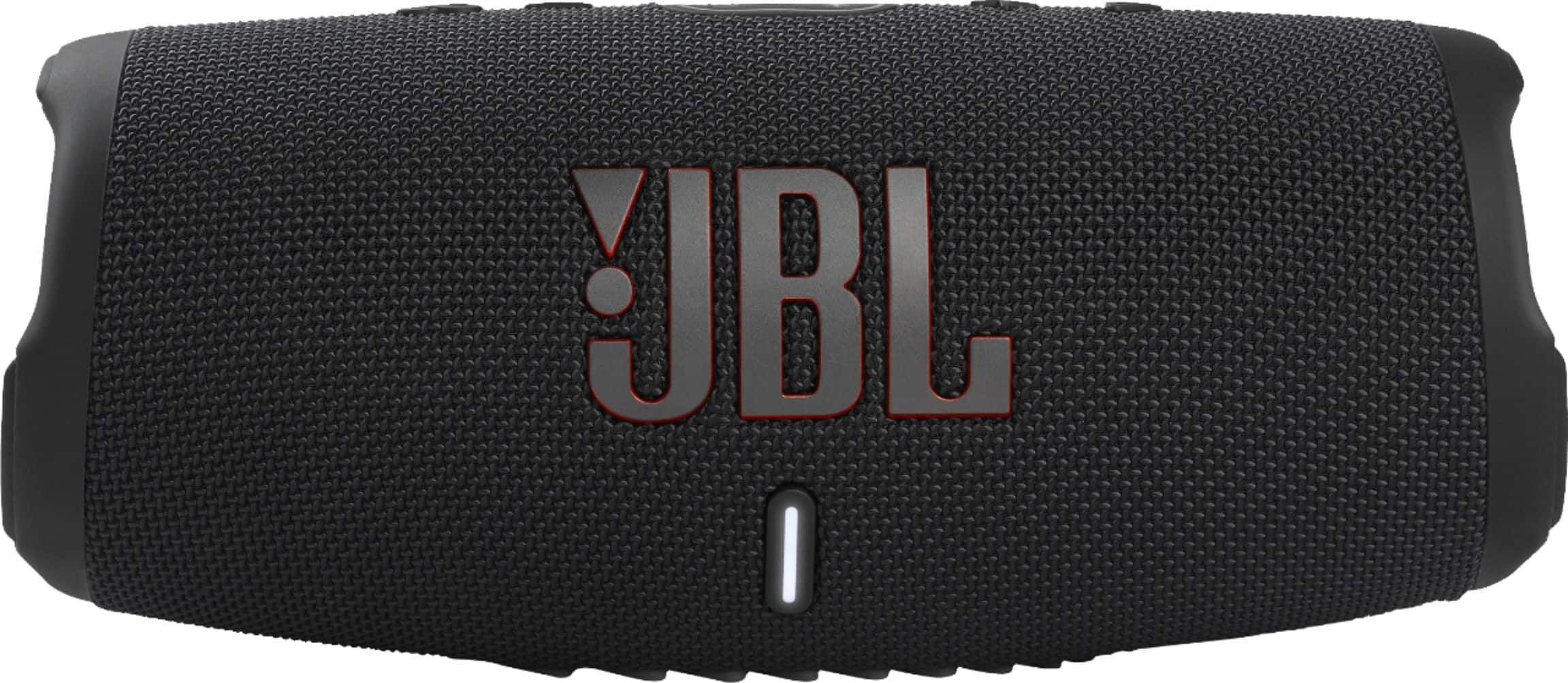
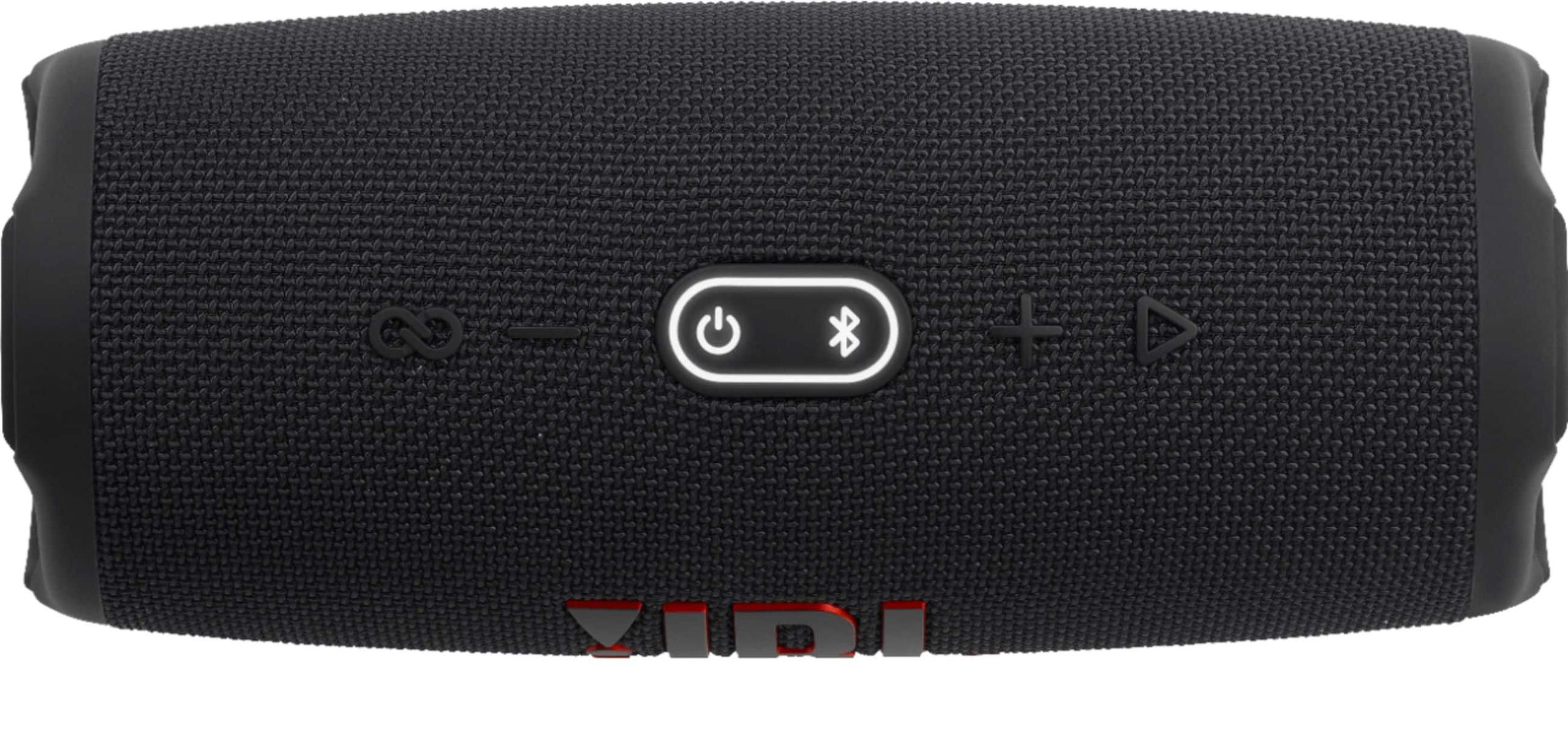
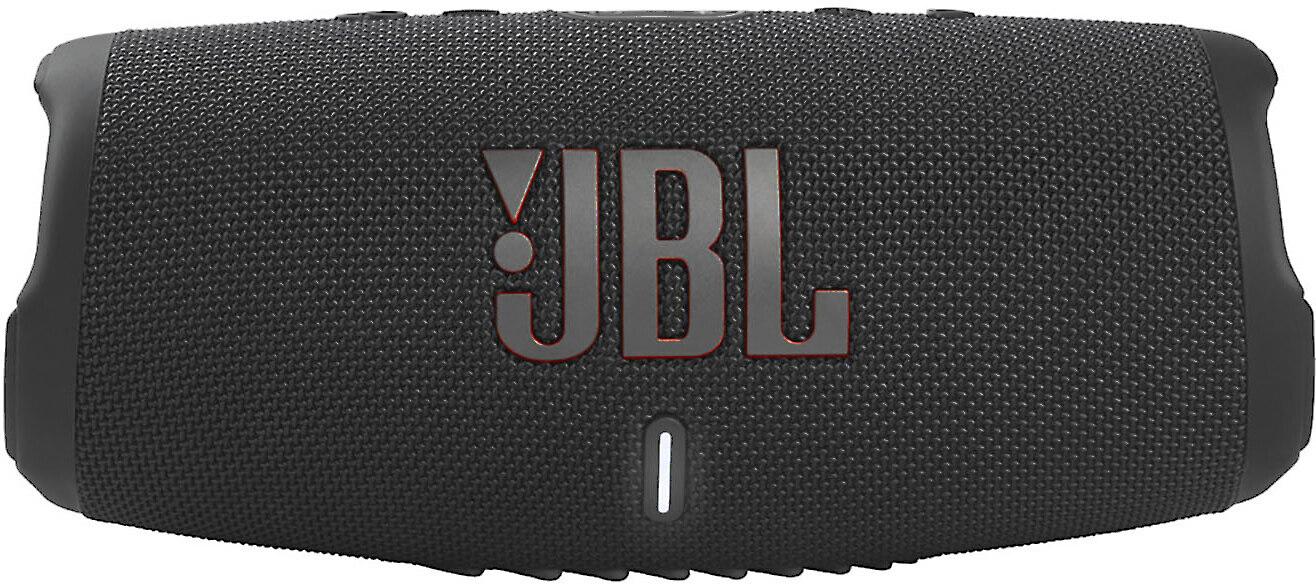
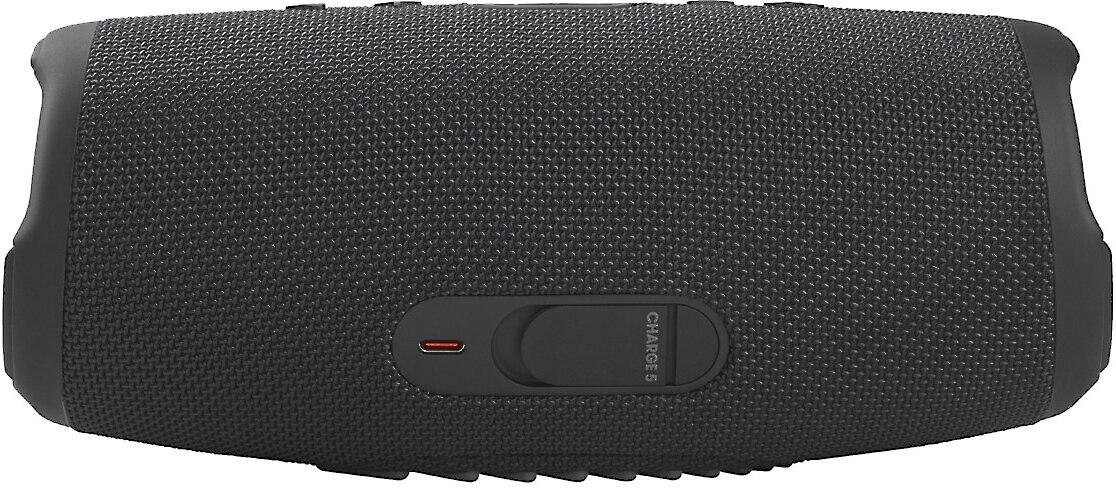
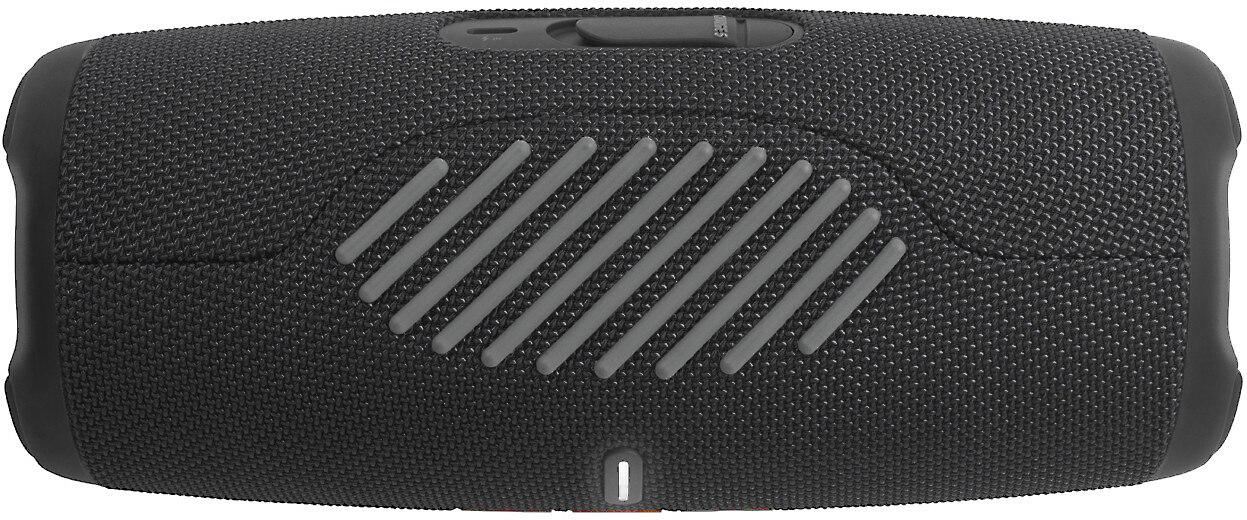
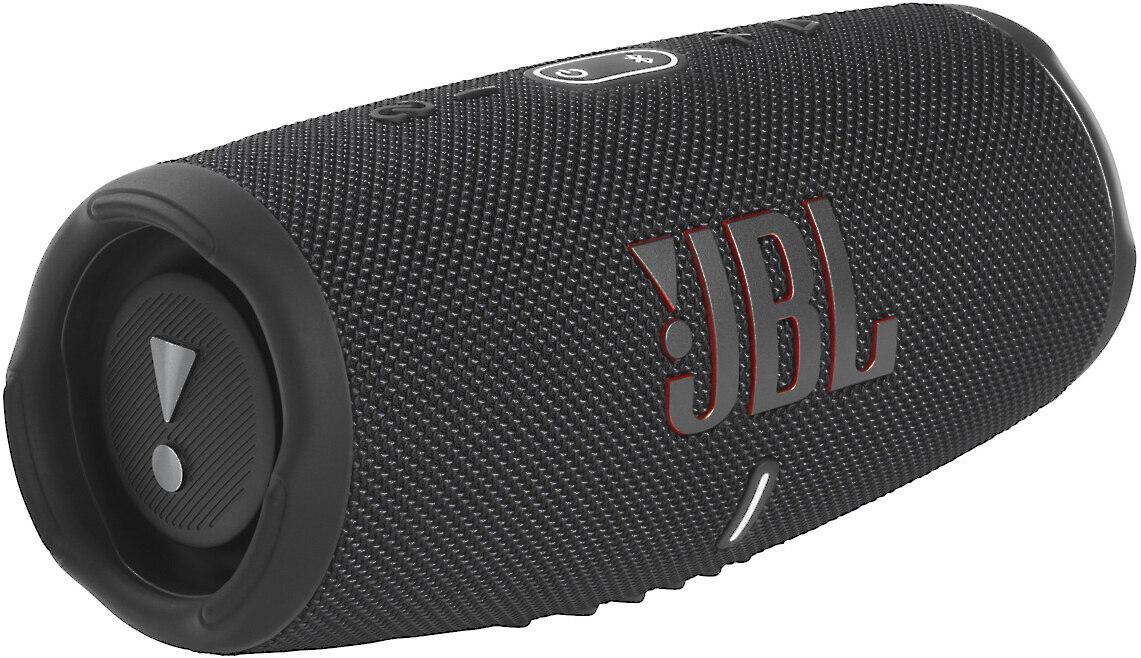
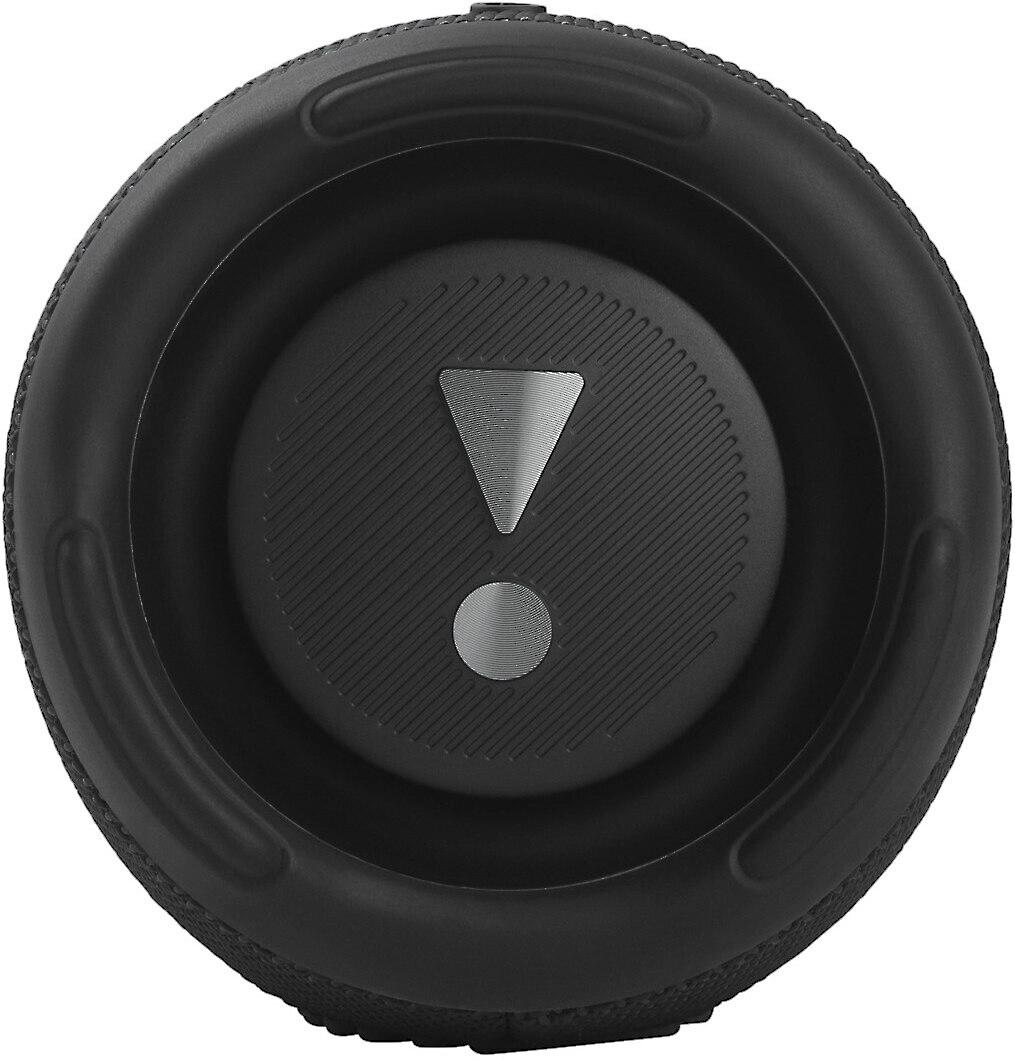
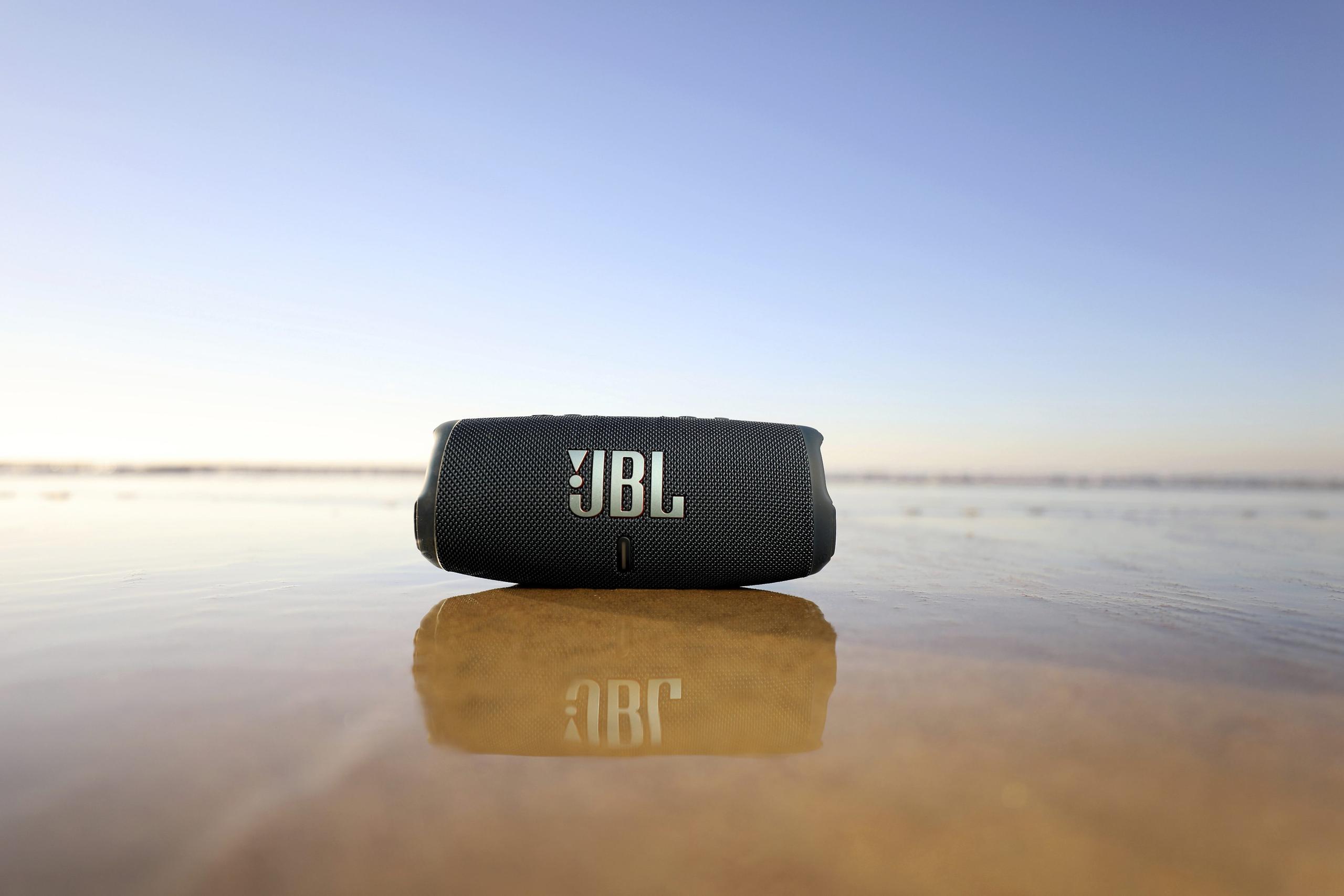
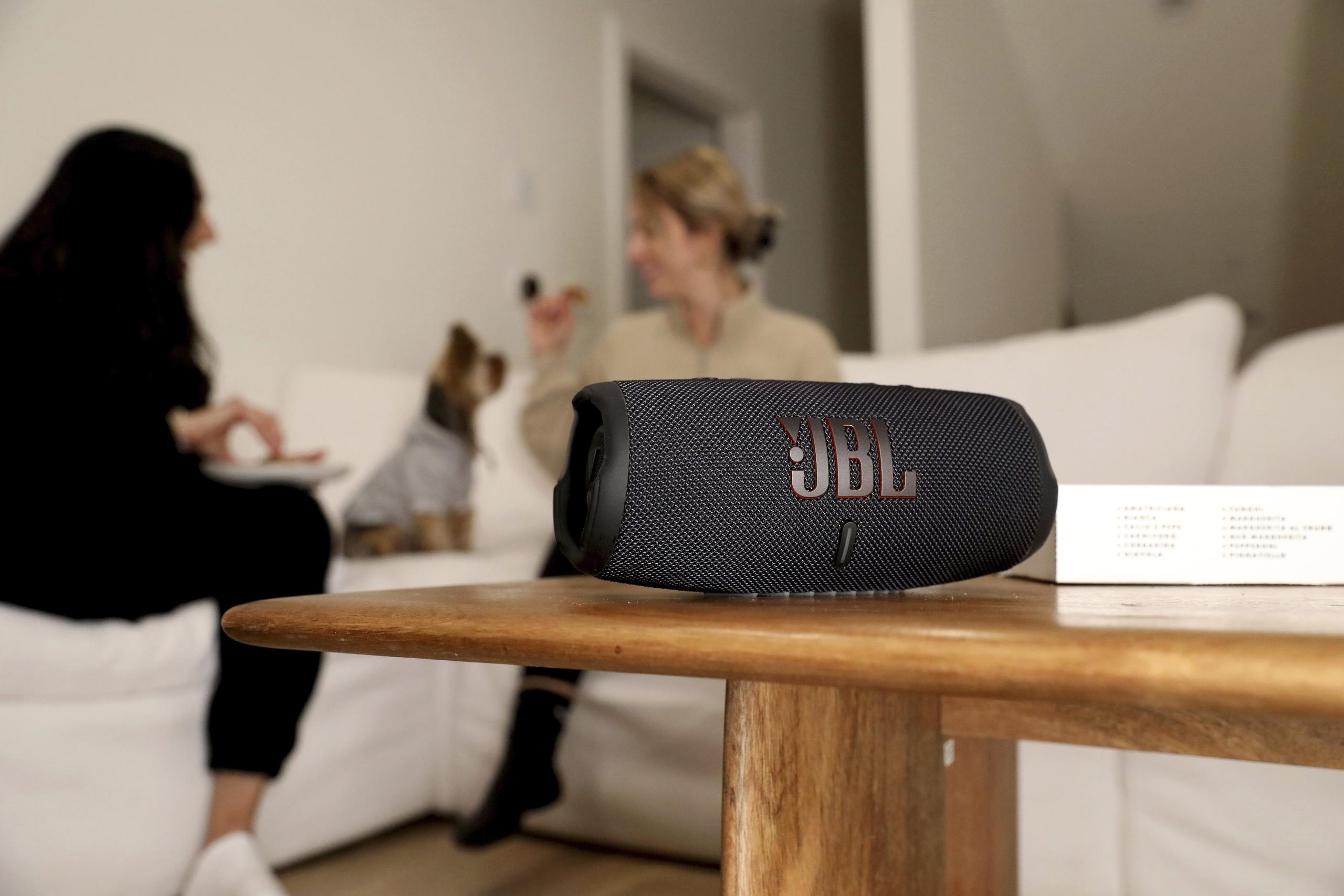
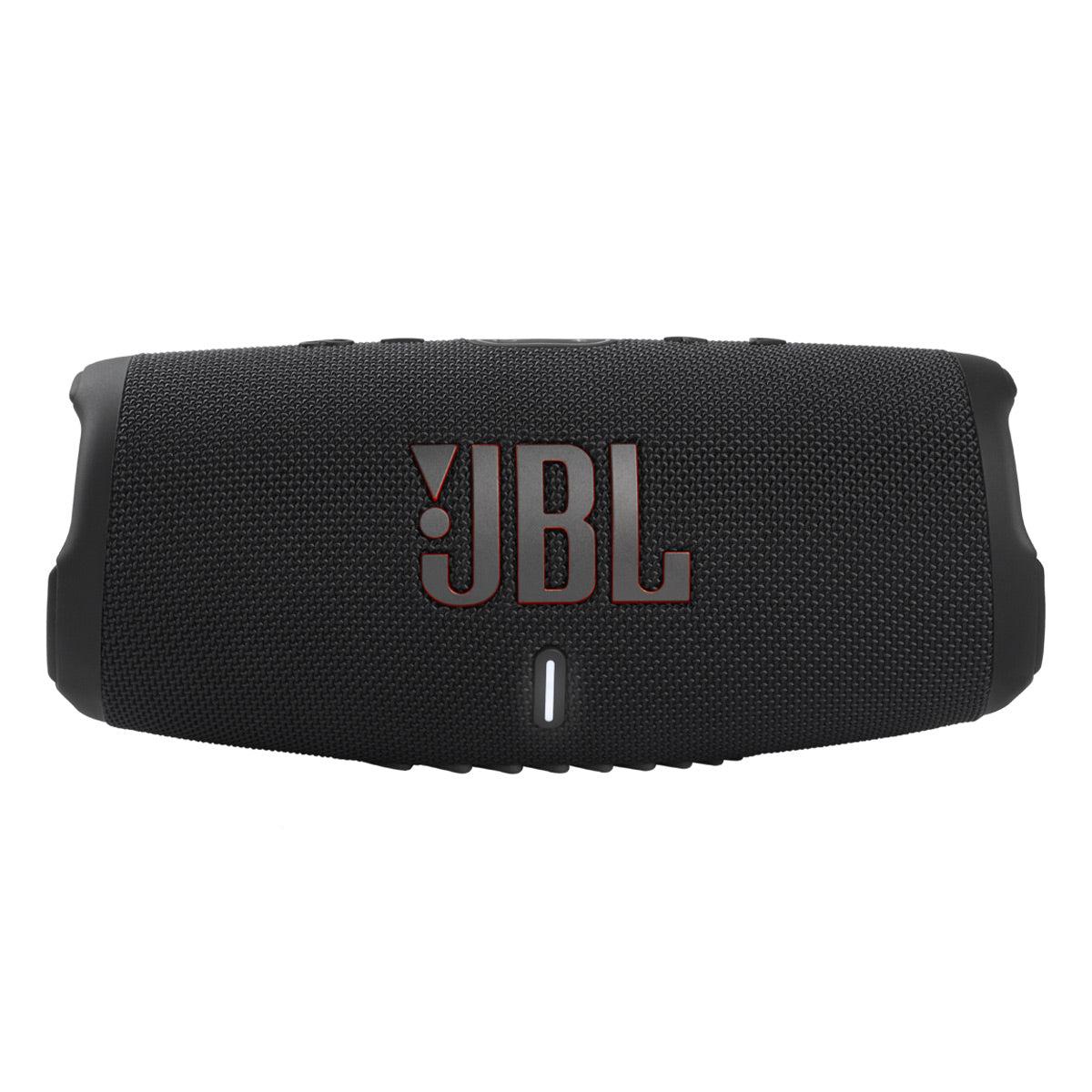
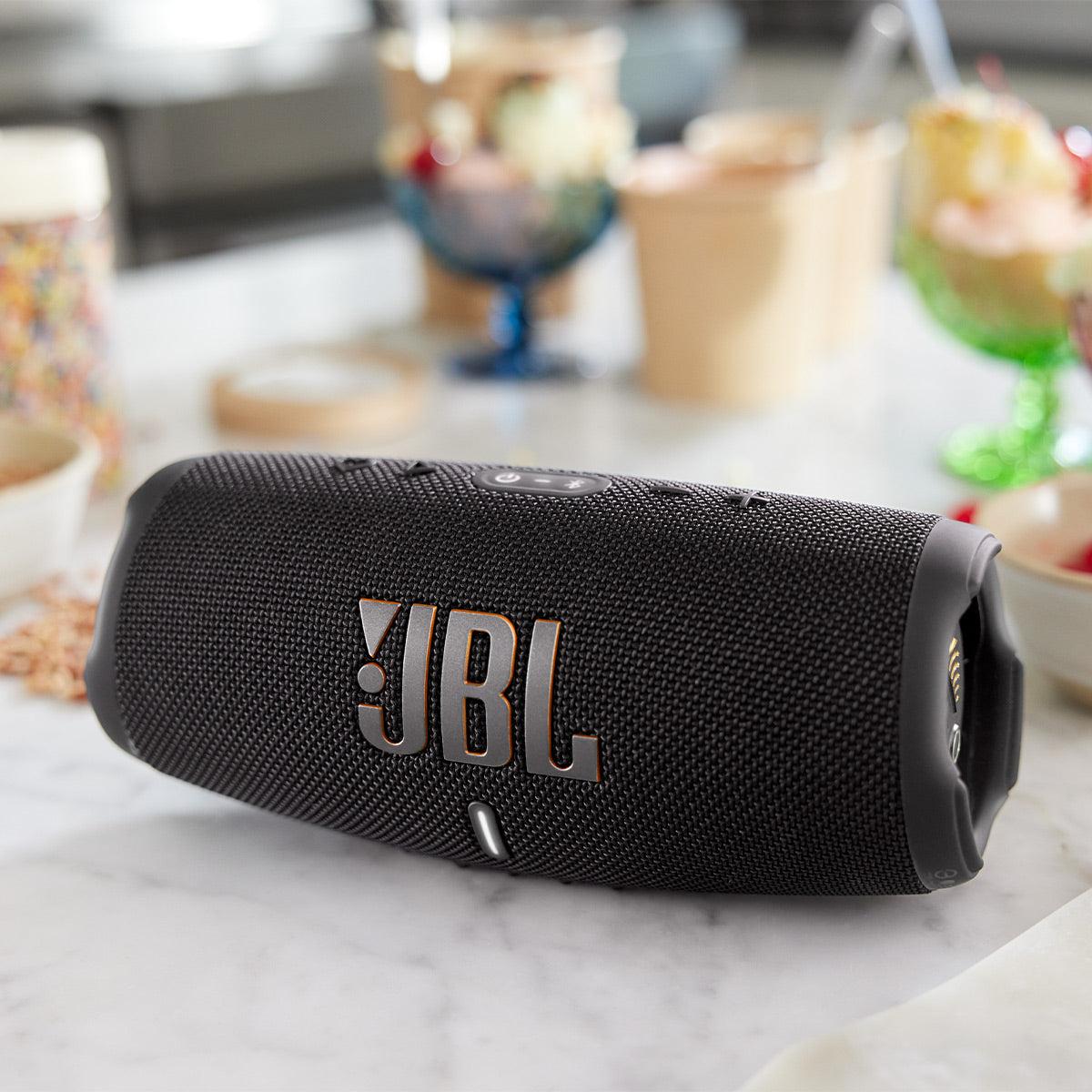
When you're shopping for a portable Bluetooth speaker, the choices can feel overwhelming. But if you've narrowed it down to JBL's Charge series, you're already on the right track. Both the JBL Charge 6 and JBL Charge 5 represent the sweet spot in portable audio—powerful enough to fill a backyard with sound, rugged enough for beach trips, and packed with enough battery life to outlast most camping weekends.
The question isn't whether these are good speakers (they absolutely are), but which one makes more sense for your specific needs and budget. After diving deep into the technical specs, real-world performance data, and countless user experiences, I'll break down exactly what sets these speakers apart and help you make the right choice.
Before we dive into the nitty-gritty comparison, let's establish what actually matters in a portable Bluetooth speaker. Unlike your home stereo system, these speakers need to excel in multiple challenging scenarios—from poolside parties to mountaintop campsites.
Audio quality remains the foundation, but it's more nuanced than you might think. A great portable speaker needs to sound good at whisper-quiet volumes for late-night listening and maintain clarity when cranked up to compete with outdoor noise. The frequency response (how evenly the speaker reproduces different pitches from deep bass to sparkling highs) becomes crucial since you can't position these speakers in an ideal acoustic environment like you would at home.
Battery life often determines whether your speaker becomes a trusted companion or a source of frustration. There's nothing worse than having your soundtrack cut out mid-party because you forgot to charge overnight. Modern speakers should deliver at least 15-20 hours of continuous playback, with quick-charging capabilities for those inevitable "oops" moments.
Durability separates the weekend warriors from the living room decorations. IP ratings (Ingress Protection ratings that measure dust and water resistance) tell you exactly what your speaker can handle. IP67 means it's dustproof and can survive temporary water immersion, while IP68 ups the ante with deeper, longer submersion protection.
Connectivity encompasses more than just Bluetooth stability. Multi-device pairing lets you hand off playlist control between friends, while speaker linking features turn your single speaker into part of a larger sound system for bigger gatherings.
The JBL Charge 5 launched several years ago and quickly established itself as the go-to choice for anyone wanting serious sound with all-day battery life. It earned numerous "best portable speaker" awards and built a loyal following among outdoor enthusiasts and party hosts alike.
The JBL Charge 6, arriving in 2024, represents JBL's response to several years of user feedback and technological advancement. Rather than a complete redesign, it's an evolutionary upgrade that addresses the most common complaints about its predecessor while incorporating newer technologies like Bluetooth 5.4 and advanced audio processing.
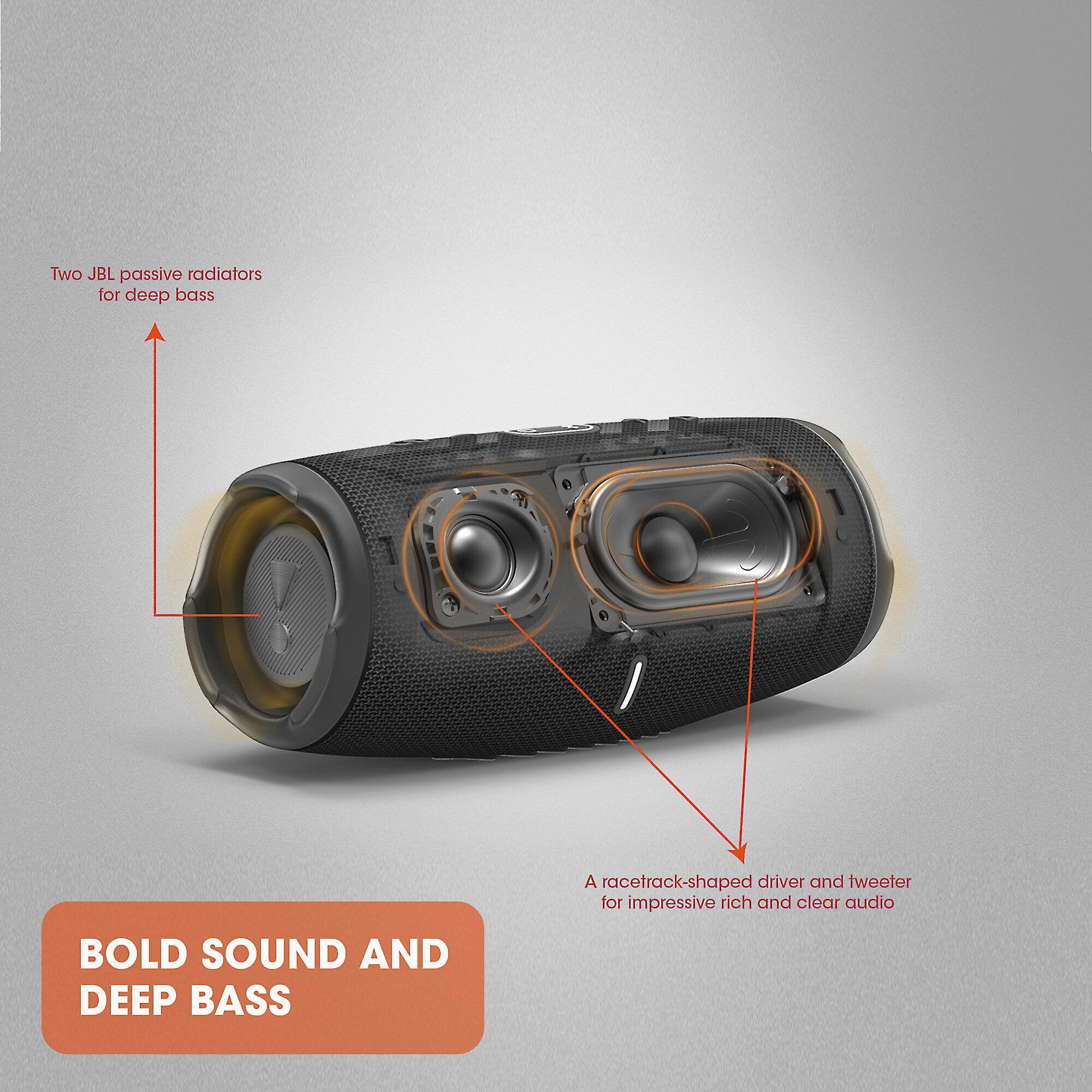
Both speakers use a two-way driver configuration—a larger woofer handles bass and midrange frequencies, while a dedicated tweeter takes care of the highs. This separation allows each driver to specialize in its frequency range, typically resulting in clearer, more detailed sound than single-driver designs.
The JBL Charge 6 steps up with a larger 53mm x 93mm oval woofer paired with a 20mm tweeter, delivering 45 watts of total power. The JBL Charge 5 uses a slightly smaller 52mm x 90mm woofer with the same tweeter size but provides 40 watts total output. While these differences seem modest on paper, they translate to noticeable improvements in real-world performance.
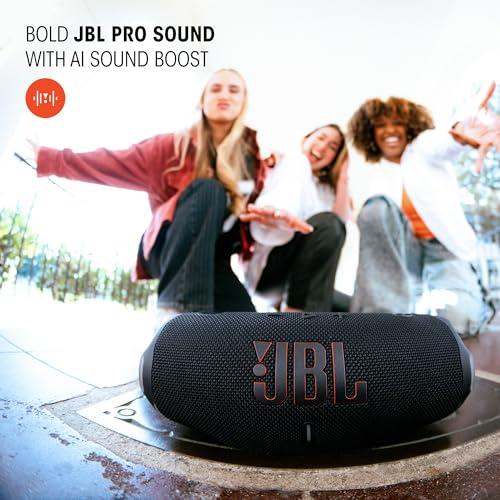
The standout feature of the JBL Charge 6 is its AI Sound Boost technology. This isn't marketing fluff—it's a real-time audio processing system that analyzes your music millisecond by millisecond and adjusts the drivers to prevent distortion while maximizing volume. Think of it as having a sound engineer constantly tweaking the levels to get the best possible performance from the hardware.
This technology becomes most apparent when you push the volume up. Where many speakers start to sound harsh or muddy at high levels, the Charge 6 maintains its composure thanks to this intelligent processing. The bass response also extends deeper, reaching down to 56 Hz compared to the Charge 5's 60 Hz floor. That 4 Hz difference might not sound like much, but it's the difference between feeling the kick drum in your chest versus just hearing it.
Our research into user experiences consistently shows the Charge 6 delivering approximately 2 decibels more volume at medium-to-high levels. In practical terms, this means the newer speaker can fill larger spaces or overcome more ambient noise—crucial advantages for outdoor use.
However, the JBL Charge 5 has its own audio advantages that shouldn't be overlooked. Multiple expert reviews praise its more balanced midrange presentation, which translates to clearer vocals and better instrument separation. If you primarily listen to acoustic music, podcasts, or genres where vocal clarity matters most, the Charge 5's slightly more neutral sound signature might actually suit your preferences better.
The audio processing in the Charge 6, while technically impressive, does introduce a subtle "processed" quality that some listeners find less natural. It's not necessarily better or worse—just different. The Charge 5 delivers a more traditional, unprocessed sound that many find more pleasing for critical listening sessions.
This is where the JBL Charge 6 shows its most significant advancement. With 24 hours of standard playback time, extendable to 28 hours using Playtime Boost mode, it substantially outlasts the Charge 5's respectable 20-hour runtime.
Playtime Boost is particularly clever—it's essentially an EQ preset that reduces bass-heavy frequencies to conserve battery power. While this does impact sound quality slightly, it's perfect for background listening or situations where maximum runtime matters more than perfect audio fidelity.
The charging improvements are equally impressive. The Charge 6 fully recharges in just 3 hours compared to the Charge 5's 4-hour requirement. Even better, 10 minutes of charging provides 2.5 hours of playback—a lifesaver for those inevitable moments when you discover a dead battery right before heading out.
Both speakers function as power banks, letting you charge phones and tablets through their USB ports. The Charge 6 uses USB-C for both charging input and output, while the Charge 5 charges via USB-C but outputs through USB-A. This might seem like a minor detail, but USB-C's higher power delivery capability means faster device charging from the newer speaker.
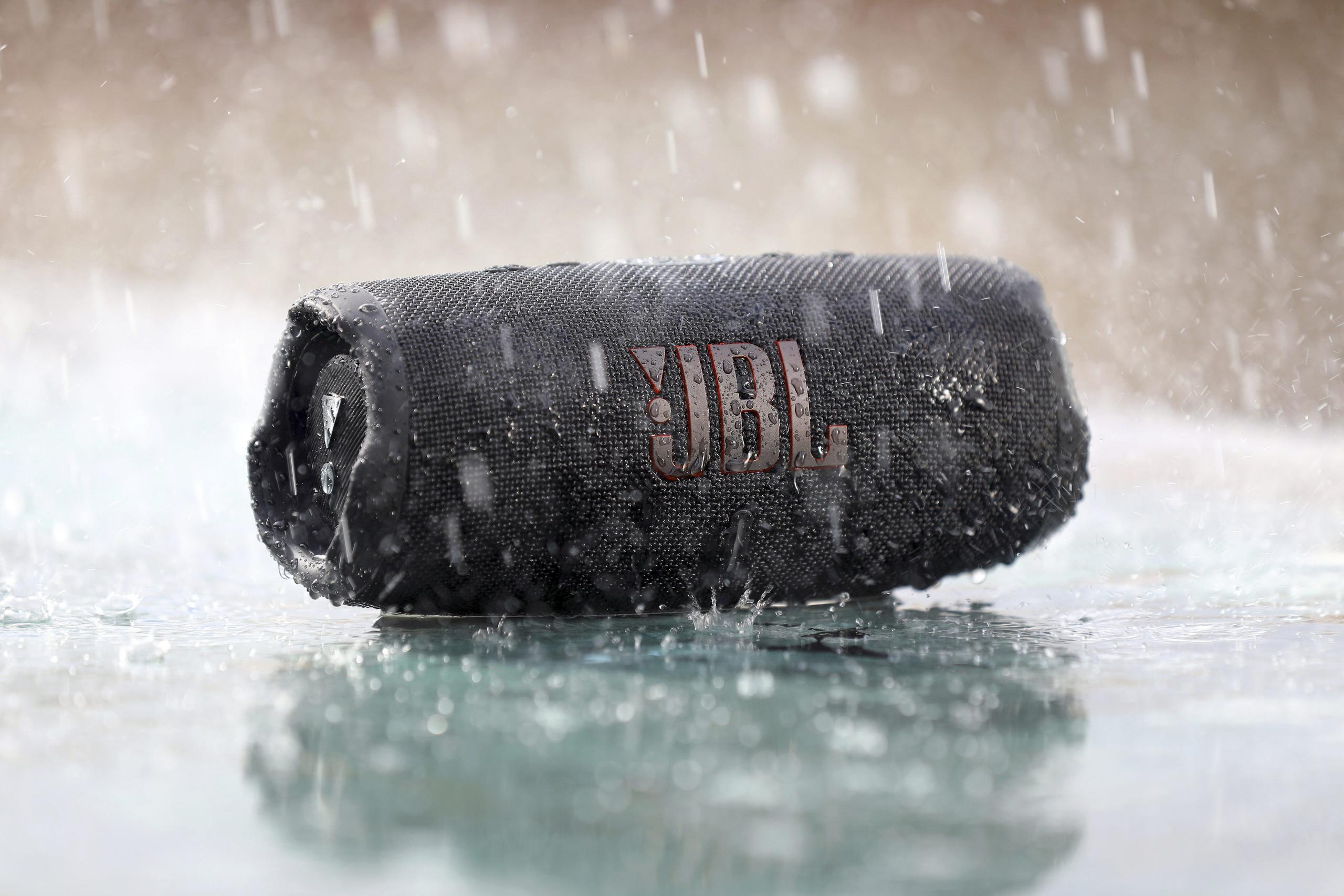
The durability improvements in the JBL Charge 6 address several real-world pain points. The upgrade from IP67 to IP68 rating means better protection against both dust and water. While IP67 speakers can handle temporary submersion, the IP68 rating allows for deeper water exposure and longer submersion times—up to 1.5 meters for 30 minutes according to JBL's specifications.
More importantly for daily use, the Charge 6 includes drop protection testing from 1-meter heights onto concrete surfaces. Anyone who's owned a portable speaker knows that drops are inevitable, whether from picnic tables, pool edges, or simply fumbling while moving the speaker around.
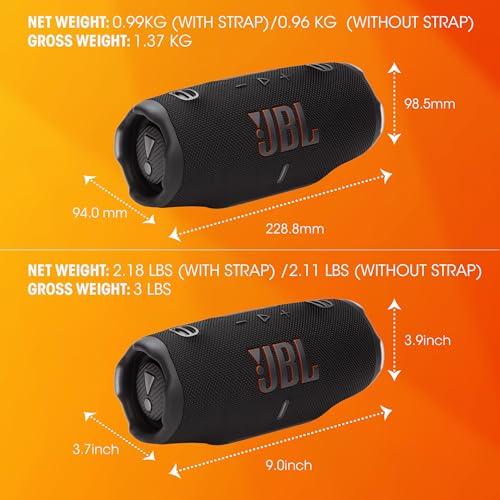
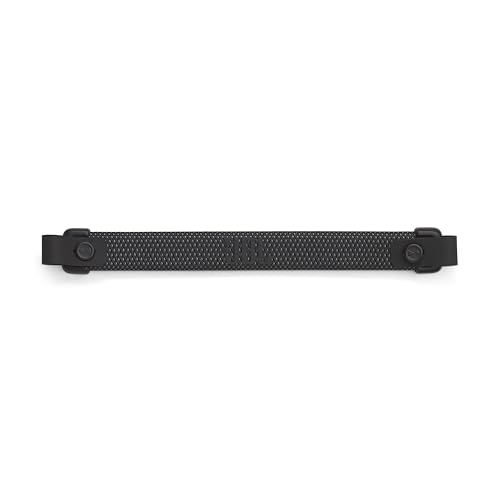
The addition of a detachable carrying strap addresses one of the most common complaints about the Charge 5. At nearly 2 pounds, these speakers aren't exactly lightweight, and the cylindrical shape makes one-handed carrying awkward. The strap transforms the Charge 6 from a two-handed luggage item into something you can easily sling over your shoulder.
Both speakers support solid Bluetooth connectivity, but the Charge 6 incorporates Bluetooth 5.4 versus the Charge 5's Bluetooth 5.1. This newer standard provides better connection stability, improved range, and more efficient power consumption—benefits you'll notice in crowded wireless environments like apartments or busy public spaces.
The app-based equalizer functionality shows a significant difference between generations. The JBL Charge 5 offers a basic 3-band EQ (bass, midrange, treble), which provides some sound customization but limited precision. The JBL Charge 6 jumps to a full 7-band equalizer, allowing much more granular control over the sound signature.
For home theater applications, the Charge 6's USB-C wired connection supports lossless audio up to 24-bit/192kHz resolution. This means you can connect it directly to your TV, computer, or streaming device and bypass Bluetooth compression entirely. While neither speaker is designed primarily for home theater use, this feature makes the Charge 6 surprisingly capable as a temporary soundbar upgrade or computer speaker.
Speaker pairing represents another technological divide. The Charge 5 uses JBL's PartyBoost system, which works with a wide range of existing JBL speakers. The Charge 6 introduces Auracast, a newer Bluetooth standard that promises better multi-speaker coordination but currently has limited device compatibility. If you already own PartyBoost-compatible JBL speakers, this could influence your decision significantly.
At the time of writing, the JBL Charge 6 typically retails for about $50 more than the JBL Charge 5, though both speakers frequently appear at discounted prices. This price difference represents roughly a 30-40% premium for the newer model.
When we break down what that extra cost delivers, the value proposition becomes clearer. You're paying for 20% longer battery life, significantly faster charging, improved durability, better app functionality, and modestly better audio performance. For users who prioritize cutting-edge features and maximum battery life, these improvements justify the premium.
However, the Charge 5 at its current lower price point represents exceptional value. You're getting 90% of the performance at roughly 70% of the cost. For casual users or those on tighter budgets, the slightly reduced feature set doesn't significantly impact day-to-day enjoyment.
For Beach and Pool Days: The Charge 6's IP68 rating and drop protection make it the safer choice for water activities. The extended battery life means you won't need to worry about charging during long beach days, and the louder output helps overcome wind and wave noise.
For Home Theater Enhancement: While neither speaker replaces a proper soundbar, the Charge 6's lossless USB-C connection and 7-band EQ make it surprisingly capable for improving TV audio or creating a temporary surround setup.
For Camping and Hiking: Battery life becomes paramount in off-grid situations. The Charge 6's 28-hour maximum runtime with Playtime Boost could mean the difference between having music for your entire camping trip or running out halfway through.
For Budget-Conscious Buyers: The Charge 5 delivers excellent performance without the latest bells and whistles. If you don't need maximum battery life or advanced features, it provides outstanding value.
For Critical Listening: Audiophiles might actually prefer the Charge 5's more balanced midrange presentation, especially for acoustic music or podcasts where vocal clarity matters most.
After extensive research and analysis, both speakers earn strong recommendations, but for different users. The JBL Charge 6 represents the better choice for users who want the latest technology, maximum battery life, and enhanced durability. If you're someone who uses your speaker frequently, takes it on adventures, or hosts regular gatherings, the improvements justify the additional cost.
The JBL Charge 5 makes more sense for value-conscious buyers, occasional users, or those who already own compatible JBL speakers. Its slightly more neutral sound signature also appeals to listeners who prefer unprocessed audio.
My personal recommendation leans toward the Charge 6 for most users, primarily because of the dramatically improved battery life and charging speed. These practical improvements enhance daily usability more than any audio tweaks ever could. However, if budget is your primary concern, the Charge 5 remains an excellent choice that won't leave you feeling shortchanged.
The beauty of this comparison is that you really can't go wrong with either option. Both speakers represent JBL's commitment to delivering powerful, reliable portable audio that enhances rather than limits your adventures. Whether you choose the cutting-edge Charge 6 or the value-champion Charge 5, you're getting a speaker that will faithfully soundtrack your life for years to come.
| JBL Charge 6 | JBL Charge 5 |
|---|---|
| Audio Output Power - More watts mean louder sound and better bass | |
| 45W total (30W woofer + 15W tweeter) | 40W total (30W woofer + 10W tweeter) |
| Bass Response - Lower frequencies create fuller, richer sound | |
| 56 Hz (deeper bass extension) | 60 Hz (still impressive for size) |
| Battery Life - Critical for outdoor use and long events | |
| 24 hours standard, 28 hours with Playtime Boost | 20 hours (still excellent for most users) |
| Charging Speed - How quickly you get back to full power | |
| 3 hours full charge, 10 min = 2.5 hours playback | 4 hours full charge, no quick charge feature |
| Water & Dust Protection - Determines where you can safely use it | |
| IP68 (submersible to 1.5m for 30 minutes) | IP67 (temporary water immersion only) |
| Drop Protection - Important for clumsy moments and outdoor use | |
| 1-meter drop tested onto concrete | Standard durability (no specific drop rating) |
| Bluetooth Version - Newer versions offer better connection stability | |
| Bluetooth 5.4 with Auracast pairing | Bluetooth 5.1 with PartyBoost pairing |
| App-Based Equalizer - Lets you customize sound to your taste | |
| 7-band customizable EQ (precise control) | 3-band basic EQ (limited adjustment) |
| Wired Audio Input - Bypasses Bluetooth compression for best quality | |
| USB-C lossless audio up to 24-bit/192kHz | No wired audio input available |
| Carrying Handle - Makes transport much easier | |
| Detachable strap included | No handle (awkward one-handed carrying) |
| Multi-Speaker Compatibility - For creating bigger sound systems | |
| Auracast (newer standard, limited device support) | PartyBoost (works with many existing JBL speakers) |
| Weight - Affects portability for hiking and travel | |
| 990g with strap (960g without) | 960g (no strap option) |
| Special Audio Features - Advanced processing for better sound | |
| AI Sound Boost (real-time distortion reduction) | Standard JBL Pro Sound tuning |
The JBL Charge 6 delivers more powerful sound with 45W output compared to the JBL Charge 5's 40W, plus deeper bass that extends down to 56Hz versus 60Hz. However, the Charge 5 offers slightly more balanced midrange for clearer vocals. The Charge 6 also includes AI Sound Boost technology that reduces distortion at high volumes, making it better for loud outdoor use.
The JBL Charge 6 provides 24 hours of standard playback time, which extends to 28 hours with Playtime Boost mode. The JBL Charge 5 offers 20 hours of battery life. The Charge 6 also charges much faster at 3 hours versus 4 hours for the Charge 5, plus includes quick charging that gives 2.5 hours of playback from just 10 minutes of charging.
The JBL Charge 6 has superior protection with an IP68 rating, allowing submersion up to 1.5 meters for 30 minutes, compared to the JBL Charge 5's IP67 rating for temporary water exposure only. The Charge 6 is also drop-tested from 1 meter onto concrete and includes a detachable carrying strap, while the Charge 5 lacks a handle for easy transport.
Yes, but they use different systems. The JBL Charge 5 uses PartyBoost technology that works with many existing JBL speakers, making it ideal if you already own compatible models. The JBL Charge 6 uses newer Auracast technology for multi-speaker pairing, but this limits compatibility to other Auracast-enabled devices. You cannot pair a Charge 6 with a Charge 5.
The JBL Charge 6 provides significantly better app control with a 7-band customizable equalizer through the JBL Portable app, allowing precise sound adjustments. The JBL Charge 5 only offers a basic 3-band EQ with limited customization options. Both connect to the same JBL Portable app, but the Charge 6 unlocks more advanced features.
The JBL Charge 6 typically costs more than the JBL Charge 5, but offers meaningful improvements: 20% longer battery life, faster charging, better water protection, enhanced durability, and more powerful sound. If you prioritize cutting-edge features and maximum performance, the Charge 6 justifies the premium. Budget-conscious buyers will find the Charge 5 still delivers excellent value with 90% of the performance.
The JBL Charge 6 is better suited for outdoor adventures due to its IP68 waterproof rating, drop protection, 24-28 hour battery life, and included carrying strap. The louder output and deeper bass also help overcome outdoor ambient noise. While the JBL Charge 5 is still very capable outdoors with its IP67 rating and 20-hour battery, the Charge 6 provides extra peace of mind for rugged use.
The JBL Charge 6 works better for home theater enhancement thanks to its USB-C wired connection that supports lossless audio up to 24-bit/192kHz, bypassing Bluetooth compression. The 7-band EQ also allows fine-tuning for TV dialogue clarity. The JBL Charge 5 can connect via Bluetooth but lacks wired input options. Neither speaker replaces a proper soundbar, but the Charge 6 offers more flexibility for temporary TV audio improvement.
The JBL Charge 6 produces approximately 2 decibels more volume than the JBL Charge 5 at medium to high levels, thanks to its 45W power output versus 40W. Both speakers can fill medium-sized rooms or outdoor spaces effectively. The Charge 6's AI Sound Boost technology also maintains cleaner sound at maximum volume with less distortion compared to the Charge 5.
The JBL Charge 6 uses newer Bluetooth 5.4 technology compared to the JBL Charge 5's Bluetooth 5.1, providing better connection stability, improved range, and more efficient power consumption. The Charge 6 also supports connecting to two devices simultaneously. Both offer reliable connectivity, but the Charge 6 performs better in crowded wireless environments.
Yes, both the JBL Charge 6 and JBL Charge 5 function as power banks for charging mobile devices. The Charge 6 uses USB-C for power output, while the Charge 5 uses USB-A. The Charge 6's USB-C connection typically charges devices faster due to higher power delivery capabilities, and its larger battery capacity means more device charges per speaker charge.
The JBL Charge 6 excels with bass-heavy genres like electronic, hip-hop, and pop music due to its deeper bass response and higher power output. The JBL Charge 5 may be preferable for acoustic music, classical, or vocal-heavy content thanks to its more balanced midrange presentation and slightly more natural sound signature. The Charge 6's 7-band EQ allows you to customize the sound for any genre, while the Charge 5 has limited adjustment options.
We've done our best to create useful and informative comparisons to help you decide what product to buy. Our research uses advanced automated methods to create this comparison and perfection is not possible - please contact us for corrections or questions. These are the sites we've researched in the creation of this article: rtings.com - youtube.com - stereoguide.com - whathifi.com - youtube.com - elomymelo.com - soundguys.com - elomymelo.com - wifihifi.com - soundguys.com - jbl.com - whathifi.com - soundguys.com - youtube.com - smarthomesounds.co.uk - jbl.com - sweetwater.com - youtube.com - bestbuy.com - jbl.com.sg - jbl.com - dell.com - ca.jbl.com - soundguys.com - soundguys.com - dell.com - techradar.com - outeraudio.com - youtube.com - soundguys.com - howtogeek.com - jbl.com - abt.com - youtube.com - harmanaudio.com - homedepot.com - bhphotovideo.com - dxomark.com

Privacy Policy
Terms and Conditions - Affiliate Policy
Home Security
© Copyright 2008-2026.
11816 Inwood Rd #1211, Dallas, TX 75244