



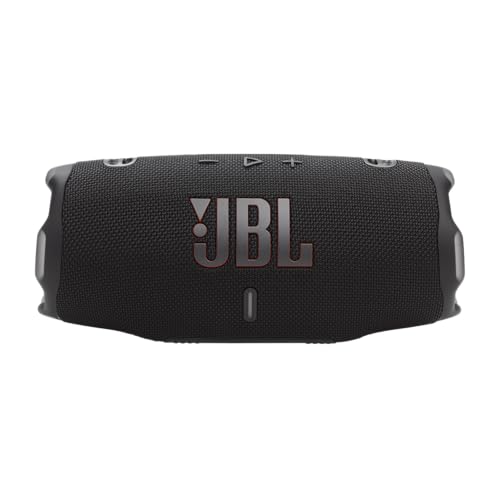
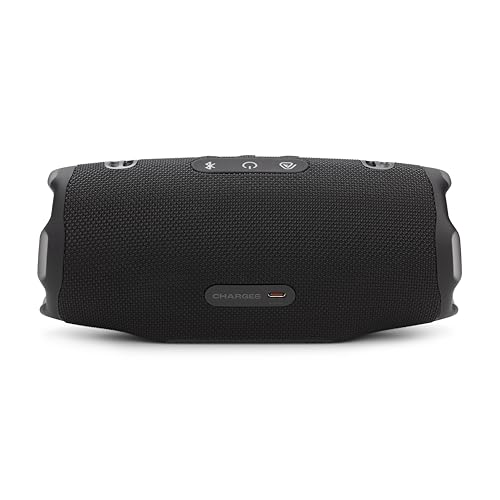
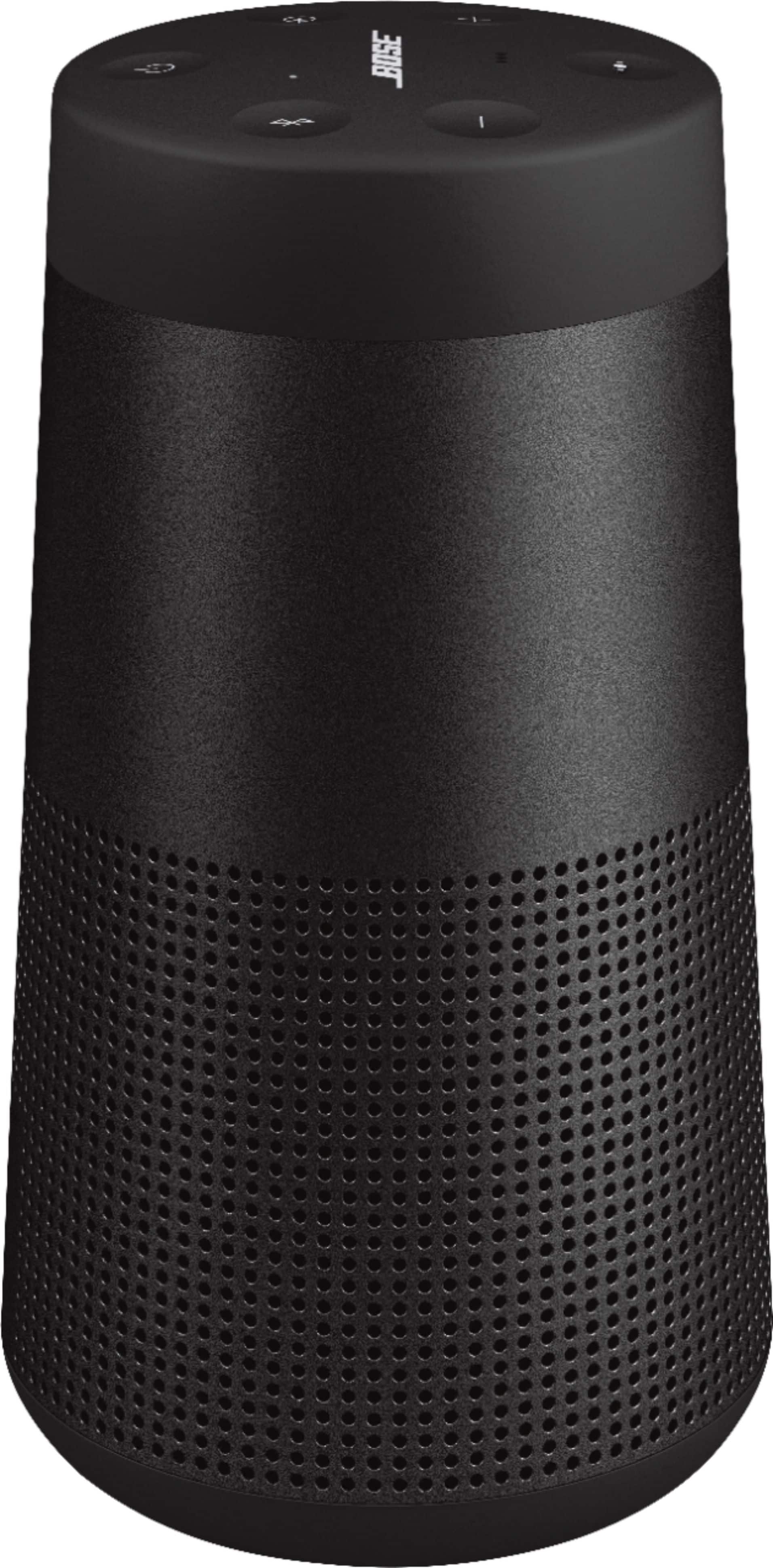

Choosing a premium portable Bluetooth speaker means navigating a crowded market where every brand promises exceptional sound, rugged durability, and all-day battery life. After researching dozens of expert reviews and user experiences, two speakers consistently rise to the top of the conversation: the JBL Charge 6 and the Bose SoundLink Revolve II. Both command similar price points at the time of writing—hovering around the $160-170 range—but they take dramatically different approaches to portable audio.
The portable speaker category has evolved significantly since these models launched. The JBL Charge 6 hit the market in 2024 with cutting-edge features like AI Sound Boost and Auracast connectivity, representing JBL's latest thinking on what portable speakers should accomplish. The Bose SoundLink Revolve II, released in 2021, focuses on perfecting the fundamentals with its signature 360-degree sound design that made the original Revolve series popular.
Understanding which speaker suits your needs requires looking beyond marketing promises to examine real-world performance differences, especially since both speakers target the same premium segment but serve distinctly different use cases.
Premium portable speakers occupy a sweet spot between compact budget options and larger, more expensive home audio systems. At this price level, you should expect genuinely impressive sound quality, robust build construction, and features that justify the higher cost. The key considerations that separate good speakers from great ones include sound quality consistency across different volume levels, actual (not advertised) battery performance, genuine durability for outdoor use, and meaningful feature differentiation.
Sound quality becomes particularly important because premium speakers need to perform well whether you're listening quietly in a hotel room or cranking up the volume at a beach party. Many speakers sound decent at moderate volumes but fall apart when pushed hard—a critical distinction that separates the JBL Charge 6 from many competitors.
Battery life claims deserve skepticism since manufacturers typically test under ideal conditions that don't reflect real usage patterns. Similarly, water resistance ratings can be misleading unless you understand what IP55 versus IP68 actually means for your specific use cases.
The JBL Charge 6 and Bose SoundLink Revolve II represent fundamentally different approaches to portable audio. JBL prioritized performance and versatility, creating a larger speaker that delivers more power, longer battery life, and comprehensive feature sets. This approach appeals to users who want their portable speaker to handle diverse scenarios, from quiet indoor listening to outdoor gatherings where volume and bass response matter.
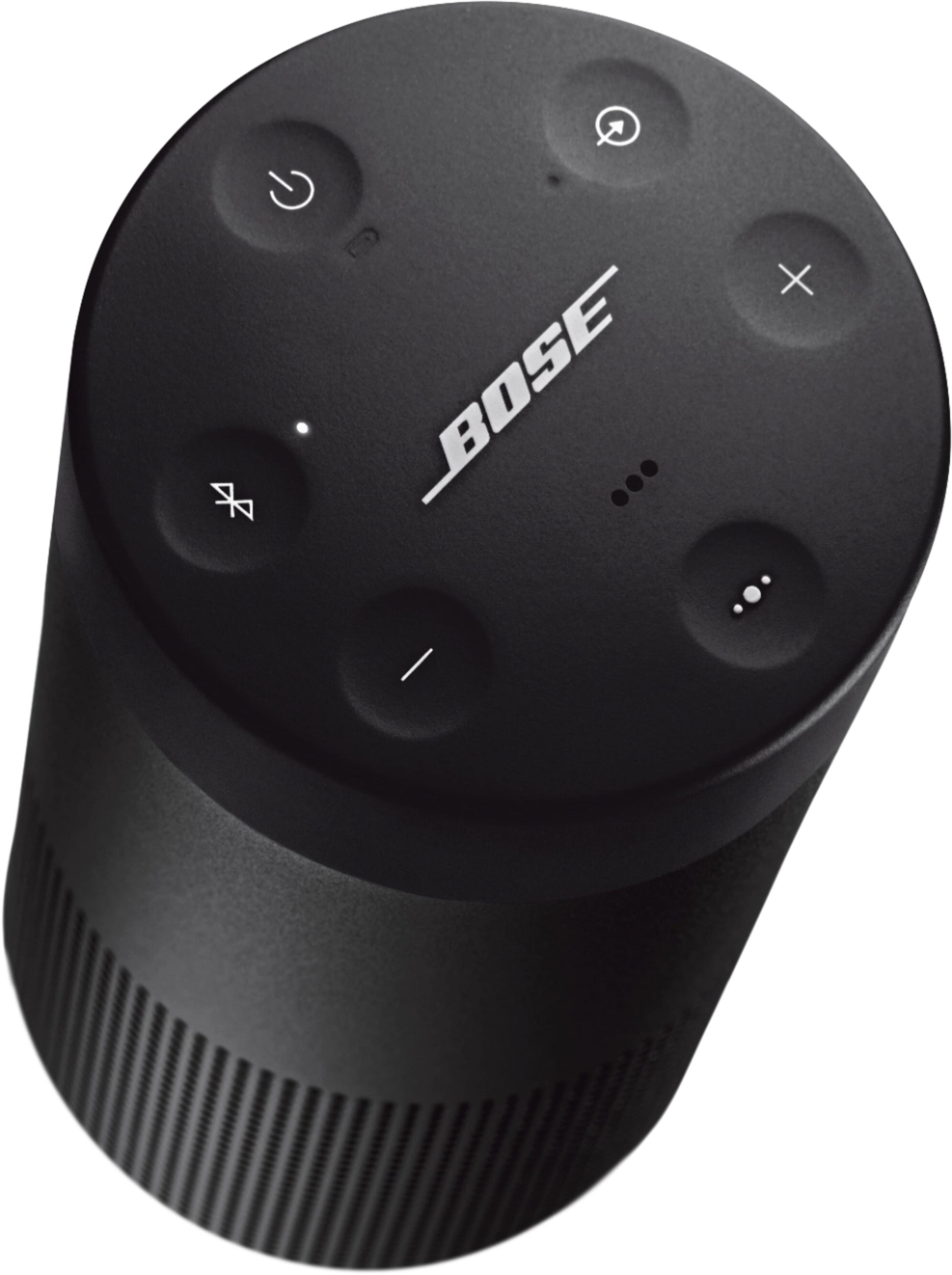
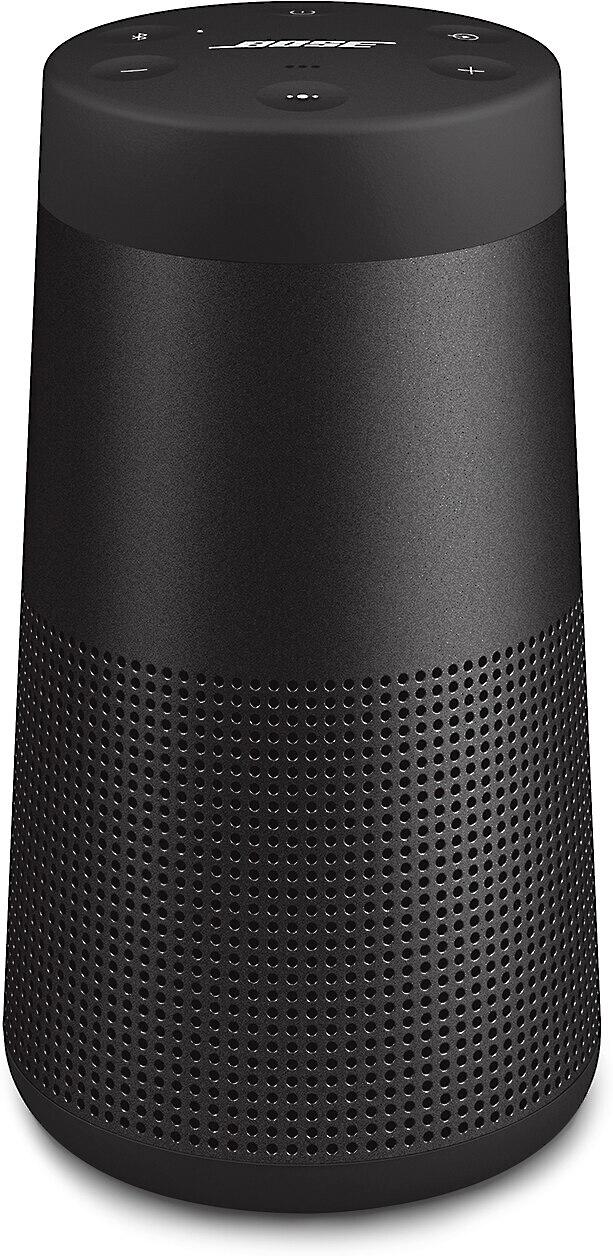
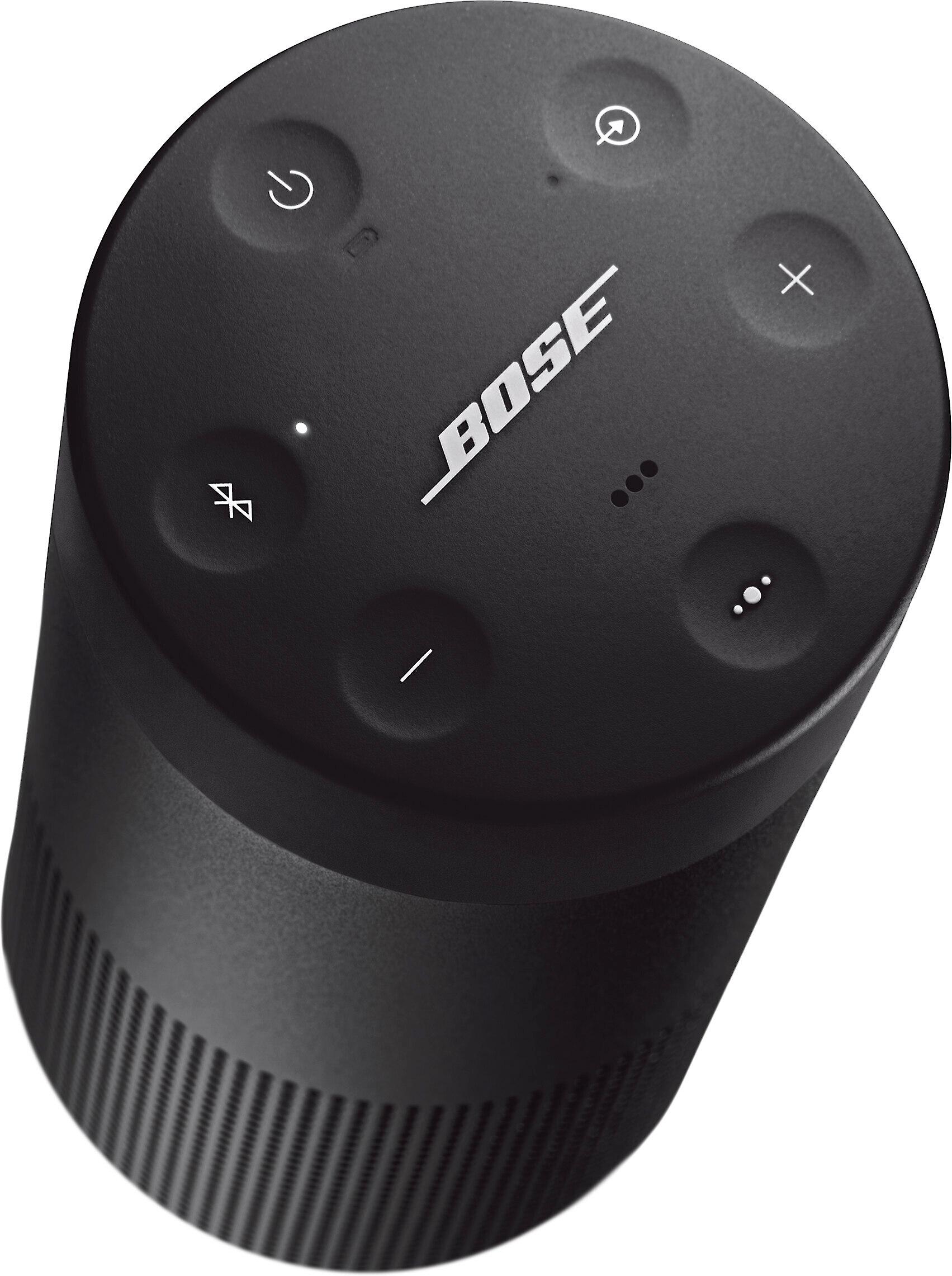
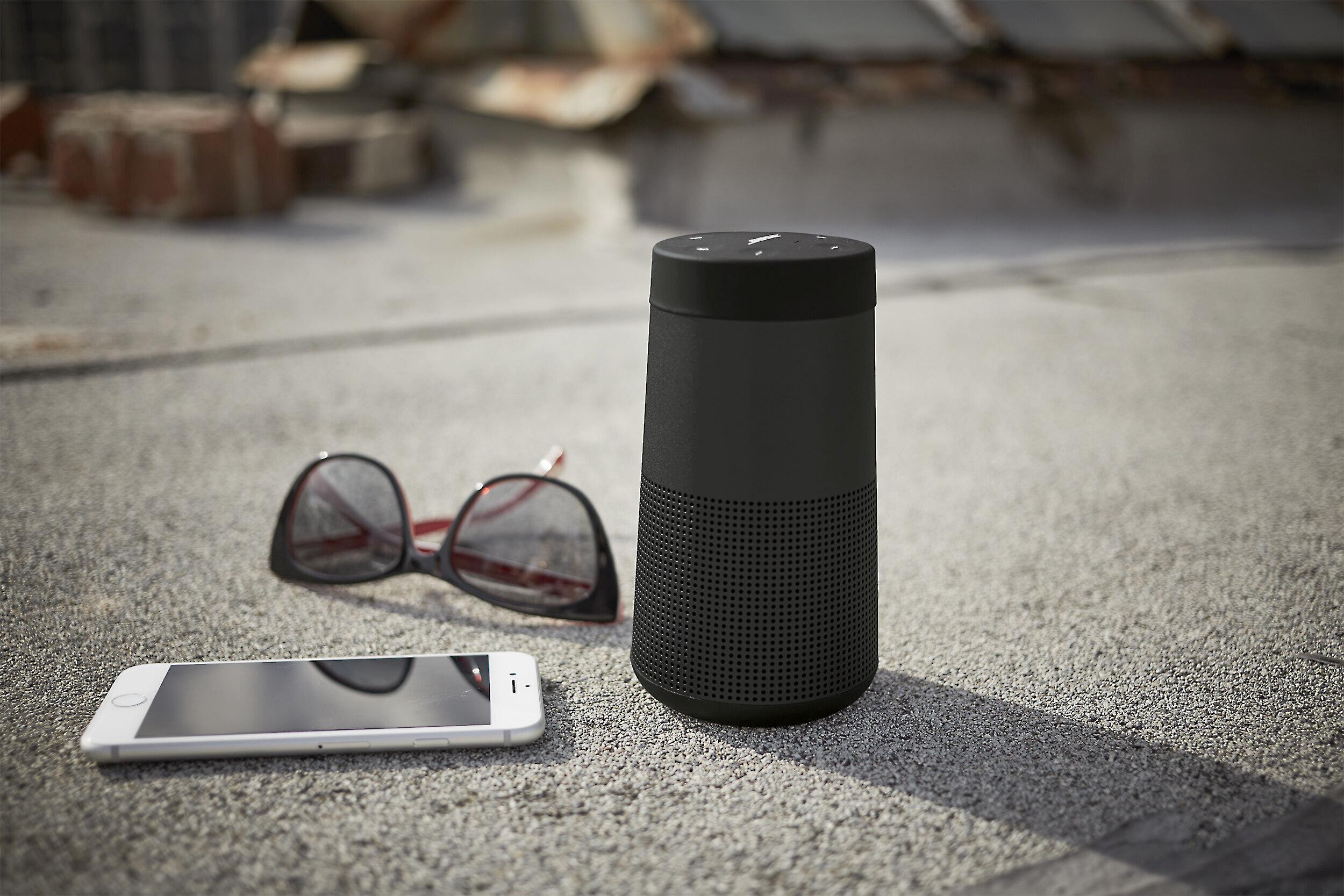
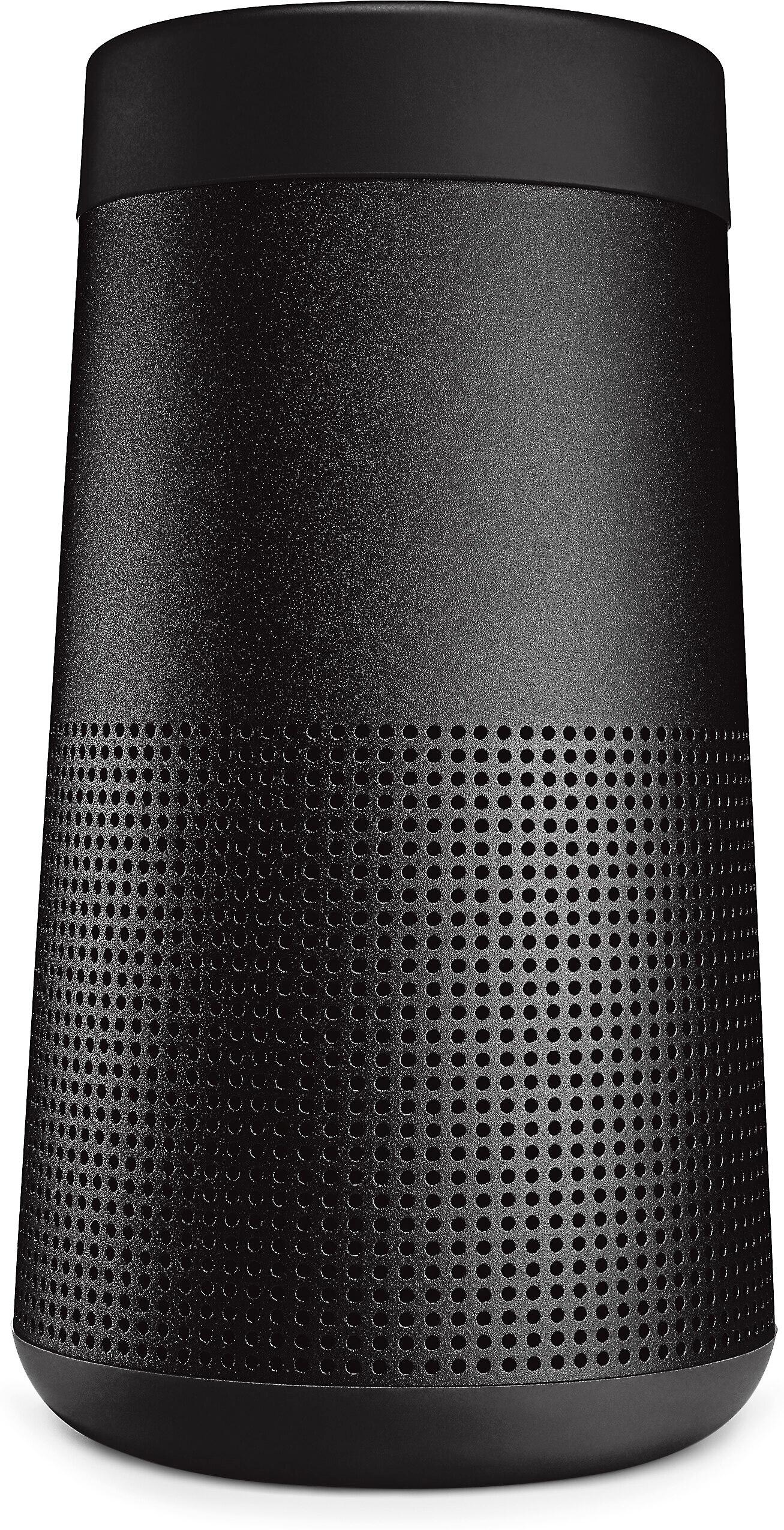
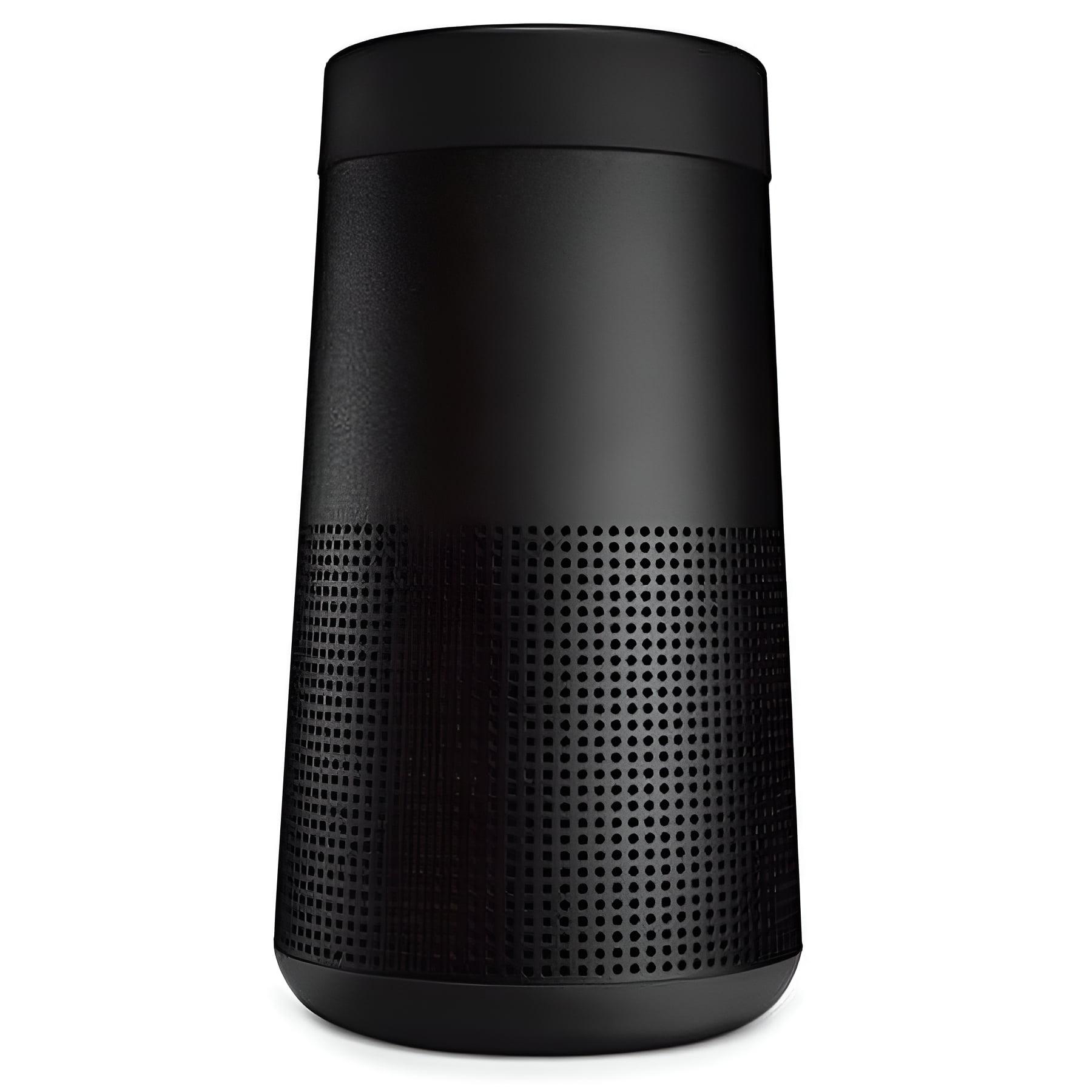
Bose chose the opposite path, emphasizing maximum portability and elegant simplicity. The SoundLink Revolve II fits easily into backpacks, weighs significantly less, and focuses on delivering balanced sound at moderate volumes. This philosophy works well for travelers, minimalists, and users who primarily listen in quieter environments.
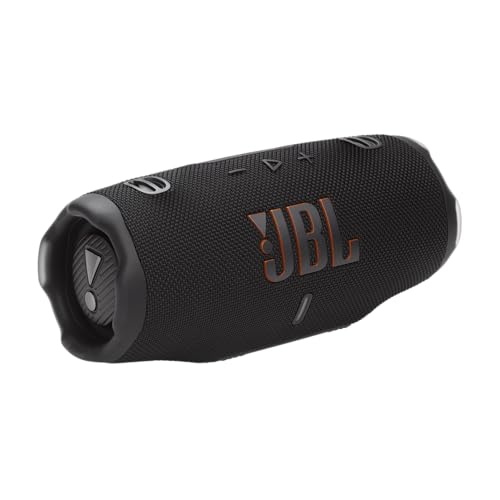
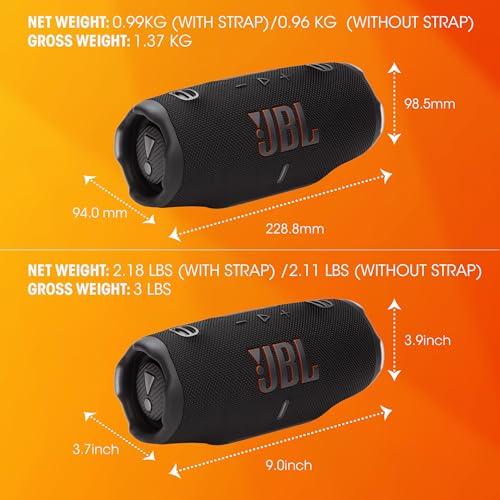
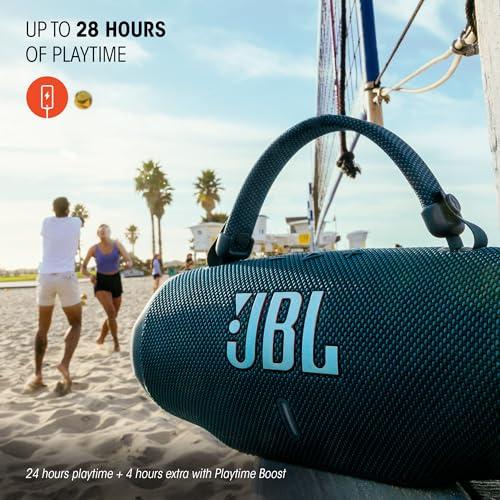
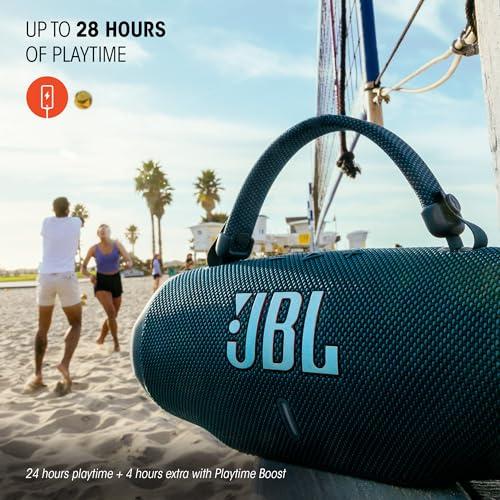
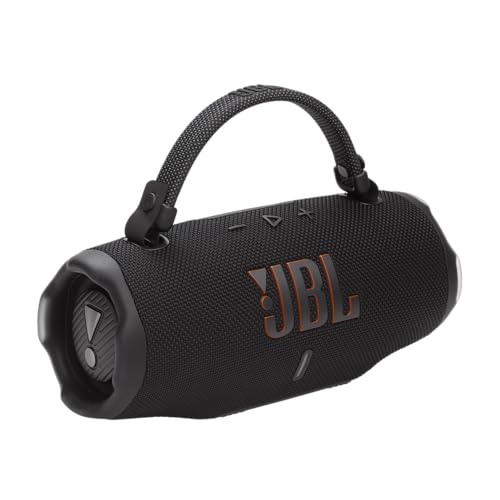
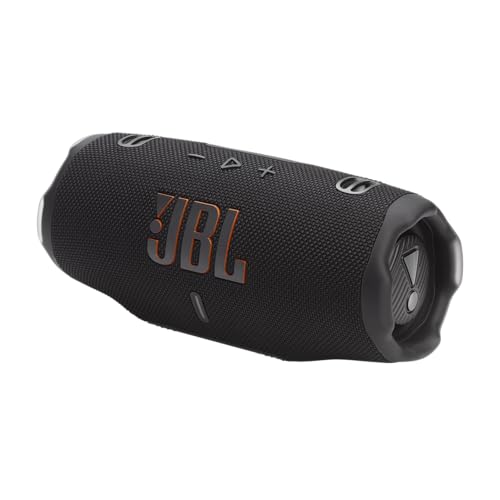
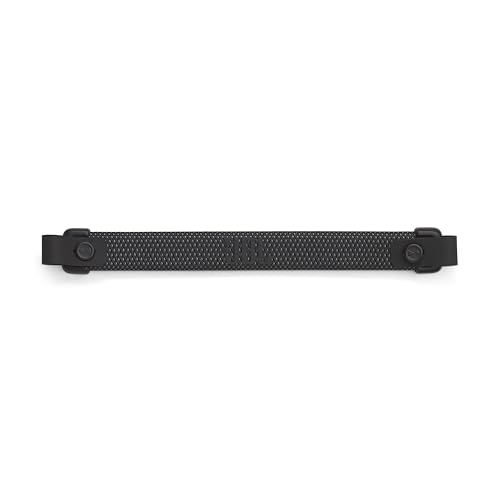
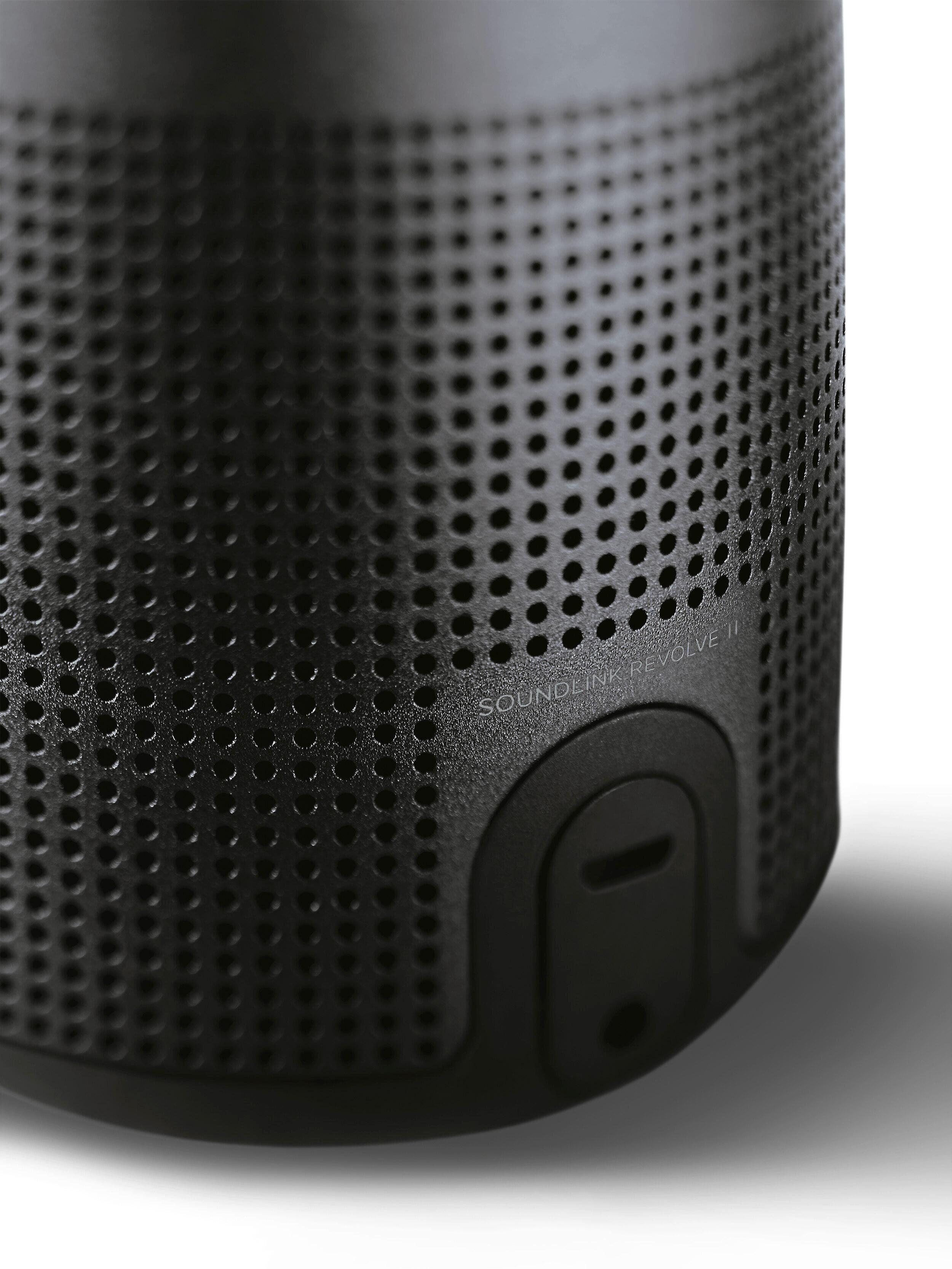
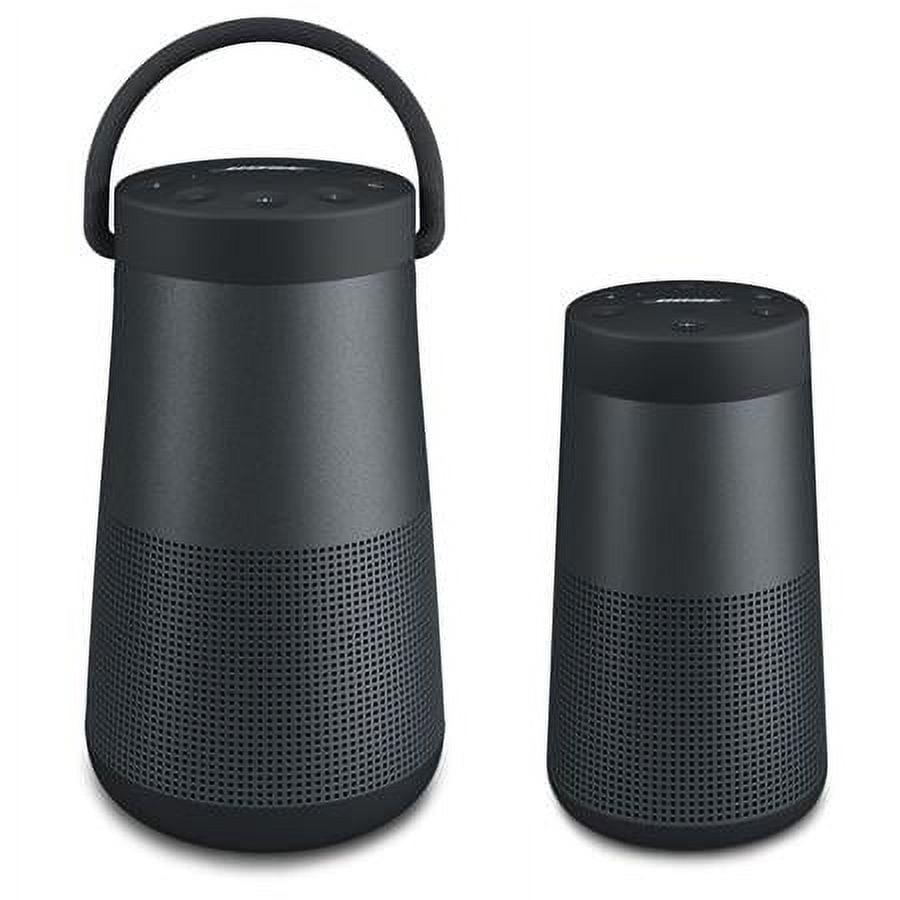
The physical differences reflect these philosophies. The JBL Charge 6 measures significantly larger and weighs nearly 1 kilogram, but includes thoughtful touches like a detachable handle strap that can be configured as either a carrying loop or grip. The Bose SoundLink Revolve II prioritizes packability with its compact cylindrical design and lighter construction, though it sacrifices some structural robustness for portability.
Sound quality represents the most significant performance gap between these speakers, though the winner depends entirely on how and where you listen. At moderate volumes—the kind you'd use for background music or small group listening—both speakers perform admirably, with the Bose SoundLink Revolve II actually holding a slight edge in tonal balance and vocal clarity.
However, as volume levels increase beyond 50-60%, the fundamental design differences become apparent. The JBL Charge 6 maintains composure, delivering tight bass control, clear midrange detail, and crisp treble even when pushed to higher outputs. This capability stems from its larger woofer (53mm x 93mm oval design) paired with a dedicated 20mm tweeter, powered by a total of 45 watts RMS output.
The Bose SoundLink Revolve II struggles with dynamic compression at higher volumes—a technical term describing what happens when a speaker can't handle demanding audio passages and starts "squashing" the sound to prevent damage. This compression makes bass response muddy, pushes vocals into the background, and creates an overall sense that the music is fighting against the speaker's limitations.
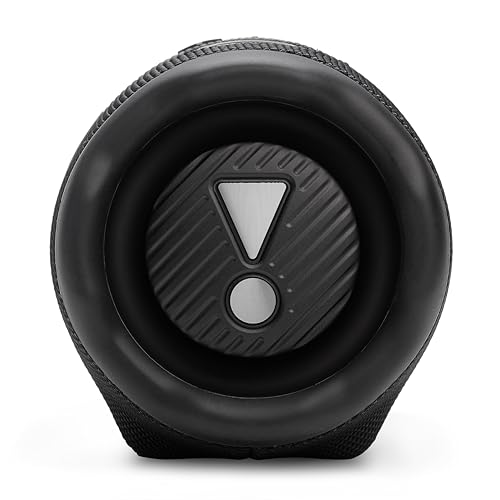
Bass response deserves special attention since it's often the first casualty of compact speaker design. The JBL Charge 6 incorporates dual passive radiators—essentially speaker cones without voice coils that move in response to air pressure from the main drivers. These passive radiators enhance bass extension and impact without requiring additional amplification. The result is bass that sounds fuller and more controlled, particularly at higher volumes where the Bose SoundLink Revolve II's single driver configuration shows its limitations.
For frequency response—the range of sounds a speaker can reproduce—the JBL Charge 6 extends down to 56 Hz, capturing more of the low-end frequencies that give music weight and impact. While neither speaker reaches the sub-bass levels of larger home speakers, the JBL provides noticeably more low-end presence.
One of the most revealing performance differences emerges when examining how each speaker handles different volume levels, since this directly impacts real-world usability. Based on our research of professional measurements and user experiences, the performance gap widens dramatically as volume increases.
At conversational levels (around 70-75 dB SPL, equivalent to normal speaking volume), both speakers deliver pleasant, well-balanced sound. The Bose SoundLink Revolve II actually excels here, with its 360-degree sound design creating an even listening experience regardless of your position relative to the speaker.
Push into party territory (85-90 dB SPL), and the JBL Charge 6 begins asserting its advantages. The larger drivers and more powerful amplification maintain clarity and control, while the Bose SoundLink Revolve II starts showing strain with compressed dynamics and reduced bass impact.
At maximum volumes, the difference becomes stark. Professional testing reveals that the JBL Charge 6 can produce clean, undistorted output at levels that leave the Bose SoundLink Revolve II sounding muddy and constrained. This isn't just about maximum loudness—it's about maintaining audio quality at the volumes people actually want for outdoor gatherings, exercise, or filling larger spaces with sound.
Water resistance ratings use the IP (Ingress Protection) system, where the first digit indicates dust protection and the second covers liquid protection. Understanding these ratings helps determine which speaker suits your lifestyle.
The JBL Charge 6's IP68 rating means complete dust protection (the "6") and the ability to withstand continuous submersion beyond 1 meter depth (the "8"). JBL specifically rates it for submersion up to 1.5 meters for 30 minutes, making it genuinely waterproof for pool parties, beach trips, or even accidental drops in water.
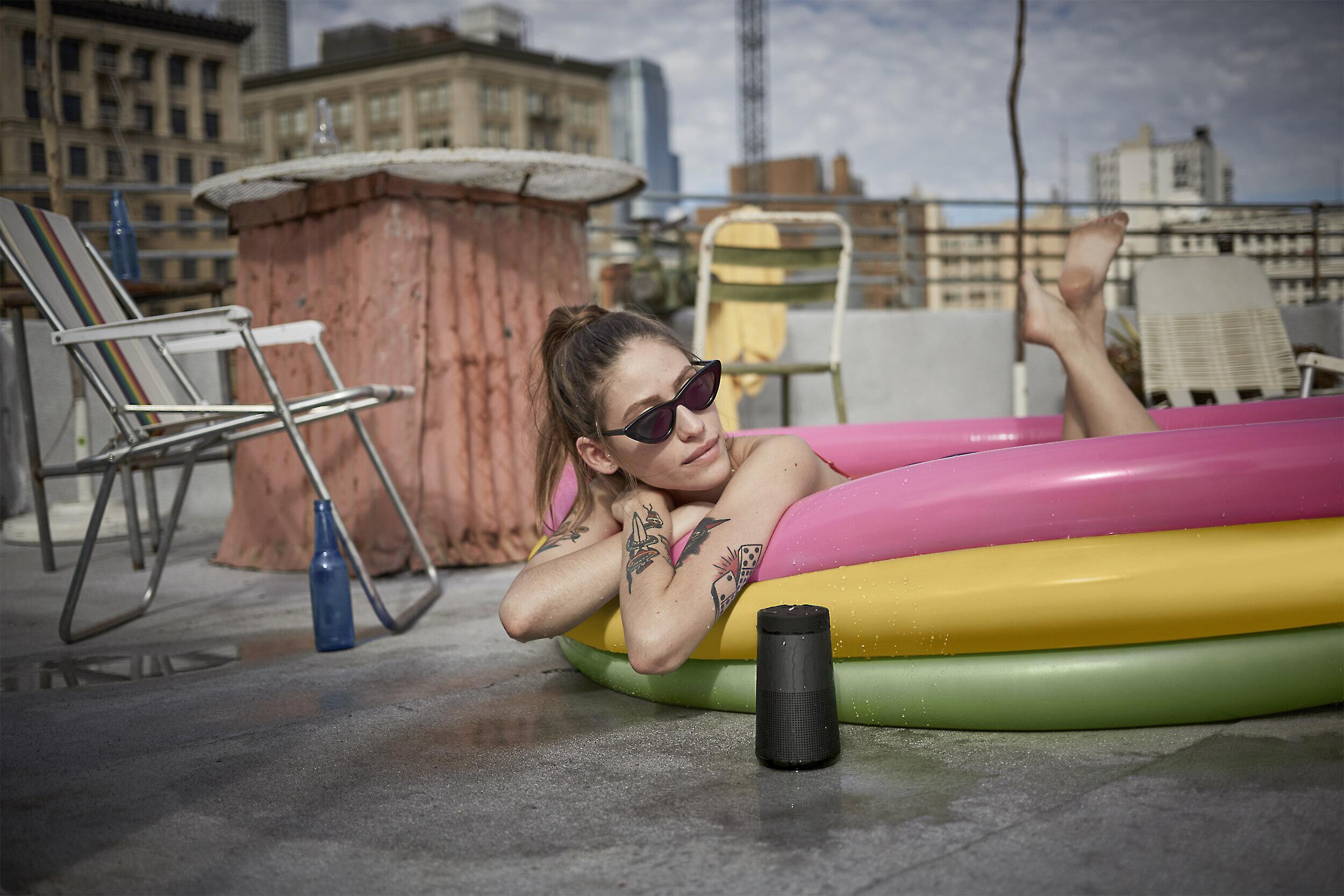
The Bose SoundLink Revolve II's IP55 rating provides limited dust protection (the "5") and protection against water jets from any direction (the second "5"). In practical terms, this means it can handle splashing, rain, and accidental spills but should not be submerged. For most indoor and casual outdoor use, IP55 proves adequate, but it's not suitable for water-heavy environments.
The durability difference extends beyond water resistance. The JBL Charge 6 has been drop-tested from 1-meter heights, while the Bose SoundLink Revolve II prioritizes lighter construction that may be more vulnerable to impact damage. This trade-off reflects each manufacturer's target use cases—JBL anticipating rougher outdoor conditions, Bose focusing on careful handling in travel scenarios.
Battery life claims in the speaker industry are notoriously optimistic, typically measured at low volumes with simplified test tones that don't reflect real music playback. The JBL Charge 6 advertises up to 28 hours of playback (24 hours standard, plus 4 hours with Playtime Boost mode), while the Bose SoundLink Revolve II claims 13 hours.
Real-world testing reveals more modest but still impressive results. At realistic listening volumes (around 80 dB SPL), the JBL Charge 6 delivers approximately 13-14 hours of playback—roughly half the advertised maximum but still exceptional for the category. The Playtime Boost feature can extend this further by reducing bass and lower-midrange frequencies, though this comes with audible sound quality trade-offs.
The Bose SoundLink Revolve II more closely matches its advertised 13-hour rating under similar conditions. While this represents honest marketing, it also means significantly more frequent charging cycles for heavy users.
Charging technology also differs meaningfully. The JBL Charge 6 uses modern USB-C with quick charging capabilities—10 minutes of charging provides 150 minutes of playback time. The Bose SoundLink Revolve II relies on older micro-USB technology without fast charging support.
Additionally, the JBL Charge 6 functions as a power bank, allowing you to charge smartphones or other devices through its USB port. This dual-purpose functionality proves surprisingly useful during extended outdoor activities or travel when portable charging options are limited.
Modern premium speakers should offer meaningful customization options, and this represents another area where these speakers diverge significantly. The JBL Charge 6 includes a comprehensive 7-band equalizer through the JBL Portable app, allowing precise adjustment of different frequency ranges. This granular control lets you optimize sound for different music genres, room acoustics, or personal preferences.
For example, you might boost mid-bass for hip-hop and electronic music, enhance midrange clarity for podcasts and vocals, or adjust treble response for overly bright recordings. This level of customization transforms how the speaker performs across different content types.
The Bose SoundLink Revolve II provides only basic 3-band EQ adjustment (bass, midrange, treble), which feels limited by contemporary standards. While sufficient for minor adjustments, it doesn't offer the fine-tuning capabilities that can make a significant difference in sound quality.
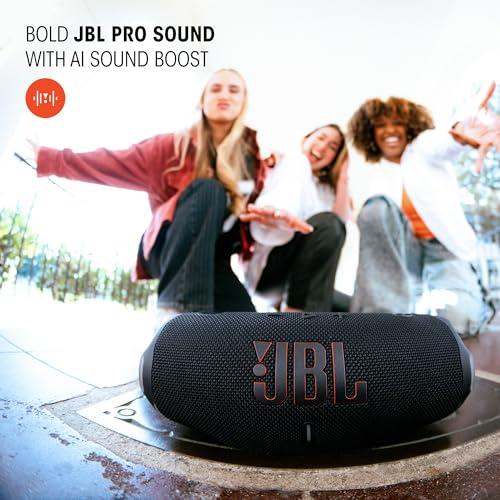
AI Sound Boost technology in the JBL Charge 6 represents a more sophisticated approach to audio optimization. This algorithm continuously analyzes incoming audio and adjusts driver performance in real-time to minimize distortion and maximize clarity. Unlike room correction features that require microphones and setup procedures, AI Sound Boost works transparently in the background to optimize performance across different music types and volume levels.
Both speakers support multi-unit connectivity, but through different technologies with varying future-proofing implications. The JBL Charge 6 uses Auracast, a next-generation Bluetooth standard that promises broader compatibility with future devices and speakers. Auracast enables both stereo pairing (connecting two identical speakers for left/right channel separation) and party mode (connecting multiple speakers for synchronized playback across larger areas).
The Bose SoundLink Revolve II supports Bose's proprietary party mode and stereo pairing, but only with other compatible Bose speakers. While this works well within Bose's ecosystem, it limits flexibility if you want to mix brands or upgrade to non-Bose speakers in the future.
For users considering eventually building a multi-room or multi-speaker setup, the JBL Charge 6's open standard approach provides more flexibility and future compatibility assurance.
The JBL Charge 6 supports lossless audio playback through its USB-C connection, handling high-resolution files up to 24-bit/192kHz. This capability matters for users with high-quality music files from services like Tidal, Apple Music Lossless, or personal FLAC collections. While Bluetooth audio quality has improved significantly with modern codecs, a wired connection still provides the highest possible audio fidelity.
This lossless audio support also makes the JBL Charge 6 more suitable for home theater applications, where you might want to connect directly to a TV, computer, or streaming device for the best possible sound quality. The USB-C connection provides both audio input and power, simplifying setup.
The Bose SoundLink Revolve II relies entirely on Bluetooth connectivity, which limits it to compressed audio formats. While modern Bluetooth codecs like aptX and AAC provide good quality, they can't match the fidelity of uncompressed digital audio connections.
While both speakers are designed primarily for portable use, they can serve as temporary or supplemental home audio solutions. The JBL Charge 6's larger size, more powerful output, and USB-C connectivity make it better suited for home theater enhancement, particularly for smaller rooms or as a TV audio upgrade.
The mono output limitation affects both speakers when used in home theater scenarios. However, the JBL Charge 6 can be paired with a second unit to create true stereo separation, which significantly improves the home viewing experience. The Bose SoundLink Revolve II's 360-degree design works well for ambient music playback but doesn't provide the directional sound imaging that enhances movie and TV viewing.
For users who want a speaker that can pull double duty as both a portable device and occasional home audio enhancement, the JBL Charge 6 offers more versatility and better performance scaling.
At similar price points (at the time of writing), these speakers offer dramatically different value propositions. The JBL Charge 6 provides more features, better high-volume performance, longer battery life, superior water resistance, and more comprehensive connectivity options. From a purely objective standpoint, it delivers more capability per dollar spent.
However, value calculations aren't purely objective. The Bose SoundLink Revolve II's compact size and lighter weight provide genuine utility for users who prioritize portability above all other considerations. For backpackers, frequent travelers, or users with limited storage space, the size advantage might justify accepting trade-offs in other areas.
The JBL Charge 6's power bank functionality adds practical value by eliminating the need for separate portable charging devices. Combined with its longer battery life, this feature can reduce the total number of devices you need to carry and charge.
The JBL Charge 6 makes the most sense for users who want maximum versatility and performance from their portable speaker investment. Choose it if you frequently listen at higher volumes, need genuine waterproofing for water-based activities, value extended battery life for all-day events, or want comprehensive customization options. It's particularly well-suited for outdoor enthusiasts, party hosts, and users who want one speaker that can handle diverse scenarios from quiet indoor listening to loud outdoor gatherings.
The Bose SoundLink Revolve II serves users who prioritize extreme portability and primarily listen at moderate volumes. It makes sense for frequent travelers who need minimal pack weight and size, users who mainly listen to music as background ambiance, or those who prefer simpler operation without extensive customization options. The 360-degree sound design works particularly well for group listening scenarios where people are positioned around the speaker rather than in front of it.
Based on our research and analysis of expert reviews and user experiences, the JBL Charge 6 provides superior overall value and performance for most users. Its advantages in high-volume sound quality, battery life, water resistance, and feature comprehensiveness outweigh the size and weight penalties for the majority of use cases.
The Bose SoundLink Revolve II remains a solid choice for users who prioritize maximum portability and are willing to accept significant compromises in battery life, volume handling, and water resistance. However, these trade-offs feel substantial given the similar pricing.
For users deciding between these speakers, consider your primary use cases honestly. If you mainly listen at low to moderate volumes and portability trumps everything else, the Bose makes sense. For everyone else—particularly users who want a speaker that can handle diverse scenarios and provide room to grow—the JBL Charge 6 delivers better long-term satisfaction and versatility.
The premium portable speaker category continues evolving rapidly, with new technologies like spatial audio, advanced noise cancellation, and improved battery chemistry appearing regularly. The JBL Charge 6's more recent release date and forward-looking features like Auracast connectivity suggest it will remain relevant longer as these technologies mature and become standard.
| JBL Charge 6 | Bose SoundLink Revolve II |
|---|---|
| Power Output - Determines maximum volume and sound quality at high levels | |
| 45W RMS (30W woofer + 15W tweeter) | 2 x 22.5W drivers |
| Battery Life - Critical for all-day outdoor use and travel | |
| Up to 28 hours claimed (13-14 hours real-world at 80dB) | 13 hours claimed and achieved |
| Water Resistance - Essential for poolside, beach, and outdoor activities | |
| IP68 (fully waterproof, submersible to 1.5m) | IP55 (splash resistant, not submersible) |
| Size & Weight - Affects portability vs performance trade-off | |
| 988g, larger form factor with detachable handle | Lighter, compact cylindrical design with finger loop |
| Audio Customization - Important for optimizing sound to your preferences | |
| 7-band EQ via JBL Portable app | 3-band EQ (bass, mids, treble) |
| Connectivity Features - Modern convenience and future-proofing | |
| USB-C (lossless audio + power bank), Bluetooth 5.4, Auracast | Micro-USB charging, Bluetooth 4.1, Bose Party Mode |
| Bass Enhancement - Critical for full, impactful sound | |
| Dual passive radiators, extends to 56Hz | Single driver configuration, limited low-end extension |
| Sound Design - Affects room coverage and stereo imaging | |
| Directional (optimal when facing listener), stereo pairing capable | 360-degree omnidirectional coverage |
| Release Year - Indicates technology generation and longevity | |
| 2024 (latest AI Sound Boost, modern features) | 2021 (established design, proven reliability) |
| Quick Charging - Convenience for frequent use | |
| 10 minutes = 150 minutes playback, power bank function | No fast charging, micro-USB only |
The JBL Charge 6 is significantly better for outdoor use due to its IP68 waterproof rating, which allows full submersion up to 1.5 meters. The Bose SoundLink Revolve II only has IP55 splash resistance and cannot be submerged. The JBL Charge 6 also delivers better performance at higher volumes needed for outdoor gatherings and has much longer battery life for all-day events.
At moderate volumes, both speakers perform well, with the Bose SoundLink Revolve II offering slightly better balance. However, the JBL Charge 6 significantly outperforms at higher volumes, maintaining clear, undistorted sound while the Bose SoundLink Revolve II suffers from compression and muddy bass. The JBL Charge 6 also provides deeper bass extension and more powerful output overall.
The JBL Charge 6 offers superior battery life with up to 28 hours claimed (13-14 hours real-world testing) compared to the Bose SoundLink Revolve II's 13 hours. The JBL Charge 6 also includes fast charging (10 minutes for 150 minutes playback) and functions as a power bank to charge other devices, while the Bose SoundLink Revolve II lacks these features.
The JBL Charge 6 is excellent for parties with its 45W output, clean high-volume performance, and ability to pair with other speakers using Auracast technology. The Bose SoundLink Revolve II struggles at party volumes due to dynamic compression and limited power output, though its 360-degree sound design works well for smaller gatherings where moderate volume is sufficient.
The Bose SoundLink Revolve II is more portable due to its compact cylindrical design and lighter weight, making it ideal for backpacking and travel. The JBL Charge 6 is larger and heavier at 988g but includes a detachable handle for easier carrying. Choose the Bose SoundLink Revolve II if maximum portability is your priority, or the JBL Charge 6 if you can accept the larger size for better performance.
The JBL Charge 6 offers comprehensive sound customization with a 7-band equalizer through the JBL Portable app, allowing precise adjustment across different frequency ranges. The Bose SoundLink Revolve II provides only basic 3-band EQ control (bass, mids, treble). For users who want to fine-tune their audio experience, the JBL Charge 6 provides significantly more flexibility.
The JBL Charge 6 features modern Bluetooth 5.4 and Auracast technology for connecting multiple speakers, plus USB-C for lossless audio and device charging. The Bose SoundLink Revolve II uses older Bluetooth 4.1 and micro-USB charging with Bose's proprietary party mode. The JBL Charge 6 offers more versatile and future-proof connectivity options.
Neither speaker is specifically designed for home theater, but the JBL Charge 6 works better as a TV audio upgrade due to its directional sound design, USB-C connectivity for lossless audio, and ability to stereo pair with another unit. The Bose SoundLink Revolve II's 360-degree design is better suited for ambient music rather than directional home theater audio.
The JBL Charge 6 provides superior value with more features, better high-volume performance, longer battery life, genuine waterproofing, and comprehensive connectivity at a similar price point. The Bose SoundLink Revolve II commands a premium mainly for its compact size and brand reputation, but offers fewer objective benefits per dollar spent.
The JBL Charge 6 is more durable with IP68 waterproofing, drop-proof testing from 1 meter, and rugged construction designed for outdoor use. The Bose SoundLink Revolve II has IP55 splash resistance and prioritizes lighter construction over maximum durability. For users who need a speaker that can handle rough conditions, the JBL Charge 6 is the clear choice.
The JBL Charge 6 delivers significantly better bass with dual passive radiators, larger woofer, and frequency extension down to 56Hz. It maintains tight, controlled bass even at high volumes. The Bose SoundLink Revolve II has adequate bass for its size but lacks the depth and power of the JBL Charge 6, especially when playing bass-heavy genres like hip-hop or electronic music.
Choose the JBL Charge 6 if you want maximum versatility, better high-volume performance, longer battery life, genuine waterproofing, and comprehensive features. Choose the Bose SoundLink Revolve II only if extreme portability is your top priority and you primarily listen at moderate volumes. For most users, the JBL Charge 6 provides better overall value and performance across diverse use cases.
We've done our best to create useful and informative comparisons to help you decide what product to buy. Our research uses advanced automated methods to create this comparison and perfection is not possible - please contact us for corrections or questions. These are the sites we've researched in the creation of this article: rtings.com - youtube.com - stereoguide.com - whathifi.com - youtube.com - elomymelo.com - soundguys.com - elomymelo.com - wifihifi.com - soundguys.com - jbl.com - whathifi.com - soundguys.com - youtube.com - smarthomesounds.co.uk - jbl.com - sweetwater.com - youtube.com - bestbuy.com - jbl.com.sg - jbl.com - dell.com - ca.jbl.com - soundguys.com - soundguys.com - dell.com - dxomark.com - bose.com - youtube.com - rtings.com - consumerreports.org - soundguys.com - boselatam.com - boselatam.com - bose.com - adorama.com - leedsworldrefill.com - bose.com - bestbuy.com

Privacy Policy
Terms and Conditions - Affiliate Policy
Home Security
© Copyright 2008-2026.
11816 Inwood Rd #1211, Dallas, TX 75244